Category: kids activities

  • 35 Summer Activities for Pre-Schoolers That Beat Boredom (No Screens Required)

    35 Summer Activities for Pre-Schoolers That Beat Boredom (No Screens Required)

    The first week of summer break is pure magic. By week three, you’re hiding the tablet and praying for September. If you’re searching for summer activities for pre-schoolers that actually hold their attention—without relying on screens, expensive memberships, or Pinterest-level preparation—you’ve come to the right place. The 35 ideas below are designed for real life: short attention spans, hot afternoons, unexpected rain showers, and the ever-present need for you to also get things done. From sensory bins that buy you twenty minutes of coffee-sipping peace to outdoor adventures that tire out even the most energetic three-year-old, this list has something for every mood, weather condition, and energy level.


    Why Summer Is Different (And Why That’s Okay)

    Summer parenting comes with unique challenges. There’s no school schedule to anchor the day. The heat limits outdoor time. And somehow, your pre-schooler has even more energy than they did in May.

    Here’s the secret: pre-schoolers don’t need elaborate activities. They need contained chaos—a clear boundary (a bin, a splash pad, a chalk square) within which they can explore freely. The activities below are built on that principle. Most take less than five minutes to set up and use supplies you already own.

    One more thing: you don’t need to do all 35. Pick five that match your child’s current obsession (dinosaurs? water? trucks? stickers?) and rotate them. Repetition is not boredom for a pre-schooler—it’s mastery.


    Outdoor Summer Activities for Pre-Schoolers

    Fresh air and sunshine are free. Use them.

    1. The Mud Kitchen (No Fancy Supplies)
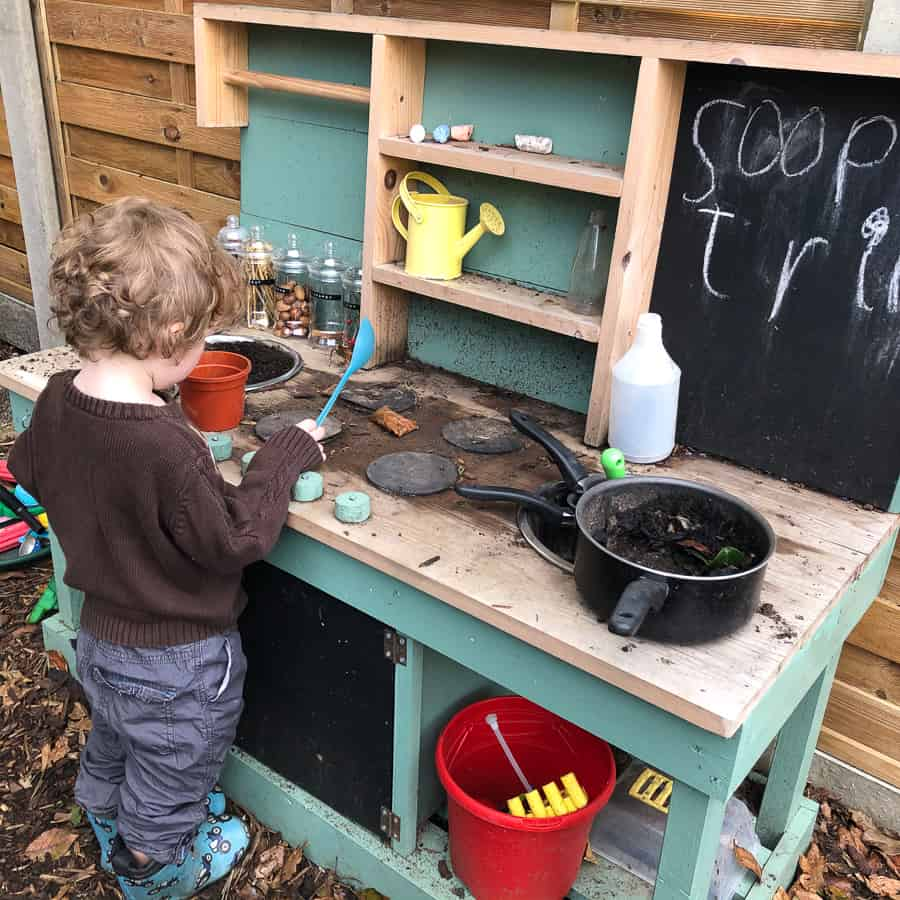
    Find an old plastic bin or a corner of the dirt patch. Add spoons, cups, a whisk, and water. That’s it. Your child will mix, pour, stir, and “cook” for forty-five minutes.

    Parent role: Sit nearby with coffee. Only intervene if mud goes in mouth.

    Age adaptation: 2-year-olds need larger utensils. 4-year-olds will name their dishes and serve you.

    2. Car Wash Station
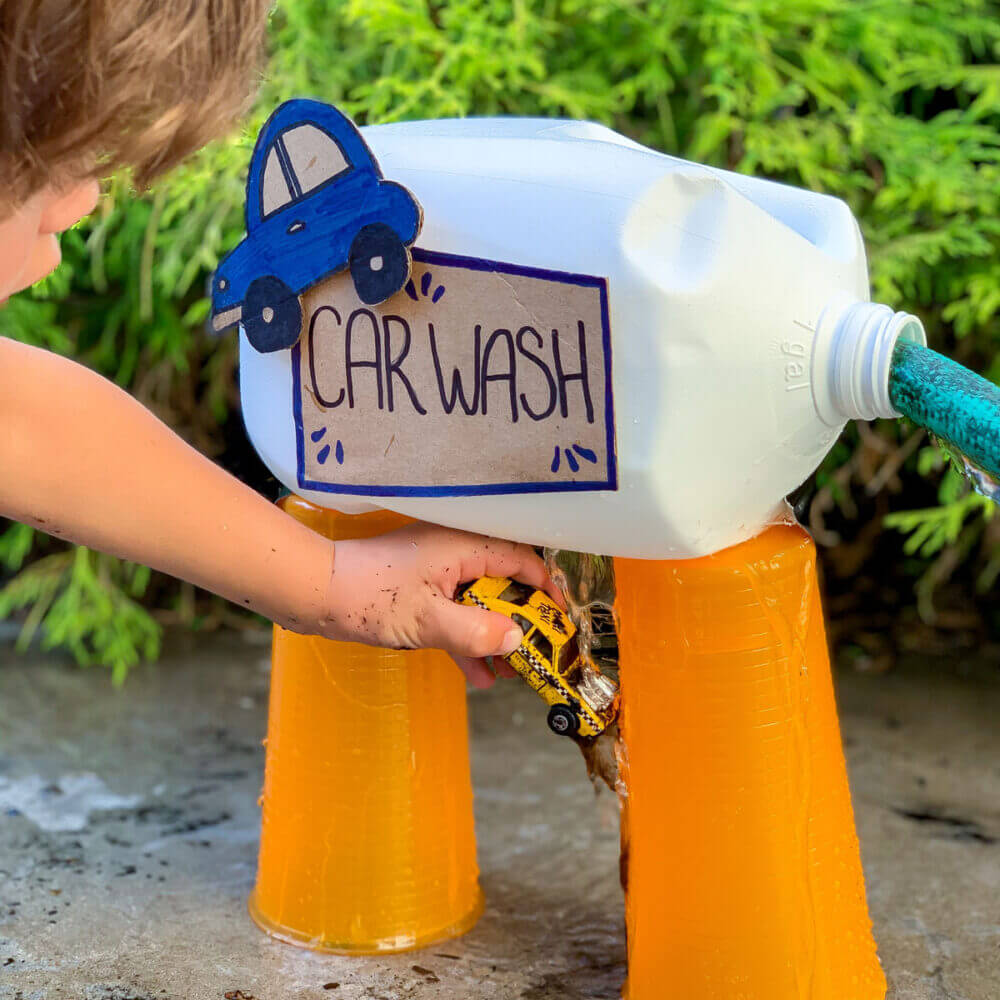
    Fill two plastic bins: one with soapy water, one with clean rinse water. Add toy cars, a paintbrush, and an old towel. Your child washes, rinses, and dries each car.

    Parent role: Refill water when it becomes mud. Otherwise, supervise from the shade.

    Why it works: Pre-schoolers love cause and effect. Wet car + brush = bubbles. Bubbles + towel = dry. Predictable, satisfying, endlessly repeatable.

    3. Shadow Tracing
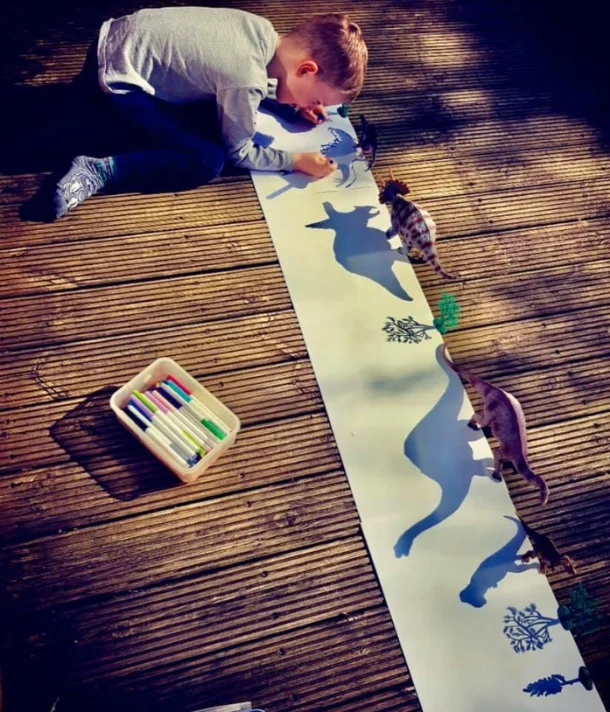
    On a sunny morning, place a toy dinosaur (or doll, or truck) on a piece of paper. Your child traces its shadow. By afternoon, the shadow has moved—trace it again and compare.

    Parent role: Show them how once. Then step back.

    Learning bonus: Introduces light, movement, and time in a concrete way.

    4. Sprinkler Run-Through
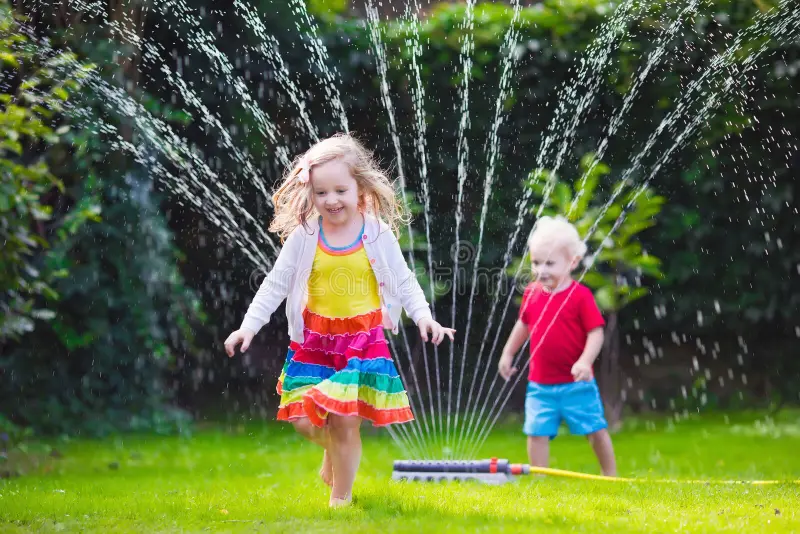
    No pool? No problem. A $10 sprinkler from the hardware store provides hours of running, shrieking, and cooling off. Add bathing suits and towels.

    Parent role: Turn the sprinkler on. Sit in a chair. That’s it.

    5. Ice Block Rescue

    Freeze a small toy inside a block of ice (use a plastic container). Give your child a spoon, a spray bottle of warm water, and a paintbrush. Their mission: free the toy.

    Parent role: Provide tools. Resist the urge to “help” by cracking the ice. The struggle is the point.

    Time killer: 20-40 minutes, depending on ice thickness and sun strength.

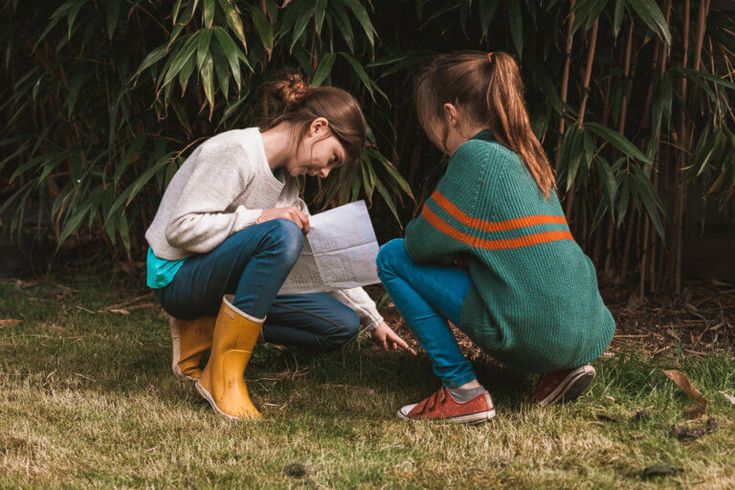
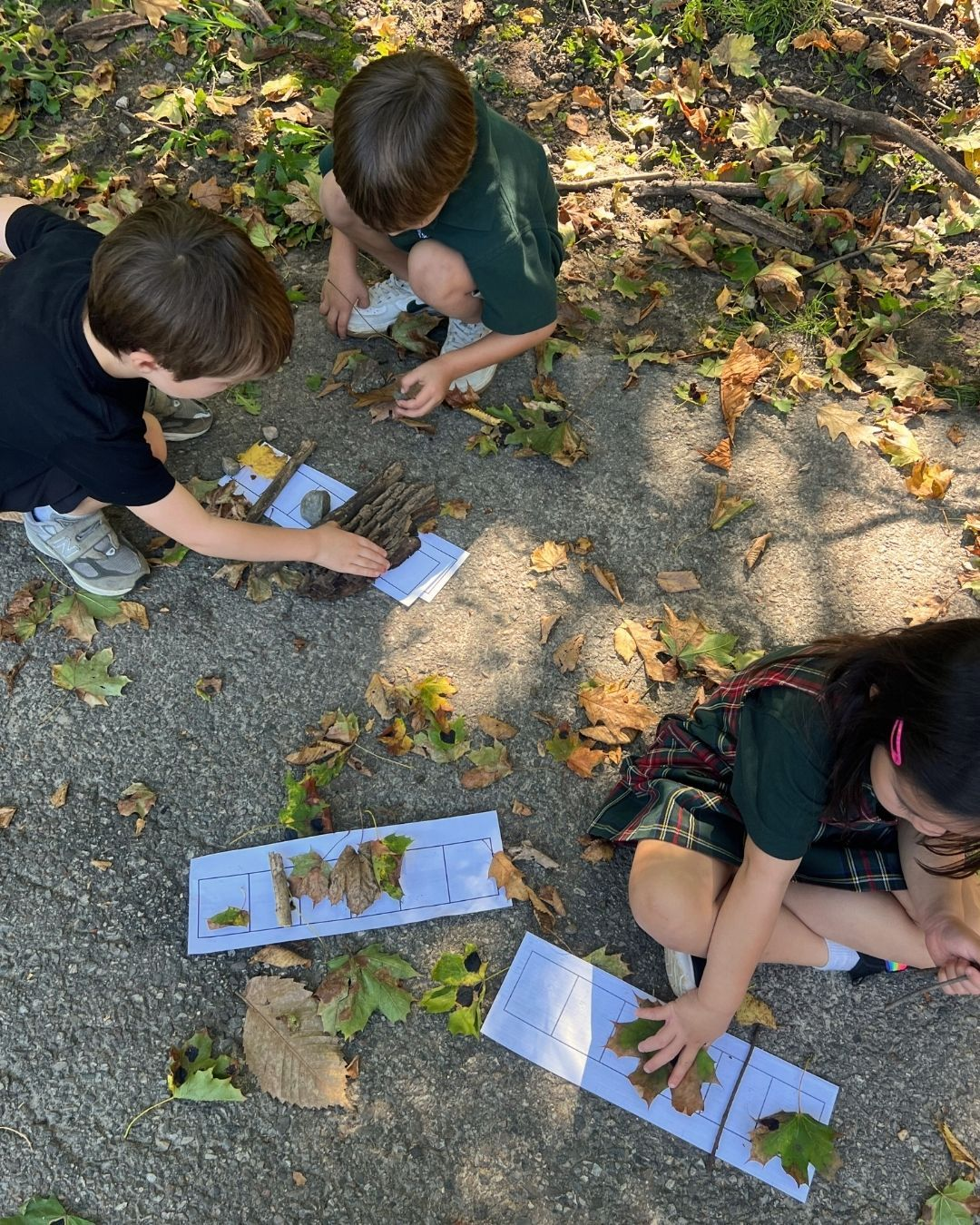
    6. Nature Color Hunt

    Give your child a piece of cardboard with six colored squares painted on it (red, green, brown, yellow, white, purple). Send them into the yard or park to find something that matches each color.

    Parent role: Walk alongside for safety. Ask, “What color is this leaf?” Let them decide the match.

    7. Sidewalk Chalk Obstacle Course
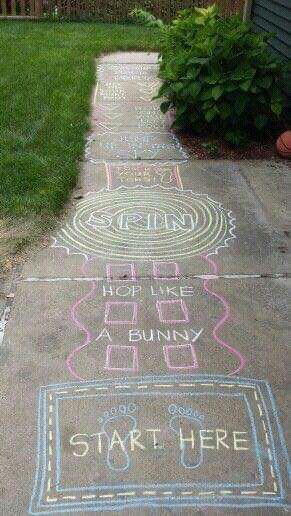
    Draw a hopscotch path, a wavy line to balance on, circles to jump into, and a “finish” square. Your child follows the course.

    Parent role: Draw the course. Then become the cheerleader.

    Adaptation: For 2-year-olds, draw only a straight line to walk on. For 4-year-olds, add directions (“spin here,” “clap three times”).

    8. Bubble Snake
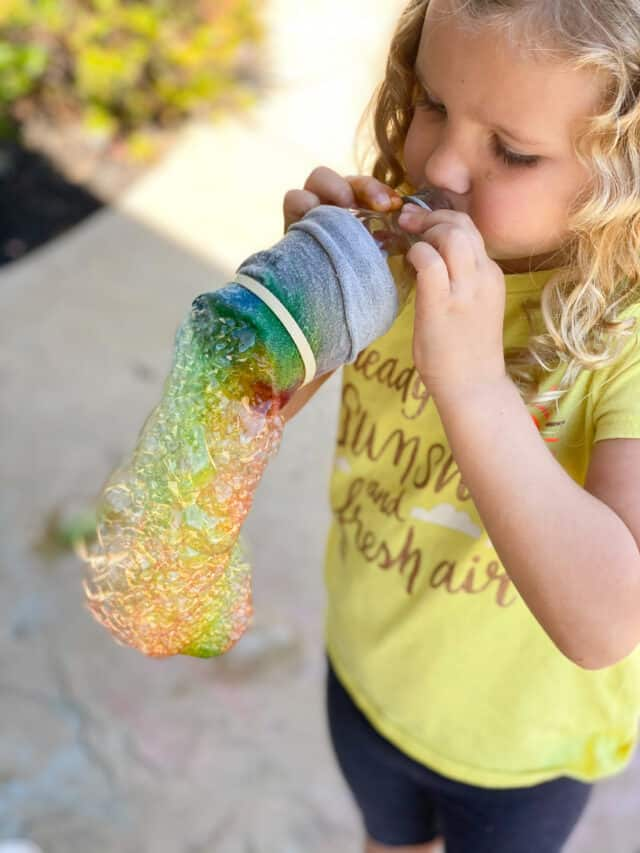
    Cut the bottom off a plastic water bottle. Cover the cut end with a sock, secured by a rubber band. Dip the sock end in bubble solution (dish soap + water). Blow through the mouthpiece. A long, snake-like bubble tube emerges.

    Parent role: Help cut the bottle. Then let them blow.

    9. Bird Feeder from a Toilet Roll
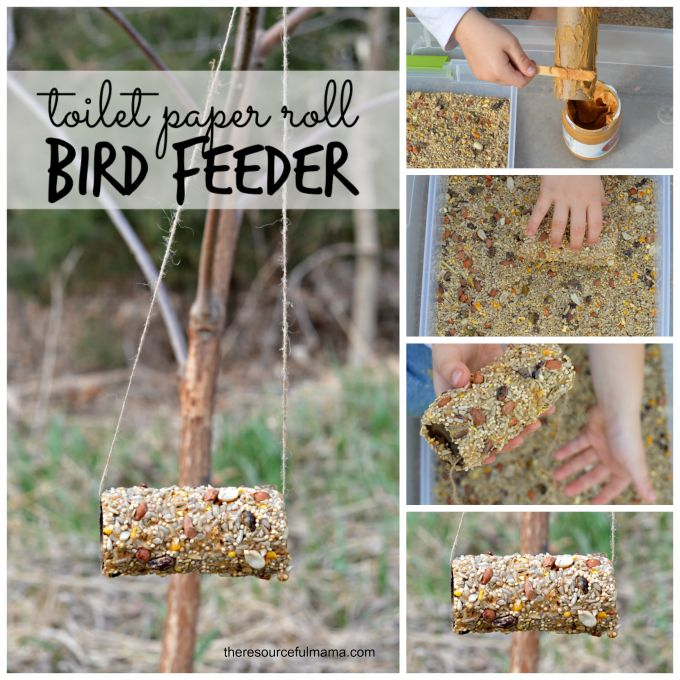
    Spread peanut butter (or sun butter) on a cardboard toilet roll. Roll it in birdseed. Slide it onto a tree branch. Watch from the window.

    Parent role: Spread the peanut butter (little hands make a mess). Let them do the rolling and placing.

    10. Puddle Jumping (Yes, On Purpose)
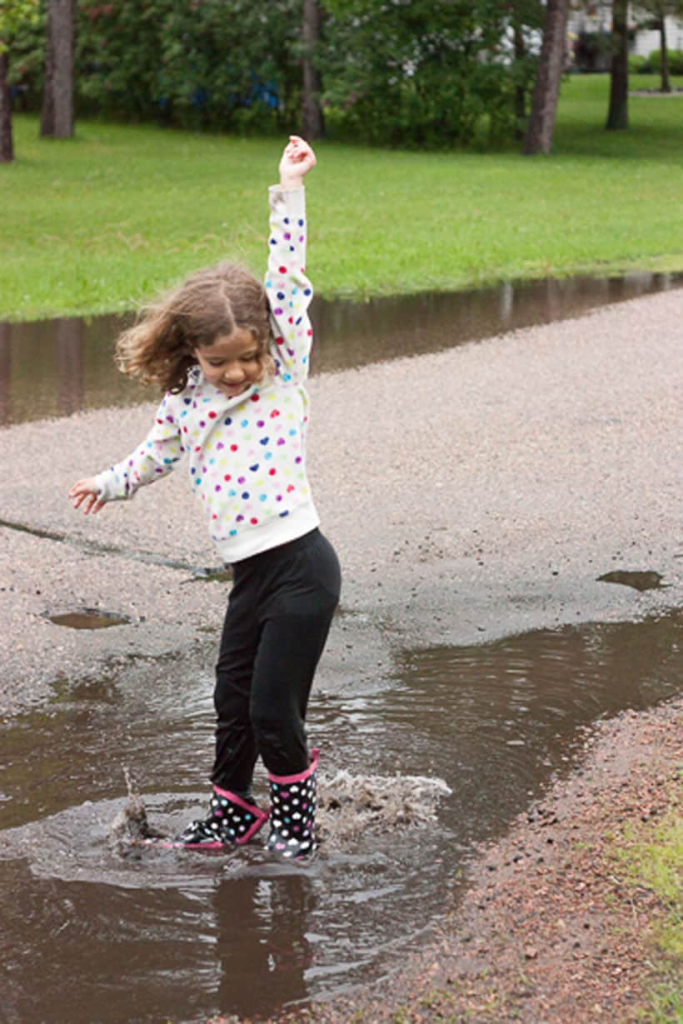
    After rain, suit up in boots and old clothes. Find puddles. Jump. Repeat. No agenda. No “learning moment.” Just joy.

    Parent role: Jump too. Or at least pretend to be impressed.


    Water Play Summer Activities for Pre-Schoolers

    Water is the ultimate pre-schooler magnet. These activities require minimal setup and maximal engagement.

    11. Sink or Float Lab
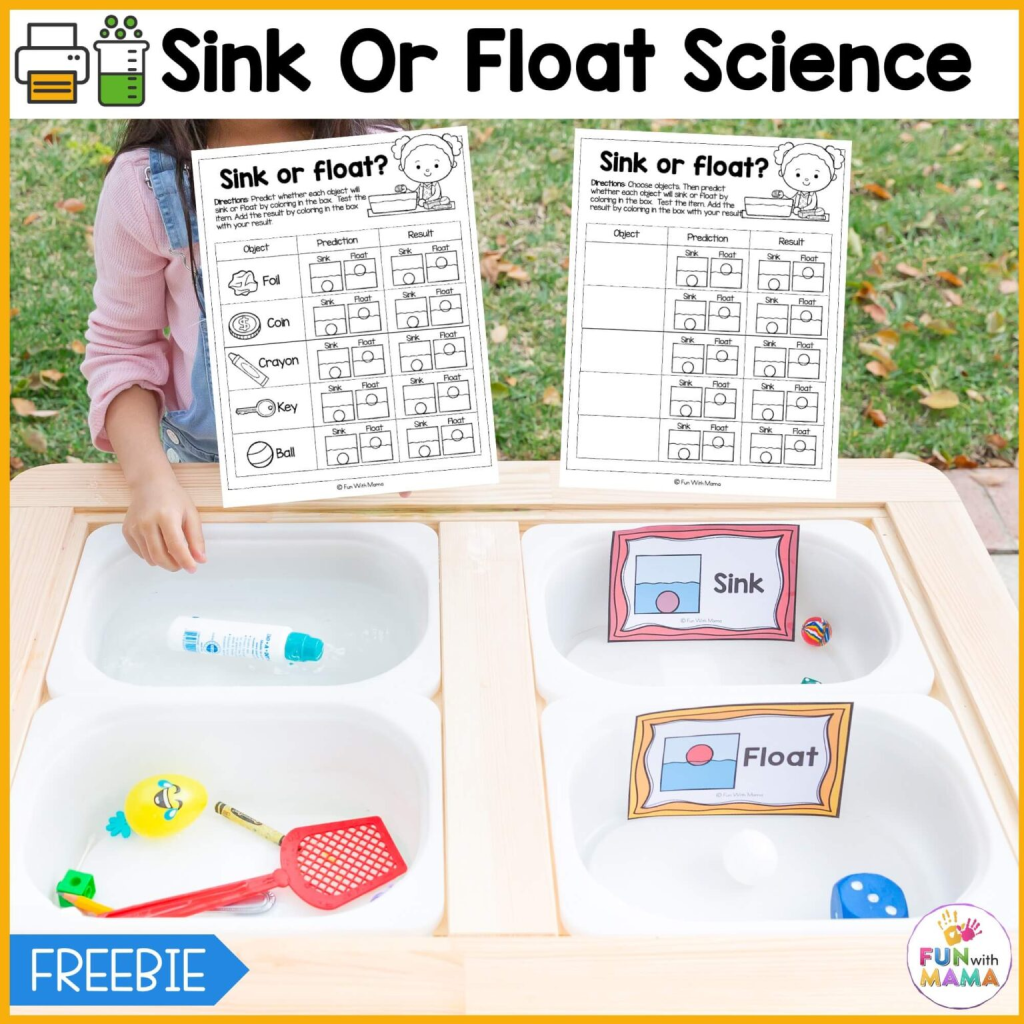
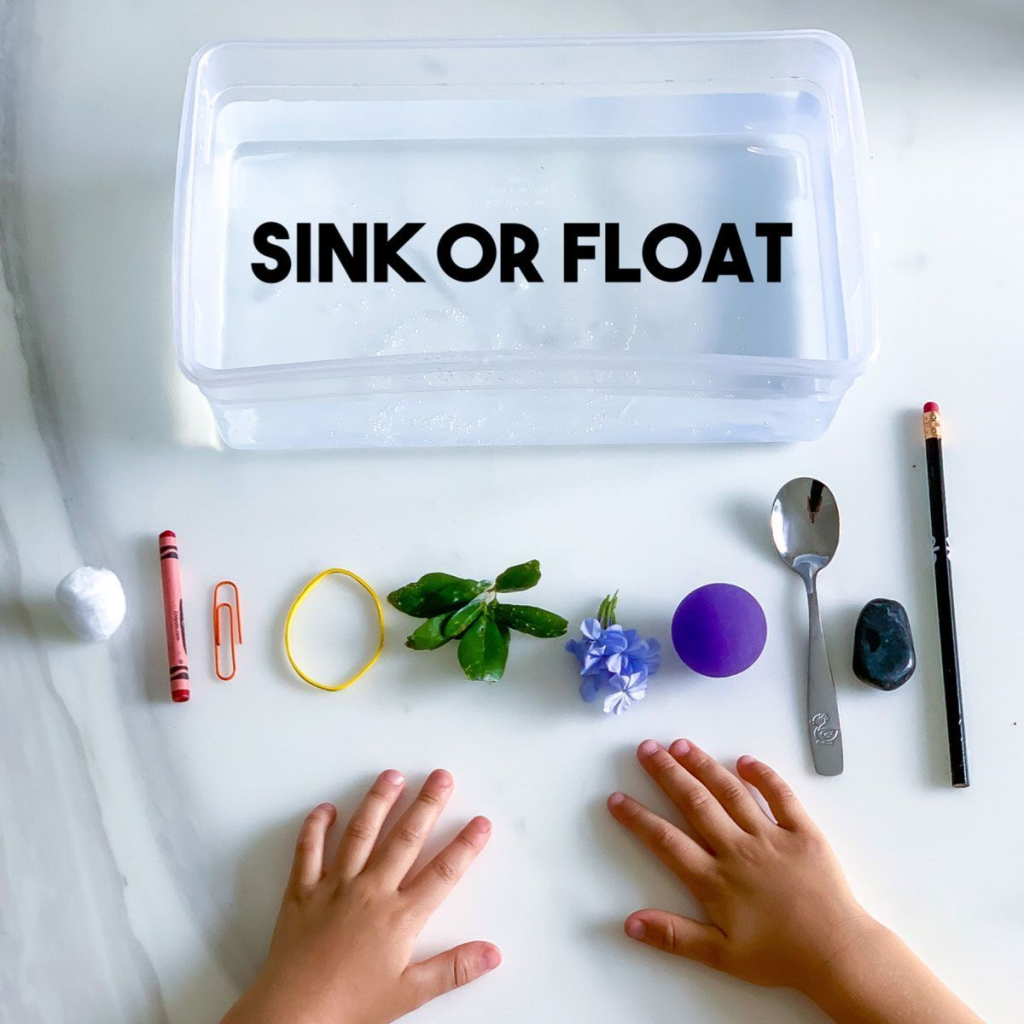
    Fill a bin with water. Gather ten small objects (rock, coin, rubber duck, cork, grape, toy car). Your child predicts “sink” or “float,” then tests each one.

    Parent role: Ask the question before each drop: “What do you think will happen?” No correcting—let them discover.

    12. Painting with Water
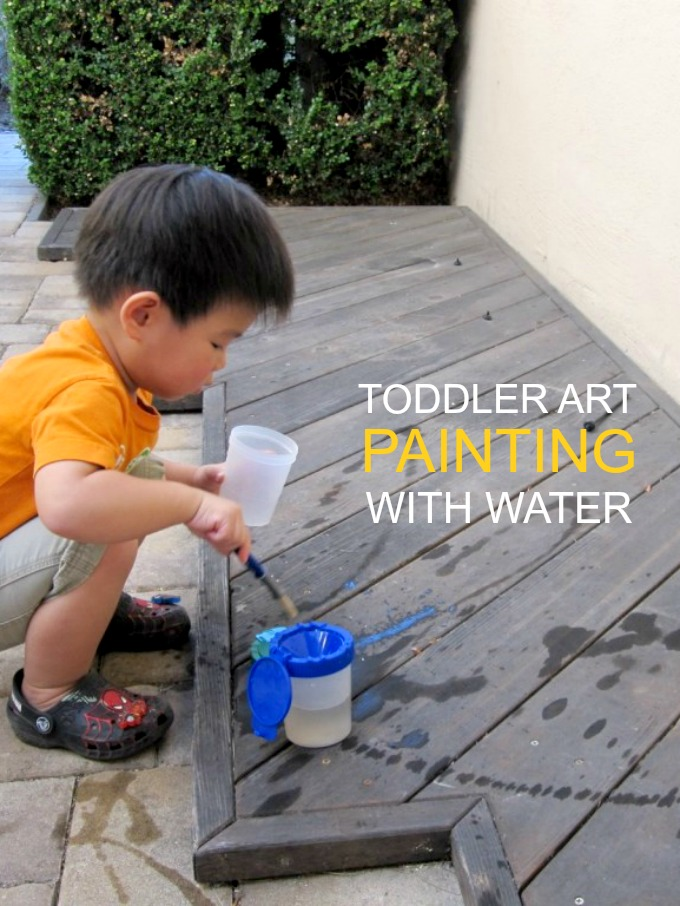
    Give your child a paintbrush and a cup of water. Send them to a fence, sidewalk, or exterior wall. They “paint” until the water dries and disappears.

    Parent role: Refill the cup. Marvel at their masterpieces.

    Why it’s genius: Zero mess. Zero cleanup. Endless fun.

    13. Dish Washing Station
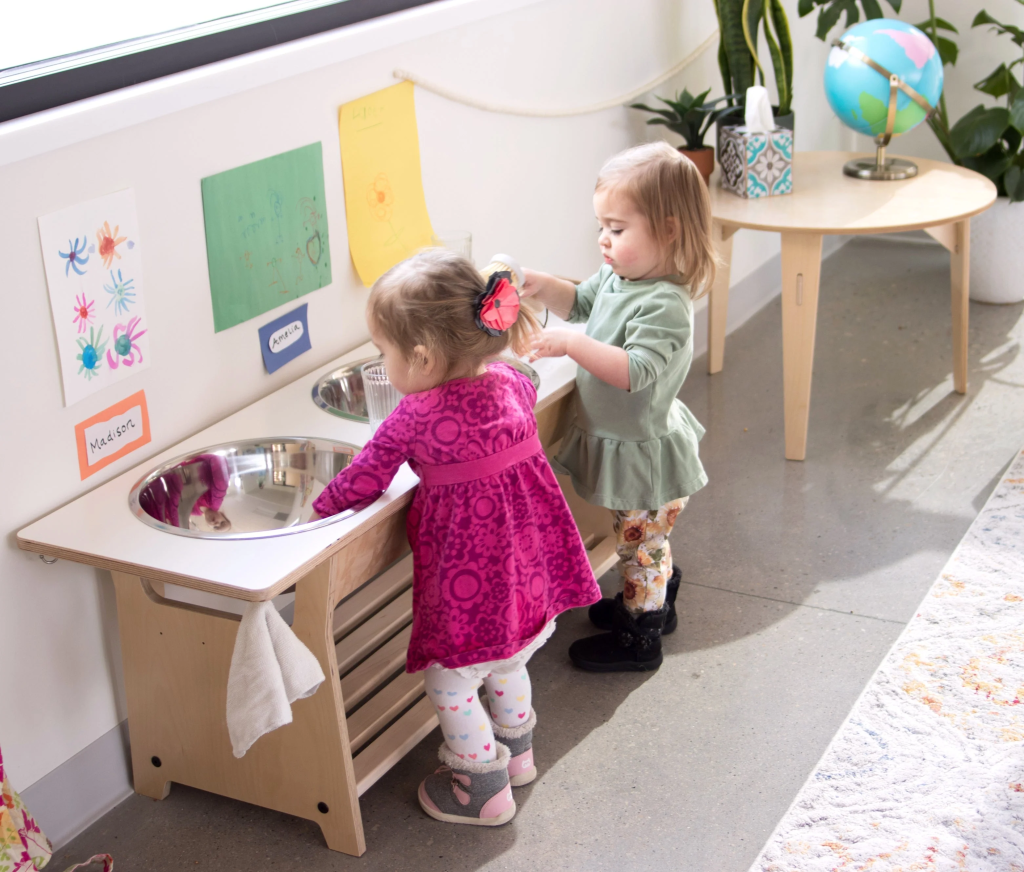
    Fill one bin with soapy water. Give your child plastic dishes, a sponge, and a drying rack. They wash. You sit.

    Parent role: Occasionally admire a “clean” dish. Do not re-wash where they can see you.

    14. Water Balloon Pinata
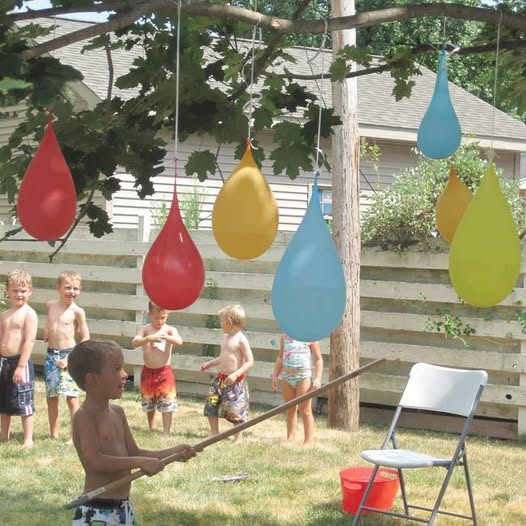
    Fill water balloons. Hang a few from a clothesline or tree branch. Your child hits them with a plastic bat or their hand.

    Parent role: Fill balloons the night before (this is the only labor-intensive part). Then watch the joy.

    15. Colored Ice Painting
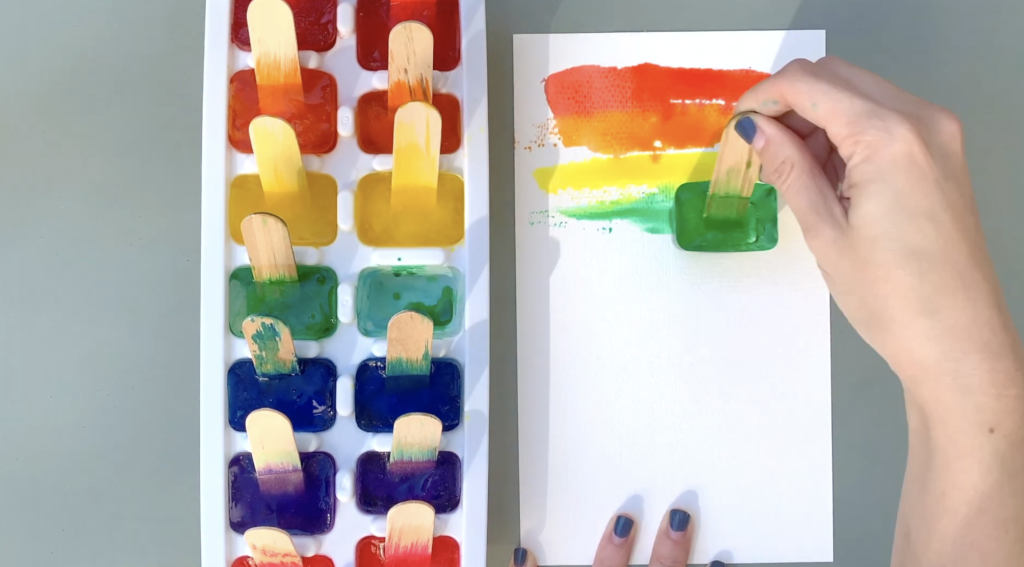
    Freeze water with a few drops of food coloring in ice cube trays. Once frozen, give your child a piece of thick paper. The colored ice melts as they draw, leaving vibrant trails.

    Parent role: Freeze the cubes. Provide a towel for little hands.


    Indoor Summer Activities for Pre-Schoolers (For Heat Waves or Rainy Days)

    Sometimes it’s simply too hot or wet to go outside. These indoor activities save sanity.

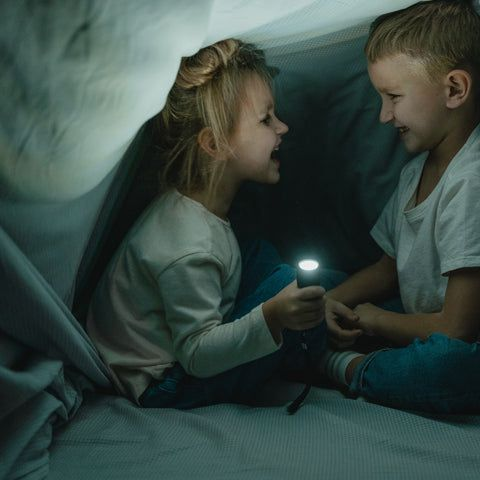
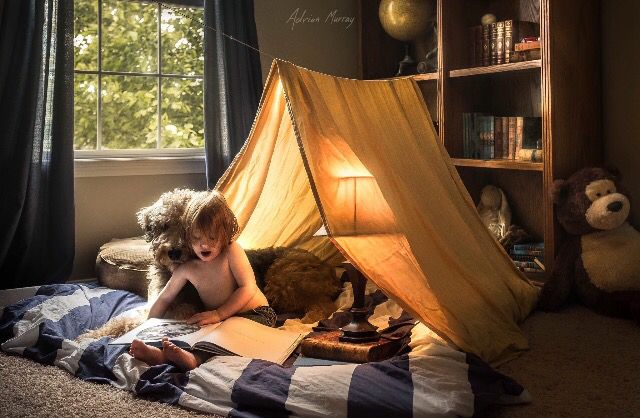
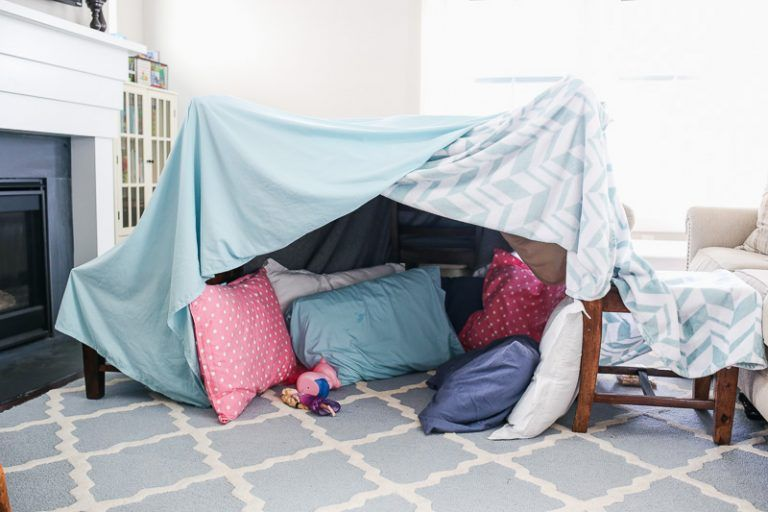
    16. Fort + Flashlight Reading
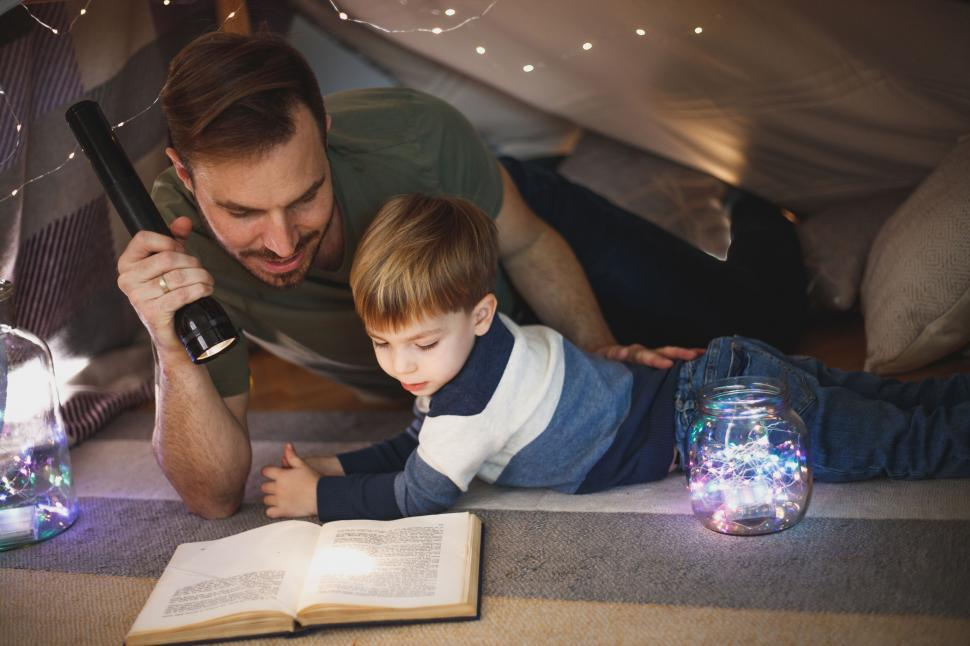
    Build a blanket fort. Bring a flashlight and three board books. Your child “reads” aloud to stuffed animals.

    Parent role: Build the fort (let them arrange the blankets). Then listen from the next room.

    Time killer: 30-60 minutes, depending on how much they love their audience of stuffies.

    17. Pom-Pom Transfer
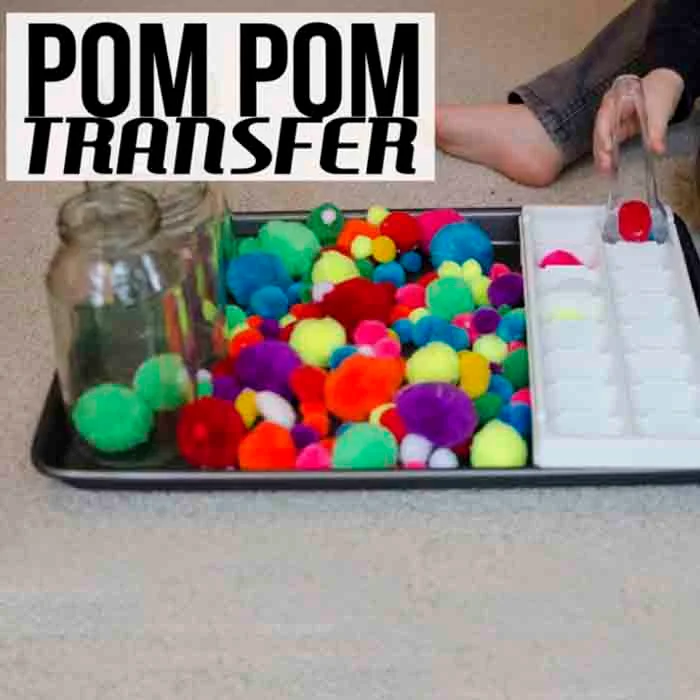
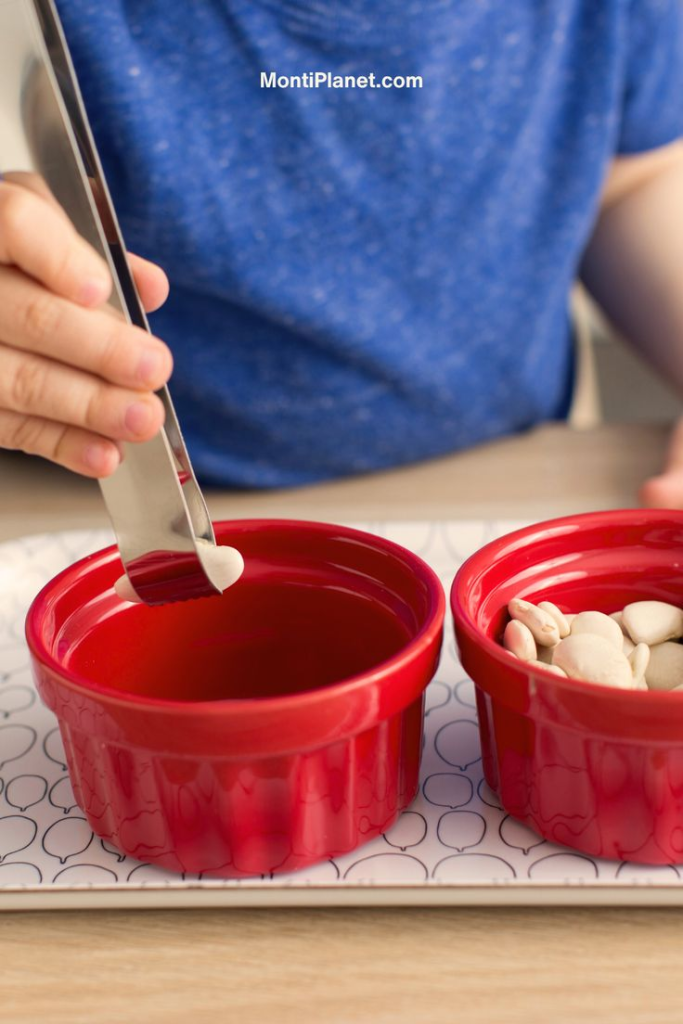
    Gather two bowls, a pair of kitchen tongs (or child-safe tweezers), and a bag of pom-poms. Your child transfers pom-poms from one bowl to the other.

    Parent role: Demonstrate once. Then let them focus.

    Fine motor bonus: This builds the hand strength needed for future writing.

    18. Sticker Line
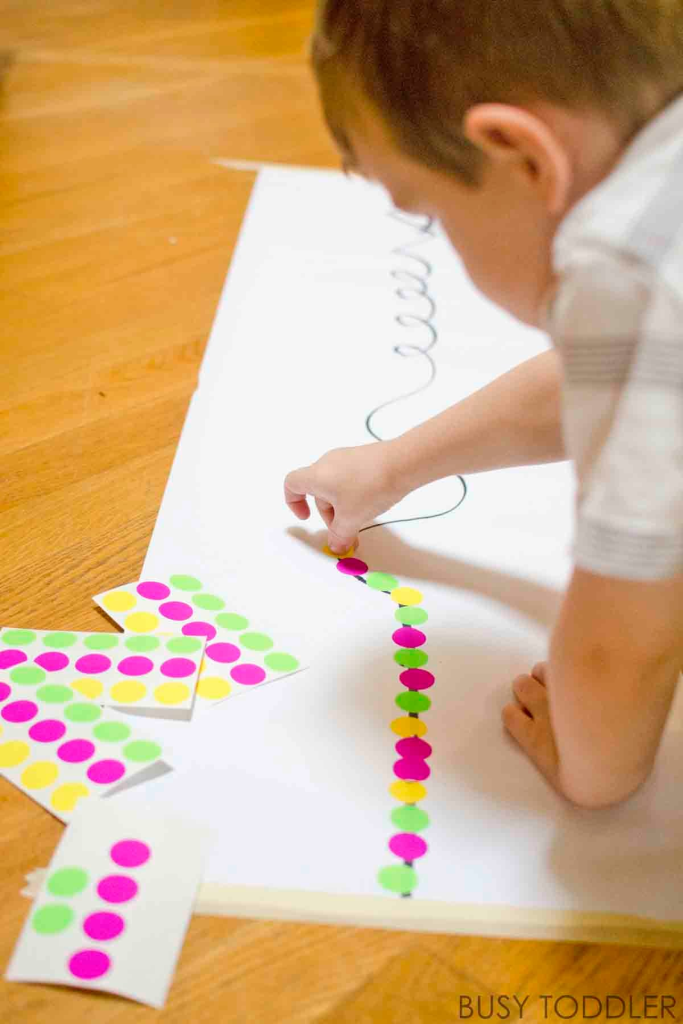
    Draw a wavy line across a piece of paper. Your child places stickers along the line.

    Parent role: Draw the line. Provide stickers. Step away.

    Adaptation: For older pre-schoolers, draw a shape (circle, square, letter) and have them trace it with stickers.

    19. Towel Washing
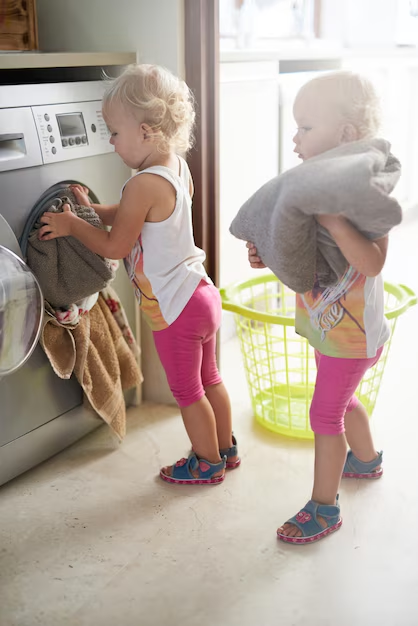
    Give your child a small basin of soapy water and a washcloth. They “wash” the cloth, rinse it, and hang it on a towel rack or clothesline.

    Parent role: Fill the basin. Provide a towel for drips. That’s it.

    Why it works: Pre-schoolers love real work. This isn’t a toy—it’s a job. And jobs feel important.

    20. Shaving Cream Sensory Bin
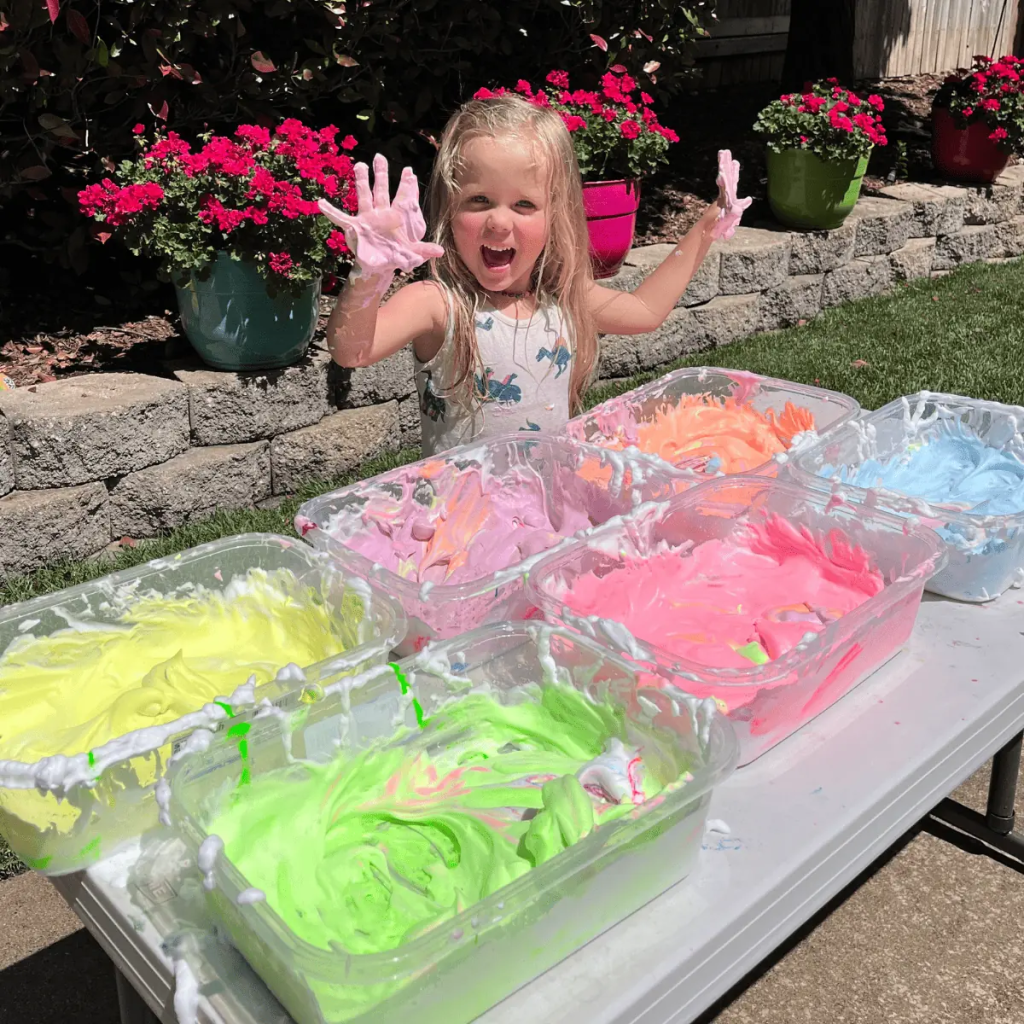
    Spray shaving cream into a baking dish. Add a few drops of food coloring if desired. Your child spreads, draws, squishes, and explores.

    Parent role: Set up on a washable floor or table. Let them go wild. Wipe down afterward.

    Note: Supervise closely. Shaving cream is non-toxic but not for eating.

    21. Pipe Cleaner and Colander
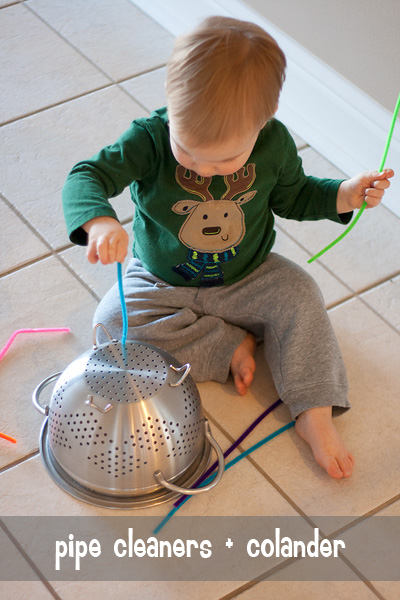
    Turn a colander upside down. Your child pushes pipe cleaners through the holes, creating a “porcupine” or “spaceship.”

    Parent role: Demonstrate one insertion. Then step back.

    Adaptation: For a challenge, have them thread pipe cleaners through specific holes to make a pattern.

    22. Contact Paper Collage
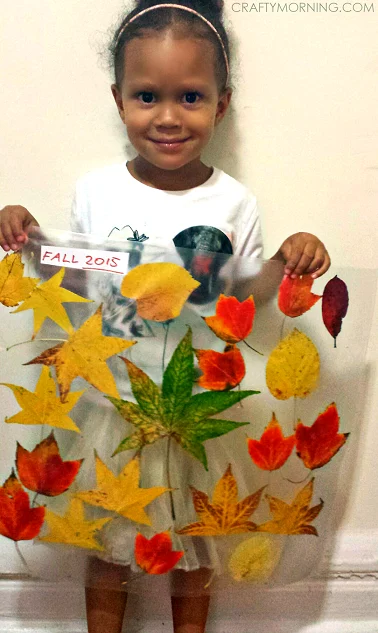
    Tape a sheet of clear contact paper (sticky side up) to a window or table. Give your child tissue paper squares, feathers, or leaves. They stick items to the paper.

    Parent role: Tape the paper. Provide materials. When finished, seal with another sheet of contact paper and hang in the window.

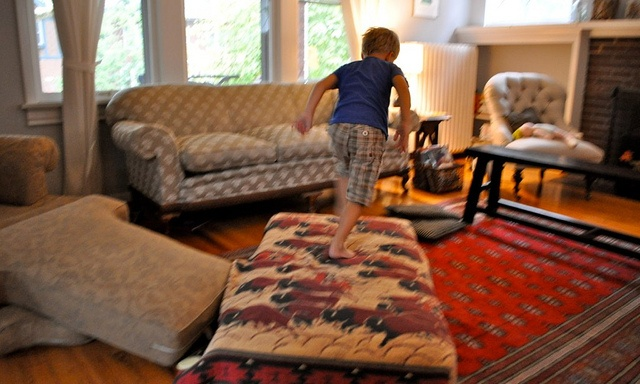
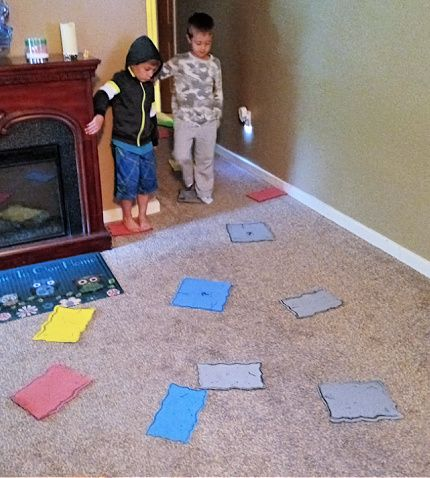
    23. Pillow Path
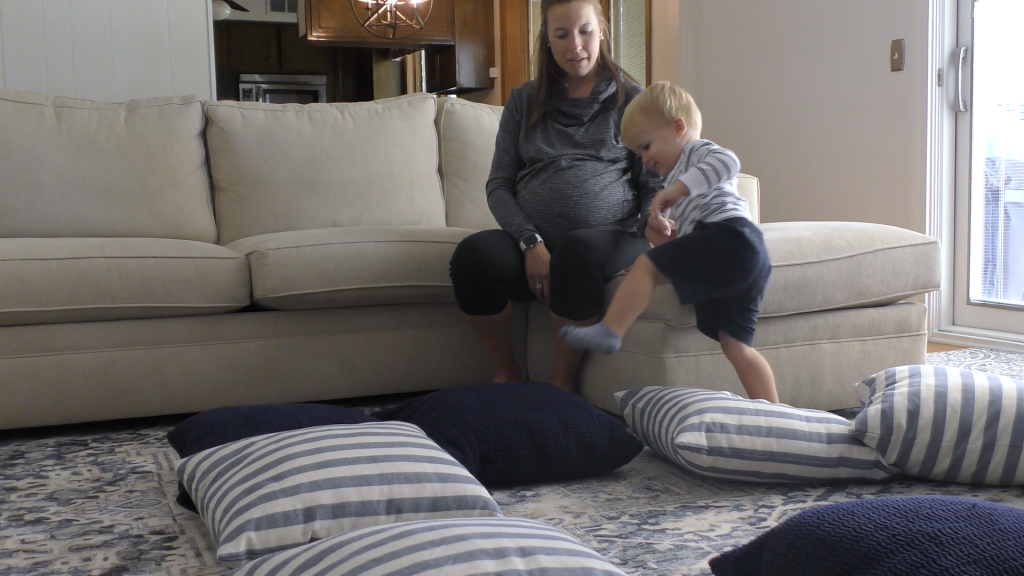
    Arrange pillows, couch cushions, and blankets on the floor to create a “path” from one side of the room to the other. Your child walks, crawls, or jumps from one to the next.

    Parent role: Arrange the path. Spot for safety. Laugh at the inevitable dramatic falls.

    24. Magnetic Tile Building
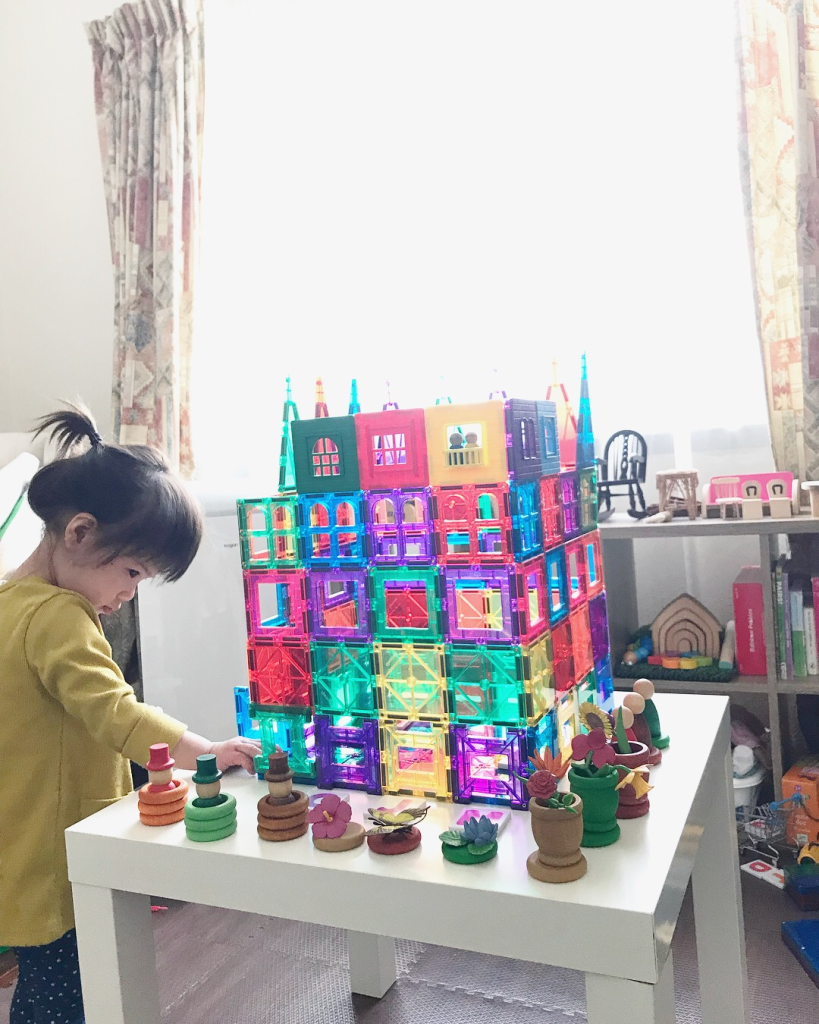
    If you own magnetic tiles (Magnatiles or similar), clear a floor space and let your child build. No instructions. No “correct” way.

    Parent role: Sit nearby. Only help if asked.

    Why it’s a winner: Magnetic tiles grow with your child. A 2-year-old stacks them. A 5-year-old builds castles.

    25. Toy Animal Rescue
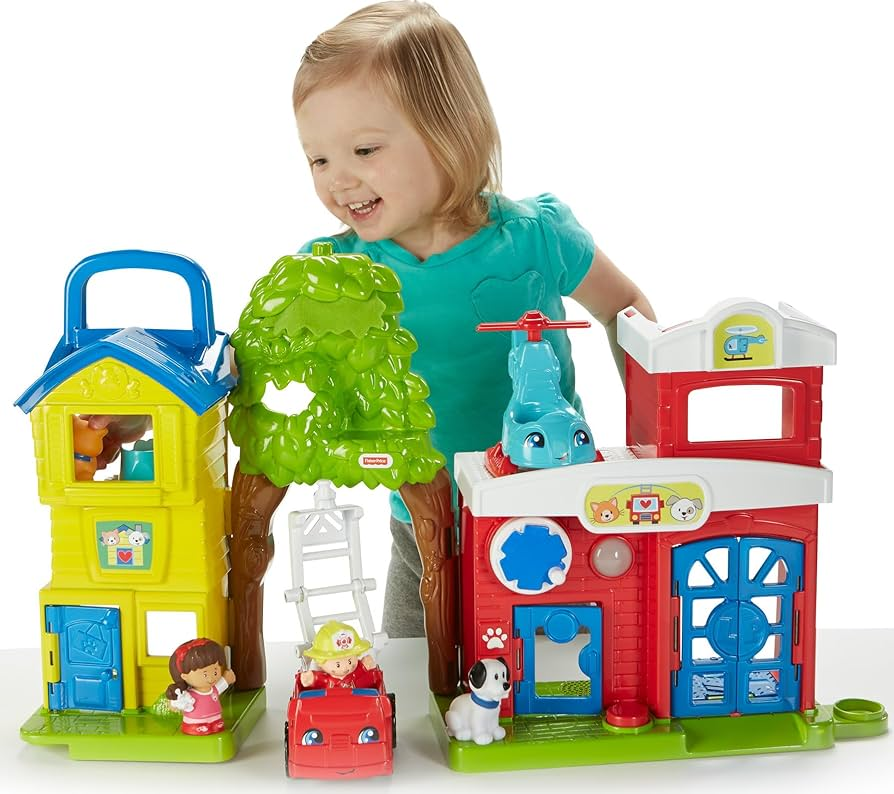
    Wrap toy animals in masking tape or aluminum foil. Your child “rescues” each one by unwrapping it.

    Parent role: Wrap the animals the night before. Present the rescue mission with drama: “The animals are trapped! Can you save them?”

    Time killer: 15-30 minutes, depending on wrapping difficulty.


    Low-Prep Summer Activities for Pre-Schoolers (Under 2 Minutes Setup)

    These are for the days when you have zero energy but your child has infinite energy.

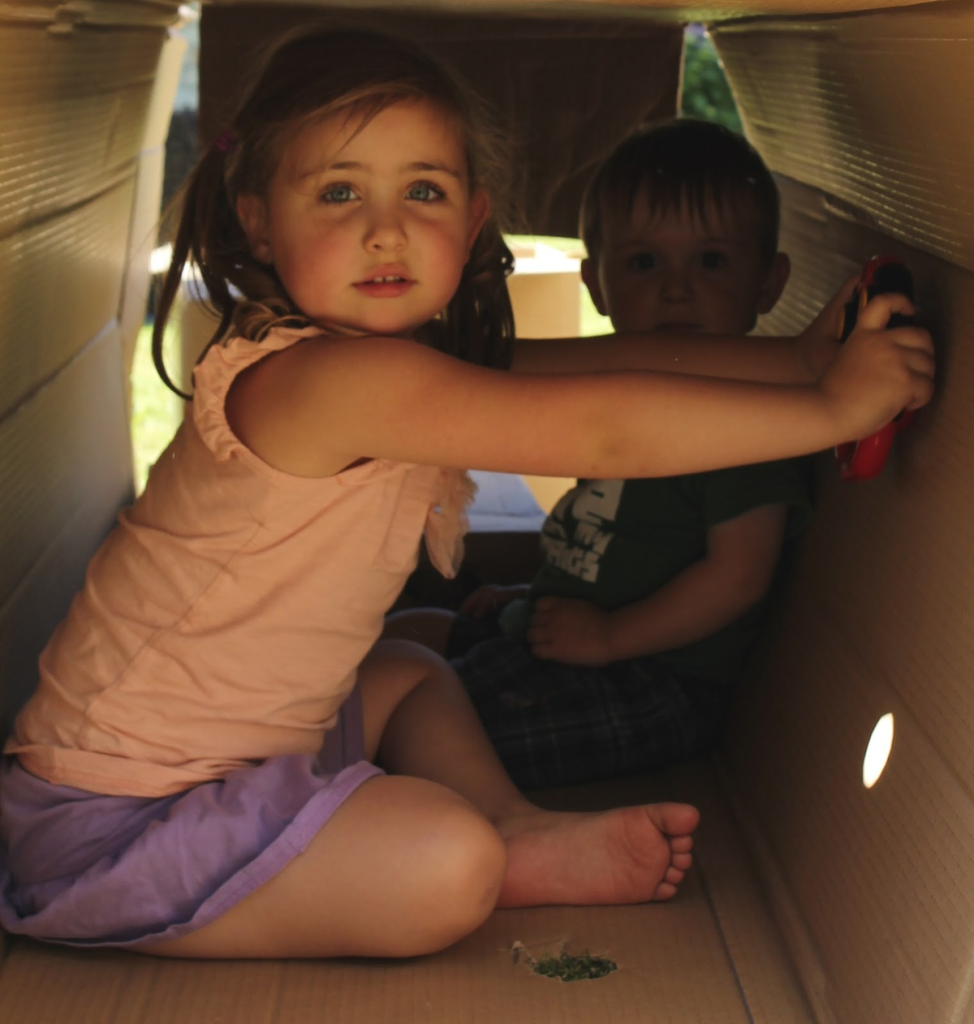
    26. Cardboard Box
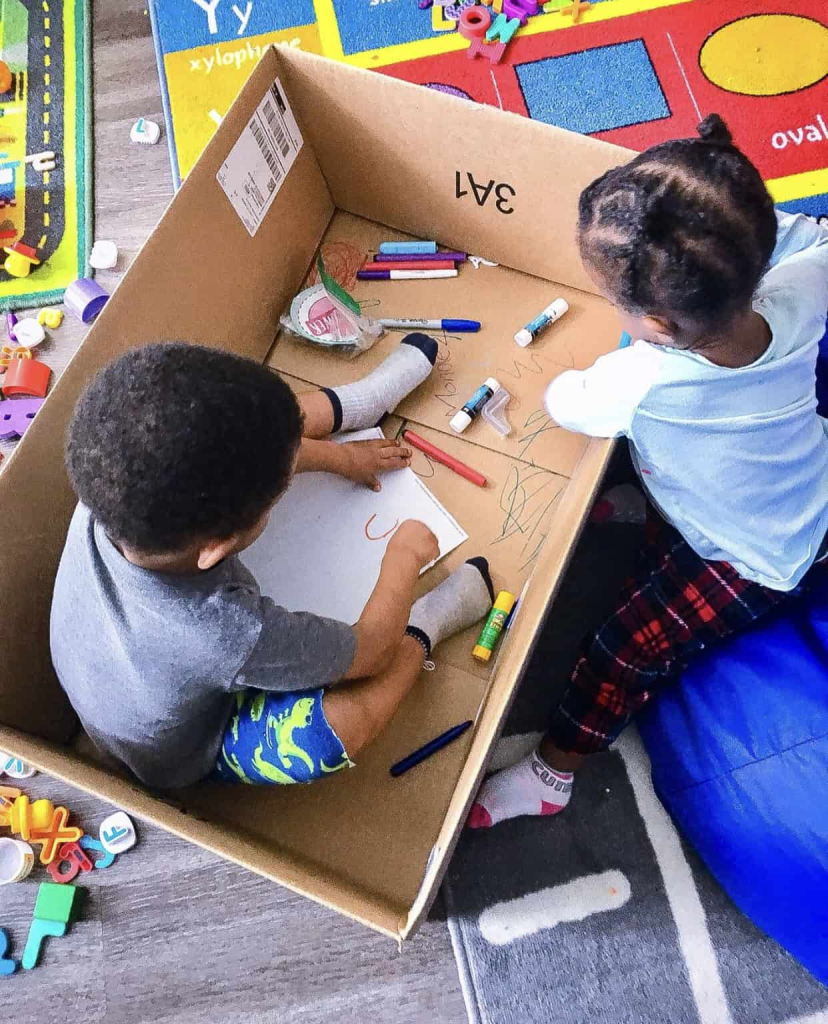
    Give your child a large cardboard box and markers. That’s it. It becomes a car, a spaceship, a store, a cave, a house.

    Parent role: Provide the box. Close your eyes for ten minutes.

    27. Dance Party with a Twist

    Play one song. Your child dances. When the music stops, they freeze. Repeat until they tire out.

    Parent role: Press play and pause. Try not to laugh at the freeze poses.

    28. Towel Slide

    Fold a towel in half lengthwise. Place it on a carpeted floor. Your child sits on it while you pull them across the room.

    Parent role: Pull. Rest. Pull again.

    Physical payoff: This counts as your workout too.

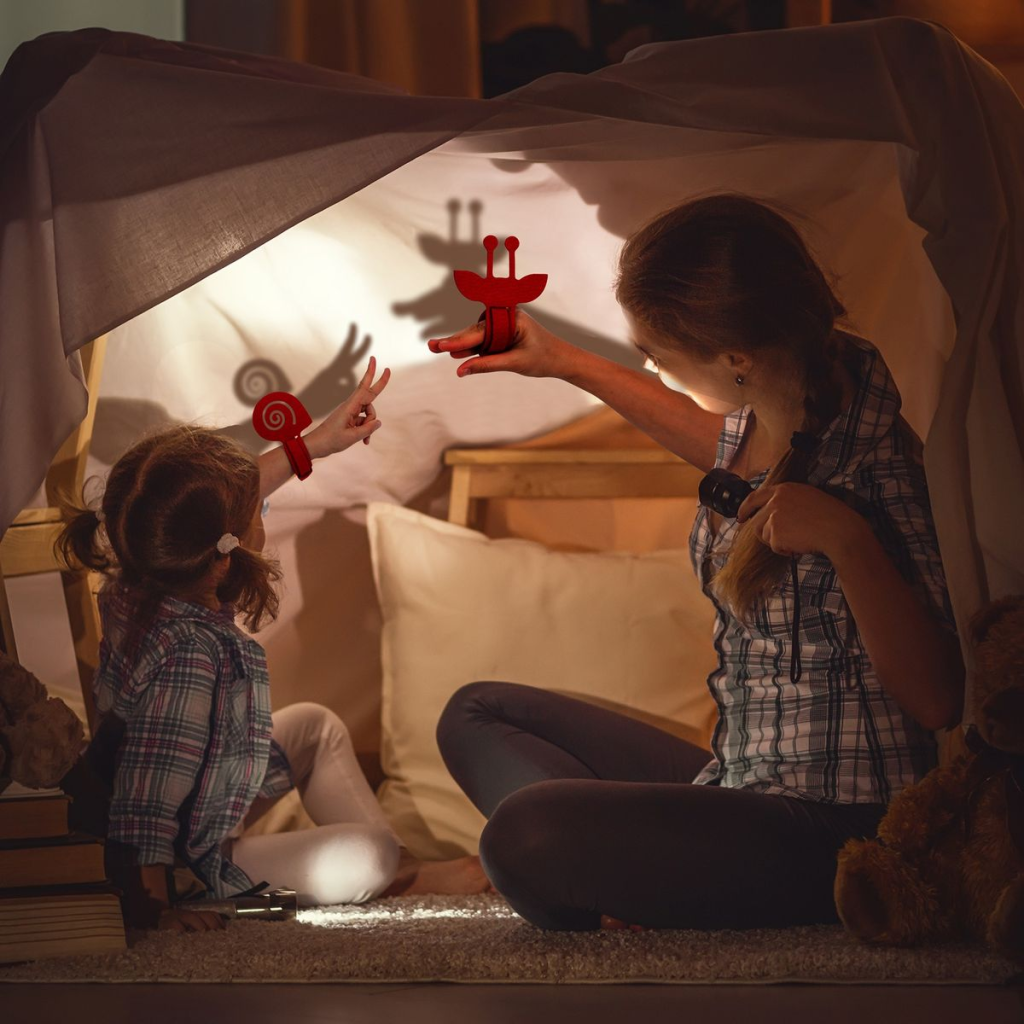
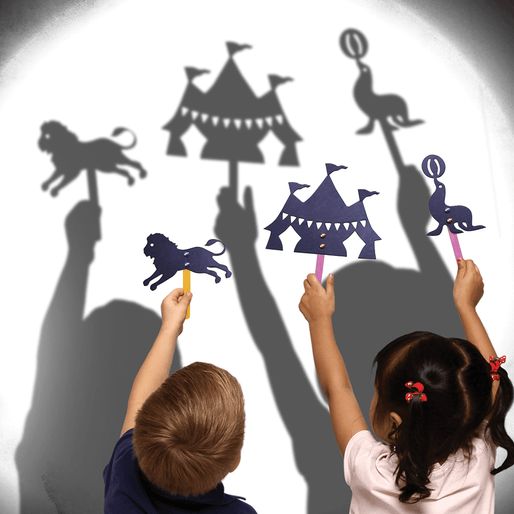
    29. Shadow Puppets
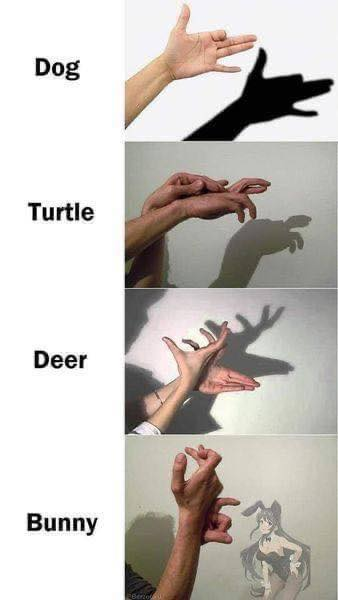
    Turn off the lights. Shine a flashlight at a blank wall. Your child makes hand shadows (or waves their stuffed animals in front of the light).

    Parent role: Hold the flashlight. Make an occasional bird shadow.

    30. Laundry Basketball
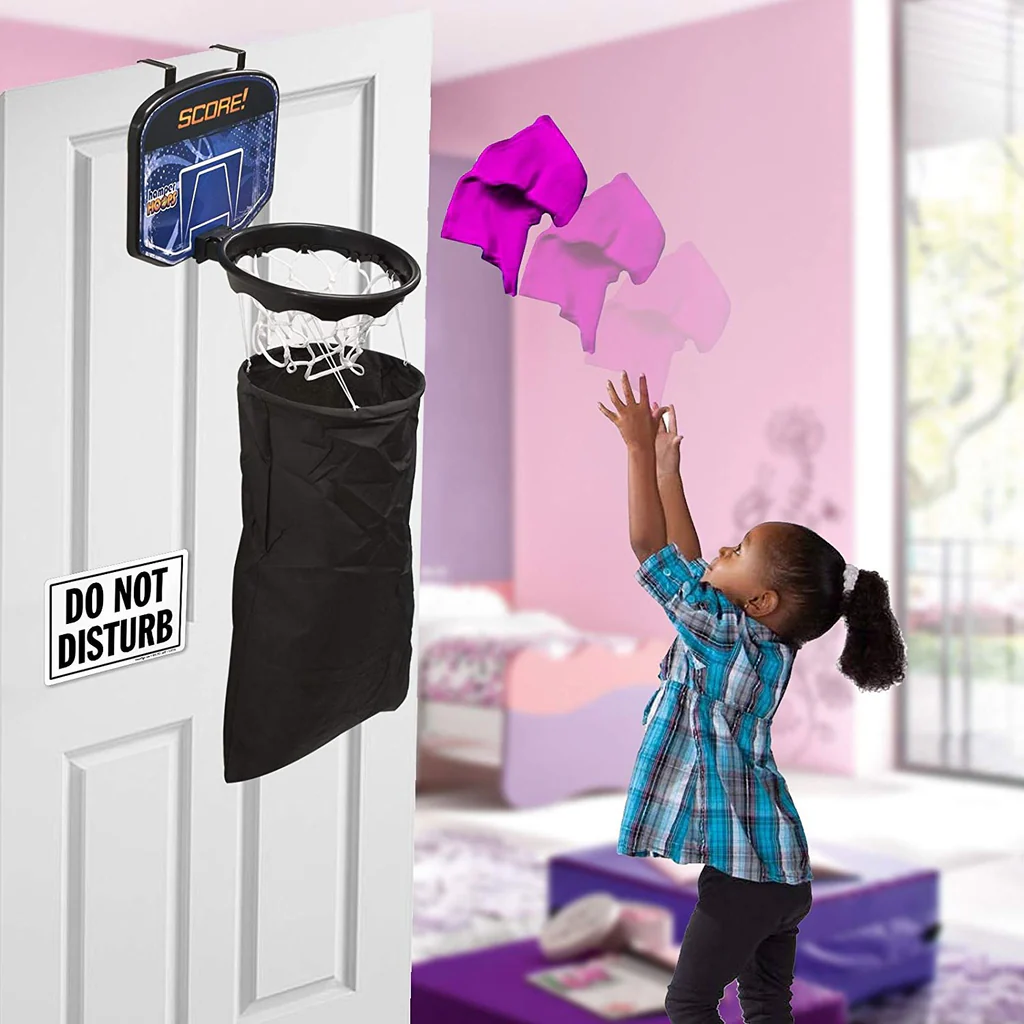
    Give your child a small laundry basket and a pile of socks. They crumple each sock and try to throw it into the basket.

    Parent role: Move the basket farther back as their aim improves. Celebrate every make.

    31. Blanket Parachute
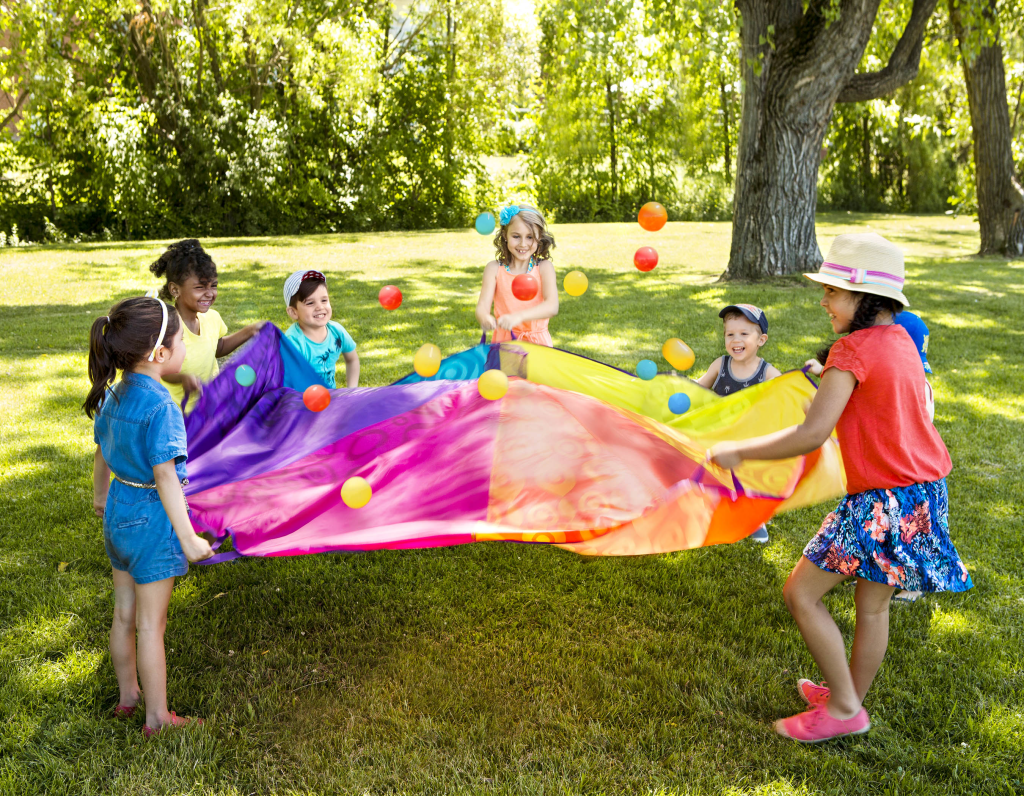
    You hold two corners of a blanket. Your child holds the other two. Together, you flap it up and down while a lightweight ball or balloon bounces on top.

    Parent role: Flap. Laugh. Retrieve the ball.

    32. Mirror Drawing
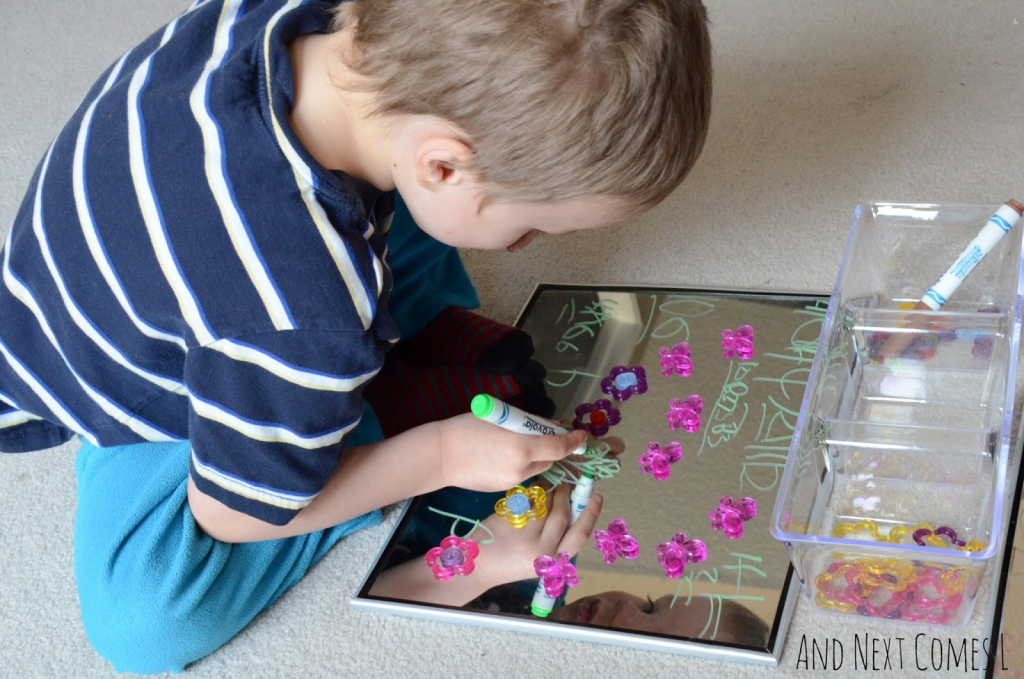
    Draw a simple shape on a small mirror or window using a dry-erase marker. Your child copies it next to yours.

    Parent role: Draw. Wipe clean. Draw again.

    33. Sticker Sorting
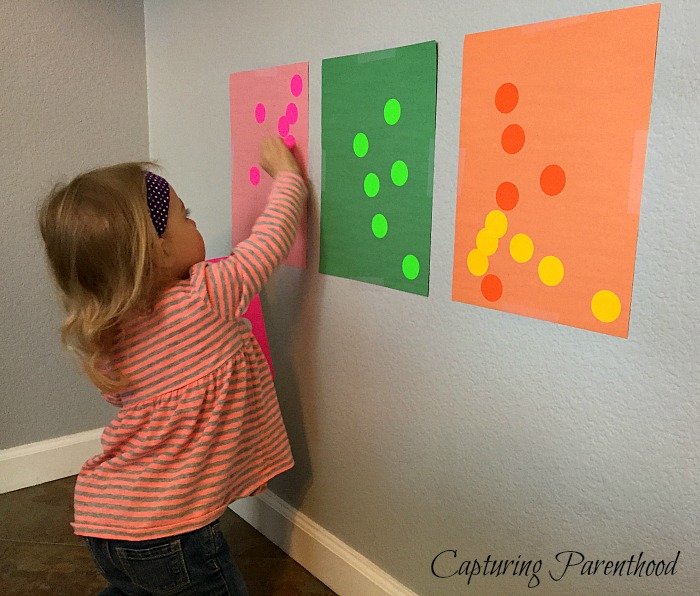
    Give your child a sheet of stickers and a piece of paper divided into two sections (e.g., “big” vs. “small” or “blue” vs. “red”). They sort stickers into the correct sections.

    Parent role: Draw the sections. Provide stickers. That’s it.

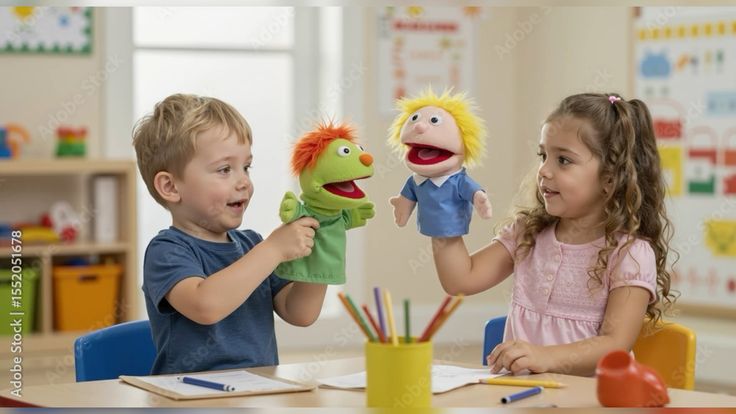
    34. Finger Puppet Theater
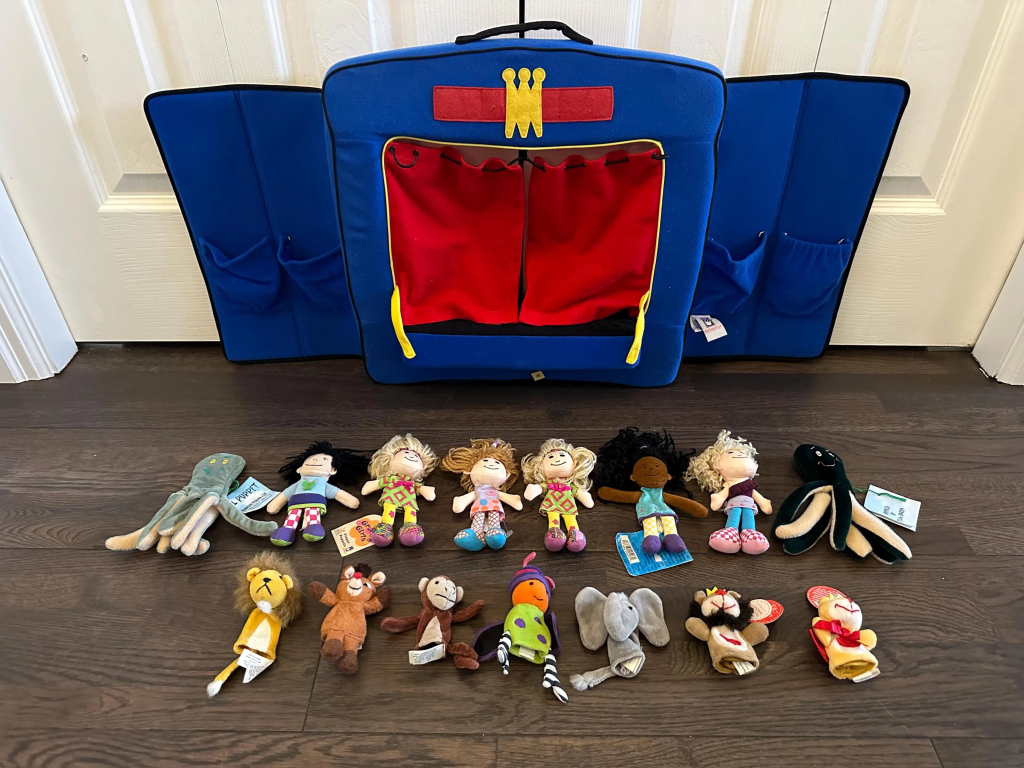
    Put three finger puppets on your child’s hand. They put on a “show” for you or their stuffed animals.

    Parent role: Be the audience. Clap at the end.

    35. The Quiet Box
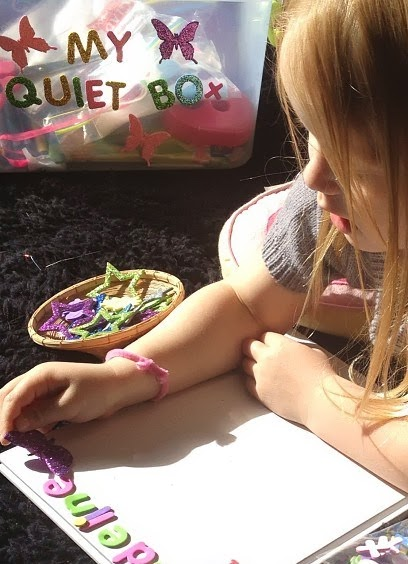
    Decorate a shoebox with stickers. Fill it with “special quiet items” (a small notebook, crayons, a lacing card, a few popsicle sticks). This box comes out only when you need twenty minutes of quiet.

    Parent role: Assemble the box. Explain the rule: “When the box comes out, we play quietly by ourselves.”


    How to Make Summer Activities Stick (Without Burning Out)

    You don’t need to do something new every day. In fact, pre-schoolers thrive on repetition. Here’s a sustainable summer rhythm:

    Morning (high energy): Outdoor activity from the list (sprinklers, nature hunt, sidewalk chalk).

    Midday (hottest hours): Indoor water play or sensory bin (sink/float, ice rescue, shaving cream).

    Afternoon (low energy): Low-prep indoor activity (fort, pillow path, quiet box).

    Evening (winding down): Calm activity (shadow puppets, mirror drawing, flashlight reading).

    Rotate the same five to seven activities each week. Add one new one when you see boredom creeping in. And remember: your child doesn’t need you to entertain them constantly. They need you to set the stage—then step back and let them play.


    Final Thoughts

    Summer with a pre-schooler is long. Some days will be magical. Some days will end with you hiding in the pantry eating chocolate. Both are normal.

    The 35 activities above are tools, not obligations. Use the ones that fit your child’s mood, your energy level, and the weather. Skip the ones that feel like work. And when in doubt, default to the cardboard box. It’s never failed a parent yet.

    Now go enjoy the sunshine—or the air conditioning. You’ve earned both.


    What’s your pre-schooler’s favorite summer activity? Share in the comments below to help other parents survive July.
  • What to Do When Kids Say ‘I’m Bored’ – Activities Without Screens for Kids

    What to Do When Kids Say ‘I’m Bored’ – Activities Without Screens for Kids

    You know the moment. It’s 2:00 PM on a Saturday. Or Tuesday after school. Or the third hour of a rainy Sunday. You’re finally sitting down with your coffee — and then you hear it. “Mom. I’m boooored.” The word hangs in the air like a challenge. Your first instinct? Hand over the tablet. But what you really need is a list of activities without screens for kids that actually work — no prep, no special supplies, no guilt.

    Below is your playbook for exactly that moment. 30+ things to say and do when your kids say those two dreaded words.


    The 5-Second Rule: What to Say First

    Before you offer an activity, say this:

    “Okay. Bored is good. Bored means your brain is about to get creative.”

    Then pause. Let that land.

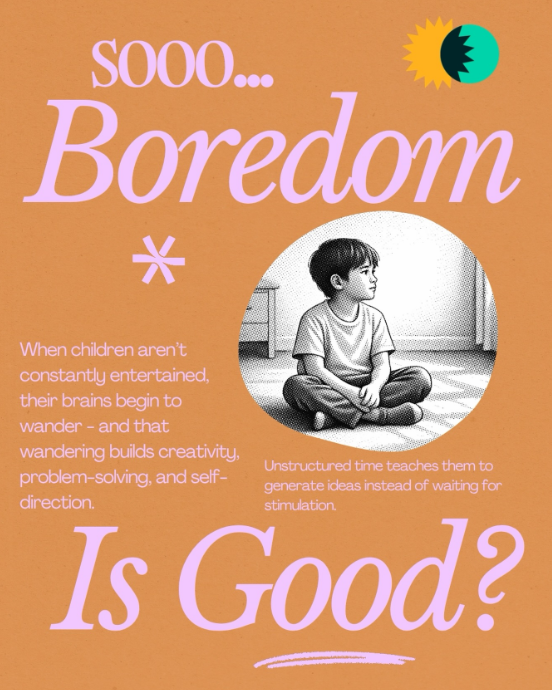
    Kids have been conditioned to think boredom is a problem you need to solve. It’s not. Boredom is the space where imagination grows. Your job isn’t to entertain them. Your job is to point them toward the door and let them walk through.

    Now here’s what’s behind that door.


    Activities Without Screens for Kids at Home (Rainy Day, Sick Day, No Plans)

    This is the classic. Everyone’s home. No one’s leaving. Screens are calling your name.

    1. The Fort Revolution

    Give them blankets, chairs, and couch cushions. That’s it. No instructions. A fort they build themselves is 10x more fun than one you design.

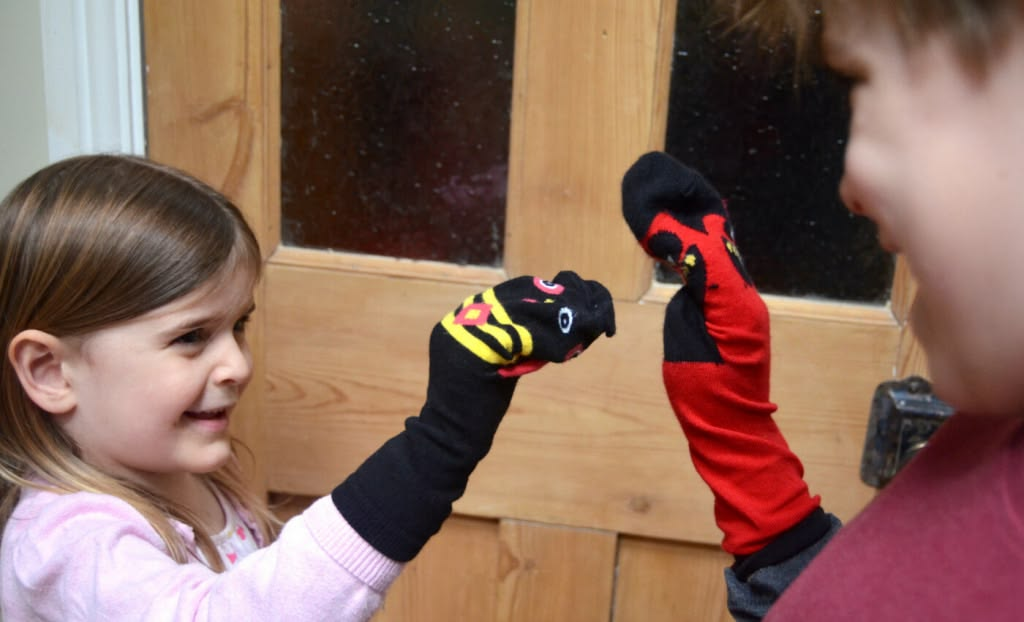
    2. Sock Puppet Theater

    One missing sock. Two googly eyes (or drawn on with marker). One kitchen spoon as a stage. They perform for you at “intermission” (when you’re making dinner).

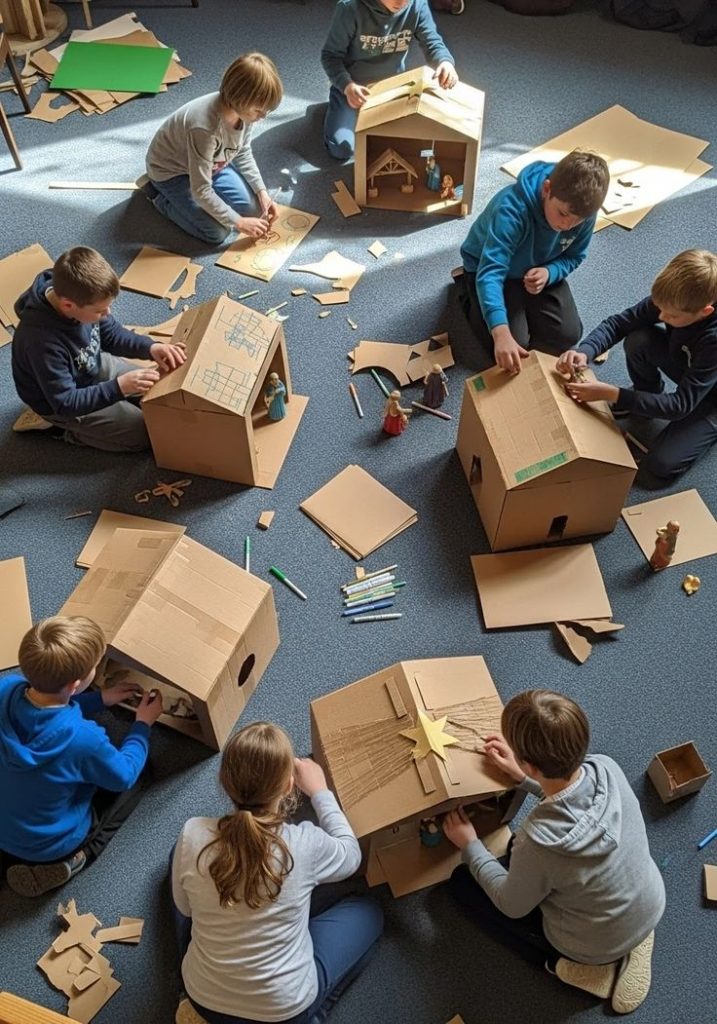
    3. The Cardboard Box Challenge

    Got an Amazon box? Give them scissors (safety scissors for little ones), markers, and tape. The rule: they have to turn it into something that moves. A car. A spaceship. A turtle.

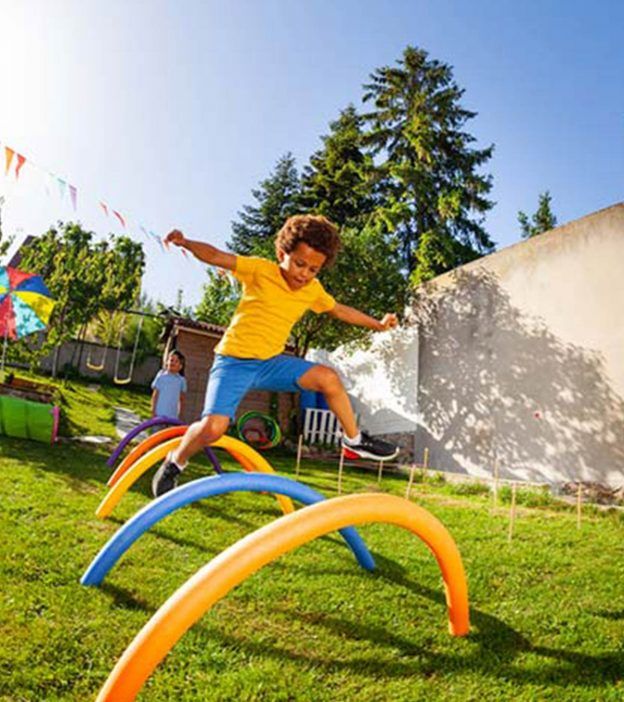
    4. Indoor Obstacle Course

    Couch cushion to jump over. String to crawl under. Pillow to army-crawl across. Time them. Then they have to beat their own time.

    5. Flashlight Fort (Even During the Day)

    Close the curtains. Turn off the lights. Build a blanket fort. Flashlights only. Suddenly it’s nighttime adventure at 2:00 PM.
    6. The Quiet Box

    Decorate a shoebox. Inside goes anything that doesn’t make noise: coloring pages, stickers, a small puzzle, pipe cleaners. When they’re bored, they open the box. No screen. No noise. Just quiet creativity.
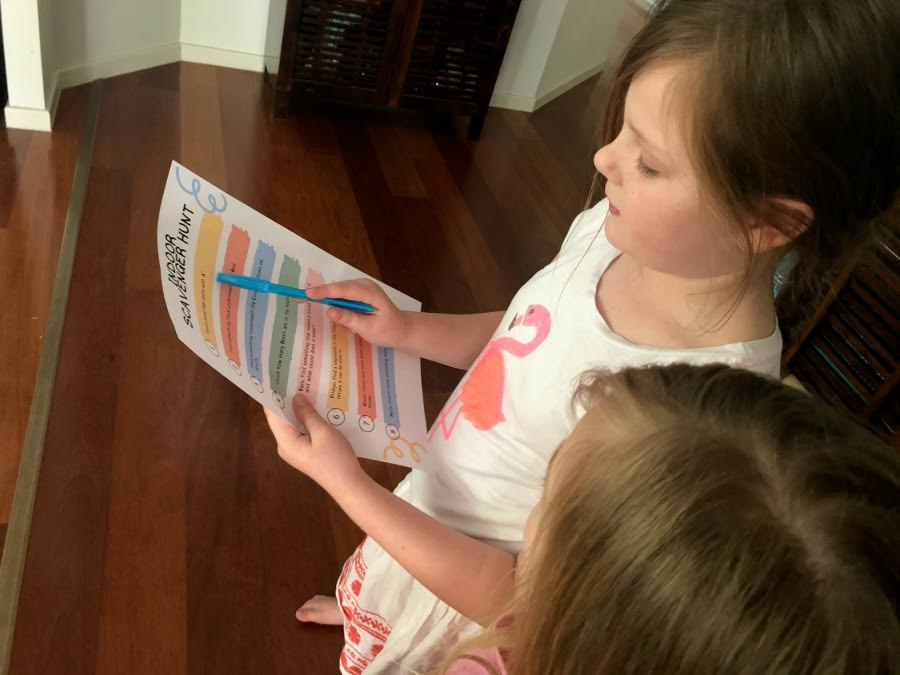
    7. Reverse Scavenger Hunt
    Instead of finding things, they have to hide 10 small objects around one room. Then you find them. Then they time how fast you can do it.

    8. Sticker Story

    Give them a sheet of stickers and a blank piece of paper. They place the stickers anywhere, then draw a background to turn the stickers into a story.

    9. Shadow Puppets on the Wall

    One lamp. One wall. Two hands. Show them how to make a bird, a dog, a monster. Then they put on a show.

    10. The Floor Is Lava (But With Pillows)

    Same rules as the classic game, but pillows are safe zones. Rearrange the pillows every round.


    “I’m Bored” While You’re Cooking or Cleaning

    You can’t drop everything. You need them occupied while you do real adult tasks. These activities require zero help from you.

    11. The Tongs Transfer

    Give them kitchen tongs and two bowls. One bowl has dry beans, pom-poms, or macaroni. They have to transfer every piece to the second bowl. Only using the tongs.

    12. Sink or Float

    Fill the sink with water. Give them 10 small waterproof toys. They guess which will sink and which will float. Then test each one.

    13. Towel Folding Race

    Give them three towels. Time them folding each one. Then they have to beat their time. (Bonus: your towels get folded.)

    14. Alphabet Hunt

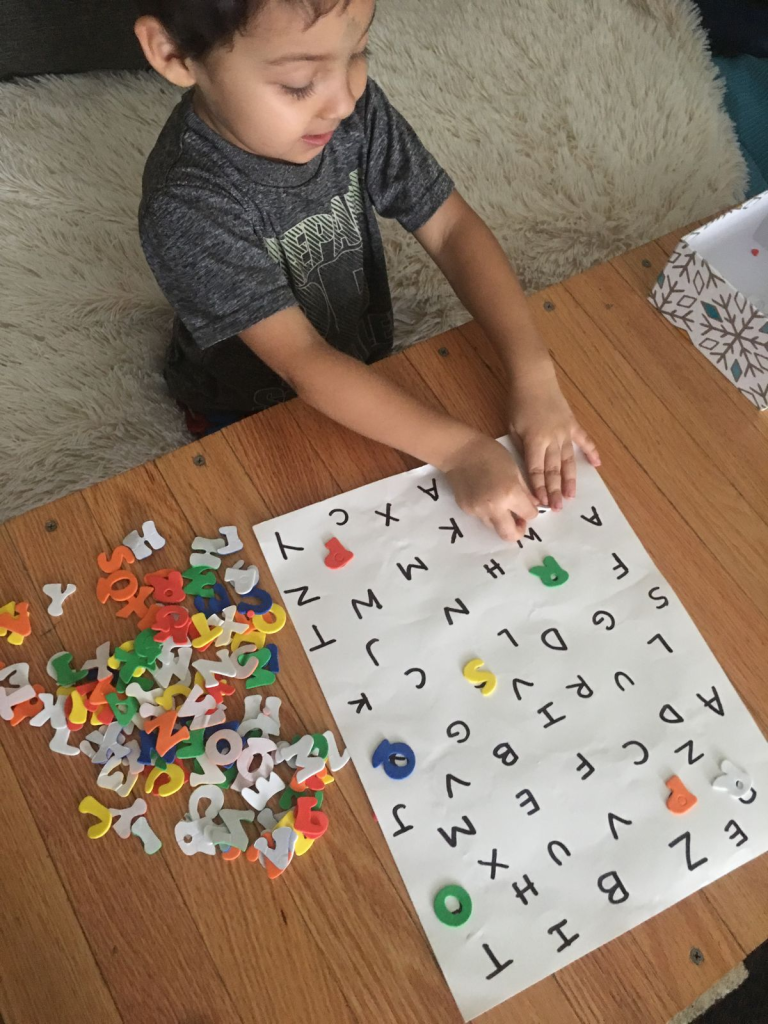
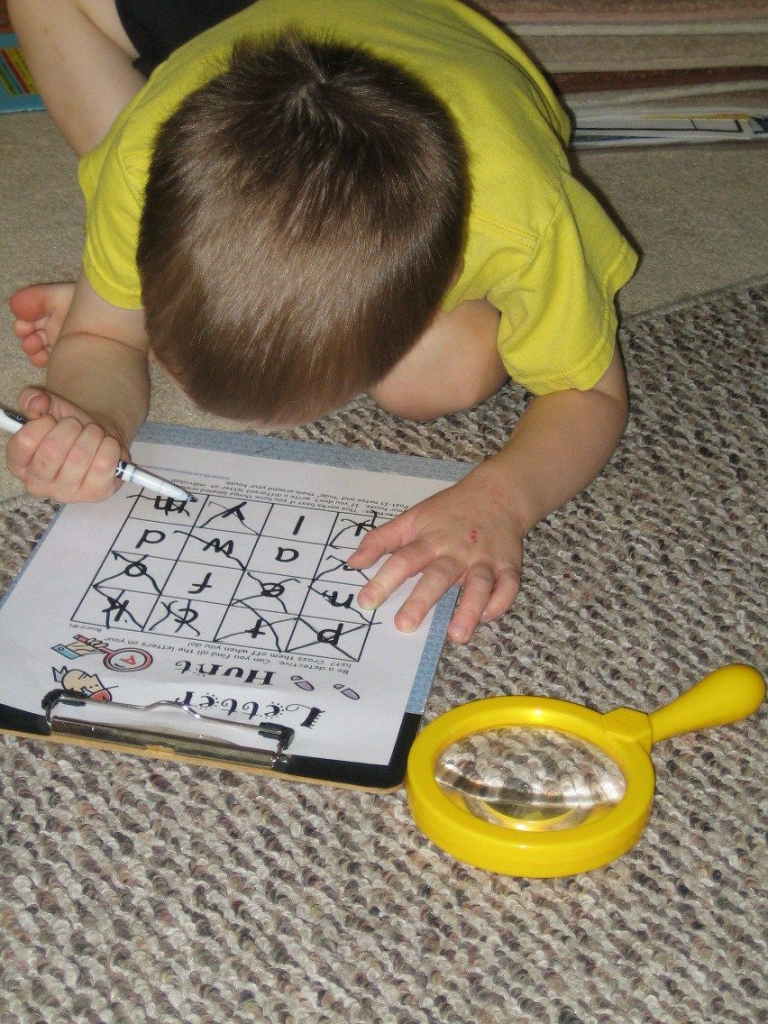
    Give them a page from a magazine or newspaper. They have to circle every letter “A” (or any letter) they can find. No reading required.

    15. The Listening Game

    You make a sound (tap a spoon, crinkle paper, snap your fingers). They close their eyes and guess what made the sound. Then they make sounds for you.


    “I’m Bored” in the Car or on an Errand

    You’re trapped. They’re trapped. Screens are dying or forgotten. Here’s what saves you.

    16. The Alphabet Game (No Reading Required)

    Find each letter of the alphabet in order on signs, license plates, and buildings. A, then B, then C. First one to Z wins. Little ones can just shout letters they see.

    17. 20 Questions (Object Edition)

    You think of an object in the car or visible from the window. They ask yes/no questions. “Is it bigger than my hand?” “Is it outside?” They get 20 guesses.

    18. The Grocery List Memory Game

    You say: “I’m going to the store to buy apples.” Next person repeats and adds one item. “I’m going to the store to buy apples and bread.” Keep going until someone forgets.

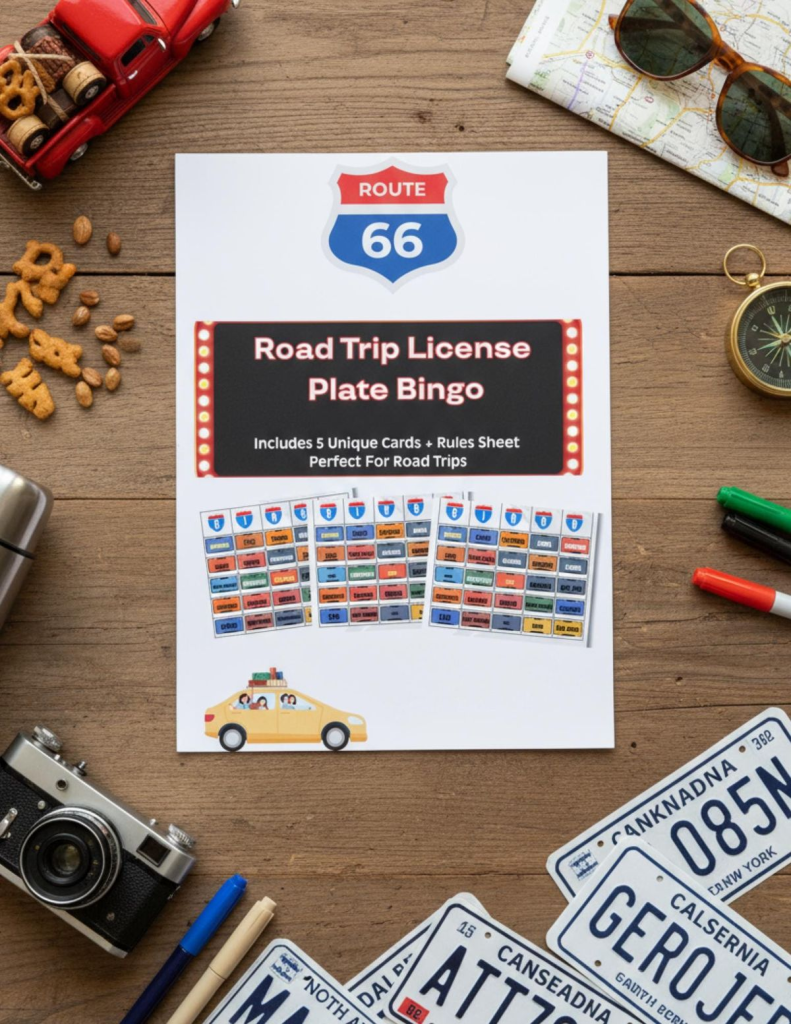
    19. License Plate Bingo

    Print a simple bingo card with common state abbreviations before you leave. Or just call out states you see. First to 5 wins.

    20. The Quietest Minute

    “I bet you can’t stay completely silent for one full minute. If you do, you win a hug.” Watch them try so hard. Then celebrate the silence.

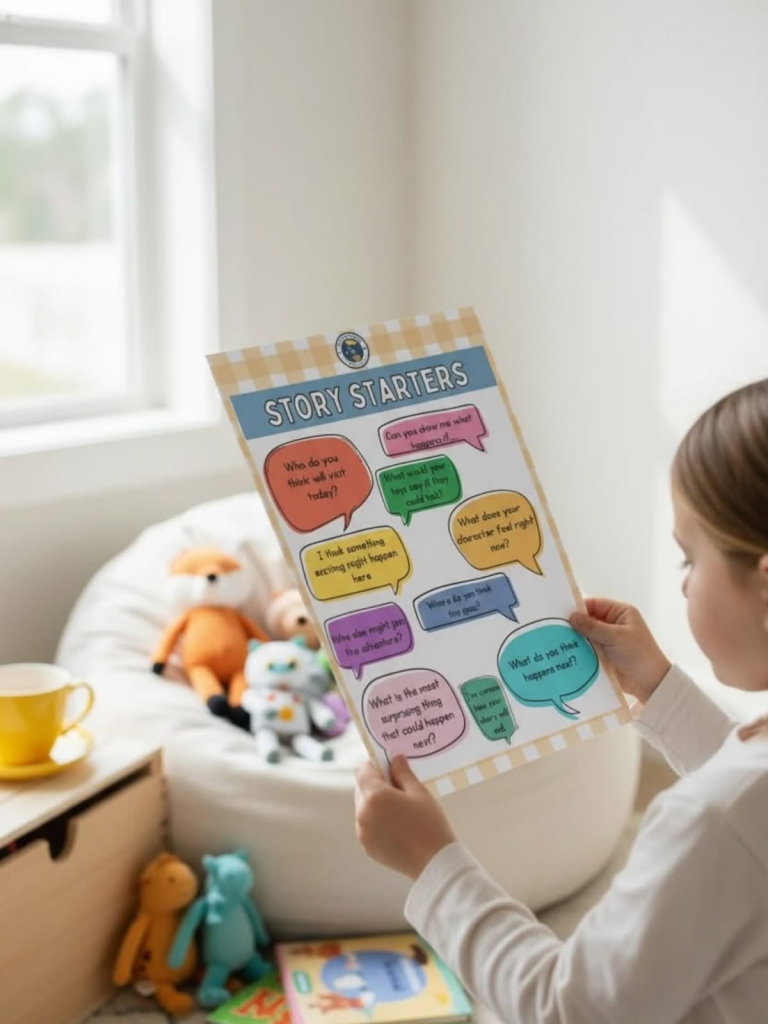
    21. Story Chain

    You say one sentence. “There was a dragon who loved pancakes.” Next person adds a sentence. “But the pancakes kept burning because he sneezed fire.” Go back and forth.

    22. I Spy (Sound Edition)

    “I spy with my little ear… something that goes ‘beep.’” They guess based on sound, not sight. Works great in parking lots or drive-thrus.


    Activities Without Screens for Kids – “I’m Bored” Outside (Backyard, Park, or Waiting)

    Fresh air is right there. They just need a nudge.

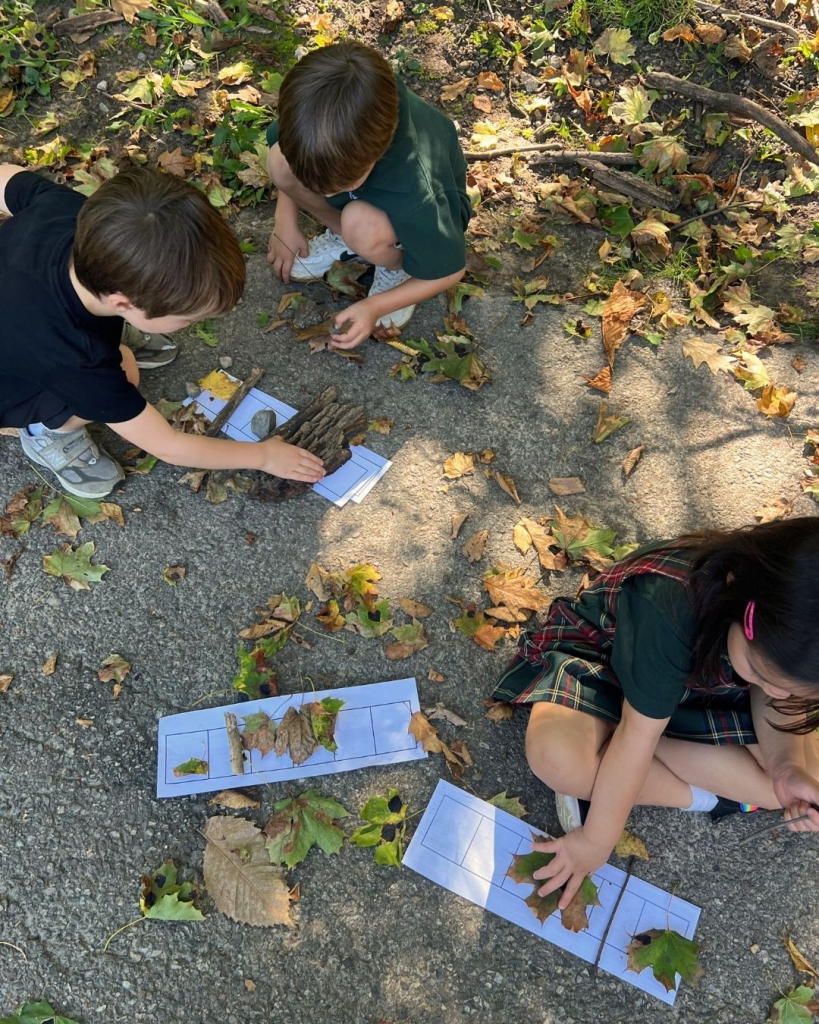
    23. The 20-Step Nature Collection

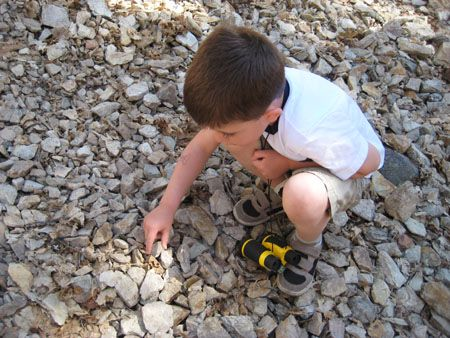
    They take exactly 20 steps in any direction. On the 20th step, they look down and pick up whatever is at their feet (leaf, rock, stick, feather). Then they have to tell you a story about it.

    24. Shadow Tag

    Same as regular tag, but you have to step on someone’s shadow to tag them. Works only when the sun is out.

    25. The Stick Measuring Contest

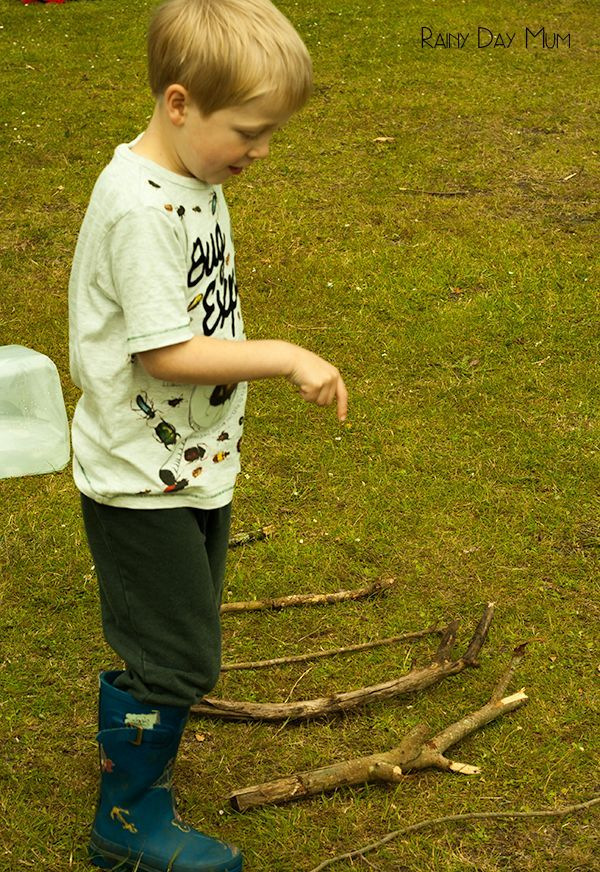
    Everyone finds a stick. Longest wins. Shortest wins. Curviest wins. Most bumps wins. There’s a category for every stick.

    26. Cloud Shapes

    Lie on the ground. Look up. Call out what each cloud looks like. No wrong answers. “That one is a whale eating a sandwich.”

    27. The Five Senses Check-In

    They name: 1 thing they see, 1 thing they hear, 1 thing they smell, 1 thing they feel, and (if safe) 1 thing they taste. Grounds them in the moment.

    28. Nature Rubbings

    A piece of paper. A crayon with the wrapper off. Press over tree bark, a leaf, or a textured rock. Instant art.


    “I’m Bored” with Siblings or Friends (Multiple Kids)

    When one bored kid is hard, two is exponential. Use each other.

    29. The Silent Building Challenge

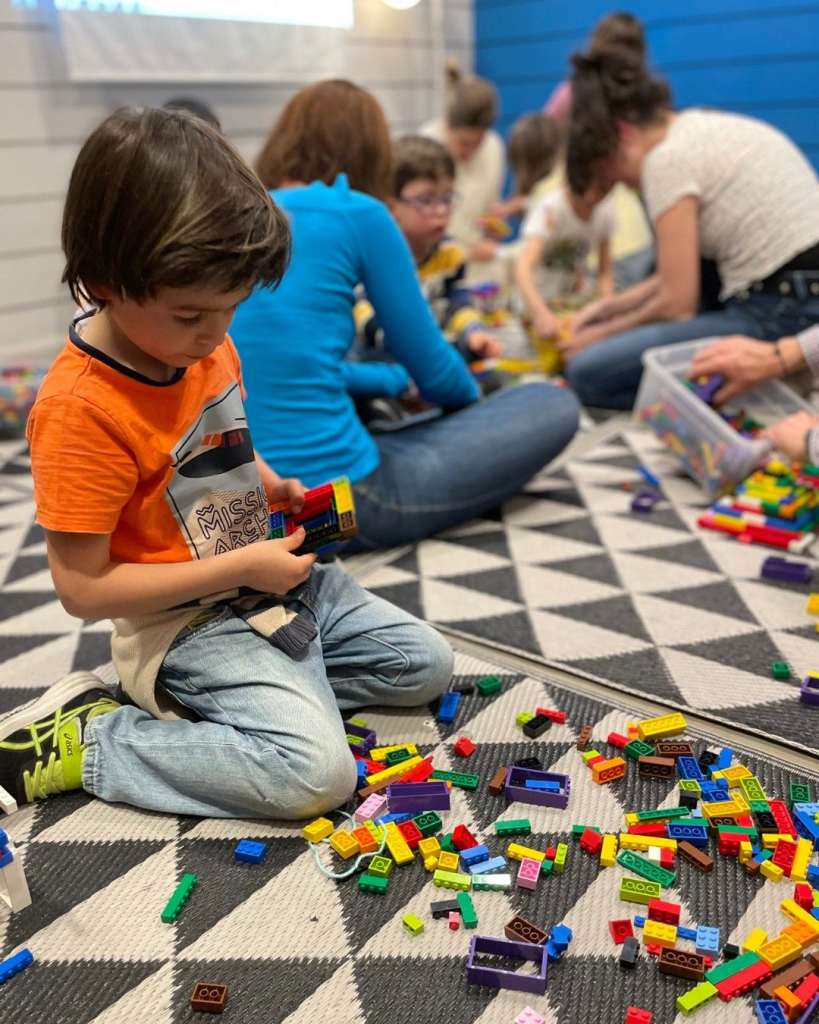
    Everyone gets the same number of LEGOs or blocks. They have 5 minutes to build something. No talking. No looking at each other’s work. Then reveal and vote on the best.

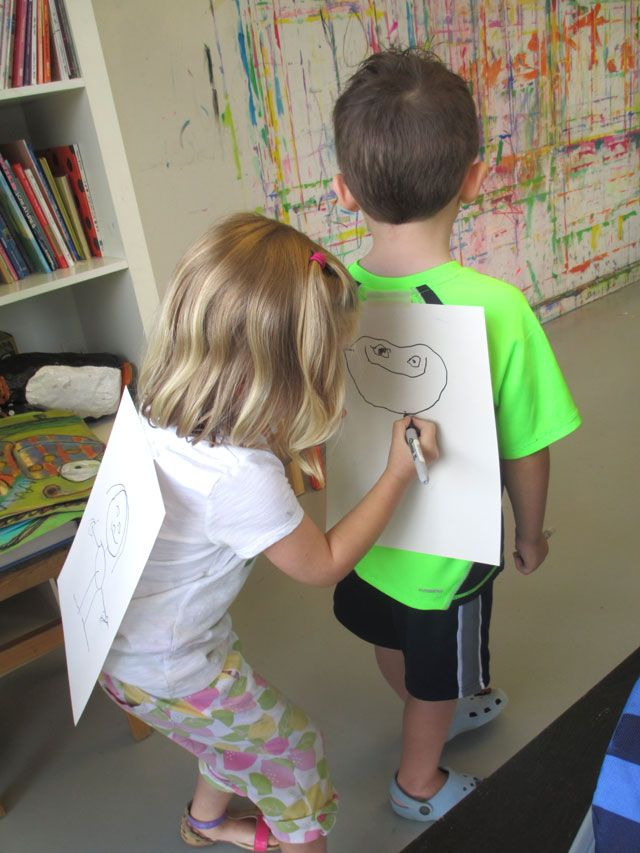
    30. Back-to-Back Drawing

    Two kids sit back to back. One describes a simple shape (a square with a triangle on top). The other draws without seeing. Compare at the end. Hilarity ensues.

    31. Statue Museum

    One person is the “museum guard.” Everyone else strikes a pose like a statue. The guard turns around. The statues can move only when the guard isn’t looking. If caught moving, you’re out.

    32. The Compliment Race

    Each kid has to give a genuine compliment to the other before they can take a step in a race. “You’re good at drawing.” Step. “You shared your snack yesterday.” Step. They cross the finish line together.

    33. Newspaper Fashion Show

    Give each kid one page of newspaper and tape. They have to make a hat, a necklace, or a bracelet. Then walk the runway.


    The Emergency Boredom Jar (Make This Once, Use It Forever)

    Here’s the ultimate screen-free hack.

    What you need: A mason jar. 30 slips of paper. A marker.

    What you write: One activity from the list above on each slip.

    What you do: When a kid says “I’m bored,” they pick three slips from the jar. They have to do at least one of them. No negotiation. No screens. Just the jar.

    Why it works: It removes you as the bad guy. The jar decided. Not Mom.


    What Not to Say When They Say “I’m Bored”

    Don’t say these things:

    • “I’ll give you something to do – chores.” (Punishes honesty. They’ll stop telling you they’re bored. They’ll just get into trouble instead.)
    • “Go watch TV then.” (Trains them to default to screens.)
    • “Why are you bored? You have so many toys.” (Boredom isn’t about lack of stuff. It’s about lack of ideas. Help them find ideas, not guilt.)
    • “Entertain yourself.” (Too vague. Give them a starting point.)

    Do say:

    • “Boredom is the first step to creativity. Let’s find step two.”
    • “Pick three from the jar.”
    • “I have 5 minutes to play. Then you’re on your own. Ready?”

    Quick Reference: Best Activity by Age

    AgeBest Activity TypeExample
    3-5Sensory + movementTongs transfer, sink or float
    6-8Building + pretendingCardboard box challenge, fort
    9-11Games + challengesSilent building, alphabet hunt
    12+Creative + independentSticker story, nature collection

    How Long Should a Screen-Free Activity Last?

    Don’t expect hours.

    • Ages 3-5: 10-15 minutes
    • Ages 6-8: 20-30 minutes
    • Ages 9-11: 30-45 minutes
    • Ages 12+: 45-60 minutes

    If they get bored of the activity? Good. That’s another chance to practice finding something new.


    Frequently Asked Questions

    What if they refuse every activity I suggest?
    Then they’re not bored. They’re tired, hungry, or overstimulated. Offer a snack, a nap, or 10 minutes of quiet alone time. Then try again.

    How many of these require me to participate?
    About half. The other half (tongs transfer, sink or float, alphabet hunt) are fully independent.

    Can I use these in the car without printing anything?
    Yes. Alphabet game, 20 questions, memory game, story chain, and quietest minute require nothing but your voice.

    What if I have one kid who loves these and one who hates them?
    Give them separate activities in the same room. One builds a fort. The other does sticker stories. Same space. Different focus.

    Do these really work without screens?
    Yes – but not the first time. The first time, they’ll whine. The second time, they’ll hesitate. By the fifth time, they’ll go straight to the jar without saying a word.


    The Bottom Line

    Your kids say “I’m bored” because they trust you to help. Not because you failed.

    The next time you hear those two words, don’t panic. Don’t reach for the tablet. Just say:

    “Bored is good. Go pick three from the jar. Or build a fort. Or time yourself folding towels. I’ll check on you in 10 minutes.”

    Then walk away. Let them figure it out.

    That’s not neglect. That’s the greatest gift you can give them – the space to be bored, and the trust that they’ll find their way out.

    Now go drink your coffee. It’s still warm.

  • Giving Your Child an Unhurried Childhood in a Rushed World

    Giving Your Child an Unhurried Childhood in a Rushed World

    The quiet act of resistance every parent needs to make.

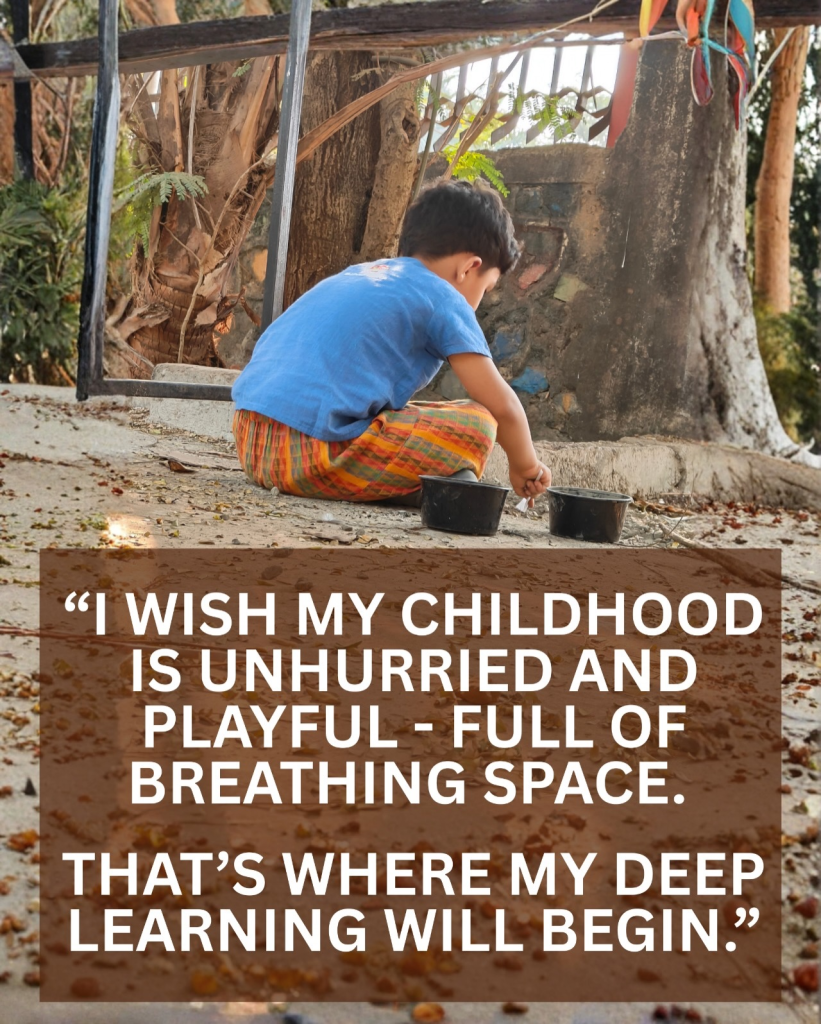
    What if the greatest gift you could give your child is not another lesson, trophy, or college prep course — but time? In a culture obsessed with acceleration, the decision to raise your kids slowly has become radical. To intentionally cultivate an unhurried childhood is to push back against everything modern parenting has become: frantic, scheduled, anxious, and exhausted.

    In the time it takes you to read this sentence, the average American child has received a push notification, been reminded of a pending homework assignment, or heard a parent say, “Hurry up, we’re late.” We live in a world of accelerations—faster internet, quicker shipping, instant streaming, and nonstop schedules. And our children are drowning in the current.

    To give your child an unhurried childhood is not merely a nostalgic preference. It is a deliberate, countercultural rebellion against a system that treats childhood as a performance, a resume-building exercise, or a series of sprints toward an ever-receding finish line.

    This article will explore why rushed childhoods are causing anxiety, depression, and burnout in kids as young as eight. More importantly, it will provide a practical manifesto for slowing down—protecting free play, boredom, deep attention, and family rhythms in a world that demands speed.


    The Problem – What Speed Does to a Child’s Soul

    We have been sold a lie. The lie says: More activities produce better children. Earlier academics produce smarter children. Constant enrichment produces happier children.

    The data says otherwise.

    Anxiety and depression in children aged 6–17 have increased by over 40% in the last decade. Pediatric emergency room visits for panic attacks and suicidal ideation have skyrocketed. While screens play a role, the deeper culprit is the elimination of unstructured time.

    When a child is rushed from school to soccer to piano to tutoring to dinner to homework to bed, they never experience:

    • Boredom (the mother of creativity)
    • Deep play (the architect of social skills)
    • Lingering (the soil of wonder)
    • Unsupervised problem-solving (the forge of resilience)

    Psychologist Peter Gray argues that the decline in free play is the single greatest cause of the rise in childhood mental illness. When children are always scheduled, they never learn to negotiate, take risks, resolve conflicts, or simply be.


    Part 2: What Is an Unhurried Childhood? (A Definition)

    An unhurried childhood is not lazy parenting. It is not neglecting education or extracurriculars. Rather, it is the intentional protection of a child’s natural developmental pace.

    Key characteristics:

    • Margin: Empty spaces in the weekly calendar. Afternoons with nothing planned.
    • Slow mornings: Time to wake up naturally, eat breakfast without a clock, and talk.
    • Free play: Unstructured, unsupervised (within safety), undirected by adults.
    • One thing at a time: No multitasking. When you play, you play. When you eat, you eat.
    • Nature immersion: Hours outside, not measured by steps or achievements.
    • Family rhythms: Predictable, unhurried traditions (Sunday pancakes, evening walks, read-aloud time).

    This is not a luxury for the wealthy. Families in small apartments can create unhurried evenings. Single parents can protect one slow afternoon per week. It requires intention, not income.


    Part 3: The Countercultural Angle – Why Slowing Down Is an Act of Resistance

    Here is the radical claim at the heart of this article:

    Giving your child an unhurried childhood is a political, economic, and cultural act of defiance.

    Consider what the rushed world wants from your child:

    • Consumerism wants your child rushed so they need convenience products (fast food, instant entertainment, disposable toys).
    • Social media wants your child rushed so they stay on the dopamine treadmill, never pausing to question the scroll.
    • The education-industrial complex wants your child rushed so they submit to standardized tests, homework overload, and college admissions hysteria.
    • The economy wants your child rushed so they grow into anxious, overworked adults who consume to soothe their exhaustion.

    When you say “no” to travel soccer for a 9-year-old, you are rejecting a multi-billion-dollar youth sports industry. When you say “no” to tablets before age 10, you are rejecting the attention economy. When you say “no” to homework for a kindergartener, you are rejecting a system that values data over development.

    Slowing down is sabotage. The system cannot monetize a child lying in the grass watching clouds. The algorithm cannot harvest a child building a fort with sticks. The economy cannot profit from a family eating dinner together for 90 minutes.

    This is why the unhurried childhood feels so threatening to other parents. When you opt out, you expose the absurdity of the rush. Your child’s peace becomes a silent indictment of their child’s exhaustion.

    Do it anyway.


    Part 4: The Science – Why Unhurried Brains Are Healthier Brains

    Neuroscience backs up the countercultural parent.

    • The default mode network (DMN): This brain network activates during rest, daydreaming, and unstructured time. It is responsible for self-reflection, creativity, and memory consolidation. Rushed children never activate their DMN. Unhurried children strengthen it daily.
    • Cortisol: Chronic rushing elevates cortisol (stress hormone). In children, high cortisol damages the hippocampus (memory center) and shrinks the prefrontal cortex (impulse control). Unhurried children have lower baseline cortisol.
    • Myelination: Deep, repetitive free play (climbing the same tree, building the same Lego city) strengthens neural pathways through myelination. Flipping between activities fragments this process.
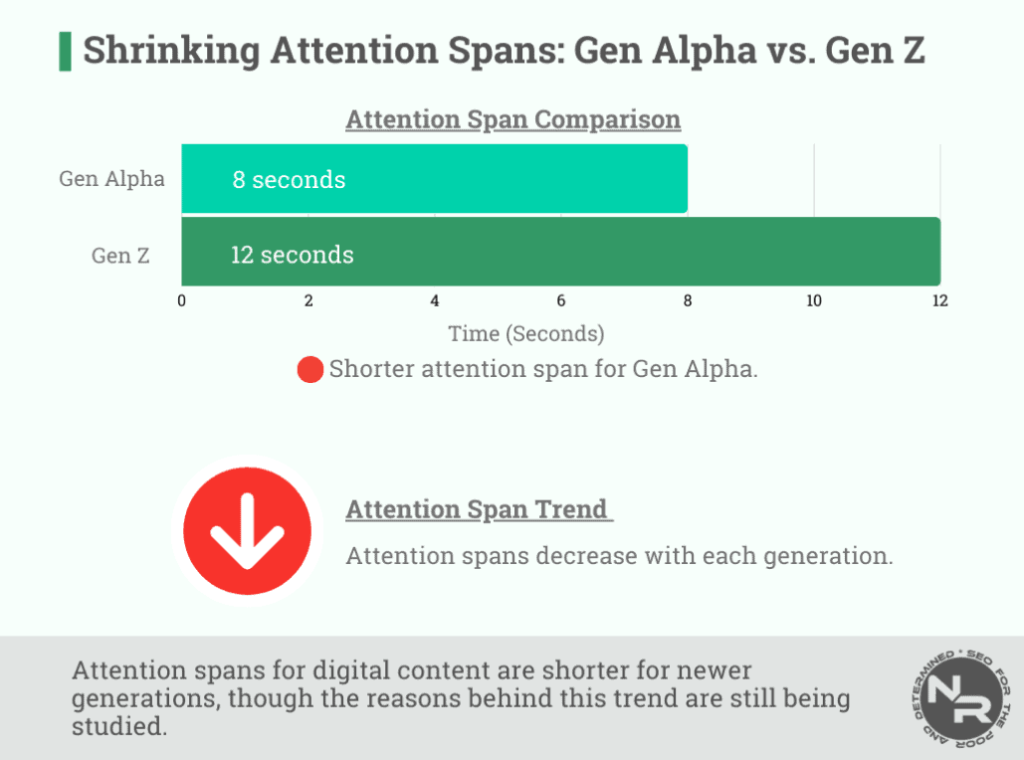
    • Attention span: The average child’s attention span has dropped from 12 seconds in 2000 to 8 seconds in 2025 (shorter than a goldfish). Unhurried environments—long walks, board games, reading—rebuild sustained attention.

    Put simply: Speed damages the child’s brain. Stillness heals it.


    Part 5: Practical Strategies for an Unhurried Home

    You cannot slow down the entire world. But you can slow down your home. Here is how.

    1. Protect the Morning

    The most rushed time in most families is 6:30–8:00 AM. Flip the script.

    • Lay out clothes, pack lunches, and sign forms the night before.
    • Wake up 30 minutes before your children so you are calm when they rise.
    • No screens before school. Screens fragment attention and create time blindness.
    • Build a 15-minute buffer into every transition. Leave earlier than necessary.

    2. Slash the Schedule

    The average American child spends only 4–7 hours per week in unstructured free play but 15+ hours in organized activities.

    • The “one activity per season” rule: A child can do one sport, one art, or one club at a time. When the season ends, take a break before the next begins.
    • Say no to travel teams before age 12. Local recreation leagues are sufficient.
    • Guard weekends fiercely. Saturdays are for family, friends, and nothing. Sundays are for rest and preparation.

    3. Boredom Is a Gift

    When a child says, “I’m bored,” resist the urge to provide a screen or a scheduled activity.

    Instead, say: “That’s wonderful. Boredom is where creativity begins. I’ll check on you in an hour.”

    At first, they will struggle. Within weeks, they will build forts, write stories, draw comics, climb trees, and invent games. Boredom is the soil of the imagination.

    4. Establish Slow Rhythms

    Children thrive on predictability. Build slow, daily, weekly, and seasonal rhythms.

    • Daily: Family dinner (no phones, no rushing). Evening read-aloud time. A short walk after school before homework.
    • Weekly: Pancake Sunday. Board game Friday. Saturday morning without plans.
    • Seasonal: Apple picking in fall. A week of fireflies in summer. Holiday baking over multiple slow afternoons.

    5. Reduce Screen Time Dramatically

    Screens are the enemy of unhurried childhood. They speed up time perception, fragment attention, and replace deep play.

    • No screens under age 2.
    • Ages 2–5: 1 hour max per day of high-quality programming (together).
    • Ages 6–12: Screen-free weekdays. Limited weekend use (2 hours/day).
    • No phones before age 14. No social media before 16.

    This will make you unpopular. Your children will protest. Hold the line. Their childhood depends on it.

    6. Embrace “Enough”

    The rushed childhood is fueled by scarcity thinking: If my child doesn’t do X, they will fall behind.

    Reject this. Your child will not fall behind because they missed travel soccer at age 8. They will fall behind if they burn out by age 12.

    Say this aloud: “My child is enough. Our pace is enough. This moment is enough.”


    Part 6: What You Gain (Beyond Just Less Stress)

    An unhurried childhood is not merely the absence of rushing. It is the presence of something better.

    Rushed ChildhoodUnhurried Childhood
    Chronic anxietyCalm resilience
    Fragmented attentionDeep focus
    Superficial friendshipsLoyal, negotiated bonds
    Burnout by adolescenceSustainable energy
    Resentment toward parentsSecure attachment
    Fear of missing outJoy in the present

    Parents report that after slowing down, they actually know their children again. Conversations become longer. Conflicts become manageable. Laughter returns.

    One mother wrote: “We dropped from six activities to two. My son cried the first week—out of relief. He said, ‘Mom, I didn’t know I could just play.’”


    Part 7: Overcoming Pushback – What to Say to Critics

    When you choose an unhurried childhood, other adults will question you.

    • “But won’t they fall behind?” Behind whom? Behind what metric? Behind the anxious, exhausted children in the gifted program? No thank you.
    • “They need to learn discipline.” Discipline is not exhaustion. Discipline is the ability to focus deeply, which requires unhurried time.
    • “All the other kids are doing travel soccer.” Good. Your child can play pickup games at the park while the others drive three hours for a 20-minute game.
    • “You’re being lazy.” Actually, active resistance to the rush is harder than surrendering to it. You are the courageous one.

    Prepare a one-sentence response: “We’ve decided to prioritize rest, play, and family connection right now. It’s working beautifully for us.” No defensiveness. Just clarity.


    Part 8: A Letter to Your Rushed Self

    Dear parent,

    You are not failing. You were raised in the same rushed system. You are exhausted too. The panic you feel when your child falls “behind” was installed in you by a culture that profits from your anxiety.

    But you can stop.

    You can say no to the next activity. You can turn off the notifications. You can sit on the floor and build Legos for an hour with no agenda. You can watch your child stare at a caterpillar for ten minutes without saying, “Come on, we have to go.”

    The world will not applaud you. Your in-laws might not understand. Other parents will wonder why you aren’t at the tournament.

    But your child will remember. They will remember the long Sundays, the unhurried breakfasts, the evenings when you read one more chapter because no one was tired yet. They will grow into adults who know how to rest, how to play, and how to say no to the rush.

    That is the quiet revolution. That is the act of resistance. That is the unhurried childhood.

    Start today. Right now. Put down your phone. Go outside with your child. Do nothing. It will be the most radical thing you have ever done.


    Summary: 10 Commitments for the Unhurried Parent

    1. I will protect morning margin.
    2. I will limit activities to one per season.
    3. I will welcome boredom as a gift.
    4. I will eat dinner together without screens.
    5. I will read aloud to my child daily.
    6. I will refuse travel teams before age 12.
    7. I will delay smartphones until high school.
    8. I will spend one afternoon per week in nature.
    9. I will say “enough” and mean it.
    10. I will remember: childhood is not a race. It is a garden.

    Final Word

    The most urgent task of modern parenting is not preparing your child for a competitive world. It is protecting them from it long enough that they develop the inner resources to navigate it with wisdom, not wounds.

    An unhurried childhood is not a luxury. It is a lifeline. And it starts with one decision today: to slow down, to breathe, and to let your child simply be.

    The world will keep rushing. Your family does not have to follow.

  • 20 Screen-Free Activities for Kids They’ll Actually Want to Do

    20 Screen-Free Activities for Kids They’ll Actually Want to Do

    In an age where tablets, smartphones, and televisions constantly compete for our children’s attention, finding screen-free activities for kids that genuinely excite them rather than trigger eye rolls and groans can feel like an uphill battle. The good news is that with a little creativity and the right approach, screen-free time doesn’t have to feel like a punishment—it can become the highlight of your child’s day. This collection of 20 activities is specifically designed to capture imaginations, invite hands-on engagement, and deliver the kind of fun that screens simply can’t replicate. From messy sensory play to quiet creative projects, each idea prioritizes genuine enjoyment while offering parents a meaningful role in the experience.


    Why Screen-Free Time Matters More Than Ever

    Before diving into the activities, it’s worth understanding why intentional screen-free time is so crucial for child development. The average child spends between four to seven hours per day looking at screens, a number that has steadily risen over the past decade. This excessive screen time has been linked to delayed language development, reduced attention spans, disrupted sleep patterns, and decreased opportunities for imaginative play.

    However, simply removing screens without offering compelling alternatives rarely works. Children need activities that spark curiosity, offer a sense of accomplishment, and provide meaningful connection with the adults in their lives. The activities below are designed to do exactly that—they respect children’s need for autonomy and fun while subtly building skills like problem-solving, fine motor coordination, emotional regulation, and creative thinking.


    How to Use This Guide

    Each activity includes:

    • Age recommendations to help you choose appropriately
    • Preparation time so you can plan ahead
    • The parent’s role—because how you engage matters as much as what you do
    • Simple instructions that prioritize fun over perfection

    Remember: the goal is connection and enjoyment, not a Pinterest-perfect outcome. Embrace the mess, follow your child’s lead, and don’t be afraid to adapt activities to suit your family’s unique rhythm.
    For parents who need more than activity ideas—who are ready to understand why independent play feels so hard and how to build it from the ground up—our guide to the Independent Play Blueprint offers science-backed strategies for regulation, sensory input, and creating a “yes space” that actually works. Beyond the Tablet: Mom’s Guide to Building Independent Play Stamina


    20 Screen-Free Activities They’ll Actually Want to Do

    1. The Great Indoor Fort Challenge

    Age: 3–10 years
    Prep Time: 10 minutes

    Few activities capture childhood magic quite like building a fort. What makes this version different is treating it as a challenge rather than just free play. Declare it “The Great Fort Build-Off” and let your child take the lead.

    Parent’s Role: Instead of building the fort for them, act as a consultant. Ask questions like, “What would make this structure more stable?” or “How can we make the inside cozier?” Supply materials—blankets, pillows, fairy lights, clothespins—but let them problem-solve. Your presence matters more than your construction skills.

    Why It Works: Forts create a sense of ownership and privacy. Children naturally gravitate toward spaces they’ve built themselves, and the cozy environment often sparks extended imaginative play.


    2. Flashlight Storytelling

    Age: 4–10 years
    Prep Time: 2 minutes

    After the lights go out, hand your child a flashlight and take turns telling stories. The flashlight becomes a spotlight, a magical wand, or even a character itself.

    Parent’s Role: Start with a simple opening line like, “One night, a flashlight discovered it could talk…” then let your child take over. If they get stuck, offer gentle prompts: “What happened next?” or “What did the flashlight see?” This activity builds narrative skills while creating a cozy bonding ritual.

    Age Adaptation: For younger children (ages 3–5), focus on simple cause-and-effect stories with repetitive phrases. For older kids (ages 7–10), introduce story dice or prompt cards to add complexity.


    3. Reverse Scavenger Hunt

    Age: 4–12 years
    Prep Time: 5–15 minutes

    In a traditional scavenger hunt, children search for hidden items. In a reverse scavenger hunt, they collect items from around the house or yard and then must hide them for you to find—reversing the power dynamic.

    Parent’s Role: Give your child a list of items to gather (e.g., “something red,” “something that makes noise,” “something smaller than your thumb”). Once collected, they hide each item while you close your eyes. Then you search while they give “hot and cold” clues.

    Why It Works: This flips the typical parent-led activity on its head. Children love being the one with the knowledge and the power to guide.


    4. DIY Obstacle Course

    Age: 3–10 years
    Prep Time: 20 minutes

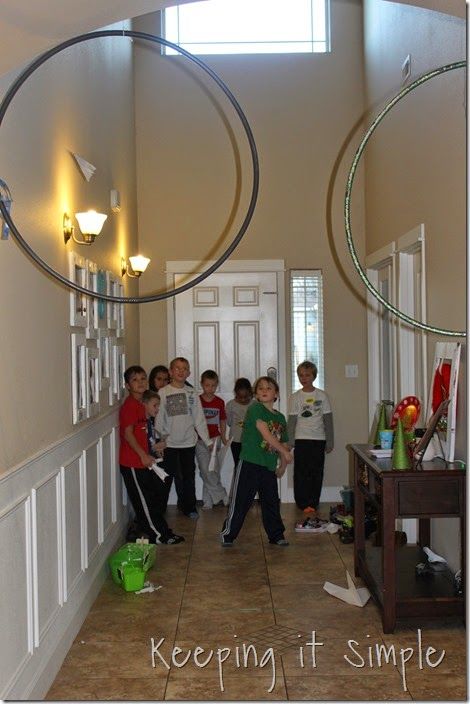
    Transform your living room or backyard into an obstacle course using pillows, couch cushions, hula hoops, masking tape lines, and chairs to crawl under.

    Parent’s Role: Collaborate on the design. Ask your child, “What’s the hardest part we can add?” or “How should we time this?” Participate alongside them—modeling enthusiasm and effort is far more effective than simply supervising from the sidelines.

    Age Adaptation: For toddlers, focus on gross motor basics like crawling, jumping, and balancing. For school-age children, add timed challenges, silly rules (hop on one foot while humming), or team-based races.


    5. The Sock Puppet Theater

    Age: 4–10 years
    Prep Time: 15 minutes

    Gather unmatched socks, buttons, yarn, fabric scraps, and markers to create puppet characters. Once puppets are complete, stage a performance.

    Parent’s Role: Help with tricky assembly (gluing eyes, sewing simple features) but let your child dictate their character’s personality. During the performance, be an enthusiastic audience member—or better yet, create your own puppet and join the show.

    Extension Idea: Record the performance on a device (ironically using a screen to celebrate screen-free creativity) and play it back for family movie night.


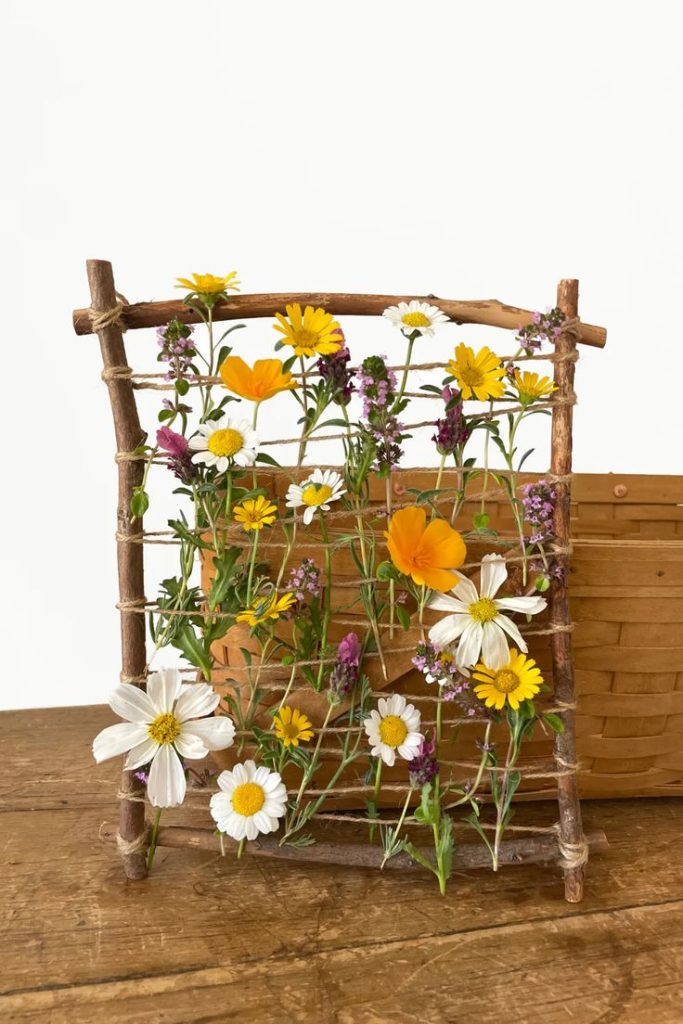
    6. Nature Weaving

    Age: 5–12 years
    Prep Time: 10 minutes

    Create a simple loom by tying string or yarn between two sturdy sticks or around a cardboard frame. Then head outside to collect nature treasures—leaves, flowers, grasses, feathers—to weave through.

    Parent’s Role: Walk alongside your child during the collection phase, noticing details together: “Look at the pattern on this leaf” or “This grass feels different from the others.” During weaving, offer help with tying knots but resist the urge to “correct” their design.

    Why It Works: This activity combines outdoor exploration with fine motor work and artistic expression. The result is a beautiful, temporary piece of art that celebrates nature.


    7. Kitchen Science: Baking Soda Volcanoes

    Age: 3–10 years
    Prep Time: 5 minutes

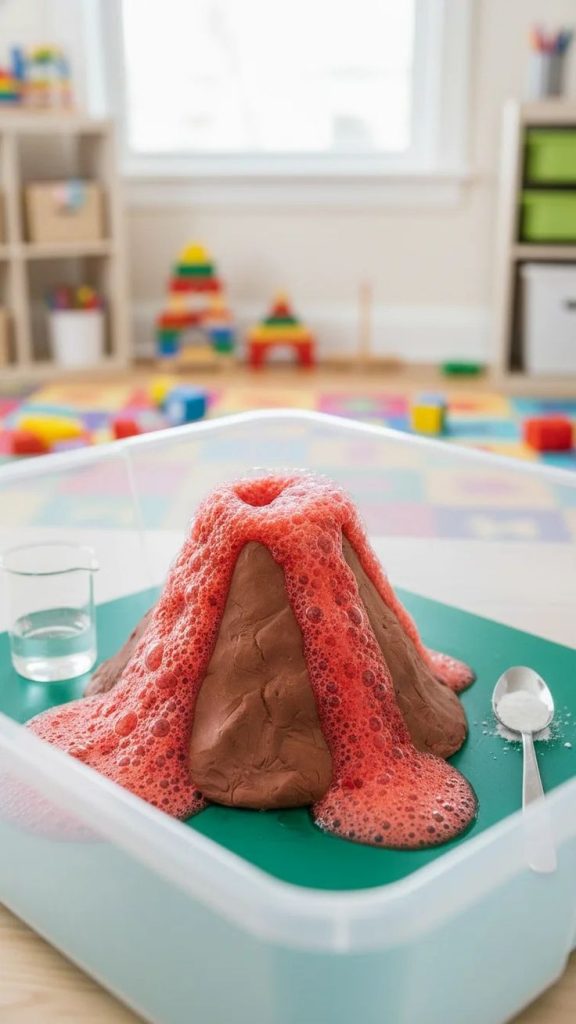
    This classic never loses its magic. Build a volcano shape using sand, dirt, or play dough, or simply place baking soda in a container. Add food coloring and vinegar to watch the eruption.

    Parent’s Role: Introduce simple scientific language: “What do you think will happen when we add the vinegar?” “Let’s try adding more baking soda—what changed?” Let your child handle the pouring and measuring to build confidence with real-world tools.

    Safety Note: Supervise closely with younger children to prevent vinegar from getting into eyes. Perform outdoors or on a washable surface.


    8. Cardboard City

    Age: 4–12 years
    Prep Time: 5 minutes to gather boxes

    Save shipping boxes, cereal boxes, and shoe boxes for one glorious afternoon of cardboard construction. Add scissors (age-appropriate), tape, markers, and any small toys to populate the city.

    Parent’s Role: Resist the urge to build something impressive yourself. Instead, ask questions that extend play: “What does this building need inside?” “How do the people get from here to the park?” Offer technical help with cutting or taping only when requested.

    Age Adaptation: Younger children may focus on decorating and stacking. Older children can design multi-level structures, working drawbridges, or themed zones like a zoo, airport, or medieval village.


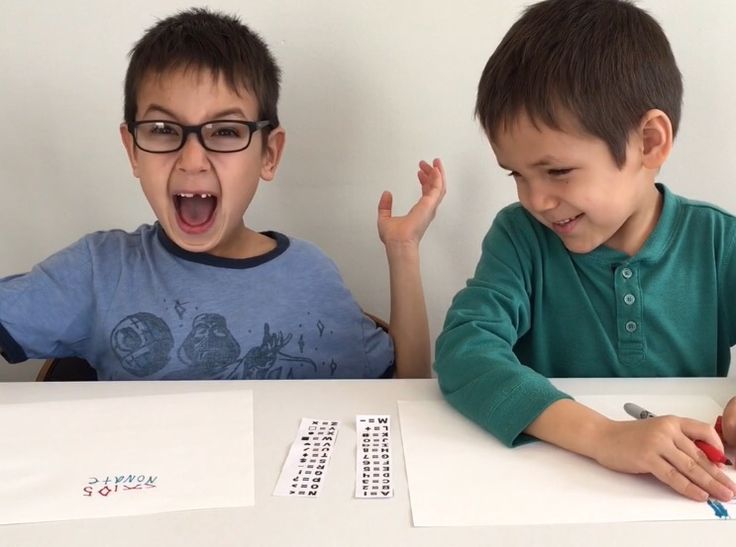
    9. Secret Message Codes

    Age: 6–12 years
    Prep Time: 10 minutes

    Introduce your child to the world of secret codes. Teach simple ciphers like the Caesar cipher (shifting letters) or create a code where each letter is replaced with a symbol.

    Parent’s Role: Write a secret message for your child to decode, then let them write one for you. For younger children, start with picture codes or reverse writing (writing backwards to be read in a mirror).

    Why It Works: Codes tap into children’s love of secrets and mystery. This activity builds critical thinking, pattern recognition, and patience.


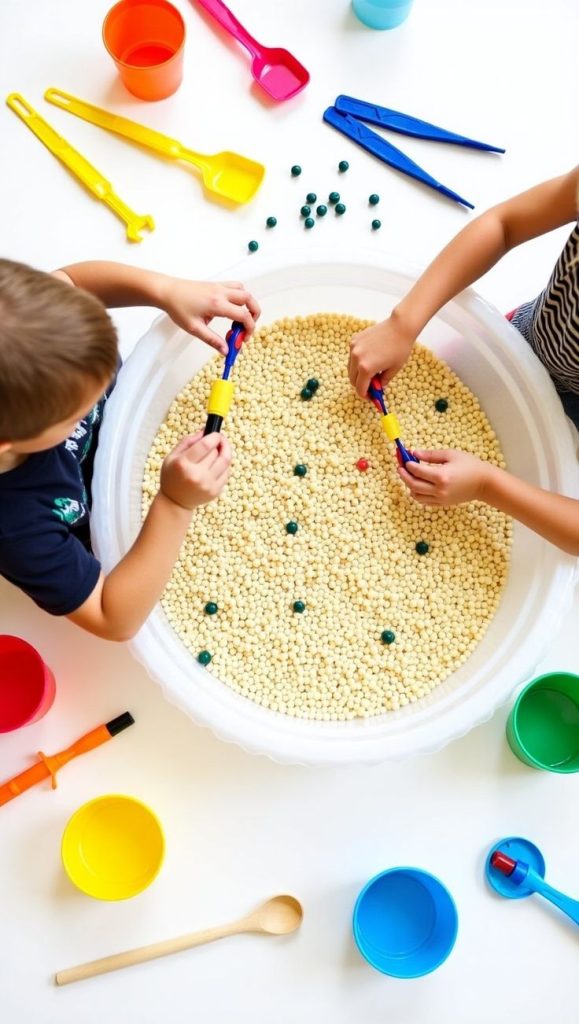
    10. Sensory Bins

    Age: 2–7 years
    Prep Time: 10 minutes

    Fill a large plastic bin with a sensory base—rice, dried beans, water beads, sand, or shaving cream. Add scoops, small toys, cups, and funnels.

    Parent’s Role: Sit beside your child and narrate what you notice: “I see you’re filling the blue cup all the way to the top.” Follow their lead rather than directing the play. Sensory play is naturally calming and often leads to rich imaginative scenarios.

    Mess Management: Place a shower curtain or old sheet underneath for easy cleanup. Establish clear boundaries (e.g., “the rice stays in the bin”) before starting.


    11. Shadow Puppets

    Age: 3–10 years
    Prep Time: 2 minutes

    All you need is a flashlight and a blank wall. Use hands to create animal shapes, or cut simple figures from cardstock taped to skewers.

    Parent’s Role: Start by demonstrating a few shadow shapes, then let your child experiment. Take turns guessing what each shadow represents. For older children, collaborate on a short shadow puppet story.

    12. Homemade Play Dough

    Age: 2–10 years
    Prep Time: 15 minutes

    Making play dough from scratch turns a simple sensory activity into a meaningful project. Use a basic recipe: 2 cups flour, 1 cup salt, 2 tablespoons oil, 2 cups water, and cream of tartar. Add food coloring for vibrant hues.

    Parent’s Role: Let your child measure ingredients, mix, and knead. This builds math skills, fine motor strength, and a sense of accomplishment. Once the dough is ready, join in the sculpting rather than cleaning up immediately.


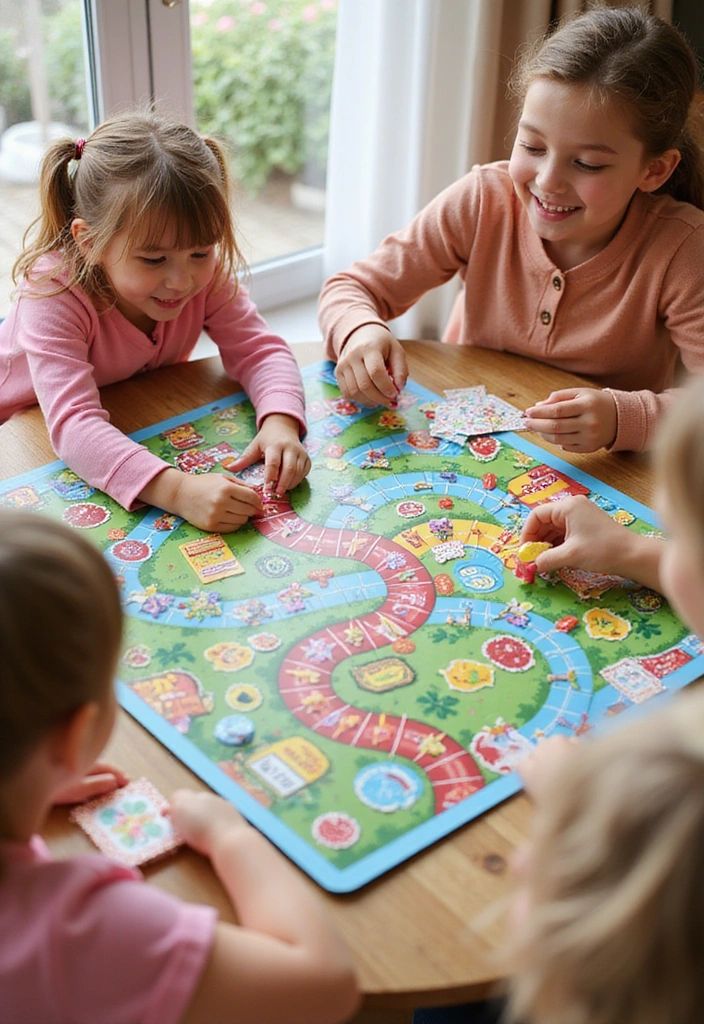
    13. Board Game Marathon

    Age: 4–12 years
    Prep Time: 5 minutes

    Designate an afternoon as a board game marathon. Let each family member choose one game, creating a tournament-style rotation.

    Parent’s Role: Play with genuine enthusiasm. Avoid letting your child win every time—graceful losing builds emotional resilience. Use game time to model good sportsmanship and strategic thinking out loud.

    Game Recommendations: For ages 4–6, try Hoot Owl Hoot, Zingo, or Candy Land. For ages 7–10, consider Ticket to Ride (First Journey), Codenames, or Sushi Go. For ages 10–12, introduce Catan, Carcassonne, or cooperative games like Forbidden Island.


    14. Paper Airplane Derby

    Age: 5–12 years
    Prep Time: 5 minutes

    Fold multiple paper airplane designs—darts, gliders, stunt planes—then hold competitions for distance, accuracy, and hang time.

    Parent’s Role: Learn a few designs together using online tutorials or books (printed ahead of time to stay screen-free). During the derby, track results on a simple scoreboard. Offer encouragement for creative designs rather than just winning models.


    15. Photo Scavenger Hunt

    Age: 5–12 years
    Prep Time: 10 minutes

    Create a list of items or scenes for your child to find and “capture”—not with a screen, but with a simple disposable or kid-friendly camera. If using a phone camera feels counterproductive to screen-free goals, set clear boundaries that the device is used only as a tool for this specific activity.

    Parent’s Role: Walk alongside your child as they hunt, offering gentle hints when needed. Afterward, print the photos and let your child create a scrapbook or gallery wall of their captures.


    16. Music Makers

    Age: 2–10 years
    Prep Time: 10 minutes

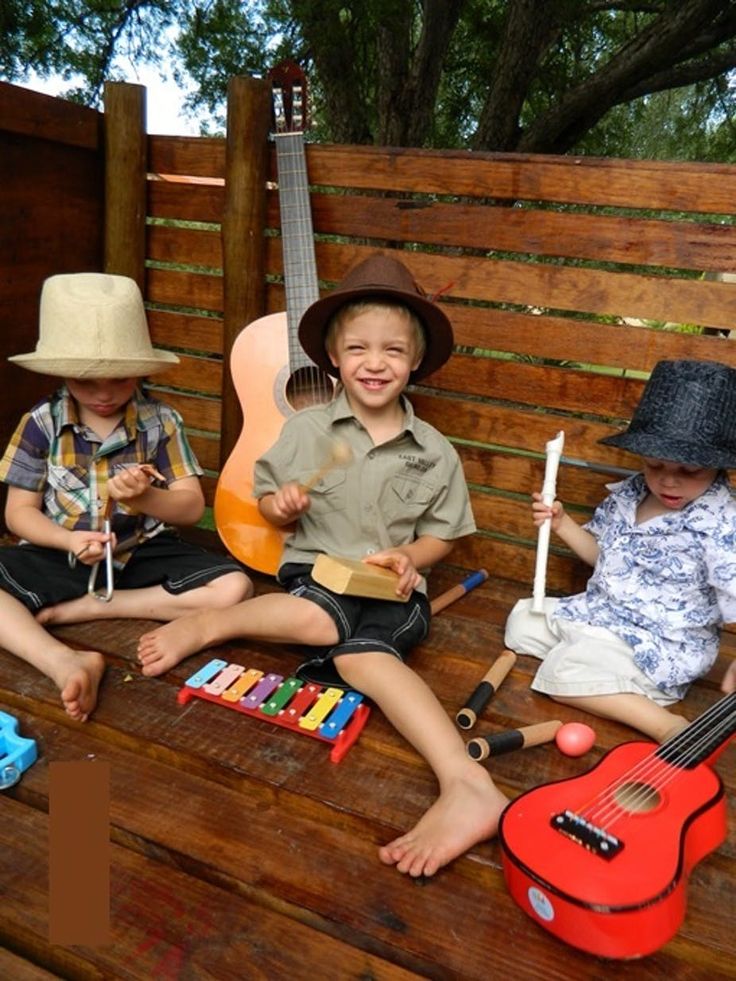
    Create instruments from household items: shakers from rice-filled bottles, drums from overturned pots, guitars from tissue boxes with rubber bands.

    Parent’s Role: Make your own instrument alongside your child. Then start a family band—take turns leading songs, conducting, or inventing new rhythms. The goal is joyful noise, not musical precision.


    17. Story Stones

    Age: 4–10 years
    Prep Time: 20 minutes

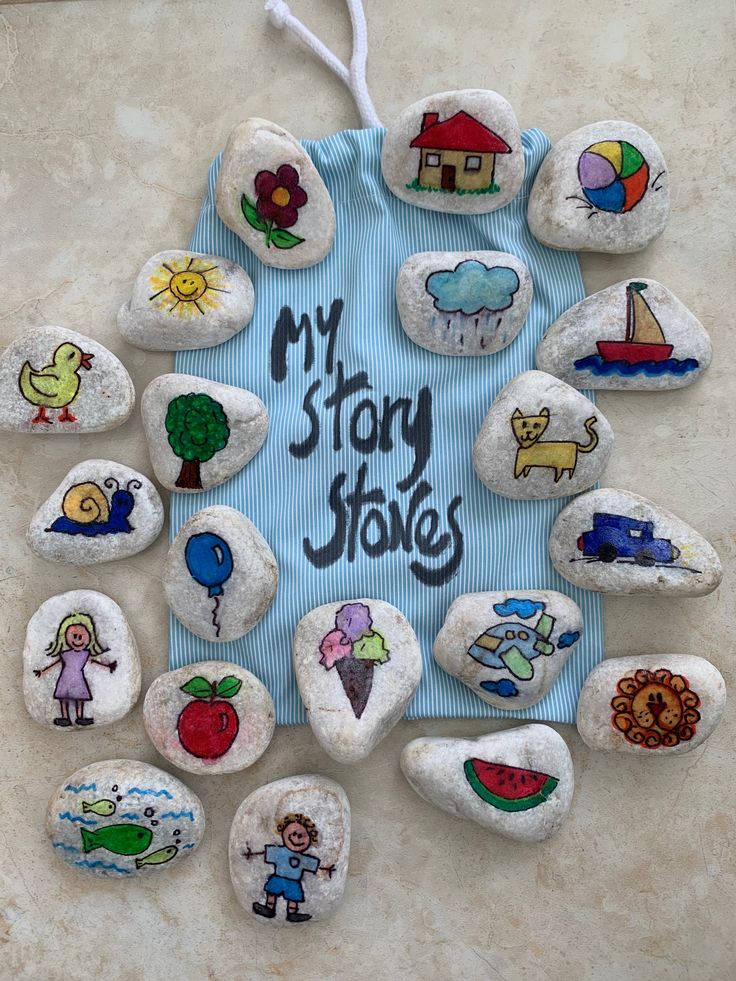
    Collect smooth stones and decorate them with simple images—characters, objects, places, or emotions. Store them in a bag, then pull out a handful to inspire collaborative storytelling.

    Parent’s Role: Paint stones alongside your child, sharing stories about each image as you create. During storytelling, take turns drawing stones and weaving the elements into a shared tale.


    18. Living Room Campout

    Age: 3–12 years
    Prep Time: 15 minutes

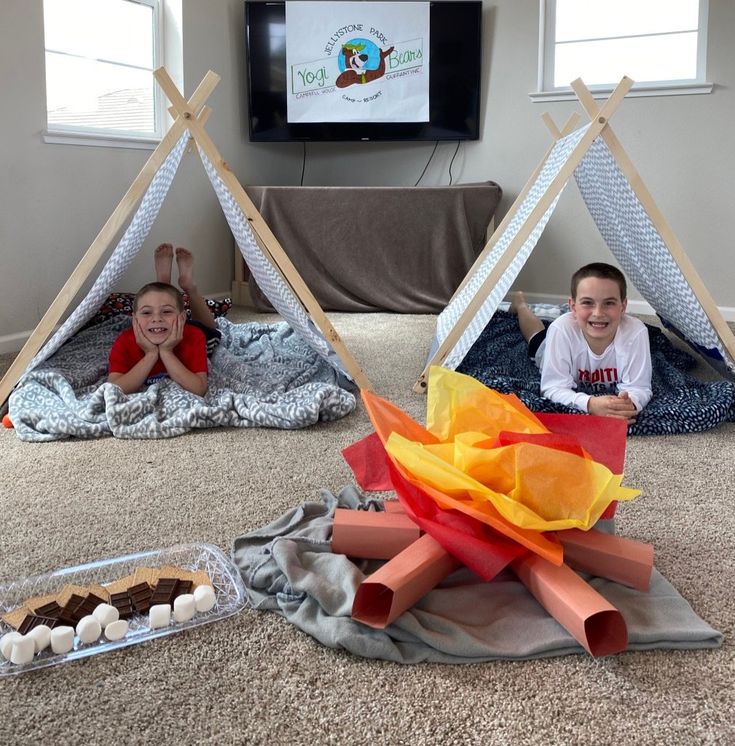
    Pitch a tent indoors or build a blanket fort, lay out sleeping bags, and simulate a camping experience. Tell stories by flashlight, make s’mores in the oven, and “stargaze” with glow-in-the-dark stars on the ceiling.

    Parent’s Role: Commit fully to the experience. Use a camping voice, prepare “campfire” snacks together, and spend the night in the living room. Your willingness to fully participate signals that this time together matters.


    19. Baking Day

    Age: 3–12 years
    Prep Time: Varies

    Baking offers a perfect blend of process and product. Choose a recipe that allows for hands-on involvement—kneading bread, rolling cookies, decorating cupcakes.

    Parent’s Role: Assign real jobs based on age: toddlers can pour pre-measured ingredients, school-age children can measure and mix, older kids can read recipes and manage timing. Resist the urge to take over when things get messy. The learning happens in the process, not the perfection.


    20. Community Kindness Project

    Age: 4–12 years
    Prep Time: 30 minutes

    Channel screen-free energy into helping others. Ideas include making cards for a local nursing home, baking treats for neighbors, or creating kindness rocks to hide around the community.

    Parent’s Role: Let your child take the lead on choosing the project. Discuss together why kindness matters and how small actions impact others. Deliver or hide the items together, celebrating the joy of giving without expectation of recognition.


    Making Screen-Free Time Sustainable

    Implementing screen-free activities doesn’t require perfection. Here are a few strategies to make it stick:

    Start small. Designate one afternoon a week as a “screen-free adventure” rather than attempting a complete overhaul.

    Create a visible menu. Post a list of favorite screen-free activities on the refrigerator so children can choose independently when boredom strikes.

    Set realistic boundaries. Rather than banning screens entirely, establish clear times—such as “no screens before breakfast” or “weekends only after 3 p.m.”—that make space for other activities without creating constant negotiation.

    Reframe your role. Your presence is the most powerful tool in your screen-free toolkit. Children are far more likely to engage deeply with activities when a parent participates alongside them, even briefly, before stepping back.


    Final Thoughts

    The goal of screen-free time isn’t to eliminate technology entirely—screens are a meaningful part of modern life—but to create balance. The 20 activities shared here are designed to offer something screens cannot: tactile engagement, shared laughter, the satisfaction of creating something with your own hands, and the quiet joy of being fully present with the people you love.

    When children have access to genuinely engaging alternatives, they don’t miss the screens. They discover something better: their own imagination, the world around them, and the simple pleasure of time spent together.


    What screen-free activities have been a hit in your home? Share your favorites in the comments below.

  • How to Reduce Screen Time Without the Meltdown: An Independent Play Blueprint for Busy Moms

    How to Reduce Screen Time Without the Meltdown: An Independent Play Blueprint for Busy Moms

    If screen time is your current survival tool — no judgment. But there’s a way out that doesn’t involve a battle.

    The modern “busy mom” exists in a state of constant task-switching, often wondering how to build independent play stamina in a world dominated by digital distractions. You are likely trying to answer a work email while a toddler asks for a snack, or attempting to fold a mountain of laundry while a tablet blares repetitive cartoons in the background. In these moments of high stress, we often reach for the screen as a “digital babysitter.” It feels like the only viable tool to guarantee a moment of quiet so we can simply function.

    However, many parents notice a frustrating and predictable pattern: the second the screen turns off, a “post-tablet meltdown” begins. If you’ve ever wondered why your child goes from “calm” in front of an iPad to a full-blown tantrum the moment it’s put away, the answer isn’t that your child is “spoiled.” It’s biology. By shifting our focus toward independent play stamina, we can move away from passive consumption and toward a regulated, focused child who can thrive without a screen.

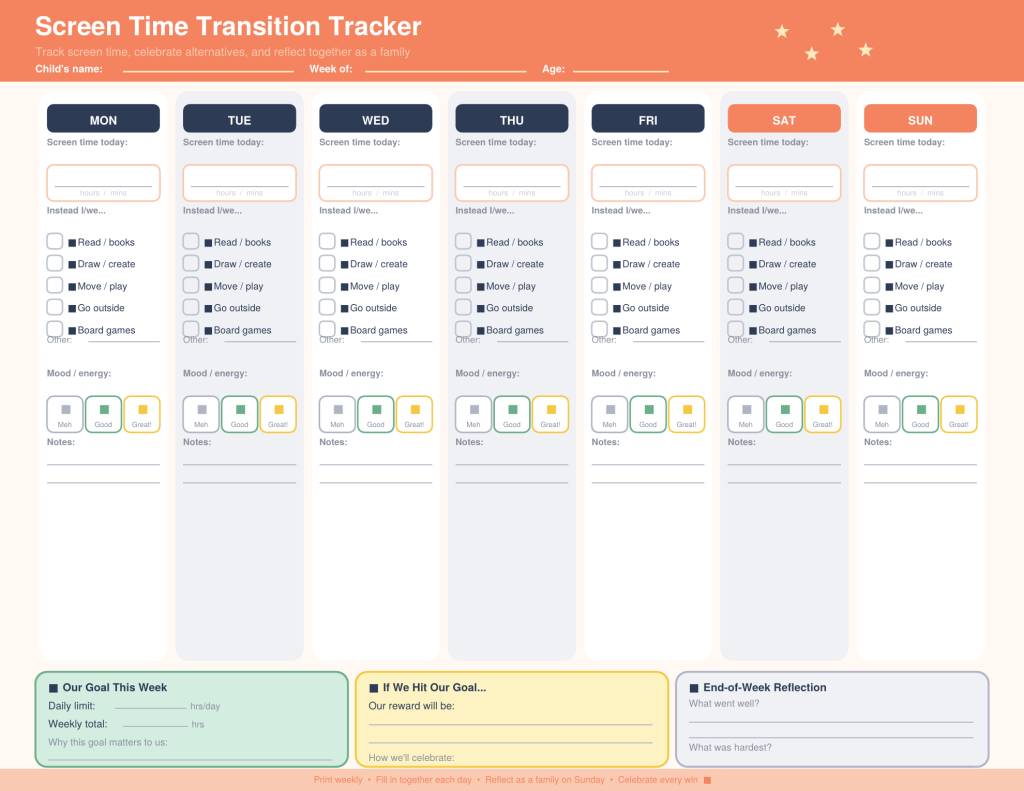
    I’ve also put together a free printable Screen Time Transition Tracker you can download at the end — print it, stick it on the fridge, and fill it in together each day. Let’s get into it.

    The Science of the “Digital Pacifier” vs. Active Engagement

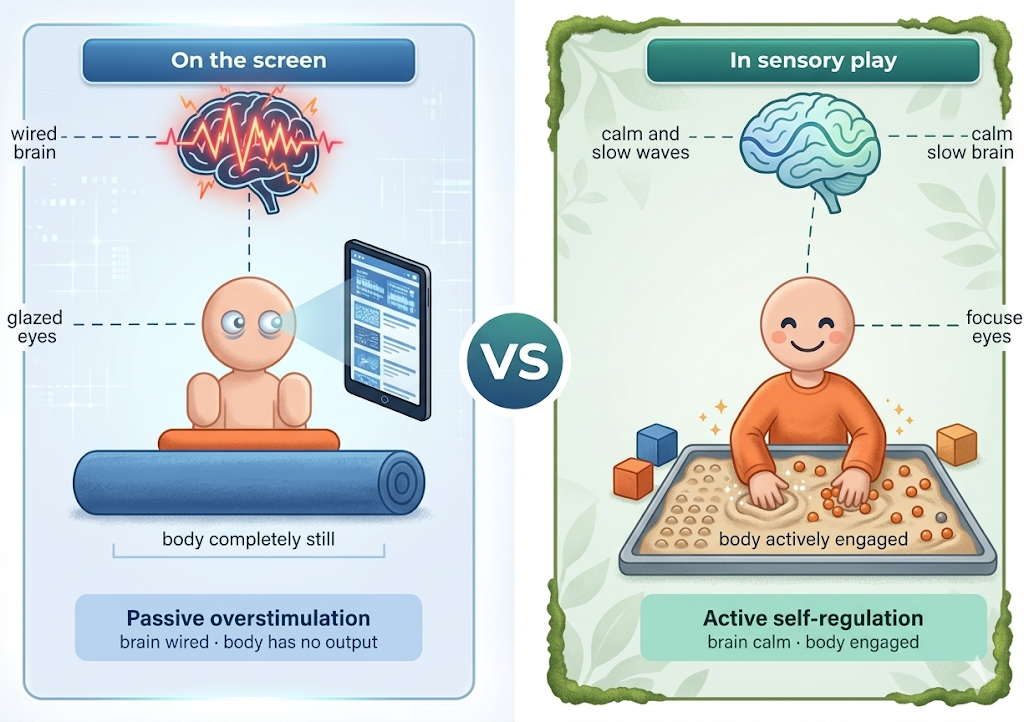
    To understand how to build independent play stamina, we first have to understand what a screen does to a developing brain. When a child watches fast-paced digital content, their nervous system is in a state of passive overstimulation. Their eyes are receiving rapid-fire visual hits of dopamine, but their body is completely still.

    This creates a “top-heavy” energy. Their brain is wired, but their physical system has had no output. When the screen turns off, that built-up sensory energy has nowhere to go, resulting in a nervous system crash.

    True independent play is the opposite. It is an active state of flow. When a child engages with tactile materials—like water, sand, or blocks—they are regulating their own heart rate and sensory input. They aren’t just “staying busy”; they are practicing the cognitive skill of self-occupation. This is the “Blueprint” for reclaiming your morning productivity.


    The Regulation Cheat Sheet: Matching the Task to the Mood

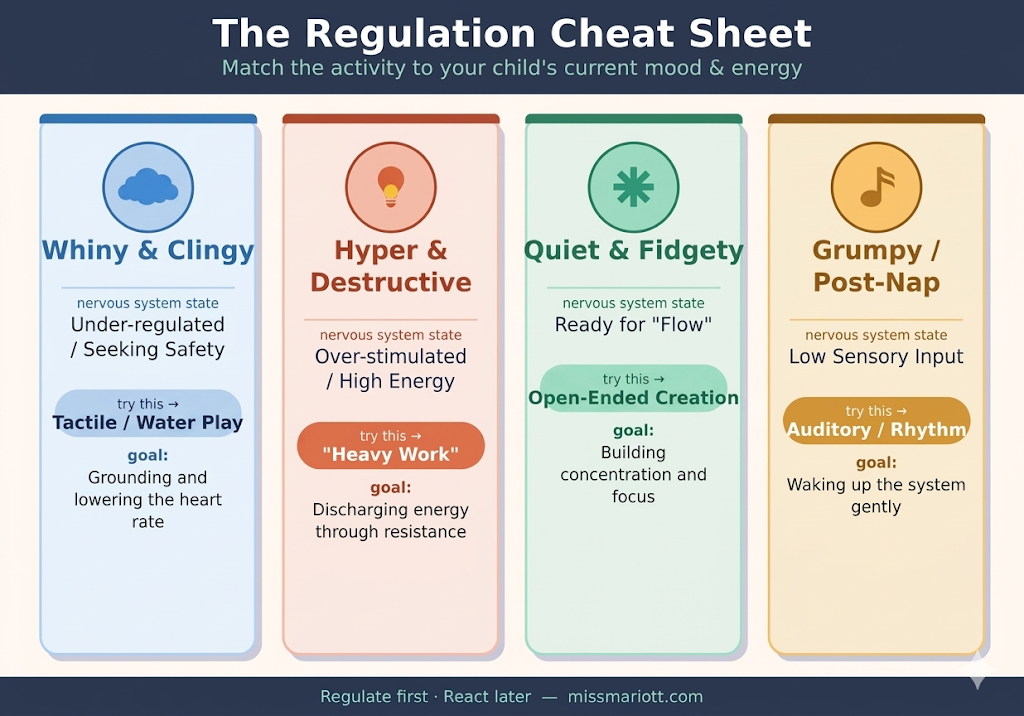
    One of the biggest mistakes we make is offering the wrong activity for the child’s current energy level. If a child is already “bouncing off the walls,” a quiet coloring book will feel like a cage. Use this table to match the sensory input to their current state.

    If your child is…The Nervous System StateYou should provide…Strategic Goal
    Whiny & ClingyUnder-regulated/Seeking SafetyTactile/Water PlayGrounding and lowering the heart rate.
    Hyper/DestructiveOver-stimulated/High Energy“Heavy Work”Discharging energy through resistance.
    Quiet/FidgetyReady for “Flow”Open-Ended CreationBuilding concentration and focus.
    Grumpy/Post-NapLow Sensory InputAuditory/RhythmWaking up the system gently.

    Pillar 1: The Power of Co-Regulation (Regulate First, React Later)

    In the world of gentle parenting, there is a powerful mantra: Regulate first, react later. As moms, we often try to “toss” an activity at a child while we are already halfway out the room to start the dishes. This triggers a separation anxiety response.

    The 5-Minute Anchor Technique

    Before you expect your child to play for 20 minutes alone, you must “anchor” them.

    • The “Sit-In”: Sit on the floor with them at their play station. Don’t lead the play; just be a presence.
    • The “Focus Transfer”: Once you see them achieve “eye-lock” with the task (they are staring intensely at the water or the blocks), that is your cue.
    • The “Narrated Exit”: Instead of sneaking away, say, “I’m going to go fold three shirts while you finish this. I’ll be right there.”

    By anchoring them first, you satisfy their need for connection, which allows their brain to feel safe enough to enter independent play.

    Pillar 2: Understanding “Heavy Work” and Proprioceptive Input

    If you want to finish a 30-minute Zoom call, you need an activity that provides Proprioceptive Input. This is a fancy scientific term for activities that push or pull against the muscles and joints.

    Why It Works for Productivity

    Proprioceptive input is the “weighted blanket” of childhood activities. It is incredibly grounding. When a child is pushing a heavy basket of laundry, sorting “heavy” stones, or kneading a thick dough, their brain releases serotonin.

    This physical resistance acts as a natural tranquilizer. This is why “Sensory Bins” are so effective—it’s not just about the fun; it’s about the physical sensation of the grains or beans against the skin, which tells the nervous system, “You are safe and grounded.”

    Pillar 3: Environmental Engineering (The “Yes Space”)

    Independent play fails when a child is constantly told “No” or “Don’t touch that.” To build stamina, you need a Yes Space. This is an area—even just a corner of the kitchen—where the environment is engineered for success.

    • Lower the Barriers: Keep sensory bins in easy-to-reach containers.
    • Contain the Mess: Use a “mess mat” or an old shower curtain. If you aren’t worried about the cleanup, you won’t be hovering. Your “hovering” breaks their flow state.
    • Rotate, Don’t Accumulate: Too many toys lead to “Choice Paralysis.” Keep only two high-concentration stations out at a time.

    Tracking progress makes the transition stick. Use this free weekly tracker to log screen time, celebrate the alternatives your child chooses, and reflect together at the end of the week — it takes less than two minutes a day to fill in.

    Troubleshooting: What to Do When Play “Fails”

    Building stamina is like training for a marathon. Your child might only give you 5 minutes at first. That is a victory.

    The “One-Minute” Energy Discharge

    If you set up a station and your child immediately walks away to cling to your leg, they likely have a “Stress Response” stuck in their body. Before trying again, do a “One-Minute Shake-Off.” Have a dance party, do ten jumping jacks, or have a “pillow push” contest. Discharge the restless energy physically, then re-introduce the sensory task. You’ll find they are much more likely to settle once the “speedy” energy is out of their system.

    The Cognitive Benefits of Boredom

    We live in a culture that fears boredom. But for a child, boredom is the “waiting room” for creativity. When we immediately hand over a tablet the moment a child says “I’m bored,” we are stealing their opportunity to problem-solve.

    By choosing the Independent Play Blueprint, you are teaching your child how to be comfortable in their own company. You are teaching them that they have the internal resources to entertain themselves. This isn’t just about you getting the laundry done—it’s about raising a resilient, self-soothing human being.

    Conclusion: Becoming a “Cycle Breaker”

    Reclaiming your productivity doesn’t require you to be a “Super Mom” who entertains her kids 24/7. It simply requires a shift in the environment and a deeper understanding of your child’s biological needs.

    By utilizing sensory stations that anchor a child in the “now,” you provide the internal stability they need to stay focused and calm. You are choosing engagement over passive distraction. Start small tomorrow. Pick one chore, set up one sensory anchor, and practice the “regulate first” approach. You’ll be surprised how much you can get done when your child is engaged with the world around them instead of a digital display.