
The first week of summer break is pure magic. By week three, you’re hiding the tablet and praying for September. If you’re searching for summer activities for pre-schoolers that actually hold their attention—without relying on screens, expensive memberships, or Pinterest-level preparation—you’ve come to the right place. The 35 ideas below are designed for real life: short attention spans, hot afternoons, unexpected rain showers, and the ever-present need for you to also get things done. From sensory bins that buy you twenty minutes of coffee-sipping peace to outdoor adventures that tire out even the most energetic three-year-old, this list has something for every mood, weather condition, and energy level.
Why Summer Is Different (And Why That’s Okay)
Summer parenting comes with unique challenges. There’s no school schedule to anchor the day. The heat limits outdoor time. And somehow, your pre-schooler has even more energy than they did in May.
Here’s the secret: pre-schoolers don’t need elaborate activities. They need contained chaos—a clear boundary (a bin, a splash pad, a chalk square) within which they can explore freely. The activities below are built on that principle. Most take less than five minutes to set up and use supplies you already own.
One more thing: you don’t need to do all 35. Pick five that match your child’s current obsession (dinosaurs? water? trucks? stickers?) and rotate them. Repetition is not boredom for a pre-schooler—it’s mastery.
Outdoor Summer Activities for Pre-Schoolers
Fresh air and sunshine are free. Use them.
1. The Mud Kitchen (No Fancy Supplies)
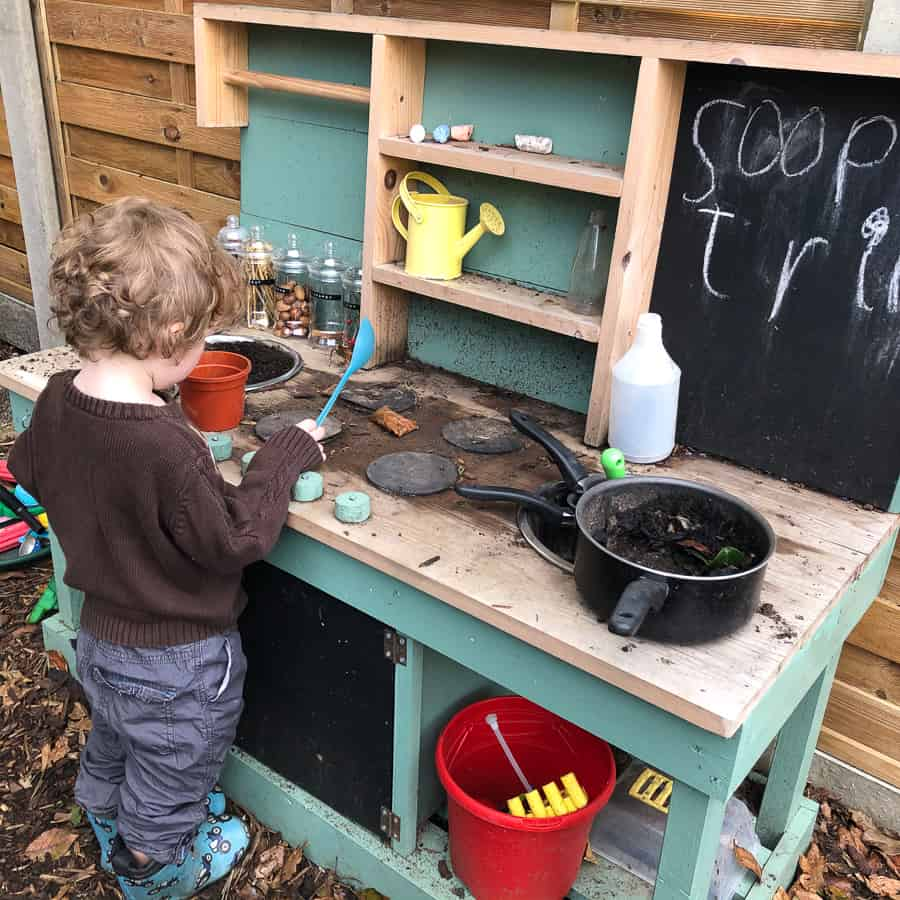
Find an old plastic bin or a corner of the dirt patch. Add spoons, cups, a whisk, and water. That’s it. Your child will mix, pour, stir, and “cook” for forty-five minutes.
Parent role: Sit nearby with coffee. Only intervene if mud goes in mouth.
Age adaptation: 2-year-olds need larger utensils. 4-year-olds will name their dishes and serve you.
2. Car Wash Station
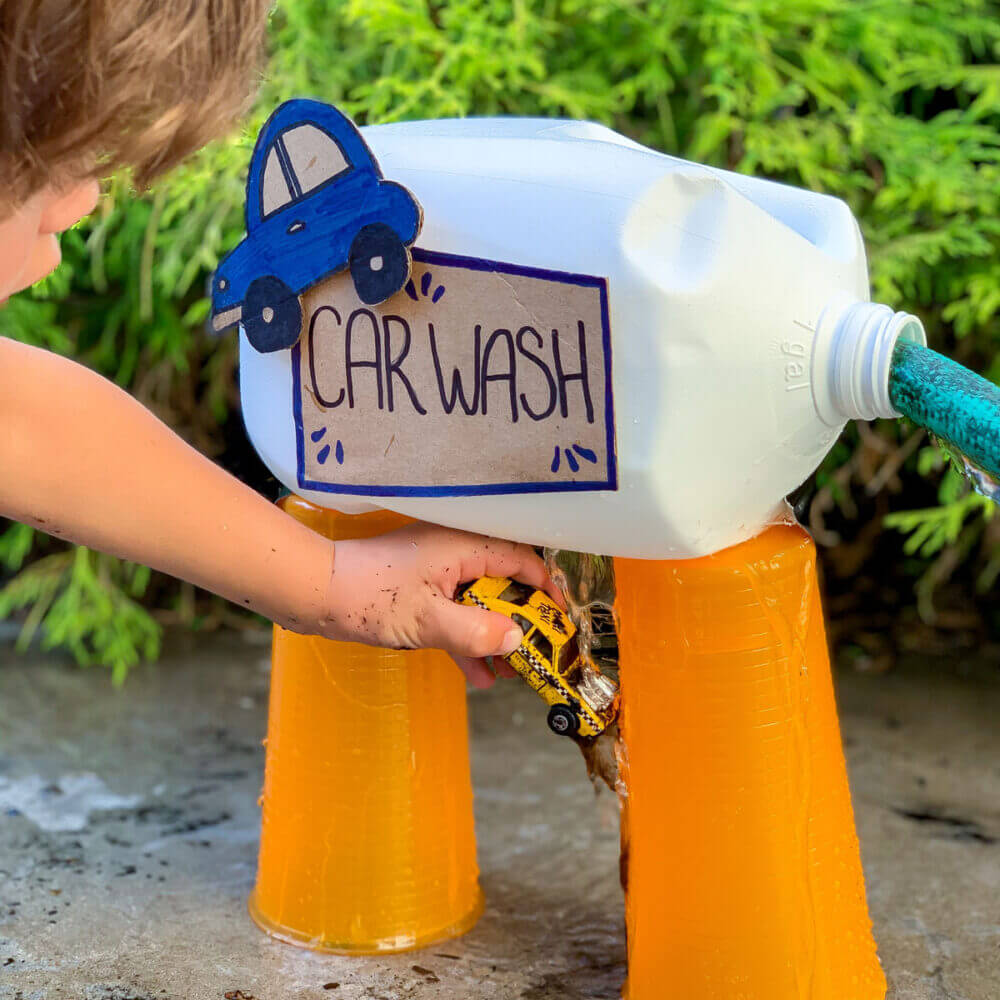
Fill two plastic bins: one with soapy water, one with clean rinse water. Add toy cars, a paintbrush, and an old towel. Your child washes, rinses, and dries each car.
Parent role: Refill water when it becomes mud. Otherwise, supervise from the shade.
Why it works: Pre-schoolers love cause and effect. Wet car + brush = bubbles. Bubbles + towel = dry. Predictable, satisfying, endlessly repeatable.
3. Shadow Tracing
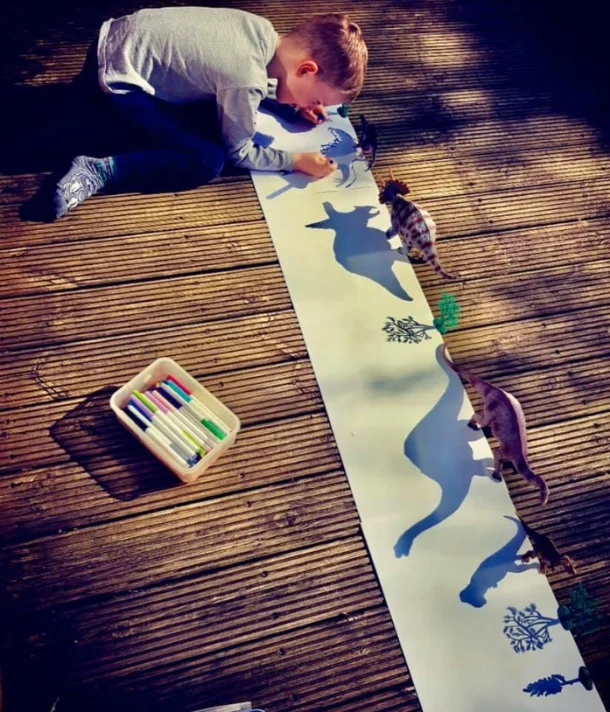
On a sunny morning, place a toy dinosaur (or doll, or truck) on a piece of paper. Your child traces its shadow. By afternoon, the shadow has moved—trace it again and compare.
Parent role: Show them how once. Then step back.
Learning bonus: Introduces light, movement, and time in a concrete way.
4. Sprinkler Run-Through
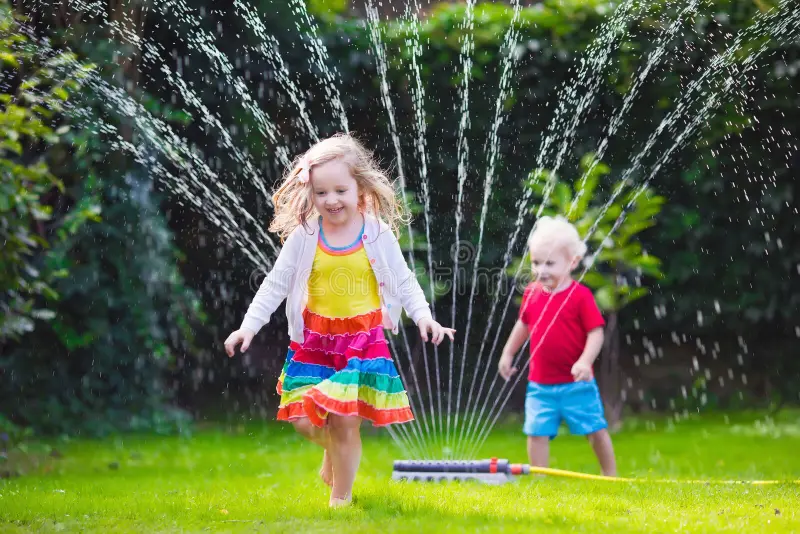
No pool? No problem. A $10 sprinkler from the hardware store provides hours of running, shrieking, and cooling off. Add bathing suits and towels.
Parent role: Turn the sprinkler on. Sit in a chair. That’s it.
5. Ice Block Rescue
Freeze a small toy inside a block of ice (use a plastic container). Give your child a spoon, a spray bottle of warm water, and a paintbrush. Their mission: free the toy.
Parent role: Provide tools. Resist the urge to “help” by cracking the ice. The struggle is the point.
Time killer: 20-40 minutes, depending on ice thickness and sun strength.
6. Nature Color Hunt
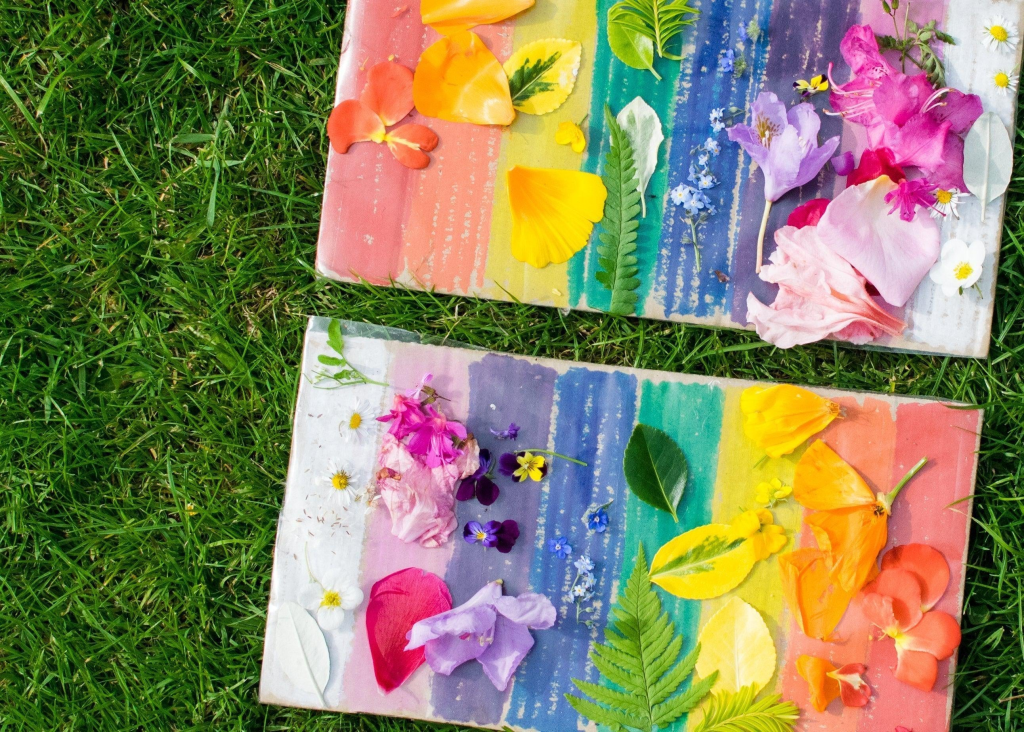
Give your child a piece of cardboard with six colored squares painted on it (red, green, brown, yellow, white, purple). Send them into the yard or park to find something that matches each color.
Parent role: Walk alongside for safety. Ask, “What color is this leaf?” Let them decide the match.
7. Sidewalk Chalk Obstacle Course
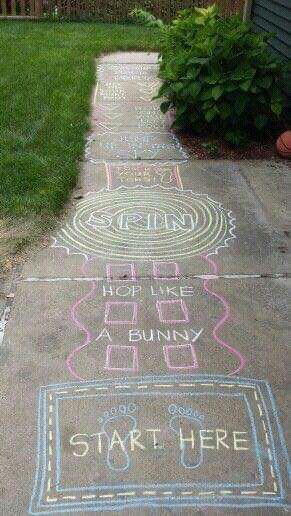
Draw a hopscotch path, a wavy line to balance on, circles to jump into, and a “finish” square. Your child follows the course.
Parent role: Draw the course. Then become the cheerleader.
Adaptation: For 2-year-olds, draw only a straight line to walk on. For 4-year-olds, add directions (“spin here,” “clap three times”).
8. Bubble Snake
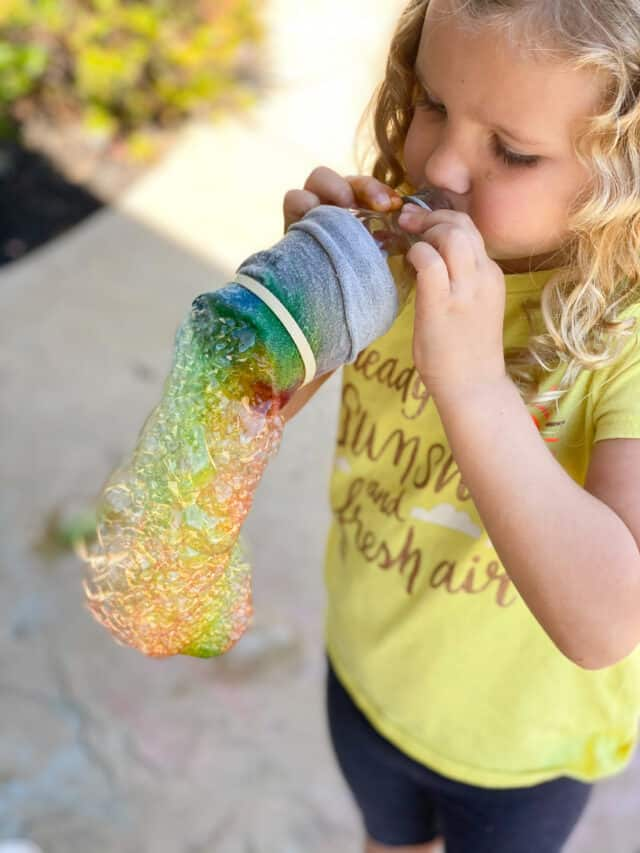
Cut the bottom off a plastic water bottle. Cover the cut end with a sock, secured by a rubber band. Dip the sock end in bubble solution (dish soap + water). Blow through the mouthpiece. A long, snake-like bubble tube emerges.
Parent role: Help cut the bottle. Then let them blow.
9. Bird Feeder from a Toilet Roll
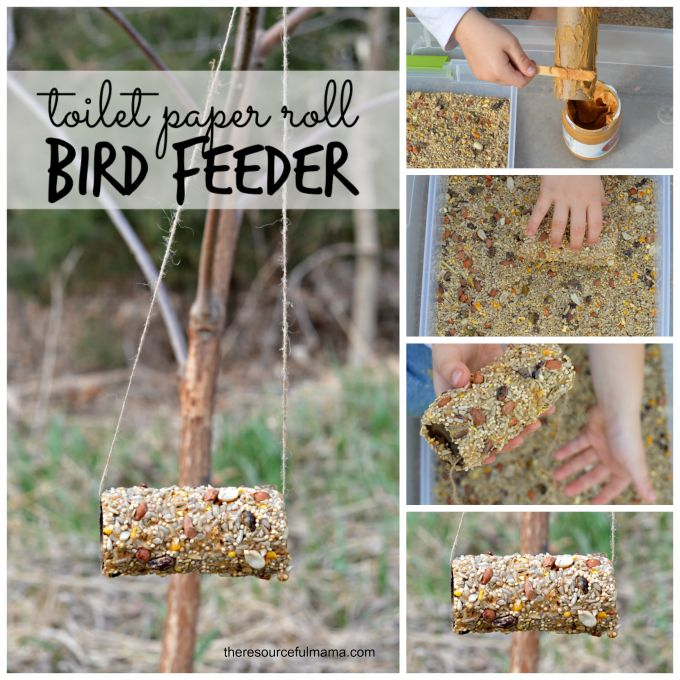
Spread peanut butter (or sun butter) on a cardboard toilet roll. Roll it in birdseed. Slide it onto a tree branch. Watch from the window.
Parent role: Spread the peanut butter (little hands make a mess). Let them do the rolling and placing.
10. Puddle Jumping (Yes, On Purpose)
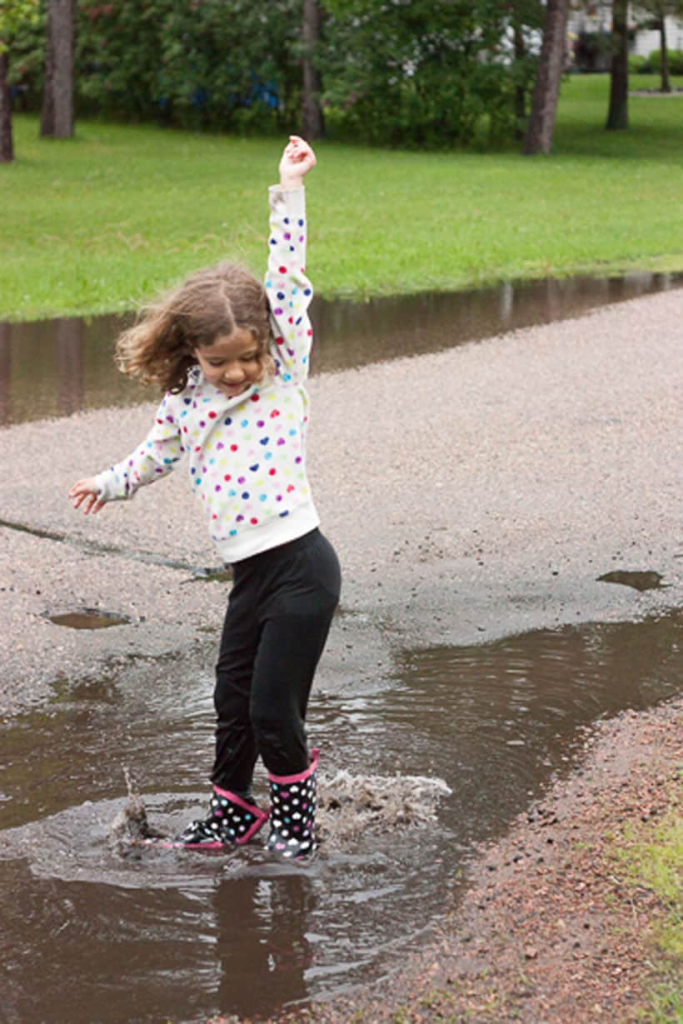
After rain, suit up in boots and old clothes. Find puddles. Jump. Repeat. No agenda. No “learning moment.” Just joy.
Parent role: Jump too. Or at least pretend to be impressed.
Water Play Summer Activities for Pre-Schoolers
Water is the ultimate pre-schooler magnet. These activities require minimal setup and maximal engagement.
11. Sink or Float Lab
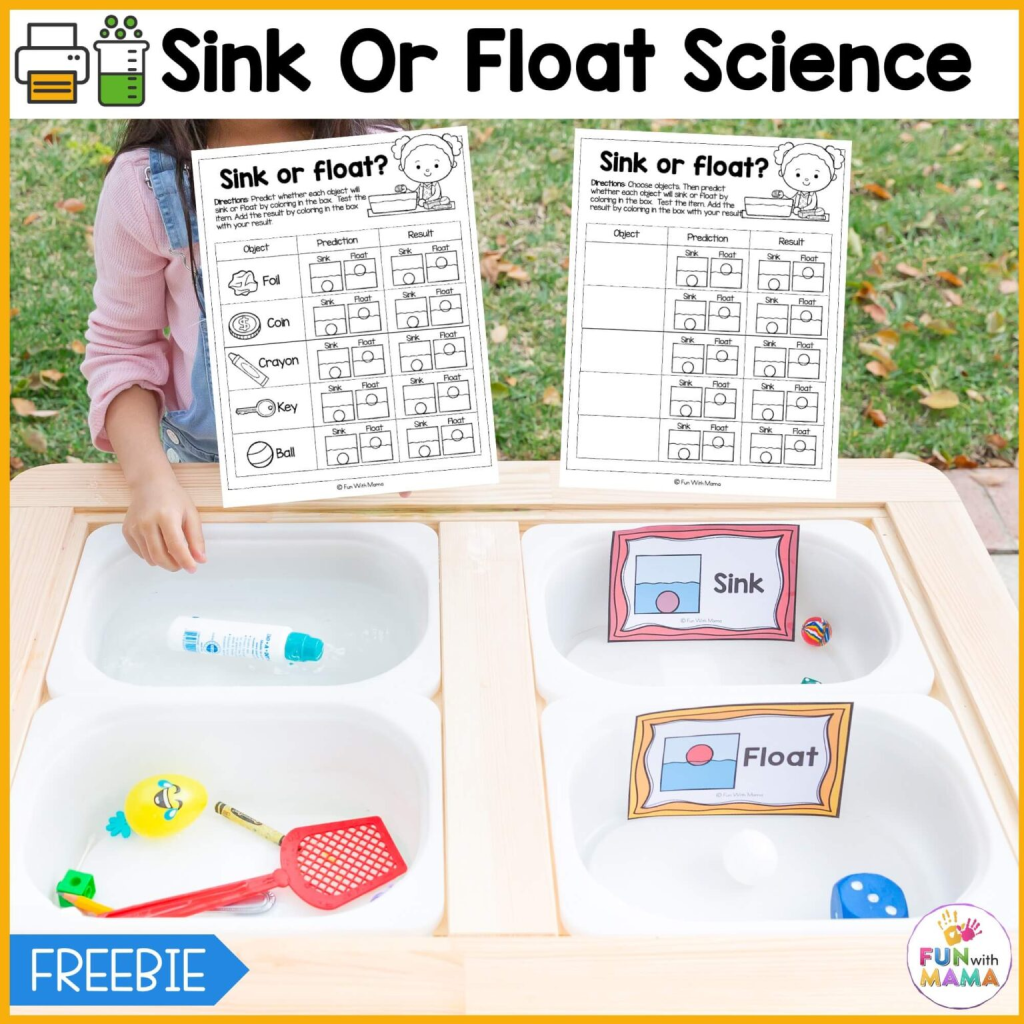
Fill a bin with water. Gather ten small objects (rock, coin, rubber duck, cork, grape, toy car). Your child predicts “sink” or “float,” then tests each one.
Parent role: Ask the question before each drop: “What do you think will happen?” No correcting—let them discover.
12. Painting with Water
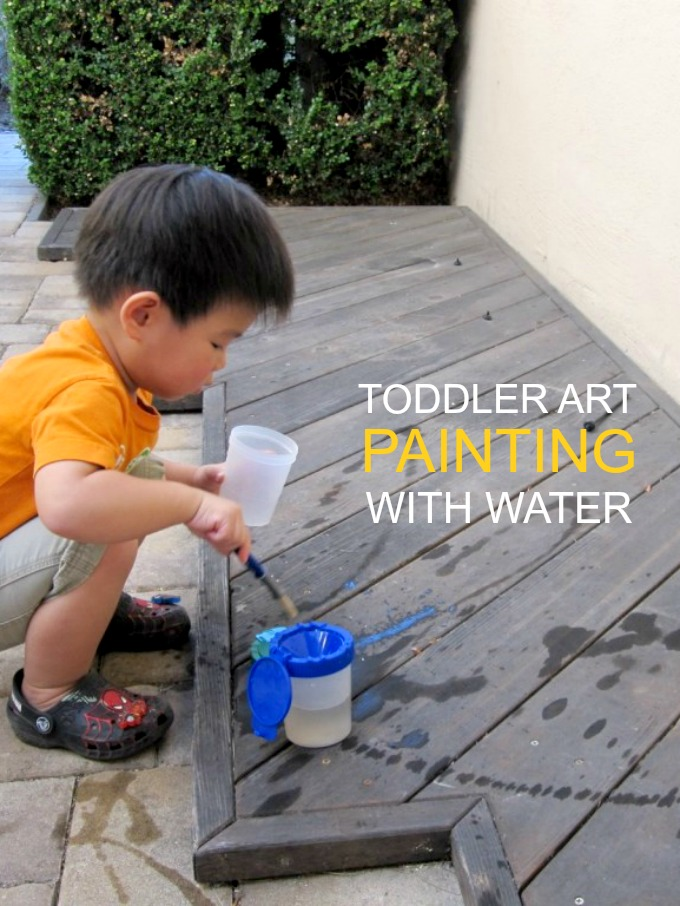
Give your child a paintbrush and a cup of water. Send them to a fence, sidewalk, or exterior wall. They “paint” until the water dries and disappears.
Parent role: Refill the cup. Marvel at their masterpieces.
Why it’s genius: Zero mess. Zero cleanup. Endless fun.
13. Dish Washing Station
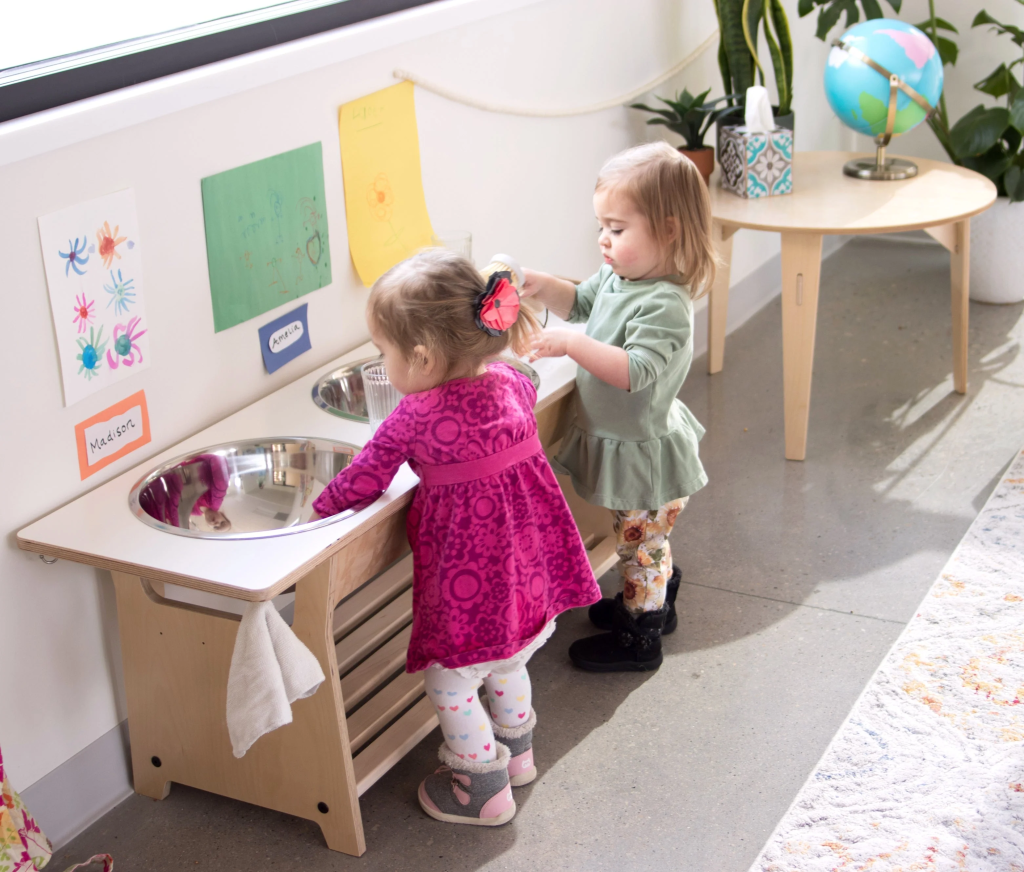
Fill one bin with soapy water. Give your child plastic dishes, a sponge, and a drying rack. They wash. You sit.
Parent role: Occasionally admire a “clean” dish. Do not re-wash where they can see you.
14. Water Balloon Pinata
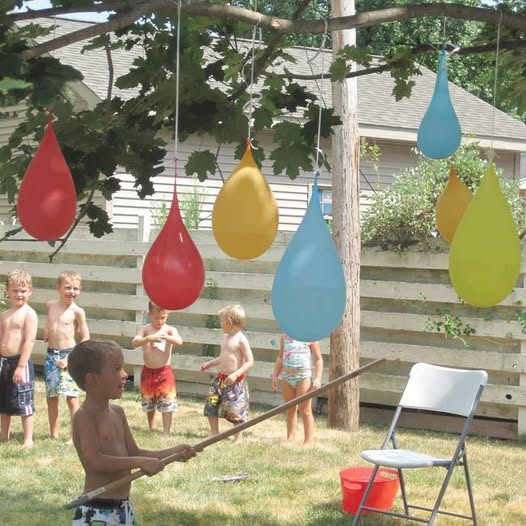
Fill water balloons. Hang a few from a clothesline or tree branch. Your child hits them with a plastic bat or their hand.
Parent role: Fill balloons the night before (this is the only labor-intensive part). Then watch the joy.
15. Colored Ice Painting
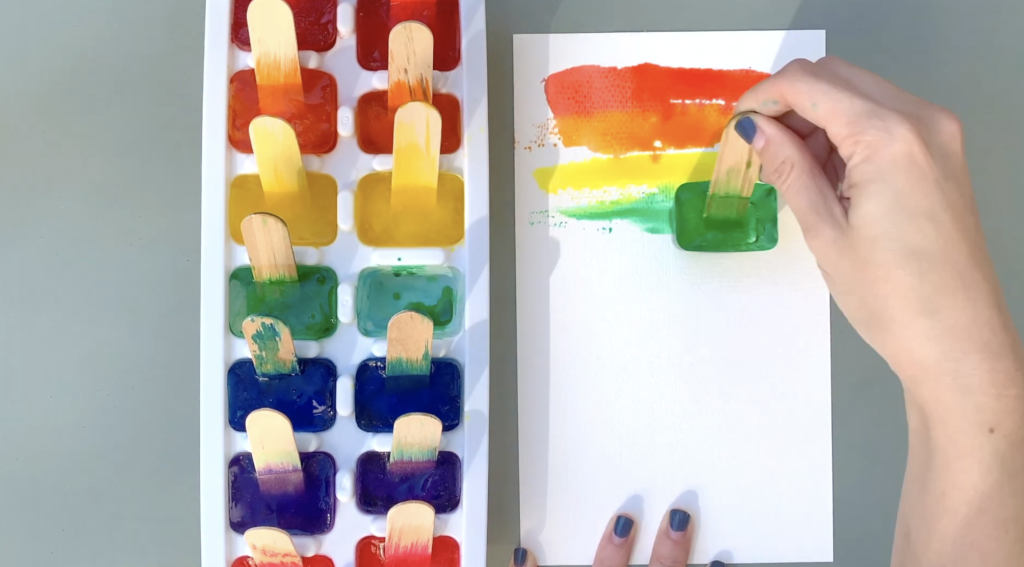
Freeze water with a few drops of food coloring in ice cube trays. Once frozen, give your child a piece of thick paper. The colored ice melts as they draw, leaving vibrant trails.
Parent role: Freeze the cubes. Provide a towel for little hands.
Indoor Summer Activities for Pre-Schoolers (For Heat Waves or Rainy Days)
Sometimes it’s simply too hot or wet to go outside. These indoor activities save sanity.
16. Fort + Flashlight Reading
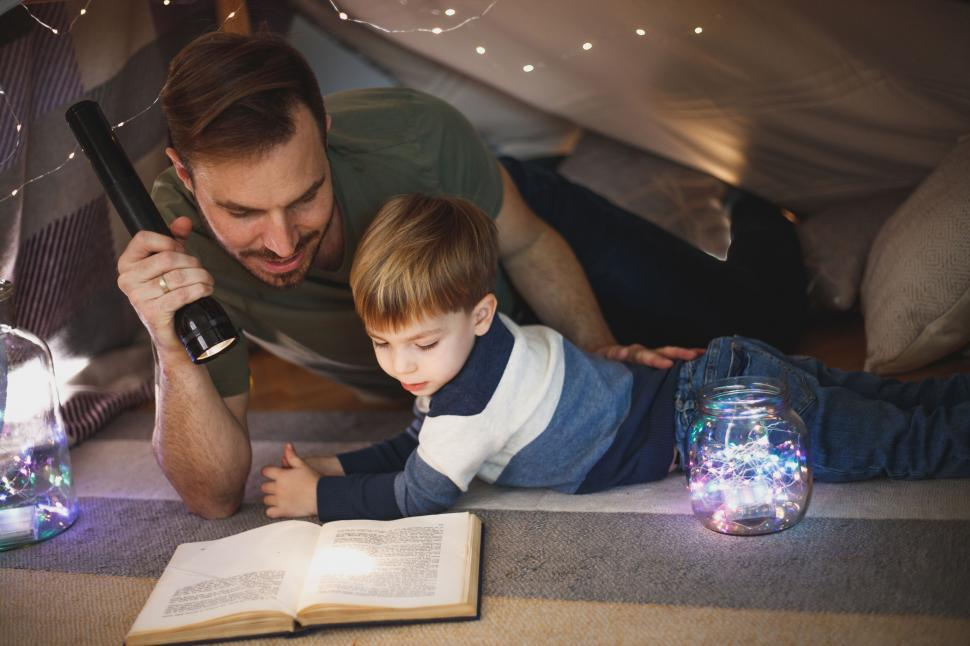
Build a blanket fort. Bring a flashlight and three board books. Your child “reads” aloud to stuffed animals.
Parent role: Build the fort (let them arrange the blankets). Then listen from the next room.
Time killer: 30-60 minutes, depending on how much they love their audience of stuffies.
17. Pom-Pom Transfer
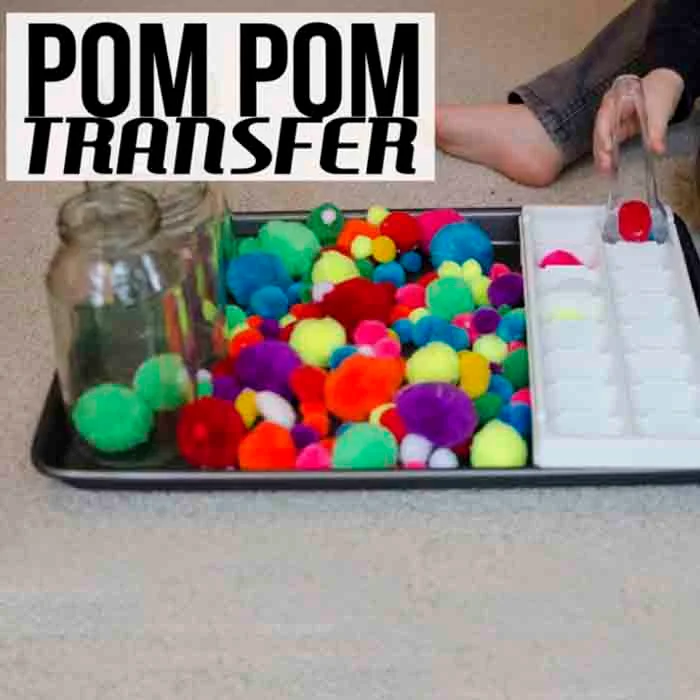
Gather two bowls, a pair of kitchen tongs (or child-safe tweezers), and a bag of pom-poms. Your child transfers pom-poms from one bowl to the other.
Parent role: Demonstrate once. Then let them focus.
Fine motor bonus: This builds the hand strength needed for future writing.
18. Sticker Line
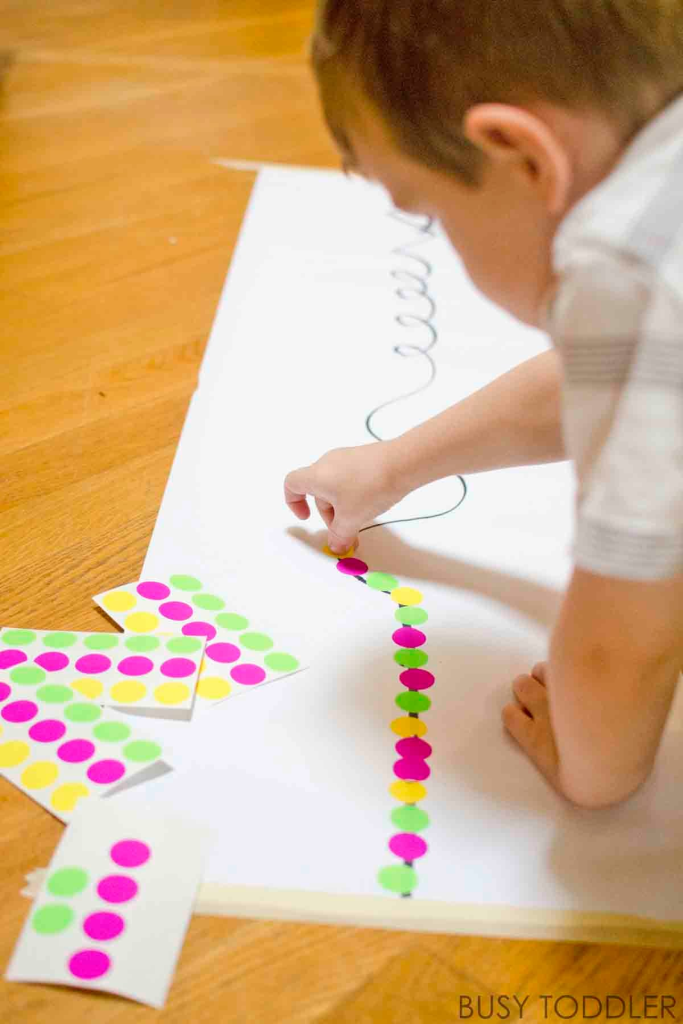
Draw a wavy line across a piece of paper. Your child places stickers along the line.
Parent role: Draw the line. Provide stickers. Step away.
Adaptation: For older pre-schoolers, draw a shape (circle, square, letter) and have them trace it with stickers.
19. Towel Washing
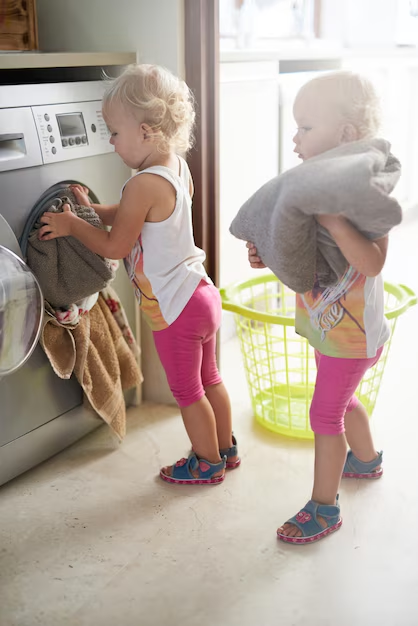
Give your child a small basin of soapy water and a washcloth. They “wash” the cloth, rinse it, and hang it on a towel rack or clothesline.
Parent role: Fill the basin. Provide a towel for drips. That’s it.
Why it works: Pre-schoolers love real work. This isn’t a toy—it’s a job. And jobs feel important.
20. Shaving Cream Sensory Bin
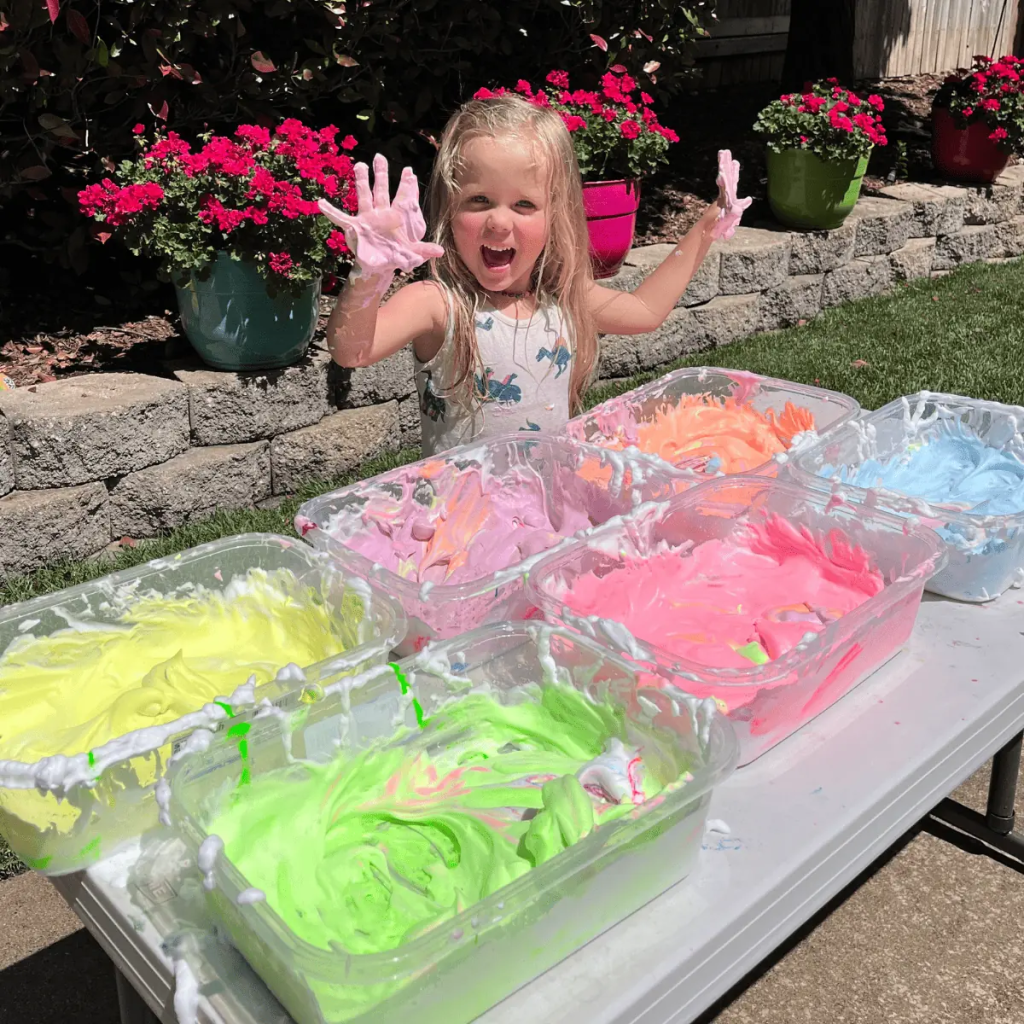
Spray shaving cream into a baking dish. Add a few drops of food coloring if desired. Your child spreads, draws, squishes, and explores.
Parent role: Set up on a washable floor or table. Let them go wild. Wipe down afterward.
Note: Supervise closely. Shaving cream is non-toxic but not for eating.
21. Pipe Cleaner and Colander
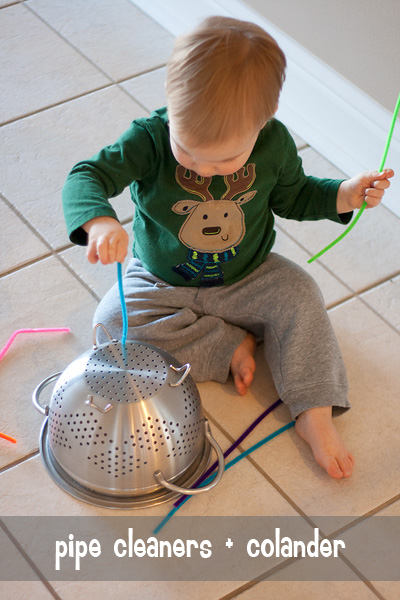
Turn a colander upside down. Your child pushes pipe cleaners through the holes, creating a “porcupine” or “spaceship.”
Parent role: Demonstrate one insertion. Then step back.
Adaptation: For a challenge, have them thread pipe cleaners through specific holes to make a pattern.
22. Contact Paper Collage
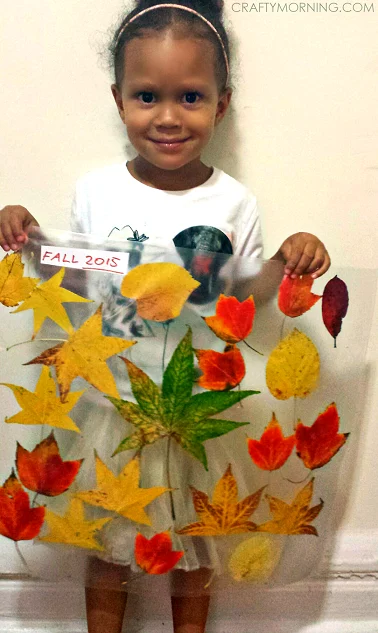
Tape a sheet of clear contact paper (sticky side up) to a window or table. Give your child tissue paper squares, feathers, or leaves. They stick items to the paper.
Parent role: Tape the paper. Provide materials. When finished, seal with another sheet of contact paper and hang in the window.
23. Pillow Path
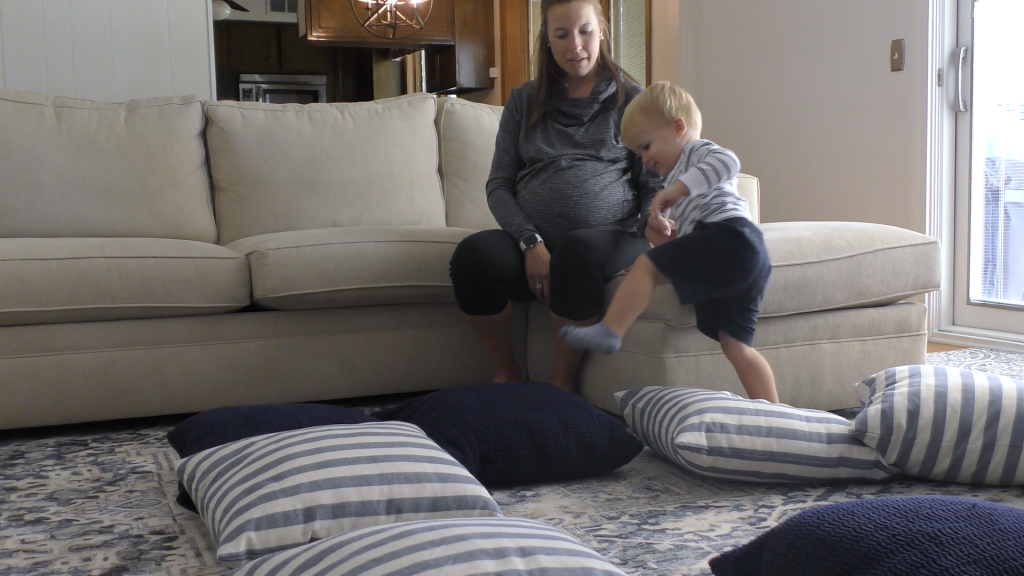
Arrange pillows, couch cushions, and blankets on the floor to create a “path” from one side of the room to the other. Your child walks, crawls, or jumps from one to the next.
Parent role: Arrange the path. Spot for safety. Laugh at the inevitable dramatic falls.
24. Magnetic Tile Building
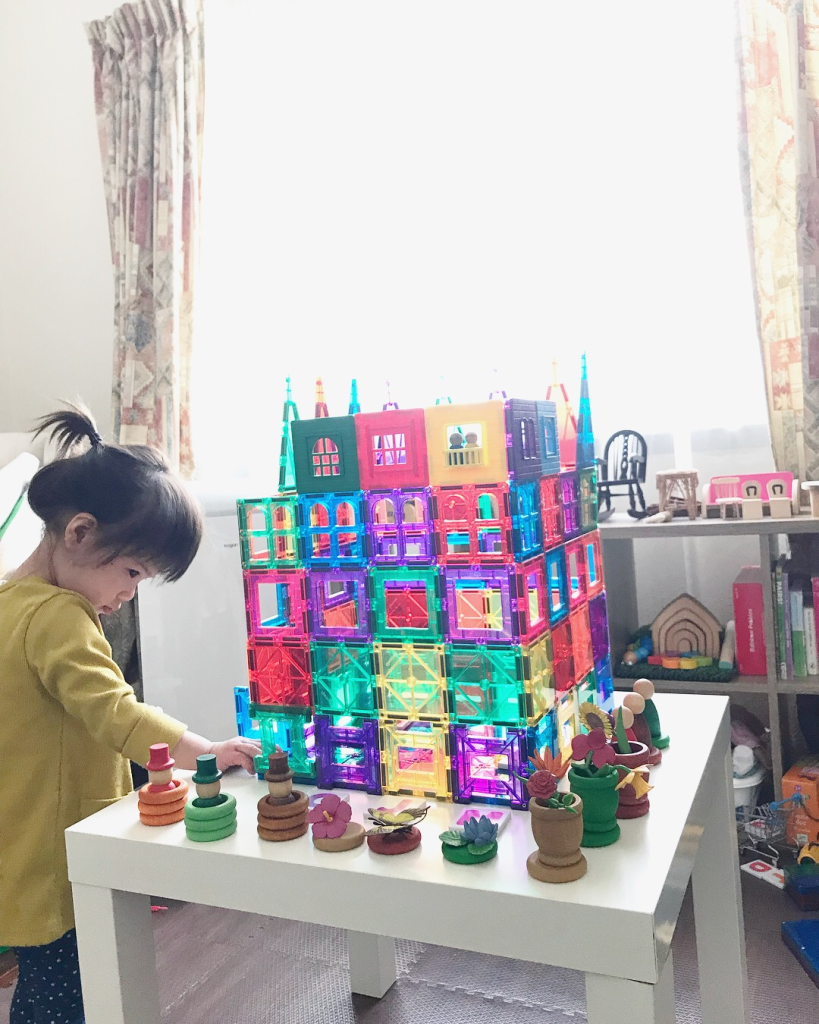
If you own magnetic tiles (Magnatiles or similar), clear a floor space and let your child build. No instructions. No “correct” way.
Parent role: Sit nearby. Only help if asked.
Why it’s a winner: Magnetic tiles grow with your child. A 2-year-old stacks them. A 5-year-old builds castles.
25. Toy Animal Rescue
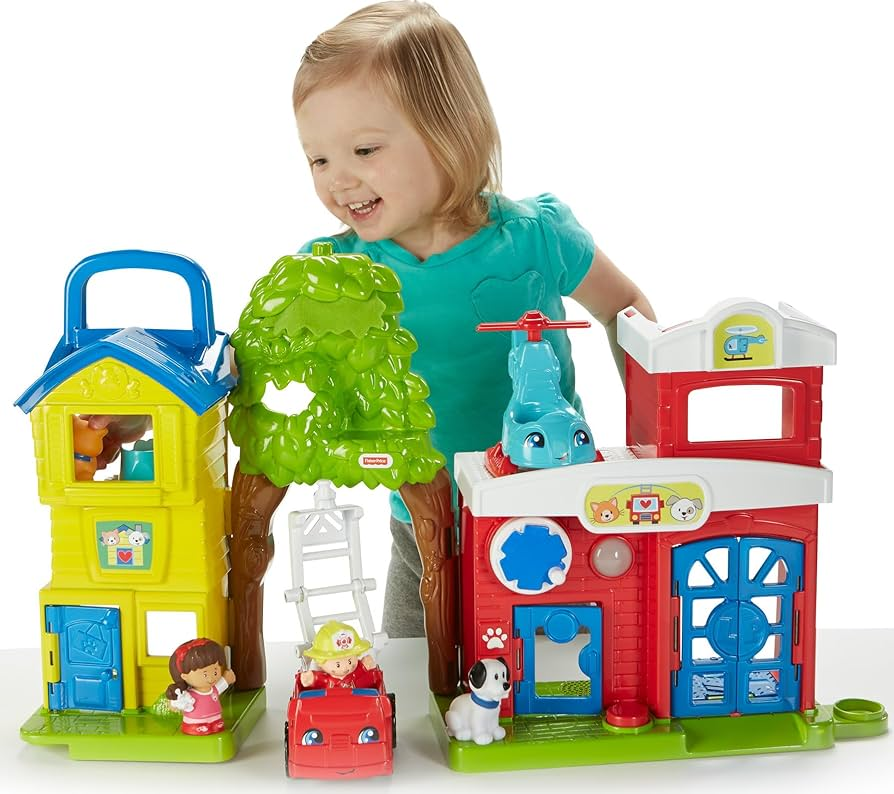
Wrap toy animals in masking tape or aluminum foil. Your child “rescues” each one by unwrapping it.
Parent role: Wrap the animals the night before. Present the rescue mission with drama: “The animals are trapped! Can you save them?”
Time killer: 15-30 minutes, depending on wrapping difficulty.
Low-Prep Summer Activities for Pre-Schoolers (Under 2 Minutes Setup)
These are for the days when you have zero energy but your child has infinite energy.
26. Cardboard Box
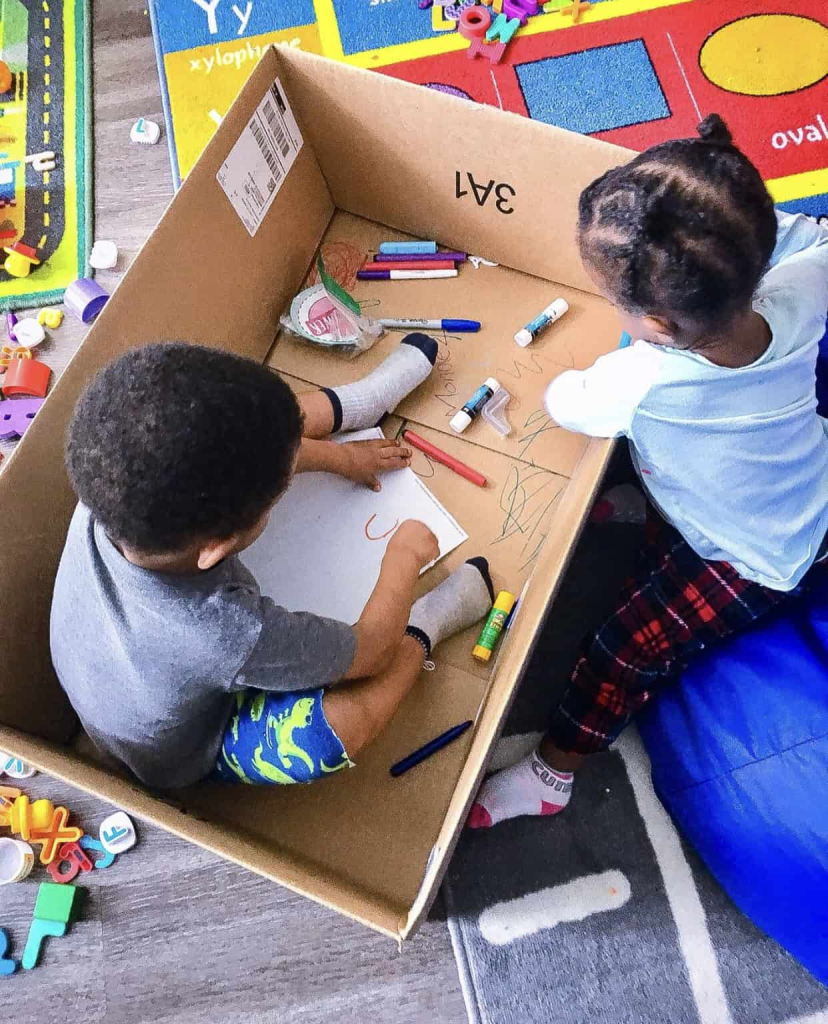
Give your child a large cardboard box and markers. That’s it. It becomes a car, a spaceship, a store, a cave, a house.
Parent role: Provide the box. Close your eyes for ten minutes.
27. Dance Party with a Twist

Play one song. Your child dances. When the music stops, they freeze. Repeat until they tire out.
Parent role: Press play and pause. Try not to laugh at the freeze poses.
28. Towel Slide
Fold a towel in half lengthwise. Place it on a carpeted floor. Your child sits on it while you pull them across the room.
Parent role: Pull. Rest. Pull again.
Physical payoff: This counts as your workout too.
29. Shadow Puppets
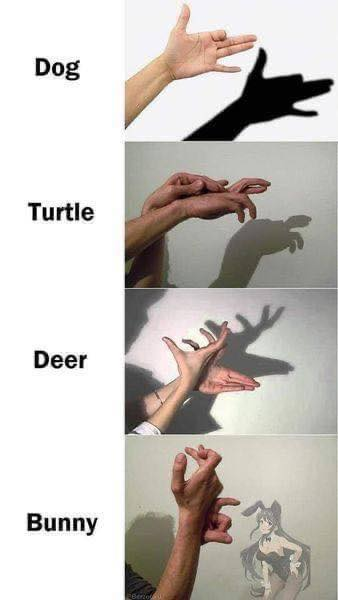
Turn off the lights. Shine a flashlight at a blank wall. Your child makes hand shadows (or waves their stuffed animals in front of the light).
Parent role: Hold the flashlight. Make an occasional bird shadow.
30. Laundry Basketball
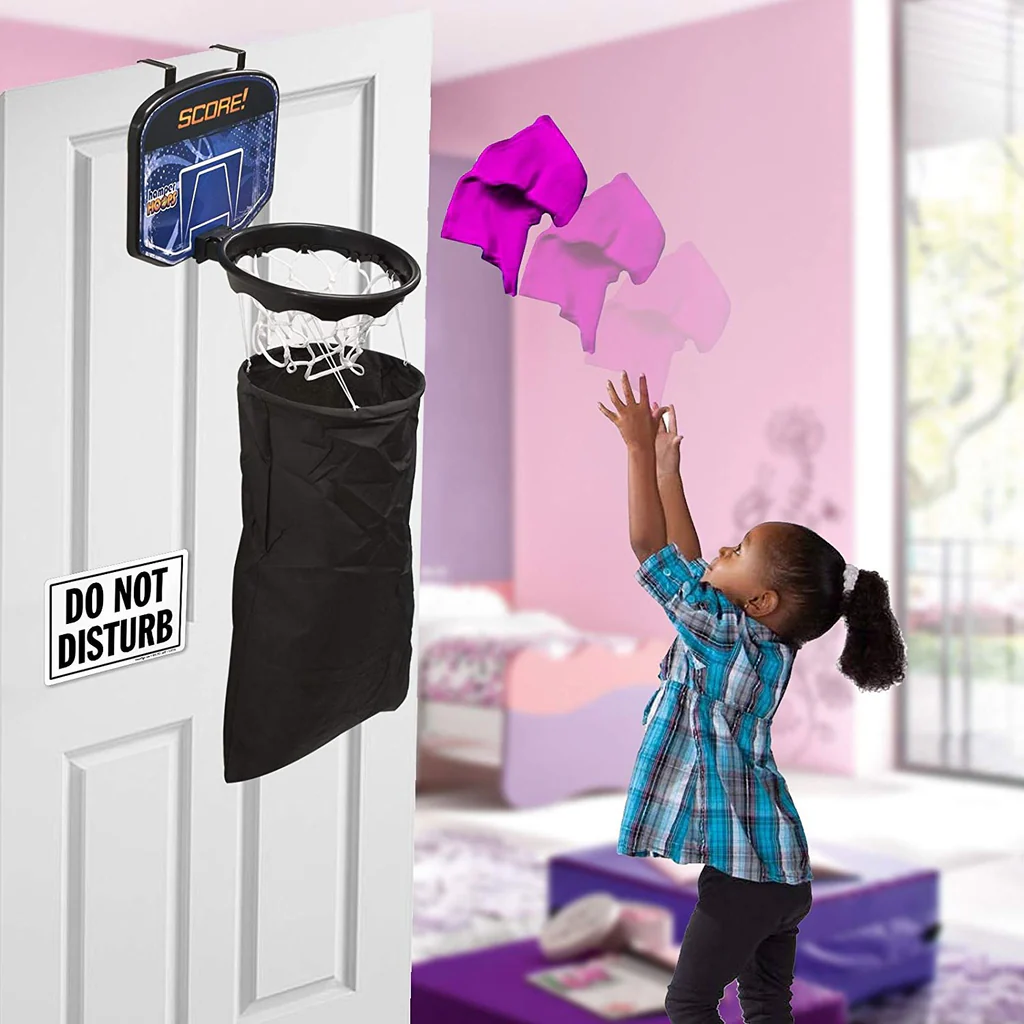
Give your child a small laundry basket and a pile of socks. They crumple each sock and try to throw it into the basket.
Parent role: Move the basket farther back as their aim improves. Celebrate every make.
31. Blanket Parachute
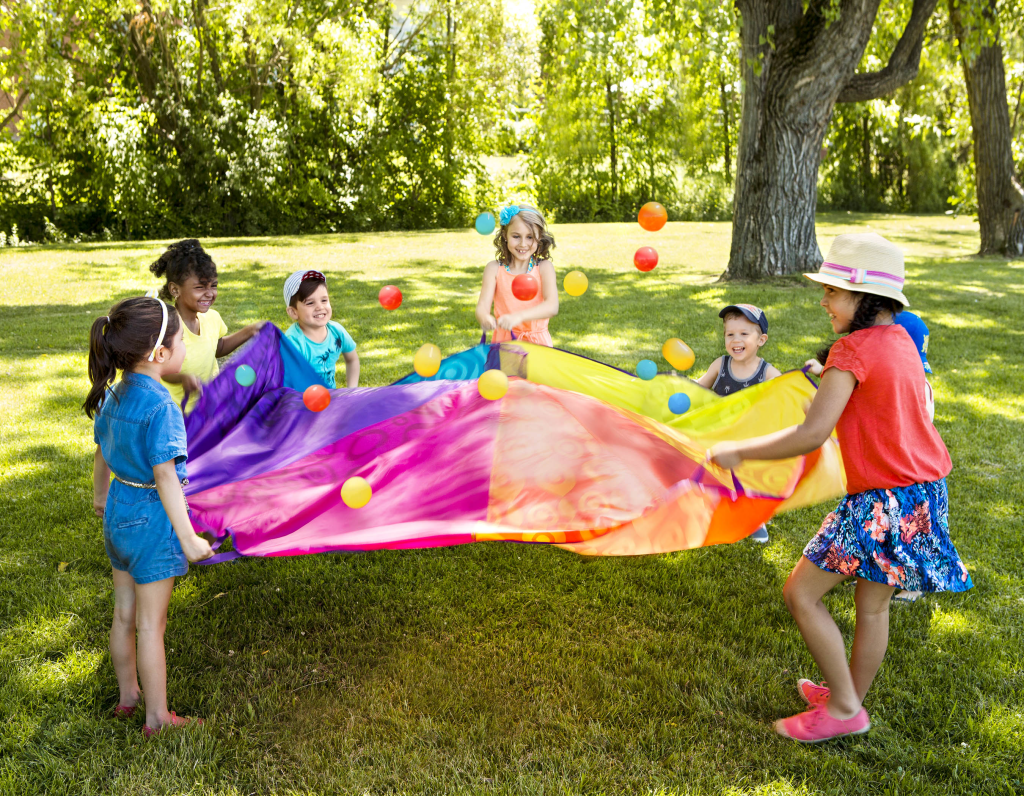
You hold two corners of a blanket. Your child holds the other two. Together, you flap it up and down while a lightweight ball or balloon bounces on top.
Parent role: Flap. Laugh. Retrieve the ball.
32. Mirror Drawing
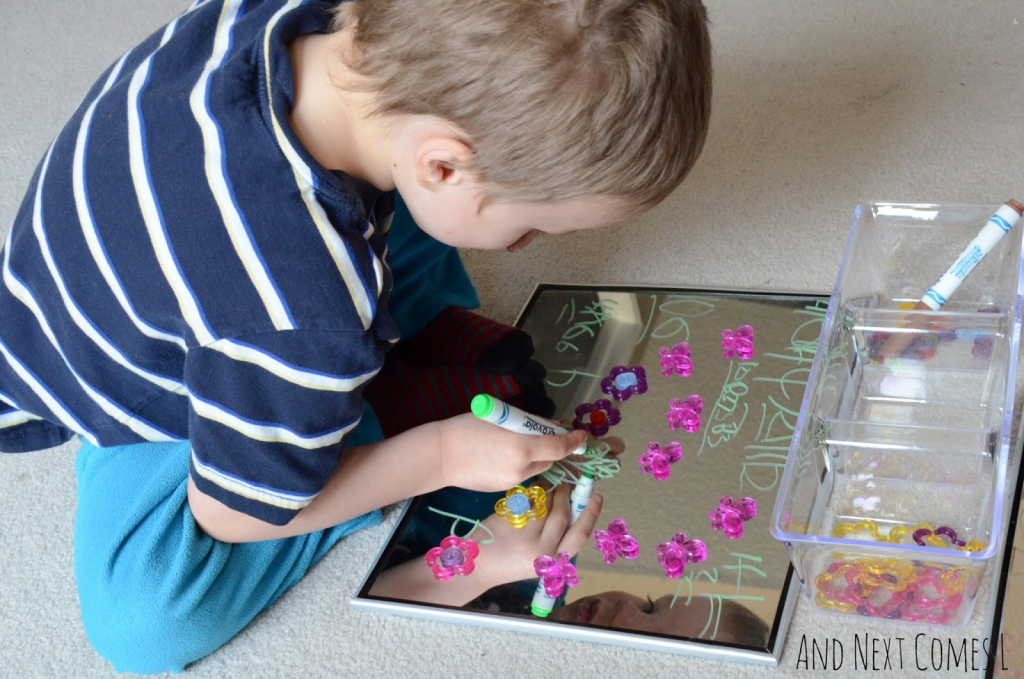
Draw a simple shape on a small mirror or window using a dry-erase marker. Your child copies it next to yours.
Parent role: Draw. Wipe clean. Draw again.
33. Sticker Sorting
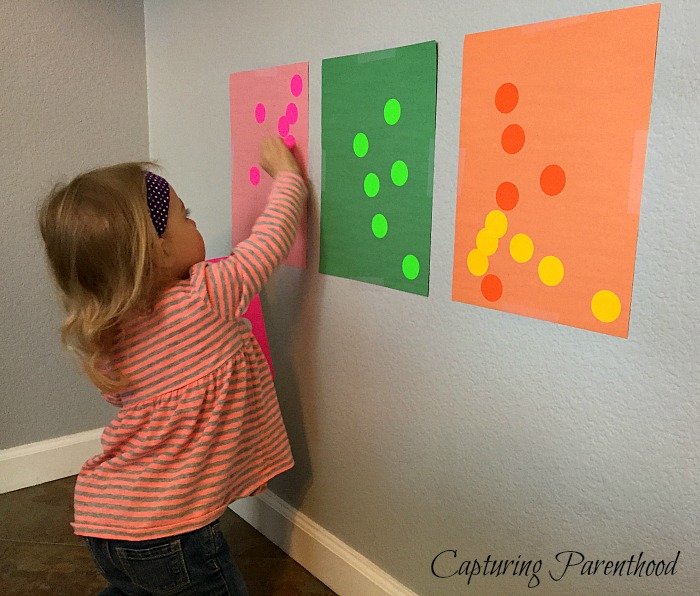
Give your child a sheet of stickers and a piece of paper divided into two sections (e.g., “big” vs. “small” or “blue” vs. “red”). They sort stickers into the correct sections.
Parent role: Draw the sections. Provide stickers. That’s it.
34. Finger Puppet Theater
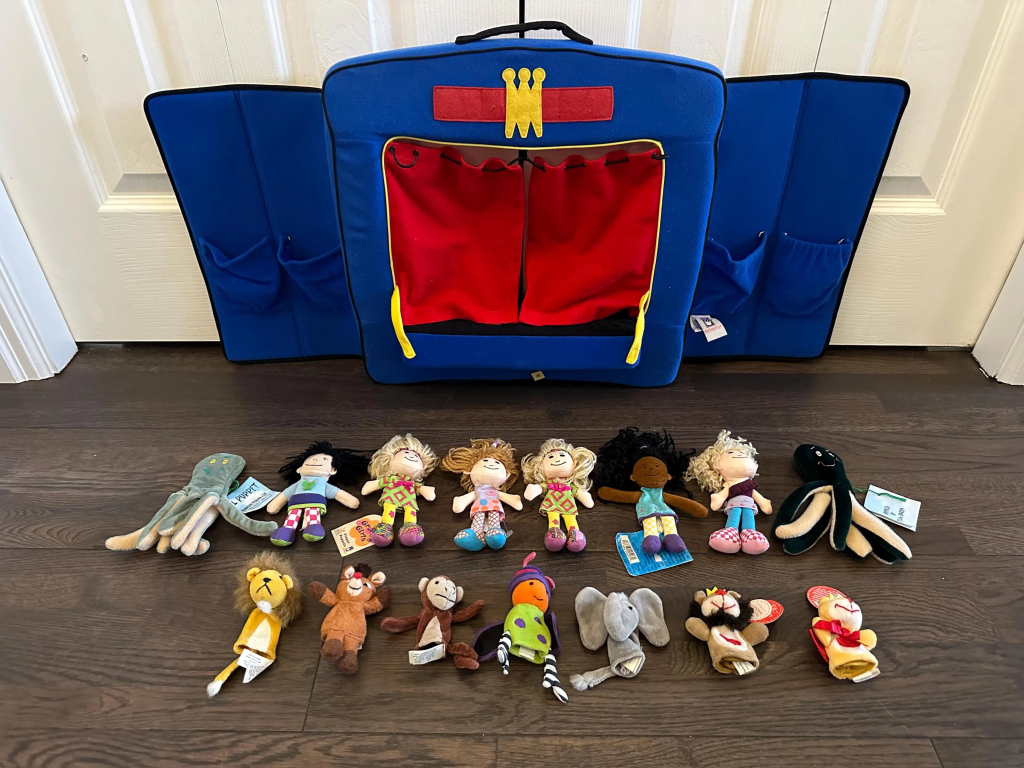
Put three finger puppets on your child’s hand. They put on a “show” for you or their stuffed animals.
Parent role: Be the audience. Clap at the end.
35. The Quiet Box
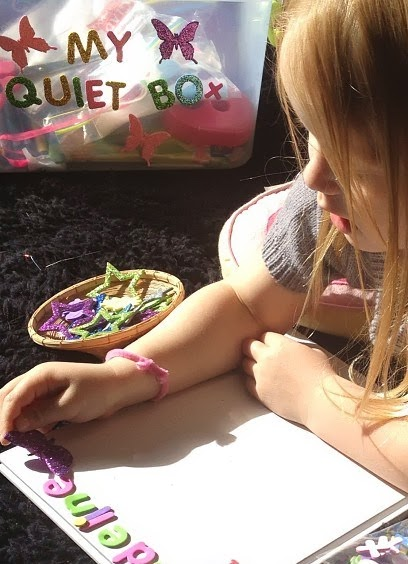
Decorate a shoebox with stickers. Fill it with “special quiet items” (a small notebook, crayons, a lacing card, a few popsicle sticks). This box comes out only when you need twenty minutes of quiet.
Parent role: Assemble the box. Explain the rule: “When the box comes out, we play quietly by ourselves.”
How to Make Summer Activities Stick (Without Burning Out)
You don’t need to do something new every day. In fact, pre-schoolers thrive on repetition. Here’s a sustainable summer rhythm:
Morning (high energy): Outdoor activity from the list (sprinklers, nature hunt, sidewalk chalk).
Midday (hottest hours): Indoor water play or sensory bin (sink/float, ice rescue, shaving cream).
Afternoon (low energy): Low-prep indoor activity (fort, pillow path, quiet box).
Evening (winding down): Calm activity (shadow puppets, mirror drawing, flashlight reading).
Rotate the same five to seven activities each week. Add one new one when you see boredom creeping in. And remember: your child doesn’t need you to entertain them constantly. They need you to set the stage—then step back and let them play.
Final Thoughts
Summer with a pre-schooler is long. Some days will be magical. Some days will end with you hiding in the pantry eating chocolate. Both are normal.
The 35 activities above are tools, not obligations. Use the ones that fit your child’s mood, your energy level, and the weather. Skip the ones that feel like work. And when in doubt, default to the cardboard box. It’s never failed a parent yet.
Now go enjoy the sunshine—or the air conditioning. You’ve earned both.
What’s your pre-schooler’s favorite summer activity? Share in the comments below to help other parents survive July.

Leave a Reply