
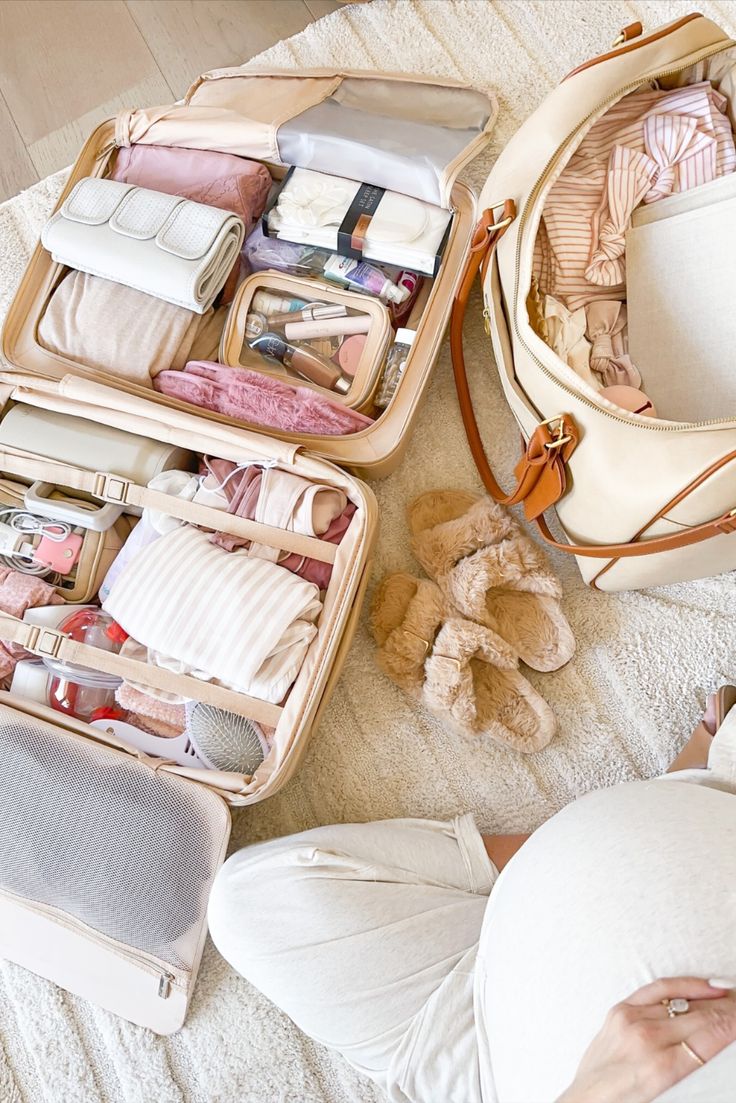
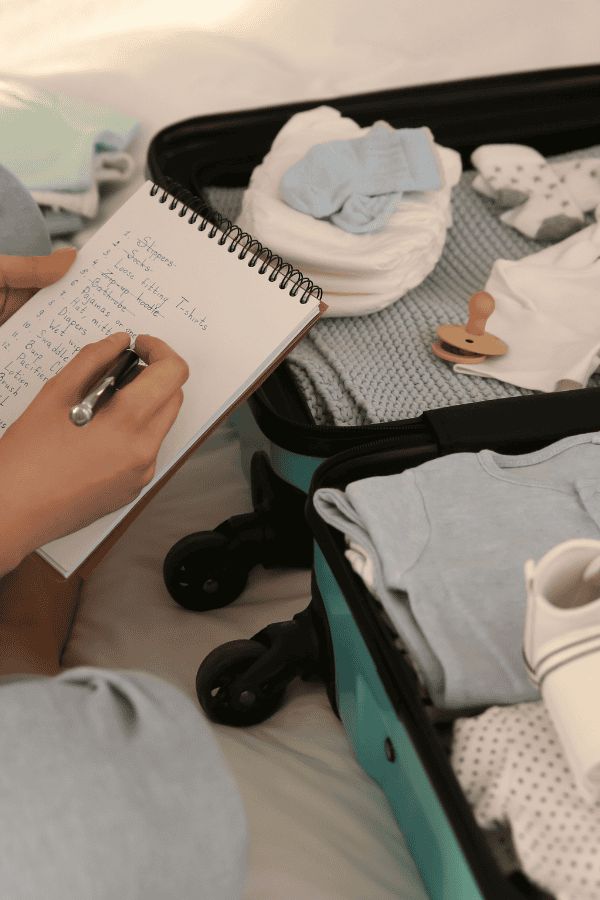
Packing your hospital bag is one of those milestone moments in pregnancy that makes everything feel real. The due date is approaching, the nursery is (mostly) ready, and now it’s time to gather everything you’ll need for the big day. But knowing exactly what to pack in your hospital bag can feel overwhelming—do you really need three different outfits? What about the baby? And what does your partner need?
After consulting with experienced moms and medical professionals, we’ve created the ultimate hospital bag checklist to ensure you’re prepared, comfortable, and ready to focus on what truly matters: meeting your baby . Let’s dive into exactly what you need to pack, clever organization tips, and what to leave at home.
When Should You Pack Your Hospital Bag?
The general rule of thumb is to have your bag packed and ready by 36 weeks pregnant . Why? Because babies born after 37 weeks are considered full-term, and some may decide to make an early entrance. Having your bag ready eliminates last-minute scrambling and stress.
Keep your bag in an easily accessible spot—by the front door or even in your car trunk—and make sure your partner knows exactly where it is . Trust us, when contractions start at 2 AM, you won’t want to be hunting for your toothbrush.
The Smart Packing Strategy: The Three-Bag Method

Before we dive into the items, let’s talk strategy. Many experienced moms swear by the “three-bag” method to stay organized :
- Bag #1: Labor and Delivery Essentials – Your immediate-access bag for during active labor
- Bag #2: Recovery and Stay Items – Everything you’ll need during your 1-3 day hospital stay
- Bag #3: Going-Home Outfits – Discharge day essentials for you and baby
This approach prevents you from digging through newborn diapers to find your phone charger while in early labor .
Essential Documents: The Most Important Items
Before you worry about cute outfits or snacks, gather all necessary paperwork. This is the one thing the hospital absolutely requires .
Keep these documents in a separate, easy-to-access folder:
- Photo ID (driver’s license or passport)
- Health insurance card and any pre-registration forms
- Your birth plan (if you have one)
- Any medical records your doctor has given you
- Emergency contact list
- Hospital paperwork or pre-admission forms
Pro tip: Make copies of everything and keep the originals safe at home. You’ll thank yourself later.
For Mom: Labor and Delivery Comfort Items
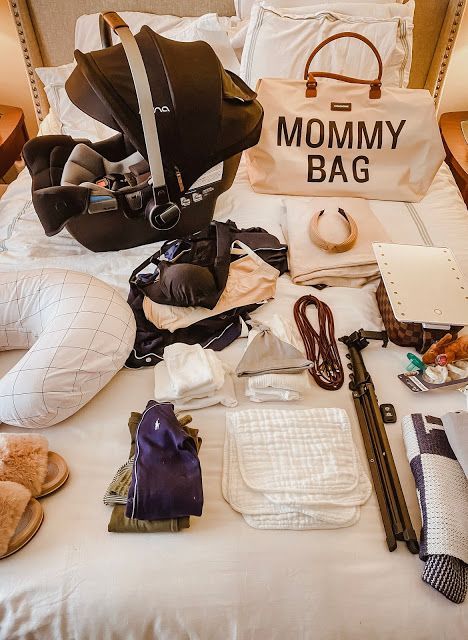
This section is all about your comfort during the intensity of labor. These items can make a significant difference in your experience .
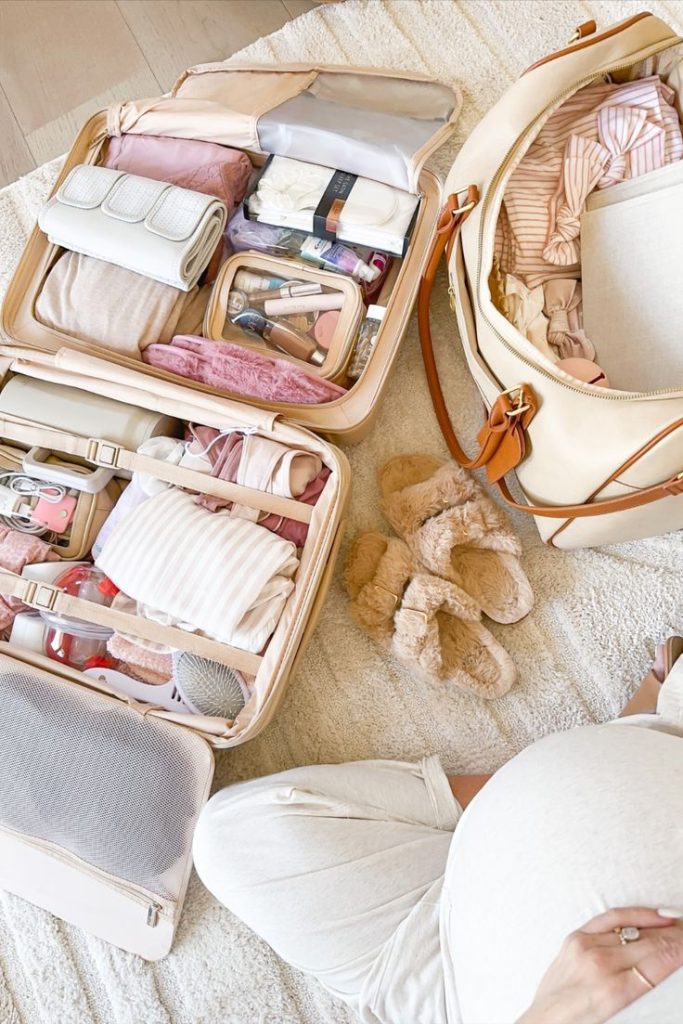
Clothing and Comfort Essentials
- A lightweight robe – Perfect for walking the halls, skin-to-skin contact, and easy nursing access. Dark colors are smart in case of spills .
- Non-slip socks or slippers – Hospital floors are cold, and grippy socks will keep you safe when walking around .
- Comfortable nightgown or pajamas – Choose something loose, soft, and front-opening if you plan to breastfeed. Don’t pack your favorite—it might get messy .
- Labor gown (optional) – Some moms prefer their own comfortable labor gowns designed for easy access .
- Birthing ball or massage tools – A tennis ball or handheld massager can provide counter-pressure relief during back labor .
Comfort During Labor
- Lip balm – Hospital air is extremely dry, and lips can get chapped quickly during labor .
- Hair ties and headbands – You’ll want to keep hair off your face during active labor .
- Massage lotion or oil – Unscented options are best for sensitive situations .
- Hard candy or lollipops – These help with dry mouth, especially if you’re not allowed to eat .
- Your own pillow – Bring one with a colored pillowcase so it doesn’t get mixed up with hospital linens. The familiar scent can be incredibly comforting .
Postpartum Recovery: Essentials for After Birth
Once your baby arrives, your focus shifts to recovery. These items will help you feel more comfortable and human .
Postpartum Must-Haves
- Nursing bras – Pack 2-3 well-fitting, wireless nursing bras. Your breasts will be larger than usual, so consider adjustable options .
- Nipple cream – Even if you don’t think you’ll need it, having quality nipple cream on hand can prevent small issues from becoming painful problems .
- High-waisted underwear – Many moms prefer full-coverage cotton underwear that won’t irritate a C-section incision. The hospital provides mesh underwear, but having your own can feel more comfortable .
- Maternity pads – While hospitals provide these, many women prefer the comfort and absorbency of their own brand of heavy-duty overnight pads. Pack about 24 super-absorbent pads .
- Peri bottle – The hospital will provide one, but a peri bottle with an angled spout can be more effective for soothing and cleaning .
Toiletries and Personal Care
- Travel-sized shampoo, conditioner, and body wash
- Toothbrush, toothpaste, and floss
- Deodorant
- Face wipes and moisturizer – Hospital air dries skin out quickly
- Dry shampoo – A new mom’s best friend
- Glasses and/or contact lenses with solution
- Basic makeup – If it makes you feel more like yourself for photos
Going-Home Outfit for Mom
Pack loose, comfortable clothing in your 6-month pregnancy size, not your pre-pregnancy size. Your body has just performed a miracle and needs time to recover .
- Loose-fitting top or nursing-friendly shirt
- Comfortable bottoms with elastic waistbands (yoga pants are perfect!)
- Cardigan or light jacket for temperature control
- Comfortable slip-on shoes (bending over to tie laces may be difficult)
For Baby: Welcoming Your Little One
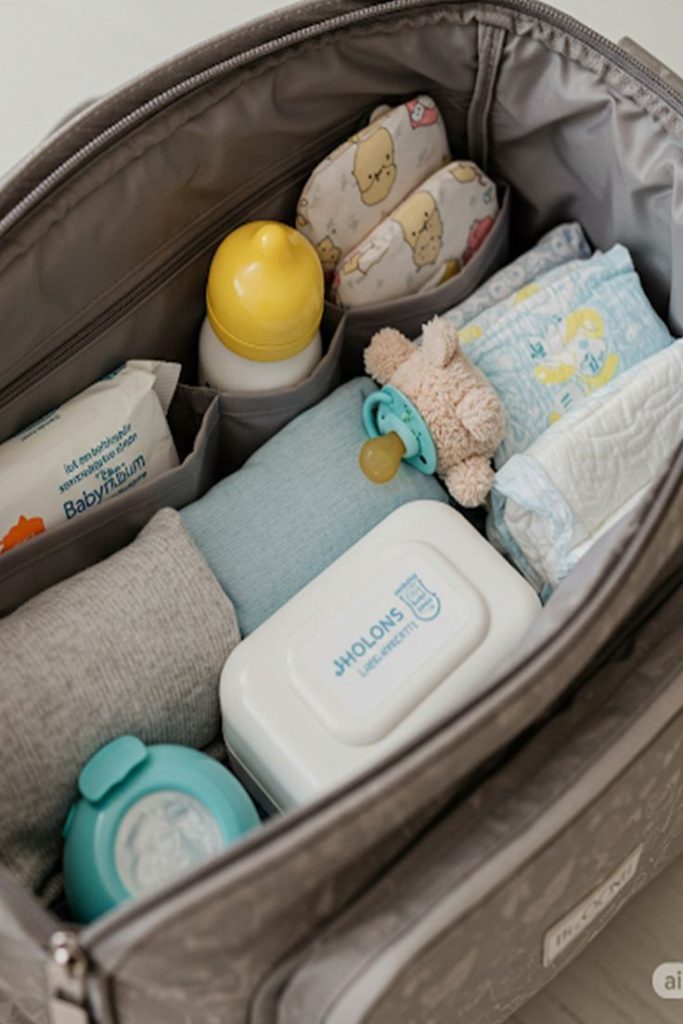
Your newborn needs very little in the hospital, but a few thoughtful items can make their first days more special .
Clothing and Comfort
- Onesies – Pack 2-3 side-snap kimono styles, which are best for avoiding the umbilical cord stump
- Footed sleepers – Choose ones with zippers for easier diaper changes
- Mittens – To prevent baby from scratching their face
- Soft hat – The hospital provides these, but you might want your own special one
- Swaddling blankets – Lightweight, breathable options work well for photos and keeping baby cozy
Diapering and Feeding
Hospitals typically provide diapers, wipes, and basic care items during your stay . However, you may want:
- Your own preferred brand of diapers if baby has sensitive skin
- Burp cloths
- Nursing pillow if you plan to breastfeed
- Formula starter pack if you’re not breastfeeding (check with your hospital about their policies)
Going-Home Outfit for Baby
This is the photo-op moment! Pack:
- A special outfit appropriate for the weather (newborn and 0-3 month sizes—babies can surprise you!)
- A warm blanket for the car ride home if it’s cold
- Soft socks or booties
Crucial Reminder: The car seat is non-negotiable and required by law. Install it in your car well before your due date and know how to use it correctly .
For Partner: The Support Person’s Survival Kit
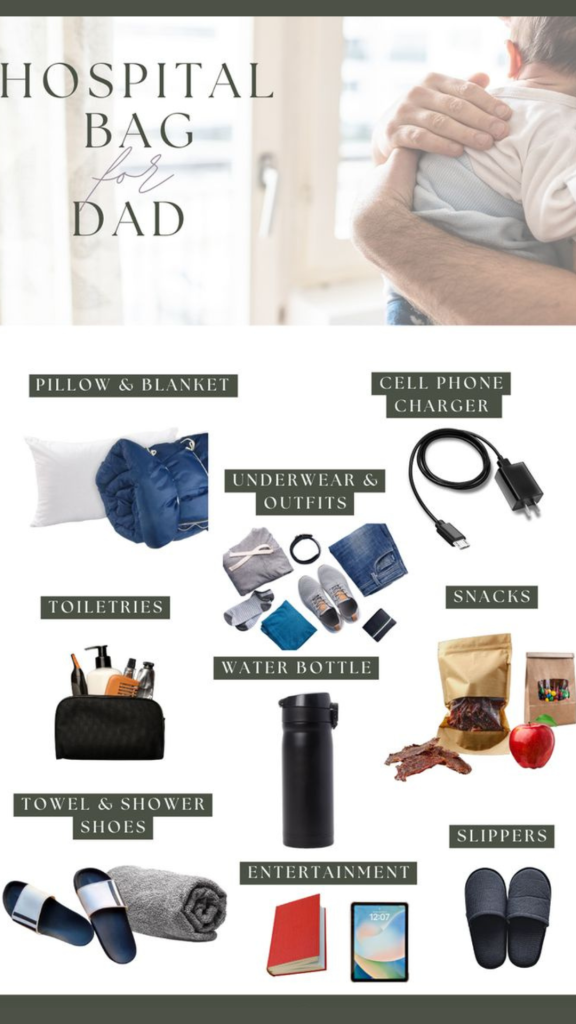
Your partner needs sustenance and comfort too! Pack them a separate bag with :
- Change of clothes and comfortable layers
- Toiletries (toothbrush, deodorant)
- Snacks and drinks – Hospital cafeterias have limited hours
- Long phone charger
- Pillow and blanket – Hospital chairs aren’t the most comfortable
- Entertainment – Book, tablet, or downloaded movies
- Cash for vending machines and parking
- Camera or phone for capturing memories
Electronics and Entertainment
Don’t underestimate how much time you’ll spend waiting. Pack these tech essentials :
- Long phone charger (10 feet) – This is the #1 most forgotten item! Outlets are often far from the bed
- Portable power bank – For charging when outlets aren’t accessible
- Headphones or earbuds – For listening to music, podcasts, or watching videos without disturbing others
- Tablet or e-reader – Loaded with books, movies, or shows
- Portable speaker – For creating ambiance during labor (be mindful of roommates)
- Camera – Designate someone as the official photographer so you can focus on labor
Snacks and Hydration
Hospital food isn’t always available when you need it. Pack :
- Reusable water bottle with a straw (easier to drink from while lying down)
- High-energy snacks: granola bars, nuts, dried fruit, crackers
- Electrolyte drinks or sports drinks for energy
- Hard candy for dry mouth
- Don’t forget snacks for your partner!
Always check with your care team before eating during labor, as policies vary .
Special Considerations for C-Section
If a Cesarean section is planned or possible, add these items :
- High-waisted underwear and loose pants that sit above the incision
- Slip-on shoes (bending to tie laces will be difficult)
- A firm pillow to hold against your incision when coughing or laughing
- Stool softeners (confirm with your doctor first)
What to Leave at Home
Hospitals aren’t responsible for personal belongings. Leave these items safely at home :
- Expensive jewelry or valuables
- Large amounts of cash
- Strong perfumes or scented lotions (can bother newborns and other patients)
- Multiple suitcases – Space is limited; stick to one or two small bags
- Your own breast pump – Hospitals have clinical-grade pumps available
Packing Timeline: When to Have Everything Ready
- 36 Weeks: Have your bags 90% packed and easily accessible
- 38 Weeks: Bags completely packed, in the car, and everyone knows where they are
- 40+ Weeks: Double-check that you haven’t borrowed anything from your hospital bag for daily use
Pro Tips for a Smooth Hospital Stay
- Label your items – Put your name and phone number on chargers and personal items in case they get misplaced
- Use clear bags – For toiletries so security can see contents easily
- Pack snacks in easy-to-reach pockets
- Pre-download entertainment – Hospital Wi-Fi can be spotty
- Take a hospital bag checklist – Use this article as your guide!
The Bottom Line
Packing your hospital bag is a tangible step toward meeting your baby. The goal isn’t perfection—it’s preparation. As one nurse reassures, “If you forget an item, don’t worry. We have everything you need at the hospital. The items you bring are just to keep you comfortable” .
So take a deep breath, use this hospital bag essentials checklist, and pack with confidence. You’ve got this, mama. Soon you’ll be holding your baby, and none of the packing details will matter—just that beautiful moment when you finally meet face to face.
What’s the one item you can’t imagine birthing without? Share in the comments below!
Leave a Reply