
Discover 35+ simple, developmental water play ideas that require minimal setup—and deliver maximum fun.
There’s a moment every parent knows well. It’s 3:00 PM, nap time is over, and suddenly your toddler has more energy than a small nuclear reactor. You need something. Something engaging. Something that doesn’t require a trip to the store or an hour of setup.
Now imagine placing a plastic bin filled with water on the floor. Watch as your toddler’s eyes light up. They approach slowly, dip a hand in, and then—quiet. For the next thirty minutes, they are completely absorbed in the simple act of pouring, splashing, and exploring.
This is the magic of water play.
Water play isn’t just an activity; it’s a parenting lifeline. It’s naturally calming for the nervous system, endlessly engaging for curious minds, and requires almost nothing you don’t already have at home. Whether you’re looking for easy water play activities for toddlers to reset a difficult afternoon or searching for outdoor water activities for toddlers to beat the summer heat, this guide has you covered.
In this comprehensive resource, we’ll explore why water play matters developmentally, share over 35 specific activities organized by type and location, and give you all the tips you need to make water play work for your family—not the other way around.
Why Water Play Deserves a Permanent Spot in Your Parenting Toolkit
Before we dive into the activities, let’s talk about why water play is worth your time. Because when you understand what’s really happening during those splashing moments, you’ll feel even better about setting up the bin.
The Developmental Benefits You’re Actually Seeing
When your toddler is elbow-deep in a water bin, they aren’t just getting wet. They’re building essential skills:
Fine Motor Development
Scooping with a cup, squeezing a sponge, and grasping slippery toys strengthen the small muscles in your child’s hands. These are the same muscles they’ll use for writing, buttoning shirts, and using utensils. Every pour and squeeze is preparation for independence.
Hand-Eye Coordination
Aiming water from one container into another requires visual focus and physical control. When your toddler misses and tries again, they’re practicing persistence and precision simultaneously.
Cognitive Growth (STEM in Disguise)
Water play is early science and math in action. Your child is learning:
- Cause and effect: “When I tip this cup, water comes out.”
- Volume and capacity: “This bucket holds more than this bottle.”
- Sink vs. float: “Rocks go down, but the duck stays up.”
- Temperature concepts: “The ice is cold, but the water from the tap is warm.”
Language Development
When you play alongside your toddler and narrate their actions—”You’re pouring the blue cup into the big bowl!”—you’re building vocabulary in a natural, meaningful context. Words like full, empty, wet, dry, sink, float, cold, and warm become concepts they understand through experience, not just repetition.
Emotional Regulation
Here’s something that surprises many parents: water play is calming. The repetitive motions of pouring and stirring can regulate an overwhelmed toddler. Water play often works better than time-outs for helping children reset because it engages the senses without demanding performance.
Sensory Integration
Some children crave sensory input; others avoid it. Water play is a gentle, adjustable way to help all children process sensory information. They control how much water they touch, how fast it moves, and how long they engage.
Why Water Play Works When Nothing Else Does
Toddlers are driven by curiosity and control. Water play offers both. They can manipulate the water completely—pour it, stir it, stop it, start it—which gives them a sense of agency they rarely experience in a world where adults make most decisions.
Plus, water play requires no special skills. There’s no right or wrong way to do it. This open-ended nature means success is guaranteed, which builds confidence and encourages longer attention spans.
Before You Begin: Essential Tips for Stress-Free Water Play
The goal of water play is connection and calm, not stress and cleanup. Follow these tips to keep the experience positive for everyone.
Safety First: Non-Negotiable Rules
Never leave a toddler unattended near water. This includes bins, buckets, sinks, and wading pools. A child can drown in just inches of water in seconds. Stay within arm’s reach at all times.
Use clean, fresh water each time. Stagnant water breeds bacteria, and toddlers will inevitably drink the play water. If you’re playing outdoors, keep the bin in the shade to prevent the water from becoming too warm or developing algae.
Check the temperature. Toddler skin is sensitive. Water should feel neutral or slightly cool to your wrist—never hot.
Setup Strategies That Save Sanity
Contain the mess before it happens. Place your water bin on a large towel, a waterproof changing pad, or a plastic tablecloth. If weather permits, take everything outside where spills don’t matter.
Dress for success. Clothes will get wet. Accept this ahead of time. In warm weather, a swim diaper and nothing else works perfectly. In cooler weather, add a waterproof smock or simply plan to change clothes afterward.
Keep supplies accessible but out of reach. Store your water play materials in a specific bin or shelf where your toddler can’t access them independently. This prevents unsupervised water adventures and keeps the activity feeling special when you bring it out together.
The “Follow the Child” Philosophy
Here’s the secret to successful water play: let your child lead. You don’t need to direct, teach, or correct. Your job is to observe, narrate, and ensure safety.
If your toddler wants to pour water back and forth between the same two cups for twenty minutes, let them. That repetition is learning. If they suddenly become interested in a floating leaf, follow that interest. The best water play follows the child’s curiosity, not a predetermined plan.
35+ Easy Water Play Activities for Toddlers
Now, let’s get to what you came for: the activities. These are organized by type and location so you can find exactly what you need in any situation.
Classic Bin Activities: The Foundation of Water Play
These are the building blocks. Master these, and you’ll never run out of ideas.
1. The Pouring Station
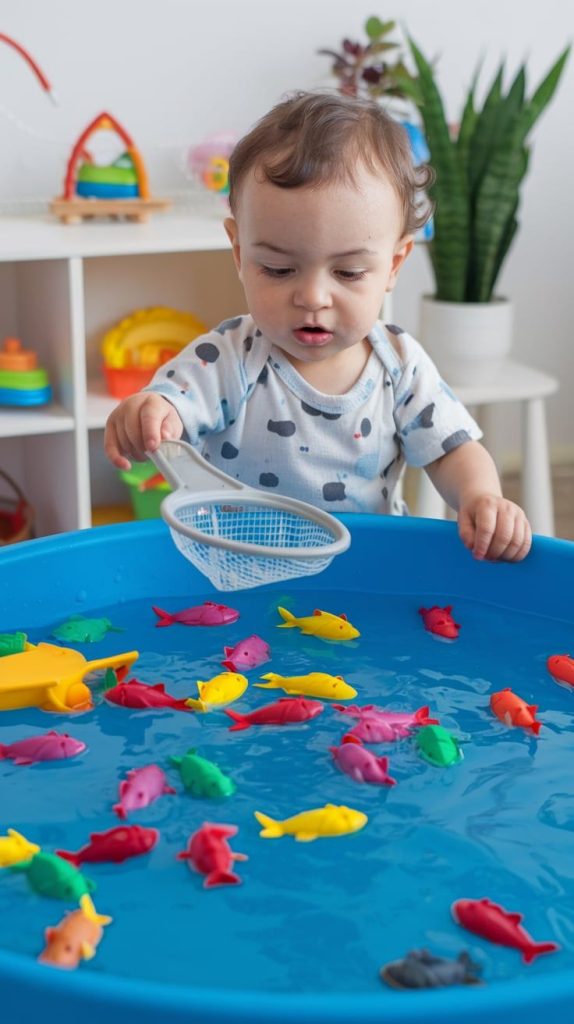
Fill a large plastic bin with a few inches of water. Add an assortment of containers: measuring cups, plastic bottles, funnels, ladles, and small bowls. Show your toddler how to fill and pour, then step back and watch. This simple setup can occupy a toddler for an astonishingly long time.
Progression tip: Add color to the water with a drop of food coloring and provide clear containers so your toddler can see the liquid level change as they pour.
2. Scoop and Transfer
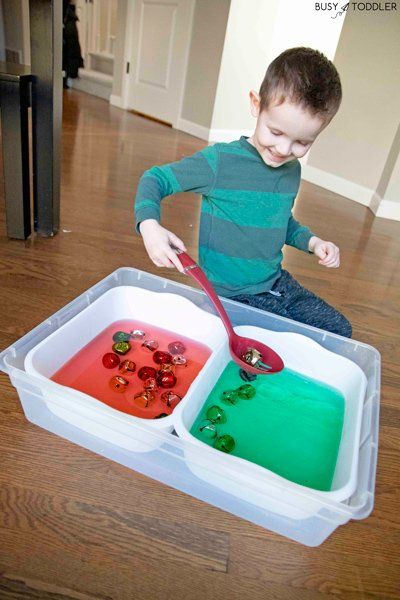
Place two bowls in the water bin—one empty, one filled. Give your toddler a spoon, small strainer, or scoop and challenge them to move the water from the full bowl to the empty one. This activity builds fine motor control and introduces early math concepts like more and less.
3. The Sponge Squeeze
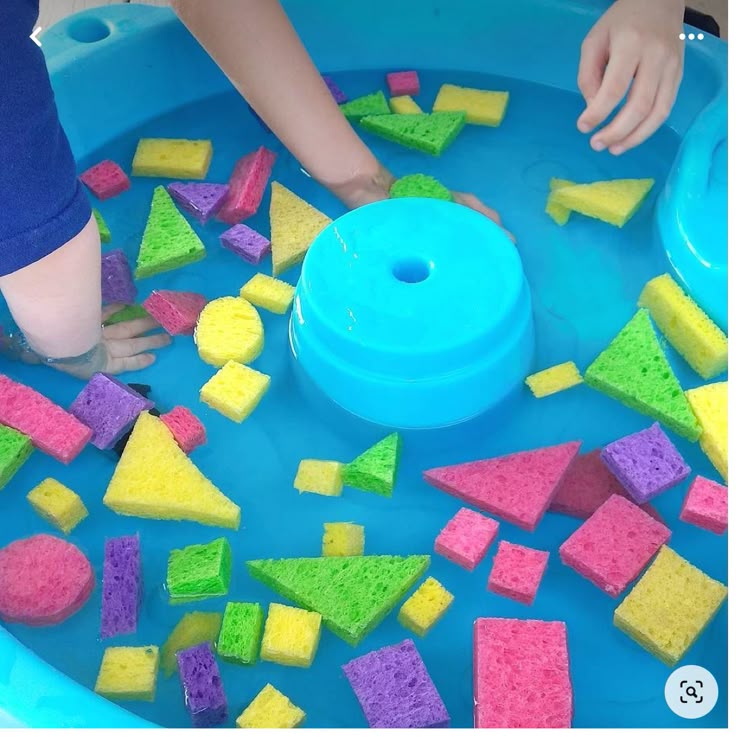
This activity strengthens hand muscles for future writing. Provide several sponges cut into small, easy-to-grasp pieces. Show your toddler how to dip the sponge in water, then squeeze it out into a separate container. For extra fun, use colored water and watch the sponge release the color.
4. Kitchen Tool Exploration
Raid your kitchen drawers. Whisk, eggbeater, potato masher, slotted spoon, basting brush—all of these become fascinating water tools. Show your toddler how the whisk creates bubbles or how water flows through the slotted spoon differently than a solid ladle.
5. Ice Cube Adventure
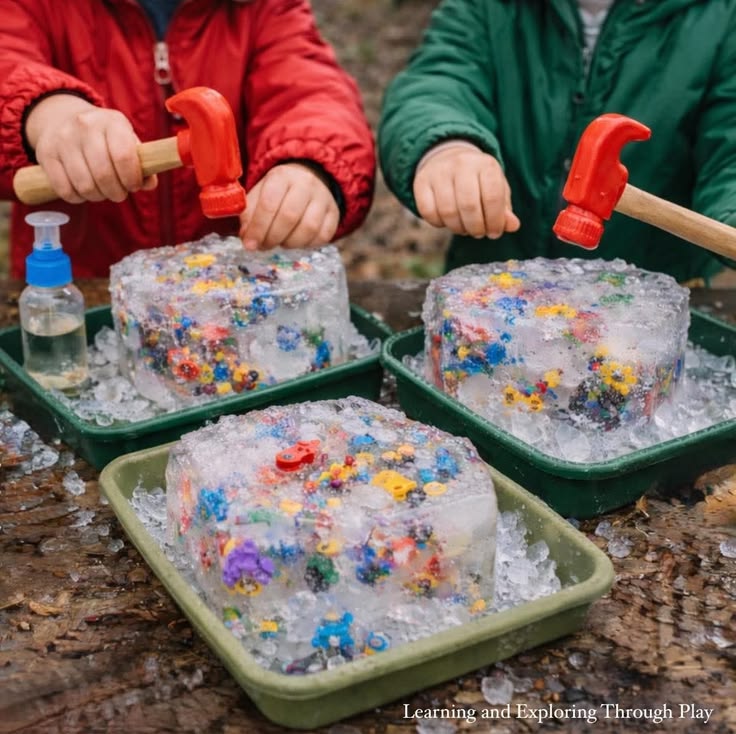
Freeze ice cubes in advance. For extra engagement, add a tiny plastic animal or a drop of food coloring to each cube compartment. Place the ice in a shallow bin of warm water and let your toddler explore the temperature contrast. They’ll watch the ice melt and work to free the trapped treasures.
Outdoor Water Play: Letting Loose
When you can take water play outside, cleanup disappears and possibilities expand.
6. Water Painting
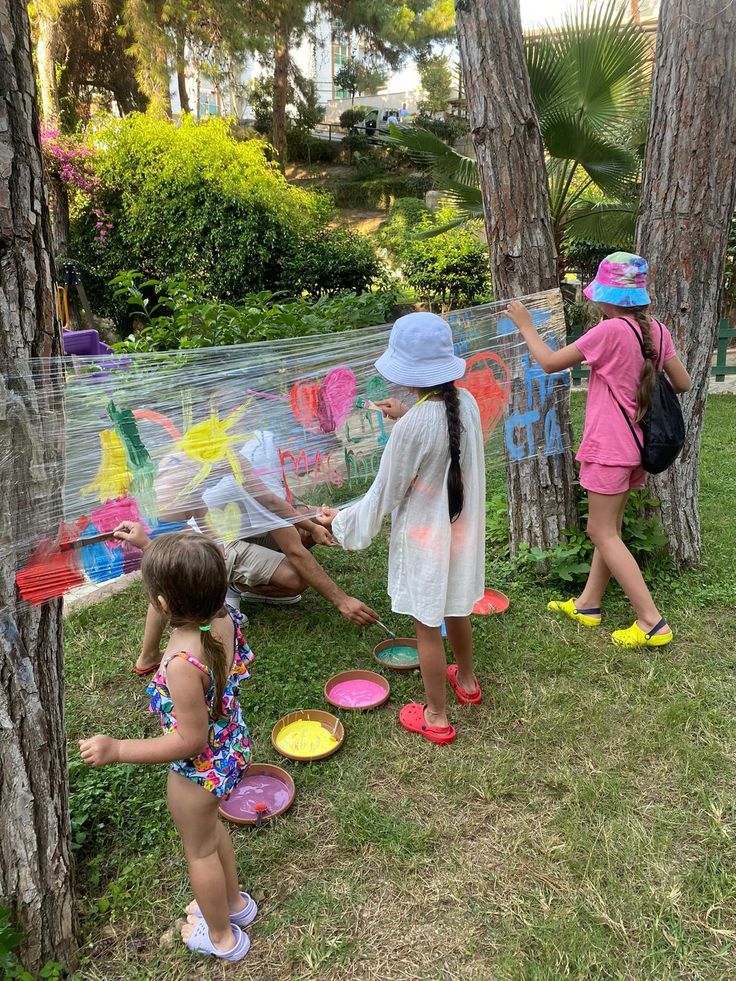
Give your toddler a bucket of water and a large paintbrush or household paint roller. Let them “paint” the fence, sidewalk, driveway, or even the side of the house. They’ll be fascinated by how the water changes the color of surfaces and how it slowly disappears in the sun.
Extension idea: On a hot day, let them “paint” each other’s arms and legs with the brush. The sensation is delightful and completely harmless.
7. The Outdoor Car Wash
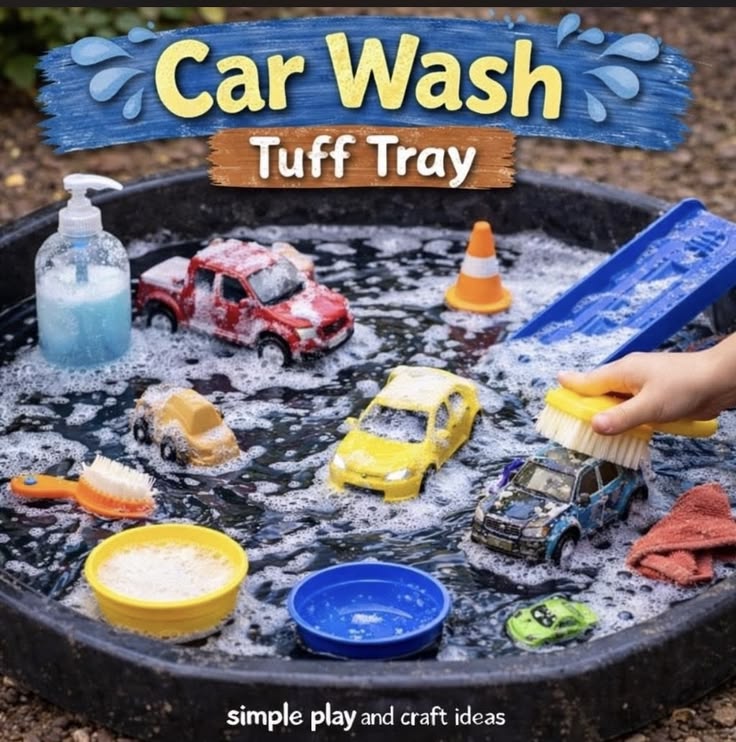
Line up tricycles, ride-on toys, and plastic cars. Fill a bin with soapy water, provide sponges and old toothbrushes, and let your toddler give their vehicles a thorough cleaning. This activity combines water play with meaningful work—they’re helping, and they know it.
8. Slip and Slide Alternative
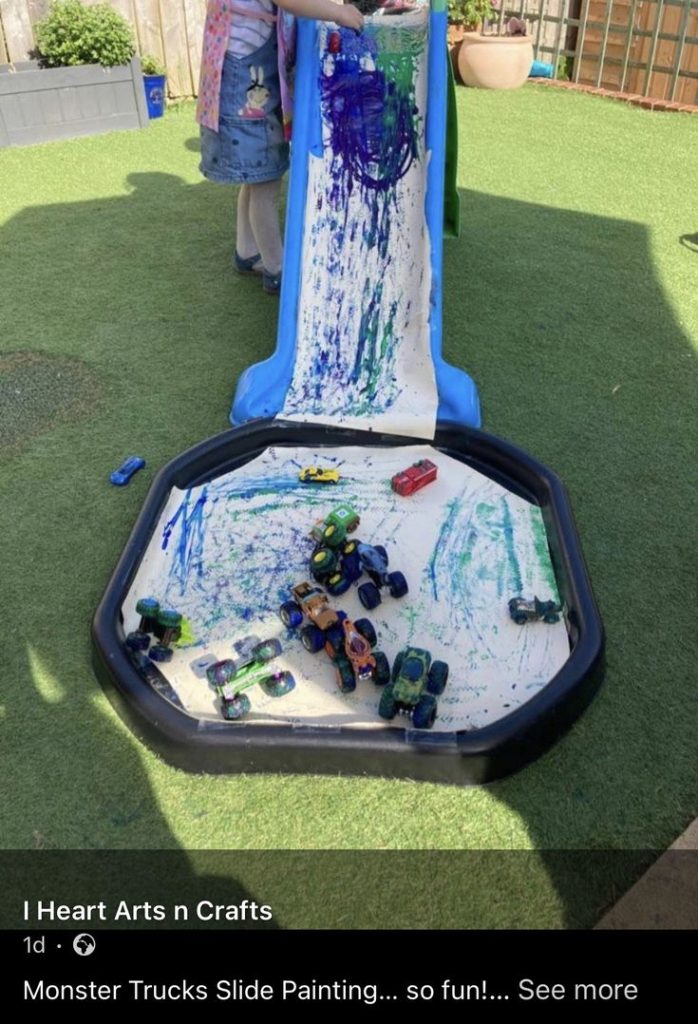
If you have a long strip of plastic sheeting or a dedicated kiddie slide, set it up on a gentle slope. Add a trickle of water from the hose and let your toddler slide down. This is pure joy in activity form.
9. Mud Kitchen with Water Station
If you have a dirt patch or sandbox, set up a mud kitchen nearby. Provide pots, pans, and bowls along with a water bin. Your toddler can mix “recipes,” creating mud pies and soups. This is messy, yes, but developmentally golden.
10. Sprinkler Freeze Dance
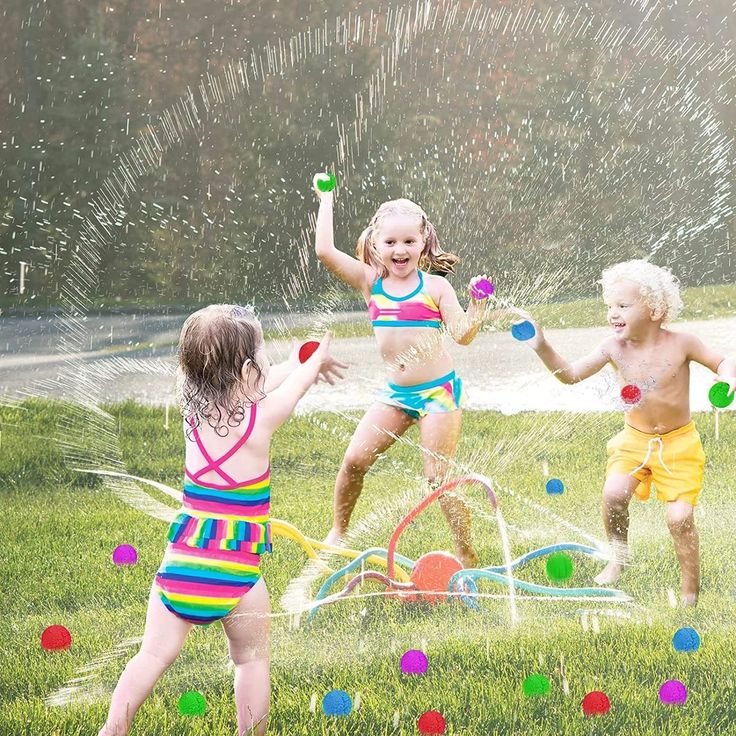
Turn on a sprinkler and play music. When the music stops, everyone must freeze—even if the water is still spraying. This combines gross motor movement, listening skills, and cooling fun.
11. Water Wall Construction
If you’re feeling ambitious, attach plastic bottles, funnels, and tubes to a fence or piece of plywood to create a water wall. Pour water at the top and watch it cascade through the system. This is physics in action, and toddlers find it mesmerizing.
12. Toy Wash Station
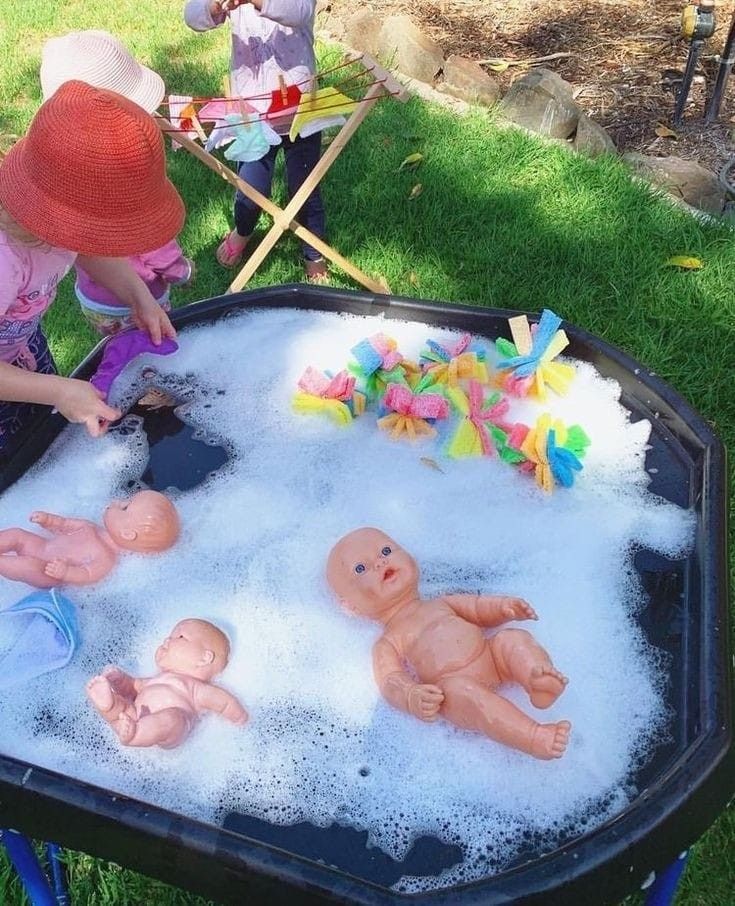
Set up two bins: one with soapy water, one with clean rinse water. Add a scrub brush and let your toddler wash all their plastic outdoor toys—balls, shovels, buckets. They’ll feel proud of their work, and your toys will actually get clean.
Science Experiments Disguised as Play
These activities feel like magic but teach real scientific concepts.
13. Float or Sink?
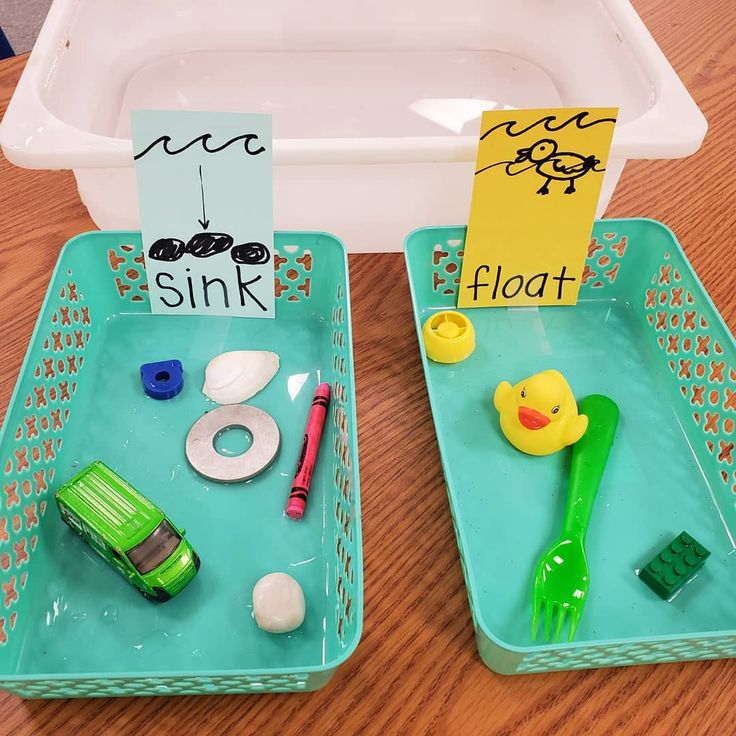
Gather a collection of household objects: cork, coin, plastic toy, stone, leaf, sponge, crayon. Before dropping each item in the water, ask your toddler, “Will it float or sink?” Let them test each item and sort into two piles. This builds prediction skills and introduces the scientific method.
14. Color Mixing Lab
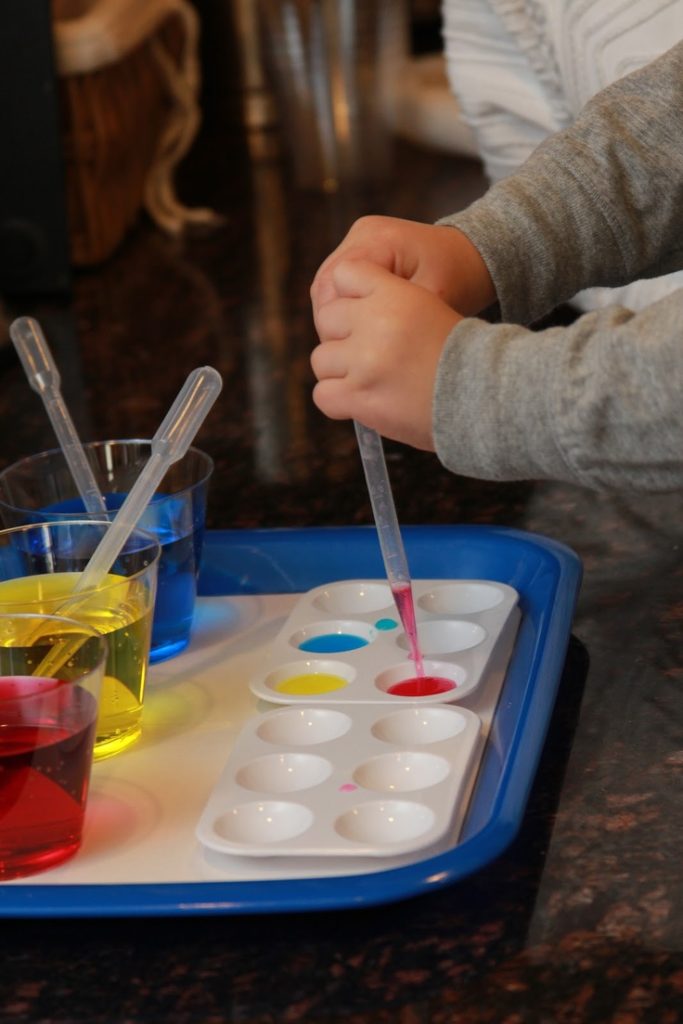
Fill several cups with water. Add red food coloring to one, blue to another, yellow to a third. Provide empty cups, a dropper or spoon, and let your toddler experiment with mixing. Watch their amazement when blue and yellow become green.
Safety note: Use food coloring that washes out easily, or try liquid watercolors from craft stores for brighter results with less staining.
15. Absorption Race
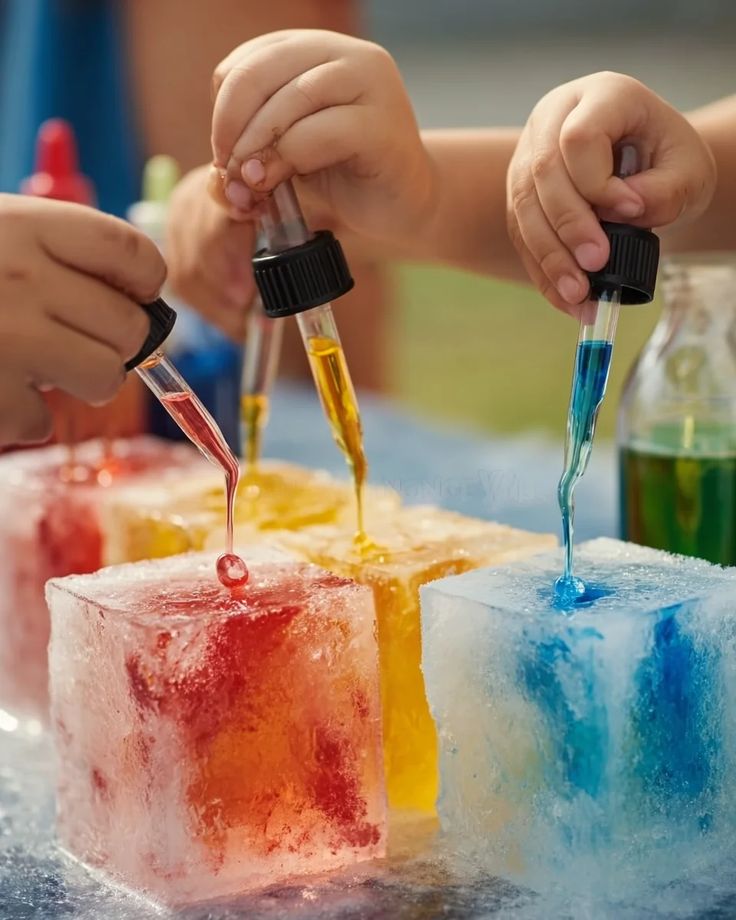
Provide different materials: sponge, paper towel, fabric scrap, wax paper, plastic wrap. Using a dropper or spoon, drop water onto each material and observe what happens. Which one absorbs fastest? Which one repels water? This introduces material properties in a hands-on way.
16. Sink Spray Painting
Line a shallow bin or cookie sheet with paper. Add a few drops of liquid watercolor or food coloring to the bottom. Let your toddler spray water from a squirt bottle onto the paper, watching the colors spread and mix. The result is abstract art created entirely by water.
17. Melting Race
Freeze ice cubes in different sizes—some tiny, some large. Give your toddler various tools: warm water in a dropper, salt, their hands. Which ice melts fastest? Which tool works best? This exploration teaches heat transfer and problem-solving.
18. Water Xylophone
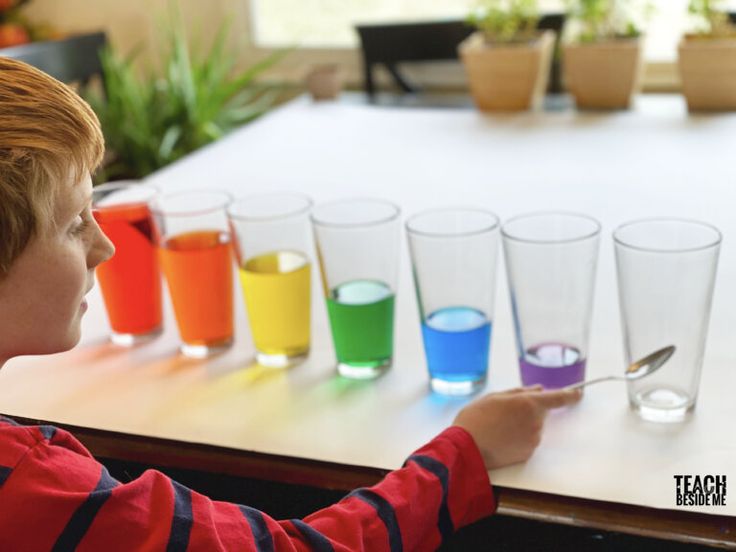
Fill several identical glass jars or cups with different water levels. Tap each with a metal spoon and listen to the different pitches. Show your toddler how more water creates a lower sound, less water creates a higher sound. This is music and science combined.
Fine Motor Water Play
These activities specifically target the small hand muscles needed for future writing and self-care.
19. Dropper Transfer
Fill one small bowl with colored water. Provide an empty bowl and a medicine dropper or pipette. Show your toddler how to squeeze, release to draw water, and squeeze again to transfer. This requires significant fine motor control and concentration.
20. Pom-Pom Water Rescue
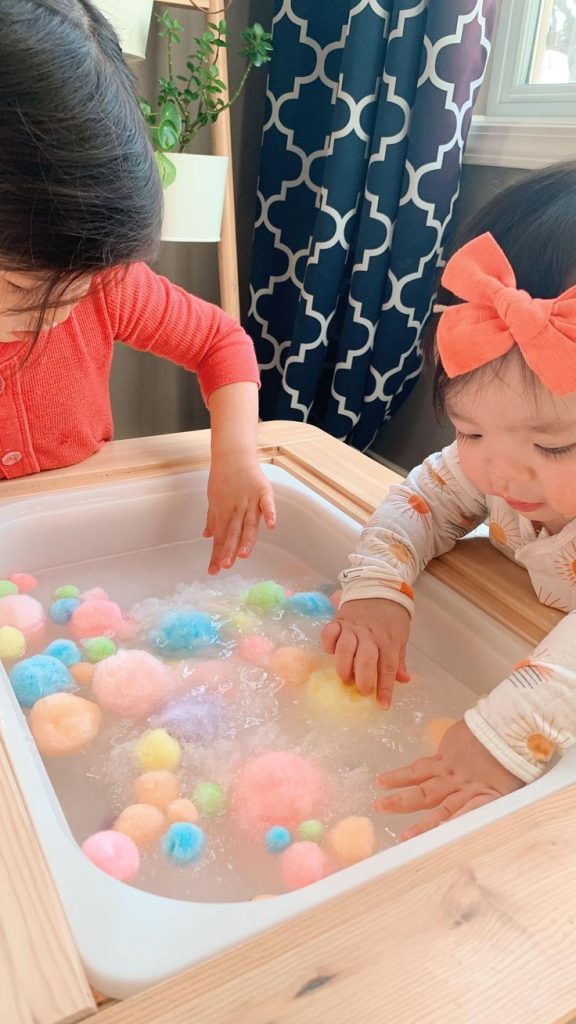
Fill a bin with water and add colorful pom-poms. Provide a slotted spoon, small strainer, or tongs. Challenge your toddler to rescue the pom-poms from the water. The floating pom-poms are slippery and require careful scooping.
21. Squirt Bottle Target Practice
Fill squirt bottles with water. Draw simple targets on the sidewalk with chalk or tape paper targets to a fence. Let your toddler aim and squeeze to hit the targets. This strengthens hand muscles and builds visual motor skills.
22. Water Bead Sensory Bin
For older toddlers (3+ with no mouthing risk), water beads offer incredible sensory input. Hydrate the tiny beads overnight and watch them expand into squishy, bouncy orbs. Add scoops, cups, and strainers for hours of exploration.
Caution: Water beads are a choking hazard if swallowed. Supervise closely and store safely after play.
23. Bubble Wrap Stomp
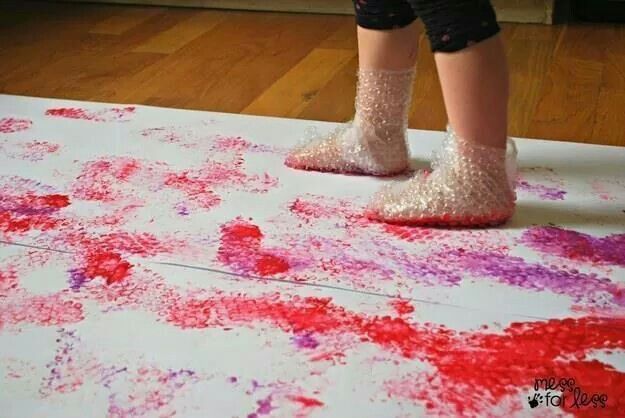
Lay a sheet of bubble wrap on a towel. Pour a small amount of water on top. Let your toddler stomp, jump, and pop the bubbles. The combination of popping sensation and water is irresistible.
24. Squeeze Bottle Painting
Fill squirt bottles with diluted liquid watercolors. Tape large paper to an outdoor fence or lay it on the ground. Let your toddler squeeze to spray paint onto the paper. The result is a beautiful, abstract watercolor creation.
Imaginative Water Play Scenarios
Water play naturally invites pretend play. These setups encourage storytelling and imagination.
25. Animal Rescue Operation
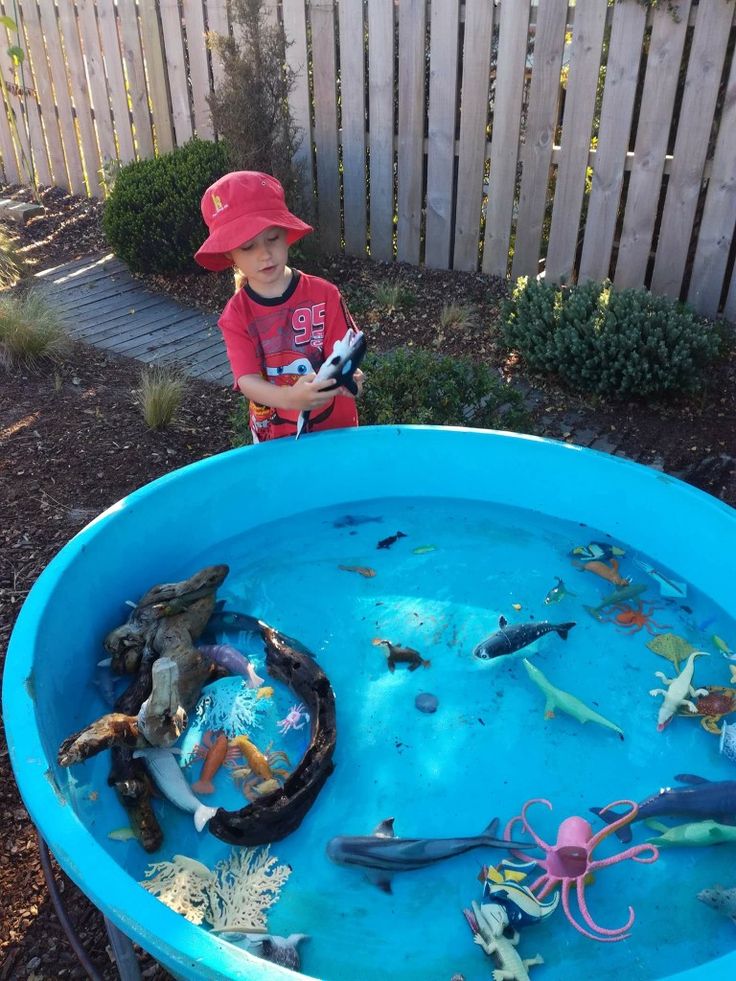
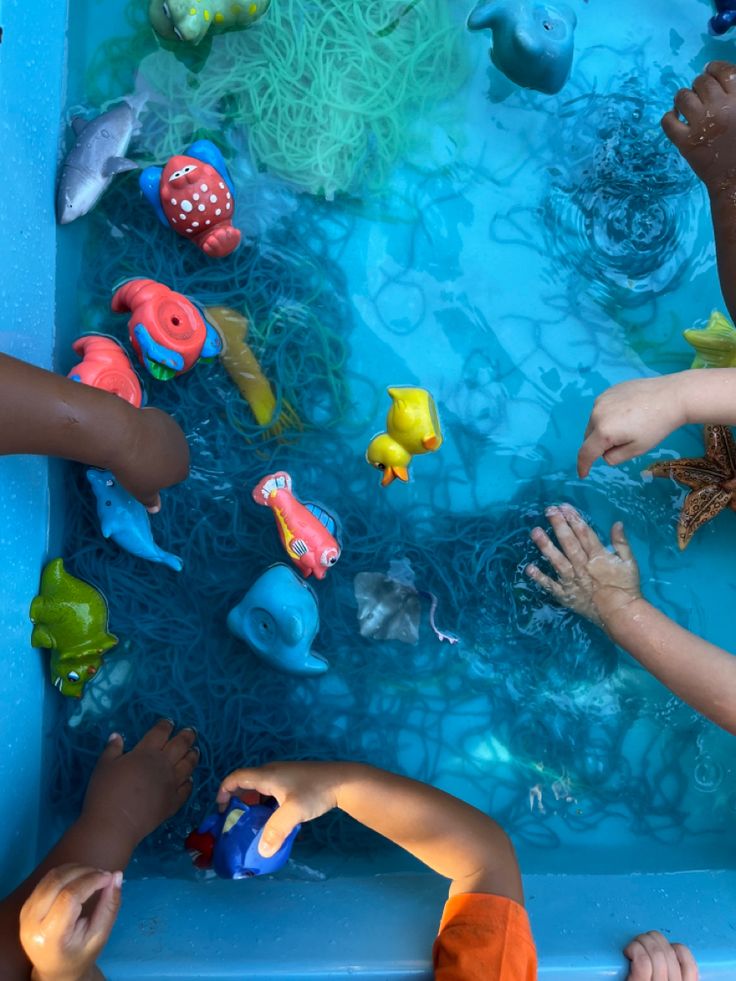
Add plastic animals to the water bin. Provide tools like spoons, nets, and scoops. Announce that the animals need rescuing from the “flood” or “ocean.” Your toddler becomes the hero, saving each animal and returning them to “dry land.”
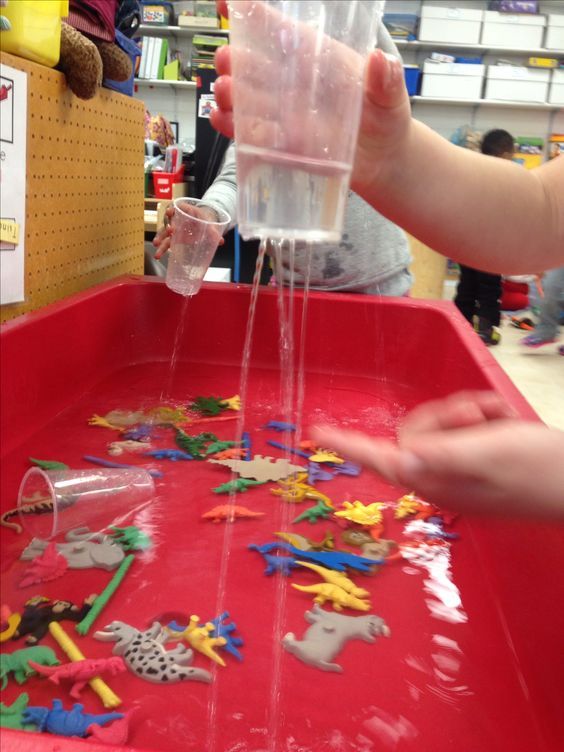
26. Dinosaur Swamp
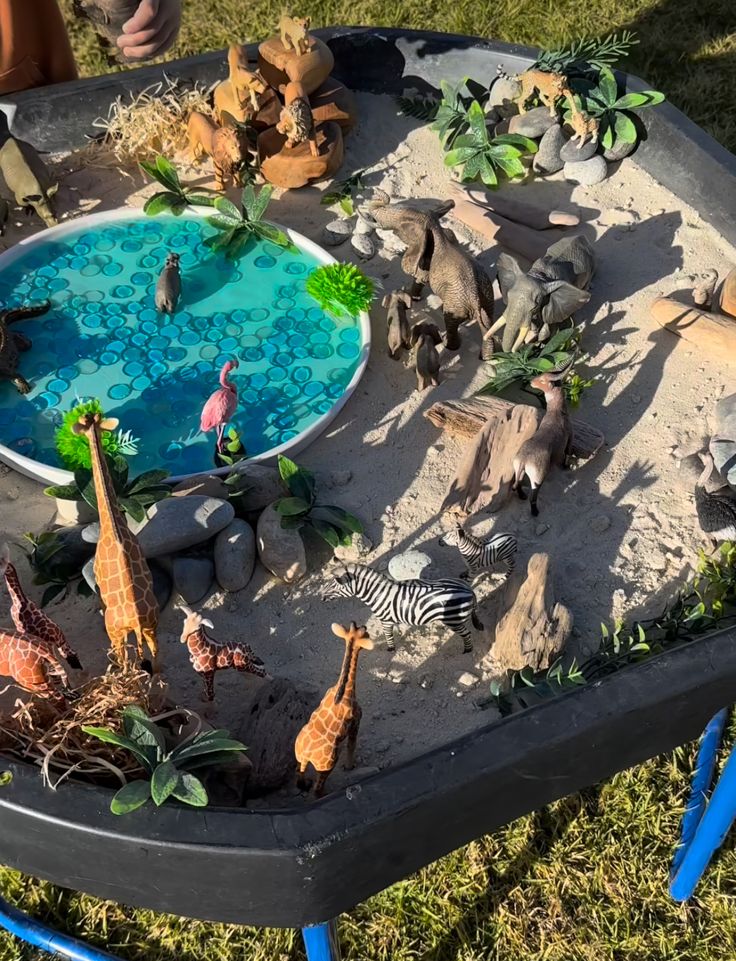
Add plastic dinosaurs, small trees or plants (real or fake), and some rocks to your water bin. Create a prehistoric swamp where dinosaurs stomp and splash. Add a few drops of green food coloring for extra swamp effect.
27. Fishing Pond
Cut simple fish shapes from craft foam. Add a paperclip to each. Create a fishing pole by tying a string to a stick and attaching a small magnet to the string’s end. Your toddler can “fish” for the foam fish in the water bin.
28. Boat Races
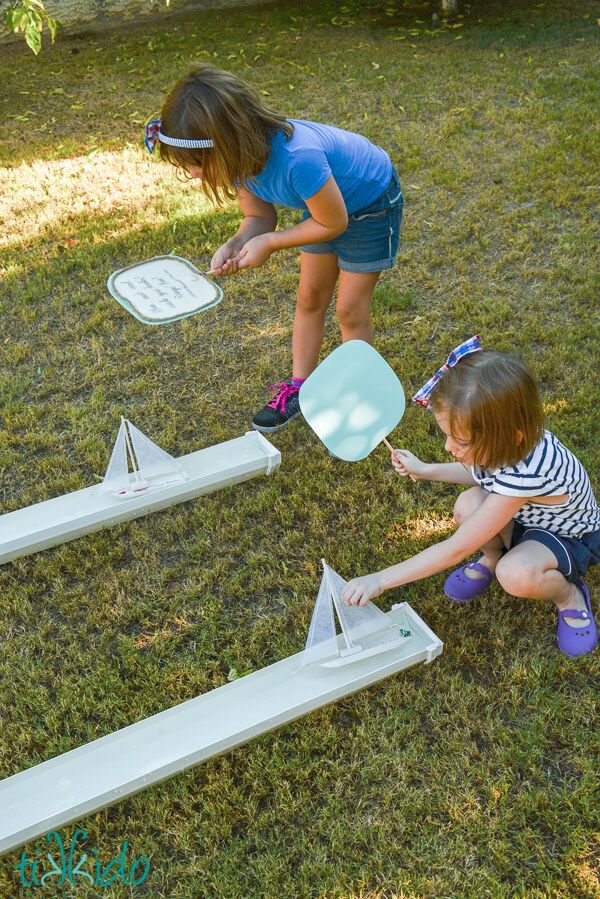
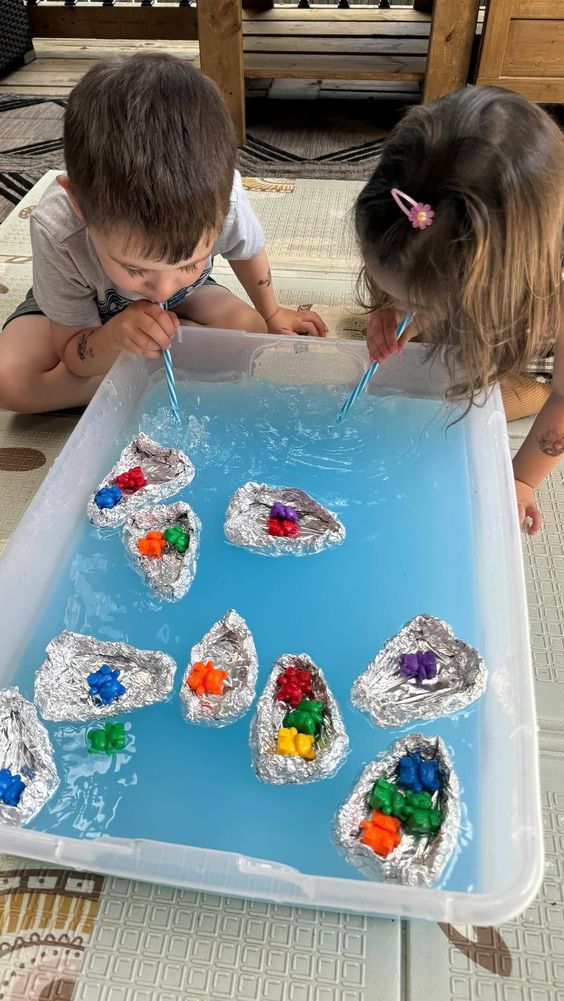
Make simple boats from recycled materials: milk cartons, foam trays, or even leaves. Add a small sail using a toothpick and paper. Place them in the water and blow to race them across the bin. This introduces air power and competition.
29. Mermaid or Pirate Adventure
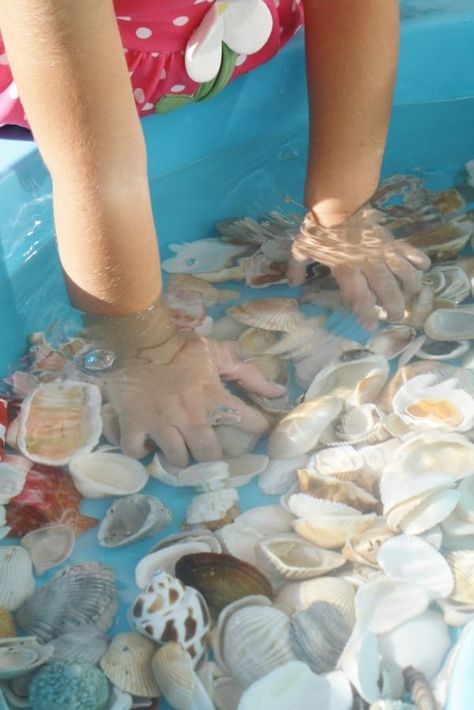
If your toddler has small dolls or figures, create an ocean adventure. Add shells, blue food coloring, and maybe some “treasure” (plastic jewels or coins) hidden at the bottom. Let the dolls explore the deep sea.
30. Soup Kitchen
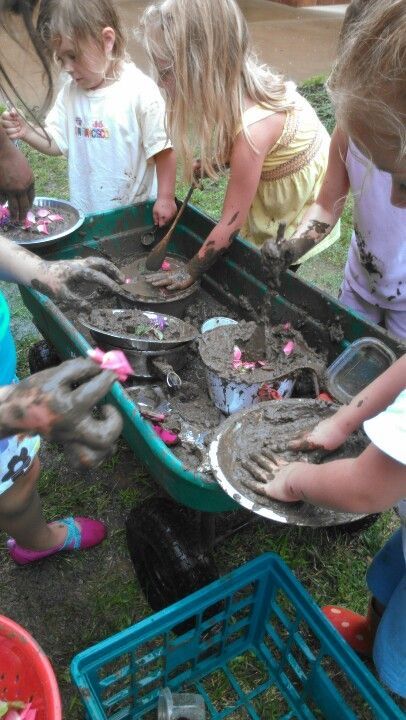
Provide bowls, spoons, and “ingredients” like leaves, flower petals, grass clippings, and small stones. Your toddler can stir and serve “soup” to their stuffed animals. This combines water play with imaginative role-play and caregiving.
Quick Setup Indoor Water Play
When you need something fast, these activities require minimal supplies.
31. Sink Time
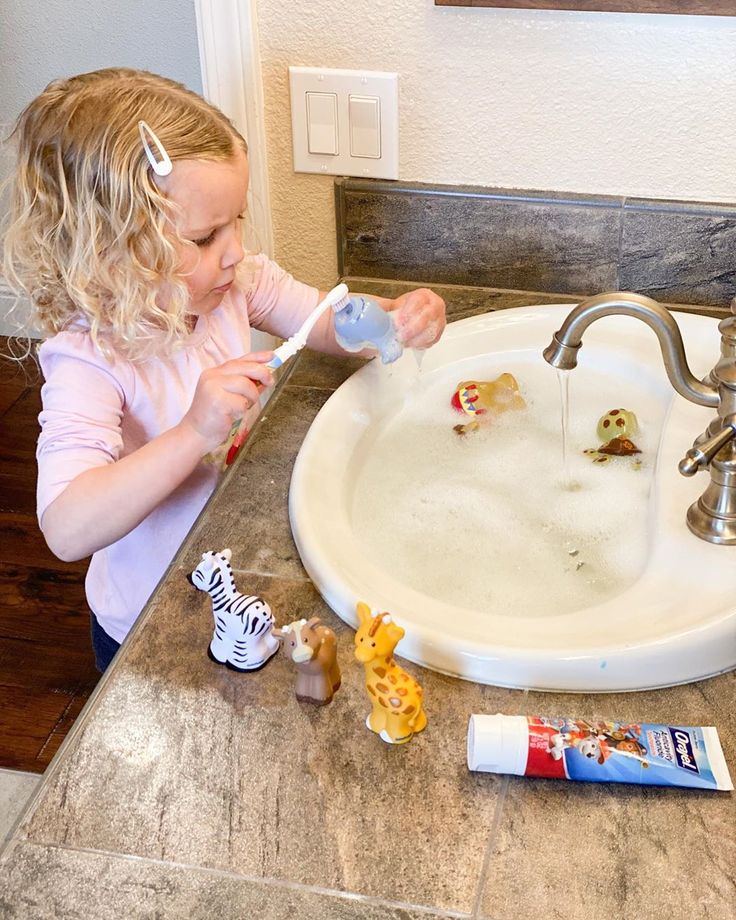
Place a step stool at the kitchen sink. Fill one side with a few inches of warm water and add plastic cups and toys. Stand nearby while your toddler plays. The sink contains the mess perfectly, and you can prep dinner while supervising.
32. Tub Before Bath
Before actual bath time, let your toddler play in the empty tub with a small amount of water and some containers. When they’re done, simply pull the plug and start the real bath. This buys you time and makes bath transition easier.
33. Water Table Indoors
If you have a water table, it can come indoors temporarily. Place it on a large plastic tablecloth or several towels. Add an inch of water and let your toddler play. This works especially well on days when outdoor play isn’t possible.
34. Ice Painting
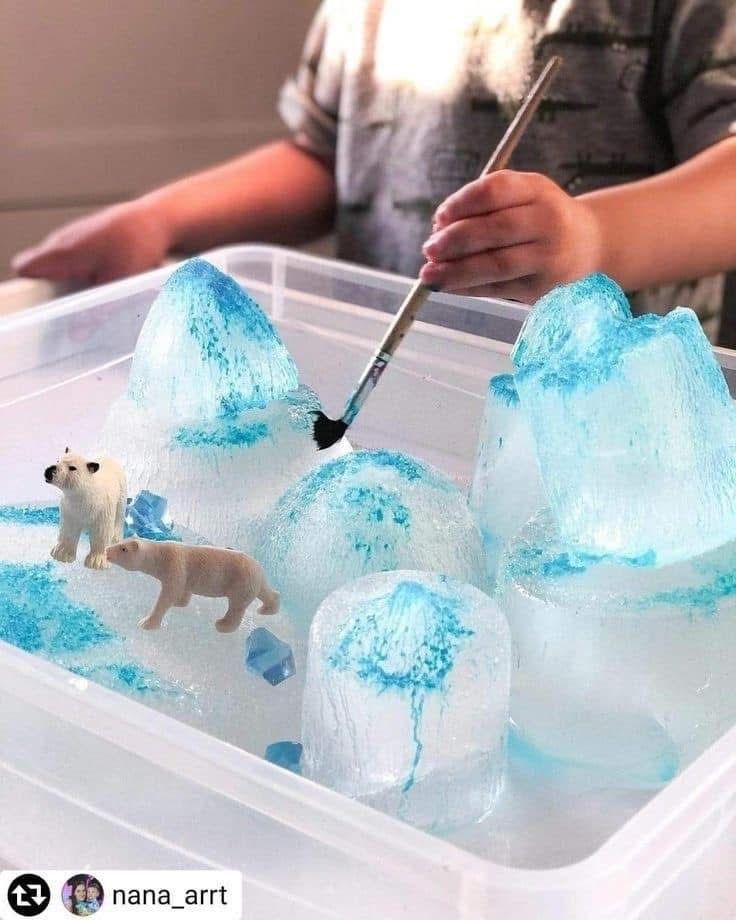
Freeze water in ice cube trays. When frozen, sprinkle a little salt on each cube and offer them to your toddler on a tray with thick paper. As the ice melts, it leaves water marks. The salt creates interesting melting patterns.
35. Spray Bottle Window Fun
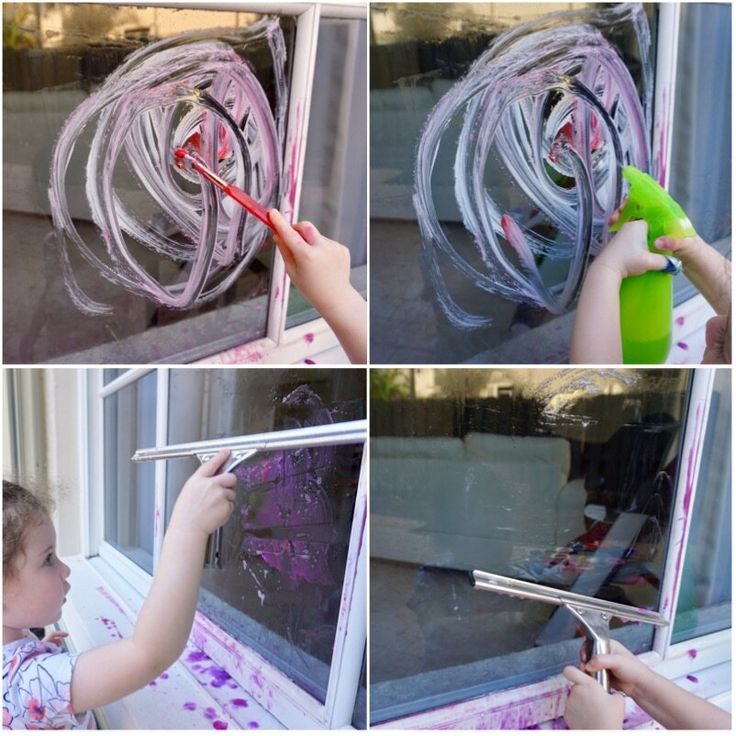
On a sunny day, fill a spray bottle with water and let your toddler spray the outside of windows. They’ll watch the water run down the glass and can “wash” the windows while you supervise from inside.
36. Kitchen Tool Wash
After cooking, fill one side of the sink with soapy water and let your toddler “wash” the unbreakable kitchen tools—plastic spatulas, measuring cups, mixing bowls. They feel helpful, and some pre-rinsing actually happens.
Seasonal Water Play: Adapting Through the Year
Water play isn’t just for summer. Here’s how to adapt throughout the year.
Summer Water Play
- Focus on cooling: add ice, play in the shade, use spray bottles
- Combine with sunscreen breaks
- Offer water play before naps—the calm can help with sleep
- Use the hose liberally; the novelty never wears off
Spring Water Play
- Add rain boots and let puddle jumping be the activity
- Collect rainwater in bins for play
- Look for worms and bugs after rain; observe them in a temporary water habitat
- Wash outdoor furniture and toys together as spring cleaning
Fall Water Play
- Add autumn leaves to the water bin for sensory exploration
- Use warm water for comfort on cooler days
- Add pumpkin seeds or small gourds to the bin
- Wash fall vegetables from the garden together
Winter Water Play
- Yes, water play works in winter! Use warm water indoors
- Add ice cubes made with natural materials (berries, pine needles) frozen inside
- Fill spray bottles with warm water for window “painting”
- Create a sink or tub station with extra-warm water and cozy towels ready
Troubleshooting Common Water Play Challenges
Even the best activities hit snags. Here’s how to handle common issues.
“My toddler just wants to dump the water on the ground.”
This is developmentally normal. Toddlers are learning about gravity and flow. If this happens:
Outdoors: Let it happen. The ground needs water anyway.
Indoors: Set clear limits. “Water stays in the bin. If water goes on the floor, we’ll need to clean up and try again another time.” Follow through calmly if needed.
“They lose interest after five minutes.”
Start with five minutes. That’s actually a long time for some toddlers. Build up duration slowly. Also check:
- Is the water the right temperature?
- Are there enough interesting tools?
- Are you hovering too closely? Sometimes stepping back increases engagement.
“It’s too messy.”
Embrace the prep that prevents stress:
- Play outside whenever possible
- Use waterproof mats or towels
- Dress child in minimal clothing
- Keep cleanup supplies ready nearby
- Remember that mess is temporary, but development lasts
“They try to drink the water.”
This is common with younger toddlers. Respond by:
- Using edible sensory bases occasionally (like yogurt or applesauce) for variety
- Redirecting firmly: “Water is for pouring, not drinking. Let’s pour into this cup instead.”
- Supervising closely and removing the bin if drinking persists
- Knowing that most toddlers outgrow this phase
What Parents Are Asking: FAQs About Water Play
At what age can I start water play?
You can start water play as soon as your baby can sit independently with support. For infants, shallow water in a flat container with close supervision works. Always stay within arm’s reach.
How much supervision does water play need?
Constant, active supervision. This means being close enough to touch your child, not just in the same room. Water play is wonderful, but it requires your full attention.
What if my toddler is afraid of water?
Start smaller. Offer a wet washcloth to squeeze. Provide a shallow tray with barely any water. Let them control the pace completely. Never force. Fear usually passes with gentle, repeated exposure.
How do I store water play supplies?
Use a clear plastic bin with a lid. Store it somewhere accessible to you but not your child. Rotate tools occasionally to keep interest fresh. Wash and dry everything thoroughly between uses to prevent mold.
Can water play help with sensory processing issues?
Many occupational therapists recommend water play for children with sensory processing differences. The water provides consistent, predictable input that children can control. If your child has diagnosed sensory issues, consult with their therapist for specific recommendations.
How do I clean up after water play?
Have a system:
- Remove child for changing
- Drain water (use it to water plants if clean)
- Wipe down toys and bin
- Air dry everything before storing
- Hang wet towels to dry
Total time: about five minutes.
The Bottom Line: You’re Doing Enough
Here’s the truth that sometimes gets lost in parenting articles: you don’t need elaborate setups, expensive equipment, or Pinterest-perfect execution. Your toddler doesn’t care if the water is in a beautiful wooden table or an old plastic bin. They don’t care if the toys are educational or just random kitchen items.
They care about the water. They care about your presence. They care about the freedom to explore.
When you offer water play, you’re offering something deeper than entertainment. You’re offering autonomy—the chance to control their environment. You’re offering sensory input that organizes their nervous system. You’re offering connection through shared wonder.
And sometimes, you’re just offering yourself a moment of peace while your child happily pours water from cup to cup for the hundredth time.
That matters too.
Save this guide. Pin it to your parenting board, bookmark it on your phone, share it with your mom group. The next time you hear “I’m bored” or feel the afternoon drag, you’ll have 35+ ideas ready to go—and the confidence that water play is exactly what your toddler needs.
Now go turn on the tap. Adventure awaits.

Leave a Reply