
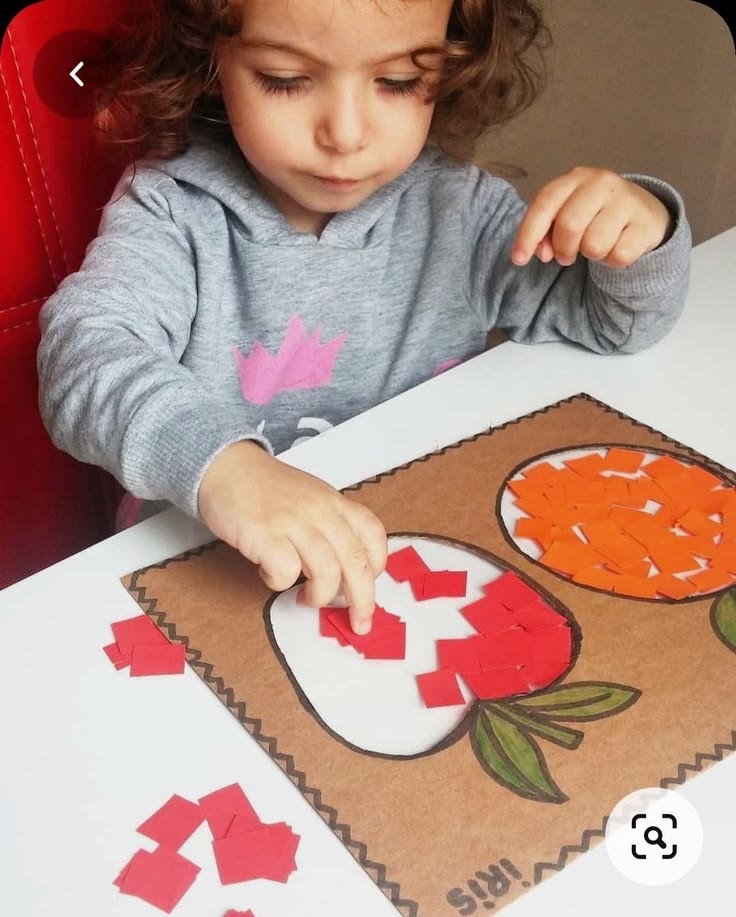
Discover 40+ engaging spring activities for preschoolers that build skills, spark curiosity, and celebrate the season—perfect for home or classroom.
The snow has melted. The sun is lingering just a little longer. And if you have a preschooler, you’ve probably noticed something else: they have energy. The kind of energy that bounces off walls and needs somewhere to go.
Spring is the perfect answer. This season offers a natural curriculum—blooming flowers, returning insects, puddles to jump in, and mud to squish between fingers. For preschoolers, spring isn’t just a change in weather; it’s a sensory invitation to explore, question, and create.
This comprehensive guide is packed with spring activities for preschoolers that are easy to set up, developmentally rich, and genuinely fun. Whether you’re a parent looking for afternoon inspiration or a teacher planning classroom centers, you’ll find ideas here that work with your life—not against it.
Why Spring Activities Matter for Preschoolers
Before we dive into the activities, let’s talk about why spring is such a powerful learning season.
Spring engages all the senses. The smell of wet soil, the sight of new colors, the sound of birds returning—these sensory experiences build neural connections and vocabulary in ways that indoor activities simply can’t match .
It connects learning to real life. When a child plants a seed and watches it grow, they’re not just learning about plants. They’re learning patience, responsibility, and cause-and-effect. These lessons stick because they’re experienced, not just explained .
It meets preschoolers where they are. Three- to five-year-olds are naturally curious, physically active, and eager to help. Spring activities tap into all of these developmental drives. The best part? You don’t need to be a teacher to facilitate them. You just need to be present and willing to get a little messy .
Before You Begin: Simple Tips for Spring Success
A little preparation makes everything smoother. Keep these principles in mind:
Follow their lead. Your child may spend twenty minutes staring at a worm instead of completing your planned craft. That’s not a problem—that’s learning. Let their curiosity guide the pace .
Embrace the mess. Spring is muddy. Clothes will get wet, hands will get dirty. Dress children in clothes that can handle it, and keep a towel by the door. The mess is temporary; the memories aren’t .
Layer for changing weather. Spring weather is famously unpredictable. Dress children in layers so you can add or remove as temperatures shift throughout the day.
Keep supplies simple. You don’t need special equipment. Most of these activities use items you already have: paper, paint, containers from the recycling bin, and natural materials from your yard .
Outdoor Exploration Activities
Spring is nature’s invitation to come outside. These activities help preschoolers observe, question, and connect with the natural world.
1. Nature Walk with Purpose
A simple walk becomes a learning adventure with a little intention. Before heading out, give your preschooler a specific mission: find something yellow, something soft, something that smells good, or something shaped like a heart .
Skills built: observation, vocabulary, color recognition
Prep time: zero
Mess level: low
Pro tip: Bring a magnifying glass and let your child examine discoveries up close. A leaf’s veins, a bug’s legs, the texture of bark—all become fascinating under magnification .
2. Bug Hunt Safari
Spring insects are emerging everywhere, and preschoolers find them utterly captivating. Go on a bug hunt in your yard, garden, or local park. Look under leaves, rocks, and logs for ants, ladybugs, worms, or beetles .
Skills built: scientific thinking, patience, respect for living things
Prep time: zero
Mess level: low
Make it educational: Ask simple questions: “How many legs does it have?” “What color is it?” “Where do you think it’s going?”
3. Rainbow Color Hunt
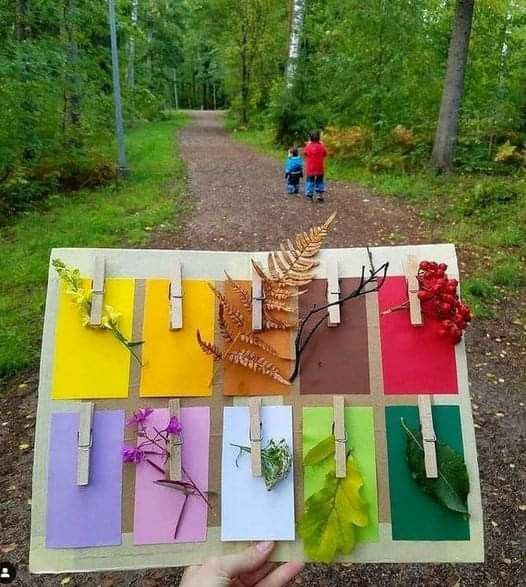
Create a simple chart with the colors of the rainbow. During your walk, help your child find one natural object for each color: a yellow dandelion, a green leaf, a blue flower, a brown stick. This sharpens observation skills while reinforcing color recognition .
Skills built: color identification, visual scanning, categorization
Prep time: 5 minutes
Mess level: low
4. Puddle Jumping with Purpose
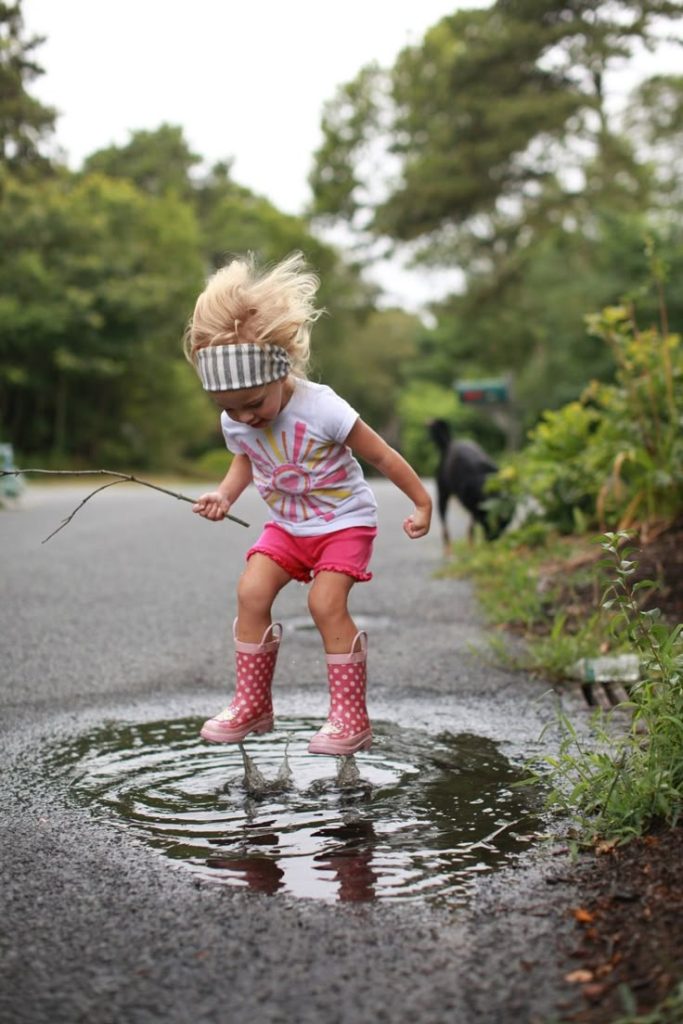
When spring rain leaves puddles behind, don’t avoid them—embrace them! Assign point values to different puddles: small puddle = 1 point, medium puddle = 3 points, big puddle = 5 points .
Skills built: gross motor, counting, risk assessment
Prep time: zero
Mess level: high (boots recommended!)
5. Cloud Watching Charades
On a sunny spring day, lie on a blanket and watch clouds together. Take turns pointing out shapes you see—a dinosaur, a boat, a butterfly. Then act out what you saw in a game of charades .
Skills built: imagination, language, perspective-taking
Prep time: zero
Mess level: none
6. Spring Spotter Challenge
Create a simple checklist of spring things to spot: a blooming flower, a buzzing bee, a bird building a nest, a butterfly, a fuzzy caterpillar. Let your child check off each discovery .
Skills built: observation, patience, scientific recording
Prep time: 5 minutes
Mess level: low
7. Invertebrate Safari
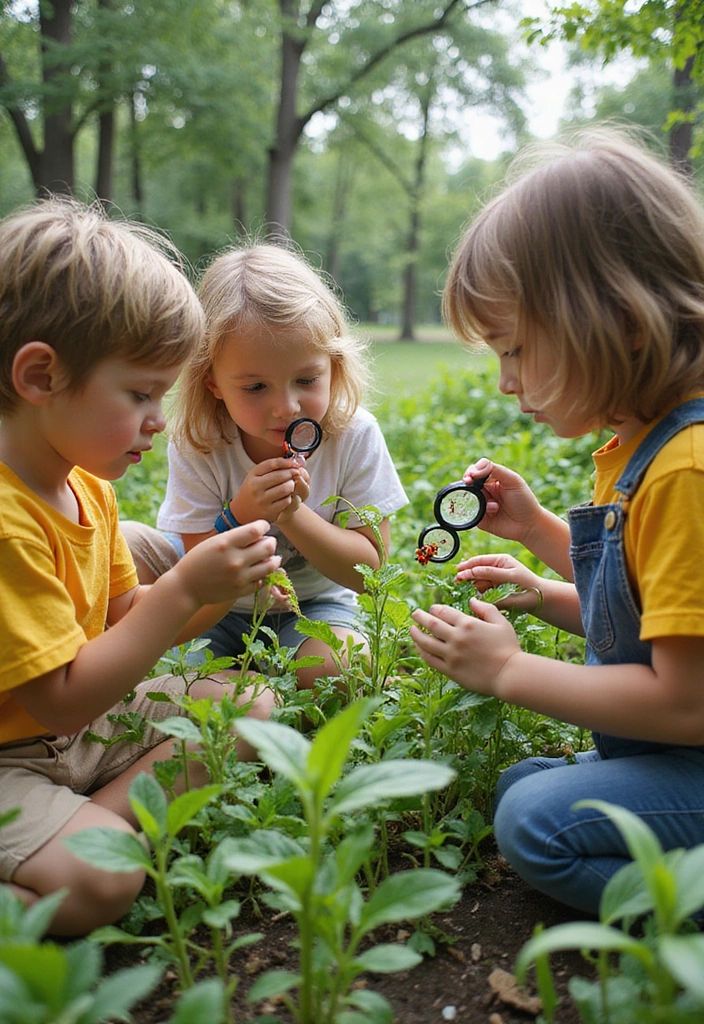
Give your child a collection jar and send them on a safari to find small creatures like beetles, snails, and worms. You might even let them temporarily keep discoveries in a terrarium—snails make surprisingly good short-term pets!
Skills built: empathy, scientific observation, responsibility
Prep time: 5 minutes
Mess level: medium
8. Listen for Spring Sounds
Sit quietly together and count how many spring sounds you can hear: birds singing, wind in trees, water dripping, bees buzzing. This builds auditory discrimination and mindfulness .
Skills built: listening skills, sensory awareness, focus
Prep time: zero
Mess level: none
Gardening and Planting Activities
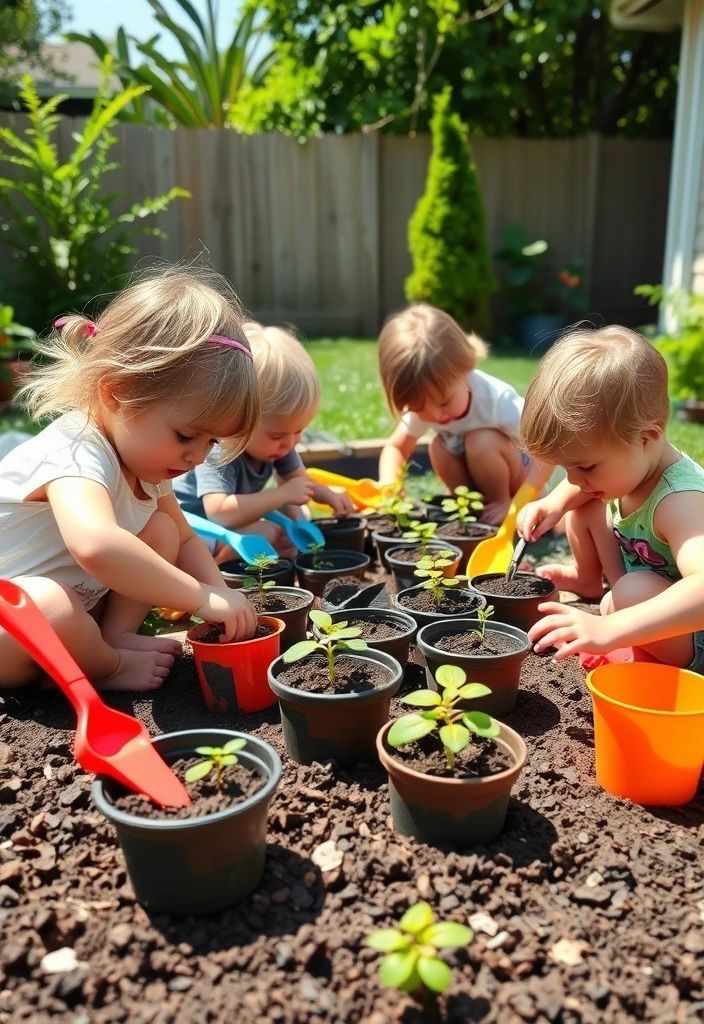
Nothing teaches patience and wonder like growing something from a tiny seed.
9. Seed Starting Station
Fill small containers with soil—egg cartons or paper cups work perfectly. Let your child press seeds into the soil, water gently, and place near a sunny window. Check growth daily and talk about changes they observe .
Skills built: fine motor, scientific thinking, responsibility
Prep time: 10 minutes
Mess level: medium
Best seeds for preschoolers: Sunflowers, beans, and peas sprout quickly and grow reliably, which helps maintain interest.
10. Egg Carton Garden
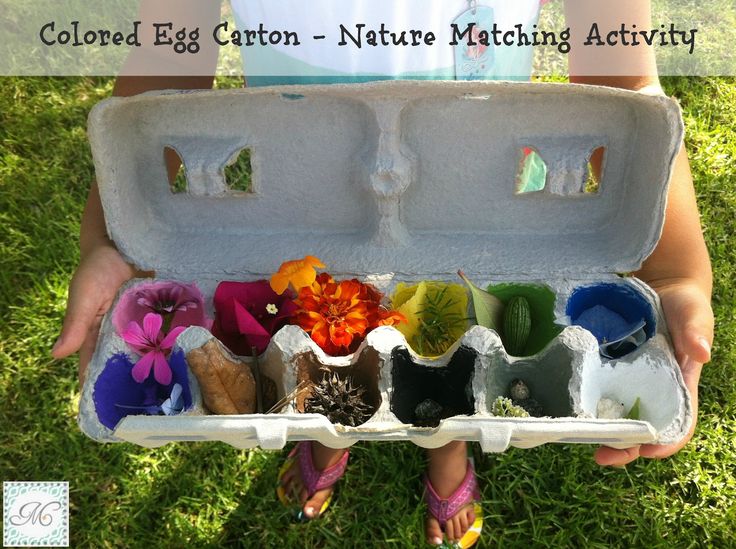
Use a cardboard egg carton as a mini greenhouse. Plant one seed in each cup. The carton can be planted directly in the ground later since it’s biodegradable .
Skills built: counting, one-to-one correspondence, sequencing
Prep time: 10 minutes
Mess level: medium
11. Paint Flower Pots
Let your child decorate terracotta pots with acrylic paint or paint pens. Once dry, help them plant flowers or herbs inside. They’ll take extra pride in plants that live in pots they personally beautified.
Skills built: creativity, pride of ownership, following steps
Prep time: 5 minutes + drying time
Mess level: medium
12. Build a Bug Hotel
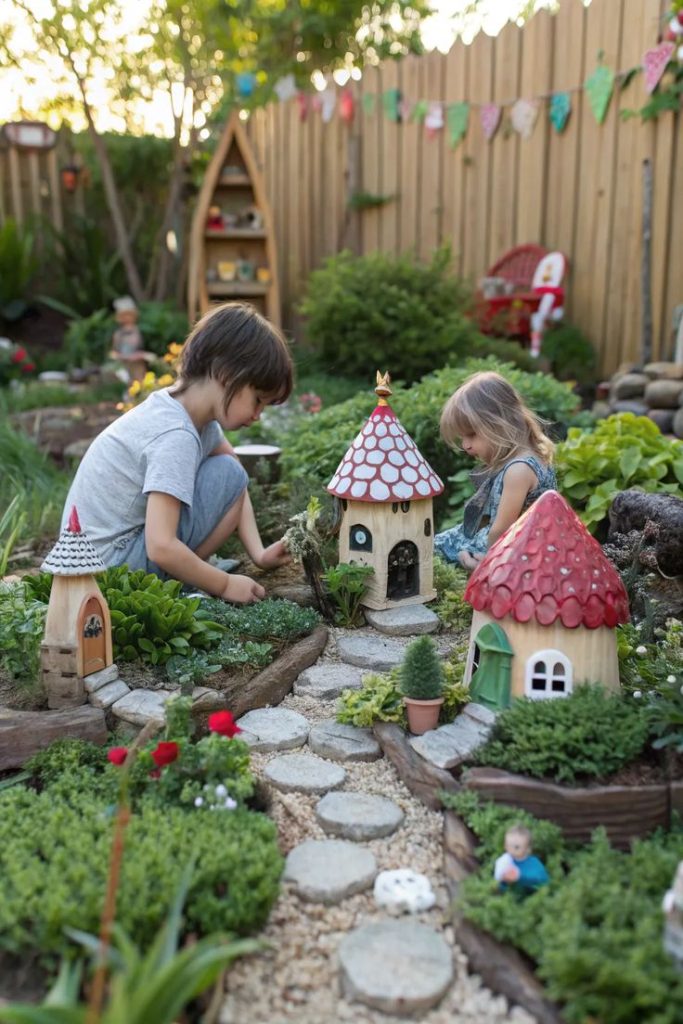
Gather sticks, pinecones, hollow stems, and small rocks. Arrange them in a corner of the yard or in a wooden frame to create shelter for beneficial insects. Watch together to see who moves in .
Skills built: engineering, environmental stewardship, observation
Prep time: 15 minutes
Mess level: low
13. Create a Mini Garden in a Jar
Layer pebbles, charcoal, and soil in a large glass jar. Plant small moisture-loving plants and mist with water. Close the lid and you’ve created a self-contained ecosystem .
Skills built: understanding systems, responsibility, scientific observation
Prep time: 15 minutes
Mess level: medium
14. Grow Grass Haircuts
Fill paper cups with soil and sprinkle grass seed on top. Keep moist. In about a week, the grass will be long enough for your child to give it a “haircut” with child-safe scissors .
Skills built: responsibility, fine motor (cutting), patience
Prep time: 10 minutes
Mess level: low
15. Sunflower House
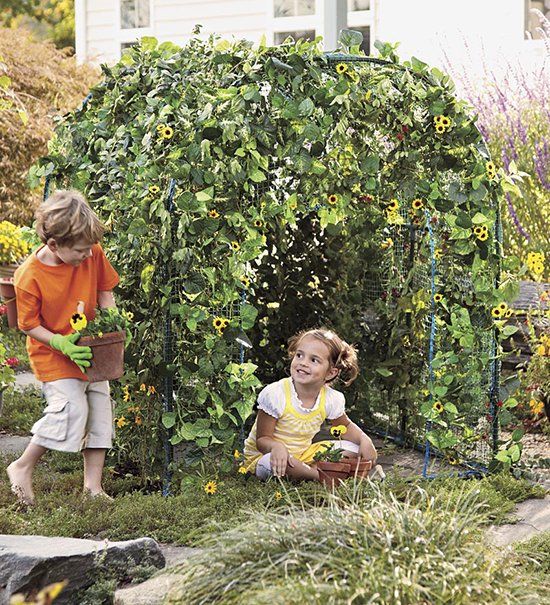
Plant sunflower seeds in a square or circle pattern, leaving an opening for a door. As the sunflowers grow tall, they’ll create an enclosed “house” that preschoolers can play inside .
Skills built: spatial planning, patience, imaginative play
Prep time: 20 minutes
Mess level: low
Spring Crafts and Art Activities
These creative projects celebrate spring colors and textures while building fine motor skills.
16. Tissue Paper Spring Blossoms
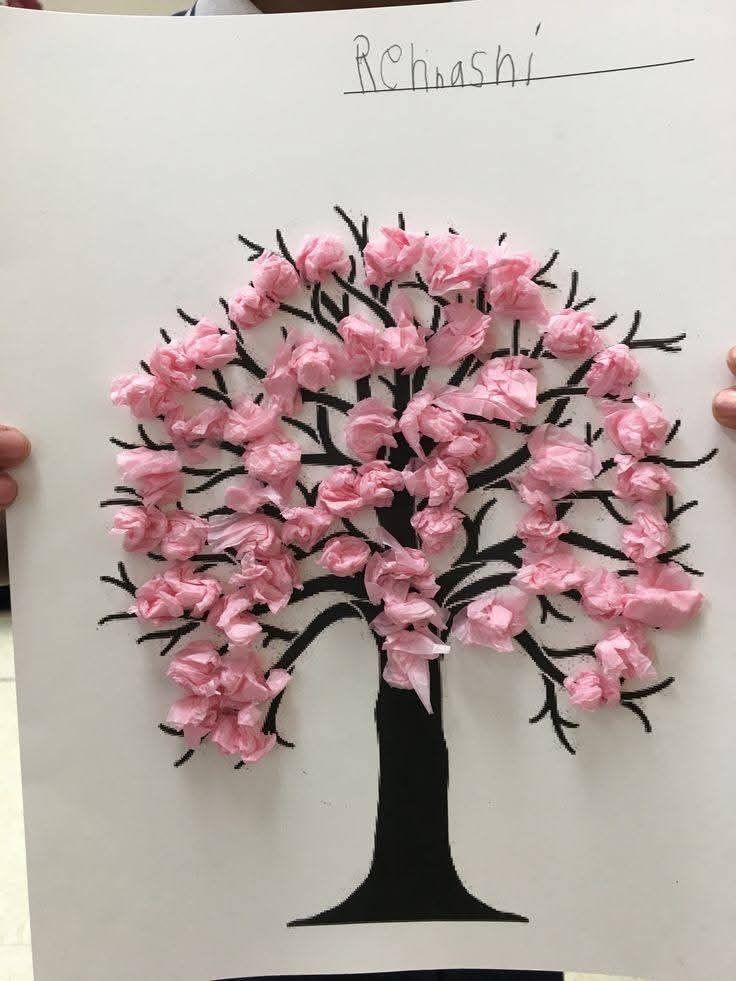
Paint tree branches on paper. While the paint dries, have your child cut or tear pink tissue paper into small pieces. Crinkle each piece and glue onto the branches to create blossoms. The result is a beautiful spring tree that builds fine motor control .
Skills built: fine motor, creativity, following multi-step directions
Prep time: 10 minutes
Mess level: low
17. Straw Flower Stamping
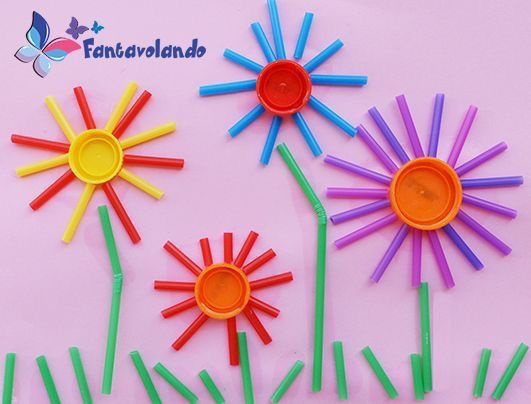
Cut the end of a plastic straw into fringe, fanning out the strips. Dip in paint and stamp onto paper to create flower shapes. Add a yellow dot in the center and draw stems. This simple technique produces surprisingly lovely results .
Skills built: cause and effect, color exploration, fine motor
Prep time: 5 minutes
Mess level: medium
18. Mud Painting on Rocks
Instead of paint that can harm the environment, use mud! Find a muddy puddle or mix soil with water until it reaches paint consistency. Let your child “paint” on rocks or sidewalk .
Skills built: sensory exploration, creativity, environmental awareness
Prep time: 5 minutes
Mess level: high (but washes off!)
19. Flower Collage
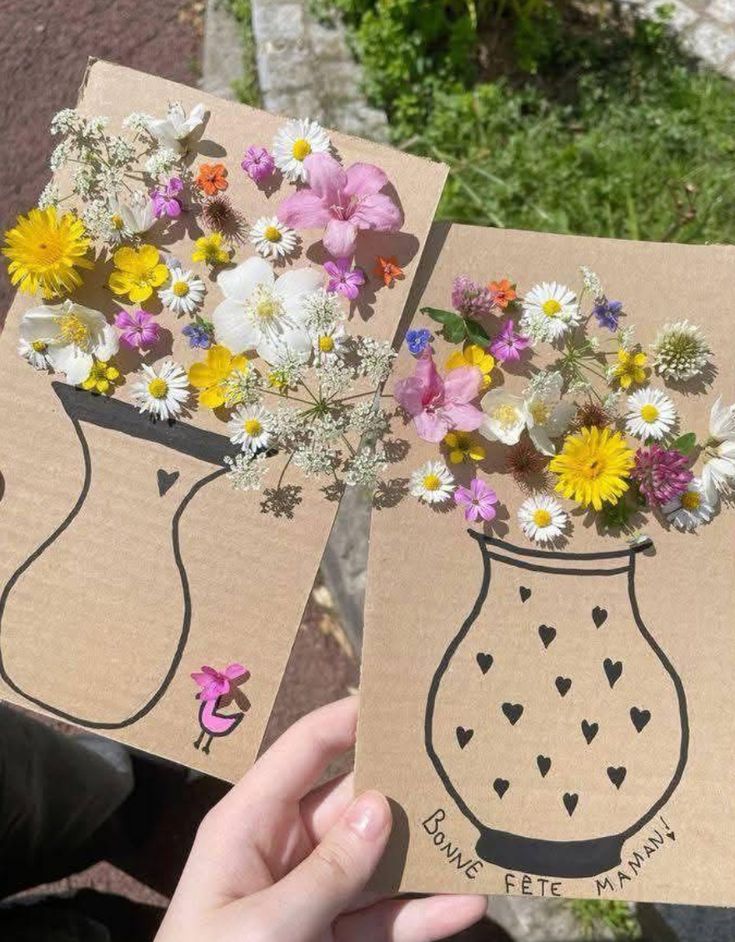
Collect petals, leaves, and small flowers during a nature walk. Arrange and glue them onto paper or cardboard to create natural art. This activity connects outdoor exploration with creative expression .
Skills built: collecting, arranging, fine motor
Prep time: 5 minutes
Mess level: low
20. Rain Art
On a lightly rainy day, let your child draw on white paper with washable markers. Place the paper outside in the rain for just a moment, or use a spray bottle to simulate rain. Watch the colors run and blend into beautiful patterns .
Skills built: cause and effect, creativity, scientific thinking
Prep time: 5 minutes
Mess level: low
21. Hanging Bee Paper Chain Craft
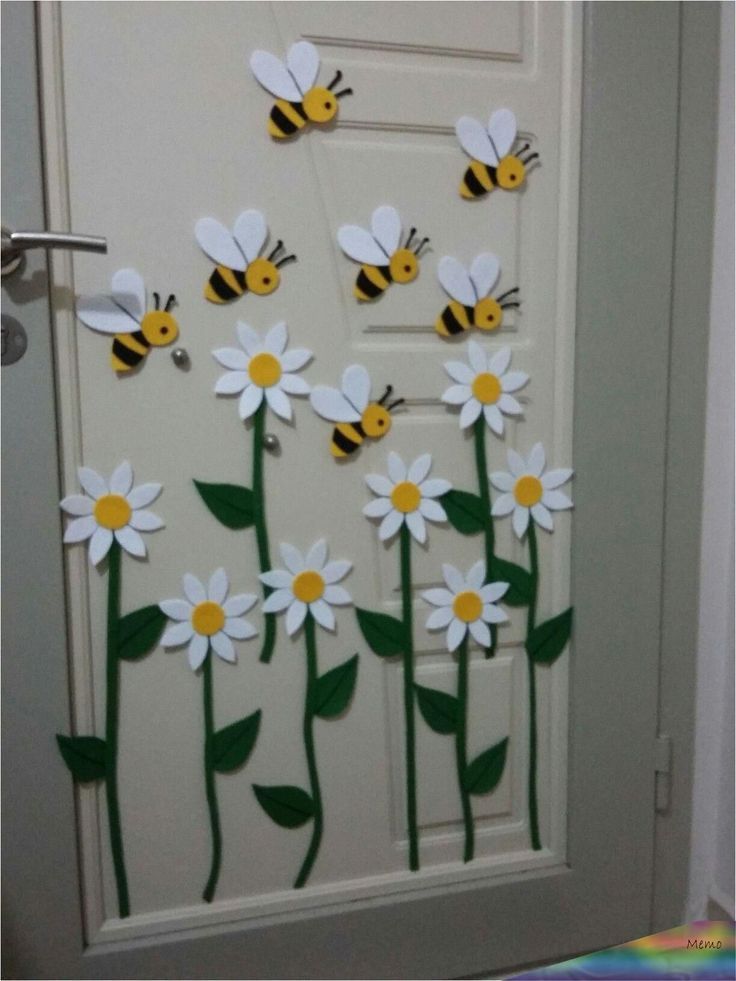
Using a free printable template, color and cut out bee pieces, chain strips, and a beehive. Assemble into a hanging decoration by connecting paper chains and attaching the hive. This craft is perfect for fine motor practice .
Skills built: scissor skills, sequencing, following directions
Prep time: 10 minutes
Mess level: low
22. Frog Hand Puppet
Print a free frog puppet template, color, cut, and assemble. The finished puppet becomes a toy for imaginative play—perfect for spring pond-themed adventures .
Skills built: scissor skills, imaginative play, following instructions
Prep time: 10 minutes
Mess level: low
23. Paper Bag Bunny Puppet
Using a simple paper lunch bag and a free template, create an adorable bunny puppet. Add a cotton ball tail for extra texture. Puppets inspire storytelling and dramatic play .
Skills built: creativity, storytelling, fine motor
Prep time: 10 minutes
Mess level: low
24. Flower Prints
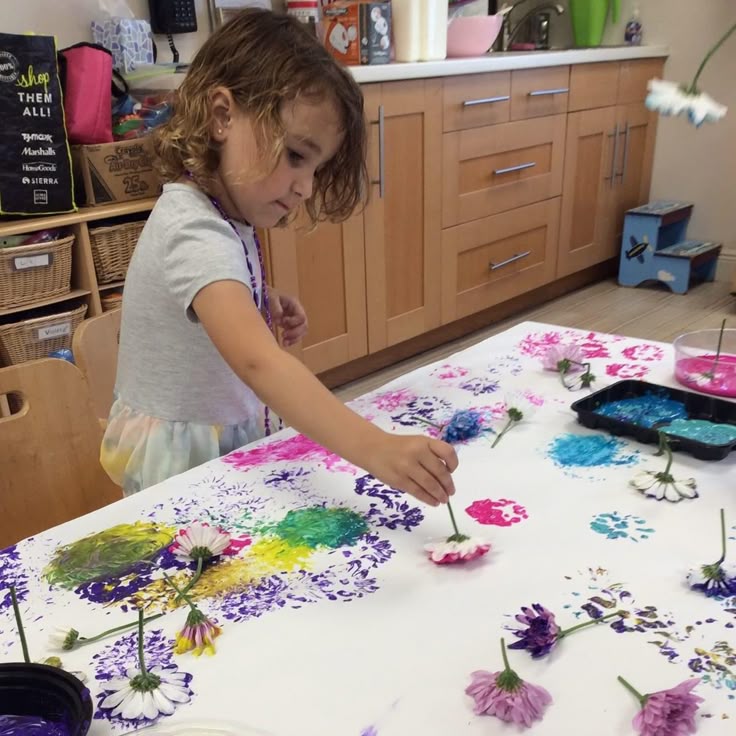
Gather flowers with flat petals. Place them between two pieces of paper and gently hammer or press to transfer color and shape. The results are delicate, nature-made prints .
Skills built: understanding natural pigments, cause and effect
Prep time: 5 minutes
Mess level: medium
25. Nature Crowns
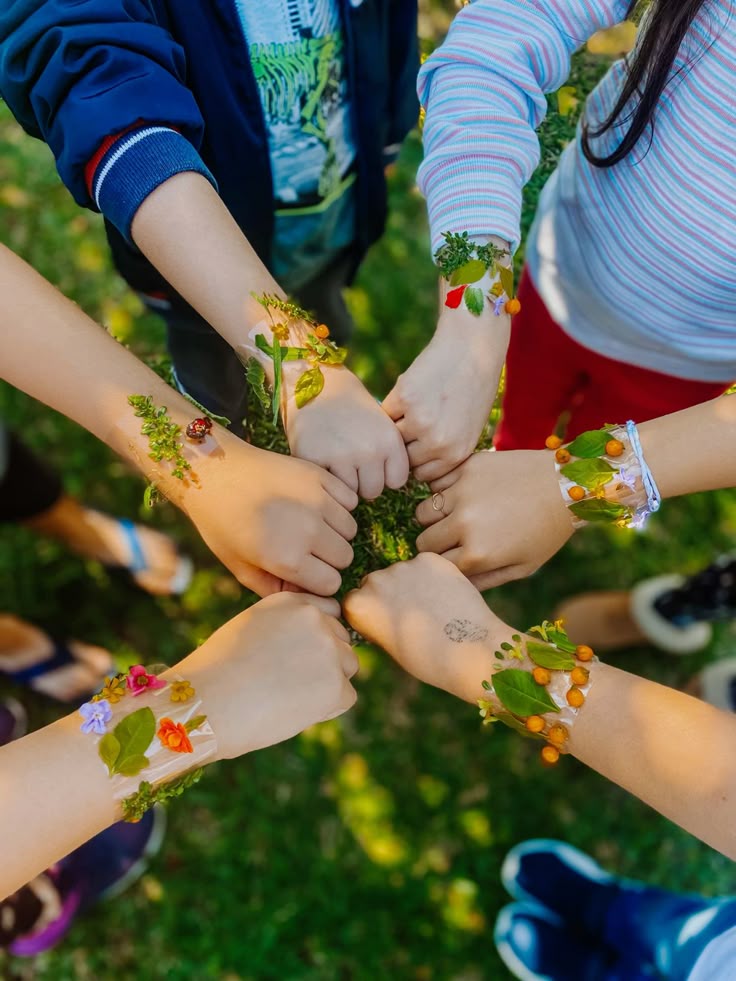
Collect flexible twigs, long grass, or vines. Weave flowers and leaves through to create a wearable nature crown. This activity connects to imaginative play and fine motor weaving .
Skills built: weaving, creative design, connection to nature
Prep time: 10 minutes
Mess level: low
Gross Motor Games and Movement
Preschoolers need to move. These spring-themed games channel that energy productively.
26. Rainbow Relay
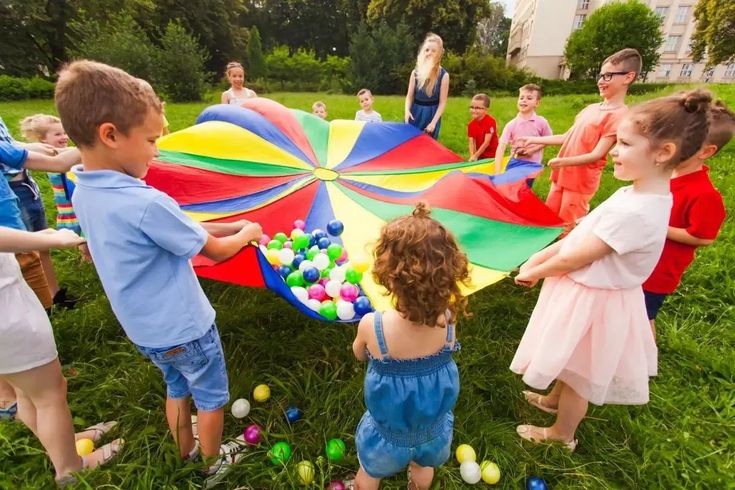
Scatter colored items around the yard: balls, plastic eggs, beanbags, cups. Set baskets labeled by color. Kids race to sort everything into matching baskets. The best part? The yard gets cleaned up as they play .
Skills built: color recognition, gross motor, cooperation
Prep time: 5 minutes
Mess level: low
27. Frog Pond Jump
Draw lily pads with chalk or use paper plates spread around. Children must jump from pad to pad without touching the “water.” Make it cooperative by having them work together to cross the pond .
Skills built: balance, gross motor, spatial awareness
Prep time: 5 minutes
Mess level: low
28. Bee Pollination Tag
One child is the bee, carrying a cup of pom-poms (pollen). Other children are flowers, holding empty cups. The bee tries to drop one pom-pom into each flower’s cup. This active game teaches about pollination while burning energy .
Skills built: gross motor, understanding nature concepts, turn-taking
Prep time: 5 minutes
Mess level: low
29. Worm Wiggle Race
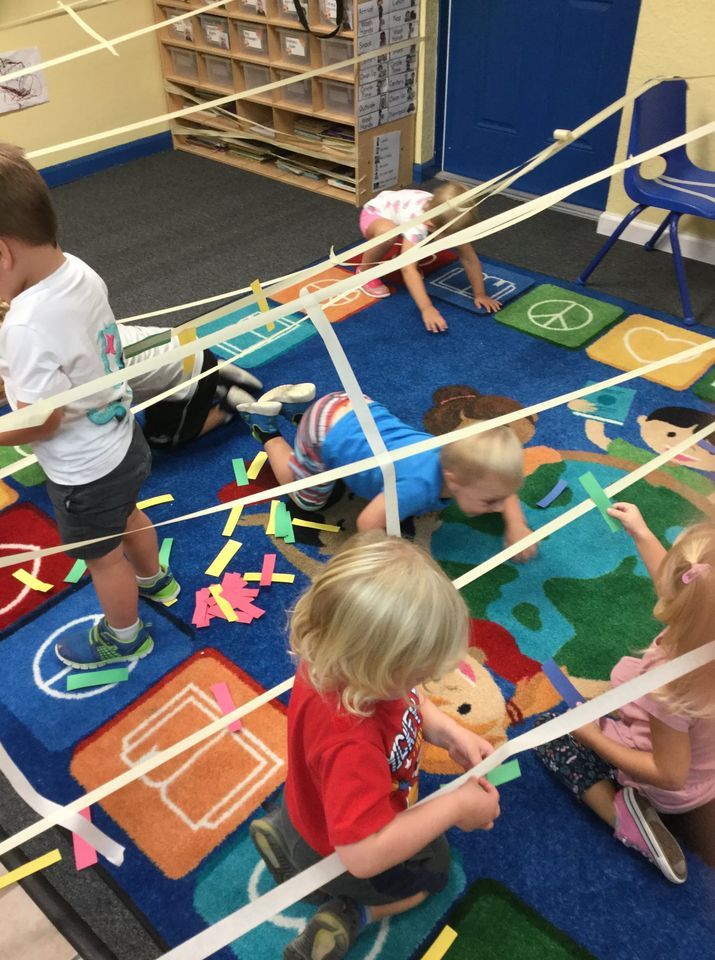
Kids line up and race while wiggling like worms on the ground. No standing allowed! Add hula hoops as “tunnels” they must wiggle through .
Skills built: core strength, gross motor, following silly directions
Prep time: zero
Mess level: low
30. Butterfly Breeze Race
Give each child a lightweight “butterfly” made from tissue paper or a feather. They must blow it across a finish line without touching it. This game is surprisingly challenging and builds oral motor strength .
Skills built: oral motor skills, breath control, persistence
Prep time: 2 minutes
Mess level: low
31. Spring Movements Dice Game
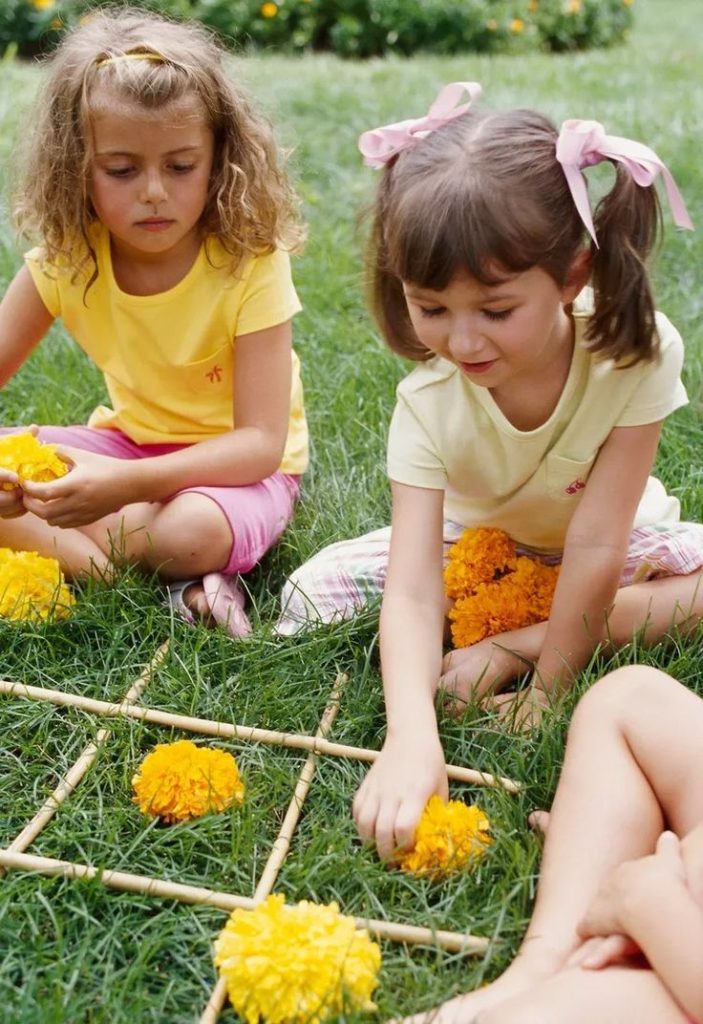
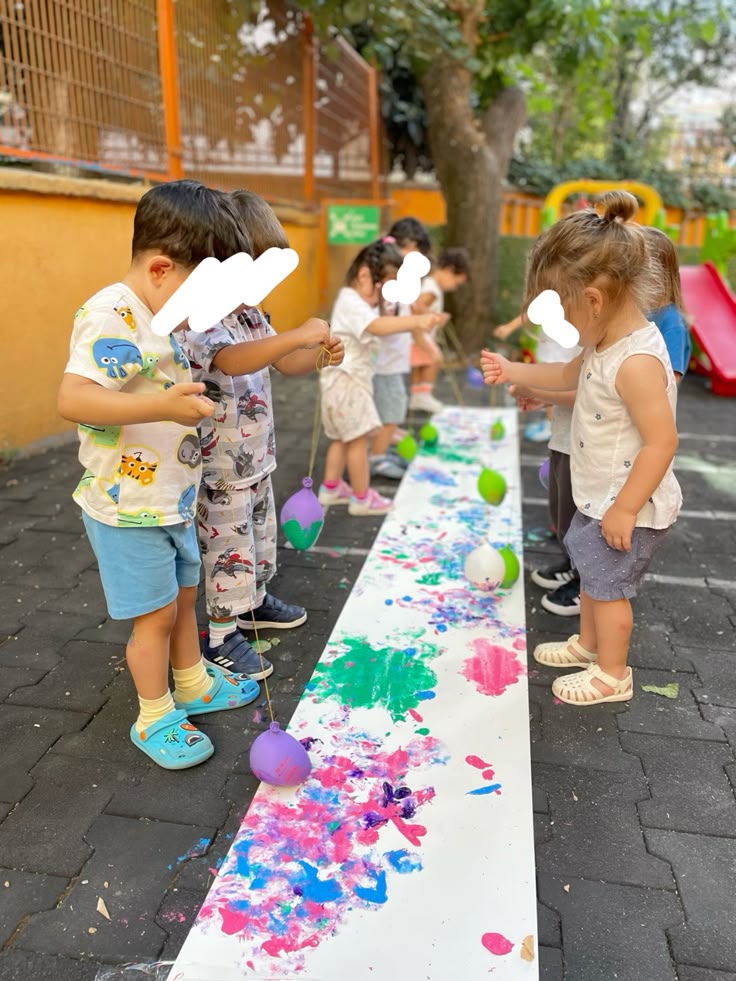
Create two cubes: one with spring movements (bunny hop, frog jump, butterfly flap, flower stretch, duck waddle, rain sprinkle) and one with numbers. Roll both and perform the movement the number of times shown .
Skills built: gross motor, counting, following directions
Prep time: 15 minutes
Mess level: none
32. Kite Tail Tag
Tuck a ribbon or fabric strip into each child’s waistband. Players try to collect others’ “tails” while protecting their own. This high-energy game builds agility and spatial awareness .
Skills built: agility, spatial awareness, strategy
Prep time: 2 minutes
Mess level: low
33. Egg Roll Obstacle Course
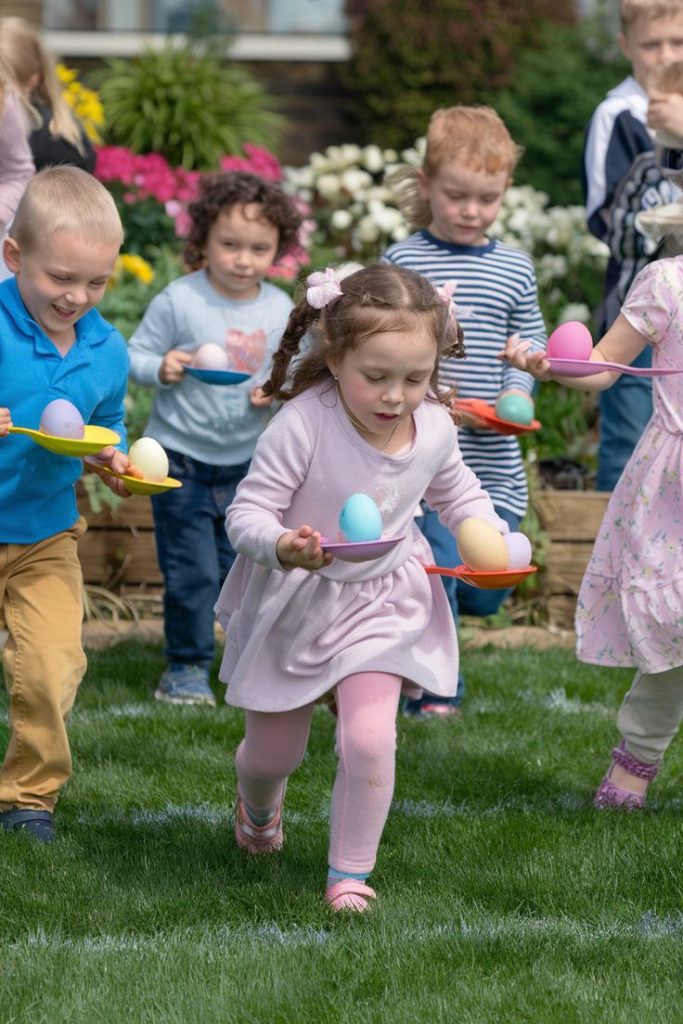
Kids roll plastic eggs (or ping pong balls) with spoons through a course marked by cones, chalk lines, or hula hoops. This challenges balance and coordination .
Skills built: balance, coordination, persistence
Prep time: 5 minutes
Mess level: low
34. Sidewalk Chalk Spring Town
Draw a pretend town on the driveway: roads, ponds, hopscotch flowers, bridges. Add game elements like “deliver the mail” (carry an item to different houses) or “cross the river without stepping in water” .
Skills built: imaginative play, gross motor, following multi-step directions
Prep time: 10 minutes
Mess level: low
35. Garden Tool Relay
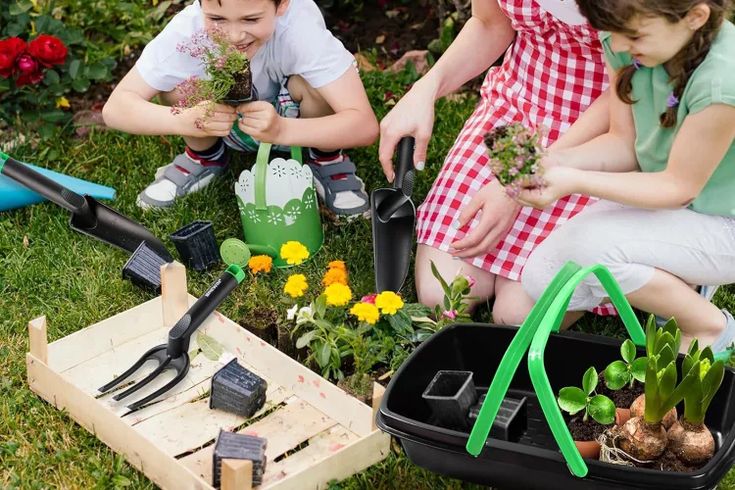
Kids carry a small pot or plastic garden tool to a marker and back. Add silly tasks: plant a pretend seed (touch the ground), water the flower (mime with a watering can) .
Skills built: gross motor, following sequences, cooperation
Prep time: 5 minutes
Mess level: low
Rainy Day Indoor Activities
Spring showers happen. These activities keep the spring theme going when you’re stuck inside.
36. Spring Sensory Bin
Fill a bin with rice, dried beans, or shredded paper. Add spring items: silk flowers, plastic bugs, smooth stones, small pots, scoops, and cups. Let your child explore, scoop, pour, and sort .
Skills built: sensory processing, imaginative play, fine motor
Prep time: 10 minutes
Mess level: medium (use a tablecloth!)
Learning extension: Hide foam letters or numbers in the bin. As children dig, encourage them to identify what they find .
37. Rainy Day Pond Toss
Tape paper lily pads to the floor at different distances. Toss soft “frogs” (rolled socks or beanbags) onto the pads. Assign higher points to smaller or farther pads .
Skills built: throwing accuracy, counting, turn-taking
Prep time: 5 minutes
Mess level: low
38. Indoor Rainbow Sort
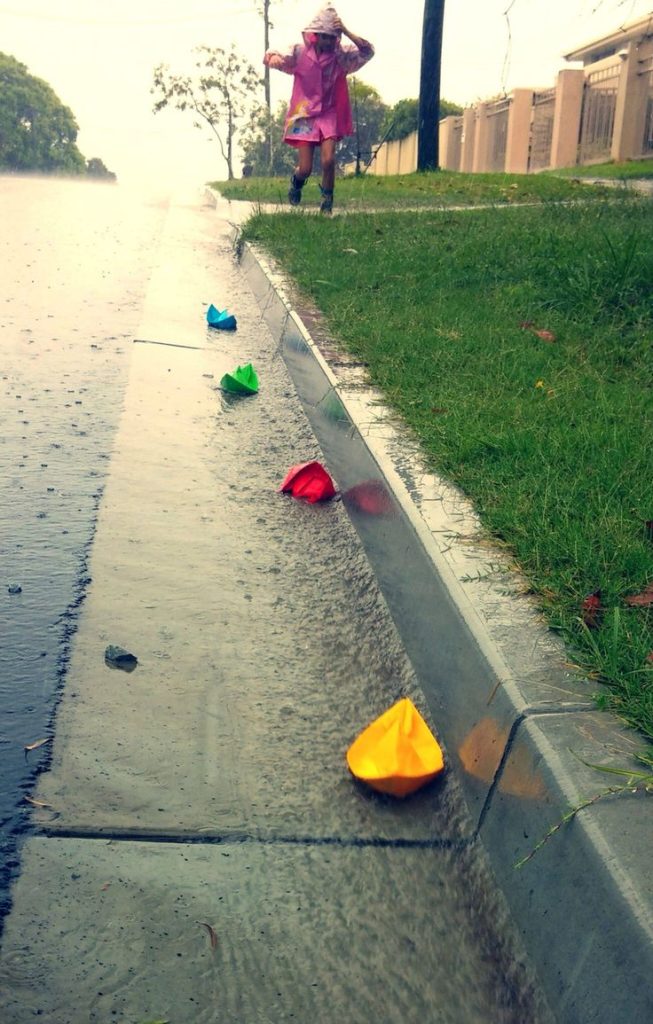
Give your child a pile of mixed objects: pom-poms, buttons, LEGO bricks, or paper scraps. Let them sort by color into cups or bowls. This simple activity is surprisingly calming and builds categorization skills .
Skills built: classification, color recognition, focus
Prep time: 5 minutes
Mess level: low
39. Flower Shop Pretend Play
Set up a “flower shop” with paper, cups, tape, and artificial flowers or flowers made from craft supplies. Children can take orders, arrange bouquets, and make deliveries to stuffed animal customers .
Skills built: imaginative play, language, social skills
Prep time: 10 minutes
Mess level: low
40. Seed Packet Memory Match
Use seed packets or printed pictures of flowers and vegetables. Place them face down and play memory match. When a match is found, have your child name a silly “plant” like spaghetti tree or glitter grass .
Skills built: memory, turn-taking, vocabulary
Prep time: 5 minutes
Mess level: none
41. Spring Sound Guessing Game
Make spring sounds yourself or play recordings: rain tapping, birds chirping, bees buzzing, wind blowing, water dripping. Have children guess each sound. Let them take turns making sounds for you to guess .
Skills built: listening skills, auditory discrimination, turn-taking
Prep time: 5 minutes
Mess level: none
42. Weather Watch Chart
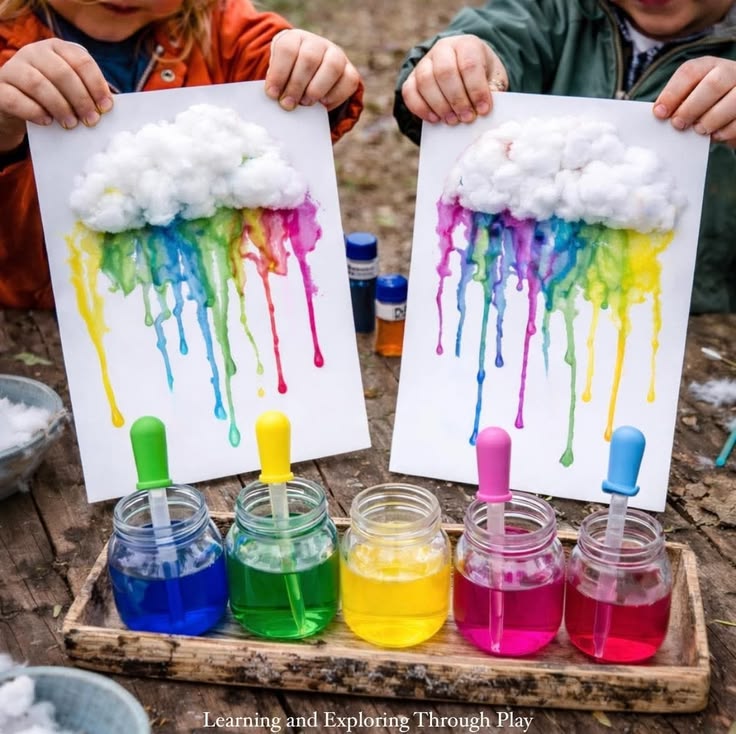
Create a simple weather chart where your child places a sticker or draws a picture each day: sunny, rainy, cloudy, windy. Talk about what you observe and how the weather changes through spring .
Skills built: observation, recording data, understanding seasons
Prep time: 10 minutes initial setup
Mess level: none
Spring Activities by Age
Not sure which activities suit your child’s developmental stage? Here’s a quick guide:
Best for Younger Preschoolers (Ages 2-3)
- Nature walks with simple observation
- Puddle jumping
- Flower petal collecting
- Simple sensory bins
- Bubble play
- Sticker art with spring themes
- Water play with cups and scoops
Best for Older Preschoolers (Ages 4-5)
- Bug hunts with magnifying glasses
- Seed planting and daily care
- Craft projects with multiple steps
- Simple games with rules (tag variations, relays)
- Nature scavenger hunts with checklists
- Building projects (bug hotels, fairy gardens)
- Weather charting
Connecting Spring Activities to Early Learning
Every spring activity naturally builds skills. Here’s what your preschooler is really learning:
Language and Vocabulary
When you talk about what you’re seeing and doing—”Look at the fuzzy caterpillar!” “This flower is magenta”—you’re building vocabulary in context. Words stick when they’re attached to real experiences .
Math Concepts
Counting flower petals, comparing rock sizes, sorting leaves by color, and measuring plant growth all introduce math naturally .
Scientific Thinking
Observing changes, making predictions (“What will happen to this seed?”), and testing ideas (“Will this stick float?”) are the foundations of scientific reasoning .
Fine Motor Development
Pinching seeds, squeezing glue bottles, cutting with scissors, and arranging small items all strengthen the hand muscles needed for writing .
Social-Emotional Growth
Caring for plants teaches responsibility. Playing games with others builds turn-taking and cooperation. Overcoming frustration when a craft doesn’t work builds resilience .
Making Spring Activities Part of Your Routine
You don’t need to do everything at once. Here’s how to weave spring activities naturally into your weeks:
Keep supplies visible. A basket by the door with magnifying glasses, collection jars, and a nature guide invites spontaneous exploration.
Follow their interests. If your child becomes obsessed with worms, lean into it. Find worm books, go on worm hunts, build worm habitats. Deep interest drives deep learning.
Take pictures. Document your spring adventures. Make a spring scrapbook together at the end of the season. This builds memory skills and creates a treasured keepsake.
Invite reflection. Ask open-ended questions: “What was the best part of our walk?” “What do you wonder about this caterpillar?” “What should we plant next?”
Lower your expectations. Some activities will flop. Some days, your child will spend five minutes on your carefully planned craft and thirty minutes staring at an ant. That’s not failure—that’s childhood. Follow their lead .
The Bottom Line
Spring with a preschooler is a season of wonder. Every sprouting seed, every returning bird, every muddy puddle is an invitation to learn together. You don’t need elaborate plans or expensive materials. You need curiosity, patience, and willingness to get a little dirty.
The activities in this guide are starting points—not prescriptions. Adapt them to your child, your setting, and your energy level. Some days you’ll do elaborate crafts. Some days you’ll just lie in the grass and watch clouds. Both count. Both matter.
So go outside. Turn over a rock. Plant a seed. Jump in a puddle. Watch your preschooler’s face light up as they discover the magic of spring—and know that you gave them that gift.

Leave a Reply