
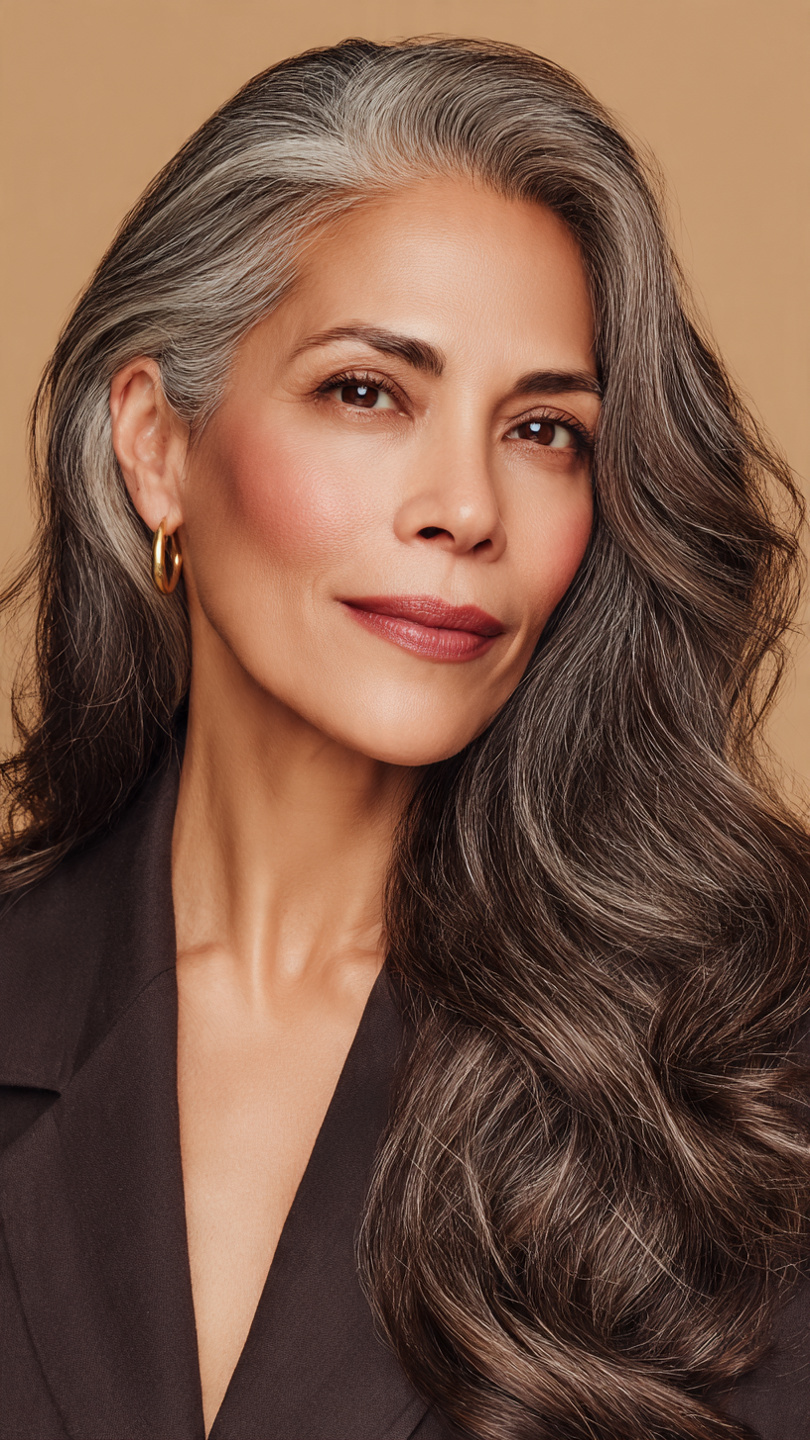
For women over 50 with thin hair, bob haircuts are one of the most flattering and effective choices you can make. The right bob removes weight, adds strategic layering, and creates the illusion of density—all while keeping your hair looking chic and modern. Unlike longer styles that can pull thin hair down and make it look sparser, a well-cut bob lifts at the roots, adds movement, and frames your face beautifully. In this guide, you’ll discover 15 bob haircuts for women over 50 with thin hair, each designed to maximize volume, minimize maintenance, and give you a confident, youthful look. If you love short, flattering styles, these low maintenance haircuts for women over 50 with fine hair offer additional inspiration.
Why a Bob Is Perfect for Thin Hair Over 50
Thin hair requires a completely different approach than thick hair. Here’s why bob haircuts for women over 50 with thin hair are so effective:
- Removes weight that pulls hair down – Shorter lengths prevent thin hair from being weighed down at the ends
- Creates the illusion of density – Strategic layering adds endpoints that reflect light, making hair look thicker
- Hides scalp visibility – Proper cutting at the crown conceals thinning areas
- Adds movement and swing – Bobs create bounce that one-length cuts lack
- Air-dries quickly – Thin hair dries in 10–15 minutes, and bobs make air-drying look intentional
- Lifts at the roots – Shorter lengths allow thin hair to stand up, not lie flat
For women with fine hair, these short hairstyles for thin fine hair offer additional density-building ideas.
The 15 Best Bob Haircuts for Women Over 50 with Thin Hair
1. The Stacked Bob

Why it works: A stacked bob has graduated layers in the back that create a built-in bump of volume at the crown. The stacking is cut into the interior of the hair, so the volume comes from the cut itself—not from styling. For women with thin hair, this is one of the most effective volume-building cuts available. The front is left slightly longer (chin-length) for softness.
How to style it: Apply root-lifting spray to the crown area. Blow-dry the stacked back using a small round brush for 2–3 minutes, lifting aggressively. The front can be left to air-dry or quickly smoothed. The stacked section will naturally lift and hold volume without product. Finish with dry texture spray at the crown.
Best face shapes: Oval, round, heart (crown volume adds balance)
Maintenance needs: Trim every 5–6 weeks. The stacked interior loses its lift quickly if the graduation grows out.
For women with round faces, these best haircuts for round faces over 50 offer additional slimming strategies.
2. The Inverted Bob
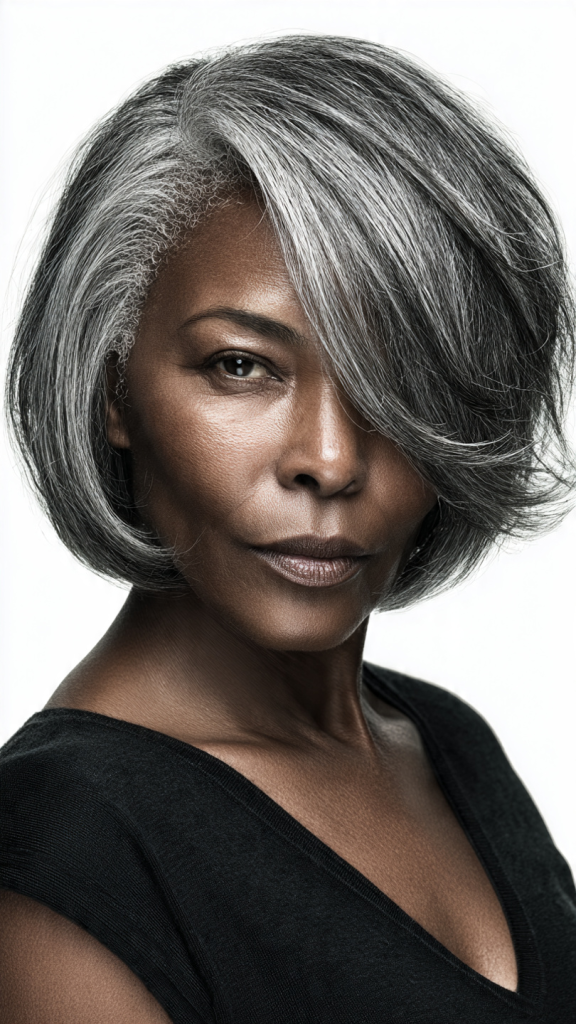
Why it works: An inverted bob is shorter in the back and longer in the front, creating an angled line that draws the eye forward. For thin hair, the inversion removes weight from the nape (where thin hair can look sparse) while keeping length in the front for slimming face-framing. The angle also creates the illusion of more volume at the crown.
How to style it: Apply volumizing foam to damp hair. Blow-dry the back section first using a round brush, directing hair downward. For the longer front pieces, use a flat iron to create a slight bend away from the face. The angle should be visible—the front should be noticeably longer than the back. Finish with shine spray.
Best face shapes: Oval, heart, oblong (the angle elongates rounder faces)
Maintenance needs: Trim every 5–6 weeks. The angle must be maintained.
3. The Blunt Bob with Soft Ends
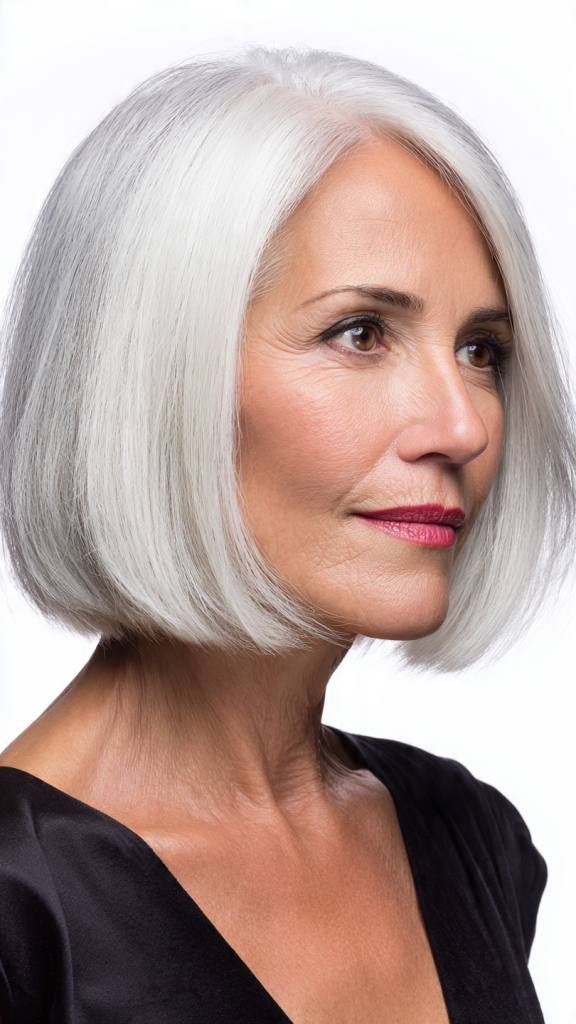
Why it works: A blunt bob at chin-length creates the appearance of maximum density because every hair ends at the same point. Softening the very ends (micro-point cutting) prevents the “helmet head” look while keeping the weight line intact. For women with thin hair, this cut creates the illusion of thickness without layers that can make fine hair look wispy.
How to style it: Apply lightweight mousse to damp hair. Comb through with a wide-tooth comb. Air-dry completely, using your fingers to gently separate any clumps. For a more polished look, blow-dry with a flat paddle brush on low heat for 5 minutes, directing all hair straight down. Never add heavy products that will weigh down the blunt line.
Best face shapes: Oval, oblong, square (adds width to very narrow faces)
Maintenance needs: Trim every 5–6 weeks. The blunt line shows every uneven hair.
4. The Layered Bob (Chin-Length)
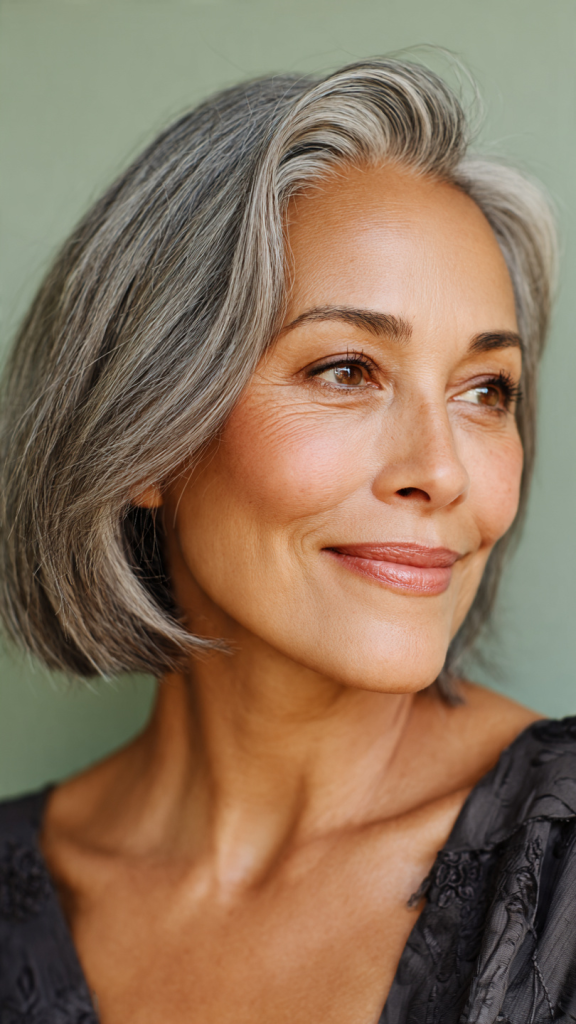
Why it works: A layered bob at chin-length removes interior weight so hair falls naturally into place without precision styling. The layers should be soft and subtle—not choppy or disconnected—so they blend seamlessly. For thin hair, this length is ideal because it’s short enough to avoid being weighed down but long enough to tuck behind ears. The layers create movement and the illusion of density.
How to style it: Apply lightweight mousse to damp roots. Blow-dry using a small round brush (1 inch), lifting each section at the root. The layers will create natural movement without curling. For an air-dry option, apply wave spray and scrunch—the layers will create texture that looks intentional, not frizzy.
Best face shapes: All face shapes (most universally flattering option)
Maintenance needs: Trim every 6–8 weeks. Soft layers hide grow-out beautifully.
For plus size women seeking flattering options, these short haircuts for plus size women over 50 offer additional slimming ideas.
5. The French Bob
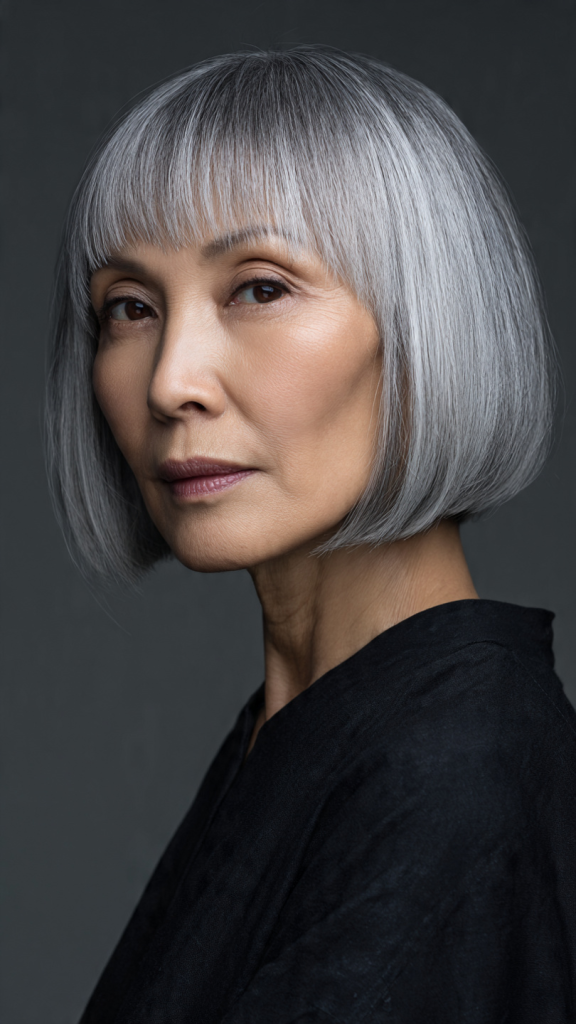
Why it works: The French bob is cropped between the earlobe and chin, often with a subtle undercurl at the ends. It’s effortlessly chic and requires almost no daily effort. For women with thin hair, the French bob’s blunt edge creates the illusion of density, while the short length prevents the hair from looking wispy. The shorter length also means less weight pulling hair down.
How to style it: Apply smoothing cream to damp hair. Tuck hair behind your ears while it air-dries to encourage that signature curved-under shape. If you have natural wave, use a diffuser on low heat and let the ends curl freely. Never use a straightener—the French bob celebrates imperfect, lived-in texture.
Best face shapes: Oval, heart, square (avoid if you have a very long face)
Maintenance needs: Trim every 6 weeks. The blunt edge is key to the style.
6. The Textured Lob (Long Bob)
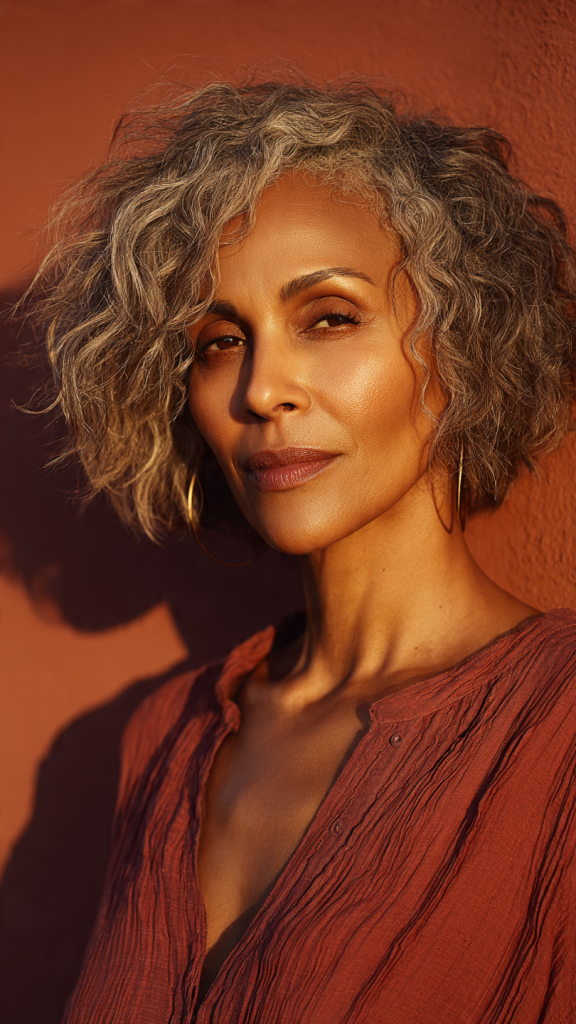
Why it works: A textured lob hits between the chin and collarbone. For thin hair, this length works best when heavily textured—think piecey ends and invisible layers. The extra length gives you versatility (ponytails, half-up styles) while the texture prevents the dreaded flat, stringy look. The lob is one of the most forgiving cuts for thin hair because the texture hides thinning.
How to style it: Apply sea salt spray to damp hair throughout. Scrunch vigorously, then air-dry completely—do not touch while drying. Once dry, shake out with fingers and add dry texture spray at the roots. For a polished version, use a 1.5-inch curling iron to create loose bends, then brush through with a wide-tooth comb.
Best face shapes: All face shapes (most versatile length for thin hair)
Maintenance needs: Trim every 8–10 weeks. The longest interval on this list.
7. The Asymmetric Bob
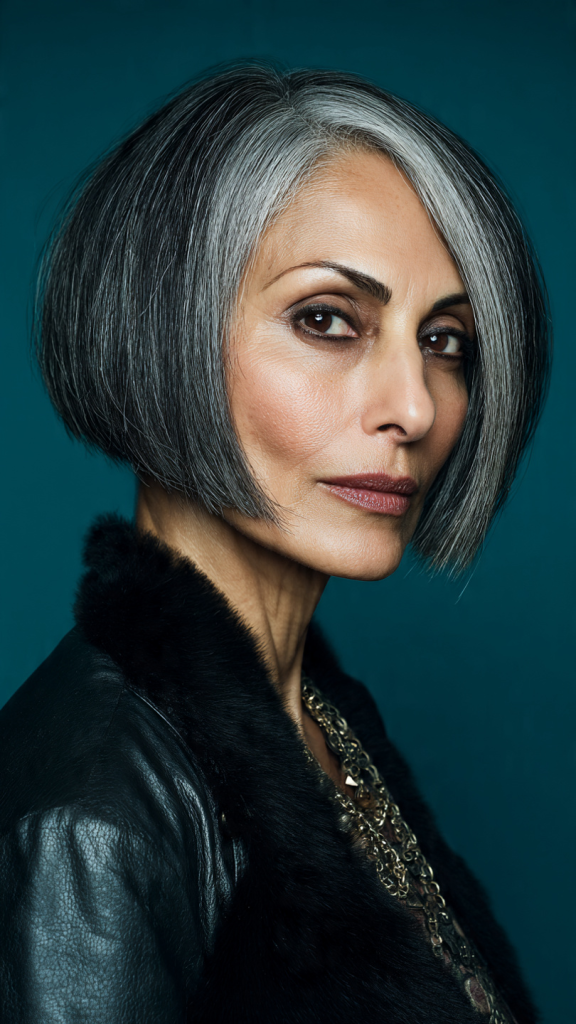
Why it works: An asymmetric bob is shorter on one side than the other—sometimes by just an inch, sometimes by several inches. For thin hair, asymmetry creates visual interest and the illusion of more volume on the shorter side. The diagonal line also draws the eye across the face, distracting from any sparse areas.
How to style it: Apply texturizing cream to damp hair. Blow-dry using your fingers, directing the longer side forward and the shorter side back behind your ear. The key is to embrace the unevenness—don’t try to make both sides match. Finish with dry wax on the ends of the longer side for definition.
Best face shapes: Oval, heart, diamond (asymmetry balances longer faces)
Maintenance needs: Trim every 5–6 weeks. The angle needs occasional refreshing.
8. The Graduated Bob

Why it works: A graduated bob features layers that increase in length from back to front, creating a soft, sloping line. Unlike a stacked bob (which has distinct tiers), a graduated bob is smoother and more subtle. For thin hair, this cut offers lift in the back and length in the front without harsh lines. The graduation creates natural volume without teasing.
How to style it: Apply root booster to damp hair, focusing on the back crown. Blow-dry using a round brush, lifting each section at a 90-degree angle. The front pieces can be blown smooth or left with a slight bend. The graduation creates natural volume without teasing, and thin hair holds the shape well.
Best face shapes: Oval, round, square (the graduation adds length)
Maintenance needs: Trim every 6–8 weeks. The graduation line is forgiving but benefits from regular upkeep.
9. The Textured Bob with Curtain Bangs

Why it works: Adding curtain bangs to a textured bob softens the overall look and creates beautiful face-framing. The bangs part in the middle and sweep to each side, blending seamlessly into the choppy layers. For thin hair, curtain bangs add the illusion of density at the hairline without requiring a full fringe that can look sparse.
How to style it: Apply lightweight mousse to damp hair. Blow-dry the curtain bangs using a small round brush, rolling them away from your face. The rest of the bob can be air-dried or quickly tousled with fingers. To refresh bangs on day two, mist with water and re-roll around a round brush with heat for 10 seconds.
Best face shapes: Oval, heart, round (curtain bangs slim wider foreheads)
Maintenance needs: Bangs trim every 3–4 weeks; bob trim every 6–8 weeks
For more face-framing inspiration, these curtain bangs for women over 50 offer age-defying styling tips.
10. The Wispy Bob

Why it works: A wispy bob takes the classic bob to its most delicate extreme. The ends are texturized until they are almost feathery, with very fine, barely-there points at every edge. For women with extremely thin hair, this is the most flattering option because the wispy ends eliminate any blunt line that could emphasize how little hair you have.
How to style it: Apply lightweight mousse to damp hair. Towel-dry aggressively, then use your fingers to push the top forward. Air-dry completely—about 10 minutes. Avoid heavy products like wax or pomade, which will clump the fine ends together. Finish with a micro-mist of shine spray from 12 inches away.
Best face shapes: Oval, heart, oblong (wispiness softens longer faces)
Maintenance needs: Trim every 5–6 weeks. The wispy ends are forgiving between trims.
11. The A-Line Bob
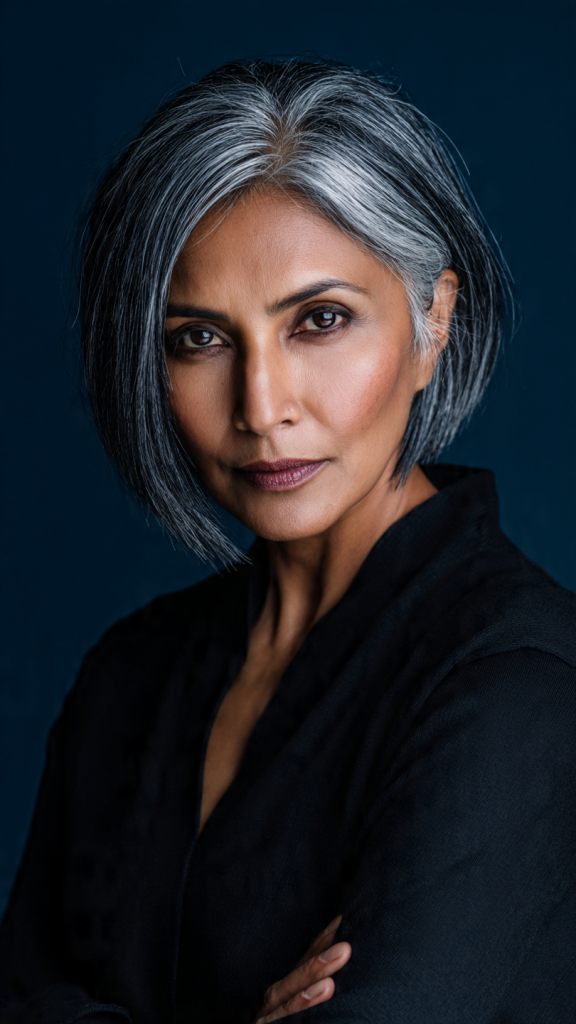
Why it works: An A-line bob is a specific type of inverted bob where the front is significantly longer than the back—often by 2–3 inches. The line is sharp and intentional. For thin hair, the A-line removes weight from the nape (where thin hair looks sparsest) while creating a dramatic, modern shape that adds visual interest.
How to style it: Apply smoothing cream to damp hair. Blow-dry using a round brush, directing the back section downward and the front sections forward. The A-line shape should be visible—the front should be noticeably longer. For a sleek finish, use a flat iron on the front pieces. Finish with shine spray to emphasize the sharp line.
Best face shapes: Oval, heart, square (the sharp line adds structure)
Maintenance needs: Trim every 5–6 weeks. The A-line requires precise upkeep.
12. The Micro Bob
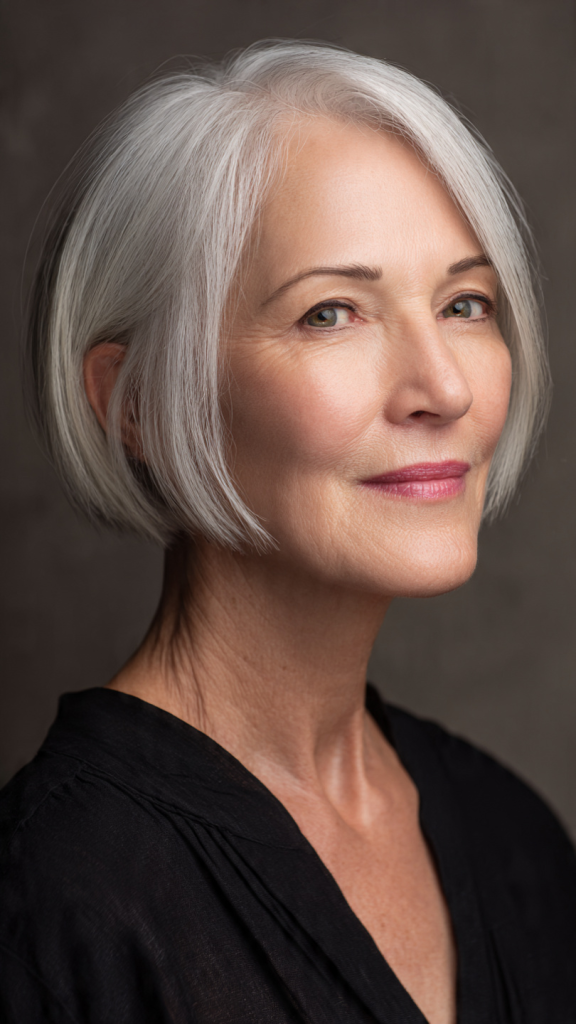
Why it works: The micro bob is cropped right at or slightly below the earlobe, making it shorter than a traditional bob but longer than a pixie. This length requires almost no styling because the hair isn’t long enough to tangle or misbehave. For women with thin hair, the micro bob’s blunt perimeter creates the illusion of density while the short length prevents wispy ends.
How to style it: Apply smoothing balm to damp hair. Comb straight back away from your face, then let hair fall naturally. The shortness means it will dry in whatever direction it wants—and that’s the charm. If you have cowlicks, a small round brush on just that section for 30 seconds solves everything.
Best face shapes: Oval, heart, square (very short lengths require strong bone structure)
Maintenance needs: Trim every 4–5 weeks. Any growth beyond the earlobe changes the proportion.
13. The Invisible Layers Bob
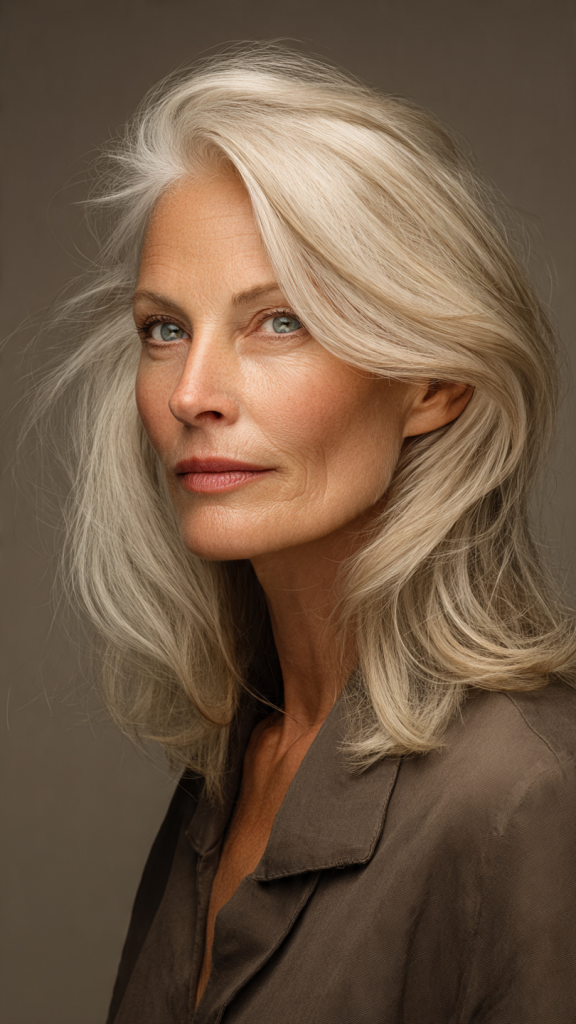
Why it works: Invisible layers (also called internal layers) are cut into the interior of the hair without changing the perimeter. This technique removes weight and adds movement while maintaining the appearance of a one-length cut. For thin hair, invisible layers are a game-changer—your hair will feel lighter and move better without looking layered or wispy.
How to style it: Apply lightweight mousse to damp hair. Blow-dry using a round brush for 5–7 minutes, focusing on smoothing the perimeter. The invisible layers will create natural movement without any visible layer lines. For an air-dry option, apply wave spray and scrunch—the internal layers will create texture that looks intentional, not frizzy.
Best face shapes: All face shapes (most subtle layering option)
Maintenance needs: Trim every 8–10 weeks. Invisible layers grow out very gracefully.
14. The Side-Parted Bob
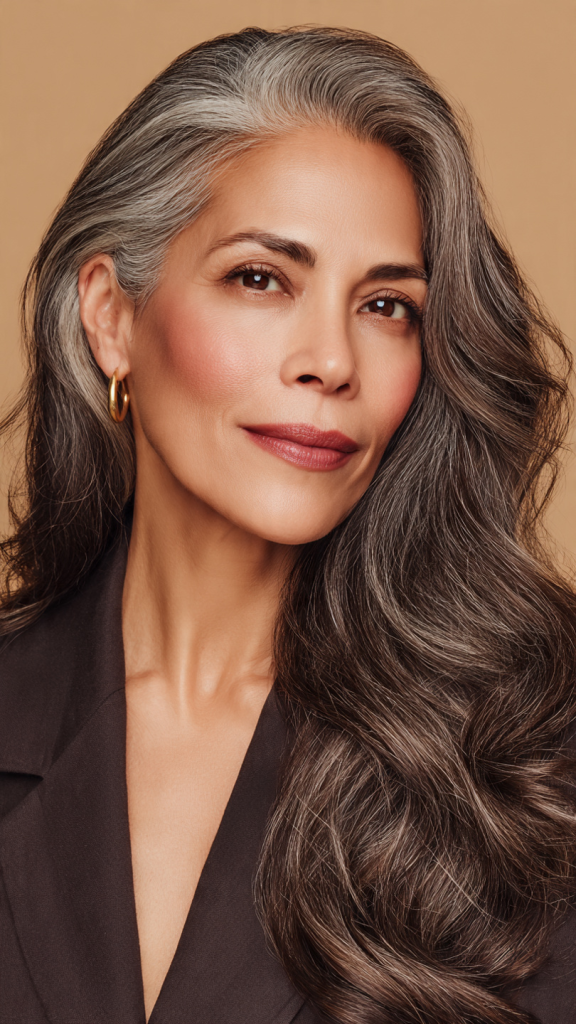
Why it works: This isn’t a different cut—it’s a styling technique that transforms any bob. A deep side part (the part aligned with the arch of your eyebrow) immediately creates asymmetrical volume because all the hair is swept to one side, lifting off the scalp on the deeper side. For women with thin hair, this one styling change can add 50% more visible volume instantly.
How to style it: On damp hair, create a deep side part (the part should align with the arch of your eyebrow). Blow-dry using a round brush, lifting the hair on the deeper side straight up and directing it across your head. The shorter side can be tucked behind your ear. Lock the part in place with light hold spray on the roots.
Best face shapes: Round, oval, heart (the diagonal line slims the face)
Maintenance needs: No additional maintenance beyond your underlying bob trim schedule
15. The Shoulder-Length Layered Bob
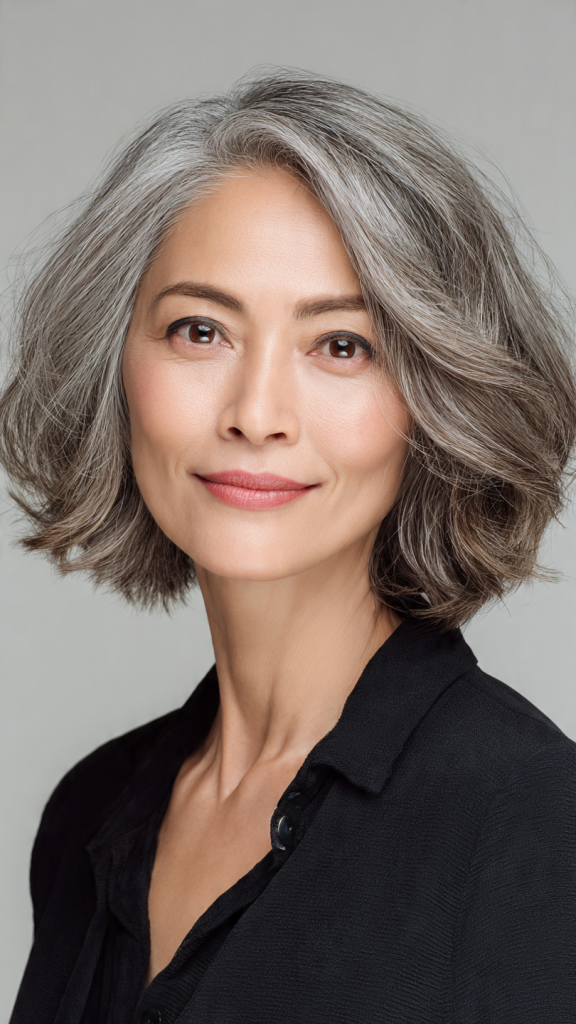
Why it works: For women who prefer to keep a bit more length, a shoulder-length layered bob is the perfect balance. Long enough to pull back but short enough to avoid feeling heavy, this cut uses soft, subtle layers to add movement and volume. The weight of the longer length helps control fine hair, while the layers prevent it from looking flat.
How to style it: Apply leave-in conditioner and wave spray to damp hair. Scrunch vigorously. Air-dry completely or use a diffuser on low heat. The layers will create soft bends throughout the length. For a polished look, use a 1.5-inch curling iron on just the face-framing pieces.
Best face shapes: All face shapes (most universally flattering longer option)
Maintenance needs: Trim every 8–10 weeks. Layers hide grow-out well.
For women over 60 seeking effortless styles, these wash and wear haircuts for women over 60 offer additional low-maintenance ideas.
How to Style a Bob for Thin Hair (Daily Routine)
Styling thin hair requires the right techniques and products to maximize volume. Here’s your daily roadmap:
- Start with volumizing products at the roots only – Apply mousse or root-lifting spray exclusively to your roots and crown. Applying to the ends will weigh them down.
- Blow-dry upside down – Flip your head over and blast roots with warm heat for 30 seconds before you even pick up a brush. This pre-lifts the roots and cuts drying time in half.
- Use a small round brush – A ¾-inch or 1-inch round brush is ideal for thin hair because it allows you to wrap small sections tightly for maximum lift.
- Cool shot is your best friend – After heating each section with a round brush, hit it with 10 seconds of cool air before releasing. This locks the bend and extends volume for hours.
- Dry shampoo is a volume product, not just a refresher – Apply dry shampoo to clean, dry hair—not just second-day hair. It adds grip and texture that makes thin hair look twice as thick.
- Texturizing powder over hairspray – Hairspray can weigh thin hair down. Instead, use texturizing powder at the roots for instant, gravity-defying lift.
- Avoid heavy oils and butters – Coconut oil, argan oil, and shea butter are too heavy for thin hair. If you need shine, use a micro-mist of shine spray from 12 inches away.
- Second-day refresh – Mist roots with sea salt spray, flip head upside down, and blow-dry on low heat for 60 seconds while scrunching with your fingers. This revives volume without re-washing.
- For gray or silver thin hair – Use purple-tinged dry shampoo to add volume while preventing yellowing.
Quick Maintenance Cheat Sheet
| Cut Style | Trim Frequency | Special Notes |
|---|---|---|
| Stacked Bob | 5–6 weeks | Built-in volume needs upkeep |
| Inverted Bob | 5–6 weeks | Angle must be maintained |
| Blunt Bob with Soft Ends | 5–6 weeks | Blunt line requires upkeep |
| Layered Bob (Chin-Length) | 6–8 weeks | Most versatile option |
| French Bob | 6 weeks | Blunt edge is key |
| Textured Lob | 8–10 weeks | Longest interval on this list |
| Asymmetric Bob | 5–6 weeks | Angle needs occasional refreshing |
| Graduated Bob | 6–8 weeks | Most forgiving graduation |
| Textured Bob with Curtain Bangs | Bangs: 3–4 weeks; Bob: 6–8 weeks | Bangs require frequent trims |
| Wispy Bob | 5–6 weeks | Most forgiving ends |
| A-Line Bob | 5–6 weeks | Sharp angle requires upkeep |
| Micro Bob | 4–5 weeks | Shortest bob interval |
| Invisible Layers Bob | 8–10 weeks | Most subtle layering |
| Side-Parted Bob | Same as underlying cut | Styling change, not cut change |
| Shoulder-Length Layered Bob | 8–10 weeks | Best for length retention |
Final Thoughts
Bob haircuts for women over 50 with thin hair prove that thinning doesn’t mean sacrificing style. Whether you prefer a stacked bob, an inverted bob, or a textured lob, the key is choosing a cut that removes weight, adds volume, and works with your natural texture. These 15 bobs are designed to make your mornings easier, your hair look fuller, and your confidence soar. Take this guide to your stylist, discuss which option aligns with your face shape, thinning pattern, and lifestyle, and get ready to discover how beautiful a bob can be on thin hair.

Leave a Reply