
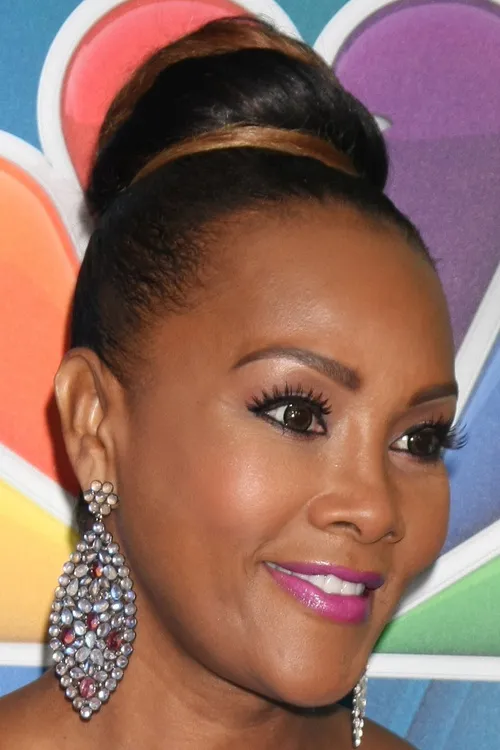
For many women over 50, a sleek, tight bun is a go-to hairstyle. It’s elegant, practical, and keeps hair off the face and neck. But what seems like a harmless styling choice could actually be the #1 cause of traction alopecia in older women. Traction alopecia is a form of hair loss caused by repeated, prolonged tension on the hair follicles. Over time, that tight bun—worn day after day—can permanently damage the hair follicles around your hairline, temples, and crown. In this guide, you’ll discover why tight buns are so damaging, how to recognize the early signs of traction alopecia, and how to style your hair safely without sacrificing style. If you’re already noticing thinning around your hairline, these short hairstyles for thin fine hair offer flattering alternatives.
What Is Traction Alopecia?
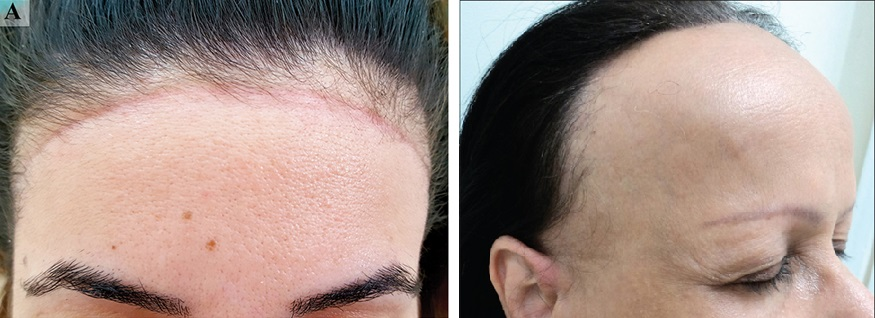
Traction alopecia is a gradual, progressive hair loss caused by sustained tension on the hair follicles. Unlike genetic hair loss (which typically affects the crown or follows a specific pattern), traction alopecia appears exactly where the tension is applied.
| Common Locations for Traction Alopecia | What Causes It |
|---|---|
| Hairline (front and sides) | Tight buns, ponytails, cornrows |
| Temples | Tight buns, slicked-back styles |
| Crown (where the bun sits) | Weight of a heavy bun pulling downward |
| Behind the ears | Tight ponytails, braids |
The damage occurs when hair is pulled too tight, too often. The constant tension inflames the hair follicle, which can eventually lead to scarring and permanent hair loss if not addressed early.
For women experiencing thinning alongside styling damage, these haircuts for thinning hair men over 50 offer universal volume-building ideas.
Why Older Women Are More Susceptible
As we age, our hair and scalp become more vulnerable to traction alopecia for several reasons:
| Age-Related Change | Why It Increases Risk |
|---|---|
| Thinner hair shafts | Finer strands break more easily under tension |
| Reduced density | Fewer hairs mean each strand bears more tension |
| Slower growth rate | Damage takes longer to grow out |
| Scalp sensitivity | More prone to inflammation from tension |
| Hormonal changes | Menopause affects hair follicle health |
| Dryer, more brittle hair | Less elasticity means less ability to stretch without breaking |
What might have been harmless in your 30s can cause significant damage in your 60s and beyond.
For women with fine, fragile hair, these low maintenance haircuts for women over 50 with fine hair reduce the need for damaging tight styles.
The #1 Offender: The Tight Bun
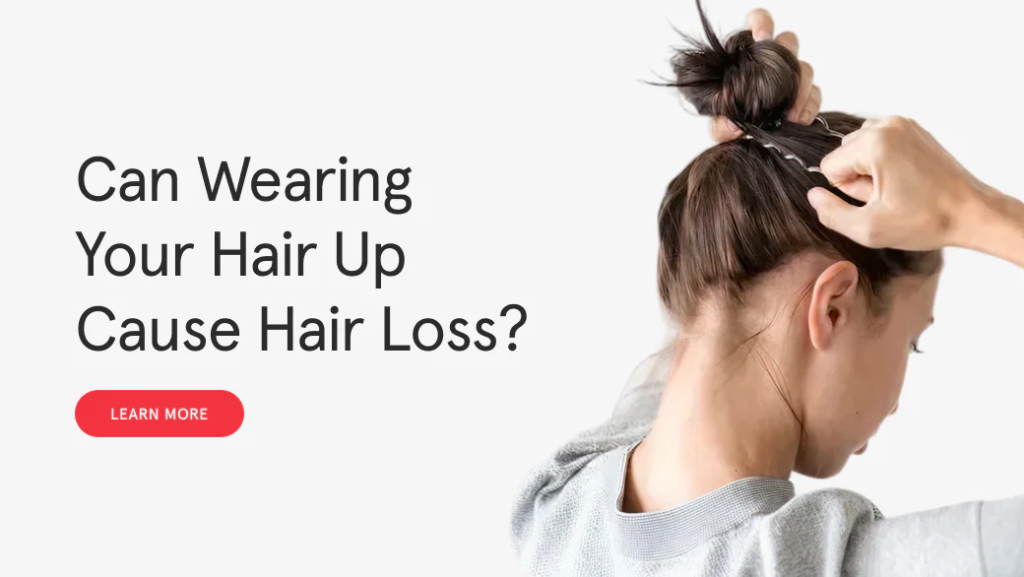
The tight bun is particularly damaging for several reasons:
1. Double Tension
A tight bun creates tension in two directions:
- Horizontally: Hair is pulled back tightly from the hairline
- Vertically: The weight of the bun pulls downward on the crown
This double tension stresses follicles at both the front hairline and the crown.
2. Prolonged Wear
Unlike a ponytail that might be worn for a few hours, many women wear buns all day—and sometimes even sleep in them. Prolonged wear dramatically increases the risk of damage.
3. The “Sleek” Illusion
To achieve that smooth, sleek bun, many women pull hair even tighter, use strong-hold gels, and secure with elastic bands that grip and pull individual strands.
4. Daily Repetition
The danger isn’t in wearing a tight bun once. It’s in wearing one every day. Repeated tension on the same follicles causes cumulative damage that can become permanent.
For women who love updos, these updos for women over 50 offer elegant, low-tension alternatives.
Early Warning Signs of Traction Alopecia
Recognizing the early signs is crucial. Traction alopecia is reversible in its early stages but becomes permanent once scarring occurs.
| Stage | Signs | Reversible? |
|---|---|---|
| Early | Mild redness or tenderness along the hairline; small bumps (folliculitis) | ✅ Yes |
| Moderate | Thinning along the hairline; broken hairs of varying lengths; sparse areas at temples | ✅ Often reversible with immediate changes |
| Advanced | Smooth, shiny, bald patches at hairline or crown; no visible hair follicles | ❌ Likely permanent |
The “Fringe Sign”
One classic indicator of traction alopecia is short, broken hairs along the hairline where longer hairs have snapped off under tension. These broken hairs create a “fringe” of short, wispy strands along the forehead.
Pain as a Warning
If your scalp feels tender, sore, or painful when you take your hair down, that’s a warning sign. Pain indicates excessive tension. Listen to it.
For women with thinning edges, these short 4C natural hairstyles for women over 50 offer protective, low-tension options.
Beyond the Bun: Other Tight Styles to Avoid
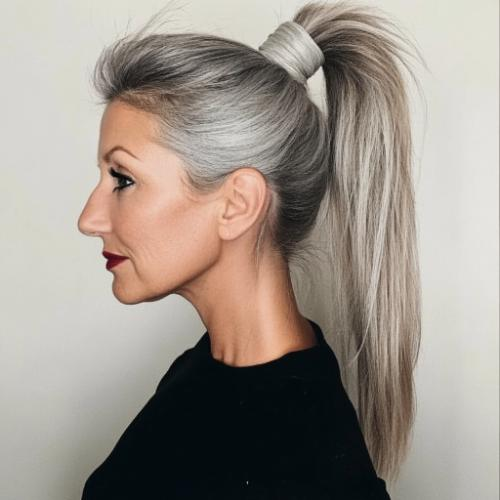
While the tight bun is the #1 culprit in older women, other styles can also cause traction alopecia:
| Style | Why It’s Damaging |
|---|---|
| High, tight ponytail | Pulls hairline back; weight of hair pulls downward |
| Cornrows | Prolonged tension on individual rows |
| Box braids with added hair | Extra weight increases tension |
| Tight twists | Similar to cornrows |
| Slicked-back buns with gel | Gel makes hair sticky, increasing pull |
| Sleeping in tight styles | Extends tension hours beyond waking hours |
The “Sleek” Problem
Slicked-back styles are particularly dangerous because they rely on maximum tension to achieve that smooth, flat look. The combination of tight elastics, strong-hold gel, and pulled-back hair is a recipe for traction alopecia.
For women who love polished styles, these best bob haircuts for women over 50 with thin hair offer sleek alternatives without tension.
How to Style Your Hair Safely
You don’t have to give up buns or ponytails entirely. You just need to style them differently.
The Safe Bun Method
| Do | Don’t |
|---|---|
| Use a loose, relaxed tension | Pull hair until your scalp feels tight |
| Secure with satin scrunchies or spiral hair ties | Use thin rubber bands or tight elastics |
| Vary the position of your bun (high one day, low the next) | Put your bun in the exact same spot daily |
| Take your bun down at night | Sleep in your bun |
| Give your hair breaks between tight styles | Wear a tight bun every single day |
The “Pineapple” Alternative
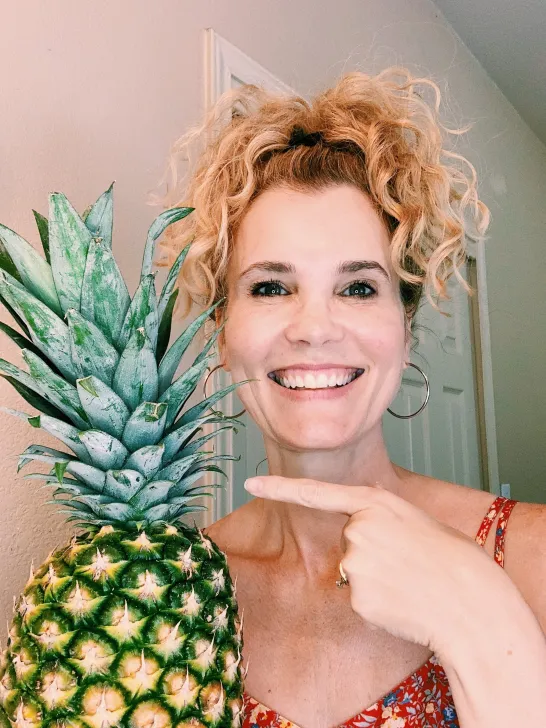
For curly or wavy hair, the pineapple (a very loose, high ponytail with ends folded over) is a safer alternative to a tight bun. It keeps hair off your neck without creating tension at the hairline.
Loose Braids
A loose braid (not tight French or Dutch braids) can keep hair contained without constant tension. Vary between side braids and low braids to distribute tension.
Gentle Hair Ties
| Best | Avoid |
|---|---|
| Satin scrunchies | Thin rubber bands |
| Spiral hair ties (look like old phone cords) | Elastic bands with metal clasps |
| Fabric-covered elastics | Clear elastics (they grip and pull) |
For women with sensitive scalps, these wash and wear haircuts for women over 60 minimize the need for any elastic altogether.
How to Treat Early Traction Alopecia
If you’ve noticed thinning along your hairline, act immediately.
1. Stop the Offending Style
The most important step is to eliminate the tension. Stop wearing tight buns, ponytails, or any style that pulls at your hairline. Give your scalp a break for several months.
2. Gentle Scalp Massage
Massaging the affected area increases blood flow to the follicles, which can stimulate regrowth. Use your fingertips (not nails) in small circles for 3–5 minutes daily.
3. Topical Treatments
| Treatment | What It Does |
|---|---|
| Minoxidil (Rogaine) | FDA-approved for hair regrowth; can help reverse early traction alopecia |
| Rosemary oil | Shown in studies to be as effective as 2% minoxidil; mix with carrier oil |
| Peppermint oil | Increases circulation to the scalp |
| Caffeine-based serums | May stimulate follicle activity |
Consult a dermatologist before starting any treatment.
4. Switch to Gentle Hair Care
- Use sulfate-free shampoo to avoid further drying
- Deep condition weekly to improve hair elasticity
- Avoid heat styling on affected areas
For women with dry, damaged hair, these how to get rid of frizzy hair over 50 solutions include gentle care routines.
When to See a Doctor
Consult a dermatologist or trichologist if:
- You have smooth, shiny bald patches (likely permanent scarring)
- Thinning continues even after eliminating tight styles
- You experience itching, burning, or redness along the hairline
- You want to explore prescription treatments (like minoxidil)
- You’re considering corticosteroid injections (for active inflammation)
Early intervention is critical. Once hair follicles scar, they cannot regrow hair.
For women with advanced thinning, these short hairstyles for thin fine hair offer stylish ways to work with your current density.
The Emotional Impact
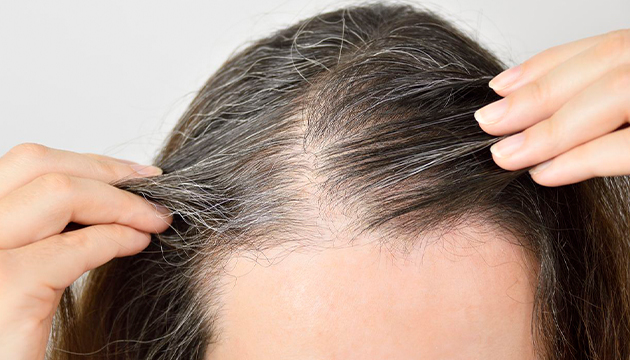
Hair loss at the hairline can be devastating. It affects how you style your hair, how you feel about your appearance, and sometimes how you present yourself to the world.
You are not alone. Traction alopecia is extremely common in older women, especially those who have worn tight buns or ponytails for decades. The shame or embarrassment often prevents women from seeking help early—exactly when help is most effective.
There is hope. In its early stages, traction alopecia is completely reversible. Even in later stages, there are styling solutions (bangs, strategic haircuts, toppers) that can restore your confidence.
For women rebuilding their style, these best haircuts for round faces over 50 offer fresh, flattering options.
Quick Reference: Safe vs. Unsafe Styles
| Safe (Low Tension) | Unsafe (High Tension) |
|---|---|
| Loose low bun | Tight high bun |
| Loose low ponytail | Tight high ponytail |
| Pineapple (very loose) | Slicked-back bun |
| Loose braid | Tight cornrows |
| Hair down | Box braids with extensions |
| Claw clip updo | Styles requiring gels for smoothness |
The Bottom Line
Tight buns are the #1 cause of traction alopecia in older women. The convenience and elegance of this classic style come at a cost—one that can be permanent if ignored.
The good news is that you don’t have to give up updos entirely. Loose buns, satin scrunchies, varying positions, and taking breaks can protect your hairline while still allowing you to enjoy pulled-back styles.
But the safest choice? Let your hair down more often. Your hairline will thank you.

Leave a Reply