
If you want to stop flat ironing your gray hair, you’re not alone. Many women over 50 rely on heat to smooth their silver strands after every wash. But this common habit is actually making your gray hair look worse over time. In this guide, you’ll discover 3 reasons why flat ironing damages fragile silver strands—plus healthier, heat-free alternatives that actually work.
Gray hair is fundamentally different from pigmented hair. It’s coarser, more porous, and far more fragile. Applying intense, direct heat to delicate silver strands often backfires, creating more frizz, more damage, and a duller appearance than if you had left your hair alone. In this guide, you’ll discover 3 reasons why flat ironing makes your gray hair worse, plus healthier, heat-free alternatives for achieving smooth, beautiful silver hair. If you’re also dealing with frizz and dryness, these how to get rid of frizzy hair over 50 solutions offer complementary advice.
Why Gray Hair Is Different
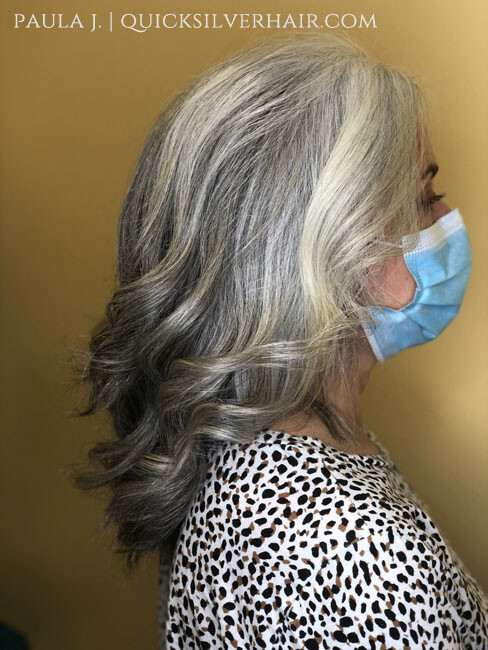
Before understanding why flat irons are problematic, it’s essential to understand how gray hair differs from pigmented hair.
| Characteristic | Gray/Silver Hair | Pigmented Hair |
|---|---|---|
| Texture | Often coarser, wiry, more resistant | Softer, more uniform |
| Porosity | More porous (absorbs and loses moisture quickly) | Less porous |
| Melanin | Absent (no natural protection from UV or heat) | Present (provides some natural protection) |
| Oil production | Scalp produces less oil; hair is drier | Scalp produces more oil |
| Cuticle | Often raised, rough, or damaged | Smoother, lies flatter |
| Elasticity | Lower (stretches less before breaking) | Higher |
These differences mean that gray hair cannot tolerate the same heat levels as pigmented hair. What worked in your 30s or 40s can cause significant damage in your 60s and beyond.
For women with thinning hair alongside graying, these short hairstyles for thin fine hair offer volume-building alternatives to heat styling.
Reason 1: Gray Hair Is Already Dry – Flat Irons Make It Worse
The Moisture Problem
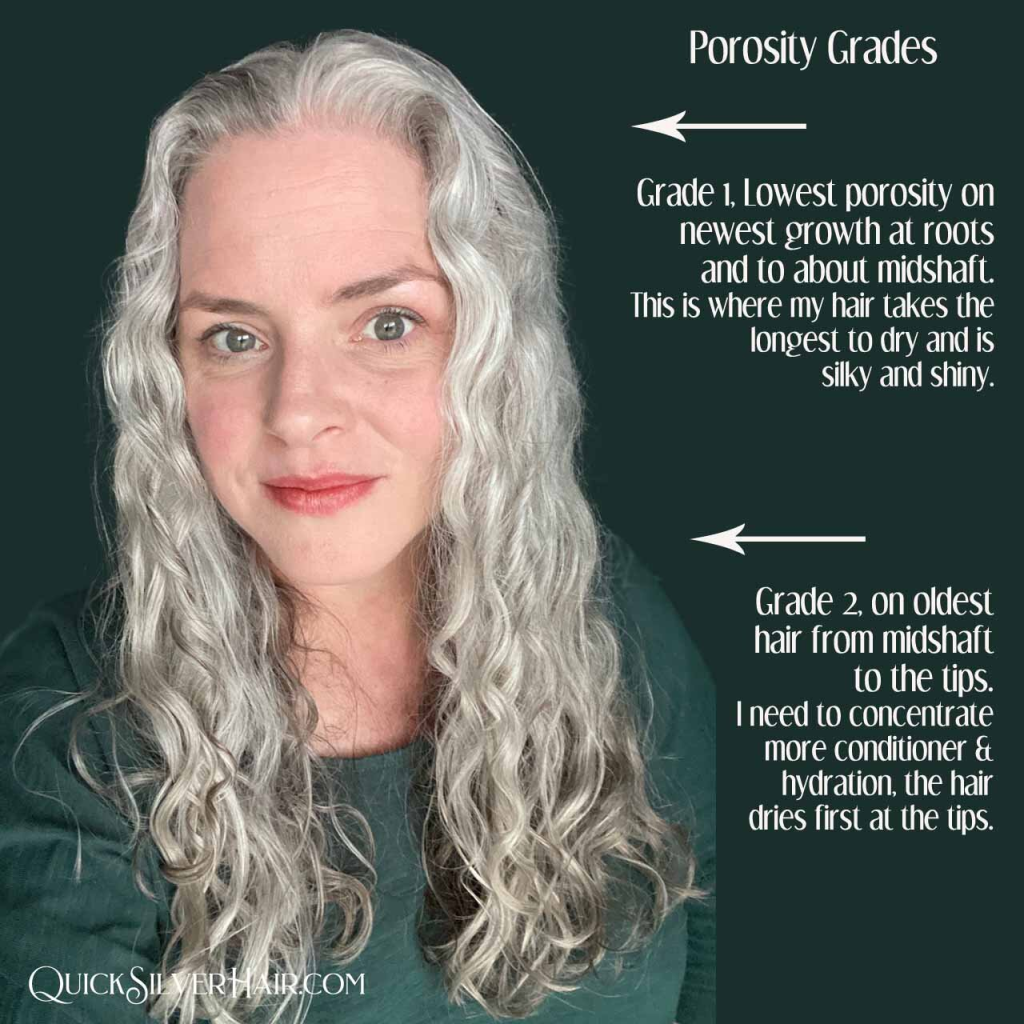
Gray hair lacks melanin, which not only provides color but also helps retain moisture. Without melanin, the hair shaft is more porous, meaning it absorbs water quickly but also loses it just as fast.
| Issue | How Flat Irons Worsen It |
|---|---|
| Low natural moisture | Heat evaporates what little moisture remains |
| High porosity | Heat opens the cuticle further, accelerating moisture loss |
| Decreased oil production | No natural oils to replenish what heat strips away |
The Result: Straw-Like Texture
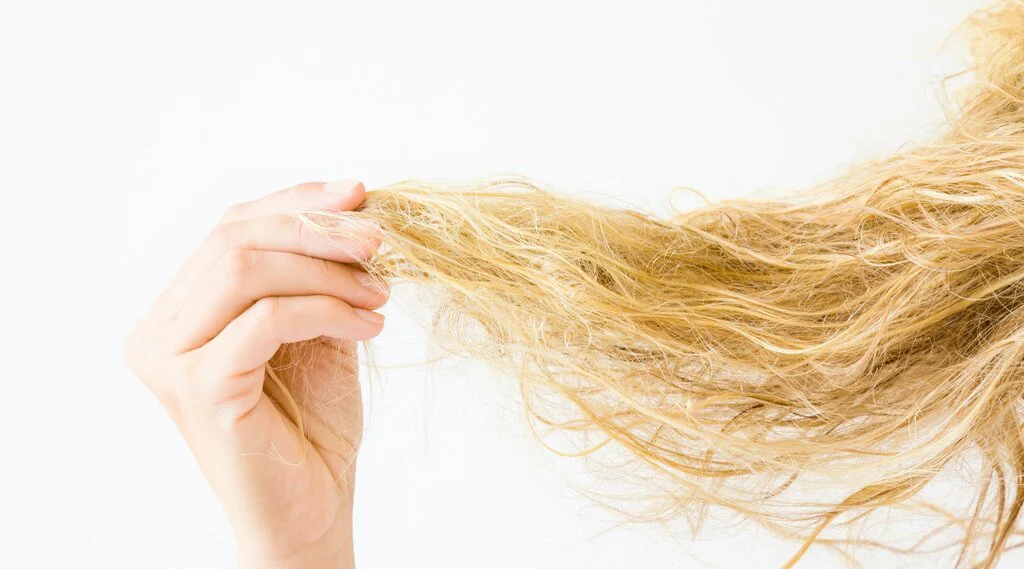
Repeated flat ironing on already-dry gray hair creates a brittle, straw-like texture that no amount of conditioner can fully repair. The hair becomes stiff, rough to the touch, and prone to snapping.
The Vicious Cycle
Dry gray hair → Flat iron to smooth it → Heat makes it drier → More frizz → Flat iron again at higher heat → More damage
This cycle is difficult to break but essential for hair health.
For women with dry, brittle hair, these wash and wear haircuts for women over 60 minimize the need for heat styling altogether.
Reason 2: High Heat Damages the Cuticle Beyond Repair
The Cuticle on Gray Hair
The hair cuticle is the outer protective layer. On healthy hair, the cuticle lies flat, reflecting light and creating shine. On gray hair, the cuticle is often already raised, rough, or damaged from years of environmental exposure.
What Flat Irons Do
Flat irons typically operate at 300°F to 450°F (150°C to 230°C) . At these temperatures:
| Temperature | Effect on Gray Hair |
|---|---|
| 300–350°F | Can temporarily smooth; risk of damage with repeated use |
| 350–400°F | Damages the cuticle; causes protein breakdown |
| 400–450°F | Severe damage; can melt or burn fragile strands |
The “Frying” Effect
When you apply high heat to already-porous gray hair, you’re essentially frying the cuticle. The scales of the cuticle lift, crack, or completely break off. Without a smooth cuticle:
- Light scatters instead of reflecting → hair looks dull
- Moisture escapes rapidly → hair becomes drier
- Strands catch on each other → more tangles and breakage
Once the Cuticle Is Gone, It’s Gone
Damaged cuticles cannot be repaired. Products can temporarily coat and smooth them, but the structural damage is permanent. The only solution is to cut off the damaged ends and start fresh.
For women with damaged hair, these best bob haircuts for women over 50 with thin hair can help you cut away damage while maintaining style.
Reason 3: Flat Irons Create More Frizz in the Long Run
The Frizz Paradox
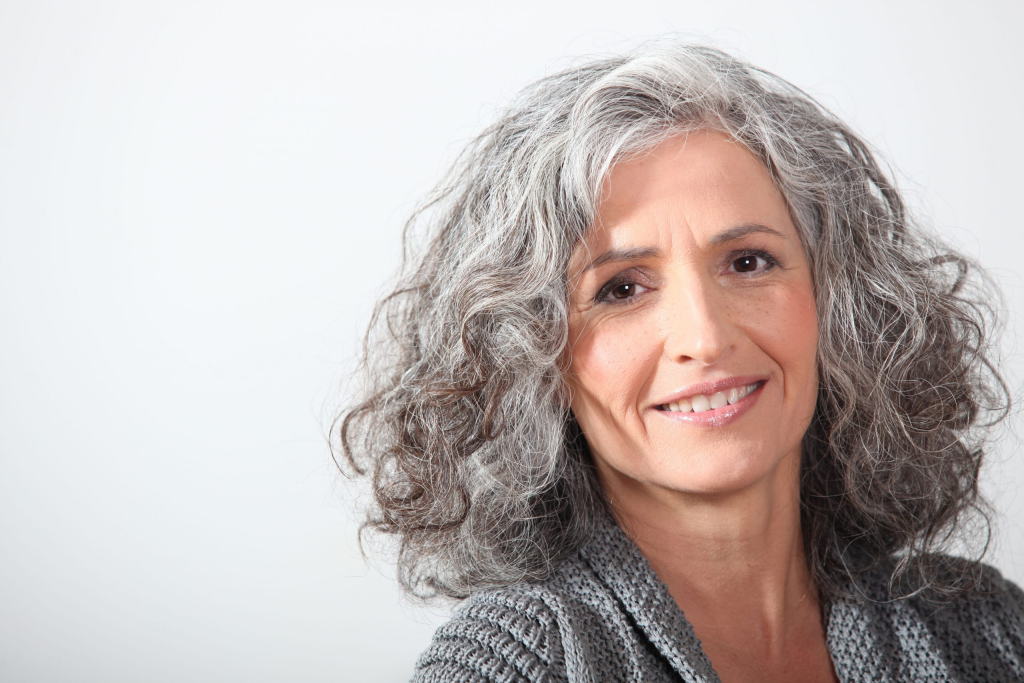
Ironically, the very tool you’re using to remove frizz is creating more frizz over time.
| Short-Term Effect | Long-Term Effect |
|---|---|
| Smooth, straight strands | Damaged cuticle |
| Temporary shine | Permanent dullness |
| Frizz-free for a day | Increased frizz between styling |
Why This Happens
A smooth cuticle reflects light and resists humidity. A damaged cuticle:
- Absorbs humidity from the air → swells → frizzes
- Catches on itself → creates tangles and rough texture
The more you flat iron, the more you damage the cuticle. The more damaged the cuticle, the more frizz you’ll have—even when you don’t use heat.
The “Heat Training” Myth
Some believe that regularly flat ironing “trains” curly or wavy hair to be straighter. This is a myth. You’re not training your hair; you’re breaking it down. The temporary smoothness comes at the cost of long-term health.
For women with wavy or curly gray hair, these curly haircuts for thin hair offer styling options that work with your natural texture, not against it.
How to Tell If Your Gray Hair Is Heat-Damaged
| Sign | What It Means |
|---|---|
| White dots or split ends at the tips | Heat has melted or fractured the hair shaft |
| Hair feels “mushy” when wet | Protein breakdown; the hair has lost its structure |
| Hair snaps when gently pulled | Loss of elasticity |
| Frizz appears immediately after flat ironing | The cuticle is so damaged it won’t lie flat even with heat |
| Dull, lackluster appearance | Cuticle damage scatters light instead of reflecting it |
For women with heat-damaged hair, these low maintenance haircuts for women over 50 with fine hair can help you trim away damage while maintaining style.
Safer, Heat-Free Alternatives for Smooth Gray Hair
You don’t need a flat iron to achieve smooth, beautiful silver hair. Here are healthier alternatives.
1. Air-Dry with Smoothing Products
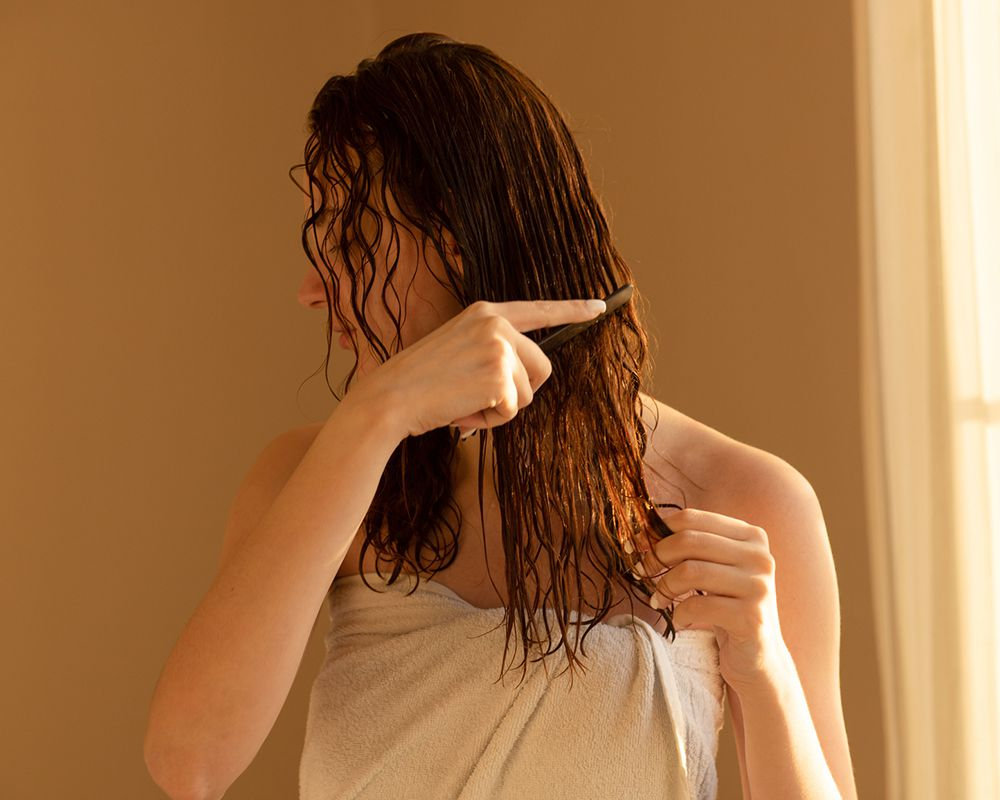
How: Apply a smoothing cream or anti-frizz serum to damp hair. Comb through. Allow hair to air-dry completely. For straighter results, gently pull hair taut with your fingers while it dries or use a wide-tooth comb periodically.
Best for: Wavy or slightly curly gray hair
Products to look for: Silicone-free smoothing creams, argan oil, marula oil
2. The “Wrap” Method for Straight Hair
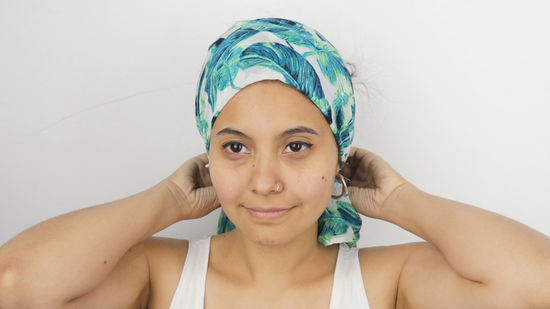
How: On damp hair, apply smoothing product. Use a boar bristle brush to brush hair flat against your head in a circular “wrap” pattern. Secure with duckbill clips. Allow to air-dry completely (2–4 hours or overnight). Unwrap to reveal smooth, straight hair.
Best for: Naturally straight or lightly wavy gray hair
Time investment: Longer than flat ironing, but zero heat damage
3. Roller Setting
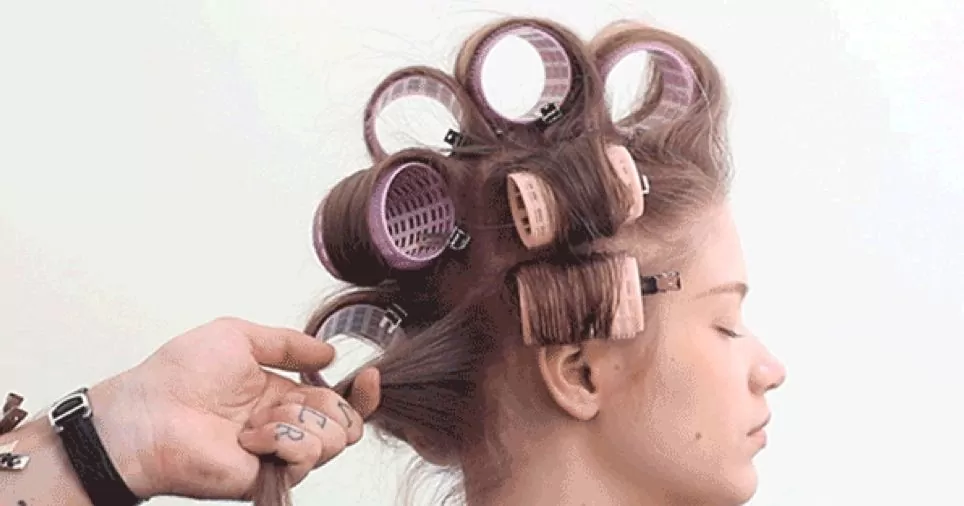
How: On damp hair, apply setting lotion or mousse. Use large Velcro rollers (2 inches or larger) to set hair. Allow to dry completely (under a hooded dryer or air-dry for several hours). Remove rollers and gently brush.
Result: Smooth, voluminous, bouncy hair without heat damage
Best for: Gray hair that needs volume and smoothness
4. Overnight Blowout (Heat-Free)
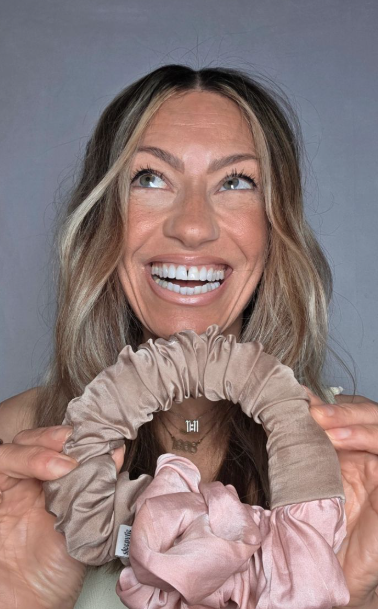
How: On damp hair, apply smoothing product. Divide hair into 2–4 sections. Wrap each section around a soft foam roller or flexi rod. Secure and sleep on them. In the morning, remove rollers and gently separate with fingers.
Result: Smooth, straight, or wavy depending on roller size
Best for: Women who want to style hair while they sleep
5. Professional Keratin Smoothing Treatment (Low-Heat Options)
How: A salon treatment that smooths the cuticle and reduces frizz for months. Formaldehyde-free options (like Cezanne or Saphira) use lower heat and gentler ingredients.
Note: Even these treatments involve some heat and chemicals. Discuss your hair’s condition with a stylist first.
For women considering professional treatments, these ingredients to avoid in hair products for women over 50 help you make informed choices.
If You Must Flat Iron: Damage-Reduction Tips
If you’re not ready to give up your flat iron entirely, follow these rules:
| Do | Don’t |
|---|---|
| Use the lowest effective heat (start at 250°F, increase only if needed) | Exceed 300°F on fine or fragile gray hair |
| Always use a heat protectant spray | Flat iron dry, unprotected hair |
| Flat iron once a week or less | Flat iron daily |
| Take breaks between heat styling sessions | Use multiple heat tools (blow-dryer + flat iron) in one session |
| Deep condition weekly | Skip conditioning treatments |
| Flat iron on completely dry hair | Flat iron damp hair (causes steam burns) |
The “Cool Shot” Alternative
After blow-drying, use the cool shot button on your blow-dryer to set your style. Cool air closes the cuticle without heat damage, creating smoothness and shine.
For women with colored hair, these stop using box dye after 60 insights help protect your color investment.
How to Transition Away from the Flat Iron
Giving up your flat iron can feel scary, especially if you’ve relied on it for years. Here’s how to transition gradually.
Week 1-2: Reduce Frequency
Start by flat ironing every other day instead of daily. On off days, try air-drying with smoothing products or a loose braid.
Week 3-4: Lower the Heat
Reduce your flat iron temperature by 25–50°F. You may need to go over sections an extra time, but the lower heat is worth it.
Week 5-6: Try Heat-Free Alternatives
Experiment with roller setting or the wrap method on a day when you have time. The results may surprise you.
Week 7-8: Embrace Your Natural Texture
By now, your hair will be healthier and more moisturized. You may find you prefer your natural silver waves to the flat-ironed look.
For women embracing their natural texture, these grey blending highlights in ash blonde offer color options that complement your silver.
The Bottom Line
Flat ironing gray hair is a losing battle. The tool that promises smoothness actually damages the cuticle, increases dryness, and creates more frizz in the long run. Gray hair is already more fragile and porous than pigmented hair. Applying intense heat only accelerates its decline.
The good news is that you don’t have to choose between smooth hair and healthy hair. Heat-free alternatives—air-drying with smoothing products, roller setting, and the wrap method—can give you beautiful results without the damage.
Your silver hair deserves better. Put down the flat iron and let your natural beauty shine through.
Leave a Reply