
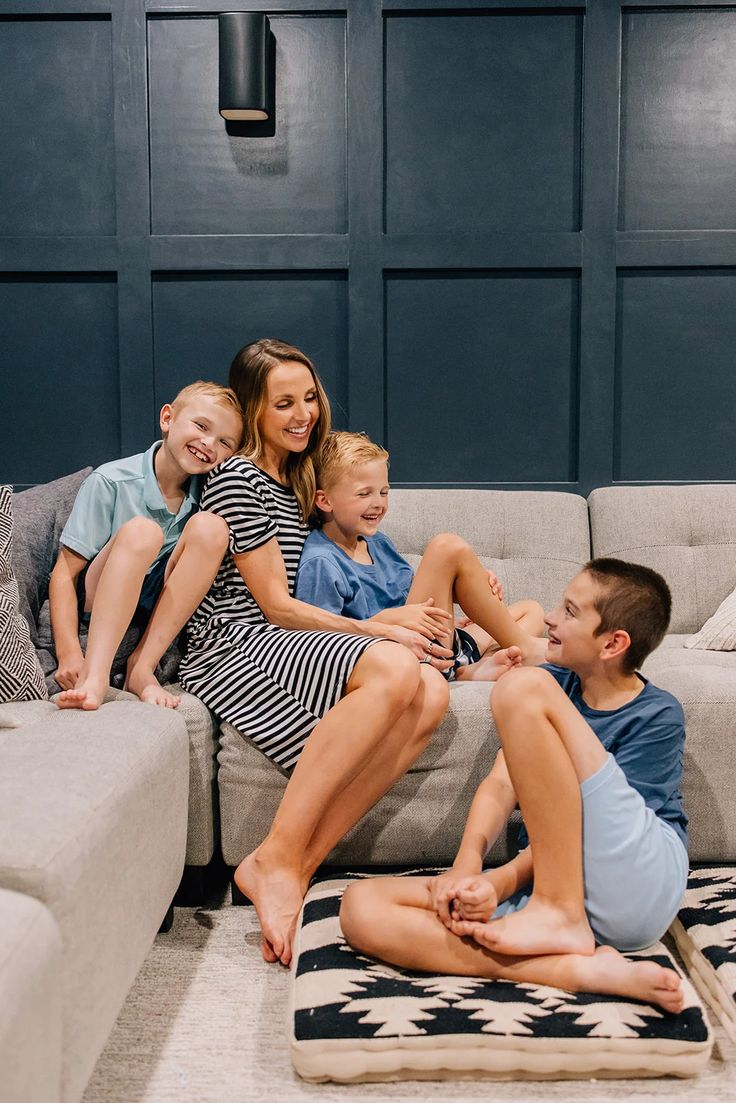
If you’ve spent any time on social media lately, you’ve probably seen the term floating around. Slow motherhood. It appears in Instagram captions next to photos of quiet mornings with coffee and picture books. It shows up in Pinterest boards filled with linen dresses and unstructured days. And if you’re a mom who feels perpetually behind, perpetually exhausted, and perpetually wondering why everyone else seems to be handling life better, the concept probably caught your attention.
But here’s the thing: slow motherhood isn’t a trend. It’s not about buying the right wooden toys or achieving a certain aesthetic. It’s not another performance to perfect. Slow motherhood is a movement—a quiet but growing shift in how women are choosing to show up for their families and themselves.
This article explores what slow motherhood actually means, why more moms are embracing it, and how you can incorporate its principles into your own life without overhauling everything.
What Slow Motherhood Is Not
Before we define what slow motherhood is, let’s clear up what it isn’t.
Slow motherhood is not about being lazy or unambitious. It’s not about letting your kids run wild without boundaries. It’s not about quitting your job, homeschooling on a farm, or having endless patience 24 hours a day. It’s not another standard to fail at.
And perhaps most importantly, slow motherhood is not about having more time. If you’re a mom, you know that’s not how it works. The laundry still needs folding. The school forms still need signing. The toddler still needs wiping. You don’t suddenly gain extra hours in the day.
What slow motherhood offers is not more time, but a different relationship with the time you already have.
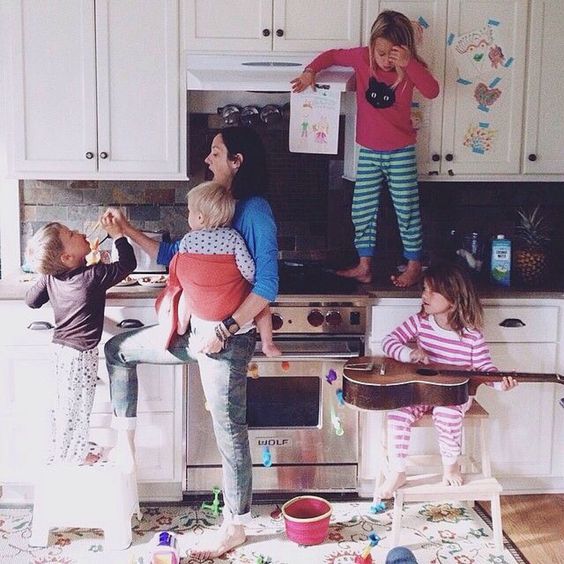
Defining Slow Motherhood
At its core, slow motherhood is a mindset shift. It’s the intentional choice to resist the pressure to do more, be more, and produce more in the relentless pursuit of “good motherhood.”
It draws inspiration from the broader slow movement—slow food, slow living, slow travel—which emerged as a response to the culture of speed and efficiency that began dominating modern life. Just as slow food encourages us to savor meals rather than consume them in haste, slow motherhood encourages us to savor the ordinary moments of raising children rather than racing through them.
Psychologists often describe modern motherhood as a state of “time poverty”—the feeling that there is never enough time to meet all the demands placed on us. Slow motherhood acknowledges this reality and asks a different question: instead of “How can I do more?”, it asks “What actually matters?”
The philosophy rests on several core principles:
Presence over Perfection. A slow mom understands that her children will remember how she made them feel, not whether the snacks were organic or the toys were aesthetically coordinated. She prioritizes being fully available for small moments—the spontaneous conversation, the impromptu dance party—over curating a flawless environment.
Connection over Activity. In a culture that equips childhood with enrichment, a slow mom questions whether another scheduled activity is actually serving her family. She protects unscheduled time not as wasted time, but as space for connection, boredom, and unstructured play.
Rhythm over Rigid Schedules. Slow motherhood doesn’t mean chaos. It means building flexible rhythms that honor the natural flow of your family rather than adhering to external expectations. It’s knowing when to push and when to pause.
Sufficiency over Scarcity. A slow mom rejects the narrative that she is never doing enough. She practices the radical belief that she is enough—and that what she gives her children is enough.

Why More Moms Are Choosing Slow Motherhood
The rise of slow motherhood isn’t happening in a vacuum. It’s a response to specific pressures that have made modern motherhood unsustainable for so many women.
The Myth of the Supermom. For decades, mothers have been sold a story: you can have it all, do it all, and be it all. Career, perfect home, Pinterest-worthy birthday parties, homemade meals, emotional availability, and a thriving marriage—all while looking put-together and never complaining. This myth has left generations of women burned out and convinced they are failing.
The Comparison Crisis. Social media has magnified the problem. Where mothers once compared themselves to the neighbor down the street, they now compare themselves to thousands of curated highlights from around the world. It’s an impossible standard, and it’s making us miserable.
The Loss of the Village. Historically, mothers raised children within communities—extended family, neighbors, other mothers who shared the load. Today, many mothers parent in isolation, with partners working long hours and support networks stretched thin. The weight of it all falls on one person.
The Over-Scheduling of Childhood. There’s a pervasive belief that if our children aren’t in multiple activities, we’re failing to give them opportunities. This leads to families running from one commitment to another, with no margin for rest, spontaneity, or simply being together.
The Mental Load Crisis. Even when mothers scale back physically, the mental load remains. The constant tracking of appointments, school forms, grocery lists, and future planning takes a toll that slow motherhood seeks to address—not by doing more, but by consciously choosing what to hold and what to release.
Signs You Might Be Ready for Slow Motherhood
How do you know if this philosophy resonates with you? Here are some signs:
- You feel perpetually behind, no matter how much you accomplish.
- Your weekends feel more exhausting than your weekdays.
- You find yourself snapping at your kids over small things because you’re running on empty.
- You say “yes” to things out of guilt rather than genuine desire.
- You can’t remember the last time you had a full hour to do nothing.
- You look at your children and feel like they’re growing up too fast, but you don’t know how to slow it down.
- The phrase “I should be doing more” plays on a loop in your head.
If any of this sounds familiar, slow motherhood isn’t about adding another thing to your plate. It’s about giving yourself permission to take things off.
How to Practice Slow Motherhood (Without Overhauling Your Entire Life)
Slow motherhood doesn’t require a complete lifestyle reset. It starts with small, intentional shifts.
1. Redefine What “Enough” Looks Like
Ask yourself honestly: what actually needs to happen today? Not what the internet says should happen. Not what your mother-in-law would do. What actually matters for your family’s well-being?
Lower the bar. The world’s most expensive rugs were woven with intentional “mistakes” because perfection was considered unlucky. Maybe imperfection is lucky for mothers too.
2. Protect Unscheduled Time
Block out chunks of time where nothing is planned. This might feel uncomfortable at first—like you’re being unproductive—but unscheduled time is where connection happens. It’s where kids learn to play independently. It’s where you remember what it feels like to breathe.
3. Limit the Inputs
Social media, news, group chats, advice columns—they all feed the feeling that you’re not doing enough. Consider a social media detox, or curate your feed to follow voices that remind you of your enoughness rather than your inadequacy.
4. Say No More Often
Every yes to something that drains you is a no to something that matters. Practice saying no without over-explaining. “That doesn’t work for us.” “We’re simplifying our schedule this season.” “No, but thank you for thinking of us.”
5. Embrace Boredom
Resist the urge to constantly entertain your children. Boredom is where creativity grows. When kids complain about being bored, resist the panic to fill the space. Let them figure it out.
6. Create Rhythms, Not Schedules
Instead of scheduling every hour, create loose rhythms for your days. Morning: slow wake-up, breakfast together. Afternoon: quiet time, outdoor play. Evening: dinner, wind-down. Rhythms provide structure without rigidity.
7. Practice Single-Tasking
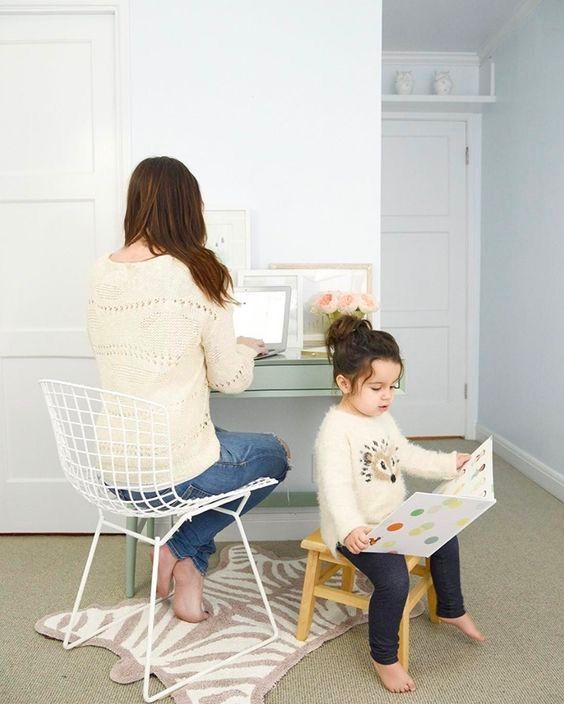
Multitasking is a myth. When you’re with your children, be with them. When you’re working, work. When you’re resting, rest. Divided attention leaves everyone feeling shortchanged.
8. Let Go of the Mental Load
Share the load—literally. If your partner is capable, let them own tasks completely. That means no reminding, no managing, no checking. It might not be done your way, but it will be done. Your brain needs the break.
What Slow Motherhood Looks Like in Real Life
If you’re wondering whether slow motherhood is realistic for your life, here are some everyday examples:
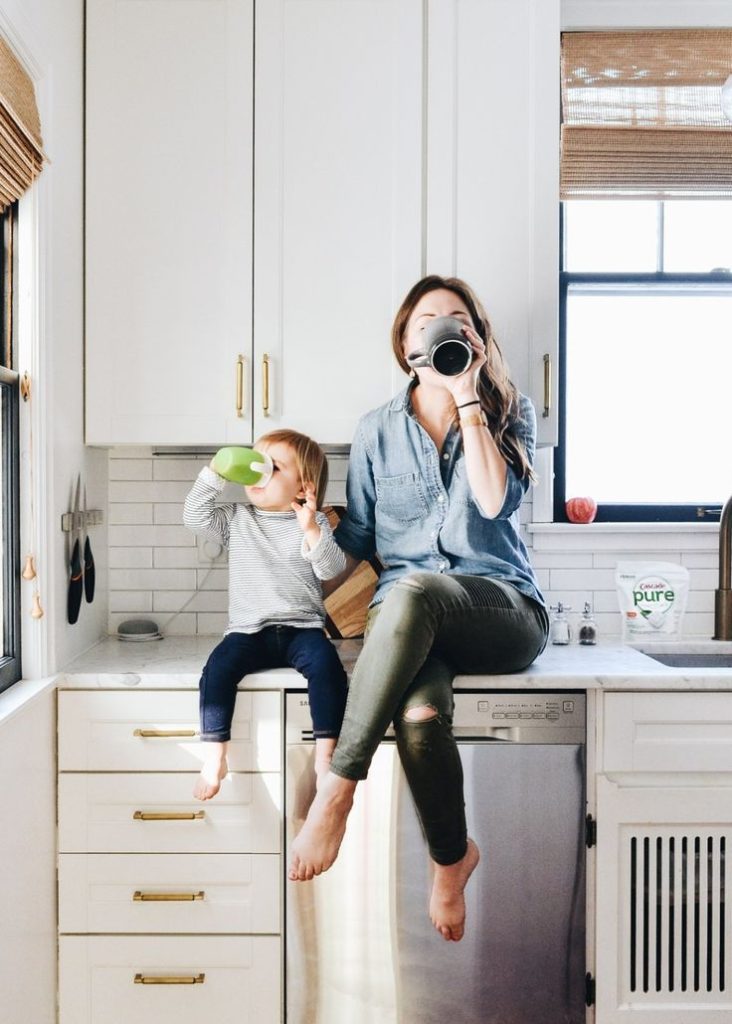
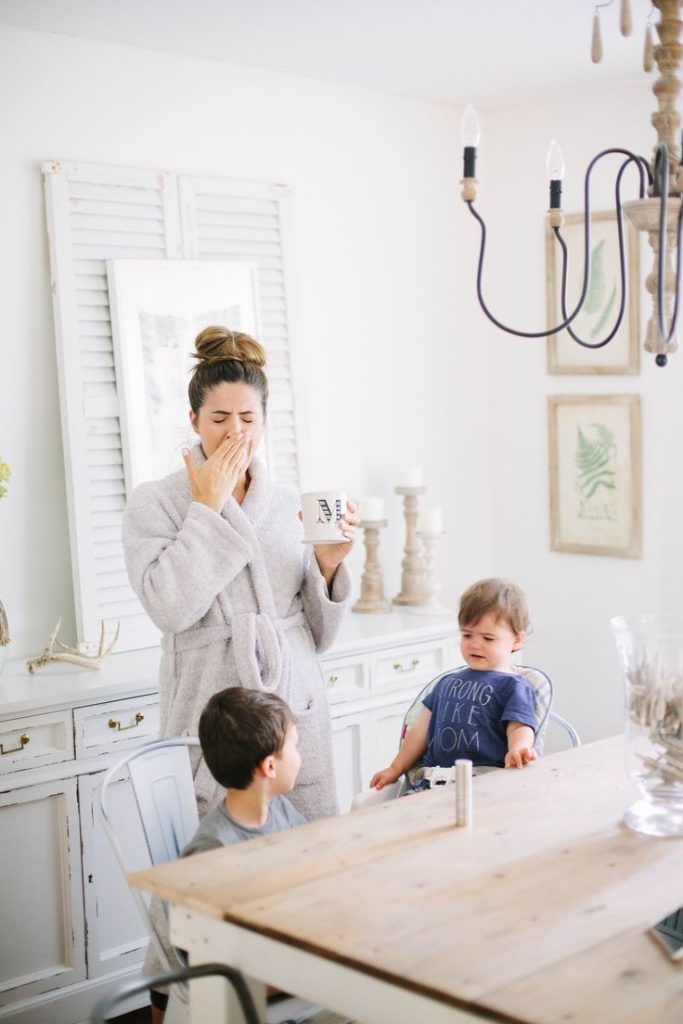
- Morning: Instead of rushing everyone out the door, you wake up fifteen minutes earlier to sit with your coffee before the chaos begins. You don’t scroll. You just sit.
- Afternoon: Instead of filling every afternoon with activities, you leave one or two days completely open. Those afternoons become your family’s favorite time—walks, forts, or nothing at all.
- Evening: Instead of a perfectly executed bedtime routine, you let go of the pressure. Sometimes bath time is a splash-filled mess. Sometimes it’s a quick wipe-down. The connection matters more than the process.
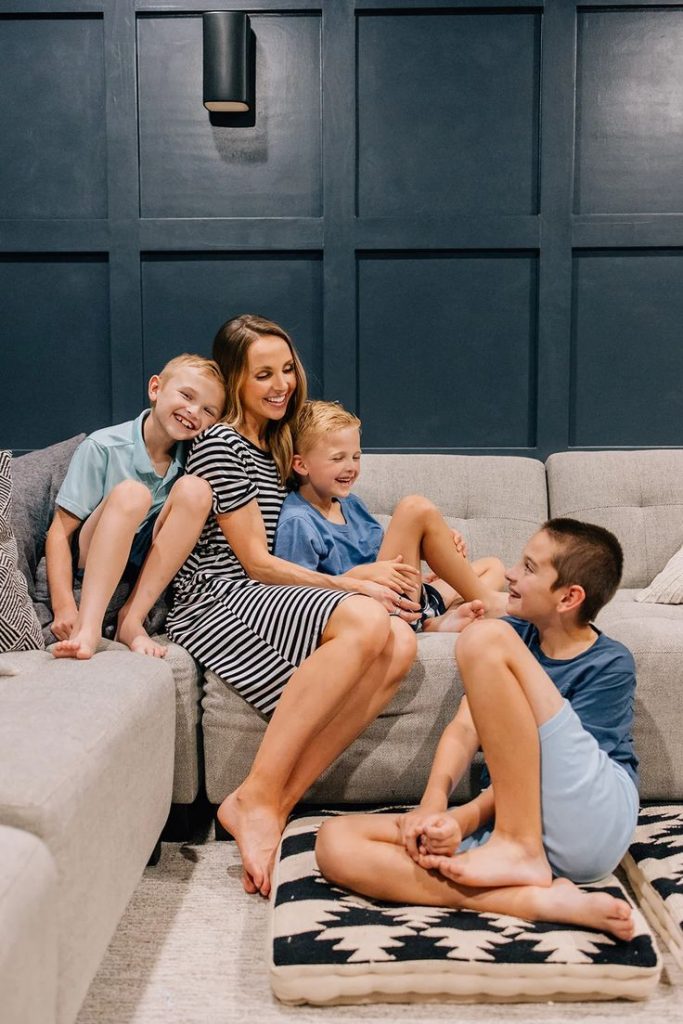
- Weekend: Instead of cramming in errands and activities, you choose one thing. The rest of the time is for being together, with no agenda.
Slow motherhood looks different for every family. For some, it means reducing activities. For others, it means leaving a career. For most, it simply means making small, daily choices to prioritize presence over performance.
The Pushback You Might Face
Not everyone will understand your shift toward slow motherhood. You may hear:
- “Aren’t you worried your kids will fall behind?”
- “You used to be so ambitious.”
- “I could never slow down like that.”
Remember: their reaction is about their own fears and conditioning, not your choices. You don’t need permission to protect your peace. And you certainly don’t need to justify slowing down to people who benefit from your burnout.
Final Thoughts: Slow Motherhood Is a Return, Not a Trend
Slow motherhood isn’t new. For most of human history, mothers raised children in rhythms that honored connection, community, and the natural pace of life. What we’re seeing now is not a trend—it’s a return. A return to what mothers have always known: that children don’t need perfection. They need presence. They don’t need constant entertainment. They need to feel safe, loved, and seen.
If you’ve been feeling the weight of modern motherhood—the exhaustion, the comparison, the endless pressure to do more—slow motherhood is an invitation. It’s not about being a better mom. It’s about being a more present one. It’s not about doing everything right. It’s about letting go of what doesn’t matter so you can hold on to what does.
The laundry will always be there. The mess will return. But your children are only small once. And the moments you choose to slow down and be with them? Those are the moments they’ll remember. Those are the moments you’ll treasure.
Slow motherhood isn’t about having more time. It’s about making the time you have matter.

Leave a Reply