
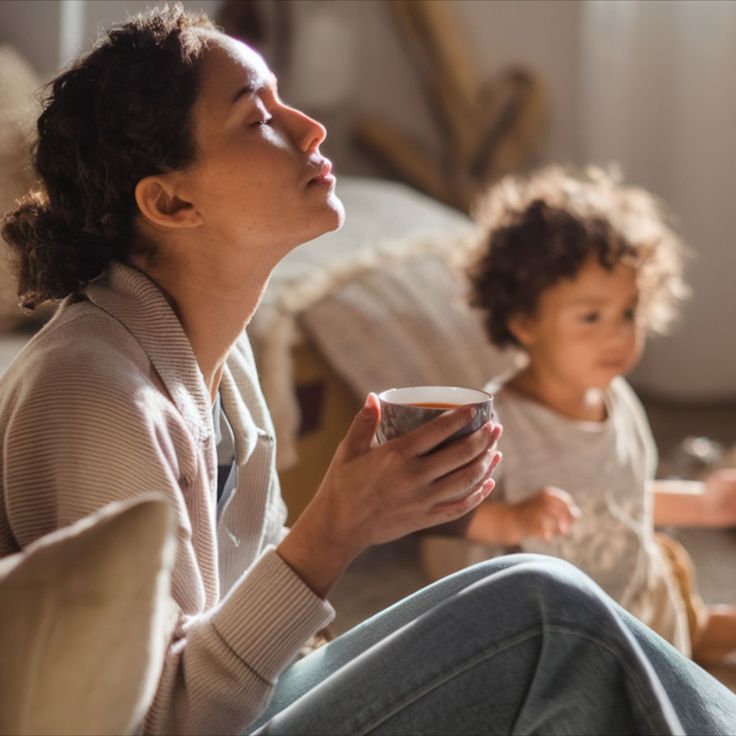
We’ve all seen the “Supermom” aesthetic: the perfectly color-coded pantry, the toddler with the advanced sensory bin, and the mother who somehow manages a 5-step skincare routine before 7:00 AM. In the world of modern digital publishing, we call this “hustle culture for parents.” But for most of us, it’s just a one-way ticket to burnout.
If you are feeling perpetually behind and emotionally exhausted, it’s time for a radical shift. It’s time to move from “perfect parenting” to purposeful presence. This is the essence of Slow Motherhood, and it is the ultimate burnout recovery for the modern woman.
The Science of “Good Enough”
Slow Motherhood isn’t about being lazy; it’s a psychology-informed approach to intentional parenting. We’ve been conditioned to believe our children need a “professional” childhood filled with structured activities. However, developmental psychology suggests otherwise.
Donald Winnicott, a famed pediatrician, introduced the concept of the “Good Enough Mother.” His research proved that children don’t need a perfect parent; they need a regulated one. When we embrace slow living for moms, we prioritize coregulation—the ability to stay calm so our children can learn to do the same.

Pillar 1: Rejecting “Extracurricular Overkill”
The first secret to a peaceful home? A ruthless audit of your calendar. We often sign our kids up for everything out of a fear of them “falling behind.” In reality, this “over-parenting” creates a frantic pace that prevents deep connection.
By choosing rhythm over routine, you stop fighting the clock. Instead of a rigid schedule, follow a natural flow: play, nourish, rest. When you stop rushing to the next “class,” you find the white space where memories actually happen.
Pillar 2: The Magic of the “Yes Space”
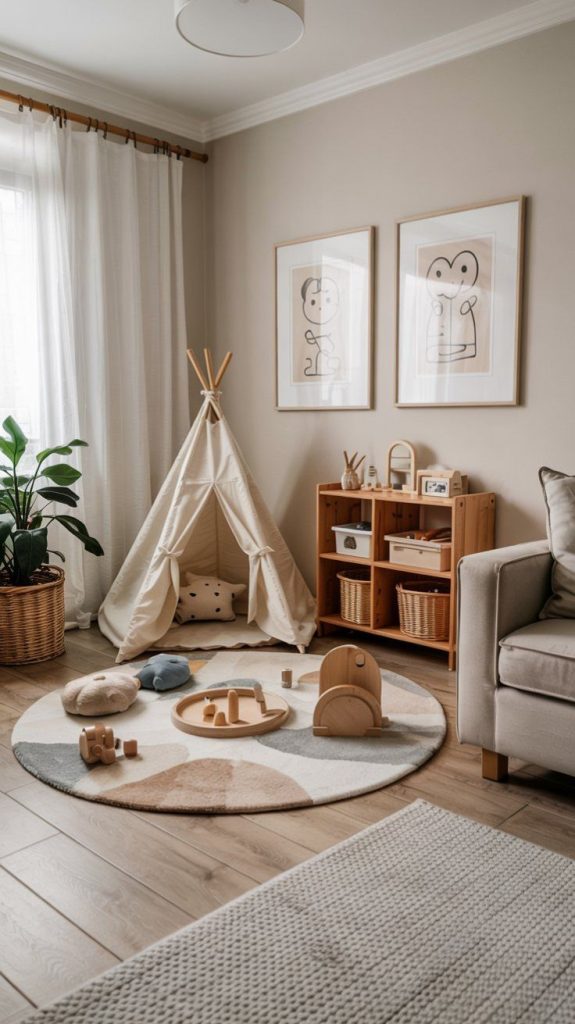
One of the biggest stressors for a busy mom is the constant “no.” “No, don’t touch that,” “No, that’s messy,” “No, stay away from the stairs.” Creating a “Yes Space”—a 100% child-safe, curated environment—is the ultimate hack for independent play. It allows you to step back and breathe while your child explores safely. This minimalist approach to your home decor doesn’t just look better on Pinterest; it reduces the sensory “noise” that leads to toddler meltdowns.
Pillar 3: Turning “Chore Time” into “Connection Time”
We often try to “get through” the housework so we can finally play with our kids. Slow Motherhood flips the script. By involving your children in practical life skills—like “helping” with the laundry or washing plastic dishes—you turn a chore into a bonding activity. It’s slow, it’s messy, and it’s exactly what your child needs to feel seen and capable.
Pillar 4: The Power of Boredom
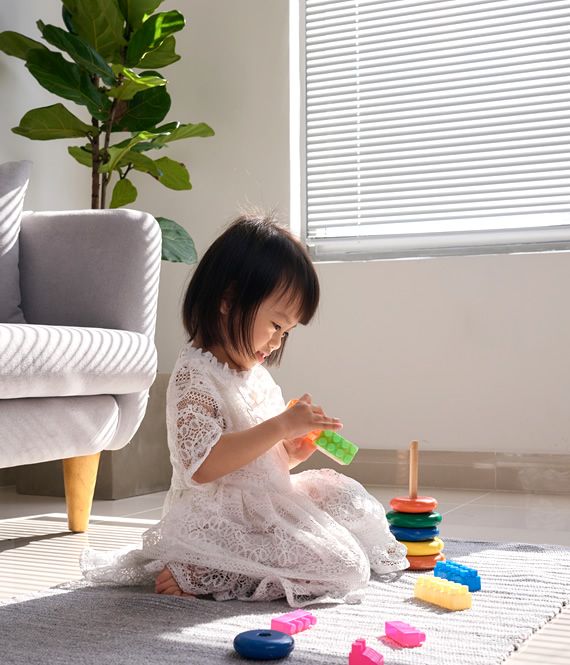
In a world of “iPad kids,” boredom has become a dirty word. But boredom is actually the birthplace of creativity. When we stop providing constant entertainment, children are forced to look inward. This triggers slow play, where a cardboard box becomes a rocket ship and a pile of sticks becomes a forest.
Your Permission to Slow Down
The “Supermom” myth is a lie. Your children won’t remember the organic bento boxes or the perfectly curated playroom. They will remember the way you felt when you looked at them.
Today, I’m giving you permission to do less. Cancel the extra appointment. Sit on the floor. Breathe. The antidote to over-parenting isn’t a new toy or a better schedule—it’s you, fully present.

Leave a Reply