

The journey of teaching a child to read often feels like a high-stakes marathon. As parents, we feel the weight of every milestone, wondering if our little ones are “on track” or if we’re doing enough. But here is the secret that changed everything for me: reading isn’t a race to be won; it’s a world to be unlocked.
By shifting our focus from high-pressure drills to a philosophy of “Consistency Over Intensity,” we can foster a genuine love for literacy that lasts a lifetime. This guide provides a 9-step blueprint to help your child find their footing in the world of words, built on patience, trust, and simple daily habits.
The Science of the “Million Word Gap”
Before we dive into the steps, it’s helpful to understand the “why.” Recent neuroimaging studies show that when we read aloud, the brain’s auditory and visual cortices are activated simultaneously, creating robust neural networks. Researchers at The Ohio State University found that children whose parents read to them five times a day enter kindergarten having heard nearly 1.5 million more words than those who weren’t read to. This “million-word gap” is a powerful predictor of later academic success, but the goal isn’t just a number—it’s about the rhythmic activity that “nudges” a child’s brain into detecting patterns in language.
Phase 1: Setting the Foundation

The first three steps are about building a positive relationship with books and sounds. We want to weave literacy into the fabric of your daily life without it feeling like “work.”
- Read for Every 10 Minutes: Consistency is your greatest tool. Dedicating just ten minutes a day to reading aloud creates a predictable, cozy routine that associates books with safety and connection. For the youngest learners, focus on “interactive reading”—ask them what they think is happening in the pictures or how a character feels.
- Teach 5 New Words Everyday: You don’t need flashcards. Introduce words through context—point out labels at the grocery store, read recipes together, or look at “print-rich” environments like cereal boxes and street signs. This shows children that reading has a practical purpose in the real world.
- Introduce One Letter Sound at a Time: Focus on phonemic awareness—the ability to hear individual sounds. Start with the most common sounds (like ‘m’ for mommy or ‘s’ for sun). Use a multi-sensory approach: have them trace letters in sand or use magnetic letters on the fridge to bridge the gap between sound and symbol.
Phase 2: Playing with Language
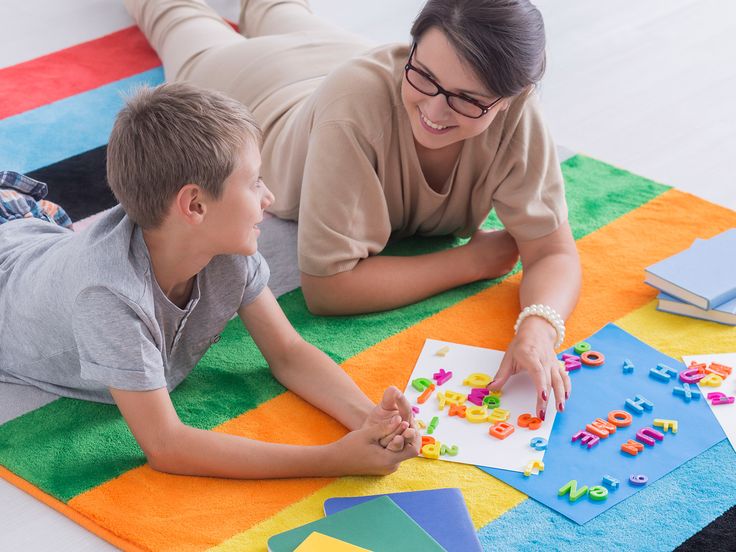
Once your child is comfortable with basic sounds, it’s time to bridge the gap between hearing a sound and seeing a word through play-based phonics.
- Play Simple Word Games: Turn learning into a “Silly Sound Safari.” Call out a sound (e.g., /b/) and hunt through the house for things that start with it. Rhyming games are also crucial; try “Rhyming Ball,” where you roll a ball back and forth only when you hear a rhyming pair (cat/hat).
- Help Them Blend Easy Words: This is where the magic happens. Start with simple CVC (Consonant-Vowel-Consonant) words. Use the “Stretching” technique: say the word slowly—/m/ /a/ /p/—and have them “catch” the word. This builds the auditory processing needed for decoding.
- Introduce Simple Phonic Rules: Start with the basics, like digraphs (two letters making one sound, like sh or ch). You can introduce “Tricky Words” or “Sight Words”—common words that don’t follow typical rules (like was or they)—gradually, so they don’t get stuck on the “un-phonetic” parts of English.
Phase 3: Building Confidence and Trust

The final phase is about the transition from learning to read to reading for pleasure.
- Use Decodable Readers: Success breeds confidence. Choose books that contain only the letter sounds your child has already mastered. When a child can successfully read every word on a page, their “self-efficacy” sky-rockets, making them eager for the next book.
- Consistency Over Intensity: It is better to practice for five minutes every single day than for an hour once a week. For busy parents, this might mean “reading” the back of a shampoo bottle during bath time or a quick poem before nap time.
- Be Patient and Trust the Process: Every child’s “reading spark” ignites at a different time. Some children are early explorers (ages 2-4), while others need more time for their cognitive infrastructure to settle. Avoid “toxic stress” by keeping the experience joyful.
A Note for the “Productive Mom”
It is easy to turn “teaching to read” into another item on your to-do list. But true literacy grows in the soil of Slow Motherhood. If your child wants to read the same book for the 100th time, let them. Re-reading is actually a neuro-developmental hack that builds familiarity and fluency.
If you are feeling overwhelmed, remember that self-care is part of being a “sturdy parent.” Take five minutes for yourself—journal, breathe, or enjoy your coffee—so that when you sit down for those ten minutes of reading, you are fully present. Your child doesn’t need a perfect teacher; they need a connected guide who enjoys the story as much as they do.

Leave a Reply