
The Morning You Actually Want
Picture this: You wake up before the children—or at least, not already behind. The house is quiet, or as quiet as a house with small children can be. You have time to drink your coffee while it is still hot. You sit, breathe, and ease into the day rather than being launched into it. When your children wake, you greet them with patience, not panic. The morning unfolds at a pace that feels human, not frantic. If you have been longing for a slow motherhood morning routine you can actually accommodate—one that replaces chaos with calm without demanding perfection—you are in the right place.
If this sounds like a fantasy, you are not alone. For many mothers, the morning is the hardest part of the day—a gauntlet of demands, deadlines, and emotional labor that begins the moment your eyes open. The cultural narrative tells us that busy is good, that productive is virtuous, that a mother who rests must be neglecting something.
But there is another way.
The slow morning routine is not about sleeping in until noon or abandoning responsibility. It is about reclaiming the first hours of your day as a space for presence, connection, and intentionality. It is about trading the tyranny of the to-do list for a rhythm that nourishes rather than depletes.
This article is for the mother who wants to start her day differently. Not perfectly—but purposefully. Let us explore what a slow motherhood morning actually looks like, and how you can create one that works for your real, imperfect, beautiful life.
What Is a Slow Morning Routine?

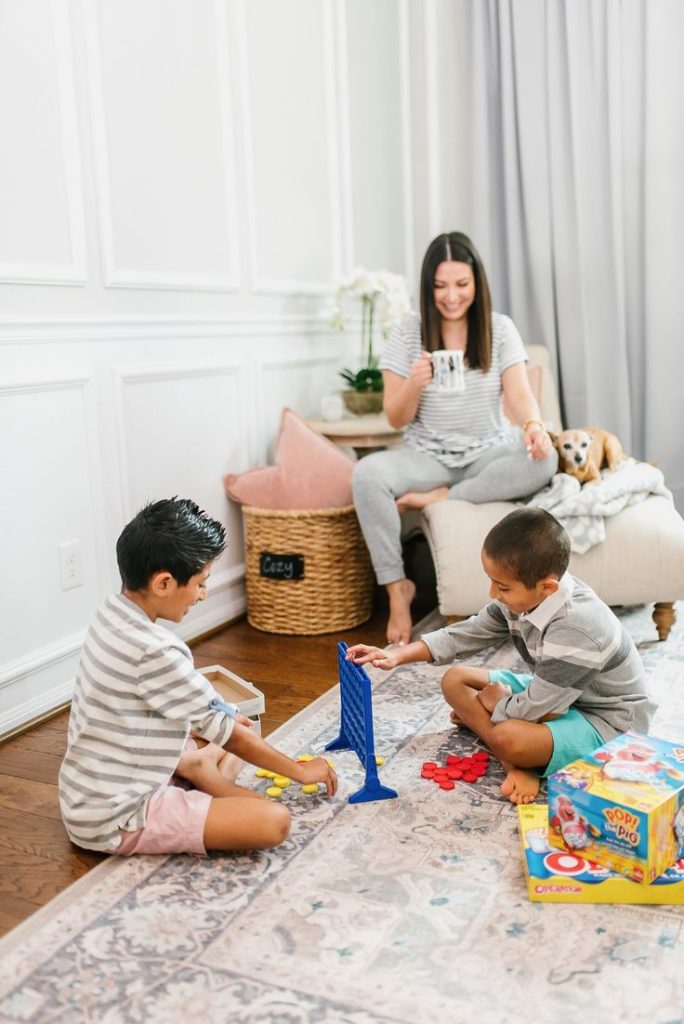
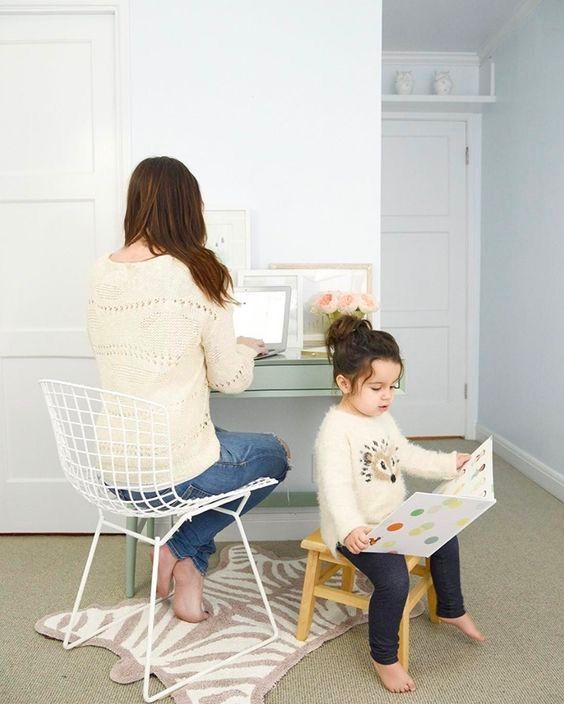
The term slow morning has gained popularity in recent years, often accompanied by aesthetic images of perfectly lit coffee cups, fresh flowers, and children playing quietly in matching pajamas. But the reality of a slow morning is far less curated—and far more accessible.
A slow morning routine is simply a morning that prioritizes intention over urgency. It is built on the understanding that how you start your day sets the tone for everything that follows. When you rush, you carry that rush with you—into conversations, into tasks, into your relationship with your children. When you slow down, even briefly, you carry presence instead.
For mothers, a slow morning does not mean a morning without chaos. Children will still spill things. Timelines will still shift. The bus will still arrive at a fixed hour. But a slow morning means approaching that chaos from a centered place rather than a frazzled one.
Key elements of a slow morning include:
- Waking with intention: Choosing to rise before the demands of the day dictate your pace.
- A moment of connection: Whether with God, yourself, or your family, starting with presence rather than productivity.
- Realistic pacing: Building in margin so you are not moving from one crisis to the next.
- Acceptance of imperfection: Understanding that slow does not mean perfect—it means grounded.
Why Moms Need Slow Mornings (Even If It Feels Impossible)

If you are reading this and thinking, I can barely get out the door on time—how am I supposed to add more to my morning? you are not alone. The idea of a slow morning can feel like just one more thing you are failing at.
But here is the truth: a slow morning is not about adding more to your plate. It is about changing the way you approach what is already there.
Consider the difference between two scenarios:
Scenario A: You wake up to an alarm that you have already hit snooze on twice. You scroll your phone for ten minutes, absorbing the world’s chaos before you have even stood up. You rush to get the kids up, growing frustrated when they move slowly. You bark instructions while making breakfast with one hand and searching for a missing library book with the other. By the time you walk out the door, you are already depleted.
Scenario B: You wake up ten minutes before the children. You do not look at your phone. You make a cup of tea and sit in the quiet. When the children wake, you are already regulated—not waiting for them to dictate your mood. You move through the morning with a sense of purpose rather than panic. You still have to find the library book, but you do it with patience rather than frustration.
The difference is not in the tasks. The tasks are largely the same. The difference is in your internal state. And that internal state is shaped by how you begin.
Slow mornings matter because:
- They regulate your nervous system: A calm start lowers cortisol and sets your body up for resilience.
- They protect your patience: You cannot pour from an empty cup. A moment of quiet before the demands begin helps you respond rather than react.
- They model presence for your children: Children learn what they live. When they see you beginning your day with intention, they learn that mornings are for connection, not chaos.
- They remind you that you are more than what you do: In the rush of motherhood, it is easy to feel like a function—lunch-maker, schedule-keeper, shoe-finder. A slow morning reminds you that you are a person, with your own needs and rhythms.
What a Slow Motherhood Morning Actually Looks Like (Realistic Examples)
Let us move beyond the idealized version and get practical. Below are three realistic slow morning scenarios. Find the one that best matches your season of motherhood.
Scenario 1: The Early Riser (Babies and Toddlers)
In this season, waking before your children is not always possible. Sleep is precious, and early mornings often mean nighttime wake-ups. A slow morning looks different here.
- Wake when the baby wakes. Instead of jumping immediately into tasks, take five minutes in bed. Nurse or snuggle. Let your eyes adjust. Do not reach for your phone.
- Bring your coffee into the play area. While your toddler plays, you sit. You do not need to play with them; you just need to be present. Sip your coffee. Breathe.
- Lower your expectations. In this season, a slow morning might simply mean not rushing. If breakfast is simple and pajamas last until noon, that is success.
- Connect intentionally. Before the day gets loud, say a short prayer, whisper an affirmation, or simply look into your child’s eyes and smile.
Scenario 2: The Waking-Before-the-Kids Mom (Preschool and Early Elementary)

If your children are old enough to sleep somewhat reliably, you have the gift of a small window before they wake. Protect it fiercely.
- Set your alarm 15 to 30 minutes before they typically wake. This is non-negotiable time for you.
- Do not look at your phone. The first minutes of your day belong to you, not to emails, social media, or news. Leave the phone in another room if necessary.
- Choose one anchor ritual. You do not need a long list. Choose one thing: coffee in silence, reading a few pages of a book, journaling one sentence, sitting and breathing. Consistency matters more than complexity.
- Greet your children when they wake without immediately shifting into task mode. Sit with them for a few minutes before the rush begins.
Scenario 3: The School-Age Mom (Morning Schedules and Deadlines)
Once children are in school, mornings come with non-negotiable timelines. A slow morning here is about building margin and protecting connection.
- Prepare the night before. This is not cheating—it is wisdom. Lunches packed, clothes laid out, backpacks by the door. The more you do the night before, the more space you have in the morning.
- Wake with margin. Build in 10 to 15 extra minutes so you are not moving from task to task in a panic.
- Create a connection moment. A slow morning in this season might mean eating breakfast together without screens, reading a short book, or walking the children to school rather than dropping them at the curb.
- After drop-off, reclaim a few minutes. If you rush from drop-off to the next obligation, you carry the morning chaos with you. Sit in your car for five minutes. Breathe. Transition intentionally.
Building Your Own Slow Morning Routine: A Step-by-Step Guide
Creating a slow morning routine does not happen overnight. It is built through small, intentional choices. Here is how to begin.
Step 1: Identify Your Current Morning Pain Points
Take an honest look at your current mornings. What causes the most stress? Where do you feel the most rushed? Common pain points include:
- Hitting snooze multiple times
- Scrolling your phone and losing time
- Mornings that feel reactive rather than proactive
- Feeling frustrated with your children for moving slowly
- Leaving the house feeling already exhausted
Write down your top one or two pain points. These will become your focus areas.
Step 2: Choose One Small Change
Do not try to overhaul your entire morning at once. Choose one small change to implement for one week. Examples:
- Put your phone in another room before bed.
- Set your alarm 10 minutes earlier.
- Prepare lunches and bags the night before.
- Sit for five minutes with your coffee before waking the children.
One change. One week. See what shifts.
Step 3: Protect Your Anchor Ritual

Your anchor ritual is the one thing you do each morning to center yourself. It should be simple enough to do even on hard mornings. Possibilities include:
- One minute of deep breathing
- Lighting a candle
- Reading one verse of Scripture
- Writing down one intention for the day
- Sitting in silence with your coffee
A gentle addition: Some mothers find that engaging the senses helps signal to the body and mind that it is time to slow down. An aromatherapy diffuser with a calming essential oil—lavender, chamomile, or a peaceful blend—can transform a few quiet minutes into a truly restorative pause. The soft hum and gentle mist become a subtle cue: this moment is for you. It is a small touch, but sometimes the smallest rituals make the deepest impact.
Your anchor ritual is non-negotiable. It is the foundation of your slow morning.
Step 4: Involve Your Children (Age Appropriately)
A slow morning is not a morning without children—it is a morning where children are part of the rhythm, not obstacles to it. Depending on their ages, you can:
- Let them join your anchor ritual (snuggling while you sip coffee counts).
- Create a simple morning routine chart so they know what to expect.
- Build in connection time before transition time (five minutes of play before getting dressed).
- Lower your expectations. Children move at their own pace. A slow morning accepts that.
Step 5: Release Perfection
There will be mornings when everything falls apart. The baby wakes early. You oversleep. The dog throws up. A slow morning routine is not about rigid adherence—it is about returning to intention when life inevitably interrupts.
On hard mornings, ask yourself: What is the smallest gesture of slowness I can offer myself right now? Maybe it is one deep breath before responding to the chaos. Maybe it is pausing to hold your crying child instead of rushing to fix the problem. Slow does not mean perfect. It means present.
Simple Rituals to Anchor Your Slow Morning

If you are looking for specific practices to incorporate, here are simple rituals that fit into even the busiest mornings.
The First Sip Ritual
Before you do anything else, sit with your coffee or tea. Do not multitask. Do not scroll. Take three slow sips. Feel the warmth. Let this be the first thing you do for yourself.
The Five-Minute Reset
Before waking your children, set a timer for five minutes. Close your eyes. Breathe. Pray. Stretch. Set an intention for the morning. When the timer ends, you rise intentionally rather than reactively.
The Gratitude Pause
As you begin your morning, name one thing you are grateful for. It can be small—the warmth of your coffee, the sound of your child’s laugh, the fact that the dishwasher ran overnight. Gratitude shifts your internal state from scarcity to abundance.
The Connection Minute
When your child wakes, before you ask them to do anything, spend one minute simply connecting. A hug. Eye contact. A quiet “good morning.” This fills their emotional cup and often makes the rest of the morning smoother.
The Transition Breath
Before walking out the door, pause. Take one deep breath. Place your hand on your heart. Acknowledge that you are leaving one space and entering another. This small ritual prevents you from carrying morning chaos into the rest of your day.
Overcoming Common Obstacles
Even with the best intentions, obstacles arise. Here is how to navigate them.
Obstacle: “I am not a morning person.”
You do not have to love mornings to have a slow morning routine. Start small. Even five minutes of intentionality before the rush matters. Over time, your body may adjust, but the goal is not to become a different person—it is to approach the morning you already have with more presence.
Obstacle: “My children wake up too early.”
If waking before your children is not possible, shift your slow morning to with your children. Your anchor ritual can happen while they play nearby. The key is lowering expectations and refusing to let the morning become a race.
Obstacle: “My mornings are non-negotiable because of work schedules.”
Margin is still possible even with early start times. The night-before preparation becomes even more critical. And your anchor ritual can be as short as one minute. A slow morning is not about time quantity—it is about intention quality.
Obstacle: “I feel guilty taking time for myself.”
Many mothers struggle with guilt when they prioritize their own needs. But consider this: when you start your day grounded and present, everyone in your home benefits. A slow morning is not selfish. It is stewardship of the person your family needs you to be.
The Ripple Effect of a Slow Morning

What happens when you consistently begin your day with intention? More than you might expect.
- Your patience expands. When you are not already running on empty, you have more capacity for the inevitable frustrations of motherhood.
- Your children mirror your calm. Children are remarkably attuned to their mother’s emotional state. When you are regulated, they have an easier time regulating themselves.
- You reclaim your identity. In the rush of motherhood, it is easy to lose yourself. A slow morning reminds you that you exist outside of your responsibilities.
- Your whole day shifts. The morning sets the trajectory. A slow start does not guarantee a perfect day, but it anchors you in a way that makes the hard moments more manageable.
Conclusion: Start Where You Are
The slow motherhood morning routine is not about achieving a perfect, Instagram-worthy start to your day. It is about reclaiming the first moments of your day as sacred space—space for presence, for connection, for remembering who you are before the world tells you what you need to do.
Start where you are. If your mornings are currently chaotic, do not aim for a two-hour retreat. Aim for five minutes. One ritual. One small change. Let that be enough.
And on the mornings when everything falls apart—because they will—offer yourself grace. A slow morning practice is not about perfection. It is about returning, again and again, to the intention that you want to live differently. Not faster. Not more productively. But with presence, with purpose, and with the quiet understanding that the way you begin your day shapes the way you live your life.
Tomorrow morning, before the rush begins, give yourself the gift of a single slow moment. One breath. One sip. One pause. And see what shifts.
If this article resonated with you, share it with a fellow mom who could use permission to slow down. And remember: you are not failing at mornings. You are learning to meet them differently.