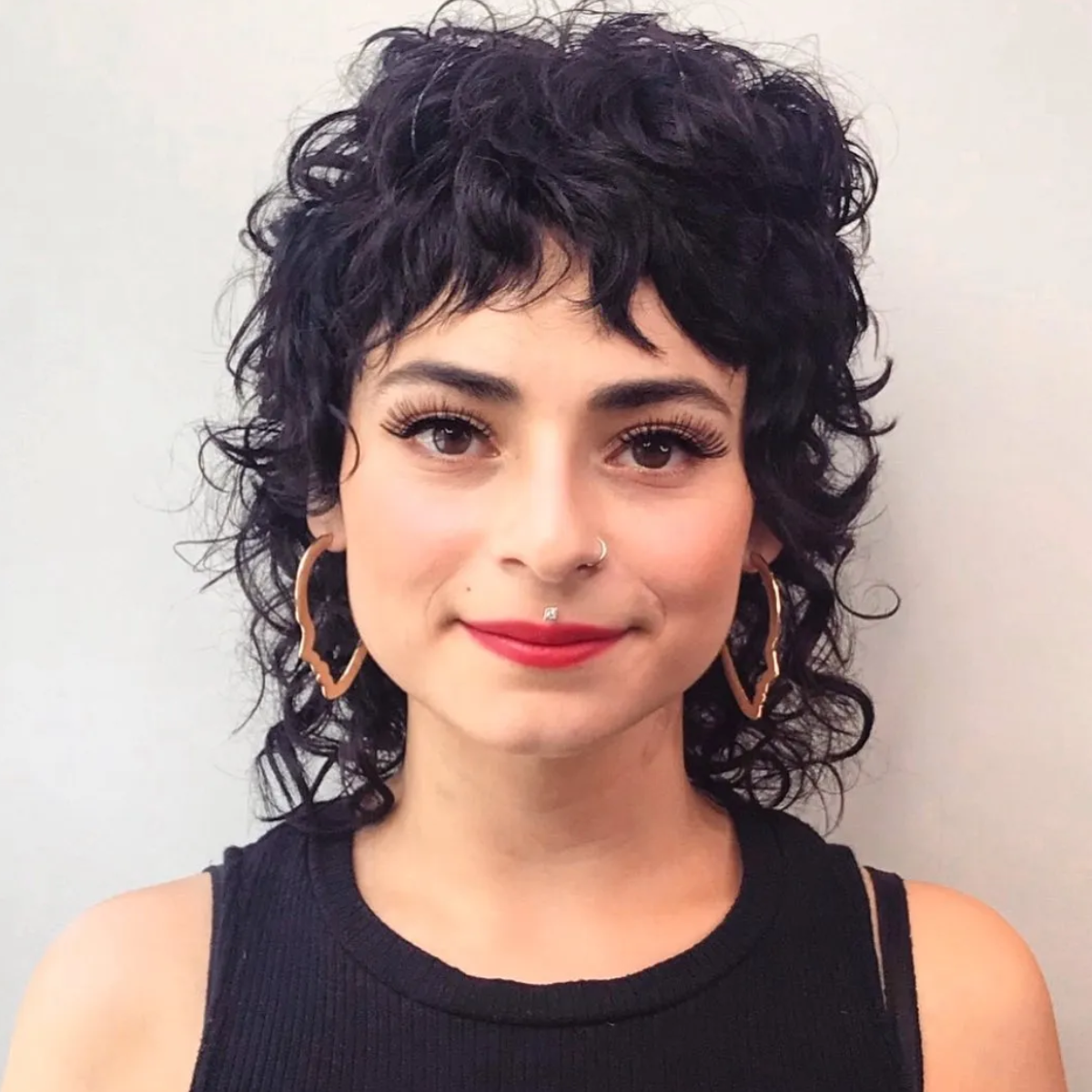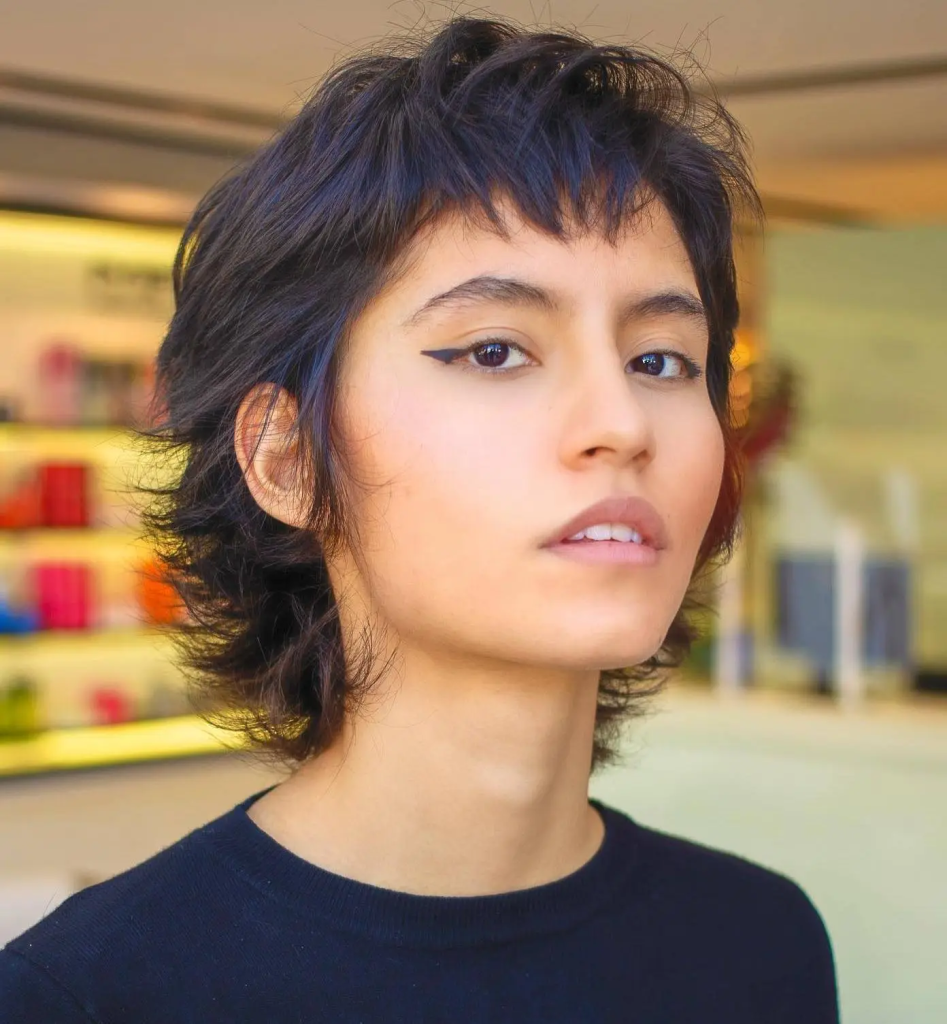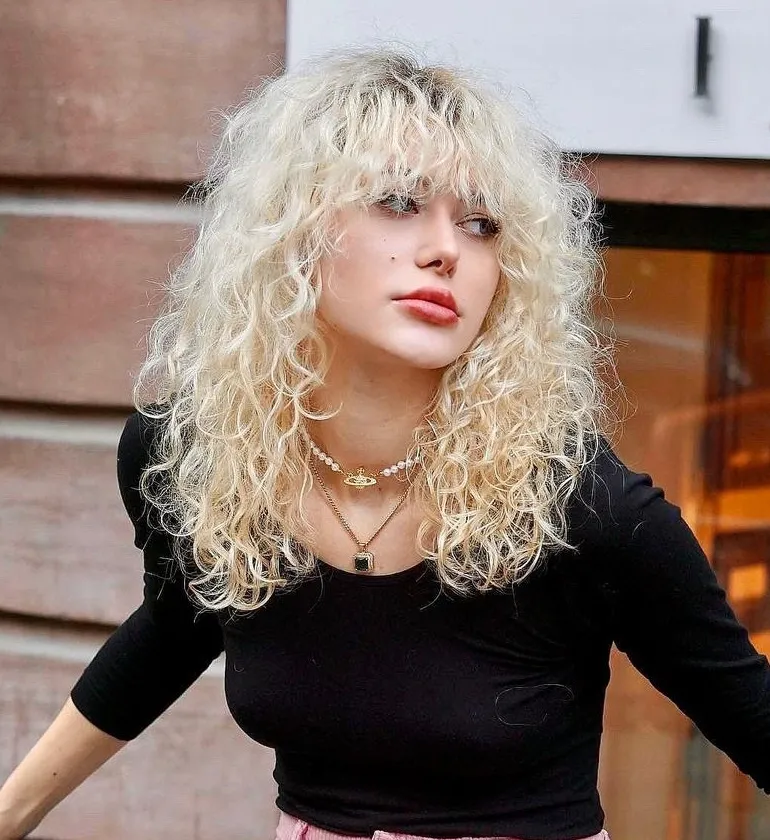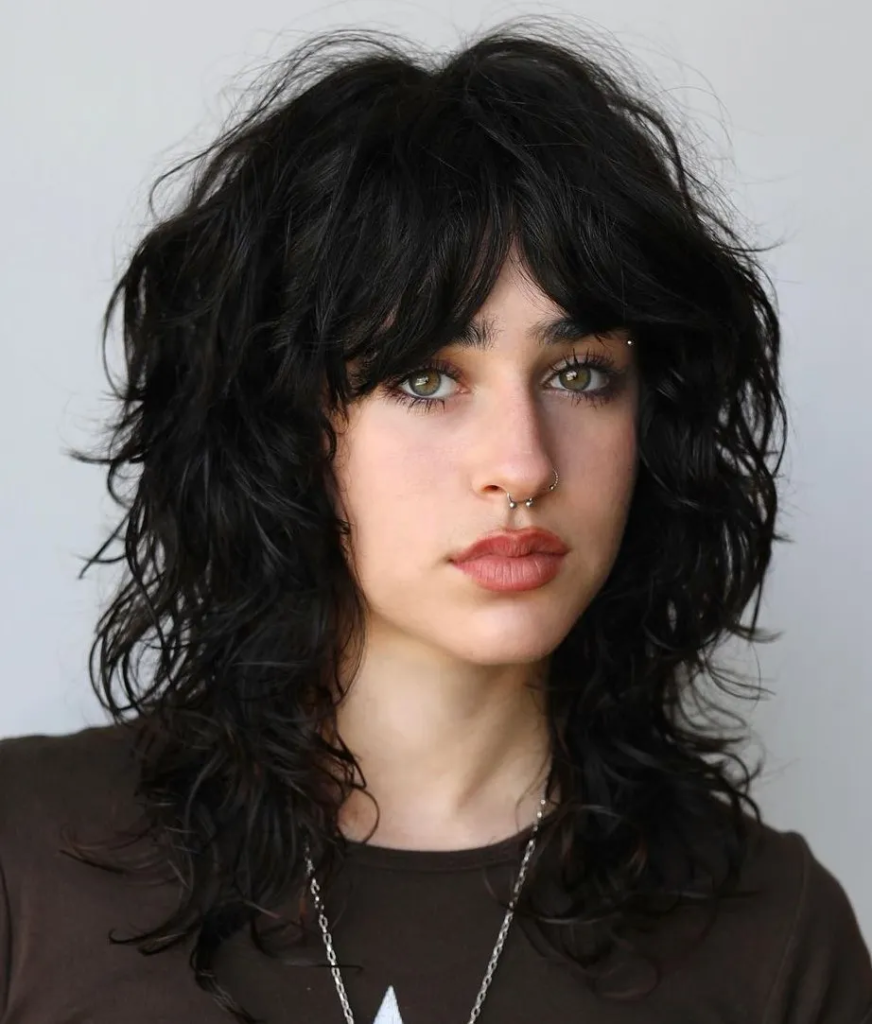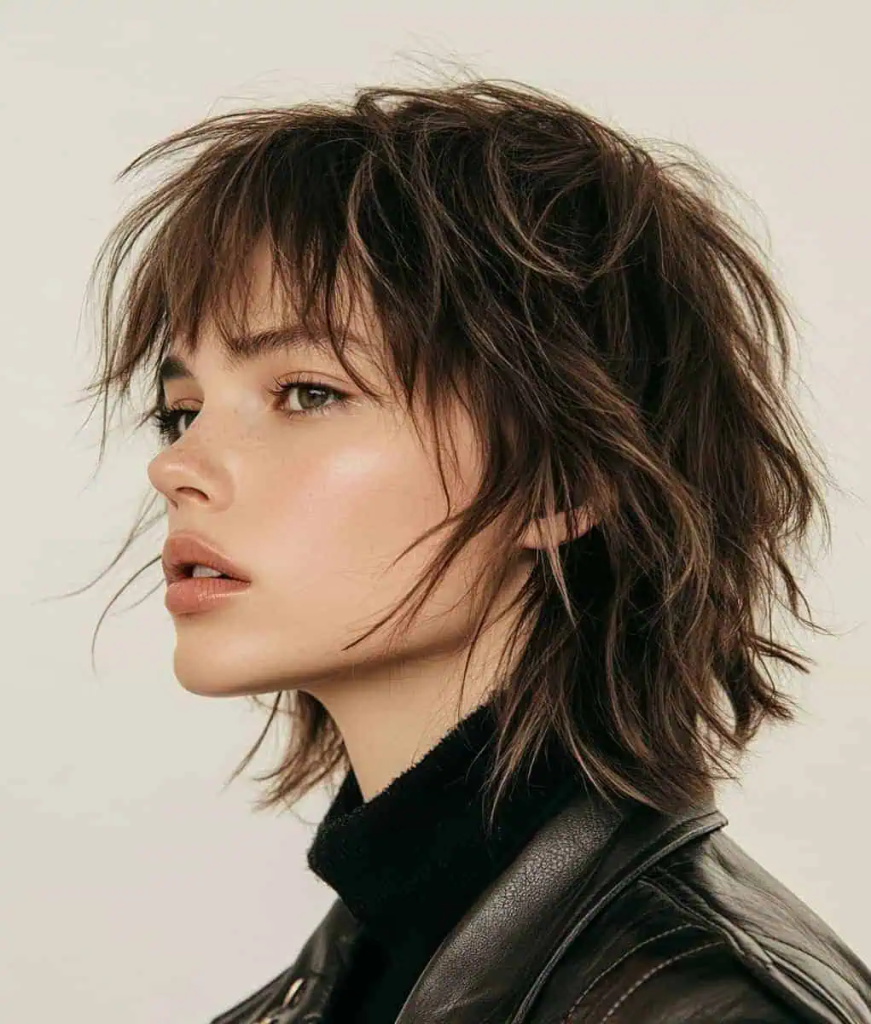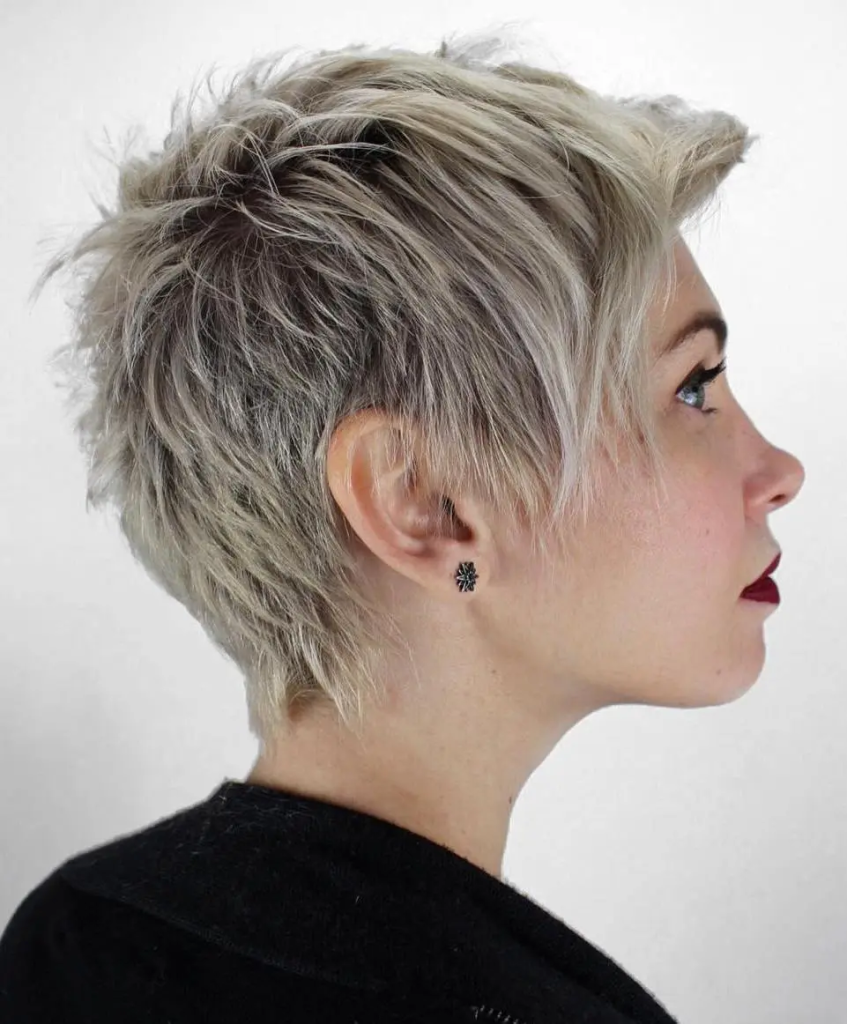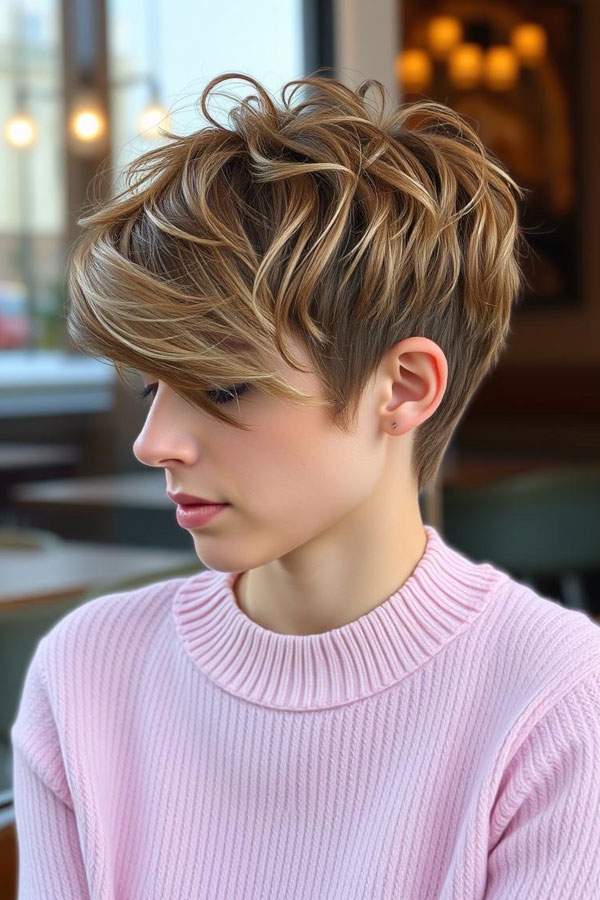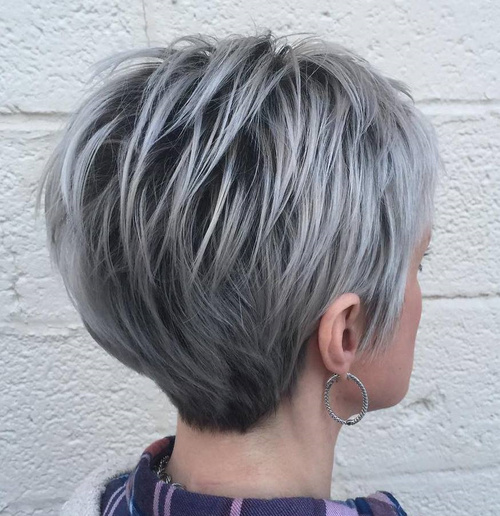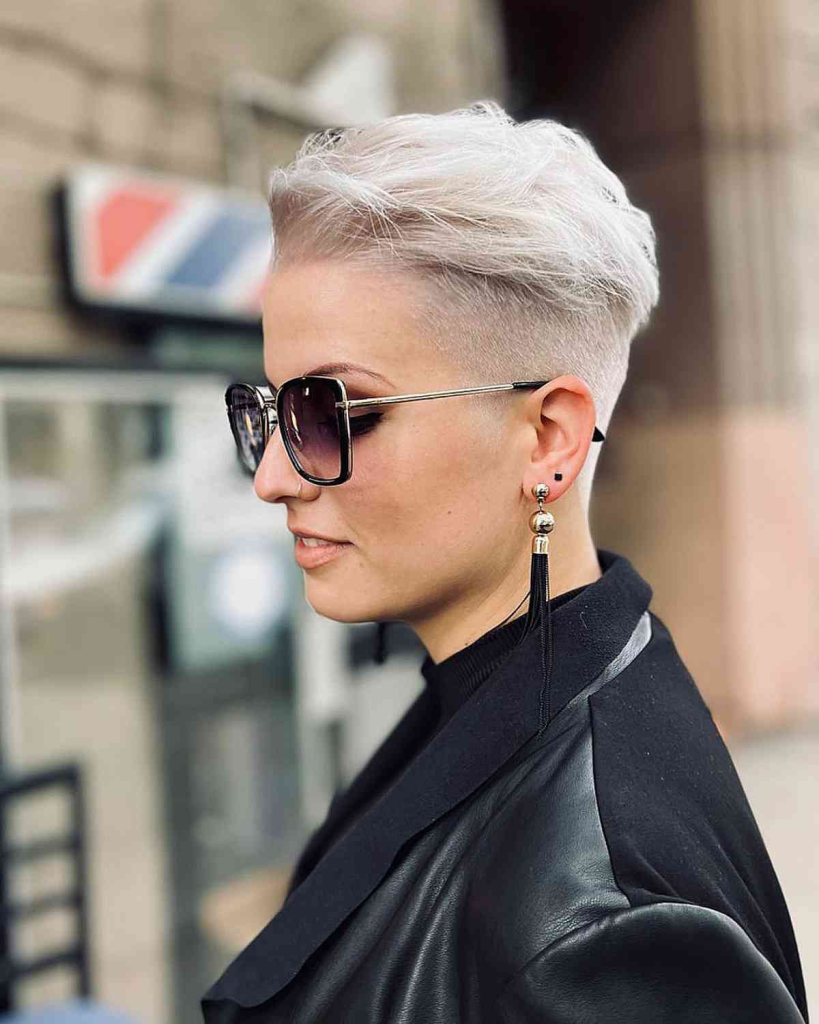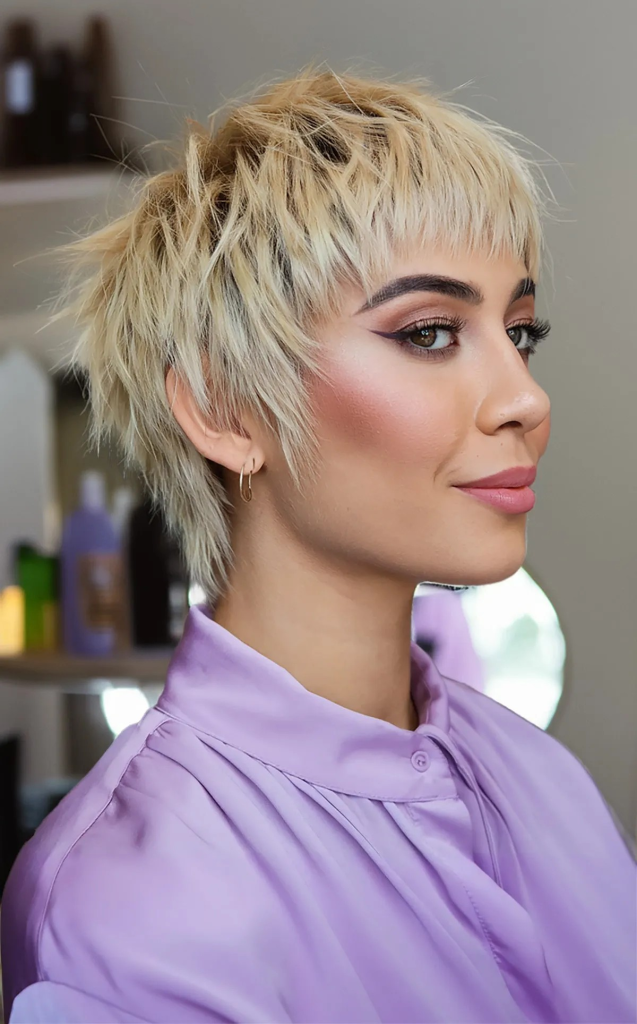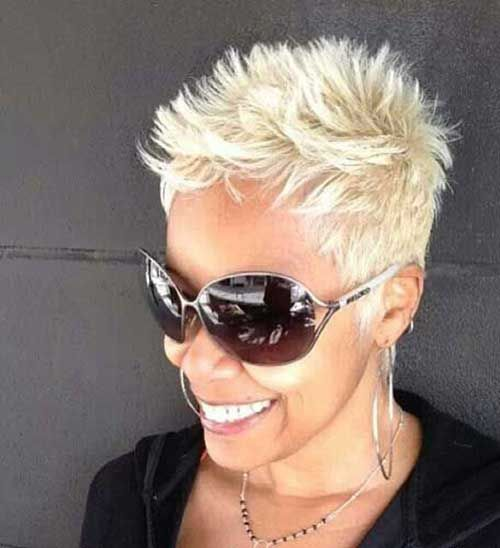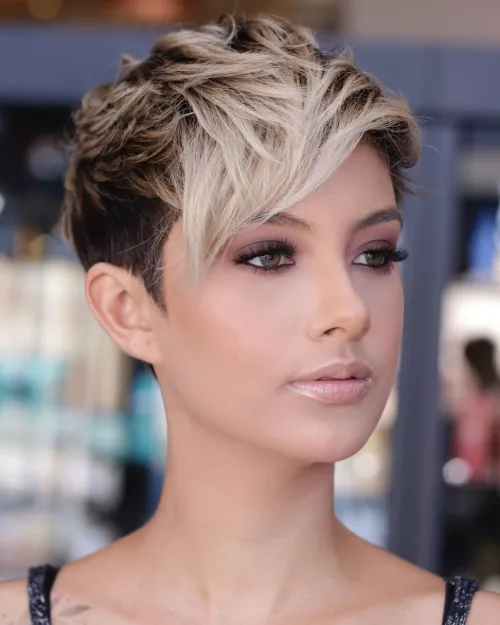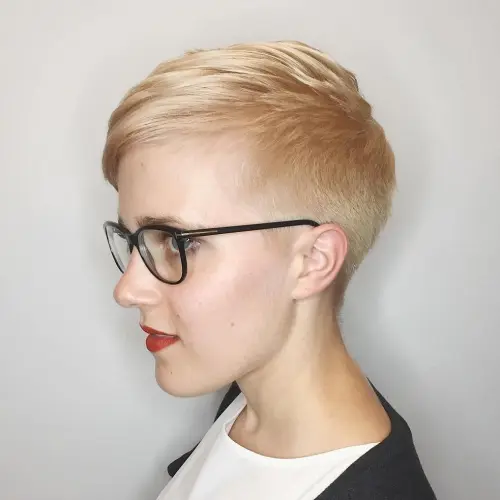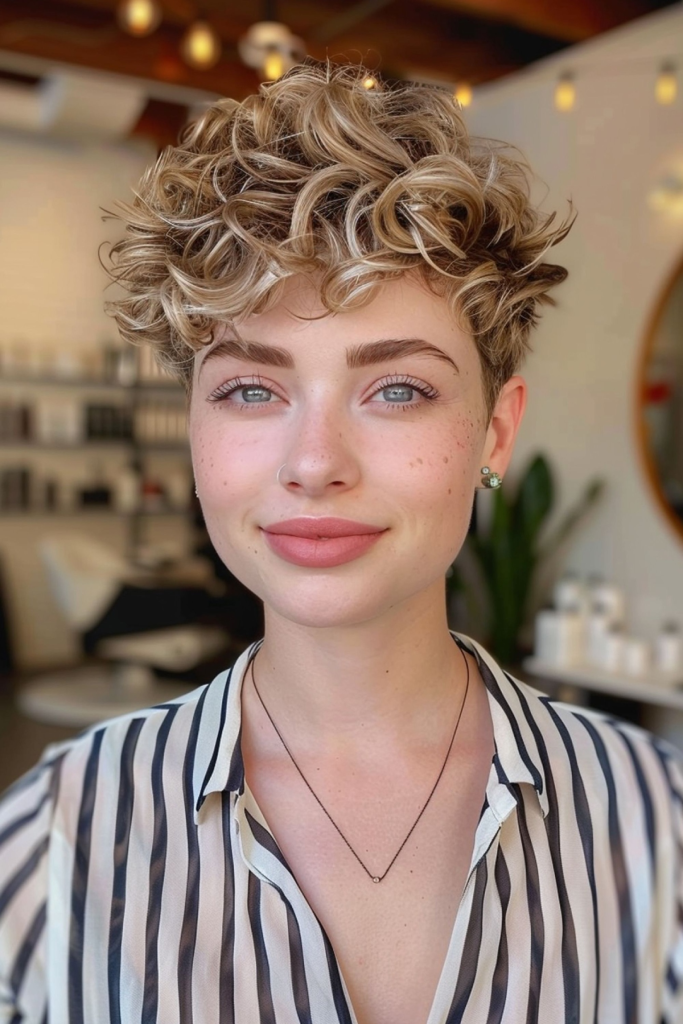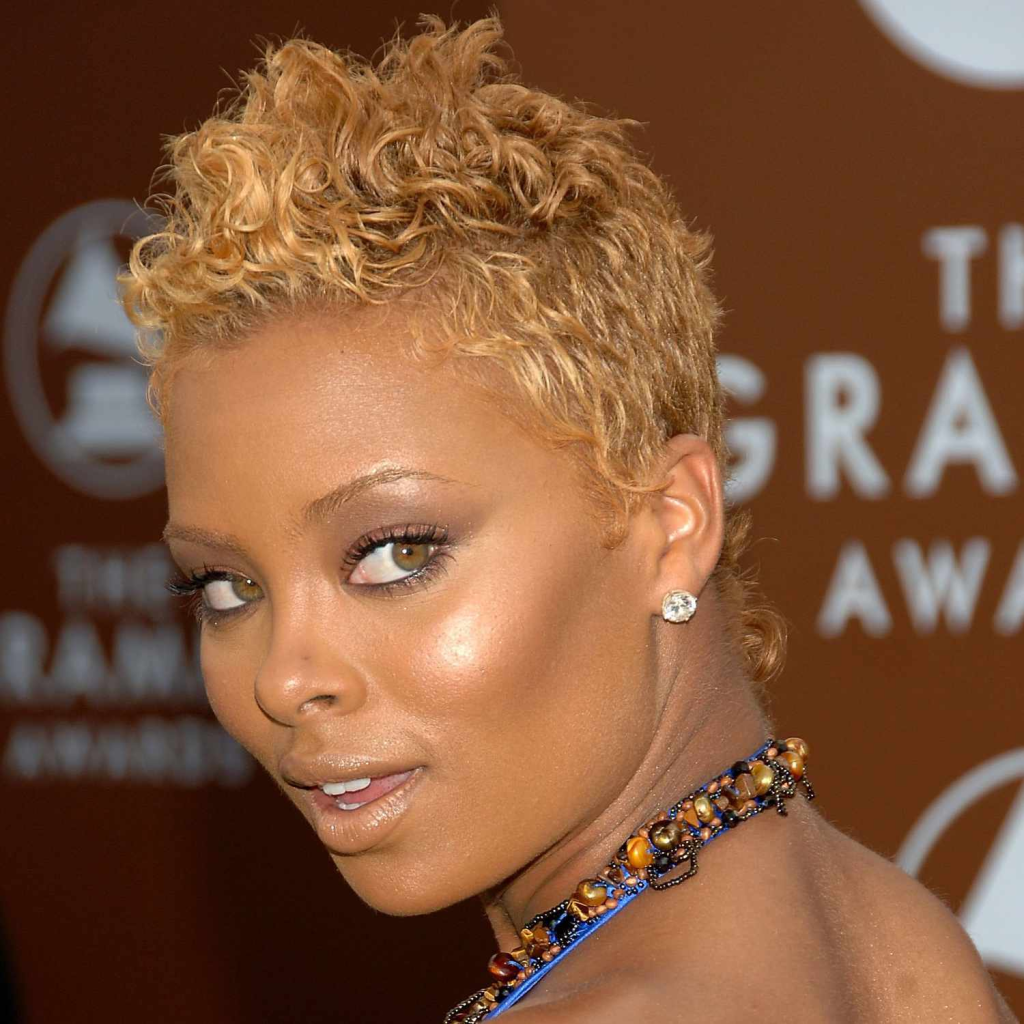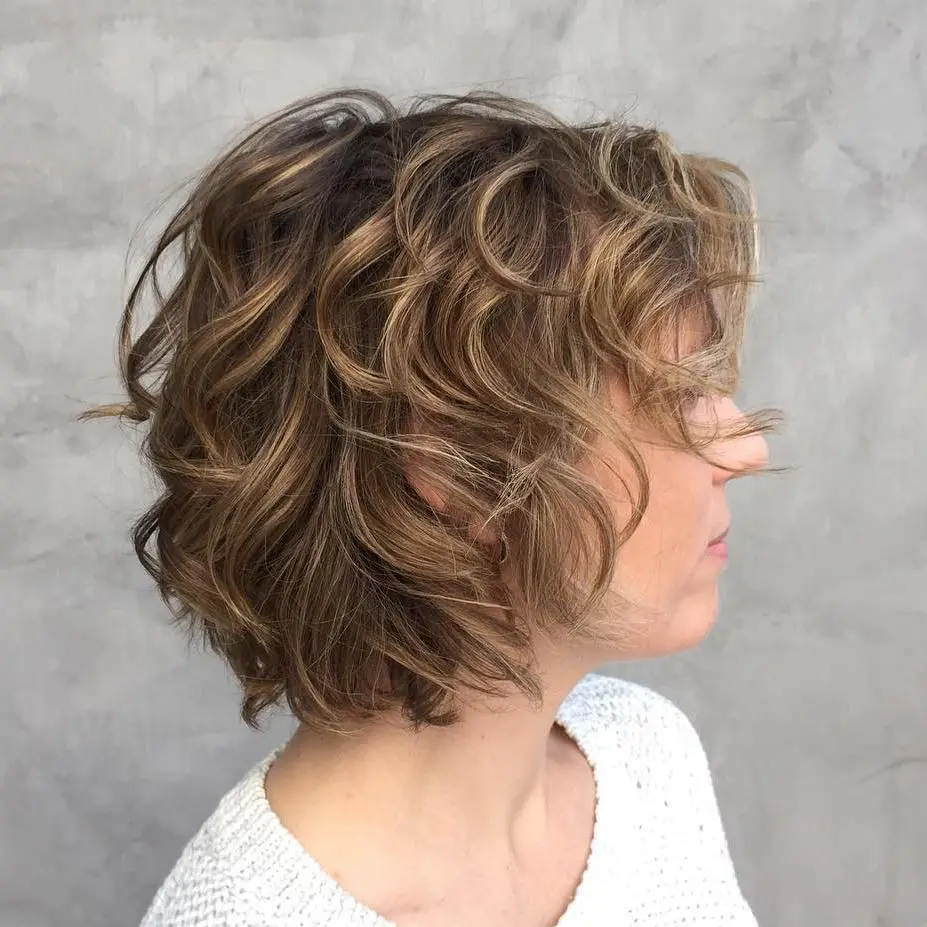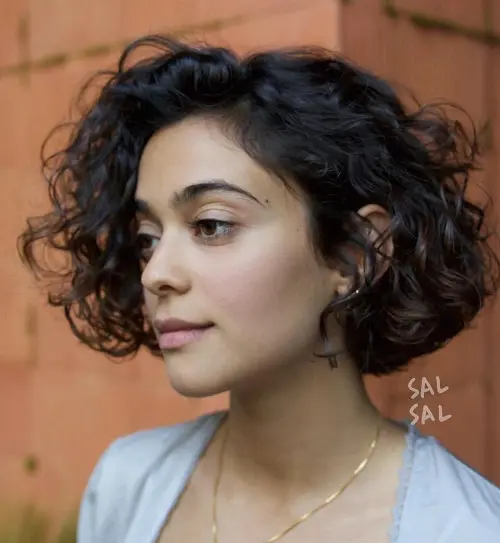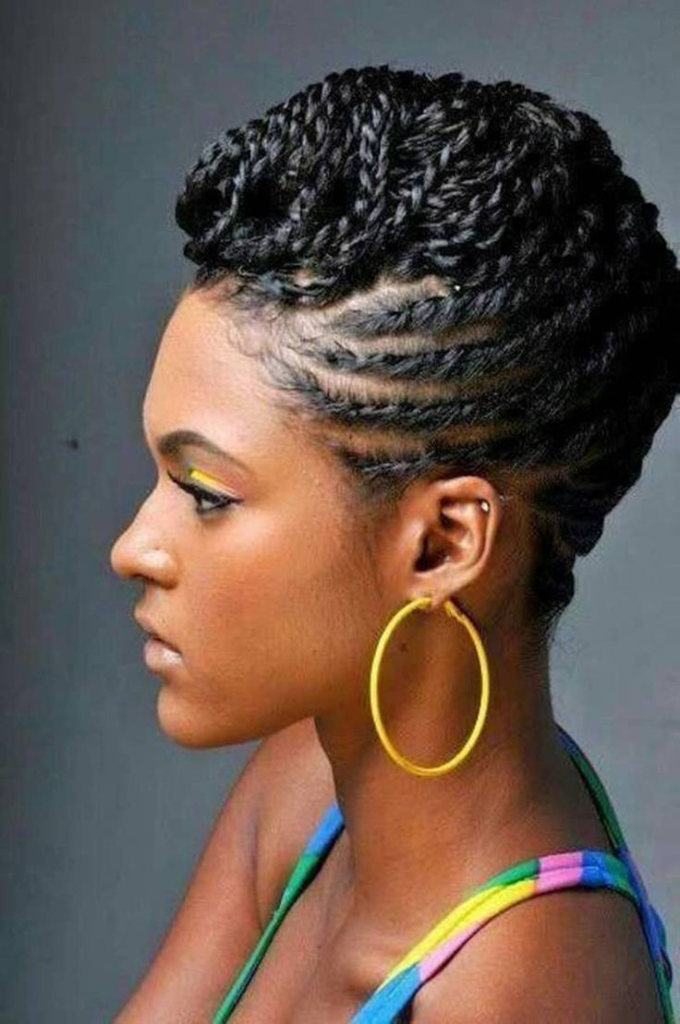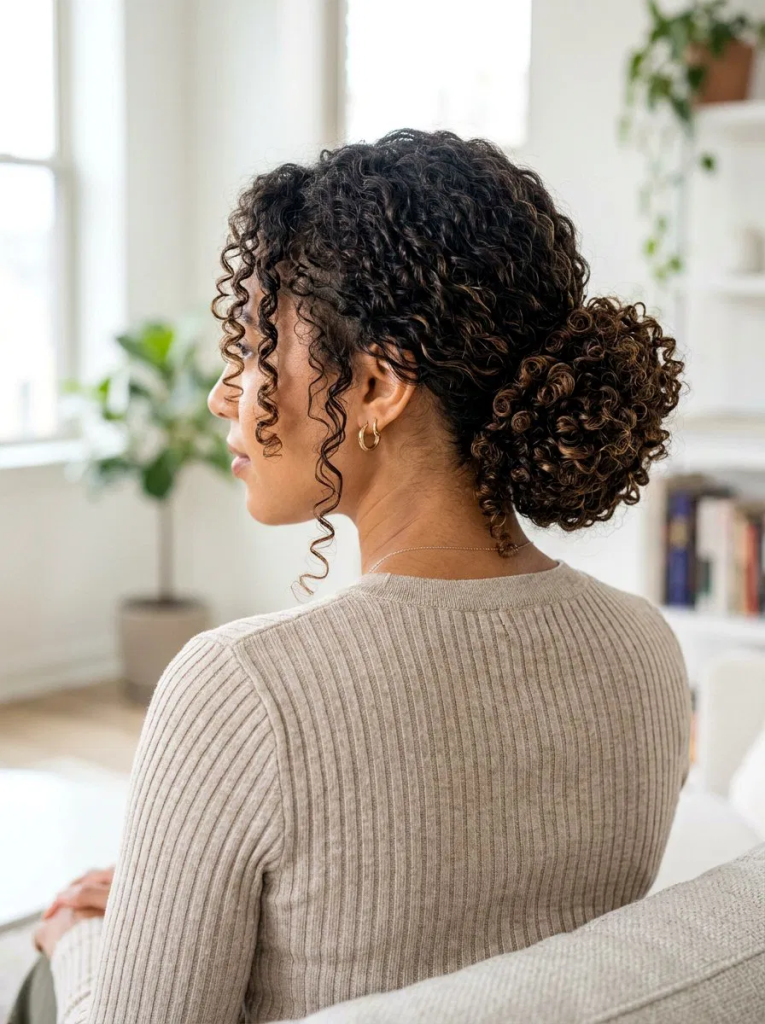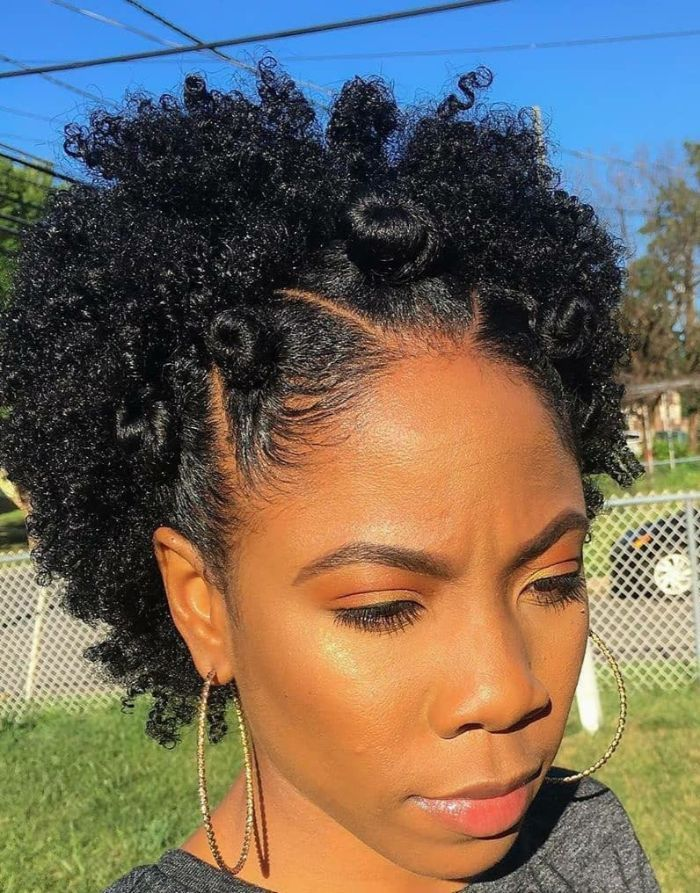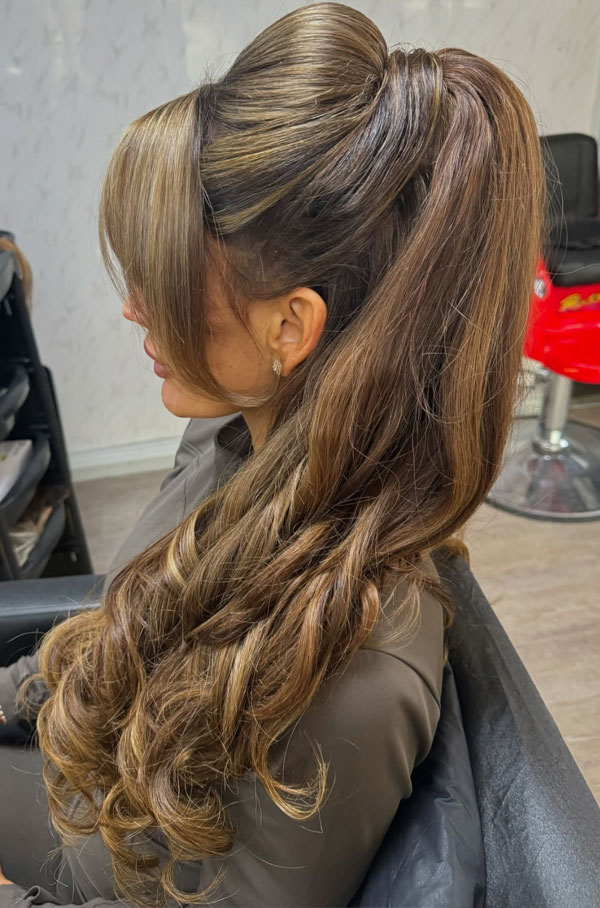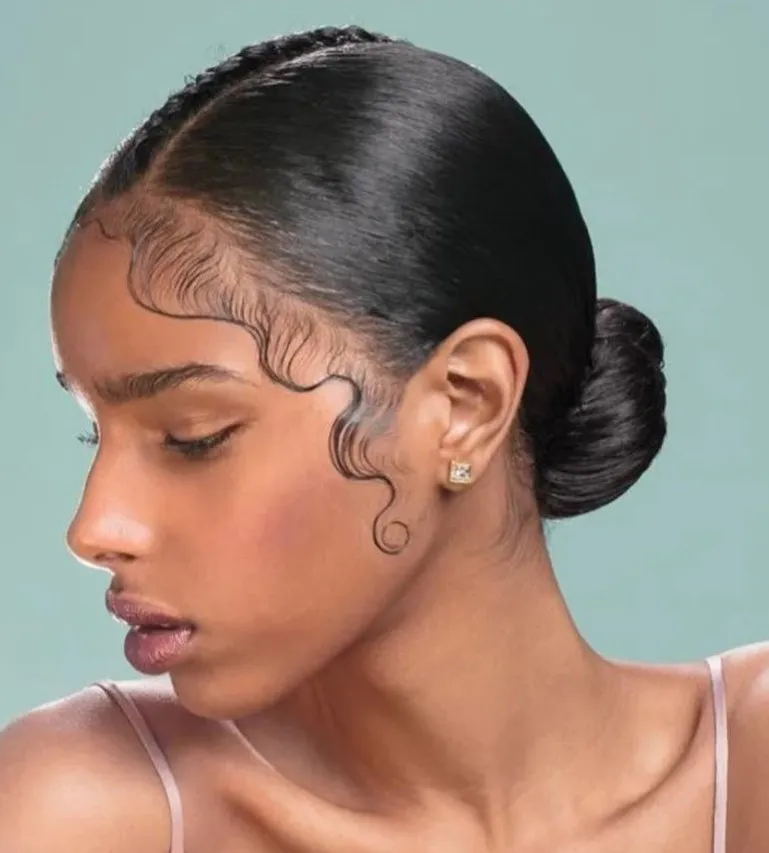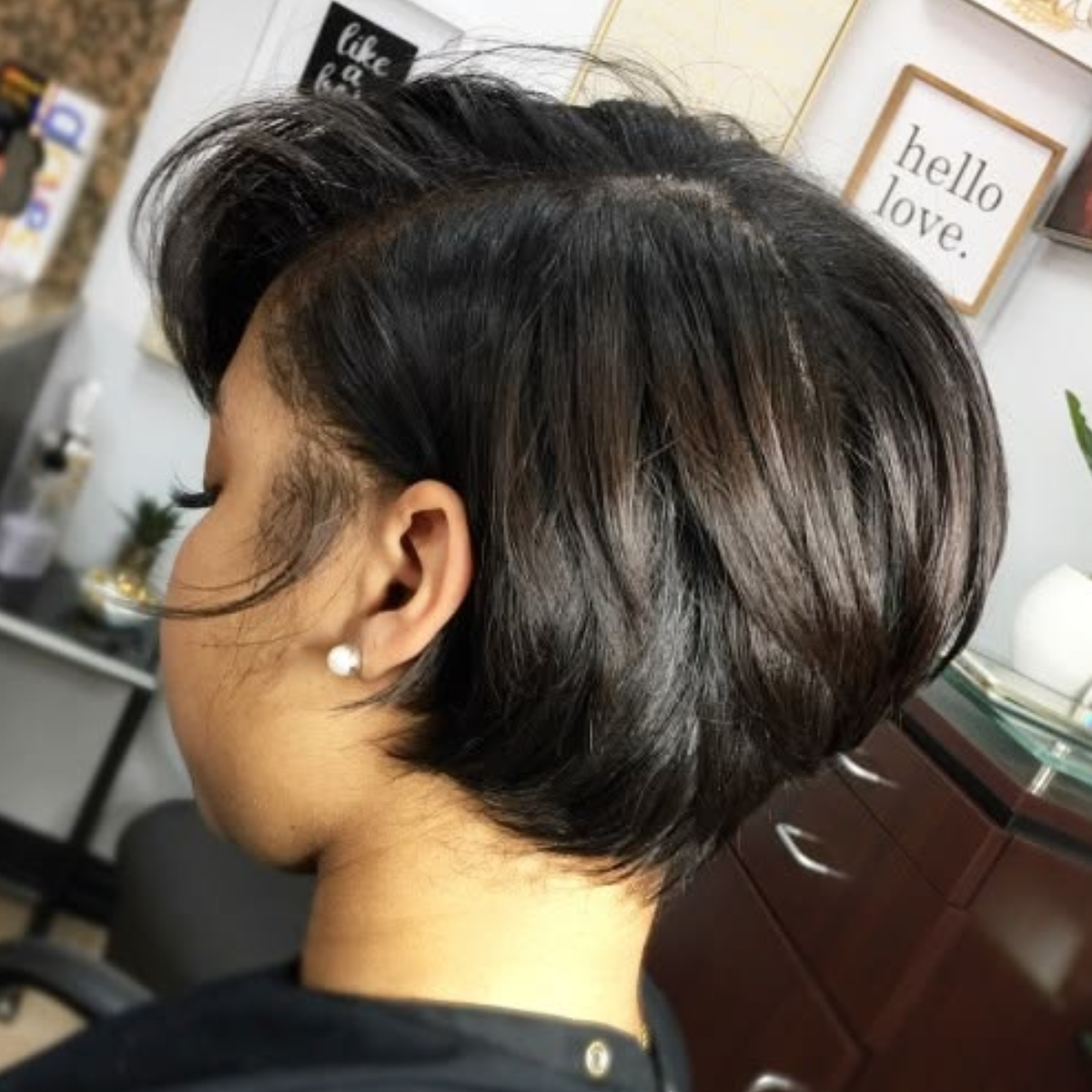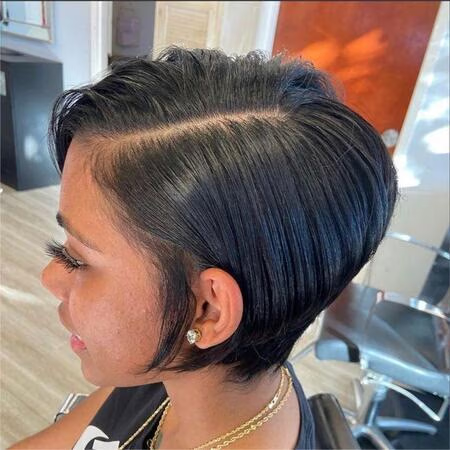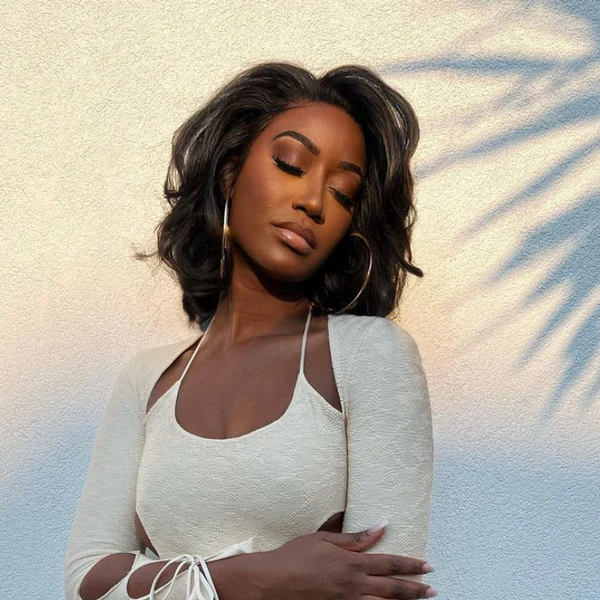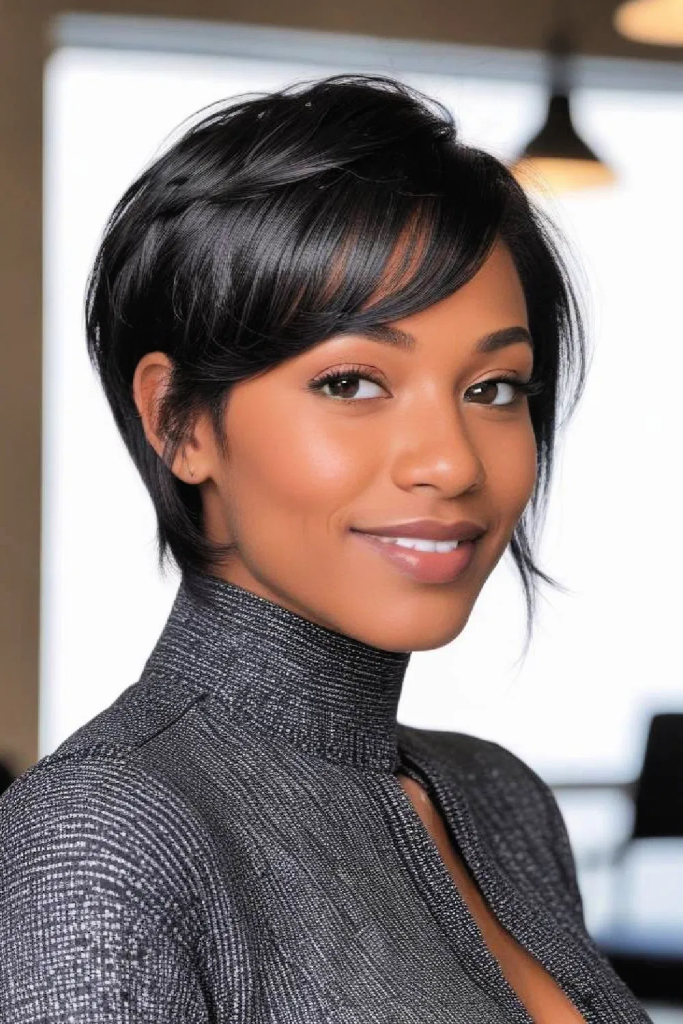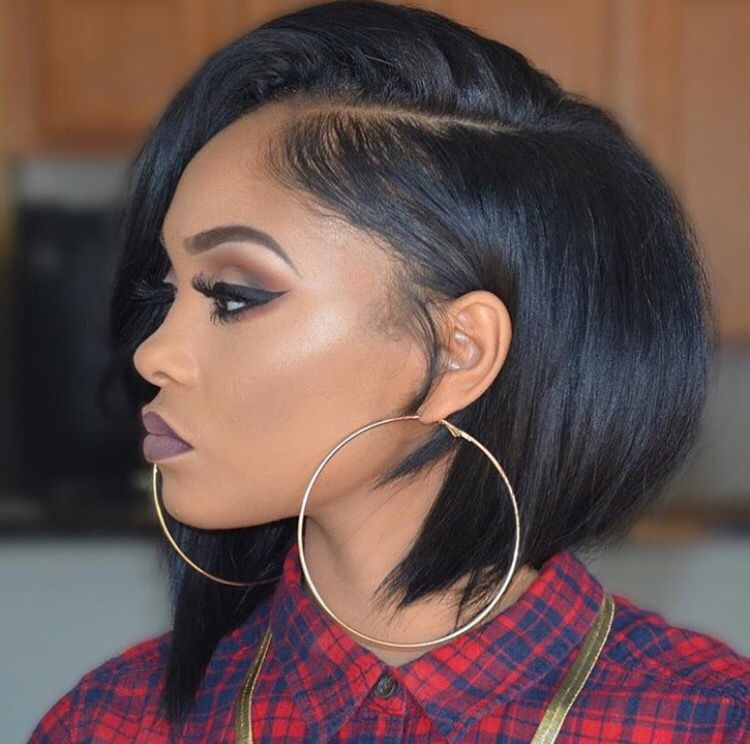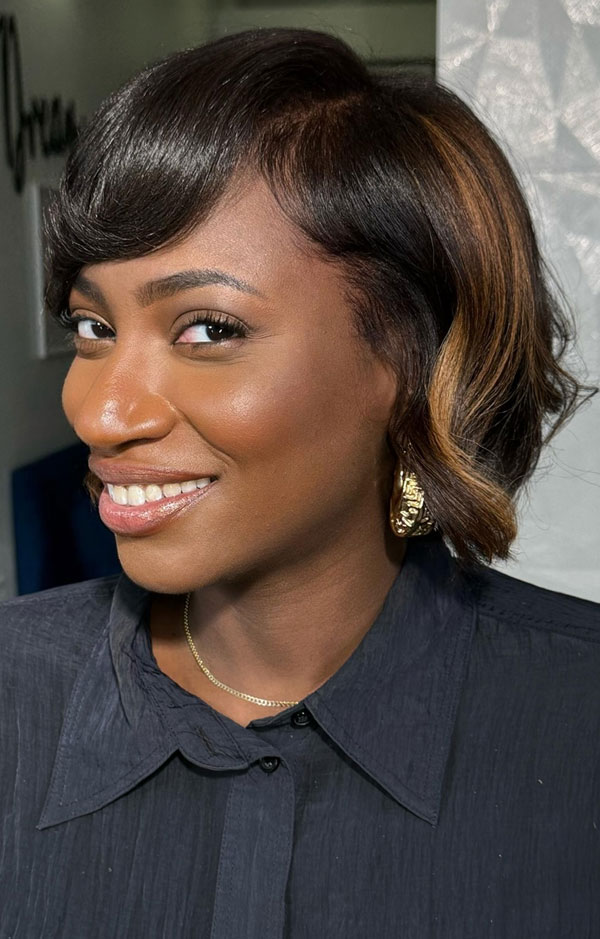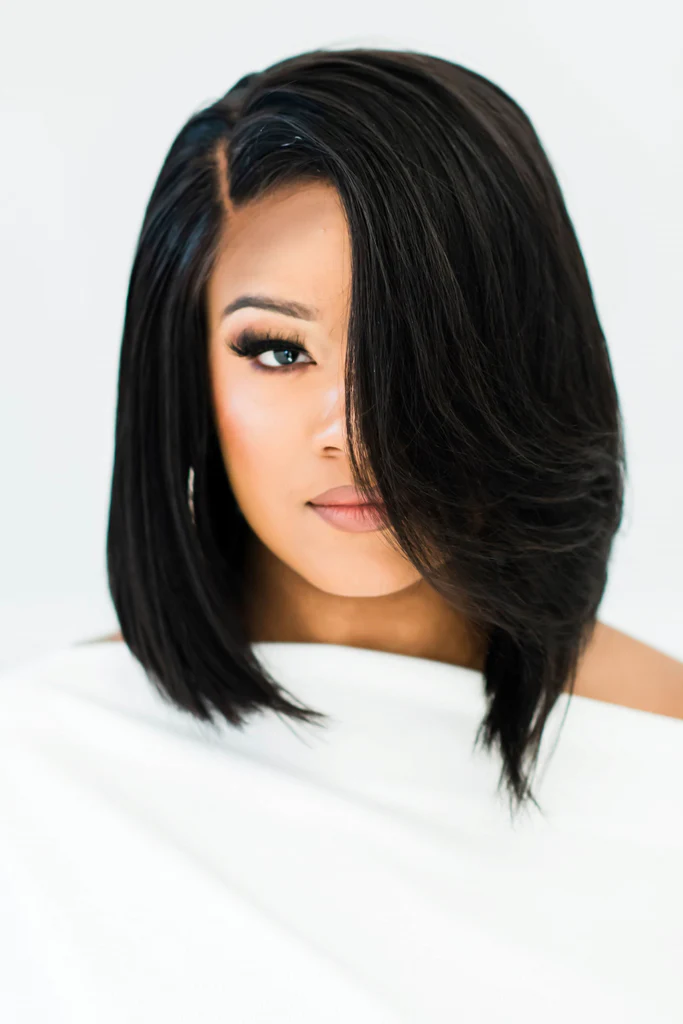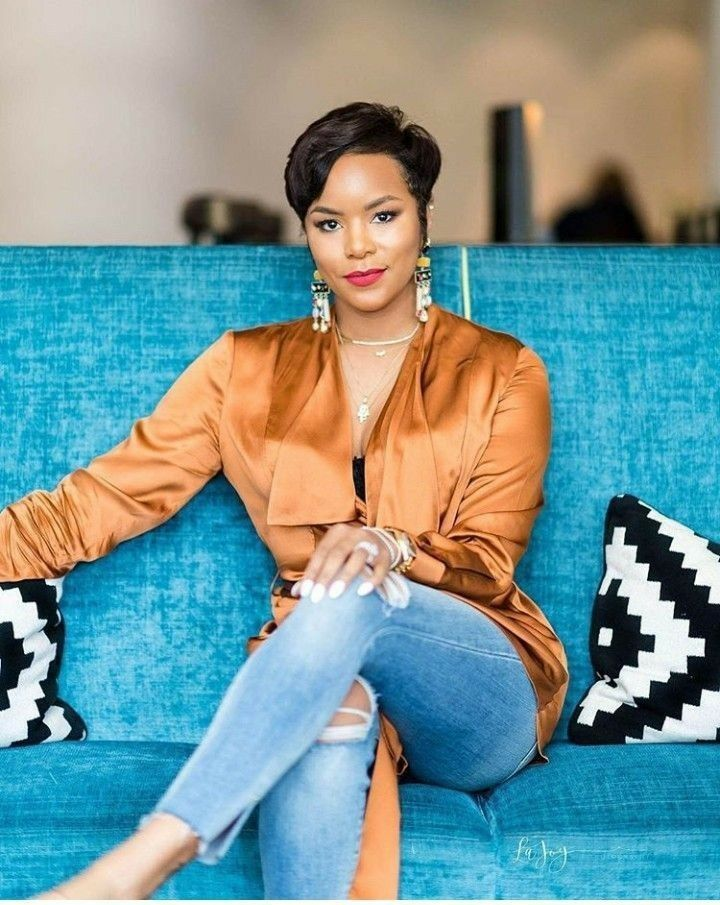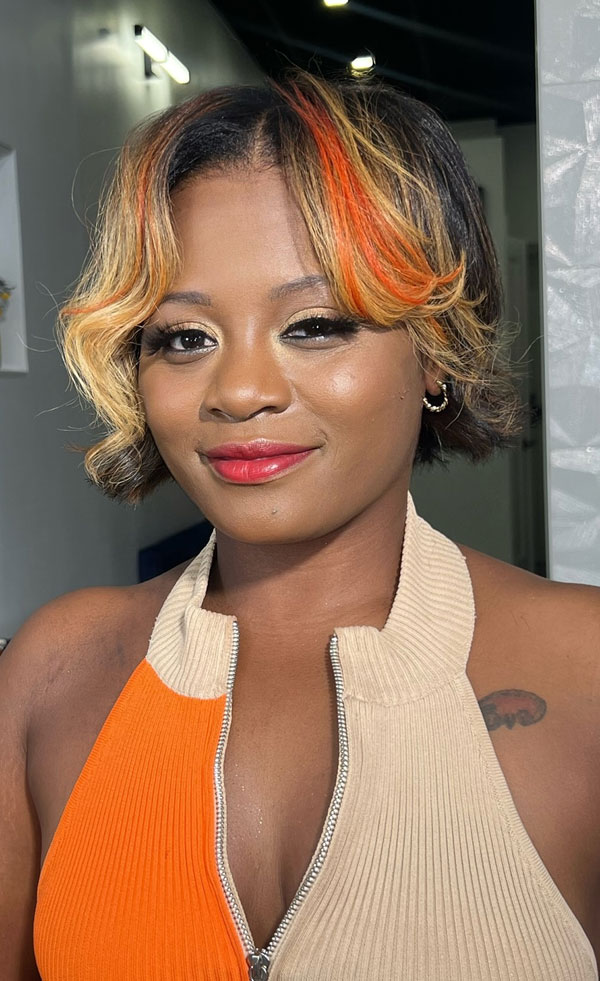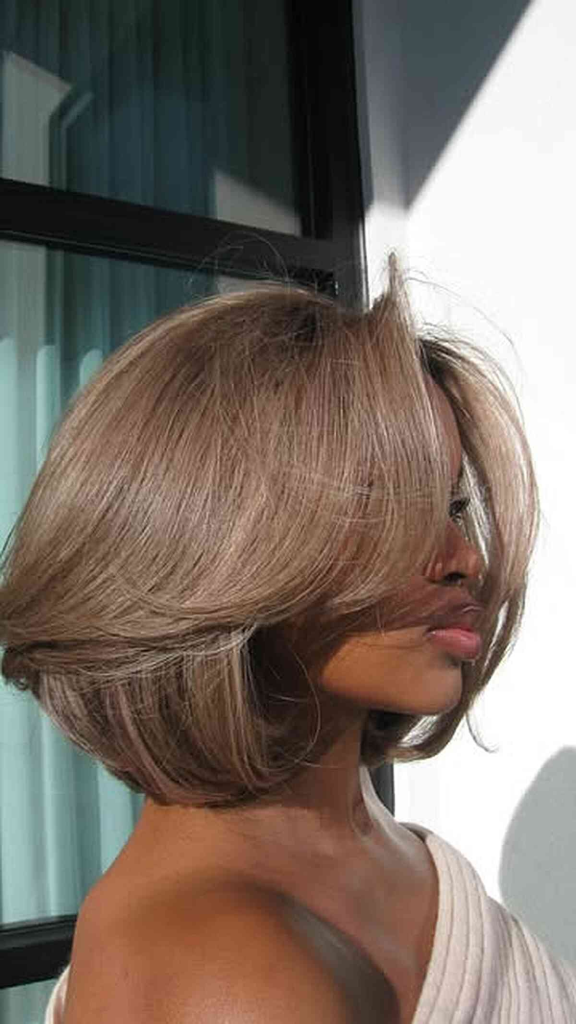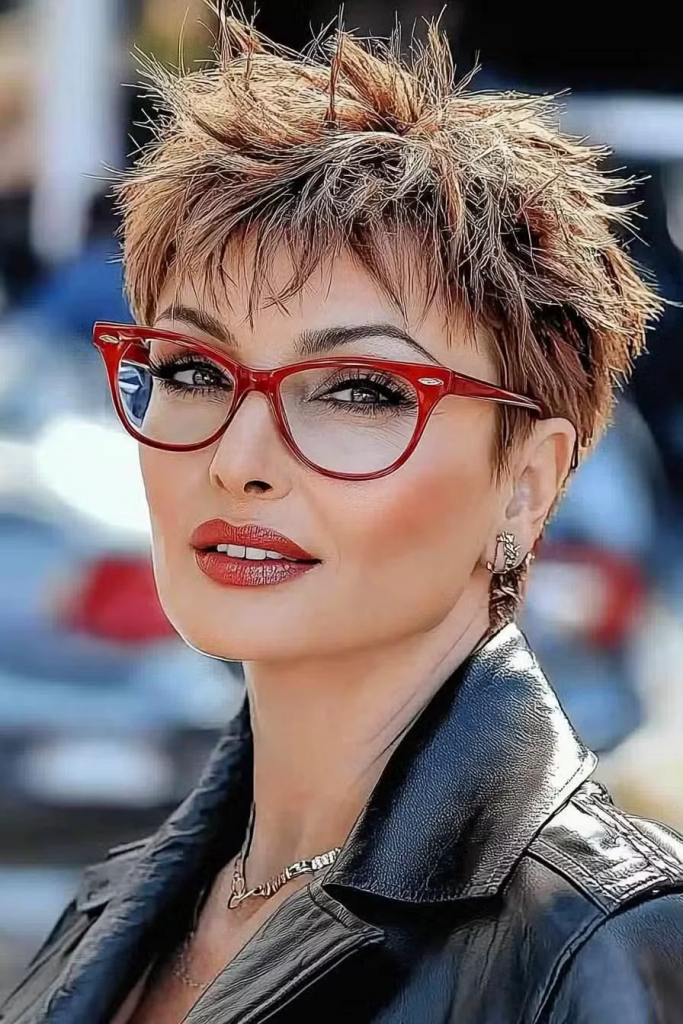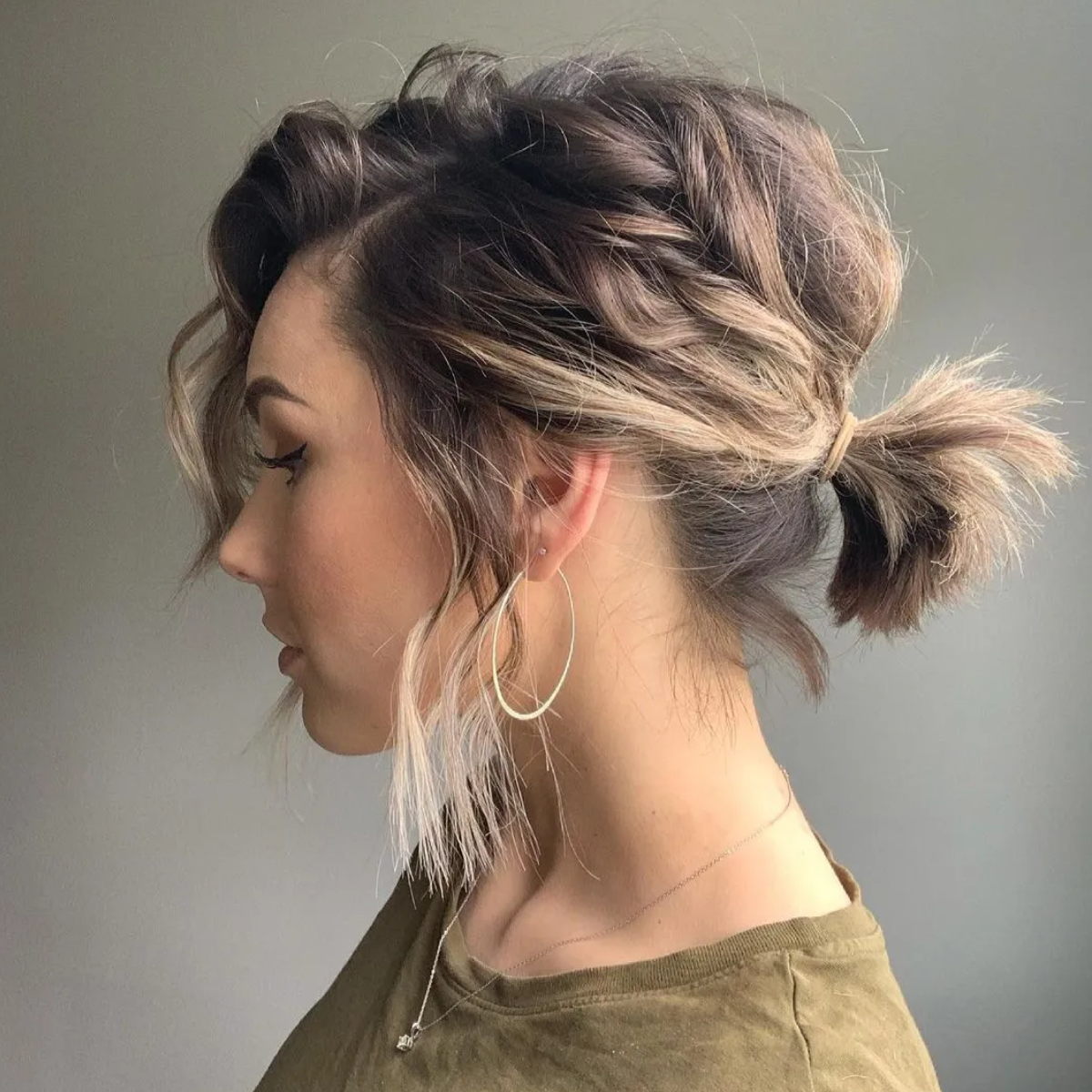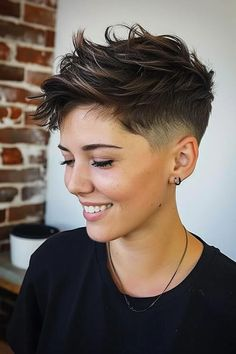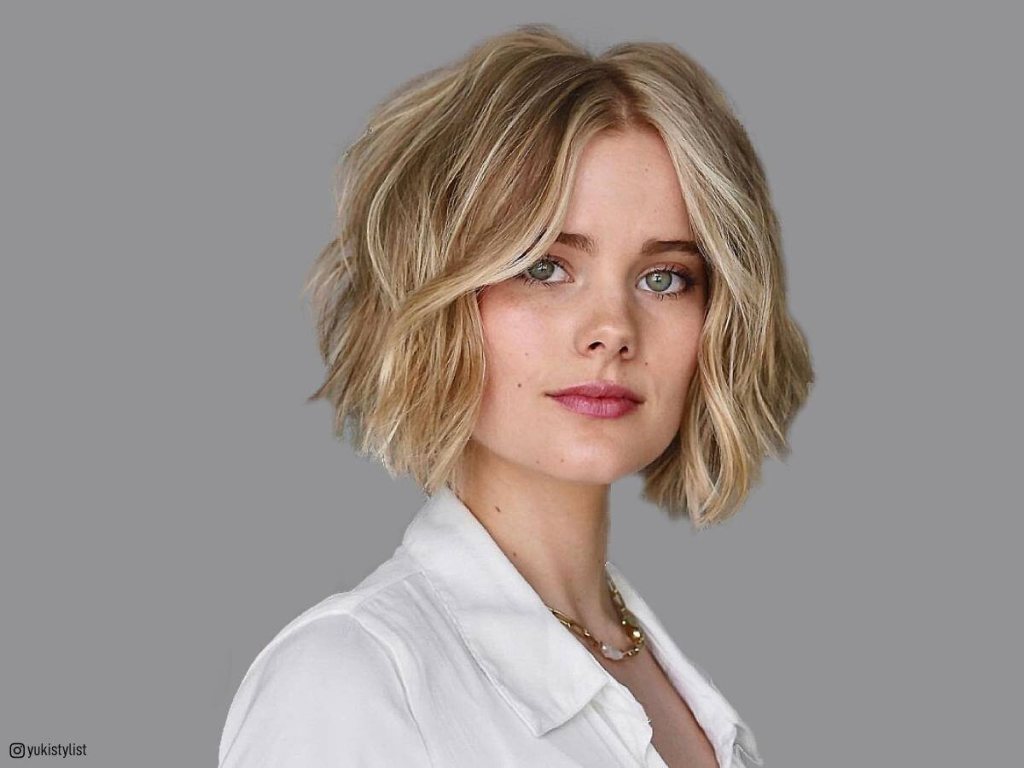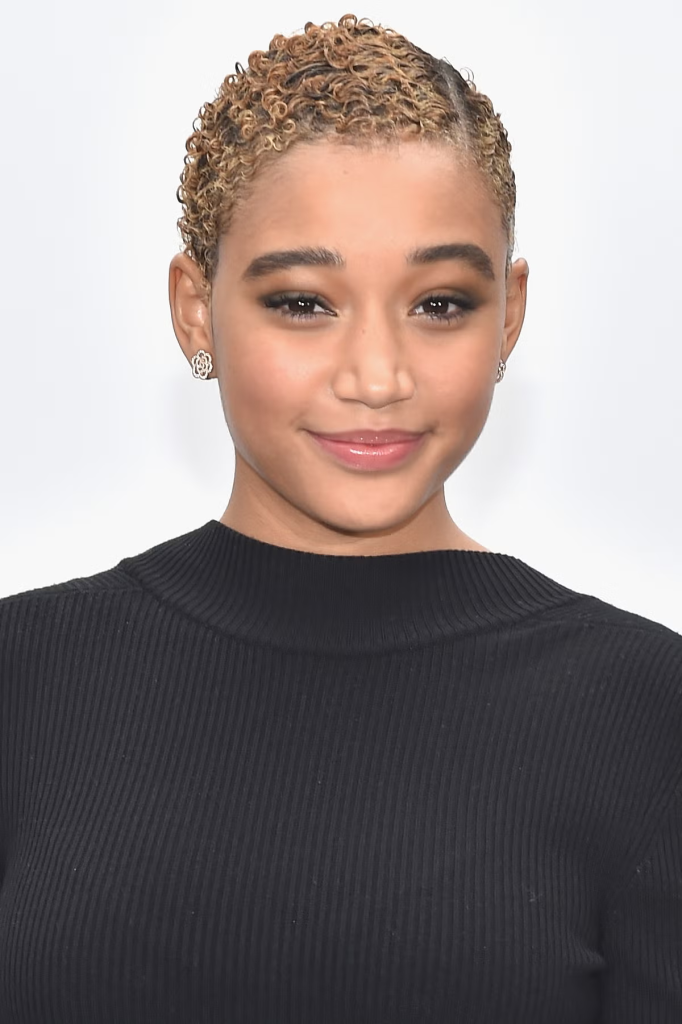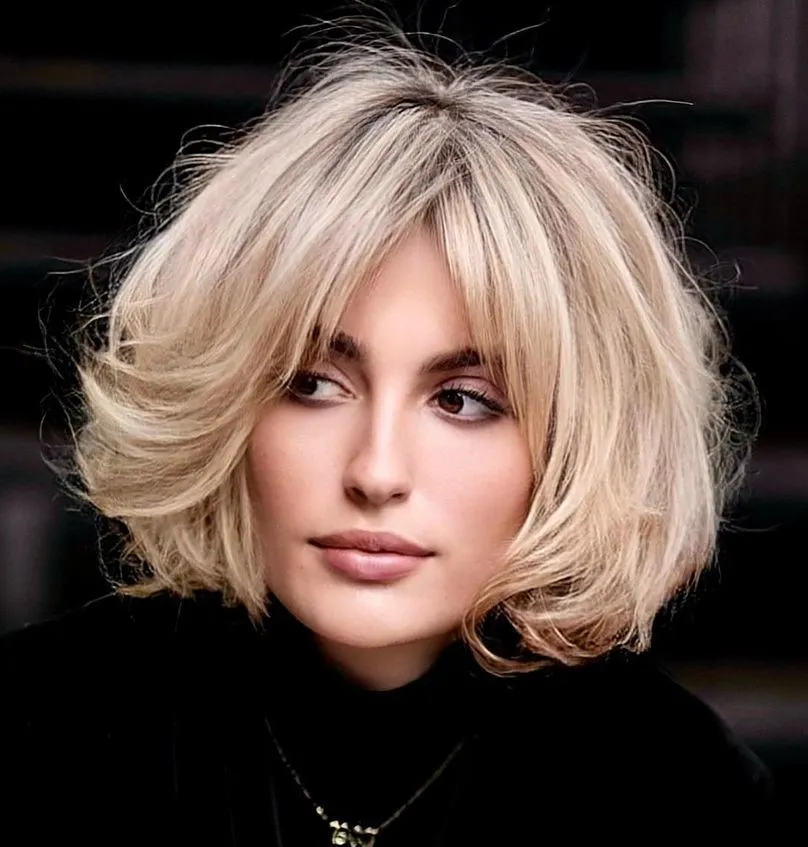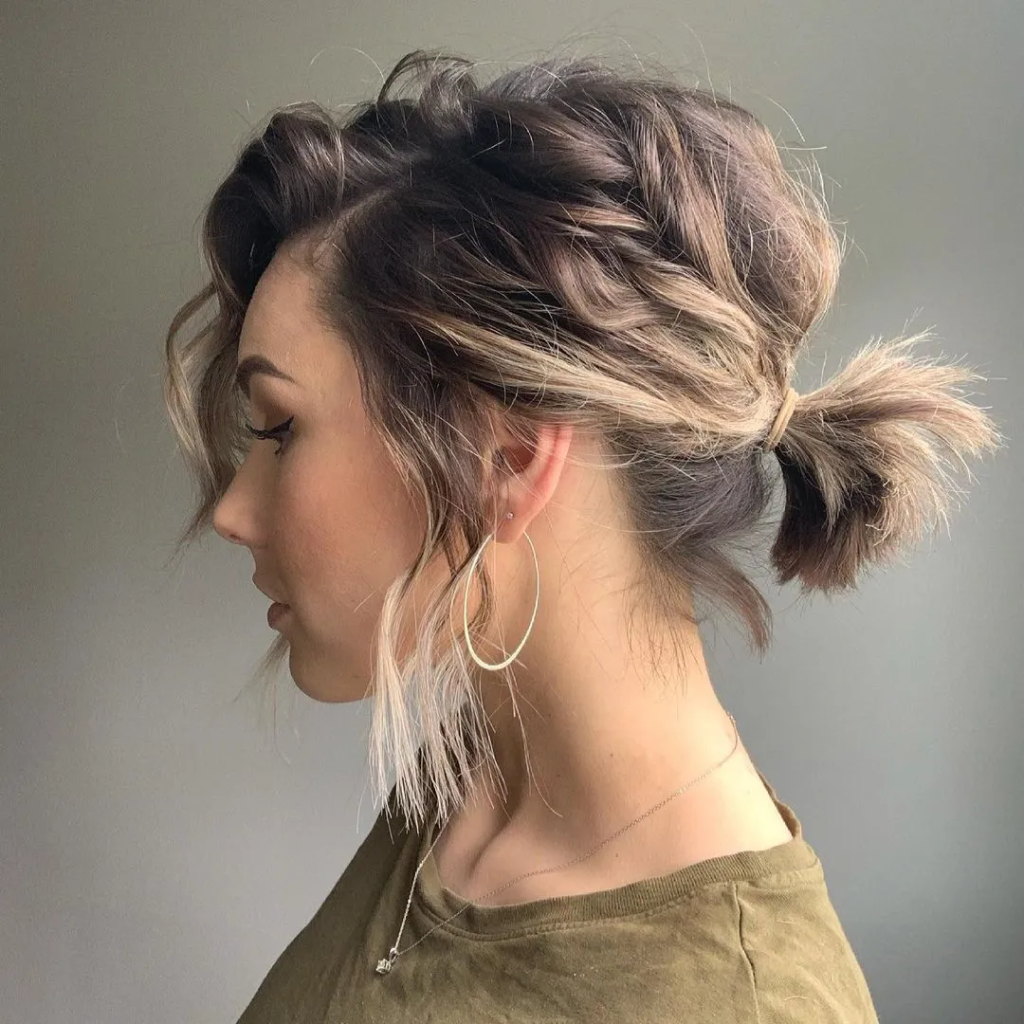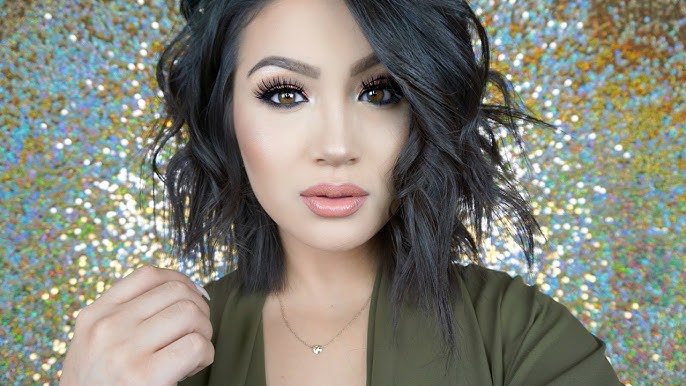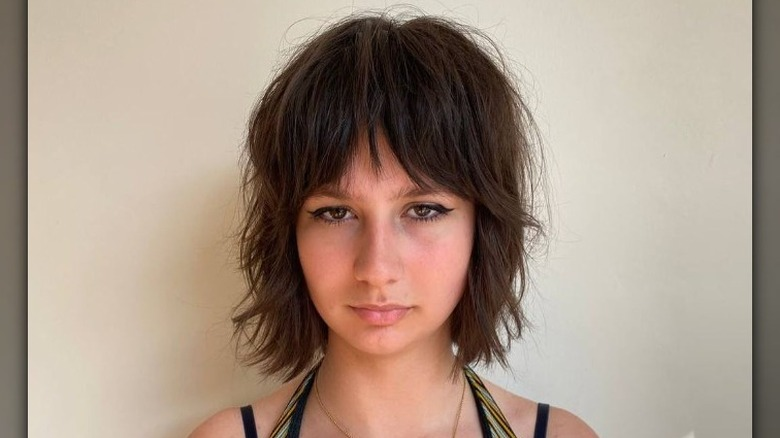
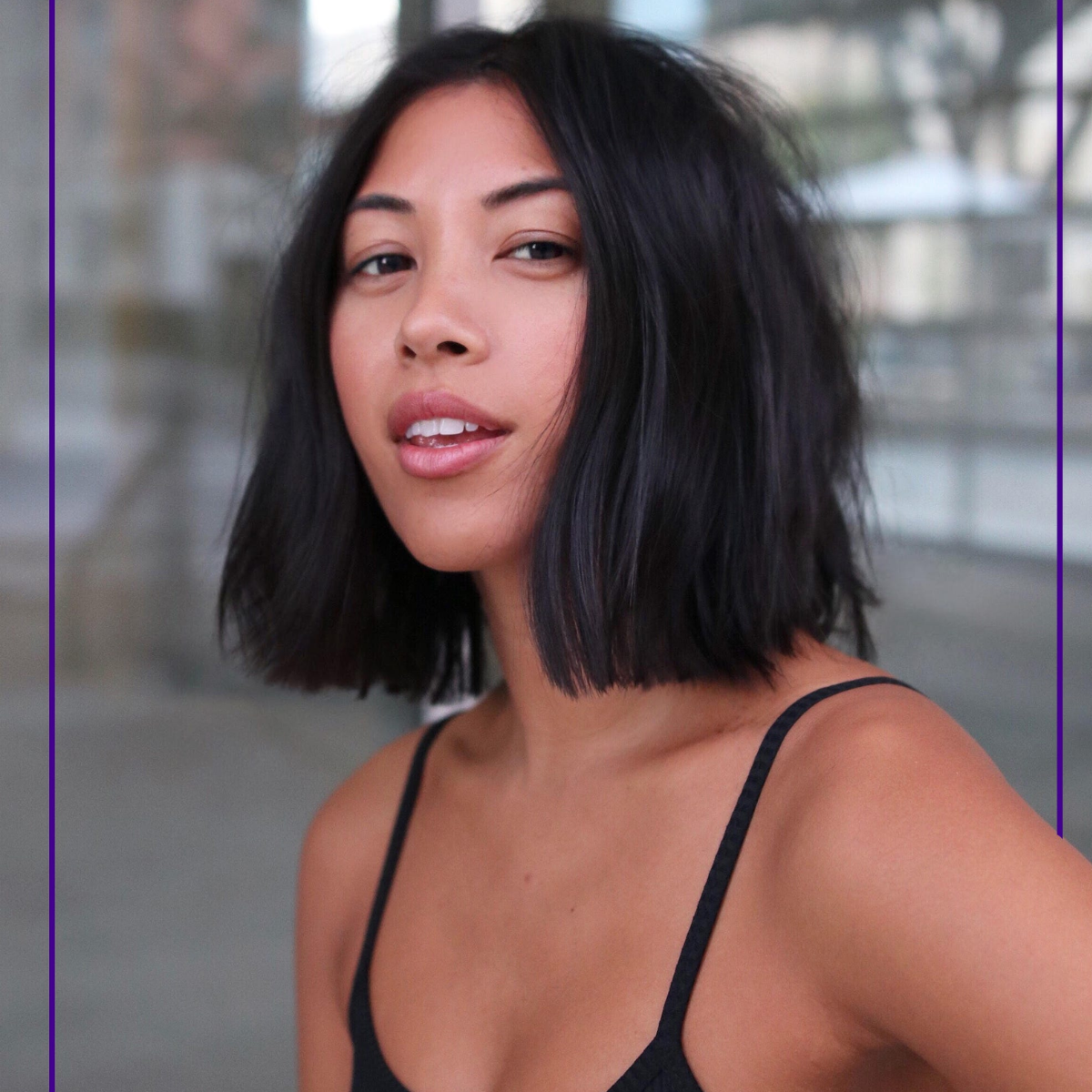
Black hair is beautiful and versatile. A choppy bob takes that beauty and adds edge. Choppy bob hairstyles for Black hair work on natural curls, relaxed hair, and transitioning textures. The choppy layers remove bulk, add movement, and create shape. The right choppy bob prevents the triangle effect that can happen with curly or coily hair. The result is a bob that moves, breathes, and frames your face beautifully.
What makes a great choppy bob for Black hair is the strategic placement of the layers. Natural hair needs dry cutting to account for shrinkage. Relaxed hair needs soft layers that do not make the ends look thin. Choppy bob hairstyles for Black hair also benefit from tapered sides that remove width and stacked backs that add volume. The goal is texture, movement, and a shape that flatters your features.
The 12 styles below range from curly choppy bobs to relaxed textured bobs. Some keep the perimeter blunt. Others go for disconnected layers. All are designed for Black hair textures. Let us explore these edgy, textured cuts.
12 Choppy Bob Hairstyles for Black Hair
1. Curly Choppy Bob (Dry Cut)
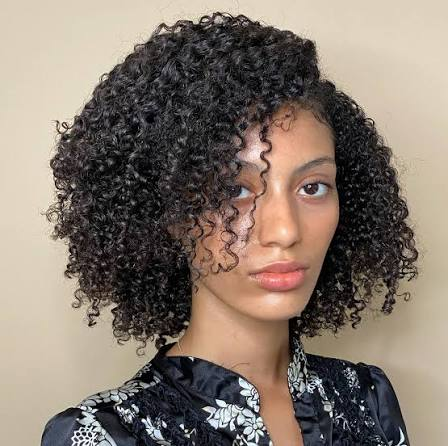
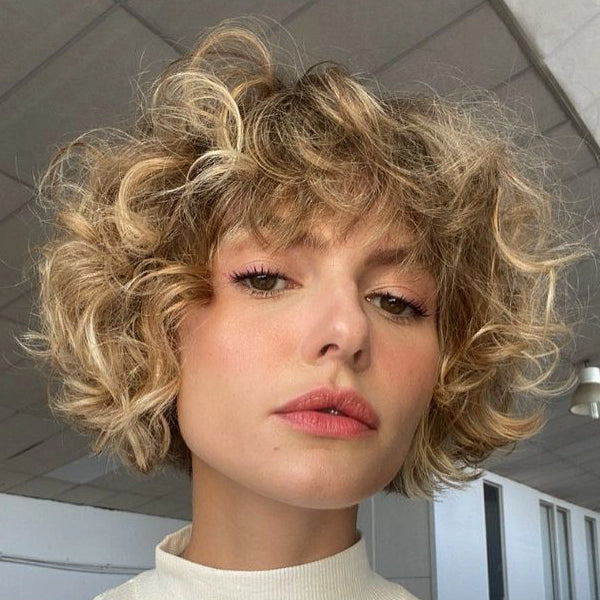
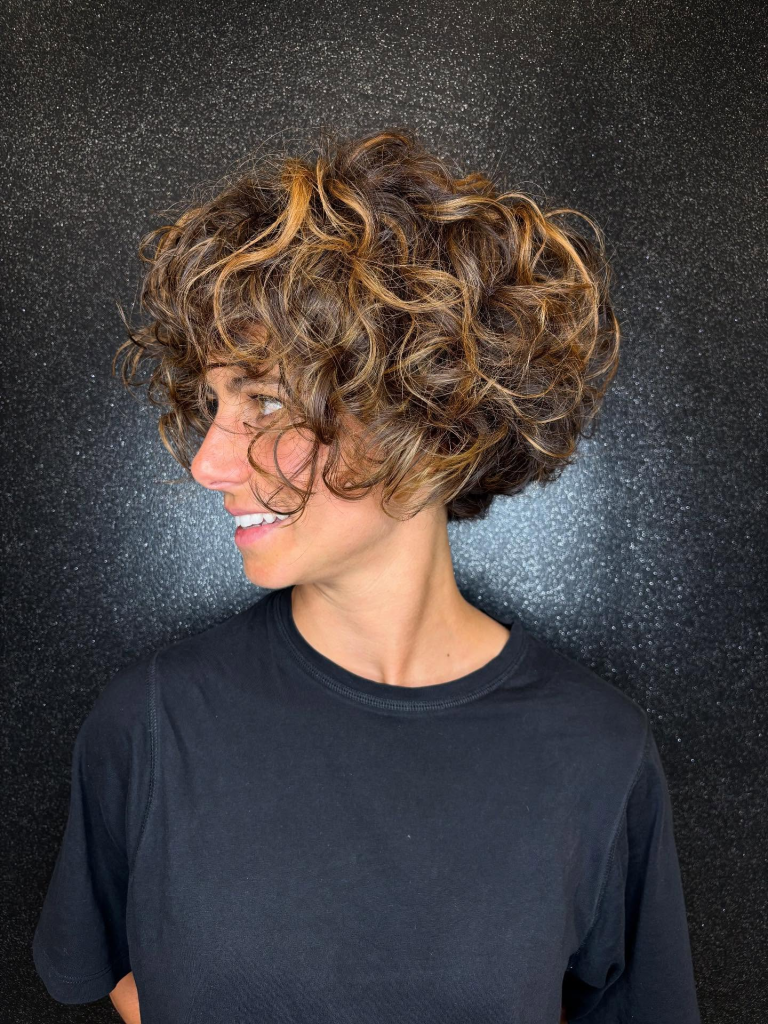
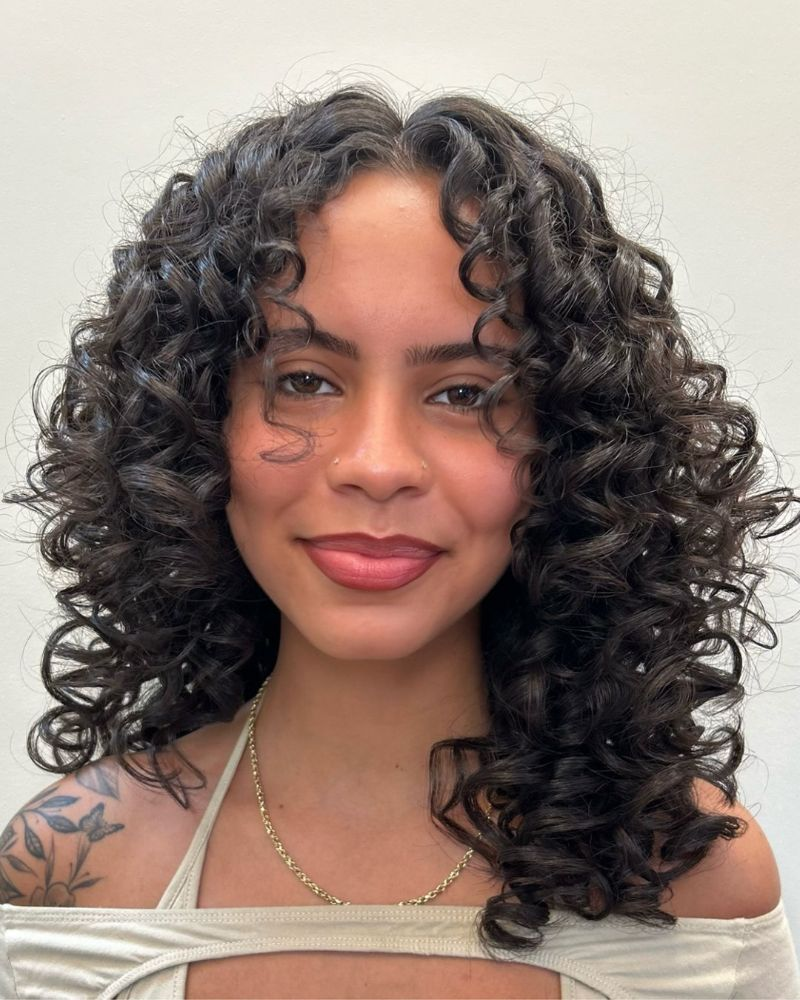
For natural curls. A chin-length or shoulder-length bob with choppy layers cut dry, curl by curl. Choppy bob hairstyles for Black hair on curls remove the triangle shape that thick curly hair often gets. The choppy layers allow curls to bounce. Style with curl cream and diffuse. Best for type 3A to 4A curls.
2. Relaxed Choppy Bob
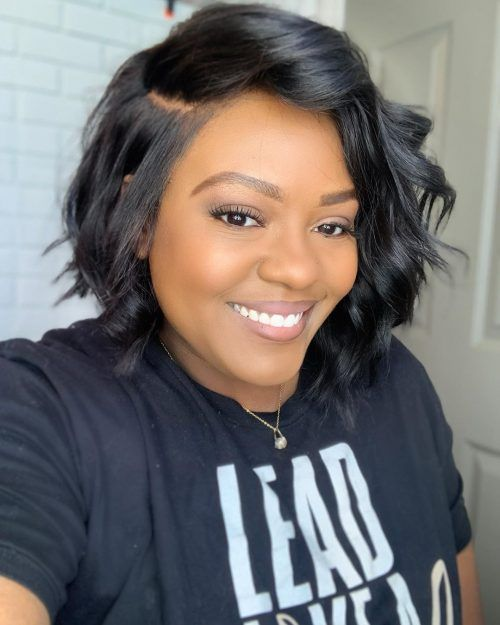
For relaxed hair. A chin-length bob with soft, choppy layers that start below your ears. Choppy bob hairstyles for Black hair on relaxed hair add movement without making the ends look thin. The choppy texture removes weight. Great for fine or medium relaxed hair.
3. Stacked Choppy Bob
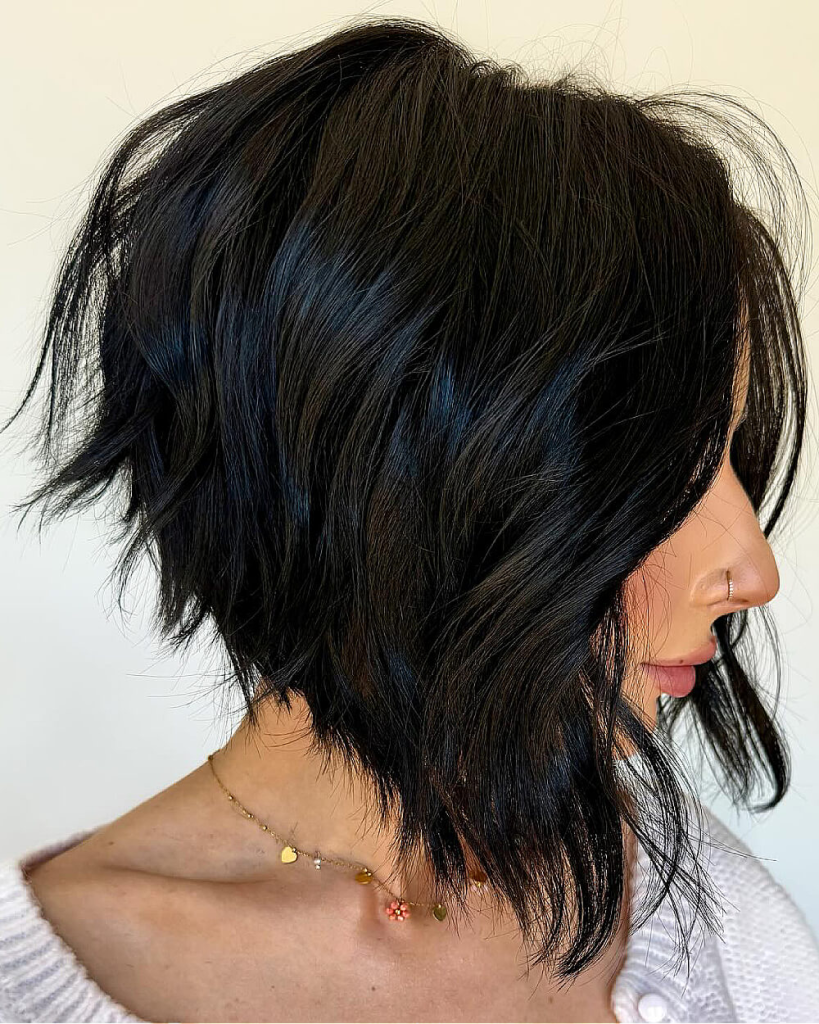
A bob where the back is stacked creating lift at the crown. The front has choppy layers. Choppy bob hairstyles for Black hair with a stacked back add volume at the crown. The stacked shape is dramatic. Great for fine or thin relaxed hair.
4. Disconnected Choppy Bob
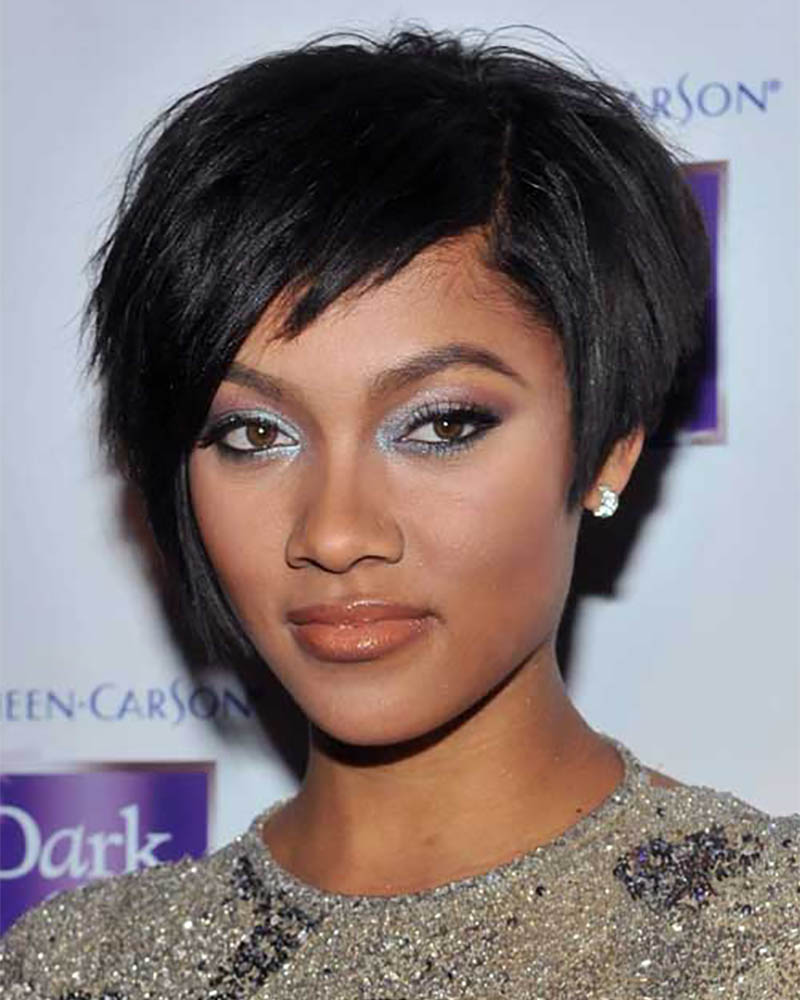
A bob with intentional gaps between layer lengths. The layers do not blend smoothly. Choppy bob hairstyles for Black hair with disconnected layers are edgy and architectural. The gaps create intense texture. Best for thick natural or relaxed hair.
5. Tapered Choppy Bob
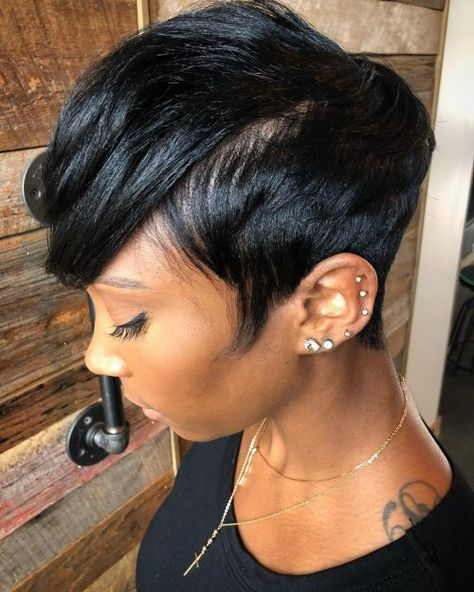
The sides and nape are tapered. The top has choppy layers. Choppy bob hairstyles for Black hair with a tapered shape remove bulk at the perimeter. The top stays full and choppy. Great for thick natural hair that expands at the sides.
6. Asymmetrical Choppy Bob
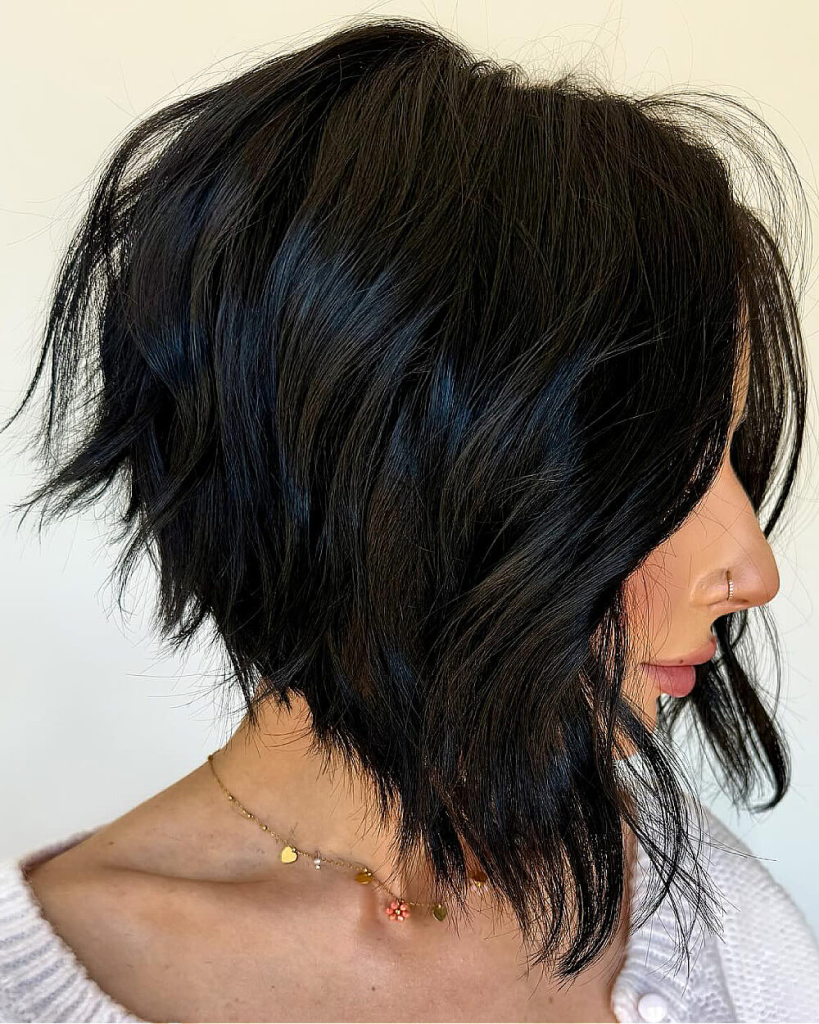
One side of the bob is longer than the other. Choppy layers throughout. Choppy bob hairstyles for Black hair with asymmetry are modern and interesting. The uneven lengths draw the eye diagonally. Best for straight or wavy relaxed hair.
7. Razored Choppy Bob (Relaxed Hair)
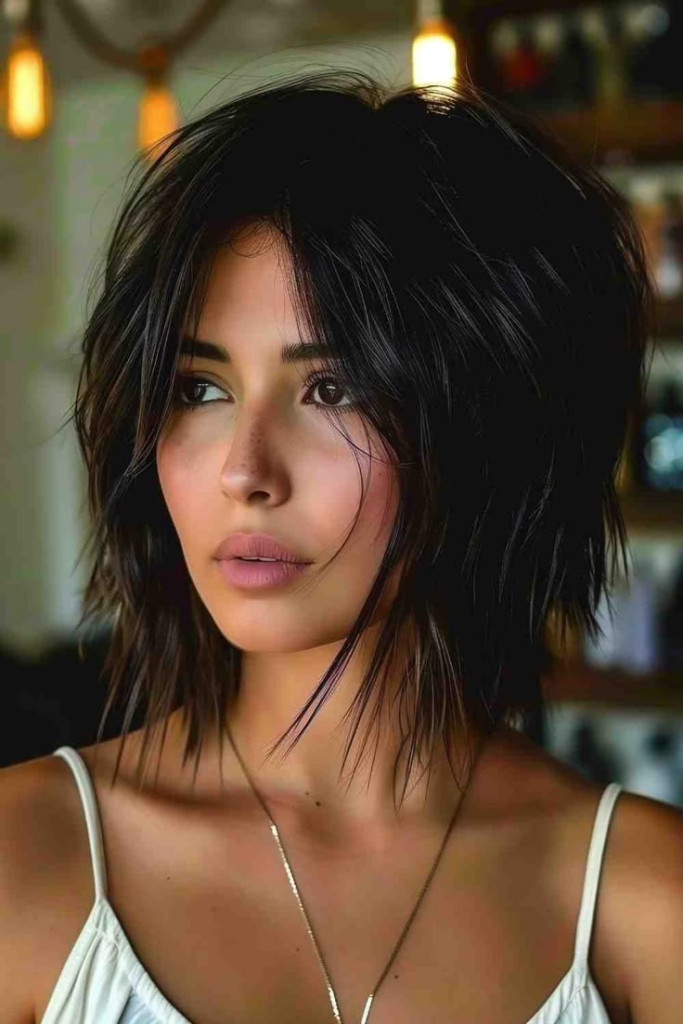
A bob cut with a razor instead of scissors, creating soft, feathered choppiness. Choppy bob hairstyles for Black hair on relaxed hair with razor cutting remove weight gently. The razor creates wispy ends. Best for fine to medium relaxed hair.
8. Choppy Bob with Side-Swept Bangs
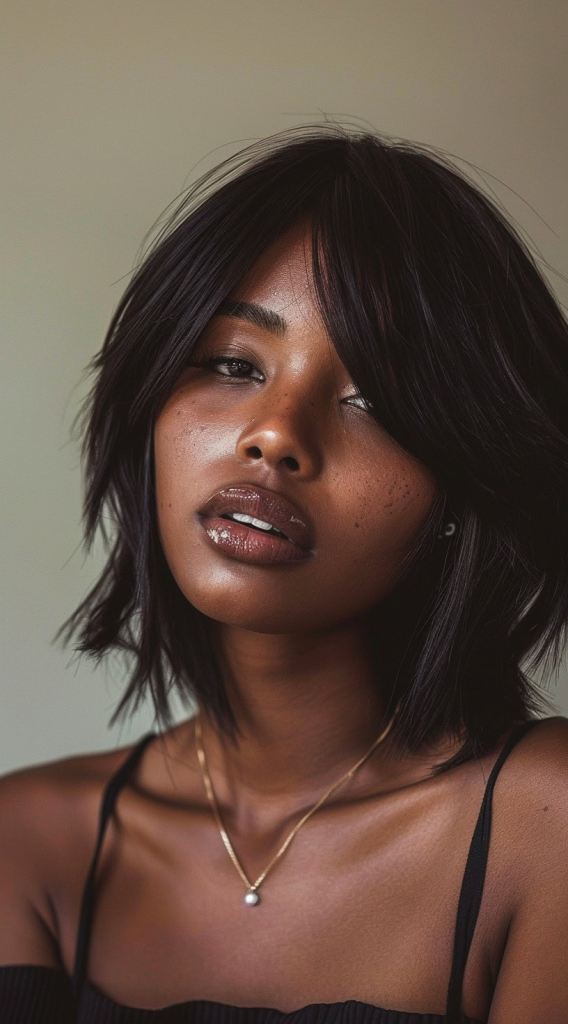
A choppy bob with longer side-swept bangs that sweep across your forehead. Choppy bob hairstyles for Black hair with side-swept bangs hide forehead lines and soften square faces. The bangs add asymmetry. Great for all textures.
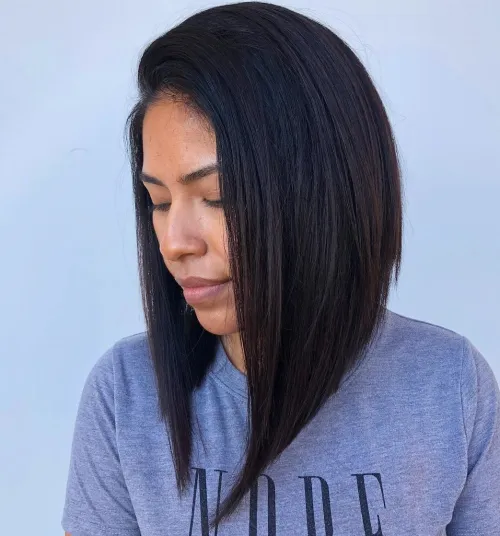
9. Inverted Choppy Bob
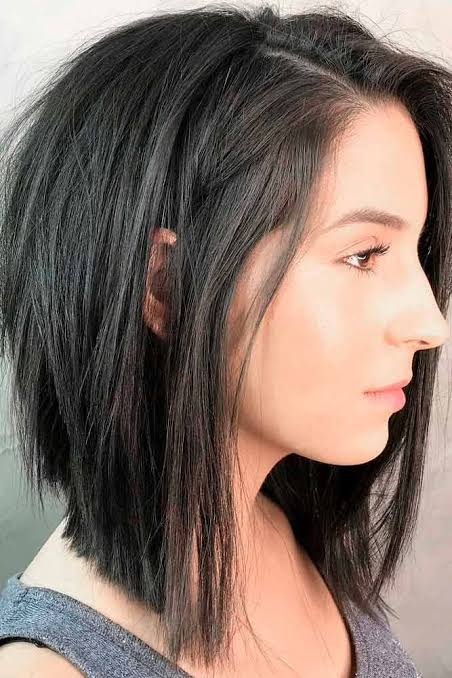
An inverted bob is shorter in back, longer in front with a dramatic angle. Choppy layers throughout. Choppy bob hairstyles for Black hair with an inverted shape create lift at the nape. The longer front adds drama. Great for thick hair.
10. Curly Choppy Bob with Curtain Bangs
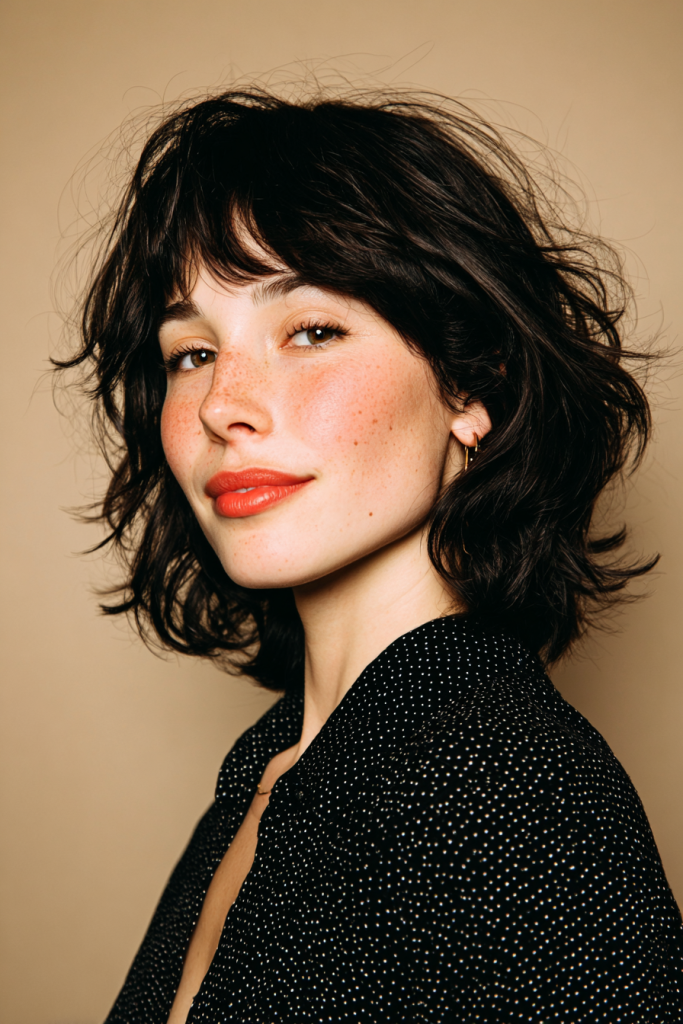
For natural curls. A curly choppy bob with curtain bangs cut dry, curl by curl. Choppy bob hairstyles for Black hair with curtain bangs are romantic and face-framing. The bangs hit at your cheekbones when dry. Style with curl cream and diffuse.
11. Blunt Choppy Bob with Hidden Layers
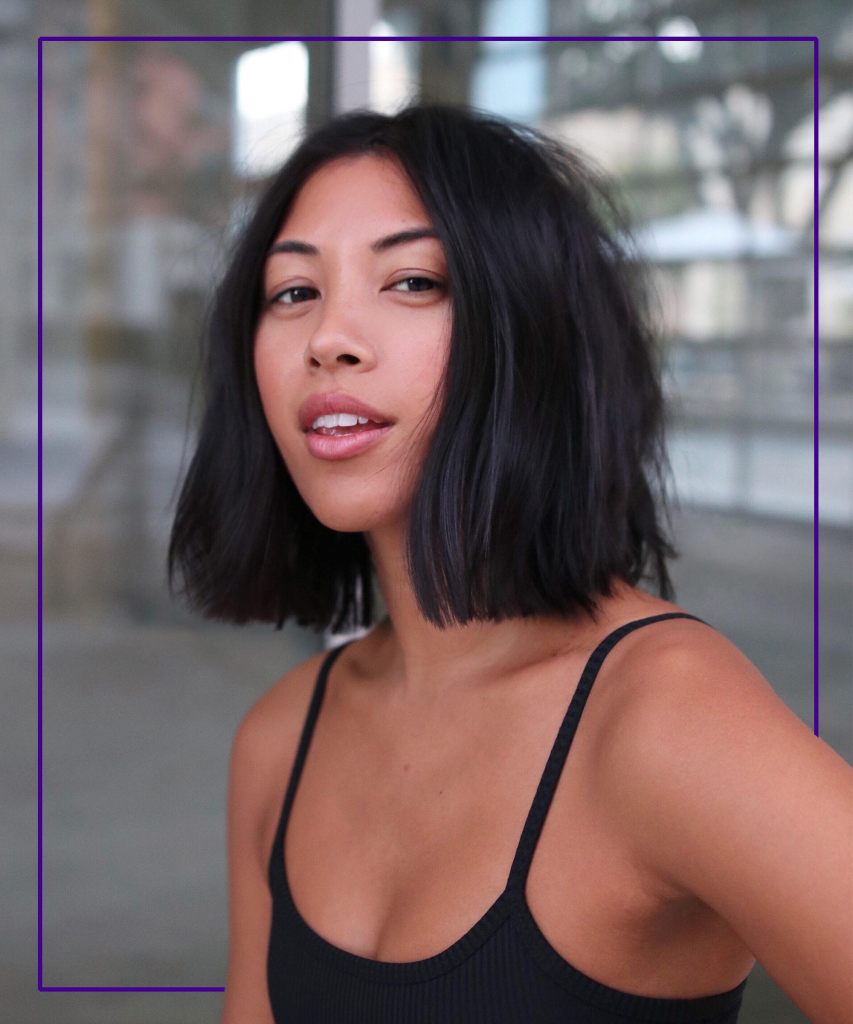
A bob that looks blunt from the outside but has choppy internal layers removing weight from inside. Choppy bob hairstyles for Black hair with blunt perimeter and hidden layers keep the look of a blunt cut while adding movement. Best for professional settings.
12. Messy Choppy Bob for Natural Hair
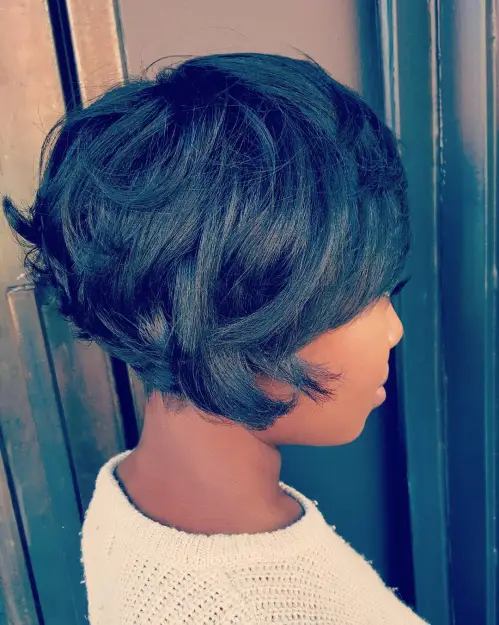
A choppy bob designed to look messy with zero heat. The layers are cut to fall into place when air-dried. Choppy bob hairstyles for Black hair on natural hair with a messy finish are the ultimate low-maintenance style. Wash, apply leave-in, shake with fingers, go.
More Info: Styling Choppy Bobs on Black Hair
Moisture is essential for natural hair. Choppy bob hairstyles for Black hair need regular deep conditioning. Use a moisturizing shampoo and conditioner. Apply leave-in conditioner to damp hair. Seal with a light oil. The choppy layers will look best when your hair is hydrated. Dry hair makes choppy layers look frizzy and undefined.
Heat protection is non-negotiable for relaxed hair. If you blow-dry or flat iron your choppy bob, use a heat protectant every time. Choppy bob hairstyles for Black hair on relaxed hair need protection from damage. Keep heat under 375 degrees Fahrenheit. The choppy ends are the oldest part of your hair and damage first.
Nighttime routine protects your shape. Sleep with a satin bonnet or on a satin pillowcase. Choppy bob hairstyles for Black hair hold their shape better when protected. For natural styles, pineapple loosely on top of your head. For relaxed styles, wrap your hair or use a satin scarf.
What to tell your stylist: I have [natural/relaxed] Black hair. I want a choppy bob. I need layers that add movement and remove bulk. Please cut my hair dry if it is curly. Show me how to style the choppy texture before I leave.
Frequently Asked Questions
Will a choppy bob work on 4C natural hair? Yes – with dry cutting. Choppy bob hairstyles for Black hair on 4C hair needs the layers cut dry, curl by curl. Wet cutting leads to shrinkage surprises. The choppy layers will remove bulk and create a rounded shape.
How often should I trim my choppy bob? Every 6-8 weeks. Choppy bob hairstyles for Black hair need regular trims to keep the shape. The choppy pieces grow out and lose their definition. Thick natural hair may need trims every 6 weeks.
Can I have a choppy bob on transitioning hair? Yes – a choppy bob is perfect for transitioning. Choppy bob hairstyles for Black hair on transitioning hair hides the line of demarcation. The choppy layers blend the different textures. Keep the layers soft, not aggressive.
Final Thoughts
Choppy bob hairstyles for Black hair are edgy, textured, and full of personality. From curly choppy bobs to relaxed textured bobs to stacked styles, there is a choppy bob for every texture and preference. The key is dry cutting for natural hair, soft layers for relaxed hair, and regular trims to maintain the shape. Find a stylist who understands your hair type. Then enjoy the most textured bob of your life.