Author: admin

  • Pixie vs. Bob: Which Short Cut Is Best for Women Over 50?

    Pixie vs. Bob: Which Short Cut Is Best for Women Over 50?

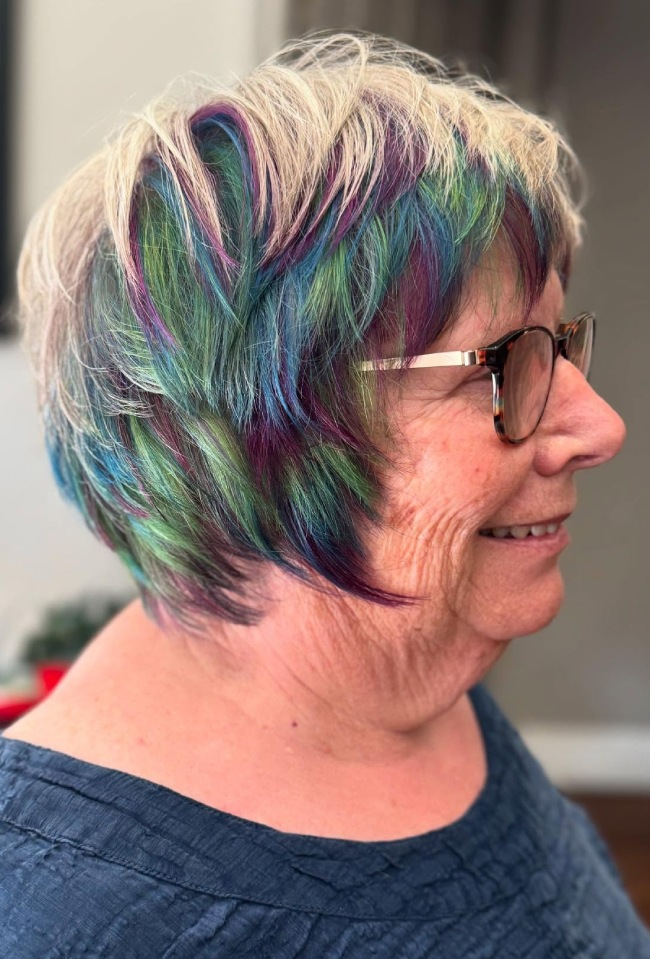
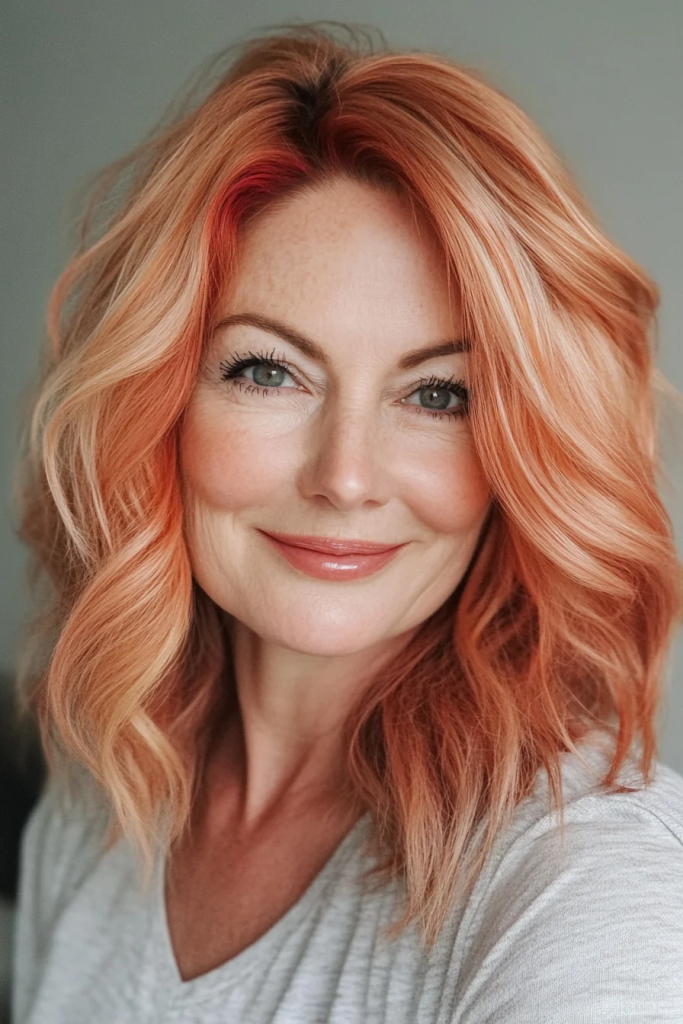
    For women over 50 considering a shorter hairstyle, the debate between pixie vs. bob is one of the most important decisions you’ll make. Both cuts offer elegance, ease, and style—but they serve very different needs, face shapes, and hair textures. The pixie is bold, ultra-low maintenance, and creates dramatic volume at the crown. The bob is versatile, soft, and offers more styling options while still being short. In this guide, you’ll discover the key differences between pixie and bob cuts for women over 50, including which suits your face shape, hair texture, lifestyle, and maintenance preferences. You’ll also find 8 variations of each cut to help you find your perfect style. If you love short, flattering styles, these short haircuts for plus size women over 50 offer additional slimming ideas.


    Why Go Short After 50?

    Before diving into pixie vs. bob, let’s understand why short hair is so popular among women over 50:

    • Adds volume – Shorter hair removes weight, allowing fine hair to lift at the roots
    • Hides thinning – Strategic layering and texture camouflage sparse areas
    • Low maintenance – Most short cuts require minimal daily styling
    • Highlights features – Short hair draws attention to your eyes, cheekbones, and smile
    • Cool and comfortable – Short hair keeps you cooler in summer and is easier to style
    • Youthful – A well-chosen short cut can take years off your appearance

    For women with fine hair, these low maintenance haircuts for women over 50 with fine hair offer additional inspiration.


    Pixie vs. Bob: The Big Picture

    FeaturePixieBob
    LengthVery short (ears exposed, nape tapered)Chin to shoulder length
    Styling time2–5 minutes5–10 minutes
    Maintenance trimsEvery 4–6 weeksEvery 6–8 weeks
    Volume at crownExcellent (built-in lift)Good (with layering)
    VersatilityLimited (one main look)High (updos, ponytails, half-up)
    Best for fine hairExcellentGood (with layering)
    Best for thick hairGood (removes bulk)Excellent (with internal layers)
    Face shape flatteryElongates round facesSoftens square and heart faces
    Professional settingVery acceptableVery acceptable
    Grow-out phaseAwkward (requires patience)Graceful (becomes lob)

    The Pixie Cut: Bold, Bold, Bold

    What Is a Pixie Cut?

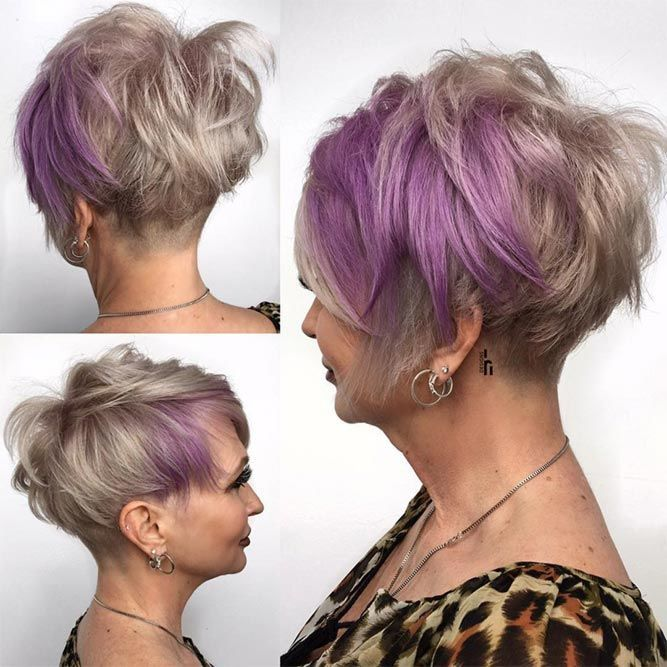
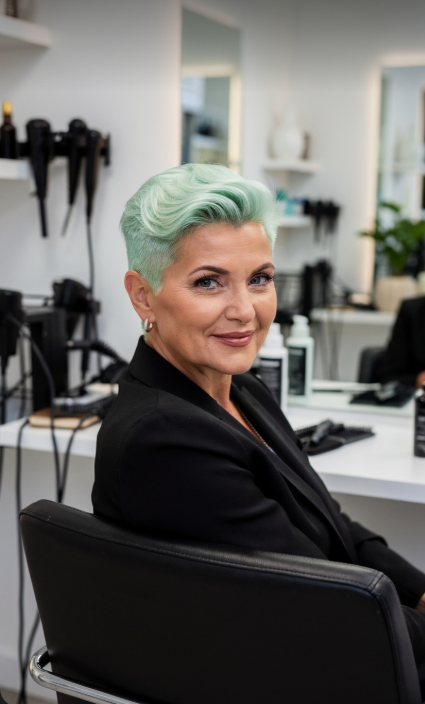
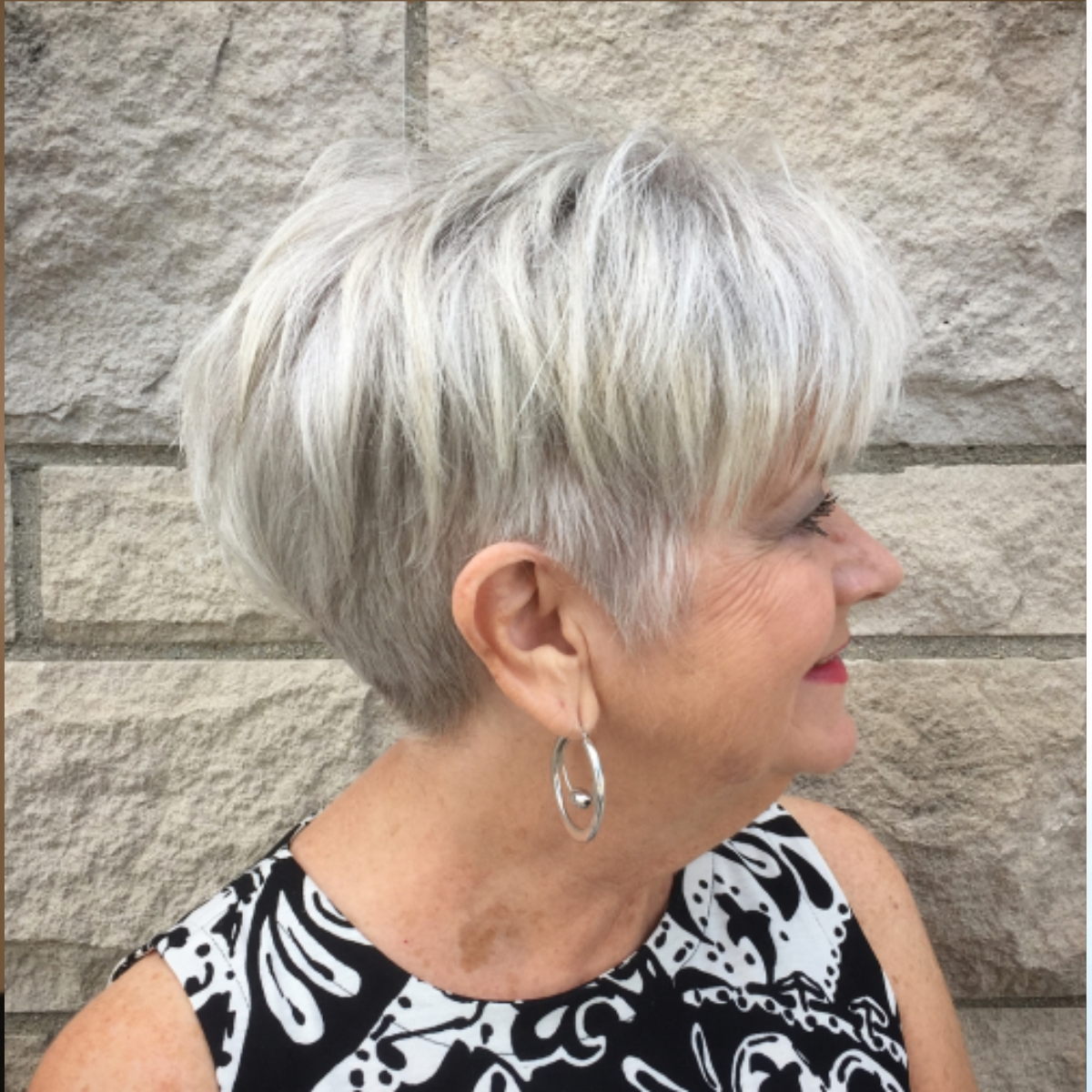
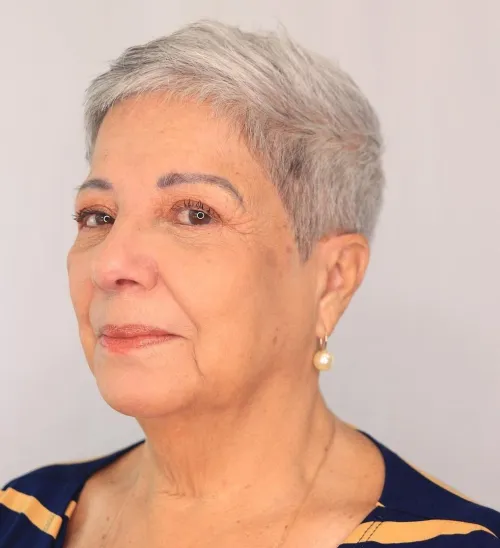
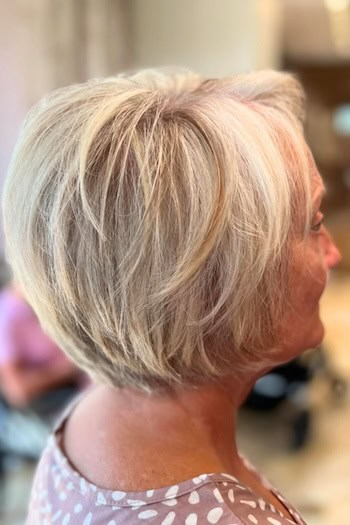
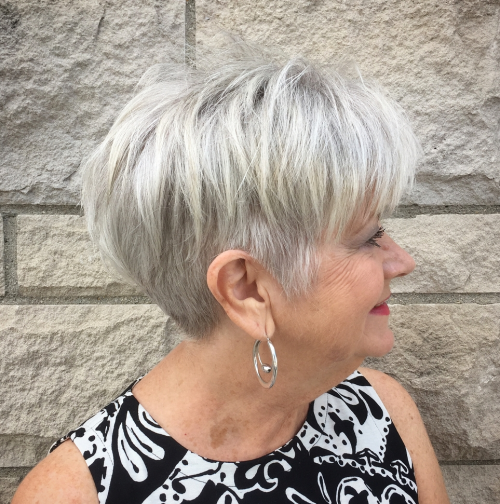
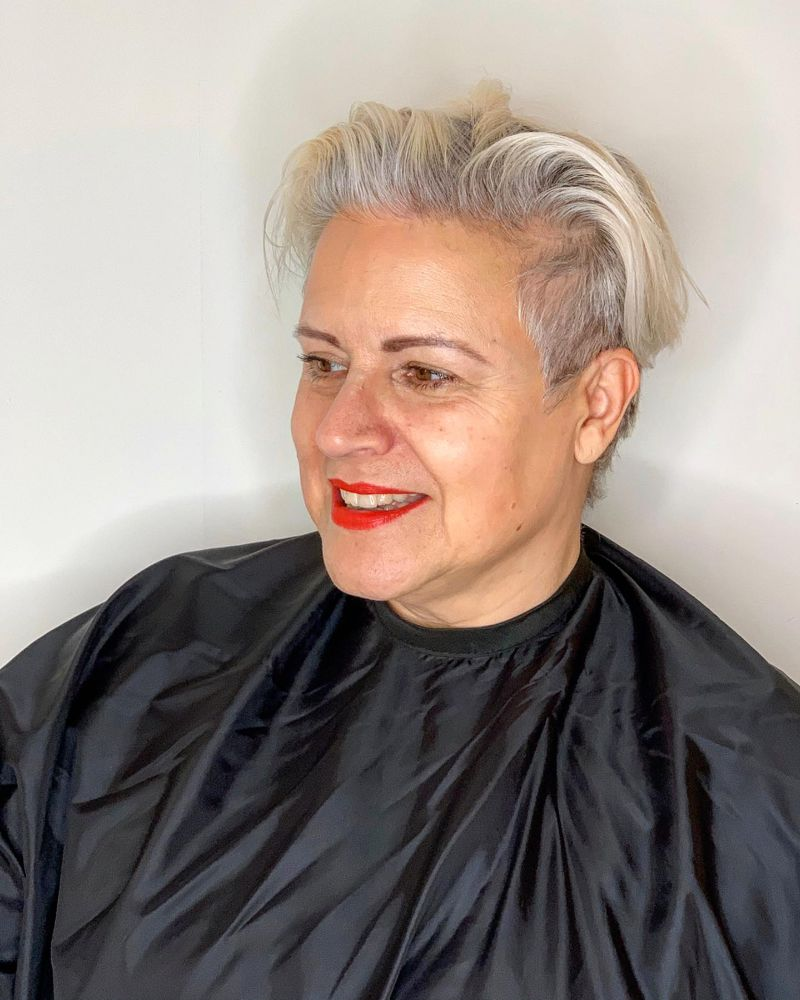
    pixie cut is a very short hairstyle with the hair cropped close to the head, typically with shorter sides and back and slightly longer length on top. The ears are usually exposed, and the nape is tapered or shaved. Pixies can range from ultra-short (cropped pixie) to longer versions (long pixie or pixie bob).

    Who Looks Best in a Pixie?

    The pixie is incredibly versatile, but certain face shapes and hair types are especially well-suited:

    Face ShapeWhy It Works
    OvalMost pixie styles work beautifully
    HeartSoftens the forehead and highlights cheekbones
    RoundThe height at the crown elongates the face
    SquareSoftens strong jawlines
    OblongAvoid very short sides; keep length on top

    Pixie Pros and Cons for Women Over 50

    ProsCons
    Minimal daily styling (2–5 minutes)Frequent trims needed (every 4–6 weeks)
    Creates dramatic volume at the crownAwkward grow-out phase
    Hides thinning and fine hair beautifullyLess versatile (fewer styling options)
    Cool and comfortable for summerRequires confidence to wear
    Highlights eyes and cheekbonesNot everyone’s face shape suits it
    Makes gray and silver hair look modernCan’t pull back into a ponytail

    4 Pixie Variations for Women Over 50

    1. Classic Pixie

    Why it works: The classic pixie has slightly longer length on top (1.5–2 inches) with tapered sides and back. It’s the most wearable version and works on virtually every face shape. The soft texture on top adds volume where fine hair needs it most.

    How to style it: Apply lightweight styling cream to damp hair. Use your fingers to tousle the top forward while pushing the sides down. For extra lift, flip your head upside down and shake at the roots. Air-dry or blow-dry briefly on low heat.

    Best face shapes: Oval, heart, square

    Maintenance: Trim every 4–6 weeks

    2. High-Volume Pixie

    Why it works: The high-volume pixie focuses all the length and height at the crown (2–3 inches), with sides and back tapered close. This creates a tall, narrow silhouette that elongates round faces and addresses thinning at the crown.

    How to style it: Apply volumizing mousse to damp roots at the crown. Blow-dry using a small round brush, lifting each section straight up at a 90-degree angle. Hit with cool air for 10 seconds before releasing. Finish with texturizing powder at the crown.

    Best face shapes: Round, oval, heart

    Maintenance: Trim every 4–5 weeks

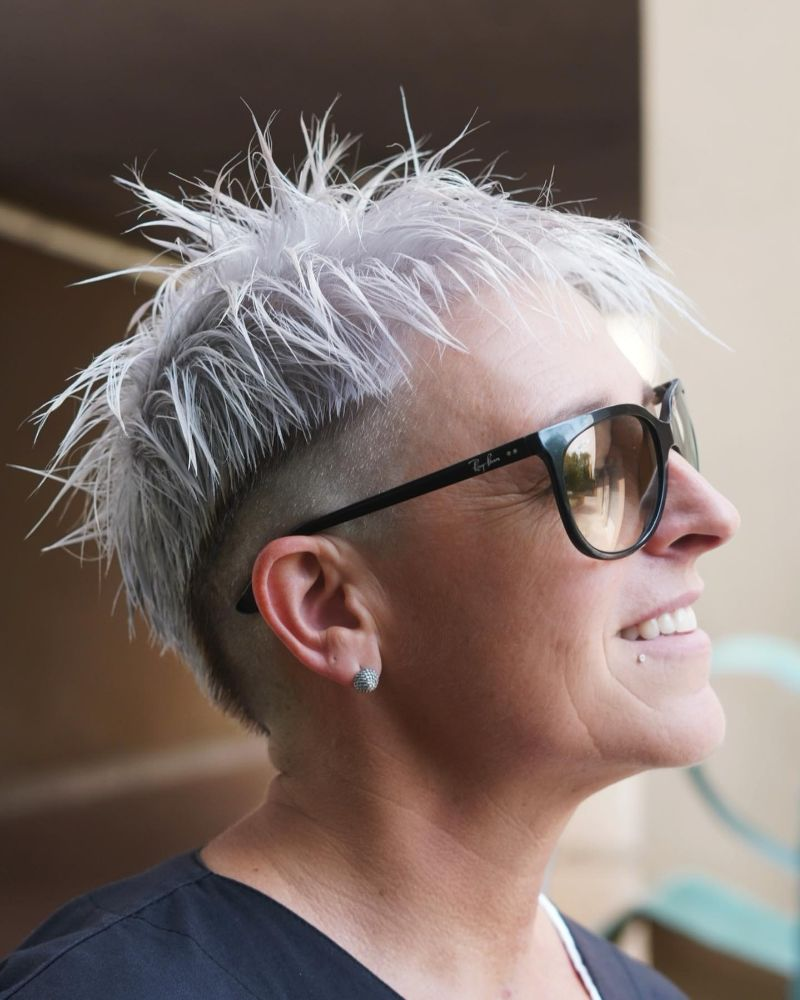
    3. Textured Pixie

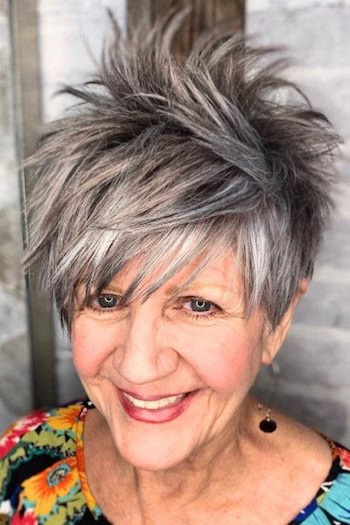
    Why it works: The textured pixie features heavy point-cutting throughout, creating multiple endpoints that reflect light and make fine hair look denser. The choppy, piecey texture hides thinning areas and adds modern edge.

    How to style it: Apply matte paste to dry hair. Rub between palms, then rake through the top pushing everything forward. The texture will create natural lift and separation. No blow-dryer needed.

    Best face shapes: Oval, square, heart

    Maintenance: Trim every 4–5 weeks

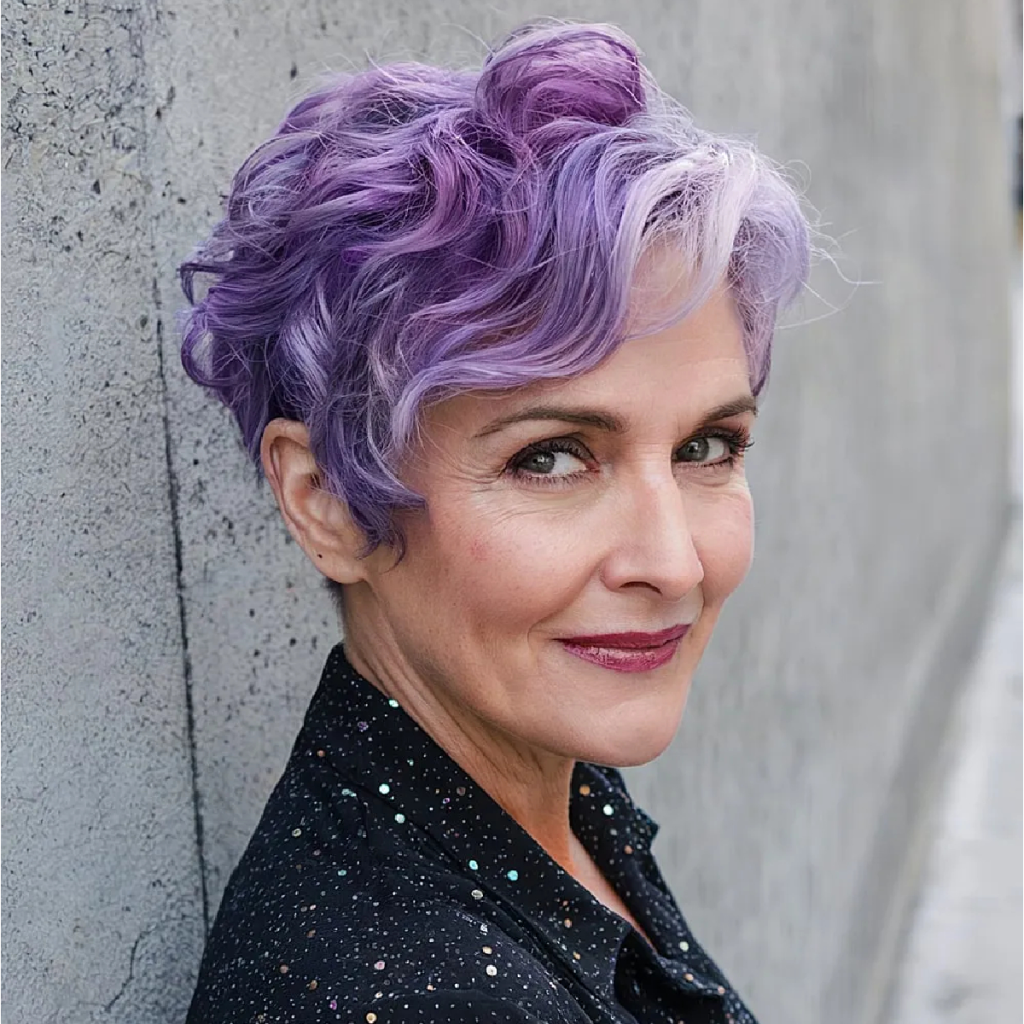
    4. Curly Pixie

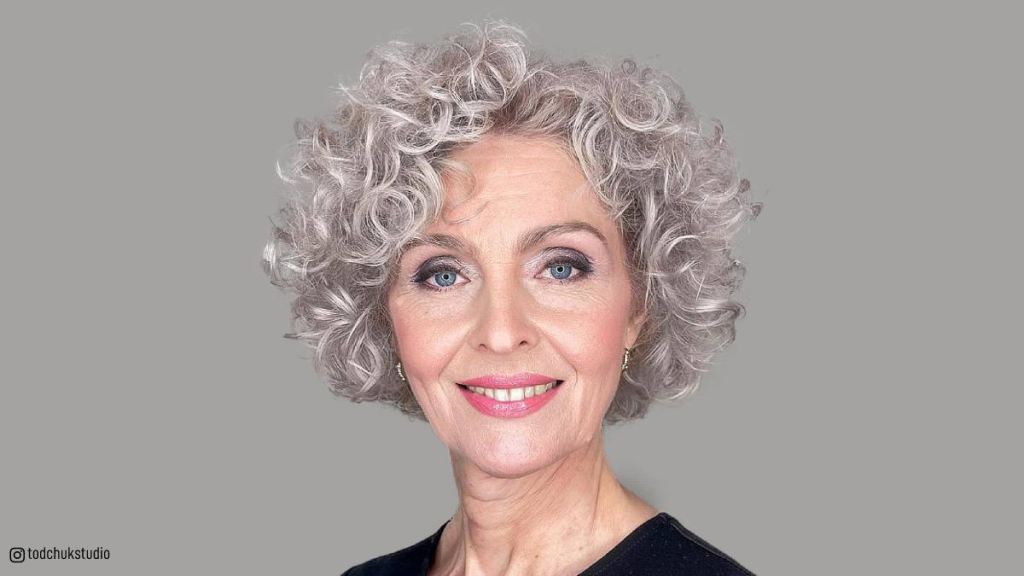
    Why it works: For women with natural curls, a curly pixie is a dream. The short length removes weight so curls spring up tighter and bouncier, creating volume where it’s needed most. This cut celebrates natural texture.

    How to style it: Apply leave-in conditioner and curl gel to very wet hair. Use fingers to define individual curl clumps. Air-dry completely—do not touch while drying. Never brush dry curls.

    Best face shapes: Oval, heart, square

    Maintenance: Trim every 6–8 weeks (dry cut only)

    For more pixie inspiration, these short pixie haircuts for fine flat hair offer additional volume-building ideas.


    The Bob: Classic, Versatile, Soft

    What Is a Bob Cut?

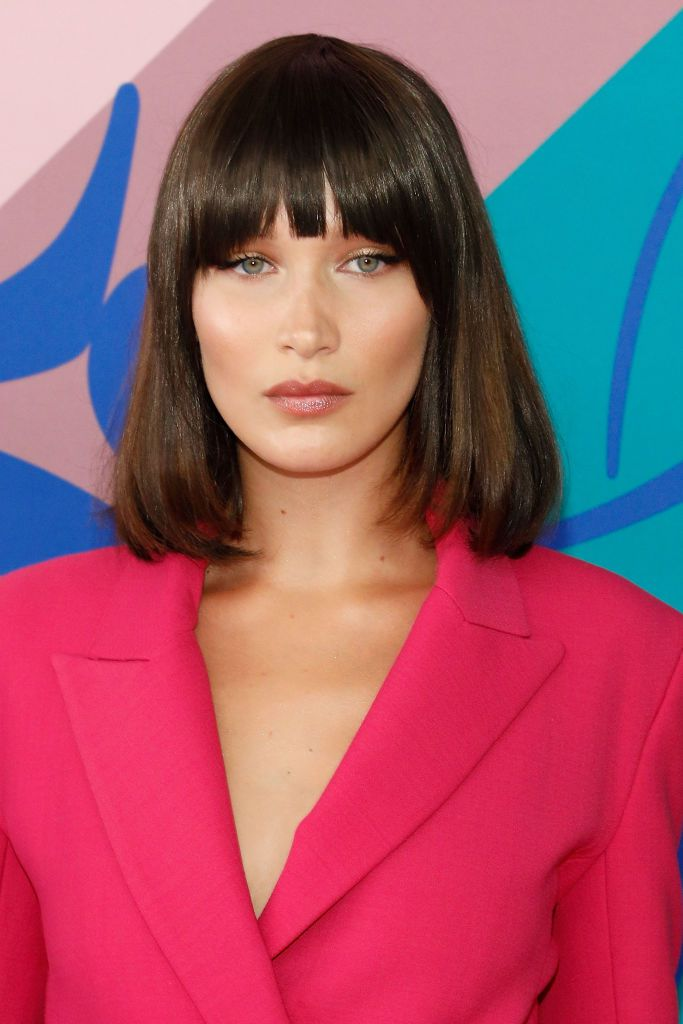
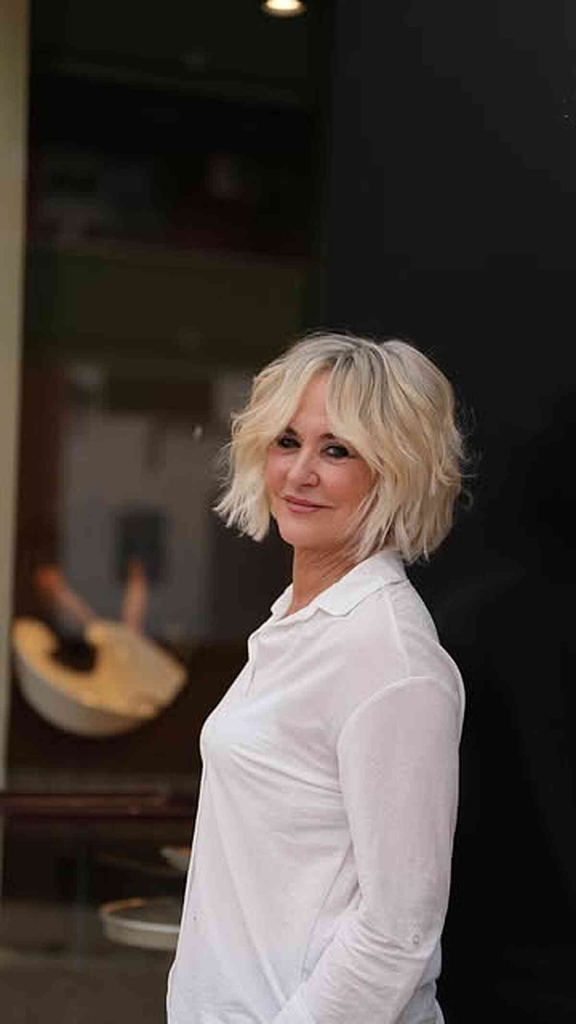
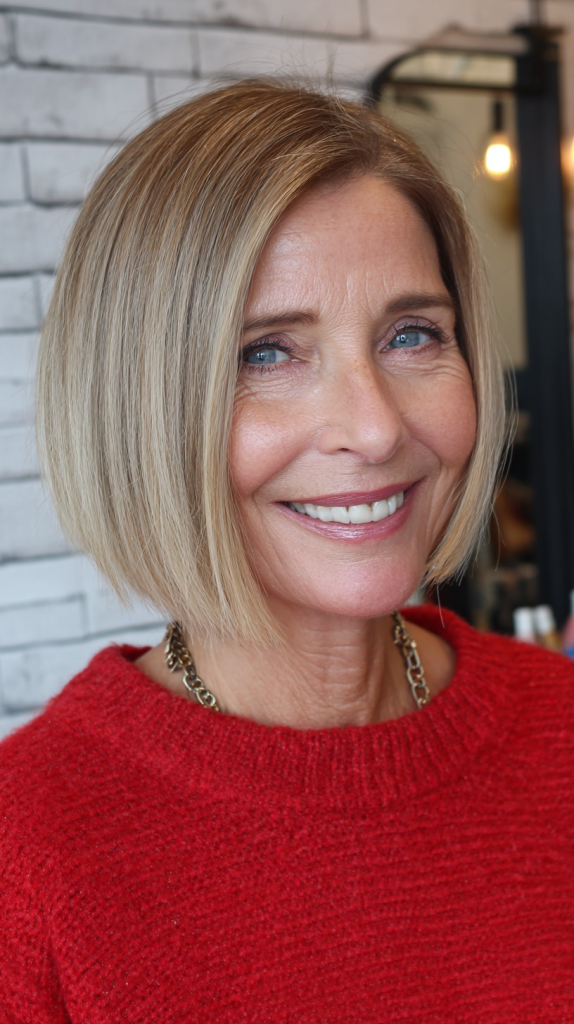
    bob is a short-to-medium length haircut that typically falls between the chin and shoulders. Bobs can be blunt, layered, stacked, angled, inverted, or asymmetrical. The bob is one of the most versatile haircuts and can be customized to suit virtually any face shape and hair texture.

    Who Looks Best in a Bob?

    The bob is universally flattering when customized correctly:

    Face ShapeBest Bob Variation
    OvalAlmost any bob works
    RoundAngled or stacked bob (longer in front)
    HeartChin-length bob with soft layers
    SquareTextured bob with wispy ends
    OblongBlunt bob at chin level (adds width)

    Bob Pros and Cons for Women Over 50

    ProsCons
    Versatile styling (updos, ponytails, half-up)More styling time than a pixie (5–10 minutes)
    Grows out gracefully (becomes a lob)Can look heavy on fine hair without layers
    Can be pulled back off the faceMay require more product for volume
    Flatters almost every face shapeCan accentuate a double chin if too short
    Works with all hair texturesNeeds regular trims to maintain shape
    Can hide neck and jawline concernsCan be too warm for summer

    4 Bob Variations for Women Over 50

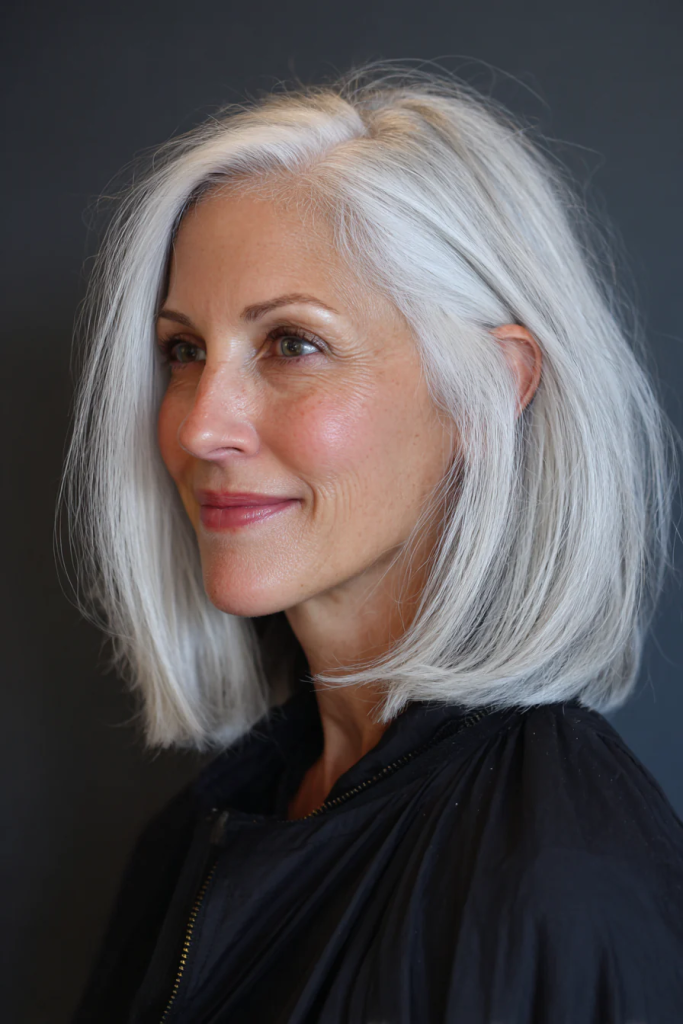
    1. Classic Layered Bob

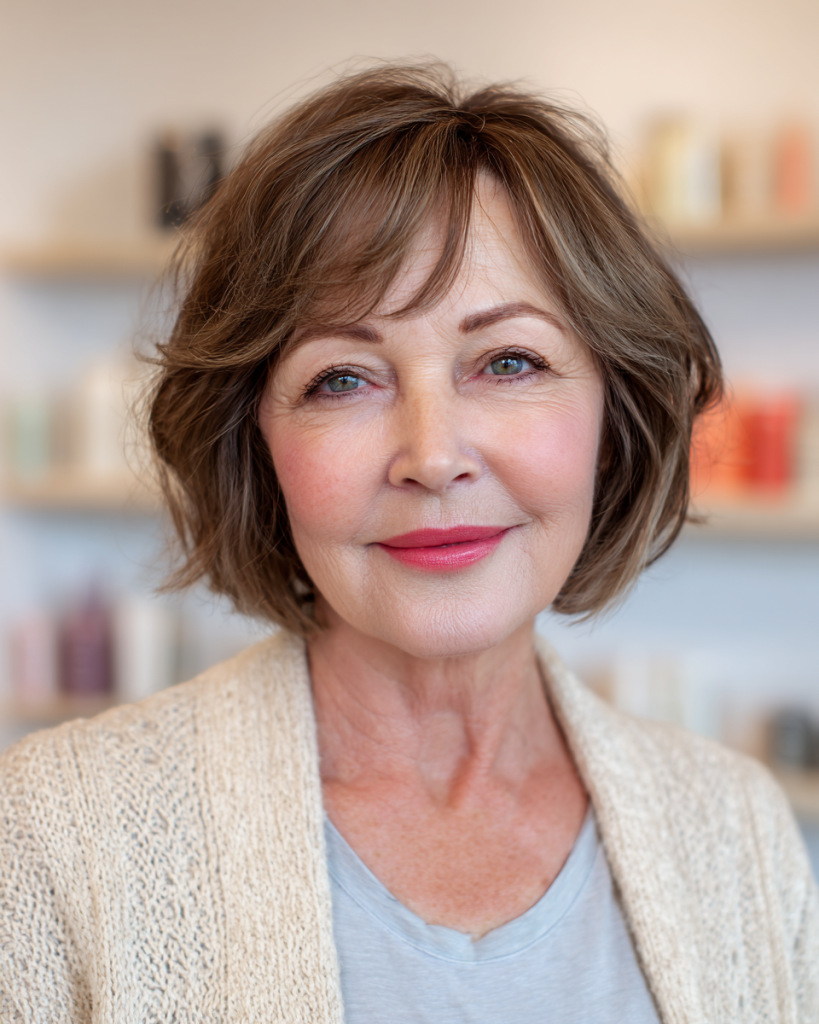
    Why it works: The classic layered bob at chin-length removes interior weight so hair falls naturally into place. The soft, subtle layers add movement without sacrificing density. For fine hair, this length is ideal—short enough to avoid being weighed down but long enough to tuck behind ears.

    How to style it: Apply lightweight mousse to damp roots. Blow-dry using a small round brush (1 inch), lifting each section at the root. The layers will create natural movement without curling. For an air-dry option, apply wave spray and scrunch.

    Best face shapes: All face shapes (most universally flattering)

    Maintenance: Trim every 6–8 weeks

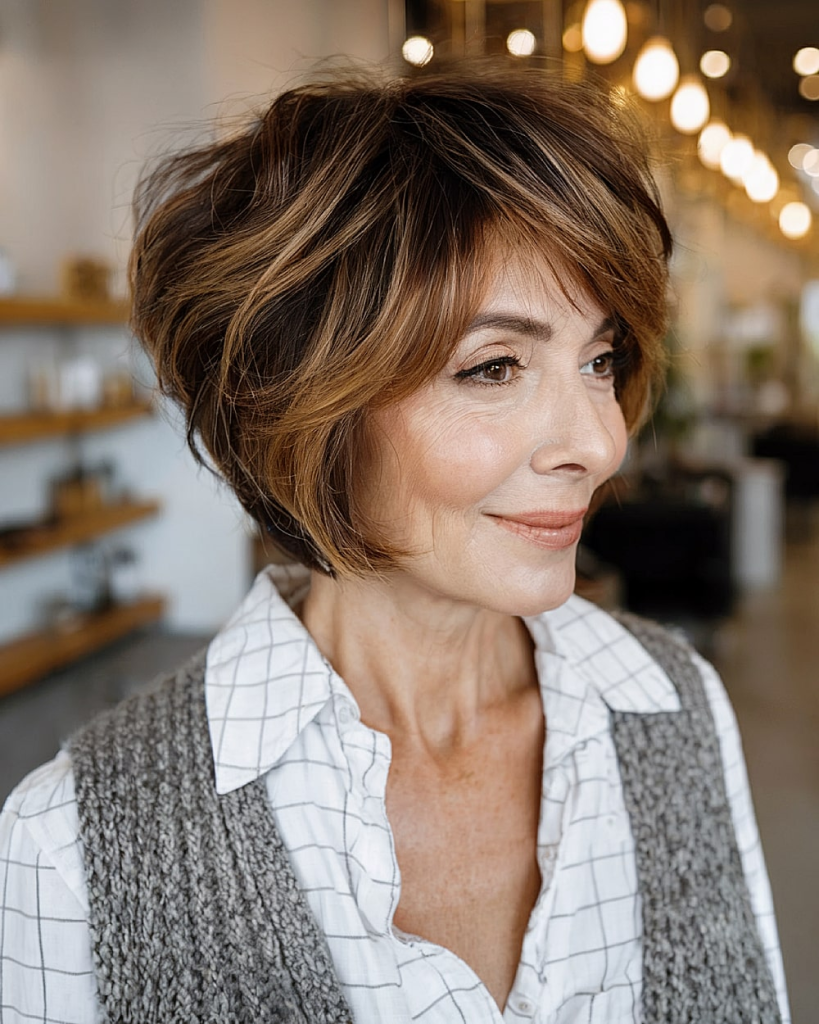
    2. Stacked Bob

    Why it works: A stacked bob has graduated layers in the back that create a built-in bump of volume at the crown. The stacking is cut into the interior, so volume comes from the cut itself—not from styling. For fine hair, this is one of the most effective volume-building cuts.

    How to style it: Apply root-lifting spray to the crown area. Blow-dry the stacked back using a round brush, lifting aggressively. The front can be left longer and softer. The stacked section will naturally lift and hold volume without product.

    Best face shapes: Oval, round, heart

    Maintenance: Trim every 5–6 weeks

    3. Angled Bob (Longer in Front)

    Why it works: An angled bob is cut with a distinct slope—very short in the back and significantly longer in the front (chin-length or below). The long, face-framing front pieces create vertical lines that slim the face, while the short back prevents bulk at the neck.

    How to style it: Apply smoothing cream to damp hair. Blow-dry the back using a round brush for smoothness. For the longer front pieces, use a flat iron to create a slight bend away from the face. The front pieces should never be curled toward your face, as that adds width.

    Best face shapes: Round, oval, square

    Maintenance: Trim every 5–6 weeks

    4. French Bob

    Why it works: The French bob is cropped between the earlobe and chin, often with a subtle undercurl at the ends. It’s effortlessly chic and requires almost no daily effort. The blunt edge creates the illusion of density, while the short length prevents wispy ends.

    How to style it: Apply smoothing cream to damp hair. Tuck hair behind your ears while it air-dries to encourage that signature curved-under shape. Never use a straightener—the French bob celebrates imperfect, lived-in texture.

    Best face shapes: Oval, heart, square

    Maintenance: Trim every 6 weeks

    For more bob inspiration, these choppy bob hairstyles for fine hair offer additional texture-building ideas.


    Pixie vs. Bob: Direct Comparison for Women Over 50

    Face Shape Suitability

    Face ShapePixie RecommendationBob Recommendation
    OvalAny pixie worksAny bob works
    RoundHigh-volume pixie with heightAngled or stacked bob
    HeartSoft, textured pixieChin-length bob with soft layers
    SquareTextured pixie with soft edgesTextured bob with wispy ends
    OblongAvoid very short sides; keep length on topBlunt bob at chin level

    Hair Texture Suitability

    Hair TexturePixie RecommendationBob Recommendation
    Fine/ThinExcellent (creates density)Good (needs layering for volume)
    ThickGood (removes bulk)Excellent (internal layers)
    CurlyCurly pixie is stunningCurly bob with layers
    StraightAny pixie worksAny bob works
    WavyTextured pixie works wellWavy bob is beautiful

    Lifestyle Suitability

    Lifestyle FactorPixieBob
    Low maintenance✅ Excellent✅ Good
    Active/sports✅ Excellent (stays put)✅ Good (can pull back)
    Professional✅ Very acceptable✅ Very acceptable
    Likes to style hair❌ Limited options✅ Many options
    Wants to pull hair back❌ Can’t✅ Yes (ponytail, bun)
    Hot climate✅ Excellent (cool)✅ Good
    Frequent swimming✅ Excellent (dries fast)✅ Good

    How to Choose: Pixie or Bob?

    Choose a PIXIE if:

    ✅ You want the ultimate low-maintenance cut (2–5 minute styling)
    ✅ You have fine or thinning hair that needs volume
    ✅ You have a round face and want elongation
    ✅ You’re ready for a bold change
    ✅ You don’t mind frequent trims (every 4–6 weeks)
    ✅ You never need to pull your hair back
    ✅ You want to highlight your eyes and cheekbones

    Choose a BOB if:

    ✅ You want styling versatility (updos, ponytails, half-up)
    ✅ You prefer a longer grow-out phase
    ✅ You have thick hair that needs shaping
    ✅ You want to be able to pull your hair back
    ✅ You have a square or heart face that benefits from softness
    ✅ You like to change your style frequently
    ✅ You want a classic, timeless look

    The Compromise: The Long Pixie (Pixie Bob)

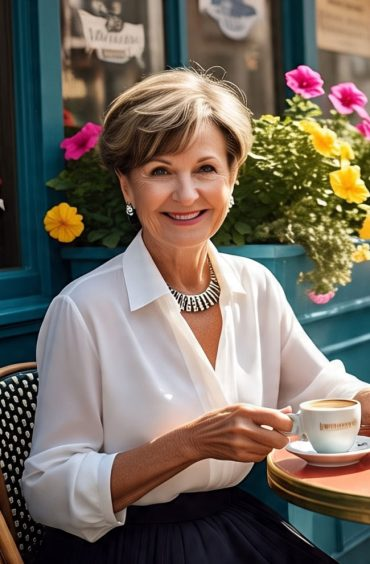
    Can’t decide? The long pixie (also called a pixie bob) offers the best of both worlds. It’s shorter than a bob but longer than a traditional pixie, with length on top and at the crown but tapered edges. This hybrid is perfect for women who want the ease of a pixie with a bit more versatility.

    For more on this hybrid style, these pixie bob haircuts for older women offer additional inspiration.


    Styling Comparison: Pixie vs. Bob

    Pixie Styling (2–5 minutes)

    1. Apply lightweight mousse or styling cream to damp hair
    2. Towel-dry or blow-dry briefly on low heat
    3. Use fingers to tousle top forward, push sides down
    4. For extra lift, add texturizing powder at the crown
    5. That’s it—no brushes, no complex techniques

    Bob Styling (5–10 minutes)

    1. Apply volumizing mousse or smoothing cream to damp hair
    2. Blow-dry using a round brush (for volume) or paddle brush (for sleekness)
    3. For waves: scrunch with sea salt spray and air-dry or diffuse
    4. For curls: apply curl cream and diffuse
    5. Can be styled in ponytails, buns, half-up styles

    Maintenance Comparison: Pixie vs. Bob

    Maintenance TaskPixieBob
    Trim frequencyEvery 4–6 weeksEvery 6–8 weeks
    Daily styling time2–5 minutes5–10 minutes
    Product neededMinimal (mousse, paste, powder)Moderate (depending on style)
    Grow-out phaseAwkward (needs shaping)Graceful (becomes lob)
    Heat styling neededMinimal to noneModerate
    Can skip washingYes (looks better day 2)Yes (dry shampoo helps)

    Real Talk: Common Concerns

    “I’m afraid a pixie will make me look too masculine”

    A pixie can be incredibly feminine when styled correctly. Soft, textured edges, side-swept bangs, and wispy layers all add softness. The classic and soft pixie variations are especially feminine.

    “I have a double chin. Will a bob make it worse?”

    A well-cut bob can actually minimize a double chin. An angled bob (longer in front) creates vertical lines that draw the eye downward. Avoid blunt chin-length bobs that end exactly at the chin line.

    “I have very fine, thin hair. Will a pixie look sparse?”

    A textured pixie with point-cutting and layering creates multiple endpoints that reflect light, making fine hair look denser. The wispy pixie is specifically designed for very fine hair.

    “I like to wear my hair in a ponytail. Can I do that with a bob?”

    Yes! A bob at chin-length or longer can be pulled back into a small ponytail or half-up style. A pixie cannot.


    Quick Reference: Pixie vs. Bob at a Glance

    PixieBob
    LengthVery short (ears exposed)Chin to shoulder
    Styling time2–5 minutes5–10 minutes
    Trim frequency4–6 weeks6–8 weeks
    Volume potentialExcellentGood
    VersatilityLimitedHigh
    Can pull backNoYes
    Best for fine hairExcellentGood
    Best for thick hairGoodExcellent
    Grow-outAwkwardGraceful

    Final Thoughts

    The choice between pixie vs. bob for women over 50 ultimately comes down to your personal style, face shape, hair texture, and lifestyle. The pixie is bold, ultra-low maintenance, and creates dramatic volume—perfect for the woman who wants to spend minimal time on her hair and make a statement. The bob is versatile, soft, and offers more styling options—perfect for the woman who likes to change her look and wants the ability to pull her hair back.

    Both cuts are beautiful, age-appropriate, and confidence-boosting. The best choice is the one that makes you feel like the best version of yourself. Take this guide to your stylist, discuss your face shape and lifestyle, and get ready to love your short hair.

  • 15 Great Male Haircuts for Big Foreheads That Create Perfect Proportion

    15 Great Male Haircuts for Big Foreheads That Create Perfect Proportion

    For men with larger foreheads, male haircuts for big foreheads are all about creating balance, proportion, and confidence. A larger forehead is simply a variation in facial structure—not a flaw. The right haircut can minimize the appearance of a high hairline, draw attention to your eyes and jawline, and create a more balanced overall silhouette. Whether you prefer short crops, textured fringes, or classic cuts, there are countless flattering options. In this guide, you’ll discover 15 great male haircuts for big foreheads, each designed to create proportion, soften your hairline, and make you look and feel your best. If you love textured, low-maintenance styles, these men’s haircut trends for 2026 offer additional inspiration.


    Understanding Forehead Proportion and Hair Styling for Men

    A larger forehead is common and can be addressed with strategic haircut choices. Here’s how male haircuts for big foreheads achieve balance:

    • Adds visual weight to the lower face – Volume at the sides or texture at the jawline balances a larger forehead
    • Creates horizontal lines – Fringes or bangs shorten the appearance of the forehead
    • Draws attention downward – Longer pieces around the face direct the eye away from the hairline
    • Uses texture and volume – Height at the crown or fullness at the sides creates proportion
    • Softens the hairline – Textured, piecey edges are more forgiving than blunt lines
    • Embraces recession – Some styles work with a receding hairline rather than fighting it

    For men experiencing thinning alongside a larger forehead, these haircuts for thinning hair men over 50 offer additional options.


    The 15 Great Male Haircuts for Big Foreheads

    1. Textured Fringe (French Crop)

    Why it works: The textured fringe (also called a French crop) is one of the best haircuts for minimizing a large forehead. The top is kept at 1.5–2 inches with choppy texture, and the fringe is pushed forward to sit just above the eyebrows. The forward motion of the fringe covers the forehead while the texture keeps it modern, not like a bowl cut.

    How to style it: Apply matte paste or texturizing clay to dry hair. Rub between palms, then rake through the top pushing everything forward. The fringe should sit just above your eyebrows with visible piecey separation. The sides should be tapered or faded. Do not comb—fingers only.

    Best face shapes: Oval, square, heart (the fringe shortens the forehead)

    Maintenance needs: Top trim every 4–5 weeks; sides need refreshing every 2–3 weeks

    For men with round faces, this cut can also add structure. These men’s haircuts for round face over 50 offer additional slimming strategies.


    2. Side-Swept Fringe

    Why it works: The side-swept fringe creates a diagonal line across the forehead, which breaks up the horizontal expanse of a larger forehead. The hair is grown longer on top (2–3 inches) and swept to one side. This style works beautifully with straight or wavy hair.

    How to style it: Apply light pomade to damp hair. Create a deep side part (aligned with the arch of your eyebrow). Blow-dry using a round brush, directing the longer top sections across your forehead to one side. The fringe should sit diagonally, covering part of your forehead. Finish with light hold hairspray.

    Best face shapes: Oval, heart, oblong (the diagonal line adds symmetry)

    Maintenance needs: Top trim every 4–5 weeks; sides need refreshing every 2–3 weeks


    3. Textured Crop with Volume

    Why it works: The textured crop with volume keeps the top at 1.5–2.5 inches with heavy point-cutting, creating height at the crown. The height draws the eye upward, making the forehead appear more proportional. The sides are tapered or faded short. The texture throughout prevents the cut from looking too severe.

    How to style it: Apply volumizing mousse to damp roots on top. Blow-dry using your fingers, lifting sections straight up for maximum height. Once dry, use matte paste to piece out the ends. The sides need nothing—they should stay clean and faded. Finish with texturizing powder at the crown.

    Best face shapes: Oval, square, heart (the height balances the forehead)

    Maintenance needs: Top trim every 4–5 weeks; fade needs refreshing every 1–2 weeks


    4. Curtain Bangs (Men’s Version)

    Why it works: Curtain bangs —popular in men’s grooming—part in the middle and sweep to each side, creating soft coverage at the hairline without hiding the forehead completely. This style works best on medium-length hair (2–3 inches on top) and is especially flattering for men with longer faces or high foreheads.

    How to style it: Apply lightweight mousse to damp hair. Blow-dry the curtain bangs using a small round brush, rolling them away from your face. The rest of the hair can be styled with your fingers—tousled and piecey. To refresh bangs on day two, mist with water and re-roll around a round brush with heat for 10 seconds.

    Best face shapes: Oval, heart, oblong (curtain bangs soften high foreheads)

    Maintenance needs: Bangs trim every 3–4 weeks; overall cut every 6–8 weeks

    For more face-framing inspiration, these curtain bangs for women over 50 offer universal styling techniques.


    5. Slicked-Back Undercut

    Why it works: The slicked-back undercut works with a larger forehead rather than hiding it. The top is kept long (3–4 inches) and combed straight back, creating a strong vertical line. The sides are faded or shaved. This bold, confident style embraces the forehead and turns attention to your facial features.

    How to style it: Apply strong hold gel or pomade to damp hair. Use a fine-tooth comb to comb all hair straight back from your forehead. For a modern look, leave the front slightly piecey rather than perfectly smooth. The sides should be faded to skin. Lock in place with medium hold hairspray.

    Best face shapes: Oval, square, diamond (slicked-back elongates rounder faces)

    Maintenance needs: Top trim every 4–5 weeks; fade needs refreshing every 1–2 weeks


    6. Messy French Crop

    Why it works: The messy French crop is a relaxed, lived-in version of the classic fringe. The top is choppy and pushed forward, but with intentional messiness and separation. The fringe covers the forehead while the texture keeps it looking cool, not like you’re hiding something.

    How to style it: Apply matte paste to dry hair. Rub between palms, then rake through the top pushing everything forward. Use your fingers to create piecey separation. The fringe should sit just above your eyebrows with visible separation. Do not comb—fingers only. Finish with texturizing powder at the crown.

    Best face shapes: Oval, square, heart (the messiness softens the look)

    Maintenance needs: Top trim every 4–5 weeks; sides need refreshing every 2–3 weeks

    For men considering this style, these messy French crop for men variations offer additional ideas.


    7. Classic Pompadour

    Why it works: The classic pompadour creates significant height at the front, drawing the eye upward and away from the forehead. The volume at the crown balances a larger forehead, making it appear more proportional. The sides are kept short and tapered.

    How to style it: Apply volumizing mousse to damp roots. Blow-dry using a round brush, lifting the front sections upward and back. For maximum height, use a diffuser on low heat while lifting with a comb. Once dry, use a small amount of matte clay to define individual sections while maintaining the shape. The sides should be faded to skin. Finish with medium hold hairspray.

    Best face shapes: Oval, square, heart (the height adds balance)

    Maintenance needs: Top trim every 4–5 weeks; fade needs refreshing every 1–2 weeks


    8. Quiff with Side Part

    Why it works: The quiff with a side part combines height at the front with a deep side part, creating asymmetry that breaks up the forehead. The front is styled upward and to one side, while the side part adds structure. This style works well for straight or wavy hair.

    How to style it: Apply volumizing foam to damp hair. Create a deep side part (aligned with the arch of your eyebrow). Blow-dry using a round brush, lifting the front section upward and to the side of the part. For a no-heat option, apply curl cream and use your fingers to lift the front. Finish with light hold hairspray or texturizing powder at the roots for lift.

    Best face shapes: Oval, heart, oblong (the quiff adds height; the part adds asymmetry)

    Maintenance needs: Top trim every 4–5 weeks; sides need refreshing every 2–3 weeks


    9. Buzz Cut with Textured Top

    Why it works: A buzz cut with a textured top keeps the hair very short but leaves slightly more length on top (using a #3 or #4 guard) than on the sides. The uniform shortness minimizes the appearance of a large forehead by removing contrast. Adding texture to the top creates visual interest.

    How to style it: There is minimal styling required. Wash, towel-dry, and go. The key is maintaining the length difference between top and sides every 1–2 weeks with home clippers. Use a #3 or #4 guard on top and a #1 or #2 on the sides. Apply matte paste to the top for texture if desired.

    Best face shapes: Oval, square, heart (the uniform length minimizes forehead contrast)

    Maintenance needs: Top trim every 1–2 weeks; sides need refreshing every 1–2 weeks

    For those considering a buzz cut, these grade 2 buzzcut for men instructions will help you get it right.


    10. Ivy League Cut

    Why it works: The Ivy League cut is a longer version of the crew cut (1.5–2 inches on top) with a defined side part and tapered sides. The side part creates asymmetry, breaking up the forehead, while the clean, classic silhouette draws attention downward to your face.

    How to style it: Apply light pomade to damp hair. Create a deep side part (aligned with the arch of your eyebrow). Comb the longer side across your head, keeping the top flat rather than voluminous. The shorter side can be combed down. Blow-dry briefly on low heat to set the part. Finish with light hold hairspray.

    Best face shapes: Oval, round, square (the part adds structure and length)

    Maintenance needs: Trim every 3–4 weeks; sides need refreshing every 2–3 weeks


    11. Textured Spikes

    Why it works: Textured spikes styled upward and forward create vertical lines that draw the eye up and away from the forehead. The spikes also add height, which balances a larger forehead. This style works best on shorter hair (1.5–2 inches on top).

    How to style it: Apply spiking glue or matte wax to damp hair. Blow-dry while lifting sections straight up with your fingers. Once dry, add more product and pinch ends between your thumb and forefinger to create individual spikes. The spikes should stand upright or lean slightly forward. The sides should be faded or tapered.

    Best face shapes: Oval, square, diamond (spikes add height to rounder faces)

    Maintenance needs: Top trim every 3–4 weeks; fade needs refreshing every 1–2 weeks


    12. Long Top with Short Sides and Fringe

    Why it works: Keeping 3–4 inches of length on top with a forward-swept fringe provides significant forehead coverage. The long top can be styled in various ways—pushed forward, swept to the side, or textured. The short sides keep the silhouette clean and modern.

    How to style it: Apply texturizing cream to damp hair. Blow-dry using your fingers, directing the long top forward toward your forehead. The fringe should sit just above your eyebrows. The sides should be tapered or faded short. For a more polished look, use a flat iron to smooth the top before pushing it forward.

    Best face shapes: Oval, heart, oblong (the long fringe provides coverage)

    Maintenance needs: Top trim every 5–6 weeks; sides need refreshing every 3–4 weeks


    13. Modern Mullet

    Why it works: The modern mullet features shorter layers on top and at the crown, gradually transitioning into longer, wispier lengths in the back. The shorter top keeps the focus off the forehead, while the longer back adds interest. The modern mullet works with natural texture and is surprisingly flattering for larger foreheads.

    How to style it: Apply texturizing spray to damp hair. Blow-dry using your fingers, lifting at the crown for volume. The back can be left to air-dry or lightly tousled. Use matte paste to piece out the top sections. The fringe should be shorter and piecey, not heavy.

    Best face shapes: Oval, square, heart (most universally flattering modern mullet)

    Maintenance needs: Top trim every 5–6 weeks; back can go 8–10 weeks

    For men interested in this trend, these modern mullet for women over 50 styles offer age-appropriate variations that apply to men as well.


    14. Caesar Cut

    Why it works: The Caesar cut features short, horizontally cut bangs (1–1.5 inches) that sit across the forehead. The bangs are pushed forward, creating a blunt line that effectively shortens the appearance of a large forehead. This classic cut works well for men with straight or slightly wavy hair.

    How to style it: Apply matte paste to damp hair. Use your fingers to push the bangs forward toward your forehead. The bangs should sit just above your eyebrows. The rest of the top should have a uniform, textured finish. Do not comb—fingers only. The sides should be tapered short.

    Best face shapes: Oval, heart, oblong (the fringe shortens longer faces)

    Maintenance needs: Top trim every 3–4 weeks; sides need refreshing every 2–3 weeks


    15. Bro Flow (Wavy Medium Length)

    Why it works: The bro flow —wavy, medium-length hair that falls naturally around the ears and collar—creates softness around the face that draws attention away from the forehead. The waves add volume and movement, and the overall effect is relaxed and balanced. This style works best for men with natural waves.

    How to style it: Apply sea salt spray or wave-enhancing cream to damp hair. Scrunch section by section with a microfiber towel. Air-dry completely—about 30–40 minutes. Do not touch while drying. Once dry, shake out at the roots with your fingers. Never brush—use a wide-tooth comb only when wet.

    Best face shapes: All face shapes (most universally flattering wave pattern)

    Maintenance needs: Trim every 8–10 weeks. Waves hide grow-out beautifully.
    For men over 60 seeking effortless styles, these wash and wear haircuts for women over 60 offer universal low-maintenance ideas.

    How to Style Hair for a Larger Forehead (Daily Tips for Men)

    • Avoid center parts – A center part emphasizes the width of the forehead. Always opt for a deep side part.
    • Use texture – Textured, piecey styles are more forgiving than blunt, heavy styles.
    • Consider a fringe – Forward-swept styles provide coverage and shorten the appearance of the forehead.
    • Add height at the crown – Volume on top draws the eye upward and balances proportions.
    • Keep sides clean – Tapered or faded sides keep the silhouette narrow and prevent added width.
    • Embrace your hairline – Some styles (like the slicked-back undercut) work with a larger forehead rather than hiding it.
    • Use matte products – Shiny products can emphasize the forehead. Matte clays, pastes, and powders are more forgiving.
    • Work with your barber – Bring reference photos and communicate clearly about your concerns.

    Quick Maintenance Cheat Sheet

    StyleTrim FrequencySpecial Notes
    Textured Fringe (French Crop)Top: 4–5 weeks; Sides: 2–3 weeksBest for forehead coverage
    Side-Swept FringeTop: 4–5 weeks; Sides: 2–3 weeksDiagonal line breaks up forehead
    Textured Crop with VolumeTop: 4–5 weeks; Fade: 1–2 weeksHeight balances forehead
    Curtain Bangs (Men’s)Bangs: 3–4 weeks; Cut: 6–8 weeksSoft, face-framing coverage
    Slicked-Back UndercutTop: 4–5 weeks; Fade: 1–2 weeksEmbraces forehead confidently
    Messy French CropTop: 4–5 weeks; Sides: 2–3 weeksMost relaxed option
    Classic PompadourTop: 4–5 weeks; Fade: 1–2 weeksMaximum height
    Quiff with Side PartTop: 4–5 weeks; Sides: 2–3 weeksHeight + asymmetry
    Buzz Cut with Textured TopTop: 1–2 weeks; Sides: 1–2 weeksLowest maintenance
    Ivy League Cut3–4 weeks; Sides: 2–3 weeksClassic, professional
    Textured SpikesTop: 3–4 weeks; Fade: 1–2 weeksMost youthful option
    Long Top with Short SidesTop: 5–6 weeks; Sides: 3–4 weeksMost forehead coverage
    Modern MulletTop: 5–6 weeks; Back: 8–10 weeksEdgy but balanced
    Caesar CutTop: 3–4 weeks; Sides: 2–3 weeksClassic fringe
    Bro Flow8–10 weeksBest for natural waves

    Final Thoughts

    Great male haircuts for big foreheads prove that a larger forehead is not a limitation—it’s an opportunity to choose cuts that create balance, proportion, and confidence. Whether you prefer a textured fringe, a slicked-back undercut, or a classic pompadour, the key is working with your hair texture and embracing styles that either cover or complement your forehead. These 15 cuts are designed to make you look and feel your best. Take this guide to your barber, discuss which option aligns with your hair type and lifestyle, and get ready to discover how flattering the right haircut can be.

  • 15 Flattering Hairstyles for Women with Big Foreheads That Balance and Beautify

    15 Flattering Hairstyles for Women with Big Foreheads That Balance and Beautify

    For women with larger foreheads, hairstyles for women with big foreheads can be incredibly empowering when chosen correctly. The goal isn’t to “hide” your forehead—it’s to create balance, draw attention to your best features, and choose styles that make you feel confident and beautiful. Whether you prefer bangs, layers, volume, or strategic parting, there are countless flattering options that work with your natural texture and face shape. In this guide, you’ll discover 15 hairstyles for women with big foreheads, each designed to create proportion, soften your features, and highlight your eyes and cheekbones. If you love face-framing styles, these curtain bangs for women over 50 offer additional age-defying inspiration.


    Understanding Forehead Proportion and Hair Styling

    A larger forehead is simply a variation in facial proportions—not a flaw. The key to flattering styling is creating visual balance. Here’s how hairstyles for women with big foreheads achieve this:

    • Adds visual weight to the lower face – Volume at the chin or cheekbones balances a larger forehead
    • Creates horizontal lines – Bangs or fringes shorten the appearance of the forehead
    • Draws attention downward – Longer pieces around the face direct the eye away from the hairline
    • Uses asymmetry – Deep side parts break up the expanse of the forehead
    • Adds height at the crown – Volume on top can make the forehead appear more proportional
    • Softens the hairline – Wispy, textured edges are more forgiving than blunt lines

    The 15 Hairstyles for Women with Big Foreheads

    1. Curtain Bangs with Long Layers

    Why it works: Curtain bangs are the most flattering bang style for larger foreheads. They part in the middle and sweep to each side, creating a soft, diagonal line that breaks up the forehead without hiding it completely. The longer length (typically grazing the cheekbones) draws attention to your eyes and creates the illusion of a more proportional face.

    How to style it: Apply lightweight mousse to damp hair. Blow-dry the curtain bangs using a small round brush, rolling them away from your face to create the signature curved shape. The rest of your hair can be styled in long layers. To refresh bangs on day two, mist with water and re-roll around a round brush with heat for 10 seconds.

    Best face shapes: Oval, heart, round (curtain bangs slim wider foreheads)

    Maintenance needs: Bangs trim every 3–4 weeks; overall trim every 8–10 weeks

    For women over 50 who love face-framing softness, these curtain bangs for women over 50 offer additional age-defying styling tips.


    2. Side-Swept Bangs

    Why it works: Side-swept bangs are a classic solution for larger foreheads. The diagonal line created by sweeping bangs to one side breaks up the horizontal expanse of the forehead and draws the eye diagonally across the face. Unlike blunt bangs, side-swept bangs are forgiving and grow out gracefully.

    How to style it: On damp hair, create a deep side part (aligned with the arch of your eyebrow). Blow-dry the side-swept bangs using a small round brush, directing them across your forehead and pinning them in place as they cool (this sets the sweep). Once dry, remove the pin and mist the bangs with light hairspray.

    Best face shapes: Oval, round, heart (the diagonal line slims the face)

    Maintenance needs: Bangs trim every 3–4 weeks


    3. Textured Pixie with Long Fringe

    Why it works: A textured pixie with a long fringe keeps the top longer (2–3 inches) and styled forward, creating soft coverage at the hairline. The textured, piecey ends are more forgiving than a blunt cut. This is perfect for women who want short hair but still desire forehead coverage.

    How to style it: Apply matte paste to dry hair. Use your fingers to lift the crown sections upward while pulling the fringe forward. The fringe should sit just above your eyebrows with visible separation. Do not comb—fingers only. Finish with texturizing powder at the crown for extra height.

    Best face shapes: Oval, heart, square (the pixie adds height; fringe adds coverage)

    Maintenance needs: Trim every 4–5 weeks

    For women with fine hair, these short hairstyles for thin fine hair offer additional volume-building ideas.


    4. Blunt Bob with Wispy Bangs

    Why it works: A blunt bob with wispy bangs combines the density-creating power of a blunt cut with the softness of light, feathery bangs. The wispy bangs are cut to sit just below the hairline, covering the forehead without looking heavy. The blunt bob adds weight to the lower face, balancing the forehead.

    How to style it: Apply lightweight mousse to damp hair. Blow-dry the bob using a flat paddle brush, directing all hair straight down. For the wispy bangs, use a small round brush and blow-dry them forward with a slight bend. The bangs should be light and separated, not blunt or heavy.

    Best face shapes: Oval, oblong, square (the blunt line adds structure)

    Maintenance needs: Bangs trim every 3–4 weeks; bob trim every 5–6 weeks


    5. Long Layers with Face-Framing Pieces

    Why it works: Long layers with face-framing pieces that start at the cheekbones or chin draw attention downward and away from the forehead. The shortest face-framing layers should hit at or below the cheekbones—never at the forehead. This creates a vertical line that elongates the face.

    How to style it: Apply sea salt spray to damp hair throughout. Blow-dry the face-framing layers using a small round brush, directing them away from your face and downward. The rest of your long hair can be air-dried or curled. The face-framing pieces should fall naturally below your cheekbones.

    Best face shapes: Oval, heart, round (face-framing softens and slims)

    Maintenance needs: Trim every 8–10 weeks; face-framing layers may need more frequent attention


    6. Deep Side Part with Volume

    Why it works: This isn’t a different cut—it’s a styling technique that transforms any haircut. A deep side part (aligned with the arch of your eyebrow) immediately creates asymmetry, breaking up the horizontal expanse of the forehead. Adding volume at the crown on the deeper side draws the eye upward and away from the forehead.

    How to style it: On damp hair, create a deep side part. Apply volumizing mousse to the roots on the deeper side. Blow-dry using a round brush, lifting the hair on the deeper side straight up and directing it across your head. The shorter side can be tucked behind your ear. Lock the part in place with strong hold spray on the roots.

    Best face shapes: Oval, round, heart (the diagonal line slims the face)

    Maintenance needs: No additional maintenance beyond your underlying cut schedule


    7. Shoulder-Length Shag with Curtain Bangs

    Why it works: The shoulder-length shag with curtain bangs is one of the most forgiving styles for larger foreheads. The shag’s choppy layers create texture that draws the eye throughout the hair, while the curtain bangs soften the hairline. The overall effect is balanced and effortless.

    How to style it: Apply texturizing spray to damp hair. Blow-dry the curtain bangs using a small round brush, rolling them away from your face. The rest of the shag can be blow-dried using your fingers, lifting at the roots. Once dry, use your fingers to piece out individual sections. The overall effect should be lived-in and disheveled.

    Best face shapes: Oval, heart, round (texture softens angular features)

    Maintenance needs: Bangs trim every 3–4 weeks; shag trim every 8–10 weeks

    For plus size women seeking flattering options, these short haircuts for plus size women over 50 offer additional slimming ideas.


    8. Asymmetrical Bob

    Why it works: An asymmetrical bob is shorter on one side than the other. The diagonal line created by asymmetry breaks up the symmetry of a larger forehead and draws the eye across the face. The longer side can be styled to sweep across the forehead for additional coverage.

    How to style it: Apply texturizing cream to damp hair. Blow-dry using your fingers, directing the longer side forward and across your forehead. The shorter side can be tucked behind your ear. The key is to embrace the unevenness—don’t try to make both sides match. Finish with dry wax on the ends of the longer side for definition.

    Best face shapes: Oval, heart, diamond (asymmetry balances fullness)

    Maintenance needs: Trim every 5–6 weeks. The angle needs regular refreshing.


    9. Layered Bob with Side-Swept Bangs

    Why it works: A layered bob paired with side-swept bangs combines two forehead-flattering elements. The side-swept bangs create a diagonal line across the forehead, while the layered bob adds volume at the lower face, balancing proportions. This is a classic, timeless style.

    How to style it: Apply lightweight mousse to damp hair. Blow-dry the side-swept bangs using a small round brush, directing them across your forehead. For the bob, blow-dry using a round brush, lifting at the roots for volume. The side-swept bangs should blend seamlessly into the rest of the cut.

    Best face shapes: Oval, round, heart (sweeping bangs slim fuller faces)

    Maintenance needs: Bangs trim every 3–4 weeks; bob trim every 6–8 weeks


    10. Voluminous Blowout

    Why it works: A voluminous blowout adds height at the crown, which can make the forehead appear more proportional. The volume draws the eye upward, and the soft waves around the face soften the hairline. This style is perfect for special occasions.

    How to style it: Apply volumizing mousse to damp roots. Blow-dry using a large round brush (2 inches), lifting each section at the root and rolling the ends under. For extra volume, use velcro rollers on the crown and let them cool for 15 minutes. Remove rollers and brush through gently. Finish with shine spray.

    Best face shapes: All face shapes (most glamorous volume option)

    Maintenance needs: Blowout lasts 3–5 days; trim every 8–10 weeks


    11. Wispy Pixie with Long Top

    Why it works: A wispy pixie with a long top keeps length on top (2–3 inches) that can be styled forward or to the side. The wispy, textured ends are more forgiving than a blunt cut, and the length provides coverage at the hairline. This is perfect for women who want short hair but desire forehead coverage.

    How to style it: Apply lightweight mousse to damp hair. Blow-dry using your fingers, lifting at the roots. Once dry, use your fingers to push the top forward or to the side. The wispy ends should look airy and soft. Finish with a micro-mist of shine spray from 12 inches away.

    Best face shapes: Oval, heart, oblong (wispiness softens longer faces)

    Maintenance needs: Trim every 5–6 weeks

    For women over 60 seeking effortless styles, these wash and wear haircuts for women over 60 offer additional low-maintenance ideas.


    12. Half-Up, Half-Down with Volume

    Why it works: The half-up, half-down style with volume at the crown lifts the hair, creating a longer vertical line that balances a larger forehead. The down section draws the eye downward, while the up section adds height. This style works beautifully with long hair.

    How to style it: Apply volumizing mousse to damp roots. Blow-dry upside down for maximum volume. Take the top section (from ear to ear) and gather it at the back of your head. Gently backcomb the crown before securing to create extra height. Secure with a clear elastic or small claw clip. Curl the loose ends with a 1.5-inch curling iron.

    Best face shapes: All face shapes (most versatile half-up style)

    Maintenance needs: Style lasts 1–2 days; refresh with dry shampoo


    13. Messy Bun with Face-Framing Pieces

    Why it works: The messy bun keeps hair off your neck and face while the face-framing pieces soften your features. Leaving out pieces around your face—especially ones that fall across the forehead—breaks up the hairline and creates a soft, romantic look.

    How to style it: Gather hair into a high or low ponytail. Twist loosely and wrap into a bun, leaving ends out intentionally. Secure with bobby pins. Pull out 2–3 face-framing pieces from each side of your face. Curl these pieces with a 1-inch curling iron, directing them away from your face. The pieces should fall naturally across your forehead and cheeks.

    Best face shapes: All face shapes (most romantic updo)

    Maintenance needs: Style lasts 1–2 days; refresh edges daily


    14. Braided Crown

    Why it works: The braided crown (also called a halo braid) wraps a braid around your head, creating a horizontal line that can make a larger forehead appear more proportional. The braid draws attention to the crown of your head, and the remaining hair can be left loose to draw the eye downward.

    How to style it: Start with day-old hair. Create a deep side part. Take a 2-inch section from the heavier side, starting near your ear. Create a loose three-strand braid. Braid across your hairline, adding small sections as you go. Continue braiding around your head until you reach the opposite ear. Secure the end with a clear elastic. Tuck the tail under the braid and pin. Curl the loose ends.

    Best face shapes: Oval, heart, oblong (the crown draws attention upward)

    Maintenance needs: Style lasts 1–2 days; braid can be refreshed with dry shampoo


    15. Sleek Low Ponytail with Deep Side Part

    Why it works: The sleek low ponytail with a deep side part creates a clean, polished look while the deep part breaks up the forehead. The sleekness draws attention to your facial features rather than your hairline. This style is perfect for professional settings or formal events.

    How to style it: Create a deep side part (aligned with the arch of your eyebrow). Apply smoothing cream and heat protectant to damp hair. Blow-dry straight using a paddle brush and a blow-dryer with a concentrator nozzle. Use a flat iron on small sections for a mirror-like finish. Gather hair at the nape and secure with a clear elastic. Take a small section from underneath the ponytail, wrap it around the elastic, and secure with a bobby pin. Finish with high-shine spray.

    Best face shapes: Oval, oblong, square (the sleekness elongates rounder faces)

    Maintenance needs: Style lasts 1–2 days; wrap with silk scarf at night


    How to Style Hair for a Larger Forehead (Daily Tips)

    • Avoid center parts – A center part emphasizes the width of the forehead. Always opt for a deep side part.
    • Use dry shampoo at the roots – Volume at the crown draws the eye upward and balances proportions.
    • Keep bangs textured – Blunt, heavy bangs can look severe. Wispy, piecey bangs are more flattering.
    • Avoid slicked-back styles – Pulling hair straight back emphasizes the forehead. Leave out face-framing pieces.
    • Use accessories strategically – Headbands, scarves, and clips can add visual interest and break up the hairline.
    • Embrace volume – Height at the crown creates a longer vertical line that balances a larger forehead.
    • For curly hair – Curls naturally create volume and texture that distracts from the forehead. Embrace your natural pattern.
    • For fine hair – Texturizing powder and dry shampoo are essential for creating volume at the roots.

    Quick Maintenance Cheat Sheet

    StyleTrim FrequencySpecial Notes
    Curtain Bangs with Long LayersBangs: 3–4 weeks; Cut: 8–10 weeksMost versatile bang option
    Side-Swept Bangs3–4 weeksMost forgiving bang style
    Textured Pixie with Long Fringe4–5 weeksBest for short hair lovers
    Blunt Bob with Wispy BangsBangs: 3–4 weeks; Bob: 5–6 weeksBest for fine hair
    Long Layers with Face-Framing Pieces8–10 weeksBest for length retention
    Deep Side Part with VolumeSame as underlying cutStyling change, not cut change
    Shoulder-Length Shag with Curtain BangsBangs: 3–4 weeks; Shag: 8–10 weeksMost lived-in option
    Asymmetrical Bob5–6 weeksAngle needs refreshing
    Layered Bob with Side-Swept BangsBangs: 3–4 weeks; Bob: 6–8 weeksClassic, timeless
    Voluminous Blowout8–10 weeks (cut)Style lasts 3–5 days
    Wispy Pixie with Long Top5–6 weeksMost forgiving pixie
    Half-Up, Half-Down with VolumeSame as underlying cutQuick daily style
    Messy Bun with Face-Framing PiecesSame as underlying cutMost romantic updo
    Braided CrownSame as underlying cutStyle lasts 1–2 days
    Sleek Low Ponytail with Deep Side PartSame as underlying cutBest for formal occasions

    Final Thoughts

    Hairstyles for women with big foreheads prove that a larger forehead is not a limitation—it’s an opportunity to choose cuts that create beautiful balance and proportion. Whether you prefer curtain bangs, side-swept bangs, a textured pixie, or a deep side part, the key is creating asymmetry, adding volume, and drawing attention to your best features. These 15 styles are designed to work with your natural texture and lifestyle while making you feel confident and beautiful. Take this guide to your stylist, discuss which option aligns with your face shape and preferences, and get ready to discover how flattering your hair can be.

  • Trending Summer Hairstyles for Black Women: Protective, Stylish, and Heat-Ready

    Trending Summer Hairstyles for Black Women: Protective, Stylish, and Heat-Ready

    When the temperature rises, trending summer hairstyles for Black women are all about keeping your natural hair protected while looking effortlessly stylish. Summer brings humidity, swimming, sweat, and sun exposure—all of which can be challenging for kinky, coily, and curly textures. The best summer styles are those that protect your ends, minimize manipulation, and keep you cool, all while making a fashion statement. From elevated protective styles to chic wash-and-goes, this guide covers the hottest looks for summer 2026. In this guide, you’ll discover 15 trending summer hairstyles for Black women, complete with styling tips, maintenance advice, and product recommendations. If you love protective styles, these 4C hairstyles ideas offer additional inspiration.


    What Makes a Hairstyle Perfect for Summer?

    Summer hairstyles for Black women need to address specific challenges. Here’s what to look for:

    • Protective – Keeps ends tucked away from sun, heat, and humidity
    • Low manipulation – Minimizes daily styling to prevent breakage
    • Cool and breathable – Styles that keep hair off your neck and face
    • Water-friendly – Can handle swimming, sweating, and humidity
    • Long-lasting – Survives multiple days (or weeks) without constant refreshing
    • Versatile – Works for pool parties, barbecues, date nights, and everything in between

    For women with natural curls, these 2026 trending kinky coily hairstyles offer additional summer-friendly options.


    The 15 Trending Summer Hairstyles for Black Women

    1. Knotless Box Braids

    Why it works: Knotless box braids are the most requested protective style for summer 2026. Unlike traditional box braids that start with a knot, knotless braids begin with your natural hair, making them lighter, more flexible, and gentler on edges. They can be worn long, medium, or short, and the lack of tension makes them perfect for summer when you want low-maintenance, heat-free styling.

    How to style it: Braids can be worn down in a middle part, side part, or swept up into a high ponytail or bun. For summer, try a braided high bun to keep hair off your neck. Use mousse on the ends to prevent frizz. Sleep with a satin bonnet or scarf to maintain longevity.

    Best for: All face shapes (most versatile protective style)

    Longevity: 6–8 weeks

    Time to install: 4–8 hours depending on length

    For plus size women seeking flattering styles, these short haircuts for plus size women over 50 offer slimming ideas that apply to braided styles as well.


    2. Jumbo Knotless Braids

    Why it works: Jumbo knotless braids (fewer, thicker braids) are having a major moment for summer 2026. They take significantly less time to install (2–4 hours), are lighter than smaller braids, and make a bold statement. The larger size also means less tension on edges, making them perfect for summer when you want a quick, stylish protective style.

    How to style it: Jumbo braids look stunning in a high ponytailhalf-up style, or space buns. For a trendy summer look, add gold cuffs or beads to select braids. Use mousse to smooth flyaways. Sleep with a satin scarf wrapped around the edges.

    Best for: Oval, heart, round (the thickness adds balance)

    Longevity: 4–6 weeks

    Time to install: 2–4 hours


    3. Fulani Braids with Beads

    Why it works: Fulani braids (also called tribal braids) feature cornrows braided close to the scalp with a central braid down the middle, side braids sweeping back, and often a braided fringe. The 2026 summer update adds beaded details—wooden, gold, or colorful beads threaded onto the ends. This style is cultural, beautiful, and perfect for summer festivals and vacations.

    How to style it: Style with a middle part to show off the symmetrical pattern. Add beads in summer colors (coral, turquoise, gold). The braids can be worn down or swept up into a low bun for hot days. Secure edges with edge control and tie down with a scarf at night.

    Best for: Oval, heart, diamond (the central line elongates the face)

    Longevity: 4–6 weeks

    Time to install: 3–5 hours


    4. Lemonade Braids

    Why it works: Lemonade braids (side-swept cornrows) gained popularity after Beyoncé’s visual album and remain a summer staple for 2026. The braids are cornrowed diagonally or horizontally, sweeping to one side. This style keeps hair completely off your face and neck, making it perfect for hot summer days.

    How to style it: Braids should be cornrowed from one side of your head, sweeping to the opposite side. The ends can be left loose or braided to the ends. For summer, add color extensions (caramel, blonde, or burgundy) for dimension. Tie down with a satin scarf at night to maintain the sleek look.

    Best for: Oval, heart, diamond (the side sweep adds asymmetry)

    Longevity: 4–6 weeks

    Time to install: 3–5 hours


    5. Crochet Braids

    Why it works: Crochet braids use a crochet hook to pull pre-stretched synthetic hair through cornrowed natural hair. This style is fast to install (2–4 hours) and provides excellent protection for summer. You can choose from curly, wavy, or straight textures, and the lighter weight makes them perfect for hot weather.

    How to style it: Choose a water-wave or loose deep curly texture for a natural summer look. Style in a high puffponytail, or half-up style. Use mousse to define curls and reduce frizz in humidity. Sleep with a satin bonnet to maintain the style.

    Best for: All face shapes (most time-efficient protective style)

    Longevity: 4–6 weeks

    Time to install: 2–4 hours

    For those with natural curls, these curly haircuts for thin hair offer additional ideas for when you’re between protective styles.


    6. Passion Twists

    Why it works: Passion twists are a popular alternative to traditional two-strand twists. Created using wavy, pre-stretched hair, passion twists have a softer, more textured look than regular twists. They’re lightweight, boho-chic, and perfect for summer because they don’t cause tension on edges.

    How to style it: Passion twists look beautiful worn down with a middle part or swept into a high bun. Add gold cuffs or shell accessories for a beachy vibe. Use mousse to tame flyaways. Refresh edges with edge control daily.

    Best for: All face shapes (most boho-chic protective style)

    Longevity: 4–6 weeks

    Time to install: 3–6 hours


    7. Goddess Braids

    Why it works: Goddess braids are larger, thicker cornrows that lie flat against the scalp. Unlike traditional cornrows, goddess braids are often styled in intricate patterns (curved, zigzag, or geometric). They’re perfect for summer because they keep hair completely off your neck and can be styled in endless ways.

    How to style it: Braid the goddess braids in a crown around your head, straight back, or curved pattern. For summer, add gold cuffs or thread through select braids. Style in a low bun or high ponytail for hot days. Tie down with a satin scarf at night.

    Best for: Oval, heart, square (the patterns add visual interest)

    Longevity: 3–5 weeks

    Time to install: 2–4 hours


    8. Afro Puff

    Why it works: The Afro puff is a classic summer style that celebrates your natural texture. All hair is gathered into a high, round puff at the crown, with edges smoothed down. It’s simple, elegant, and perfect for days when you want to give your hair a break from extensions.

    How to style it: Start with stretched hair (twist-out, braid-out, or blown out). Gather all hair at the crown and secure with a satin scrunchie. Smooth edges with edge control and a boar bristle brush. Gently pull on the puff to create roundness. For a sleeker look, wrap a scarf around your hairline.

    Best for: Oval, heart, round (the height elongates round faces)

    Longevity: 3–5 days

    Time needed: 5–10 minutes


    9. Flat Twist Updo

    Why it works: The flat twist updo is an elegant, formal style that works perfectly for summer weddings, graduations, or date nights. Flat twists are two-strand twists that lie flat against the scalp, gathered into an updo at the crown or nape. This style keeps hair completely off your neck and looks incredibly sophisticated.

    How to style it: Start with detangled, stretched hair. Create flat twists along the hairline and crown, angling them toward a central gathering point. Gather the remaining twisted ends into a bun or chignon. Secure with bobby pins. Leave a few wispy curls around the face for softness. Finish with edge control.

    Best for: All face shapes (most elegant protective style)

    Longevity: 5–10 days

    Time needed: 20–30 minutes

    For women over 60 seeking effortless styles, these wash and wear haircuts for women over 60 offer universal low-maintenance ideas.


    10. Defined Wash-and-Go

    Why it works: Sometimes the best summer style is simply wearing your natural curls. A defined wash-and-go celebrates your texture while keeping you cool. The key is using a gel with strong hold to create curl clumps that last through humidity. This style is perfect for short to medium natural hair.

    How to style it: Start with freshly washed, soaking wet hair in the shower. Apply leave-in conditioner, then layer with a strong hold gel. Use the “praying hands” method to smooth product through sections, then scrunch vigorously. Air-dry completely (4–6 hours) or sit under a hooded dryer for 45–60 minutes. Do not touch while drying. Once 100% dry, gently fluff at the roots with a pick.

    Best for: All face shapes (most authentic to natural texture)

    Longevity: 3–5 days

    Time needed: 10 minutes active; 2–4 hours drying

    For those with 4C hair, these 4C hairstyles ideas offer additional wash-and-go techniques.


    11. Bantu Knot-Out

    Why it works: A Bantu knot-out gives you defined, heatless curls that last for days. After wearing Bantu knots overnight, unraveling them creates beautiful, bouncy spirals. This style is perfect for summer because it requires no heat and creates volume that holds up in humidity.

    How to style it: On damp hair, apply leave-in conditioner and curl cream. Part hair into small sections. Take a section, twist it tightly from root to tip, then wrap the twisted hair around itself to form a small knot. Repeat until all hair is knotted. Allow to dry completely (overnight). In the morning, apply a drop of oil to your fingers. Gently unravel each knot. Separate curls with your fingers for volume.

    Best for: All face shapes (most defined heatless curls)

    Longevity: 5–7 days

    Time needed: 30–45 minutes on Sunday; 5 minutes daily


    12. Cornrow Ponytail

    Why it works: The cornrow ponytail combines protective styling with a trendy silhouette. Cornrows are braided from the hairline to the crown, then gathered into a high ponytail. The ponytail can be left natural, curled, or braided. This style keeps hair off your face while showing off your length.

    How to style it: Create cornrows from your hairline to the crown (3–6 cornrows depending on thickness). Gather all hair (including the cornrowed tails) into a high ponytail at the crown. Secure with an elastic. Curl the ponytail with flexi rods or leave straight. Wrap a small section around the elastic to hide it. Smooth edges with edge control.

    Best for: Oval, heart, round (the height elongates round faces)

    Longevity: 1–2 weeks

    Time needed: 20–30 minutes


    13. Senegalese Twists

    Why it works: Senegalese twists are rope-like twists created using soft, silky synthetic hair. They’re thinner and sleeker than passion twists, with a more polished finish. Senegalese twists are lightweight, long-lasting, and perfect for summer because they don’t absorb humidity.

    How to style it: Senegalese twists can be worn down, in a high bun, or half-up style. For summer, try space buns or a high ponytail. Use mousse on the roots to prevent frizz. Refresh edges with edge control daily. Sleep with a satin bonnet.

    Best for: All face shapes (most polished twist style)

    Longevity: 6–8 weeks

    Time to install: 4–8 hours


    14. Pineapple Updo

    Why it works: The pineapple updo is a nighttime preservation technique that has become a daytime style itself. Natural curls are gathered very high on the head (like a pineapple) with the ends folding over. It’s playful, voluminous, and perfect for second or third-day curls in summer.

    How to style it: Start with stretched curls (twist-out, braid-out, or day-old defined wash-and-go). Flip your head upside down. Gather all hair at the very top of your head and secure with a satin scrunchie. Do not pull the hair all the way through—leave the ends folded over to create a “pineapple” shape. Smooth edges with edge control. The pineapple can be worn as-is for a fun, carefree summer look.

    Best for: Oval, heart, round (the height elongates round faces)

    Longevity: 1–2 days

    Time needed: 2 minutes


    15. Natural Silk Press

    Why it works: A natural silk press is a temporary straightening technique that uses heat to stretch natural hair without the damage of a chemical relaxer. For summer, a silk press gives you sleek, straight hair that shows your true length. It’s perfect for special occasions or when you want a break from your natural texture.

    How to style it: Start with deeply conditioned, clean hair. Apply heat protectant generously throughout. Blow-dry hair in sections until 90% dry. Use a flat iron on low heat (300–350°F) on small sections, passing the iron slowly from root to tip (1–2 passes per section). Do not over-iron. Wrap your hair at night to maintain straightness. A silk press lasts 1–3 weeks depending on humidity.

    Best for: All face shapes (shows true length)

    Longevity: 1–3 weeks

    Time needed: 1–2 hours


    Summer Hair Care Tips for Black Women

    • Hydrate daily – Summer heat dries out natural hair. Use a water-based leave-in conditioner or refresher spray every morning.
    • Protect from chlorine and salt water – Wet your hair with clean water before swimming to reduce absorption. Rinse immediately after. Use a swim cap when possible.
    • Sleep on satin – A satin bonnet or satin pillowcase is non-negotiable for preserving styles and preventing breakage.
    • Protect your edges – Avoid tight styles that pull at the hairline, especially in summer when sweat can cause buildup.
    • Deep condition weekly – A deep conditioner with heat restores moisture stripped by sun and chlorine.
    • Use UV protection – Look for products with UV filters to prevent color fading and sun damage.
    • Keep a refresher spray – Mix water, leave-in conditioner, and a few drops of oil in a spray bottle for quick refresh.

    Quick Maintenance Cheat Sheet

    StyleLongevityTime to InstallBest For
    Knotless Box Braids6–8 weeks4–8 hoursLong-lasting protection
    Jumbo Knotless Braids4–6 weeks2–4 hoursQuick installation
    Fulani Braids with Beads4–6 weeks3–5 hoursFestivals, vacations
    Lemonade Braids4–6 weeks3–5 hoursOff-the-face style
    Crochet Braids4–6 weeks2–4 hoursTime-efficient
    Passion Twists4–6 weeks3–6 hoursBoho-chic look
    Goddess Braids3–5 weeks2–4 hoursIntricate patterns
    Afro Puff3–5 days5–10 minutesQuick, natural style
    Flat Twist Updo5–10 days20–30 minutesElegant occasions
    Defined Wash-and-Go3–5 days10 min + dryEmbracing natural texture
    Bantu Knot-Out5–7 days30–45 minHeatless defined curls
    Cornrow Ponytail1–2 weeks20–30 minutesTrendy silhouette
    Senegalese Twists6–8 weeks4–8 hoursPolished twist style
    Pineapple Updo1–2 days2 minutesSecond-day curls
    Natural Silk Press1–3 weeks1–2 hoursSleek, straight look

    Final Thoughts

    Trending summer hairstyles for Black women prove that you don’t have to choose between protecting your hair and looking stylish. From knotless box braids and Fulani braids to wash-and-goes and Bantu knot-outs, there’s a summer style for every mood, every occasion, and every hair type. The key is keeping your hair moisturized, protecting your edges, and choosing styles that minimize heat and manipulation. Take this guide to your stylist or your mirror, experiment with a few styles, and get ready to have your best hair summer yet.

  • The Messy French Crop for Men: Effortless Texture and Laid-Back Style

    The Messy French Crop for Men: Effortless Texture and Laid-Back Style

    For men who want a haircut that looks effortlessly cool without trying too hard, the messy French crop is the perfect answer. This modern take on the classic French crop features short, textured sides and back with a slightly longer, choppy top that is swept forward—but with intentional messiness and separation. Unlike the neat, polished version, the messy French crop embraces imperfection, texture, and lived-in volume. It works beautifully on straight, wavy, and curly hair alike, and it’s surprisingly low-maintenance. In this guide, you’ll discover 10 messy French crop variations for men, each designed to work with different hair types and face shapes. If you love textured, low-maintenance styles, these men’s haircut trends for 2026 offer additional inspiration.


    What Is a Messy French Crop?

    The messy French crop is a textured, lived-in version of the classic French crop. Key characteristics include:

    • Short, textured sides and back – Usually tapered or faded, but with a relaxed finish
    • Longer, choppy top – 1.5–3 inches of textured length, never uniform
    • Forward-swept fringe – The front section falls naturally toward the forehead
    • Intentional messiness – Pieces separate and stand apart; perfection is not the goal
    • Volume at the crown – The cut creates natural lift without product
    • Versatile styling – Can be worn messier for weekends or tamed slightly for work

    The messy French crop works exceptionally well for men with straight or wavy hair but can be adapted for curly textures with the right cutting technique.


    Why the Messy French Crop Is Trending in 2026

    The messy French crop has become increasingly popular for several compelling reasons:

    • Low maintenance – Designed to look better when slightly messy, requiring minimal daily styling
    • Effortless cool – The lived-in look projects confidence without appearing try-hard
    • Works with natural texture – Enhances waves and movement rather than fighting them
    • Hides thinning – The choppy texture camouflages sparse areas
    • Versatile length – Short enough for professional settings, textured enough for weekends
    • Flatters all face shapes – The forward fringe can shorten long faces; the volume can elongate round faces

    For men experiencing thinning hair, the messy French crop’s texture can be especially flattering. These haircuts for thinning hair men over 50 offer additional options.


    The 10 Messy French Crop Variations for Men

    1. The Classic Messy French Crop

    Why it works: The classic messy French crop features short, tapered sides and back with 1.5–2 inches of choppy, textured length on top. The fringe is swept forward but has visible separation and piecey-ness. This is the most wearable version and works on virtually every hair type. The texture creates natural lift and movement without looking unkempt.

    How to style it: Apply matte paste or texturizing clay to dry hair. Rub between palms, then rake through the top pushing everything forward. Use your fingers to create piecey separation. The fringe should sit just above your eyebrows. The sides need nothing—they should stay clean and tapered. For extra texture, apply a small amount of texturizing powder to the roots before the paste.

    Best face shapes: Oval, square, heart (most universally flattering)

    Maintenance needs: Top trim every 4–5 weeks; sides need refreshing every 2–3 weeks

    For men with round faces, this cut can add needed structure. These men’s haircuts for round face over 50 offer additional slimming strategies.


    2. Curly Messy French Crop

    Why it works: Curly hair takes the messy French crop to another level. The curly messy French crop features short,tapered sides with 1.5–2 inches of defined, springy curls on top, swept forward. The curls create natural volume and texture without any product. The forward fringe keeps curls off the forehead while showing off their pattern.

    How to style it: Apply leave-in conditioner and curl cream to soaking wet hair. Use a wide-tooth comb to distribute. Scrunch vigorously with a microfiber towel. Air-dry completely or use a diffuser on low heat. Once dry, use your fingers to separate curls and create piecey-ness. Do not brush—fingers only.

    Best face shapes: Oval, heart, round (curls soften angular features)

    Maintenance needs: Trim every 6–8 weeks (dry cut only). Curly hair hides grow-out well.

    For men with curly hair, these curly haircuts for men offer additional styling ideas.


    3. Wavy Messy French Crop

    Why it works: The wavy messy French crop is the sweet spot for men with natural 2B to 2C waves. The waves interact with the choppy layers to create the perfect lived-in texture. The forward fringe allows the waves to fall naturally, creating soft movement. This cut requires minimal styling—just scrunch and go.

    How to style it: Apply sea salt spray or wave-enhancing cream to damp hair. Scrunch section by section with a microfiber towel. Air-dry completely—about 20–30 minutes. Do not touch while drying. Once dry, shake out at the roots with your fingers. Never brush—use a wide-tooth comb only when wet.

    Best face shapes: All face shapes (most universally flattering wave pattern)

    Maintenance needs: Trim every 6–8 weeks. Waves hide grow-out beautifully.

    For men over 60 seeking effortless styles, these wash and wear haircuts for women over 60 offer universal low-maintenance ideas.


    4. Messy French Crop with Skin Fade

    Why it works: The messy French crop with a skin fade combines the textured top with dramatically faded sides (down to skin). The contrast between the messy, piecey top and the clean, shaved sides is striking and modern. This version is perfect for men who want edge without sacrificing wearability. The skin fade requires more maintenance but delivers a sharp, barbered finish.

    How to style it: Style the top as usual—matte paste, piecey separation, forward fringe. The skin fade requires no styling. Maintain by refreshing the fade every 3–5 days with home clippers or barber visits. The contrast between the messy top and clean fade is the whole point.

    Best face shapes: Oval, square, diamond (the high contrast suits strong features)

    Maintenance needs: Top trim every 4–5 weeks; skin fade needs refreshing every 3–5 days

    For men considering a fade, these low taper fade vs. drop fade comparisons help you choose the right style.


    5. Messy French Crop with Low Fade

    Why it works: The messy French crop with a low fade is the most office-appropriate version. The fade starts just above the ear, keeping the sides clean without being too dramatic. The top remains messy and textured. This combination is perfect for professional settings where you want edge but need to maintain a polished appearance.

    How to style it: Style the top with matte paste for piecey separation. The low fade should be clean and well-blended. The overall look is clean but not severe. Maintain by refreshing the low fade every 2–3 weeks.

    Best face shapes: All face shapes (most conservative messy French crop)

    Maintenance needs: Top trim every 4–5 weeks; low fade needs refreshing every 2–3 weeks


    6. Messy French Crop for Thick Hair

    Why it works: The messy French crop is a game-changer for men with thick, heavy hair. The choppy layering removes significant bulk while the forward-swept fringe keeps the shape intentional. The sides should be tapered or faded to remove weight where it’s heaviest. The result is hair that looks full but feels light.

    How to style it: Apply matte clay to damp hair. Blow-dry using your fingers, pushing the top forward. The texture will create natural separation. For a more polished look, use a small round brush on the fringe only. The sides should be clean and tapered.

    Best face shapes: All face shapes (removes bulk while keeping shape)

    Maintenance needs: Trim every 5–6 weeks. Thick hair holds texture well.

    For men with thick hair, these medium length hairstyles for thick hair offer additional shaping ideas.


    7. Messy French Crop for Fine Hair

    Why it works: Men with fine hair can absolutely rock a messy French crop. The key is soft, choppy layers that create volume without removing too much density. The forward fringe adds coverage at the hairline. The texture throughout creates the illusion of thicker hair. Avoid fades that expose the sides if those areas are thinning.

    How to style it: Apply volumizing mousse to damp roots. Blow-dry upside down to maximize lift. Use texturizing powder at the roots for grip. Push the top forward with your fingers. Avoid heavy products that will weigh fine hair down. Finish with dry shampoo at the crown.

    Best face shapes: Oval, heart, round (the volume adds balance)

    Maintenance needs: Trim every 5–6 weeks. Keep the layering subtle—too much will make fine hair look wispy.

    For men with fine hair, these short hairstyles for thin fine hair offer additional density-building ideas.


    8. Messy French Crop with Disconnected Top

    Why it works: The messy French crop with a disconnected top features a more dramatic contrast between the top and sides. The sides are faded very short (often to a #1 or #2), while the top remains longer (2.5–3 inches) with heavy texture. The disconnect creates a sharper, more modern silhouette. This version is perfect for men who want a bolder look.

    How to style it: Apply matte paste to dry hair on top. Use your fingers to lift and create piecey separation. The faded sides need nothing—keep them clean. The fringe should sit just above the eyebrows with visible separation. The contrast between the longer top and short sides is the focal point.

    Best face shapes: Oval, square, heart (the disconnected top adds height)

    Maintenance needs: Top trim every 4–5 weeks; fade needs refreshing every 1–2 weeks


    9. Messy French Crop with Hard Part

    Why it works: Adding a hard part—a shaved line on one side of the head—to a messy French crop creates a defined parting that adds visual interest and structure. The hard part can be placed on the left or right depending on your preference and natural hair growth pattern. This variation is perfect for men who want a distinctive, barbered look.

    How to style it: The hard part is shaved in with a trimmer or razor. Style the messy French crop as usual—textured top, piecey fringe, clean sides. The hard part adds angularity without making the cut look extreme. Maintain by refreshing the part line every 3–5 days.

    Best face shapes: Oval, square, diamond (the hard part adds angularity)

    Maintenance needs: Top trim every 4–5 weeks; hard part needs refreshing every 3–5 days


    10. The Executive Messy French Crop

    Why it works: The executive messy French crop is designed for the corporate environment. The top is still textured and piecey, but the fringe is slightly more controlled. The sides are tapered rather than faded. The overall effect is polished but with personality—professional enough for the boardroom, cool enough for after work.

    How to style it: Apply light pomade to damp hair. Blow-dry forward using a round brush for a more controlled shape, then break it up slightly with your fingers. The fringe should sit just above the eyebrows but look intentional, not messy. The sides should be clean and tapered. Finish with light hold hairspray.

    Best face shapes: All face shapes (most professional messy French crop)

    Maintenance needs: Trim every 4–5 weeks. Precision is key to keeping the balance.


    How to Style the Messy French Crop

    Styling the messy French crop is intentionally low-maintenance. Here’s your daily roadmap:

    • Apply products to dry hair – The messy French crop looks best when styled dry. Apply matte paste or texturizing clay to completely dry hair for maximum piecey separation.
    • Use texturizing products – Matte pastetexturizing clay, or sea salt spray add grip and enhance separation.
    • Focus on the fringe – The forward-swept fringe is the signature of this cut. Push it forward with your fingers, not a comb.
    • Create piecey separation – After applying product, pinch small sections with your fingers to create individual pieces.
    • Do not over-style – The goal is lived-in texture, not perfection. The messier, the better.
    • Keep sides clean – The sides should be tapered or faded and require minimal product—just moisturizer.
    • Refresh with dry shampoo – On non-wash days, apply dry shampoo to the top section, then tousle with fingers.
    • Sleep on a satin pillowcase – A satin pillowcase preserves your texture and prevents frizz.
    • Avoid heavy products – Butters, oils, and heavy creams will weigh down the choppy layers. Stick to lightweight matte products.

    Quick Maintenance Cheat Sheet

    StyleTrim FrequencySpecial Notes
    Classic Messy French CropTop: 4–5 weeks; Sides: 2–3 weeksMost versatile option
    Curly Messy French Crop6–8 weeks (dry cut)Always cut dry for curls
    Wavy Messy French Crop6–8 weeksWaves hide grow-out well
    Messy French Crop with Skin FadeTop: 4–5 weeks; Fade: 3–5 daysMost dramatic contrast
    Messy French Crop with Low FadeTop: 4–5 weeks; Fade: 2–3 weeksMost conservative fade
    Messy French Crop for Thick Hair5–6 weeksRemoves bulk effectively
    Messy French Crop for Fine Hair5–6 weeksKeep layering subtle
    Messy French Crop with Disconnected TopTop: 4–5 weeks; Fade: 1–2 weeksEdgiest option
    Messy French Crop with Hard PartTop: 4–5 weeks; Part: 3–5 daysHard part needs refreshing
    Executive Messy French Crop4–5 weeksMost professional option

    Final Thoughts

    The messy French crop for men proves that you can have texture, volume, and effortless style without spending hours in front of the mirror. Whether you choose a classic version, a curly interpretation, or an executive cut, the key is embracing imperfection and letting the texture do the work. This cut works for the office, works for weekends, and works for men who want to look cool without trying too hard. Take this guide to your barber, discuss which of these 10 options aligns with your hair type and lifestyle, and get ready to discover how liberating the messy French crop can be.

  • 2026 Trending Short Hairstyles: Bold Cuts for Every Woman

    2026 Trending Short Hairstyles: Bold Cuts for Every Woman

    If you’re ready to make a dramatic change this year, 2026 trending short hairstyles offer the perfect opportunity to refresh your look with confidence and style. Short hair is no longer just about convenience—it’s about making a statement. From the choppy pixie to the textured bob, this year’s trends embrace movement, personality, and effortless cool. Whether you have fine hair that needs volume, thick hair that needs shaping, or simply want a low-maintenance cut that looks amazing, there’s a short style for you. In this guide, you’ll discover 15 trending short hairstyles for 2026, complete with styling tips, face shape advice, and maintenance schedules. If you love modern, edgy cuts, these choppy pixie cuts for women offer additional inspiration.


    Why Short Hair Is Trending in 2026

    Short hairstyles have taken over in 2026 for several compelling reasons:

    • Low maintenance – Most short cuts require minimal styling time (5–10 minutes max)
    • Volume boost – Removing length allows fine hair to lift at the roots
    • Cool factor – Short hair projects confidence and modern style
    • Versatility – From sleek and polished to messy and textured
    • Health focus – Shorter cuts eliminate damaged ends and promote healthier hair
    • Face-framing – Strategic layers can highlight your best features

    The 15 Trending Short Hairstyles for 2026

    1. The Choppy Pixie

    Why it works: The choppy pixie is the edgiest version of the classic pixie. Featuring uneven, piecey layers throughout, this cut creates texture and movement that makes fine hair look denser and thick hair more manageable. The choppy ends are point-cut rather than blunt, creating a soft, jagged edge that reads as modern and intentional.

    How to style it: Apply matte paste or texturizing clay to completely dry hair. Rub between palms, then rake through the top pushing everything forward. Use your fingers to pinch ends for piecey separation. For extra volume, apply texturizing powder at the crown. No blow-dryer needed.

    Best face shapes: Oval, square, heart (adds structure to rounder faces)

    Maintenance needs: Trim every 4–5 weeks

    For women with fine hair, this cut is especially flattering. These short hairstyles for thin fine hair offer additional volume-building ideas.


    2. The Textured Bob

    Why it works: The textured bob (chin to shoulder length) removes interior weight so hair falls naturally into place without precision styling. The choppy, point-cut ends create movement and prevent the dreaded “helmet head” look. This cut is perfect for women who want a wash-and-go style that looks intentional.

    How to style it: Apply sea salt spray to damp hair and scrunch vigorously. Let air-dry completely—about 20 minutes. Do not touch while drying. Once dry, shake out with your fingers. For faster results, use a diffuser on low heat for 5 minutes, then air-dry the rest.

    Best face shapes: All face shapes (adjust length accordingly)

    Maintenance needs: Trim every 6–8 weeks


    3. The Mini Shag

    Why it works: The mini shag brings 70’s rock-and-roll vibes into the modern era. Featuring light layers on top and tapered ends, this short shag is incredibly dynamic. It instantly adds volume and visually lifts the face, making it a favorite among women over 50.

    How to style it: Apply texturizing spray to damp hair. Blow-dry using your fingers, lifting at the roots. Once dry, use your fingers to piece out individual sections. The goal is soft, lived-in texture—not dramatic, disconnected layers. Finish with dry shampoo at the roots for grip.

    Best face shapes: Oval, heart, round (texture softens angular features)

    Maintenance needs: Trim every 6–8 weeks

    For plus size women seeking flattering options, these short haircuts for plus size women over 50 offer additional slimming ideas.


    4. The Blunt Bob

    Why it works: The blunt bob creates the appearance of maximum density because every hair ends at the same point. Softening the very ends (micro-point cutting) prevents the “helmet head” look while keeping the weight line intact. For women with fine hair, this cut creates the illusion of thickness without layers that can make fine hair look wispy.

    How to style it: Apply lightweight mousse to damp hair. Comb through with a wide-tooth comb. Air-dry completely, using your fingers to gently separate any clumps. For a more polished look, blow-dry with a flat paddle brush on low heat for 5 minutes, directing all hair straight down.

    Best face shapes: Oval, oblong, square (adds width to very narrow faces)

    Maintenance needs: Trim every 5–6 weeks


    5. The French Bob

    Why it works: The French bob is cropped between the earlobe and chin, often with a subtle undercurl at the ends. It’s effortlessly chic and requires almost no daily effort. The blunt edge creates the illusion of density, while the short length prevents wispy ends.

    How to style it: Apply smoothing cream to damp hair. Tuck hair behind your ears while it air-dries to encourage that signature curved-under shape. If you have natural wave, use a diffuser on low heat and let the ends curl freely. Never use a straightener—the French bob celebrates imperfect, lived-in texture.

    Best face shapes: Oval, heart, square (avoid if you have a very long face)

    Maintenance needs: Trim every 6 weeks


    6. The Soft Pixie

    Why it works: The soft pixie is a relaxed, lived-in version of the classic pixie with longer layers on top and soft edges around the ears and nape. Unlike sharp, structured pixies of the past, this cut embraces a slightly messy, piecey finish that feels modern and youthful.

    How to style it: For straight hair, scrunch in a lightweight mousse and air-dry for a tousled effect. For wavy or curly textures, apply a curl cream and let the natural pattern shine. A root-boosting spray can add extra lift at the crown.

    Best face shapes: Oval, heart, round (with added height on top)

    Maintenance needs: Trim every 5–7 weeks


    7. The Asymmetric Pixie

    Why it works: An asymmetric pixie is shorter on one side than the other—often with one side shaved or closely tapered and the other side left longer (2–3 inches). The diagonal line created by asymmetry breaks the symmetry of a round face, which is instantly slimming. This cut adds a modern, edgy feel that reads as confident and youthful.

    How to style it: Apply texturizing cream to damp hair. Blow-dry using your fingers, directing the longer side forward and across your forehead. The shorter side can be tucked behind your ear. The key is to embrace the unevenness—don’t try to make both sides match. Finish with dry wax on the longer side for definition.

    Best face shapes: Round, oval, diamond (asymmetry balances fullness)

    Maintenance needs: Trim every 4–5 weeks

    For women over 50 with round faces, these best haircuts for round faces over 50 offer additional slimming strategies.


    8. The Curly Pixie

    Why it works: Natural curls in a cropped pixie shape create instant volume and definition with zero heat styling. This cut removes weight so curls spring up tighter and bouncier, adding height that slims the face. For women with naturally curly hair, this cut celebrates your texture while creating a flattering silhouette.

    How to style it: Apply leave-in conditioner and curl gel to very wet hair. Use fingers to define individual curl clumps. Air-dry completely—do not touch while drying. Once dry, scrunch out any crunch with a drop of oil on your palms. Never brush dry curls.

    Best face shapes: Oval, heart, square (adds width to narrow faces)

    Maintenance needs: Trim every 6–8 weeks (dry cut only)


    9. The Stacked Bob

    Why it works: A stacked bob has graduated layers in the back that create a built-in bump of volume at the crown. The stacking is cut into the interior of the hair, so the volume comes from the cut itself—not from styling. For women with fine hair, this is one of the most effective volume-building cuts available.

    How to style it: Apply root-lifting spray to the crown area. Blow-dry the stacked back using a round brush for 2–3 minutes, lifting aggressively. The front can be left to air-dry or quickly smoothed. The stacked section will naturally lift and hold volume without product.

    Best face shapes: Oval, round, heart (crown volume adds balance)

    Maintenance needs: Trim every 5–6 weeks


    10. The Inverted Bob

    Why it works: An inverted bob is shorter in the back and longer in the front, creating an angled line that draws the eye forward. For fine hair, the inversion removes weight from the nape (where fine hair can look sparse) while keeping length in the front for slimming face-framing. The angle also creates the illusion of more volume at the crown.

    How to style it: Apply volumizing foam to damp hair. Blow-dry the back section first using a round brush, directing hair downward. For the longer front pieces, use a flat iron to create a slight bend away from the face. The angle should be visible—the front should be noticeably longer than the back.

    Best face shapes: Oval, heart, oblong (the angle elongates rounder faces)

    Maintenance needs: Trim every 5–6 weeks


    11. The Tapered Nape Pixie

    Why it works: A tapered nape pixie keeps length on top while the back and sides are clipper-tapered very short, blending seamlessly. This creates a clean, polished silhouette that looks intentional even when bedhead strikes. For women who wear glasses or hearing aids, the tapered sides eliminate hair getting caught.

    How to style it: Apply styling cream to damp hair on top only. Use a small round brush to lift the crown while blow-drying for 2 minutes—or simply air-dry and use your fingers to push the top forward. The tapered sections dry instantly with a towel. Run wax through the top length for separation.

    Best face shapes: Oval, square, oblong (the clean lines suit sharper features)

    Maintenance needs: Trim every 5–6 weeks


    12. The Wispy Pixie

    Why it works: A wispy pixie takes the classic pixie to its most delicate extreme. The ends are texturized until they are almost feathery, with very fine, barely-there points at every edge. For women with very fine or thinning hair, this is the most flattering option because the wispy ends eliminate any blunt line that could emphasize sparseness.

    How to style it: Apply lightweight mousse to damp hair. Towel-dry aggressively, then use your fingers to push the top forward. Air-dry completely—about 10 minutes. Avoid heavy products like wax or pomade, which will clump the fine ends together. Finish with a micro-mist of shine spray from 12 inches away.

    Best face shapes: Oval, heart, oblong (wispiness softens longer faces)

    Maintenance needs: Trim every 5–6 weeks

    For women over 60 seeking effortless styles, these wash and wear haircuts for women over 60 offer additional low-maintenance ideas.


    13. The Micro Bob

    Why it works: The micro bob is cropped right at or slightly below the earlobe, making it shorter than a traditional bob but longer than a pixie. This length requires almost no styling because the hair isn’t long enough to tangle or misbehave. The exposed neck creates length, and the clean line draws the eye upward.

    How to style it: Apply smoothing balm to damp hair. Comb straight back away from your face, then let hair fall naturally. The shortness means it will dry in whatever direction it wants—and that’s the charm. If you have cowlicks, a small round brush on just that section for 30 seconds solves everything.

    Best face shapes: Oval, heart, square (very short lengths require strong bone structure)

    Maintenance needs: Trim every 4–5 weeks


    14. The Piecey Pixie

    Why it works: A piecey pixie takes texture to its most visible extreme. Individual strands are cut and styled to stand apart from each other, creating a separated, almost architectural effect. For fine hair, piecey separation hides the fact that individual strands are thin—the eye reads the separation as intentional, not sparse.

    How to style it: Apply dry wax or paste to completely dry hair. Rub between palms to warm the product, then pinch and pull small sections to create individual pieces. Focus on the ends and the crown. Do not brush or comb. For extra piecey-ness, use a texturizing powder at the roots before applying wax.

    Best face shapes: Oval, heart, square (piecey texture softens strong jawlines)

    Maintenance needs: Trim every 6–8 weeks


    15. The Messy Bedhead Crop

    Why it works: The messy bedhead crop is deliberately disheveled—think “just rolled out of bed but in a cool way.” The cut features uneven, jagged layers throughout, with some sections shorter than others. This intentional messiness is a blessing because perfection is not the goal. Second-day hair actually looks better.

    How to style it: On dry hair (clean or second-day), apply dry shampoo generously at the roots. Flip head upside down and scrunch vigorously for 30 seconds. Flip back and use your fingers to texturize random sections. Add texturizing powder at the crown for piecey separation. Do not use a brush or comb.

    Best face shapes: Oval, heart, square (messiness softens angular features)

    Maintenance needs: Trim every 5–6 weeks. The lived-in look means grow-out adds to the charm.


    How to Style Short Hair (Daily Routine)

    Styling short hair requires the right techniques. Here’s your daily roadmap:

    • Start with volumizing products at the roots only – Apply mousse or root-lifting spray exclusively to your roots and crown
    • Blow-dry upside down – Flip your head over and blast roots with warm heat for 30 seconds before you even pick up a brush
    • Use a small round brush – A ¾-inch or 1-inch round brush creates maximum lift on short hair
    • Cool shot is your best friend – After heating each section, hit it with 10 seconds of cool air before releasing
    • Dry shampoo is a volume product – Apply dry shampoo to clean, dry hair—not just second-day hair
    • Texturizing powder over hairspray – Hairspray can weigh fine hair down. Use texturizing powder at the roots for instant lift
    • Avoid heavy oils and butters – Coconut oil, argan oil, and shea butter are too heavy for short fine hair
    • Refresh with dry shampoo – On second-day hair, apply dry shampoo directly to roots and crown, flip upside down, and massage
    • For gray or silver hair – Use purple-tinged dry shampoo to add volume while preventing yellowing

    Quick Maintenance Cheat Sheet

    Cut StyleTrim FrequencySpecial Notes
    Choppy Pixie4–5 weeksMost edgy option
    Textured Bob6–8 weeksMost versatile
    Mini Shag6–8 weeksImproves with grow-out
    Blunt Bob5–6 weeksBlunt line requires upkeep
    French Bob6 weeksBlunt edge is key
    Soft Pixie5–7 weeksMost wearable pixie
    Asymmetric Pixie4–5 weeksAngle needs refreshing
    Curly Pixie6–8 weeks (dry cut)Always cut dry
    Stacked Bob5–6 weeksBuilt-in volume needs upkeep
    Inverted Bob5–6 weeksAngle must be maintained
    Tapered Nape Pixie5–6 weeksTaper requires precision
    Wispy Pixie5–6 weeksMost forgiving ends
    Micro Bob4–5 weeksShortest bob interval
    Piecey Pixie6–8 weeksKeep ends sharp
    Messy Bedhead Crop5–6 weeksLooks better with grow-out

    Final Thoughts

    2026 trending short hairstyles prove that cutting your hair short is not a compromise—it’s a style upgrade. Whether you choose a choppy pixie, a textured bob, or a messy bedhead crop, the key is embracing texture, volume, and confidence. These 15 cuts are designed to make your mornings easier, your hair look fuller, and your style more modern. Take this guide to your stylist, discuss which option aligns with your hair type and lifestyle, and get ready to discover how liberating and stylish short hair can be in 2026.

  • 2026 Hottest Prom Hairstyles: Glamorous Looks for Your Big Night

    2026 Hottest Prom Hairstyles: Glamorous Looks for Your Big Night

    For the biggest night of your high school year, 2026 hottest prom hairstyles are all about making a statement while staying true to your personal style. Whether you have long flowing locks, a chic bob, or natural curls, this year’s trends offer something for everyone. From romantic updos and sleek ponytails to voluminous curls and edgy accessories, the key is choosing a style that complements your dress, face shape, and personality—while lasting through photos, dinner, and dancing. In this guide, you’ll discover 15 hottest prom hairstyles for 2026, complete with step-by-step styling tips, face shape advice, and maintenance recommendations to ensure your look stays flawless all night long. If you love glamorous, event-ready styles, these curly updos offer additional elegant inspiration.


    What Makes a Prom Hairstyle “Hot” in 2026?

    Prom hairstyles in 2026 are defined by three key elements: effortless volumestrategic accessories, and long-lasting hold. Here’s what’s trending:

    • Textured updos – Gone are the days of stiff, sprayed-into-place buns. Today’s updos have movement, soft pieces left out, and lived-in texture
    • Sleek minimalism – High-gloss, mirror-smooth ponytails and buns are having a major moment
    • Romantic waves – Soft, cascading curls that look like you just stepped out of a fairy tale
    • Statement accessories – Pearl pins, rhinestone clips, silk ribbons, and floral accents
    • Face-framing pieces – Delicate tendrils left out to soften the look
    • Heatless options – Braid-outs, twist-outs, and flexi-rod sets for natural texture

    The 15 Hottest Prom Hairstyles for 2026

    1. The Textured High Bun

    Why it works: The textured high bun is elegant, timeless, and keeps hair completely off your face and neck—perfect for showing off statement earrings or a dramatic neckline. Unlike the tight ballet buns of the past, this version has softness, volume, and a few face-framing pieces left out for a romantic feel.

    How to style it: Start with second-day hair (freshly washed hair can be too slippery). Apply texturizing spray for grip. Gather hair into a high ponytail at the crown. Twist loosely and wrap into a bun, securing with bobby pins. Gently pull on the bun to create volume and softness. Pull out a few face-framing pieces and curl them with a 1-inch curling iron. Finish with light hold hairspray.

    Best face shapes: Oval, heart, round (the height elongates round faces)

    Time needed: 15–20 minutes

    Longevity: Lasts all night

    For plus size women seeking flattering prom styles, these short haircuts for plus size women over 50 offer slimming ideas that apply to formal occasions.


    2. Sleek Low Ponytail

    Why it works: The sleek low ponytail is the epitome of quiet luxury. It’s polished, sophisticated, and surprisingly easy to achieve. The key is a mirror-like finish and a hidden elastic wrapped with a small section of hair. This style works beautifully with high-neck dresses or bold earrings.

    How to style it: Apply smoothing cream and heat protectant to damp hair. Blow-dry straight using a paddle brush and a blow-dryer with a concentrator nozzle. Use a flat iron on small sections for a glass-like finish. Gather hair at the nape and secure with a clear elastic. Take a small section from underneath the ponytail, wrap it around the elastic, and secure with a bobby pin. Finish with high-shine spray.

    Best face shapes: Oval, oblong, square (the sleekness elongates rounder faces)

    Time needed: 20–25 minutes

    Longevity: Lasts all night with strong hold spray


    3. Old Hollywood Waves

    Why it works: Old Hollywood waves (also called finger waves or deep waves) are the ultimate glamorous prom style. Those deep, sculpted, glossy waves from the 1930s and 1940s never go out of style. This look pairs perfectly with form-fitting dresses, red lips, and statement jewelry.

    How to style it: Apply setting lotion to damp hair. Use a 1-inch curling iron or hot rollers to create uniform curls, all rolled in the same direction (away from your face). Allow curls to cool completely (at least 20 minutes). Brush through gently with a boar bristle brush to connect the curls into continuous waves. Use your fingers to mold the waves into place. Pin waves in position and spray with strong hold hairspray. Remove pins once dry.

    Best face shapes: Oval, heart, diamond (waves add width to narrower faces)

    Time needed: 30–40 minutes

    Longevity: Lasts all night with enough hairspray


    4. Half-Up, Half-Down with Volume

    Why it works: The half-up, half-down style gives you the best of both worlds—hair off your face but still showing off your length. The 2026 version has serious volume at the crown, soft face-framing pieces, and often a braided or twisted element. It’s perfect for medium to long hair.

    How to style it: Apply volumizing mousse to damp roots. Blow-dry upside down for maximum volume. Backcomb the crown section gently. Take the top section (from ear to ear) and gather it at the back of your head. Secure with a clear elastic or satin scrunchie. For added detail, twist the section before securing or add a small braid on each side. Curl the loose bottom half with a 1.5-inch curling iron. Pull out a few face-framing pieces.

    Best face shapes: All face shapes (most universally flattering)

    Time needed: 20–25 minutes

    Longevity: Lasts 4–6 hours; refresh with hairspray

    For students with natural curls, these curly hairstyles for school offer additional styling ideas that translate beautifully to prom.


    5. Messy Low Bun

    Why it works: The messy low bun is effortlessly chic and works for every hair type and length. It’s perfect for the girl who wants to look like she didn’t try too hard (but absolutely did). The key is intentional imperfection—pieces sticking out, soft volume, and a relaxed silhouette.

    How to style it: Start with day-old hair (or add texturizing spray to clean hair). Gather hair at the nape into a loose ponytail. Twist loosely and wrap into a bun, but don’t tuck all the ends in—leave pieces sticking out intentionally. Secure with bobby pins (use 8–10). Gently pull on the bun to loosen it and create volume. Pull out face-framing pieces and curl them. Finish with texturizing spray.

    Best face shapes: All face shapes (most versatile updo)

    Time needed: 10–15 minutes

    Longevity: Lasts all night; can be touched up easily


    6. Curly High Ponytail

    Why it works: For girls with natural curls, the curly high ponytail is a showstopper. The height adds drama, the curls add volume, and the style keeps hair off your face for dancing. This look celebrates your natural texture while looking undeniably glamorous.

    How to style it: Start with defined, moisturized curls (wash-and-go or twist-out). Flip your head upside down. Gather all curls at the crown and secure with a satin scrunchie or strong elastic. Smooth edges with edge control and a soft brush. For extra volume, gently pull on the ponytail to loosen it. Wrap a small section of hair around the elastic to hide it. Let the curls cascade naturally.

    Best face shapes: Oval, heart, round (the height elongates round faces)

    Time needed: 10–15 minutes

    Longevity: Lasts all night; refresh curls with curl refresher spray

    For those with coily or kinky textures, these 4C hairstyles ideas offer additional prom-ready protective styles.


    7. Braided Crown

    Why it works: The braided crown (also called a halo braid) wraps a braid around your head like a crown, with the remaining hair flowing freely or tucked under. This style is romantic, boho, and surprisingly secure. It works beautifully for girls with medium to long hair and adds a fairy-tale element to any dress.

    How to style it: Start with day-old hair (freshly washed hair can be slippery). Create a deep side part. Take a 2-inch section from the heavier side, starting near your ear. Create a loose three-strand braid (Dutch or French braid for more hold). Braid across your hairline, adding small sections as you go. Continue braiding around your head until you reach the opposite ear. Secure the end with a clear elastic. Tuck the tail under the braid and pin. Repeat on the other side if desired, or create a single braid crown. Curl the loose ends.

    Best face shapes: Oval, heart, oblong (the crown draws attention upward)

    Time needed: 20–30 minutes

    Longevity: Lasts all night with enough pins


    8. Bubble Ponytail

    Why it works: The bubble ponytail is trendy, unique, and surprisingly easy to achieve. Sections of the ponytail are separated with elastics and gently pulled to create “bubbles” along the length. This style looks high-fashion but works for any hair type and length (medium to long).

    How to style it: Smooth hair into a high or mid ponytail (depending on your preference). Secure with an elastic. Add another elastic 2–3 inches down the ponytail. Gently pull the section between the elastics to “bubble” it out. Repeat down the length of the ponytail (3–5 bubbles total). For curly or textured hair, don’t smooth the bubbles—the texture does the work. For straight hair, gently tug each bubble for a rounded shape. Wrap a small section around the top elastic to hide it.

    Best face shapes: All face shapes (most trendy option)

    Time needed: 10–15 minutes

    Longevity: Lasts all night; bubbles may loosen with dancing


    9. Side-Swept Curls

    Why it works: Side-swept curls are romantic, dramatic, and perfect for showing off one side of your face and a statement earring. All the hair is swept to one side and secured low, with cascading curls flowing over one shoulder. This style works for straight, wavy, or curly hair.

    How to style it: Create a deep side part (aligned with the arch of your eyebrow). Curl all hair with a 1.5-inch curling iron, curling away from your face. Brush through curls gently with a wide-tooth comb to create soft waves. Sweep all hair to the heavier side and secure with bobby pins just behind your ear, leaving the curls to cascade forward. Pull out a few face-framing pieces. Finish with light hold hairspray.

    Best face shapes: Oval, heart, round (the deep side part slims the face)

    Time needed: 20–25 minutes

    Longevity: Lasts 4–6 hours; refresh curls as needed


    10. Sleek High Ponytail

    Why it works: The sleek high ponytail is the ultimate power-glam style. It’s sharp, polished, and shows off your facial features and neckline. The key is a mirror-smooth finish, a wrapped elastic, and often a hidden bump for extra volume.

    How to style it: Apply smoothing cream and heat protectant to damp hair. Blow-dry straight using a paddle brush. Use a flat iron on small sections for a glass-like finish. Flip your head upside down. Gather all hair at the very top of your crown and secure with a strong elastic. For extra volume, backcomb the ponytail gently. Take a small section from underneath the ponytail, wrap it around the elastic, and secure with a bobby pin. Finish with high-shine spray.

    Best face shapes: Oval, square, diamond (the height elongates rounder faces)

    Time needed: 20–25 minutes

    Longevity: Lasts all night with strong hold spray


    11. Dutch Braid Ponytail

    Why it works: The Dutch braid ponytail adds intricate detail to a classic ponytail. A Dutch braid (inside-out French braid) runs along the crown and merges into a high or low ponytail. This style is perfect for girls who want something more detailed than a basic ponytail but not as formal as an updo.

    How to style it: Start with day-old hair (freshly washed hair can be slippery). Create a Dutch braid along your crown, starting at your hairline and braiding back to the crown. Secure the braid temporarily with a small elastic. Gather all hair (including the braided tail) into a high or mid ponytail. Secure with an elastic. Take a small section from underneath the ponytail and wrap it around the elastic to hide it. Curl the ponytail ends with a 1-inch curling iron.

    Best face shapes: All face shapes (most intricate ponytail option)

    Time needed: 15–20 minutes

    Longevity: Lasts all night


    12. Space Buns (Elevated)

    Why it works: Space buns are playful, fun, and unexpectedly chic for prom when done correctly. The elevated version uses sleeker buns, intentional placement, and often accessories like pearl pins or rhinestone clips. This style is perfect for a less traditional prom look.

    How to style it: Start with stretched or straightened hair. Create a center part from forehead to nape. Gather the left section into a high ponytail at the left side of your crown. Secure with an elastic. Twist the ponytail and wrap it into a sleek bun; secure with bobby pins. Repeat on the right side. The buns should sit symmetrically. Add pearl pins or rhinestone clips for glamour. Pull out a few face-framing pieces and curl them.

    Best face shapes: Oval, heart, round (the height elongates round faces)

    Time needed: 15–20 minutes

    Longevity: Lasts all night


    13. Low Twisted Bun

    Why it works: The low twisted bun is elegant, sophisticated, and surprisingly easy to create. Sections of hair are twisted and pinned at the nape, creating a beautiful, organic texture. This style works for all hair lengths (medium to long) and looks stunning with a low-back or open-back dress.

    How to style it: Start with day-old hair (or add texturizing spray). Create a deep side part. Take a 2-inch section from one side, twist it loosely, and pin it at the nape. Repeat with sections from the other side, crossing them over each other. Continue twisting and pinning sections until all hair is secured in a low, twisted bun. Leave the ends out for a soft finish or tuck them under. Pull out a few face-framing pieces and curl them. Finish with texturizing spray.

    Best face shapes: All face shapes (most elegant twist style)

    Time needed: 15–20 minutes

    Longevity: Lasts all night


    14. Voluminous Blowout

    Why it works: Sometimes the best prom hairstyle is wearing your hair down in a voluminous blowout. Big, bouncy, red-carpet-ready volume is having a major moment. This style is perfect for girls with medium to long hair who want to show off their length and movement.

    How to style it: Apply volumizing mousse to damp roots. Blow-dry using a large round brush (2 inches), lifting each section at the root and rolling the ends under. For extra volume, use velcro rollers on the crown and let them cool for 15 minutes. Remove rollers and brush through gently. Finish with shine spray and flexible hold hairspray. For extra staying power, pin sections in place while they cool.

    Best face shapes: All face shapes (most classic glamorous option)

    Time needed: 30–40 minutes

    Longevity: Lasts 4–6 hours; may fall with humidity


    15. Pearl-Accessorized Updo

    Why it works: Accessories are huge for 2026 prom, and pearl pins are the standout trend. Any updo—bun, chignon, twist, or ponytail—becomes instantly glamorous with the addition of pearl pins scattered throughout. This style works for any hair length and type.

    How to style it: Create your base updo (high bun, low bun, twisted bun, or chignon). Once secured, insert pearl bobby pins or pearl hairpins strategically throughout the updo—scatter them, cluster them, or create a pattern. For extra drama, add a pearl hair vine or rhinestone clip. Finish with light hold hairspray to keep everything in place.

    Best face shapes: All face shapes (most accessory-friendly)

    Time needed: Base updo: 10–20 minutes; adding pearls: 2–3 minutes

    Longevity: Lasts all night


    Quick Prom Night Hair Checklist

    ItemPurpose
    Texturizing sprayAdds grip for updos
    Strong hold hairsprayLocks style in place all night
    Bobby pins (20+)Match your hair color
    Clear elasticsInvisible hold for ponytails
    Satin scrunchieFor practice runs (no creases)
    Heat protectantEssential for heat styling
    Shine sprayFor sleek styles and blowouts
    Edge controlFor sleek edges on curly styles
    Pearl pins or clipsFor accessory trend
    Portable touch-up kitExtra pins, spray, and a small brush

    Final Thoughts

    2026 hottest prom hairstyles prove that your prom look should be as unique as you are. Whether you choose a sleek low ponytail, Old Hollywood waves, a textured high bun, or pearl-accessorized updo, the key is picking a style that makes you feel confident, beautiful, and comfortable. Practice your chosen style at least once before the big night, invest in good products, and don’t forget the strong hold hairspray. Take this guide to your stylist or your mirror, and get ready to have the best hair night of your high school career.

  • 2026 Trending Curly Hairstyles for School: Cute, Practical, and Low-Maintenance

    2026 Trending Curly Hairstyles for School: Cute, Practical, and Low-Maintenance

    For students with natural curls, 2026 trending curly hairstyles for school are all about balancing style with practicality. You need looks that survive early morning alarms, last through classes, sports practice, and study sessions—while still making you feel confident and cute. The good news is that curly hair is naturally versatile, and the latest trends lean into easy, low-manipulation styles that protect your strands while looking effortlessly cool. From sleek buns to playful space buns, claw clip styles, and wash-and-go looks, there’s a school-appropriate curly hairstyle for every length and texture. In this guide, you’ll discover 15 trending curly hairstyles for school in 2026, along with quick styling tips, product recommendations, and maintenance advice. If you love easy, textured styles, these 4C hairstyles ideas offer additional protective inspiration.


    Why Curly Hair Is Perfect for School

    Curly hair has natural advantages when it comes to school hairstyles:

    • Natural volume – Even a simple ponytail looks fuller and more substantial
    • Forgiving texture – Imperfections blend into the curl pattern, so styles don’t need to be perfect
    • Holds styles longer – Curls grip pins and elastics better than straight hair
    • Versatile lengths – Works for short, medium, and long curls
    • Low manipulation – Many school styles protect curls while keeping them out of your face
    • Quick to refresh – A water mist and scrunch revives most styles in minutes

    For students with coily or kinky textures, these 2026 trending kinky coily hairstyles offer additional school-friendly options.


    The 15 Trending Curly Hairstyles for School in 2026

    1. The High Curly Ponytail

    Why it works: The high curly ponytail is a classic for a reason. It keeps hair completely off your face and neck, looks polished in seconds, and shows off your curl pattern. For school, it’s perfect for gym days, hot weather, or when you need to focus without hair distractions. The height of the ponytail also elongates the face.

    How to style it: Start with stretched or dry curls (day-old curls work best). Flip your head upside down. Gather all curls at the crown of your head and secure with a satin scrunchie or strong elastic. Smooth edges with edge control and a soft brush. For extra volume, gently pull on the ponytail to loosen it. Wrap a small section of hair around the elastic to hide it.

    Best for: All curl types, medium to long hair

    Time needed: 3–5 minutes

    Maintenance: Refresh daily with water mist; lasts 1–2 days

    2. Low Curly Ponytail

    Why it works: The low curly ponytail is sleeker and more professional than its high counterpart. It’s perfect for presentations, picture day, or any time you want a more polished look. The low placement also works well for students with longer faces, as it doesn’t add extra height.

    How to style it: Gather curls at the nape of your neck. Secure with a clear elastic or satin scrunchie. Smooth edges with edge control. For a more polished finish, take a small section from underneath the ponytail and wrap it around the elastic. Pull out a few face-framing curls for softness.

    Best for: All curl types, all lengths

    Time needed: 2–3 minutes

    Maintenance: Refresh daily; lasts 1–2 days

    3. Curly High Bun

    Why it works: The curly high bun is the ultimate off-the-face style for school. It’s perfect for labs, sports, or any day you need your hair completely contained. The bun looks voluminous and intentional—never messy—because curls naturally fill out the shape. Plus, it protects your ends.

    How to style it: Gather curls into a high ponytail at the crown. Twist the ponytail loosely (or not at all—curls hold their own shape) and wrap it around the base to form a bun. Secure with bobby pins (use 6–10 for thick curls). Pull out a few face-framing pieces for softness. For a messy bun, leave pieces sticking out intentionally.

    Best for: Medium to long curls, all types

    Time needed: 5–7 minutes

    Maintenance: Pineapple at night; lasts 2–3 days

    4. Curly Low Bun

    Why it works: The curly low bun is elegant and understated—perfect for school photos, choir concerts, or any day you want a more sophisticated look. The low placement works well with hair accessories like ribbon or pearl pins.

    How to style it: Gather curls at the nape of your neck. Twist loosely and wrap into a bun. Secure with bobby pins. For a sleeker look, smooth edges with edge control. For a softer look, leave a few curls loose around your face. Add a ribbon or satin scrunchie for extra style points.

    Best for: Medium to long curls, all types

    Time needed: 4–5 minutes

    Maintenance: Refresh edges daily; lasts 2–3 days

    5. Curly Claw Clip Style

    Why it works: The claw clip style is the biggest hair trend of 2026 for school. It’s incredibly easy, takes 30 seconds, and looks effortlessly chic. The claw clip gathers hair at the back while leaving some curls loose for a soft, romantic feel. Plus, it doesn’t create dents or damage like tight elastics.

    How to style it: Gather your curls loosely at the back of your head (high, mid, or low—your choice). Twist the gathered hair upward once or twice. Open a large claw clip and clamp it over the twisted section. Let the ends fall naturally. Pull out a few face-framing curls. The style should look effortless, not “done.”

    Best for: Medium to long curls, all types

    Time needed: 1–2 minutes

    Maintenance: Quickest style; lasts all day

    6. Half-Up, Half-Down with Claw Clip

    Why it works: The half-up, half-down with a claw clip keeps hair off your face while showing off your length and curl pattern. It’s perfect for days when you want to look like you tried, but you really didn’t. The claw clip adds a trendy touch that’s very 2026.

    How to style it: Take the top section of your curls (from ear to ear). Gather it loosely at the back of your head. Secure with a small to medium claw clip. Leave the bottom half completely free. Pull out a few curls around your face. For extra volume, gently tug on the top section before clipping.

    Best for: All curl types, all lengths

    Time needed: 2–3 minutes

    Maintenance: Refresh top section daily; lasts 1–2 days

    For students with fine curly hair who want volume, these curly haircuts for thin hair offer additional ideas.


    7. Curly Space Buns

    Why it works: Curly space buns are playful, fun, and perfect for school spirit days, pep rallies, or just when you want a cute, youthful look. Two high buns sit on either side of the crown, creating a playful silhouette. Curly texture makes space buns look intentionally voluminous.

    How to style it: Start with stretched curls (twist-out or braid-out works best). Create a center part from forehead to nape. Gather the left section into a high ponytail at the left side of your crown. Secure with an elastic. Twist the ponytail and wrap it into a bun; secure with bobby pins. Repeat on the right side. The buns should sit symmetrically. Pull out a few curls around your face.

    Best for: Stretched curls, medium length

    Time needed: 5–7 minutes

    Maintenance: Refresh edges daily; lasts 1–2 days

    8. Curly Bubble Ponytail

    Why it works: The curly bubble ponytail adds visual interest to a basic ponytail by sectioning it with multiple elastics, creating “bubbles” along the length. This style is trendy, unique, and surprisingly easy to achieve. It works best on stretched curls or after a twist-out.

    How to style it: Start with stretched curls in a high or mid ponytail. Secure with an elastic. Add another elastic 2–3 inches down the ponytail. Gently pull the section between the elastics to “bubble” it out. Repeat down the length of the ponytail (3–4 bubbles total). For curly hair, you don’t need to smooth the bubbles—the texture does the work.

    Best for: Stretched curls, medium to long hair

    Time needed: 5–6 minutes

    Maintenance: Refresh bubbles daily; lasts 1–2 days

    9. Pineapple Ponytail

    Why it works: The pineapple ponytail is a nighttime preservation technique that has become a daytime style itself. Curls are gathered very high on the head (like a pineapple) with the ends folded over. It’s playful, voluminous, and perfect for second or third-day curls.

    How to style it: Flip your head upside down. Gather all curls at the very top of your head. Secure with a satin scrunchie. Do not pull the hair all the way through—leave the ends folded over to create a “pineapple” shape. Smooth edges with edge control. The pineapple can be worn as-is for a fun, carefree school look.

    Best for: Stretched curls, medium to long hair

    Time needed: 1–2 minutes

    Maintenance: Refreshes second-day curls perfectly

    10. Curly Pigtails

    Why it works: Curly pigtails are back and cuter than ever. Two low ponytails on either side of the head create a playful, youthful look that’s perfect for school. Curly texture keeps pigtails from looking childish—they read as fun and stylish instead.

    How to style it: Create a center part from forehead to nape. Gather the left section into a low ponytail at the side of your head (just below ear level). Secure with a satin scrunchie or clear elastic. Repeat on the right side. For a trendier look, place the pigtails higher (at ear level). Pull out a few face-framing curls.

    Best for: All curl types, all lengths

    Time needed: 3–4 minutes

    Maintenance: Refresh edges daily; lasts 1–2 days


    11. Curly Wash-and-Go

    Why it works: The curly wash-and-go is the ultimate low-maintenance school style. Wash your hair, apply products, and let it air-dry on the way to school. No heat, no manipulation, no fuss. This style celebrates your natural texture in its most authentic state.

    How to style it: On wash day, apply leave-in conditioner and curl gel to soaking wet hair in the shower. Use the “praying hands” method to distribute products. Scrunch vigorously. Air-dry completely—do not touch while drying. Once dry, gently fluff at the roots. That’s it. You’re ready for school.

    Best for: All curl types, all lengths (works best on defined curls)

    Time needed: 5 minutes active; 1–3 hours drying

    Maintenance: Pineapple at night; lasts 3–5 days

    For students with 4C hair, these defined wash-and-go techniques offer extra definition.

    12. Curly Headband Style

    Why it works: The curly headband style is the easiest “I tried” style. A stretchy headband holds hair back while allowing curls to flow freely. It’s perfect for second-day curls, bad hair days, or any day you need to get out the door in under two minutes.

    How to style it: Start with dry curls. Place a stretchy knit or satin headband over your head, positioned about 1–2 inches behind your hairline. Push the headband forward slightly to create volume at the front. Pull a few curls out over the headband for a soft, romantic look. Leave the rest of your curls loose.

    Best for: All curl types, all lengths

    Time needed: 1 minute

    Maintenance: Quickest school style

    13. Curly Twist-Out (Stretched)

    Why it works: A twist-out gives you stretched, defined curls that last for days. It’s perfect for school because you can twist on Sunday night and have ready-to-go curls all week. The stretched length also makes ponytails and buns easier.

    How to style it: On damp hair, apply leave-in conditioner and curl cream. Create two-strand twists throughout your hair. Allow to dry completely (overnight or under a hooded dryer). In the morning, apply a drop of oil to your fingers. Gently unravel each twist from tip to root. Separate curls with your fingers for volume. Do not comb or brush.

    Best for: All curl types, medium to long hair

    Time needed: 30–45 minutes on Sunday; 5 minutes daily

    Maintenance: Pineapple at night; lasts 5–7 days

    14. Curly Braid-Out

    Why it works: A braid-out is similar to a twist-out but uses three-strand braids for a different wave pattern. Braid-outs provide more stretch than twist-outs and create a crimped, mermaid-like wave. It’s perfect for school when you want your curls to look extra long and defined.

    How to style it: On damp hair, apply leave-in conditioner and curl cream. Create three-strand braids throughout your hair (4–8 braids depending on thickness). Allow to dry completely (overnight). In the morning, unravel each braid gently. Separate with your fingers. Do not comb.

    Best for: All curl types, medium to long hair

    Time needed: 20–30 minutes on Sunday; 5 minutes daily

    Maintenance: Pineapple at night; lasts 5–7 days

    15. Curly Cornrows (Front)

    Why it works: Front cornrows keep the hair off your face while leaving the back loose and curly. This protective style is perfect for school because it’s low-maintenance, lasts for weeks, and looks incredibly stylish. You can do 2–6 small cornrows at the front, or one larger cornrow on each side.

    How to style it: Start with stretched, detangled hair. Part your hair at the front (straight back or curved). Braid the front sections into cornrows close to the scalp, leaving the ends loose. The rest of your hair (the back) remains loose and curly. Secure ends with small elastics if needed. Smooth edges with edge control.

    Best for: Stretched curls, all lengths

    Time needed: 15–20 minutes; lasts 1–2 weeks

    Maintenance: Tie down at night; lasts 1–2 weeks


    Quick School Morning Routine (5 Minutes or Less)

    For busy school mornings, here’s a routine that works:

    DayRoutineTime
    SundayWash, deep condition, twist or braid for the week1–2 hours
    MondayUnravel twists/braids; shake out; go5 minutes
    TuesdayPineapple refresh; add headband if needed2 minutes
    WednesdayHigh puff or claw clip style3 minutes
    ThursdayHalf-up style or space buns5 minutes
    FridayLow bun or ponytail (hiding any frizz)4 minutes
    SaturdayWash-and-go or refresh for weekend10 minutes

    Product Recommendations for School Hairstyles

    Product TypeRecommended ForSchool-Friendly Options
    Leave-in conditionerDaily moistureKinky-Curly Knot Today, Aunt Jackie’s Quench
    Curl gelWash-and-go definitionEco Styler (Argan), Wetline Xtreme
    Edge controlSmoothing edgesGorilla Snot, Edge Booster
    Satin scrunchiesDamage-free ponytailsAny satin or silk scrunchie
    Large claw clipsQuick updosAny sturdy plastic clip
    Stretchy headbandsBad hair daysKnit or satin fabric headbands
    Refresher spraySecond-day curlsWater + leave-in conditioner in a spray bottle

    Quick Maintenance Cheat Sheet

    StyleBest ForTimeLongevity
    High Curly PonytailGym days, hot weather3–5 min1–2 days
    Low Curly PonytailPresentations, picture day2–3 min1–2 days
    Curly High BunLabs, sports, completely off face5–7 min2–3 days
    Curly Low BunSchool photos, concerts4–5 min2–3 days
    Curly Claw Clip StyleQuick, trendy, any day1–2 min1 day
    Half-Up with Claw ClipEffortlessly styled2–3 min1–2 days
    Curly Space BunsSpirit days, pep rallies5–7 min1–2 days
    Curly Bubble PonytailUnique, trendy5–6 min1–2 days
    Pineapple PonytailSecond-day curls1–2 min1 day
    Curly PigtailsPlayful, cute3–4 min1–2 days
    Curly Wash-and-GoLow-maintenance, authentic5 min + dry3–5 days
    Curly Headband StyleBad hair days, rushed mornings1 min1 day
    Curly Twist-OutDefined, stretched curls30 min (weekly)5–7 days
    Curly Braid-OutExtra stretch, mermaid waves30 min (weekly)5–7 days
    Curly CornrowsProtective, off face15–20 min1–2 weeks

    Final Thoughts

    2026 trending curly hairstyles for school prove that you don’t have to choose between style and practicality. From the 30-second claw clip style to weekly twist-outs that last all week, there’s a curly school hairstyle for every morning, every vibe, and every hair type. The key is working with your natural texture, using protective styles to extend your wash days, and keeping a few go-to styles in your rotation for rushed mornings. Take this guide to your mirror, experiment with a few styles, and get ready to have your best curly hair school year yet.

  • The Baby Mullet – The 2026 Cut That Works in the Office and on Weekends (18 Baby Mullet Ideas for Men)

    The Baby Mullet – The 2026 Cut That Works in the Office and on Weekends (18 Baby Mullet Ideas for Men)

    For men who want edge without extremes, the baby mullet is the perfect compromise. This toned-down version of the classic mullet features subtle length differences—shorter on top and at the crown with just a hint of extra length in the back—creating a style that’s professional enough for the office but cool enough for weekends. Unlike the dramatic “business in the front, party in the back” mullets of the past, the baby mullet keeps things refined, polished, and surprisingly sophisticated. In this guide, you’ll discover 18 baby mullet ideas for men, from subtle workplace-appropriate versions to slightly edgier variations for creative fields. Each style includes styling tips, face shape advice, and maintenance schedules. If you love versatile, low-maintenance styles, these men’s haircut trends for 2026 offer additional inspiration.


    What Is a Baby Mullet?

    The baby mullet (also called a “mini mullet” or “soft mullet”) is a scaled-down, more wearable version of the classic mullet. Key characteristics include:

    • Subtle length difference – The back is only slightly longer than the top and sides (1–2 inches difference, not 6+ inches)
    • Tapered or faded sides – Clean, polished sides that blend seamlessly
    • Textured top – Choppy, piecey layers that add volume and movement
    • Professional length – The extra length in the back typically stays above the collar
    • Versatile styling – Can be dressed up for work or worn messy for weekends

    The baby mullet works exceptionally well for men with straight or wavy hair but can be adapted for curly textures with the right cutting technique.


    Why the Baby Mullet Is Perfect for 2026

    The baby mullet has become increasingly popular for several compelling reasons:

    • Office-appropriate edge – Subtle enough for conservative workplaces, cool enough to express personality
    • Low maintenance – Designed to look intentional when slightly messy, requiring minimal daily styling
    • Works with natural texture – Enhances waves and curls rather than fighting them
    • Hides thinning – The layers and texture camouflage sparse areas
    • Versatile length – Long enough to show personality, short enough to stay professional
    • Transitional style – Perfect for men growing out shorter cuts or trimming down longer ones

    For men experiencing thinning hair, the baby mullet’s layered structure can also create the illusion of density—similar to these haircuts for thinning hair men over 50.


    The 18 Baby Mullet Ideas for Men

    1. The Classic Baby Mullet

    Why it works: The classic baby mullet features a subtle length difference—the top is kept at 1.5–2 inches with choppy texture, the sides are tapered or faded, and the back extends just 1–2 inches below the nape. This is the most wearable version and works on virtually every hair type. The length difference is noticeable but not dramatic, making it perfect for office environments.

    How to style it: Apply texturizing spray to damp hair. Blow-dry using your fingers, lifting at the crown for volume. The back can be left to air-dry or lightly tousled. Use a small amount of matte clay to piece out the top sections. The overall effect should be lived-in and intentional, not messy.

    Best face shapes: Oval, square, heart (most universally flattering)

    Maintenance needs: Top trim every 5–6 weeks; back can go 8–10 weeks

    For men with round faces who want slimming effects, these men’s haircuts for round face over 50 offer additional strategies.


    2. Curly Baby Mullet

    Why it works: Curly hair takes the baby mullet to new heights. The curly baby mullet features shorter, defined curls on top and at the crown, transitioning into slightly longer curls in the back. The layers remove weight, preventing the dreaded “triangle head” effect, while the subtle extra length in the back allows curls to show their personality. For men with natural curls, this cut celebrates texture while keeping it professional.

    How to style it: Apply leave-in conditioner and curl cream to soaking wet hair. Use a denman brush to define curl clumps. Scrunch vigorously with a microfiber towel. Air-dry completely or use a diffuser on low heat. Once dry, shake out at the roots. The top curls should have volume; the back curls should be slightly longer and looser.

    Best face shapes: Oval, heart, round (curls soften angular features)

    Maintenance needs: Trim every 8–10 weeks (dry cut only). Curly hair hides grow-out well.

    For men with curly hair, these curly haircuts for men offer additional styling ideas.


    3. Wavy Baby Mullet

    Why it works: The wavy baby mullet is the sweet spot for men with natural 2B to 2C waves. The shorter waves on top create volume and lift, while the slightly longer waves in the back cascade down subtly. The waves interact with the choppy layers to create the perfect lived-in texture. This cut requires minimal styling—just scrunch and go—making it perfect for busy professionals.

    How to style it: Apply sea salt spray or wave-enhancing cream to damp hair. Scrunch section by section with a microfiber towel. Air-dry completely—about 30–40 minutes. Do not touch while drying. Once dry, shake out at the roots with your fingers. Never brush—use a wide-tooth comb only when wet.

    Best face shapes: All face shapes (most universally flattering wave pattern)

    Maintenance needs: Trim every 8–10 weeks. Waves hide grow-out beautifully.

    For men over 60 seeking effortless styles, these wash and wear haircuts for women over 60 offer universal low-maintenance ideas.


    4. Baby Mullet with Curtain Bangs

    Why it works: Adding curtain bangs to a baby mullet softens the overall look and creates beautiful face-framing. The bangs part in the middle and sweep to each side, blending seamlessly into the shorter top layers. This combination is especially flattering for men with longer faces or high foreheads, as it softens the hairline and draws attention to the eyes—all while maintaining office-appropriate subtlety.

    How to style it: Apply lightweight mousse to damp hair. Blow-dry the curtain bangs using a small round brush, rolling them away from your face. The rest of the baby mullet can be styled with your fingers—tousled and piecey. To refresh bangs on day two, mist with water and re-roll around a round brush with heat for 10 seconds.

    Best face shapes: Oval, heart, oblong (curtain bangs soften high foreheads)

    Maintenance needs: Bangs trim every 3–4 weeks; mullet trim every 6–8 weeks

    For more face-framing inspiration, these curtain bangs for women over 50 offer universal styling techniques.


    5. Short Baby Mullet (Above the Collar)

    Why it works: The short baby mullet keeps the entire cut above the collar, making it the most office-appropriate version. The top is shorter with volume, the sides are tapered, and the back extends just to the collar—no longer. This version is perfect for men who want edge but need a conservative silhouette for professional settings.

    How to style it: Apply texturizing spray to damp hair. Blow-dry using your fingers, lifting at the crown. The shorter length means it will dry in whatever direction it wants—embrace this. Use matte paste to piece out the ends. The mullet shape should be noticeable but subtle—just a hint of extra length in the back.

    Best face shapes: Oval, square, heart (the shorter length suits stronger bone structure)

    Maintenance needs: Trim every 4–5 weeks. The short shape needs regular upkeep.

    For plus size men seeking flattering options, these short haircuts for plus size women over 50 offer slimming ideas that apply universally.


    6. Baby Mullet for Fine Hair

    Why it works: Men with fine hair can absolutely rock a baby mullet. The key is soft, subtle layers rather than dramatic choppiness. The shorter top layers create volume where fine hair needs it most, while the slightly longer back pieces are kept wispy to avoid weighing down the cut. This version uses lighter layering to add movement without sacrificing density.

    How to style it: Apply volumizing mousse to damp roots. Blow-dry upside down to maximize lift at the crown. Use texturizing powder at the roots for grip. Avoid heavy products that will weigh fine hair down. The back should be lightweight and piecey. Finish with dry shampoo at the crown.

    Best face shapes: Oval, heart, round (the volume adds balance)

    Maintenance needs: Trim every 6–8 weeks. Keep the layering subtle—too much will make fine hair look wispy.

    For men with fine hair, these short hairstyles for thin fine hair offer additional density-building ideas.


    7. Baby Mullet for Thick Hair

    Why it works: The baby mullet is a game-changer for men with thick, heavy hair. The subtle layering removes just enough bulk while the slight extra length in the back prevents the dreaded “triangle head” effect. The result is hair that looks styled rather than overwhelming—professional enough for the office, cool enough for weekends.

    How to style it: Apply smoothing cream to damp hair. Blow-dry using a large round brush, lifting at the roots for volume. For an air-dry option, apply wave spray and scrunch—the layers will prevent the hair from getting too puffy. Finish with shine serum on the ends only.

    Best face shapes: All face shapes (removes bulk while keeping shape)

    Maintenance needs: Trim every 6–8 weeks. Thick hair holds layers well but needs regular upkeep.

    For men with thick hair, these medium length hairstyles for thick hair offer additional shaping ideas.


    8. Baby Mullet with Tapered Sides

    Why it works: For a slightly more structured and neat look, consider a baby mullet with tapered sides. The hair near the ears is cut shorter and gradually gets longer as it moves toward the top and back, creating a cleaner line. This version is great for reducing bulk around the ears and gives the overall look a more tailored, sophisticated feel while maintaining the baby mullet’s subtle length difference.

    How to style it: Apply styling cream to damp hair on top only. Use a small round brush to lift the crown while blow-drying. The tapered sides need only a quick towel-dry. Run wax through the top length for separation, pushing it slightly forward or to the side. The back should remain slightly longer and piecey.

    Best face shapes: Oval, square, oblong (the clean lines suit sharper features)

    Maintenance needs: Top trim every 6–8 weeks; tapered sides need refreshing every 4 weeks


    9. Baby Mullet with Hard Part

    Why it works: Adding a hard part—a shaved line on one side of the head—to a baby mullet creates a defined parting that adds visual interest and structure. The hard part can be placed on the left or right depending on your preference and natural hair growth pattern. This variation is perfect for men who want a distinctive, barbered look that still maintains workplace appropriateness.

    How to style it: The hard part is shaved in with a trimmer or razor. Style the baby mullet as usual—textured top, tapered sides, subtle extra length in the back. Maintain by refreshing the part line every 3–5 days. The hard part adds angularity without making the mullet look extreme.

    Best face shapes: Oval, square, diamond (the hard part adds angularity)

    Maintenance needs: Mullet trim every 5–6 weeks; hard part needs refreshing every 3–5 days


    10. Baby Mullet with Disconnected Top

    Why it works: The baby mullet with disconnected top features a more dramatic contrast between the top and sides. The top is left longer (2.5–3 inches) with heavy texture, while the sides are faded very short. The back has just a hint of extra length. This version is edgier than the classic baby mullet but still office-appropriate because the length difference in the back is subtle.

    How to style it: Apply matte paste to dry hair on top. Use your fingers to lift and create piecey separation. The faded sides need nothing—keep them clean. The back should be just long enough to notice. The contrast between the longer top and short sides is the focal point.

    Best face shapes: Oval, square, heart (the disconnected top adds height)

    Maintenance needs: Top trim every 4–5 weeks; fade needs refreshing every 1–2 weeks


    11. Baby Mullet with Messy Texture

    Why it works: The messy baby mullet is deliberately disheveled—think “I just rolled out of bed but in a cool way.” The cut features uneven, jagged layers throughout, with the back only slightly longer. This intentional messiness works perfectly for creative professionals who want edge without extremes. The subtle length difference keeps it workplace-appropriate.

    How to style it: On dry hair (clean or second-day), apply dry shampoo generously at the roots. Flip head upside down and scrunch vigorously for 30 seconds. Flip back and use your fingers to texturize random sections. Add texturizing powder at the crown for piecey separation. Do not use a brush or comb.

    Best face shapes: Oval, heart, square (messiness softens angular features)

    Maintenance needs: Trim every 5–6 weeks. The lived-in look means grow-out adds to the charm.


    12. Slicked-Back Baby Mullet

    Why it works: The slicked-back baby mullet takes the textured cut and adds polish for the office. The top layers are combed back away from the face, creating a clean, sophisticated silhouette. The subtle extra length in the back remains visible, adding interest without being distracting. This style is perfect for days when you need to look sharp for meetings but want to maintain your edge.

    How to style it: Apply medium hold pomade or gel to damp hair. Use a fine-tooth comb to comb all hair back away from your forehead. The sides can be tucked behind your ears or left to fall. For a modern finish, leave the front slightly piecey rather than perfectly smooth. Lock in place with medium hold hairspray.

    Best face shapes: Oval, square, diamond (slicked-back elongates rounder faces)

    Maintenance needs: Trim every 5–6 weeks. The slicked style can be worn between washes.


    13. Baby Mullet for Straight Hair

    Why it works: The baby mullet works beautifully on straight hair. The subtle layering creates movement and volume that straight hair often lacks, while the slight extra length in the back adds interest. Without natural wave, the cut relies on the choppy layers to create the signature mullet silhouette—but kept subtle enough for any office.

    How to style it: Apply volumizing mousse to damp roots. Blow-dry using a round brush, lifting sections at the crown for height. Use texturizing spray on dry hair to add grip and separation. For extra movement, run a flat iron over random sections, bending the ends in different directions. The goal is texture, not smoothness.

    Best face shapes: Oval, heart, oblong (the layers add movement to longer faces)

    Maintenance needs: Trim every 6–8 weeks. Straight hair shows uneven ends more easily, so don’t skip trims.


    14. Baby Mullet with Textured Fringe

    Why it works: A textured fringe (bangs that sit across the forehead) adds a youthful, slightly mysterious vibe to the baby mullet. The fringe should be textured and slightly piecey—not blunt or heavy. The back remains just slightly longer. This style works well for men with strong brows or those who want to draw attention to their eyes while keeping the overall look office-appropriate.

    How to style it: Apply texturizing spray to damp hair. Blow-dry the fringe forward using a round brush, creating a slight bend at the ends. The rest of the baby mullet can be blow-dried with fingers. The fringe should sit just above the eyebrows. Finish with light hairspray on the fringe only.

    Best face shapes: Oval, heart, round (fringe shortens longer faces)

    Maintenance needs: Fringe trim every 3–4 weeks; mullet trim every 6–8 weeks


    15. Baby Mullet with Low Fade

    Why it works: The baby mullet with a low fade combines the subtle length difference of the baby mullet with a classic, conservative low fade. The fade starts just above the ear, keeping the sides clean and professional. The mullet element is barely noticeable—just a whisper of extra length in the back. This is the most office-friendly version of the baby mullet.

    How to style it: Style the top as usual—textured and piecey. The low fade requires minimal maintenance between barber visits. The back should be just long enough to notice when you turn your head. The overall effect is clean, polished, and subtly edgy.

    Best face shapes: All face shapes (most conservative baby mullet)

    Maintenance needs: Top trim every 5–6 weeks; low fade needs refreshing every 2–3 weeks


    16. Baby Mullet with Mid Fade

    Why it works: The baby mullet with a mid fade offers a balanced look—more contrast than a low fade but still professional. The fade starts midway up the head, removing bulk from the sides while leaving enough length to blend. The baby mullet’s subtle extra length in the back becomes more noticeable with the mid fade, making this version perfect for creative professionals.

    How to style it: Style the top as usual—textured, piecey, and voluminous. The mid fade should be clean and well-blended. The back should have visible extra length (1–2 inches below the nape). The contrast between the faded sides and the longer back is intentional but subtle.

    Best face shapes: Oval, square, heart (the mid fade adds definition)

    Maintenance needs: Top trim every 5–6 weeks; mid fade needs refreshing every 1–2 weeks


    17. Baby Mullet with Skin Fade

    Why it works: For the boldest version that still works in creative offices, the baby mullet with a skin fade takes the sides down to bare skin. The contrast between the clean, shaved sides and the subtle extra length in the back is striking but not extreme. The top remains textured and professional. This version is best for creative industries where personal expression is valued.

    How to style it: The top needs styling as usual—textured and piecey. The skin fade requires regular maintenance every 3–5 days to keep the contrast sharp. The back should have visible length but stay above the collar. The overall look is edgy but polished.

    Best face shapes: Oval, square, diamond (the high contrast suits strong features)

    Maintenance needs: Top trim every 5–6 weeks; skin fade needs refreshing every 3–5 days


    18. The Executive Baby Mullet

    Why it works: The executive baby mullet is designed specifically for the corporate environment. The length difference is so subtle that only you and your barber might notice it—the back is just ½ inch longer than the top. The sides are tapered cleanly, and the top is polished but textured. This version says “I have personality” without saying “I’m breaking dress code.”

    How to style it: Apply light pomade to damp hair. Style the top neatly to one side or swept back. The back should lie flat and clean—no dramatic flair. The subtle extra length should only be visible from certain angles. The overall effect is professional with a secret edge.

    Best face shapes: All face shapes (most conservative baby mullet)

    Maintenance needs: Trim every 4–5 weeks. Precision is key to keeping the subtlety.


    How to Style the Baby Mullet for Work

    Styling the baby mullet for the office requires a slightly different approach than weekend styling. Here’s your guide:

    For the Office (Professional Look)

    • Use light pomade for a polished finish without shine overload
    • Comb the top neatly to one side or back
    • Keep the back smooth—no dramatic flipping or curling
    • Tuck sides behind ears for a cleaner silhouette
    • Finish with light hold spray to keep everything in place

    For Weekends (Relaxed Look)

    • Use texturizing spray or matte paste for piecey separation
    • Tousle with fingers for lived-in texture
    • Let the back show its subtle length
    • Embrace imperfection—the messier, the better
    • Add dry shampoo at the roots for volume

    All-Around Tips

    • Invest in a good barber who understands subtlety
    • Bring reference photos of baby mullets, not extreme mullets
    • Communicate clearly about how much length you want in the back
    • Schedule regular trims to maintain the subtle length difference

    Quick Maintenance Cheat Sheet

    StyleTrim FrequencySpecial Notes
    Classic Baby MulletTop: 5–6 weeks; Back: 8–10 weeksMost versatile option
    Curly Baby Mullet8–10 weeks (dry cut)Always cut dry for curls
    Wavy Baby Mullet8–10 weeksWaves hide grow-out well
    Baby Mullet with Curtain BangsBangs: 3–4 weeks; Cut: 6–8 weeksBangs require frequent trims
    Short Baby Mullet4–5 weeksMost office-friendly
    Baby Mullet for Fine Hair6–8 weeksKeep layering subtle
    Baby Mullet for Thick Hair6–8 weeksRemoves bulk effectively
    Baby Mullet with Tapered SidesTop: 6–8 weeks; Sides: 4 weeksTaper requires precision
    Baby Mullet with Hard PartCut: 5–6 weeks; Part: 3–5 daysHard part needs refreshing
    Baby Mullet with Disconnected TopTop: 4–5 weeks; Fade: 1–2 weeksEdgier option
    Messy Baby Mullet5–6 weeksLooks better with grow-out
    Slicked-Back Baby Mullet5–6 weeksCan be styled between washes
    Baby Mullet for Straight Hair6–8 weeksStraight hair shows uneven ends
    Baby Mullet with Textured FringeFringe: 3–4 weeks; Cut: 6–8 weeksBest for high foreheads
    Baby Mullet with Low FadeTop: 5–6 weeks; Fade: 2–3 weeksMost conservative fade
    Baby Mullet with Mid FadeTop: 5–6 weeks; Fade: 1–2 weeksBalanced option
    Baby Mullet with Skin FadeTop: 5–6 weeks; Fade: 3–5 daysMost dramatic contrast
    Executive Baby Mullet4–5 weeksMost subtle, precision cut

    Final Thoughts

    The baby mullet for men proves that you can have edge without extremes. Whether you choose a classic version, a curly interpretation, or the ultra-subtle executive cut, the key is keeping the length difference subtle and the sides polished. This cut works for the office, works for weekends, and works for men who want to express their personality without violating dress codes. Take this guide to your barber, discuss which of these 18 options aligns with your workplace and lifestyle, and get ready to discover how the baby mullet can transform your look.

  • The Wolf Cut for Men Over 50: Modern Edge with Mature Sophistication

    The Wolf Cut for Men Over 50: Modern Edge with Mature Sophistication

    For men over 50 who want a haircut that’s modern, textured, and effortlessly cool, the wolf cut offers the perfect balance of edge and sophistication. This viral style—a hybrid of a shag and a mullet—features shorter, choppy layers on top and at the crown, gradually transitioning into longer, wispier lengths in the back. The wolf cut creates volume where age-related thinning often occurs, softens facial features, and works beautifully with natural gray or silver strands. Unlike the extreme mullets of the past, today’s wolf cut is refined, wearable, and surprisingly age-appropriate. In this guide, you’ll discover 10 wolf cut variations for men over 50, each designed to flatter mature features, work with changing hair texture, and give you a confident, modern look. If you love textured, low-maintenance styles, these grown-out shag for men offer additional inspiration.


    Why the Wolf Cut Works for Men Over 50

    The wolf cut has evolved into a sophisticated, wearable style. Here’s why the wolf cut for men over 50 is so effective:

    • Creates volume at the crown – The shorter top layers lift at the roots, addressing age-related thinning
    • Softens facial features – The wispy, face-framing layers soften jawlines and forehead lines
    • Removes bulk where not needed – The shorter top reduces weight, while the longer back keeps length
    • Works with natural texture – Straight, wavy, or curly hair all take to the wolf cut beautifully
    • Camouflages graying roots – The textured, layered nature makes root regrowth less noticeable
    • Low maintenance – Designed to look intentional when slightly messy, requiring minimal daily styling
    • Modern but not “trying too hard” – Edgy enough to be current, refined enough for a mature man

    For men with thinning hair, the wolf cut’s layered structure can also create the illusion of density—similar to these haircuts for thinning hair men over 50.


    The 10 Wolf Cut Variations for Men Over 50

    1. The Classic Wolf Cut

    Why it works: The classic wolf cut features dramatic short layers on top and at the crown, gradually transitioning into longer, choppy ends in the back. The length typically falls between the chin and shoulders. This original version works beautifully for men over 50 with medium to thick hair who want maximum volume and movement. The contrast between the short top and longer back is noticeable but not extreme.

    How to style it: Apply texturizing spray to damp hair. Blow-dry using your fingers, lifting at the crown for volume. Once dry, use a small amount of matte clay to piece out individual sections. The back can be left to air-dry or lightly tousled. The goal is lived-in texture—not perfection.

    Best face shapes: Oval, square, heart (most universally flattering)

    Maintenance needs: Trim every 6–8 weeks. The wolf cut improves with grow-out.

    For men with round faces who want slimming effects, these men’s haircuts for round face over 50 offer additional strategies.


    2. Curly Wolf Cut

    Why it works: Curly hair was made for the wolf cut. The curly wolf cut features shorter, voluminous curls on top and at the crown, transitioning into longer, bouncier curls in the back. The layers remove weight, preventing the dreaded “triangle head” effect, while the length in the back allows curls to shine. For men over 50 with natural curls, this cut celebrates texture while keeping it manageable.

    How to style it: Apply leave-in conditioner and curl cream to soaking wet hair. Use a denman brush to define curl clumps. Scrunch vigorously with a microfiber towel. Air-dry completely or use a diffuser on low heat. Once dry, shake out at the roots. The shorter top curls should have more volume; the back curls should be longer and looser.

    Best face shapes: Oval, heart, round (curls soften angular features)

    Maintenance needs: Trim every 8–10 weeks (dry cut only). Curly hair hides grow-out well.

    For men with curly hair, these curly haircuts for men offer additional styling ideas.


    3. Wavy Wolf Cut

    Why it works: The wavy wolf cut is the sweet spot for men with natural 2B to 2C waves. The shorter waves on top create volume and lift, while the longer waves in the back cascade down gracefully. The waves interact with the choppy layers to create the perfect lived-in texture. This cut requires minimal styling—just scrunch and go.

    How to style it: Apply sea salt spray or wave-enhancing cream to damp hair. Scrunch section by section with a microfiber towel. Air-dry completely—about 30–40 minutes. Do not touch while drying. Once dry, shake out at the roots with your fingers. Never brush—use a wide-tooth comb only when wet.

    Best face shapes: All face shapes (most universally flattering wave pattern)

    Maintenance needs: Trim every 8–10 weeks. Waves hide grow-out beautifully.

    For men over 60 seeking effortless styles, these wash and wear haircuts for women over 60 offer universal low-maintenance ideas.


    4. Wolf Cut with Curtain Bangs

    Why it works: Adding curtain bangs to a wolf cut softens the overall look and creates beautiful face-framing. The bangs part in the middle and sweep to each side, blending seamlessly into the shorter top layers. This combination is especially flattering for men over 50 because it softens forehead lines, draws attention to the eyes, and adds a romantic, effortless feel to the edgy wolf cut silhouette.

    How to style it: Apply lightweight mousse to damp hair. Blow-dry the curtain bangs using a small round brush, rolling them away from your face. The rest of the wolf cut can be styled with your fingers—tousled and piecey. To refresh bangs on day two, mist with water and re-roll around a round brush with heat for 10 seconds.

    Best face shapes: Oval, heart, round (curtain bangs slim wider foreheads)

    Maintenance needs: Bangs trim every 3–4 weeks; wolf cut trim every 6–8 weeks

    For more face-framing inspiration, these curtain bangs for women over 50 offer universal styling techniques.


    5. Short Wolf Cut (Above Shoulders)

    Why it works: The short wolf cut keeps the entire cut above the shoulders, making it less dramatic and more office-appropriate while still maintaining the wolf cut’s signature shape. The top is shorter with volume, the sides are tapered, and the back extends just to the shoulders—no longer. This version is perfect for men who want edge but need a more conservative silhouette.

    How to style it: Apply texturizing spray to damp hair. Blow-dry using your fingers, lifting at the crown. The shorter length means it will dry in whatever direction it wants—embrace this. Use matte paste to piece out the ends. The wolf cut shape should be noticeable but subtle.

    Best face shapes: Oval, square, heart (the shorter length suits stronger bone structure)

    Maintenance needs: Trim every 5–6 weeks. The short shape needs regular upkeep.

    For plus size men seeking flattering options, these short haircuts for plus size women over 50 offer slimming ideas that apply universally.


    6. Wolf Cut for Fine Hair

    Why it works: Men with fine hair can absolutely rock a wolf cut. The key is soft, subtle layers rather than dramatic choppiness. The shorter top layers create volume where fine hair needs it most, while the longer back pieces are kept wispy to avoid weighing down the cut. This version uses lighter layering to add movement without sacrificing density.

    How to style it: Apply volumizing mousse to damp roots. Blow-dry upside down to maximize lift at the crown. Use texturizing powder at the roots for grip. Avoid heavy products that will weigh fine hair down. The back should be lightweight and piecey. Finish with dry shampoo at the crown.

    Best face shapes: Oval, heart, round (the volume adds balance)

    Maintenance needs: Trim every 6–8 weeks. Keep the layering subtle—too much will make fine hair look wispy.

    For men with fine hair, these short hairstyles for thin fine hair offer additional density-building ideas.


    7. Wolf Cut for Thick Hair

    Why it works: The wolf cut is a game-changer for men with thick, heavy hair. The dramatic layering removes significant bulk while the rounded crown shape creates the illusion of lightness. The longer back pieces prevent the dreaded “triangle head” effect, making thick hair look styled rather than overwhelming.

    How to style it: Apply smoothing cream to damp hair. Blow-dry using a large round brush, lifting at the roots for volume. For an air-dry option, apply wave spray and scrunch—the layers will prevent the hair from getting too puffy. Finish with shine serum on the ends only.

    Best face shapes: All face shapes (removes bulk while keeping shape)

    Maintenance needs: Trim every 6–8 weeks. Thick hair holds layers well but needs regular upkeep.

    For men with thick hair, these medium length hairstyles for thick hair offer additional shaping ideas.


    8. Wolf Cut with Tapered Sides

    Why it works: For a slightly more structured and neat look, consider a wolf cut with tapered sides. The hair near the ears is cut shorter and gradually gets longer as it moves toward the top and back, creating a cleaner line. This version is great for reducing bulk around the ears and gives the overall look a more tailored, sophisticated feel while maintaining the wolf cut’s signature shape.

    How to style it: Apply styling cream to damp hair on top only. Use a small round brush to lift the crown while blow-drying. The tapered sides need only a quick towel-dry. Run wax through the top length for separation, pushing it slightly forward or to the side. The back should remain longer and piecey.

    Best face shapes: Oval, square, oblong (the clean lines suit sharper features)

    Maintenance needs: Top trim every 6–8 weeks; tapered sides need refreshing every 4 weeks


    9. Wolf Cut with Subtle Color Accents

    Why it works: Adding subtle color accents—a few lighter pieces around the face or through the crown—elevates the wolf cut from casual to distinctive. For men with gray or silver hair, adding platinum or silver highlights adds dimension and modernity. For darker hair, subtle caramel or ash tones woven through the layers make the wolf cut’s shape pop.

    How to style it: Style your wolf cut as usual. The color will naturally enhance the layers. For best visibility of the cut’s shape, style with texture and separation—smooth styles hide the cut’s architecture. Use purple shampoo to maintain cool tones on gray hair.

    Best face shapes: All face shapes (color adds dimension regardless of cut)

    Maintenance needs: Wolf cut trim every 6–8 weeks; color touch-up every 8–12 weeks

    For those blending grays with color, these grey blending highlights in ash blonde offer cool, sophisticated options.


    10. Silvery Wolf Cut (Embracing Gray)

    Why it works: For men embracing their natural silver or gray hair, the wolf cut is a stunning choice. The layered texture adds dimension to silver strands, making them look luminous rather than flat. The contrast between the shorter top layers and longer back creates visual interest that enhances the natural variations in gray hair. This is a sophisticated, low-maintenance way to celebrate your silver while rocking an edgy cut.

    How to style it: Style your wolf cut as usual. Use purple shampoo once weekly to prevent yellowing and keep silver bright. For added shine, use a silver-enhancing gloss every 2–3 weeks. The layered texture will catch the light beautifully, making your silver stand out. Avoid heavy products that can make gray hair look dull.

    Best face shapes: All face shapes (silver adds elegance to any style)

    Maintenance needs: Trim every 6–8 weeks; tone every 4–6 weeks to maintain cool silver


    How to Style the Wolf Cut for Men Over 50

    Styling the wolf cut is intentionally low-maintenance. Here’s your daily roadmap:

    • Embrace texture – The wolf cut looks best when it’s slightly messy. Use texturizing spraysea salt spray, or dry shampoo to add grip and separation.
    • Focus on crown volume – The signature of the wolf cut is volume at the crown. Blow-dry the crown section upward with a small round brush, or add texturizing powder for instant lift.
    • Keep the back piecey – The longer back sections should look wispy and separated, not heavy or blunt. Use dry wax or matte paste on the ends to define individual pieces.
    • Air-dry when possible – The wolf cut is designed to look great with minimal heat. Apply product to damp hair, scrunch, and let it air-dry.
    • Create bends, not curls – For straight hair, use a 1-inch curling iron to create random bends throughout the back section only. Alternate directions for a natural look.
    • Refresh with water – On non-wash days, mist your hair with plain water from a spray bottle. Re-scrunch and go. Water reactivates the original products.
    • Sleep on a satin pillowcase – A satin pillowcase preserves your texture and prevents frizz.
    • Avoid heavy products – Butters, oils, and heavy creams will weigh down the choppy layers. Stick to lightweight sprays, mousses, and powders.
    • For silver hair – Use purple shampoo once weekly to prevent yellowing and keep silver bright.

    Quick Maintenance Cheat Sheet

    StyleTrim FrequencySpecial Notes
    Classic Wolf Cut6–8 weeksMost versatile option
    Curly Wolf Cut8–10 weeks (dry cut)Always cut dry for curls
    Wavy Wolf Cut8–10 weeksWaves hide grow-out well
    Wolf Cut with Curtain BangsBangs: 3–4 weeks; Cut: 6–8 weeksBangs require frequent trims
    Short Wolf Cut (Above Shoulders)5–6 weeksShortest interval on this list
    Wolf Cut for Fine Hair6–8 weeksKeep layering subtle
    Wolf Cut for Thick Hair6–8 weeksRemoves bulk effectively
    Wolf Cut with Tapered SidesTop: 6–8 weeks; Sides: 4 weeksTaper requires precision
    Wolf Cut with Subtle Color AccentsCut: 6–8 weeks; Color: 8–12 weeksColor adds dimension
    Silvery Wolf Cut6–8 weeksTone every 4–6 weeks

    Final Thoughts

    The wolf cut for men over 50 proves that age is no barrier to modern, textured style. Whether you choose a classic version, a curly interpretation, or a silvery gray style, the key is embracing texture, volume, and individuality. This cut celebrates what you have—whether that’s fine hair needing lift, thick hair needing shaping, or silver strands needing dimension—while making you feel confident, edgy, and undeniably yourself. Take this guide to your barber, discuss which of these 10 options aligns with your hair type and lifestyle, and get ready to discover how liberating and stylish the wolf cut can be at 50 and beyond.