
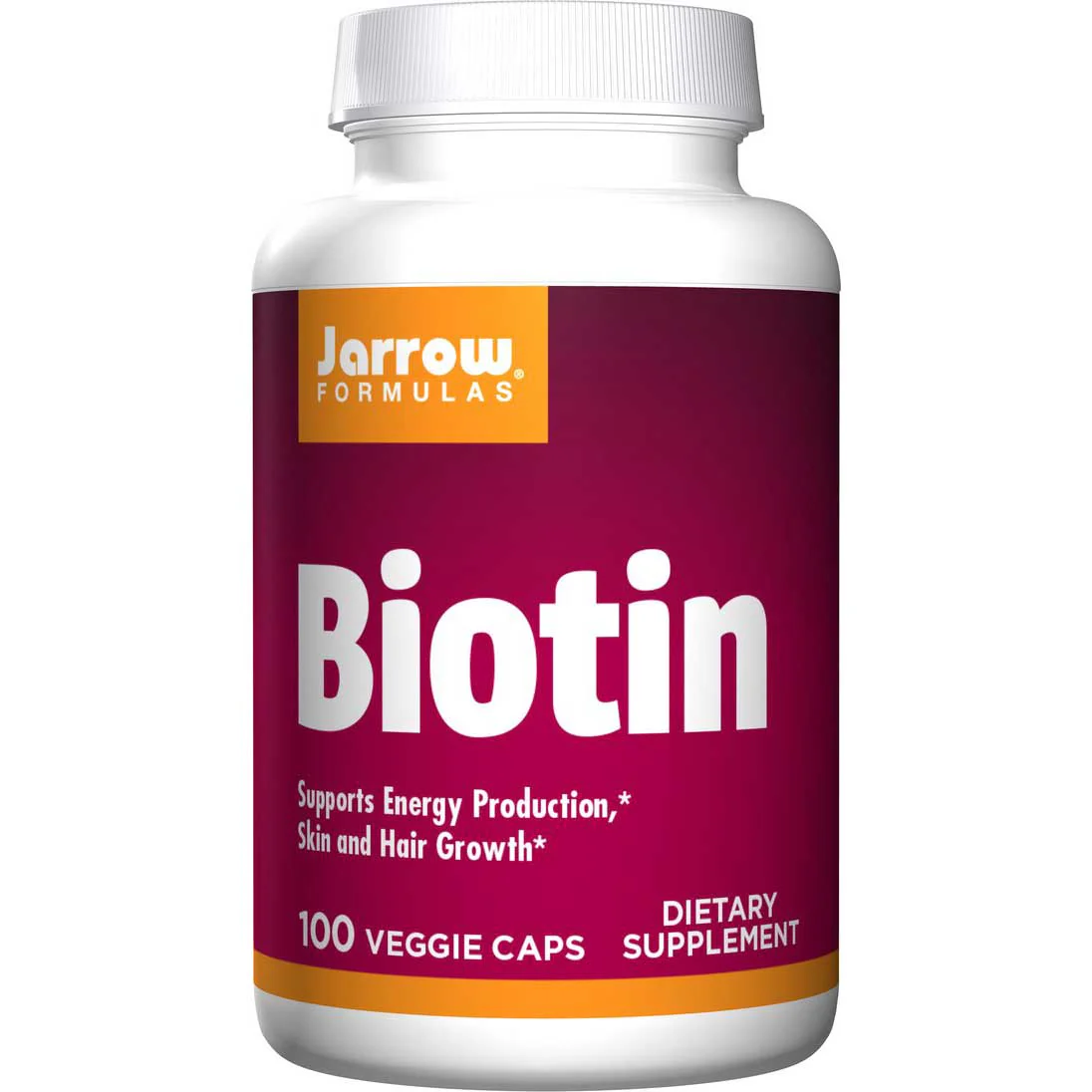
For years, I believed that the solution to my thinning hair could be found in a small, pearl-colored capsule. Like millions of other women navigating the changes of their sixties, I was told that Biotin was the “holy grail” of hair growth. I dutifully took my 5,000 mcg supplement every morning with my coffee, waiting for the miraculous transformation that the bottle promised. However, after eighteen months of religious adherence and zero change in the density of my ponytail, I had to face a frustrating reality: the truth about biotin – why it’s not helping your thinning hair is that for the vast majority of us, it is a nutritional red herring. While the supplement industry markets it as a cure-all, the science—and my own thinning part—suggests that we are often literally flushing our money down the drain.
The Biotin Myth: Where the Marketing Came From
Biotin, also known as Vitamin B7, is undeniably essential for the body. It helps convert food into energy and plays a role in the production of keratin, the protein that makes up our hair, skin, and nails. Because of this biological link, marketing departments made a leap: if a little biotin helps make hair, then a lot of biotin must make a lot of hair.
The Deficiency Dilemma
The only time biotin has been scientifically proven to significantly “fix” thinning hair is when a person has a clinical biotin deficiency. Here is the catch: biotin deficiency is incredibly rare. Biotin is found in a massive variety of foods, including eggs, nuts, whole grains, salmon, and even cauliflower. Furthermore, our gut bacteria actually produce biotin for us. Most healthy adults already have more than enough biotin in their systems to support hair growth. Adding a massive supplement on top of an already sufficient supply doesn’t create “super growth”; it just creates “expensive urine,” as the body simply excretes the excess water-soluble vitamin.
Why Your Hair is Thinning (And Why Biotin Can’t Fix It)
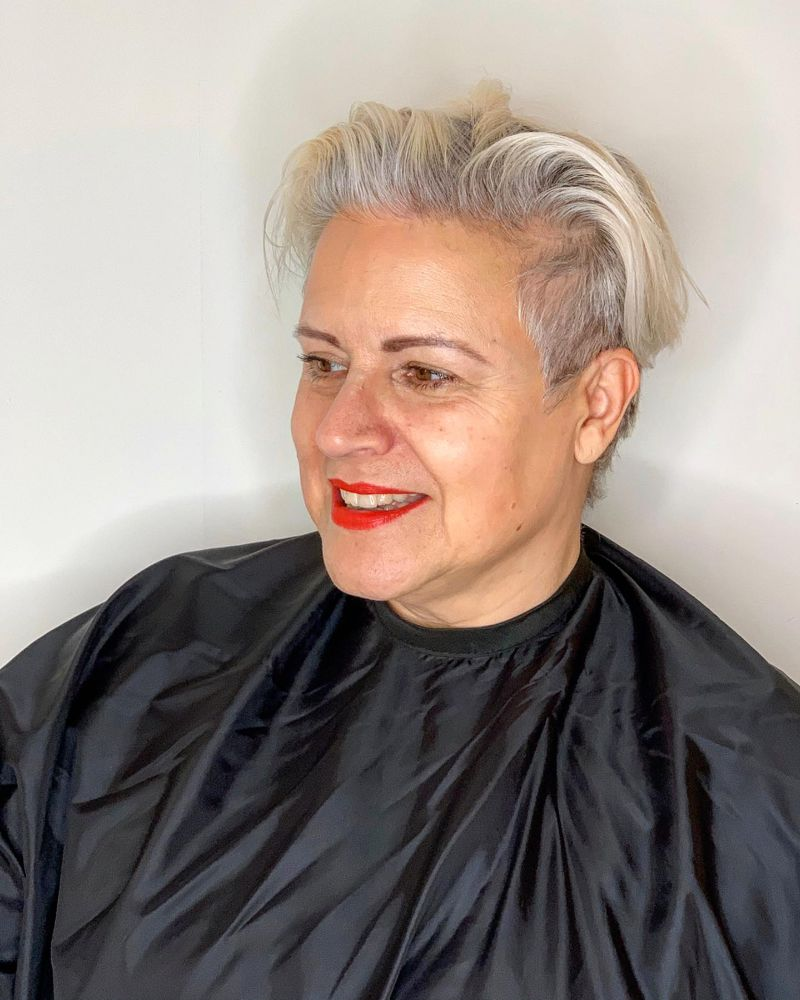
If you are over 60 and noticing more scalp than you used to, it is rarely because of a vitamin B7 shortage. For most women in this demographic, the cause is much more complex than a single nutrient deficiency can address.
The Hormonal Shift
The primary driver of thinning hair at age 65 is the decline of estrogen and progesterone during and after menopause. These hormones help keep hair in the “anagen” (growth) phase for longer. When they drop, testosterone can become more dominant, leading to “dihydrotestosterone” (DHT), which shrinks the hair follicles. Biotin has zero impact on your hormone levels. You can take all the B7 in the world, but if your follicles are being miniaturized by hormonal changes, the biotin has nowhere to go.
Scalp Aging and Micro-Circulation
As we age, the skin on our scalp loses its elasticity and thickness, just like the skin on our faces. Blood flow to the scalp decreases, meaning the follicles receive fewer nutrients and less oxygen. Biotin doesn’t improve blood circulation. If the “soil” of your scalp is dry and the “irrigation” (blood flow) is poor, the “fertilizer” (biotin) won’t make the “grass” grow.
The Hidden Dangers of High-Dose Biotin
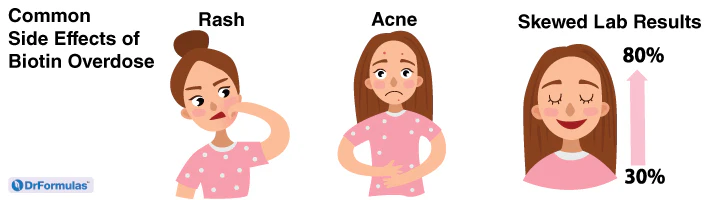
Taking excessive amounts of biotin isn’t just ineffective; it can actually be problematic. The doses found in “Hair, Skin, and Nails” vitamins are often 100 to 500 times the daily recommended intake.
Laboratory Interference
This is perhaps the most dangerous truth about biotin – why it’s not helping your thinning hair. High levels of biotin in the blood can significantly interfere with important lab tests. Most notably, it can cause falsely low results for Troponin (a marker used to diagnose heart attacks) and can skew thyroid function tests. I learned this the hard way when a routine physical showed “abnormal” thyroid levels that vanished once I stopped the supplements. For seniors who frequently monitor their heart and thyroid health, this is a serious medical risk for a supplement that isn’t even providing the promised cosmetic benefit.
The “B5” Breakout
The body uses the same receptors to absorb Biotin (B7) and Vitamin B5 (Pantothenic acid). When you flood your system with B7, you can inadvertently block the absorption of B5, which is essential for regulating the skin barrier. This is why many women find themselves dealing with “adult acne” or skin irritation for the first time in decades after starting a high-dose hair supplement.
What Actually Works: A Holistic Approach to Thinning
Once I realized that biotin wasn’t the magic bullet, I shifted my focus toward strategies that actually address the mechanics of aging hair.
- Protein, Not Just Vitamins: Hair is made of protein. Instead of a pill, I focused on increasing my intake of lean proteins, collagen, and amino acids.
- Iron and Ferritin Levels: For women, low iron is a much more common cause of hair loss than biotin deficiency. Ensure your doctor checks your ferritin levels (your body’s iron stores).
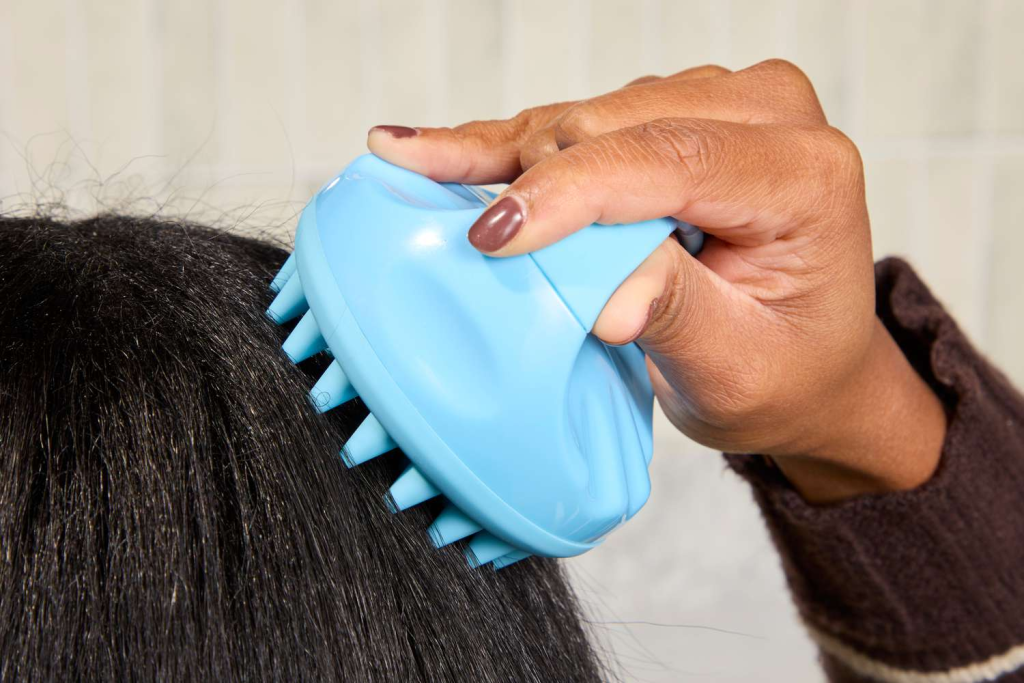
- Scalp Stimulation: I traded my pills for a high-quality scalp massager. Manual stimulation helps bring blood flow back to the follicles, providing a natural delivery system for the nutrients already in my diet.
- Topical Treatments: Ingredients like Minoxidil or prescription-strength topical caffeine have much stronger clinical backing for fighting hair thinning than oral biotin.
The Psychological Trap of the Supplement Aisle
There is a specific kind of hope sold in the vitamin aisle. When we see our hair thinning, we feel a loss of control. Buying a supplement feels like taking action. It’s easier to swallow a pill than it is to navigate the complexities of hormone replacement therapy or the lifestyle changes required for better circulation.
However, that “hope” has a cost. Not just the $30 a bottle, but the emotional cost of waiting for a result that never comes. When we don’t see improvement, we often blame ourselves—thinking we missed a dose or haven’t taken it long enough—rather than blaming the product that was never designed to solve our specific problem.
Conclusion: Investing in Reality
At 65, I have learned that my hair reflects my overall health, not just my vitamin intake. The truth about biotin is that it’s a tiny piece of a very large puzzle. If you have a balanced diet, you are likely already getting all the biotin your hair could ever use.
Stopping the biotin supplements didn’t make my hair fall out; in fact, my hair has never looked better because I redirected that energy and money into scalp health, better nutrition, and a precision haircut that works with my natural density. It’s time we stop looking for miracles in a bottle and start looking at the real science of aging. Your hair—and your bank account—will thank you.

Leave a Reply