
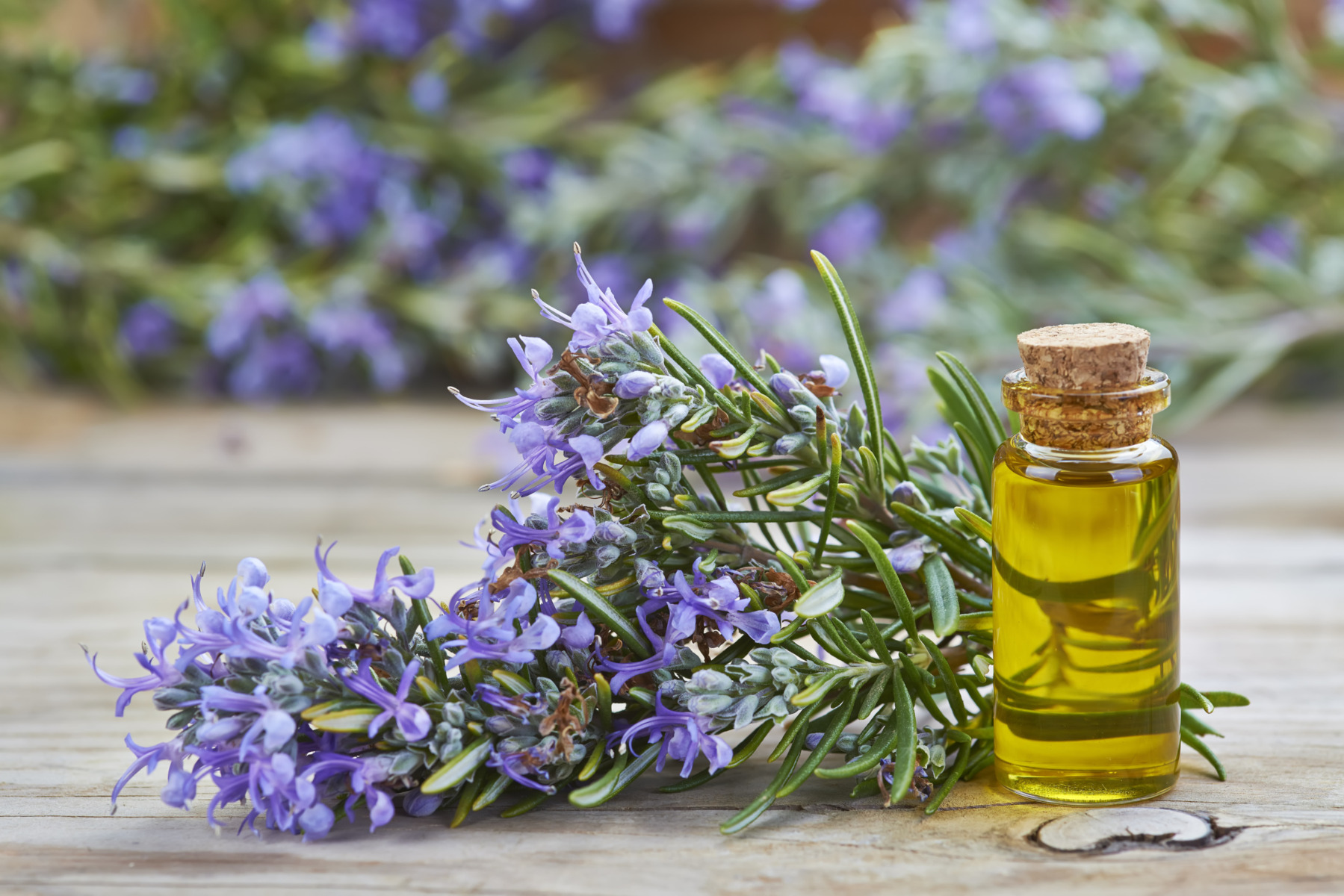
In the world of natural hair care, few trends have gained as much traction as the use of rosemary oil. If you spend any time on Pinterest or lifestyle blogs, you’ve likely seen the viral claims that this herb is a “miracle” cure for thinning hair. For a woman of 65 who has watched her once-thick ponytail dwindle, these claims are incredibly tempting. However, after years of being burned by “miracle” products, I’ve learned to look past the aesthetic bottles and into the science. The truth about rosemary oil for hair growth – what studies actually say is far more nuanced than a catchy social media headline. While there is genuine scientific promise here, there are also significant caveats regarding how we apply it and what we should realistically expect from a bottle of essential oil.
The Study That Started It All
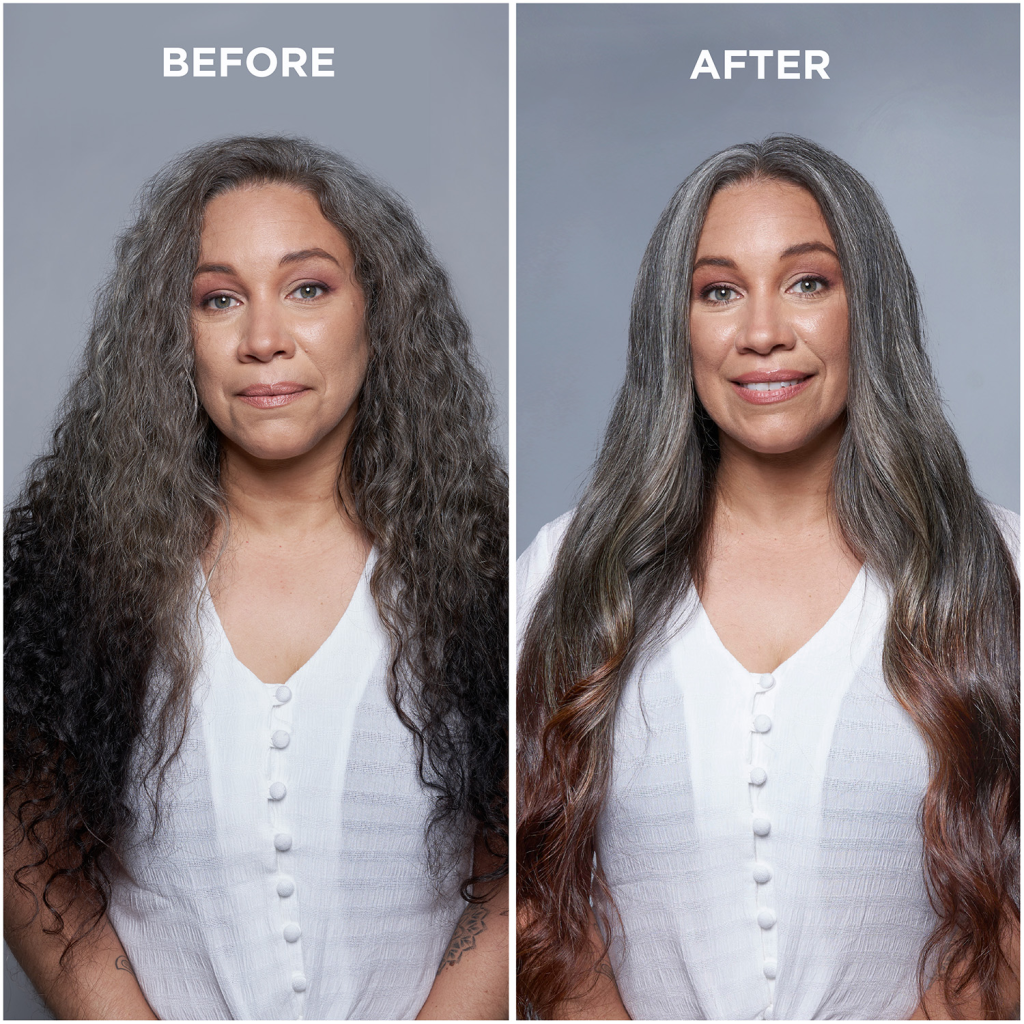
Most of the hype surrounding rosemary oil stems from a single landmark study published in 2015. Researchers compared rosemary essential oil to Minoxidil (the active ingredient in Rogaine) over a six-month period in patients with androgenetic alopecia—the most common form of hair loss in both men and women.
The Results of the 2015 Comparison
The study found that after six months, both the rosemary oil group and the Minoxidil 2% group saw a significant increase in hair count. Remarkably, there was no statistical difference between the two groups’ results. This suggested that rosemary oil could be just as effective as a pharmaceutical intervention. Furthermore, the rosemary oil group reported less scalp itching compared to the Minoxidil group, making it an attractive alternative for those of us with sensitive, aging scalps.
The “Fine Print” We Often Ignore
While those results are exciting, it is vital to look at the specifics of the study. The participants used the oil daily for six months. In our “instant gratification” culture, many women try rosemary oil for three weeks, see no change, and give up. The science tells us that hair growth is a marathon, not a sprint. If you aren’t prepared to be consistent for at least half a year, you aren’t actually following the science.
How Rosemary Oil Actually Works
Rosemary oil isn’t a “magic” potion that creates hair follicles out of thin air. Instead, it works on the mechanics of the scalp environment.
Improved Micro-Circulation
The primary benefit of rosemary oil is its ability to act as a vasodilator. Like Minoxidil, it helps to dilate the tiny blood vessels in the scalp. For women over 60, blood flow to the extremities (including the scalp) naturally decreases. By increasing circulation, rosemary oil ensures that the hair follicles receive the oxygen and nutrients they need to stay in the growth phase longer.
Anti-Inflammatory and Antioxidant Properties
As we age, our scalps are prone to “inflammaging”—a low-grade, chronic inflammation that can stifle hair growth. Rosemary oil contains carnosic acid, a compound known for its potent antioxidant and anti-inflammatory effects. By soothing the scalp and neutralizing free radical damage from UV rays and pollution, it creates a “healthy soil” environment where hair can actually thrive.
The Concentration Mistake: Why DIY Can Be Dangerous
One of the biggest misconceptions in search of the “truth about rosemary oil” is that you can simply rub pure essential oil onto your scalp. This is a recipe for disaster, especially for the thinner skin of a senior.
The Risk of Contact Dermatitis
Essential oils are highly concentrated plant extracts. Applying undiluted rosemary oil can cause severe irritation, redness, and even chemical burns on a sensitive scalp. The 2015 study used a specific formulation, and when we attempt to “DIY” it at home without a carrier oil, we risk causing inflammation that actually triggers more hair shedding.
The Importance of Carrier Oils
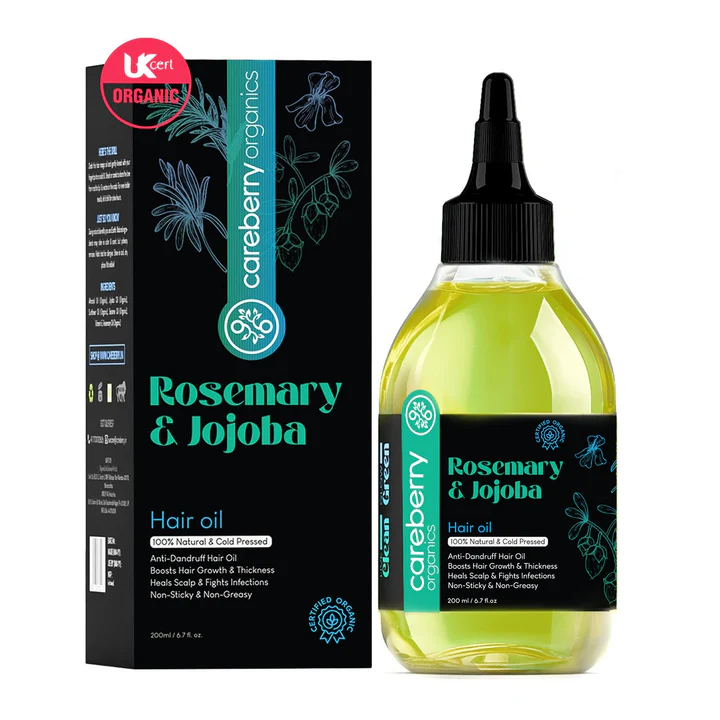
To follow the studies correctly, rosemary oil must be diluted in a carrier oil like Jojoba, Grapeseed, or Argan oil. Jojoba is particularly effective for older women because its molecular structure closely mimics our scalp’s natural sebum, which we produce less of as we age. A safe ratio is typically 2 to 3 drops of rosemary essential oil per tablespoon of carrier oil.
Rosemary Water vs. Rosemary Oil
A recent trend has seen women boiling rosemary sprigs at home to create “rosemary water” or hair mists. While this is a lovely, refreshing rinse, it is important to note that there are no clinical studies proving that rosemary water has the same hair-growth effects as the concentrated essential oil. The volatile compounds that stimulate circulation are found in the oil, and they aren’t always water-soluble. If you find the water works for you, that’s wonderful, but it isn’t what the scientific data is based on.
The DHT Factor: Can It Really Block Hormones?
Some preliminary studies suggest that rosemary oil may inhibit the activity of 5-alpha-reductase, the enzyme that produces DHT (dihydrotestosterone). As discussed in my previous articles, DHT is the hormone responsible for shrinking follicles during menopause. While the evidence here is mostly from animal studies and lab cultures, it provides a fascinating glimpse into why rosemary might be particularly effective for post-menopausal thinning compared to other essential oils like lavender or peppermint.
Managing Expectations at 65
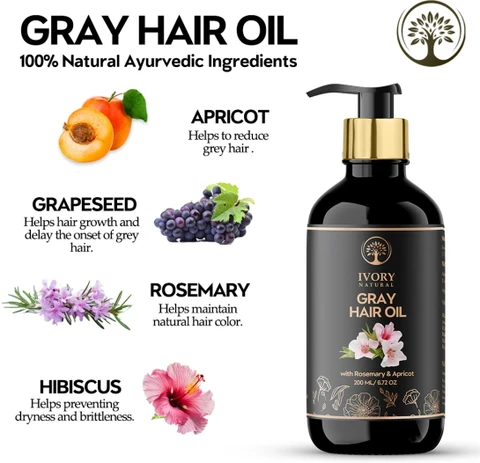
The most important “truth” I can share after researching the science and trying it myself is this: rosemary oil will not bring back hair follicles that have been dead for ten years. If you have areas of the scalp that are completely smooth and shiny, the follicles have likely miniaturized to the point of no return.
However, if you are experiencing “diffuse thinning”—where the hair is still there but looks sparse and “wimpy”—rosemary oil can help revitalize those struggling follicles. It is about retention and thickening of what you have, rather than a total “fountain of youth” for the scalp.
The Psychological Benefit of Natural Rituals
Beyond the chemistry, there is something to be said for the ritual of self-care. When we are dealing with thinning hair, we often feel a sense of despair. Every time we wash our hair, we focus on what is in the drain.
When I started my rosemary oil routine, the focus shifted. Instead of “managing a loss,” I was “nurturing a growth.” The scent of the rosemary is invigorating, and the act of massaging my scalp became a meditative practice. Even before I saw the physical results, I felt a sense of agency that I hadn’t felt in years. That psychological shift is just as important as the hair count.
Conclusion: A Tool, Not a Miracle
The truth about rosemary oil for hair growth is that it is a scientifically-backed tool that requires extreme patience and proper technique. It is not a miracle that works overnight, and it is not a replacement for a healthy diet or addressing underlying medical issues like thyroid dysfunction or iron deficiency.
At 65, I’ve found that rosemary oil is a permanent part of my “healthy hair” toolkit. It isn’t about looking like I’m 20 again; it’s about giving my 65-year-old hair the best possible environment to be strong, shiny, and resilient. If you approach it with realistic expectations and scientific discipline, you may find that this ancient herb is exactly what your modern hair care routine has been missing.

Leave a Reply