We’ve all seen the “Supermom” aesthetic: the perfectly color-coded pantry, the toddler with the advanced sensory bin, and the mother who somehow manages a 5-step skincare routine before 7:00 AM. In the world of modern digital publishing, we call this “hustle culture for parents.” But for most of us, it’s just a one-way ticket to burnout.
If you are feeling perpetually behind and emotionally exhausted, it’s time for a radical shift. It’s time to move from “perfect parenting” to purposeful presence. This is the essence of Slow Motherhood, and it is the ultimate burnout recovery for the modern woman.
The Science of “Good Enough”
Slow Motherhood isn’t about being lazy; it’s a psychology-informed approach to intentional parenting. We’ve been conditioned to believe our children need a “professional” childhood filled with structured activities. However, developmental psychology suggests otherwise.
Donald Winnicott, a famed pediatrician, introduced the concept of the “Good Enough Mother.” His research proved that children don’t need a perfect parent; they need a regulated one. When we embrace slow living for moms, we prioritize coregulation—the ability to stay calm so our children can learn to do the same.
Pillar 1: Rejecting “Extracurricular Overkill”
The first secret to a peaceful home? A ruthless audit of your calendar. We often sign our kids up for everything out of a fear of them “falling behind.” In reality, this “over-parenting” creates a frantic pace that prevents deep connection.
By choosing rhythm over routine, you stop fighting the clock. Instead of a rigid schedule, follow a natural flow: play, nourish, rest. When you stop rushing to the next “class,” you find the white space where memories actually happen.
Pillar 2: The Magic of the “Yes Space”
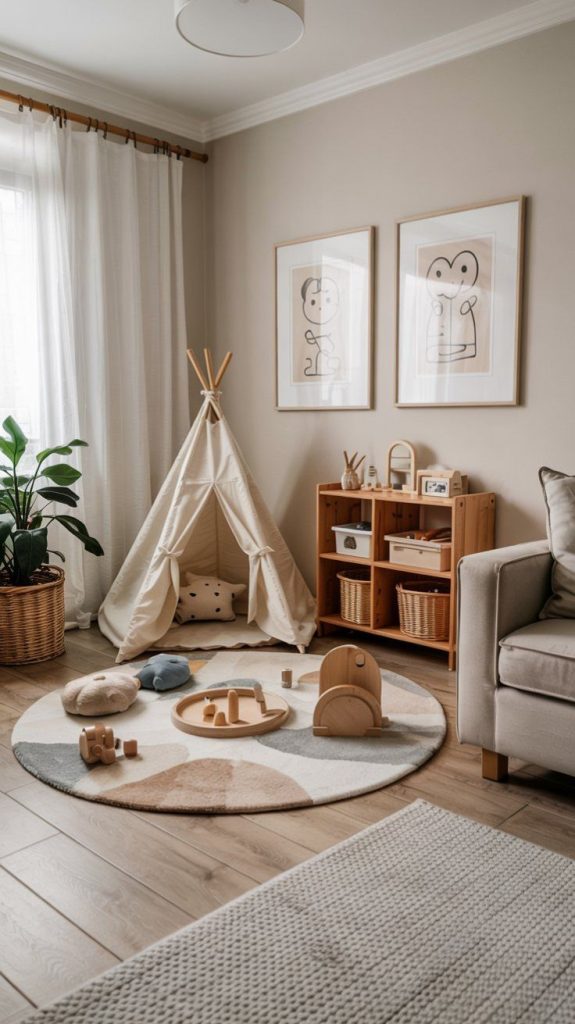
One of the biggest stressors for a busy mom is the constant “no.” “No, don’t touch that,” “No, that’s messy,” “No, stay away from the stairs.” Creating a “Yes Space”—a 100% child-safe, curated environment—is the ultimate hack for independent play. It allows you to step back and breathe while your child explores safely. This minimalist approach to your home decor doesn’t just look better on Pinterest; it reduces the sensory “noise” that leads to toddler meltdowns.
Pillar 3: Turning “Chore Time” into “Connection Time”
We often try to “get through” the housework so we can finally play with our kids. Slow Motherhood flips the script. By involving your children in practical life skills—like “helping” with the laundry or washing plastic dishes—you turn a chore into a bonding activity. It’s slow, it’s messy, and it’s exactly what your child needs to feel seen and capable.
Pillar 4: The Power of Boredom
In a world of “iPad kids,” boredom has become a dirty word. But boredom is actually the birthplace of creativity. When we stop providing constant entertainment, children are forced to look inward. This triggers slow play, where a cardboard box becomes a rocket ship and a pile of sticks becomes a forest.
Your Permission to Slow Down
The “Supermom” myth is a lie. Your children won’t remember the organic bento boxes or the perfectly curated playroom. They will remember the way you felt when you looked at them.
Today, I’m giving you permission to do less. Cancel the extra appointment. Sit on the floor. Breathe. The antidote to over-parenting isn’t a new toy or a better schedule—it’s you, fully present.
Hey mama! Let’s be real for a second—lunchtime with a toddler can feel like you’re negotiating a peace treaty with a tiny, unpredictable world leader. One day they devour everything on their plate, the next day they act like you’ve served them poison. Sound familiar?
I’ve put together a collection of simple, balanced toddler lunch ideas that take the stress out of midday meals. These aren’t fancy gourmet recipes—they’re real, practical meals that work for busy moms and picky toddlers alike.
The goal? Nutritious food that actually gets eaten, minimal cleanup, and maybe—just maybe—a peaceful lunch break for you too.
Why “Simple and Balanced” Matters
Before we dive into the ideas, let’s talk about what “balanced” actually means for a 2-3 year-old. Toddlers have small tummies but big energy needs. A well-balanced lunch should include :
Protein for growth and development
Healthy fats for brain development
Fruits and veggies for vitamins and fiber
Complex carbs for steady energy
But here’s the secret: balance doesn’t have to be complicated. You don’t need to prepare five separate things. Sometimes a single well-rounded dish—like egg muffins or a quesadilla—hits all the food groups in one go .
10 Simple & Balanced Toddler Lunch Ideas
1. Turkey & Cheese Roll-Ups
This is my go-to when I need something fast but satisfying.
How to make it: Spread a thin layer of cream cheese on a soft tortilla. Layer turkey and cheese, roll tightly, and slice into bite-sized pinwheels. Serve with cucumber sticks or berries on the side .
Why it works: Toddlers love finger foods, and the pinwheel shape makes it feel special. Plus, you can make the roll the night before and just slice it at lunchtime .
Make-ahead tip: Roll the night before but slice at lunch so they don’t dry out .
2. Mini Quesadilla Dippers
Quesadillas are the unsung heroes of toddler feeding—they’re quick, flexible, and perfect for little hands .
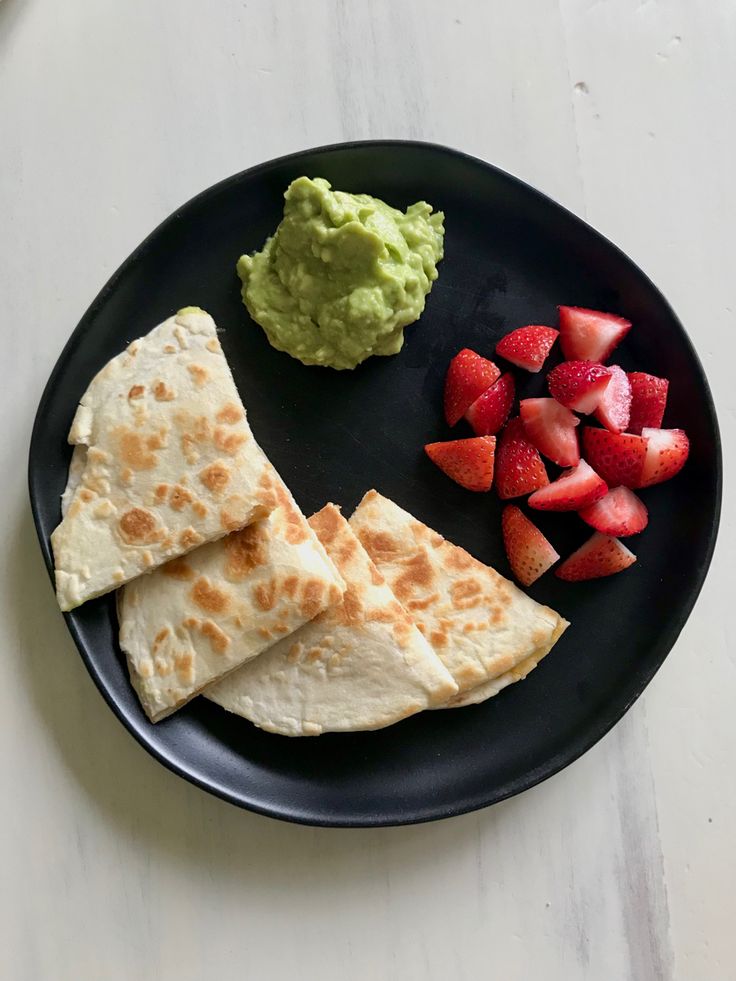
How to make it: Sprinkle shredded cheese between two small tortillas (add finely chopped spinach if you’re feeling brave). Warm in a pan until melty, then slice into thin strips perfect for dipping .
Serve with: Guacamole, mild salsa, or yogurt-ranch for dipping.
Why it works: When sliced into triangles, quesadillas are easy for toddlers to hold, supporting independence at mealtimes .
3. Hummus & Veggies Snack Box
Sometimes the simplest lunches are the biggest hits.
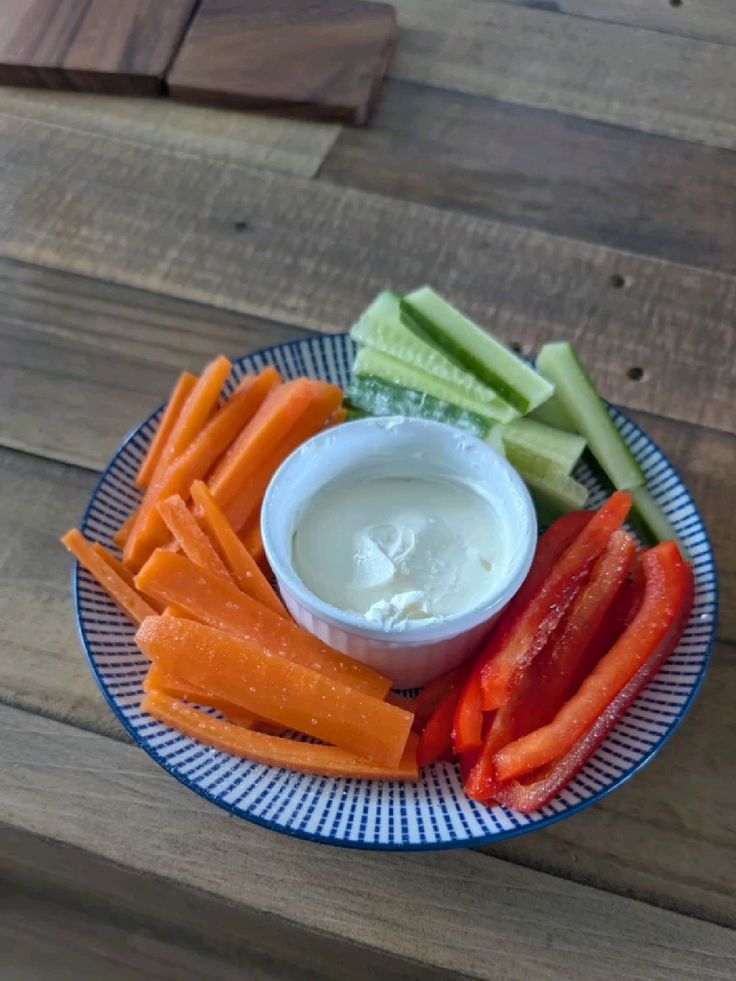
How to build it: Spoon hummus into a small cup. Surround with toddler-soft veggies: cucumber half-moons, thinly sliced bell pepper strips, cherry tomatoes (quartered lengthwise), and soft pita triangles for dipping .
Why it works: Dips make vegetables magically disappear. Seriously—it’s like toddler sorcery .
Prep tip: Portion hummus and pre-cut veggies into containers for 2-3 days; keep pita separate so it stays crisp .
4. Egg Muffins (Protein-Packed Bites)
These are my absolute favorite make-ahead lunch solution.
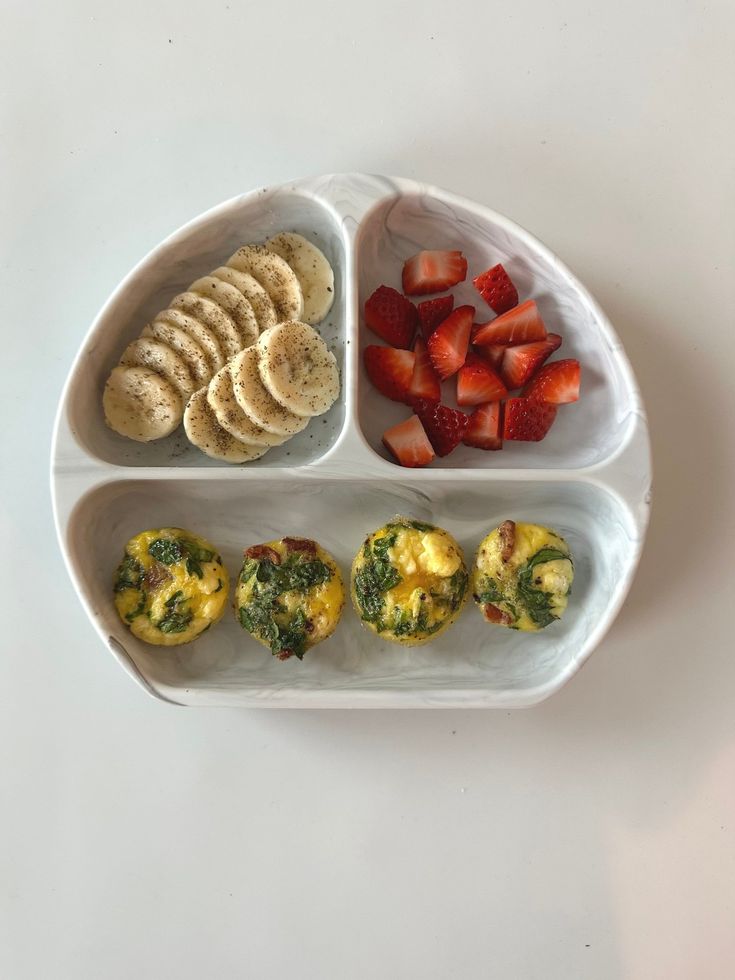
How to make them: Whisk 4 eggs with a splash of milk. Add finely chopped spinach, bell peppers, and a sprinkle of cheese. Pour into greased muffin tins and bake at 350°F for 15-20 minutes .
Why it works: Egg muffins are soft in texture, easy to hold, and work brilliantly for babies, toddlers, and the rest of the family too . Make a batch on Sunday and grab them all week .
Storage: Freeze flat and reheat for 25-30 seconds when needed .
5. Pasta, Peas & Parmesan
Comfort food that actually delivers nutrition.
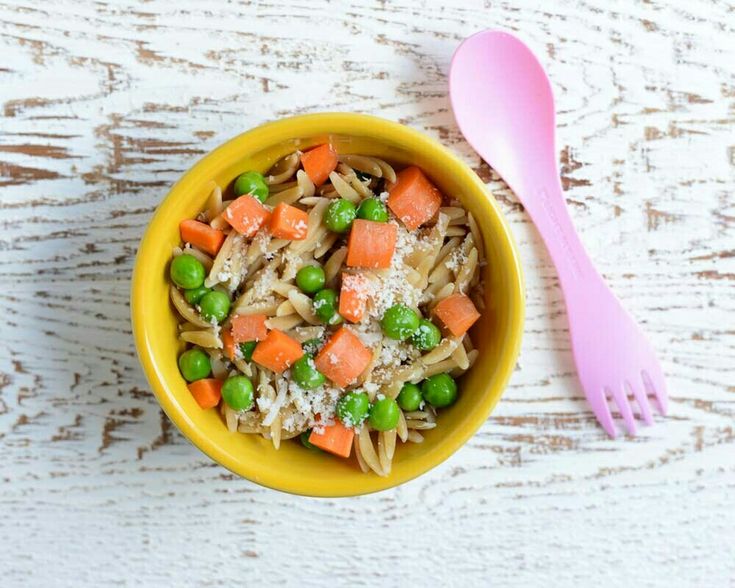
How to make it: Toss small pasta shapes with olive oil, sweet peas (frozen and thawed work great), and a sprinkle of Parmesan. Add a spoonful of yogurt for extra creaminess if you like .
Why it works: The small pasta shapes are easy for little mouths, and peas add a pop of sweetness toddlers often love .
Make-ahead: Keeps for 3 days in the fridge; add a splash of water before reheating .
6. DIY Bagel Bar
Give them choices—it works wonders for picky eaters.
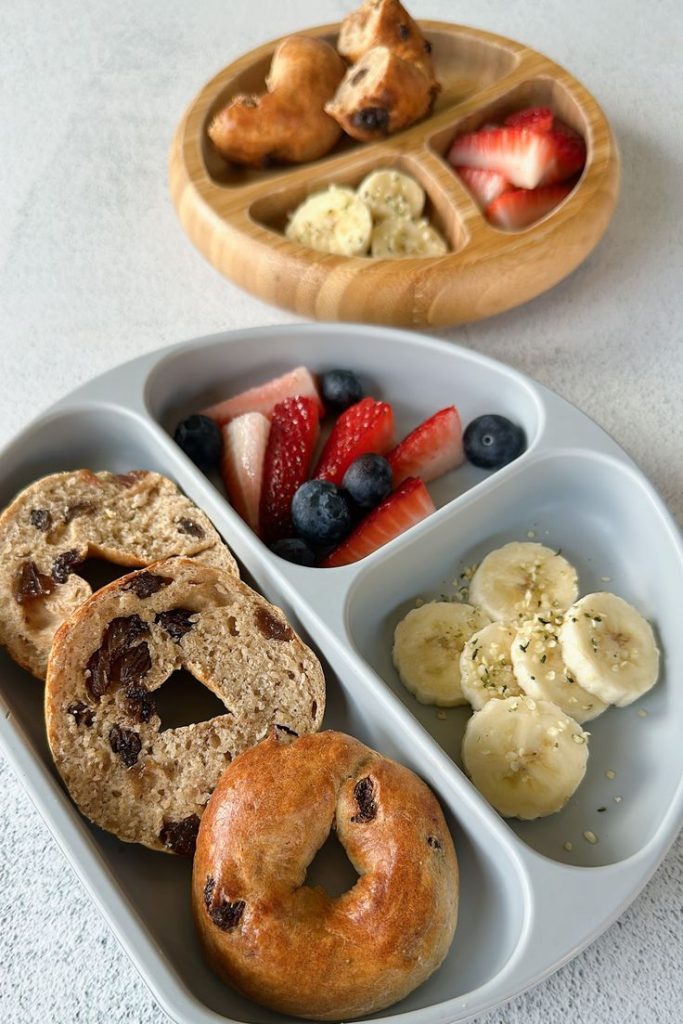
How to set it up: Offer a mini bagel (toasted, cut in half), a small bowl of cream cheese or mashed avocado, and tiny bowls of “sprinkles” like finely chopped strawberries or cucumber .
Why it works: Letting toddlers choose gives them a sense of control, making them more likely to actually eat .
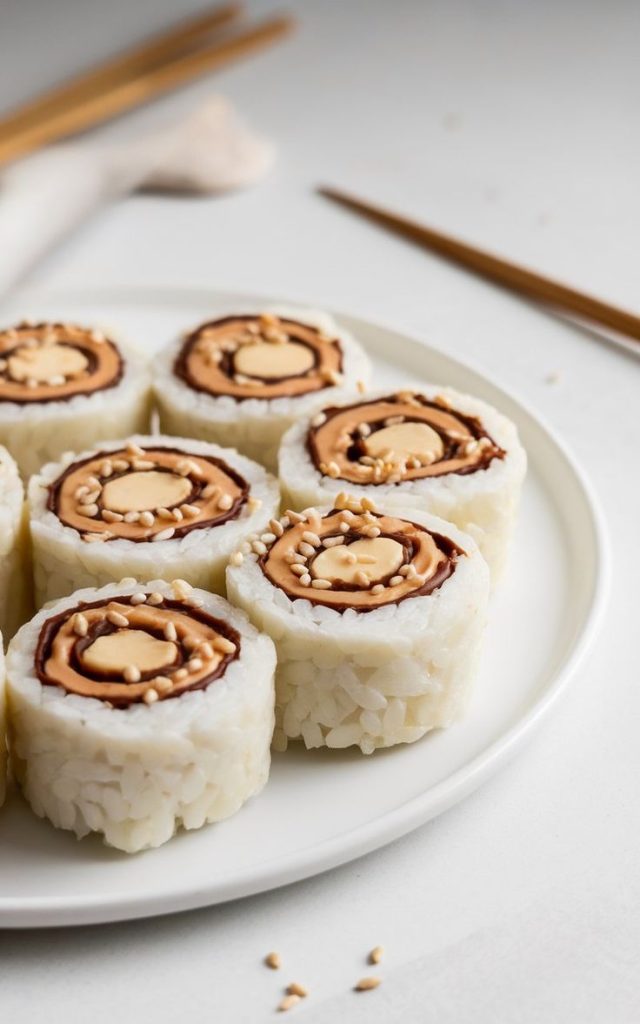
7. PB & Banana Sushi (Nut-Free Options Available)
This one feels like a treat but delivers protein and energy.
How to make it: Spread nut or seed butter on a tortilla, place a whole banana on one edge, roll tightly, and slice into coins. For extra fun, roll the edges in puffed rice cereal .
Allergy swap: Use sunflower seed butter (SunButter) or Wow Butter for nut-free settings .
Why it works: It’s handheld, fun-shaped, and naturally sweet—basically toddler catnip.
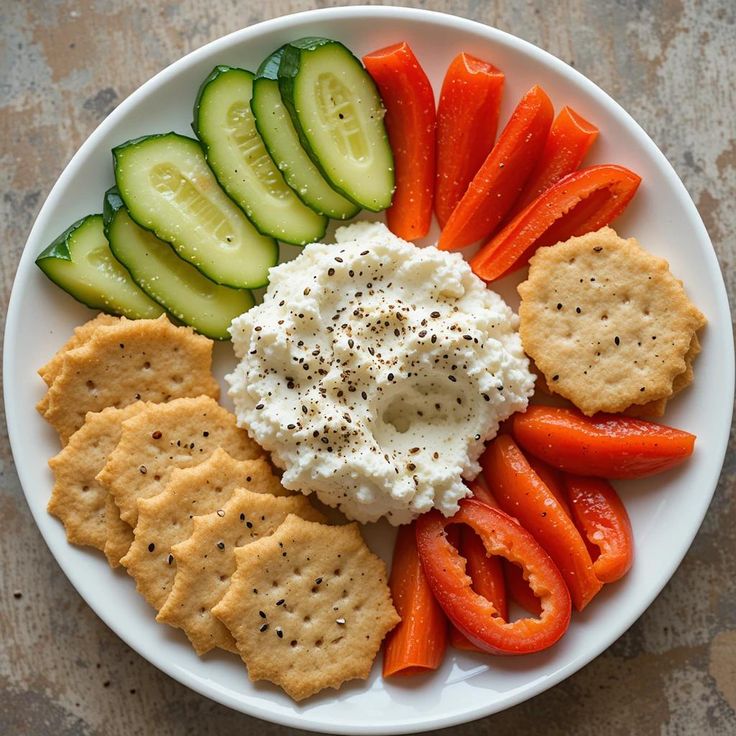
8. Cottage Cheese Snack Plate
Don’t underestimate the power of a simple snack plate.
How to build it: Spoon cottage cheese into a small bowl. Add soft peach slices (canned in juice works great) and whole-grain crackers on the side .
Why it works: Cottage cheese packs protein and calcium, and the combination of creamy and crunchy keeps things interesting.
Prep tip: Portion cottage cheese into lidded cups for grab-and-go convenience .
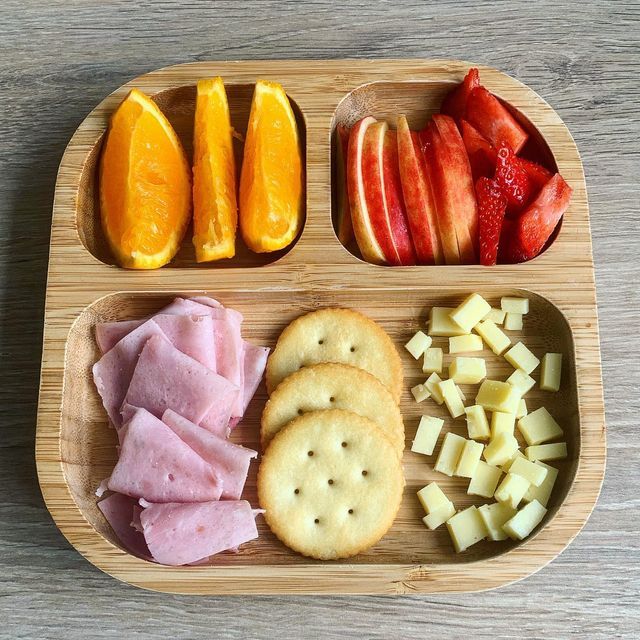
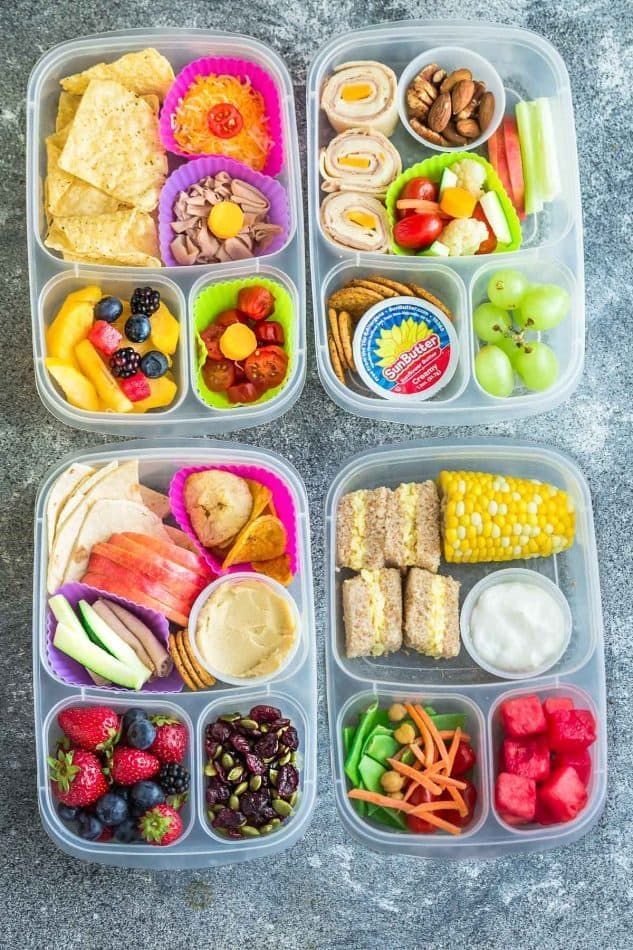
9. Mini “Lunchable” Bento
Skip the processed store-bought kits and make your own.
How to build it: In a bento box or divided plate, arrange:
Whole-grain crackers
Sliced cheese or cheese cubes
Turkey or ham roll-ups
Cucumber rounds and halved berries
Why it works: Toddlers love having separate little compartments and controlling what they eat next .
10. Savory Pancakes (Leftover Remix)
Got leftover veggies from last night’s dinner? This is your solution.
How to make them: Finely chop leftover cooked vegetables and mix them into a simple pancake batter (made from whole wheat flour and an egg). Cook like silver-dollar pancakes.
Why it works: It gives leftovers new life and hides textures that might otherwise be rejected .
Quick Tips for Stress-Free Toddler Lunches
Before you start meal planning, here are some sanity-saving tips from moms who’ve been there:
The 10-15 Rule
It can take 10 to 15 exposures to a new food before a toddler accepts it. Don’t give up after the first “no!” Just keep offering a tiny taste alongside familiar favorites .
Portion Sizes Matter
A toddler’s portion is about 1/4 of an adult’s—roughly 2-3 tablespoons per food group . A huge plate of food can be overwhelming. Start small .
Cut Smart for Safety
Always cut round foods like grapes and cherry tomatoes lengthwise into quarters to prevent choking . Steam firm veggies like carrots until they’re soft enough to squish with your fingers .
One Safe Food, One New Food
When introducing something new, always include one familiar “safe food” they already love. This reduces mealtime anxiety and keeps them eating .
Make One Anchor Ahead
Keep one prepped protein in the fridge—meatballs, egg muffins, or shredded chicken. Having this ready makes assembling lunches a 60-second job .
Sample Balanced Meal Plan for a 2-Year-Old
Here’s a simple guide to building a balanced plate. Remember, you don’t need to include everything at every meal—aim for variety over the course of the day.
Whole-grain crackers, mini pitas, small pasta, brown rice
Healthy Fats
Brain health
Avocado slices, nut/seed butters, cheese
How much to offer: Think 2-3 tablespoons per food group. Watch your child’s hunger and fullness cues—they’ll let you know if they need more or are done .
Handling Picky Eaters: What Actually Works
If your toddler rejects everything some days, you’re not alone. Here’s what experienced moms and nutritionists recommend:
Don’t pressure. Encouragement works better than pressure. Stay neutral about what they eat .
Keep it colorful. Toddlers eat with their eyes first. Bright colors naturally draw them in .
Offer choices. “Do you want cucumber or bell pepper?” gives them control without extra work for you .
Rotate dips. Same food + new dip = “different” meal. Hummus, guacamole, yogurt, and mild salsa are all winners .
Eat together. When you sit down and enjoy the same foods, they’re far more likely to join in .
Make-Ahead Strategies for Sanity
Meal prepping doesn’t have to mean spending your entire Sunday in the kitchen. These small steps make a big difference:
Sunday prep: Cook a batch of egg muffins, wash and cut sturdy veggies (carrots, cucumbers), and portion dips into small containers .
Night before: Roll pinwheels, pack dry items in lunch containers, and pre-portion yogurt or cottage cheese .
Morning of: Add fresh fruit, pack an ice pack, and you’re done .
Which Lunch Will You Try First?
I’d love to hear from you! Drop a comment below and let me know which of these simple lunch ideas your toddler enjoyed—or share your own go-to meal that always works. We moms have to stick together!
Love this guide? Save it to your favorite “Toddler Meals” board on Pinterest so you always have it handy when lunchtime rolls around. And if you know another mom who’s struggling with picky eaters, forward this to her—she’ll thank you!
Your Turn!
What’s your toddler’s current favorite lunch? Share in the comments—I’m always looking for new ideas to try!
This post contains affiliate links. If you make a purchase through these links, I may earn a small commission at no extra cost to you.
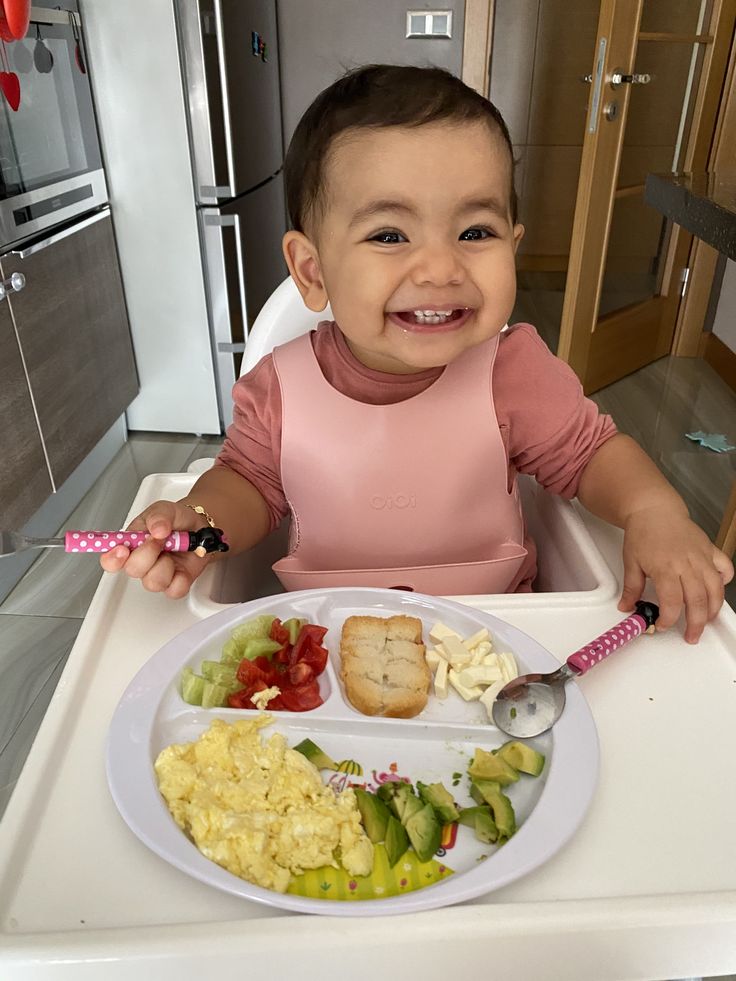
Hey mama! If you’re staring into the fridge at 11 a.m. wondering what on earth to feed your little human again, I’ve got you. Feeding a two-year-old can feel like preparing a gourmet meal for a tiny food critic who changes their mind faster than the weather. One day they love cheese, the next day it’s “toxic.” Sound familiar?
We’re diving into the world of balanced meal plates for 2 year olds that are healthy, fun, and—most importantly—easy enough for busy parents. Let’s turn those mealtime battles into happy (or at least peaceful) eating adventures!
Why Balanced Meals Matter for Toddlers
Before we get to the ideas, let’s talk about the “balanced” part. Toddlers have small stomachs but big energy needs. A great rule of thumb is to aim for a mix of:
Protein (for growth)
Healthy Fats (for brain development)
Fruits & Veggies (for vitamins)
Complex Carbs (for energy).
But let’s be real—sometimes getting them to eat anything green feels like a major win. The trick isn’t pressure; it’s presentation and variety.
10 Toddler-Approved Lunch Ideas
Here are 10 nutritious, visually appealing lunch ideas that are perfect for your 2-year-old.
1. The Deconstructed “Lunchable”
Skip the processed store-bought kits. On a plate, arrange:
Protein: Slices of roasted turkey or chicken
Carb: Whole grain crackers
Produce: Cucumber slices and a few berries
Dairy: A cheese stick or small cheese cubes Why it works: Toddlers love finger foods and having control over what they grab.
2. Veggie-Forward Mini Quesadillas
How-to: Spread refried beans on a small whole wheat tortilla. Sprinkle with shredded cheese and finely chopped spinach or bell peppers. Fold and pan-fry until golden. Cut into dippable wedges. Dip: Serve with a side of mild salsa or guacamole for dipping. Why it works: The cheese masks the taste of veggies, and dips make everything more fun.
3. The “Everything” Pasta Salad
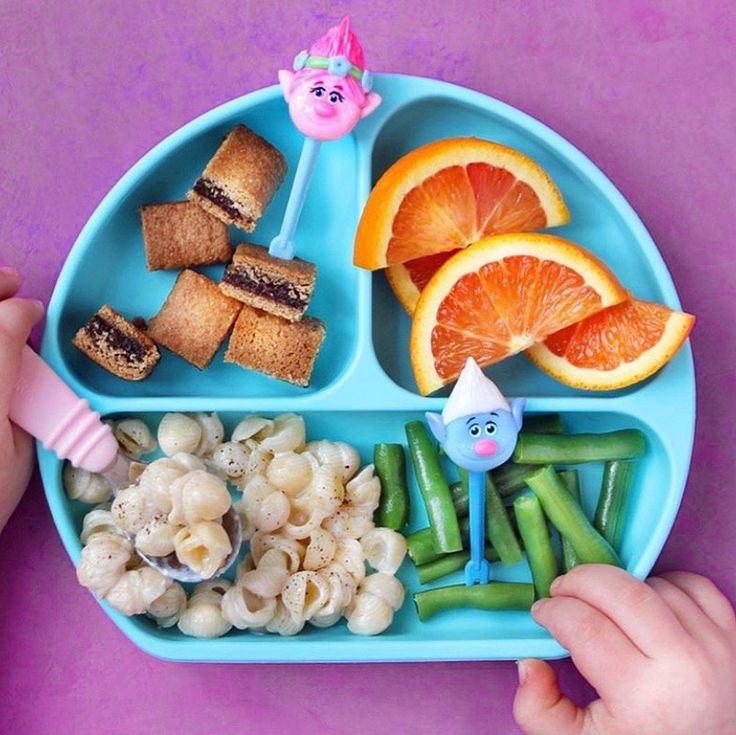
Base: Small pasta shells (easy for little mouths) Mix-ins: Canned tuna (in water), peas (frozen and thawed are sweet), and cherry tomato halves. Finish: Toss with a light olive oil or a dollop of pesto. Why it works: Pasta is a safe food for most kids, and this packs in protein and veggies effortlessly.
4. DIY Bagel Bar
Set out:
A mini bagel (toasted, cut in half)
A small bowl of cream cheese or mashed avocado
A tiny bowl of “sprinkles” like finely chopped strawberries or cucumber. Why it works: Giving choices (even small ones) gives toddlers a sense of independence, making them more likely to eat.
5. Rainbow Yogurt Bowl
Base: Full-fat plain Greek yogurt Color: Top with blueberry “eyes,” strawberry slice “mouth,” and use shredded coconut or granola for hair. Sweetener: A light drizzle of maple syrup or mashed banana for natural sweetness. Why it works: It’s a visual treat and packed with calcium and probiotics.
6. Protein-Packed Muffins
Make a batch of egg muffins ahead of time. Recipe: Whisk eggs with a splash of milk. Pour into a greased muffin tin. Add fillings like chopped broccoli, cheese, and diced ham. Bake at 375°F until set. Serve: One or two muffins with a side of fruit. Why it works: These are perfect for meal prep and can be eaten warm or cold.
7. Fun with Faces
Sometimes, the simplest meals become exciting with a little art. Base: Half a whole grain bagel or rice cake spread with hummus. Face: Use thin carrot strips for a smile, cucumber rounds for eyes, and a cherry tomato half for a nose. Why it works: It encourages kids to interact with their food, making them more open to trying new textures.
8. Simple “Sushi” Rolls
No raw fish here! How-to: Spread cream cheese on a whole wheat tortilla or flattened bread slice. Lay down thin strips of cucumber and turkey. Roll it up tightly and slice into bite-sized pinwheels. Why it works: It’s a novel shape that’s easy to hold and packed with nutrients.
9. Leftover Remix: Savory Pancakes
Got leftover veggies or chicken from last night’s dinner? Chop them finely and mix them into a simple pancake batter (made from whole wheat flour and an egg). Cook them like silver-dollar pancakes. Why it works: It gives leftovers a whole new life and hides textures that might otherwise be rejected.
10. The “Safe Food” Plate
Never underestimate the power of a safe meal. The Plate: A hard-boiled egg (sliced), a handful of goldfish crackers, apple slices with a thin layer of peanut butter, and a few steamed carrot coins. Why it works: Including one “safe” food they recognize next to new options reduces mealtime anxiety.
Quick Tips for Surviving the Picky Eater Phase
Before you scroll down to save this for later (go ahead, I know you want to!), here are some game-changing tips from experts that saved my sanity:
The 10-15 Rule: It can take 10 to 15 exposures to a new food before a toddler accepts it. Don’t give up after the first “no!”
Portion Sizes Matter: A toddler’s portion is about 1/4 of an adult’s. A huge plate of food can be overwhelming. Start small.
Watch the Milk: Too much milk or juice can spoil their appetite. Stick to about 16-24 oz of milk a day and offer water for thirst.
Cut Smart: Always cut round foods like grapes and cherry tomatoes lengthwise into quarters to prevent choking.
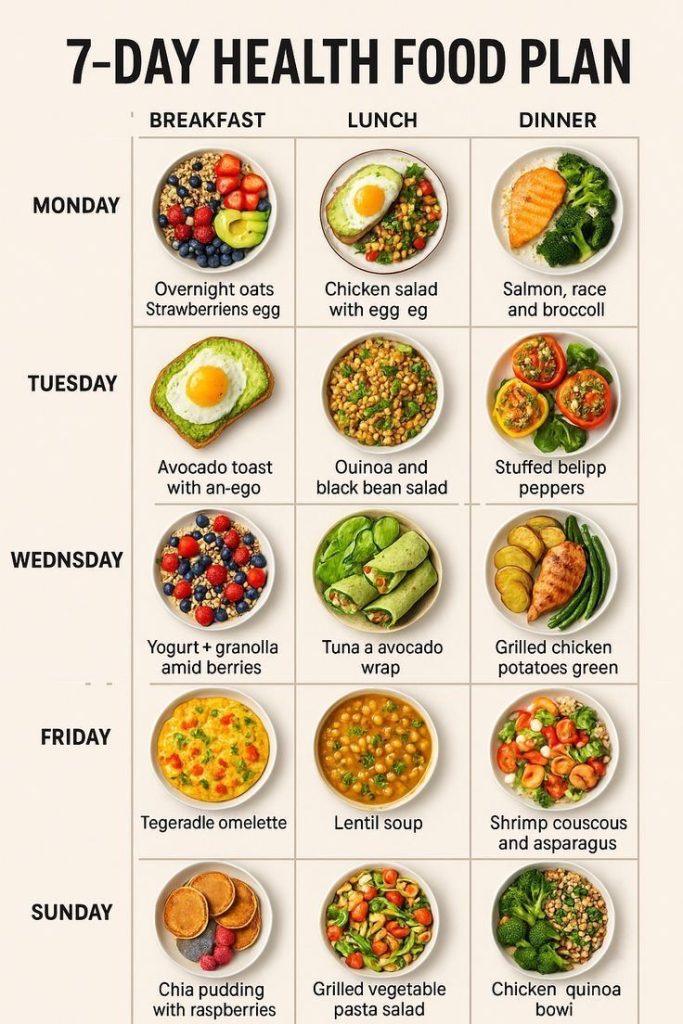
Sample Balanced Meal Plan for a 2-Year-Old
To make your life easier, here is a quick guide to building a plate that covers all the bases:
Protein (Growth & Development): Meatballs, tuna, eggs, beans, tofu, yogurt
Veggies (Vitamins & Fiber): Steamed broccoli, bell pepper strips, peas
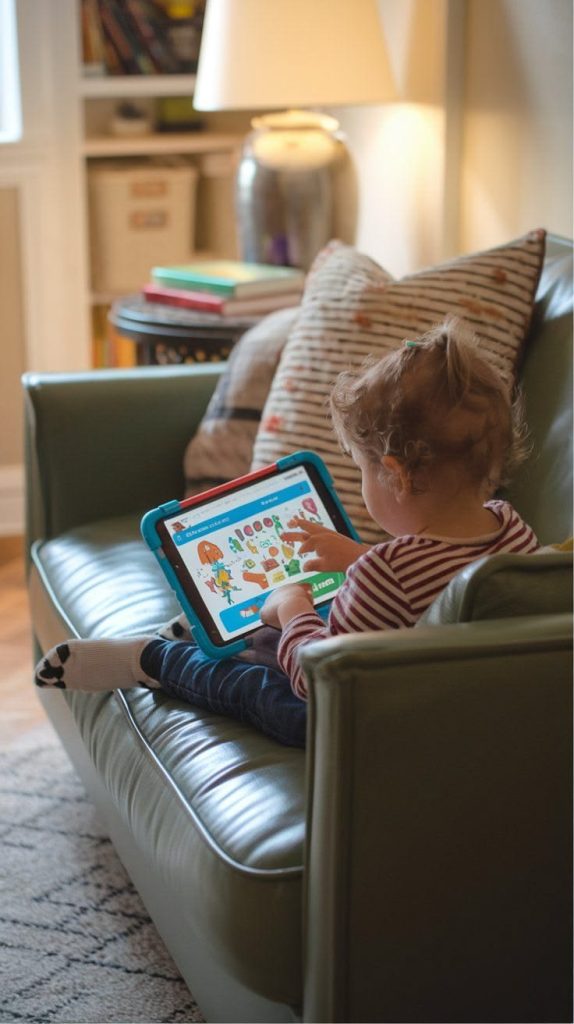
The modern “busy mom” exists in a state of constant task-switching. You are often trying to answer a work email while a toddler asks for a snack, or attempting to fold a mountain of laundry while a tablet blares repetitive cartoons in the background. We often reach for the screen as a “digital babysitter” because it feels like the only way to guarantee a moment of quiet. However, many parents notice a frustrating pattern: the second the screen turns off, a “post-tablet meltdown” begins. This happens because a child’s nervous system is often passively overstimulated by fast-paced digital content, rather than being actively regulated through engagement.
To get things done without the “screen-time guilt,” we have to shift our perspective. We aren’t just “entertaining” our kids; we are helping them build independent play stamina. This is a cognitive skill, much like reading or riding a bike. By using sensory-rich “stations”—focused on tactile, real-world engagement—we invite the child into a state of “flow.” In this state, their brain is deeply engaged, their nervous system is calm, and their need for constant maternal input drops. This is how you reclaim your morning without a power struggle over an iPad.
The secret to a productive morning isn’t finding a “magic toy”; it’s about Co-Regulation. In the world of gentle parenting, there is a powerful mantra: Regulate first, react later. If you are feeling frantic and rushed to finish your chores, your child picks up on that “speedy” energy and often clings to you for safety or attention. By taking five minutes to set up a high-concentration station and taking a moment to ground yourself, you create a “Yes Space” where the child feels secure enough to play independently. When they are anchored in a sensory task, you are finally free to tackle your to-do list with a clear head.
The “Prep-Ahead” Strategy for Maximum Focus
The key to a successful “Independent Play” block is the setup. Busy moms don’t have time for elaborate crafts that take 20 minutes to prep and only 2 minutes to play with. Instead, focus on “Open-Ended Sensory Bins.” The goal is to provide a task that has no “right” way to play, allowing the child’s imagination to take over. By having 2-3 of these “high-focus” rotations ready to go, you can swap them out the moment you see their concentration start to flicker, buying yourself another 20 minutes of productivity.
6 High-Concentration Stations to Swap for Screen Time
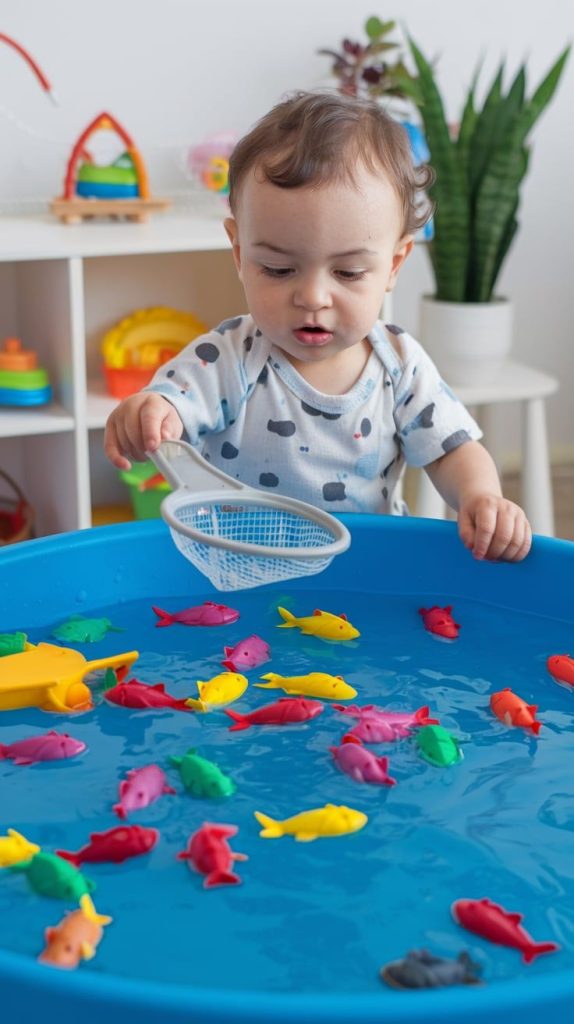
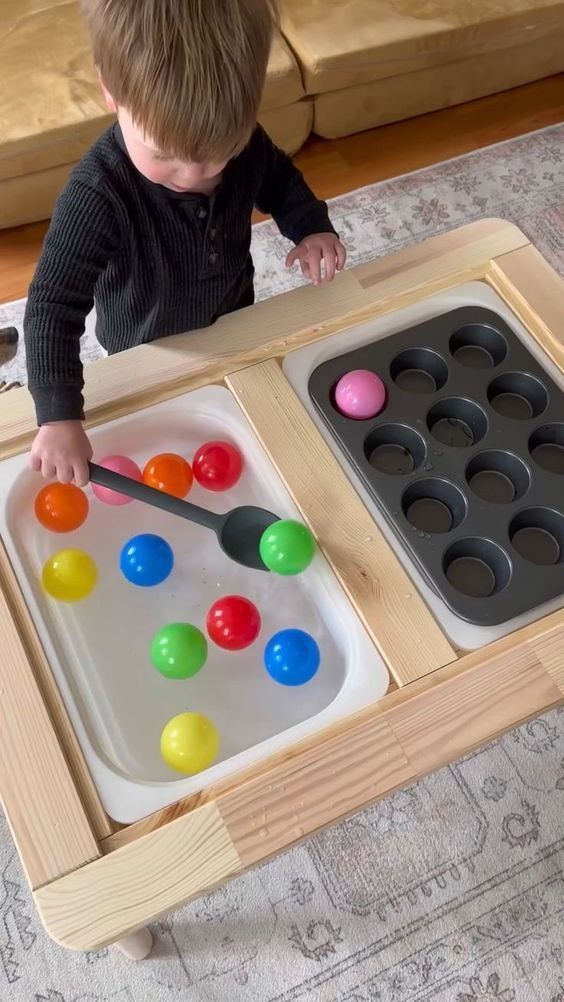
1. The Deep-Dive Water Station Water is a natural tranquilizer for a child’s nervous system. Fill a shallow bin or a large bowl with water and add “treasures” like plastic fish, colorful stones, or even frozen ice cubes to catch with a net or tongs. The tactile sensation of the water lowers the child’s heart rate and keeps them physically anchored in one spot. This is the perfect activity to set up on a towel on the kitchen floor while you prep dinner or tackle the dishes.
2. The “3-Minute” Scribble Journal Children love to mimic the “serious work” their parents do. If you need to sit down and write a to-do list or answer an email, give your child their own “special” notebook and some high-quality crayons. Tell them, “Mommy is writing her important list, and you are writing your story.” This mirrors your behavior and encourages a habit of “quiet work” time. It’s an excellent way to keep them occupied at the table while you get your digital tasks done.
3. The Sensory Scavenger Hunt If you have access to a backyard or even a safe porch area, use the “5-4-3-2-1” grounding method. Give your child a small basket and ask them to find 5 brown leaves, 4 smooth stones, and 3 sticks. This sensory-seeking mission turns “running around” into a focused, goal-oriented task. The physical contact with the earth and the focus required to find specific items helps regulate their system, preventing the “wired” feeling that often leads to tantrums.
4. “Focus Bubbles” for Self-Regulation If your child is starting to get restless or “whiny” while you’re in the middle of a chore, don’t reach for the tablet. Reach for bubbles. Ask them to blow the “slowest, biggest bubble ever.” This forces them to practice deep, rhythmic breathing. It calms their nervous system instantly, resetting their mood so they can return to independent play while you finish your task.
5. The “Heavy Work” Sorting Bin “Heavy work” refers to activities that push or pull against the body, which is incredibly calming for a busy toddler’s brain. Fill a bin with dried beans, rice, or pasta and hide small toys inside for them to find. The resistance of pushing their hands through the grains provides “proprioceptive input,” which helps ground them. It’s the sensory equivalent of a weighted blanket and can keep a child focused for surprisingly long stretches.
6. The “One-Minute” Energy Discharge Sometimes, independent play fails because a child has built up too much restless energy. Before you start a big chore, do a “one-minute shaking contest” or a quick dance party. Physically “shaking off” the tension helps discharge the energy of a stress response. Satisfying their need for physical connection and movement first makes them much more likely to play happily on their own for the next 30 minutes.
Why “Regulated Play” Beats the “Digital Pacifier”
When a child plays with a tablet, they are in a passive state; their brain is receiving hits of dopamine without any physical output. When they play with water, sand, or crayons, they are in an active, creative state. The “Independent Play Blueprint” isn’t just about getting chores done; it’s about child development. You are teaching them how to be comfortable in their own company, how to problem-solve, and how to self-soothe.
As a busy mom, your time is your most valuable resource. By investing five minutes in a “Regulated Setup,” you aren’t just buying yourself time—you’re raising a child who doesn’t need a screen to feel calm or occupied. You are becoming a “cycle breaker,” choosing to foster engagement and regulation over passive distraction.
Conclusion
Reclaiming your productivity doesn’t require a screen, and it doesn’t require you to be a “Super Mom” who entertains her kids 24/7. It simply requires a shift in the environment. By utilizing sensory stations that anchor a child in the “now,” you provide the internal stability they need to stay focused and calm. Start small tomorrow. Pick one chore, set up one sensory station, and practice the “regulate first” approach. You’ll be surprised how much you can get done when your child is engaged with the world around them instead of a digital display.
In the quiet, pre-dawn moments of a modern household, there is often a hidden, high-stakes biological event occurring: the morning cortisol spike. For many moms, the day doesn’t begin with a gentle awakening; it begins with a physical jolt—a mental to-do list that hits like a freight train the second the first floorboard creaks in the hallway. This isn’t just “morning grogginess”; it is your nervous system shifting immediately into a state of high alert. Before you have even reached for your coffee, your body may already be in a state of sympathetic nervous system activation—the “fight or flight” response—preparing you for a day of demands, sensory overload, and emotional labor.
The challenge of modern motherhood is that we are often expected to be the “calm center” of our homes while our own internal systems are red-lining. We hear the term “self-care” and imagine spa days or solo vacations, but for a parent in the thick of it, those are often unattainable luxuries. True, sustainable self-care isn’t about escaping your life; it’s about regulating your biology so you can inhabit your life without feeling constantly frayed. By focusing on nervous system regulation—the literal calming of your vagus nerve and the lowering of your heart rate—you move from a state of reactive “survival mode” to a state of responsive “thriving mode.”
The beauty of nervous system work is that it doesn’t require an hour of silence or a yoga studio. Your body is a programmable biological machine, and you can send it “safety signals” in as little as sixty seconds. When you prioritize regulating your own system first, you aren’t just helping yourself; you are co-regulating your children. Kids, especially young ones, mirror the nervous systems of their primary caregivers. If you are vibrating with frantic energy, they will likely match it. By taking five minutes to anchor yourself before the chaos begins, you are essentially setting the “emotional thermostat” for your entire home.
The Foundation: The “Night-Before” Setup
To make a 5-minute morning reset successful, you must lower the “barrier to entry” the night before. Nervous system regulation is difficult when you are met with physical clutter or immediate “emergency” tasks like finding matching socks. Spend ten minutes before bed clearing one flat surface (like the kitchen counter) and setting out your journal or a glass of water. By removing these micro-stressors, you give your brain permission to stay in a “rest and digest” state for those precious few minutes after you wake up.
7 Tiny Habits to Regulate Your Nervous System
To move from chaos to calm, try integrating these seven evidence-based “soothers” into your morning. These are designed to be done in the kitchen, the bathroom, or even while standing at the top of the stairs.
1. The Cold Splash Reset If you feel that immediate “buzz” of anxiety upon waking, use the mammalian dive reflex to your advantage. Splash ice-cold water on your face or run your wrists under a cold tap for 30 seconds. This sudden temperature shift sends an immediate signal to your brain to lower your heart rate and activate the parasympathetic nervous system, effectively “rebooting” your stress response. It is the biological equivalent of hitting the “reset” button on a lagging computer.
2. 4-4-4-4 Box Breathing Breathwork is the fastest manual override for your nervous system. Inhale for a count of 4, hold for 4, exhale for 4, and hold the empty space for 4. This rhythmic pattern balances oxygen and carbon dioxide levels in the blood, signaling to your amygdala—the brain’s fear center—that there is no immediate threat. This allows your “logical brain” to come back online before the kids start asking for breakfast.
3. Barefoot Grounding (Earthing) If possible, step outside onto the grass or soil for two minutes; if not, simply stand barefoot on a hard floor and focus entirely on the sensation of your feet connecting with the ground. This practice, often called “earthing,” helps shift your awareness from the “mental world” of stressors and schedules back into the physical world. It reminds your body that you are physically supported and safe in this exact moment.
4. The Hand-on-Heart Affirmation Physical touch releases oxytocin, the “bonding hormone,” which naturally counters cortisol. Place one or both hands over your heart, feel the warmth, and repeat a grounding mantra: “I am safe. I am doing my best. I deserve love.” Continue this until the words begin to feel true. This isn’t just “positive thinking”; it is a physiological shift that moves you from self-criticism into self-compassion.
5. The 5-4-3-2-1 Sensory Anchor When the mental “noise” becomes too loud, use your senses to return to the present. Identify 5 things you see, 4 things you can touch, 3 things you hear, 2 things you can smell, and 1 thing you can taste. This grounding method is a powerful tool during sensory or emotional overload, pulling your brain out of a “worry loop” and back into the “now.” It forces your brain to process external data rather than internal anxiety.
6. The 3-Minute “Brain Dump” Journal Stress often stems from the feeling that we might forget something important. Spend three minutes writing down every worry, task, or frustration onto paper. Your stress doesn’t make you a bad mom—it makes you human. Getting these thoughts out of your head and onto the page reduces the “cognitive load” your nervous system has to carry. Once it’s on paper, your brain no longer has to use energy to “loop” that information.
7. Strategic Movement (The Vagus Nerve Shake) Animals in the wild literally “shake off” stress after a close encounter with a predator. You can do the same. Spend one minute gently shaking your arms and legs or dancing to one high-energy song. This physical release helps “discharge” the pent-up energy of a stress response. It ensures you don’t carry that “tight” physical tension into your first interaction with your children.
What If the Kids Wake Up Early?
The “Pinterest-perfect” morning involves a sunrise and a quiet house, but reality often involves a toddler waking up at 5:30 AM. If your 5-minute window is invaded, do not abandon the practice—narrate it. Tell your child: “Mommy is feeling a little bit ‘speedy’ in her heart, so I’m going to take three big box breaths so I can be a calm mommy for you.” By doing this, you aren’t just regulating yourself; you are modeling emotional intelligence. You are showing them that big feelings aren’t scary—they are something we can manage with our breath and our bodies. This is the essence of “Cycle Breaking”: teaching the next generation a better way to handle the human experience of stress.
Implementing these small shifts is about more than just “feeling better” in the moment; it is about the long-term work of becoming a “cycle breaker.” A cycle breaker is someone who recognizes the patterns of stress and reactivity they may have grown up with and chooses to respond differently. By choosing to “regulate first and react later,” you are teaching your children that emotions are manageable and that safety starts from within. This practice transforms your morning from a gauntlet to be survived into a foundation for a more intentional, peaceful life.
Conclusion
You don’t need a perfect life to have a calm nervous system; you simply need a few tools to help you navigate the life you have. By dedicating just five minutes to these “soothers,” you reclaim your agency over your biological response to stress. Remember, you aren’t failing if you feel overwhelmed—you are simply experiencing a human reaction to a demanding role. Start small tomorrow morning: splash some cold water, take a deep breath, and remind yourself that you’ve got this. You are doing the hard work of staying present, one breath at a time. The world doesn’t need a perfect mom; it needs a regulated one.