
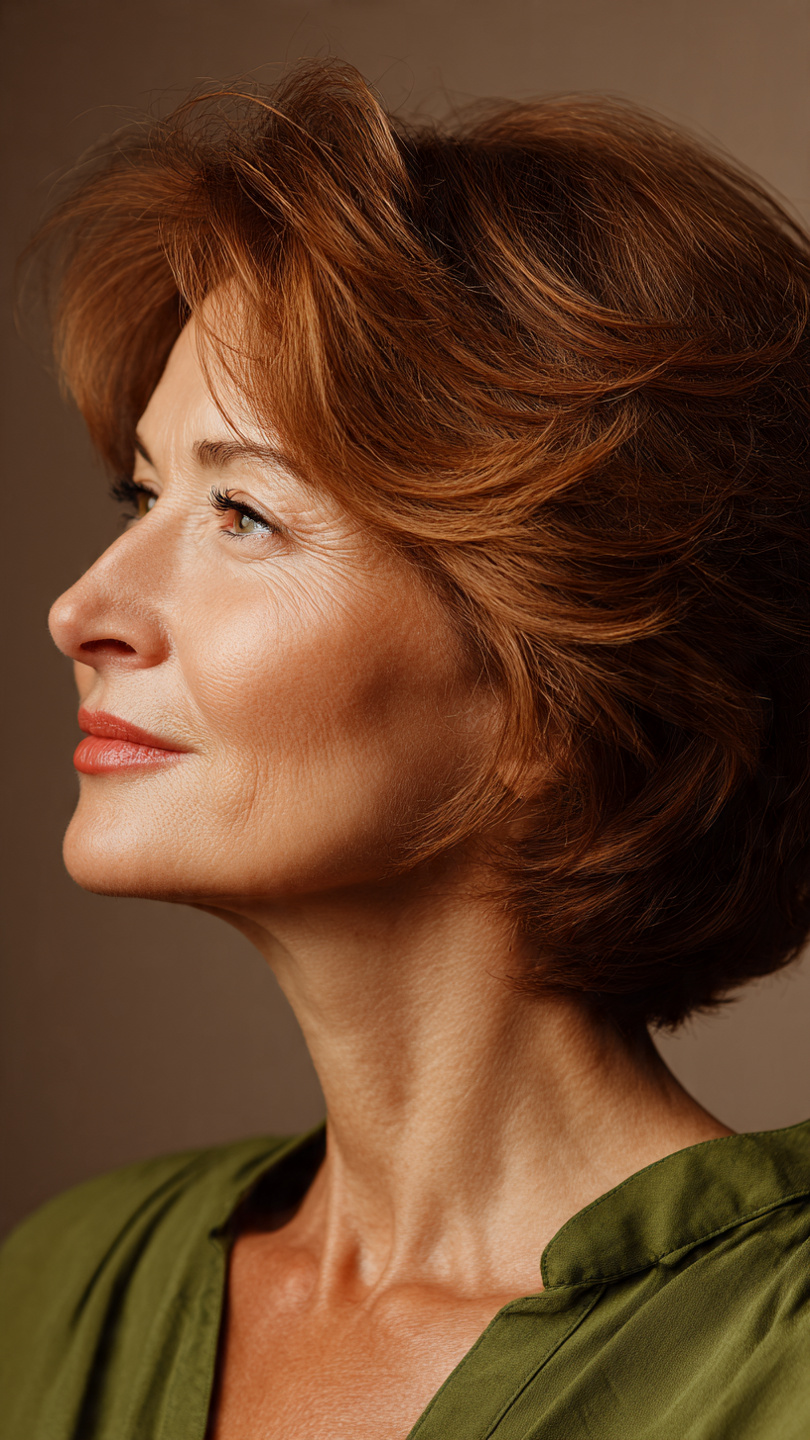
There is a common misconception that women with fine hair cannot wear their hair shoulder length. The assumption is that fine hair, when grown past the chin, will go flat, limp, and lifeless—clinging to the scalp like wet silk. But that is only true if you choose the wrong shoulder length cut. The right cut, however, is transformative. Shoulder length is actually the perfect “testing ground” for fine hair. Enter 14 shoulder length hairstyles for fine hair—a collection designed to prove that fine-haired women can absolutely enjoy length, movement, and volume.
The right cut, however, is transformative. Shoulder length is actually the perfect “testing ground” for fine hair. It is long enough to pull back into a ponytail or bun, short enough that the weight doesn’t pull the roots flat, and versatile enough to style in dozens of ways. Enter 14 shoulder length hairstyles for fine hair—a collection designed to prove that fine-haired women can absolutely enjoy length, movement, and volume.
Whether your fine hair is stick-straight, slightly wavy, pin-straight, or has a hint of natural bend, these 14 cuts use strategic layering, texturizing techniques, blunt perimeters, and weight redistribution to create the illusion of thick, bouncy, healthy hair. No more hiding under a short crop. No more accepting flat, stringy strands. Let’s dive in.
Why Shoulder Length Works for Fine Hair
Before we get to the list, let’s address the science of fine hair. Fine hair has a smaller diameter than medium or coarse hair. This means it has less internal structural support. When fine hair grows long, the cumulative weight of the length pulls the roots flat against the scalp, exposing every gap and making thinning areas obvious.
Shoulder length (generally defined as hair that falls between the collarbone and the armpit, resting on or just below the shoulders) is the maximum length most fine-haired women can maintain without losing volume. At this length, the weight is manageable, the roots can still lift, and strategic layering can remove just enough bulk to encourage movement while preserving density.
The following 14 styles are specifically engineered for fine hair textures. They work whether you have a full head of fine hair or are dealing with age-related thinning.
1. The Long Layered Shag (Shoulder Length)
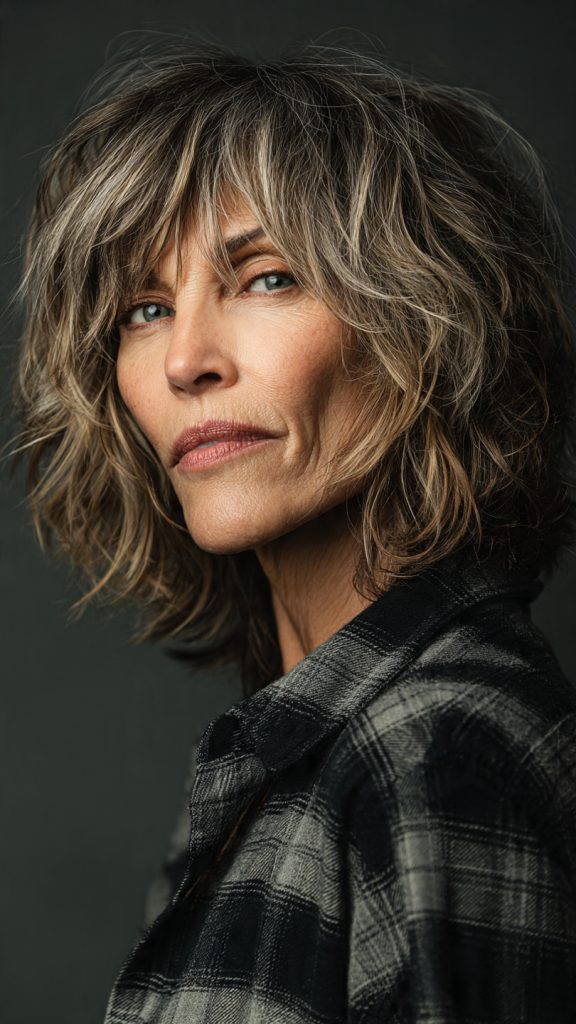
The shag has appeared on our previous lists, but the shoulder length shag deserves its own spotlight. Unlike shorter shags, this version keeps the length while using heavy internal layering to remove weight.
Why it works: The layers are cut deep into the hair, starting at the crown. This creates “gaps” that allow air and movement between strands, preventing fine hair from clumping together. The result is a messy, lived-in texture that looks intentionally piece-y rather than thin.
Styling tip: Use a texture spray on dry hair and scrunch. Do not brush—use fingers to separate pieces. A diffuser on low heat enhances any natural wave.
2. The Blunt Shoulder Length Cut (One-Length)
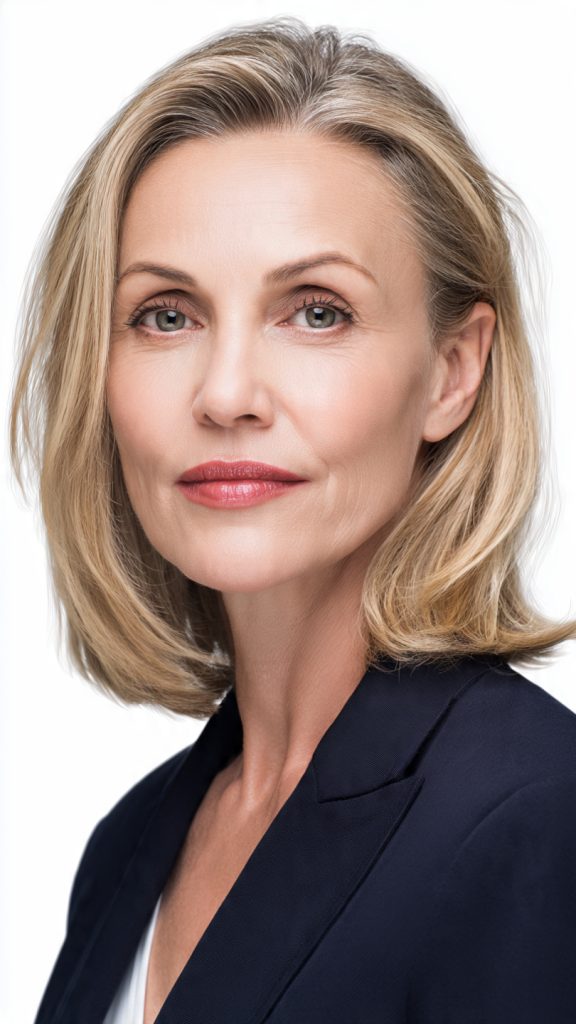
Counter-intuitively, one of the best cuts for fine hair is a blunt, one-length cut with no layers. Why? Because a solid, heavy perimeter creates the visual illusion of thickness.
Why it works: When fine hair is cut bluntly (straight across with no feathering or thinning at the ends), the light hits a solid line. That solid line reads as “dense” to the human eye. The key is keeping the length exactly at the shoulders—any longer and the weight becomes an issue.
Styling tip: Blow-dry smooth with a flat brush. Add a tiny drop of lightweight serum to the ends to keep the blunt line sharp and polished.
3. The Invisible Layered Cut
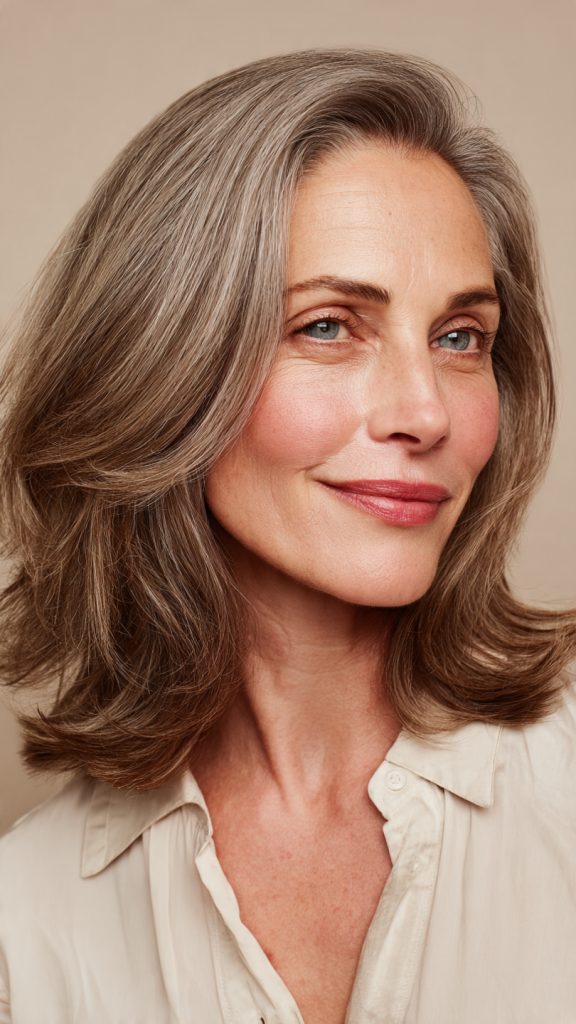
“Invisible layers” are exactly what they sound like: layers so subtle you cannot see them, but you can feel the volume they create. These are internal layers cut deep inside the hair shaft, not visible on the surface.
Why it works: Traditional layers on fine hair can look ragged and thin at the ends. Invisible layers lift the hair from the inside out, creating a rounded, C-shape silhouette without sacrificing the solid appearance of the perimeter. This is a technical cut best done by an experienced stylist.
Styling tip: Ask your stylist for “invisible internal layers” or “weightless layering.” Style with a volumizing mousse and a round brush, focusing on turning the ends slightly under.
4. The Shoulder Length Cut with Long Curtain Bangs

Curtain bangs are the bangs for women who are afraid of bangs. They part in the middle or slightly off-center, framing the face like curtains. At shoulder length, they add dimension and softness.
Why it works: Curtain bangs add width to the forehead area, which balances a narrow chin and draws attention upward and outward—away from thinning areas at the crown. The bangs blend seamlessly into the shoulder-length layers, creating a continuous frame around the face.
Styling tip: Blow-dry the bangs using a round brush, rolling them away from your face. This creates the signature “S” shape. The rest of the hair can be air-dried for contrast.
5. The Texturized Lob with Undercut (Hidden)
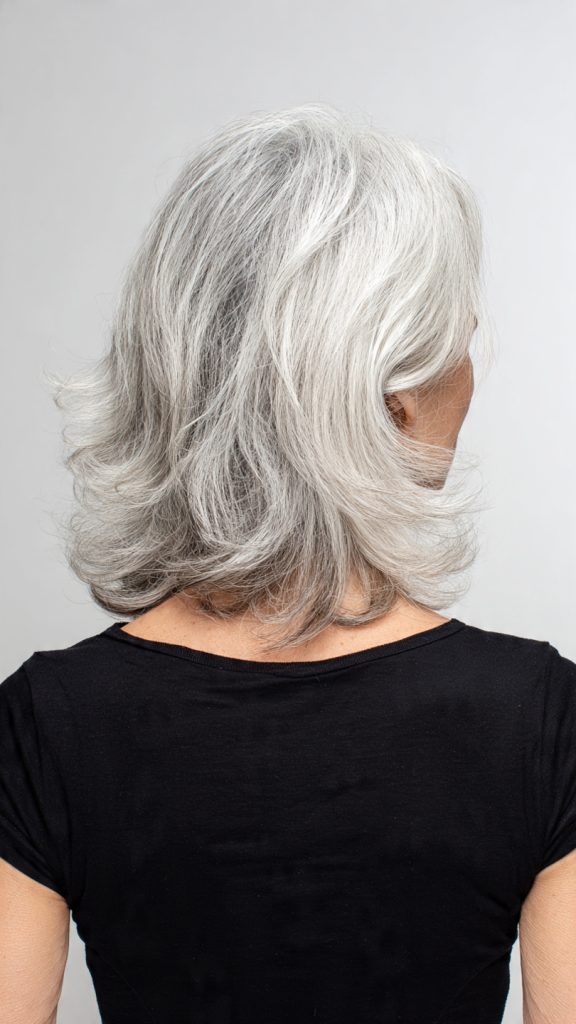
This sounds extreme, but hear it out: a hidden undercut at the nape of the neck removes the heaviest, densest part of the hair (the underneath section that no one sees). The top layers fall over it, hiding the undercut completely.
Why it works: Fine hair often looks thinner at the ends because the weight of the hair pulls it down. By removing a small triangle of hair at the very nape (the area that contributes the most weight), the remaining hair springs up. The top layers now have less weight to fight against, resulting in immediate lift.
Styling tip: This cut requires a stylist who understands fine hair. The undercut should be small (no more than an inch high). Style as usual—the undercut is invisible but volumizing.
6. The Side-Swept Deep Part with Volume
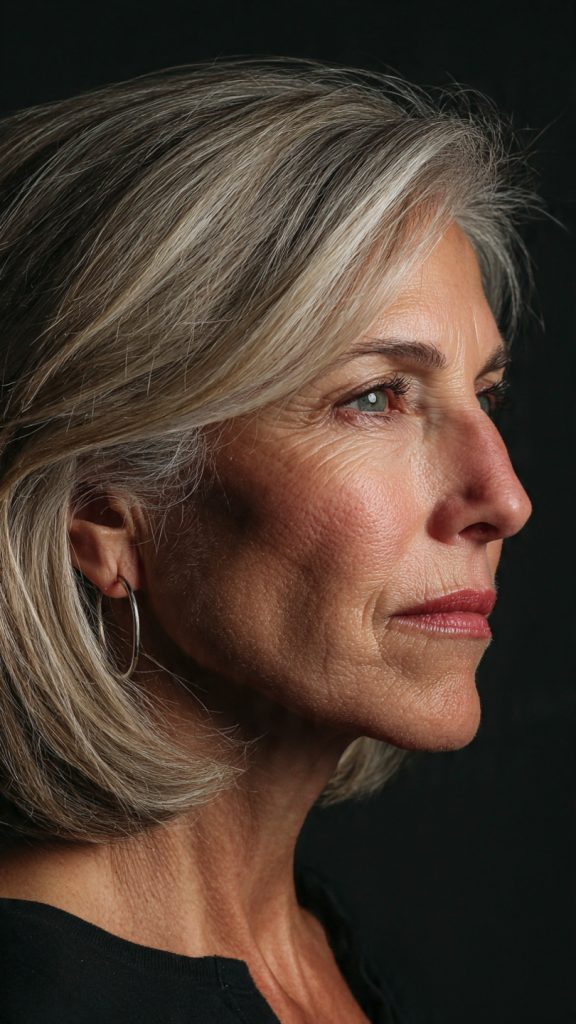
This is a styling technique applied to a shoulder-length layered cut, but it is so effective it deserves its own spot. A deep side part (parting the hair at the far edge of the eyebrow or even at the temple) instantly creates a high dome of volume on the larger side.
Why it works: Fine hair parted in the middle lies flat and exposes the scalp. A deep side part creates an asymmetrical shape that tricks the eye into seeing more hair. The “sweep” of hair across the crown camouflages thinning at the part line and adds height.
Styling tip: Blow-dry the hair on the larger side against its natural direction. If you part on the left, blow-dry everything to the right. Once dry, sweep it back to the left. The roots will stand straight up.
7. The Wispy Shoulder Length Cut with Choppy Ends
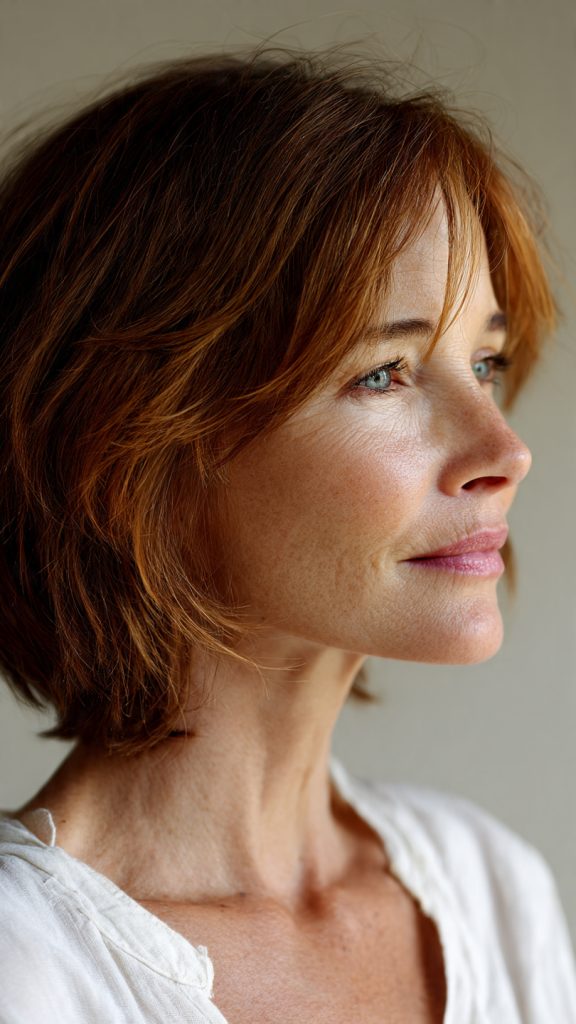
For fine hair that is very straight and slippery, wispy, choppy ends can add the illusion of texture and density. This cut features ends that are point-cut (cut with scissors pointing vertically) to create soft, feathery tips.
Why it works: A blunt cut on very straight fine hair can sometimes look severe. Choppy, wispy ends reflect light in multiple directions, creating visual “noise” that reads as thickness. The soft ends also move more freely, giving the hair a bouncier appearance.
Styling tip: Use a lightweight sea salt spray (not the heavy kind) on damp hair. Scrunch and air dry. The choppy ends will naturally separate into soft, piece-y waves.
8. The Rounded Bob (Shoulder Length Variation)
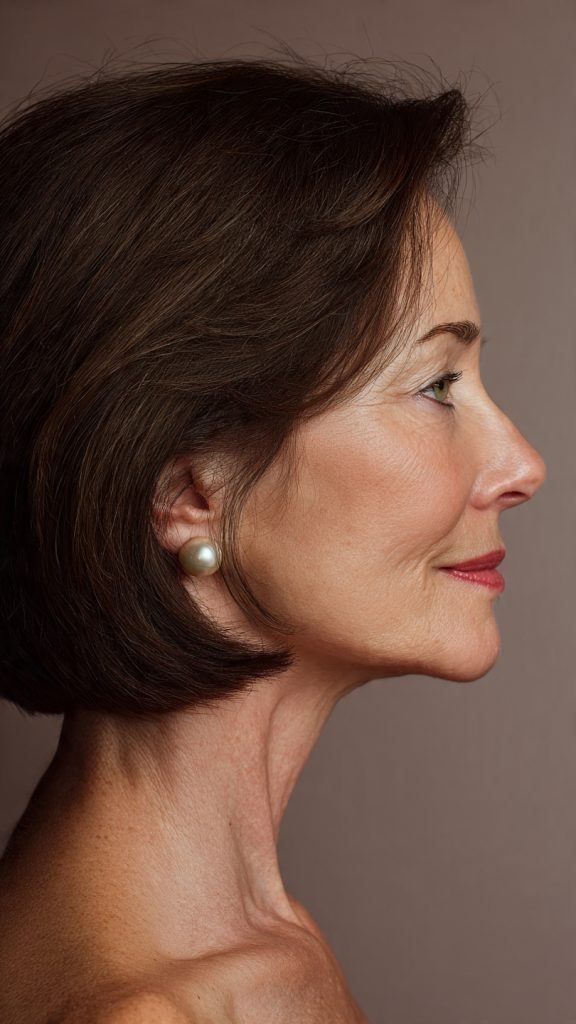
A rounded bob is cut to create a spherical, helmet-like shape (in a good way). The hair is shorter at the nape, gradually lengthens to the shoulders, and is cut with a curved, rounded perimeter rather than a straight line.
Why it works: The rounded shape mimics the look of naturally thick hair. Because the hair is shorter underneath and longer on top, the top layers have nothing to hold them down. They “float” above the shorter underlayers, creating the illusion of volume from every angle.
Styling tip: Blow-dry with a large round brush, rolling the hair under as you go. The goal is a smooth, curved shape that tucks under at the shoulders.
9. The Shoulder Length Cut with Bottleneck Bangs
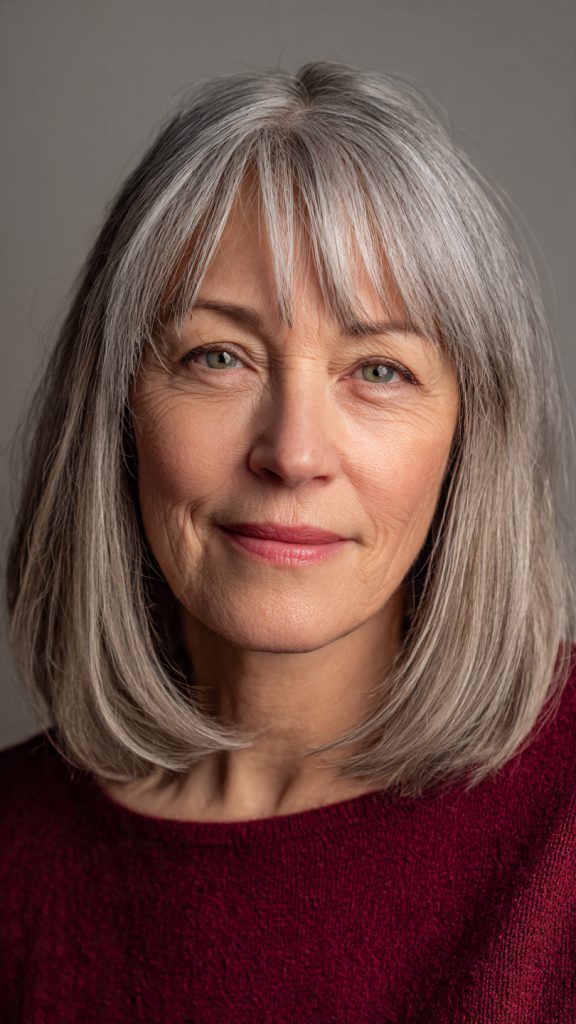
Bottleneck bangs are a hybrid between curtain bangs and traditional fringe. They are shorter in the very center (just above the eyebrows) and gradually lengthen toward the temples, creating a “bottleneck” shape.
Why it works: Fine hair often looks sparse at the front hairline. Bottleneck bangs add density exactly where thinning is most noticeable. The graduated shape prevents the bangs from looking heavy or overwhelming, while the shoulder length keeps the overall look balanced.
Styling tip: These bangs require a little heat styling. Use a small flat iron to create a slight bend at the ends. The rest of the hair can be left wavy or straight.
10. The Voluminous Blowout Cut (Round Layers)
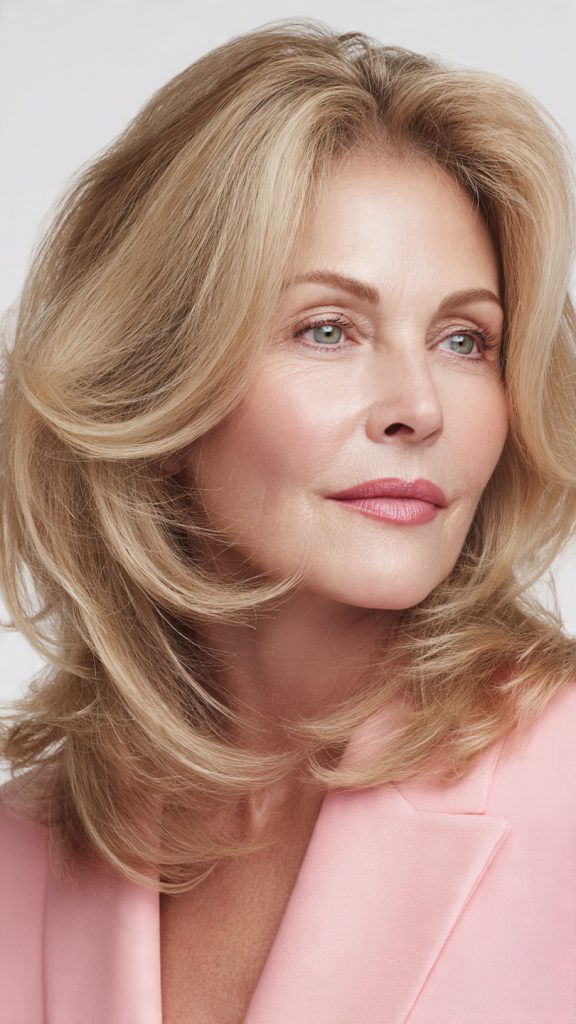
Some haircuts are designed specifically for women who love to blow-dry their hair. The “blowout cut” features round, cascading layers that are cut to stack beautifully when wrapped around a round brush.
Why it works: Fine hair takes a blowout exceptionally well because it is lightweight and malleable. This cut removes weight from the mid-lengths while keeping the ends substantial, allowing the hair to wrap around a brush without tangling. The result is a salon-worthy blowout that lasts for days.
Styling tip: Invest in a good ceramic round brush (1.5 to 2 inches in diameter). Use a volumizing mousse and blow-dry each section twice—once forward, once backward—for maximum lift.
11. The Asymmetrical Shoulder Length Cut
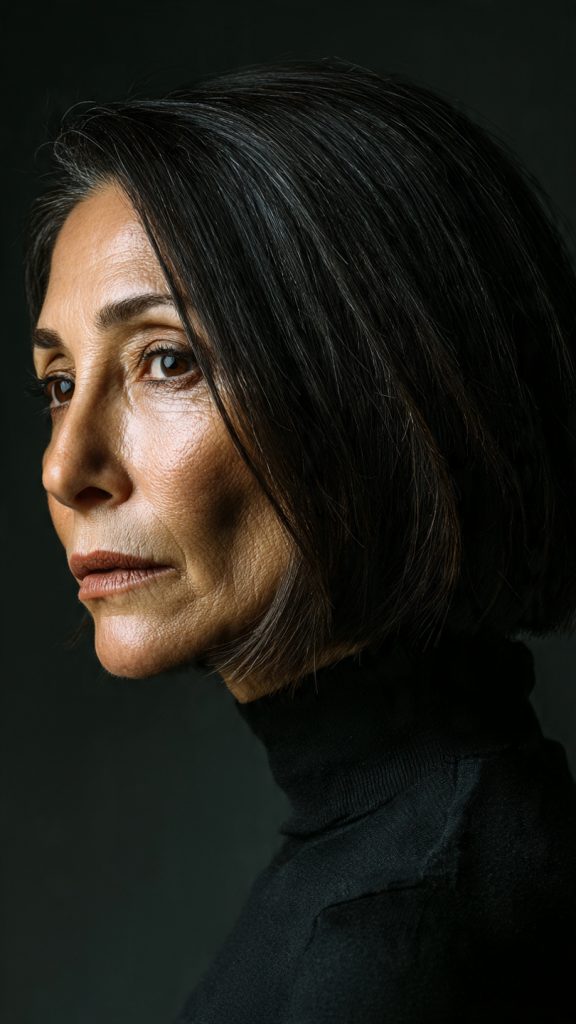
Symmetry is overrated, especially for fine hair. An asymmetrical cut—shorter on one side (chin length) and longer on the other (shoulder length)—creates visual interest that distracts from any lack of volume.
Why it works: The human eye is drawn to the unexpected. When your haircut has a dramatic diagonal line, no one is looking at your scalp or the thinness at your crown. Additionally, the shorter side always appears thicker because the strands are not weighed down by length.
Styling tip: Flat iron the longer side smooth, and add a slight bend to the shorter side. This contrast in texture enhances the asymmetry.
12. The Soft Beach Wave Cut (Long Layers)
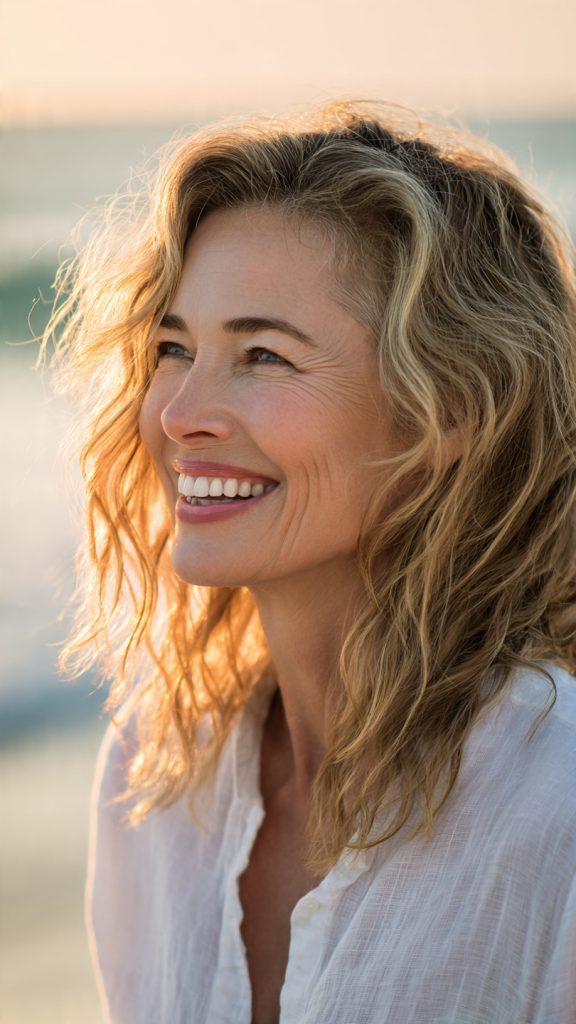
Fine hair can absolutely wear beach waves—but the cut must support the style. Ask for long, soft layers that start at the cheekbones and continue to the ends. Avoid short layers, which can make fine hair look ragged.
Why it works: Long layers remove just enough weight to allow fine hair to hold a wave. The key is keeping the layers subtle so the ends still look substantial. When waved with a wand or flat iron, the hair appears twice as thick because the waves create shadows and dimension.
Styling tip: Use a 1-inch curling wand. Wrap 1-inch sections around the barrel, leaving the last inch of the ends out for a more natural look. Brush out gently with a wide-tooth comb.
13. The Straight-Across Cut with Micro-Fringe
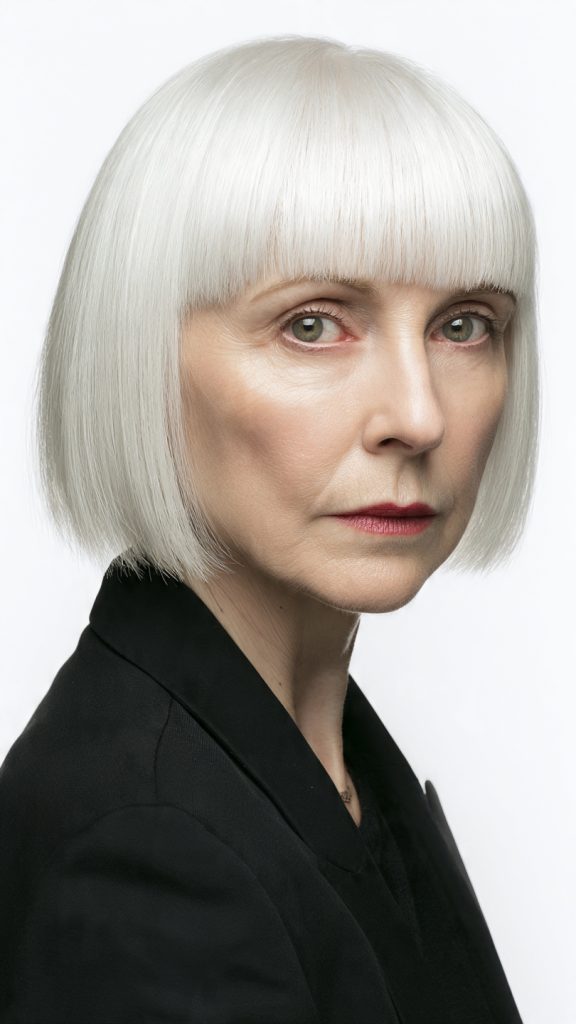
For the bold woman with fine hair, a micro-fringe (very short bangs, cut well above the eyebrows) paired with a straight-across shoulder-length cut is a statement. This is a high-fashion look that works surprisingly well on fine textures.
Why it works: Micro-fringe creates a solid block of density at the forehead, drawing the eye to the shortest part of the hair. The contrast between the very short bangs and the shoulder-length perimeter makes the longer hair look thicker by comparison. The straight-across bottom line adds additional visual weight.
Styling tip: Micro-fringe requires frequent trims (every 2-3 weeks). Keep the rest of the hair sleek and smooth to emphasize the graphic quality of the cut.
14. The Layered Shoulder Length Cut with Crown Volume
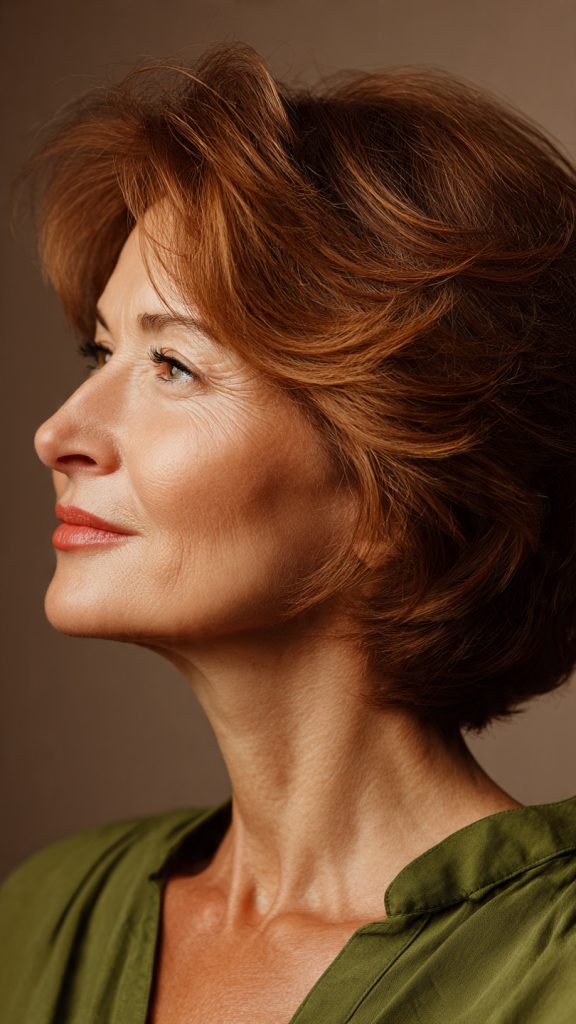
This cut focuses all the layering at the crown (the top of the head) while keeping the sides and back relatively one-length. The result is maximum volume where fine hair needs it most—at the roots.
Why it works: Fine hair is flattest at the crown. By cutting short, aggressive layers only in the crown area, the hair there is freed from the weight of the longer strands. The crown layers stand up and stack, creating a visible “lift” that lasts all day. The sides and back remain longer, preserving length.
Styling tip: Blow-dry the crown section first, using a small round brush and lifting straight up. Pin the dried crown section in a “Mohawk” clip while you dry the rest. Release for instant, all-day volume.
Daily Care for Fine, Shoulder Length Hair
Maintaining shoulder length fine hair requires a specific routine. Here are five non-negotiable rules:
- Shampoo strategically: Fine hair gets oily fast. Use a volumizing shampoo daily or every other day. Avoid moisturizing or smoothing shampoos.
- Condition only the ends: Never put conditioner on your roots. Apply from the ears down only.
- Use root lifters: A lightweight root-lifting spray or mousse is essential. Apply to damp roots before blow-drying.
- Dry shampoo is your friend: Spray dry shampoo on clean roots to give them grip and texture. It prevents flatness before it starts.
- Avoid heavy oils: No coconut oil, no argan oil, no butters. Stick to lightweight serums or sprays specifically labeled for fine hair.
Conclusion
The myth that fine hair cannot be worn at shoulder length is exactly that—a myth. The 14 shoulder length hairstyles for fine hair outlined above prove that with the right cut, fine-haired women can enjoy length, movement, volume, and versatility.
Whether you choose the edgy asymmetry of an asymmetrical cut, the soft romance of curtain bangs, the bold graphic quality of a micro-fringe, or the everyday reliability of invisible layers, the key is working with a stylist who understands fine hair. Bring photos, ask for weight removal, and never settle for a cut that leaves you flat.
Your fine hair is not a limitation. It is an opportunity to be strategic, intentional, and stylish. Wear your shoulder length hair with pride—you have earned it.

Leave a Reply