
There is something magical about bangs. They can hide forehead lines, draw attention to your eyes, and make you look instantly more awake. And yes, bangs for women over 60 are not only allowed — they are downright transformative. The right fringe softens your features, conceals thinning at the temples, and adds a modern touch to any haircut. Whether you have fine hair, curly hair, a pixie, or a bob, there is a bang style waiting for you. This guide walks you through nineteen options specifically chosen for women over 60, plus exactly how to style them and what to tell your stylist.
Why Bangs Are a Game-Changer After 60
As we age, our faces change. Forehead lines become more pronounced. The temples may thin. The skin around the eyes loses some of its former elasticity. Bangs address all of these changes beautifully. They soften the appearance of forehead lines without trying to hide them completely. They conceal thinning at the hairline. They frame your eyes and draw attention upward. And perhaps most importantly, bangs make you look like you made an effort — even on days when you barely brushed your hair. The nineteen styles below range from soft and wispy to bold and full. Each includes why it works, how to style it, best face shapes, and maintenance needs.
1. The Soft Wispy Bangs
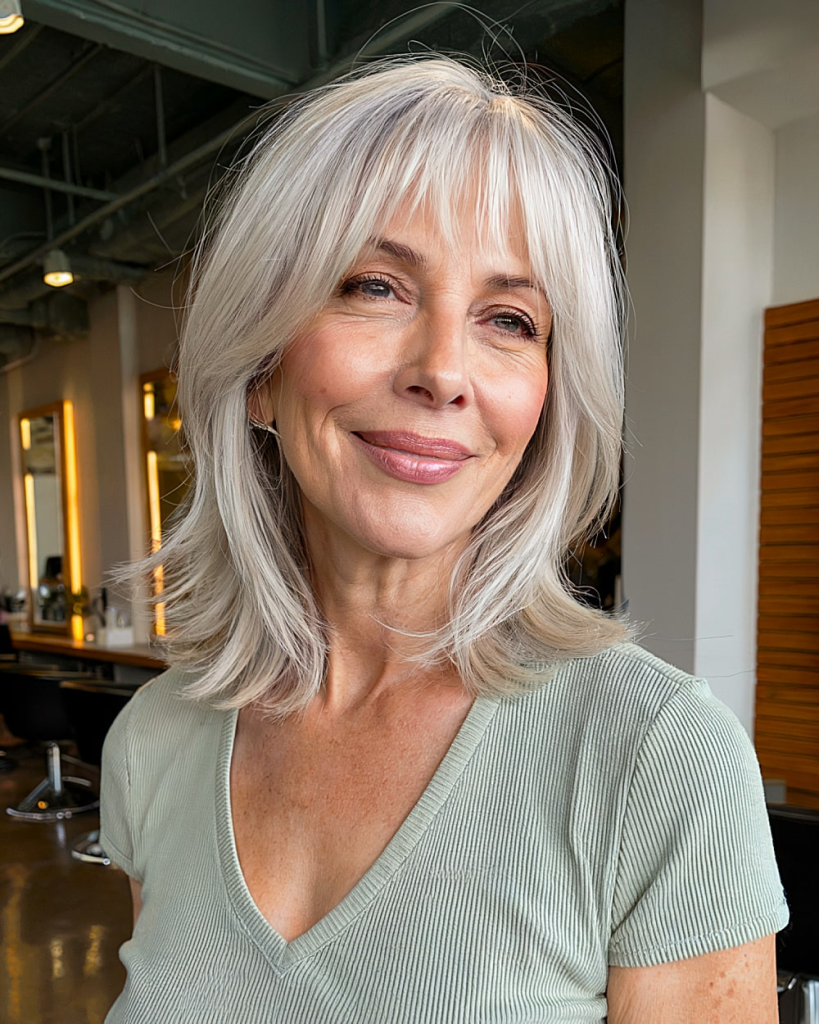
Why it works: Wispy bangs are light, airy, and barely there. They are cut with point-cutting or razor techniques to create soft, feathery ends. For women over 60, wispy bangs are the most forgiving option because they blend easily into the rest of your hair and require almost no maintenance.
How to style: Apply a lightweight mousse or styling cream to damp hair. Blow-dry the bangs using a small round brush, directing them to one side or letting them fall naturally. The wispy ends should look soft and separated.
Best face shapes: Oval, heart, and oblong. The softness flatters thinner faces.
Maintenance: Trim every 5 to 6 weeks. Wispy bangs hide grow-out better than blunt bangs.
2. The Side-Swept Bangs
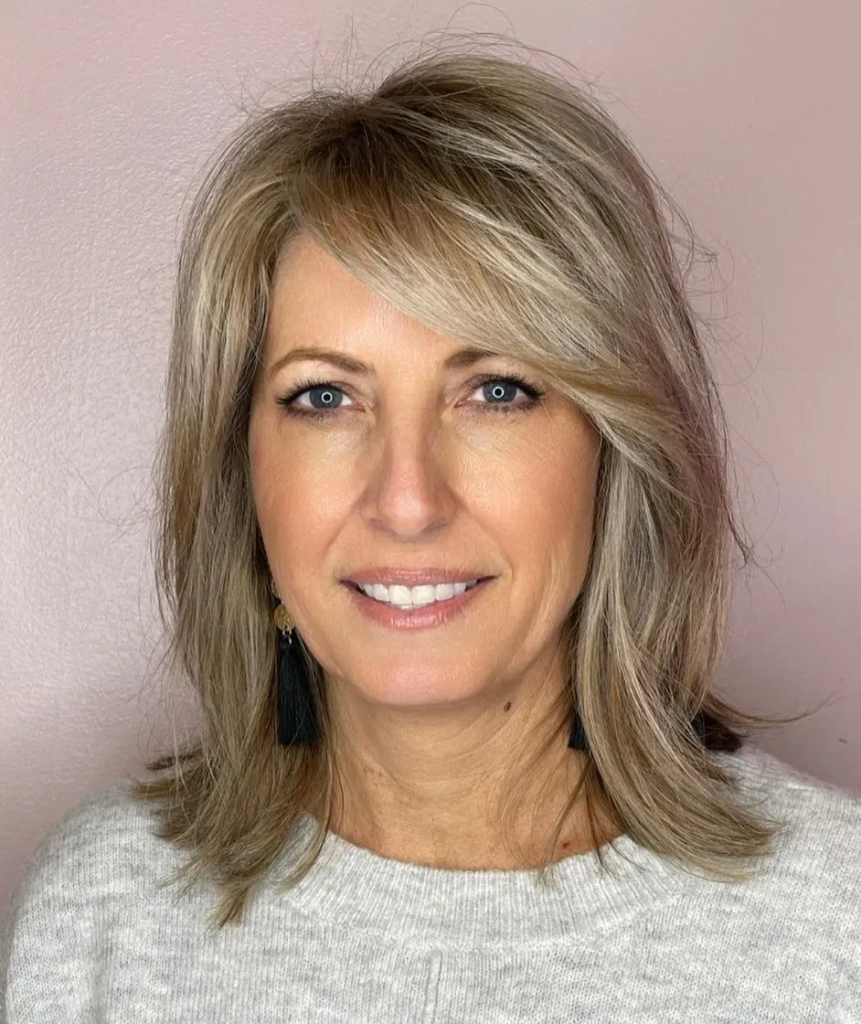
Why it works: Side-swept bangs are the classic choice for women over 60. They create a diagonal line across your forehead, which softens lines and draws attention to your eyes. The diagonal line is also slimming, making your face appear longer and leaner.
How to style: Apply a lightweight mousse to damp hair. Blow-dry using a round brush, sweeping the bangs to one side. A light hairspray keeps them in place all day.
Best face shapes: Oval, round, and square. The diagonal line breaks up width.
Maintenance: Trim every 4 to 5 weeks.
For more bang styles that work beautifully on shorter cuts, explore these: hairstyles for women over 60 with fine hair — many of the same principles apply.
3. The Curtain Bangs

Why it works: Curtain bangs are parted down the middle or slightly off-center, with the lengths curving to each side like curtains. The openness in the middle softens forehead lines without hiding them. Curtain bangs blend seamlessly into longer layers and grow out beautifully.
How to style: Apply a styling cream to damp hair. Blow-dry using a round brush, directing the bangs to each side. For the left side, brush to the left. For the right side, brush to the right.
Best face shapes: Oval, round, and heart. The open center softens all face shapes.
Maintenance: Trim every 5 to 6 weeks.
4. The Long Layered Bangs
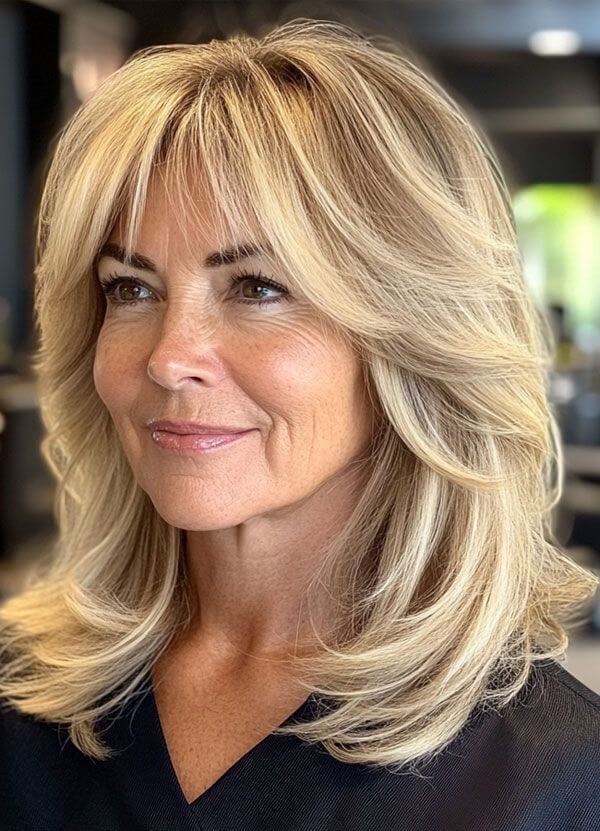
Why it works: Long layered bangs hit at or below the eyebrows. They blend into the layers around your face, so there is no visible line where the bangs end. This is an excellent choice for women who want bangs but are nervous about a dramatic change.
How to style: Apply a volumizing mousse to damp hair. Blow-dry using a round brush, directing the bangs to one side or letting them fall naturally. The length means you can also tuck them behind your ears.
Best face shapes: Oval, round, and heart. The length balances rounder faces.
Maintenance: Trim every 5 to 6 weeks.
5. The Wispy Curtain Bangs
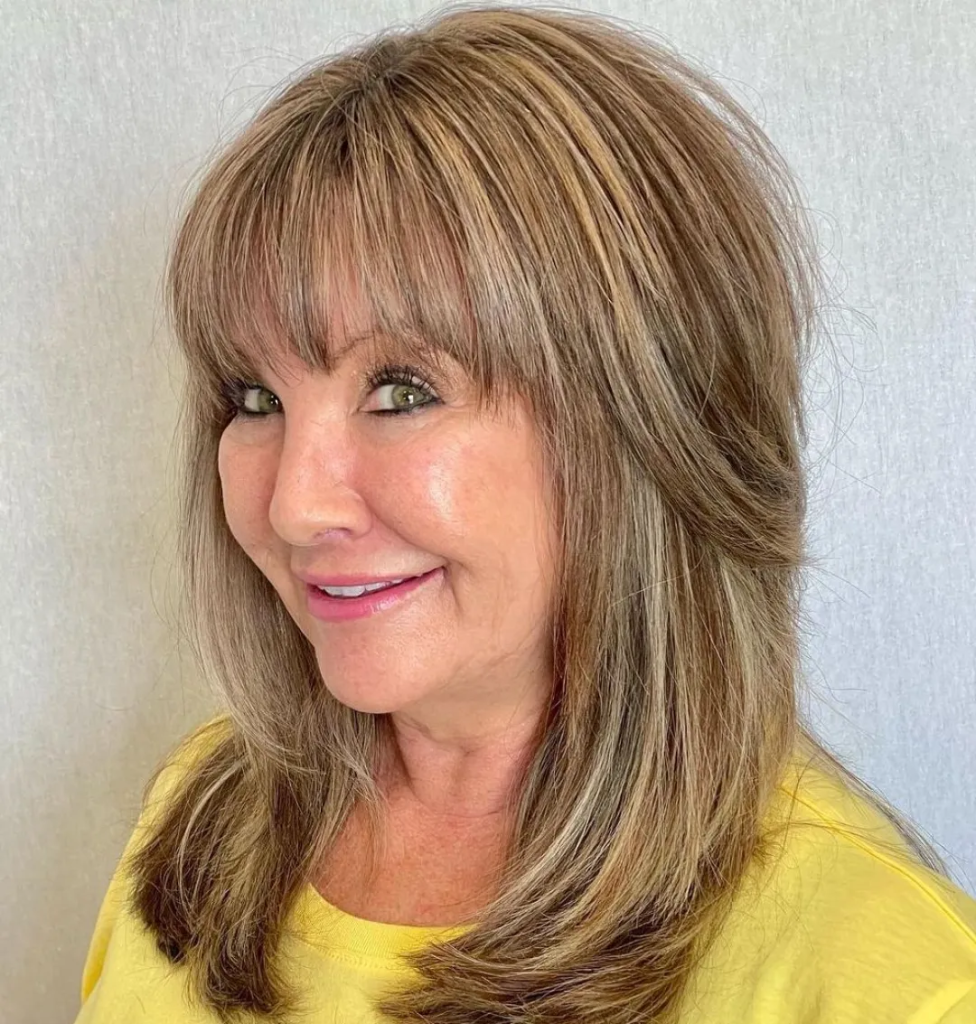
Why it works: Wispy curtain bangs combine the openness of curtain bangs with the softness of wispy ends. The result is extremely lightweight and forgiving. This is one of the best options for women with fine or thinning hair.
How to style: Apply a lightweight mousse to damp hair. Blow-dry using a round brush, directing the bangs to each side. The wispy ends should look soft and separated. A dry texture spray adds volume without weight.
Best face shapes: Oval, heart, and oblong. The wispiness softens angular features.
Maintenance: Trim every 5 to 6 weeks.
For more wispy options that work on fine hair, check out these [INTERNAL LINK: medium-length hairstyles for thin hair] — the same principles apply to bangs.
6. The Feathered Bangs
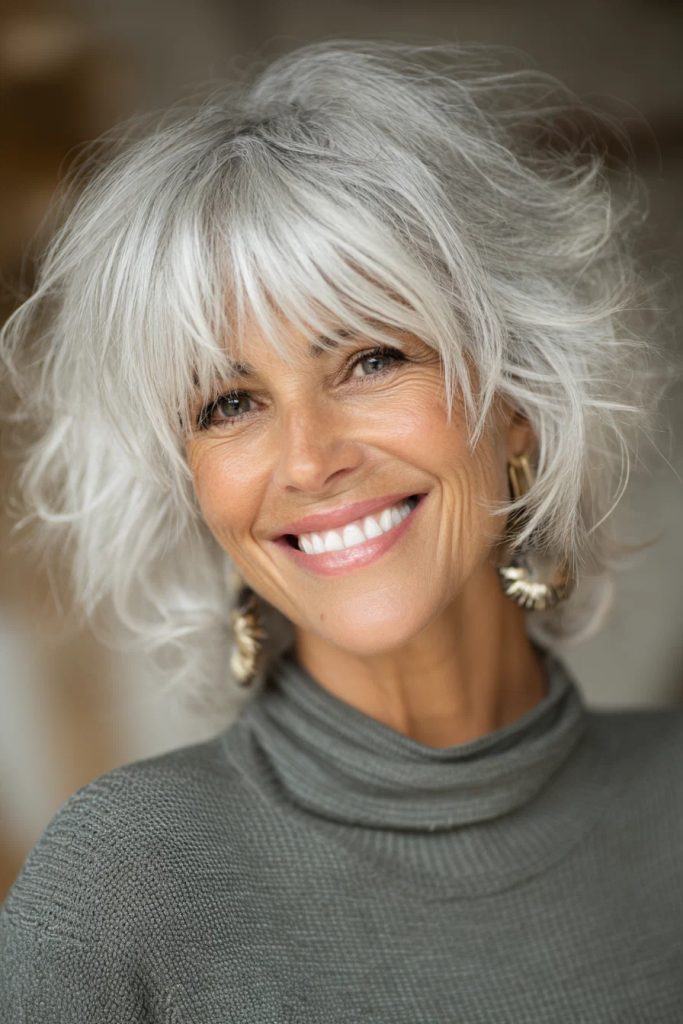
Why it works: Feathered bangs have ends that are cut to angle away from your face, creating a soft, feathery effect. The feathers add movement and lightness. This style is especially flattering for women with fine hair because the feathers create the illusion of density.
How to style: Apply a lightweight mousse to damp hair. Blow-dry using a round brush, directing the bangs upward and away from your face. The feathered ends should lift slightly.
Best face shapes: Oval, heart, and diamond. The feathering softens angular features.
Maintenance: Trim every 5 to 6 weeks.
7. The Blunt Bangs (Softened Version)
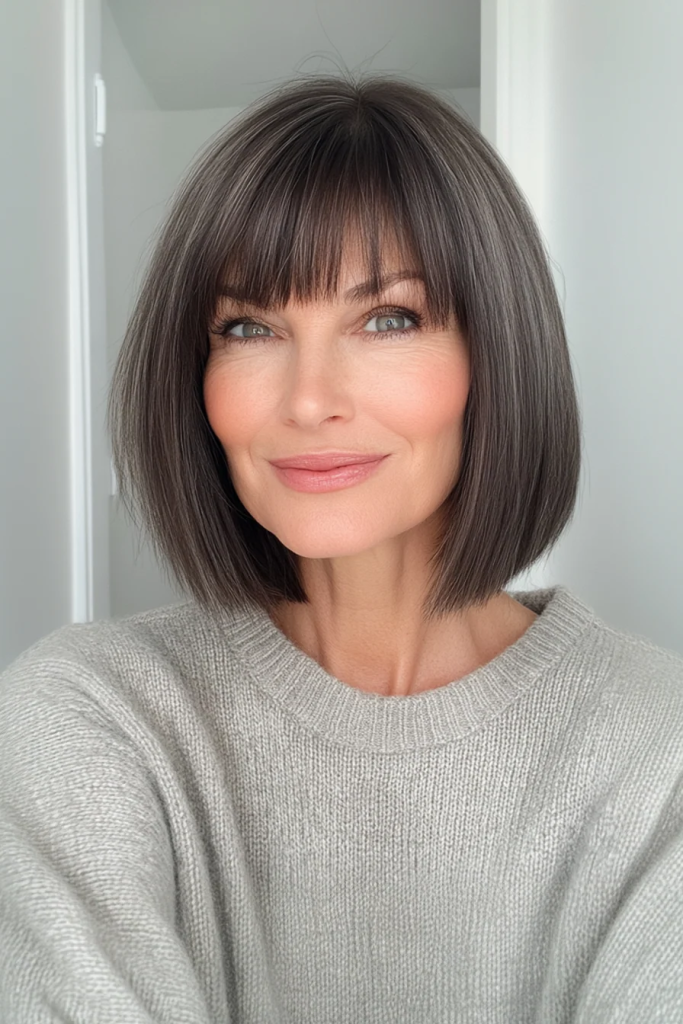
Why it works: Blunt bangs are cut straight across. On their own, they can be harsh on older faces. But a softened blunt bang — with slightly textured ends and a bit of length — works beautifully. The key is keeping them long enough to graze the eyebrows.
How to style: Apply a smoothing cream to damp hair. Blow-dry using a round brush, pulling the bangs straight down. The ends should be soft, not sharp. A light hairspray keeps them in place.
Best face shapes: Oval and heart. Blunt bangs can overwhelm round or square faces.
Maintenance: Trim every 3 to 4 weeks. Blunt bangs show grow-out quickly.
8. The Side-Swept Bangs with Layers
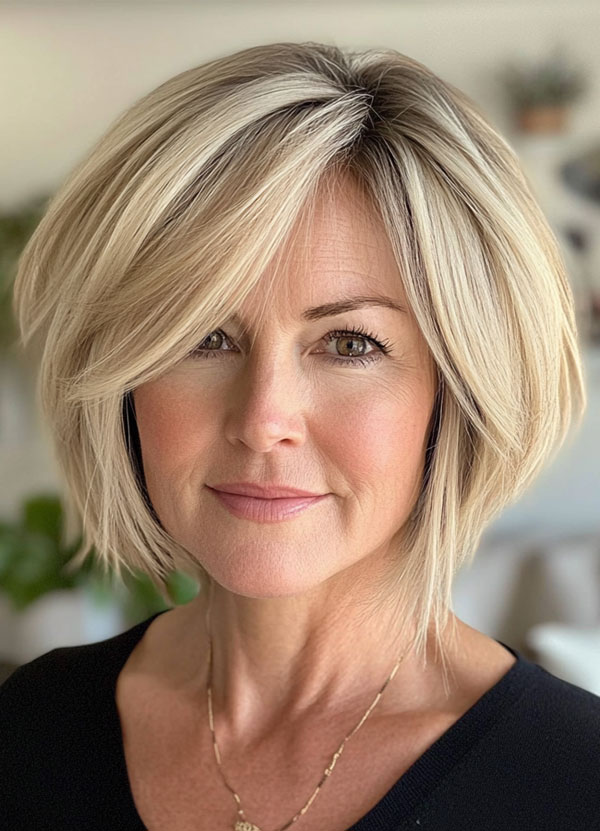
Why it works: Adding layers to side-swept bangs creates movement and reduces weight. The layers prevent the bangs from looking too heavy or solid. This version is ideal for women with thick hair that needs lightening.
How to style: Apply a volumizing mousse to damp hair. Blow-dry using a round brush, sweeping the bangs to one side. The layers will naturally create separation and movement.
Best face shapes: Oval, round, and square. The layers soften the diagonal line.
Maintenance: Trim every 4 to 5 weeks.
9. The Curly Bangs
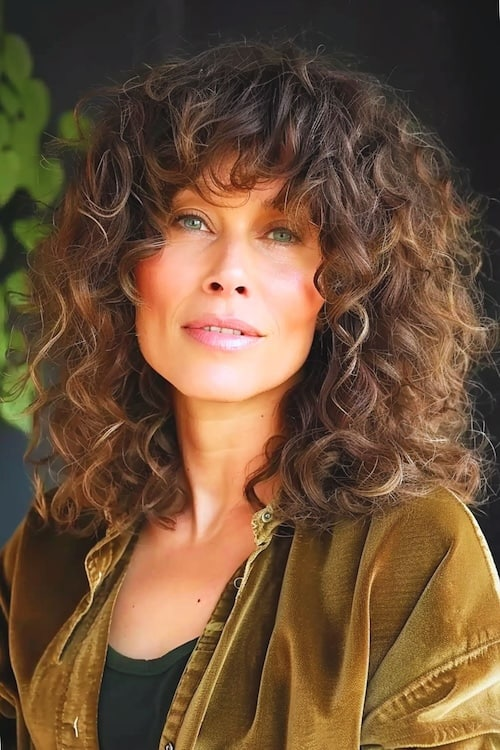
Why it works: Curly bangs are having a major moment. Your natural curl pattern gives the bangs volume and texture that straight bangs cannot match. The key is cutting them dry so your stylist can see exactly where each curl falls.
How to style: Apply a curl cream to soaking wet hair. Use your fingers to define the bangs separately from the rest of your curls. Let air-dry or diffuse. Do not brush. Embrace the imperfection.
Best face shapes: Oval, heart, and round. The volume of curly bangs softens all face shapes.
Maintenance: Trim every 6 to 8 weeks. Curly bangs hide grow-out very well.
10. The Wispy Side Bangs
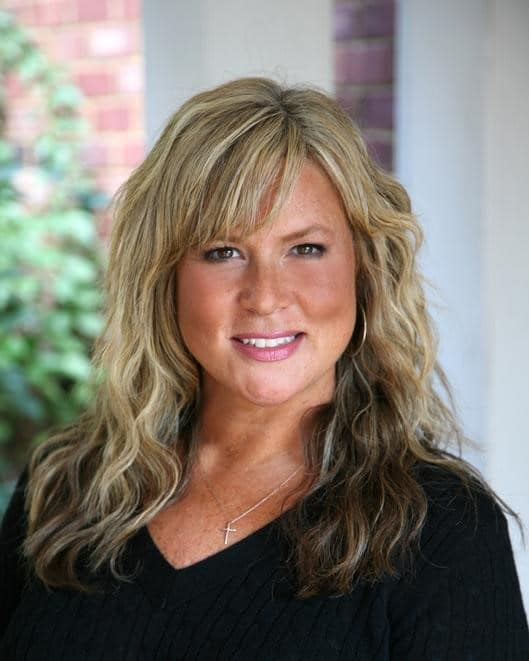
Why it works: Wispy side bangs combine the diagonal line of side-swept bangs with the lightness of wispy ends. The result is soft, romantic, and deeply flattering. This is one of the most popular bang styles for women over 60.
How to style: Apply a lightweight mousse to damp hair. Blow-dry using a round brush, sweeping the bangs to one side. The wispy ends should look soft and separated. Do not over-brush.
Best face shapes: Oval, round, and heart. The wispiness softens all face shapes.
Maintenance: Trim every 5 to 6 weeks.
11. The Micro Bangs (Short Bangs)
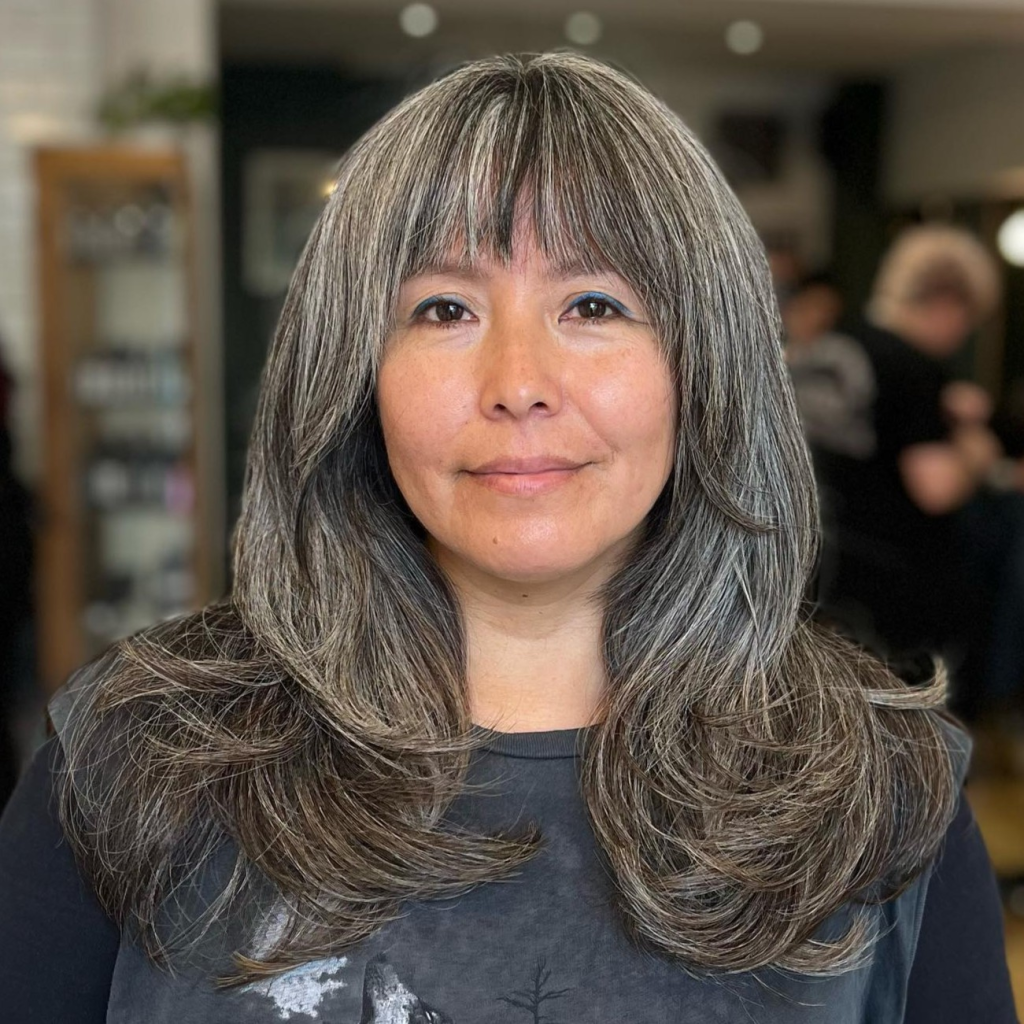
Why it works: Micro bangs sit high on the forehead, often above the eyebrows. This is a bold, edgy choice. Micro bangs work best on women with strong bone structure and confidence to match. They are not for everyone, but on the right woman, they are stunning.
How to style: Apply a styling cream to damp hair. Blow-dry using a small round brush, pulling the bangs straight down. The short length means they will stay in place naturally.
Best face shapes: Oval and heart. Micro bangs can overwhelm round or square faces.
Maintenance: Trim every 2 to 3 weeks. Micro bangs show every bit of grow-out.
12. The Curtain Bangs for Gray Hair

Why it works: Gray and silver hair have a different texture than pigmented hair — often coarser, sometimes drier, but always beautiful. Curtain bangs on gray hair catch the light differently than the rest of your hair, creating natural highlights and dimension.
How to style: Apply a purple shampoo once a week to keep silver bright. Use a moisturizing conditioner. Style the curtain bangs as usual with a round brush. A shine spray enhances the silver tones.
Best face shapes: All face shapes. The brightness of silver hair draws attention upward.
Maintenance: Trim every 5 to 6 weeks. Use products designed for gray hair.
13. The Asymmetrical Bangs
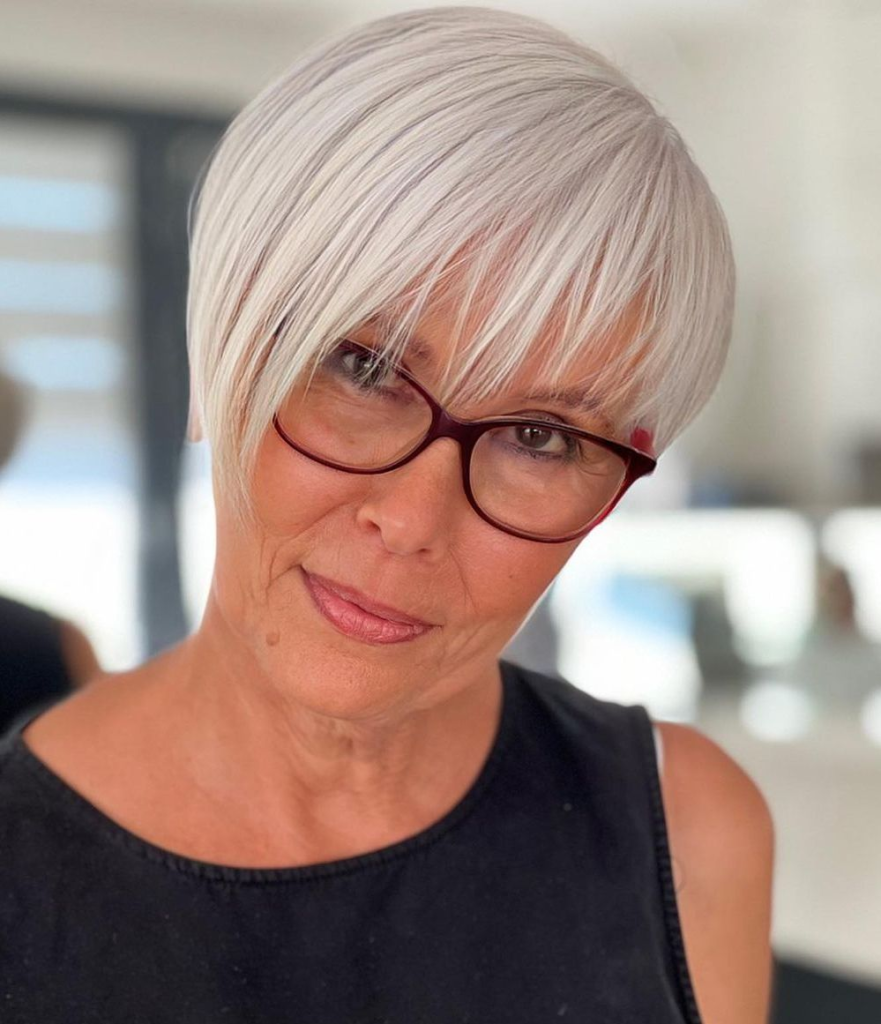
Why it works: Asymmetrical bangs are longer on one side than the other. The unevenness creates visual interest and draws the eye across your face. The diagonal line is slimming and modern.
How to style: Apply a styling cream to damp hair. Blow-dry using a round brush, directing the longer side where you want it to fall. The shorter side can be left natural or tucked behind your ear.
Best face shapes: Oval, round, and square. The asymmetry breaks up width.
Maintenance: Trim every 4 to 5 weeks.
14. The Bottleneck Bangs
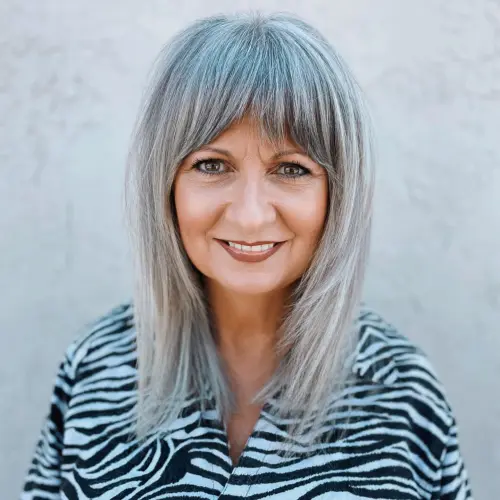
Why it works: Bottleneck bangs are a hybrid of curtain bangs and side-swept bangs. They are shorter in the center and longer at the sides, creating a bottleneck shape. The open center softens forehead lines, while the longer sides frame your cheekbones.
How to style: Apply a lightweight mousse to damp hair. Blow-dry using a round brush, directing the center pieces forward and the side pieces outward. The bottleneck shape will appear naturally.
Best face shapes: Oval, heart, and round. The open center softens roundness.
Maintenance: Trim every 5 to 6 weeks.
15. The Piece-Y Bangs
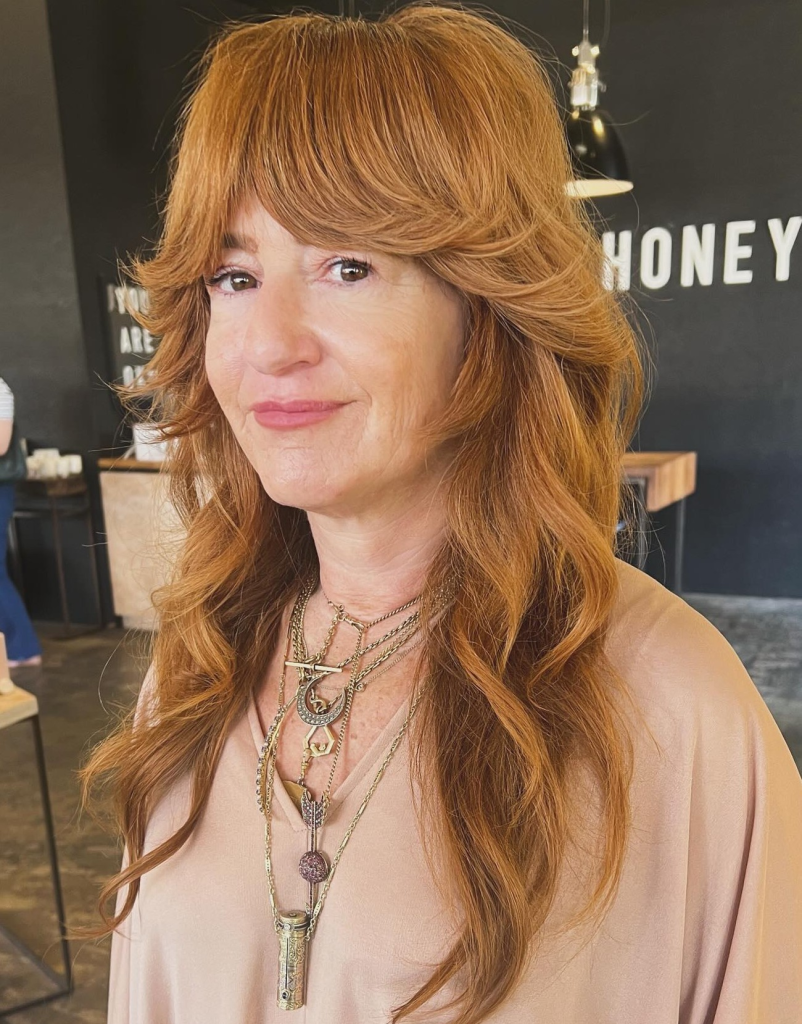
Why it works: Piece-y bangs are cut with point-cutting or razor techniques to create separation between individual strands. The pieces stand slightly apart from each other, creating texture and movement. This style works beautifully on fine hair.
How to style: Apply a texturizing spray to damp hair. Blow-dry using your fingers, separating the pieces as you dry. A tiny amount of styling wax on the ends defines each piece.
Best face shapes: Oval, heart, and oblong. The separation softens angular features.
Maintenance: Trim every 5 to 6 weeks.
16. The Bangs with a Pixie Cut
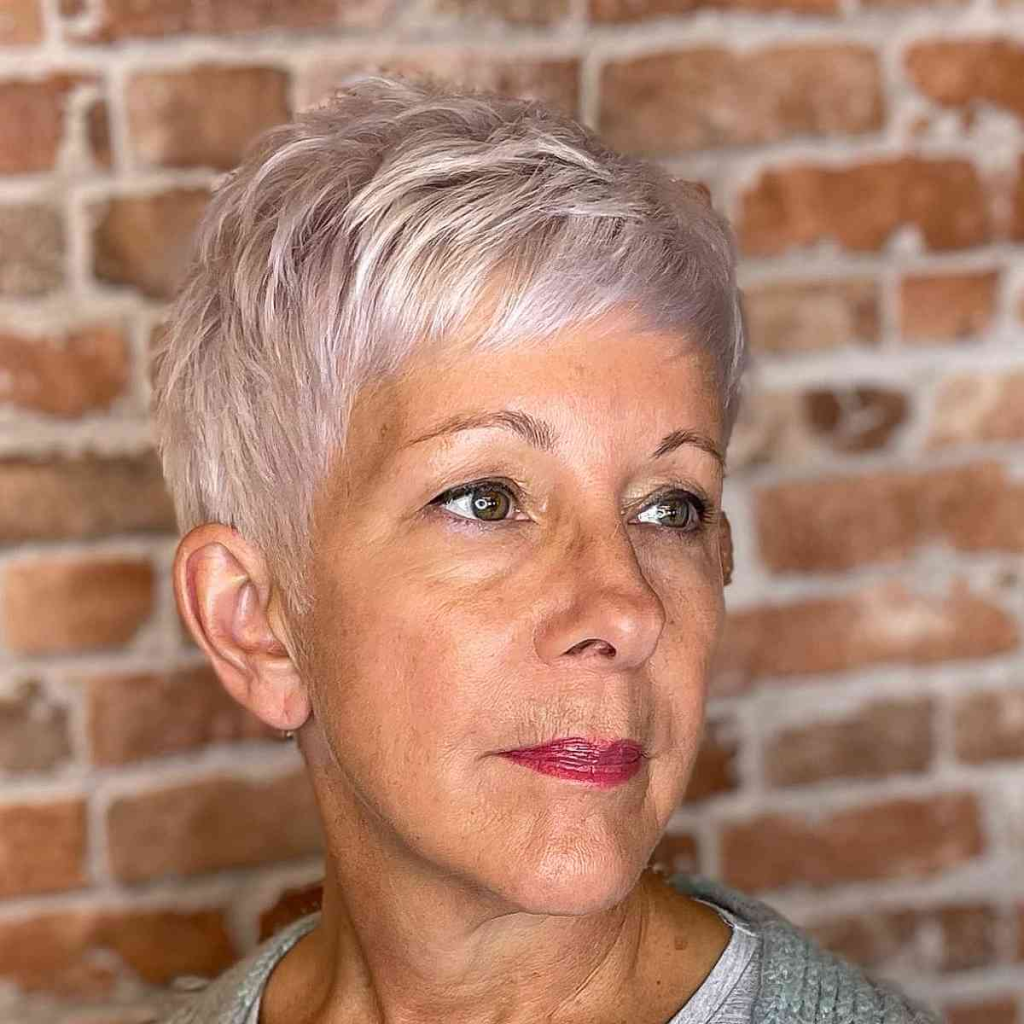
Why it works: Bangs on a pixie cut soften the overall look considerably. The bangs can be side-swept, wispy, or curtain-style. The contrast between the short back and the longer bangs is modern and fresh.
How to style: Apply a styling cream or wax to dry hair. Use your fingers to sweep the bangs where you want them to fall. The rest of the pixie can be styled smooth or textured.
Best face shapes: Oval, heart, and diamond. The softness of the bangs balances angular features.
Maintenance: The pixie needs trimming every 4 to 5 weeks. The bangs can go slightly longer between trims.
17. The Long Side-Swept Bangs
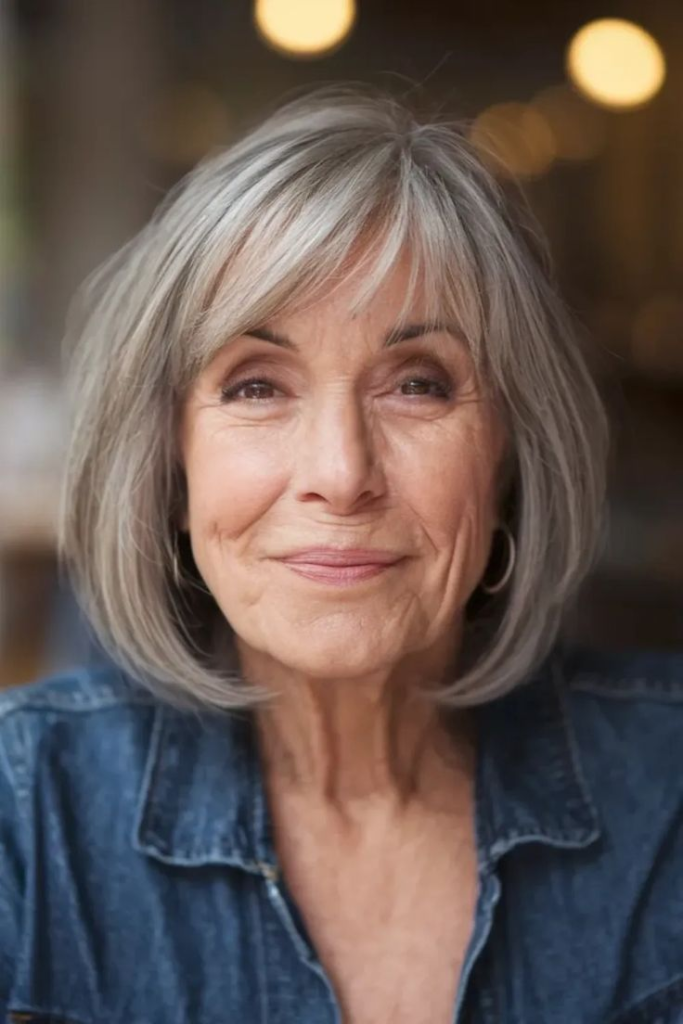
Why it works: Long side-swept bangs hit at or below the cheekbones. They blend into the layers around your face, creating a continuous line from forehead to chin. The length adds drama and sophistication.
How to style: Apply a smoothing cream to damp hair. Blow-dry using a round brush, sweeping the bangs to one side. The length means you can also tuck them behind your ears for a different look.
Best face shapes: Oval, round, and square. The length balances wider faces.
Maintenance: Trim every 5 to 6 weeks.
18. The Textured Bangs
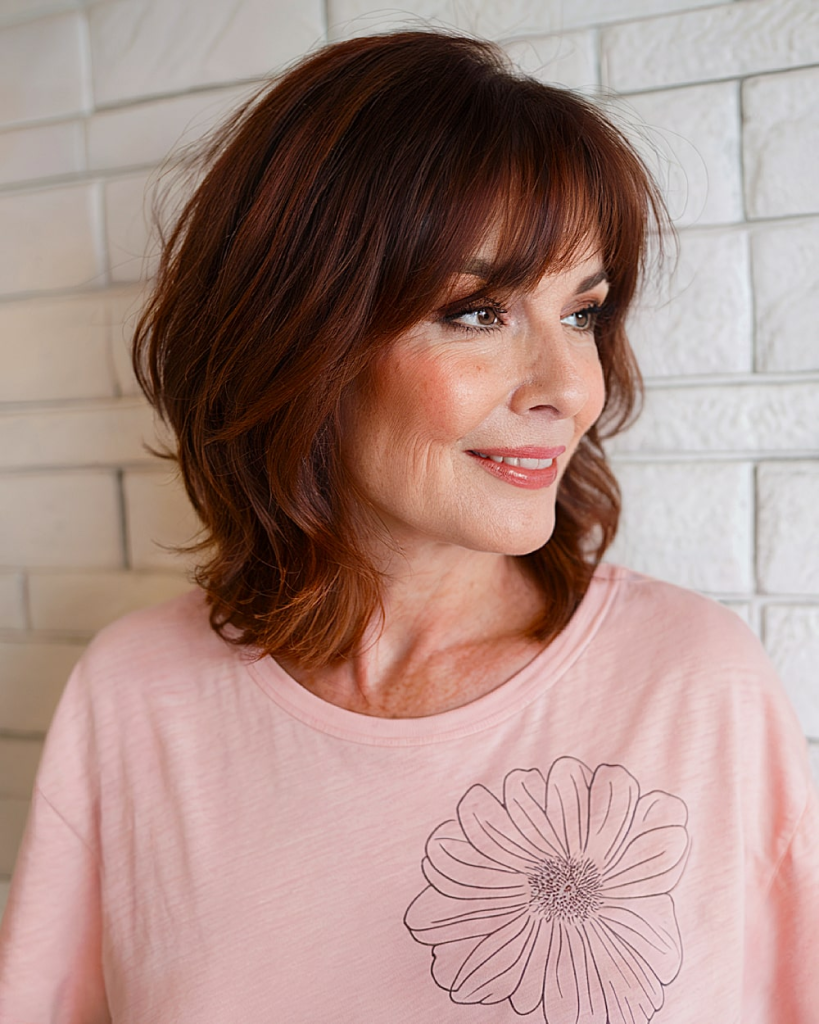
Why it works: Textured bangs are cut with point-cutting or razor techniques to create movement and separation. Unlike smooth bangs that lie flat against the forehead, textured bangs have piece-y ends that stand slightly apart. The texture creates the illusion of density.
How to style: Apply a texturizing spray or sea salt spray to damp bangs. Blow-dry using your fingers or a small round brush, but do not over-smooth. The texture should remain visible. A dry texture spray adds instant grit and volume.
Best face shapes: Oval, heart, and oblong. The texture softens angular features.
Maintenance: Trim every 5 to 6 weeks.
19. The No-Maintenance Bangs (Grow-Out Friendly)
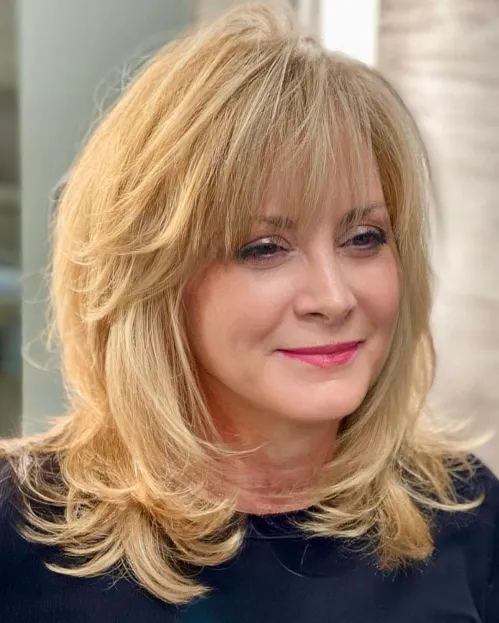
Why it works: Some women want the look of bangs without the commitment of frequent trims. No-maintenance bangs are cut to grow out gracefully. They start as curtain bangs or wispy side bangs and gradually become face-framing layers.
How to style: Style as you would any bangs. The key is the cut — your stylist should cut them with grow-out in mind. Wispy ends and longer lengths are your friends.
Best face shapes: All face shapes. The low commitment works for everyone.
Maintenance: Trim every 8 to 10 weeks, or not at all if you are willing to let them grow into layers.
How to Choose the Right Bangs for You
Ask yourself these three questions before booking your appointment:
1. How much forehead do you want to cover?
- Minimal coverage (open forehead): Curtain bangs, wispy curtain bangs, bottleneck bangs
- Moderate coverage (partial forehead): Side-swept bangs, wispy side bangs, long layered bangs
- Maximum coverage (most of forehead): Blunt bangs (softened), micro bangs
2. What is your hair texture?
- Fine or thinning: Wispy bangs, wispy curtain bangs, feathered bangs, piece-y bangs
- Medium: Side-swept bangs, curtain bangs, long layered bangs
- Thick: Side-swept bangs with layers, textured bangs, curtain bangs
- Curly: Curly bangs, curtain bangs (cut dry)
- Gray: Curtain bangs for gray hair, side-swept bangs
3. How much maintenance are you willing to do?
- Very low (trims every 8-10 weeks): No-maintenance bangs, wispy bangs
- Low (trims every 5-6 weeks): Curtain bangs, wispy curtain bangs, long layered bangs
- Medium (trims every 4-5 weeks): Side-swept bangs, feathered bangs, textured bangs
- High (trims every 2-4 weeks): Blunt bangs, micro bangs
What to Tell Your Stylist
Bring a photo of two or three styles from this guide. Then say this exactly:
*”I am over 60 and I want bangs for women over 60 that soften my forehead and frame my eyes. My hair is [fine / medium / thick / curly / straight / gray]. I want my bangs to be [wispy / side-swept / curtain / blunt / textured]. I want them to hit [at my eyebrows / below my eyebrows / at my cheekbones]. I am willing to come in for trims every [4 / 5 / 6 / 8] weeks.”*
If you have a cowlick or strong natural part, add: “Please cut my bangs to work with my cowlick, not against it.”
How to Style Bangs Daily
You will need:
- A small round brush (1 to 2 inches in diameter)
- A hairdryer with a concentrator nozzle
- Lightweight mousse or styling cream
Step-by-step for side-swept or curtain bangs:
- Start with damp, towel-dried hair.
- Apply a pea-sized amount of mousse or styling cream to the bangs only.
- Using the round brush, lift the bangs at the roots and blow-dry.
- For side-swept: brush to one side.
- For curtain: brush left side to the left, right side to the right.
- Once dry, let the bangs cool for 30 seconds before touching them.
- Use your fingers to separate and adjust.
For second-day bangs:
Spritz with a water bottle until slightly damp. Blow-dry using the same technique. Dry shampoo at the roots absorbs oil and adds volume.
Common Mistakes to Avoid
Mistake 1: Cutting bangs too short. Bangs that hit above the eyebrows can look harsh on older faces. Keep them at or below the eyebrows.
Mistake 2: Cutting bangs too thick. Thick bangs on fine or thinning hair can look heavy and overwhelm your face. Start with wispy bangs. You can always add more density later.
Mistake 3: Skipping the blow-dry. Most bangs look flat and sad air-dried. The blow-dry with a round brush takes two minutes and makes all the difference.
Mistake 4: Forgetting to blend. Bangs should blend into the layers around your face. If there is a visible line where the bangs end, your stylist cut them too bluntly.
The Truth About Forehead Lines and Bangs
Many women over 60 worry that bangs will draw attention to forehead lines. Here is the truth: the right bangs do the opposite. Wispy bangs and curtain bangs soften the appearance of lines without trying to hide them. Blunt bangs that sit directly on forehead lines can actually accentuate them because the straight line creates contrast. Wispy, side-swept, and curtain bangs avoid this entirely. No hiding. No contrast. Just softness.
Final Thoughts
Nineteen bangs for women over 60. Soft wispy bangs. Side-swept classics. Curtain bangs that open up your face. Long layered bangs that blend seamlessly. Feathered, textured, piece-y, and curly. Bangs for fine hair and thick hair. Bangs for straight hair and gray hair. Each one chosen because it softens, refreshes, and takes years off your look. The fear that bangs are only for young women is false. The women in this guide are proof. Pick the fringe that makes your heart beat a little faster. Bring the photo to your stylist. And enjoy the way your new bangs make you feel — lighter, fresher, and just a little bit younger.
Which of these nineteen bangs for women over 60 will you try at your next appointment? Drop a comment below and let us know. And if this guide helped you, share it with a friend who has been thinking about bangs but needed a little push.

Leave a Reply