
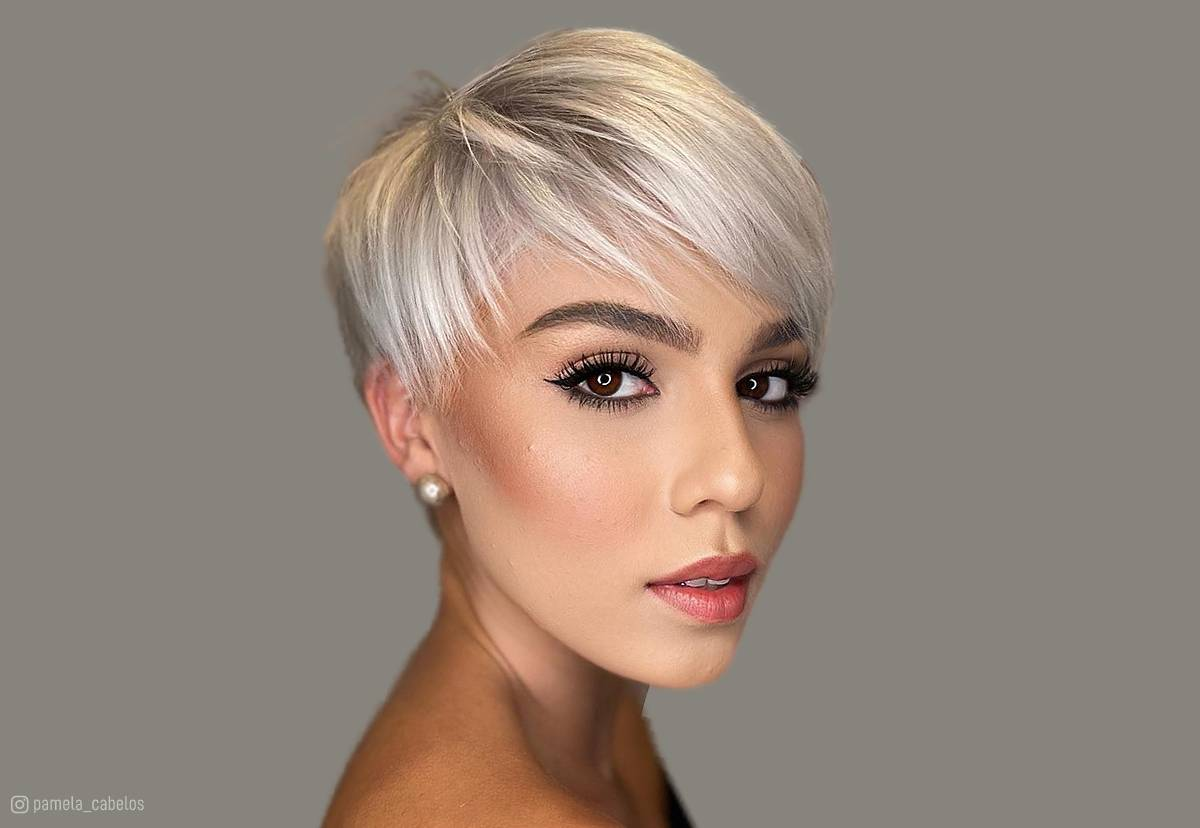
The choppy pixie cut has become the ultimate statement hairstyle for women who want something short, textured, and full of personality. Unlike traditional pixies that can feel too neat or severe, the choppy version embraces irregular layers, piece-y ends, and a deliberately undone finish that works for every hair type—from fine and thin to thick and curly. Whether you’re looking for a dramatic transformation or a subtle update to your current crop, these 22 choppy pixie cuts deliver volume, movement, and that effortless cool factor. In this guide, we’ll walk you through each style, why it works, how to style it, which face shapes it flatters, and exactly what maintenance you’ll need to keep your choppy pixie looking fresh.
What Makes a Pixie Cut “Choppy”?
Before we jump into the 22 styles, let’s define what “choppy” actually means in hairstyling terms. A choppy pixie cut features disconnected, uneven layers that create texture and movement. Unlike a blunt or graduated pixie, which has smooth, continuous lines, a choppy pixie looks intentionally jagged. The ends are often point-cut or razor-cut to remove weight and add separation. This technique works wonders for fine hair (by creating the illusion of density) and for thick hair (by removing bulk). The result is a cut that looks edgy, modern, and refreshingly low-maintenance.
22 Stunning Choppy Pixie Cuts
1. Classic Choppy Pixie with Side-Swept Bangs
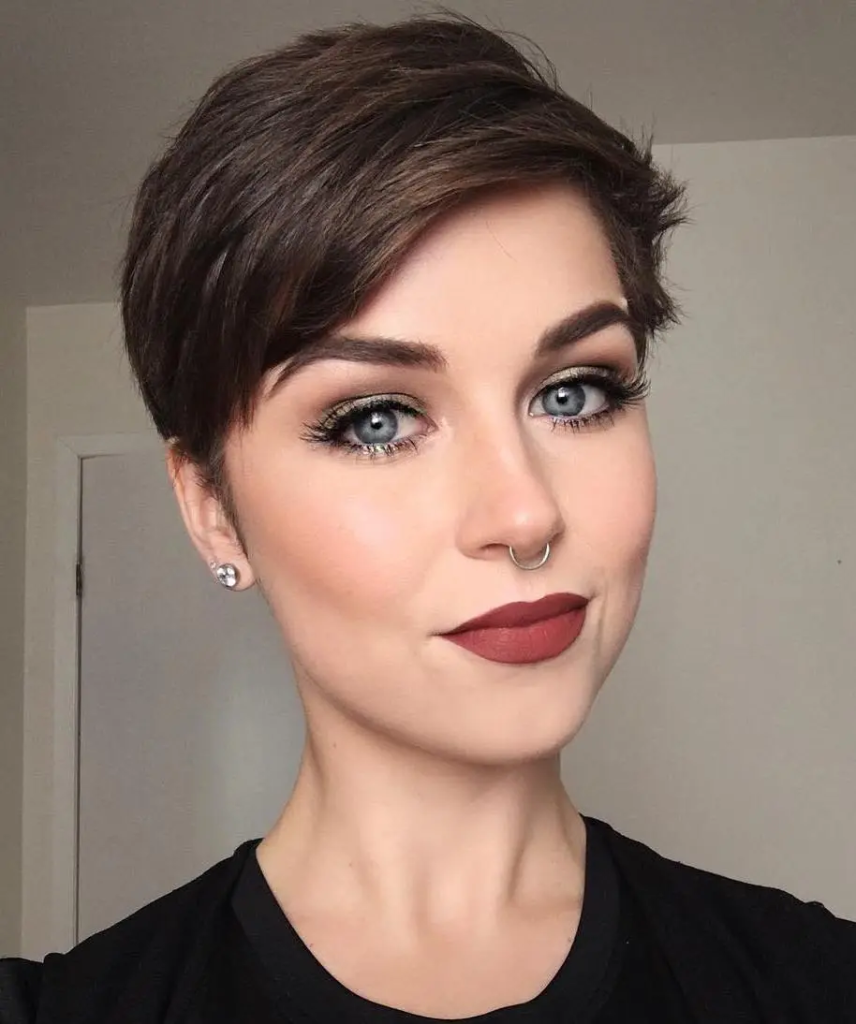
This is the entry point for anyone new to choppy pixies. Short, textured layers cover the crown and sides, with longer, side-swept bangs that graze the eyebrow.
Why it works: The side-swept bangs soften the forehead and balance the shortness of the cut. The choppy layers add volume at the crown, making fine hair look fuller instantly.
How to style it: Apply a volumizing mousse to damp hair. Blow-dry using your fingers, directing the bangs across your forehead. Finish with a texturizing spray and piece out the ends.
Best face shapes: Oval, round, heart, square. The diagonal line of the bangs elongates round faces and softens strong jawlines.
Maintenance needs: Trim every 4–6 weeks to keep the bangs from falling into your eyes and the neckline clean.
2. Spiky Choppy Pixie
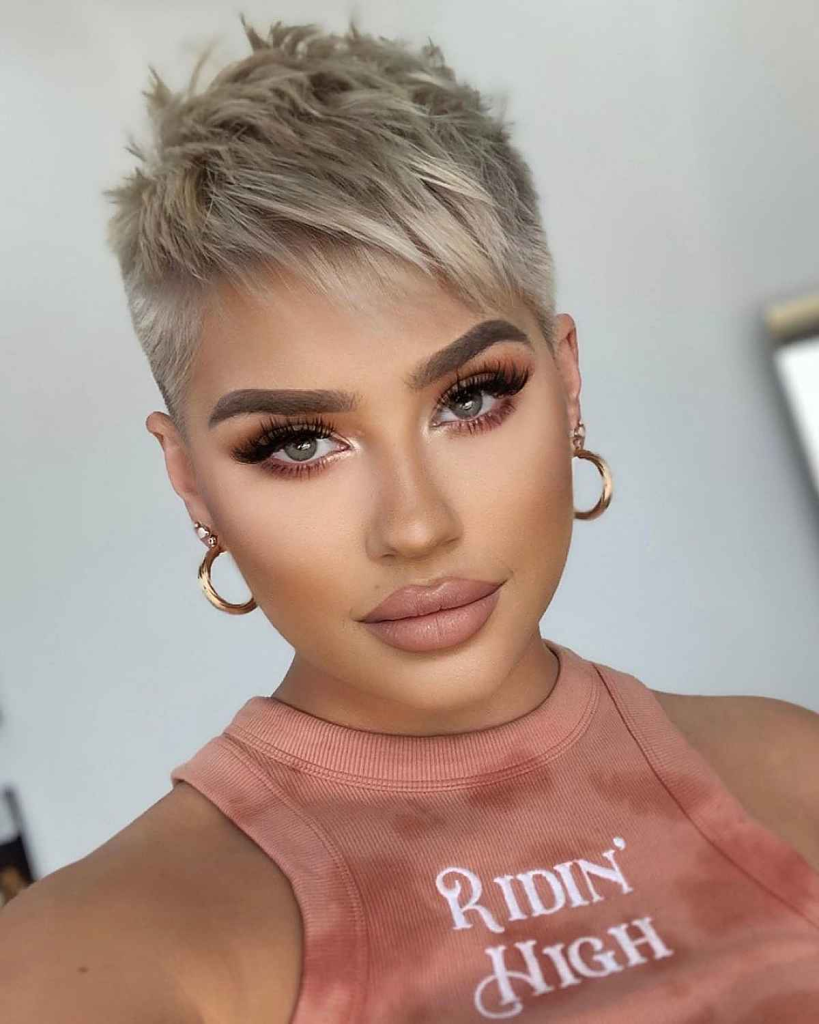
This cut features very short sides and back with longer, spiky pieces on top that stand up intentionally. The spikes are created through precise point-cutting.
Why it works: The spikes add serious height and attitude. It’s a bold, confident look that works exceptionally well for women with strong facial features.
How to style it: Work a pea-sized amount of styling wax or paste through dry hair. Use your fingers to pull pieces upward and forward into spikes. No blow-dryer needed.
Best face shapes: Oval, heart, diamond. Avoid if you have a very long face, as extra height can exaggerate length.
Maintenance needs: Every 4 weeks. The spikes lose their structure as hair grows, so frequent trims are essential.
3. Textured Choppy Pixie for Fine Hair
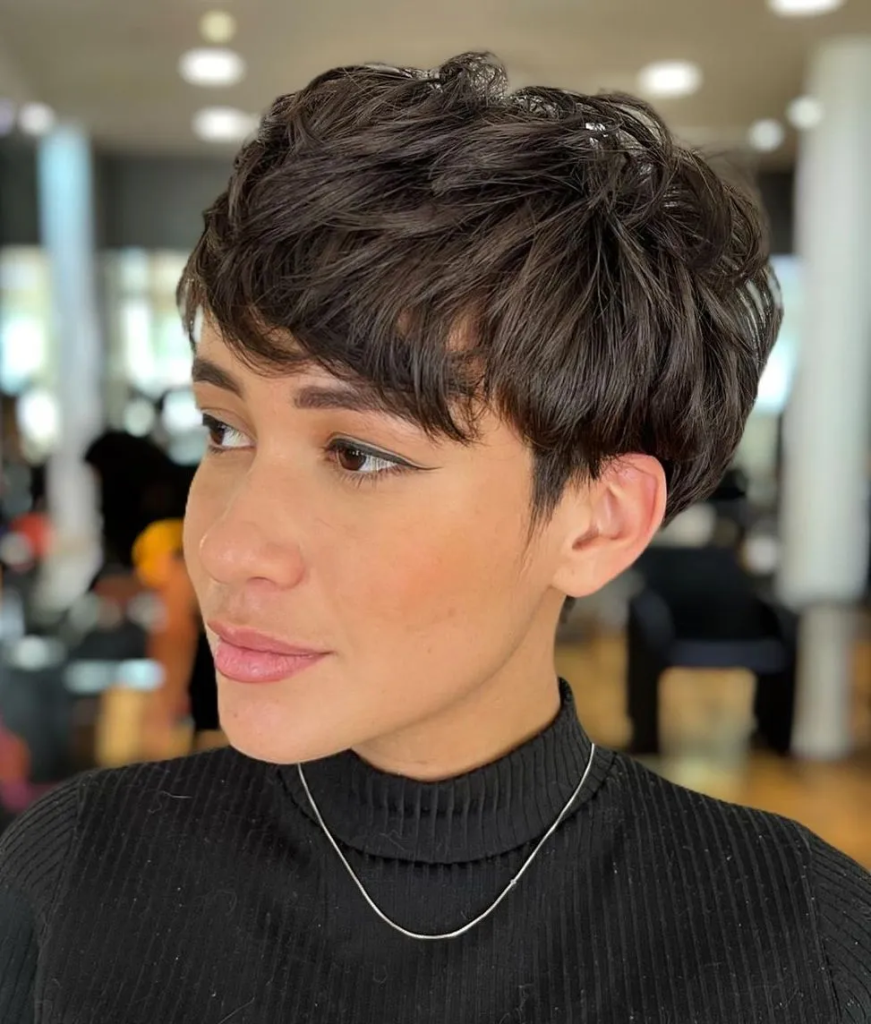
This version is specifically designed for women with thinning or fine hair. The layers are micro-chopped, meaning they are very short and close together to create maximum density.
Why it works: Fine hair needs volume, not length. The short, stacked choppy layers lift at the root, giving the illusion of much thicker hair.
How to style it: Use a root-lifting spray on damp hair. Blow-dry upside down for 2 minutes. Flip back and tousle with your hands. Avoid heavy creams or oils.
Best face shapes: Oval, oblong, heart. The crown volume balances longer face shapes.
Maintenance needs: Every 5–7 weeks. Fine hair shows growth quickly, and the volume effect diminishes as layers lengthen.
4. Long Choppy Pixie (The “Pixie-Bob” Hybrid)
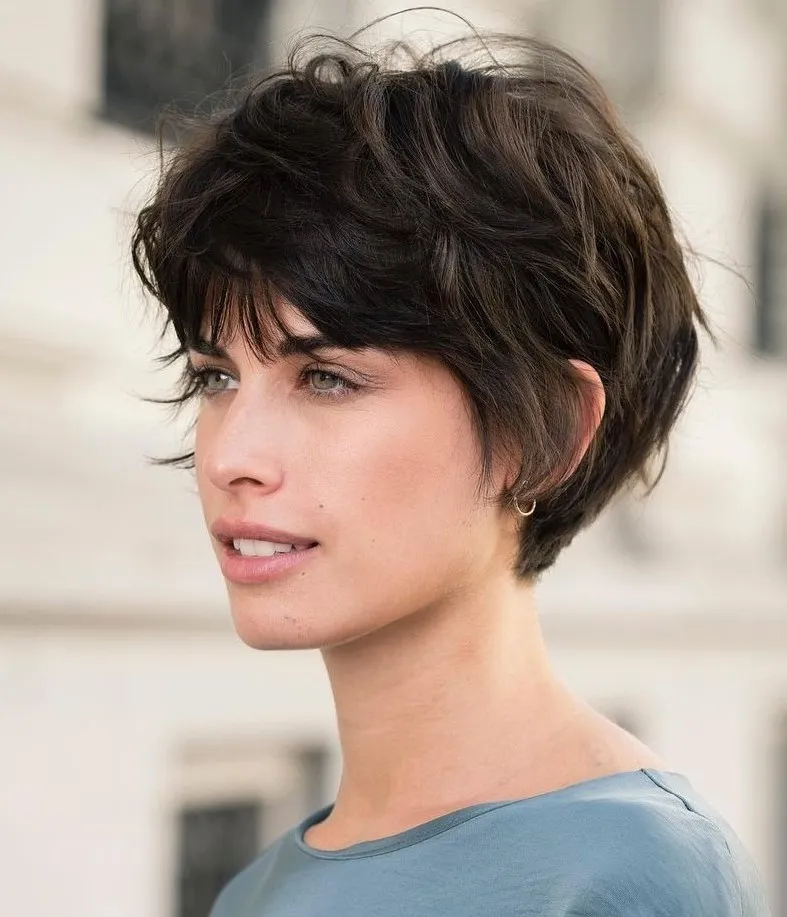
This cut falls somewhere between a pixie and a bob—longer on top and in the front, with choppy layers throughout. The back is still short, but not shaved.
Why it works: It’s the perfect transition cut for anyone nervous about going very short. The length in front allows for versatility in styling.
How to style it: Blow-dry with a round brush, curling the longer front pieces slightly under or away from the face. A flat iron can add soft bends. Keep the back textured and messy.
Best face shapes: Oval, round, square. The longer front pieces elongate rounder face shapes.
Maintenance needs: Every 6–8 weeks. The longer length gives you more grace between trims.
5. Choppy Pixie with Undercut
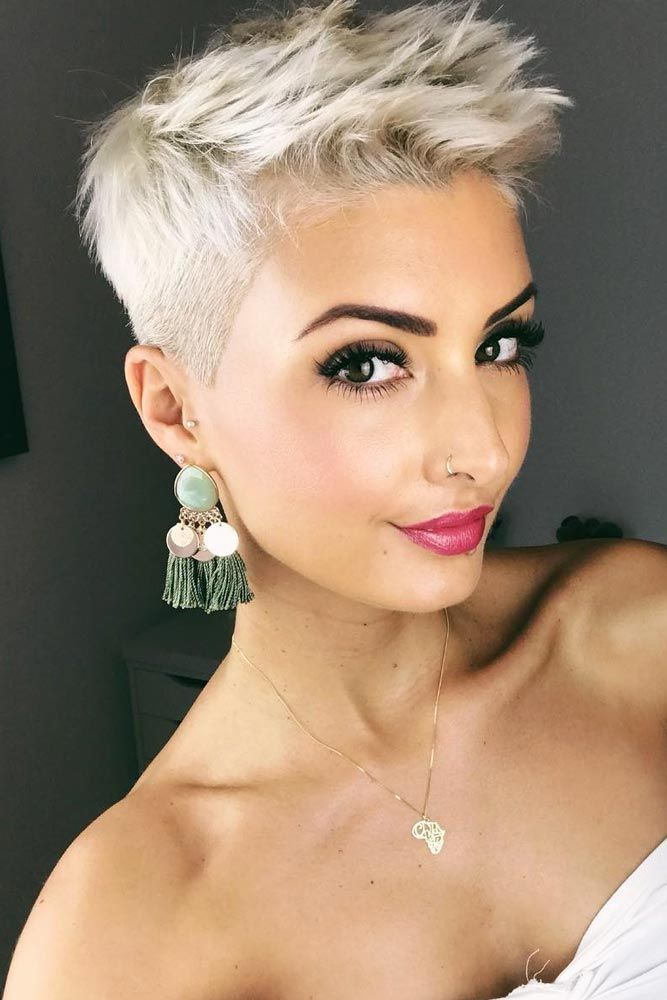
This edgy variation features one side (or both) shaved or closely clipped, while the top remains long and choppy. The contrast is dramatic and modern.
Why it works: The undercut removes bulk instantly and adds an unexpected rock-and-roll element. It’s also incredibly cooling for hot climates.
How to style it: Style the top as usual with texturizing paste. The undercut needs no styling—just keep it clean. When you want to show it off, push all the top hair to the opposite side.
Best face shapes: Oval, heart, square. The asymmetry draws attention to your best features.
Maintenance needs: The undercut needs refreshing every 3–4 weeks at a barber or salon. The top every 6 weeks.
6. Curly Choppy Pixie
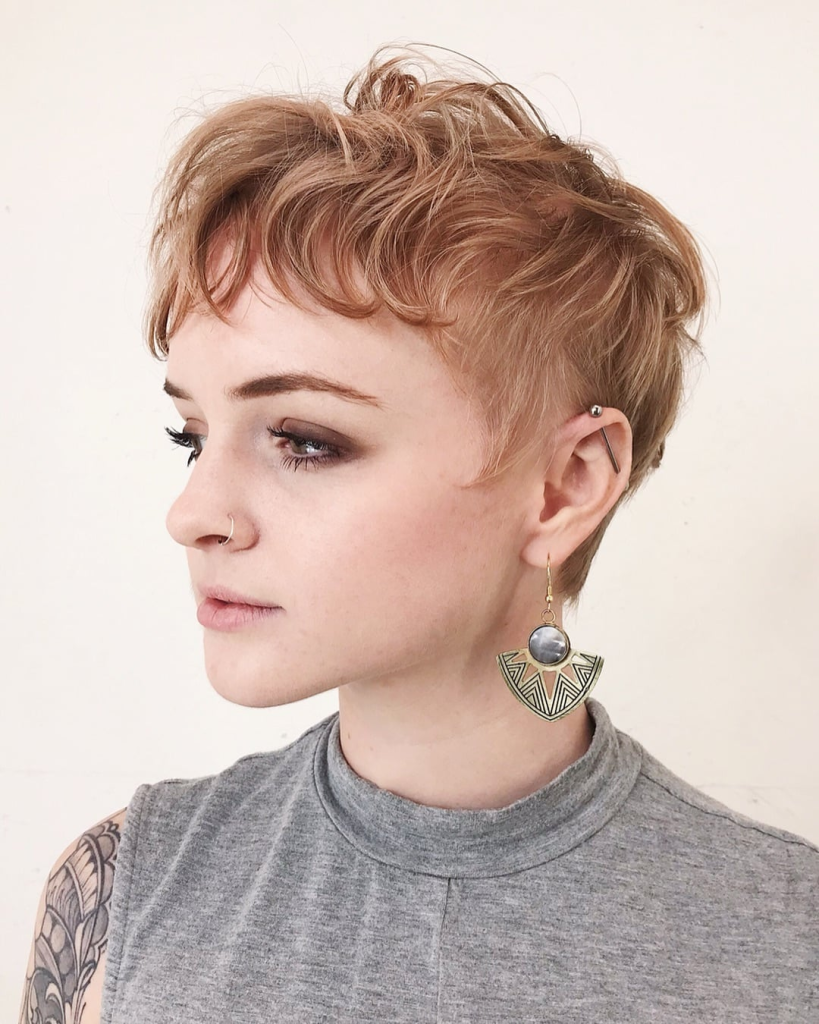
Curly hair and choppy pixies are a perfect match. This cut features tightly packed, uneven layers that allow natural curls to spring up with definition.
Why it works: Traditional short cuts on curly hair can create a round, helmet-like shape. The choppy layers break up that silhouette, adding height and movement.
How to style it: On soaking wet hair, apply a curl cream and a lightweight gel. Diffuse on low heat or air-dry. Once dry, shake out the roots and separate curls with oil on your fingers. Never brush.
Best face shapes: All face shapes. Curls can be customized with length on top or shorter sides depending on your preference.
Maintenance needs: Every 8–10 weeks. Curly hair grows slower, but the shape changes dramatically as it lengthens.
7. Asymmetrical Choppy Pixie

One side is significantly longer than the other in this bold cut. The longer side often features choppy, piece-y ends that sweep across the forehead or tuck behind an ear.
Why it works: Asymmetry adds intrigue and draws the eye diagonally across the face, creating a slimming effect.
How to style it: Blow-dry the longer side using a round brush to add a soft bend. Keep the shorter side textured and close to the head. A dab of pomade defines the separation.
Best face shapes: Oval, heart, diamond. Avoid if you have a very round face, as asymmetry can emphasize width.
Maintenance needs: Every 5–6 weeks. Asymmetrical cuts lose their contrast quickly as hair grows.
8. Choppy Pixie with Micro Bangs
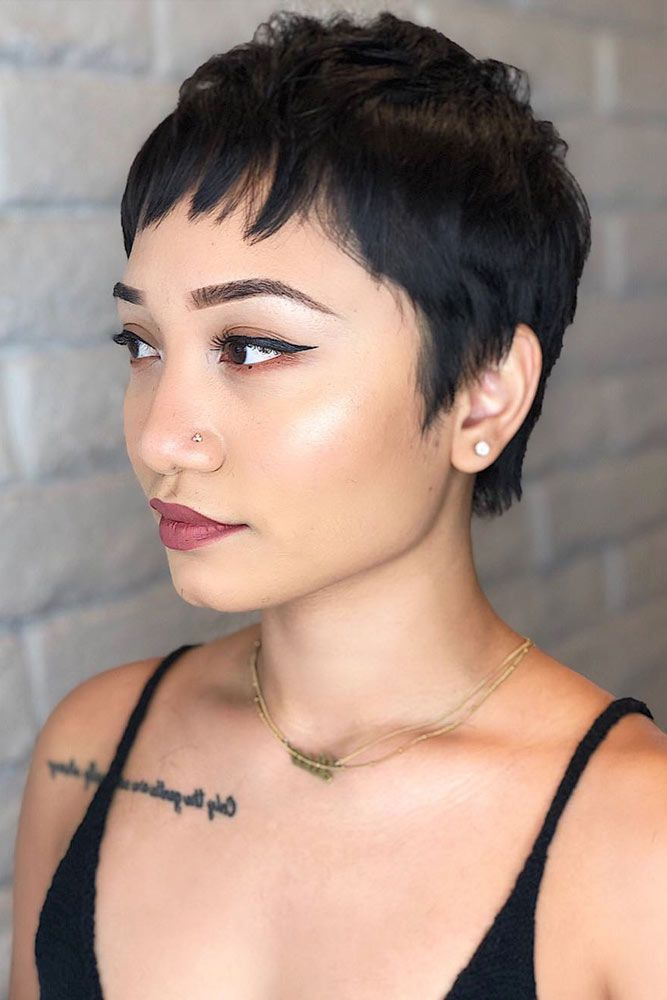
Micro bangs (also called baby bangs) sit high on the forehead—usually 1 to 2 inches above the eyebrows. Paired with a choppy pixie, this is a high-fashion, daring look.
Why it works: Micro bangs draw immediate attention to your eyes and cheekbones. They transform a standard pixie into something editorial and intentional.
How to style it: Keep micro bangs pin-straight or piece-y with a tiny amount of texturizing paste. The rest of the pixie stays messy and voluminous. Do not curl micro bangs.
Best face shapes: Oval, heart, diamond. Avoid if you have a round or very square face, as micro bangs can exaggerate width.
Maintenance needs: Every 2–3 weeks for bangs alone. Learn to trim them at home between salon visits.
9. Messy Bedhead Choppy Pixie
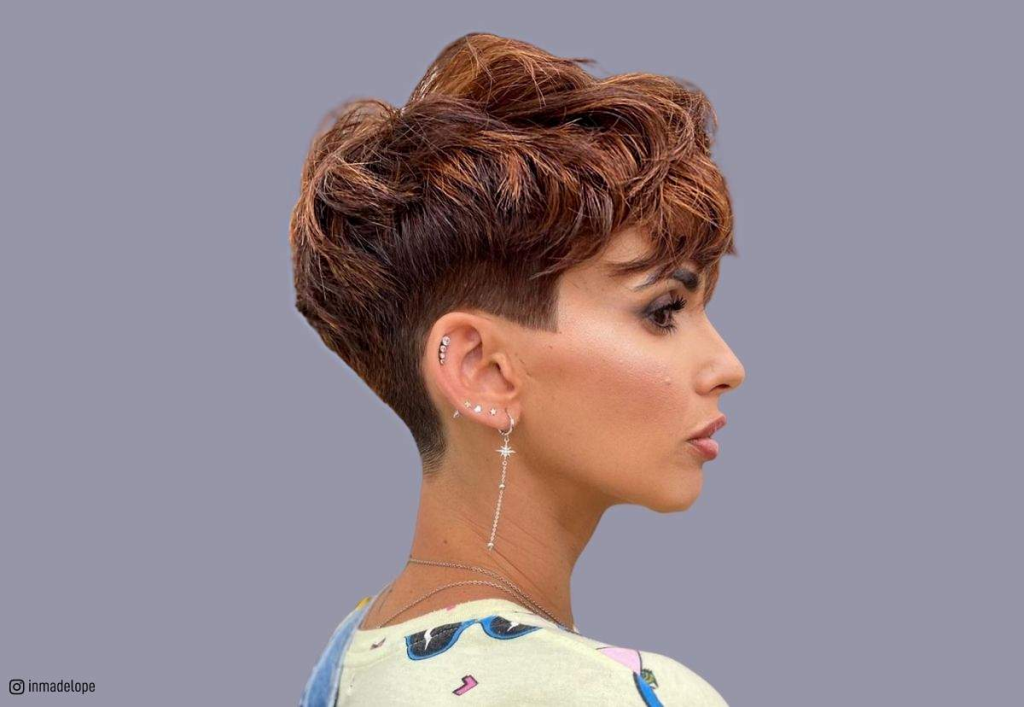
This cut is designed to look good when you do almost nothing to it. The layers are extra choppy and disconnected, with no smooth lines anywhere.
Why it works: Imperfection is the goal. This is the pixie for women who want to wash, towel-dry, and walk out the door.
How to style it: Wash. Towel dry aggressively. Apply a dime-sized amount of salt spray or texture paste. Scrunch. Go. Seriously—that’s the routine.
Best face shapes: Oval, heart, square. Avoid if your hair is extremely fine, as it may just look unwashed rather than intentional.
Maintenance needs: Every 8–10 weeks. This cut actually looks better grown out, so you have flexibility.
10. Sleek Choppy Pixie (The Oxymoron Cut)
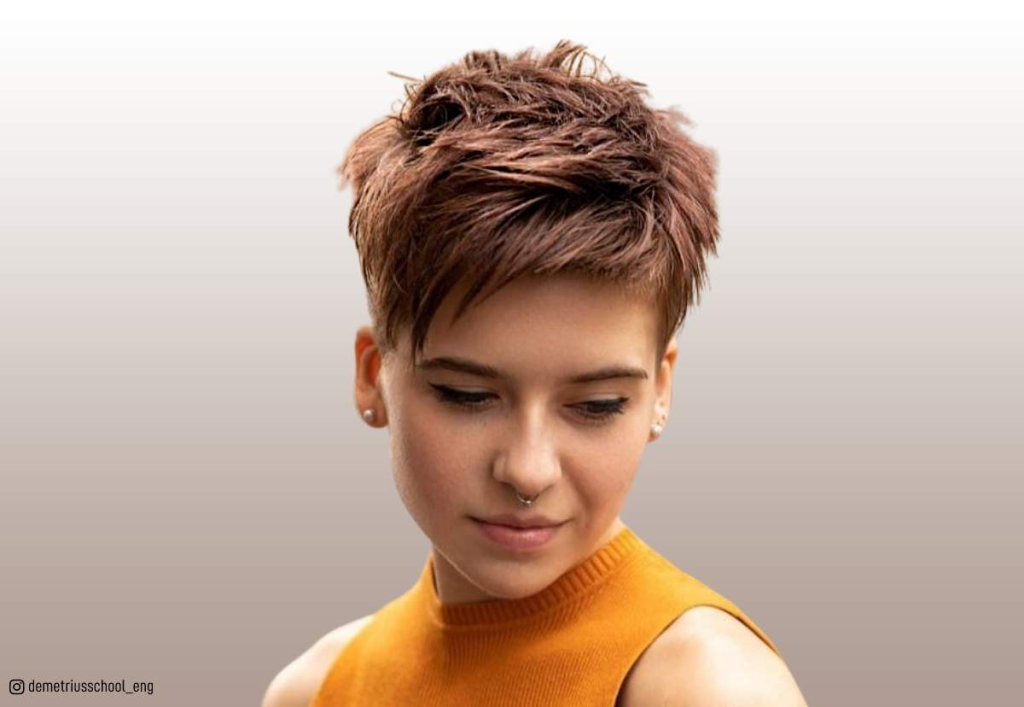
Yes, you can have a choppy pixie that still looks polished. This version keeps the choppy layers but smooths them into a sleek, controlled shape using product and heat.
Why it works: The contrast between choppy ends and smooth texture creates visual interest. It’s professional enough for the office but still edgy.
How to style it: Apply a smoothing cream and heat protectant. Flat-iron each section smooth, leaving only the very ends slightly piece-y. Finish with a light-hold hairspray.
Best face shapes: Oval, oblong, square. The sleekness elongates rounder faces.
Maintenance needs: Every 6 weeks. Sleek styles show uneven growth faster than messy ones.
11. Choppy Pixie with Nape Undercut
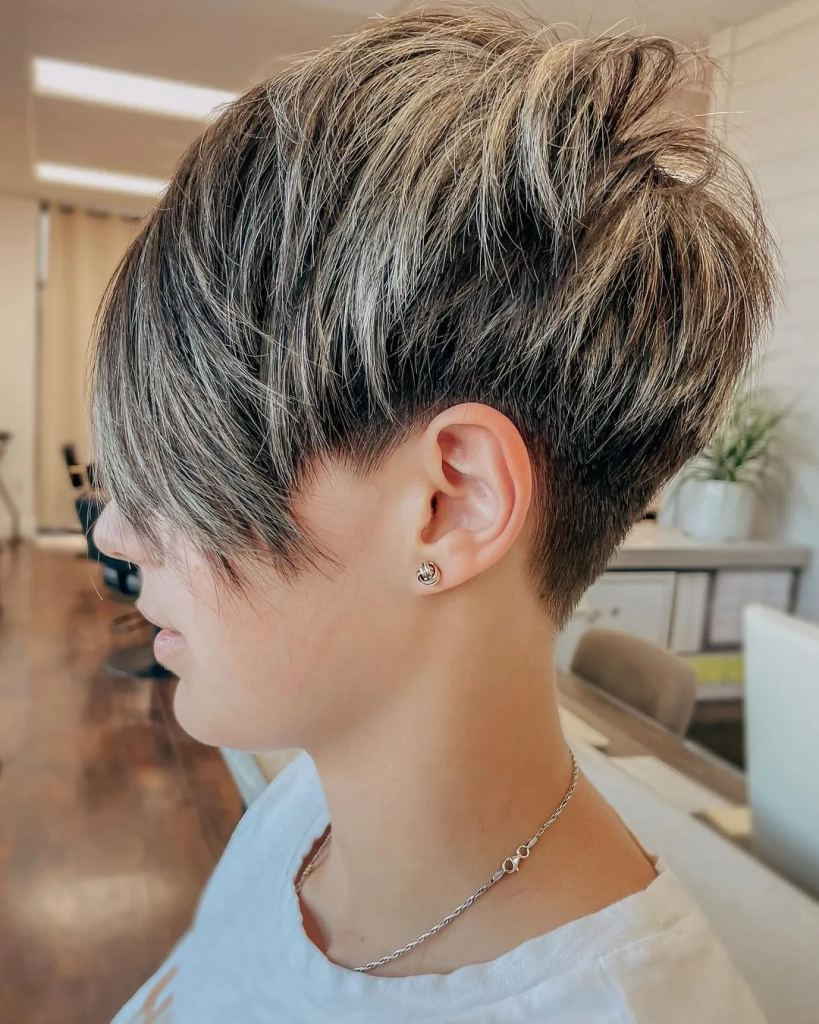
Similar to the side undercut, but this version is shaved only at the nape of the neck. The top and sides remain choppy and textured.
Why it works: The nape undercut is hidden when your hair is down but creates a surprising reveal when you tilt your head up or wear your hair slightly lifted.
How to style it: Styles the same as a classic choppy pixie. The undercut needs no daily work—just maintenance trims.
Best face shapes: Oval, heart, diamond. The undercut doesn’t affect face shape perception since it’s hidden at the back.
Maintenance needs: Nape refresh every 4 weeks. Top layers every 6–8 weeks.
12. Voluminous Choppy Pixie for Thick Hair
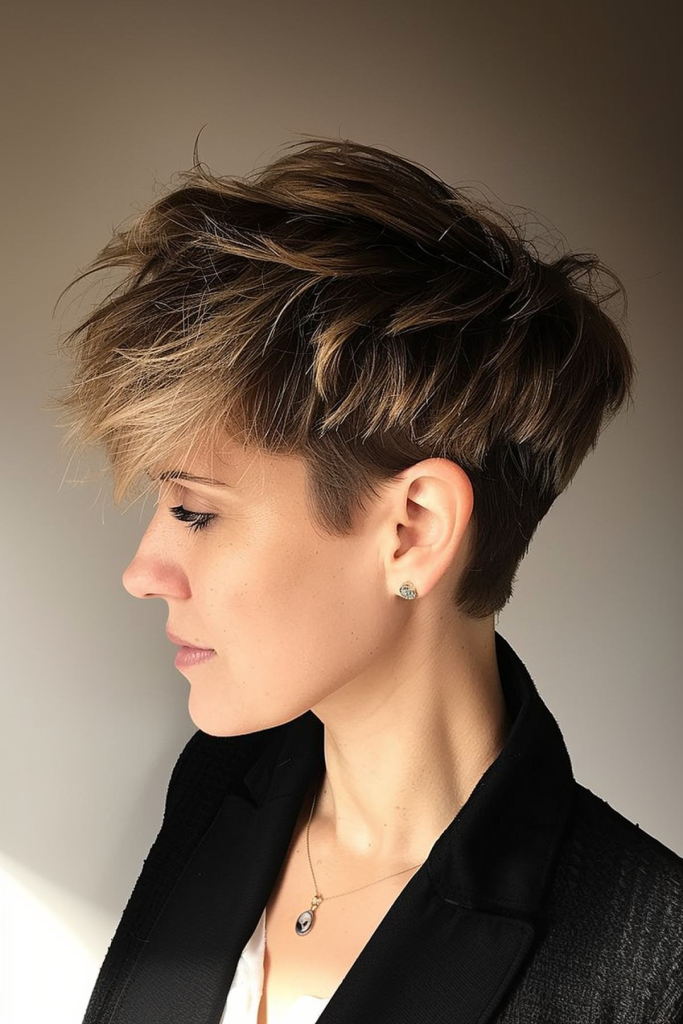
Thick hair can become heavy and triangular even when short. This choppy pixie removes significant internal weight while keeping the perimeter shape.
Why it works: Point-cutting and slide-cutting techniques carve out channels inside the hair, removing up to 40% of bulk without shortening the overall length.
How to style it: Use a lightweight mousse and blow-dry with a round brush, lifting at the roots. Avoid heavy creams or butters, which will weigh the cut back down.
Best face shapes: Oval, square, heart.
Maintenance needs: Every 5–7 weeks. Thick hair grows out quickly and will regain bulk within two months.
13. Feathered Choppy Pixie
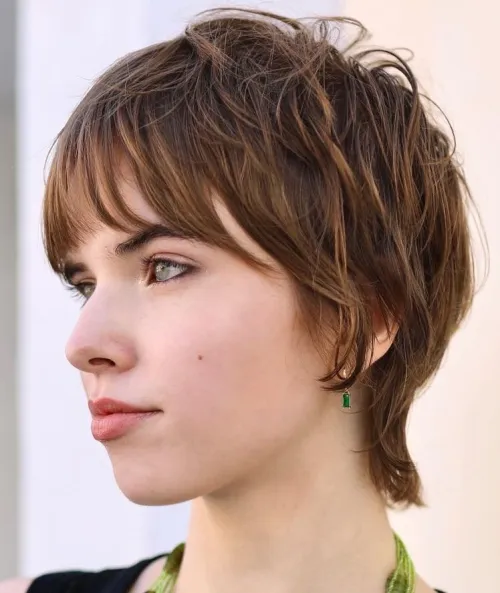
This cut uses soft, feather-like choppy layers that sweep away from the face. It’s lighter and more feminine than a traditional choppy pixie.
Why it works: The feathered layers add movement without harsh lines. It’s ideal for women who want choppy texture but still want to look soft and approachable.
How to style it: Blow-dry using a round brush, rolling the layers away from your face. A light spritz of finishing spray keeps the feathers in place without stiffness.
Best face shapes: Oval, heart, diamond. The softness around the face flatters almost everyone.
Maintenance needs: Every 6–8 weeks to keep the feathering fresh.
14. Choppy Pixie with Long Sideburn Pieces
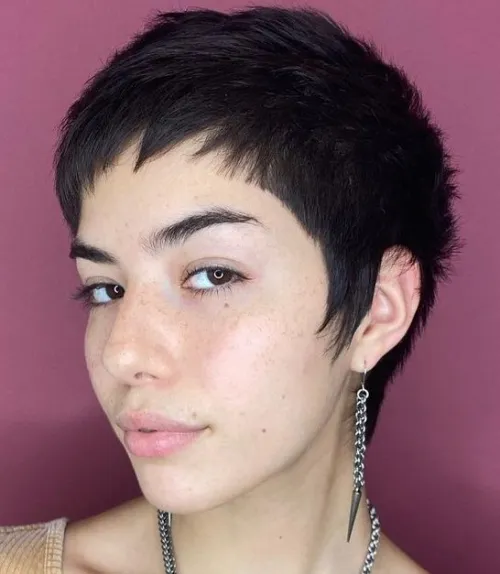
This edgy variation keeps longer, choppy pieces at the sideburns—sometimes reaching the earlobe or jawline—while the rest of the cut is short and textured.
Why it works: The long sideburn pieces frame the face and add an unexpected element of length. It’s a great way to keep some length without committing to a longer overall cut.
How to style it: Blow-dry the sideburn pieces forward and slightly curved toward your cheek. The rest of the pixie stays messy and short. Define the pieces with a dab of pomade.
Best face shapes: Oval, heart, square. The side pieces soften strong jawlines.
Maintenance needs: Every 6 weeks. The side pieces grow faster than the rest and will lose their framing effect.
15. Wavy Choppy Pixie

For women with natural waves, this cut enhances your texture rather than fighting it. The choppy layers are cut specifically to encourage wave patterns.
Why it works: Waves add natural volume and movement. The choppy layers prevent the cut from looking too round or uniform.
How to style it: Apply a wave-enhancing spray to damp hair. Scrunch and air-dry or diffuse on low heat. Do not brush—use your fingers to separate and shape.
Best face shapes: Oval, heart, diamond. The soft waves offset sharp angles.
Maintenance needs: Every 8–10 weeks. Wavy hair hides growth better than straight hair.
16. Edgy Choppy Pixie with Designs
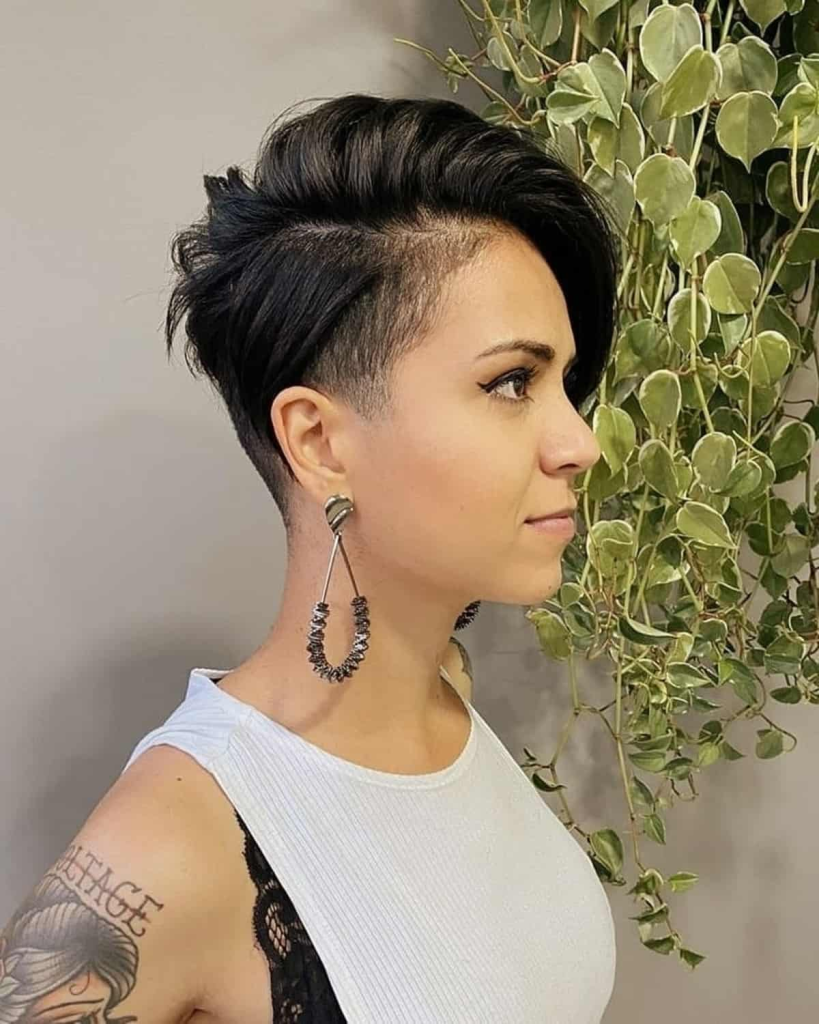
Take the undercut one step further by adding shaved designs—lines, zigzags, dots, or shapes—into the clipped section.
Why it works: This is for the truly bold. Shaved designs turn your haircut into wearable art and work beautifully for women with strong personal style.
How to style it: The design needs no styling—just keep the shaved area clean and moisturized. Style the top as usual with texture paste.
Best face shapes: Oval, heart, diamond. The design draws attention, so make sure you love where your eyes are being directed.
Maintenance needs: Every 2–3 weeks. Shaved designs grow out faster than any other cut element.
17. Choppy Pixie with Soft Curtain Bangs
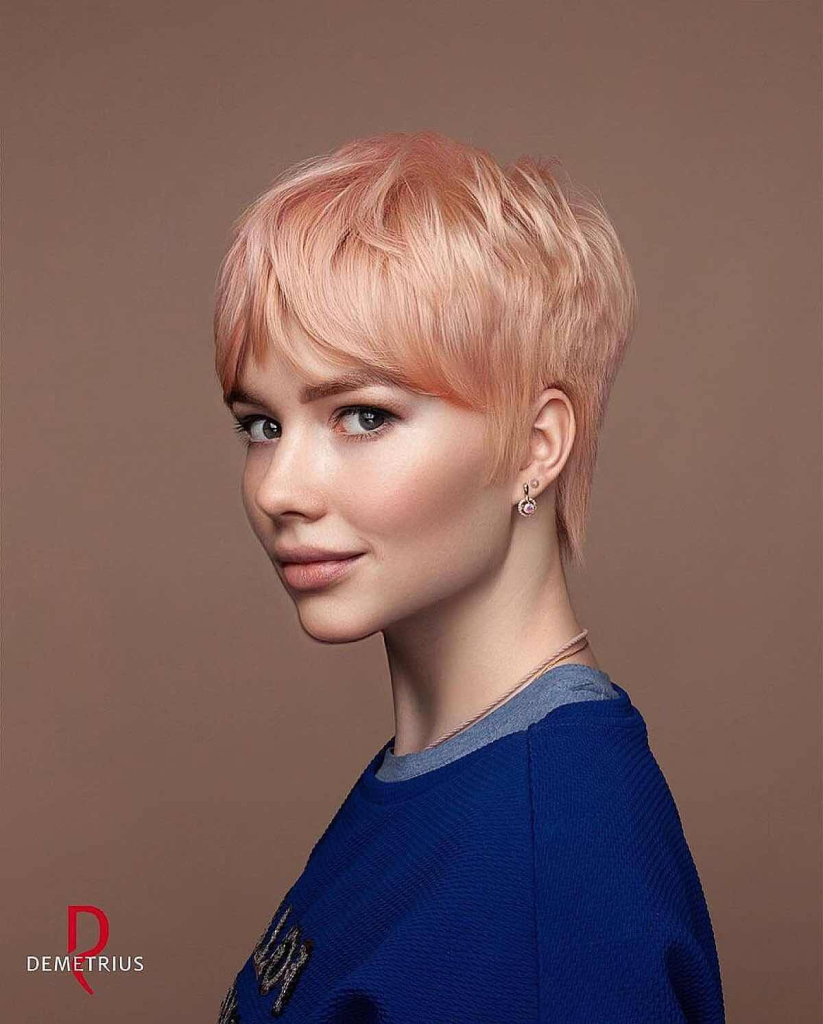
Curtain bangs aren’t just for long hair. This pixie features softly parted, face-framing bangs that blend into choppy layers throughout.
Why it works: The curtain bangs add a romantic, slightly retro feel to an otherwise edgy cut. It’s the perfect balance of soft and sharp.
How to style it: Blow-dry the bangs using a round brush, rolling them away from your face on each side. The rest of the pixie stays textured and piece-y.
Best face shapes: Oval, round, heart. The bangs soften round faces and balance wider foreheads.
Maintenance needs: Bangs every 4 weeks. Rest of the cut every 6–8 weeks.
18. Blunt Choppy Pixie
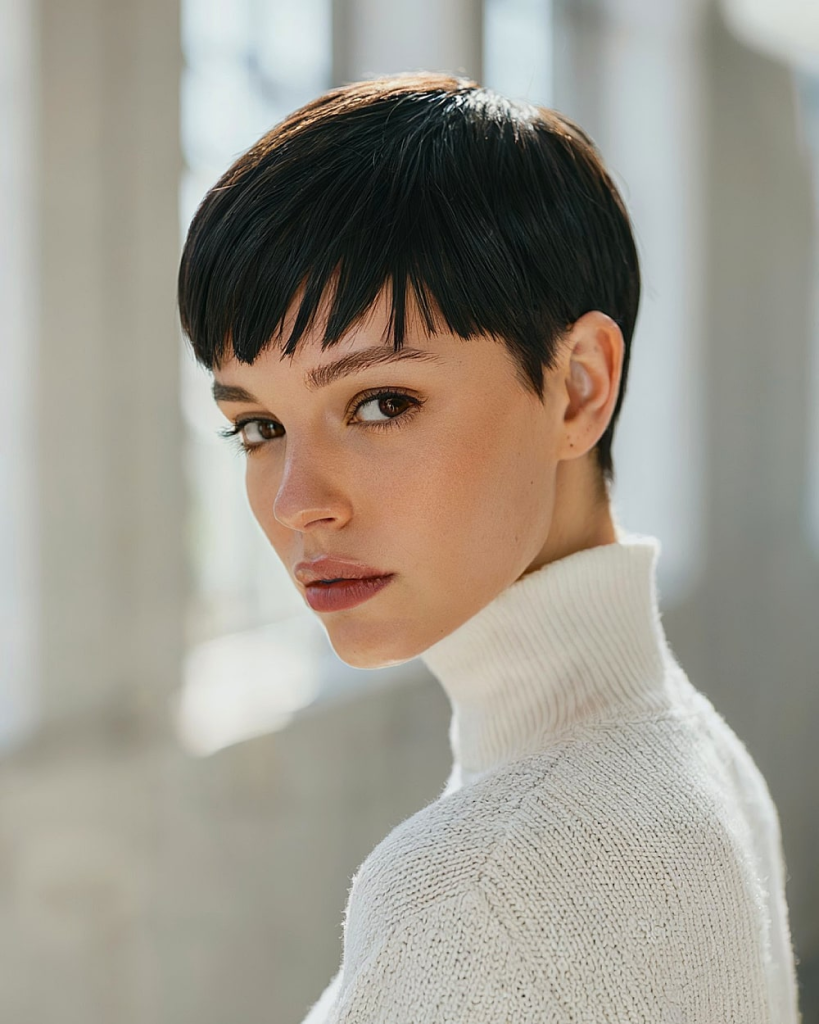
This sounds like a contradiction, but hear me out. The overall shape is blunt—meaning a strong, defined line at the perimeter—but the interior is heavily chopped for texture.
Why it works: The blunt outline gives the cut structure and weight, while the interior choppiness adds movement. It’s the best of both worlds.
How to style it: Blow-dry smooth using a paddle brush to emphasize the blunt perimeter. Then, go back in with a tiny amount of wax to piece out just the ends.
Best face shapes: Oval, square, oblong. The blunt line adds width, balancing longer face shapes.
Maintenance needs: Every 5–7 weeks. Blunt lines show uneven growth quickly.
19. Choppy Pixie with Tapered Nape
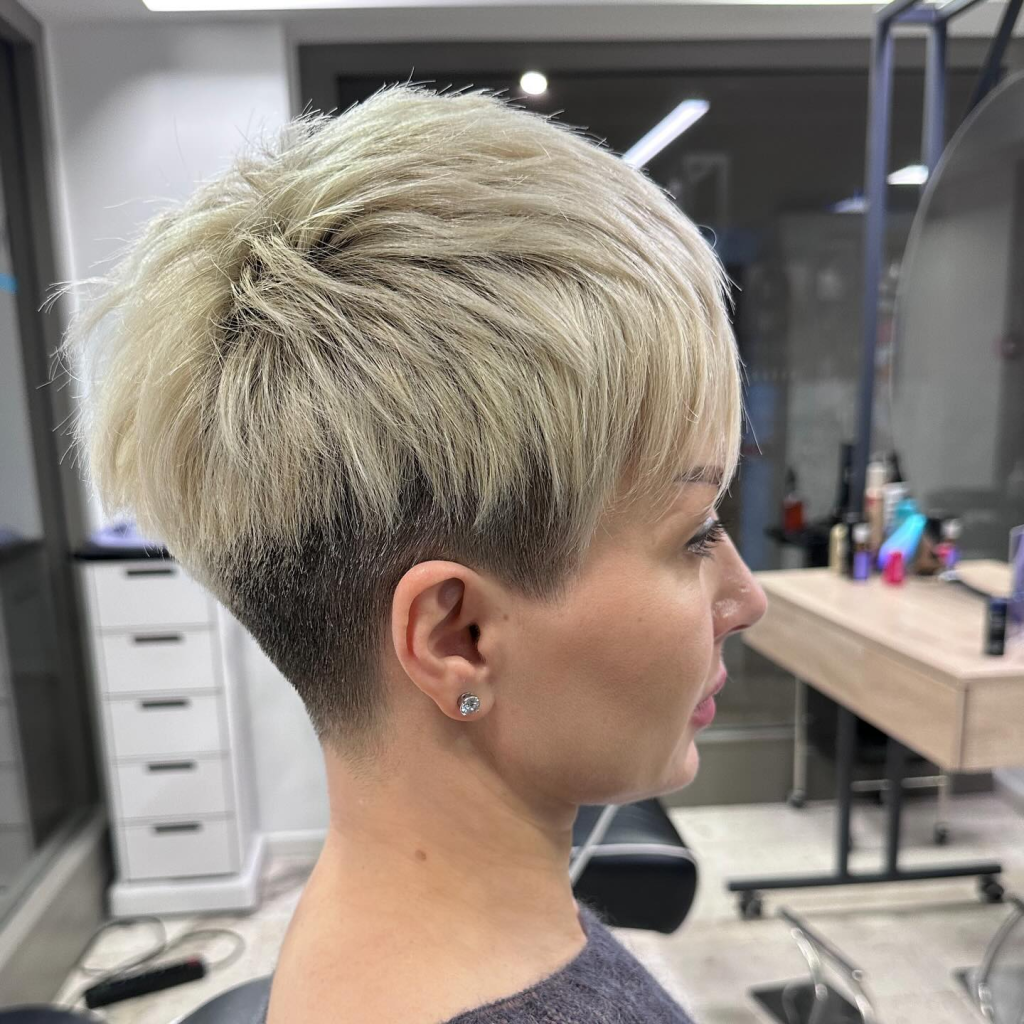
The nape of the neck is gradually tapered (faded from very short to slightly longer), while the top and crown remain choppy and textured.
Why it works: The tapered nape creates a clean, elegant line at the back of the neck. It’s more polished than a traditional choppy pixie but still has edge.
How to style it: Style the top as usual. The tapered nape needs no daily work—just enjoy the clean line when you pull your hair up.
Best face shapes: All face shapes. The taper doesn’t affect face shape perception.
Maintenance needs: Every 4–5 weeks. Tapered napes grow out into a fuzzy line quickly.
20. High-Volume Choppy Pixie for Round Faces
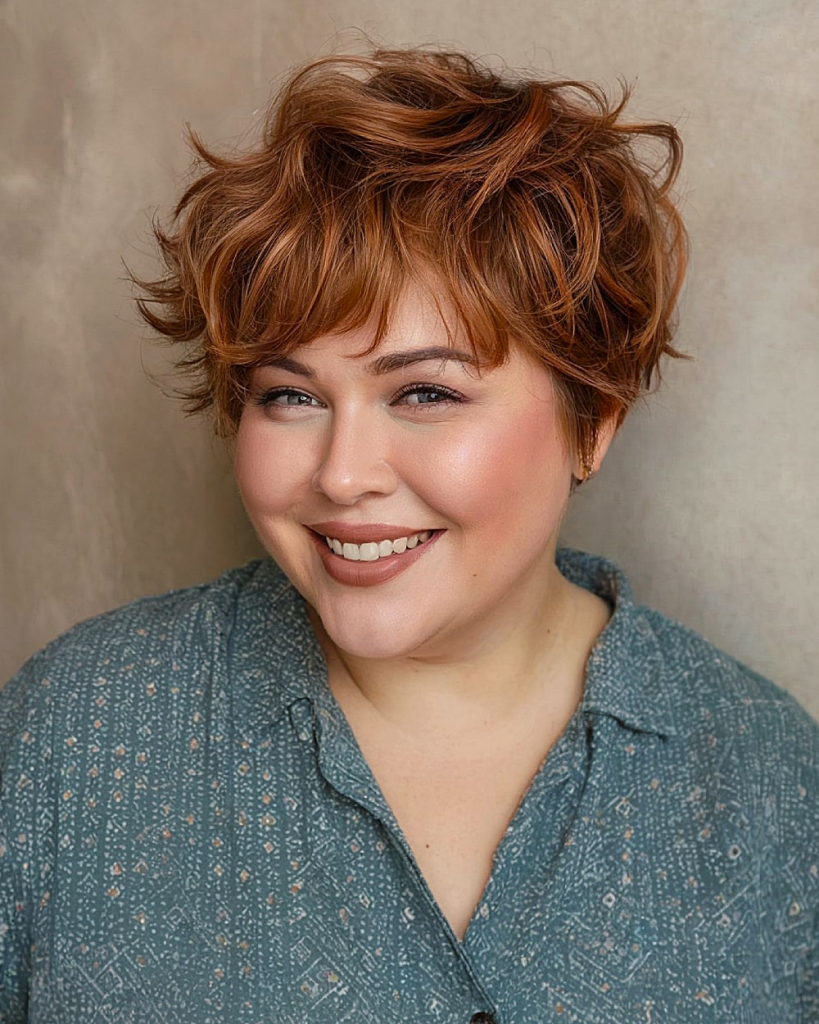
This specific variation adds significant height at the crown while keeping the sides very short. The choppy layers are concentrated on top.
Why it works: Round faces need vertical elongation. The height at the top adds length, while the short sides prevent added width.
How to style it: Use a volumizing powder or backcombing at the crown. Blow-dry straight up using a small round brush. Finish with a strong-hold hairspray.
Best face shapes: Round, oval. Avoid if you have a long face, as extra height will exaggerate length.
Maintenance needs: Every 5–6 weeks. The crown loses its height structure as layers grow.
21. Choppy Pixie with Wispy Nape
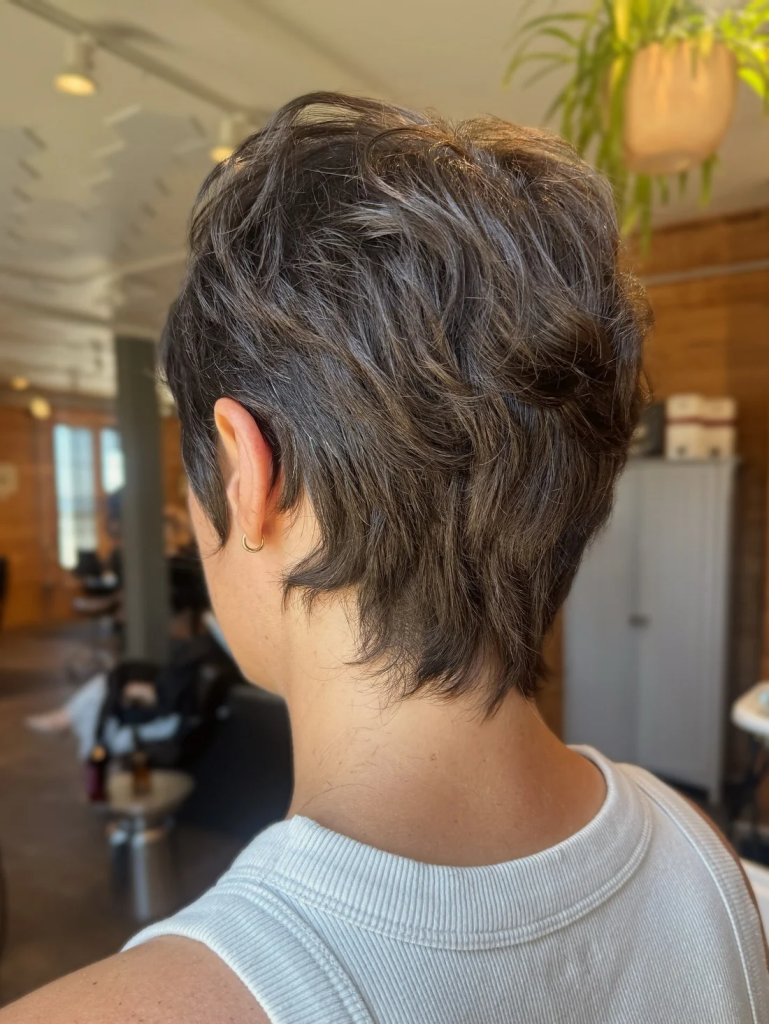
Instead of a tapered or shaved nape, this version keeps the back longer and wispy—sometimes reaching the top of the neck. The ends are heavily point-cut.
Why it works: The wispy nape adds softness and movement to the back of the cut. It’s a great option for women who want a choppy pixie but don’t like exposed necks.
How to style it: Style as usual. The wispy nape can be left messy or smoothed down with a dab of cream. Do not cut it blunt.
Best face shapes: Oval, heart, diamond. The softness at the back balances angular features.
Maintenance needs: Every 7–9 weeks. The wispy nape grows out gracefully.
22. Platinum Choppy Pixie (Color + Cut)
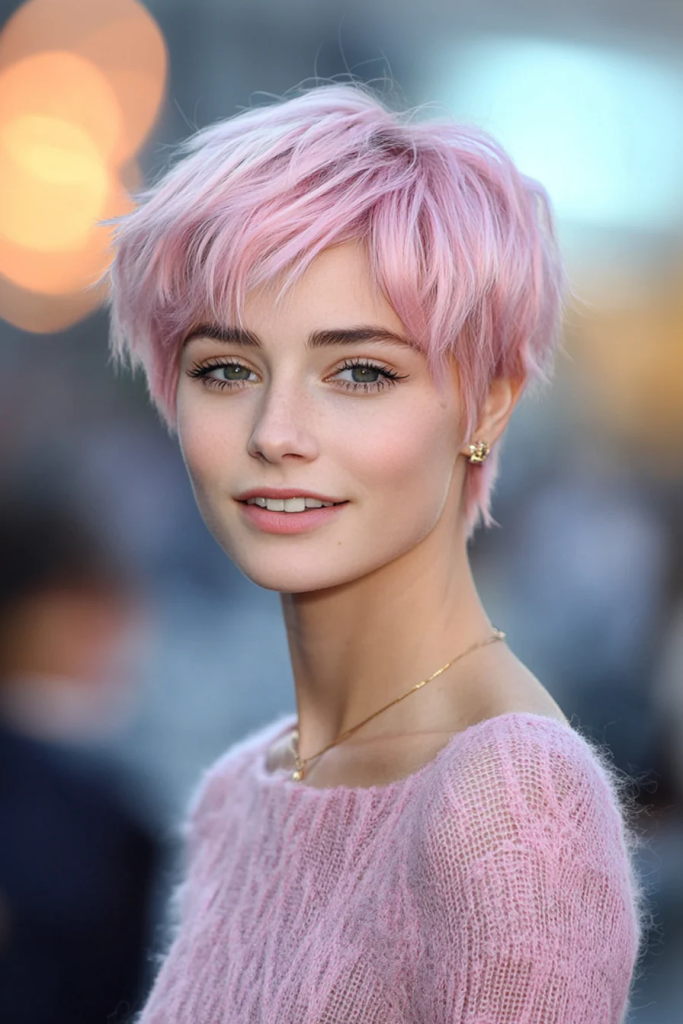
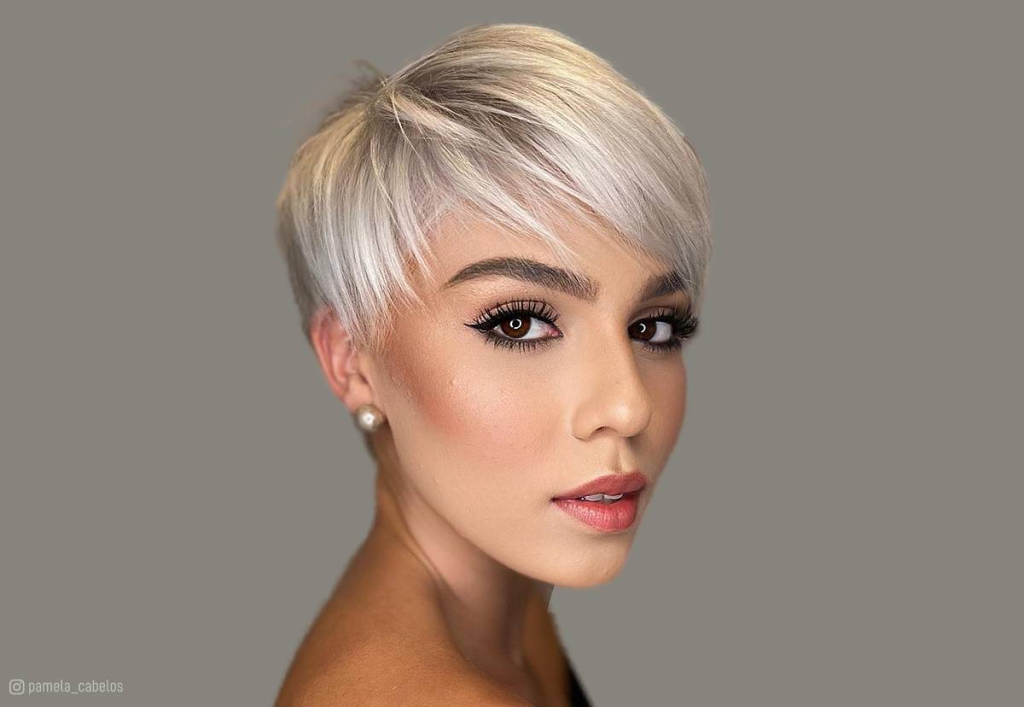
This final style pairs the choppy pixie cut with a bold platinum, silver, or white-blonde color. The contrast between the bright color and the textured cut is stunning.
Why it works: Light colors reflect light, which enhances every choppy layer. The cut and color work together to create maximum dimension and movement.
How to style it: Style your choppy pixie as usual. Use purple shampoo once a week to keep platinum tones bright and prevent brassiness. A shine spray adds extra reflectivity.
Best face shapes: Any. Platinum is universal, though your stylist should adjust the tone (cool vs. warm) based on your skin’s undertone.
Maintenance needs: Color touch-ups every 4–6 weeks. Cut every 6 weeks.
How to Style Any Choppy Pixie in Under 5 Minutes
You don’t need a drawer full of products or 45 minutes of your morning. Here’s your universal choppy pixie routine:
- Damp hair: Apply a texturizing spray or lightweight mousse from roots to ends.
- Blow-dry using your fingers or a small round brush—focus on lifting at the crown.
- Work in a pea-sized amount of styling paste, wax, or pomade between your palms.
- Piece out the ends using your fingers, pulling small sections in different directions.
- Optional: Hit with a 2-second blast of cool air to lock in volume.
That’s it. No curling irons. No flat irons. No perfection required.
Quick Maintenance Cheat Sheet
| Cut Type | Trim Frequency | Special Notes |
|---|---|---|
| Classic choppy pixie | 4–6 weeks | Bangs need more frequent attention |
| Spiky pixie | 4 weeks | Spikes lose shape fast |
| Fine hair pixie | 5–7 weeks | Volume diminishes as layers grow |
| Undercut | 3–4 weeks (undercut only) | Schedule barber visits between salon trips |
| Curly pixie | 8–10 weeks | Shape changes dramatically with growth |
| Micro bangs | 2–3 weeks | Trim at home or visit often |
| Shaved designs | 2–3 weeks | Fastest-growing element |
Final Thoughts
The choppy pixie cut is proof that short hair doesn’t have to be boring. Whether you crave the softness of feathered layers, the rebellion of an undercut, or the drama of micro bangs, there is a choppy pixie here with your name on it. The beauty of this cut lies in its imperfection—those uneven ends, those piece-y layers, that intentional messiness are exactly what make it work.
Do not be afraid to bring photos to your stylist. Be honest about how much time you want to spend styling (the answer can be “none”). And remember: short hair grows back. So if you have been sitting on the fence, this is your sign to book the appointment.
Your choppy pixie is waiting.

Leave a Reply