
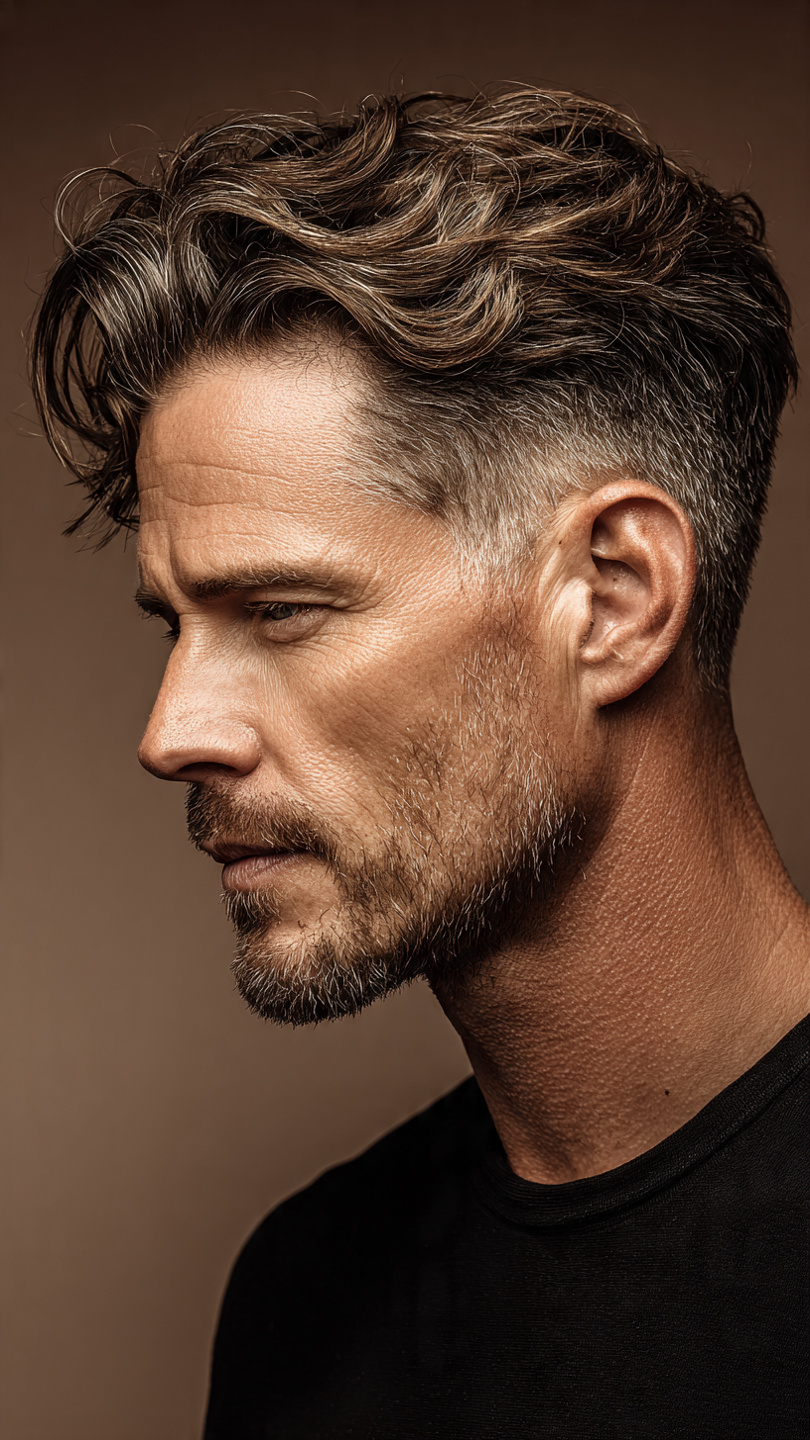
For men who want edge without extremes, the baby mullet is the perfect compromise. This toned-down version of the classic mullet features subtle length differences—shorter on top and at the crown with just a hint of extra length in the back—creating a style that’s professional enough for the office but cool enough for weekends. Unlike the dramatic “business in the front, party in the back” mullets of the past, the baby mullet keeps things refined, polished, and surprisingly sophisticated. In this guide, you’ll discover 18 baby mullet ideas for men, from subtle workplace-appropriate versions to slightly edgier variations for creative fields. Each style includes styling tips, face shape advice, and maintenance schedules. If you love versatile, low-maintenance styles, these men’s haircut trends for 2026 offer additional inspiration.
What Is a Baby Mullet?
The baby mullet (also called a “mini mullet” or “soft mullet”) is a scaled-down, more wearable version of the classic mullet. Key characteristics include:
- Subtle length difference – The back is only slightly longer than the top and sides (1–2 inches difference, not 6+ inches)
- Tapered or faded sides – Clean, polished sides that blend seamlessly
- Textured top – Choppy, piecey layers that add volume and movement
- Professional length – The extra length in the back typically stays above the collar
- Versatile styling – Can be dressed up for work or worn messy for weekends
The baby mullet works exceptionally well for men with straight or wavy hair but can be adapted for curly textures with the right cutting technique.
Why the Baby Mullet Is Perfect for 2026
The baby mullet has become increasingly popular for several compelling reasons:
- Office-appropriate edge – Subtle enough for conservative workplaces, cool enough to express personality
- Low maintenance – Designed to look intentional when slightly messy, requiring minimal daily styling
- Works with natural texture – Enhances waves and curls rather than fighting them
- Hides thinning – The layers and texture camouflage sparse areas
- Versatile length – Long enough to show personality, short enough to stay professional
- Transitional style – Perfect for men growing out shorter cuts or trimming down longer ones
For men experiencing thinning hair, the baby mullet’s layered structure can also create the illusion of density—similar to these haircuts for thinning hair men over 50.
The 18 Baby Mullet Ideas for Men
1. The Classic Baby Mullet
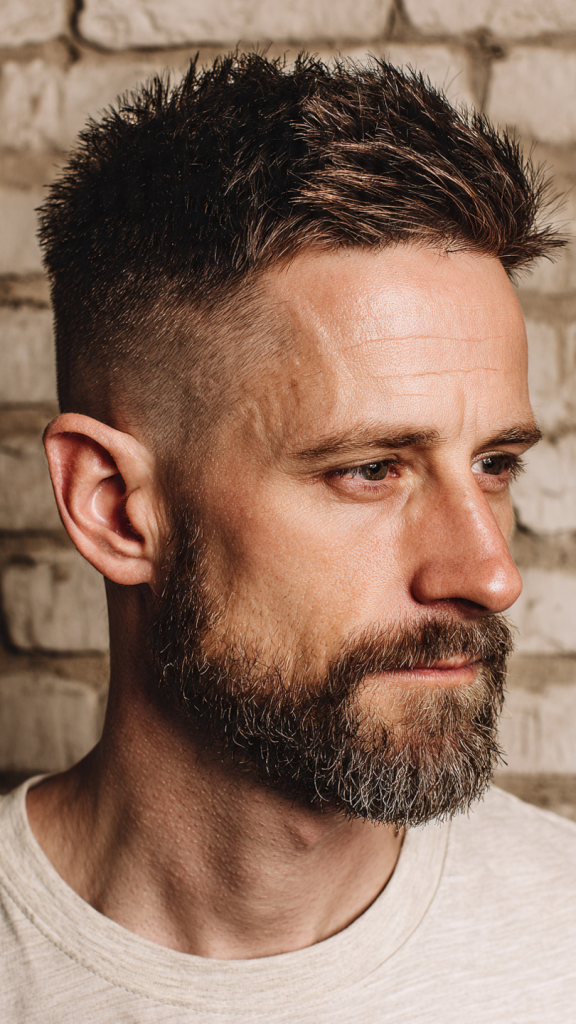
Why it works: The classic baby mullet features a subtle length difference—the top is kept at 1.5–2 inches with choppy texture, the sides are tapered or faded, and the back extends just 1–2 inches below the nape. This is the most wearable version and works on virtually every hair type. The length difference is noticeable but not dramatic, making it perfect for office environments.
How to style it: Apply texturizing spray to damp hair. Blow-dry using your fingers, lifting at the crown for volume. The back can be left to air-dry or lightly tousled. Use a small amount of matte clay to piece out the top sections. The overall effect should be lived-in and intentional, not messy.
Best face shapes: Oval, square, heart (most universally flattering)
Maintenance needs: Top trim every 5–6 weeks; back can go 8–10 weeks
For men with round faces who want slimming effects, these men’s haircuts for round face over 50 offer additional strategies.
2. Curly Baby Mullet

Why it works: Curly hair takes the baby mullet to new heights. The curly baby mullet features shorter, defined curls on top and at the crown, transitioning into slightly longer curls in the back. The layers remove weight, preventing the dreaded “triangle head” effect, while the subtle extra length in the back allows curls to show their personality. For men with natural curls, this cut celebrates texture while keeping it professional.
How to style it: Apply leave-in conditioner and curl cream to soaking wet hair. Use a denman brush to define curl clumps. Scrunch vigorously with a microfiber towel. Air-dry completely or use a diffuser on low heat. Once dry, shake out at the roots. The top curls should have volume; the back curls should be slightly longer and looser.
Best face shapes: Oval, heart, round (curls soften angular features)
Maintenance needs: Trim every 8–10 weeks (dry cut only). Curly hair hides grow-out well.
For men with curly hair, these curly haircuts for men offer additional styling ideas.
3. Wavy Baby Mullet

Why it works: The wavy baby mullet is the sweet spot for men with natural 2B to 2C waves. The shorter waves on top create volume and lift, while the slightly longer waves in the back cascade down subtly. The waves interact with the choppy layers to create the perfect lived-in texture. This cut requires minimal styling—just scrunch and go—making it perfect for busy professionals.
How to style it: Apply sea salt spray or wave-enhancing cream to damp hair. Scrunch section by section with a microfiber towel. Air-dry completely—about 30–40 minutes. Do not touch while drying. Once dry, shake out at the roots with your fingers. Never brush—use a wide-tooth comb only when wet.
Best face shapes: All face shapes (most universally flattering wave pattern)
Maintenance needs: Trim every 8–10 weeks. Waves hide grow-out beautifully.
For men over 60 seeking effortless styles, these wash and wear haircuts for women over 60 offer universal low-maintenance ideas.
4. Baby Mullet with Curtain Bangs

Why it works: Adding curtain bangs to a baby mullet softens the overall look and creates beautiful face-framing. The bangs part in the middle and sweep to each side, blending seamlessly into the shorter top layers. This combination is especially flattering for men with longer faces or high foreheads, as it softens the hairline and draws attention to the eyes—all while maintaining office-appropriate subtlety.
How to style it: Apply lightweight mousse to damp hair. Blow-dry the curtain bangs using a small round brush, rolling them away from your face. The rest of the baby mullet can be styled with your fingers—tousled and piecey. To refresh bangs on day two, mist with water and re-roll around a round brush with heat for 10 seconds.
Best face shapes: Oval, heart, oblong (curtain bangs soften high foreheads)
Maintenance needs: Bangs trim every 3–4 weeks; mullet trim every 6–8 weeks
For more face-framing inspiration, these curtain bangs for women over 50 offer universal styling techniques.
5. Short Baby Mullet (Above the Collar)
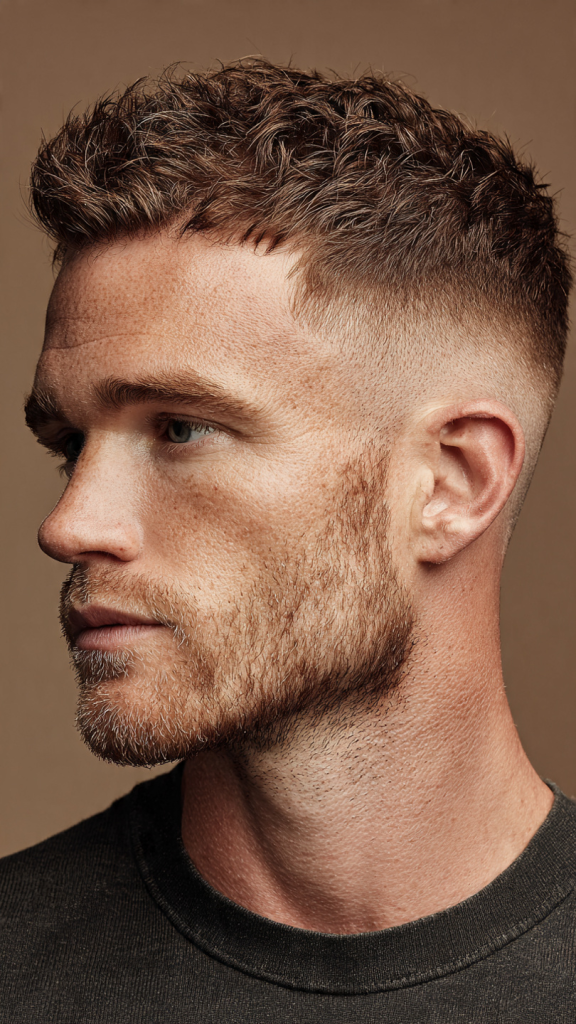
Why it works: The short baby mullet keeps the entire cut above the collar, making it the most office-appropriate version. The top is shorter with volume, the sides are tapered, and the back extends just to the collar—no longer. This version is perfect for men who want edge but need a conservative silhouette for professional settings.
How to style it: Apply texturizing spray to damp hair. Blow-dry using your fingers, lifting at the crown. The shorter length means it will dry in whatever direction it wants—embrace this. Use matte paste to piece out the ends. The mullet shape should be noticeable but subtle—just a hint of extra length in the back.
Best face shapes: Oval, square, heart (the shorter length suits stronger bone structure)
Maintenance needs: Trim every 4–5 weeks. The short shape needs regular upkeep.
For plus size men seeking flattering options, these short haircuts for plus size women over 50 offer slimming ideas that apply universally.
6. Baby Mullet for Fine Hair

Why it works: Men with fine hair can absolutely rock a baby mullet. The key is soft, subtle layers rather than dramatic choppiness. The shorter top layers create volume where fine hair needs it most, while the slightly longer back pieces are kept wispy to avoid weighing down the cut. This version uses lighter layering to add movement without sacrificing density.
How to style it: Apply volumizing mousse to damp roots. Blow-dry upside down to maximize lift at the crown. Use texturizing powder at the roots for grip. Avoid heavy products that will weigh fine hair down. The back should be lightweight and piecey. Finish with dry shampoo at the crown.
Best face shapes: Oval, heart, round (the volume adds balance)
Maintenance needs: Trim every 6–8 weeks. Keep the layering subtle—too much will make fine hair look wispy.
For men with fine hair, these short hairstyles for thin fine hair offer additional density-building ideas.
7. Baby Mullet for Thick Hair

Why it works: The baby mullet is a game-changer for men with thick, heavy hair. The subtle layering removes just enough bulk while the slight extra length in the back prevents the dreaded “triangle head” effect. The result is hair that looks styled rather than overwhelming—professional enough for the office, cool enough for weekends.
How to style it: Apply smoothing cream to damp hair. Blow-dry using a large round brush, lifting at the roots for volume. For an air-dry option, apply wave spray and scrunch—the layers will prevent the hair from getting too puffy. Finish with shine serum on the ends only.
Best face shapes: All face shapes (removes bulk while keeping shape)
Maintenance needs: Trim every 6–8 weeks. Thick hair holds layers well but needs regular upkeep.
For men with thick hair, these medium length hairstyles for thick hair offer additional shaping ideas.
8. Baby Mullet with Tapered Sides

Why it works: For a slightly more structured and neat look, consider a baby mullet with tapered sides. The hair near the ears is cut shorter and gradually gets longer as it moves toward the top and back, creating a cleaner line. This version is great for reducing bulk around the ears and gives the overall look a more tailored, sophisticated feel while maintaining the baby mullet’s subtle length difference.
How to style it: Apply styling cream to damp hair on top only. Use a small round brush to lift the crown while blow-drying. The tapered sides need only a quick towel-dry. Run wax through the top length for separation, pushing it slightly forward or to the side. The back should remain slightly longer and piecey.
Best face shapes: Oval, square, oblong (the clean lines suit sharper features)
Maintenance needs: Top trim every 6–8 weeks; tapered sides need refreshing every 4 weeks
9. Baby Mullet with Hard Part
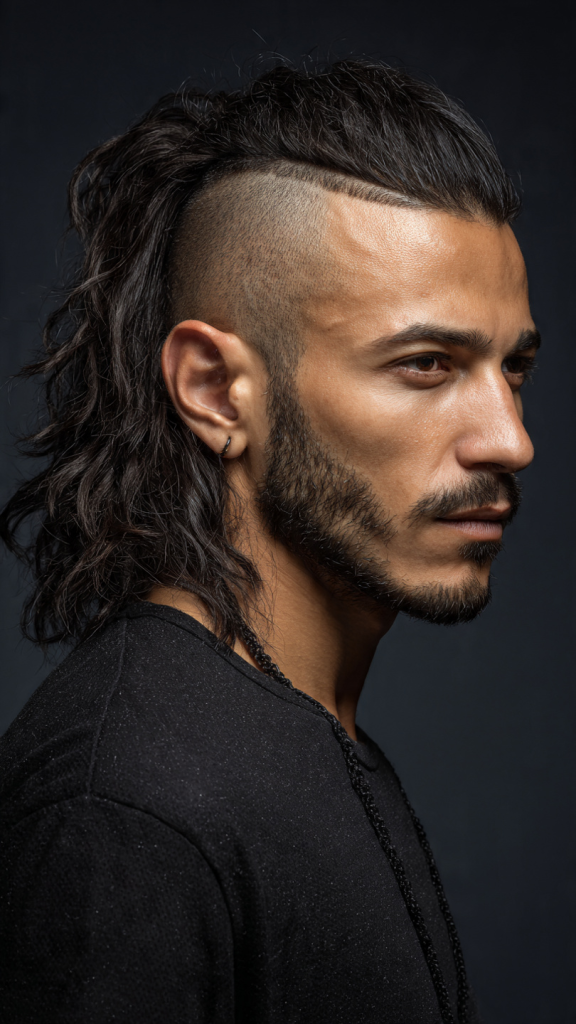
Why it works: Adding a hard part—a shaved line on one side of the head—to a baby mullet creates a defined parting that adds visual interest and structure. The hard part can be placed on the left or right depending on your preference and natural hair growth pattern. This variation is perfect for men who want a distinctive, barbered look that still maintains workplace appropriateness.
How to style it: The hard part is shaved in with a trimmer or razor. Style the baby mullet as usual—textured top, tapered sides, subtle extra length in the back. Maintain by refreshing the part line every 3–5 days. The hard part adds angularity without making the mullet look extreme.
Best face shapes: Oval, square, diamond (the hard part adds angularity)
Maintenance needs: Mullet trim every 5–6 weeks; hard part needs refreshing every 3–5 days
10. Baby Mullet with Disconnected Top
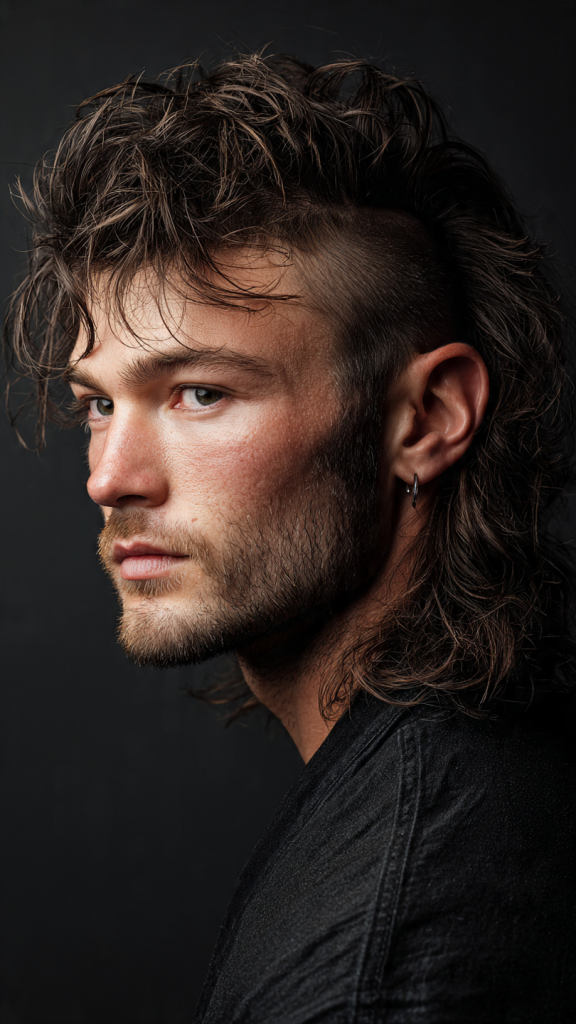
Why it works: The baby mullet with disconnected top features a more dramatic contrast between the top and sides. The top is left longer (2.5–3 inches) with heavy texture, while the sides are faded very short. The back has just a hint of extra length. This version is edgier than the classic baby mullet but still office-appropriate because the length difference in the back is subtle.
How to style it: Apply matte paste to dry hair on top. Use your fingers to lift and create piecey separation. The faded sides need nothing—keep them clean. The back should be just long enough to notice. The contrast between the longer top and short sides is the focal point.
Best face shapes: Oval, square, heart (the disconnected top adds height)
Maintenance needs: Top trim every 4–5 weeks; fade needs refreshing every 1–2 weeks
11. Baby Mullet with Messy Texture

Why it works: The messy baby mullet is deliberately disheveled—think “I just rolled out of bed but in a cool way.” The cut features uneven, jagged layers throughout, with the back only slightly longer. This intentional messiness works perfectly for creative professionals who want edge without extremes. The subtle length difference keeps it workplace-appropriate.
How to style it: On dry hair (clean or second-day), apply dry shampoo generously at the roots. Flip head upside down and scrunch vigorously for 30 seconds. Flip back and use your fingers to texturize random sections. Add texturizing powder at the crown for piecey separation. Do not use a brush or comb.
Best face shapes: Oval, heart, square (messiness softens angular features)
Maintenance needs: Trim every 5–6 weeks. The lived-in look means grow-out adds to the charm.
12. Slicked-Back Baby Mullet
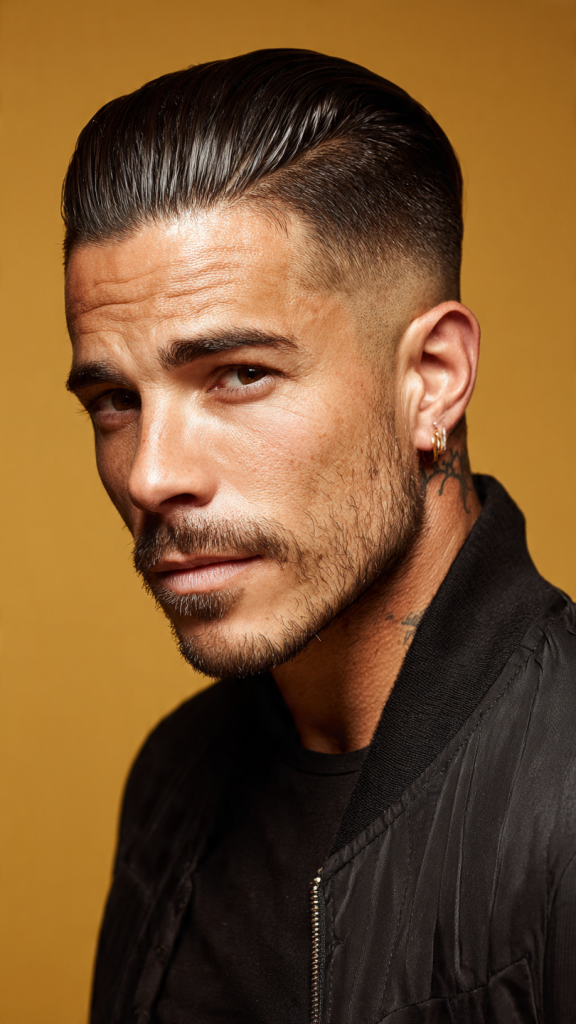
Why it works: The slicked-back baby mullet takes the textured cut and adds polish for the office. The top layers are combed back away from the face, creating a clean, sophisticated silhouette. The subtle extra length in the back remains visible, adding interest without being distracting. This style is perfect for days when you need to look sharp for meetings but want to maintain your edge.
How to style it: Apply medium hold pomade or gel to damp hair. Use a fine-tooth comb to comb all hair back away from your forehead. The sides can be tucked behind your ears or left to fall. For a modern finish, leave the front slightly piecey rather than perfectly smooth. Lock in place with medium hold hairspray.
Best face shapes: Oval, square, diamond (slicked-back elongates rounder faces)
Maintenance needs: Trim every 5–6 weeks. The slicked style can be worn between washes.
13. Baby Mullet for Straight Hair
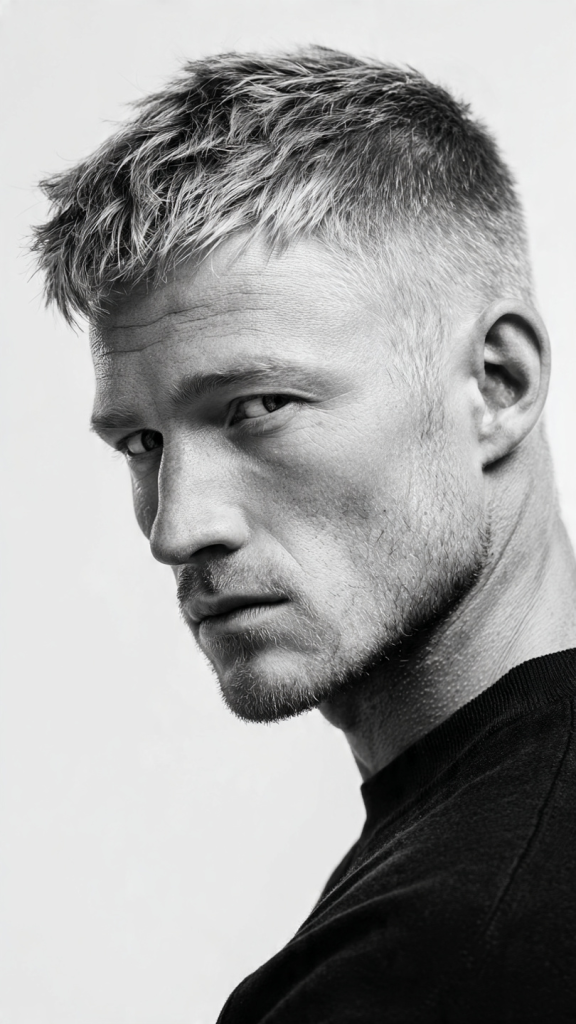
Why it works: The baby mullet works beautifully on straight hair. The subtle layering creates movement and volume that straight hair often lacks, while the slight extra length in the back adds interest. Without natural wave, the cut relies on the choppy layers to create the signature mullet silhouette—but kept subtle enough for any office.
How to style it: Apply volumizing mousse to damp roots. Blow-dry using a round brush, lifting sections at the crown for height. Use texturizing spray on dry hair to add grip and separation. For extra movement, run a flat iron over random sections, bending the ends in different directions. The goal is texture, not smoothness.
Best face shapes: Oval, heart, oblong (the layers add movement to longer faces)
Maintenance needs: Trim every 6–8 weeks. Straight hair shows uneven ends more easily, so don’t skip trims.
14. Baby Mullet with Textured Fringe
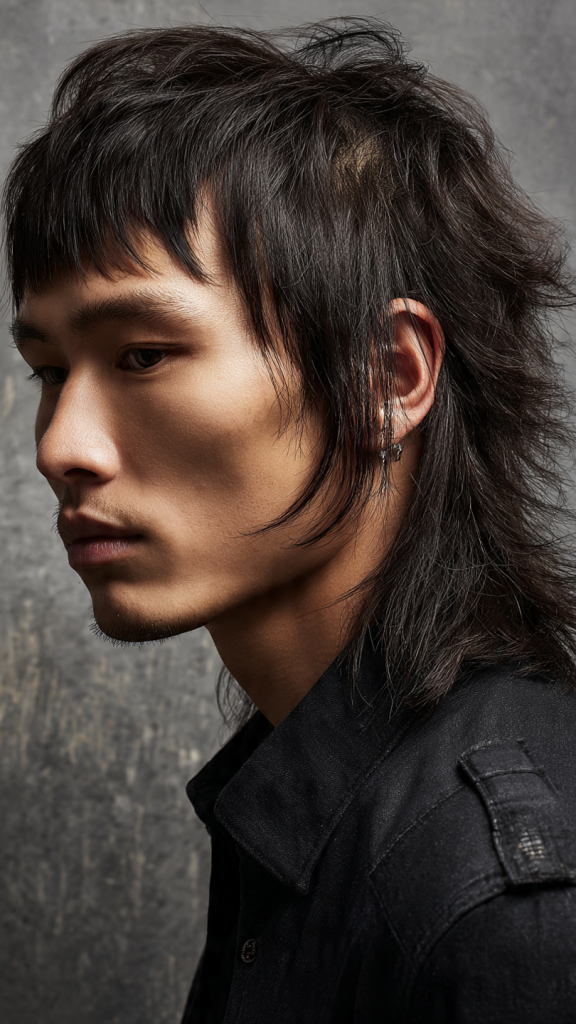
Why it works: A textured fringe (bangs that sit across the forehead) adds a youthful, slightly mysterious vibe to the baby mullet. The fringe should be textured and slightly piecey—not blunt or heavy. The back remains just slightly longer. This style works well for men with strong brows or those who want to draw attention to their eyes while keeping the overall look office-appropriate.
How to style it: Apply texturizing spray to damp hair. Blow-dry the fringe forward using a round brush, creating a slight bend at the ends. The rest of the baby mullet can be blow-dried with fingers. The fringe should sit just above the eyebrows. Finish with light hairspray on the fringe only.
Best face shapes: Oval, heart, round (fringe shortens longer faces)
Maintenance needs: Fringe trim every 3–4 weeks; mullet trim every 6–8 weeks
15. Baby Mullet with Low Fade
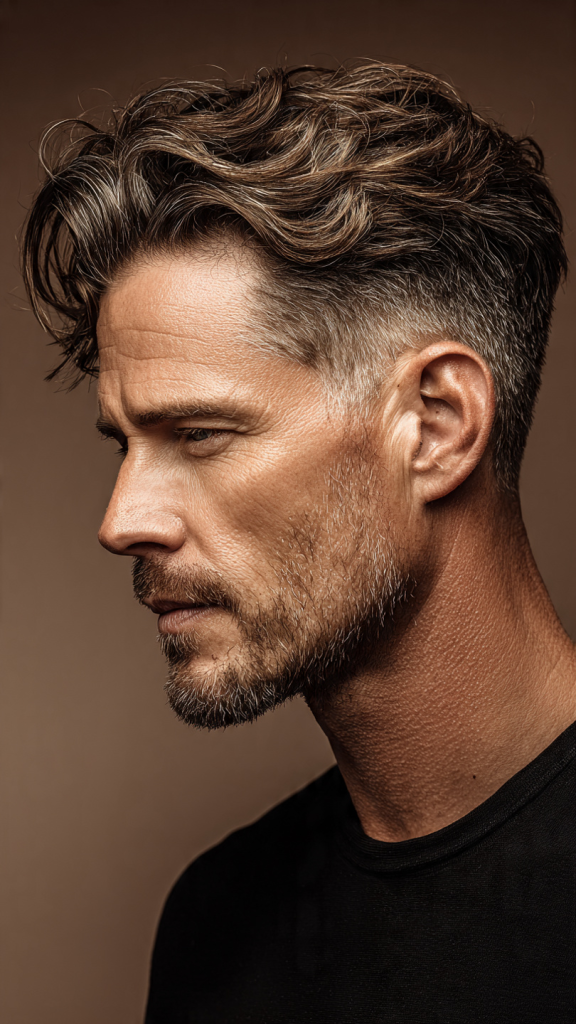
Why it works: The baby mullet with a low fade combines the subtle length difference of the baby mullet with a classic, conservative low fade. The fade starts just above the ear, keeping the sides clean and professional. The mullet element is barely noticeable—just a whisper of extra length in the back. This is the most office-friendly version of the baby mullet.
How to style it: Style the top as usual—textured and piecey. The low fade requires minimal maintenance between barber visits. The back should be just long enough to notice when you turn your head. The overall effect is clean, polished, and subtly edgy.
Best face shapes: All face shapes (most conservative baby mullet)
Maintenance needs: Top trim every 5–6 weeks; low fade needs refreshing every 2–3 weeks
16. Baby Mullet with Mid Fade
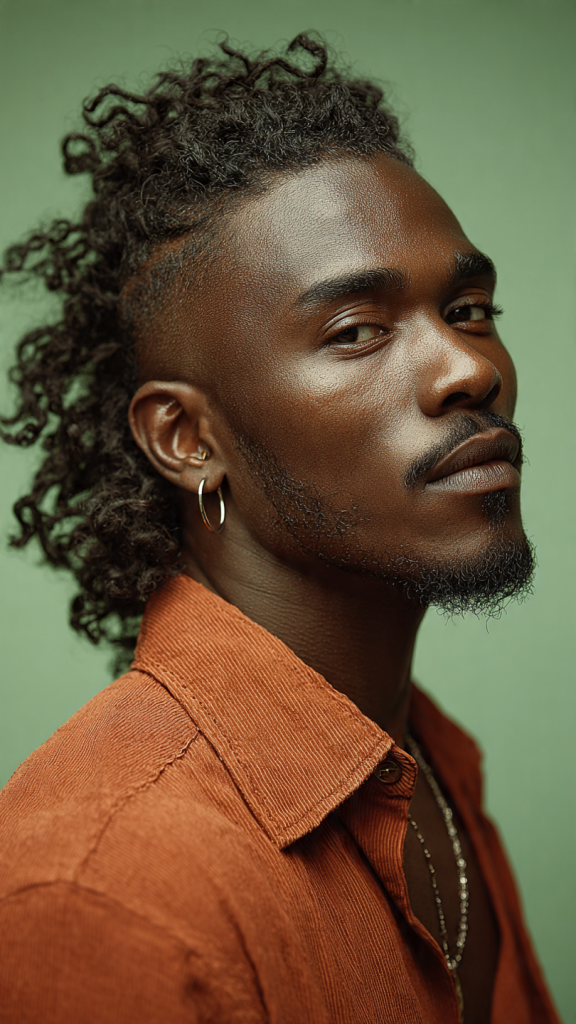
Why it works: The baby mullet with a mid fade offers a balanced look—more contrast than a low fade but still professional. The fade starts midway up the head, removing bulk from the sides while leaving enough length to blend. The baby mullet’s subtle extra length in the back becomes more noticeable with the mid fade, making this version perfect for creative professionals.
How to style it: Style the top as usual—textured, piecey, and voluminous. The mid fade should be clean and well-blended. The back should have visible extra length (1–2 inches below the nape). The contrast between the faded sides and the longer back is intentional but subtle.
Best face shapes: Oval, square, heart (the mid fade adds definition)
Maintenance needs: Top trim every 5–6 weeks; mid fade needs refreshing every 1–2 weeks
17. Baby Mullet with Skin Fade
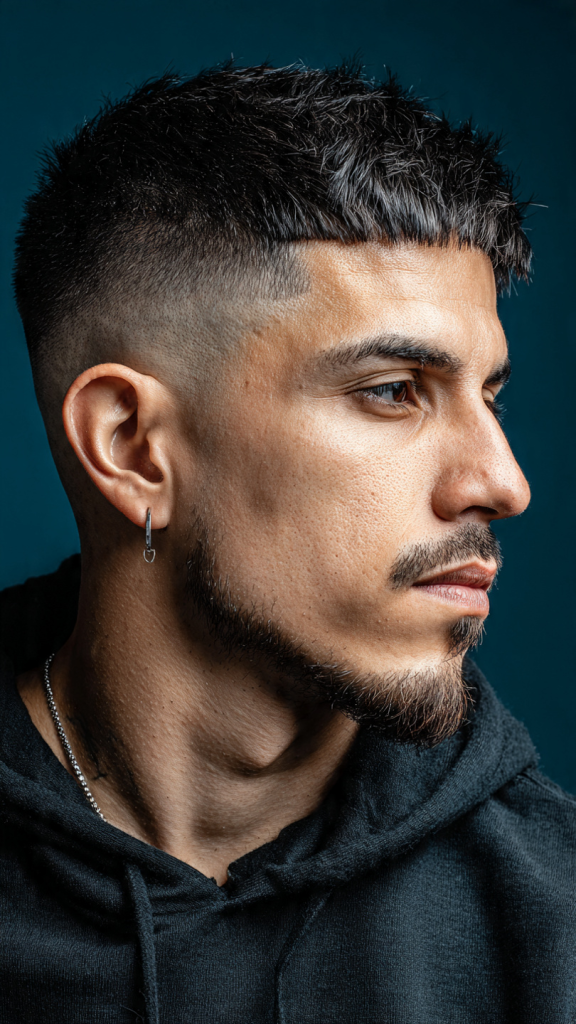
Why it works: For the boldest version that still works in creative offices, the baby mullet with a skin fade takes the sides down to bare skin. The contrast between the clean, shaved sides and the subtle extra length in the back is striking but not extreme. The top remains textured and professional. This version is best for creative industries where personal expression is valued.
How to style it: The top needs styling as usual—textured and piecey. The skin fade requires regular maintenance every 3–5 days to keep the contrast sharp. The back should have visible length but stay above the collar. The overall look is edgy but polished.
Best face shapes: Oval, square, diamond (the high contrast suits strong features)
Maintenance needs: Top trim every 5–6 weeks; skin fade needs refreshing every 3–5 days
18. The Executive Baby Mullet

Why it works: The executive baby mullet is designed specifically for the corporate environment. The length difference is so subtle that only you and your barber might notice it—the back is just ½ inch longer than the top. The sides are tapered cleanly, and the top is polished but textured. This version says “I have personality” without saying “I’m breaking dress code.”
How to style it: Apply light pomade to damp hair. Style the top neatly to one side or swept back. The back should lie flat and clean—no dramatic flair. The subtle extra length should only be visible from certain angles. The overall effect is professional with a secret edge.
Best face shapes: All face shapes (most conservative baby mullet)
Maintenance needs: Trim every 4–5 weeks. Precision is key to keeping the subtlety.
How to Style the Baby Mullet for Work
Styling the baby mullet for the office requires a slightly different approach than weekend styling. Here’s your guide:
For the Office (Professional Look)
- Use light pomade for a polished finish without shine overload
- Comb the top neatly to one side or back
- Keep the back smooth—no dramatic flipping or curling
- Tuck sides behind ears for a cleaner silhouette
- Finish with light hold spray to keep everything in place
For Weekends (Relaxed Look)
- Use texturizing spray or matte paste for piecey separation
- Tousle with fingers for lived-in texture
- Let the back show its subtle length
- Embrace imperfection—the messier, the better
- Add dry shampoo at the roots for volume
All-Around Tips
- Invest in a good barber who understands subtlety
- Bring reference photos of baby mullets, not extreme mullets
- Communicate clearly about how much length you want in the back
- Schedule regular trims to maintain the subtle length difference
Quick Maintenance Cheat Sheet
| Style | Trim Frequency | Special Notes |
|---|---|---|
| Classic Baby Mullet | Top: 5–6 weeks; Back: 8–10 weeks | Most versatile option |
| Curly Baby Mullet | 8–10 weeks (dry cut) | Always cut dry for curls |
| Wavy Baby Mullet | 8–10 weeks | Waves hide grow-out well |
| Baby Mullet with Curtain Bangs | Bangs: 3–4 weeks; Cut: 6–8 weeks | Bangs require frequent trims |
| Short Baby Mullet | 4–5 weeks | Most office-friendly |
| Baby Mullet for Fine Hair | 6–8 weeks | Keep layering subtle |
| Baby Mullet for Thick Hair | 6–8 weeks | Removes bulk effectively |
| Baby Mullet with Tapered Sides | Top: 6–8 weeks; Sides: 4 weeks | Taper requires precision |
| Baby Mullet with Hard Part | Cut: 5–6 weeks; Part: 3–5 days | Hard part needs refreshing |
| Baby Mullet with Disconnected Top | Top: 4–5 weeks; Fade: 1–2 weeks | Edgier option |
| Messy Baby Mullet | 5–6 weeks | Looks better with grow-out |
| Slicked-Back Baby Mullet | 5–6 weeks | Can be styled between washes |
| Baby Mullet for Straight Hair | 6–8 weeks | Straight hair shows uneven ends |
| Baby Mullet with Textured Fringe | Fringe: 3–4 weeks; Cut: 6–8 weeks | Best for high foreheads |
| Baby Mullet with Low Fade | Top: 5–6 weeks; Fade: 2–3 weeks | Most conservative fade |
| Baby Mullet with Mid Fade | Top: 5–6 weeks; Fade: 1–2 weeks | Balanced option |
| Baby Mullet with Skin Fade | Top: 5–6 weeks; Fade: 3–5 days | Most dramatic contrast |
| Executive Baby Mullet | 4–5 weeks | Most subtle, precision cut |
Final Thoughts
The baby mullet for men proves that you can have edge without extremes. Whether you choose a classic version, a curly interpretation, or the ultra-subtle executive cut, the key is keeping the length difference subtle and the sides polished. This cut works for the office, works for weekends, and works for men who want to express their personality without violating dress codes. Take this guide to your barber, discuss which of these 18 options aligns with your workplace and lifestyle, and get ready to discover how the baby mullet can transform your look.

Leave a Reply