
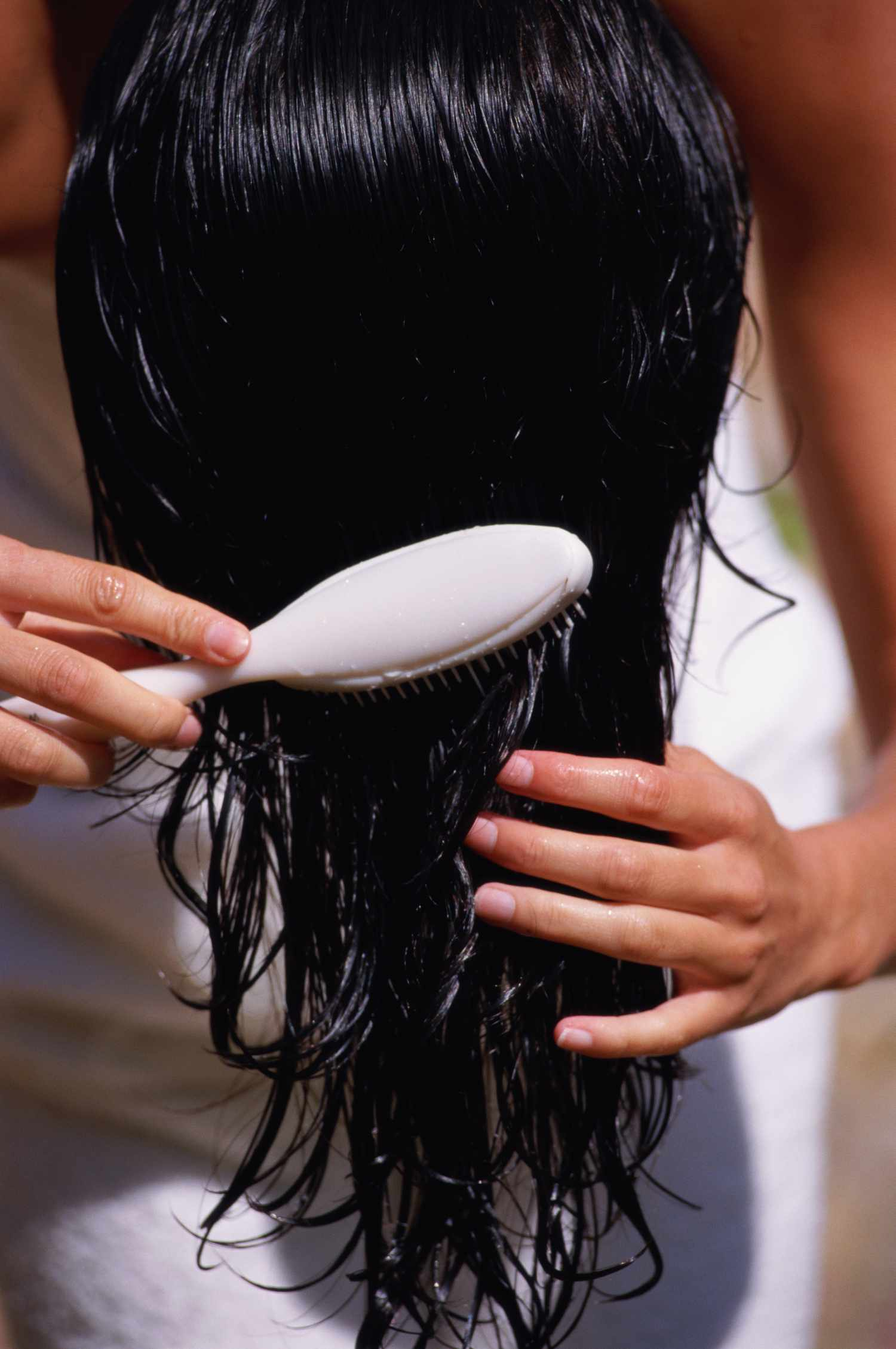
For women over 50, brushing your hair when it’s wet might feel like a harmless part of your post-shower routine. You step out of the shower, grab your brush, and run it through your damp strands to detangle. It seems logical—wet hair is easier to shape, and you want to prevent knots before they form. But this common habit is one of the most damaging things you can do to aging hair. Wet hair is at its most fragile state. The water weakens the hydrogen bonds that give hair its strength, and the weight of the water makes strands heavier and more vulnerable to stretching and snapping. In this guide, you’ll discover why brushing wet hair is so damaging, the hidden damage you’re causing without knowing, and safer ways to detangle your hair after washing. If you’re also dealing with dryness and breakage, these how to get rid of frizzy hair over 50 solutions offer complementary advice.
For women with thinning hair, these short hairstyles for thin fine hair can reduce the need for aggressive detangling. stop brushing your hair when it’s wet
Why Wet Hair Is So Vulnerable
Understanding the science of wet hair helps explain why brushing it is dangerous.
| Hair State | What Happens | Strength Level |
|---|---|---|
| Dry hair | Hydrogen bonds are stable; hair holds its shape | 100% strength |
| Damp hair | Water temporarily breaks hydrogen bonds; hair becomes elastic | 50–70% strength |
| Soaking wet hair | Hydrogen bonds are significantly disrupted; hair stretches easily | 30–50% strength |
| Overly stretched wet hair | Hair reaches its breaking point; snaps or develops permanent damage | Breaking point |
When hair is wet, it can stretch up to 30% longer than its dry length. But this elasticity comes at a cost. Once stretched beyond its limit, the hair cannot return to its original shape. This leads to permanent damage: split ends, breakage, and a rough, frizzy texture.
For women with fine or fragile hair, these low maintenance haircuts for women over 50 with fine hair reduce styling stress.
The Hidden Damage You’re Causing
1. Mechanical Breakage
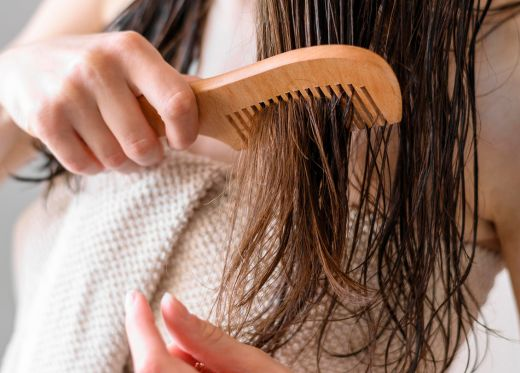
What happens: When you pull a brush through wet hair, the bristles catch on tangles and knots. Instead of gliding through, the brush yanks and stretches the hair until the tangle releases or the hair snaps.
The result: Broken strands of varying lengths, especially around the crown and nape where tangles are common.
Why you don’t notice immediately: Breakage happens gradually. One day you just notice your hair looks thinner, or you have more “flyaways” than before.
2. Cuticle Damage
What happens: The hair cuticle is the outer protective layer. When wet, the cuticle is raised and vulnerable. A brush running over the surface scrapes and roughens the cuticle scales.
The result: Hair that looks dull, feels rough, and tangles more easily—creating a vicious cycle where damaged hair tangles more, requiring more brushing, causing more damage.
Visual sign: Hair that looks “frizzy” even when it’s not humid. The raised cuticle scatters light instead of reflecting it.
3. Split Ends (That Travel Up the Shaft)
What happens: When you brush wet hair, the tension can cause the hair shaft to split at the weakest point. These split ends don’t stay at the tips—they travel up the hair shaft, causing longer sections to become frayed and damaged.
The result: You cut off the split ends, but new splits appear higher up because the damage was already done.
Why it’s worse for gray hair: Gray hair is already more porous and fragile. The cuticle is often already raised, making it even more vulnerable to brush damage.
For women with gray hair, these grey blending highlights in ash blonde offer color options that complement healthy hair care.
Why This Is Worse After 50
As we age, our hair becomes more vulnerable to this type of damage.
| Age-Related Change | Why It Increases Wet Brushing Damage |
|---|---|
| Thinner hair shafts | Less material to withstand stretching |
| Reduced elasticity | Hair is less able to stretch and return to shape |
| Increased porosity | Water penetrates faster; hair becomes weaker more quickly |
| Gray hair texture | Already more fragile; cuticle is often already compromised |
| Slower growth rate | Damage takes longer to grow out |
What might have been harmless in your 30s causes significant damage in your 60s and beyond.
For women with thinning hair, these best bob haircuts for women over 50 with thin hair offer volume-building styles that require less aggressive detangling.
Signs You’re Damaging Your Hair by Brushing Wet
| Sign | What It Means |
|---|---|
| Hair feels “mushy” or overly soft when wet | The hair shaft has lost its structure from repeated stretching |
| You see short, broken hairs around your crown | Mechanical breakage from brushing tangles |
| Your hair is frizzy even when air-dried without heat | Raised cuticle from brush scraping |
| You have split ends despite regular trims | Damage is traveling up the shaft faster than you cut it |
| Hair tangles immediately after brushing | Damaged cuticles catch on each other |
| Your ponytail feels thinner than it used to | Cumulative breakage has reduced density |
For women with curly or wavy hair, these curly haircuts for thin hair offer styles that reduce tangling.
The Right Way to Detangle Wet Hair
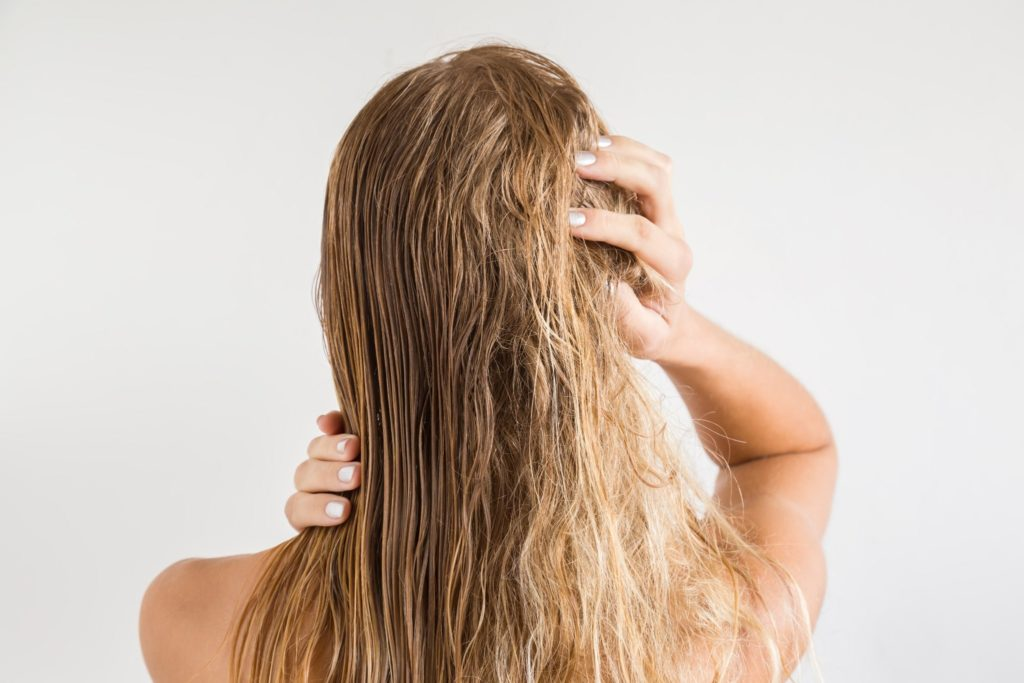
You don’t need to stop detangling your hair after washing. You just need to do it correctly.
Step 1: Detangle Before You Shampoo
Why it works: Dry hair is stronger than wet hair. Removing knots before washing means you’re not fighting tangles when hair is at its most vulnerable.
How: Before getting in the shower, gently detangle your dry hair with a wide-tooth comb or your fingers. Start from the ends and work up.
Step 2: Apply Conditioner Generously
Why it works: Conditioner adds slip, allowing tangles to slide apart without force.
How: After shampooing, apply a generous amount of conditioner. Leave it on for 2–3 minutes. The conditioner lubricates the hair shaft, making detangling much easier.
Step 3: Use a Wide-Tooth Comb, Not a Brush
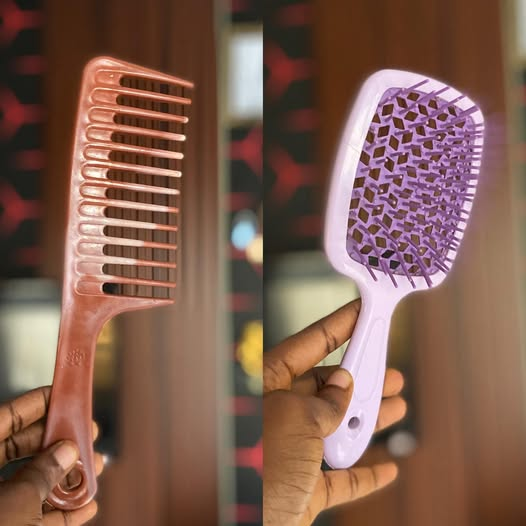
Why it works: A wide-tooth comb glides through hair without creating friction. Brush bristles (especially dense ones) scrape the cuticle and create tension.
How: With conditioner still in your hair, use a wide-tooth comb to gently detangle. Start at the ends and work your way up to the roots. Never yank through a knot.
Step 4: Rinse with Cool Water
Why it works: Cool water helps close the cuticle, smoothing the hair shaft and reducing future tangles.
How: After detangling, rinse with cool (not cold) water. Then gently squeeze excess water out—never rub with a towel.
Step 5: Use a Microfiber Towel or T-Shirt
Why it works: Regular cotton towels create friction that roughs up the cuticle.
How: Gently squeeze or “plop” your hair with a microfiber towel or old cotton t-shirt. Do not rub.
For women with fragile hair, these wash and wear haircuts for women over 60 minimize post-wash styling stress.
The Right Tools for Detangling
| Tool | Best For | Avoid For |
|---|---|---|
| Wide-tooth comb | All hair types, especially wet detangling | Fine, thin hair (can still be used gently) |
| Wet brush (brand name) | Detangling wet hair without stretching | Very fragile or severely damaged hair |
| Tangle teezer | Fine, thin hair | Thick, coarse hair (may not penetrate) |
| Fingers | The gentlest option for very fragile hair | Impatient detangling |
What to NEVER Use on Wet Hair
- Paddle brushes with dense bristles
- Boar bristle brushes (designed for dry hair only)
- Round brushes (for blow-drying only)
- Fine-tooth combs
For women with thinning edges, these short 4C natural hairstyles for women over 50 offer protective styling options.
Alternatives to Brushing Wet Hair
1. The “Finger Rake”
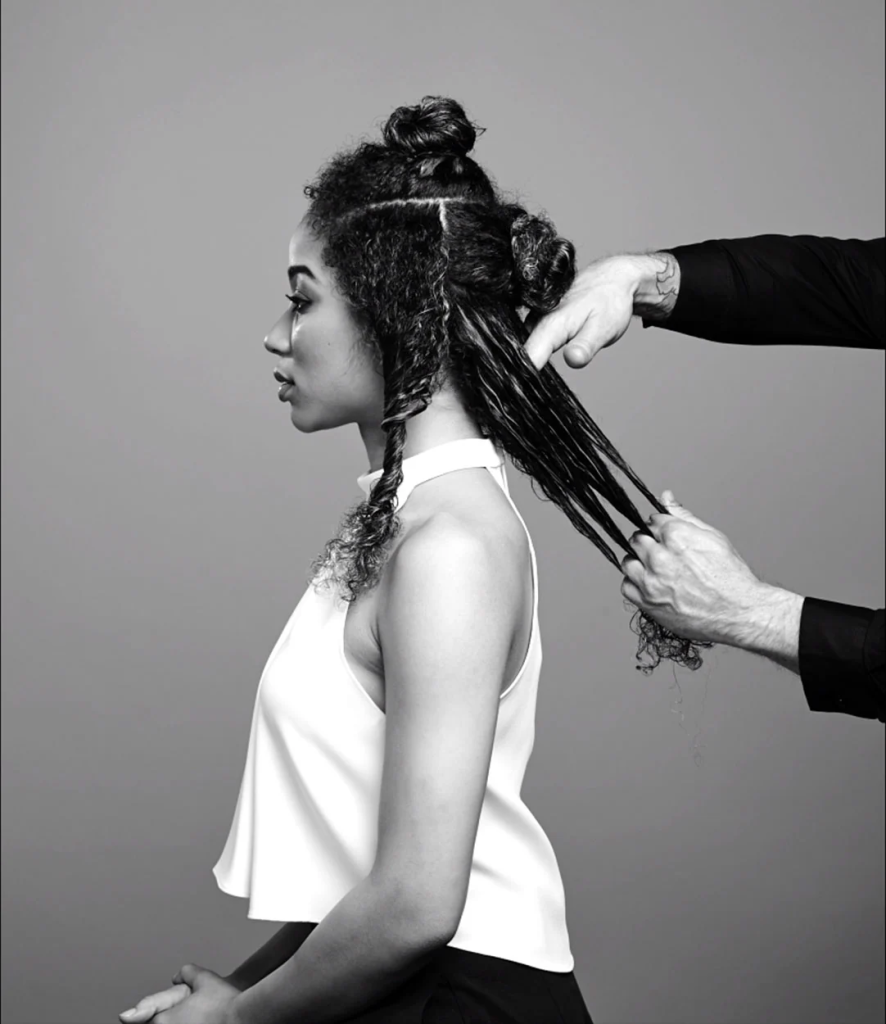
After applying conditioner, use your fingers to gently separate strands. Your fingers are much gentler than any brush or comb.
2. Conditioner Soak
Leave conditioner on for 3–5 minutes. The longer it sits, the more slip it creates. Tangles will literally slide apart.
3. Detangling Spray
If you must detangle outside the shower, use a detangling spray or leave-in conditioner to add slip. Never brush dry, unconditioned wet hair.
4. Sleep with a Protective Style
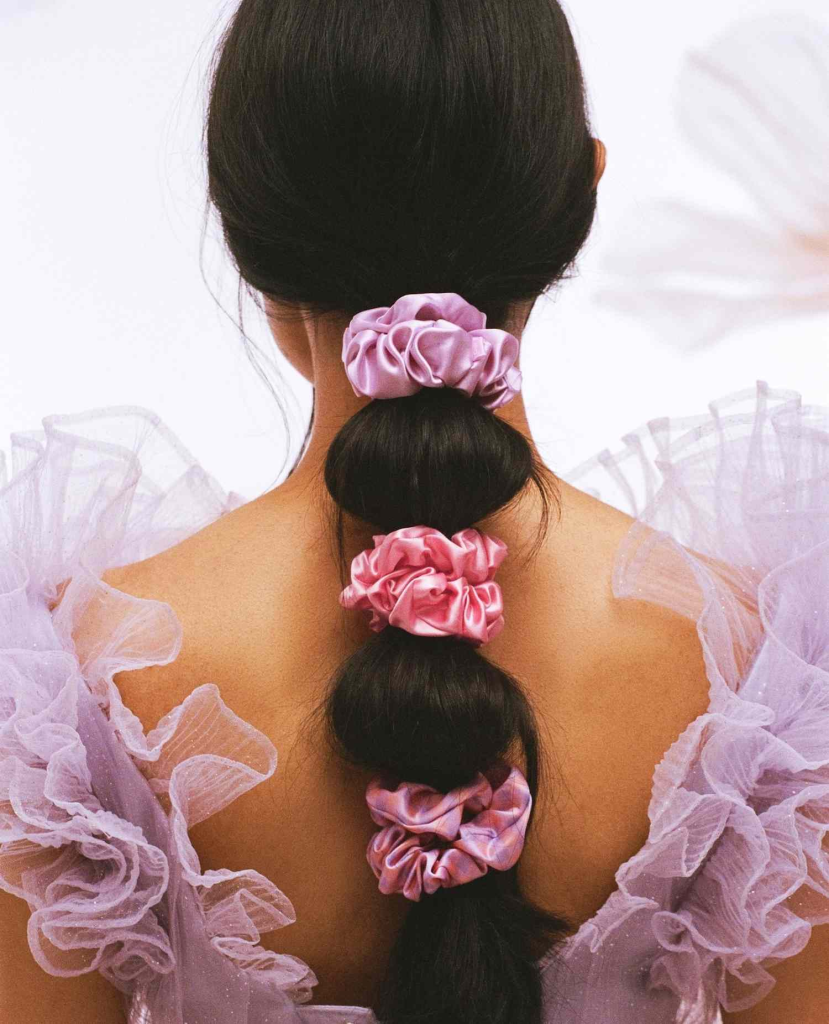
Braiding or loosely twisting hair before bed prevents tangles from forming overnight, reducing the need for aggressive morning detangling.
For women who love updo styles, these updos for women over 50 offer elegant, low-tangle options.
How to Transition Away from Wet Brushing
If you’ve been brushing wet hair for years, your hair may already have accumulated damage. Here’s how to transition.
Week 1-2: Switch Tools
Replace your brush with a wide-tooth comb. The adjustment period takes about a week.
Week 3-4: Change Your Technique
Start detangling before you get in the shower. Also detangle again in the shower with conditioner in your hair (never without).
Week 5-6: Add a Silk Pillowcase
A silk or satin pillowcase reduces friction while you sleep, meaning fewer tangles to detangle in the morning.
Week 7-8: Assess Your Hair
After 2 months of gentle detangling, your hair should feel smoother, look shinier, and tangle less between washes.
For women with heat-damaged hair, these ingredients to avoid in hair products for women over 50 help you choose gentler products.
What About Curly Hair?
Curly and coily hair is even more fragile when wet. The tight curl pattern creates natural tangles that are difficult to remove.
For curly/coily hair:
- Never brush dry curls
- Only detangle when hair is soaking wet and saturated with conditioner
- Use a wide-tooth comb or your fingers
- Work in small sections, starting from the ends
For curly-haired women, these curly haircuts for thin hair offer styles that minimize tangling.
The Bottom Line
Brushing your hair when it’s wet is one of the most damaging habits for aging hair. Wet hair is at its weakest—up to 70% weaker than dry hair. Running a brush through it causes breakage, cuticle damage, and split ends that travel up the shaft.
The good news is that this damage is entirely preventable. Switch to a wide-tooth comb, detangle before and during conditioning, and be gentle. Your hair will be smoother, shinier, and healthier within weeks.
Your hair doesn’t need aggressive brushing. It needs gentle care.

Leave a Reply