
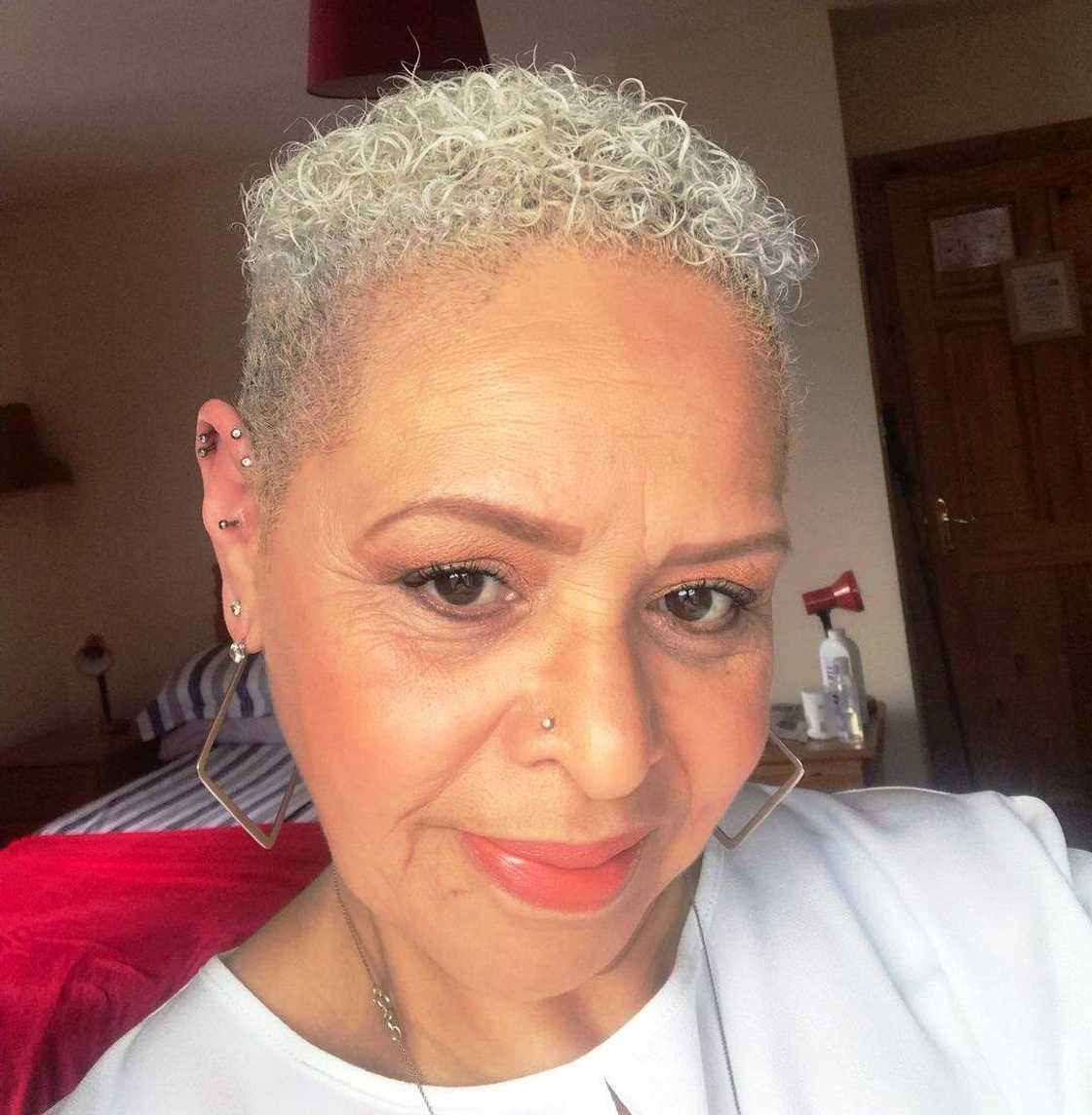
For more than forty years, my identity was tethered to a chemical scent that lived somewhere between ammonia and burnt sugar. It was the smell of “The Perm.” Like many women who came of age in the late 20th century, I viewed the perm not as an elective beauty treatment, but as a mandatory maintenance task—much like changing the oil in a car or paying the electric bill. From the tight, coiled spirals of the 1980s to the “body waves” of the early 2000s, I believed that my hair, in its natural state, was an unfinished product.
When I turned 65, however, a strange thing happened. I looked in the mirror after a fresh salon appointment and didn’t see a woman with “body and bounce.” I saw a woman with hair that looked like tired straw. My scalp was perpetually itchy, my ends were splitting faster than I could trim them, and the “volume” I so desperately sought looked more like a halo of frizz.
That was the day I decided to stop. Little did I know that by giving up the chemicals, I was about to discover the healthiest, most beautiful version of myself.
The 40-Year Chemical Cycle
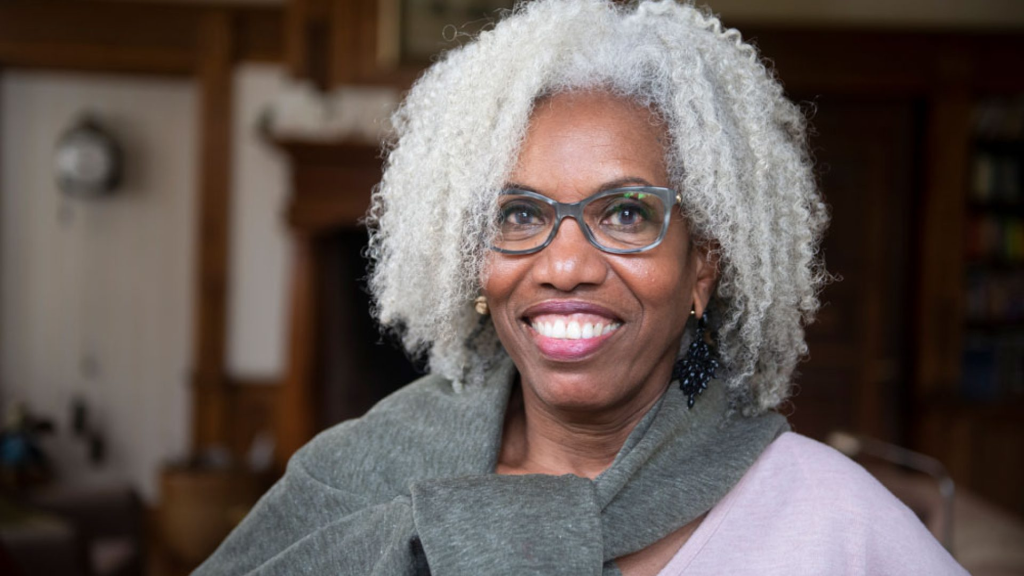
To understand why stopping was so radical, you have to understand the grip the perm had on my generation. In my thirties, fine hair was seen as a flaw to be corrected. A perm was the “fix.” It gave me the height and structure that made me feel professional and put-together.
But a perm is not a gentle process. To create those curls, a stylist applies a reducing agent (usually ammonium thioglycolate) to break the disulfide bonds in the hair’s protein structure. Once the internal “skeleton” of the hair is collapsed, it is molded into the shape of a rod and then “neutralized” with hydrogen peroxide to reform the bonds in their new, curled shape.
Doing this once or twice a year is stressful for hair; doing it for forty years is an endurance test. By the time I reached my sixties, my hair had been through hundreds of these chemical reconstructions.
The Changing Biology of Hair at 65
What I failed to realize—and what my stylist never quite articulated—was that the hair on my head at 65 was fundamentally different from the hair I had at 25.
As we age, our hair follicles undergo significant changes:
- Reduced Sebum Production: The scalp produces fewer natural oils, making hair naturally drier.
- Melanin Loss: As hair turns grey or white, the cuticle (the outer protective layer) becomes thinner and more fragile.
- Texture Shifts: “Silver” hair is often coarser or more wiry, making it less resilient to harsh chemical processing.
By applying the same perm formula I used in my thirties to my sixty-five-year-old strands, I was essentially attacking an already fragile structure. The chemicals were stripping away what little moisture remained, leaving me with hair that was “formed” but functionally dead.
The “Ugly” Transition: A Test of Will
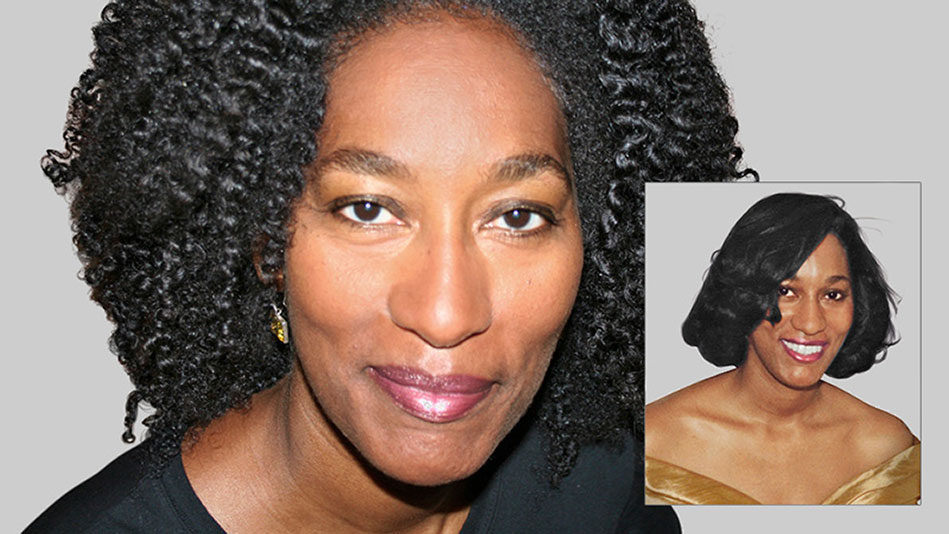
The decision to quit was easy; the execution was not. When you stop perming, you aren’t granted instant beauty. Instead, you are granted the Line of Demarcation.
For months, I lived with two inches of soft, silver-grey growth at the roots and six inches of frizzy, yellowish, permed “old” hair at the ends. It was the ultimate test of vanity. There were mornings when I reached for the phone to call my stylist, convinced that I looked “unkempt” or “old.”
But I stayed the course. I started using silk pillowcases to prevent breakage at the junction where the new growth met the old damage. I traded my stiff hairsprays for deep-conditioning masks. And slowly, the “new” hair began to take over.
The Big Chop: A Moment of Liberation
The turning point came eight months in. I walked into the salon and told my stylist, “Cut it all off. Every bit of the perm.”
She hesitated. “It’ll be quite short,” she warned.
“Good,” I replied.
When the last of the chemically treated hair hit the floor, I felt a physical weight lift. For the first time in decades, I could run my fingers from my scalp to my ends without snagging on a knot. The hair that remained was soft. It was shiny. And most surprisingly, it had a natural, sophisticated wave that I never knew existed because I had been forcing it into artificial curls for half a century.
The Benefits of Going Natural
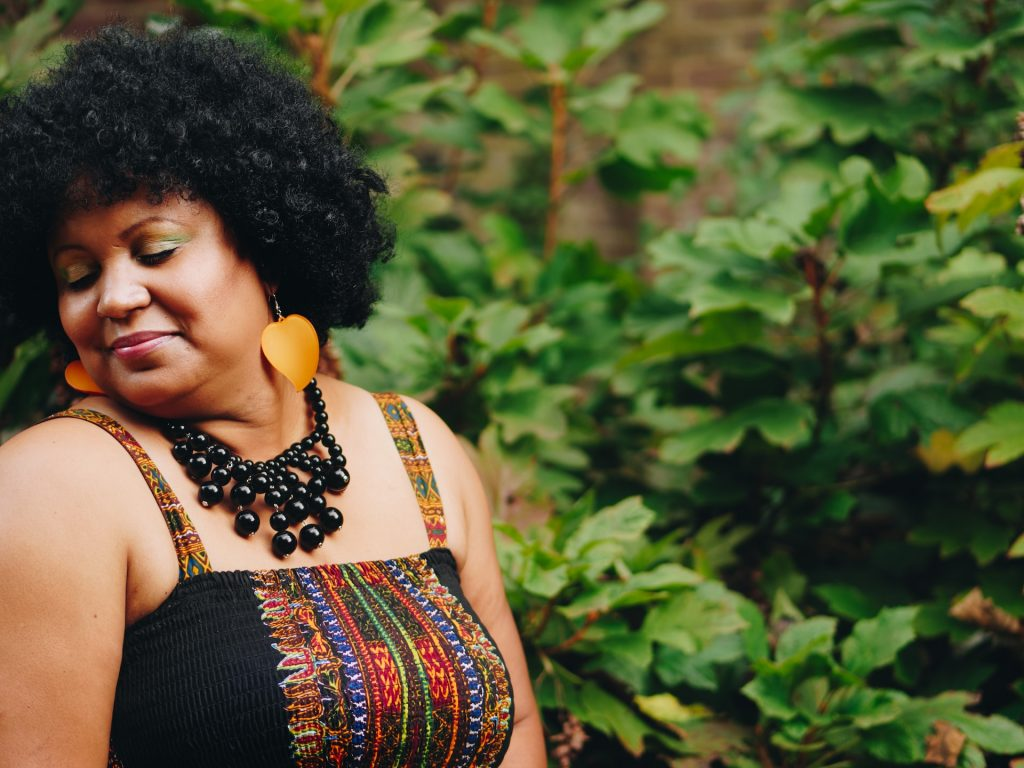
Once the chemicals were gone, the transformation in my hair’s health was nothing short of miraculous. If you are sitting on the fence about ditching the chemicals, here is what you can expect:
1. The Return of Shine
Perms raise the hair cuticle, which makes the hair look dull because it can’t reflect light. Healthy, un-permed hair has a flat, smooth cuticle. For the first time in years, my hair actually shimmered in the sun.
2. Scalp Relief
I hadn’t realized how much my scalp had been suffering. The chronic redness and occasional “chemical burns” disappeared. My hair follicles were finally allowed to breathe, which actually led to a slight increase in thickness—my hair wasn’t falling out as much because it wasn’t being traumatized.
3. True Color Clarity
Chemicals, especially perms and the high-heat styling they require, can turn grey hair a dingy, brassy yellow. Once I went natural, my silver hair became a bright, crisp “arctic white” that looked intentional and modern rather than neglected.
4. Reclaimed Time (and Money)
The average perm appointment lasted three hours and cost a significant amount of money, not to mention the expensive “post-perm” shampoos I had to buy. Now, my routine is a ten-minute wash and air-dry.
My New “Less is More” Regimen
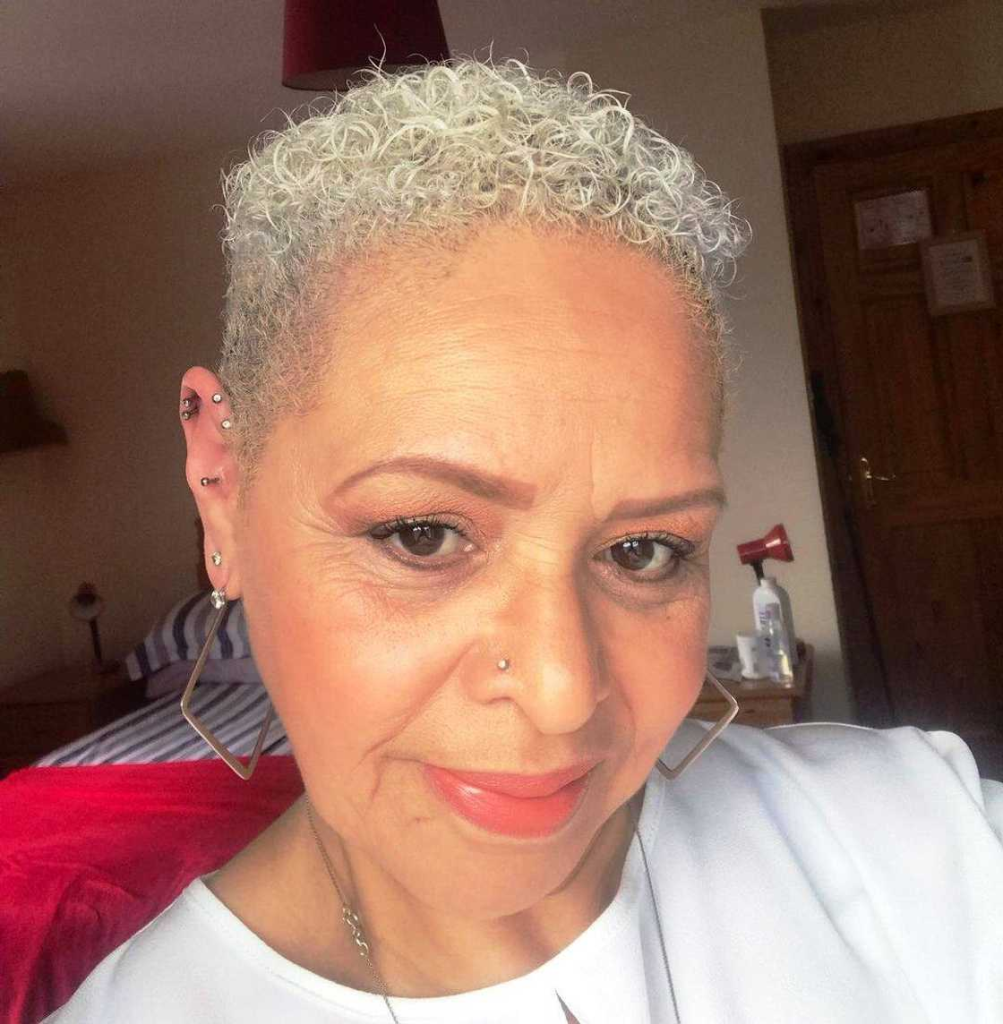
At 65, I learned that healthy hair doesn’t need to be manipulated; it needs to be nourished. Here is the simple routine that changed everything:
- Sulfate-Free Everything: I switched to gentle cleansers that don’t strip the scalp’s dwindling oil supply.
- The Power of Oil: I started using a tiny drop of Argan oil on my damp ends. It provides the “weight” and control I used to seek from perms without the damage.
- Cold Water Rinses: It sounds like an old wives’ tale, but rinsing with cool water helps seal the cuticle, locking in moisture and shine.
- Embracing the Cut: Instead of relying on a perm for “style,” I invested in a high-quality precision haircut. A great cut does the work that the chemicals used to do.
The Psychological Shift: Redefining “Old”
The most unexpected part of this journey wasn’t the hair—it was the confidence.
There is a pervasive myth that as women age, we must “do more” to stay attractive. We think we need more makeup, more hair treatments, and more structural “fixes.” But stopping the perms taught me that the opposite is often true. The more I stripped away the artificial, the more vibrant I looked.
Friends started asking me what I was doing differently. “Did you get a facelift?” one asked. No—I just stopped frying my hair. The soft, natural texture of my grey hair softened the lines on my face in a way that the stiff, permed “helmet” never could.
I no longer look like I’m trying to cling to the aesthetic of a 1985 Sears catalog. I look like a woman who is comfortable in her skin—and her hair.
Advice for the Transitioning Woman
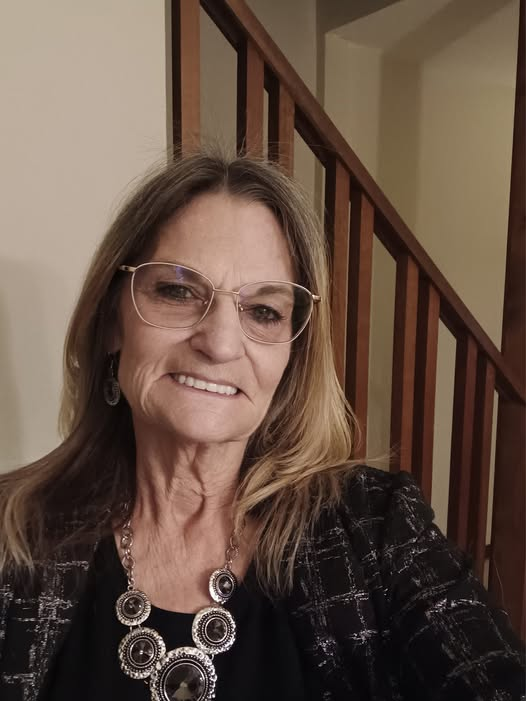
If you are 60, 70, or 80 and you’ve been perming your hair since the Nixon administration, the idea of stopping is terrifying. You might feel like your hair is “too thin” or “too flat” to go without it.
But I challenge you to look closely at your hair. Is the perm actually giving you volume, or is it just giving you bulk through damage?
Steps to take:
- Talk to a “Silver Stylist”: Find someone who loves working with natural grey hair.
- Go Short Gradually: If a “big chop” is too scary, gradually cut off two inches every few months until the chemicals are gone.
- Invest in Moisture: Your “new” hair will be thirsty. Treat it to the best conditioners you can find.
Conclusion: Meeting Myself at Last
I spent forty years fighting my hair. I fought its straightness, I fought its fineness, and I fought its color. At 65, I finally signed a peace treaty.
Stopping the perms wasn’t an act of “giving up” on my appearance. It was an act of self-respect. Today, my hair is the healthiest it has ever been. It moves when I walk, it’s soft to the touch, and it glows with a health that no chemical bottle could ever provide.
If you’re waiting for a sign to put down the perm rods and see what’s underneath, this is it. You might just find that your best hair days aren’t behind you—they’re just waiting to grow out.

Leave a Reply