
The 17 choppy bob hairstyles for fine hair in this guide prove that thin hair does not have to look flat or lifeless. Fine hair struggles with traditional blunt cuts that collapse under their own weight and one-length bobs that highlight every sparse area. The choppy bob solves these problems by using strategic, uneven layers that create the illusion of density, volume, and movement. By removing weight and adding texture, a choppy bob transforms fine hair into a style that looks intentionally piece-y rather than thin. In this guide, we will explore seventeen stunning choppy bob variations for fine hair, complete with why each works, how to style it, which face shapes it flatters, and maintenance needs. From chin-length to collarbone-grazing, there is a choppy bob here that will make your fine hair look fuller than ever.
Why Fine Hair Needs a Choppy Bob
Fine hair has unique challenges that traditional haircuts cannot solve. Here is why the choppy bob works specifically for fine hair:
- Removes weight that pulls fine hair flat against the scalp
- Creates texture that hides sparse areas and makes hair look denser
- Adds movement that tricks the eye into seeing more volume
- Prevents triangle shape that happens when fine hair is cut into a blunt bob
- Encourages lift at the crown through strategic layering
The 17 Choppy Bob Hairstyles for Fine Hair
1. Classic Choppy Chin-Length Bob

This cut sits right at the chin with soft, choppy layers throughout. The ends are point-cut to remove weight and add separation.
Why it works: The chin length draws attention to your jawline while the choppy ends create the illusion of thicker, fuller hair. The layers prevent the dreaded flatness that fine hair often experiences.
How to style it: Apply volumizing mousse to damp hair. Blow-dry using a round brush, lifting at the roots. Finish with a texturizing spray on the ends for piece-y separation.
Best face shapes: Oval, heart, square. The chin length softens strong jawlines.
Maintenance needs: Every 6–8 weeks. Fine hair shows split ends quickly.
2. Textured Lob (Long Bob) for Fine Hair
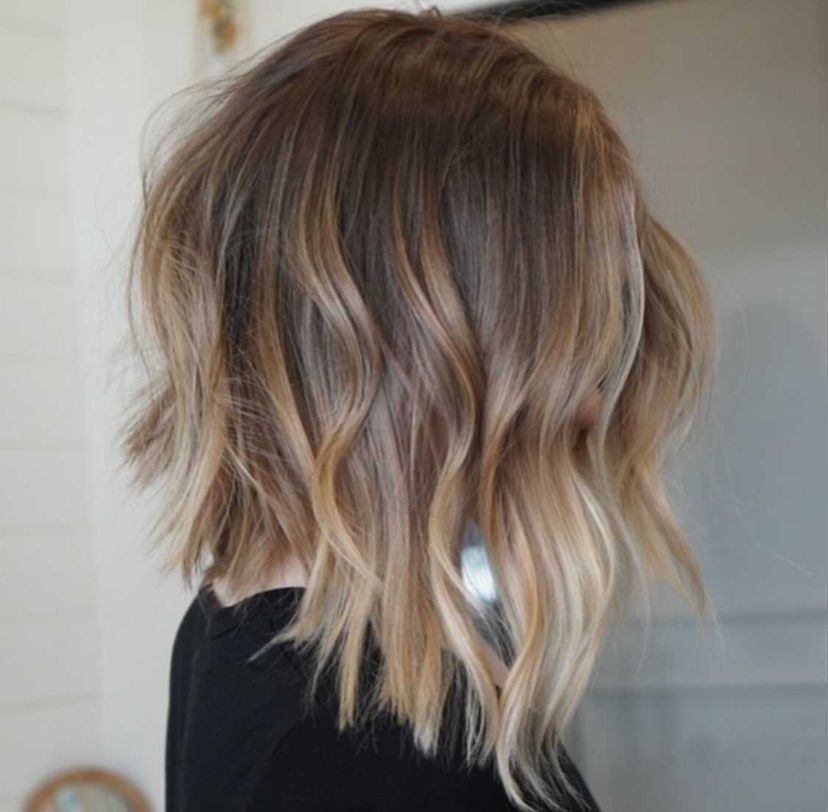
The lob falls between the chin and collarbone. Choppy layers are concentrated at the ends and through the mid-lengths, leaving the crown slightly heavier for volume.
Why it works: The longer length gives you versatility to pull hair back, while the choppy ends prevent the cut from looking stringy or weighed down.
How to style it: Apply texturizing spray to damp hair. Air-dry or blow-dry with a diffuser. The choppy ends will naturally separate into piece-y texture.
Best face shapes: Oval, round, oblong. The length elongates round faces.
Maintenance needs: Every 8–10 weeks. The lob grows out gracefully.
3. Invisible Layer Choppy Bob
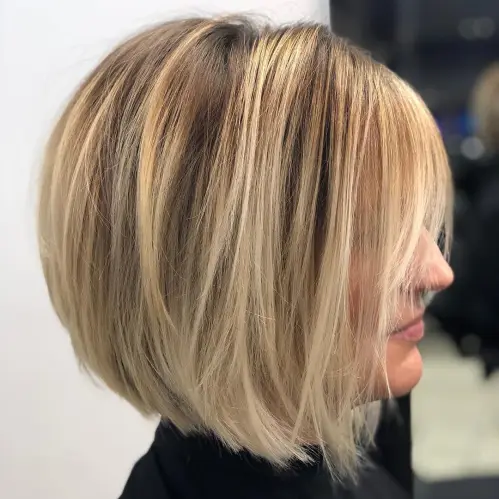
This cut uses micro-layers that are so soft and blended they are almost invisible—but they create massive volume at the crown.
Why it works: Fine hair cannot handle harsh, visible layers that create gaps. Invisible layers add lift and movement without removing too much density.
How to style it: Use a root-lifting spray on damp hair. Blow-dry upside down for two minutes. Flip back and tousle with your fingers. Avoid heavy products.
Best face shapes: Oval, oblong, heart. The crown volume balances longer face shapes.
Maintenance needs: Every 6–8 weeks. The volume effect fades as layers grow.
4. Choppy Bob with Side-Swept Bangs

Soft, side-swept bangs blend into a choppy, chin-length bob. The bangs are cut with texture, not blunt, to keep them lightweight.
Why it works: Side-swept bangs add diagonal movement that draws the eye across the face, creating a slimming effect. The choppy bob continues that texture throughout.
How to style it: Blow-dry the bangs using a round brush, sweeping them across your forehead. The rest of the bob stays textured and piece-y.
Best face shapes: Round, square, heart. The diagonal line elongates round faces.
Maintenance needs: Bangs every 3–4 weeks. Bob every 6–8 weeks.
5. Messy Bedhead Choppy Bob

This cut is designed to look good when you do almost nothing to it. The layers are extra choppy and disconnected, with no smooth lines anywhere.
Why it works: Fine hair looks thicker when it is messy. The intentional chaos hides any sparse areas and creates the illusion of density.
How to style it: Wash. Towel dry aggressively. Apply sea salt spray. Scrunch. Go. No blow-dryer needed.
Best face shapes: Oval, heart, square. Avoid if your hair is extremely fine and straight, as it may just look unwashed.
Maintenance needs: Every 8–10 weeks. This cut looks better grown out.
6. Stacked Choppy Bob
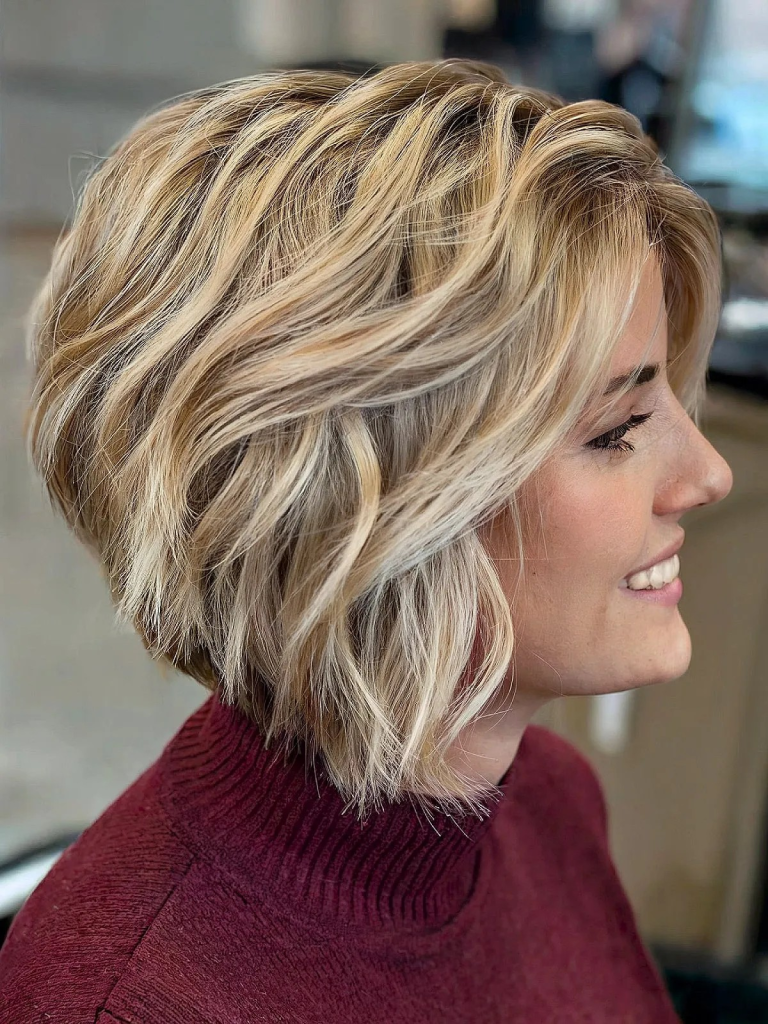
The back is cut shorter and stacked (graduated layers) to create volume at the crown. The front remains longer and choppy.
Why it works: The stacked back adds significant lift and volume exactly where fine hair needs it most. The longer front pieces frame the face beautifully.
How to style it: Blow-dry the back using a round brush to enhance the stacked shape. The front can be smoothed or left textured.
Best face shapes: Oval, long, heart. The crown volume balances longer face shapes.
Maintenance needs: Every 5–7 weeks. The stacked back loses its shape quickly.
7. Curly Choppy Bob for Fine Curls
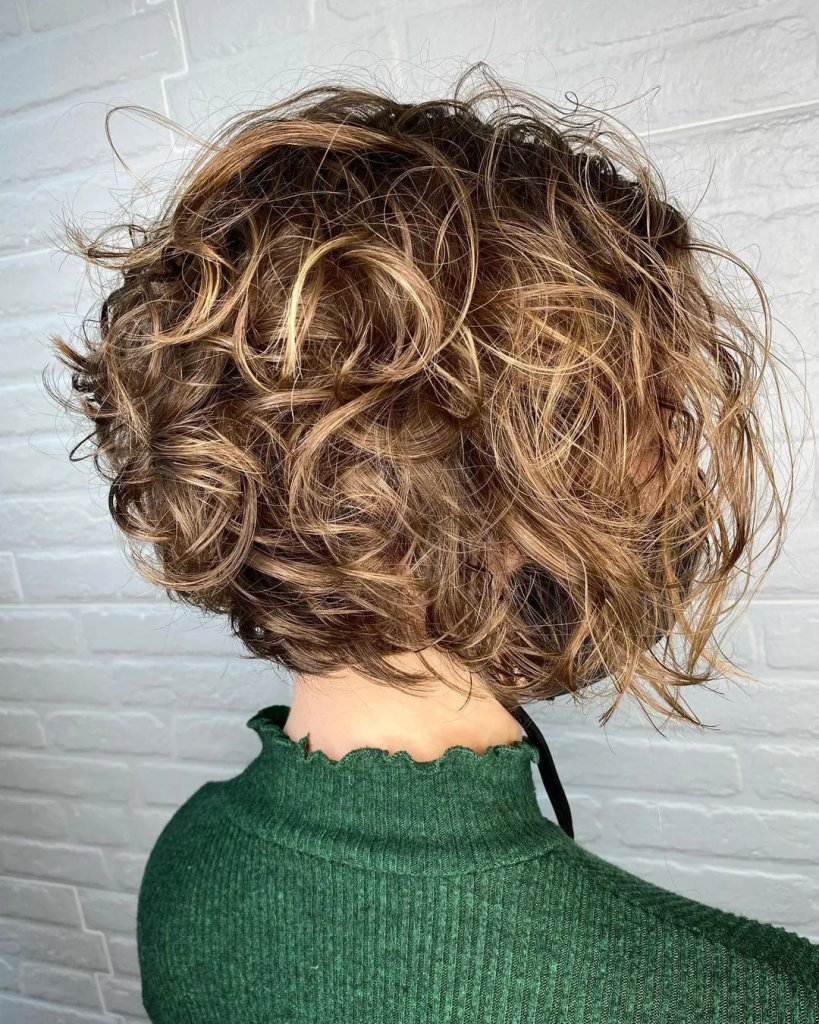
Fine curly hair needs special attention. This cut uses choppy layers throughout to remove weight while keeping curl definition intact.
Why it works: Fine curls get weighed down easily. The choppy layers allow curls to spring up with more bounce and less bottom-heavy bulk.
How to style it: On soaking wet hair, apply leave-in conditioner and curl cream. Scrunch upward. Diffuse or air-dry. Never brush.
Best face shapes: All face shapes. Fine curls can be customized with or without bangs.
Maintenance needs: Every 8–10 weeks. Curly hair hides damage longer.
If you love your curls, you will also adore these 10 Curly Haircuts for Thin Hair That Create Volume, Density, and Bounce.
8. Asymmetrical Choppy Bob
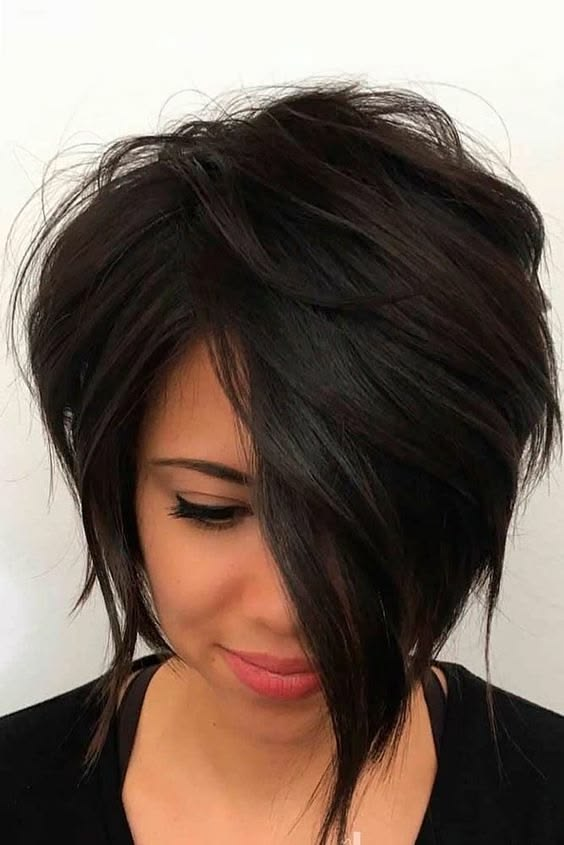
One side is slightly longer than the other—usually by 1–2 inches. Both sides have choppy, textured ends.
Why it works: Asymmetry adds visual interest and draws the eye diagonally across the face, creating a slimming effect that works beautifully for fine hair.
How to style it: Style as a standard choppy bob. The asymmetry will do the work for you. No need to over-style.
Best face shapes: Oval, heart, diamond. Avoid if you have a very round face.
Maintenance needs: Every 6–8 weeks. Asymmetrical cuts lose contrast as they grow.
9. Choppy Bob with Wispy Ends

The ends of the bob are heavily point-cut to create a wispy, feathery finish rather than a blunt line.
Why it works: Blunt ends on fine hair can look harsh and emphasize thinness. Wispy ends blend together, creating the appearance of more density.
How to style it: Apply lightweight mousse to damp hair. Blow-dry using a round brush, keeping the ends soft and flicked slightly outward.
Best face shapes: Oval, heart, round. The soft ends flatter almost everyone.
Maintenance needs: Every 6–8 weeks. Wispy ends need refreshing to prevent them from looking ragged.
10. Angled Choppy Bob
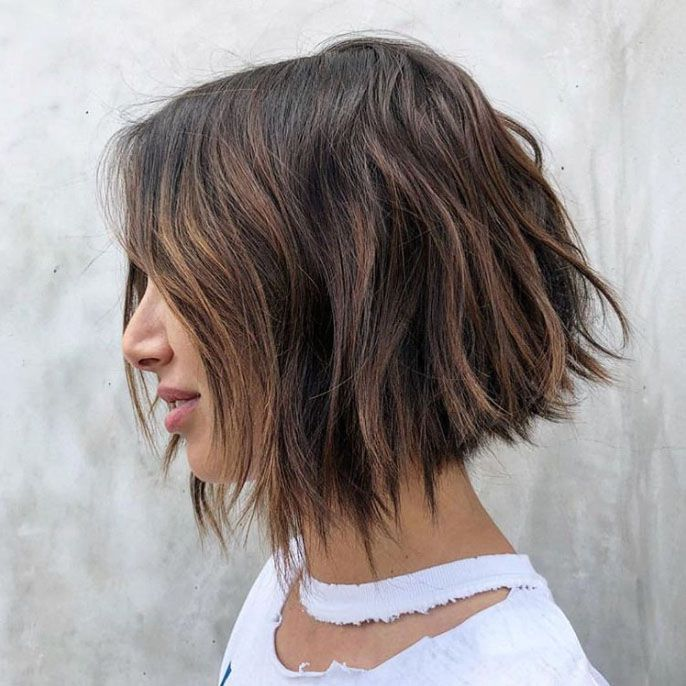
The bob is shorter in the back and gradually angles longer toward the front. The entire cut is heavily textured with choppy layers.
Why it works: The angle creates forward movement that draws the eye down and elongates the face. The choppy texture adds volume where fine hair needs it most.
How to style it: Blow-dry with a round brush, curling the longer front pieces slightly under. The angled shape will naturally fall into place.
Best face shapes: Oval, round, square. The angle elongates round and square faces.
Maintenance needs: Every 6–8 weeks. The angle loses definition as hair grows.
11. Choppy Bob with Micro Bangs

Micro bangs sit 1–2 inches above the eyebrows. The bob itself is chin-length and heavily choppy.
Why it works: Micro bangs draw immediate attention to your eyes and away from any thin areas. The choppy bob continues the bold, intentional texture.
How to style it: Keep micro bangs pin-straight or slightly piece-y with a dab of texturizing paste. The bob stays choppy and messy.
Best face shapes: Oval, heart, diamond. Avoid if you have a round face.
Maintenance needs: Micro bangs every 2–3 weeks. Bob every 6–8 weeks.
12. Shaggy Choppy Bob

This cut blends the choppy bob with a shag. The layers are more disconnected and dramatic, with texture starting high up near the crown.
Why it works: The shaggy texture creates the maximum possible volume for fine hair. The disconnected layers prevent any flatness from settling in.
How to style it: Apply texturizing spray to damp hair. Scrunch as you blow-dry with a diffuser. The shaggier, the better.
Best face shapes: Oval, heart, round. The crown volume balances round faces.
Maintenance needs: Every 6–8 weeks. Shaggy layers lose definition as they grow.
For even more textured inspiration, explore our guide to 12 Easy Medium Hairstyles for Older Women: Low-Maintenance Cuts That Look Polished Every Day that bring volume and effortless cool.
13. Choppy Bob with Deep Side Part
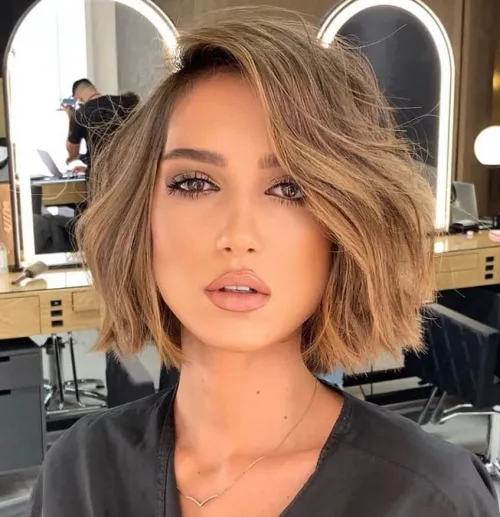
A deep side part creates asymmetry and instant volume at the crown. The bob itself is evenly choppy throughout.
Why it works: Fine hair looks fuller when it is swept to one side. The deep part lifts the roots on the heavier side, creating the illusion of more density.
How to style it: Create a deep side part while hair is damp. Blow-dry the heavier side up and away from your face using a round brush.
Best face shapes: Oval, round, square. The deep part adds height to round faces.
Maintenance needs: Every 6–8 weeks. The part does not affect trim schedule.
14. Choppy Bob with Face-Framing Layers

Longer, softer layers around the face blend into a choppy bob. The face-framing pieces start around the chin and graduate downward.
Why it works: Face-framing layers draw attention to your best features and soften strong jawlines. The choppy bob adds texture everywhere else.
How to style it: Curl the face-framing pieces away from your face using a flat iron or curling wand. Leave the rest of the bob textured and messy.
Best face shapes: Oval, heart, square. The face-framing softens angular features.
Maintenance needs: Every 6–8 weeks. Face-framing pieces grow faster.
15. Blunt Perimeter Choppy Bob

This bob looks blunt from the outside but has hidden choppy layers on the inside. The perimeter is a clean line, but the interior is carved out.
Why it works: The blunt perimeter gives the illusion of thick, healthy ends. The internal choppy layers add movement and prevent the bob from looking like a helmet.
How to style it: Blow-dry smooth using a paddle brush to emphasize the blunt line. The internal layers will create natural movement.
Best face shapes: Oval, square, oblong. The blunt line adds width to longer faces.
Maintenance needs: Every 6–8 weeks. Blunt lines show uneven growth quickly.
16. Choppy Bob with Hidden Undercut
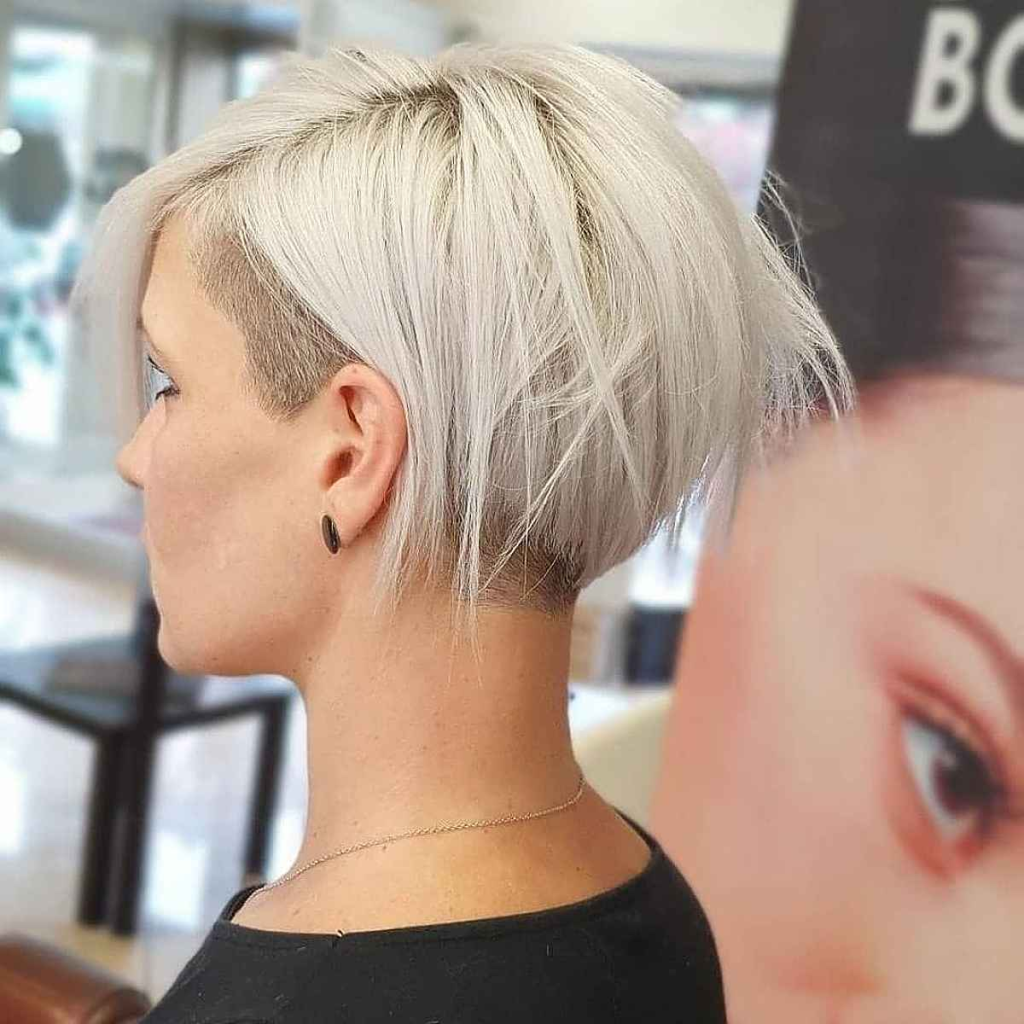
The nape or one side is subtly shaved or closely clipped, hidden beneath the choppy bob layers.
Why it works: The undercut removes bulk from the heaviest part of the bob without changing the visible shape. Fine hair feels lighter and bouncier.
How to style it: Style the bob as usual. The undercut needs no daily work—just maintenance trims.
Best face shapes: All face shapes. The undercut is hidden and does not affect face shape.
Maintenance needs: Undercut every 4 weeks. Bob every 6–8 weeks.
17. Effortless French Choppy Bob

This is the Parisian version of the choppy bob. It is slightly longer (collarbone length), less obviously choppy, and designed to look effortlessly chic with minimal styling.
Why it works: Fine hair looks elegant when it is not over-styled. The subtle choppy layers add just enough movement to prevent flatness without looking overly textured.
How to style it: Wash. Air-dry completely. Run a small amount of texturizing cream through the ends. That is it.
Best face shapes: Oval, heart, square. The effortless look suits almost everyone.
Maintenance needs: Every 8–10 weeks. This cut looks better slightly grown out.
How to Style a Choppy Bob for Fine Hair
Here is your daily routine:
- Damp hair: Apply volumizing mousse or root-lifting spray.
- Blow-dry upside down for 2–3 minutes to maximize root lift.
- Flip back and use a round brush to smooth the ends slightly.
- Apply texturizing spray to the ends and scrunch.
- Avoid heavy products—no creams, butters, or oils near the roots.
For air-dry days: Skip the blow-dryer. Apply sea salt spray to damp hair. Scrunch. Walk away.
Quick Maintenance Cheat Sheet for Fine Hair
| Cut Type | Trim Frequency | Special Notes |
|---|---|---|
| Classic choppy bob | 6–8 weeks | Fine hair shows split ends quickly |
| Textured lob | 8–10 weeks | Grows out gracefully |
| Invisible layer bob | 6–8 weeks | Volume fades as layers grow |
| With side-swept bangs | Bangs: 3–4 weeks / Bob: 6–8 weeks | Bangs need constant attention |
| Bedhead choppy bob | 8–10 weeks | Looks better grown out |
| Stacked choppy bob | 5–7 weeks | Stacked back loses shape fast |
| Curly choppy bob | 8–10 weeks | Dust dry ends regularly |
| Asymmetrical | 6–8 weeks | Loses contrast with growth |
| Wispy ends | 6–8 weeks | Ends need refreshing |
| Angled choppy bob | 6–8 weeks | Angle loses definition |
| Shaggy choppy bob | 6–8 weeks | Layers lose definition |
| Blunt perimeter | 6–8 weeks | Blunt line shows growth |
| With hidden undercut | Undercut: 4 weeks / Bob: 6–8 weeks | Undercut needs frequent refresh |
| French choppy bob | 8–10 weeks | Looks better grown out |
Final Thoughts
Fine hair does not have to limit your style. The choppy bob proves that thin hair can look thick, flat hair can look voluminous, and limp hair can look full of life. The key is texture—those uneven, piece-y ends that make fine hair look intentionally messy rather than sparse. Work with a stylist who understands fine hair and chooses point-cutting over blunt lines. Bring photos from this guide. And get ready to love how full your hair can look.

Leave a Reply