
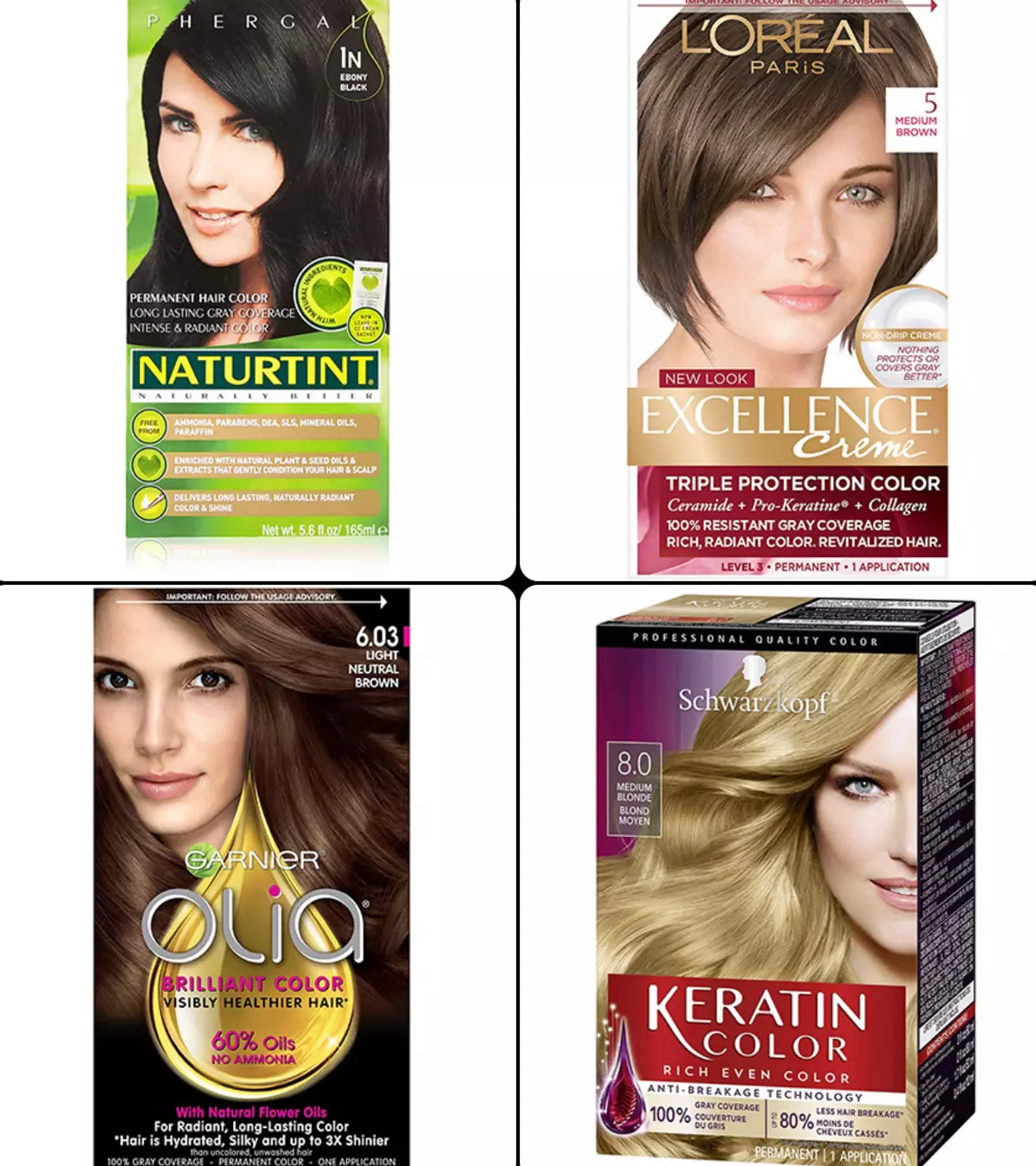
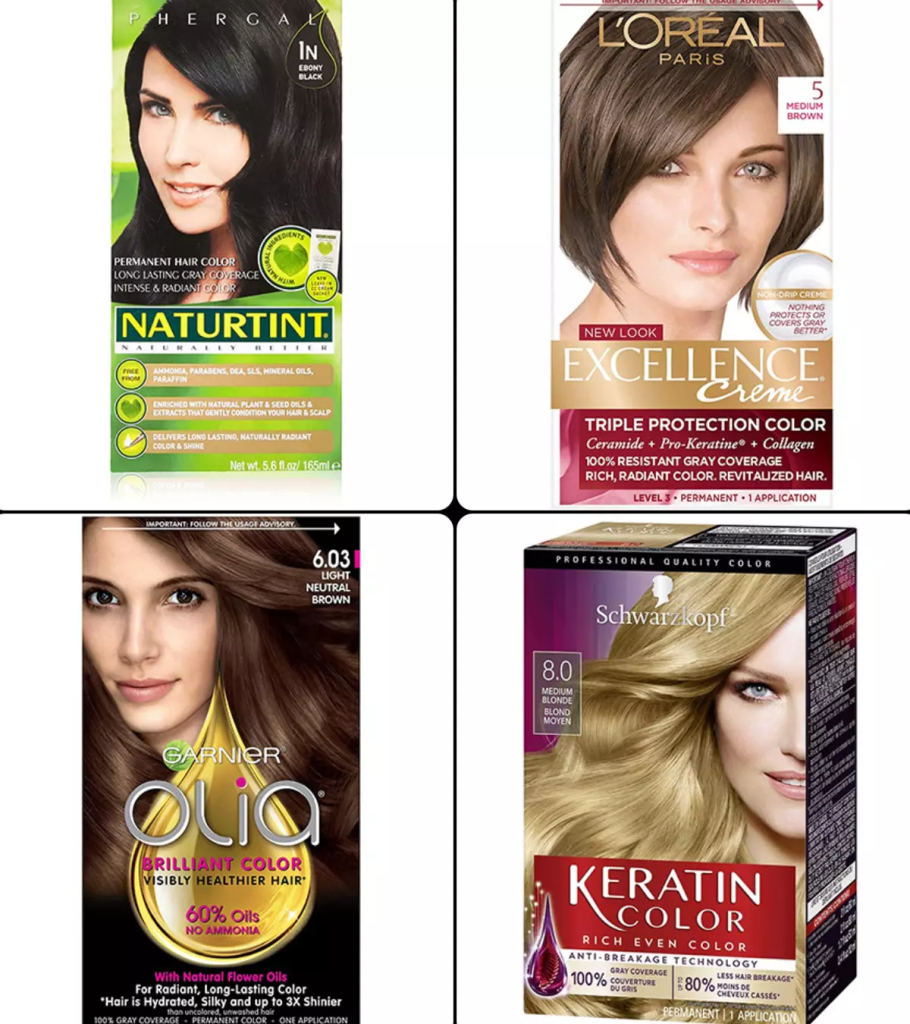
For women over 60, using box dye after 60 might seem like a convenient and affordable way to cover gray hair. The promise is tempting: a complete color transformation in under an hour, all from the comfort of your bathroom, for a fraction of the salon cost. But the reality is often disappointing. That beautiful woman with flawless silver-blonde hair on the box looks very different from the brassy, uneven, or dull result you see in your mirror. The truth is, box dye is formulated for younger, more resilient hair. For mature gray hair, it often does more harm than good. In this guide, you’ll discover 3 reasons why box dye makes your gray hair look worse after 60, plus safer, more flattering alternatives worth considering. If you’re also dealing with dryness and frizz alongside color challenges, these how to get rid of frizzy hair over 50 solutions offer complementary advice.
Why Gray Hair Is Different
Before understanding why box dye fails, it’s important to understand how gray hair differs from pigmented hair.
| Characteristic | Gray/Silver Hair | Pigmented Hair |
|---|---|---|
| Texture | Often coarser, wiry, more resistant | Softer, more uniform |
| Porosity | More porous (absorbs and loses moisture quickly) | Less porous |
| Pigment | No melanin (no natural base color) | Contains melanin (natural warm or cool undertones) |
| Oil production | Scalp produces less oil; hair is drier | Scalp produces more oil |
| Cuticle | Often raised, rough, or damaged | Smoother, lies flatter |
These differences mean that one-size-fits-all box dyes—formulated for younger, pigmented hair—simply don’t work the same way on mature gray strands.
For women with thinning hair alongside graying, these short hairstyles for thin fine hair offer volume-building ideas.
Reason 1: Box Dye Gives Harsh, Unnatural Results
The Problem with “One-Shade-Fits-All”
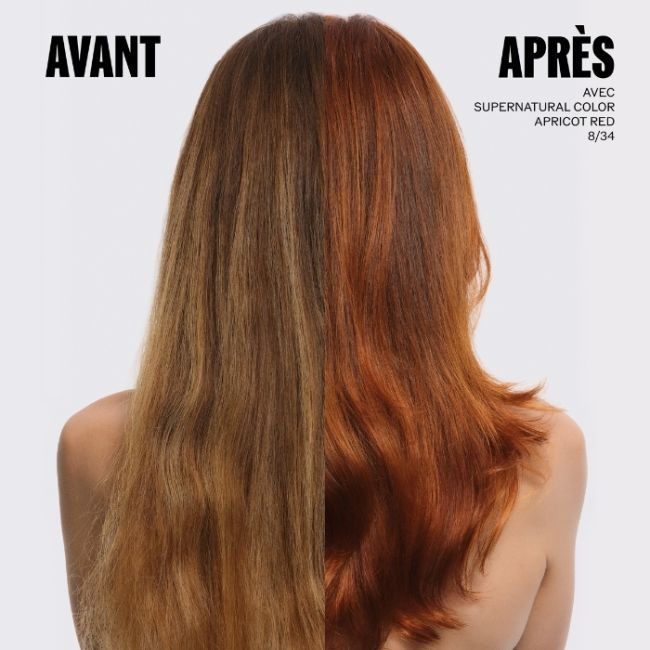
Box dyes use a standardized formula designed to work on an average of hair types and colors. But gray hair has no natural underlying pigment. Without melanin to act as a base, the color in the box can turn out unpredictably.
Common disappointing results:
| What You Wanted | What You Often Get |
|---|---|
| Soft, natural-looking brown | Harsh, flat, muddy brown |
| Warm caramel highlights | Orange or copper tones |
| Cool ashy blonde | Greenish or grayish cast |
| Natural-looking coverage | “Helmet head” solid, one-dimensional color |
The “Root-to-Tip” Uniformity Problem
Your gray hair isn’t uniform. Some strands are fully gray, some are partially gray, and some may still have pigment. Box dye applies the same color to all strands, creating an unnaturally uniform result that lacks the dimension and movement of natural hair color.
What mature hair needs is variation—highlights, lowlights, and strategic placement that mimics natural color variation. Box dye cannot provide this.
The “Line of Demarcation”
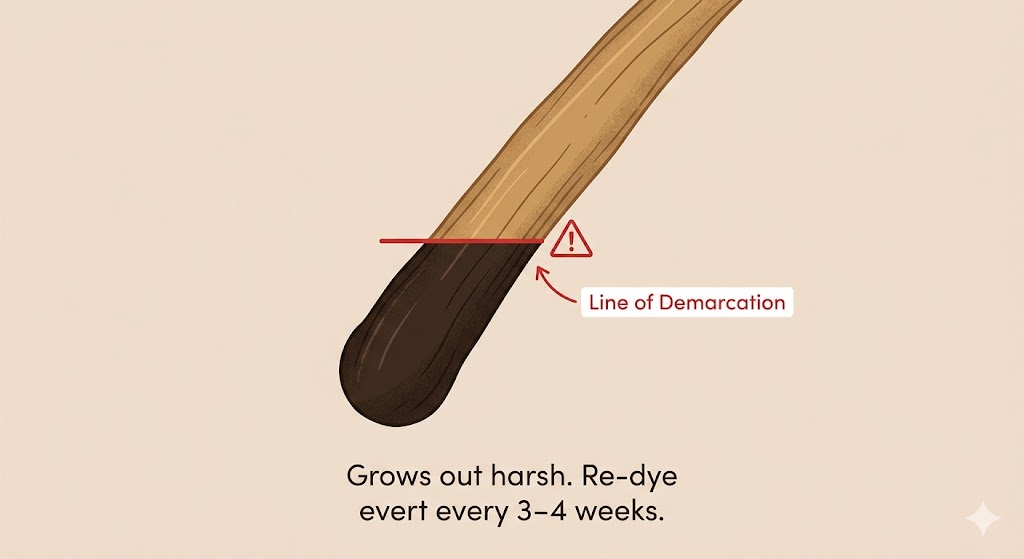
As your hair grows (about ½ inch per month), your natural gray roots will create a stark, obvious line between the box-dyed lengths and your new growth. This “line of demarcation” looks harsh and forces you to re-dye every 3–4 weeks to maintain coverage.
For women who want to embrace their natural gray, these grey blending highlights in ash blonde offer a softer transition than box dye.
Reason 2: Box Dye Damages Already Fragile Mature Hair
High-Volume Developers Are Harsh
Box dyes typically use high-volume developers (20 or 30 volume) because they need to work on many different hair types. This concentration of peroxide is too harsh for fine, fragile, or dry mature hair.
| Developer Volume | What It Does | Effect on Mature Hair |
|---|---|---|
| 10 volume | Deposits color without lightening | Gentle; safe for mature hair (rare in box dye) |
| 20 volume | Lightens 1–2 levels | Can damage fragile strands; causes dryness |
| 30 volume | Lightens 2–3 levels | Harsh; can cause significant damage |
| 40 volume | Lightens 3–4 levels | Very harsh; never use on mature hair |
Most box dyes use 20 or 30 volume developer—too strong for aging hair.
Ammonia Damages the Cuticle
Many box dyes contain ammonia, which opens the hair cuticle to allow color to penetrate. On already-porous gray hair, this further damages the cuticle, leading to:
- Increased frizz and dryness
- More breakage and split ends
- Dull, lifeless appearance
- Difficulty retaining moisture
The Vicious Cycle of Frequent Re-Coloring
Because box dye fades quickly on porous gray hair and the root line is obvious, many women re-color every 3–4 weeks. This frequent chemical processing compounds damage, leaving hair increasingly dry, brittle, and prone to breakage.
For women with dry, damaged hair, these wash and wear haircuts for women over 60 minimize further styling damage.
Reason 3: Box Dye Can’t Deliver the Right Tone for Gray Hair
The Brassiness Problem
Gray hair has no natural pigment to anchor cool tones. When you apply a box dye with ash or cool undertones, the color often fades to reveal unwanted warm tones underneath—yellow, orange, or brassy gold.
Why this happens: Without melanin to hold cool pigments, the color molecules wash out quickly, leaving behind the warm undertones from the developer.
The “Muddy” Result
Women with mixed gray and pigmented hair often get muddy, uneven results from box dye. The formula processes differently on gray strands (which resist color) than on pigmented strands (which absorb color readily). The result is a patchy, inconsistent color.
The Wrong Color for Your Skin Tone
The model on the box has a specific skin tone. You have a different one. Without professional consultation, you can’t know whether a warm caramel or cool ash blonde will complement your complexion. Box dye is a gamble—and the stakes are your entire look.
For women who want professional color, these ingredients to avoid in hair products for women over 50 help you choose better salon options.
Safer, Better Alternatives to Box Dye
1. Professional Salon Color
Why it’s better: A professional colorist can assess your gray percentage, hair texture, porosity, and skin tone to create a custom color formula. They can use gentler products (lower volume developer, ammonia-free color) and apply them strategically for natural-looking dimension.
Cost: $80–150+ depending on location and services
Frequency: Every 6–10 weeks (less frequent than box dye!)
2. Demi-Permanent Color
Why it’s better: Demi-permanent color deposits color without lightening using low-volume developer (usually 5–10 volume). It’s gentler than permanent box dye, fades gradually (no harsh root line), and adds shine.
Best for: Blending gray (not full coverage), adding warmth or tone
Longevity: 4–6 weeks
Note: Usually requires a salon visit, though some demi-permanent options are available at beauty supply stores.
3. Root Touch-Up Powders or Sprays
Why it’s better: For women who want to extend time between color appointments, root touch-up products (powders, sprays, or crayons) temporarily camouflage gray regrowth without any chemical damage.
Best for: Extending color between salon visits, covering a few stray grays
Longevity: Washes out with shampoo
Examples: L’Oréal Magic Root Cover-Up, ColorWow Root Cover-Up, Madison Reed Root Touch-Up
4. Hair Gloss or Glaze
Why it’s better: A clear or tinted gloss smooths the cuticle, adds shine, and can blend away minor brassiness. It contains no ammonia and very low developer, making it safe for fragile mature hair.
Best for: Refreshing color between salon visits, adding shine, toning down brass
Longevity: 2–4 weeks
Can be done: At home (with products like Kristin Ess, dpHUE, or Clairol Shimmer Lights) or in-salon
5. Embrace Your Natural Gray (The Ultimate Low-Maintenance Option)
Why it’s better: Once the initial transition is complete, natural gray hair requires no color maintenance—just good purple shampoo to keep it bright and brass-free. It’s the healthiest option for your hair and the most budget-friendly.
The transition challenge: Growing out color can be awkward, but styling tricks (pixie cuts, bobs, strategic highlights) help.
Cost: $0 in ongoing color costs
For women ready to embrace their silver, these best haircuts for round faces over 50 offer flattering style options.
Quick Reference: Box Dye vs. Better Alternatives
| Option | Damage Level | Gray Coverage | Natural Look | Cost Per Year |
|---|---|---|---|---|
| Box Dye | High | Unpredictable | Poor | $120–240 |
| Salon Color | Low to moderate | Excellent | Excellent | $400–800 |
| Demi-Permanent | Very low | Blends only | Good | $300–500 |
| Root Touch-Up Products | None | Temporary | Good | $100–200 |
| Hair Gloss/Glaze | Very low | None (clear) or blends | Good | $200–400 |
| Natural Gray | None | N/A | Excellent (once transitioned) | $0 |
What to Do If You Have Box Dye Damage
If you’ve been using box dye and your hair is dry, brittle, or brassy:
- Stop using box dye immediately
- Book a consultation with a professional colorist who specializes in gray hair
- Ask about a color correction (may take multiple sessions)
- Invest in deep conditioning treatments weekly
- Consider transitioning to natural gray with strategic highlights to soften the line of demarcation
For women with damaged hair, these low maintenance haircuts for women over 50 with fine hair can help you cut away damage while growing out color.
The Bottom Line
Box dye after 60 is a false economy. The low upfront cost doesn’t account for the damage, poor results, and frequent re-coloring it demands. Your gray hair has earned the right to better care.
For most women over 60, the best choice is professional salon color or embracing natural gray with the help of purple shampoo and strategic cuts. Your hair—and your confidence—will thank you.

Leave a Reply