
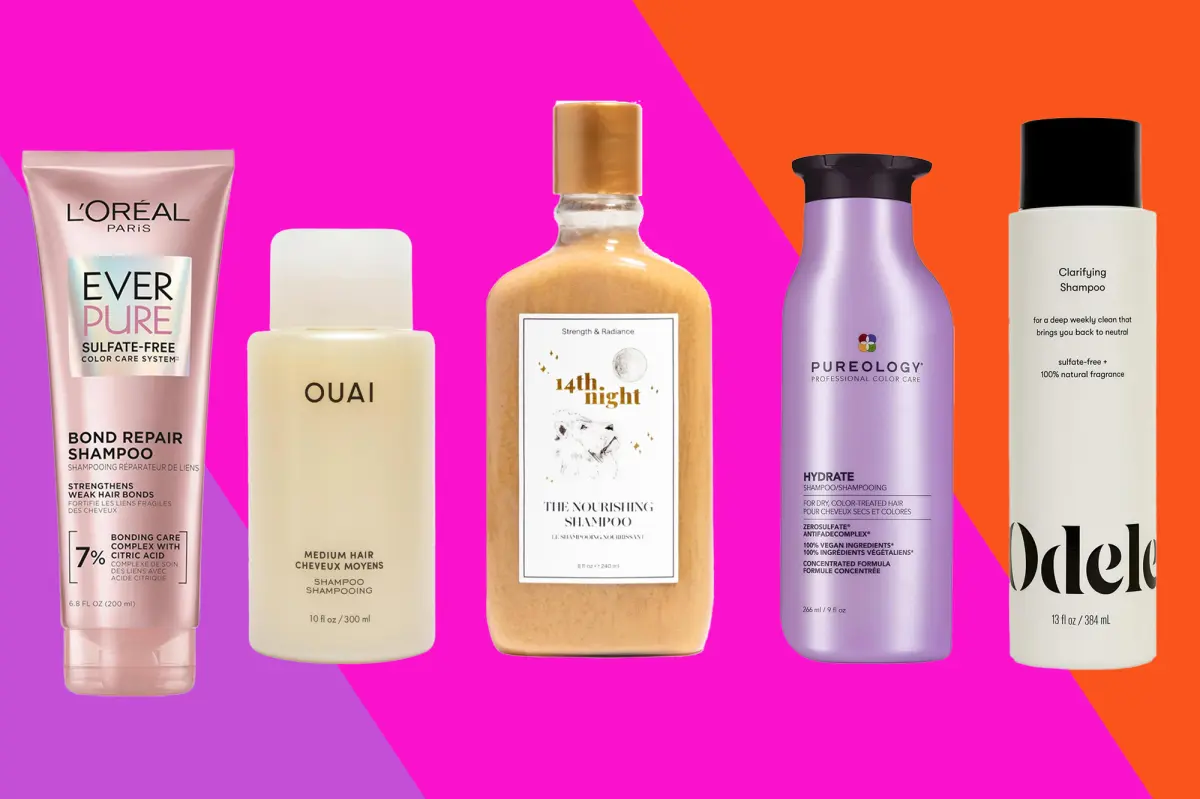
For women over 50, the beauty aisle is filled with products labeled “sulfate-free,” and the marketing claims can feel overwhelming. But is sulfate-free shampoo for women over 50 truly necessary, or is it just another trendy label designed to make you spend more money? The answer is more nuanced than a simple yes or no. As our hair changes with age—becoming finer, drier, more porous, and often chemically treated—the harsh detergents in traditional shampoos can cause more harm than good. In this guide, you’ll discover what sulfates actually are, how they affect mature hair, and whether making the switch to sulfate-free is right for you. If you’re also dealing with frizz alongside your hair care routine, these solutions offer complementary advice.
What Are Sulfates?
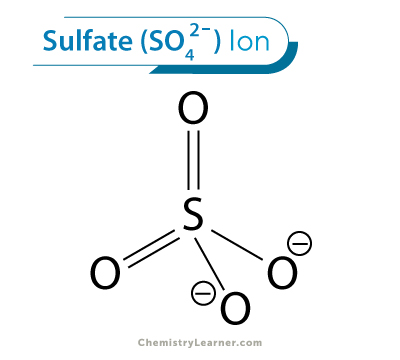
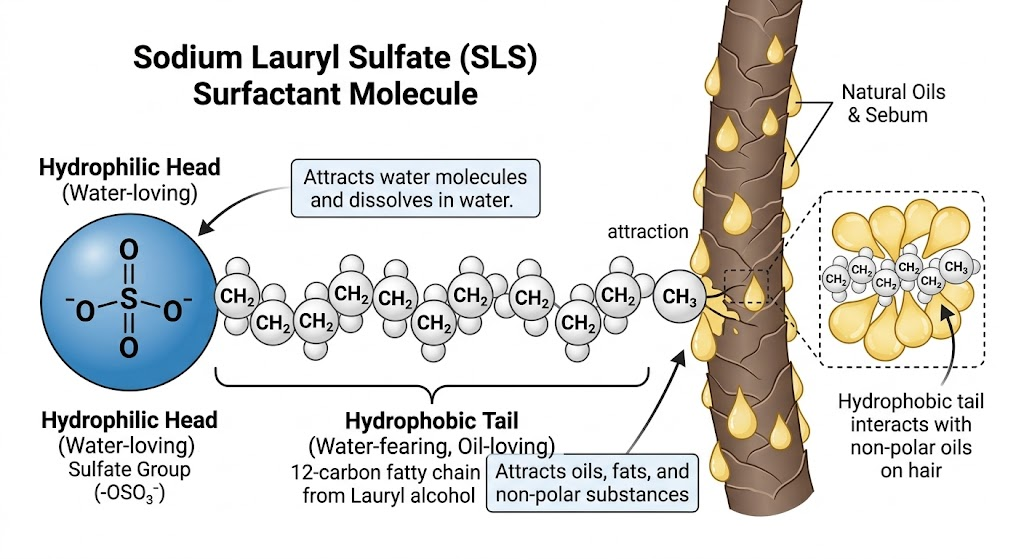
Sulfates are cleansing agents, or surfactants, added to shampoos to create that satisfying rich lather we associate with “clean” hair .
The two most common sulfates in hair products are:
| Sulfate | Abbreviation | Characteristics |
|---|---|---|
| Sodium Lauryl Sulfate | SLS | Very strong cleanser; creates abundant foam; can be harsh |
| Sodium Laureth Sulfate | SLES | Slightly gentler than SLS; still a strong cleanser |
These ingredients work by dissolving oils and dirt on your scalp and hair so they can be rinsed away with water . For people with very oily hair or scalps, this can be effective. For women over 50, however, the equation changes.
For women looking to avoid harmful ingredients entirely, these ingredients to avoid in hair products for women over 50 offer a complete guide.
Why Sulfates Can Be Problematic After 50
As we age, our hair and scalp undergo significant changes that make sulfates less suitable.
1. Decreased Natural Oil Production
Your scalp produces less sebum (natural oil) as you age . Sulfates are designed to strip away oil. When there’s already less oil to begin with, a harsh sulfate shampoo can leave your hair and scalp over-stripped, dry, and irritated.
2. Increased Hair Porosity
Years of heat styling, coloring, and environmental exposure raise the hair’s cuticle (the outer protective layer) . Hair becomes more porous, meaning it absorbs and loses moisture quickly. Sulfates can further damage an already compromised cuticle, leading to more frizz and breakage.
3. Gray Hair Texture Changes
Gray and silver hair often has a different structure than pigmented hair. It can be coarser, more wiry, and more resistant to moisture . Sulfates can exacerbate these texture issues, leaving gray hair looking dull and feeling rough.
4. Color-Treated Hair Needs
Many women over 50 color their hair, whether to cover grays or for fashion. Sulfates are known to strip hair color quickly, causing fading between salon visits.
5. Sensitized Scalp
Menopause can cause the scalp to become drier, itchier, and more sensitive . Harsh sulfates can worsen these symptoms, leading to discomfort.
For women with thinning hair, these short hairstyles for thin fine hair can reduce the need for frequent washing and harsh products.
Signs You Might Need to Switch to Sulfate-Free
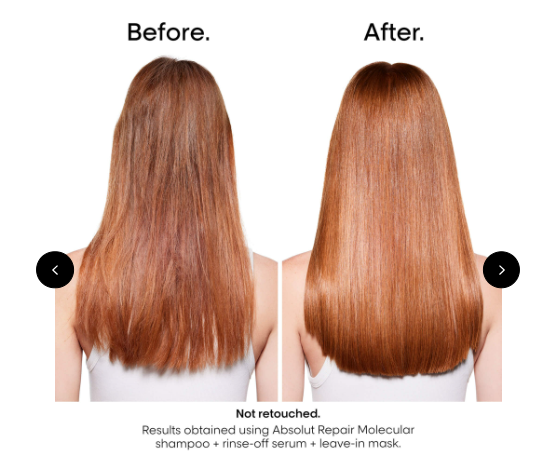
You may benefit from switching to a sulfate-free shampoo if you experience any of the following:
| Symptom | What It Means |
|---|---|
| Hair feels straw-like or brittle after washing | Sulfates are over-stripping your hair |
| Frizz appears immediately after drying | The cuticle is raised and damaged |
| Color fades rapidly between salon visits | Sulfates are stripping your color |
| Scalp feels tight, itchy, or flaky | Sulfates are irritating your sensitive scalp |
| Hair is tangling more than usual | The cuticle is rough and catching on itself |
| You have chemically treated hair (color, perm, relaxer) | Sulfates will accelerate damage |
If you’re experiencing frizz, these how to get rid of frizzy hair over 50 solutions can help regardless of your shampoo choice.
When Sulfates Might Still Be Okay
Despite the concerns, sulfates aren’t universally bad for every woman over 50. There are situations where a sulfate shampoo might still be appropriate.
Occasional Clarifying Use
Even women who use sulfate-free shampoo daily may benefit from a sulfate clarifying shampoo once a month .
Why: Over time, products can build up on your hair—dry shampoo, styling creams, oils, and even hard water minerals. Sulfate shampoos are excellent at removing this buildup. Using one monthly can actually help your sulfate-free shampoo work better.
Very Oily Hair or Scalp
Some women over 50 still produce significant oil, especially if they are perimenopausal or have naturally oily scalps . If your hair looks greasy the day after washing, a gentle sulfate shampoo may be appropriate.
Thick, Coarse, or Naturally Oily Hair
If your hair is thick, coarse, and naturally oily (not dry), sulfates may not cause the same level of damage . The extra oil production can buffer the stripping effects.
Product Buildup
If you use many styling products (gels, mousses, sprays, dry shampoo), you may occasionally need a sulfate shampoo to reset your hair .
For women with thick hair, these medium length hairstyles for thick hair offer styling ideas that work with your texture.
The Truth About “Sulfate-Free” Labels
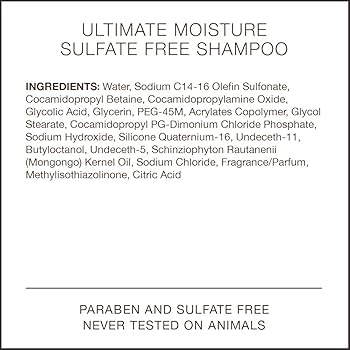
Not all sulfate-free shampoos are created equal. Here’s what you need to know.
Sulfate-Free Doesn’t Mean “Gentle”
Some sulfate-free shampoos use other strong cleansers that can still be harsh. Look for shampoos with gentle surfactants like:
| Gentle Surfactant | Characteristics |
|---|---|
| Coco Glucoside | Very mild; coconut-derived |
| Decyl Glucoside | Extremely gentle; plant-derived |
| Sodium Cocoyl Isethionate | Mild; coconut-derived |
| Disodium Laureth Sulfosuccinate | Gentle; often used in baby shampoos |
| Lauryl Glucoside | Mild; plant-derived |
Ingredients to Watch For
Some sulfate-free shampoos replace SLS with other strong cleansers that can still be drying:
| Stronger Surfactant | Notes |
|---|---|
| Sodium C14-16 Olefin Sulfonate | Can be harsh; often used in “clarifying” sulfate-free shampoos |
| Ammonium Laureth Sulfate | Similar to SLS; not much gentler |
Always read the full ingredient list, not just the front label.
The Lather Myth
Many women believe that “good” shampoo must lather abundantly. This is a marketing-driven myth. Sulfate-free shampoos lather less because they don’t contain the harsh foaming agents. This does not mean they are cleaning less effectively.
What to Look for in a Sulfate-Free Shampoo for Mature Hair
When shopping for a sulfate-free shampoo specifically for women over 50, look for these features:
| Feature | Why It Matters | |
|---|---|---|
| Hydrating ingredients | Glycerin, aloe vera, panthenol, honey | Replenish moisture stripped by daily life |
| Oils | Argan, jojoba, marula, coconut | Smooth the cuticle and add shine |
| Proteins | Hydrolyzed keratin, silk, wheat | Strengthen fragile strands |
| Ceramides | Help repair the cuticle | Restore the hair’s protective barrier |
| No drying alcohols | Avoid SD Alcohol, Alcohol Denat., Isopropyl Alcohol | Prevent further dryness |
For women with dry, brittle hair, these wash and wear haircuts for women over 60 minimize further damage from styling.
Sulfate-Free vs. Low-Poo vs. Co-Washing
Beyond sulfate-free, there are other gentle cleansing approaches:
| Method | What It Is | Best For |
|---|---|---|
| Sulfate-free shampoo | Uses gentle surfactants instead of SLS/SLES | Most women over 50 |
| Low-poo | Uses even milder cleansers; very low foaming | Extremely dry, curly, or color-treated hair |
| Co-washing | “Conditioner washing” — using conditioner to cleanse | Very dry, coily, or tightly curled hair; not for fine/oily hair |
For women with fine or thinning hair, co-washing is not recommended, as conditioner can weigh hair down and make it look flat.
For women with curly or coily hair, these curly haircuts for thin hair offer volume-building ideas.
How to Transition to Sulfate-Free Shampoo
Switching from traditional sulfate shampoo to sulfate-free requires a short adjustment period.
Week 1-2: The Adjustment Period
Your hair may feel different at first. This is normal. Sulfate-free shampoos don’t strip away all natural oils, so your hair may feel less “squeaky clean.” This is actually a good thing.
What to expect:
- Less lather (add water and massage more)
- Hair may feel heavier or different for the first few washes
- Your scalp may take time to adjust its oil production
Tips for Success
| Do | Don’t |
|---|---|
| Use warm (not hot) water to open the cuticle | Expect the same lather as your old shampoo |
| Massage shampoo into your scalp, not the lengths | Give up after one wash |
| Leave the shampoo on for 30–60 seconds | Forget to use conditioner afterward |
| Follow with a moisturizing conditioner | Use hot water |
If Your Hair Feels Waxy or Coated
If your hair feels waxy after switching to sulfate-free, you likely have product buildup from your previous routine. Use a clarifying shampoo (sulfate-based) once, then resume sulfate-free. The waxy feeling should resolve.
The Verdict: Do You Really Need Sulfate-Free Shampoo After 50?
You SHOULD switch to sulfate-free if:
✅ Your hair is dry, brittle, or damaged
✅ You have color-treated hair (natural or fashion colors)
✅ You have gray or silver hair that feels coarse
✅ Your scalp is sensitive, itchy, or flaky
✅ You wash your hair frequently (3+ times per week)
✅ Your hair is fine or thinning
You MAY NOT NEED sulfate-free if:
❌ Your hair is naturally very oily
❌ You wash your hair once a week or less
❌ You use minimal products (no dry shampoo, gels, sprays)
❌ Your hair is thick, coarse, and healthy
The Compromise: The “Hybrid” Approach
For many women over 50, the best approach is mostly sulfate-free with occasional clarifying:
- Daily/Weekly: Sulfate-free shampoo for regular washes
- Monthly: Sulfate clarifying shampoo to remove buildup
- As needed: Adjust based on your hair’s response
Quick Reference: Sulfate-Free Decision Guide
| Your Hair Type | Sulfate-Free? | Frequency |
|---|---|---|
| Fine, dry, thinning | ✅ Yes | Every wash |
| Color-treated | ✅ Yes | Every wash |
| Gray or silver | ✅ Yes | Every wash |
| Sensitive scalp | ✅ Yes | Every wash |
| Normal, healthy | 🤷♀️ Optional | Try it; see how hair responds |
| Very oily | ❌ Maybe not | Use sulfate-free 1–2x/week; sulfate clarifying as needed |
| Thick, coarse, oily | ❌ Maybe not | Use traditional shampoo if it works for you |
Final Thoughts
Sulfate-free shampoo for women over 50 is not a marketing gimmick—it addresses real changes in aging hair. As our scalps produce less oil and our hair becomes more porous and fragile, harsh detergents can do more harm than good. For most women over 50, switching to a sulfate-free shampoo will lead to less frizz, more moisture, better color retention, and a happier scalp.
That said, sulfates aren’t evil. They serve a purpose: removing buildup. The healthiest approach for most mature women is a sulfate-free daily shampoo with a monthly sulfate clarifying wash.
The best shampoo is the one that leaves your hair feeling clean, soft, and healthy—not stripped, brittle, or greasy. Listen to your hair. It will tell you what it needs.

Leave a Reply