
For women over 50 struggling with frizz, dryness, and unruly hair, keratin treatments promise smooth, glossy, manageable strands that last for months. But as with many beauty solutions that sound too good to be true, the reality is more complicated—especially for aging hair. Before booking that salon appointment, it’s essential to understand exactly what keratin treatments are, how they work, and whether the potential risks outweigh the benefits for women over 50. In this guide, you’ll learn everything about keratin treatments, from the science behind them to safety considerations specifically for mature hair. If you’re also dealing with frizz and dryness alongside thinning, these low maintenance haircuts for women over 50 with fine hair offer complementary solutions.
What Is a Keratin Treatment?
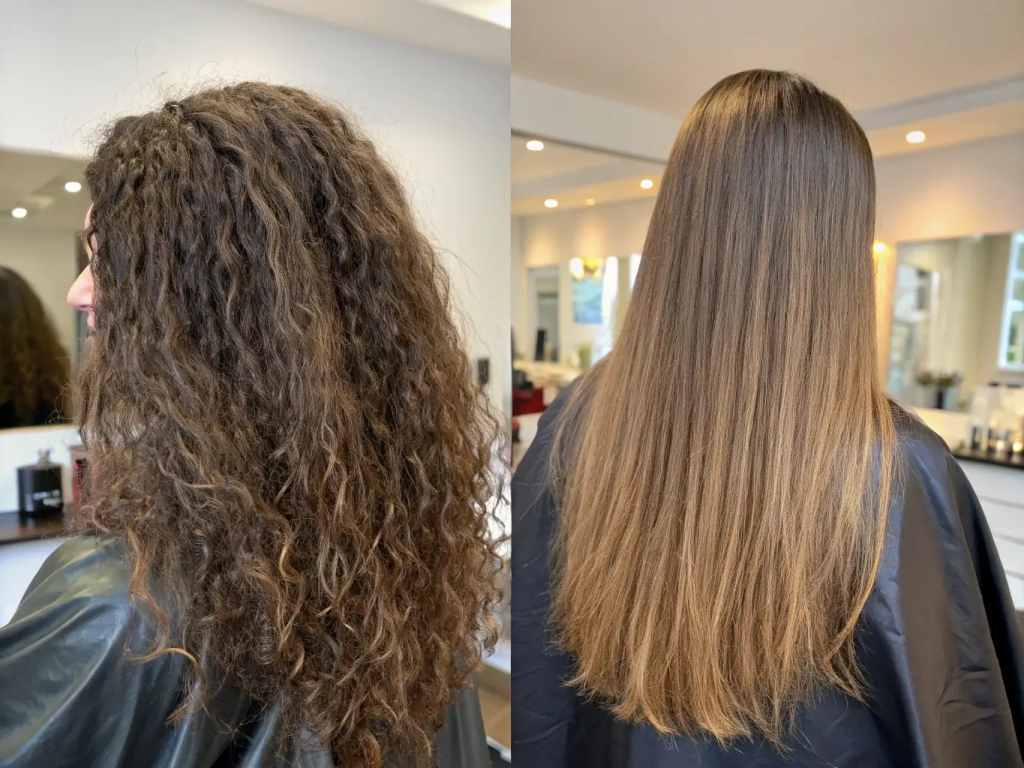
A keratin treatment is a semi-permanent hair smoothing and straightening procedure performed in a salon. The treatment is designed to reduce frizz, add shine, and make hair more manageable for 3 to 6 months at a time .
The Science Behind It
Keratin is a protein that naturally makes up 65% to 95% of your hair fiber . It is the structural building block that gives hair its strength, elasticity, and shape .
Over time, factors like heat styling, coloring, UV exposure, and hormonal shifts (including menopause) break down the keratin in your hair, making it porous, frizzy, and prone to breakage . A keratin treatment is designed to replace lost protein and restore the hair’s structure.
How the Treatment Works
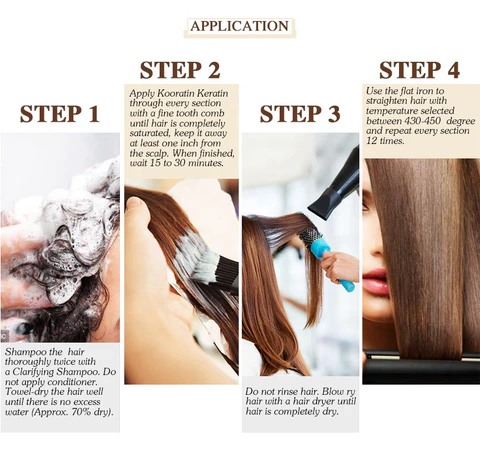
The process typically follows these steps:
The high heat causes the keratin to cross-link with the natural proteins in your hair, forcing the cuticle to lie flat and creating a smooth, sleek finish . The results typically last 3 to 5 months, depending on hair type and aftercare .
For women considering professional smoothing treatments, these how to get rid of frizzy hair over 50 solutions offer additional options.
Benefits of Keratin Treatments for Women Over 50
Despite the risks, keratin treatments offer several benefits that appeal to women with aging hair:
1. Dramatic Frizz Reduction
Frizz is a major complaint during menopause and beyond . Keratin treatments smooth the cuticle, creating a protective barrier against humidity. For women over 50, this can mean saying goodbye to the “puffy” look that often accompanies mature hair.
2. Enhanced Shine and Smoothness
By filling gaps in the damaged hair shaft, keratin treatments improve light reflection, making hair look healthier and more lustrous . This is especially beneficial for gray hair, which can appear dull or lackluster.
3. Reduced Styling Time
Many women report that after a keratin treatment, their hair air-dries straighter and requires significantly less heat styling . For women with limited time or arthritis in their hands, this can be a game-changer.
4. Temporary Strength Improvement
The keratin coating can act as a shield, reducing friction during brushing and detangling. Some women notice fewer strands in their shower drain after treatment .
5. Improved Manageability
Keratin treatments make hair less prone to knotting and tangling, which is especially helpful for women with curly or wavy hair textures .
For women embracing their natural gray, these grey blending highlights in ash blonde offer color options that complement smooth, frizz-free hair.
The Major Risks and Safety Concerns
The benefits come with significant caveats. Here’s what women over 50 need to know before booking a keratin treatment.
The Formaldehyde Problem
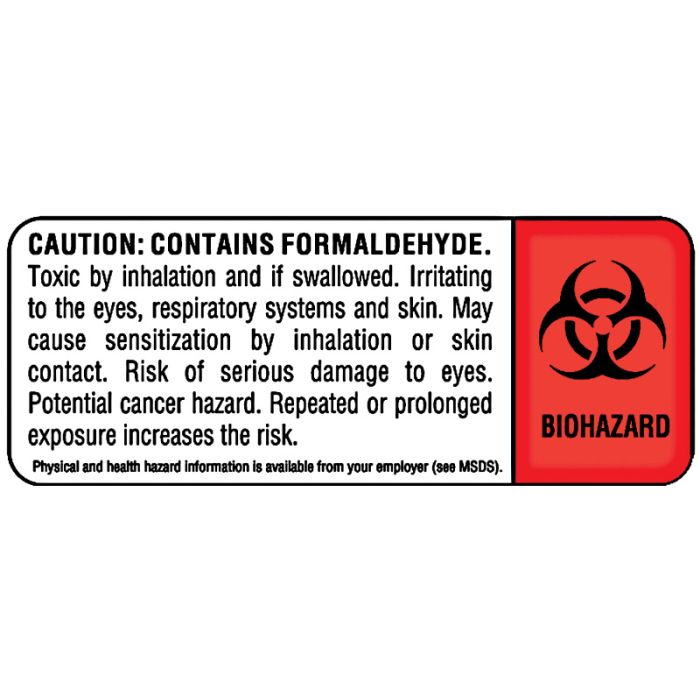
Traditional keratin treatments rely on formaldehyde or formaldehyde-releasing chemicals to cross-link keratin proteins and straighten the hair .
During the heating process, formaldehyde gas is released into the air. This is not a minor concern:
One National Institute of Health study of nearly 34,000 women found that those who used hair straightening products more than four times a year were twice as likely to develop uterine cancer . While researchers didn’t pinpoint which ingredients were to blame, formaldehyde has been identified as a primary concern.
The “Formaldehyde-Free” Loophole
Many products labeled “formaldehyde-free” still contain ingredients that release formaldehyde when heated . Methylene glycol, for example, is a combination of formaldehyde and water that releases the chemical when exposed to air .
Ingredients that can release toxic compounds when heated include:
- Glyoxylic acid
- Glyoxyloyl carbocysteine
- Methylene glycol
Always ask your stylist for the full ingredient list and research the specific product being used.
Heat Damage to Fragile Mature Hair
For women over 50, the flat iron used to seal keratin treatments poses a separate risk. The 400–450°F (204–232°C) heat can burn fragile menopausal hair that is already thin or chemically processed .
Hair Breakage and Thinning
Keratin treatments can cause split ends and other types of hair damage, which often leads to breakage and the appearance of thinning ends . If you’re already dealing with age-related thinning, this is a serious consideration.
For women with thinning hair, these short hairstyles for thin fine hair offer safer volume-building alternatives.
Special Considerations for Women Over 50
Is It Safe for Thinning Hair?
The answer depends on the cause and severity of your thinning.
- If your hair is fragile or over-processed: Keratin treatments can exacerbate breakage due to the high heat and chemical exposure. Many stylists recommend against regular treatments for very damaged hair .
- If you have mild thinning: Formaldehyde-free keratin treatments may be gentle enough for fine or fragile hair, but a professional assessment is essential .
Important: Keratin treatments do not address hormonal hair loss related to menopause . If you’re experiencing significant thinning, consult a dermatologist or trichologist before considering any chemical treatment.
Pregnancy and Breastfeeding
Keratin treatments are not recommended for women who are pregnant or breastfeeding . The formaldehyde exposure poses unnecessary risks to both mother and child.
Sensitive Scalp and Allergies
Menopausal skin often becomes drier and more sensitive. Harsh chemicals in keratin formulas can cause severe itching or trigger contact dermatitis . If you have sensitive skin or a history of allergies, proceed with extreme caution or avoid the treatment entirely.
Formaldehyde-Free Alternatives: Do They Work?
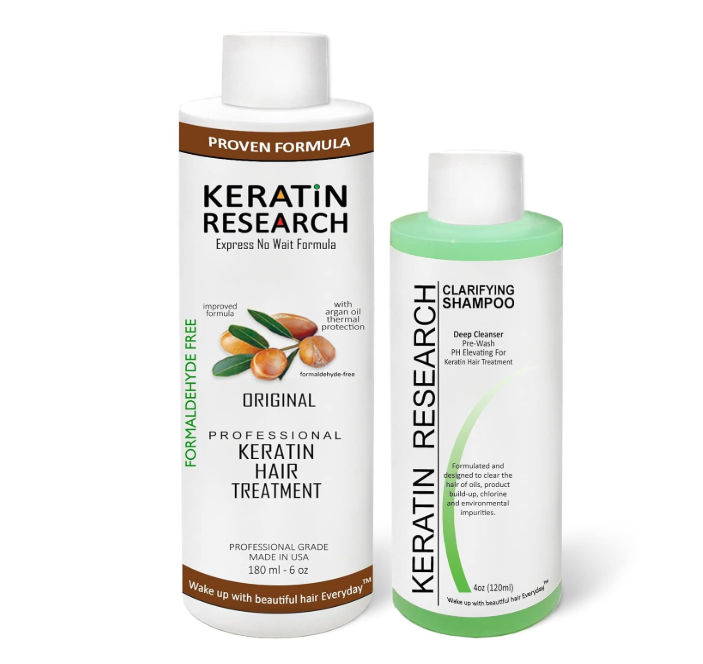
The good news is that safer alternatives exist. The bad news is they don’t work as well as traditional treatments.
Carbocysteine-Based Treatments
Carbocysteine is a dibasic amino acid used in treatments known as “heat sealing” or “plastic hair.” These formulas combine glyoxyloyl carbocysteine and glyoxyloyl keratin amino acids .
How they compare:
- ✅ Safer (no formaldehyde exposure)
- ✅ Increases hair shine
- ❌ Less effective at straightening curly or wavy hair
- ❌ May not provide the same level of frizz control
Saphira and Similar Mineral-Based Treatments
Saphira is a non-toxic alternative that uses Dead Sea minerals and hyaluronic acid to hydrate and seal the cuticle, rather than chemically straightening hair .
Results: Softer, healthier, frizz-free hair that maintains natural texture and movement—not pin-straight strands.
Pros: No formaldehyde, no toxic fumes, no damage to curl pattern
Cons: Won’t straighten curly hair; results are subtler
Professional Formaldehyde-Free Brands
Several salon brands offer formaldehyde-free keratin treatments:
For women who want to avoid chemical exposure entirely, these ingredients to avoid in hair products for women over 50 offer a complete guide to clean hair care.
What to Ask Your Stylist Before Booking
If you decide to proceed with a keratin treatment, ask these questions first:
- “What specific product do you use? Can I see the ingredient list?” – Avoid anything containing formaldehyde, methylene glycol, or aldehyde-releasing preservatives.
- “Do you offer a formaldehyde-free option?” – If yes, ask how the results differ from traditional treatments.
- “Will you adjust the heat setting based on my hair’s thickness and condition?” – Fragile hair needs lower heat.
- “Can I do a test strand first?” – Treat a small, hidden section and wait 1–2 weeks to check for dryness or breakage .
- “What is your experience with mature or thinning hair?” – Not all stylists understand the unique needs of aging hair.
For women over 60 seeking gentle hair care routines, these wash and wear haircuts for women over 60 minimize the need for chemical treatments.
Aftercare: Making Your Treatment Last
To extend the life of your keratin treatment (whether traditional or formaldehyde-free):
Keratin Treatments vs. Other Smoothing Options
| Treatment | Duration | Formaldehyde Risk | Best For |
|---|---|---|---|
| Traditional keratin | 3–5 months | High | Dramatic straightening |
| Formaldehyde-free keratin | 3–5 months | Low to none | Mild smoothing, frizz reduction |
| Mineral-based (Saphira) | 3–5 months | None | Natural texture with frizz control |
| At-home kits | 2–4 weeks | Varies by brand | Budget-friendly, temporary results |
| Professional deep conditioning | 1–2 weeks | None | Gentle moisturizing without chemicals |
For women who want smooth hair without chemical risks, professional deep conditioning treatments and regular trims may be sufficient .
The Bottom Line: Is It Safe for Women Over 50?
The honest answer: It depends on your priorities, your hair’s condition, and your willingness to accept potential risks.
Choose a keratin treatment if:
- You have persistent frizz that doesn’t respond to other methods
- Your hair is in good condition (not overly processed or fragile)
- You’re willing to invest in a formaldehyde-free option
- You’ve consulted with a stylist who specializes in mature hair
Avoid keratin treatments if:
- You have significant thinning or breakage
- You have a sensitive scalp or history of allergies
- You are pregnant or breastfeeding
- You want to preserve your natural curl pattern (keratin treatments alter it)
- You’re unwilling to accept any formaldehyde exposure risk
The safest approach for women over 50:
Choose a formaldehyde-free, mineral-based treatment like Saphira. While these won’t give you pin-straight hair, they will dramatically reduce frizz, add shine, and make your hair more manageable—without the health risks associated with formaldehyde .
If you have thinning or fragile hair, skip the treatment entirely and focus on gentle hair care, regular trims, and moisturizing products. For many women over 50, that’s enough.
Final Thoughts
Keratin treatments for women over 50 offer real benefits: less frizz, more shine, and easier styling. But they also come with real risks: formaldehyde exposure, heat damage, and potential breakage. The decision isn’t clear-cut. For women with healthy, thick, frizzy hair who choose a formaldehyde-free option with an experienced stylist, the benefits may outweigh the risks. For women with thinning, fragile, or sensitive hair, the risks likely outweigh the benefits.
The most important step is doing your research, asking the right questions, and being honest about your hair’s condition. Your hair has earned the right to gentle, thoughtful care.

Leave a Reply