
For women over 50, how to get rid of frizzy hair becomes an increasingly common and frustrating question. As we age, hair undergoes significant changes—it becomes drier, more porous, and often more prone to frizz. Hormonal shifts, years of heat styling, and environmental damage all contribute to a raised cuticle that lets moisture in and out, causing strands to swell and frizz. The good news is that frizz is manageable with the right approach. In this guide, you’ll discover 10 solutions for frizzy hair over 50, from product swaps and washing techniques to overnight routines and professional treatments. If you’re also dealing with thinning hair alongside frizz, these low maintenance haircuts for women over 50 with fine hair offer excellent options.
Why Frizz Gets Worse After 50
Understanding why frizz increases with age helps you choose the right solutions. Here’s what changes:
| Age-Related Change | How It Causes Frizz |
|---|---|
| Decreased oil production | Scalp produces less natural sebum, leaving hair drier and more prone to absorbing humidity |
| Increased porosity | The outer cuticle becomes more raised and damaged, allowing moisture to enter and swell the hair shaft |
| Gray hair texture | Gray and silver hair is often coarser, more wiry, and has a different structure than pigmented hair |
| Years of cumulative damage | Heat styling, coloring, and environmental exposure have weakened the cuticle over time |
| Hormonal shifts | Menopause-related hormonal changes affect hair texture and oil production |
For women with curly or wavy hair, frizz can be even more pronounced. These curly haircuts for thin hair offer additional styling ideas.
The 10 Solutions for Frizzy Hair Over 50
1. Switch to a Sulfate-Free Shampoo
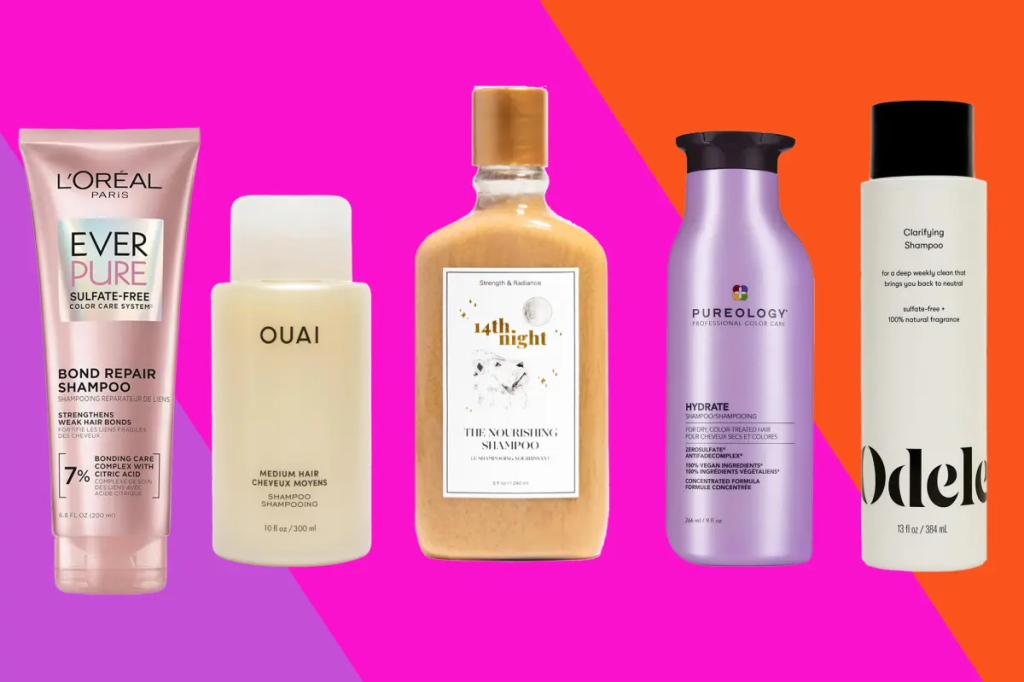
Why it works: Sulfates (Sodium Lauryl Sulfate and Sodium Laureth Sulfate) are harsh detergents that strip natural oils from your hair. For mature hair that already produces less oil, sulfates leave the cuticle raised and vulnerable to humidity. Sulfate-free shampoos clean gently without stripping, allowing the cuticle to lie flat.
How to do it: Look for shampoos labeled “sulfate-free” or with gentle surfactants like Coco Glucoside, Decyl Glucoside, or Sodium Cocoyl Isethionate. Wash your hair 2–3 times per week (not daily) to preserve natural oils.
Best for: All hair types, especially dry or color-treated hair
Products to look for: Gentle, sulfate-free cleansers from brands like SheaMoisture, OGX, Living Proof, or Kérastase
For women looking to avoid harmful ingredients entirely, these ingredients to avoid in hair products for women over 50 offer a complete guide.
2. Use a Moisturizing Conditioner Every Wash
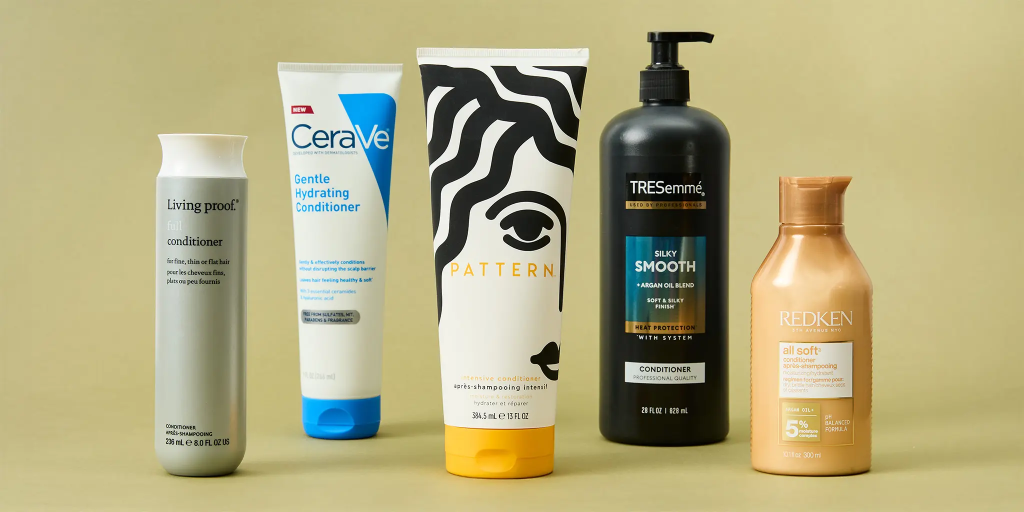
Why it works: Conditioner smooths the cuticle, adding moisture and creating a barrier against humidity. For frizzy mature hair, skipping conditioner is one of the biggest mistakes. The right conditioner adds slip, detangles, and seals the cuticle.
How to do it: Apply conditioner from mid-lengths to ends (avoid the scalp if you have fine hair). Leave it on for 2–3 minutes before rinsing with cool water, which helps seal the cuticle.
Best for: All hair types; use a heavier formula for thick or coarse hair, lighter formula for fine hair
Look for ingredients: Glycerin, shea butter, aloe vera, coconut oil, argan oil, behentrimonium methosulfate (a gentle conditioning agent)
3. Add a Leave-In Conditioner
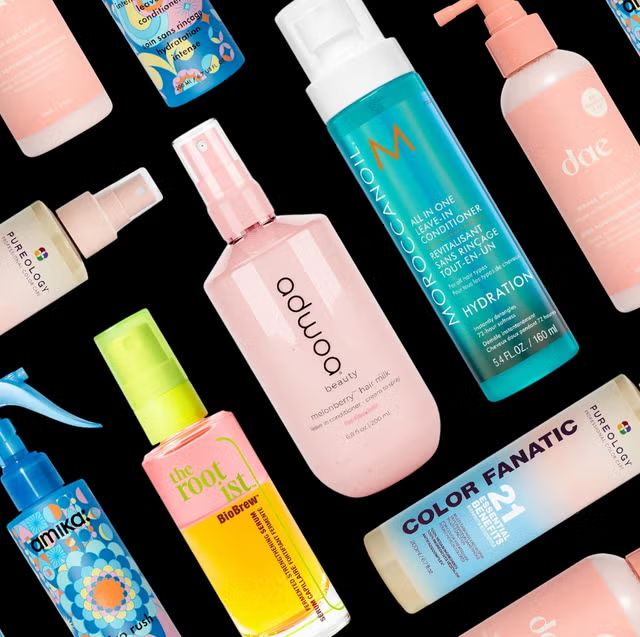
Why it works: Leave-in conditioner provides continuous moisture and frizz protection between washes. It’s especially important for mature hair because it replenishes moisture throughout the day. Leave-ins also provide heat protection and make detangling easier.
How to do it: Apply a pea-sized amount to damp hair after washing, focusing on mid-lengths and ends. For fine hair, choose a spray leave-in; for thick hair, a cream formula works well.
Best for: Dry, brittle, or color-treated hair; essential for curly and wavy textures
Look for: Lightweight formulas with aloe vera, glycerin, or silk proteins
4. Stop Towel-Drying Aggressively
Why it works: Rubbing wet hair with a regular cotton towel roughs up the cuticle, creating friction that leads to frizz and breakage. The microscopic fibers in cotton towels catch on the hair shaft, lifting the cuticle.
How to do it: Instead of rubbing, gently squeeze excess water from your hair with a microfiber towel or an old cotton t-shirt. Microfiber is smoother and absorbs water without creating friction. Then, allow your hair to air-dry or use a diffuser.
Best for: All hair types, especially fine or fragile mature hair
Pro tip: “Plop” your hair—lay a microfiber towel on a flat surface, flip your head upside down onto it, and wrap the towel around your hair for 10–15 minutes.
For women over 60 seeking gentle hair care routines, these wash and wear haircuts for women over 60 reduce styling time and friction.
5. Apply Hair Oil to Damp Hair
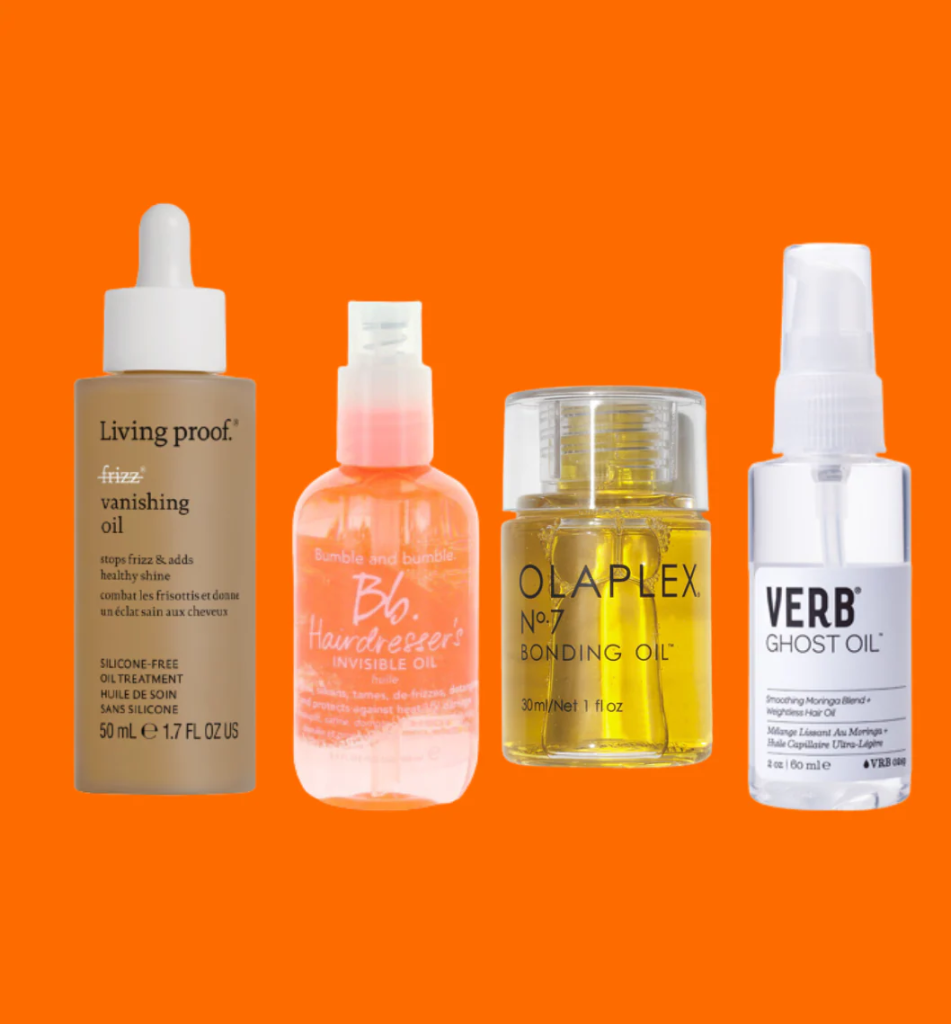
Why it works: Hair oil seals moisture into the hair shaft, smooths the cuticle, and adds shine. Applied to damp hair (not dry), oil locks in the water and conditioner already in your hair, preventing humidity from causing frizz.
How to do it: After washing and conditioning, apply 2–3 drops of lightweight hair oil to damp hair, focusing on mid-lengths and ends. Do not apply to roots unless your hair is very dry. For fine hair, use even less—1 drop is enough.
Best for: Dry, coarse, or curly hair; fine hair can use very small amounts
Best oils for mature hair: Argan oil (lightweight), jojoba oil (mimics natural sebum), marula oil (rich in fatty acids), grapeseed oil (very light)
6. Use a Humidity-Blocking Product
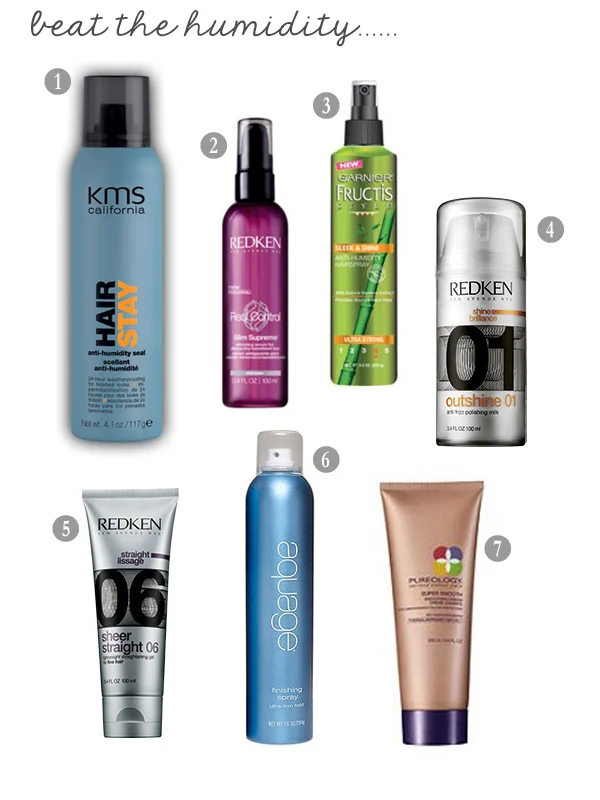
Why it works: Humidity is the primary cause of frizz. When the air is humid, water molecules in the air bond to your hair, causing the shaft to swell and the cuticle to lift. Anti-humidity sprays, serums, and finishing sprays create a protective barrier that repels moisture.
How to do it: Apply an anti-humidity product as the final step in your styling routine. For straight hair, use a lightweight spray. For curly hair, use a humidity-blocking gel or cream.
Best for: Anyone living in humid climates; essential for summer months
Look for: Products labeled “anti-humidity,” “humidity-resistant,” or with ingredients like PVP/VA copolymer (forms a protective film)
7. Sleep on a Silk or Satin Pillowcase
Why it works: Cotton pillowcases create friction, roughing up the cuticle and causing frizz, tangles, and breakage. Silk and satin pillowcases are smooth, allowing hair to glide across the surface without friction. They also help retain moisture and reduce bedhead.
How to do it: Switch your cotton pillowcase for a silk or satin version. For maximum protection, also wrap your hair in a satin bonnet or use a satin scrunchie to loosely pineapple your hair overnight.
Best for: All hair types, especially fine, fragile, or curly hair
Pro tip: Satin is more affordable than silk and provides the same friction-reducing benefits. Look for “charmeuse” weave for the smoothest surface.
8. Get Regular Trims (Every 6–8 Weeks)
Why it works: Split ends travel up the hair shaft, causing frizz and breakage along the entire length. Even the best products can’t repair split ends—they can only temporarily mask them. Regular trims remove damaged ends before they worsen.
How to do it: Schedule a trim every 6–8 weeks. Even ¼ inch makes a dramatic difference in frizz levels. Ask your stylist for “dusting” (removing only split ends) if you’re trying to grow your hair longer.
Best for: All hair types; essential for fine or fragile mature hair
Pro tip: If you have curly hair, get your hair cut dry so your stylist can see the true curl pattern and cut only what’s needed.
For women with thin hair, these best bob haircuts for women over 50 with thin hair combine regular trims with flattering volume.
9. Use a Diffuser When Blow-Drying
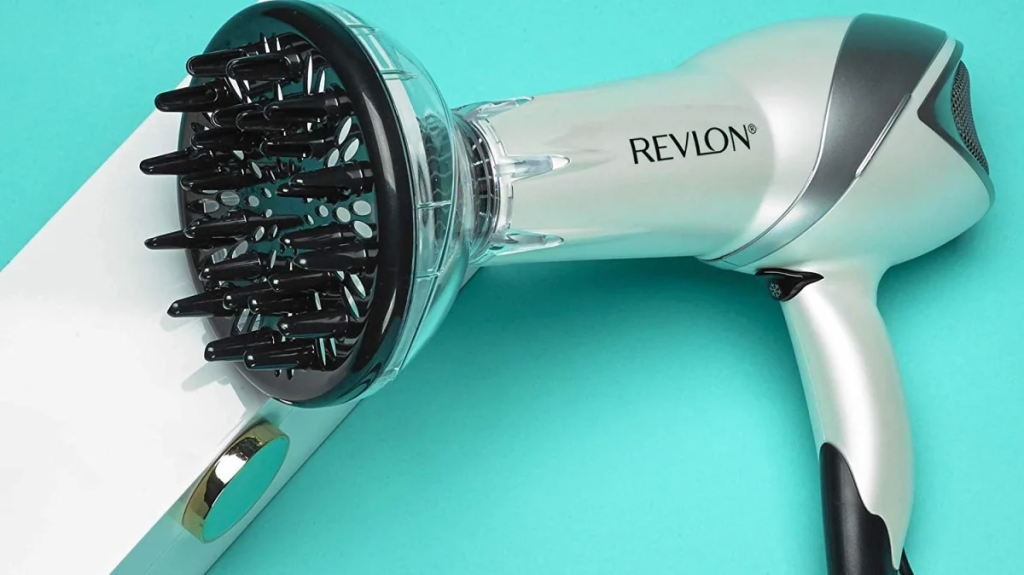
Why it works: A diffuser is an attachment for your blow-dryer that disperses air over a wider area, reducing direct heat and airflow that can cause frizz. For wavy and curly hair, diffusing encourages curl formation while minimizing frizz.
How to do it: After applying products to damp hair, attach the diffuser to your blow-dryer on low heat and low speed. Cup sections of hair in the diffuser and press toward your scalp. Hold for 15–20 seconds, then release. Do not move the diffuser around—lift, hold, release, repeat.
Best for: Wavy, curly, and coily hair; straight hair may not need a diffuser
Pro tip: Dry your hair to 80% with the diffuser, then let it air-dry the rest of the way for the best balance of definition and volume.
10. Try a Professional Keratin or Smoothing Treatment
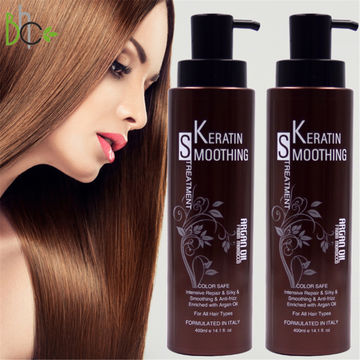
Why it works: Professional smoothing treatments (like Brazilian Blowout, Keratin Complex, or Cezanne) temporarily seal the cuticle and add a protective layer that resists humidity. Results last 2–5 months, making frizz virtually disappear. For women over 50 with persistent frizz, these treatments can be life-changing.
How to do it: Consult a stylist who specializes in smoothing treatments. The process typically involves washing, applying the treatment, blow-drying, and flat-ironing the product into the hair. Results are immediate.
Best for: Persistent frizz that doesn’t respond to other methods; curly or wavy hair that you want to wear straight or looser
Important considerations:
- Some treatments contain formaldehyde. Look for formaldehyde-free options like Cezanne or Keratin Complex.
- Treatments can be expensive (150–500).
- Results gradually wash out; you need to repeat 2–3 times per year.
Alternatives: At-home “express” keratin treatments (less dramatic but lower commitment)
Quick Reference: Frizz Solutions at a Glance
| Solution | Difficulty | Cost | Best For |
|---|---|---|---|
| Sulfate-free shampoo | Easy | $ | All hair types |
| Moisturizing conditioner | Easy | $ | All hair types |
| Leave-in conditioner | Easy | $ | Dry, curly, color-treated |
| Microfiber towel | Easy | $ | All hair types |
| Hair oil (on damp hair) | Easy | $$ | Dry, coarse, curly |
| Anti-humidity product | Easy | $$ | Humid climates, summer |
| Silk/satin pillowcase | Easy | $$ | All hair types |
| Regular trims | Moderate | $$ | All hair types |
| Diffuser | Moderate | $$ | Wavy, curly, coily |
| Professional keratin treatment | Hard | $$$ | Persistent frizz |
The Frizz-Fighting Routine (Daily)
Morning:
- If hair is dry, mist lightly with water mixed with leave-in conditioner
- Apply 1–2 drops of oil to ends
- Style as usual (air-dry, diffuse, or blow-dry with anti-humidity product)
Wash Day (2–3 times per week):
- Shampoo with sulfate-free cleanser
- Condition from mid-lengths to ends; leave for 2–3 minutes
- Rinse with cool water
- Apply leave-in conditioner to damp hair
- Apply 2–3 drops of oil to damp ends
- Style (air-dry, diffuse, or blow-dry with diffuser)
Overnight:
- Sleep on silk or satin pillowcase
- For curly hair, pineapple (loose high ponytail) with satin scrunchie
- For long straight hair, loose braid to prevent friction
Ingredients to Look For (And Avoid) in Anti-Frizz Products
| Look For | Why | Avoid | Why |
|---|---|---|---|
| Glycerin | Humectant attracts moisture | Sulfates | Strip natural oils |
| Aloe vera | Soothing, moisturizing | Drying alcohols (SD Alcohol, Alcohol Denat.) | Strip moisture |
| Shea butter | Seals cuticle, adds shine | Silicones (for fine hair) | Can weigh fine hair down |
| Argan oil | Rich in fatty acids, smooths | Heavy mineral oil | Can build up |
| Jojoba oil | Mimics natural sebum | Parabens | Potential endocrine disruptor |
| Panthenol (pro-vitamin B5) | Strengthens, moisturizes | Phthalates | Endocrine disruptor |
For a complete guide on what to avoid, these ingredients to avoid in hair products for women over 50 provide detailed information.
When to See a Professional
If you’ve tried these solutions and still struggle with persistent frizz, consider:
- A professional smoothing treatment – As mentioned above
- A consultation with a trichologist – For underlying scalp or hair health issues
- A haircut consultation – Sometimes the issue is the cut, not the products. A stylist can recommend a frizz-resistant style
For women over 50 with thinning hair, these short hairstyles for thin fine hair can reduce frizz by removing damaged ends.
Final Thoughts
How to get rid of frizzy hair over 50 is not about a single miracle product—it’s about a holistic approach. Switching to sulfate-free shampoo, using a leave-in conditioner, sleeping on silk, and getting regular trims work together to smooth the cuticle and lock in moisture. The key is consistency. Frizz didn’t appear overnight, and it won’t disappear overnight. But with these 10 solutions, you can dramatically reduce frizz and enjoy smoother, shinier, healthier hair at any age.

Leave a Reply