
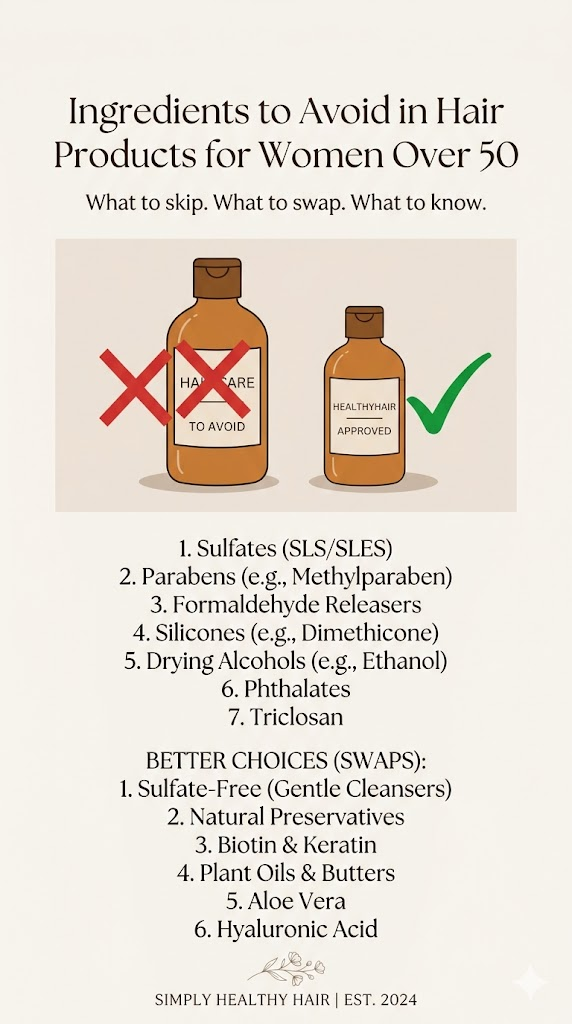
For women over 50, knowing which ingredients to avoid in hair products is an important step toward healthier hair. However, the reality is more nuanced than a simple “never use” list. As we age, our hair becomes finer, more fragile, and often drier. The scalp produces less natural oil, and the hair shaft becomes more porous. Some ingredients are genuinely harmful and should always be avoided. Others are problematic only with frequent use or for certain hair types. In this guide, you’ll discover 15 ingredients commonly flagged as concerns, along with clear guidance on when to avoid them strictly and when occasional use might be acceptable for women over 50. If you’re also looking for flattering cuts to pair with healthier hair, these low maintenance haircuts for women over 50 with fine hair offer excellent options.
Why Ingredient Awareness Matters After 50
Before diving into specific ingredients, it’s important to understand how your hair has changed. This context explains why some ingredients became problematic for mature hair even if they never bothered you before.
| Age-Related Change | Why It Matters for Product Choice |
|---|---|
| Decreased oil production | Scalp becomes drier, more susceptible to irritation from sulfates and alcohols |
| Thinner hair shaft | More vulnerable to damage from harsh chemicals and heat |
| Increased porosity | Hair absorbs more water and chemicals; loses moisture faster |
| Gray hair texture | Often coarser, more resistant, and more porous than pigmented hair |
| Slower growth rate | Damage takes longer to grow out; prevention is more critical |
| Scalp sensitivity | More prone to itching, flaking, and inflammation from irritants |
For women with thinning hair, these concerns are even more critical. These short hairstyles for thin fine hair can complement a gentle hair care routine.
How to Use This Guide
This article categorizes 15 ingredients into three groups:
| Category | Meaning | Action |
|---|---|---|
| Always Avoid | Harmful regardless of frequency or concentration. Do not use. | Eliminate completely |
| Use with Caution | Problematic for daily use but may be acceptable occasionally (1–2x per month) or in low concentrations. | Limit frequency |
| Depends on Your Hair | Effect varies based on your specific hair type (fine vs. thick, dry vs. oily). | Know your hair type |
Group 1: Always Avoid (No Circumstances)
These ingredients have documented health concerns (endocrine disruption, carcinogenicity, or severe irritation) that outweigh any potential benefit. Avoid them completely.
1. Parabens (Methylparaben, Propylparaben, Butylparaben, Ethylparaben)
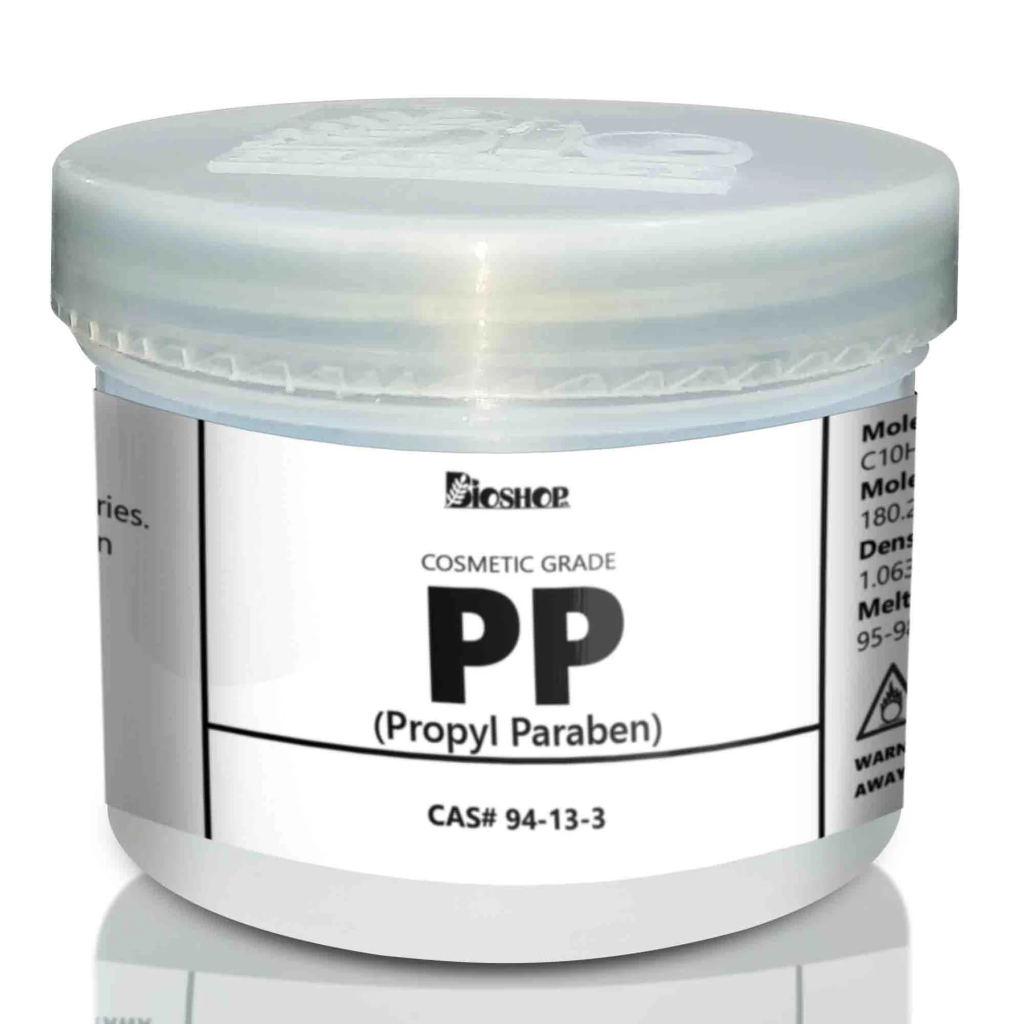
Why they’re harmful: Parabens are preservatives that prevent bacterial growth. Research has linked them to endocrine disruption (they can mimic estrogen in the body). Multiple studies have detected parabens in human breast tissue, raising concerns about long-term exposure. For women over 50, whose hormonal landscape is already changing, avoiding unnecessary endocrine disruptors is wise.
Where they’re found: Shampoos, conditioners, styling creams, leave-in treatments, body washes
What to look for instead: Paraben-free preservatives like Phenoxyethanol, Sodium Benzoate, or Potassium Sorbate
How to spot them: Look for any ingredient ending in “-paraben” (Methylparaben, Propylparaben, Butylparaben, Ethylparaben)
Can you ever use them? No. There are safe, effective preservatives available. Parabens are unnecessary.
2. Phthalates
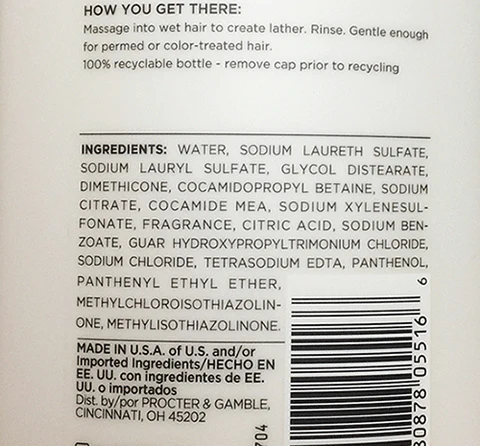
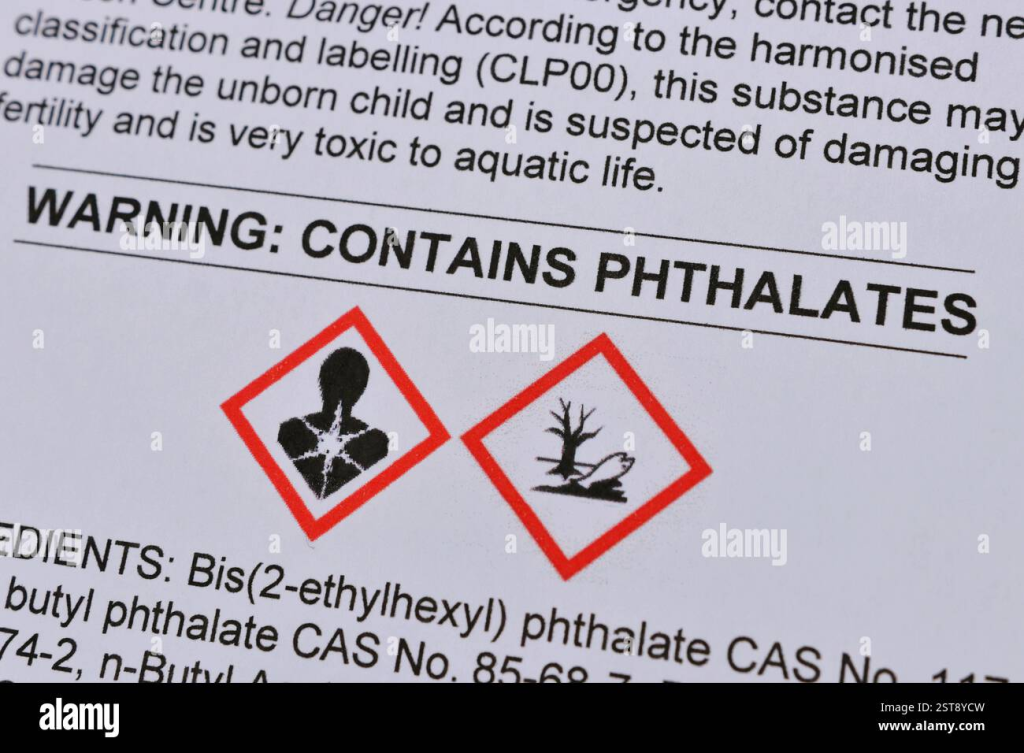
Why they’re harmful: Phthalates are used to make fragrances last longer and to make plastic packaging more flexible. They are known endocrine disruptors linked to reproductive issues and metabolic disorders. In hair products, they can be absorbed through the scalp. For women over 50, avoiding unnecessary hormone-disrupting chemicals is particularly important.
Where they’re found: Fragranced shampoos, conditioners, hair sprays, and styling products (hidden under “fragrance” or “parfum”)
What to look for instead: Phthalate-free fragrances (look for “phthalate-free” on the label) or products scented only with essential oils
How to spot them: Manufacturers aren’t required to disclose phthalates specifically. Look for “fragrance” or “parfum” on the label and choose products labeled “phthalate-free”
Can you ever use them? No. Because they’re rarely listed explicitly, the safest approach is to choose fragrance-free products or those certified phthalate-free.
3. Formaldehyde-Releasing Preservatives
Why they’re harmful: Some preservatives slowly release small amounts of formaldehyde over time to kill bacteria. These include DMDM Hydantoin, Quaternium-15, and Imidazolidinyl Urea. Formaldehyde is a known human carcinogen and skin irritant. For mature skin and scalps, which can be more sensitive, these ingredients can cause itching, burning, and allergic reactions.
Where they’re found: Many shampoos, conditioners, and styling products (especially “natural” brands trying to preserve without parabens)
What to look for instead: Formaldehyde-free preservatives like Phenoxyethanol, Caprylyl Glycol, or Ethylhexylglycerin
How to spot them: Look for DMDM Hydantoin, Quaternium-15, Diazolidinyl Urea, or Imidazolidinyl Urea
Can you ever use them? No. There are safer preservatives available. The risk of skin sensitization increases with age.
4. Coal Tar
Why it’s harmful: Coal tar is used in some dandruff shampoos and hair color products. It is a known human carcinogen. While effective for certain scalp conditions like psoriasis, the risks of long-term use outweigh the benefits, especially for women over 50.
Where it’s found: Medicated dandruff shampoos, some dark hair dyes
What to look for instead: Natural anti-dandruff ingredients like tea tree oil, pyrithione zinc, or selenium sulfide; for psoriasis, consult a dermatologist about safer prescription options
How to spot it: Look for “coal tar,” “coal tar solution,” or “solubilized coal tar extract”
Can you ever use it? No. If you need dandruff treatment, try zinc pyrithione or tea tree oil first. Consult a dermatologist if those don’t work.
5. Triclosan
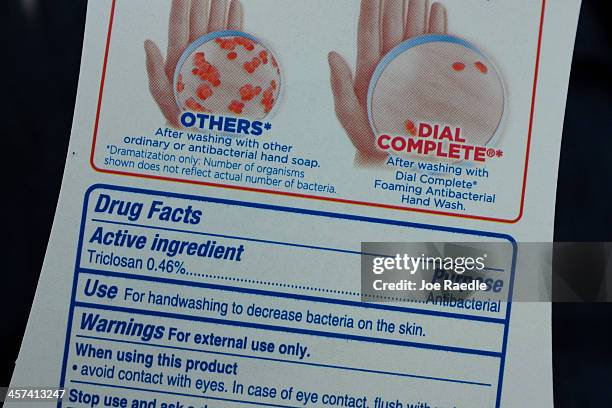
Why it’s harmful: Triclosan is an antimicrobial agent used in some shampoos and conditioners. It has been linked to endocrine disruption, antibiotic resistance, and environmental toxicity. The FDA has banned it from soaps, but it can still appear in some hair products.
Where it’s found: Some antibacterial shampoos, dandruff shampoos, and color-protecting products
What to look for instead: Natural antimicrobials like tea tree oil, rosemary oil, or thyme oil
How to spot it: Look for “triclosan” or “Microban”
Can you ever use it? No. The FDA ban on soaps reflects significant safety concerns.
6. Toluene
Why it’s harmful: Toluene is a solvent used in some aerosol hairsprays and color products. It can cause headaches, dizziness, and respiratory irritation. Chronic exposure has been linked to reproductive and developmental toxicity. For women over 50, avoiding unnecessary chemical exposure is wise.
Where it’s found: Aerosol hairsprays, some hair dyes, and nail products (can cross-contaminate)
What to look for instead: Toluene-free aerosol sprays or pump sprays; PPD-free hair dyes
How to spot it: Look for “toluene,” “methylbenzene,” or “phenylmethane” on the label
Can you ever use it? No. Pump sprays and toluene-free aerosols work just as well.
7. Resorcinol
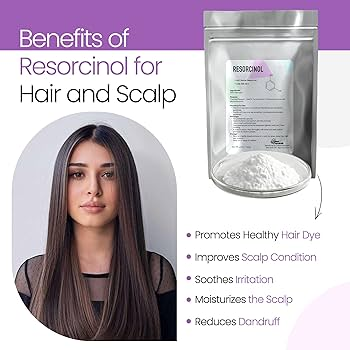
Why it’s harmful: Resorcinol is used in many hair dyes (especially darker shades) to help color penetrate the hair shaft. It’s a known skin irritant and allergen. There is also concern about its potential as an endocrine disruptor. For mature scalps that may be more sensitive, resorcinol can cause itching, burning, and redness.
Where it’s found: Dark hair dyes (browns, blacks, dark reds)
What to look for instead: Resorcinol-free hair dyes (many natural brands offer these; look for “PPD-free” and “resorcinol-free” on the label)
How to spot it: Look for “resorcinol” on the ingredient list of hair color products
Can you ever use it? No. There are safe, effective hair dyes without resorcinol. For women embracing their natural gray, these grey blending highlights in ash blonde offer safer color alternatives.
Group 2: Use with Caution (Occasional OK, Not for Daily Use)
These ingredients are problematic when used frequently but may be acceptable for occasional use (1–2 times per month) or in low concentrations. The key is frequency and concentration.
8. Sulfates (Sodium Lauryl Sulfate / SLS, Sodium Laureth Sulfate / SLES)
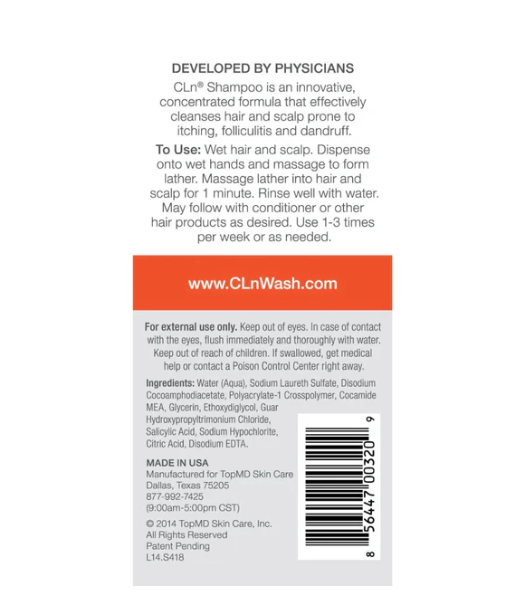
Why they’re problematic: Sulfates are harsh detergents that create rich lather. They strip away natural oils (sebum) that mature hair desperately needs. For women over 50, regular sulfate use can leave hair feeling straw-like, brittle, and more prone to breakage. They can also irritate a sensitive scalp.
Where they’re found: Most shampoos, especially clarifying and “volumizing” formulas
What to look for instead: Sulfate-free surfactants like Sodium Cocoyl Isethionate, Disodium Laureth Sulfosuccinate, or Coco Glucoside
How to spot them: Look for “Sodium Lauryl Sulfate” or “Sodium Laureth Sulfate” near the top of the ingredient list
When is it OK to use? Occasional clarifying (once a month) to remove buildup from other products. Do not use sulfates as your daily or weekly shampoo.
For whom is it worse? Fine, thin, color-treated, or dry hair. If your hair is thick, coarse, or oily, you may tolerate sulfates better, but they are still not ideal for mature hair.
9. Denatured Alcohol (SD Alcohol, Alcohol Denat.)
Why it’s problematic: Denatured alcohol helps products dry quickly and creates a lightweight feel. However, it is extremely drying to both hair and scalp. For mature hair that already struggles to retain moisture, denatured alcohol can cause frizz, breakage, and a straw-like texture.
Where it’s found: Hairsprays, mousses, gels, and some “volumizing” shampoos
What to look for instead: Fatty alcohols (which are actually moisturizing) like Cetyl Alcohol, Stearyl Alcohol, or Cetearyl Alcohol
How to spot it: Avoid “SD Alcohol,” “Alcohol Denat.,” “Isopropyl Alcohol,” or “Ethanol” near the top of the ingredient list. Fatty alcohols are safe.
When is it OK to use? Special occasions only (weddings, formal events). Do not use denatured alcohol products for daily styling.
10. Isopropyl Alcohol
Why it’s problematic: Isopropyl alcohol is a solvent and drying agent found in many hairsprays and styling products. Unlike fatty alcohols (which are moisturizing), isopropyl alcohol is extremely drying. For mature hair, it can cause frizz, breakage, and scalp irritation.
Where it’s found: Hairsprays, mousses, and some “quick-dry” styling products
What to look for instead: Fatty alcohols (cetyl, stearyl, cetearyl) or SD alcohol-free formulas
How to spot it: Look for “isopropyl alcohol,” “isopropanol,” or “2-propanol”
When is it OK to use? Occasional use only (similar to denatured alcohol). Not for daily styling.
11. Propylene Glycol
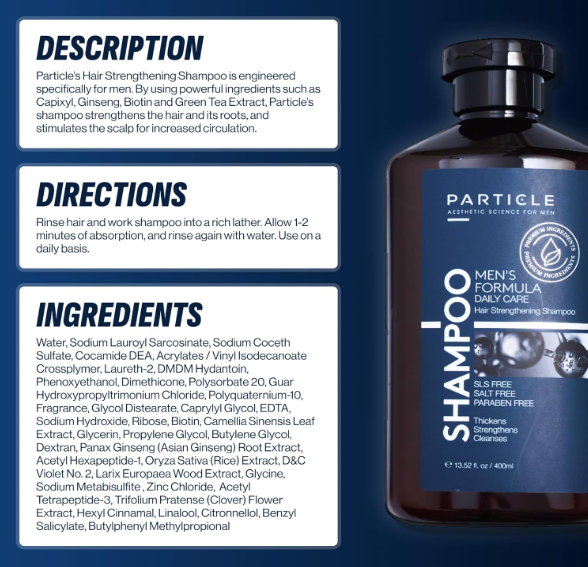
Why it’s problematic: Propylene glycol is a penetration enhancer that helps other ingredients absorb into the hair and scalp. While generally recognized as safe in small amounts, it can cause skin irritation, especially on sensitive or compromised skin. For mature scalps, it can lead to itching and burning, particularly with daily use.
Where it’s found: Conditioners, styling creams, leave-in treatments, and some shampoos
What to look for instead: Natural humectants like vegetable glycerin, propanediol (plant-derived), or aloe vera
How to spot it: Look for “propylene glycol,” “propane-1,2-diol,” or “PG”
When is it OK to use? Low concentration only (near the end of the ingredient list). If propylene glycol is in the first five ingredients, avoid the product. If it appears near the end, occasional use may be fine.
For whom is it worse? Women with sensitive scalps, eczema, or psoriasis.
Group 3: Depends on Your Hair Type
These ingredients are not universally harmful. Their effect depends on your specific hair texture and condition. Know your hair type before deciding.
12. Silicones (Dimethicone, Amodimethicone, Cyclopentasiloxane, anything ending in -cone, -conol, or -siloxane)
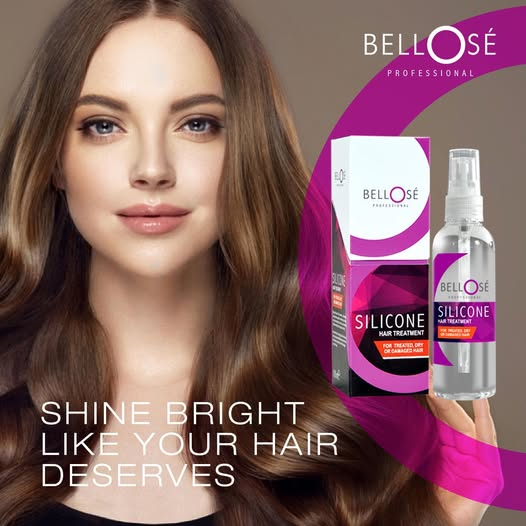
Why they’re controversial: Silicones coat the hair shaft, creating a temporary “smooth” feeling. This coating prevents moisture from penetrating and can build up over time, leaving hair looking dull and feeling heavy. However, for some hair types, this coating is beneficial.
Where they’re found: Conditioners, serums, heat protectants, “smoothing” shampoos
What to look for instead: Water-soluble conditioning agents like Cetearyl Alcohol, Behentrimonium Methosulfate, or natural oils (argan, jojoba)
How to spot them: Look for any ingredient ending in “-cone,” “-conol,” or “-siloxane” (Dimethicone, Amodimethicone, Cyclopentasiloxane)
For whom are they OK? Thick, coarse, curly, or damaged hair that needs smoothing and frizz control. Water-soluble silicones (like PEG-modified silicones) are better than non-soluble ones.
For whom should they avoid? Fine, thin, or aging hair. Silicones weigh fine hair down, making it look flatter and less voluminous. They also prevent moisture from penetrating already-dry mature hair.
Can you ever use them? If you have fine or thinning hair, avoid silicones entirely. If you have thick or curly hair, look for water-soluble silicones and use a clarifying shampoo (sulfate-free) monthly to remove buildup.
13. PEG Compounds (Polyethylene Glycol, ingredients with “PEG-” followed by a number)
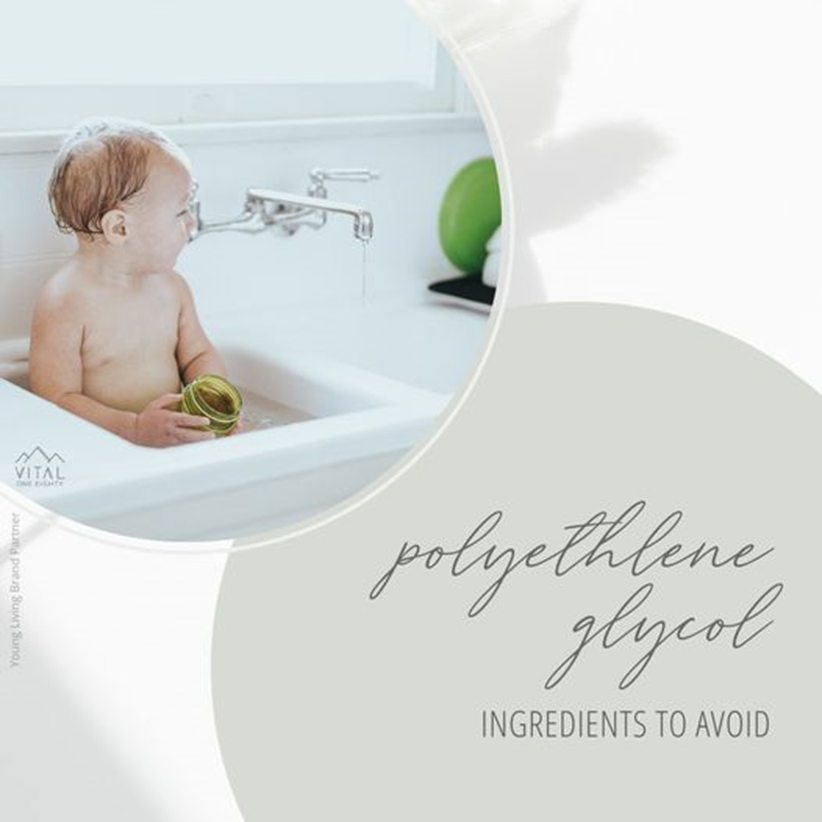
Why they’re controversial: PEGs are petroleum-based compounds used as thickeners, solvents, and moisture-carriers. The concern is that PEGs are often contaminated with ethylene oxide and 1,4-dioxane—both known carcinogens. The manufacturing process, not the ingredient itself, is the primary concern. Additionally, PEGs can strip moisture from hair.
Where they’re found: Creams, lotions, shampoos, conditioners, and styling products
What to look for instead: Natural humectants like glycerin, aloe vera, honey, or panthenol
How to spot them: Look for “PEG” followed by a number (PEG-40, PEG-100, etc.)
For whom are they OK? Hair that is not dry or brittle. Thick, oily, or young hair may tolerate PEGs.
For whom should they avoid? Dry, brittle, or aging hair. PEGs can strip moisture, making mature hair even drier.
14. Synthetic Fragrance (Parfum)
Why it’s controversial: The term “fragrance” or “parfum” on an ingredient label can hide dozens of undisclosed chemicals, including phthalates and synthetic musks. For women with sensitive scalps or allergies, synthetic fragrances are a common cause of contact dermatitis, itching, and flaking. However, for women without sensitivities, fragrance may cause no issues.
Where it’s found: Most scented hair products
What to look for instead: Fragrance-free products or products scented only with essential oils (though essential oils can also cause reactions in some people)
How to spot it: Look for “fragrance,” “parfum,” or “aroma” on the label. “Essential oil blend” is different and may be preferable.
For whom is it OK? Women with no history of scalp sensitivity, allergies, eczema, or psoriasis. If your scalp has never reacted to scented products, synthetic fragrance may be fine for you.
For whom should they avoid? Women with sensitive scalps, known allergies, eczema, or psoriasis. Also avoid if you experience unexplained itching or flaking.
15. EDTA (Disodium EDTA, Tetrasodium EDTA, Calcium Disodium EDTA)
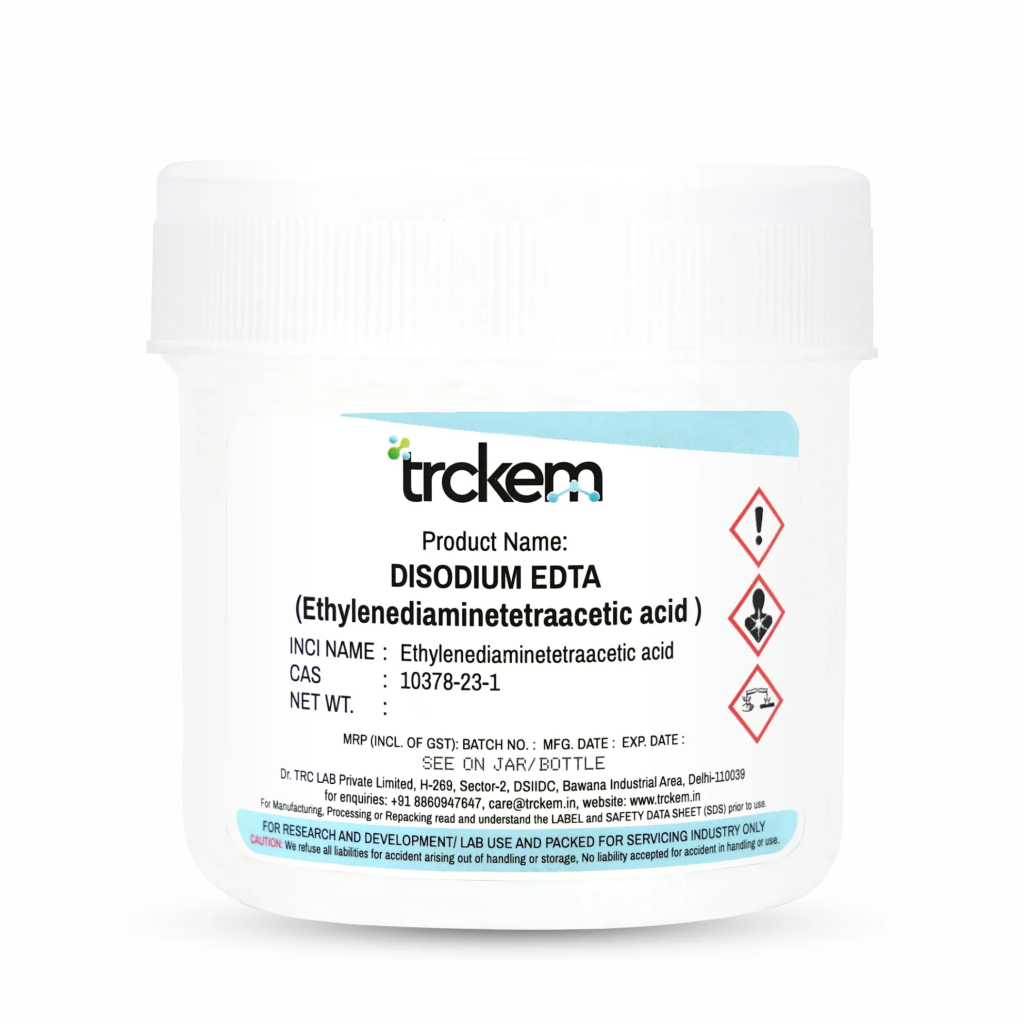
Why it’s controversial: EDTA is a chelating agent used to prevent ingredients from reacting with minerals in water. While not highly toxic, EDTA is slow to biodegrade and can be a skin irritant. It can also strip hair of beneficial minerals. However, it is generally safe in low concentrations.
Where it’s found: Many shampoos, conditioners, and color-treated hair products
What to look for instead: Natural chelating agents like citric acid or sodium phytate
How to spot it: Look for “EDTA,” “Disodium EDTA,” “Tetrasodium EDTA,” or “Calcium Disodium EDTA”
For whom is it OK? Most women, if EDTA is low on the ingredient list (near the end). The concentration matters more than the presence.
For whom should they avoid? Women with extremely sensitive scalps or those who experience irritation. Also avoid if EDTA is in the first five ingredients.
Quick Reference: Ingredients to Avoid – At a Glance
| Ingredient | Group | Occasional OK? | Depends on Hair Type? |
|---|---|---|---|
| Parabens | Always Avoid | ❌ | ❌ |
| Phthalates | Always Avoid | ❌ | ❌ |
| Formaldehyde-releasers | Always Avoid | ❌ | ❌ |
| Coal Tar | Always Avoid | ❌ | ❌ |
| Triclosan | Always Avoid | ❌ | ❌ |
| Toluene | Always Avoid | ❌ | ❌ |
| Resorcinol | Always Avoid | ❌ | ❌ |
| Sulfates | Use with Caution | ✅ (once/month) | ❌ |
| Denatured Alcohol | Use with Caution | ✅ (special events) | ❌ |
| Isopropyl Alcohol | Use with Caution | ✅ (special events) | ❌ |
| Propylene Glycol | Use with Caution | ✅ (low concentration) | ❌ |
| Silicones | Depends on Hair | ❌ | ✅ (avoid if fine/thinning) |
| PEG Compounds | Depends on Hair | ❌ | ✅ (avoid if dry/brittle) |
| Synthetic Fragrance | Depends on Hair | ❌ | ✅ (avoid if sensitive) |
| EDTA | Use with Caution | ✅ (low on list) | ❌ |
How to Read a Hair Product Label
- Ignore marketing claims – “Natural,” “organic,” and “clean” are not regulated terms. Always check the ingredient list.
- Look at the first 5 ingredients – These make up the majority of the product. If a harmful ingredient is in the top 5, avoid the product.
- Longer ingredient lists aren’t necessarily bad – But they offer more opportunities for problematic additives.
- “Fragrance” is a loophole – Companies can hide dozens of chemicals under this single word. If you have sensitive skin, choose fragrance-free.
- Look for certifications – EWG Verified, MADE SAFE, and USDA Organic have stricter standards.
- Know your hair type – Some ingredients (like silicones) are fine for thick hair but terrible for fine hair.
- Test on a small area first – Even “safe” products can cause reactions on sensitive mature scalps.
How to Make Your Own Decision
Ask yourself these four questions before purchasing a product:
- How often will I use this product?
Daily? Weekly? Once a month? The less frequent, the more you can tolerate “Use with Caution” ingredients. - Where is the ingredient on the list?
Top 5 = high concentration (avoid). Bottom 5 = low concentration (may be acceptable). - What is my hair type?
Fine/thinning = avoid silicones and heavy ingredients. Thick/coarse = more tolerance. - Do I have scalp sensitivity?
Yes = avoid fragrance, parabens, formaldehyde-releasers, and limit sulfates/alcohols. No = more tolerance.
What “Avoid” Really Means for Women Over 50
| Ingredient Group | Practical Advice |
|---|---|
| Always Avoid | Do not buy products containing these ingredients at all. Read every label. |
| Use with Caution | One product containing these ingredients (used occasionally) is unlikely to cause harm. But do not use multiple products with these ingredients daily. |
| Depends on Your Hair | Know your hair type. If you have fine, thinning, or aging hair, avoid silicones and PEGs. If you have thick or curly hair, they may be fine. |
Safe Alternatives for Common Product Types
| Product Type | Problematic Ingredients | Safer Alternatives |
|---|---|---|
| Shampoo | Sulfates, parabens, formaldehyde-releasers | Sulfate-free surfactants (Coco Glucoside, Decyl Glucoside) |
| Conditioner | Silicones (for fine hair), propylene glycol, PEGs | Cetearyl alcohol, shea butter, aloe vera, natural oils |
| Styling products | Denatured alcohol, isopropyl alcohol, phthalates | Fatty alcohols, vegetable glycerin, aloe vera, essential oils |
| Hairspray | Denatured alcohol, phthalates, toluene | Water-based formulas, pump sprays, sugar-based polymers |
| Hair dye | Resorcinol, PPD, coal tar, ammonia | Vegetable dyes, henna, resorcinol-free formulas |
| Dandruff treatment | Coal tar, triclosan | Tea tree oil, rosemary oil, zinc pyrithione |
Final Thoughts
Ingredients to avoid in hair products for women over 50 is not a simple black-and-white list. Some ingredients (parabens, phthalates, formaldehyde-releasers) should be avoided completely. Others (sulfates, denatured alcohol) are problematic for daily use but may be acceptable occasionally. And some (silicones, PEGs, fragrance) depend entirely on your specific hair type and scalp sensitivity.
The key is knowing your hair, reading labels, and making informed choices. For women over 50 with fine, thinning, or aging hair, erring on the side of caution is wise. Your hair has earned the right to gentle, thoughtful care.

Leave a Reply