
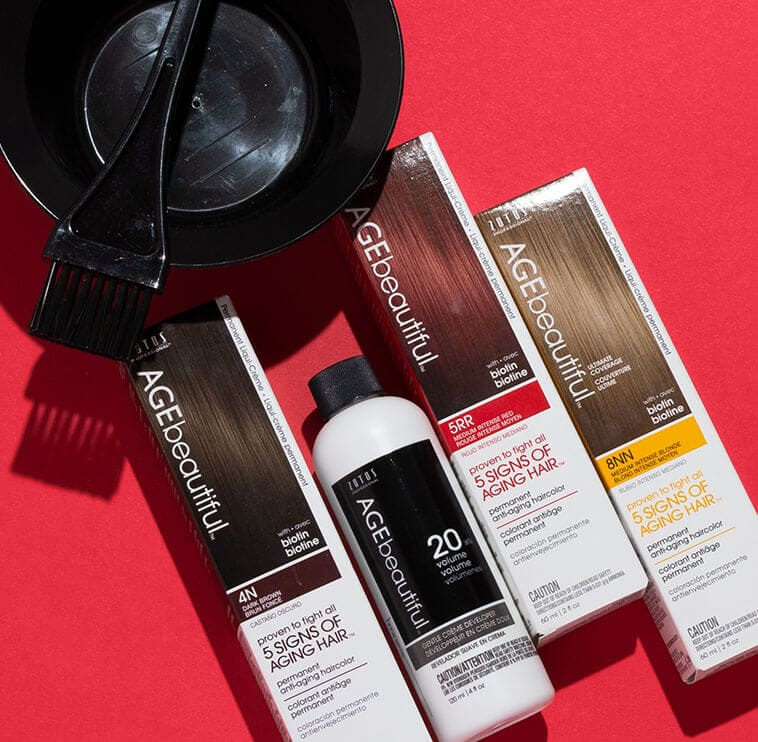
For women over 50, it’s tempting to reach for products labeled “anti-aging” hoping they will restore your youthful hair. But here’s what the industry doesn’t tell you: stop using anti-aging hair products as if they contain miracle ingredients—because most of them are simply regular hair products with a marketing upgrade . The term “anti-aging” on a shampoo bottle is not regulated by the FDA the way drug claims are . It’s a marketing term designed to make you feel like you need something special for your aging hair. In this guide, you’ll discover what “anti-aging” labels really mean, why the claims are often exaggerated, and what actually works for mature hair.
For women concerned about hair changes with age, these ingredients to avoid in hair products for women over 50 offer a complete guide to what’s actually in your bottles.
What “Anti-Aging” Actually Means (Spoiler: Not Much)
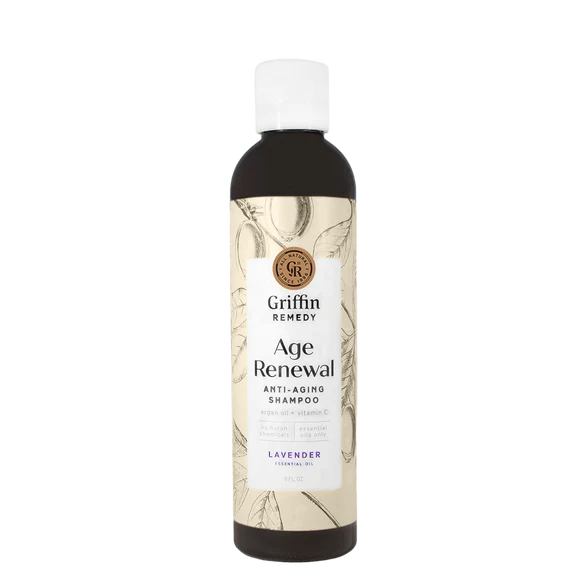
The term “anti-aging” is not intended to literally mean that a product prevents aging . Instead, it is understood by both the industry and consumers as describing a product that is designed to mitigate, mask, or soften certain cosmetic indicators that come with age—primarily graying, thinning, dullness, and brittleness .
The Legal Reality
Anti-aging claims have been challenged in court repeatedly. In fact, there have been at least 31 class action complaints filed alleging deceptive advertising of anti-aging products in the past five years . One notable case involved Alterna Caviar Anti-Aging Shampoo, which was sued for claiming to provide “anti-aging” benefits when, according to the complaint, the shampoo did not work as advertised .
The key legal distinction: cosmetics are not drugs and cannot claim to cure or reverse any condition. They can only claim to improve appearance .
For women with thinning hair, these haircuts for thinning hair men over 50 offer practical solutions that actually work.
The Truth: Anti-Aging Products = Regular Products with Fancy Labels
What the Science Says
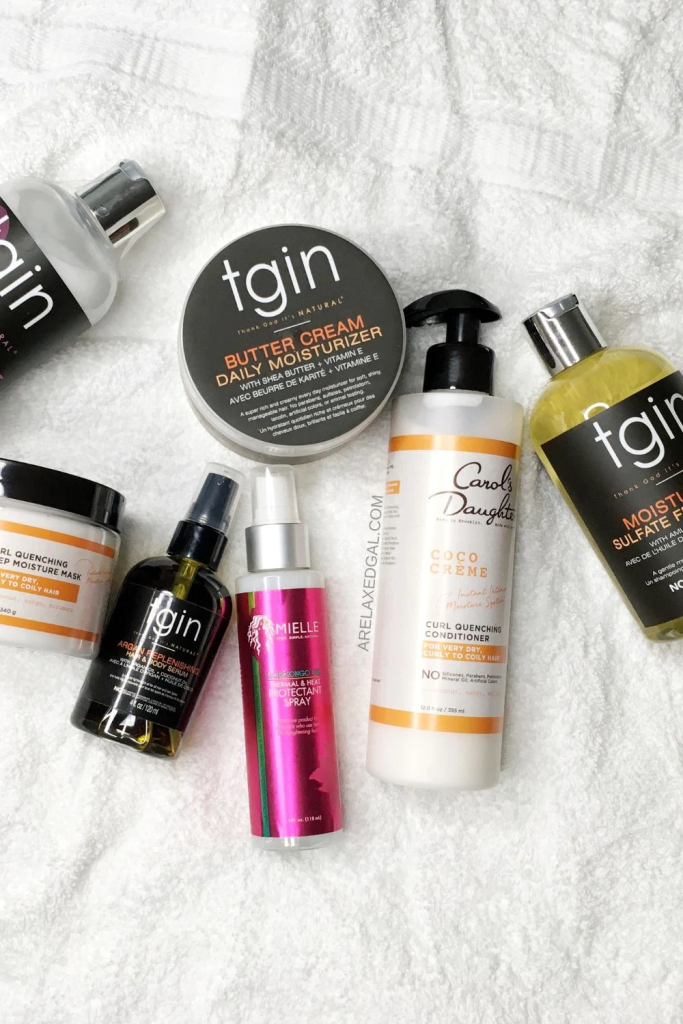
When researchers compared ingredient lists from anti-aging hair products to those without anti-aging claims, they found more similarities than differences . For example, if you compare the ingredients in Pantene Pro-V AgeDefy Shampoo to Pantene Pro-V Repair & Protect Shampoo (a non-anti-aging shampoo from the same line), the first several ingredients—which make up most of the product—are identical, and the rest are pretty similar .
The Expert Opinion
Dr. George Cotsarelis, chair of dermatology at the University of Pennsylvania, told the Wall Street Journal that he is skeptical of anti-aging hair product claims . “Topical products can change the hair’s appearance but not the follicle itself,” he cautions. “It’s like throwing gasoline on your car and expecting it to go” .
The Scientific Review
A 2025 comprehensive review of trichological (hair loss) shampoos found that out of 112 unique ingredients advertised as “active” against hair loss, a staggering 55.6% had no clinical trials whatsoever to support their claims . Only four ingredients—caffeine, adenosine, placental proteins, and melatonin—had any clinical evidence, and even that evidence was rated as low to moderate strength .
For women with fine hair, these low maintenance haircuts for women over 50 with fine hair offer realistic solutions.
What Your Hair Actually Needs After 50
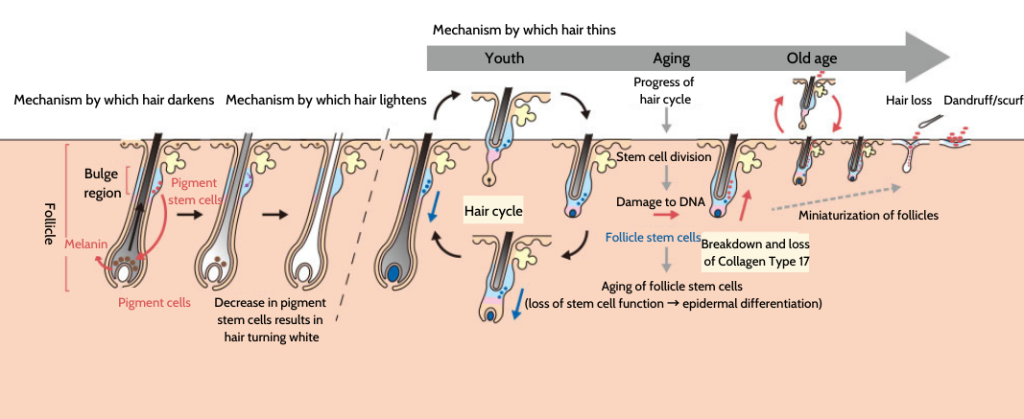
The truth is, aging hair doesn’t need “anti-aging” marketing. It needs specific, science-backed care.
What Actually Works
| What Hair Needs | Why | What to Look For |
|---|---|---|
| Moisture | Aging hair is drier; produces less natural oil | Glycerin, aloe vera, hyaluronic acid, fatty alcohols |
| Cuticle smoothing | Damaged cuticle causes frizz and dullness | Silicones (look for -cone endings), amino acids, ceramides |
| Strength | Hair becomes more fragile, prone to breakage | Hydrolyzed proteins (keratin, silk, wheat), peptides |
| Scalp health | Healthy follicle = healthy hair | Niacinamide, caffeine, zinc pyrithione |
| Gentle cleansing | Harsh sulfates strip already-dry hair | Sulfate-free surfactants (coco glucoside, decyl glucoside) |
The Shift to “Hair Longevity”
The beauty industry is moving away from vague “anti-aging” claims toward a more precise framework called “longevity” . Scientists have identified 12 distinct biological hallmarks of aging, and new ingredients are being developed to target specific hallmarks with clinical evidence .
This shift means that instead of “anti-aging” (a vague, unregulated term), you’ll start seeing products that address specific biological processes like cellular senescence, mitochondrial function, and oxidative stress . These claims will be backed by actual clinical evidence.
For women embracing their natural gray, these grey blending highlights in ash blonde offer color options that complement healthy hair care.
The Marketing Tricks to Watch For
“Anti-Aging” Doesn’t Mean What You Think
The term “anti-aging” is not regulated by the FDA. Any company can slap it on a bottle without any evidence. In legal terms, it’s understood as a product designed to reduce the appearance of aging, not to reverse the aging process itself .
“Clinically Proven” Is Often Vague
“Clinically proven” can mean a study on 10 people for two weeks. Look for specifics: how many participants? How long? Was it peer-reviewed? Was it published in a reputable journal?
“Active Ingredients” May Have No Evidence
The 2025 review found that 20 out of 36 ingredients repeatedly advertised as “active” against hair loss had no clinical trials whatsoever to support their claims . These ingredients are marketed based on theory, not evidence.
Natural ≠ Effective
Many “anti-aging” products boast about natural ingredients. But “natural” doesn’t mean “proven.” Stinging nettle, rosemary, and ginseng appear in many anti-aging shampoos, but the scientific evidence for their efficacy is low or nonexistent .
For women with heat-damaged hair, these stop flat ironing your gray hair insights help protect your strands.
What to Look for Instead of “Anti-Aging”
On the Label
| Instead of “Anti-Aging” | Look for This |
|---|---|
| Vague marketing claims | Specific ingredient names |
| “Clinically proven” without details | Study details (size, duration, publication) |
| “Active ingredients” | Ingredients with published evidence (caffeine, adenosine, minoxidil for hair loss) |
| “Anti-aging” | “Hydrating,” “strengthening,” “volumizing” (these are measurable claims) |
In the Ingredient List
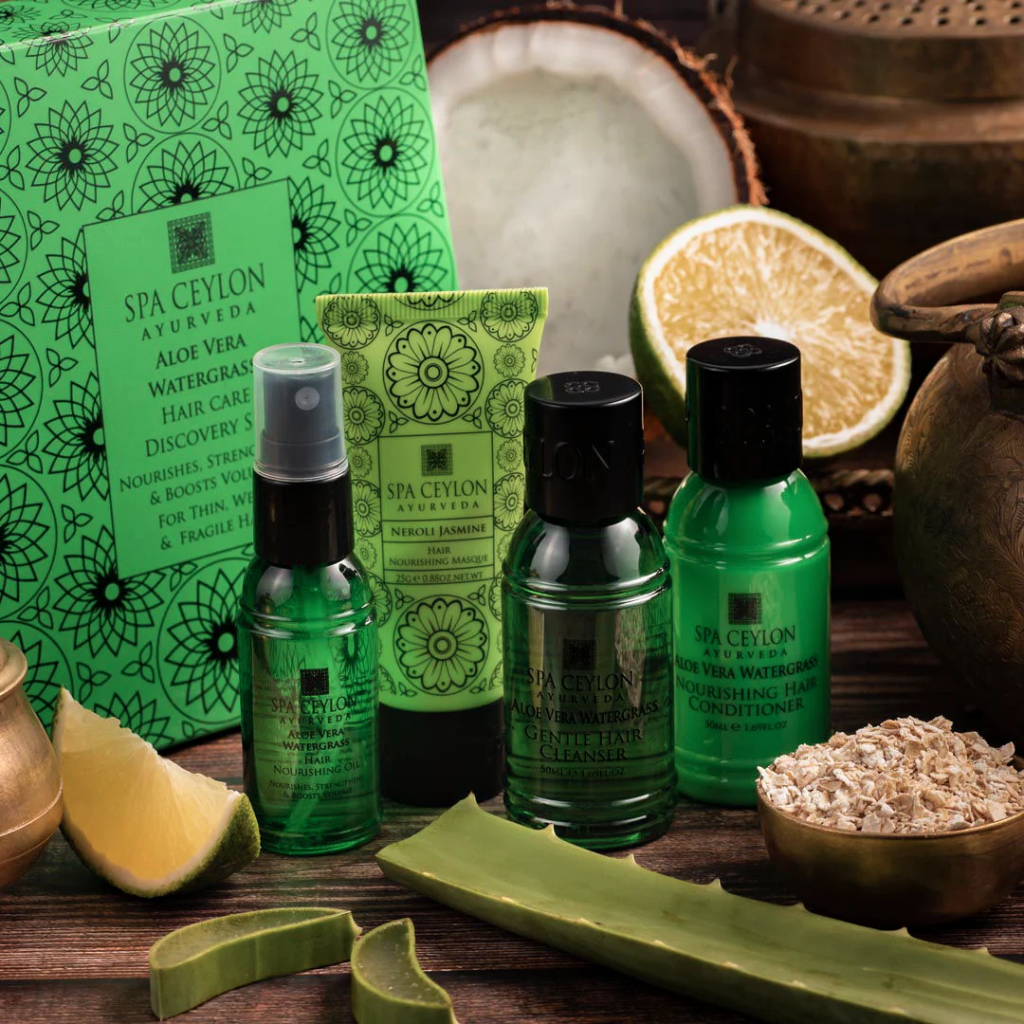
For moisture:
- Glycerin
- Aloe vera
- Hyaluronic acid
- Panthenol (pro-vitamin B5)
For strength:
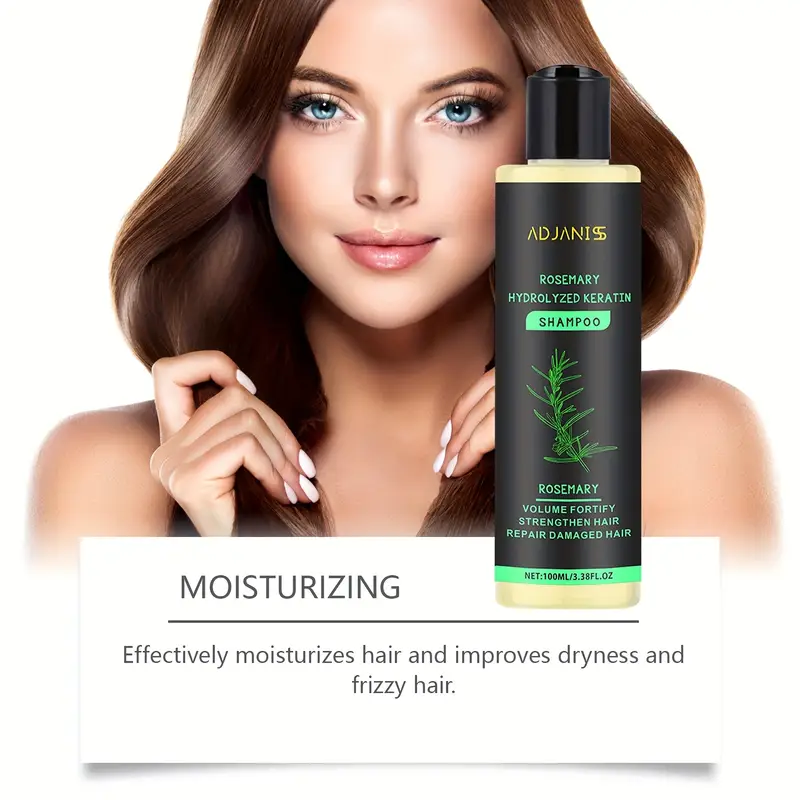
- Hydrolyzed keratin
- Hydrolyzed silk protein
- Hydrolyzed wheat protein
- Peptides
For scalp health:
- Caffeine (some evidence for hair growth)
- Niacinamide
- Zinc pyrithione (for dandruff)
For smoothness:
- Silicones (dimethicone, amodimethicone) – coat the hair to reduce frizz
- Fatty alcohols (cetyl, stearyl, cetearyl) – moisturizing, not drying
For women with frizzy hair, these how to get rid of frizzy hair over 50 solutions offer practical advice.
The Bottom Line
Anti-aging hair products are not inherently bad—they’re just not special. The same ingredients that hydrate, strengthen, and smooth your hair work regardless of whether the bottle says “anti-aging” or not .
What your aging hair really needs is:
- Moisture (glycerin, aloe, fatty alcohols)
- Gentle cleansing (sulfate-free)
- Protection from heat (lower temperatures, heat protectant)
- Regular trims (every 6–8 weeks)
Don’t pay extra for “anti-aging” marketing. Read the ingredient list instead. The truth is in the bottle, not the label.
And remember: your hair is going to age with or without specialized products. The best thing you can do is handle it gently, keep it moisturized, and ignore the marketing hype .
For women over 60 seeking simple, gentle hair care routines, these wash and wear haircuts for women over 60 minimize styling stress.

Leave a Reply