Category: Mom hairstyles

  • The Wolf Cut for Men Over 50: Modern Edge with Mature Sophistication

    The Wolf Cut for Men Over 50: Modern Edge with Mature Sophistication

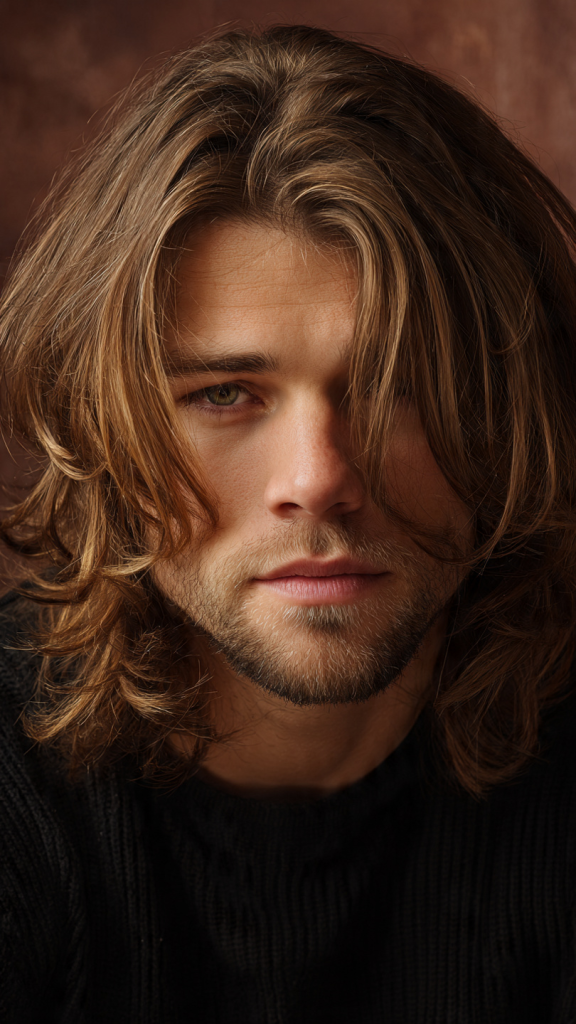
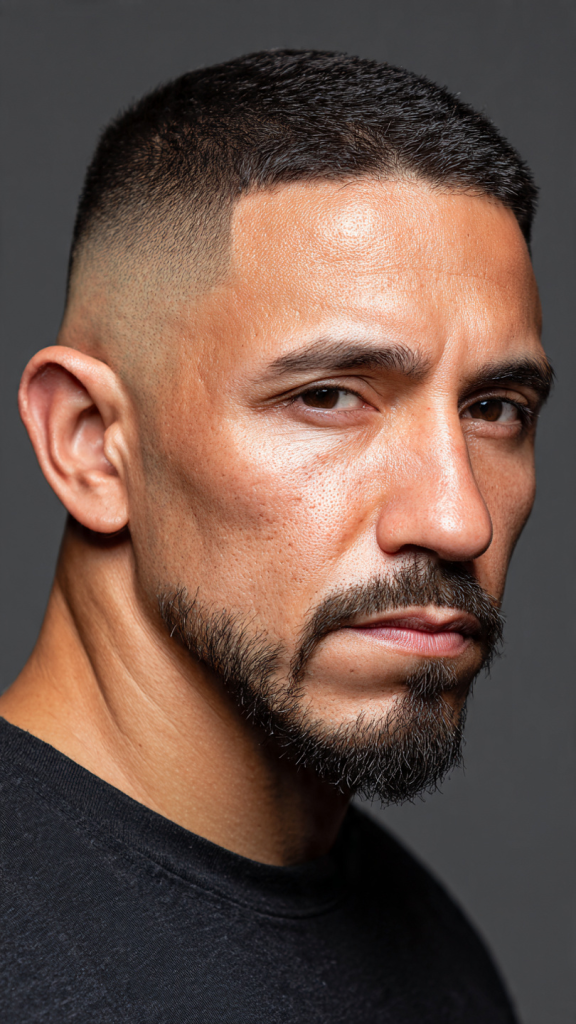
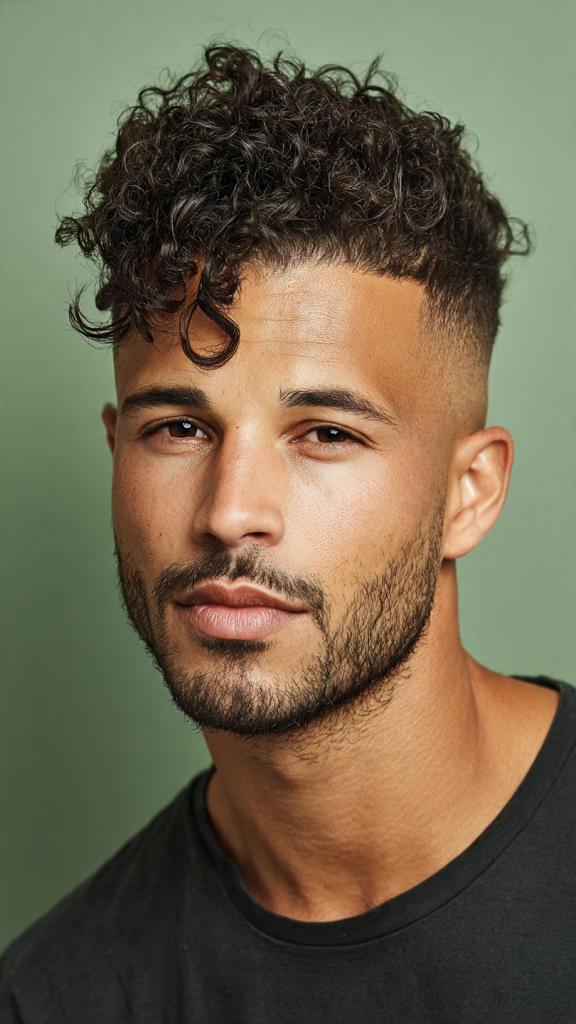
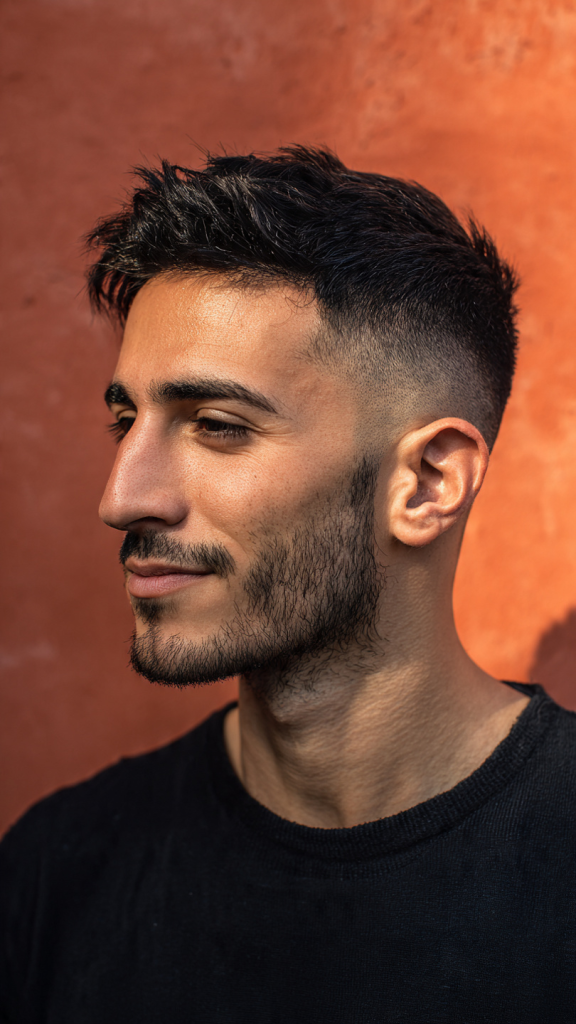
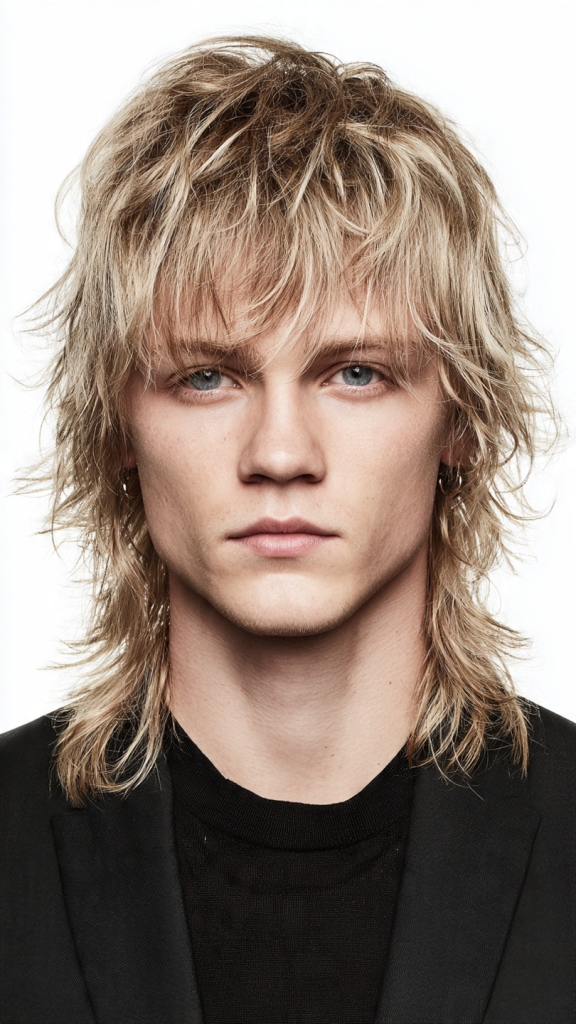
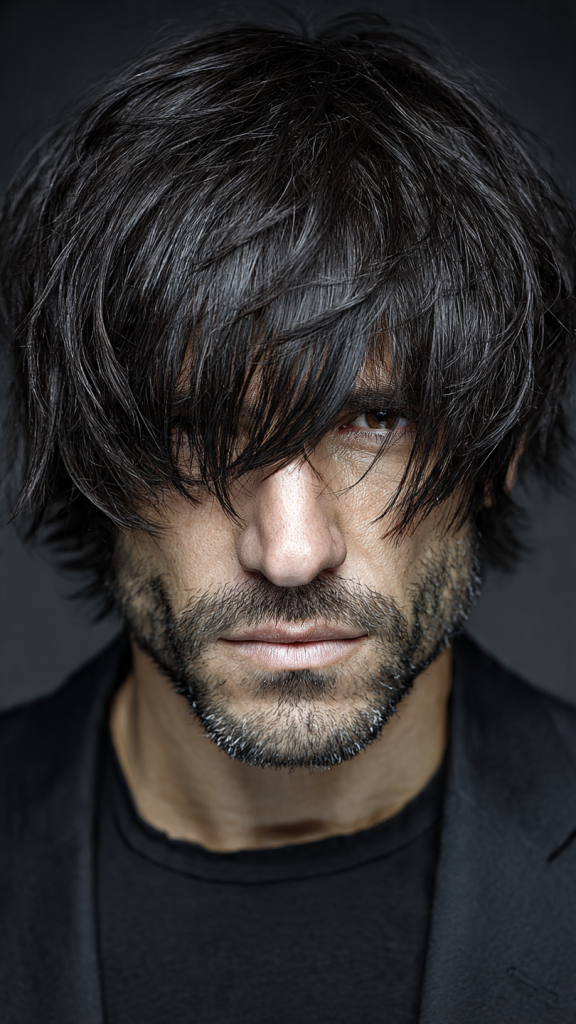
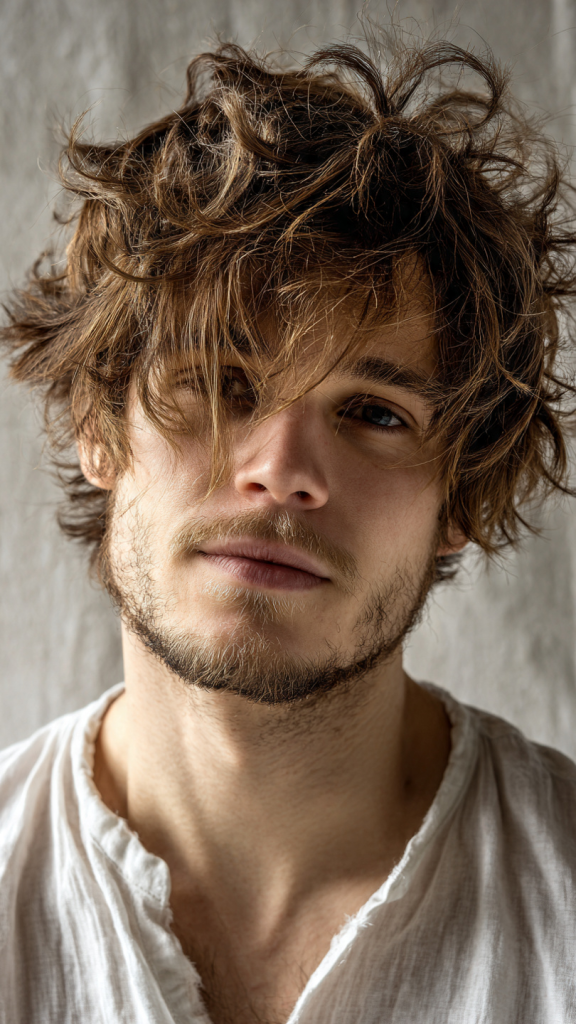
    For men over 50 who want a haircut that’s modern, textured, and effortlessly cool, the wolf cut offers the perfect balance of edge and sophistication. This viral style—a hybrid of a shag and a mullet—features shorter, choppy layers on top and at the crown, gradually transitioning into longer, wispier lengths in the back. The wolf cut creates volume where age-related thinning often occurs, softens facial features, and works beautifully with natural gray or silver strands. Unlike the extreme mullets of the past, today’s wolf cut is refined, wearable, and surprisingly age-appropriate. In this guide, you’ll discover 10 wolf cut variations for men over 50, each designed to flatter mature features, work with changing hair texture, and give you a confident, modern look. If you love textured, low-maintenance styles, these grown-out shag for men offer additional inspiration.


    Why the Wolf Cut Works for Men Over 50

    The wolf cut has evolved into a sophisticated, wearable style. Here’s why the wolf cut for men over 50 is so effective:

    • Creates volume at the crown – The shorter top layers lift at the roots, addressing age-related thinning
    • Softens facial features – The wispy, face-framing layers soften jawlines and forehead lines
    • Removes bulk where not needed – The shorter top reduces weight, while the longer back keeps length
    • Works with natural texture – Straight, wavy, or curly hair all take to the wolf cut beautifully
    • Camouflages graying roots – The textured, layered nature makes root regrowth less noticeable
    • Low maintenance – Designed to look intentional when slightly messy, requiring minimal daily styling
    • Modern but not “trying too hard” – Edgy enough to be current, refined enough for a mature man

    For men with thinning hair, the wolf cut’s layered structure can also create the illusion of density—similar to these haircuts for thinning hair men over 50.


    The 10 Wolf Cut Variations for Men Over 50

    1. The Classic Wolf Cut
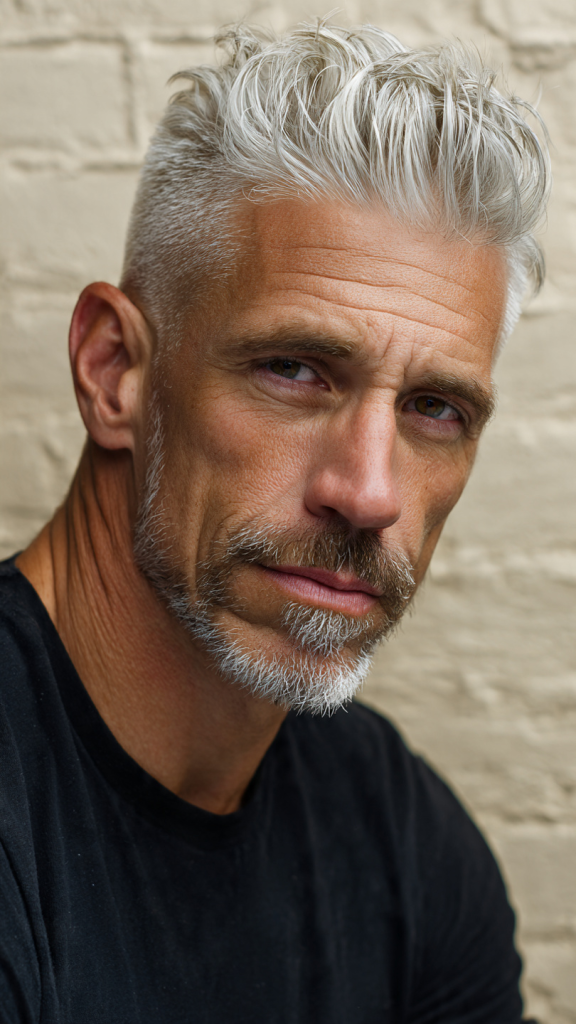
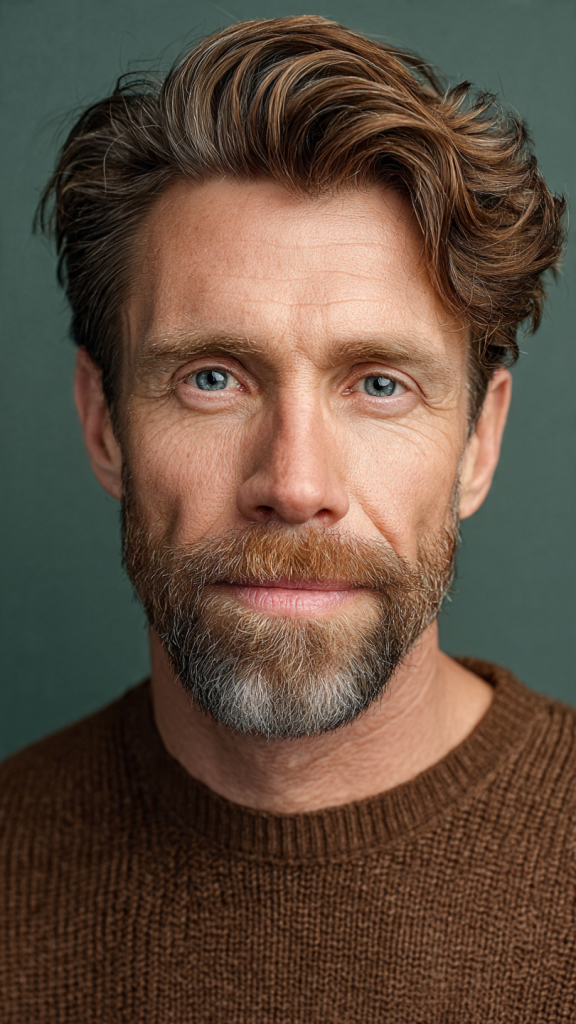
    Why it works: The classic wolf cut features dramatic short layers on top and at the crown, gradually transitioning into longer, choppy ends in the back. The length typically falls between the chin and shoulders. This original version works beautifully for men over 50 with medium to thick hair who want maximum volume and movement. The contrast between the short top and longer back is noticeable but not extreme.

    How to style it: Apply texturizing spray to damp hair. Blow-dry using your fingers, lifting at the crown for volume. Once dry, use a small amount of matte clay to piece out individual sections. The back can be left to air-dry or lightly tousled. The goal is lived-in texture—not perfection.

    Best face shapes: Oval, square, heart (most universally flattering)

    Maintenance needs: Trim every 6–8 weeks. The wolf cut improves with grow-out.

    For men with round faces who want slimming effects, these men’s haircuts for round face over 50 offer additional strategies.


    2. Curly Wolf Cut
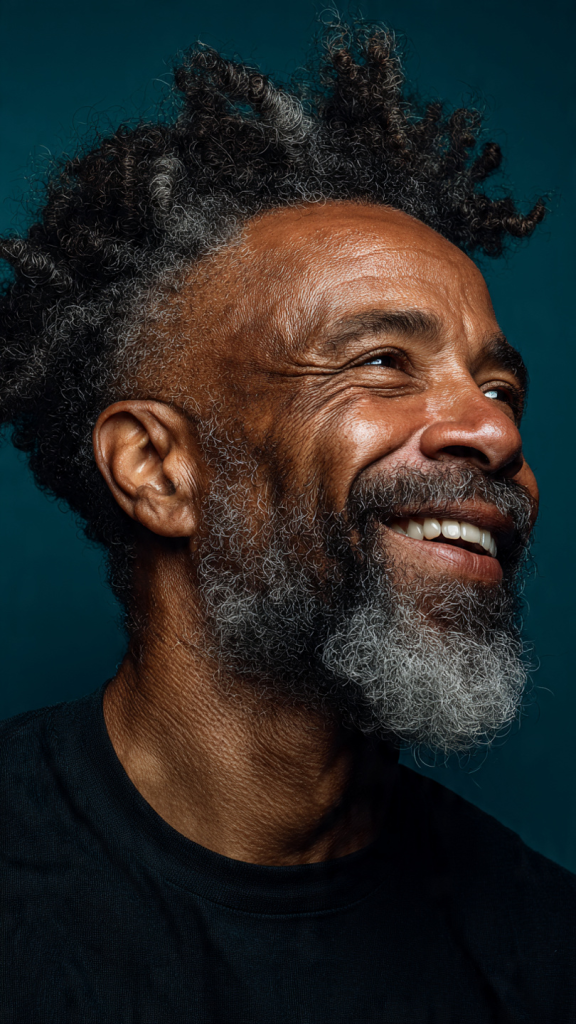
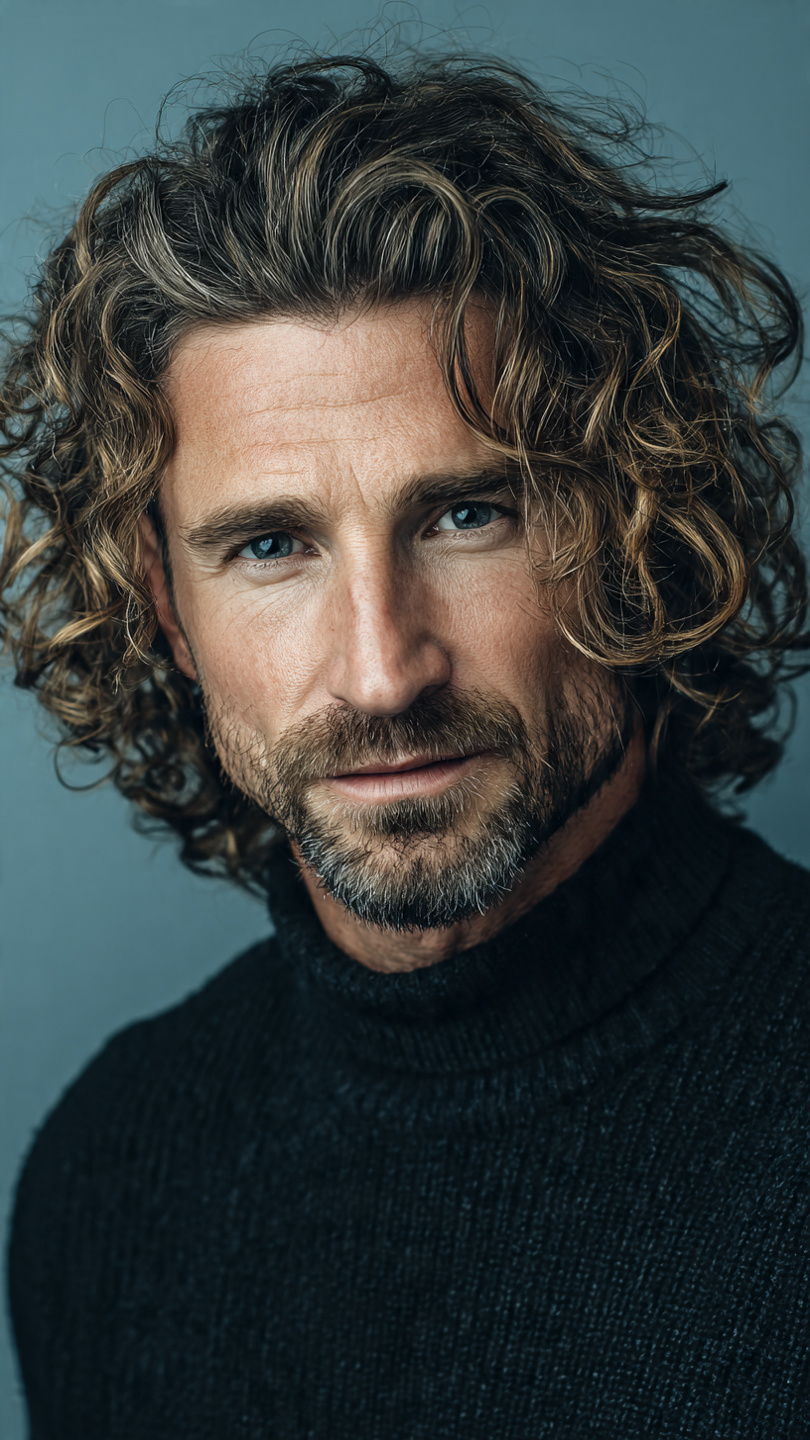
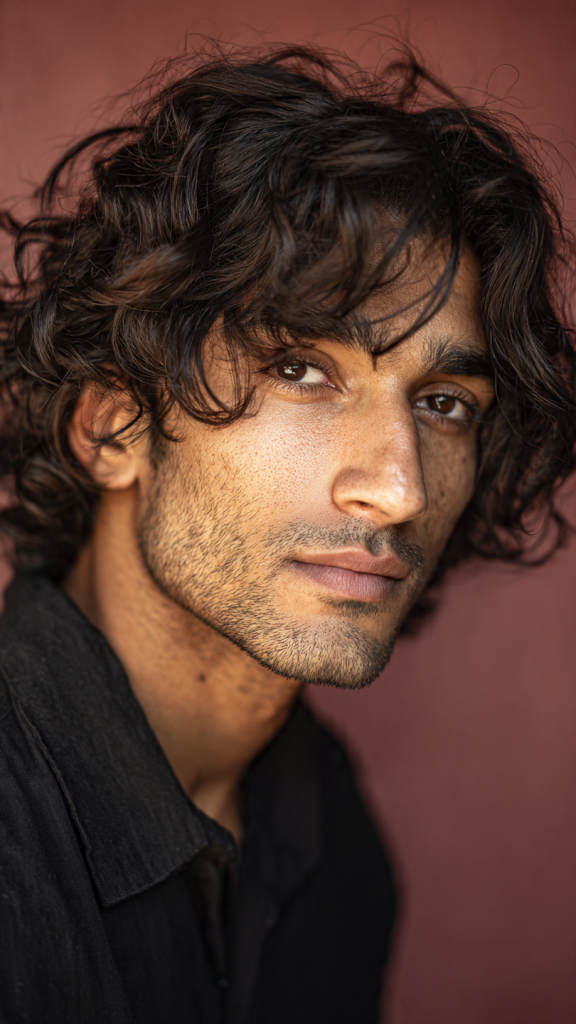
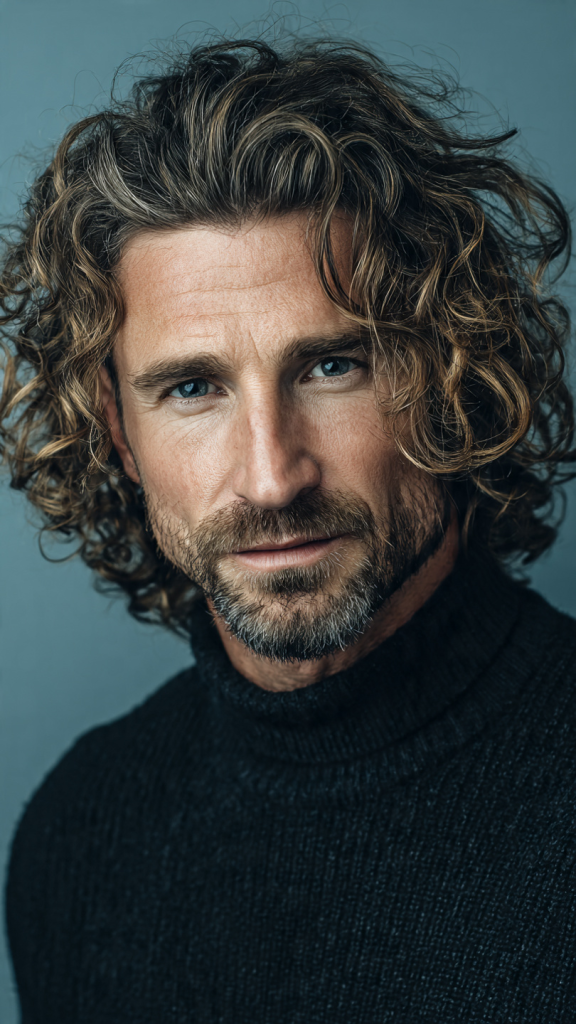
    Why it works: Curly hair was made for the wolf cut. The curly wolf cut features shorter, voluminous curls on top and at the crown, transitioning into longer, bouncier curls in the back. The layers remove weight, preventing the dreaded “triangle head” effect, while the length in the back allows curls to shine. For men over 50 with natural curls, this cut celebrates texture while keeping it manageable.

    How to style it: Apply leave-in conditioner and curl cream to soaking wet hair. Use a denman brush to define curl clumps. Scrunch vigorously with a microfiber towel. Air-dry completely or use a diffuser on low heat. Once dry, shake out at the roots. The shorter top curls should have more volume; the back curls should be longer and looser.

    Best face shapes: Oval, heart, round (curls soften angular features)

    Maintenance needs: Trim every 8–10 weeks (dry cut only). Curly hair hides grow-out well.

    For men with curly hair, these curly haircuts for men offer additional styling ideas.


    3. Wavy Wolf Cut
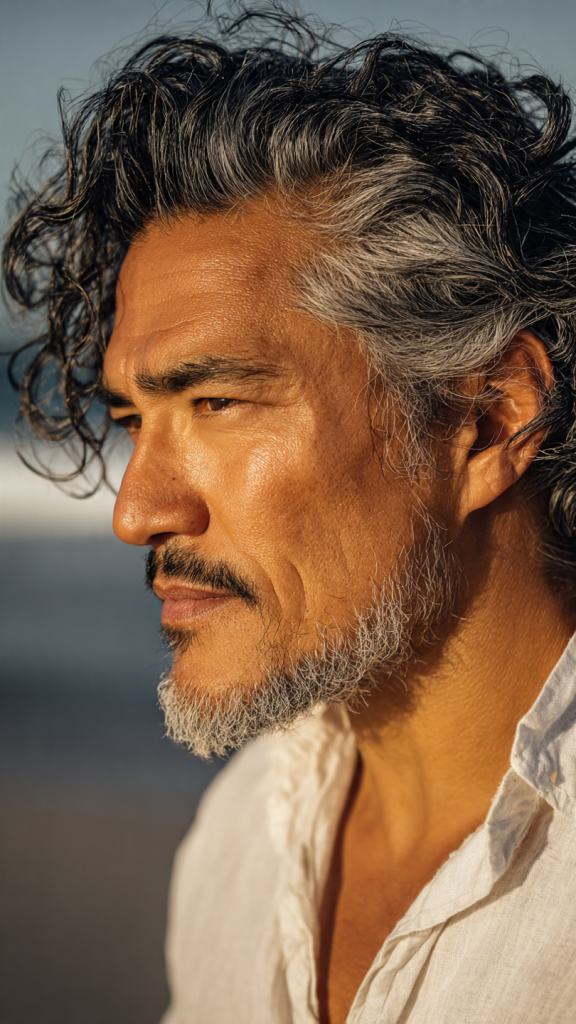
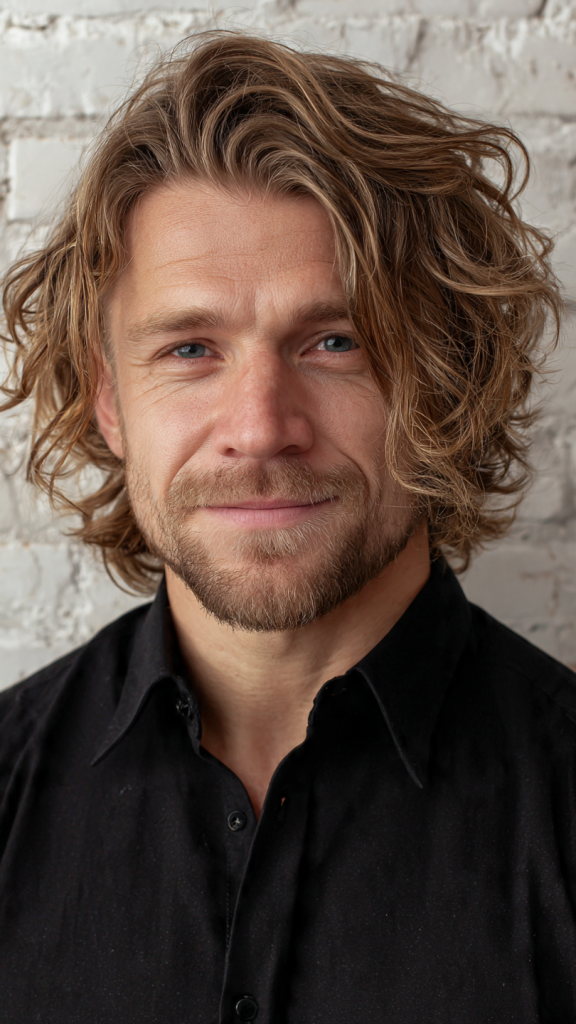
    Why it works: The wavy wolf cut is the sweet spot for men with natural 2B to 2C waves. The shorter waves on top create volume and lift, while the longer waves in the back cascade down gracefully. The waves interact with the choppy layers to create the perfect lived-in texture. This cut requires minimal styling—just scrunch and go.

    How to style it: Apply sea salt spray or wave-enhancing cream to damp hair. Scrunch section by section with a microfiber towel. Air-dry completely—about 30–40 minutes. Do not touch while drying. Once dry, shake out at the roots with your fingers. Never brush—use a wide-tooth comb only when wet.

    Best face shapes: All face shapes (most universally flattering wave pattern)

    Maintenance needs: Trim every 8–10 weeks. Waves hide grow-out beautifully.

    For men over 60 seeking effortless styles, these wash and wear haircuts for women over 60 offer universal low-maintenance ideas.


    4. Wolf Cut with Curtain Bangs
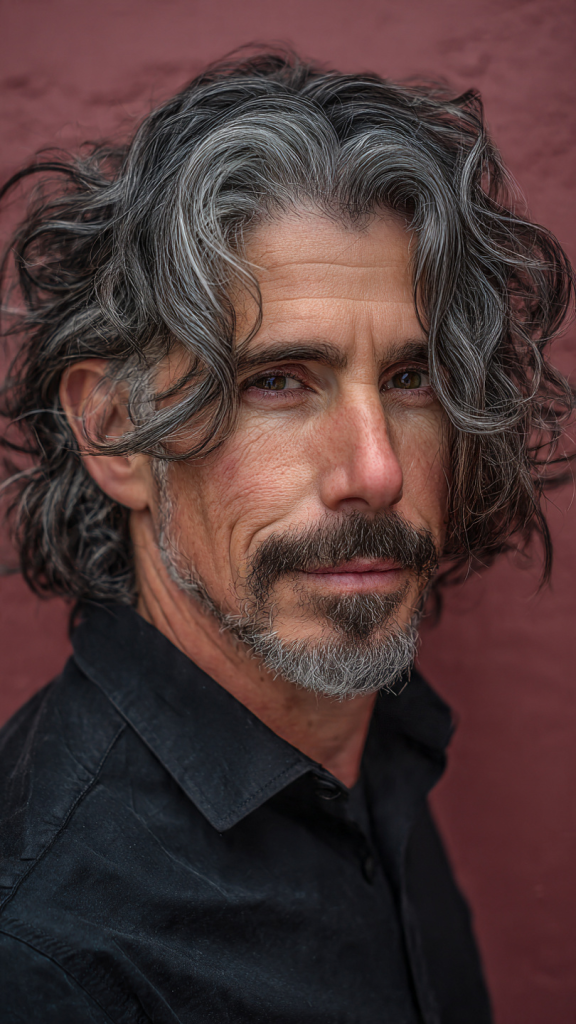
    Why it works: Adding curtain bangs to a wolf cut softens the overall look and creates beautiful face-framing. The bangs part in the middle and sweep to each side, blending seamlessly into the shorter top layers. This combination is especially flattering for men over 50 because it softens forehead lines, draws attention to the eyes, and adds a romantic, effortless feel to the edgy wolf cut silhouette.

    How to style it: Apply lightweight mousse to damp hair. Blow-dry the curtain bangs using a small round brush, rolling them away from your face. The rest of the wolf cut can be styled with your fingers—tousled and piecey. To refresh bangs on day two, mist with water and re-roll around a round brush with heat for 10 seconds.

    Best face shapes: Oval, heart, round (curtain bangs slim wider foreheads)

    Maintenance needs: Bangs trim every 3–4 weeks; wolf cut trim every 6–8 weeks

    For more face-framing inspiration, these curtain bangs for women over 50 offer universal styling techniques.


    5. Short Wolf Cut (Above Shoulders)
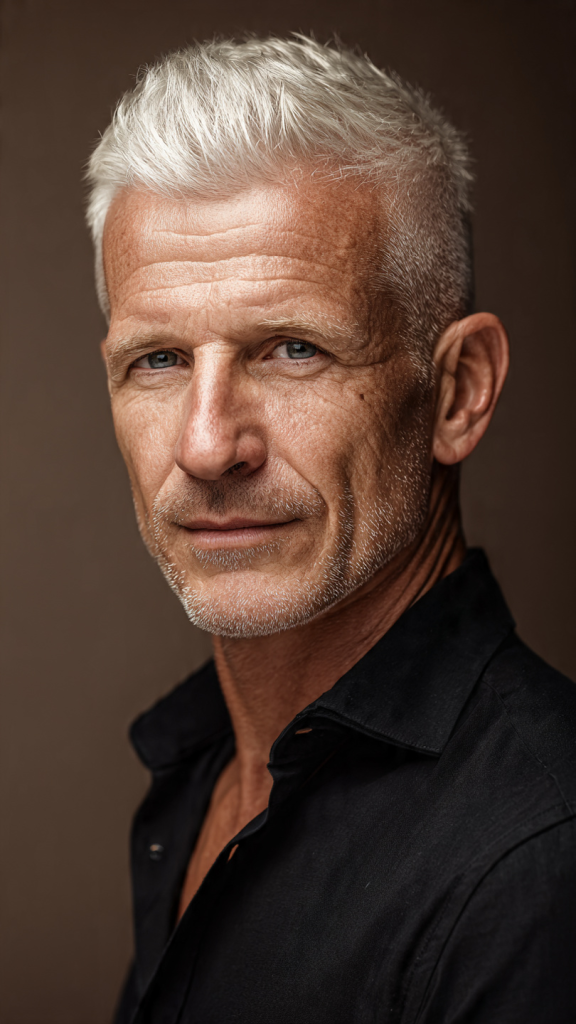
    Why it works: The short wolf cut keeps the entire cut above the shoulders, making it less dramatic and more office-appropriate while still maintaining the wolf cut’s signature shape. The top is shorter with volume, the sides are tapered, and the back extends just to the shoulders—no longer. This version is perfect for men who want edge but need a more conservative silhouette.

    How to style it: Apply texturizing spray to damp hair. Blow-dry using your fingers, lifting at the crown. The shorter length means it will dry in whatever direction it wants—embrace this. Use matte paste to piece out the ends. The wolf cut shape should be noticeable but subtle.

    Best face shapes: Oval, square, heart (the shorter length suits stronger bone structure)

    Maintenance needs: Trim every 5–6 weeks. The short shape needs regular upkeep.

    For plus size men seeking flattering options, these short haircuts for plus size women over 50 offer slimming ideas that apply universally.


    6. Wolf Cut for Fine Hair
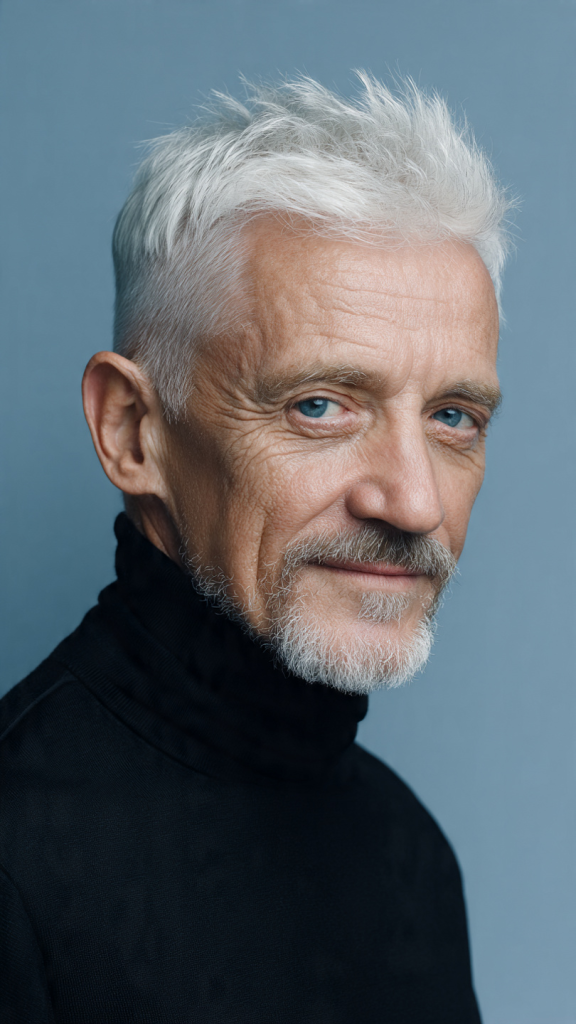
    Why it works: Men with fine hair can absolutely rock a wolf cut. The key is soft, subtle layers rather than dramatic choppiness. The shorter top layers create volume where fine hair needs it most, while the longer back pieces are kept wispy to avoid weighing down the cut. This version uses lighter layering to add movement without sacrificing density.

    How to style it: Apply volumizing mousse to damp roots. Blow-dry upside down to maximize lift at the crown. Use texturizing powder at the roots for grip. Avoid heavy products that will weigh fine hair down. The back should be lightweight and piecey. Finish with dry shampoo at the crown.

    Best face shapes: Oval, heart, round (the volume adds balance)

    Maintenance needs: Trim every 6–8 weeks. Keep the layering subtle—too much will make fine hair look wispy.

    For men with fine hair, these short hairstyles for thin fine hair offer additional density-building ideas.


    7. Wolf Cut for Thick Hair

    Why it works: The wolf cut is a game-changer for men with thick, heavy hair. The dramatic layering removes significant bulk while the rounded crown shape creates the illusion of lightness. The longer back pieces prevent the dreaded “triangle head” effect, making thick hair look styled rather than overwhelming.

    How to style it: Apply smoothing cream to damp hair. Blow-dry using a large round brush, lifting at the roots for volume. For an air-dry option, apply wave spray and scrunch—the layers will prevent the hair from getting too puffy. Finish with shine serum on the ends only.

    Best face shapes: All face shapes (removes bulk while keeping shape)

    Maintenance needs: Trim every 6–8 weeks. Thick hair holds layers well but needs regular upkeep.

    For men with thick hair, these medium length hairstyles for thick hair offer additional shaping ideas.


    8. Wolf Cut with Tapered Sides
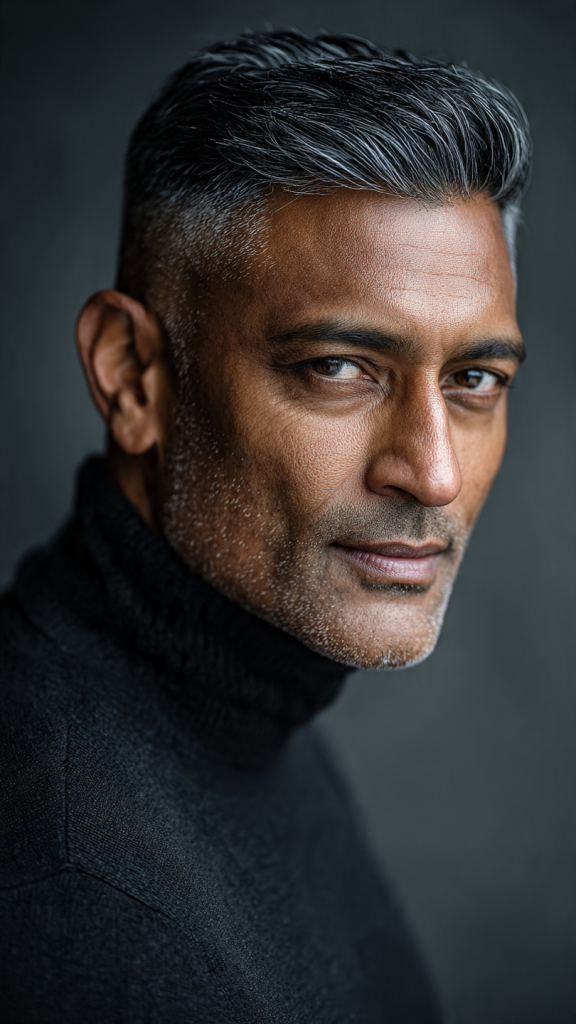
    Why it works: For a slightly more structured and neat look, consider a wolf cut with tapered sides. The hair near the ears is cut shorter and gradually gets longer as it moves toward the top and back, creating a cleaner line. This version is great for reducing bulk around the ears and gives the overall look a more tailored, sophisticated feel while maintaining the wolf cut’s signature shape.

    How to style it: Apply styling cream to damp hair on top only. Use a small round brush to lift the crown while blow-drying. The tapered sides need only a quick towel-dry. Run wax through the top length for separation, pushing it slightly forward or to the side. The back should remain longer and piecey.

    Best face shapes: Oval, square, oblong (the clean lines suit sharper features)

    Maintenance needs: Top trim every 6–8 weeks; tapered sides need refreshing every 4 weeks


    9. Wolf Cut with Subtle Color Accents
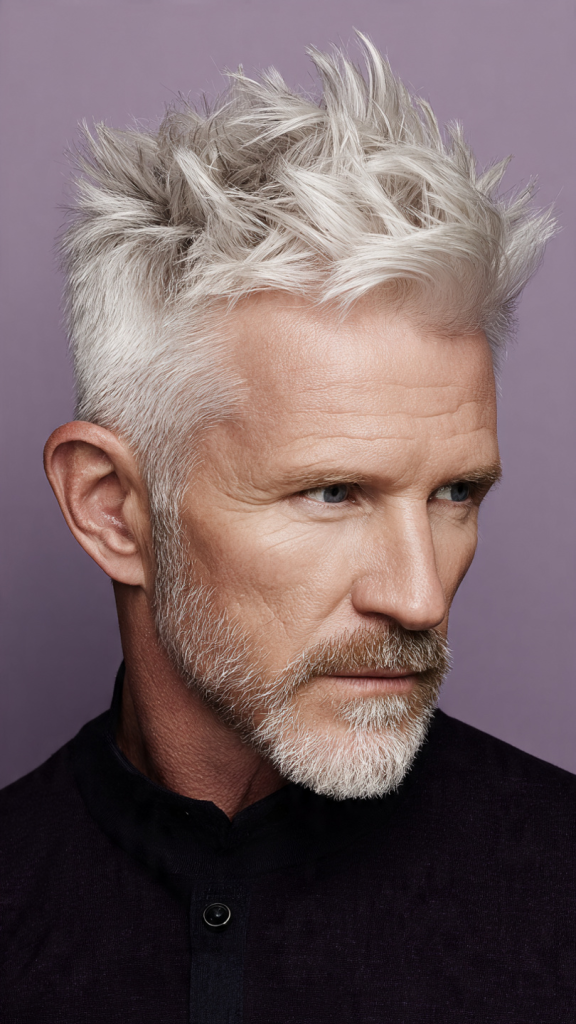
    Why it works: Adding subtle color accents—a few lighter pieces around the face or through the crown—elevates the wolf cut from casual to distinctive. For men with gray or silver hair, adding platinum or silver highlights adds dimension and modernity. For darker hair, subtle caramel or ash tones woven through the layers make the wolf cut’s shape pop.

    How to style it: Style your wolf cut as usual. The color will naturally enhance the layers. For best visibility of the cut’s shape, style with texture and separation—smooth styles hide the cut’s architecture. Use purple shampoo to maintain cool tones on gray hair.

    Best face shapes: All face shapes (color adds dimension regardless of cut)

    Maintenance needs: Wolf cut trim every 6–8 weeks; color touch-up every 8–12 weeks

    For those blending grays with color, these grey blending highlights in ash blonde offer cool, sophisticated options.


    10. Silvery Wolf Cut (Embracing Gray)
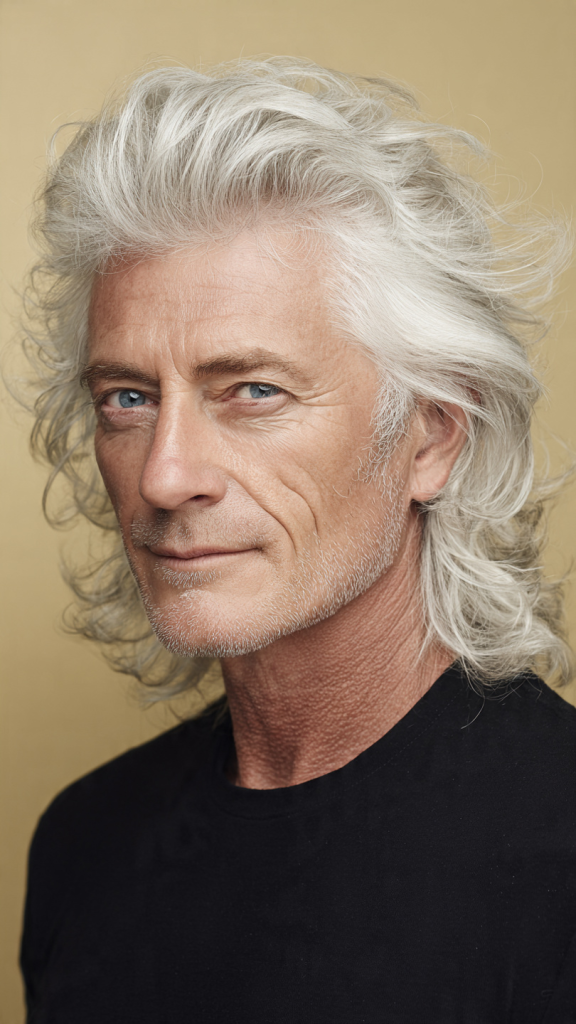
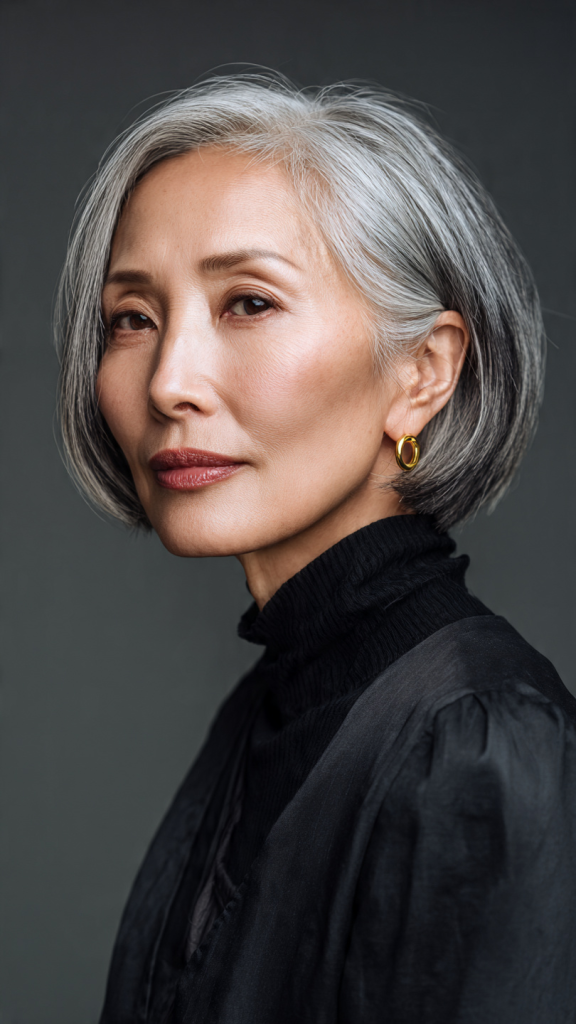
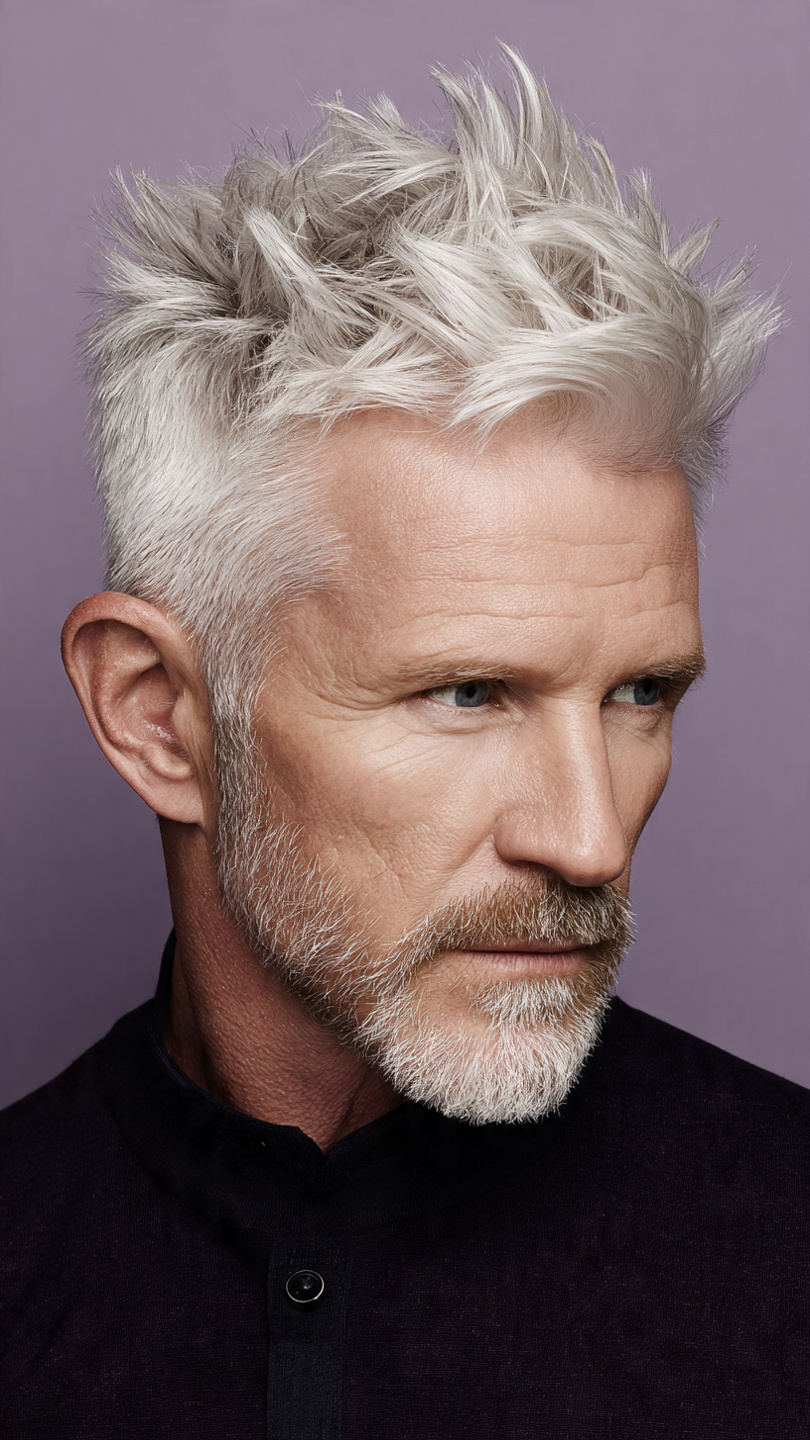
    Why it works: For men embracing their natural silver or gray hair, the wolf cut is a stunning choice. The layered texture adds dimension to silver strands, making them look luminous rather than flat. The contrast between the shorter top layers and longer back creates visual interest that enhances the natural variations in gray hair. This is a sophisticated, low-maintenance way to celebrate your silver while rocking an edgy cut.

    How to style it: Style your wolf cut as usual. Use purple shampoo once weekly to prevent yellowing and keep silver bright. For added shine, use a silver-enhancing gloss every 2–3 weeks. The layered texture will catch the light beautifully, making your silver stand out. Avoid heavy products that can make gray hair look dull.

    Best face shapes: All face shapes (silver adds elegance to any style)

    Maintenance needs: Trim every 6–8 weeks; tone every 4–6 weeks to maintain cool silver


    How to Style the Wolf Cut for Men Over 50

    Styling the wolf cut is intentionally low-maintenance. Here’s your daily roadmap:

    • Embrace texture – The wolf cut looks best when it’s slightly messy. Use texturizing spraysea salt spray, or dry shampoo to add grip and separation.
    • Focus on crown volume – The signature of the wolf cut is volume at the crown. Blow-dry the crown section upward with a small round brush, or add texturizing powder for instant lift.
    • Keep the back piecey – The longer back sections should look wispy and separated, not heavy or blunt. Use dry wax or matte paste on the ends to define individual pieces.
    • Air-dry when possible – The wolf cut is designed to look great with minimal heat. Apply product to damp hair, scrunch, and let it air-dry.
    • Create bends, not curls – For straight hair, use a 1-inch curling iron to create random bends throughout the back section only. Alternate directions for a natural look.
    • Refresh with water – On non-wash days, mist your hair with plain water from a spray bottle. Re-scrunch and go. Water reactivates the original products.
    • Sleep on a satin pillowcase – A satin pillowcase preserves your texture and prevents frizz.
    • Avoid heavy products – Butters, oils, and heavy creams will weigh down the choppy layers. Stick to lightweight sprays, mousses, and powders.
    • For silver hair – Use purple shampoo once weekly to prevent yellowing and keep silver bright.

    Quick Maintenance Cheat Sheet

    StyleTrim FrequencySpecial Notes
    Classic Wolf Cut6–8 weeksMost versatile option
    Curly Wolf Cut8–10 weeks (dry cut)Always cut dry for curls
    Wavy Wolf Cut8–10 weeksWaves hide grow-out well
    Wolf Cut with Curtain BangsBangs: 3–4 weeks; Cut: 6–8 weeksBangs require frequent trims
    Short Wolf Cut (Above Shoulders)5–6 weeksShortest interval on this list
    Wolf Cut for Fine Hair6–8 weeksKeep layering subtle
    Wolf Cut for Thick Hair6–8 weeksRemoves bulk effectively
    Wolf Cut with Tapered SidesTop: 6–8 weeks; Sides: 4 weeksTaper requires precision
    Wolf Cut with Subtle Color AccentsCut: 6–8 weeks; Color: 8–12 weeksColor adds dimension
    Silvery Wolf Cut6–8 weeksTone every 4–6 weeks

    Final Thoughts

    The wolf cut for men over 50 proves that age is no barrier to modern, textured style. Whether you choose a classic version, a curly interpretation, or a silvery gray style, the key is embracing texture, volume, and individuality. This cut celebrates what you have—whether that’s fine hair needing lift, thick hair needing shaping, or silver strands needing dimension—while making you feel confident, edgy, and undeniably yourself. Take this guide to your barber, discuss which of these 10 options aligns with your hair type and lifestyle, and get ready to discover how liberating and stylish the wolf cut can be at 50 and beyond.


  • 2026 Trending Curly Hairstyles for School: Cute, Practical, and Low-Maintenance

    2026 Trending Curly Hairstyles for School: Cute, Practical, and Low-Maintenance

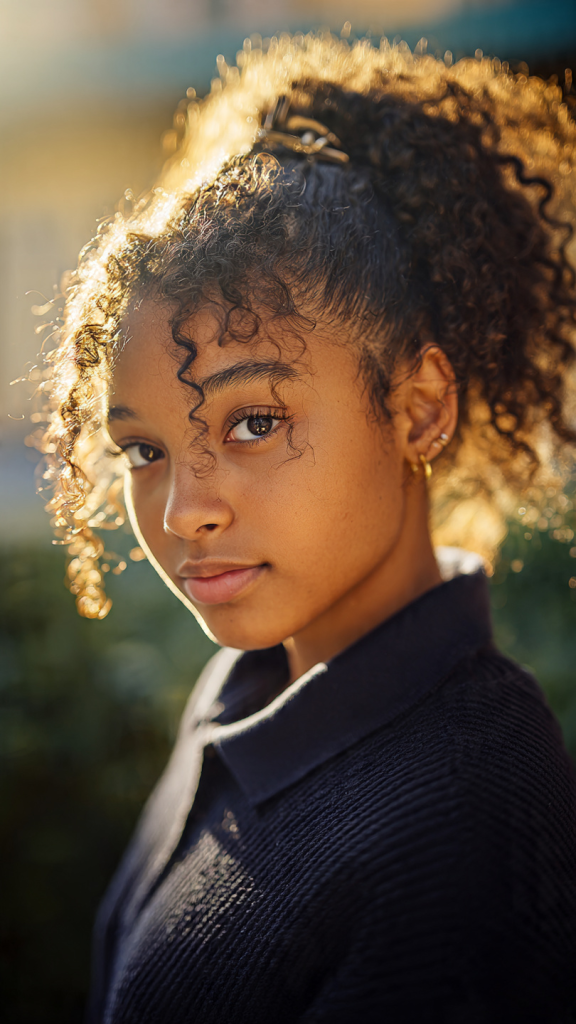
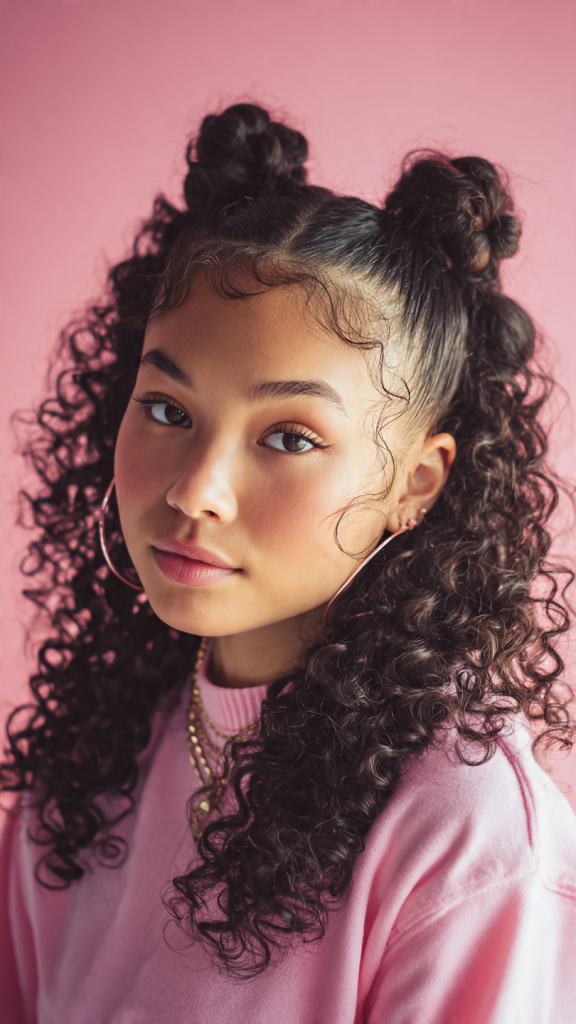
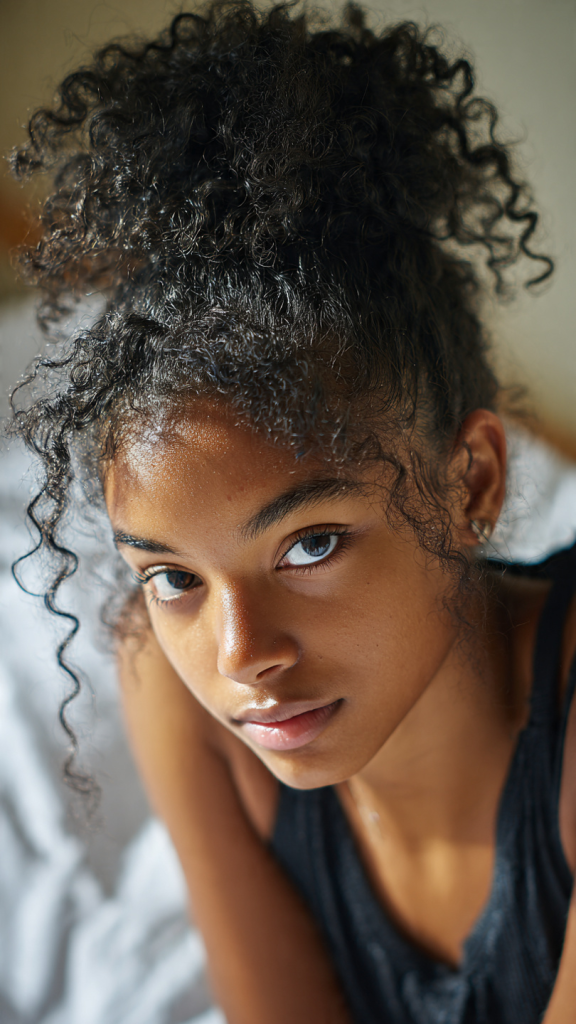
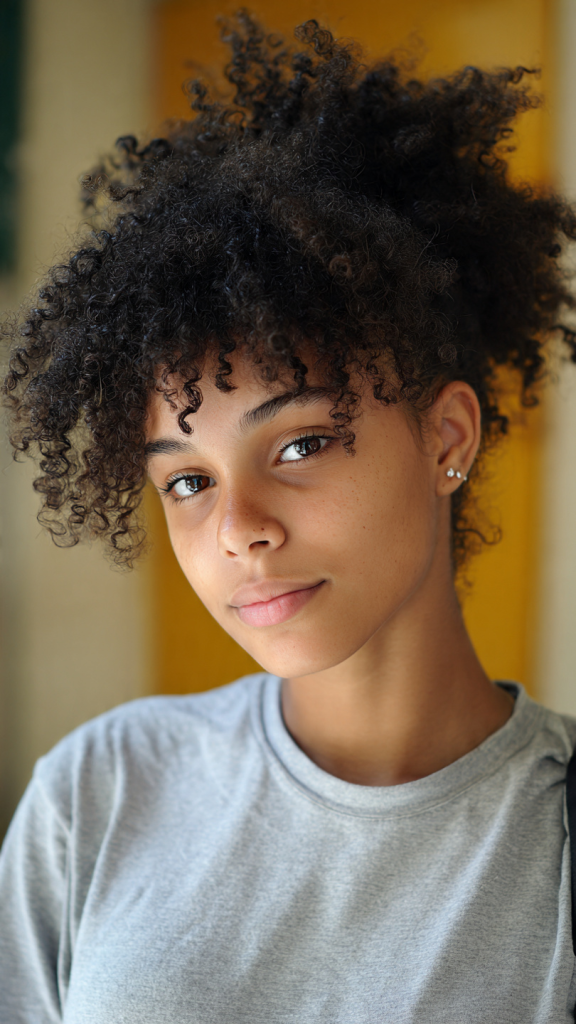
    For students with natural curls, 2026 trending curly hairstyles for school are all about balancing style with practicality. You need looks that survive early morning alarms, last through classes, sports practice, and study sessions—while still making you feel confident and cute. The good news is that curly hair is naturally versatile, and the latest trends lean into easy, low-manipulation styles that protect your strands while looking effortlessly cool. From sleek buns to playful space buns, claw clip styles, and wash-and-go looks, there’s a school-appropriate curly hairstyle for every length and texture. In this guide, you’ll discover 15 trending curly hairstyles for school in 2026, along with quick styling tips, product recommendations, and maintenance advice. If you love easy, textured styles, these 4C hairstyles ideas offer additional protective inspiration.


    Why Curly Hair Is Perfect for School

    Curly hair has natural advantages when it comes to school hairstyles:

    • Natural volume – Even a simple ponytail looks fuller and more substantial
    • Forgiving texture – Imperfections blend into the curl pattern, so styles don’t need to be perfect
    • Holds styles longer – Curls grip pins and elastics better than straight hair
    • Versatile lengths – Works for short, medium, and long curls
    • Low manipulation – Many school styles protect curls while keeping them out of your face
    • Quick to refresh – A water mist and scrunch revives most styles in minutes

    For students with coily or kinky textures, these 2026 trending kinky coily hairstyles offer additional school-friendly options.


    The 15 Trending Curly Hairstyles for School in 2026

    1. The High Curly Ponytail

    Why it works: The high curly ponytail is a classic for a reason. It keeps hair completely off your face and neck, looks polished in seconds, and shows off your curl pattern. For school, it’s perfect for gym days, hot weather, or when you need to focus without hair distractions. The height of the ponytail also elongates the face.

    How to style it: Start with stretched or dry curls (day-old curls work best). Flip your head upside down. Gather all curls at the crown of your head and secure with a satin scrunchie or strong elastic. Smooth edges with edge control and a soft brush. For extra volume, gently pull on the ponytail to loosen it. Wrap a small section of hair around the elastic to hide it.

    Best for: All curl types, medium to long hair

    Time needed: 3–5 minutes

    Maintenance: Refresh daily with water mist; lasts 1–2 days

    2. Low Curly Ponytail

    Why it works: The low curly ponytail is sleeker and more professional than its high counterpart. It’s perfect for presentations, picture day, or any time you want a more polished look. The low placement also works well for students with longer faces, as it doesn’t add extra height.

    How to style it: Gather curls at the nape of your neck. Secure with a clear elastic or satin scrunchie. Smooth edges with edge control. For a more polished finish, take a small section from underneath the ponytail and wrap it around the elastic. Pull out a few face-framing curls for softness.

    Best for: All curl types, all lengths

    Time needed: 2–3 minutes

    Maintenance: Refresh daily; lasts 1–2 days

    3. Curly High Bun

    Why it works: The curly high bun is the ultimate off-the-face style for school. It’s perfect for labs, sports, or any day you need your hair completely contained. The bun looks voluminous and intentional—never messy—because curls naturally fill out the shape. Plus, it protects your ends.

    How to style it: Gather curls into a high ponytail at the crown. Twist the ponytail loosely (or not at all—curls hold their own shape) and wrap it around the base to form a bun. Secure with bobby pins (use 6–10 for thick curls). Pull out a few face-framing pieces for softness. For a messy bun, leave pieces sticking out intentionally.

    Best for: Medium to long curls, all types

    Time needed: 5–7 minutes

    Maintenance: Pineapple at night; lasts 2–3 days

    4. Curly Low Bun

    Why it works: The curly low bun is elegant and understated—perfect for school photos, choir concerts, or any day you want a more sophisticated look. The low placement works well with hair accessories like ribbon or pearl pins.

    How to style it: Gather curls at the nape of your neck. Twist loosely and wrap into a bun. Secure with bobby pins. For a sleeker look, smooth edges with edge control. For a softer look, leave a few curls loose around your face. Add a ribbon or satin scrunchie for extra style points.

    Best for: Medium to long curls, all types

    Time needed: 4–5 minutes

    Maintenance: Refresh edges daily; lasts 2–3 days

    5. Curly Claw Clip Style

    Why it works: The claw clip style is the biggest hair trend of 2026 for school. It’s incredibly easy, takes 30 seconds, and looks effortlessly chic. The claw clip gathers hair at the back while leaving some curls loose for a soft, romantic feel. Plus, it doesn’t create dents or damage like tight elastics.

    How to style it: Gather your curls loosely at the back of your head (high, mid, or low—your choice). Twist the gathered hair upward once or twice. Open a large claw clip and clamp it over the twisted section. Let the ends fall naturally. Pull out a few face-framing curls. The style should look effortless, not “done.”

    Best for: Medium to long curls, all types

    Time needed: 1–2 minutes

    Maintenance: Quickest style; lasts all day

    6. Half-Up, Half-Down with Claw Clip

    Why it works: The half-up, half-down with a claw clip keeps hair off your face while showing off your length and curl pattern. It’s perfect for days when you want to look like you tried, but you really didn’t. The claw clip adds a trendy touch that’s very 2026.

    How to style it: Take the top section of your curls (from ear to ear). Gather it loosely at the back of your head. Secure with a small to medium claw clip. Leave the bottom half completely free. Pull out a few curls around your face. For extra volume, gently tug on the top section before clipping.

    Best for: All curl types, all lengths

    Time needed: 2–3 minutes

    Maintenance: Refresh top section daily; lasts 1–2 days

    For students with fine curly hair who want volume, these curly haircuts for thin hair offer additional ideas.


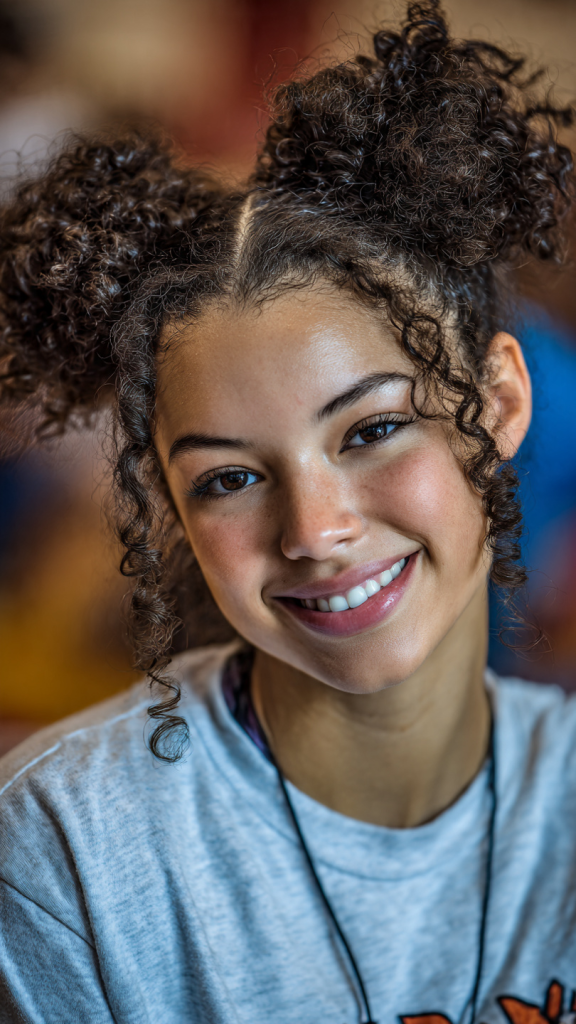
    7. Curly Space Buns

    Why it works: Curly space buns are playful, fun, and perfect for school spirit days, pep rallies, or just when you want a cute, youthful look. Two high buns sit on either side of the crown, creating a playful silhouette. Curly texture makes space buns look intentionally voluminous.

    How to style it: Start with stretched curls (twist-out or braid-out works best). Create a center part from forehead to nape. Gather the left section into a high ponytail at the left side of your crown. Secure with an elastic. Twist the ponytail and wrap it into a bun; secure with bobby pins. Repeat on the right side. The buns should sit symmetrically. Pull out a few curls around your face.

    Best for: Stretched curls, medium length

    Time needed: 5–7 minutes

    Maintenance: Refresh edges daily; lasts 1–2 days

    8. Curly Bubble Ponytail

    Why it works: The curly bubble ponytail adds visual interest to a basic ponytail by sectioning it with multiple elastics, creating “bubbles” along the length. This style is trendy, unique, and surprisingly easy to achieve. It works best on stretched curls or after a twist-out.

    How to style it: Start with stretched curls in a high or mid ponytail. Secure with an elastic. Add another elastic 2–3 inches down the ponytail. Gently pull the section between the elastics to “bubble” it out. Repeat down the length of the ponytail (3–4 bubbles total). For curly hair, you don’t need to smooth the bubbles—the texture does the work.

    Best for: Stretched curls, medium to long hair

    Time needed: 5–6 minutes

    Maintenance: Refresh bubbles daily; lasts 1–2 days

    9. Pineapple Ponytail

    Why it works: The pineapple ponytail is a nighttime preservation technique that has become a daytime style itself. Curls are gathered very high on the head (like a pineapple) with the ends folded over. It’s playful, voluminous, and perfect for second or third-day curls.

    How to style it: Flip your head upside down. Gather all curls at the very top of your head. Secure with a satin scrunchie. Do not pull the hair all the way through—leave the ends folded over to create a “pineapple” shape. Smooth edges with edge control. The pineapple can be worn as-is for a fun, carefree school look.

    Best for: Stretched curls, medium to long hair

    Time needed: 1–2 minutes

    Maintenance: Refreshes second-day curls perfectly

    10. Curly Pigtails

    Why it works: Curly pigtails are back and cuter than ever. Two low ponytails on either side of the head create a playful, youthful look that’s perfect for school. Curly texture keeps pigtails from looking childish—they read as fun and stylish instead.

    How to style it: Create a center part from forehead to nape. Gather the left section into a low ponytail at the side of your head (just below ear level). Secure with a satin scrunchie or clear elastic. Repeat on the right side. For a trendier look, place the pigtails higher (at ear level). Pull out a few face-framing curls.

    Best for: All curl types, all lengths

    Time needed: 3–4 minutes

    Maintenance: Refresh edges daily; lasts 1–2 days


    11. Curly Wash-and-Go

    Why it works: The curly wash-and-go is the ultimate low-maintenance school style. Wash your hair, apply products, and let it air-dry on the way to school. No heat, no manipulation, no fuss. This style celebrates your natural texture in its most authentic state.

    How to style it: On wash day, apply leave-in conditioner and curl gel to soaking wet hair in the shower. Use the “praying hands” method to distribute products. Scrunch vigorously. Air-dry completely—do not touch while drying. Once dry, gently fluff at the roots. That’s it. You’re ready for school.

    Best for: All curl types, all lengths (works best on defined curls)

    Time needed: 5 minutes active; 1–3 hours drying

    Maintenance: Pineapple at night; lasts 3–5 days

    For students with 4C hair, these defined wash-and-go techniques offer extra definition.

    12. Curly Headband Style

    Why it works: The curly headband style is the easiest “I tried” style. A stretchy headband holds hair back while allowing curls to flow freely. It’s perfect for second-day curls, bad hair days, or any day you need to get out the door in under two minutes.

    How to style it: Start with dry curls. Place a stretchy knit or satin headband over your head, positioned about 1–2 inches behind your hairline. Push the headband forward slightly to create volume at the front. Pull a few curls out over the headband for a soft, romantic look. Leave the rest of your curls loose.

    Best for: All curl types, all lengths

    Time needed: 1 minute

    Maintenance: Quickest school style

    13. Curly Twist-Out (Stretched)

    Why it works: A twist-out gives you stretched, defined curls that last for days. It’s perfect for school because you can twist on Sunday night and have ready-to-go curls all week. The stretched length also makes ponytails and buns easier.

    How to style it: On damp hair, apply leave-in conditioner and curl cream. Create two-strand twists throughout your hair. Allow to dry completely (overnight or under a hooded dryer). In the morning, apply a drop of oil to your fingers. Gently unravel each twist from tip to root. Separate curls with your fingers for volume. Do not comb or brush.

    Best for: All curl types, medium to long hair

    Time needed: 30–45 minutes on Sunday; 5 minutes daily

    Maintenance: Pineapple at night; lasts 5–7 days

    14. Curly Braid-Out

    Why it works: A braid-out is similar to a twist-out but uses three-strand braids for a different wave pattern. Braid-outs provide more stretch than twist-outs and create a crimped, mermaid-like wave. It’s perfect for school when you want your curls to look extra long and defined.

    How to style it: On damp hair, apply leave-in conditioner and curl cream. Create three-strand braids throughout your hair (4–8 braids depending on thickness). Allow to dry completely (overnight). In the morning, unravel each braid gently. Separate with your fingers. Do not comb.

    Best for: All curl types, medium to long hair

    Time needed: 20–30 minutes on Sunday; 5 minutes daily

    Maintenance: Pineapple at night; lasts 5–7 days

    15. Curly Cornrows (Front)

    Why it works: Front cornrows keep the hair off your face while leaving the back loose and curly. This protective style is perfect for school because it’s low-maintenance, lasts for weeks, and looks incredibly stylish. You can do 2–6 small cornrows at the front, or one larger cornrow on each side.

    How to style it: Start with stretched, detangled hair. Part your hair at the front (straight back or curved). Braid the front sections into cornrows close to the scalp, leaving the ends loose. The rest of your hair (the back) remains loose and curly. Secure ends with small elastics if needed. Smooth edges with edge control.

    Best for: Stretched curls, all lengths

    Time needed: 15–20 minutes; lasts 1–2 weeks

    Maintenance: Tie down at night; lasts 1–2 weeks


    Quick School Morning Routine (5 Minutes or Less)

    For busy school mornings, here’s a routine that works:

    DayRoutineTime
    SundayWash, deep condition, twist or braid for the week1–2 hours
    MondayUnravel twists/braids; shake out; go5 minutes
    TuesdayPineapple refresh; add headband if needed2 minutes
    WednesdayHigh puff or claw clip style3 minutes
    ThursdayHalf-up style or space buns5 minutes
    FridayLow bun or ponytail (hiding any frizz)4 minutes
    SaturdayWash-and-go or refresh for weekend10 minutes

    Product Recommendations for School Hairstyles

    Product TypeRecommended ForSchool-Friendly Options
    Leave-in conditionerDaily moistureKinky-Curly Knot Today, Aunt Jackie’s Quench
    Curl gelWash-and-go definitionEco Styler (Argan), Wetline Xtreme
    Edge controlSmoothing edgesGorilla Snot, Edge Booster
    Satin scrunchiesDamage-free ponytailsAny satin or silk scrunchie
    Large claw clipsQuick updosAny sturdy plastic clip
    Stretchy headbandsBad hair daysKnit or satin fabric headbands
    Refresher spraySecond-day curlsWater + leave-in conditioner in a spray bottle

    Quick Maintenance Cheat Sheet

    StyleBest ForTimeLongevity
    High Curly PonytailGym days, hot weather3–5 min1–2 days
    Low Curly PonytailPresentations, picture day2–3 min1–2 days
    Curly High BunLabs, sports, completely off face5–7 min2–3 days
    Curly Low BunSchool photos, concerts4–5 min2–3 days
    Curly Claw Clip StyleQuick, trendy, any day1–2 min1 day
    Half-Up with Claw ClipEffortlessly styled2–3 min1–2 days
    Curly Space BunsSpirit days, pep rallies5–7 min1–2 days
    Curly Bubble PonytailUnique, trendy5–6 min1–2 days
    Pineapple PonytailSecond-day curls1–2 min1 day
    Curly PigtailsPlayful, cute3–4 min1–2 days
    Curly Wash-and-GoLow-maintenance, authentic5 min + dry3–5 days
    Curly Headband StyleBad hair days, rushed mornings1 min1 day
    Curly Twist-OutDefined, stretched curls30 min (weekly)5–7 days
    Curly Braid-OutExtra stretch, mermaid waves30 min (weekly)5–7 days
    Curly CornrowsProtective, off face15–20 min1–2 weeks

    Final Thoughts

    2026 trending curly hairstyles for school prove that you don’t have to choose between style and practicality. From the 30-second claw clip style to weekly twist-outs that last all week, there’s a curly school hairstyle for every morning, every vibe, and every hair type. The key is working with your natural texture, using protective styles to extend your wash days, and keeping a few go-to styles in your rotation for rushed mornings. Take this guide to your mirror, experiment with a few styles, and get ready to have your best curly hair school year yet.

  • Low Taper Fade vs. Drop Fade – What’s the Difference (And Which Is Right for You)

    Low Taper Fade vs. Drop Fade – What’s the Difference (And Which Is Right for You)

    When you sit in a barber’s chair and ask for a fade, you’re opening the door to dozens of variations—each with its own unique shape, length, and effect. Two of the most popular and frequently confused fade styles are the low taper fade and the drop fade. While they share some similarities, their differences in shape, placement, and overall effect can dramatically change your final look. Understanding the distinction between a low taper fade and a drop fade will help you communicate clearly with your barber and walk out with exactly the haircut you wanted. In this guide, you’ll learn everything about low taper fade vs. drop fade, including defining characteristics, which face shapes each suits best, maintenance requirements, and how to choose the right one for your style. If you’re exploring other fade options, these men’s haircuts for round face over 50 offer additional shaping ideas.


    Understanding the Basics: What Is a Fade?

    Before diving into the differences, let’s establish what a fade actually is.

    fade is a gradual transition from short hair (often down to the skin) at the bottom of the sides and back to longer hair at the top. The “fade” refers to the way the hair length “fades” from short to long. Fades can be classified by:

    • How high they start – Low, mid, or high
    • How they shape around the ear – Straight vs. curved (drop)
    • How they blend – Tapered vs. compressed
    Fade TypeStarting PointShapeBest For
    Low Taper FadeJust above the earStraight/archedConservative, professional looks
    Drop FadeHigh on the sides, drops behind the earCurved down toward the napeModern, edgy, stylish looks

    What Is a Low Taper Fade?

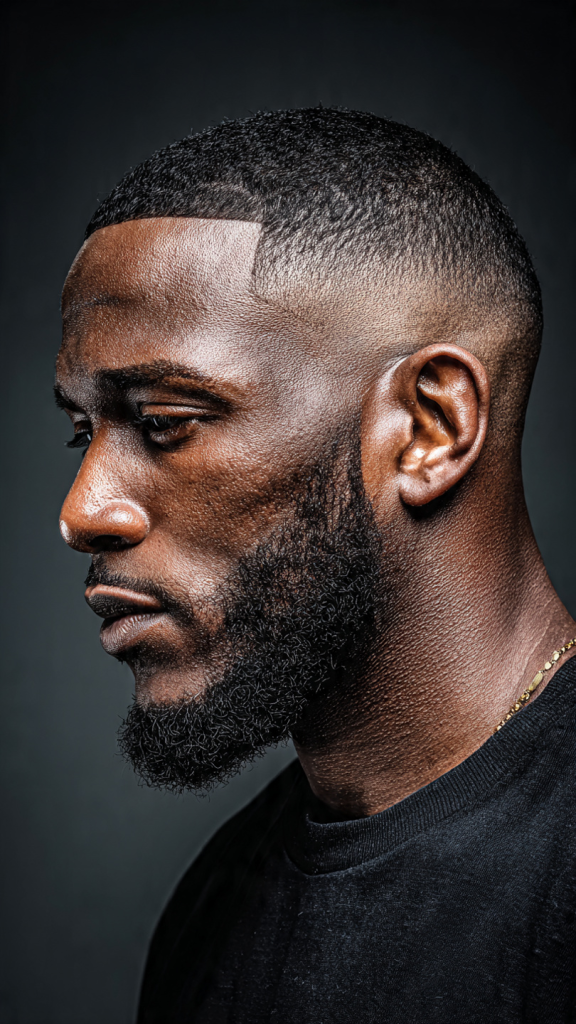
    The low taper fade is a classic, conservative fade that starts just above the natural hairline around the ears. The hair is shortest at the very bottom (often faded to skin or a #1 guard) and gradually lengthens as it moves up the head. The “low” refers to how low the fade starts—it doesn’t go high up the sides.

    Key Characteristics of a Low Taper Fade

    CharacteristicDescription
    Starting pointJust above the ear, following the natural hairline
    Shape around earStraight or slightly arched (not curved down)
    HeightLow—typically 1–2 inches above the ear
    TransitionGradual and subtle
    Back of headTapers down to the nape in a straight or slightly curved line
    Overall vibeProfessional, clean, conservative

    Who Looks Good with a Low Taper Fade?

    The low taper fade is universally flattering because it’s subtle. It works particularly well for:

    • Professional environments – Conservative enough for suits and ties
    • Round faces – The low placement doesn’t add extra height that can emphasize roundness
    • Older men – A more classic, age-appropriate fade
    • Thinning hair – The subtle transition doesn’t draw attention to sparse areas
    • First-time fade clients – A gentle introduction to faded haircuts

    How to Style a Low Taper Fade

    The beauty of the low taper fade is that it works with virtually any hairstyle on top:

    • Short crops – The fade keeps the sides clean without overwhelming the top
    • Pompadours – The low fade provides contrast without competing for attention
    • Slicked-back – Clean sides keep the focus on the top
    • Textured quiffs – The subtle fade adds polish without being dramatic
    • Buzz cuts – A low taper fade adds dimension to a uniform buzz

    Maintenance for a Low Taper Fade

    • Fade refresh: Every 7–10 days
    • Top trim: Every 3–5 weeks
    • Difficulty to maintain at home: Moderate (taper lines need precision)

    For men with thinning hair, the low taper fade’s subtle transition can be especially flattering. These haircuts for thinning hair men over 50 offer additional options.


    What Is a Drop Fade?

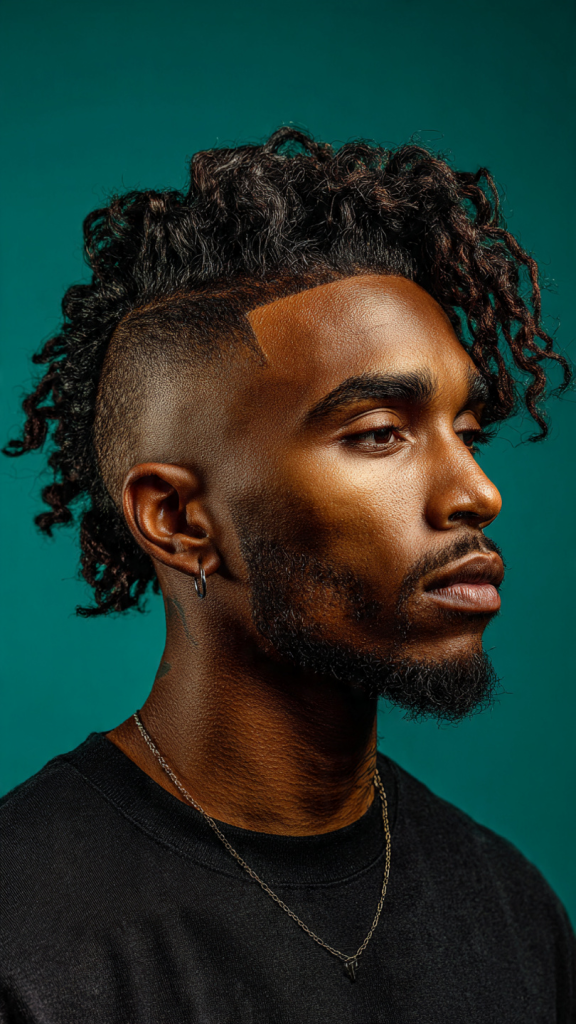
    The drop fade is a more modern, dramatic variation. Instead of following a straight or slightly arched line around the ear, the fade “drops” down behind the ear, curving toward the nape of the neck. The result is a fade that sits higher on the sides but drops lower in the back, creating a distinctive curved shape.

    Key Characteristics of a Drop Fade

    CharacteristicDescription
    Starting pointHigh on the sides (mid to high fade)
    Shape around earCurves downward behind the ear
    HeightHigher on sides, drops lower in back
    TransitionMore dramatic than a low taper
    Back of headCurves down to hug the nape
    Overall vibeModern, edgy, stylish

    The “Drop” Explained

    The “drop” refers to how the fade line drops down behind the ear. In a standard fade, the fade line continues in a relatively straight line around the head. In a drop fade, the line:

    1. Sits higher on the sides (mid to high placement)
    2. Curves down behind the ear
    3. Drops lower toward the nape of the neck

    This creates a more dramatic, sculpted look that emphasizes the shape of the head.

    Who Looks Good with a Drop Fade?

    The drop fade is more striking and works best for:

    • Younger men – The edgy look suits a modern aesthetic
    • Square or oval faces – The drop adds shape without over-emphasizing width
    • Men with thick hair – The dramatic fade contrasts well with dense top hair
    • Those who want attention – Drop fades get noticed
    • Creative professionals – Edgy enough for style-forward industries

    How to Style a Drop Fade

    The drop fade pairs well with bolder styles on top:

    • Pompadours – The drop adds drama that complements the height
    • Spiky crops – Edgy top + edgy fade = cohesive look
    • Curly tops – The drop fade contrasts beautifully with natural texture
    • Longer styles – The drop fade keeps sides clean while top stays long
    • Hard parts – A shaved part complements the dramatic fade line

    Maintenance for a Drop Fade

    • Fade refresh: Every 5–7 days (the “drop” shape needs precision)
    • Top trim: Every 3–5 weeks
    • Difficulty to maintain at home: Difficult (the curved shape requires skill)

    Low Taper Fade vs. Drop Fade: Direct Comparison

    FeatureLow Taper FadeDrop Fade
    Starting heightLow (just above ear)Mid to high
    Shape around earStraight or slightly archedCurved downward
    Back of headStraight or slight curveDrops lower at nape
    Dramatic effectSubtle, conservativeBold, edgy
    Best for face shapeAll, especially roundOval, square
    Professional settingYesMaybe (depending on industry)
    Maintenance frequencyEvery 7–10 daysEvery 5–7 days
    Difficulty to executeModerateHigh (requires skill)
    Best withAny top styleBolder top styles

    Visualizing the Difference

    The Fade Line Path

    Imagine tracing the line where the fade transitions from short to long:

    Low Taper Fade:

    • Starts 1 inch above the ear
    • Travels in a relatively straight line around the head
    • May have a slight arch over the ear
    • Stays at a consistent height around the back

    Drop Fade:

    • Starts higher on the sides (2–3 inches above the ear)
    • Curves DOWNWARD behind the ear
    • “Drops” to a lower point at the nape
    • Creates a U-shaped or horseshoe-like fade line

    The Side Profile

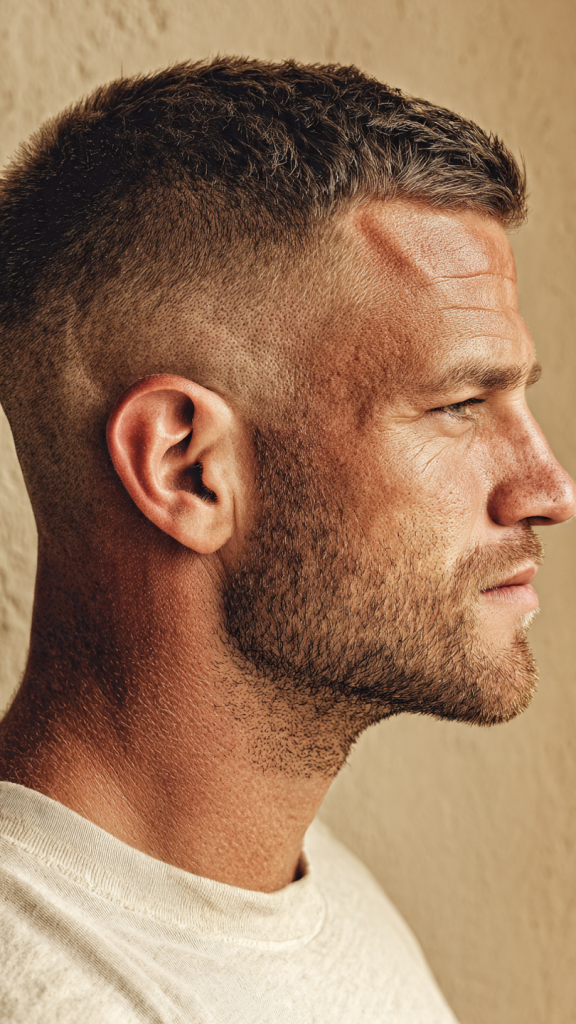
    Low Taper Fade: The fade line is low and subtle. You notice clean sides but the fade itself doesn’t scream for attention.

    Drop Fade: The fade line is higher and curves down. The “drop” behind the ear is immediately noticeable and creates a distinctive silhouette.

    The Back View

    Low Taper Fade: The back tapers down in a straight or slightly curved line to the nape. It looks clean and polished.

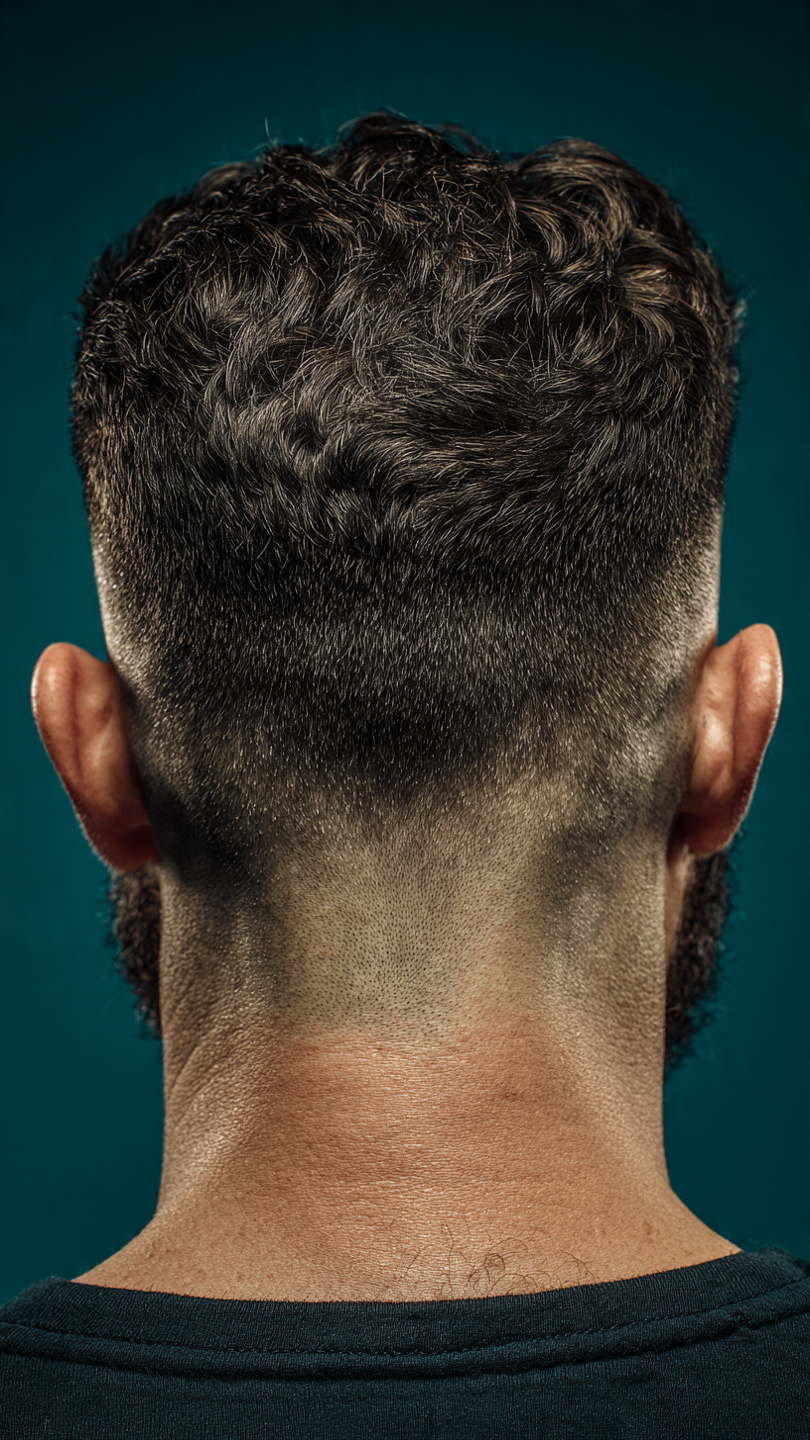
    Drop Fade: The back has a more dramatic “V” or “U” shape, with the fade dropping lower at the center of the nape.

    For men with round faces who want to maximize slimming effects, these men’s haircuts for round face over 50 offer additional strategies.


    Which Should You Choose?

    Choose a Low Taper Fade If:

    ✅ You work in a conservative professional environment
    ✅ You have a round face and want to avoid adding height
    ✅ You’re older and prefer a classic, age-appropriate look
    ✅ You want a subtle fade that doesn’t scream for attention
    ✅ You have thinning hair and don’t want to emphasize it
    ✅ This is your first fade and you want to start subtle
    ✅ You prefer low-maintenance styles (can go longer between fade touch-ups)

    Choose a Drop Fade If:

    ✅ You want a modern, edgy, stylish look
    ✅ You have an oval or square face shape
    ✅ You have thick hair that can support dramatic contrast
    ✅ You work in a creative or style-forward industry
    ✅ You’re willing to commit to weekly fade touch-ups
    ✅ You want people to notice your haircut
    ✅ You’re pairing it with a bolder top style (pompadour, spikey crop, curly top)


    Fade Variations Within Each Category

    Low Taper Fade Variations

    VariationDescriptionBest For
    Low skin fadeFades to bare skin at the bottomSharp, clean look
    Low bald fadeFades to smooth shaved skinMost dramatic low fade
    Low shadow fadeLeaves a #0.5 or #1 shadow at the bottomSubtle, natural look
    Low temp fadeA low fade with a sharp, lined-up hairlineClean, barbered finish

    Drop Fade Variations

    VariationDescriptionBest For
    Mid drop fadeFade starts mid-way, drops behind earBalanced, versatile
    High drop fadeFade starts high, dramatic dropBoldest drop fade
    Skin drop fadeFades to skin with a visible dropMaximum contrast
    Burr drop fadeLeaves short stubble (#1 guard) in the dropSofter drop effect

    Common Mistakes to Avoid

    Low Taper Fade Mistakes

    MistakeWhy It’s a ProblemHow to Avoid
    Taking it too highBecomes a mid fade, not lowSpecify “low taper” and show a photo
    Uneven around earsLooks sloppyAsk barber to check symmetry
    Blending too highLoses the “taper” effectEnsure the transition is gradual

    Drop Fade Mistakes

    MistakeWhy It’s a ProblemHow to Avoid
    Drop too shallowDoesn’t look like a drop fadeAsk barber to emphasize the “drop”
    Drop too extremeUnnatural, cartoonishFind a barber who specializes in drop fades
    Uneven drop on both sidesVisible asymmetryCheck both sides with a mirror
    Blended poorlyVisible lines in the curveOnly go to experienced barbers

    How to Ask Your Barber for Each Fade

    Asking for a Low Taper Fade

    *”I’d like a low taper fade. Keep the fade low—just above my ears—and taper down to a [skin/shadow/#1] at the bottom. I want a subtle, clean transition with no harsh lines. The top can stay [state length/style].”*

    Key phrases to use:

    • “Low taper fade”
    • “Just above the ears”
    • “Subtle transition”
    • “No harsh lines”

    Asking for a Drop Fade

    “I’d like a drop fade. Start the fade [mid/high] on the sides, and make sure it drops down behind my ears. I want the fade to be visible—a clean, sharp drop to [skin/shadow] at the bottom. Keep the top [state length/style].”

    Key phrases to use:

    • “Drop fade”
    • “Drop behind the ears”
    • “Clean, sharp drop”
    • “Make sure the drop is visible”

    Best Practice for Both

    ALWAYS bring a reference photo. Fade terminology varies by region and barber. A photo eliminates any confusion.


    Quick Reference Card

    Low Taper FadeDrop Fade
    HeightLow (just above ear)Mid to high
    ShapeStraight/archedCurved down
    DramaSubtleBold
    MaintenanceEvery 7–10 daysEvery 5–7 days
    ProfessionalYesMaybe
    Best for faceRound, allOval, square
    Best withAny top styleBolder top styles

    Final Thoughts

    Choosing between a low taper fade and a drop fade comes down to your personal style, face shape, and lifestyle. The low taper fade is classic, conservative, and universally flattering—perfect for professional settings and first-time fade clients. The drop fade is modern, edgy, and attention-grabbing—ideal for those who want their haircut to make a statement. Both require skilled barbers and regular maintenance, but the right choice will leave you looking sharp, confident, and perfectly styled. Take this guide to your next appointment, bring reference photos, and communicate clearly. Your perfect fade is waiting.

  • 25 Worst Men’s Haircuts of 2026 (Barber Fails That Went Viral)

    25 Worst Men’s Haircuts of 2026 (Barber Fails That Went Viral)

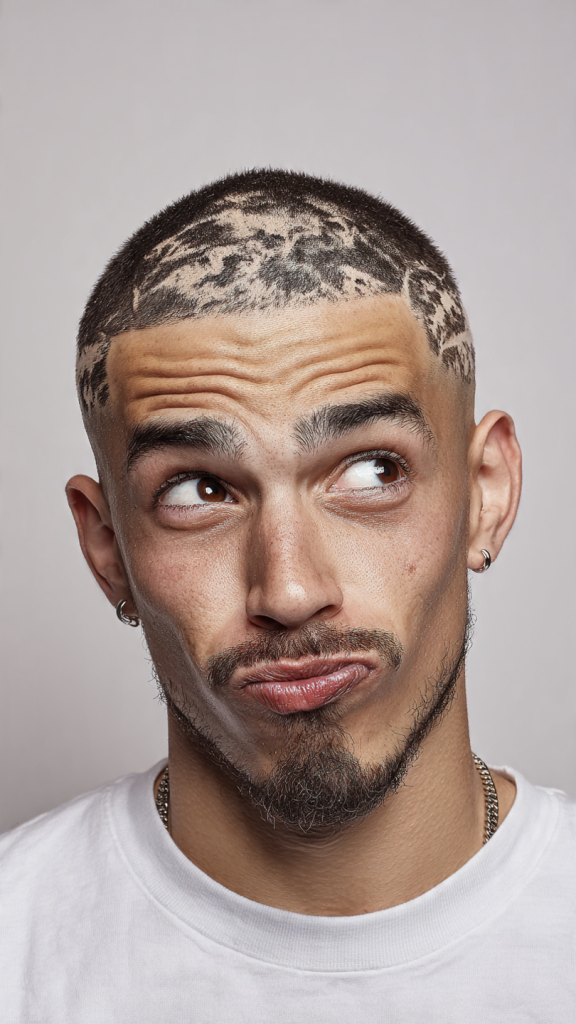
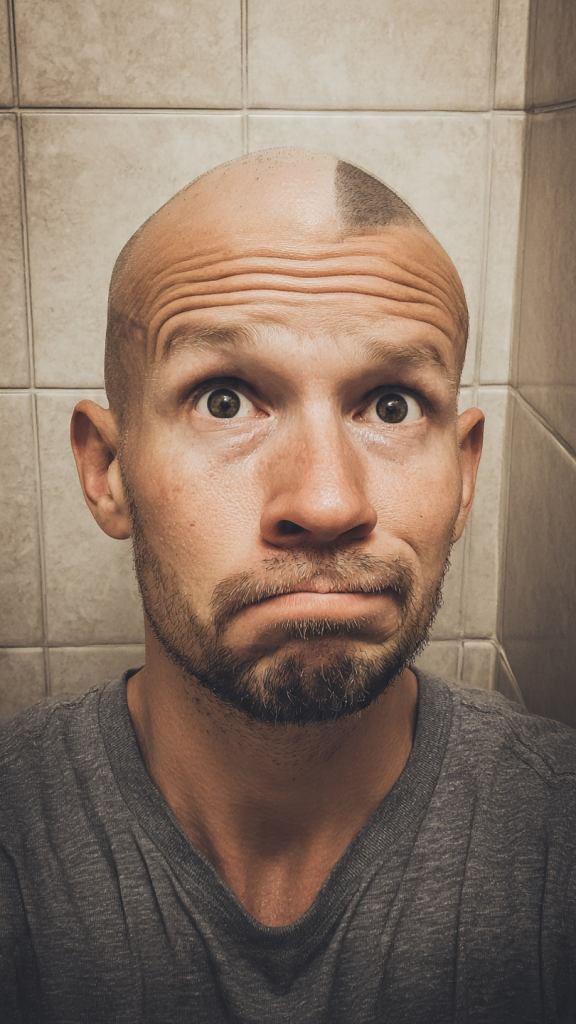
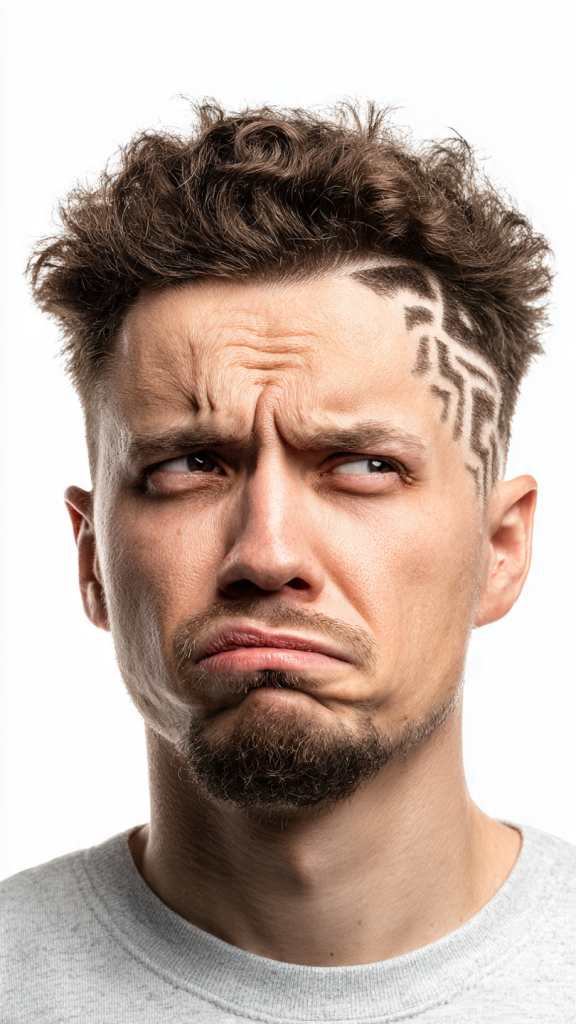
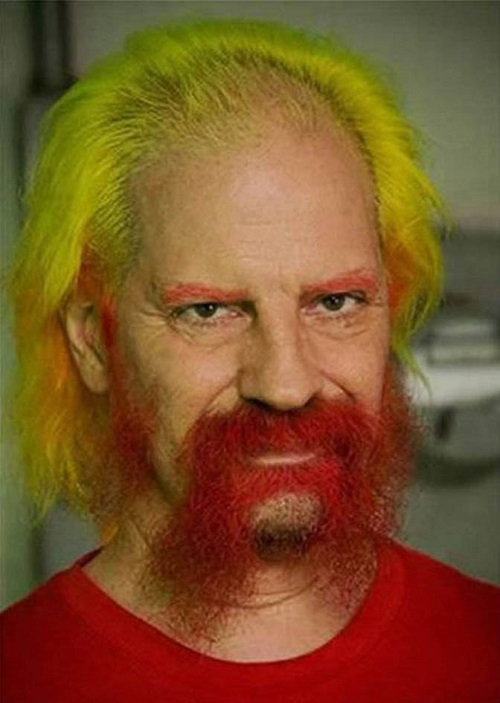
    Every year, social media serves up a fresh collection of haircut disasters that make us cringe, laugh, and thank our lucky stars for skilled barbers. In 2026, the worst men’s haircuts ranged from tragic attempts at trending styles to barber misinterpretations that went horribly wrong. From the “invisible fade” that’s anything but invisible to the “bowl cut revival” no one asked for, these viral barber fails remind us that not every trend should be tried—and not every barber should be trusted. In this guide, you’ll discover 25 of the worst men’s haircuts of 2026, complete with what went wrong, why they went viral, and how to avoid similar disasters at your next appointment. If you’re looking for actually good haircuts, these haircuts for men with round faces offer reliable flattering options.


    The Common Thread: What Makes a Haircut a “Fail”

    Before diving into the worst of 2026, it’s worth understanding what separates a bad haircut from a viral disaster:

    • Poor execution of a trendy style – Attempting a popular cut without the right technique
    • Ignoring face shape – A cut that works on one face shape can look terrible on another
    • Inconsistent length – Uneven lines, patchy fades, or obvious missed spots
    • Miscommunication – What you asked for vs. what you got
    • Overconfidence in DIY – Home haircuts gone wrong
    • Extreme interpretations – Taking a subtle trend to a ridiculous extreme

    Let’s explore the worst offenders of 2026.


    Category 1: Viral Barber Fails (Professional Disasters)

    1. The “Invisible Fade”

    What it was supposed to be: A seamless, graduated fade from skin to longer length
    What went viral: A fade so poorly blended it looked like stair steps—distinct lines of demarcation at every guard change, creating a terraced effect on the sides of the head
    Why it failed: The barber either didn’t know how to use clippers properly or rushed through the blending process
    How to avoid: Ask to see your barber’s fade work before sitting in the chair. A good fade has no visible lines.

    2. The “Crooked Line Up”

    What it was supposed to be: A crisp, sharp, perfectly symmetrical hairline
    What went viral: A line up that started in the correct place on one side and ended a full inch higher on the other, creating a noticeably slanted, lopsided forehead
    Why it failed: The barber didn’t step back to check symmetry or rushed the finishing touches
    How to avoid: Always have your barber do the line up last, and don’t be afraid to speak up if something looks uneven.

    3. The “Patchy Skin Fade”

    What it was supposed to be: A smooth, clean transition from skin to hair
    What went viral: A skin fade with visible patches of missed hair, leaving the sides looking like a dalmatian—bald spots next to patches of stubble
    Why it failed: Poor clipper technique or dull blades that couldn’t cut evenly
    How to avoid: Find a barber who specializes in fades. Check their portfolio before booking.

    4. The “Choppy Bowl Cut”

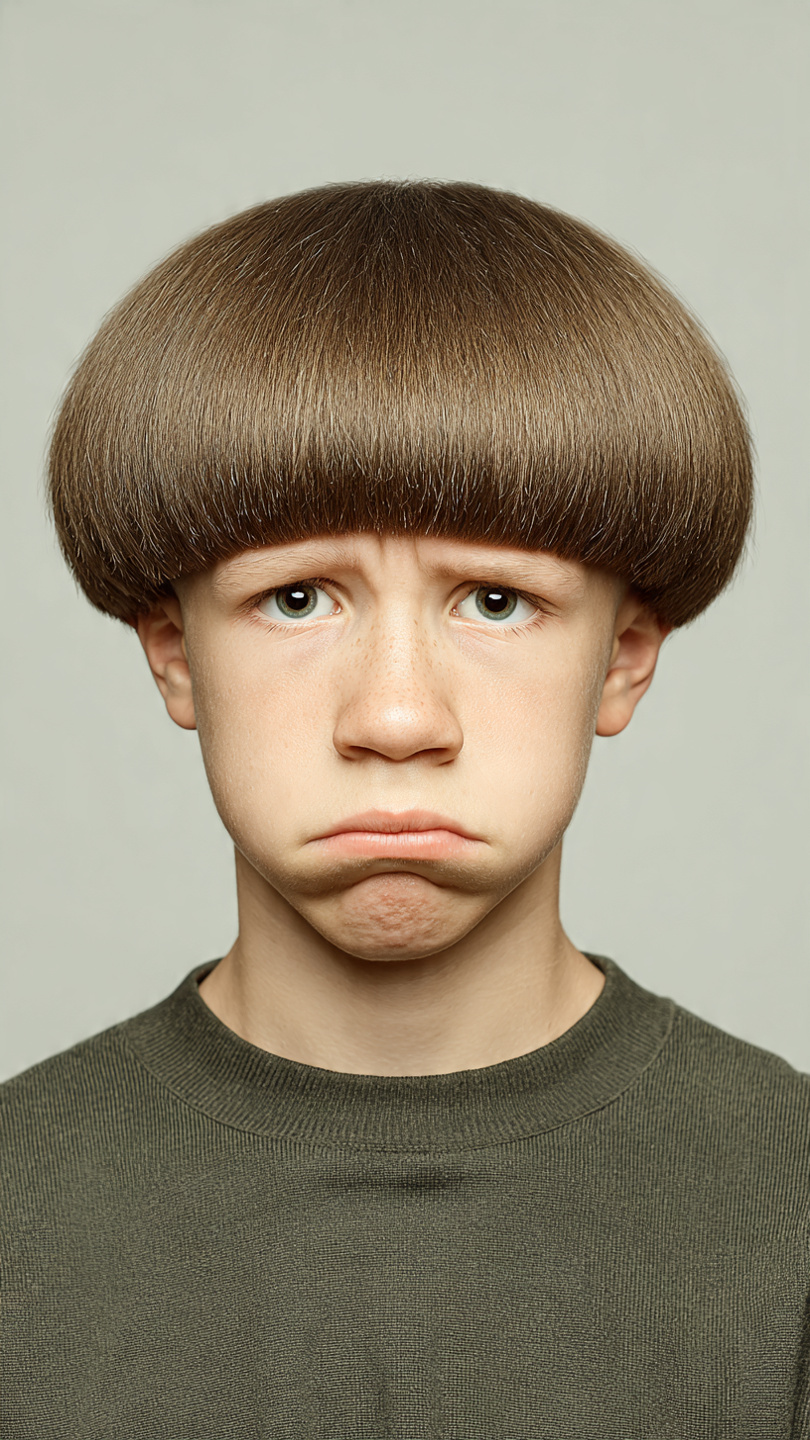
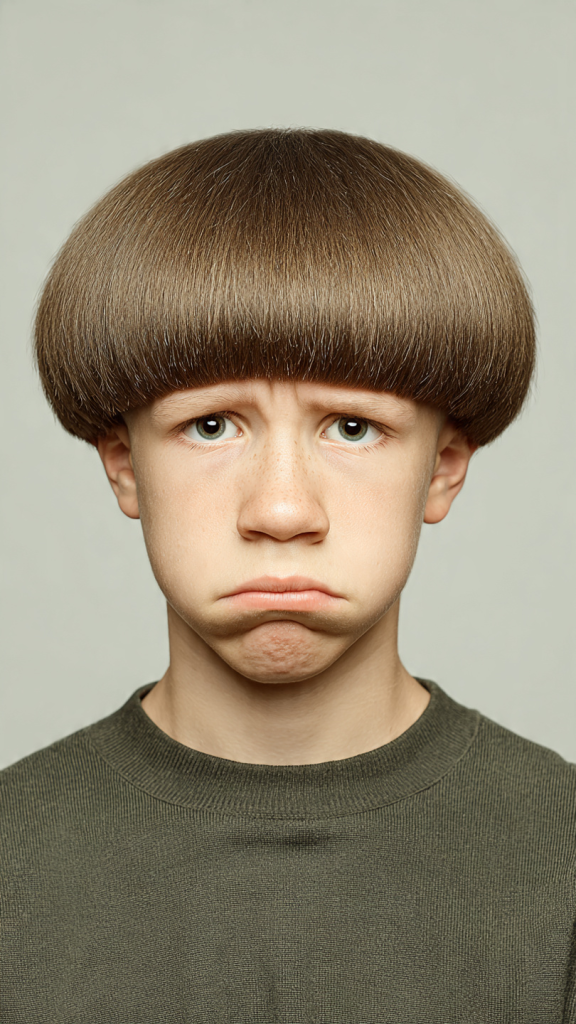
    What it was supposed to be: A textured, modern take on the classic bowl cut
    What went viral: An actual bowl was placed on the client’s head and cut around—complete with uneven, jagged edges and a perfect circular shape that made the client look like a cartoon character
    Why it failed: Taking a meme trend literally, or perhaps the worst misunderstanding between barber and client ever
    How to avoid: Use photos, not descriptions. Show your barber exactly what you want.

    5. The “Barbie Fade”

    What it was supposed to be: A mid fade with some texture on top
    What went viral: A fade that started so low on the back of the head it disappeared entirely, leaving a tiny strip of hair at the crown that made the client look like a Ken doll
    Why it failed: The barber misunderstood “low fade” as “lowest possible fade”
    How to avoid: Be specific: “low fade” means starting just above the ear. Show a photo.

    For men with thinning hair who want to avoid disasters, these haircuts for thinning hair men over 50 offer reliable, flattering options.


    Category 2: DIY Disasters (Home Haircuts Gone Wrong)

    6. The “Missing Chunk”

    What it was supposed to be: A simple trim at home
    What went viral: A DIY haircut where the clippers slipped, removing a 2-inch-wide strip of hair from the crown to the forehead, leaving a bald racing stripe down the middle of an otherwise full head of hair
    Why it failed: No guard on clippers + overconfidence + one wrong move
    How to avoid: Watch multiple tutorials before attempting DIY. Start with a longer guard than you think you need.

    7. The “Bowl Cut 2.0”

    What it was supposed to be: A trendy, textured short cut
    What went viral: The classic at-home bowl cut—hair cut perfectly straight around the head using an actual mixing bowl as a guide, resulting in a helmet-like shape with no graduation or texture
    Why it failed: The bowl cut has been a DIY disaster for generations, and 2026 was no exception
    How to avoid: If you’re going to DIY, invest in proper clippers with multiple guards. Leave the kitchen supplies in the kitchen.

    8. The “Mullet Mistake”

    What it was supposed to be: A modern, stylish mullet
    What went viral: A mullet where the “business in the front” was completely shaved, and the “party in the back” was down to the waist—creating a jarring, ridiculous silhouette
    Why it failed: Extreme interpretation of a trend without understanding proportions
    How to avoid: Modern mullets have subtle length differences. If you want extreme, go to a professional.

    9. The “Missing Sideburn”

    What it was supposed to be: A clean line up and fade
    What went viral: A home haircut where one entire sideburn was accidentally shaved off while the other remained full length—and the person didn’t notice until they saw the video
    Why it failed: Lack of mirrors and self-awareness during DIY
    How to avoid: Use two mirrors to see all angles. Take a photo before you start as reference.

    10. The “Reverse Mohawk”

    What it was supposed to be: A simple buzz cut
    What went viral: Instead of shaving the sides and leaving the middle, the DIY barber left the sides and shaved the center strip from forehead to nape—creating an anti-mohawk that looked like a landing strip
    Why it failed: Complete misunderstanding of basic haircut terminology
    How to avoid: Know the difference between “fade,” “undercut,” and “mohawk” before you pick up clippers.


    Category 3: Extreme Trend Interpretations

    11. The “Pineapple Top”

    What it was supposed to be: A textured crop with some height
    What went viral: A haircut where the top was left extremely long (8+ inches) while the sides were completely shaved, and the long top was styled straight up with so much product it looked like a pineapple plant growing out of the client’s head
    Why it failed: Taking “volume at the crown” to an absurd extreme
    How to avoid: When a barber suggests “some height,” they mean an inch, not a foot.

    12. The “Slicked-Back Disaster”

    What it was supposed to be: A polished, sophisticated slicked-back style
    What went viral: A slicked-back cut so severe and with so much gel that the hair looked like a shiny helmet—completely stiff, immovable, and unnatural
    Why it failed: Product overload combined with an overly tight cut
    How to avoid: Slicked-back styles should have movement. If your hair doesn’t move, you’ve used too much product.

    13. The “Buzz Cut Blowout”

    What it was supposed to be: A clean, uniform buzz cut
    What went viral: A buzz cut where the barber used different guards on different sections without blending—resulting in a patchwork of lengths that looked like a topographical map
    Why it failed: The barber didn’t understand how to use clipper guards consistently
    How to avoid: A buzz cut should be done with ONE guard for consistent length, or properly blended if using multiple guards.

    For those considering a buzz cut, these grade 2 buzzcut for men instructions will help you get it right.


    Category 4: The “What Were They Thinking?” Files

    14. The “Barcode Fade”

    What it was supposed to be: A creative design shaved into the fade
    What went viral: A fade with vertical lines shaved so close together that it resembled a barcode from a supermarket product—complete with a “price” shaved below (allegedly the cost of the cut itself)
    Why it failed: Creative ambition exceeding artistic skill
    How to avoid: If you want shaved designs, go to a barber who specializes in them. Check their portfolio first.

    15. The “Melted Candle”

    What it was supposed to be: A textured, layered top
    What went viral: A haircut where the top was left long and styled with so much wax that it drooped over the forehead like a melted candle dripping down
    Why it failed: Product misuse and poor styling technique
    How to avoid: Less product is more. Start with a pea-sized amount and add gradually.

    16. The “Whoops, Wrong Guard”

    What it was supposed to be: A #4 buzz cut all over
    What went viral: A home haircut where the DIY barber accidentally used a #1 guard on one patch of the crown, then tried to “fix” it by doing the same to the rest—resulting in a much shorter cut than intended, complete with a nervous, regretful expression in the video
    Why it failed: Not checking the guard before the first pass
    How to avoid: Always test your clipper guard on a small, hidden section first.

    17. The “Feather Fail”

    What it was supposed to be: A softly feathered, textured cut
    What went viral: A cut where the barber used thinning shears excessively, leaving the hair looking stringy, wispy, and damaged—like it had been attacked by a flock of birds
    Why it failed: Overuse of texturizing tools
    How to avoid: Thinning shears should be used sparingly. A few passes is plenty.


    Category 5: Color Catastrophes

    18. The “Skunk Stripe”

    What it was supposed to be: Subtle highlights or a money piece
    What went viral: A single, 3-inch-wide streak of bright blonde running from forehead to nape, with the rest of the hair left natural dark brown—creating a stark, skunk-like contrast
    Why it failed: The client asked for “highlights” and the barber interpreted it as “one single highlight”
    How to avoid: Be specific. “I want a money piece” (two face-framing highlights) is different from “I want highlights throughout.”

    19. The “Invisible Bleach”

    What it was supposed to be: Platinum blonde hair
    What went viral: A bleach job that lifted the hair to a pale yellow but was never toned, leaving the client with a head of screaming yellow hair that glowed under fluorescent lights
    Why it failed: The barber skipped the toning step entirely
    How to avoid: Toning is not optional. Purple shampoo alone won’t fix a missed toner.

    20. The “Root Disaster”

    What it was supposed to be: A root touch-up
    What went viral: A home root touch-up where the bleach was applied unevenly, resulting in a halo of bright orange roots surrounded by dark, unprocessed lengths—creating a “reverse ombré” effect that no one asked for
    Why it failed: Uneven application and improper processing time
    How to avoid: DIY color is risky. If you must do it at home, section carefully and watch multiple tutorials.


    Category 6: Trend-Turned-Tragedy

    21. The “Broccoli Head”

    What it was supposed to be: A trendy curly perm with volume
    What went viral: An overly tight perm that produced curls so small, dense, and perfectly rounded that the client’s head looked exactly like a head of broccoli
    Why it failed: Using perm rods that were too small for the desired look
    How to avoid: Show photos of the exact curl size you want. Don’t rely on descriptions.

    22. The “Viral Wolf Cut Wrong”

    What it was supposed to be: The popular wolf cut (shag meets mullet)
    What went viral: A wolf cut where the layers were so extreme and disconnected that the top looked like a separate haircut from the bottom—no blending whatsoever
    Why it failed: The barber didn’t understand how to connect the layers in a wolf cut
    How to avoid: The wolf cut requires skill. Find a barber who has done the style successfully before.

    23. The “Modern Mullet Miss”

    What it was supposed to be: The modern, soft mullet
    What went viral: A mullet where the back was left to grow for two years while the top and sides were kept at a #2 guard—a silhouette so extreme it looked like a mistake
    Why it failed: Misunderstanding the modern mullet’s subtle proportions
    How to avoid: Modern mullets have subtle length differences. If you want retro extreme, that’s a different cut.

    For women considering the mullet, these modern mullet for women over 50 styles show how to do it right.


    Category 7: Social Media Stunts

    24. The “Rubber Band Challenge”

    What it was supposed to be: A haircut
    What went viral: Not really a haircut—a trend where people put dozens of rubber bands around sections of their hair, then cut above them to create a “spiky” look. The result was uneven, choppy, and often required a professional fix
    Why it failed: DIY social media challenges rarely produce salon-quality results
    How to avoid: Just say no to viral haircut challenges. Your hair will thank you.

    25. The “AI-Generated Haircut”

    What it was supposed to be: A haircut designed by artificial intelligence
    What went viral: A client brought an AI-generated image to their barber—a physically impossible haircut that defied gravity and hair physics. The barber’s attempt to recreate it resulted in a comical disaster
    Why it failed: AI doesn’t understand hair texture, growth patterns, or what’s actually achievable
    How to avoid: Use real photos of real haircuts on real people with similar hair types to yours.


    How to Avoid Becoming a Viral Barber Fail

    Before Your Appointment

    1. Research your barber – Look at their portfolio, especially for the specific style you want
    2. Bring reference photos – Multiple angles: front, side, and back
    3. Know your face shape – Not every trend works on every face
    4. Be realistic – If you have thinning hair, a thick pompadour isn’t happening
    5. Communicate clearly – Don’t just say “short” or “a fade.” Be specific or show the photo

    During Your Appointment

    1. Speak up early – If something looks wrong during the cut, say something immediately
    2. Check the back – Ask for a mirror to see the back and sides
    3. Bring a friend – A second pair of eyes can catch issues you might miss

    After Your Appointment

    1. Take photos – Document the cut right away for reference
    2. Ask for fixes – Most barbers will fix honest mistakes for free within a few days
    3. Leave honest reviews – Help others avoid the same fate

    Quick Reference: The Worst of 2026

    CategoryWorst OffenderWhy It Failed
    Barber FailsThe Invisible FadeNo blending between guard lengths
    Barber FailsThe Crooked Line UpUneven hairline
    Barber FailsThe Patchy Skin FadeSpots of missed hair
    DIY DisastersThe Missing ChunkNo guard on clippers
    DIY DisastersThe Bowl Cut 2.0Using an actual bowl
    Extreme TrendsThe Pineapple TopRidiculous height
    Extreme TrendsThe Slicked-Back DisasterProduct overload
    Color CatastrophesThe Skunk StripeSingle huge highlight
    Color CatastrophesThe Invisible BleachSkipped the toner
    Trend TragediesThe Broccoli HeadPerm rods too small
    Trend TragediesThe Viral Wolf Cut WrongNo layering connection
    Social Media StuntsThe Rubber Band ChallengeViral challenge fail

    Final Thoughts

    The worst men’s haircuts of 2026 serve as cautionary tales for anyone sitting in a barber’s chair—or picking up clippers at home. From professional barber fails to DIY disasters and extreme trend interpretations, these viral moments remind us that a great haircut requires skill, communication, and realistic expectations. The good news is that with proper research, clear communication, and a trusted barber, you can avoid becoming the next viral sensation for all the wrong reasons. Take these lessons to your next appointment, and may your fades be seamless, your lines be straight, and your haircuts be unforgettable for the right reasons.

  • 8 Men’s Haircut Trends That Will Be Huge in 2026

    8 Men’s Haircut Trends That Will Be Huge in 2026

    As we look ahead to 2026, men’s haircut trends are moving toward effortless texture, lived-in styles, and cuts that work with natural hair patterns rather than against them. Gone are the days of rigid, overly polished looks that require hours of maintenance. The new wave of men’s hairstyles embraces movement, versatility, and personal expression—from the continued dominance of textured crops to the surprising comeback of longer lengths. Whether you have straight, wavy, curly, or thinning hair, there’s a trend for you. In this guide, you’ll discover 8 men’s haircut trends that will be huge in 2026, complete with styling tips, face shape advice, and maintenance schedules. If you love modern, low-maintenance styles, these grown-out shag for men offer additional inspiration.


    The Biggest Haircut Trends of 2026 for Men

    This year, three major themes define men’s haircuts: textured volumelived-in length, and strategic fades. Whether you prefer a bold chop or subtle refresh, these trends are designed to be wearable and low-maintenance.


    1. The Textured Crop

    Why it’s huge in 2026: The textured crop continues its reign as the most requested men’s haircut. This style keeps the top at 1.5–2.5 inches with heavy point-cutting throughout, while the sides and back are tapered or faded. The texture creates multiple endpoints that reflect light, making hair look denser and more dynamic. For men with thinning hair, the textured crop is especially flattering because the choppy layers disguise sparse areas.

    How to style it: Apply matte paste or texturizing clay to completely dry hair. Rub between palms, then rake through the top pushing everything forward. The texture will create natural lift and separation. No blow-dryer needed. For extra volume, apply a small amount of texturizing powder to the roots before the paste. Keep the sides clean—they should be tapered or faded weekly.

    Best face shapes: Oval, square, heart (the crop adds structure to rounder faces)

    Maintenance needs: Top trim every 4–5 weeks; sides need refreshing every 2–3 weeks

    For men with thinning hair, the textured crop is one of the best options. These haircuts for thinning hair men over 50 offer additional choices.


    2. The Modern Mullet

    Why it’s huge in 2026: The modern mullet has shed its 80s stereotypes and emerged as a sophisticated, wearable style for 2026. Unlike the extreme mullets of the past, today’s version features subtle length differences—shorter on top and at the crown, gradually transitioning into longer, wispier lengths in the back. The modern mullet works beautifully on straight, wavy, and curly hair alike, and it’s surprisingly low-maintenance.

    How to style it: Apply texturizing spray to damp hair. Blow-dry using your fingers, lifting at the crown for volume. The back can be left to air-dry or lightly tousled. Use matte paste to piece out the ends. The contrast between the shorter top and longer back should be noticeable but not extreme. The goal is lived-in texture—not perfection.

    Best face shapes: Oval, square, heart (the mullet adds dimension to rounder faces)

    Maintenance needs: Top trim every 5–6 weeks; back can go 8–10 weeks between trims

    For men considering a mullet, these grown-out shag for men offer similar textured, lived-in vibes.


    3. The Curtain Bangs Revival

    Why it’s huge in 2026: Curtain bangs—once associated primarily with women’s styles—have crossed over into men’s grooming in a big way. This soft, face-framing fringe parts in the middle and sweeps to each side, creating a relaxed, effortlessly cool look. Curtain bangs work especially well on medium to long hair and are perfect for men with longer face shapes or high foreheads.

    How to style it: Apply lightweight mousse to damp hair. Blow-dry the curtain bangs using a small round brush, rolling them away from your face. The rest of the hair can be styled with your fingers—tousled, swept back, or left natural. To refresh bangs on day two, mist with water and re-roll around a round brush with heat for 10 seconds.

    Best face shapes: Oval, heart, oblong (curtain bangs soften high foreheads)

    Maintenance needs: Bangs trim every 3–4 weeks; overall cut every 6–8 weeks

    For men over 50 who want soft, face-framing options, these curtain bangs for women over 50 offer universal styling techniques.


    4. The Tapered Buzz Cut

    Why it’s huge in 2026: The tapered buzz cut is the evolution of the classic buzz cut. Instead of uniform length all over, this version keeps the top slightly longer (using a #3 or #4 guard) while the sides and back are faded to a #1 or #2. The result is a clean, sharp look that’s more dimensional than a traditional buzz cut. It’s perfect for men who want ultra-low maintenance without sacrificing style.

    How to style it: There is minimal styling required. Wash, towel-dry, and go. The key is maintaining the fade every 7–10 days with home clippers or barber visits. For a slightly more polished look, run your fingers through the top in one direction. For best results, ask your barber for a tapered buzz cut specifically—not just a uniform buzz.

    Best face shapes: Oval, square, heart (the taper adds sharpness to rounder faces)

    Maintenance needs: Top refresh every 2–3 weeks; fade needs refreshing every 7–10 days

    For those considering a buzz cut, these grade 2 buzzcut for men instructions will help you get it right.


    5. The Long Textured Top with Short Sides

    Why it’s huge in 2026: This style keeps 4–6 inches of textured length on top while the sides and back are clipped short (usually with clippers, not shaved to skin). The contrast between the long, flowing top and the clean, short sides creates a balanced silhouette that works for both professional and casual settings. This is ideal for men with wavy or straight hair who want to show off length without looking unkempt.

    How to style it: Apply curl cream (for wavy/curly) or volumizing mousse (for straight) to soaking wet hair. Blow-dry using a round brush or your fingers, lifting at the roots for volume. The short sides need only a quick towel-dry. For a more polished look, use a flat iron to smooth the top, or for texture, use sea salt spray and scrunch.

    Best face shapes: Oval, heart, oblong (the top length elongates round faces)

    Maintenance needs: Top trim every 8–10 weeks; sides need refreshing every 3–4 weeks

    For men with thick hair, these medium length hairstyles for thick hair offer additional bulk-taming ideas.


    6. The Textured Quiff

    Why it’s huge in 2026: The textured quiff is a softer, more relaxed version of the classic pompadour. Instead of a slick, polished finish, the textured quiff embraces movement and separation. The front is styled upward and slightly to the side, while the back and sides are tapered or faded. This cut works well for men with straight or wavy hair who want volume without the commitment of a full pompadour.

    How to style it: Apply volumizing foam to damp hair. Blow-dry using a round brush or your fingers, directing the front section upward and to one side. For a no-heat option, apply curl cream and use a curl sponge to define texture, then finger-style the front upward. Finish with light hold hairspray or texturizing powder at the roots for lift.

    Best face shapes: Oval, heart, oblong (the quiff adds height to rounder faces)

    Maintenance needs: Top trim every 4–6 weeks; sides need refreshing every 2–3 weeks

    For men with round faces, the textured quiff can add needed height. These men’s haircuts for round face over 50 offer additional slimming strategies.


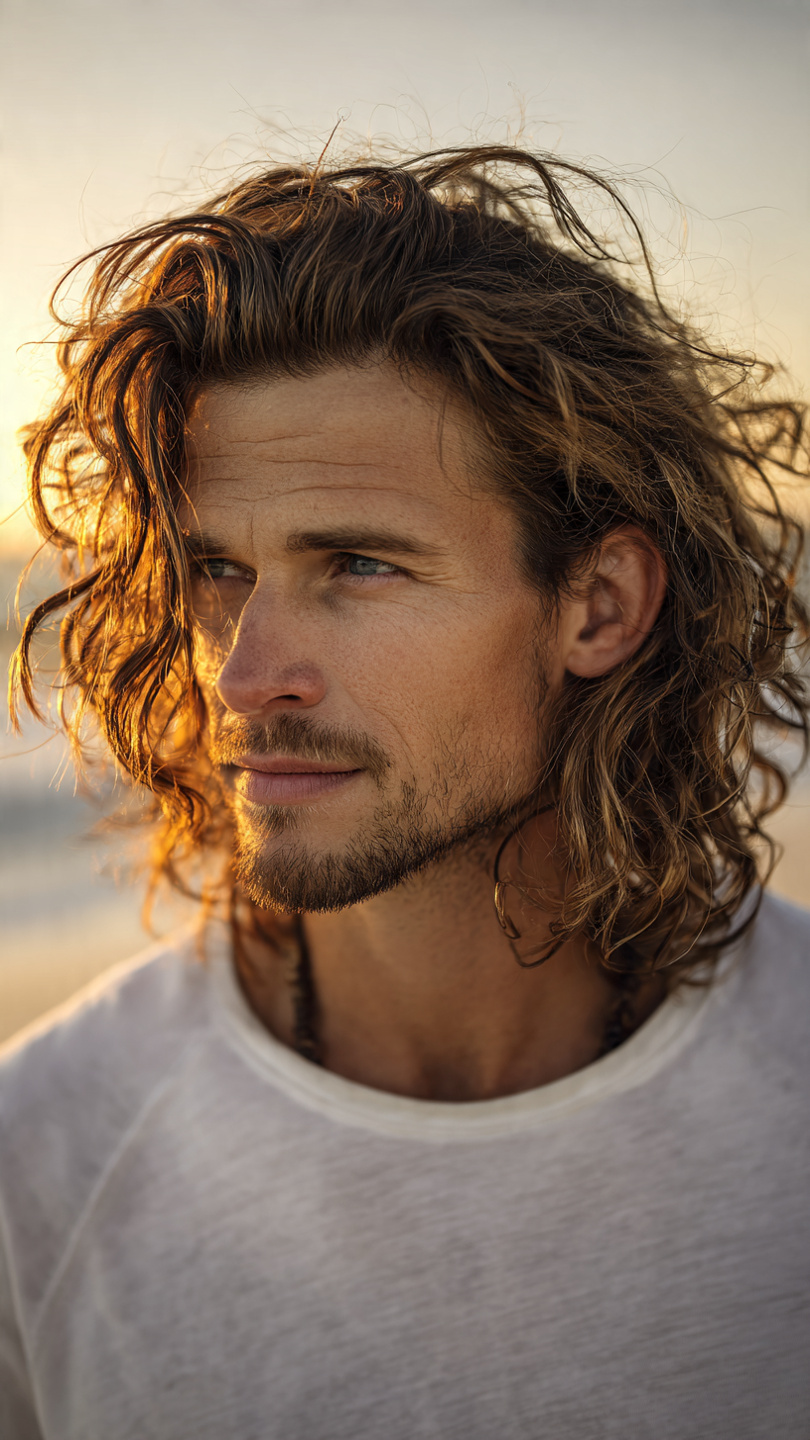
    7. The Bro Flow (Wavy Medium Length)

    Why it’s huge in 2026: The bro flow—wavy, medium-length hair that falls naturally around the ears and collar—has made a major comeback. This style embraces natural wave patterns and requires minimal styling. It’s perfect for men who want to grow their hair out but still look put-together. The key is strategic layering to prevent the “mushroom head” effect.

    How to style it: Apply sea salt spray or wave-enhancing cream to damp hair. Scrunch section by section with a microfiber towel. Air-dry completely—about 30–40 minutes. Do not touch while drying. Once dry, shake out at the roots with your fingers. Never brush—use a wide-tooth comb only when wet. For a more polished look, tuck the sides behind your ears.

    Best face shapes: All face shapes (most universally flattering wave pattern)

    Maintenance needs: Trim every 8–10 weeks. Waves hide grow-out beautifully.

    For men over 60 seeking effortless styles, these wash and wear haircuts for women over 60 offer universal low-maintenance ideas.


    8. The Wolf Cut for Men

    Why it’s huge in 2026: The wolf cut—a hybrid of a shag and a mullet—is one of the biggest trends crossing over from women’s to men’s grooming. Features shorter, choppy layers on top and at the crown, gradually transitioning into longer, wispier lengths in the back. The wolf cut creates volume at the crown, softens facial features, and works beautifully with natural texture. It’s edgy but wearable, modern but not “trying too hard.”

    How to style it: Apply texturizing spray to damp hair. Blow-dry using your fingers, lifting at the crown for volume. Once dry, use a small amount of matte clay to piece out individual sections. The back can be left to air-dry or lightly tousled. The goal is lived-in texture—not perfection. For curly hair, apply curl cream to soaking wet hair and diffuse.

    Best face shapes: Oval, square, heart (most universally flattering)

    Maintenance needs: Trim every 6–8 weeks. The wolf cut improves with grow-out.

    For men interested in this trend, these wolf cut for men over 50 styles offer age-appropriate variations.


    How to Choose the Right 2026 Trend for You

    If you want…Choose…Why
    Low maintenance, clean lookTapered Buzz CutZero styling, easy upkeep
    Volume and textureTextured CropMaximum volume with minimal effort
    To grow your hair outBro FlowEmbraces natural waves, low manipulation
    Face-framing softnessCurtain BangsSoftens high foreheads, adds character
    Modern edgeWolf CutEdgy but wearable, works with texture
    Professional with personalityLong Textured Top with Short SidesBalanced, office-appropriate
    Height without pomadeTextured QuiffVolume without the polished finish
    Length with attitudeModern MulletSurprisingly sophisticated, low-maintenance

    Quick Reference: 2026 Men’s Haircut Trends

    TrendBest ForKey Styling ProductMaintenance Level
    Textured CropAll hair types, thinning hairMatte pasteModerate
    Modern MulletWavy or curly hairTexturizing sprayLow to moderate
    Curtain BangsMedium to long hair, high foreheadsLightweight mousseModerate (bangs need trims)
    Tapered Buzz CutLow-maintenance lovers, thinning hairNoneLow
    Long Textured Top with Short SidesMen who want lengthCurl cream or mousseModerate
    Textured QuiffStraight or wavy hairVolumizing foamModerate
    Bro FlowNatural wavesSea salt sprayLow
    Wolf CutAll hair typesTexturizing sprayLow to moderate

    Final Thoughts

    Men’s haircut trends for 2026 are defined by a shift toward authenticity, ease, and personal expression. This year’s trends prove that you don’t need a complicated routine to look sharp; you just need the right cut for your texture and face shape. Whether you’re drawn to the textured crop, the modern mullet, or the tapered buzz cut, the most important element is that your style works for you. Take these trends to your barber, discuss a version tailored to your unique features, and step into 2026 with fresh, effortless hair.

  • Balayage vs. Highlights for Gray Hair: What’s Better for Women Over 50?

    Balayage vs. Highlights for Gray Hair: What’s Better for Women Over 50?

    For women over 50 transitioning to gray or looking to enhance their natural silver, the debate between balayage and traditional highlights is an important one. Both techniques can beautifully blend gray hair, but they work very differently and offer distinct advantages depending on your goals, maintenance preferences, and natural gray pattern. Balayage offers a soft, sun-kissed, low-maintenance grow-out, while traditional highlights provide more uniform, consistent coverage. In this guide, you’ll discover the key differences between balayage and highlights for gray hair, along with which technique is better for different situations, maintenance needs, and desired outcomes for women over 50. If you’re exploring color options for gray hair, these grey blending highlights in ash blonde offer additional cool-toned inspiration.


    Understanding the Basics: What’s the Difference?

    Before diving into which is “better,” it’s essential to understand how each technique works.

    FeatureBalayageTraditional Highlights
    Application methodHand-painted freehand onto the surface of the hairWrapped in foils or using a cap with pulled-through sections
    Look achievedSoft, natural, sun-kissed, lived-inUniform, consistent, more structured
    Grow-outVery soft; no harsh line of demarcationMore noticeable; roots create a defined line
    ContrastLow to medium contrastCan be low, medium, or high contrast
    ProcessingOpen-air processing (no heat from foil)Heat from foil accelerates processing
    Best forWomen who want low-maintenance colorWomen who want uniform coverage
    Gray coverageBlends and softens grayCan cover gray more uniformly

    What Is Balayage?

    Balayage (pronounced bah-lee-ahge) is a French word meaning “to sweep” or “to paint.” The colorist paints lightener directly onto the surface of the hair in a sweeping motion, creating a soft, graduated effect. Because the color is painted on by hand, no two balayage applications are exactly alike—each is customized to your hair and face.

    How Balayage Works on Gray Hair

    For women with gray hair, balayage works by painting lighter pieces through the mid-lengths and ends, leaving the roots darker or natural. This creates a soft, blended transition between your natural gray roots and the lighter ends. The effect is particularly beautiful on women with 20–60% gray, where the balayage pieces connect with natural silver strands.

    Advantages for gray hair:

    • Soft grow-out – No harsh line when roots come in
    • Low maintenance – Can go 12–16 weeks between appointments
    • Customizable – Can be placed strategically where gray is most concentrated
    • Adds dimension – Breaks up solid gray or solid dark color
    • Works with natural gray pattern – Enhances what you already have

    Disadvantages for gray hair:

    • Less predictable – Results depend heavily on the colorist’s skill
    • Not ideal for full gray coverage – Works best for blending, not covering
    • Can be more expensive – Requires an experienced colorist
    • May need multiple sessions – For dramatic lightening from dark brown

    For women with fine hair considering color, these low maintenance haircuts for women over 50 with fine hair pair beautifully with balayage.


    What Are Traditional Highlights?

    Traditional highlights use foils (or a cap) to isolate sections of hair, which are then saturated with lightener and wrapped in foil. The foil traps heat, accelerating the lightening process and allowing for more predictable, consistent lift. This technique can create anything from subtle babylights to bold, chunky highlights.

    How Highlights Work on Gray Hair

    For women with gray hair, traditional highlights can be used to either cover gray completely (by using permanent color) or blend gray (by using lightener). Foils allow for precise placement and consistent results, making them ideal for women who want uniform color throughout their hair.

    Advantages for gray hair:

    • More predictable results – The foil creates consistent lift
    • Better gray coverage – When using permanent color, can cover 100% of grays
    • Can create uniform color – Ideal for all-over blonde or consistent highlights
    • Works for high-contrast looks – Can create dramatic lightening
    • Good for resistant gray – The heat in foils helps process stubborn gray strands

    Disadvantages for gray hair:

    • More noticeable grow-out – Creates a defined line at the roots
    • Higher maintenance – Needs touch-ups every 4–8 weeks
    • More damage potential – Heat in foils can increase damage risk
    • Can look stripy – If not done well, can create harsh lines

    Balayage vs. Highlights: Side-by-Side Comparison for Gray Hair

    FactorBalayageTraditional HighlightsWinner
    Natural lookSoft, sun-kissed, lived-inCan look natural or structured depending on placementBalayage
    Low maintenance12–16 weeks between appointments4–8 weeks between appointmentsBalayage
    Gray blendingBlends beautifully with 20–60% grayBlends or covers depending on techniqueTie
    Full gray coverageNot idealExcellent with permanent colorHighlights
    PredictabilityDepends on colorist skillVery predictableHighlights
    Damage riskLower (no foil heat)Higher (foil heat)Balayage
    Cost per appointmentHigherLower to moderateHighlights
    Cost per yearLower (fewer appointments)Higher (more appointments)Balayage
    Best for curl/waveExcellent (painted on)Good (can create stripes if not careful)Balayage
    Best for straight hairGood (can look subtle)Excellent (uniform placement)Highlights

    Which Is Better for Your Gray Hair Pattern?

    For 0–20% Gray (Minimal Gray)

    Recommendation: Balayage. With minimal gray, balayage can add dimension and brightness while making the few gray strands look intentional. The soft, natural look of balayage complements sparse gray without overwhelming it.

    Why: You don’t need full coverage; you need blending. Balayage’s soft transition is perfect for early gray.

    For 20–60% Gray (Moderate Gray)

    Recommendation: Either—depending on your goal. If you want to embrace your gray and blend it seamlessly, choose balayage. If you want to cover most of your gray for a more uniform color, choose traditional highlights with permanent color.

    Why: This is the gray sweet spot where both techniques work well. Your choice depends on whether you want to highlight your gray (balayage) or hide it (highlights).

    For 60–100% Gray (Significant to Full Gray)

    Recommendation: Traditional highlights with permanent color. If you have significant gray, you need consistent coverage. Traditional foils with permanent color can cover even resistant grays. However, if you want to embrace your full gray and just add dimension, a silver-enhancing gloss might be better than either technique.

    Why: Balayage alone won’t provide enough coverage for significant gray. You need the consistency of foils.

    For women fully embracing their silver, these silver and gray blending techniques offer additional options.


    Combining Both: The Best of Both Worlds

    Many colorists now use combined techniques—especially for gray hair. A common approach:

    1. Base color – Permanent color in foils to cover resistant grays at the roots
    2. Balayage – Painted highlights through the mid-lengths and ends for softness
    3. Toner – A gloss to blend everything together

    This hybrid approach gives you the gray coverage of traditional highlights with the soft, lived-in finish of balayage. It’s more expensive initially but provides beautiful, long-lasting results.


    Balayage on Gray Hair: What to Expect

    Best Candidates for Balayage on Gray Hair

    • Women with 20–60% gray who want to blend, not cover
    • Those who want low-maintenance color (appointments every 3–4 months)
    • Women with natural waves or curls (balayage looks stunning on texture)
    • Those who prefer a soft, natural, sun-kissed look
    • Women who want to embrace their gray while adding dimension

    What to Ask Your Colorist

    • “Can you show me examples of balayage on gray hair you’ve done?”
    • “How will you work with my natural gray pattern?”
    • “What toner will you use to prevent brassiness?”
    • “How long will this last before I need a touch-up?”
    • “Will this work with my percentage of gray?”

    Maintenance for Balayage on Gray Hair

    • Touch-up frequency: Every 12–16 weeks
    • Toning appointments: Every 6–8 weeks (to prevent brassiness)
    • Purple shampoo: Use weekly to maintain cool tones
    • Gloss treatments: Every 4–6 weeks for shine and tone refresh

    Highlights on Gray Hair: What to Expect

    Best Candidates for Highlights on Gray Hair

    • Women with 60–100% gray who want consistent coverage
    • Those who prefer more uniform, predictable color
    • Women with straight hair (highlights show up clearly)
    • Those who want higher contrast between light and dark
    • Women with resistant gray that needs heat from foils to process

    What to Ask Your Colorist

    • “What developer volume will you use for my resistant grays?”
    • “How will you prevent my gray from looking yellow or brassy?”
    • “What’s the recommended touch-up schedule for my gray percentage?”
    • “Will you use permanent color or lightener?”
    • “Can we add lowlights for dimension?”

    Maintenance for Highlights on Gray Hair

    • Touch-up frequency: Every 6–10 weeks (depending on gray growth)
    • Toning appointments: Every 4–6 weeks
    • Purple shampoo: Use 2–3 times weekly
    • Deep conditioning: Weekly to maintain health

    The Brassiness Factor: Gray Hair’s Biggest Challenge

    Both balayage and traditional highlights on gray hair face the same challenge: brassiness. Gray and silver hair naturally pulls warm tones—yellow, orange, or gold—especially when lightened.

    How to Prevent Brassiness

    MethodBalayageHighlights
    Purple shampooWeekly2–3 times weekly
    Toning glossEvery 6–8 weeksEvery 4–6 weeks
    Cool-toned tonerApplied at each appointmentApplied at each appointment
    Avoid warm-toned productsEssentialEssential
    Cold water rinsesHelps maintain cool tonesHelps maintain cool tones

    Signs Your Gray Hair Is Getting Brassy

    • Your silver looks yellowish
    • Your highlights have a golden or orange hue
    • Your gray looks dull rather than bright
    • Your hair has lost its cool, ashy tone

    Solution: Use purple shampoo immediately and schedule a toning appointment.


    Cost Comparison: Balayage vs. Highlights for Gray Hair

    FactorBalayageTraditional Highlights
    Initial appointment$150–300+$100–250
    Touch-up appointment$150–300 (every 12–16 weeks)$100–250 (every 6–10 weeks)
    Toner/gloss appointment$50–80 (every 6–8 weeks)$50–80 (every 4–6 weeks)
    Yearly total (approx.)$800–1,500$1,200–2,000

    Balayage typically costs less per year because you need fewer full color appointments, despite higher per-appointment costs.


    Quick Reference: Balayage vs. Highlights for Gray Hair

    If you want…Choose…
    Soft, natural, sun-kissed lookBalayage
    Uniform, consistent colorHighlights
    Low maintenance (3–4 months between appointments)Balayage
    Full gray coverageHighlights
    To embrace your gray patternBalayage
    To minimize damageBalayage
    Predictable, reliable resultsHighlights
    To spend less per appointmentHighlights
    To spend less per yearBalayage
    Wavy or curly hairBalayage
    Straight hairHighlights
    To blend 20–60% grayBalayage
    To cover 60–100% grayHighlights

    Final Thoughts

    Balayage vs. highlights for gray hair isn’t about which is objectively “better”—it’s about which is better for your specific gray pattern, lifestyle, and aesthetic preferences.

    Choose balayage if: You have 20–60% gray, want a soft natural look, prefer low-maintenance color (appointments every 3–4 months), and want to embrace your gray while adding dimension.

    Choose traditional highlights if: You have 60–100% gray, want consistent, predictable coverage, don’t mind more frequent appointments (every 6–10 weeks), and prefer a more uniform blonde or highlighted look.

    Consider a combination if: You want the gray coverage of highlights with the soft grow-out of balayage—many colorists now offer hybrid techniques that give you the best of both worlds.

    The most important factor is finding a colorist who specializes in gray hair and understands how to work with your specific texture and gray percentage. Take this guide to your consultation, ask the right questions, and get ready to love your gray—whether highlighted, balayaged, or beautifully natural.

  • The Modern Mullet for Women Over 50: Bold, Edgy, and Surprisingly Sophisticated

    The Modern Mullet for Women Over 50: Bold, Edgy, and Surprisingly Sophisticated

    For women over 50 ready to break free from convention, the modern mullet offers a bold, empowering, and surprisingly sophisticated option. Gone are the days when “business in the front, party in the back” meant something to hide. Today’s mullet is soft, textured, and deliberately artistic—shorter layers on top and at the crown gradually transition into longer, wispier lengths in the back. For women over 50, the modern mullet creates volume at the crown (where thinning often occurs), frames the face beautifully, and projects confidence and individuality. In this guide, you’ll discover 10 variations of modern mullet for women over 50, each designed to flatter mature features, work with age-related texture changes, and make you feel bold and beautiful. If you love edgy, age-defying styles, these funky short hair for older women offer additional inspiration.


    Why the Modern Mullet Works for Women Over 50

    The modern mullet has evolved into a sophisticated, wearable style. Here’s why the modern mullet for women over 50 is so effective:

    • Creates volume at the crown – The shorter top layers lift at the roots, addressing age-related thinning
    • Softens facial features – Face-framing layers and wispy ends soften jawlines and forehead lines
    • Removes bulk where not needed – The shorter top reduces weight, while the longer back keeps length
    • Works with natural texture – Straight, wavy, or curly hair all take to the mullet beautifully
    • Projects confidence – This cut says you’re bold, creative, and unapologetically yourself
    • Low maintenance – Designed to look intentional when slightly messy, requiring minimal daily styling
    • Camouflages graying roots – The textured, layered nature makes root regrowth less noticeable

    For women with fine hair, the modern mullet’s layered structure can also create the illusion of density—similar to these low maintenance haircuts for women over 50 with fine hair.


    The 10 Modern Mullet Variations for Women Over 50

    1. The Soft Modern Mullet

    Why it works: The soft modern mullet is the most wearable version for women over 50. The top and crown have soft, subtle layers that create gentle volume, while the back has longer, wispy ends that barely reach the shoulders. There’s no harsh contrast between sections—everything blends seamlessly. This version is perfect for women who want to try the trend without a dramatic commitment.

    How to style it: Apply texturizing spray to damp hair. Blow-dry using your fingers, lifting at the crown for volume. The back can be left to air-dry or quickly smoothed. Once dry, use a small amount of matte paste to piece out the ends. The overall effect should be soft and lived-in, not harsh.

    Best face shapes: Oval, heart, round (the softness works for everyone)

    Maintenance needs: Trim every 6–8 weeks. The soft shape is forgiving.

    For women with round faces who want slimming effects, these best haircuts for round faces over 50 offer additional strategies.


    2. The Curly Modern Mullet

    Why it works: Curly hair was made for the mullet. The curly modern mullet features shorter, voluminous curls on top and at the crown, transitioning into longer, bouncier curls in the back. The layers remove weight, preventing the dreaded “triangle head” effect, while the length in the back allows curls to shine. For women over 50 with natural curls, this cut celebrates texture while keeping it manageable.

    How to style it: Apply leave-in conditioner and curl cream to soaking wet hair. Use a denman brush to define curl clumps. Scrunch vigorously with a microfiber towel. Air-dry completely or use a diffuser on low heat. Once dry, shake out at the roots. The shorter top curls should have more volume; the back curls should be longer and looser.

    Best face shapes: Oval, heart, round (curls soften angular features)

    Maintenance needs: Trim every 8–10 weeks (dry cut only). Curly hair hides grow-out well.

    For women with thin curly hair, these curly haircuts for thin hair offer additional volume-building ideas.


    3. The Wavy Modern Mullet

    Why it works: The wavy modern mullet is the sweet spot for women with natural 2B to 2C waves. The shorter waves on top create volume and lift, while the longer waves in the back cascade down gracefully. The waves interact with the choppy layers to create the perfect lived-in texture. This cut requires minimal styling—just scrunch and go.

    How to style it: Apply sea salt spray or wave-enhancing cream to damp hair. Scrunch section by section with a microfiber towel. Air-dry completely—about 30–40 minutes. Do not touch while drying. Once dry, shake out at the roots with your fingers. Never brush—use a wide-tooth comb only when wet.

    Best face shapes: All face shapes (most universally flattering wave pattern)

    Maintenance needs: Trim every 8–10 weeks. Waves hide grow-out beautifully.

    For women over 60 seeking effortless styles, these wash and wear haircuts for women over 60 offer additional low-maintenance ideas.


    4. The Textured Modern Mullet with Curtain Bangs

    Why it works: Adding curtain bangs to a modern mullet softens the overall look and creates beautiful face-framing. The bangs part in the middle and sweep to each side, blending seamlessly into the shorter top layers. This combination is especially flattering for women over 50 because it softens forehead lines, draws attention to the eyes, and adds a romantic, Parisian feel to the edgy mullet silhouette.

    How to style it: Apply lightweight mousse to damp hair. Blow-dry the curtain bangs using a small round brush, rolling them away from your face. The rest of the mullet can be styled with your fingers—tousled and piecey. To refresh bangs on day two, mist with water and re-roll around a round brush with heat for 10 seconds.

    Best face shapes: Oval, heart, round (curtain bangs slim wider foreheads)

    Maintenance needs: Bangs trim every 3–4 weeks; mullet trim every 6–8 weeks

    For more face-framing inspiration, these curtain bangs for women over 50 offer age-defying styling tips.


    5. The Short Modern Mullet (Above Shoulders)

    Why it works: The short modern mullet keeps the entire cut above the shoulders, making it less dramatic and more office-appropriate while still maintaining the mullet’s signature shape. The top is shorter with volume, the sides are tapered, and the back extends just to the shoulders—no longer. This version is perfect for women who want edge but need a more conservative silhouette.

    How to style it: Apply texturizing spray to damp hair. Blow-dry using your fingers, lifting at the crown. The shorter length means it will dry in whatever direction it wants—embrace this. Use matte paste to piece out the ends. The mullet shape should be noticeable but subtle.

    Best face shapes: Oval, square, heart (the shorter length suits stronger bone structure)

    Maintenance needs: Trim every 5–6 weeks. The short shape needs regular upkeep.

    For plus size women seeking flattering options, these short haircuts for plus size women over 50 offer additional slimming ideas.


    6. The Modern Mullet for Fine Hair

    Why it works: Women with fine hair can absolutely rock a modern mullet. The key is soft, subtle layers rather than dramatic choppiness. The shorter top layers create volume where fine hair needs it most, while the longer back pieces are kept wispy to avoid weighing down the cut. This version uses lighter layering to add movement without sacrificing density.

    How to style it: Apply volumizing mousse to damp roots. Blow-dry upside down to maximize lift at the crown. Use texturizing powder at the roots for grip. Avoid heavy products that will weigh fine hair down. The back should be lightweight and piecey. Finish with dry shampoo at the crown.

    Best face shapes: Oval, heart, round (the volume adds balance)

    Maintenance needs: Trim every 6–8 weeks. Keep the layering subtle—too much will make fine hair look wispy.

    For women with fine hair, these short hairstyles for thin fine hair offer additional density-building ideas.


    7. The Modern Mullet with Micro Bangs

    Why it works: Micro bangs (also called baby bangs) sit high on the forehead, often an inch or more above the eyebrows. Pairing them with a modern mullet creates a bold, editorial contrast—the short, blunt bangs against the longer, shaggy back is striking and fashion-forward. This combination is for the boldest women over 50 who want to make a serious statement.

    How to style it: Apply smoothing cream to the bangs only. Blow-dry them straight down using a fine-tooth comb and a blow dryer. The rest of the mullet should be styled in direct contrast—messy, textured, and piecey. Use texturizing spray on the mullet sections only. The goal is clean bangs, chaotic mullet.

    Best face shapes: Oval, heart, diamond (micro bangs suit strong bone structure)

    Maintenance needs: Bangs trim every 2–3 weeks (they grow out fast); mullet trim every 6–8 weeks


    8. The Modern Mullet with Tapered Sides

    Why it works: For a slightly more structured and neat look, consider a modern mullet with tapered sides. The hair near the ears is cut shorter and gradually gets longer as it moves toward the top and back, creating a cleaner line. This version is great for reducing bulk around the ears and gives the overall look a more tailored, sophisticated feel while maintaining the mullet’s signature shape.

    How to style it: Apply styling cream to damp hair on top only. Use a small round brush to lift the crown while blow-drying. The tapered sides need only a quick towel-dry. Run wax through the top length for separation, pushing it slightly forward or to the side. The back should remain longer and piecey.

    Best face shapes: Oval, square, oblong (the clean lines suit sharper features)

    Maintenance needs: Top trim every 6–8 weeks; tapered sides need refreshing every 4 weeks


    9. The Modern Mullet with Color Accents

    Why it works: Adding color accents—subtle highlights or a bold streak—elevates the modern mullet from casual to statement-making. For women with gray or silver hair, adding platinum or lavender streaks adds dimension and modernity. For darker hair, subtle caramel or copper highlights woven through the layers make the mullet’s shape pop. The color should be placed strategically to emphasize the contrast between the shorter top and longer back.

    How to style it: Style your mullet as usual. The color will naturally enhance the layers. For best visibility of the mullet shape, style with texture and separation—smooth styles hide the cut’s architecture. Use color-depositing conditioner to maintain vibrancy.

    Best face shapes: All face shapes (color adds dimension regardless of cut)

    Maintenance needs: Mullet trim every 6–8 weeks; color touch-up every 6–12 weeks

    For those blending grays with color, these grey blending highlights in ash blonde offer cool, sophisticated options.


    10. The Silvery Modern Mullet (Embracing Gray)

    Why it works: For women embracing their natural silver or gray hair, the modern mullet is a stunning choice. The layered texture adds dimension to silver strands, making them look luminous rather than flat. The contrast between the shorter top layers and longer back creates visual interest that enhances the natural variations in gray hair. This is a sophisticated, low-maintenance way to celebrate your silver while rocking an edgy cut.

    How to style it: Style your mullet as usual. Use purple shampoo once weekly to prevent yellowing and keep silver bright. For added shine, use a silver-enhancing gloss every 2–3 weeks. The layered texture will catch the light beautifully, making your silver stand out. Avoid heavy products that can make gray hair look dull.

    Best face shapes: All face shapes (silver adds elegance to any style)

    Maintenance needs: Trim every 6–8 weeks; tone every 4–6 weeks to maintain cool silver


    How to Style the Modern Mullet for Women Over 50

    Styling the modern mullet is intentionally low-maintenance. Here’s your daily roadmap:

    • Embrace texture – The mullet looks best when it’s slightly messy. Use texturizing spraysea salt spray, or dry shampoo to add grip and separation.
    • Focus on crown volume – The signature of the modern mullet is volume at the crown. Blow-dry the crown section upward with a small round brush, or add texturizing powder for instant lift.
    • Keep the back piecey – The longer back sections should look wispy and separated, not heavy or blunt. Use dry wax or matte paste on the ends to define individual pieces.
    • Air-dry when possible – The mullet is designed to look great with minimal heat. Apply product to damp hair, scrunch, and let it air-dry.
    • Create bends, not curls – For straight hair, use a 1-inch curling iron to create random bends throughout the back section only. Alternate directions for a natural look.
    • Refresh with water – On non-wash days, mist your hair with plain water from a spray bottle. Re-scrunch and go. Water reactivates the original products.
    • Sleep on a satin pillowcase – A satin pillowcase preserves your texture and prevents frizz.
    • Avoid heavy products – Butters, oils, and heavy creams will weigh down the choppy layers. Stick to lightweight sprays, mousses, and powders.
    • For silver hair – Use purple shampoo once weekly to prevent yellowing and keep silver bright.

    Quick Maintenance Cheat Sheet

    StyleTrim FrequencySpecial Notes
    Soft Modern Mullet6–8 weeksMost wearable, subtle version
    Curly Modern Mullet8–10 weeks (dry cut)Always cut dry for curls
    Wavy Modern Mullet8–10 weeksWaves hide grow-out well
    Textured Modern Mullet with Curtain BangsBangs: 3–4 weeks; Mullet: 6–8 weeksBangs require frequent trims
    Short Modern Mullet (Above Shoulders)5–6 weeksShortest interval on this list
    Modern Mullet for Fine Hair6–8 weeksKeep layering subtle
    Modern Mullet with Micro BangsBangs: 2–3 weeks; Mullet: 6–8 weeksMicro bangs grow fast
    Modern Mullet with Tapered SidesTop: 6–8 weeks; Sides: 4 weeksTaper requires precision
    Modern Mullet with Color AccentsMullet: 6–8 weeks; Color: 6–12 weeksColor adds dimension
    Silvery Modern Mullet6–8 weeksTone every 4–6 weeks

    Final Thoughts

    The modern mullet for women over 50 proves that age is no barrier to bold, creative self-expression. Whether you choose a soft, subtle version, a curly interpretation, or a silvery gray style, the key is embracing texture, volume, and individuality. This cut celebrates what you have—whether that’s fine hair needing lift, curls needing shape, or silver strands needing dimension—while making you feel confident, edgy, and undeniably yourself. Take this guide to your stylist, discuss which of these 10 options aligns with your hair type and lifestyle, and get ready to discover how liberating and stylish the modern mullet can be at 50 and beyond.
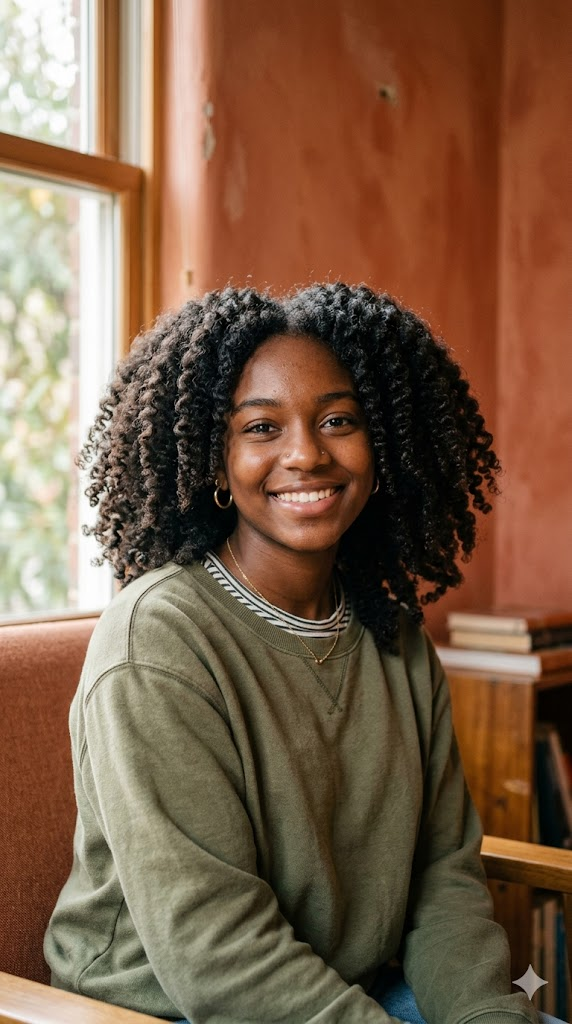
  • How to Make Your Hair Look Thicker Over 50: Cuts, Products, Tricks

    How to Make Your Hair Look Thicker Over 50: Cuts, Products, Tricks

    For women over 50, making hair look thicker is one of the most common and achievable beauty goals. As we age, hair naturally becomes finer, more fragile, and often less dense. But the right combination of haircut, styling techniques, and products can create the illusion of significant volume and thickness—often without any chemical treatments or extensions. In this guide, you’ll discover proven strategies for how to make your hair look thicker over 50, including the best cuts, the most effective products, and professional tricks that transform fine, thin hair into full, voluminous style. If you’re looking for specific haircut ideas, these low maintenance haircuts for women over 50 with fine hair offer excellent options.


    Why Hair Gets Thinner After 50—and What You Can Do About It

    Understanding why hair changes helps you choose the right solutions. Here’s what happens and how to address it:

    ChangeWhy It HappensSolution
    Hair becomes finerHormonal shifts (especially during menopause) reduce hair shaft diameterChoose cuts that add volume; use lightweight volumizing products
    Growth slowsAging hair follicles produce hair at a slower rateScalp massage; biotin and collagen supplements; gentle handling
    Increased sheddingHormonal changes can shorten the growth phaseConsult a doctor; reduce stress; use strengthening products
    Dryer, more brittleOil production decreases with ageDeep conditioning; leave-in treatments; avoid heat damage
    More visible scalpReduced density makes scalp more noticeableStrategic layering; tinted dry shampoo; scalp powders
    Gray hair is coarserGray hair has a different structure—often more wiryExtra moisture; purple shampoo for brightness

    The good news is that with the right approach, you can create the appearance of significantly thicker hair regardless of your starting density.


    Part 1: The Best Haircuts for Thicker-Looking Hair

    The foundation of thicker-looking hair is the right cut. Here are the most effective cuts for creating volume and density.

    1. The Stacked Bob

    Why it works: A stacked bob has graduated layers in the back that create a built-in bump of volume at the crown. The stacking is cut into the interior of the hair, so the volume comes from the cut itself—not from styling. For women with fine hair, this is one of the most effective volume-building cuts available.

    How to style it: Apply root-lifting spray to the crown area. Blow-dry the stacked back using a small round brush for 2–3 minutes, lifting aggressively. The front can be left to air-dry or quickly smoothed. Finish with dry texture spray at the crown.

    Best for: Fine hair, thinning at the crown

    Maintenance: Trim every 5–6 weeks

    2. The Textured Pixie

    Why it works: The textured pixie keeps the top at 1–1.5 inches with heavy point-cutting throughout, while the sides and back are tapered close. The texture creates multiple endpoints that reflect light, making fine hair look denser. The short sides prevent any bulk at the cheeks, keeping the focus on volume at the crown.

    How to style it: Apply matte paste to dry hair. Rub between palms, then rake through the top pushing everything forward. For extra volume, apply texturizing powder to the roots before the paste.

    Best for: Very fine or thinning hair, women who want ultra-low maintenance

    Maintenance: Trim every 4–5 weeks

    3. The Layered Bob (Chin-Length)

    Why it works: A layered bob at chin-length removes interior weight so hair falls naturally into place without precision styling. The layers should be soft and subtle—not choppy or disconnected—so they blend seamlessly. For fine hair, this length is ideal because it’s short enough to avoid being weighed down but long enough to tuck behind ears.

    How to style it: Apply lightweight mousse to damp roots. Blow-dry using a small round brush (1 inch), lifting each section at the root. The layers will create natural movement without curling.

    Best for: All face shapes, women who want versatility

    Maintenance: Trim every 6–8 weeks

    4. The Blunt Bob with Soft Ends

    Why it works: A blunt bob at chin-length creates the appearance of maximum density because every hair ends at the same point. Softening the very ends (micro-point cutting) prevents the “helmet head” look while keeping the weight line intact. For fine hair, this cut creates the illusion of thickness without layers that can make fine hair look wispy.

    How to style it: Apply lightweight mousse to damp hair. Comb through with a wide-tooth comb. Air-dry completely, using your fingers to gently separate any clumps. Never add heavy products that will weigh down the blunt line.

    Best for: Very fine hair that lacks density

    Maintenance: Trim every 5–6 weeks

    5. The French Bob

    Why it works: The French bob is cropped between the earlobe and chin, often with a subtle undercurl at the ends. The blunt edge creates the illusion of density, while the short length prevents the hair from looking wispy. It’s effortlessly chic and requires almost no daily effort.

    How to style it: Apply smoothing cream to damp hair. Tuck hair behind your ears while it air-dries to encourage that signature curved-under shape. Never use a straightener—the French bob celebrates imperfect, lived-in texture.

    Best for: Women who want a chic, low-maintenance cut

    Maintenance: Trim every 6 weeks

    For more haircut ideas, these best haircuts for round faces over 50 offer additional flattering options.


    Part 2: The Best Products for Thicker-Looking Hair

    The right products can dramatically improve the appearance of thickness. Here’s what to look for and what to avoid.

    Volumizing Products

    Product TypeWhat It DoesRecommended ForTop Picks
    Volumizing mousseAdds body and lift at the rootsFine, flat hairKenra Volume Mousse, Moroccanoil Volumizing Mousse
    Root-lifting sprayCreates lift at the crown when blow-driedThinning at the crownLiving Proof Full Root Lift, Oribe Maximista
    Texturizing powderAdds grit and instant height at the rootsAll fine hairSchwarzkopf Osis Dust It, Sexyhair Powder Play
    Dry shampooAdds grip and volume while absorbing oilSecond-day hair, fine hairBatiste, Klorane, Living Proof PhD
    Volumizing sprayLightweight spray that adds bodyFine hair that gets weighed downBumble and Bumble Thickening Spray, Aveda Pure Abundance

    What to AVOID

    Product TypeWhy to AvoidBetter Alternative
    Heavy oils (coconut, castor)Weigh fine hair down, make it look greasyJojoba or argan oil (use 1 drop only on ends)
    Heavy butters (shea, cocoa)Coat strands, prevent volumeLightweight leave-in conditioners
    High-shine serumsCan make fine hair look oily and flatMatte finish products or dry texture sprays
    Heavy creamsWeigh hair down at the rootsMousse or root-lifting spray instead

    Styling Tools That Help

    • Small round brush (¾–1 inch) – Creates tension and lift on fine hair better than large brushes
    • Diffuser – Enhances natural waves and curls while adding volume
    • Blow-dryer with cool shot button – Locks volume in place
    • Wide-tooth comb – Detangles without flattening volume
    • Boar bristle brush – Smooths the top layer while maintaining under-layer volume

    Part 3: Professional Tricks for Instant Volume

    These styling techniques create immediate, visible thickness.

    1. Blow-Dry Upside Down

    This is the single most effective trick for adding volume. Flip your head upside down and blast roots with warm heat for 30 seconds before you even pick up a brush. This pre-lifts the roots and cuts drying time in half.

    2. The Cool Shot

    After heating each section with a round brush, hit it with 10 seconds of cool air before releasing. This locks the bend and extends volume for hours. This is what professionals do—and it makes a dramatic difference.

    3. Dry Shampoo on Clean Hair

    Most women use dry shampoo only on second-day hair. But applying dry shampoo to clean, dry hair adds grip and texture that makes fine hair look twice as thick. Spray at the roots, wait 30 seconds, then massage in.

    4. Texturizing Powder at the Roots

    A small amount of texturizing powder (like Schwarzkopf Osis Dust It) at the roots creates instant, gravity-defying lift. Sprinkle onto your fingers, then work into the roots at the crown. A little goes a long way.

    5. The Velcro Roller Trick

    For zero-heat volume, wrap damp crown sections around large Velcro rollers (2 inches). Leave for 15–20 minutes while you do your makeup or get dressed. Remove and finger-comb. The volume will last for hours.

    6. Strategic Parting

    deep side part (aligned with the arch of your eyebrow) immediately creates asymmetrical volume. Never center-part fine hair—it creates the illusion of a bald spot at the part line.

    7. Pin Curls for Overnight Volume

    Before bed, twist small sections of your crown and pin them flat against your head. Sleep on a satin pillowcase. In the morning, remove the pins and shake out. You’ll have built-in volume without any heat.

    8. The “Pineapple” for Curls

    For wavy or curly hair, gather hair loosely at the very top of your head and secure with a satin scrunchie before bed. In the morning, shake out. This preserves curl definition and creates height at the crown.

    For women with curly hair, these curly haircuts for thin hair offer additional volume-building ideas.


    Part 4: Color Techniques That Create Depth and Dimension

    Strategic color can make hair look significantly thicker.

    1. Root Shadowing

    Leaving the roots slightly darker than the ends creates depth and contrast that mimics fullness. A root shadow (also called a shadow root) makes the hairline look denser and regrowth less noticeable.

    2. Highlights and Lowlights

    Adding both highlights and lowlights (not all-over color) creates dimension that tricks the eye into seeing more hair. The contrast between light and dark pieces adds visual texture that reads as thickness.

    3. Face-Framing Highlights

    Placing lighter pieces around the face draws attention upward and creates the illusion of lifted, fuller hair. This is especially effective when paired with a layered cut.

    4. Glossing

    clear or tinted gloss smooths the cuticle, adding shine and the appearance of density. Gloss treatments can be done at home or in a salon every 4–6 weeks.

    5. Avoid All-Over Dark Color

    Solid, dark colors can make fine hair look flat and emphasize the scalp. If you prefer dark hair, add subtle highlights or a root shadow to create dimension.

    For those blending grays, these grey blending highlights in ash blonde offer cool, sophisticated options.


    Part 5: Lifestyle Changes That Support Thicker Hair

    Healthy hair starts from within. These lifestyle changes support hair thickness over time.

    Nutrition for Hair Thickness

    NutrientFood SourcesWhy It Helps
    ProteinEggs, fish, chicken, beans, Greek yogurtHair is made of protein (keratin)
    BiotinEggs, nuts, salmon, avocadoSupports keratin production
    IronSpinach, red meat, lentils, fortified cerealIron deficiency causes hair thinning
    Vitamin DFatty fish, egg yolks, sunlightLinked to hair follicle health
    ZincOysters, pumpkin seeds, chickpeasSupports hair growth and repair
    Omega-3sSalmon, sardines, walnuts, flaxseedKeeps scalp healthy

    Supplements to Consider

    Always consult your doctor before starting supplements. Some evidence supports:

    • Biotin – May strengthen brittle hair
    • Collagen peptides – May support hair thickness
    • Vitamin D – Deficiency is linked to hair loss
    • Iron – If deficient, supplementation helps
    • Zinc – May help with hair shedding

    Gentle Hair Handling

    DoDon’t
    Use a wide-tooth comb on wet hairBrush wet hair aggressively
    Sleep on a satin pillowcaseSleep on cotton (causes friction)
    Use heat protectant before stylingUse high heat without protection
    Air-dry when possibleBlow-dry on high heat daily
    Wear loose stylesWear tight ponytails or braids regularly
    Get regular trims (every 6–8 weeks)Let split ends travel up the shaft

    Scalp Care

    A healthy scalp grows healthy hair. Try:

    • Scalp massage – 5 minutes daily increases blood flow to follicles
    • Scalp serums – Products with rosemary oil or peptides may support growth
    • Gentle cleansing – Avoid harsh sulfates that strip natural oils
    • Exfoliating – Use a scalp scrub once monthly to remove buildup

    Part 6: Quick Reference – Thicker Hair Toolkit

    Best Cuts for Thicker-Looking Hair

    CutBest ForTrim Frequency
    Stacked BobFine hair, crown thinning5–6 weeks
    Textured PixieVery fine or thinning hair4–5 weeks
    Layered BobVersatility, all face shapes6–8 weeks
    Blunt Bob with Soft EndsVery fine hair lacking density5–6 weeks
    French BobChic, low-maintenance style6 weeks

    Best Products for Volume

    Product TypeKey IngredientsWhen to Use
    Volumizing moussePolymers, lightweight holdOn damp hair before blow-drying
    Root-lifting sprayFilm-forming agentsAt the crown before blow-drying
    Texturizing powderSilica, starchesOn dry roots for instant lift
    Dry shampooStarches, claysOn clean or second-day roots
    Volumizing sprayPanthenol, proteinsThroughout damp hair

    Everyday Volume Routine (5 Minutes)

    1. Apply volumizing mousse to damp roots
    2. Flip head upside down and blow-dry roots for 30 seconds
    3. Apply texturizing powder to dry roots at the crown
    4. Create a deep side part
    5. Finish with dry shampoo at the roots for extra grip

    Final Thoughts

    Making your hair look thicker over 50 is entirely achievable with the right combination of haircut, products, and techniques. The key is choosing a cut that removes weight from the ends (like a stacked bob or textured pixie), using lightweight volumizing products, and mastering simple tricks like blow-drying upside down and using a deep side part. Remember that fine hair is often healthier and shinier than thick hair—it just needs the right approach to show its best self. Take this guide to your stylist, invest in a few key products, and get ready to discover how voluminous and beautiful your hair can be at 50 and beyond.
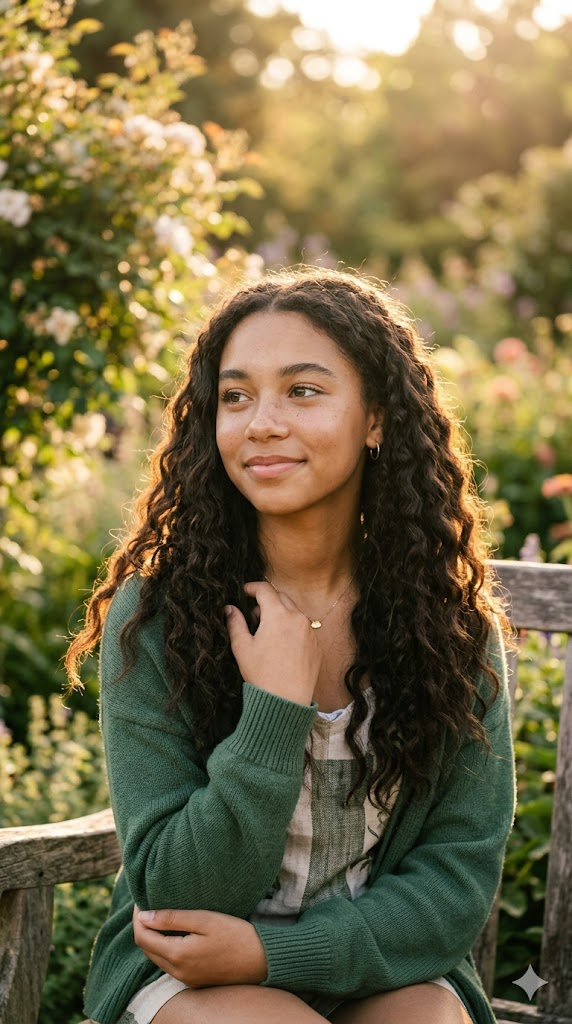
  • The Grown-Out Shag for Men: Effortless Texture and Laid-Back Style

    The Grown-Out Shag for Men: Effortless Texture and Laid-Back Style

    For men who want a haircut that looks cool without trying too hard, the grown-out shag is the perfect answer. This style embraces length, texture, and intentional imperfection—think rock-and-roll vibes meets effortless everyday wearability. Unlike precision cuts that require frequent trims, the grown-out shag is designed to look better as it gets longer. The layers create movement, the texture adds interest, and the relaxed silhouette works for everything from casual weekends to creative professional settings. In this guide, you’ll discover 10 grown-out shag variations for men, each designed to work with different hair types and face shapes. If you love textured, low-maintenance styles, these curly haircuts for men offer additional inspiration. grown-out shag for men


    What Is a Grown-Out Shag?

    The grown-out shag is a layered haircut that’s intentionally kept longer than a traditional shag. Key characteristics include:

    • Extended length – Typically falls between chin and shoulders when dry
    • Heavy layering throughout – Creates movement and reduces bulk
    • Textured ends – Wispy, piecey finishes that look lived-in
    • Often paired with curtain bangs or fringe – Softens the face and adds character
    • Minimal maintenance – Designed to look better as it grows
    • Versatile styling – Can be worn messy, slicked back, or pushed to the side

    The grown-out shag works exceptionally well for men with wavy or curly hair, but can be adapted for straight textures with the right styling products.


    Why the Grown-Out Shag Is Trending

    The grown-out shag has become increasingly popular among men for several reasons:

    • Low maintenance – Requires fewer salon visits than precision cuts
    • Effortless cool – The lived-in look projects confidence without appearing try-hard
    • Works with natural texture – Enhances waves and curls rather than fighting them
    • Hides thinning – The layers and texture camouflage sparse areas
    • Versatile length – Long enough to tie back, short enough to stay off the neck
    • Ages well – Looks intentional at every stage of growth

    For men experiencing thinning hair, the grown-out shag’s texture can be especially flattering. These haircuts for thinning hair men over 50 offer additional options.


    The 10 Grown-Out Shag for Men

    1. The Classic Grown-Out Shag

    Why it works: The classic grown-out shag features heavy layering throughout, with shorter layers at the crown and longer layers at the perimeter. The length typically falls between the chin and shoulders. This is the most requested version of the cut and works on virtually every hair type. For men with wavy or straight hair, the classic shag adds movement and volume that one-length cuts lack.

    How to style it: Apply texturizing spray to damp hair. Blow-dry using your fingers, lifting at the roots for volume. Once dry, use a small amount of matte clay to piece out individual sections. For a more polished look, sweep the front to one side. The goal is lived-in texture—not perfection.

    Best face shapes: Oval, square, heart (most universally flattering)

    Maintenance needs: Trim every 8–10 weeks. The shag improves with grow-out.

    For men with round faces who want slimming effects, these men’s haircuts for round face over 50 offer additional strategies.


    2. Curly Grown-Out Shag

    Why it works: Curly hair was made for the shag. The heavy layering removes weight, preventing the dreaded “triangle head” effect, while the length allows curls to form beautiful spirals. The curly grown-out shag celebrates natural texture while keeping it manageable. The longer length weighs down roots slightly, preventing excessive volume at the sides.

    How to style it: Apply leave-in conditioner and curl cream to soaking wet hair. Use a wide-tooth comb to distribute. Scrunch vigorously with a microfiber towel. Air-dry completely or use a diffuser on low heat. Once dry, shake out at the roots. Never brush dry curls—use your fingers to separate.

    Best face shapes: Oval, heart, round (curls soften angular features)

    Maintenance needs: Trim every 8–10 weeks (dry cut only). Curly hair hides grow-out well.

    For men with curly hair seeking more styling ideas, these curly haircuts for men offer additional inspiration.


    3. Wavy Grown-Out Shag

    Why it works: The wavy grown-out shag is the sweet spot for men with natural 2B to 2C waves. The waves interact with the choppy layers to create the perfect lived-in texture. The shorter layers at the crown lift the waves, creating volume, while the longer layers allow the wave pattern to shine through. This cut requires minimal styling—just scrunch and go.

    How to style it: Apply sea salt spray or wave-enhancing cream to damp hair. Scrunch section by section with a microfiber towel. Air-dry completely—about 30–40 minutes. Do not touch while drying. Once dry, shake out at the roots with your fingers. Never brush—use a wide-tooth comb only when wet.

    Best face shapes: All face shapes (most universally flattering wave pattern)

    Maintenance needs: Trim every 8–10 weeks. Waves hide grow-out beautifully.


    4. Straight Grown-Out Shag

    Why it works: While the shag is often associated with waves and curls, it works beautifully on straight hair. The heavy layering creates movement and volume that straight hair often lacks. Without natural wave, the cut relies on the choppy layers to create the signature shaggy silhouette. The grown-out length keeps it from looking too severe.

    How to style it: Apply volumizing mousse to damp roots. Blow-dry using a round brush, lifting sections at the crown for height. Use texturizing spray on dry hair to add grip and separation. For extra movement, run a flat iron over random sections, bending the ends in different directions. The goal is texture, not smoothness.

    Best face shapes: Oval, heart, oblong (the layers add movement to longer faces)

    Maintenance needs: Trim every 8–10 weeks. Straight hair shows uneven ends more easily, so don’t skip trims.


    5. Grown-Out Shag with Curtain Bangs

    Why it works: Adding curtain bangs to a grown-out shag softens the overall look and creates beautiful face-framing. The bangs part in the middle and sweep to each side, blending seamlessly into the shorter layers. This combination is especially flattering for men with longer faces or high foreheads, as it softens the hairline and draws attention to the eyes.

    How to style it: Apply lightweight mousse to damp hair. Blow-dry the curtain bangs using a small round brush, rolling them away from your face. The rest of the shag can be styled with your fingers—tousled and piecey. To refresh bangs on day two, mist with water and re-roll around a round brush with heat for 10 seconds.

    Best face shapes: Oval, heart, oblong (curtain bangs soften high foreheads)

    Maintenance needs: Bangs trim every 3–4 weeks; shag trim every 8–10 weeks


    6. Grown-Out Shag with Fringe

    Why it works: A fuller fringe (bangs that sit across the forehead) adds a youthful, slightly mysterious vibe to the grown-out shag. The fringe should be textured and slightly piecey—not blunt or heavy. This style works well for men with strong brows or those who want to draw attention to their eyes.

    How to style it: Apply texturizing spray to damp hair. Blow-dry the fringe forward using a round brush, creating a slight bend at the ends. The rest of the shag can be blow-dried with fingers. The fringe should sit just above the eyebrows. Finish with light hairspray on the fringe only.

    Best face shapes: Oval, heart, round (fringe shortens longer faces)

    Maintenance needs: Fringe trim every 3–4 weeks; shag trim every 8–10 weeks


    7. Messy Grown-Out Shag

    Why it works: The messy grown-out shag is deliberately disheveled—think “I just rolled out of bed but in a cool way.” The cut features uneven, jagged layers throughout, with some sections shorter than others. This intentional messiness is a blessing because perfection is not the goal. Second-day hair actually looks better, and the texture hides any thinning areas.

    How to style it: On dry hair (clean or second-day), apply dry shampoo generously at the roots. Flip head upside down and scrunch vigorously for 30 seconds. Flip back and use your fingers to texturize random sections. Add texturizing powder at the crown for piecey separation. Do not use a brush or comb.

    Best face shapes: Oval, heart, square (messiness softens angular features)

    Maintenance needs: Trim every 8–10 weeks. The lived-in look means grow-out adds to the charm.


    8. Slicked-Back Grown-Out Shag

    Why it works: The slicked-back grown-out shag takes the textured cut and adds polish. The top layers are combed back away from the face, creating a clean, sophisticated silhouette. The texture remains visible underneath, adding interest. This style is perfect for professional settings or evenings out when you want to look put-together without losing the shag’s edge.

    How to style it: Apply medium hold pomade or gel to damp hair. Use a fine-tooth comb to comb all hair back away from your forehead. The sides can be tucked behind your ears or left to fall. For a modern finish, leave the front slightly piecey rather than perfectly smooth. Lock in place with medium hold hairspray.
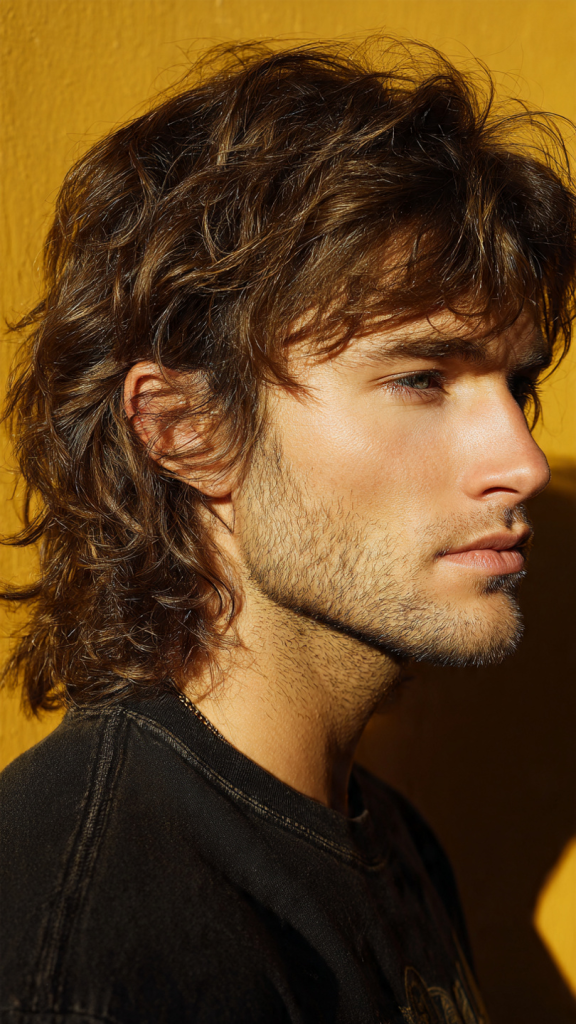
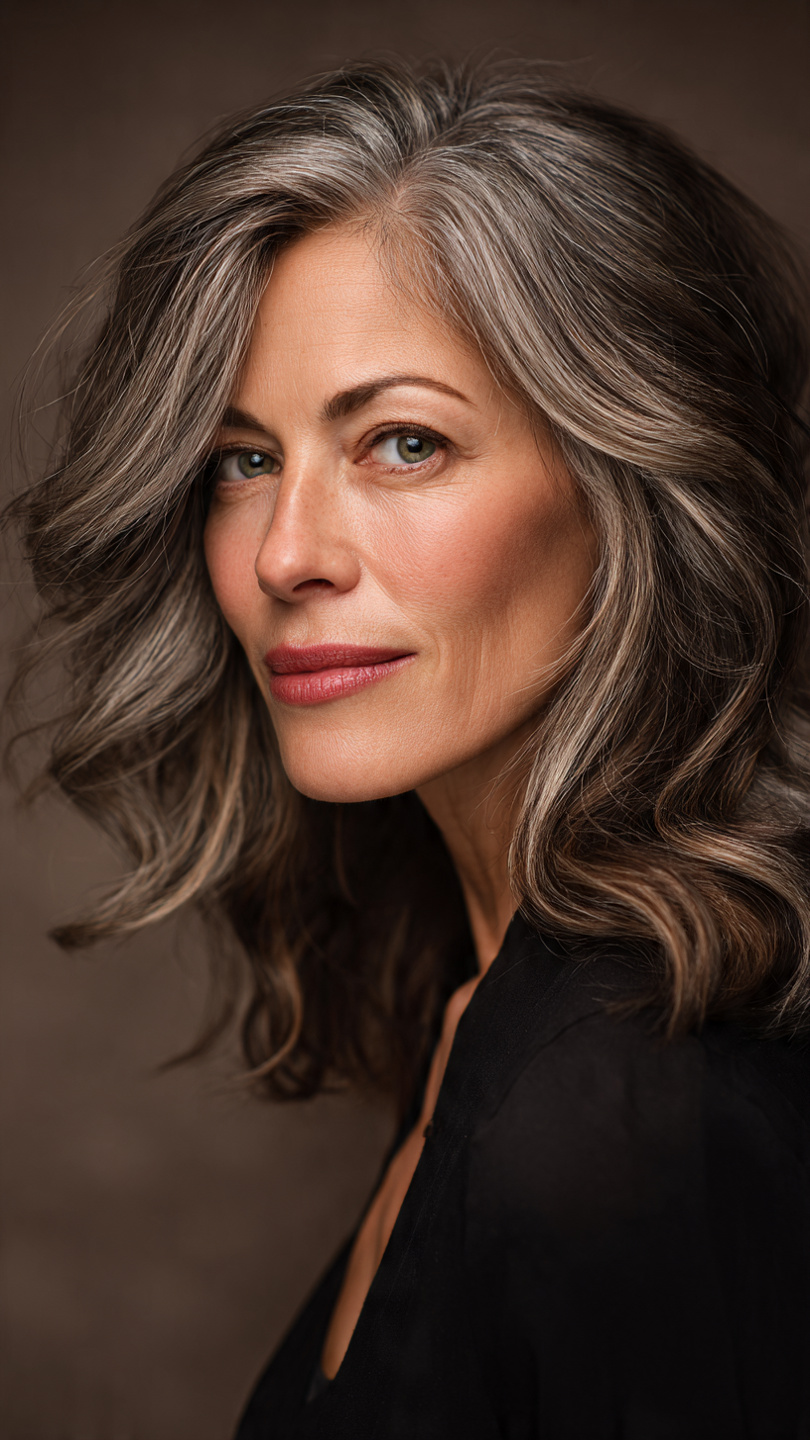
    Best face shapes: Oval, square, diamond (slicked-back elongates rounder faces)

    Maintenance needs: Trim every 8–10 weeks. The slicked style can be worn between washes.


    9. Grown-Out Shag for Thick Hair

    Why it works: Men with thick hair often struggle with bulk and weight. The grown-out shag for thick hair uses heavy layering to remove interior bulk while maintaining length. The layers start higher—around the ears or cheekbones—to prevent the dreaded “helmet head” effect. The result is hair that feels lighter, moves better, and looks effortlessly styled.

    How to style it: Apply smoothing cream to damp hair. Blow-dry using a large round brush, lifting at the roots for volume. For an air-dry option, apply wave spray and scrunch—the layers will prevent the hair from getting too puffy. Finish with shine serum on the ends only.

    Best face shapes: All face shapes (removes bulk while keeping shape)

    Maintenance needs: Trim every 8–10 weeks. Thick hair holds layers well.

    For men with thick hair seeking more options, these medium length hairstyles for thick hair offer additional shaping ideas.


    10. Grown-Out Shag for Thin Hair

    Why it works: It might seem counterintuitive—doesn’t a shag remove a lot of hair? For thin hair, the key is a subtle grown-out shag with lighter layering. The shorter crown layers create volume where thin hair needs it most, while the longer perimeter maintains length. The choppy texture hides thinning areas. This version uses soft, wispy layers that add movement without sacrificing density.

    How to style it: Apply volumizing mousse to damp roots. Blow-dry upside down to maximize lift. Use texturizing powder at the crown for grip. Avoid heavy products that will weigh thin hair down. The goal is volume and separation, not heavy texture.

    Best face shapes: Oval, heart, round (the volume adds balance)

    Maintenance needs: Trim every 8–10 weeks. Keep the layering subtle—too much will make thin hair look wispy.

    For men with thinning hair, these haircuts for thinning hair men over 50 offer additional options.


    How to Style the Grown-Out Shag for Men

    Styling the grown-out shag is intentionally low-maintenance. Here’s your daily roadmap:

    • Embrace texture – The shag looks best when it’s slightly messy. Use texturizing spraysea salt spray, or dry shampoo to add grip and separation.
    • Air-dry when possible – The shag is designed to look great with minimal heat. Apply product to damp hair, scrunch, and let it air-dry.
    • Use a diffuser for waves and curls – If you need to speed up drying, use a diffuser on low heat. Cup sections of hair and press toward your scalp.
    • Create random bends – For straight or wavy hair, use a 1-inch curling iron to create random bends throughout. Alternate directions. Brush through with a wide-tooth comb.
    • Focus on crown volume – The signature of the shag is volume at the crown. Blow-dry the crown section upward, or add texturizing powder for instant lift.
    • Refresh with water – On non-wash days, mist your hair with plain water from a spray bottle. Re-scrunch and go. Water reactivates the original products.
    • Sleep on a satin pillowcase – A satin pillowcase preserves your texture and prevents frizz.
    • Avoid heavy products – Butters, oils, and heavy creams will weigh down the choppy layers. Stick to lightweight sprays, mousses, and powders.

    Quick Maintenance Cheat Sheet

    StyleTrim FrequencySpecial Notes
    Classic Grown-Out Shag8–10 weeksMost versatile option
    Curly Grown-Out Shag8–10 weeks (dry cut)Always cut dry for curls
    Wavy Grown-Out Shag8–10 weeksWaves hide grow-out well
    Straight Grown-Out Shag8–10 weeksStraight hair shows uneven ends
    Grown-Out Shag with Curtain BangsBangs: 3–4 weeks; Shag: 8–10 weeksBangs require frequent trims
    Grown-Out Shag with FringeFringe: 3–4 weeks; Shag: 8–10 weeksBest for high foreheads
    Messy Grown-Out Shag8–10 weeksLooks better with grow-out
    Slicked-Back Grown-Out Shag8–10 weeksCan be styled between washes
    Grown-Out Shag for Thick Hair8–10 weeksRemoves bulk effectively
    Grown-Out Shag for Thin Hair8–10 weeksKeep layering subtle

    Final Thoughts

    The grown-out shag for men proves that longer hair can be low-maintenance, textured, and effortlessly cool. Whether you have curly, wavy, or straight hair, this cut works with your natural texture to create movement, volume, and style. The key is embracing imperfection—the shag is designed to look better when it’s a little messy. Take this guide to your barber, discuss which of these 10 options aligns with your hair type and lifestyle, and get ready to discover how liberating the grown-out shag can be.

  • 2026 Trending Kinky Coily Hairstyles That Celebrate Natural Texture

    2026 Trending Kinky Coily Hairstyles That Celebrate Natural Texture

    For women with kinky and coily hair textures, 2026 trending kinky coily hairstyles are all about celebrating your natural pattern in bold, innovative, and protective ways. Gone are the days when natural hair was seen as “difficult” or “unprofessional.” Today, the spotlight is on the beauty of tight coils, defined curl clumps, and the incredible versatility of type 4 hair. From elevated protective styles to stunning wash-and-goes, 2026 brings fresh energy to kinky coily textures. In this guide, you’ll discover 15 trending kinky coily hairstyles for 2026, each designed to showcase your natural texture while keeping your hair healthy, moisturized, and undeniably stylish. If you love celebrating natural texture, these 4C hairstyles ideas offer additional inspiration.


    Why Kinky Coily Hair Is Taking Center Stage in 2026

    The natural hair movement has evolved, and 2026 is the year of fearless self-expression. Here’s why kinky coily hairstyles are trending now:

    • Emphasis on health over manipulation – More women are prioritizing hair health, choosing styles that protect while showcasing natural texture
    • Innovative products – New gels, moisturizers, and tools make defining tight coils easier than ever
    • Celebrity influence – Stars are proudly wearing their coily textures on red carpets
    • Versatility in length – From teeny weeny Afros (TWAs) to waist-length coils, every length is celebrated
    • Protective meets stylish – Protective styles no longer mean hiding your hair; they now enhance and frame your face
    • Hydration focus – The emphasis on moisture-rich routines keeps coily hair looking juicy and defined

    The 15 Trending Kinky Coily Hairstyles for 2026

    1. Defined Wash-and-Go with Maximum Shrinkage

    Why it works: The defined wash-and-go has been elevated in 2026. Instead of stretching or manipulating coils, this style embraces maximum shrinkage—celebrating how tight coils spring up close to the scalp. The result is a cropped, rounded shape that’s full of definition and personality. For women with kinky coily hair, this style requires the right gel and technique to lock in definition.

    How to style it: Start with freshly washed, soaking wet hair. Apply leave-in conditioner, then layer with a strong hold gel (like Eco Styler, Wetline Xtreme, or Uncle Funky’s Daughter). Use the “praying hands” method to smooth product through sections, then scrunch vigorously. Air-dry completely (4–6 hours) or sit under a hooded dryer for 45–60 minutes. Do not touch while drying. Once 100% dry, gently fluff at the roots with a pick. Do not separate the clumps.

    Best face shapes: All face shapes (most authentic to natural texture)

    Maintenance needs: Lasts 5–7 days with nightly pineappling and a satin bonnet

    For women with fine coily hair who want definition without weight, these curly haircuts for thin hair offer additional volume-building ideas.


    2. Elevated Bantu Knots

    Why it works: Bantu knots are a traditional African hairstyle that has been reimagined for 2026. Instead of uniform knots, the elevated version plays with placement, size, and accessories. Larger knots, asymmetrical placement, and gold cuffs or beads elevate this classic style. Bantu knots can be worn as a style themselves or unraveled for a bantu knot-out.

    How to style it: Start with damp, detangled hair. Apply leave-in conditioner and curl cream. Part your hair into sections—size determines knot size. Take a section, twist it tightly from root to tip, then wrap the twisted hair around itself to form a small knot. Tuck the end underneath. Secure with a small elastic if needed. Add gold cuffs or beads for 2026 flair. Repeat until all hair is knotted. Allow to dry completely (overnight or under a hooded dryer for 2–3 hours).

    Best face shapes: Oval, heart, diamond (knots add visual interest and height)

    Maintenance needs: Bantu knots last 1–2 weeks; knot-out lasts 3–5 days


    3. Coily Finger Coils with Color Accents

    Why it works: Finger coils have been a staple for defining coily hair, but 2026 brings color accents into the mix. Individual coils are formed by wrapping small sections of hair around the finger, creating perfect spiral curls. Adding vibrant color accents—like burgundy, honey blonde, or copper—to select coils creates dimension and visual interest. This style is time-intensive but delivers stunning, sculptural results.

    How to style it: Start with damp, detangled hair. Apply leave-in conditioner and curl defining gel. Take a small section (½ inch) and apply product. Wrap the hair around your finger from root to tip, forming a tight coil. Allow the coil to sit on its own or secure with a small clip. Repeat until all hair is coiled. For color accents, have a stylist add highlights or color-depositing conditioner to select coils. Allow to dry completely (air-dry overnight or sit under a hooded dryer for 3–4 hours).

    Best face shapes: All face shapes (most defined look for coily hair)

    Maintenance needs: Finger coils last 1–2 weeks; coil-out lasts 3–5 days


    4. Fulani Braids with Beaded Details

    Why it works: Fulani braids (also called tribal braids) remain a top protective style for 2026. The style features cornrows braided close to the scalp with a central braid down the middle, side braids sweeping back, and often a braided fringe. The 2026 update adds beaded details—wooden, gold, or colorful beads threaded onto the ends. This style is cultural, beautiful, and protective.

    How to style it: Start with freshly washed, detangled hair stretched via blow-drying. Apply leave-in conditioner and braiding gel. Create a center part. Braid a cornrow down the center from forehead to nape. Create cornrows on each side, angling them toward the center. Leave the ends out and braid them into three-strand braids. Thread wooden beadsgold cuffs, or colorful beads onto the ends. Secure edges with edge control.

    Best face shapes: Oval, heart, diamond (the central line elongates the face)

    Maintenance needs: Fulani braids last 4–6 weeks with proper care


    5. The Coily Frohawk

    Why it works: The coily frohawk combines the volume of an Afro with the edge of a mohawk. The sides are shaved or closely tapered, while a strip of coily length remains from forehead to nape. This style celebrates natural volume while creating a striking, sculptural silhouette. For 2026, the frohawk is softer and more rounded than previous years—less punk, more sophisticated.

    How to style it: Apply leave-in conditionercurl cream, and gel to soaking wet hair on the center strip only. Use a denman brush to define curl clumps. Scrunch vigorously. Air-dry or diffuse. Once dry, pick out the roots gently to create height and fullness. The shaved sides require no styling—keep them moisturized to prevent irritation and refresh every 1–2 weeks.

    Best face shapes: Oval, diamond, square (the height elongates rounder faces)

    Maintenance needs: Center strip trim every 6–8 weeks; shaved sides need refreshing every 1–2 weeks

    For plus size women who love bold styles, these short haircuts for plus size women over 50 offer additional slimming ideas.


    6. Kinky Twists with Mixed Lengths

    Why it works: Kinky twists (two-strand twists using kinky texture hair) are a protective staple. The 2026 update features mixed lengths—some twists are cut shorter around the face, others are left longer. This intentional unevenness creates movement and visual interest. Kinky twists are lightweight, long-lasting, and versatile.

    How to style it: Start with freshly washed, detangled hair stretched via blow-drying or banding. Apply leave-in conditioner and twisting butter. Part hair into sections. Take each section and divide into two strands, twisting from root to tip. For mixed lengths, trim some twists at the front to chin-length after installation. Use mousse on the ends to prevent frizz. Kinky twists can last 4–8 weeks with proper care.

    Best face shapes: All face shapes (most versatile protective style)

    Maintenance needs: Retwist edges every 5–7 days; full retwist every 4–6 weeks


    7. Tapered Coily Crop

    Why it works: The tapered coily crop is short on the sides and back with more length on top—similar to a men’s fade but designed for coily texture. This cut is perfect for women who want a low-maintenance, wash-and-go lifestyle. The taper removes bulk where it’s not needed, leaving volume on top for styling. For 2026, the tapered coily crop is paired with defined curl clumps, not a blown-out Afro.

    How to style it: Apply leave-in conditioner and curl gel to soaking wet hair on top only. Define curl clumps with fingers or a denman brush. The tapered sides need minimal product—just moisture. Air-dry or diffuse. Once dry, fluff the top gently. The contrast between the defined top and clean taper is the whole point.

    Best face shapes: Oval, square, heart (the taper adds definition to round faces)

    Maintenance needs: Top trim every 4–5 weeks; taper needs refreshing every 2–3 weeks


    8. Chunky Twists with Gold Cuffs

    Why it works: Chunky twists are larger, more substantial two-strand twists that make a statement. For 2026, they’re elevated with gold cuffs—small gold jewelry pieces slid onto individual twists. This style is perfect for special occasions or days when you want your protective style to feel like an accessory. The chunkiness of the twists also means faster installation time.

    How to style it: Start with damp, stretched hair. Apply leave-in conditioner and twisting butter. Take larger sections (1–2 inches) and divide into two strands, twisting from root to tip. Slide gold cuffs or hair jewelry onto select twists before securing the ends. Seal ends with gel or by dipping in hot water. The gold adds a luxurious, elevated touch.

    Best face shapes: All face shapes (most jewelry-friendly protective style)

    Maintenance needs: Chunky twists last 2–4 weeks with proper care


    9. Coily Puff with Scarf Styling

    Why it works: The coily puff is a simple, elegant style where coily hair is gathered into a high, low, or side puff. For 2026, the coily puff is elevated with scarf styling—a silk or satin scarf tied around the base of the puff or wrapped around the head. The scarf adds color, pattern, and polish to an otherwise simple style. This is perfect for second or third-day hair.

    How to style it: Start with stretched hair (twist-out, braid-out, or blown out). Gather hair into your desired puff placement (high, low, or side). Secure with a satin scrunchie. Smooth edges with edge control. Take a silk scarf folded into a strip, wrap it around the base of the puff (or around your head), and tie in a knot or bow. The scarf should complement your outfit.

    Best face shapes: All face shapes (most accessory-friendly style)

    Maintenance needs: Refresh puff daily; stretch and redo every 5–7 days


    10. Coily Bob with Defined Ends

    Why it works: The coily bob takes the classic bob silhouette and applies it to kinky coily texture. Hair is cut to chin or shoulder length when stretched, but the coils spring up to create a rounded, cropped shape. For 2026, the focus is on defined ends—using gel or curl cream to ensure each coil ends in a perfect spiral, not frizz. This cut is modern, chic, and low-maintenance.

    How to style it: Apply leave-in conditioner and curl gel to soaking wet hair. Define curl clumps with a denman brush or finger-coiling. Air-dry completely or use a hooded dryer. Once dry, do not touch. The defined coils will create a rounded bob shape. Trim ends every 6–8 weeks to maintain definition.

    Best face shapes: Oval, heart, round (the rounded shape softens angular features)

    Maintenance needs: Trim every 6–8 weeks (dry cut only)

    For women with curly hair who want more layering ideas, these curly haircuts for thin hair offer additional volume-building techniques.


    11. Flat Twist Updo

    Why it works: Flat twists are two-strand twists that lie flat against the scalp, similar to cornrows. Gathering flat twists into an updo creates an elegant, formal style that’s perfect for weddings, galas, or any special occasion. For 2026, flat twist updos are softer and more organic—less severe, with wispy pieces left out. This style is protective and stunning.

    How to style it: Start with damp, detangled hair. Apply leave-in conditionercurl cream, and edge control. Create flat twists along the hairline and crown, angling them toward a central gathering point at the back or side. Gather the remaining twisted ends into a bunchignon, or twisted shape. Secure with bobby pins (use 10–15). Leave a few wispy curls around the face for softness.

    Best face shapes: All face shapes (most elegant protective style)

    Maintenance needs: Style lasts 5–10 days with nightly pinning


    12. Wash-and-Go with Iced Tips

    Why it works: A wash-and-go with iced tips takes the classic defined wash-and-go and adds color to the ends only. The roots remain natural, while the last 1–2 inches of each coil are colored in platinum, silver, or pastel shades. The effect is “iced”—like the tips of the coils have been dipped in frost. This is a low-commitment color trend because regrowth isn’t noticeable.

    How to style it: Have a stylist apply lightener only to the ends of your coils, then tone them to your desired shade (platinum, lavender, rose gold, etc.). For the wash-and-go, follow the same steps as the defined wash-and-go. The iced tips will be visible when your coils spring up, creating a beautiful two-tone effect. Use purple shampoo to maintain cool tones.

    Best face shapes: All face shapes (color adds dimension regardless of cut)

    Maintenance needs: Wash-and-go lasts 5–7 days; color touch-up every 6–8 weeks


    13. The Pineapple Updo

    Why it works: The pineapple updo is a nighttime preservation technique that has become a daytime style itself. Hair is gathered very high on the head (like a pineapple) with the ends folded over, creating a playful, voluminous shape. For 2026, the pineapple updo is worn intentionally as a day style, often paired with a satin scrunchie or scarf. It’s perfect for second-day hair when you want a quick, chic look.

    How to style it: Start with stretched hair (twist-out, braid-out, or day-old defined wash-and-go). Flip your head upside down. Gather all hair at the very top of your head and secure with a satin scrunchie. Do not pull the hair all the way through—leave the ends folded over to create a “pineapple” shape. Smooth edges with edge control. The pineapple can be worn as-is or with a scarf tied around the base.

    Best face shapes: Oval, heart, round (the height elongates round faces)

    Maintenance needs: Refresh pineapple daily; restretch every 5–7 days


    14. Coily Mullet

    Why it works: The coily mullet is a bold, rock-and-roll style for 2026. The sides are tapered or faded, the crown is left full and voluminous, and the back is kept longer—creating the classic mullet silhouette but with coily texture. This style is edgy, unexpected, and absolutely stunning on kinky coily hair. It’s for the woman who wants to make a statement.

    How to style it: Have a stylist taper the sides and keep the back length. The top should have volume. For styling, apply curl cream and gel to soaking wet hair. Define curls with a denman brush or finger-coiling. Air-dry or diffuse. The shaved or tapered sides need no styling—keep them moisturized. The longer back will coil up but still maintain length.

    Best face shapes: Oval, heart, diamond (the mullet adds width to narrow faces)

    Maintenance needs: Top and sides trim every 6–8 weeks; back length can go longer


    15. Coily Pixie with Defined Curls

    Why it works: The coily pixie is a short, cropped style that celebrates tight coils. Unlike traditional pixies that are blown out or straightened, the coily pixie keeps curls defined and springy. The top is left longer (1.5–2 inches when stretched), while the sides and back are tapered close. For 2026, the coily pixie is all about definition—each coil should be visible and juicy, not brushed out into a fro.

    How to style it: Apply leave-in conditioner and curl gel to soaking wet hair. Use finger-coiling to define individual curls. Air-dry completely—do not touch while drying. Once dry, the coils should be springy and defined. The tapered sides need only moisture. For a fun variation, add a gold cuff to a few coils on top. This cut is low-maintenance and high-impact.

    Best face shapes: Oval, heart, square (the pixie adds height to round faces)

    Maintenance needs: Trim every 4–5 weeks. The shape needs regular upkeep.


    How to Care for Kinky Coily Hair (Daily Routine)

    Maintaining healthy kinky coily hair requires consistent moisture and gentle handling. Here’s your daily roadmap:

    • Hydrate daily – Kinky coily hair needs daily moisture. Use a water-based leave-in conditioner or refresher spray every morning.
    • Seal with oil – After moisturizing, seal with a natural oil (jojoba, coconut, or castor oil) to lock in moisture.
    • Sleep on satin – A satin bonnet or satin pillowcase is non-negotiable for preventing breakage and preserving styles.
    • Protect your edges – Avoid tight styles that pull at the hairline. Use edge control gently and never sleep with tight styles.
    • Deep condition weekly – A deep conditioner with heat restores moisture and strengthens coily hair.
    • Detangle gently – Always detangle on wet hair with slippery conditioner and a wide-tooth comb or your fingers.
    • Avoid over-manipulation – Low manipulation styles (twists, braids, buns) help retain length and prevent breakage.
    • Trim regularly – Trim split ends every 8–12 weeks to maintain healthy growth.
    • For color-treated coily hair – Use sulfate-free shampoo and deep condition weekly to maintain moisture and color vibrancy.

    Quick Maintenance Cheat Sheet

    StyleLongevityDaily MaintenanceSpecial Notes
    Defined Wash-and-Go5–7 daysPineapple at nightMaximum shrinkage embraced
    Elevated Bantu Knots1–2 weeksRefresh edges every 3–5 daysAlso worn for knot-out
    Coily Finger Coils with Color1–2 weeksRefresh with water and gelColor accents on select coils
    Fulani Braids with Beads4–6 weeksRefresh edges weeklyMost decorative protective style
    Coily FrohawkCenter: 6–8 weeks; Sides: 1–2 weeksRefresh sides weeklyMost dramatic option
    Kinky Twists with Mixed Lengths4–8 weeksRetwist edges weeklyLightweight protective style
    Tapered Coily Crop4–5 weeksRefresh top dailyLowest maintenance
    Chunky Twists with Gold Cuffs2–4 weeksRetwist edges weeklyMost jewelry-friendly
    Coily Puff with Scarf5–7 daysRefresh puff dailyMost accessory-friendly
    Coily Bob with Defined Ends6–8 weeks (trim)Refresh definition dailyModern, chic cut
    Flat Twist Updo5–10 daysNightly pinningMost elegant protection
    Wash-and-Go with Iced Tips5–7 daysPineapple at nightColor on ends only
    Pineapple Updo5–7 daysRefresh dailyDaytime pineapple style
    Coily MulletTop: 6–8 weeks; Sides: 1–2 weeksRefresh sides weeklyEdgy, rock-and-roll
    Coily Pixie with Defined Curls4–5 weeksRefresh with water dailyMost defined short cut

    Final Thoughts

    2026 trending kinky coily hairstyles prove that tight coils are not a limitation—they’re a canvas for creativity, self-expression, and stunning style. Whether you prefer the defined wash-and-go, elegant Fulani braids, or a bold coily mullet, the key is embracing moisture, definition, and protective practices. These 15 styles are designed to celebrate your natural texture while keeping your hair healthy and vibrant. Take this guide to your stylist or your mirror, experiment with different techniques, and get ready to discover how beautiful and versatile your kinky coily hair can be in 2026.