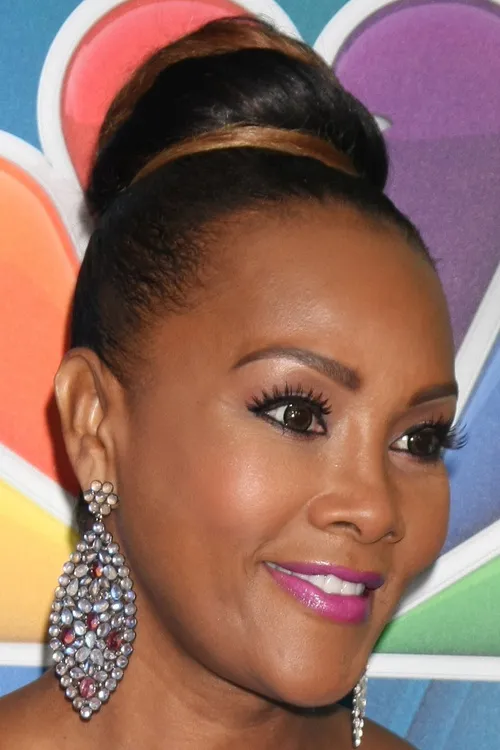
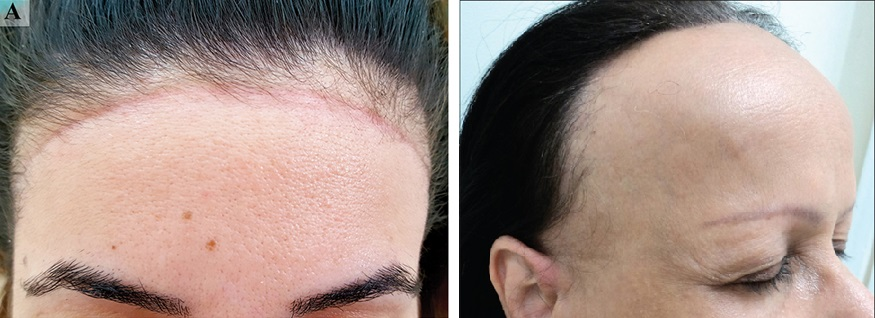
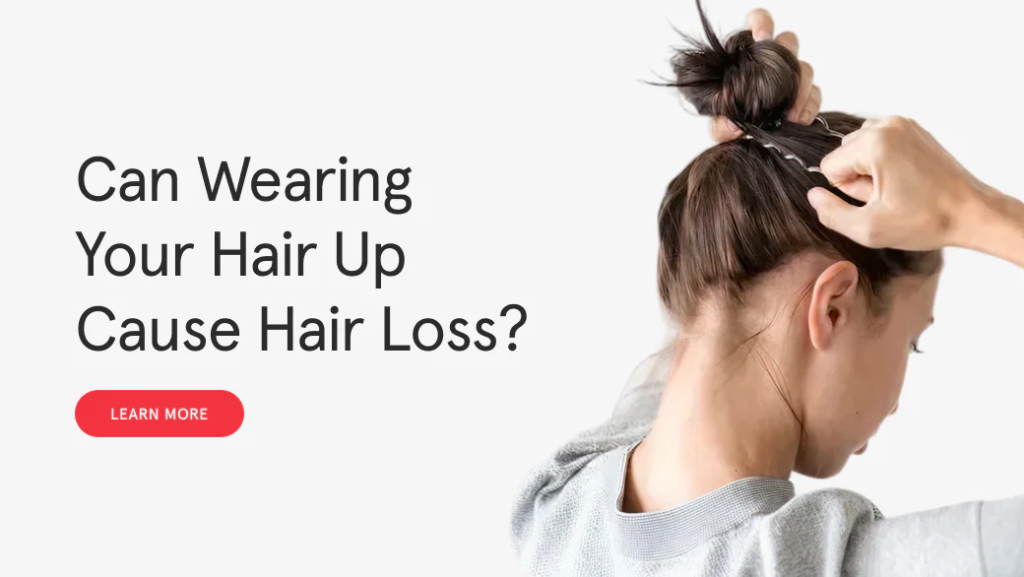
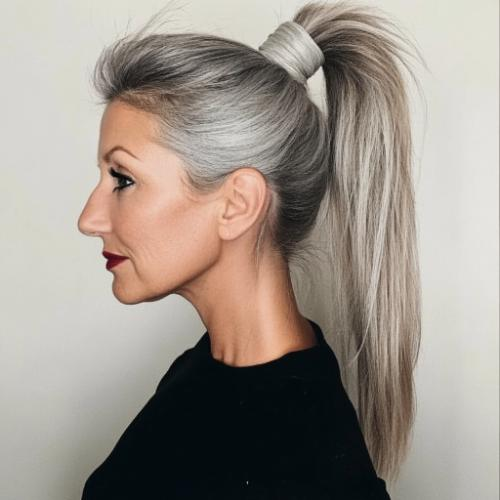
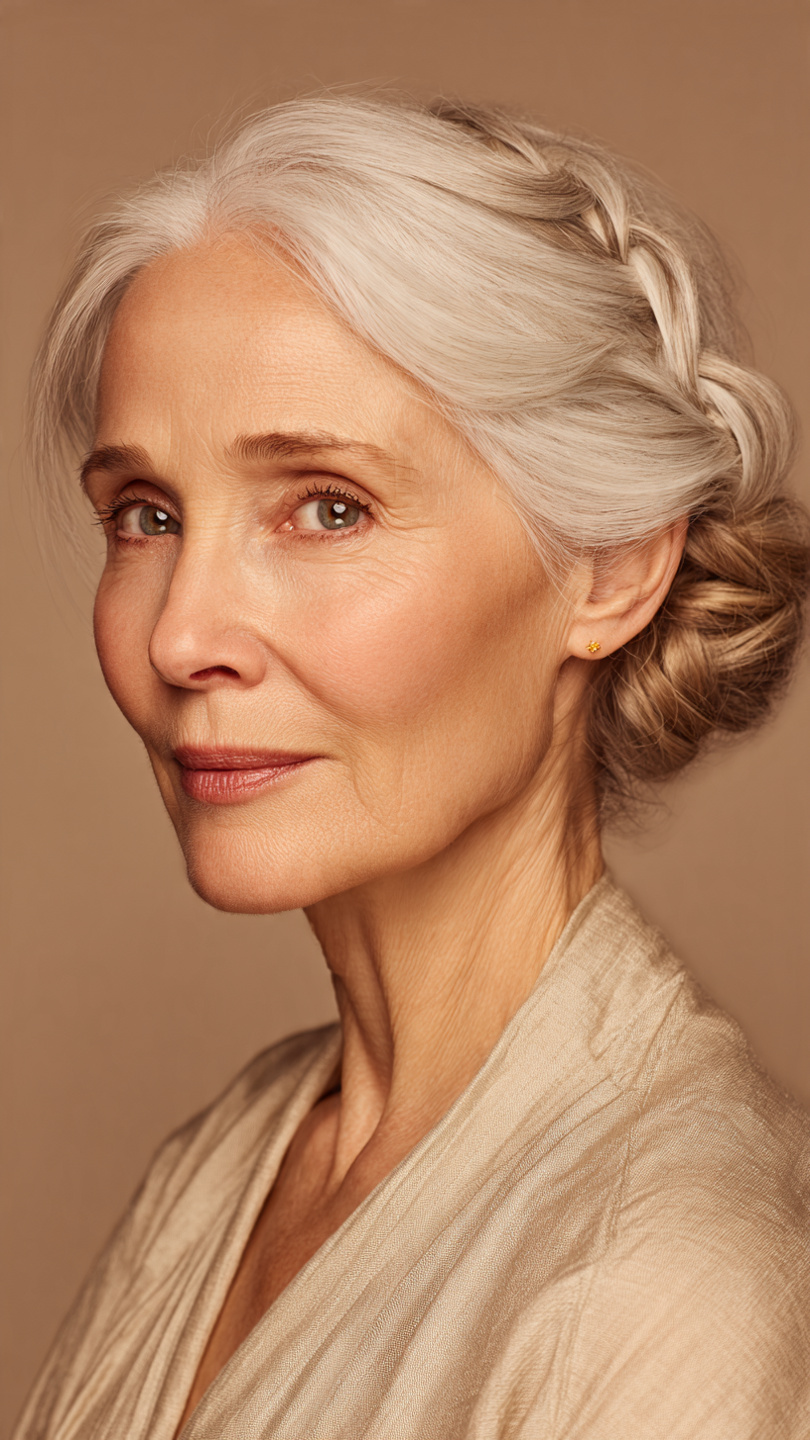
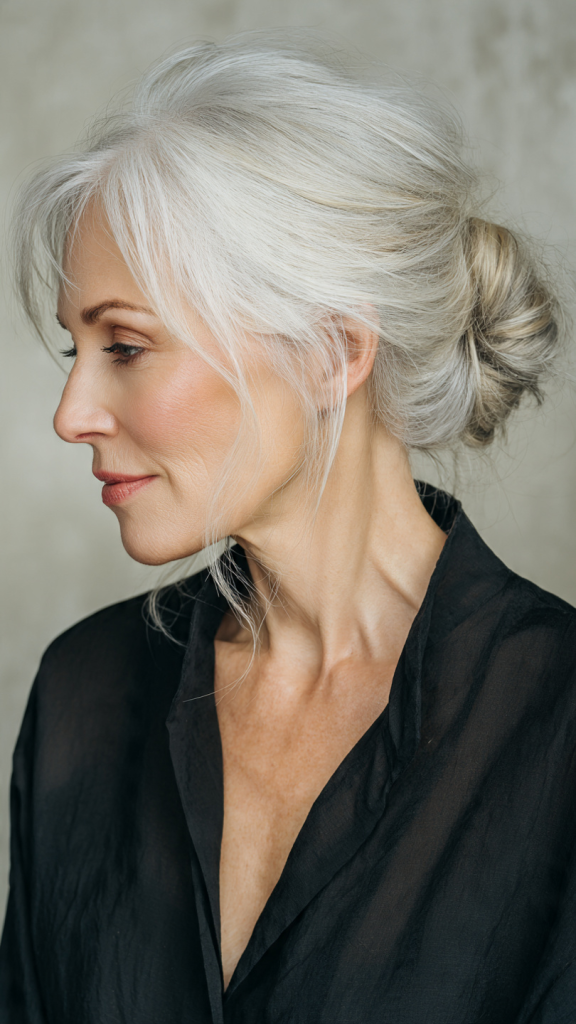
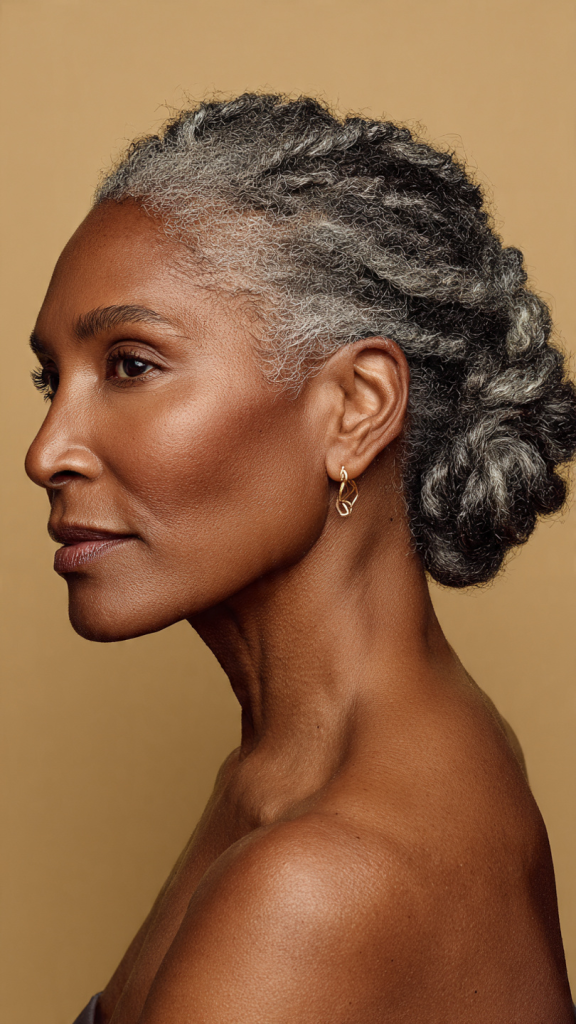
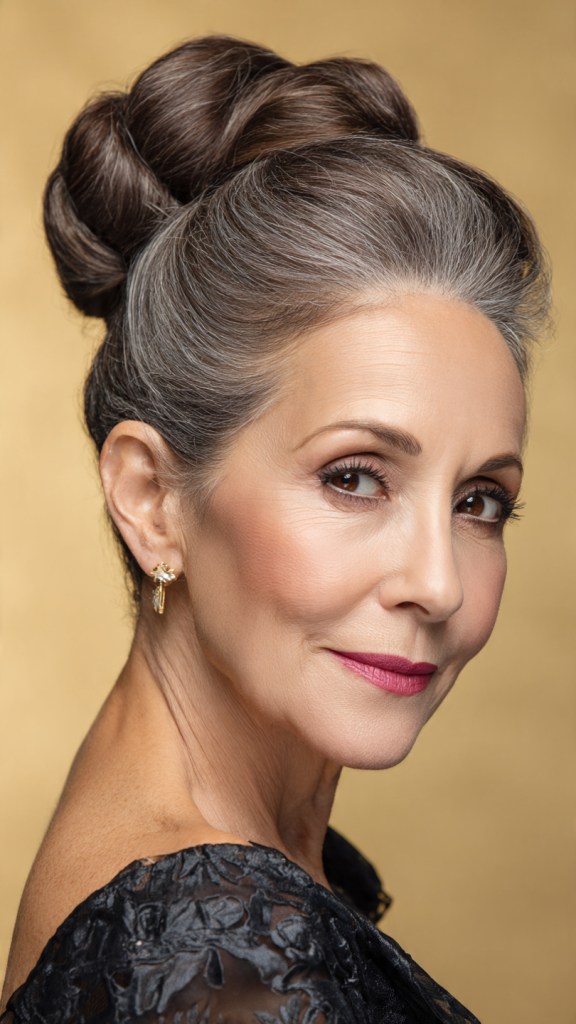
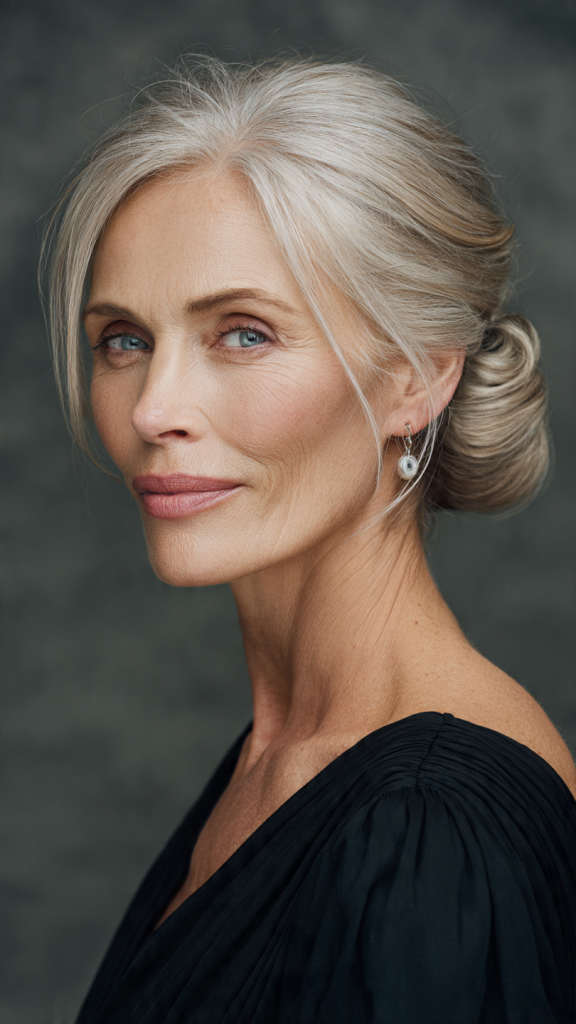
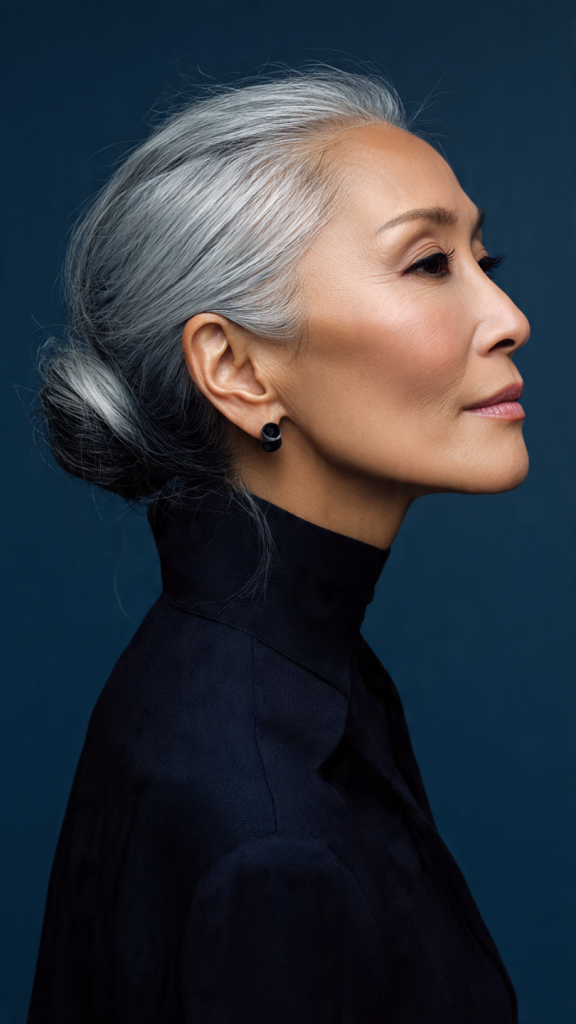
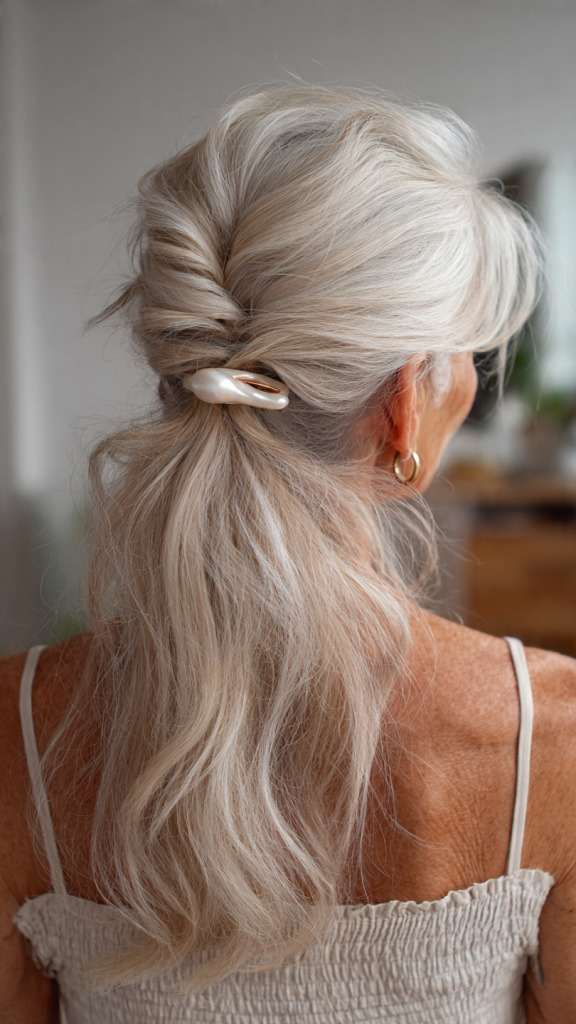
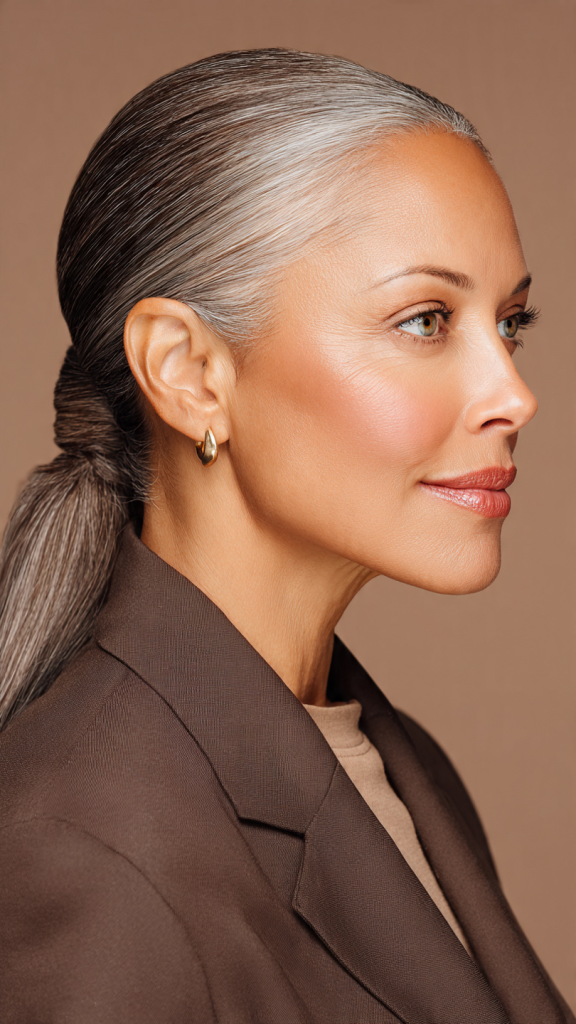
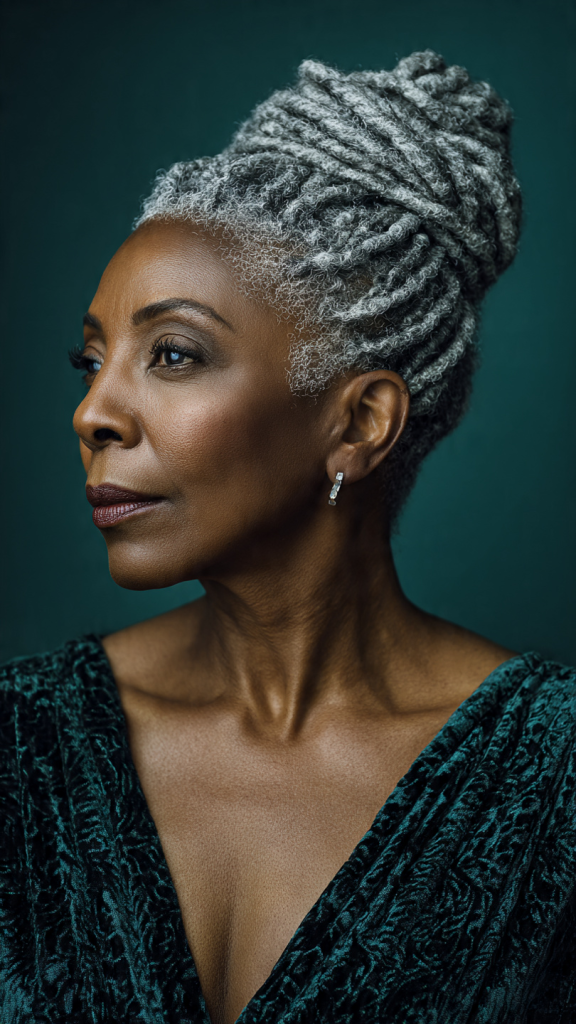
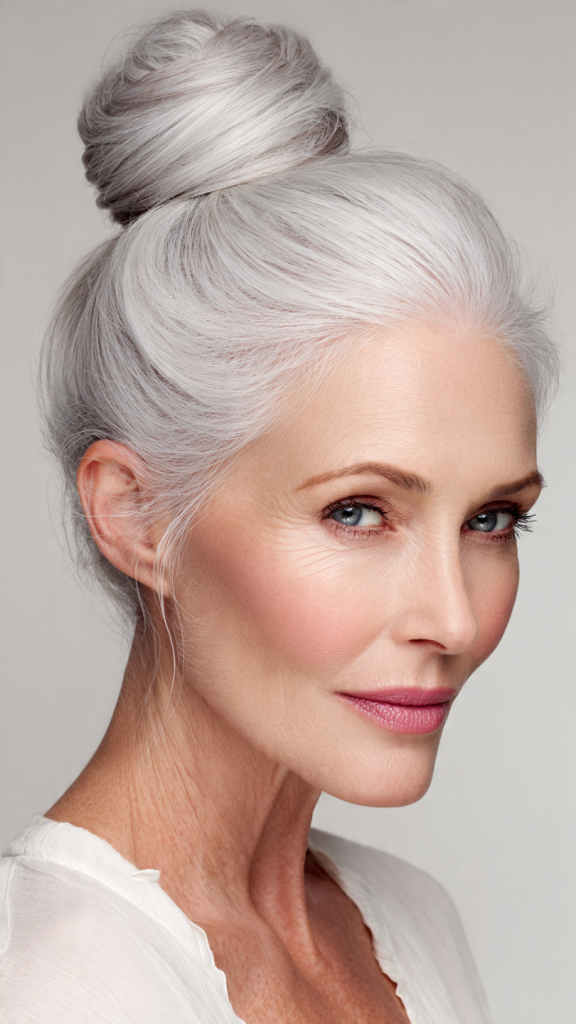
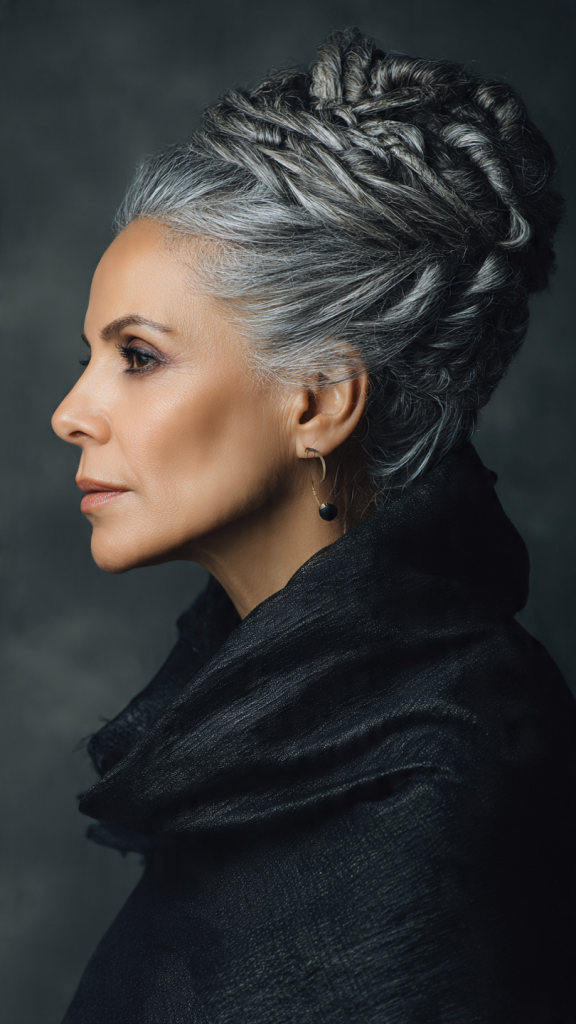
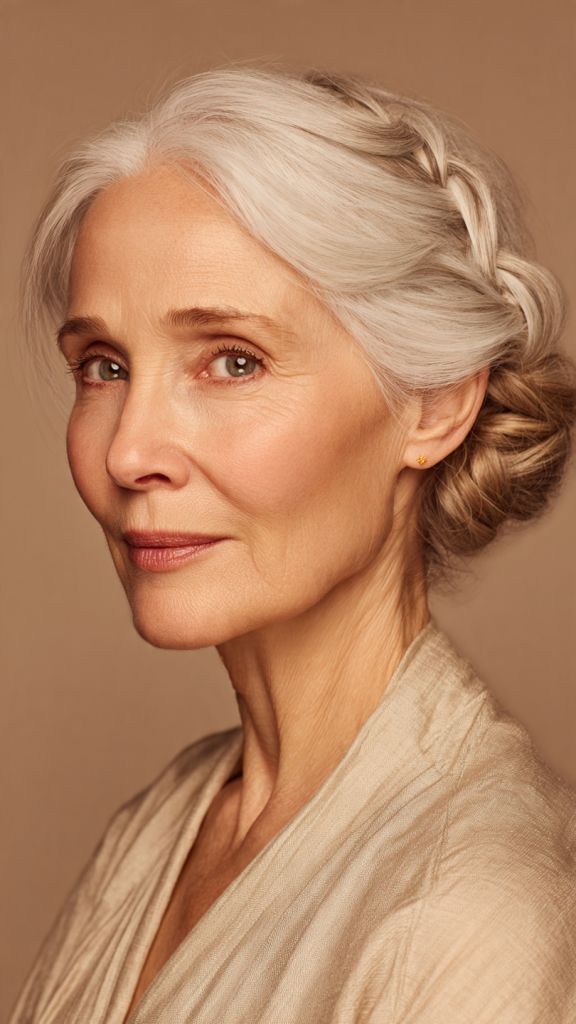
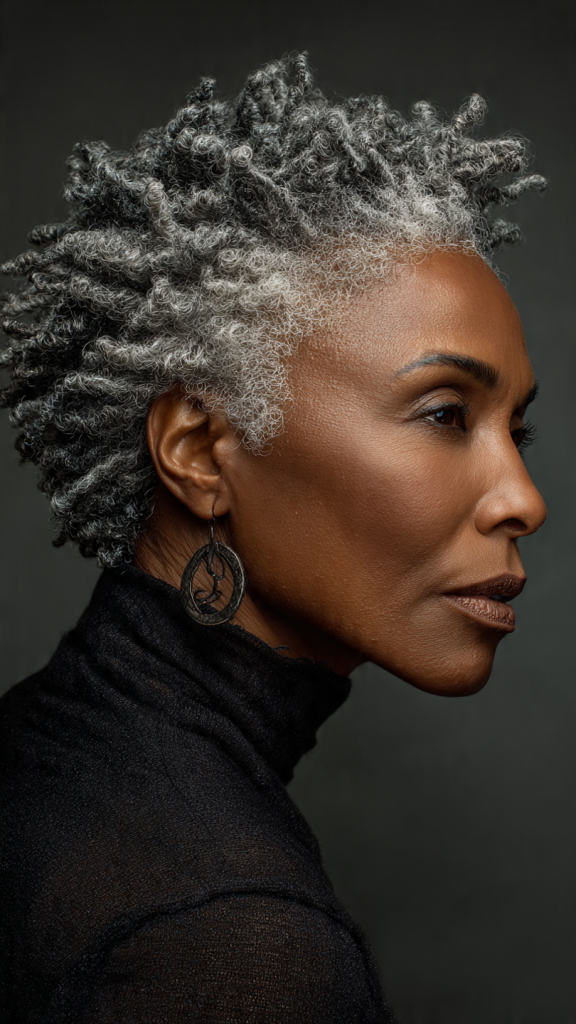
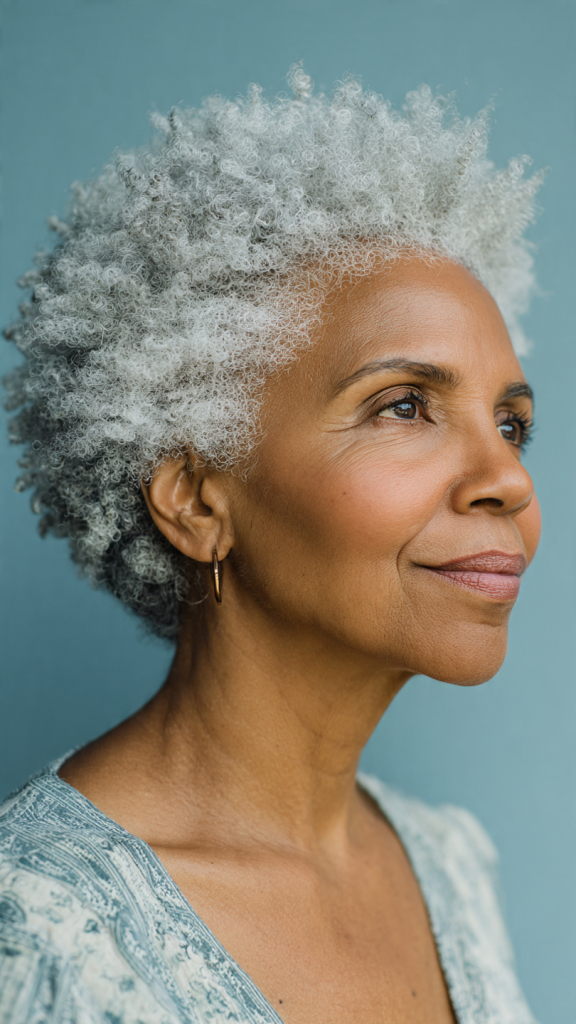
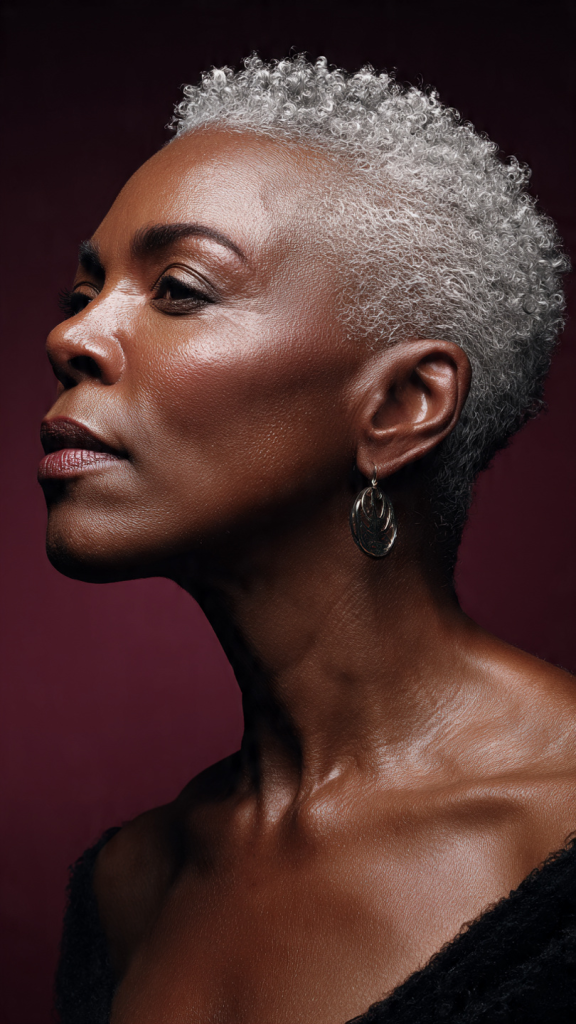
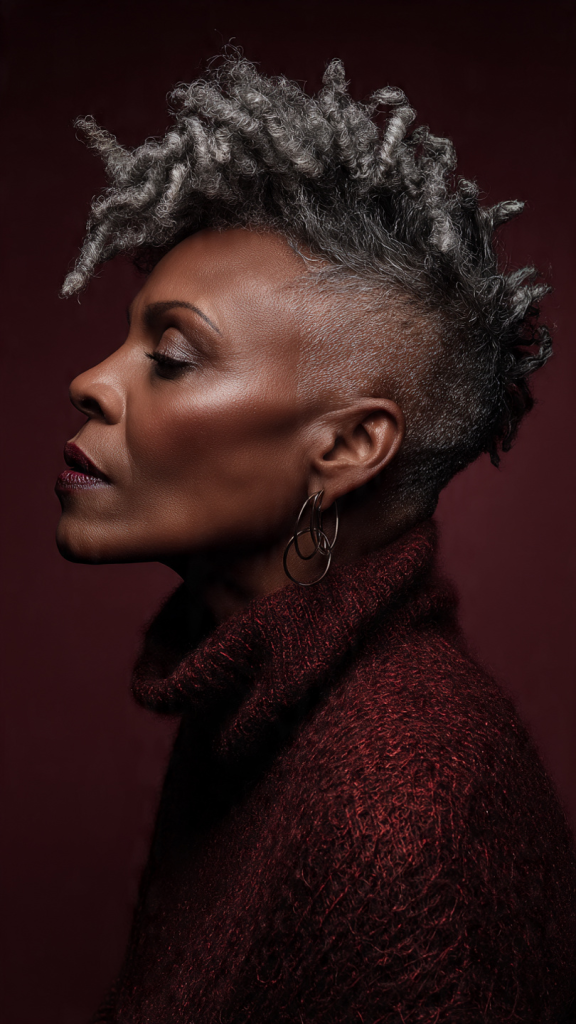
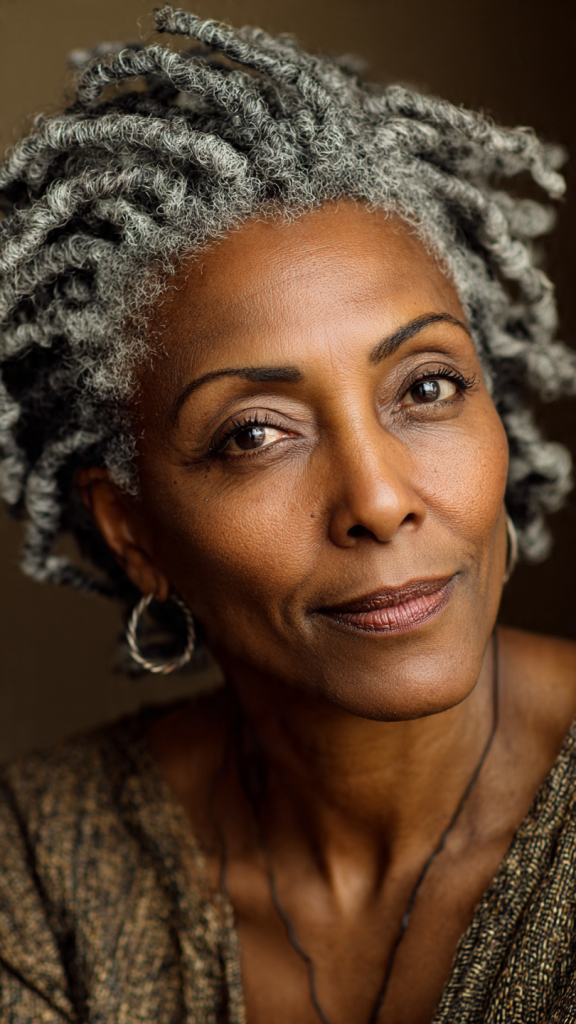
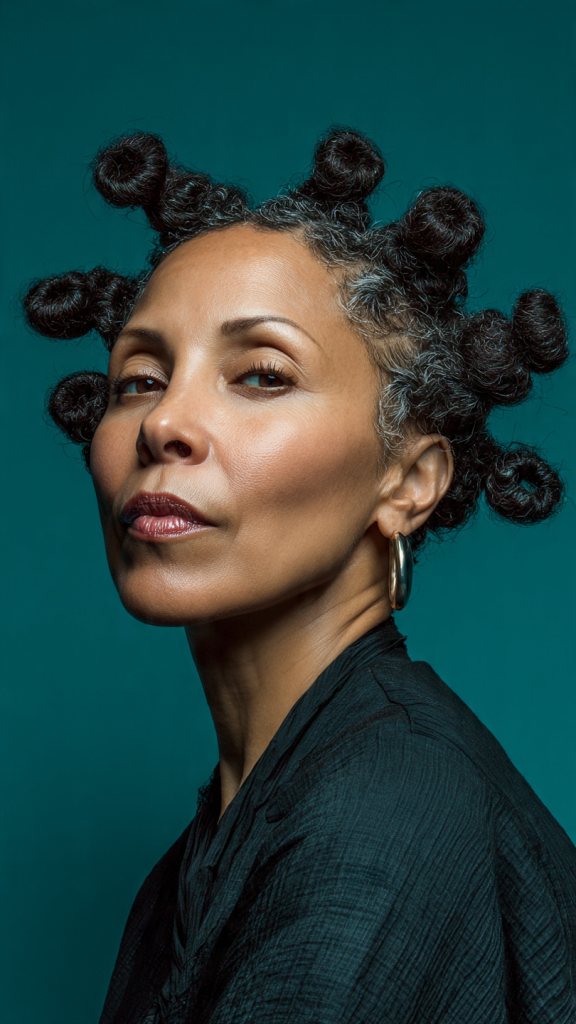
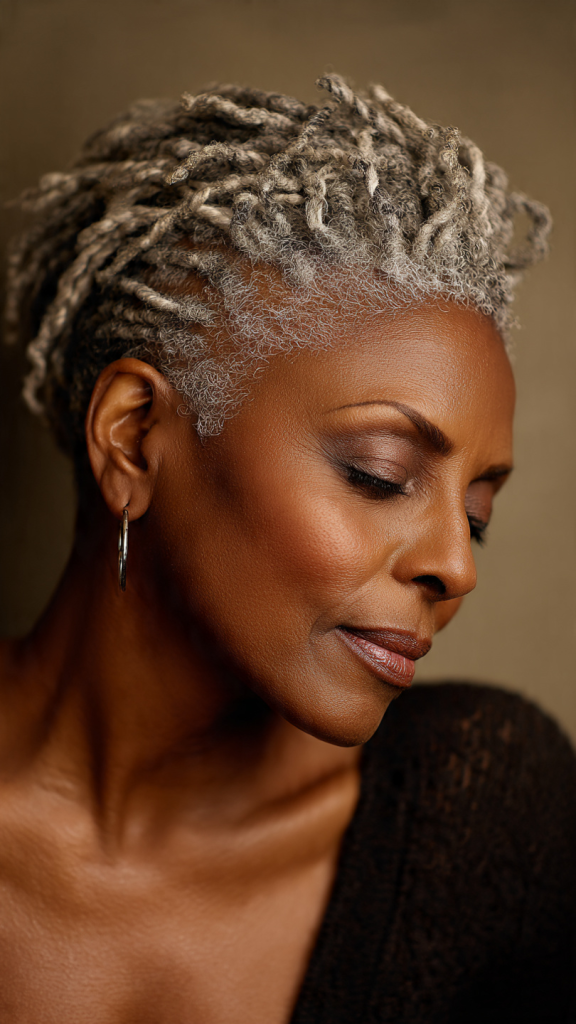
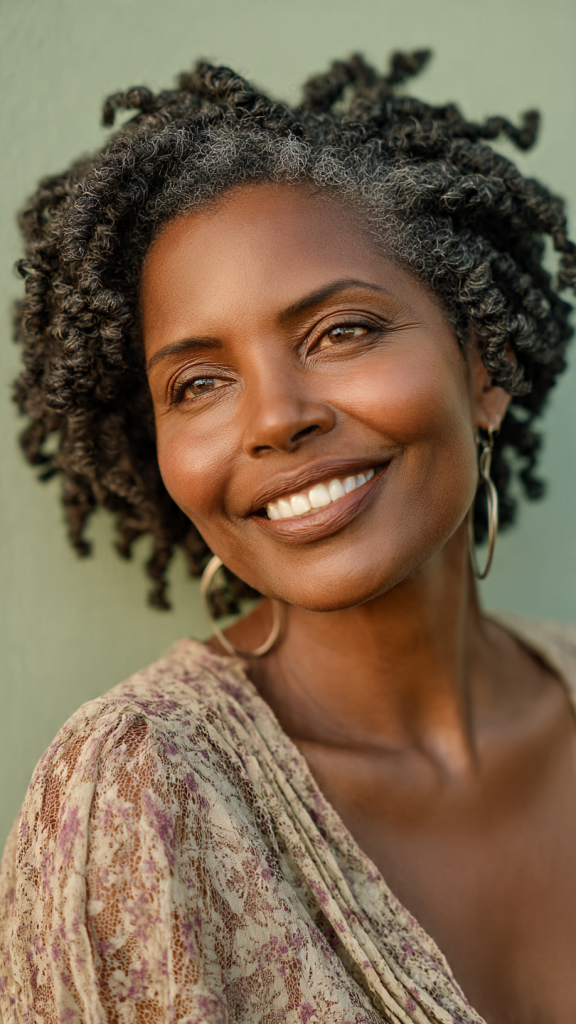
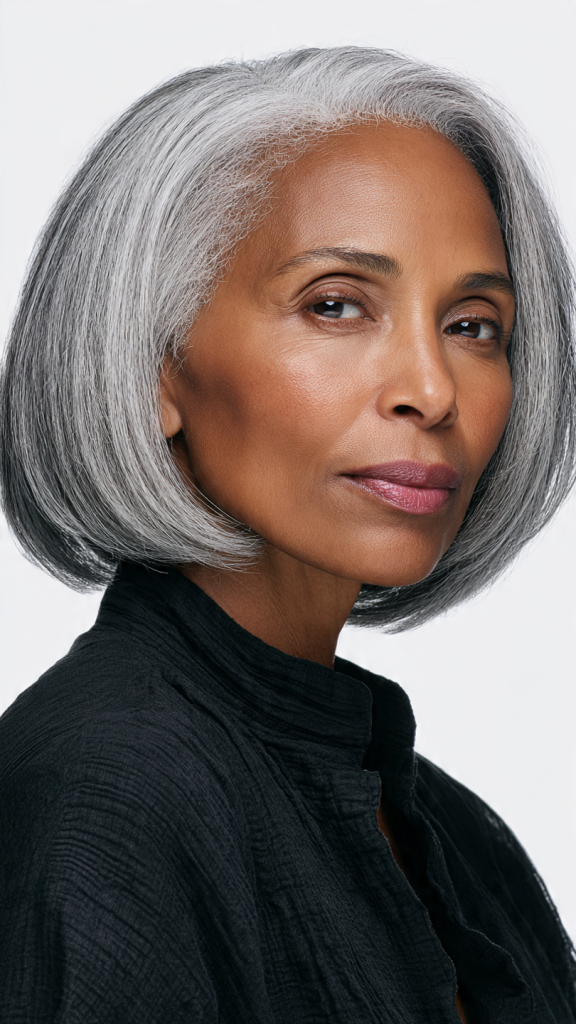
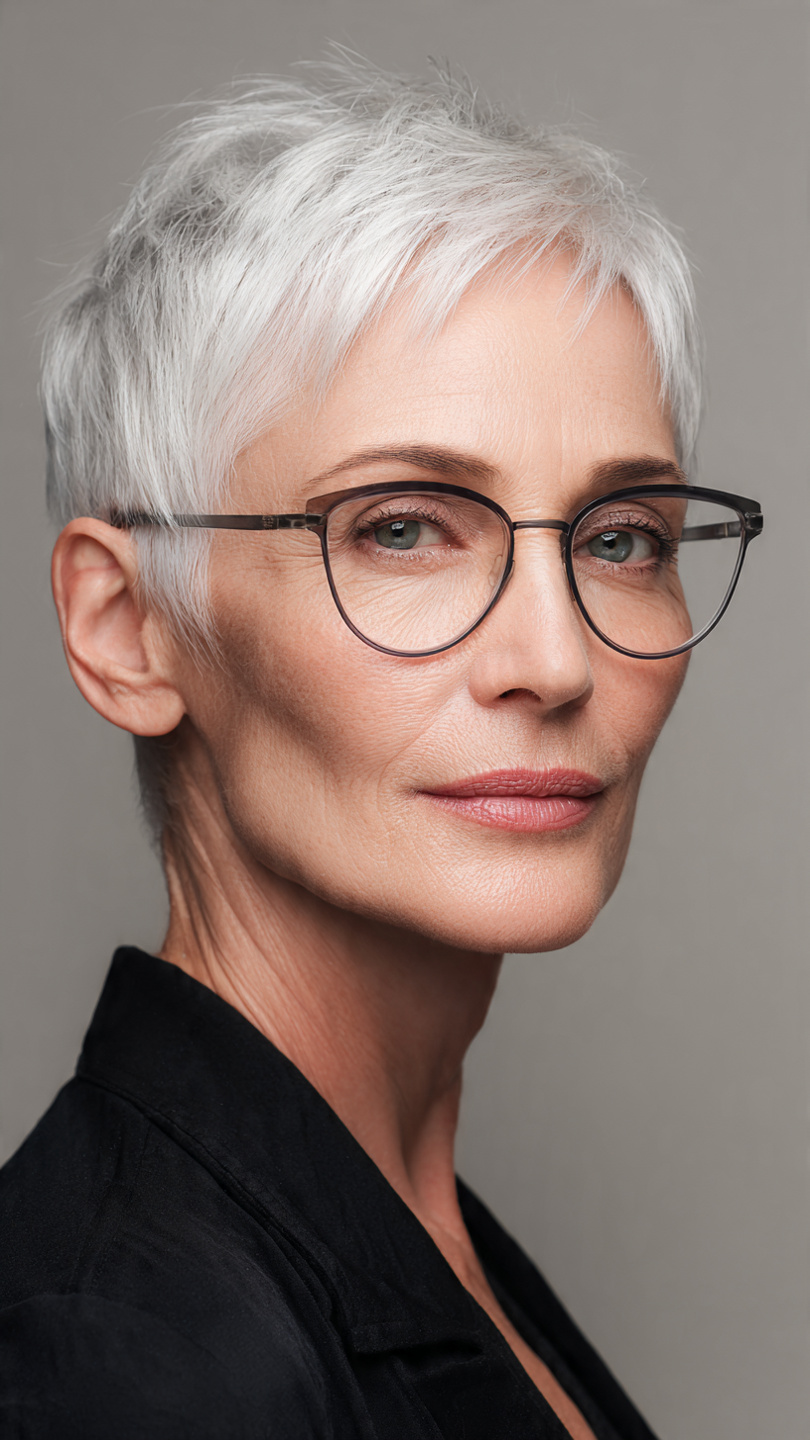
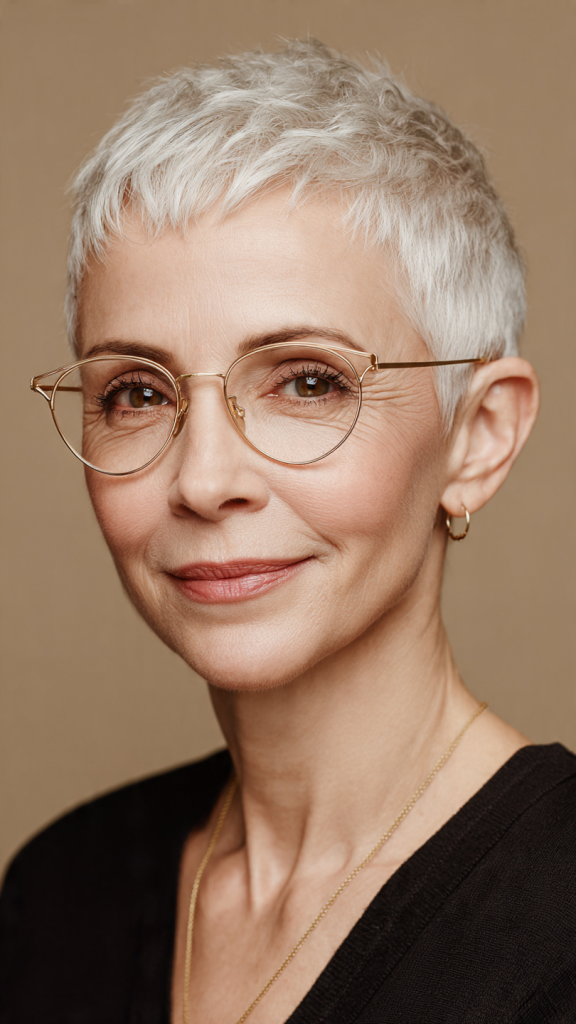
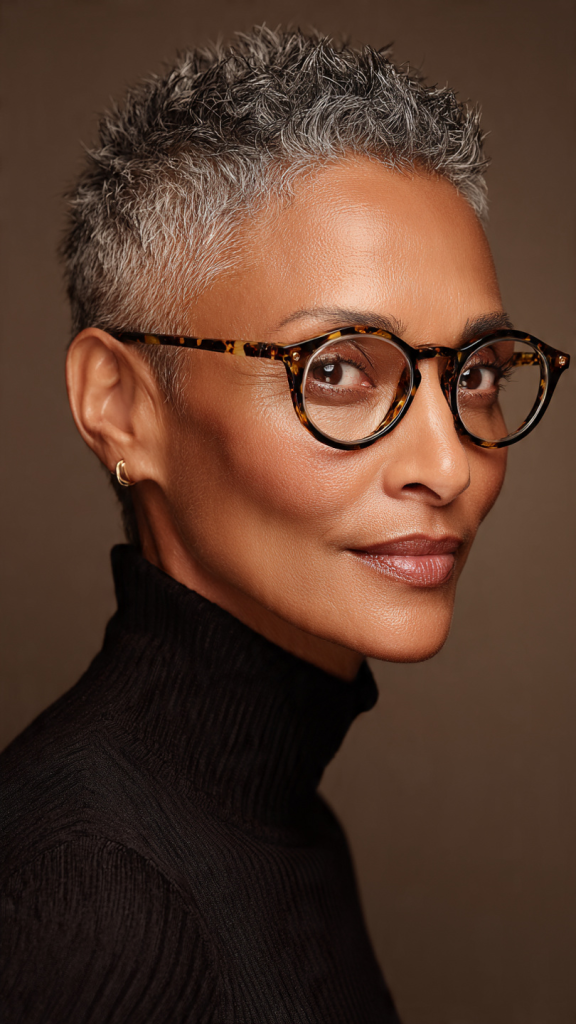
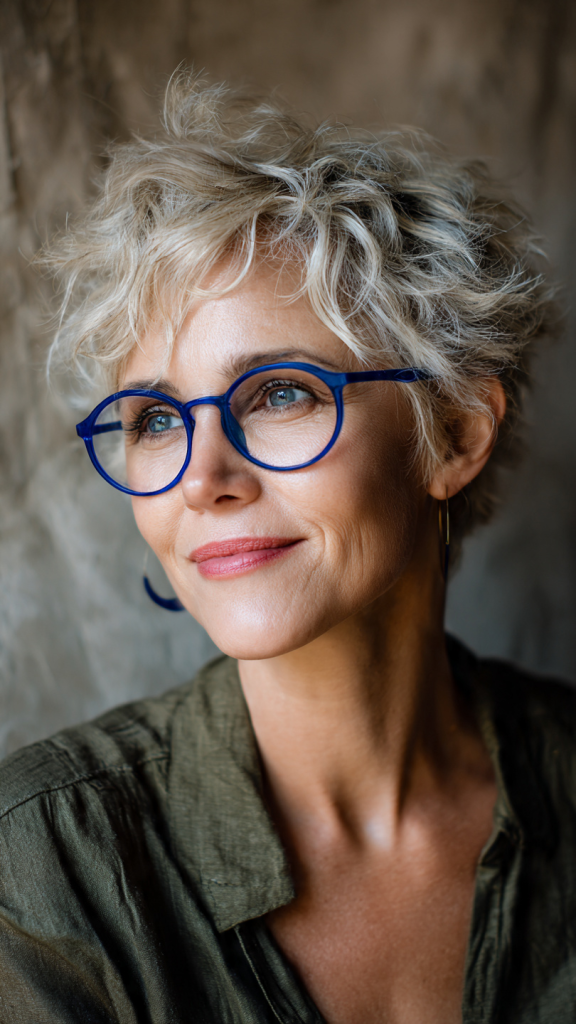
For many women over 50, a sleek, tight bun is a go-to hairstyle. It’s elegant, practical, and keeps hair off the face and neck. But what seems like a harmless styling choice could actually be the #1 cause of traction alopecia in older women. Traction alopecia is a form of hair loss caused by repeated, prolonged tension on the hair follicles. Over time, that tight bun—worn day after day—can permanently damage the hair follicles around your hairline, temples, and crown. In this guide, you’ll discover why tight buns are so damaging, how to recognize the early signs of traction alopecia, and how to style your hair safely without sacrificing style. If you’re already noticing thinning around your hairline, these short hairstyles for thin fine hair offer flattering alternatives.
What Is Traction Alopecia?
Traction alopecia is a gradual, progressive hair loss caused by sustained tension on the hair follicles. Unlike genetic hair loss (which typically affects the crown or follows a specific pattern), traction alopecia appears exactly where the tension is applied.
Common Locations for Traction Alopecia
What Causes It
Hairline (front and sides)
Tight buns, ponytails, cornrows
Temples
Tight buns, slicked-back styles
Crown (where the bun sits)
Weight of a heavy bun pulling downward
Behind the ears
Tight ponytails, braids
The damage occurs when hair is pulled too tight, too often. The constant tension inflames the hair follicle, which can eventually lead to scarring and permanent hair loss if not addressed early.
For women experiencing thinning alongside styling damage, these haircuts for thinning hair men over 50 offer universal volume-building ideas.
Why Older Women Are More Susceptible
As we age, our hair and scalp become more vulnerable to traction alopecia for several reasons:
Age-Related Change
Why It Increases Risk
Thinner hair shafts
Finer strands break more easily under tension
Reduced density
Fewer hairs mean each strand bears more tension
Slower growth rate
Damage takes longer to grow out
Scalp sensitivity
More prone to inflammation from tension
Hormonal changes
Menopause affects hair follicle health
Dryer, more brittle hair
Less elasticity means less ability to stretch without breaking
What might have been harmless in your 30s can cause significant damage in your 60s and beyond.
For women with fine, fragile hair, these low maintenance haircuts for women over 50 with fine hair reduce the need for damaging tight styles.
The #1 Offender: The Tight Bun
The tight bun is particularly damaging for several reasons:
1. Double Tension
A tight bun creates tension in two directions:
Horizontally: Hair is pulled back tightly from the hairline
Vertically: The weight of the bun pulls downward on the crown
This double tension stresses follicles at both the front hairline and the crown.
2. Prolonged Wear
Unlike a ponytail that might be worn for a few hours, many women wear buns all day—and sometimes even sleep in them. Prolonged wear dramatically increases the risk of damage.
3. The “Sleek” Illusion
To achieve that smooth, sleek bun, many women pull hair even tighter, use strong-hold gels, and secure with elastic bands that grip and pull individual strands.
4. Daily Repetition
The danger isn’t in wearing a tight bun once. It’s in wearing one every day. Repeated tension on the same follicles causes cumulative damage that can become permanent.
For women who love updos, these updos for women over 50 offer elegant, low-tension alternatives.
Early Warning Signs of Traction Alopecia
Recognizing the early signs is crucial. Traction alopecia is reversible in its early stages but becomes permanent once scarring occurs.
Stage
Signs
Reversible?
Early
Mild redness or tenderness along the hairline; small bumps (folliculitis)
✅ Yes
Moderate
Thinning along the hairline; broken hairs of varying lengths; sparse areas at temples
✅ Often reversible with immediate changes
Advanced
Smooth, shiny, bald patches at hairline or crown; no visible hair follicles
❌ Likely permanent
The “Fringe Sign”
One classic indicator of traction alopecia is short, broken hairs along the hairline where longer hairs have snapped off under tension. These broken hairs create a “fringe” of short, wispy strands along the forehead.
Pain as a Warning
If your scalp feels tender, sore, or painful when you take your hair down, that’s a warning sign. Pain indicates excessive tension. Listen to it.
For women with thinning edges, these short 4C natural hairstyles for women over 50 offer protective, low-tension options.
Beyond the Bun: Other Tight Styles to Avoid
While the tight bun is the #1 culprit in older women, other styles can also cause traction alopecia:
Style
Why It’s Damaging
High, tight ponytail
Pulls hairline back; weight of hair pulls downward
Cornrows
Prolonged tension on individual rows
Box braids with added hair
Extra weight increases tension
Tight twists
Similar to cornrows
Slicked-back buns with gel
Gel makes hair sticky, increasing pull
Sleeping in tight styles
Extends tension hours beyond waking hours
The “Sleek” Problem
Slicked-back styles are particularly dangerous because they rely on maximum tension to achieve that smooth, flat look. The combination of tight elastics, strong-hold gel, and pulled-back hair is a recipe for traction alopecia.
For women who love polished styles, these best bob haircuts for women over 50 with thin hair offer sleek alternatives without tension.
How to Style Your Hair Safely
You don’t have to give up buns or ponytails entirely. You just need to style them differently.
The Safe Bun Method
Do
Don’t
Use a loose, relaxed tension
Pull hair until your scalp feels tight
Secure with satin scrunchies or spiral hair ties
Use thin rubber bands or tight elastics
Vary the position of your bun (high one day, low the next)
Put your bun in the exact same spot daily
Take your bun down at night
Sleep in your bun
Give your hair breaks between tight styles
Wear a tight bun every single day
The “Pineapple” Alternative
For curly or wavy hair, the pineapple (a very loose, high ponytail with ends folded over) is a safer alternative to a tight bun. It keeps hair off your neck without creating tension at the hairline.
Loose Braids
A loose braid (not tight French or Dutch braids) can keep hair contained without constant tension. Vary between side braids and low braids to distribute tension.
Gentle Hair Ties
Best
Avoid
Satin scrunchies
Thin rubber bands
Spiral hair ties (look like old phone cords)
Elastic bands with metal clasps
Fabric-covered elastics
Clear elastics (they grip and pull)
For women with sensitive scalps, these wash and wear haircuts for women over 60 minimize the need for any elastic altogether.
How to Treat Early Traction Alopecia
If you’ve noticed thinning along your hairline, act immediately.
1. Stop the Offending Style
The most important step is to eliminate the tension. Stop wearing tight buns, ponytails, or any style that pulls at your hairline. Give your scalp a break for several months.
2. Gentle Scalp Massage
Massaging the affected area increases blood flow to the follicles, which can stimulate regrowth. Use your fingertips (not nails) in small circles for 3–5 minutes daily.
3. Topical Treatments
Treatment
What It Does
Minoxidil (Rogaine)
FDA-approved for hair regrowth; can help reverse early traction alopecia
Rosemary oil
Shown in studies to be as effective as 2% minoxidil; mix with carrier oil
Peppermint oil
Increases circulation to the scalp
Caffeine-based serums
May stimulate follicle activity
Consult a dermatologist before starting any treatment.
4. Switch to Gentle Hair Care
Use sulfate-free shampoo to avoid further drying
Deep condition weekly to improve hair elasticity
Avoid heat styling on affected areas
For women with dry, damaged hair, these how to get rid of frizzy hair over 50 solutions include gentle care routines.
When to See a Doctor
Consult a dermatologist or trichologist if:
You have smooth, shiny bald patches (likely permanent scarring)
Thinning continues even after eliminating tight styles
You experience itching, burning, or redness along the hairline
You want to explore prescription treatments (like minoxidil)
You’re considering corticosteroid injections (for active inflammation)
Early intervention is critical. Once hair follicles scar, they cannot regrow hair.
For women with advanced thinning, these short hairstyles for thin fine hair offer stylish ways to work with your current density.
The Emotional Impact
Hair loss at the hairline can be devastating. It affects how you style your hair, how you feel about your appearance, and sometimes how you present yourself to the world.
You are not alone. Traction alopecia is extremely common in older women, especially those who have worn tight buns or ponytails for decades. The shame or embarrassment often prevents women from seeking help early—exactly when help is most effective.
There is hope. In its early stages, traction alopecia is completely reversible. Even in later stages, there are styling solutions (bangs, strategic haircuts, toppers) that can restore your confidence.
For women rebuilding their style, these best haircuts for round faces over 50 offer fresh, flattering options.
Quick Reference: Safe vs. Unsafe Styles
Safe (Low Tension)
Unsafe (High Tension)
Loose low bun
Tight high bun
Loose low ponytail
Tight high ponytail
Pineapple (very loose)
Slicked-back bun
Loose braid
Tight cornrows
Hair down
Box braids with extensions
Claw clip updo
Styles requiring gels for smoothness
The Bottom Line
Tight buns are the #1 cause of traction alopecia in older women. The convenience and elegance of this classic style come at a cost—one that can be permanent if ignored.
The good news is that you don’t have to give up updos entirely. Loose buns, satin scrunchies, varying positions, and taking breaks can protect your hairline while still allowing you to enjoy pulled-back styles.
But the safest choice? Let your hair down more often. Your hairline will thank you.
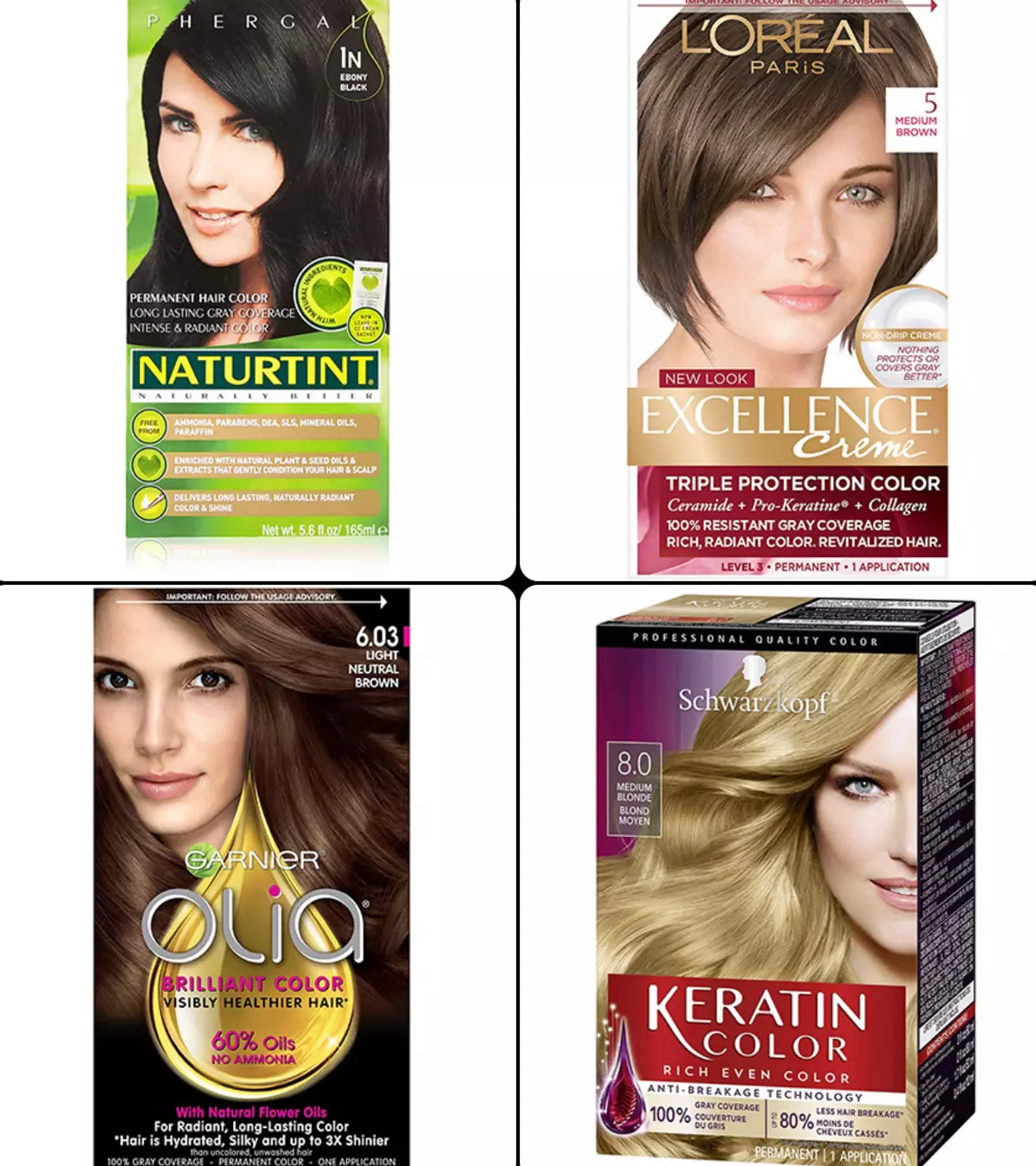
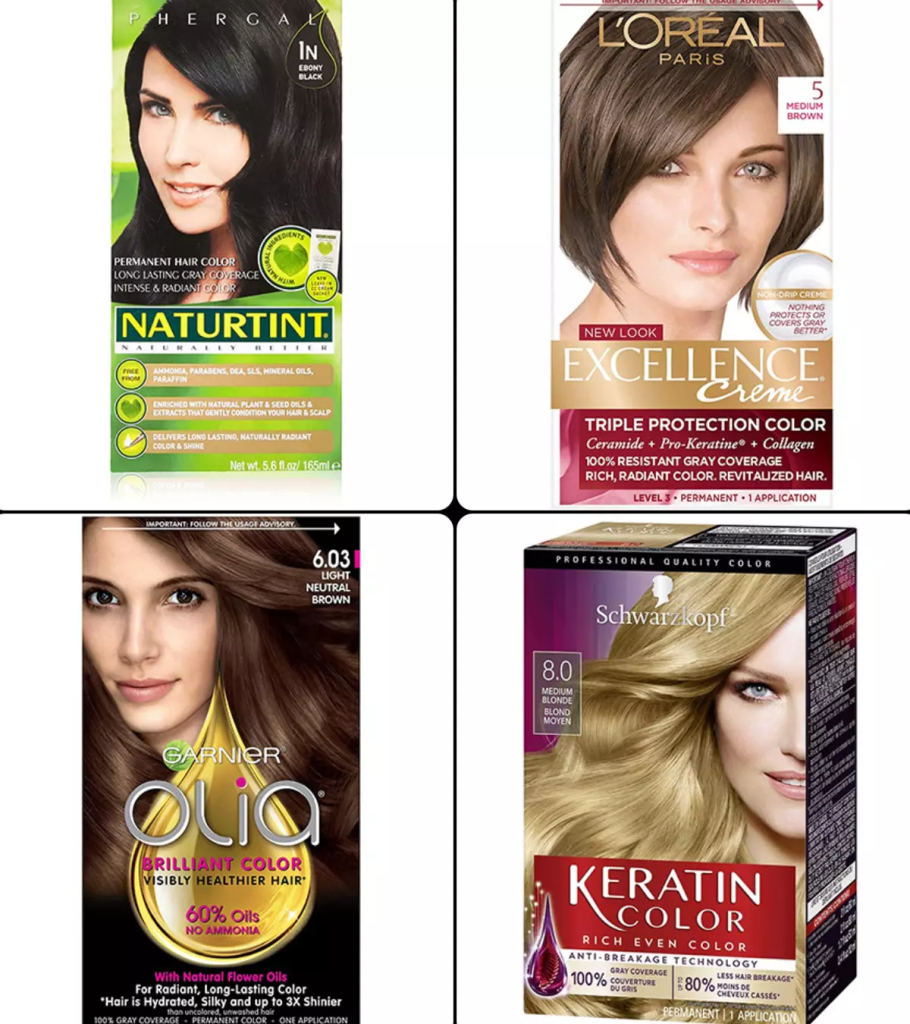
For women over 60, using box dye after 60 might seem like a convenient and affordable way to cover gray hair. The promise is tempting: a complete color transformation in under an hour, all from the comfort of your bathroom, for a fraction of the salon cost. But the reality is often disappointing. That beautiful woman with flawless silver-blonde hair on the box looks very different from the brassy, uneven, or dull result you see in your mirror. The truth is, box dye is formulated for younger, more resilient hair. For mature gray hair, it often does more harm than good. In this guide, you’ll discover 3 reasons why box dye makes your gray hair look worse after 60, plus safer, more flattering alternatives worth considering. If you’re also dealing with dryness and frizz alongside color challenges, these how to get rid of frizzy hair over 50 solutions offer complementary advice.
Why Gray Hair Is Different
Before understanding why box dye fails, it’s important to understand how gray hair differs from pigmented hair.
Characteristic
Gray/Silver Hair
Pigmented Hair
Texture
Often coarser, wiry, more resistant
Softer, more uniform
Porosity
More porous (absorbs and loses moisture quickly)
Less porous
Pigment
No melanin (no natural base color)
Contains melanin (natural warm or cool undertones)
Oil production
Scalp produces less oil; hair is drier
Scalp produces more oil
Cuticle
Often raised, rough, or damaged
Smoother, lies flatter
These differences mean that one-size-fits-all box dyes—formulated for younger, pigmented hair—simply don’t work the same way on mature gray strands.
For women with thinning hair alongside graying, these short hairstyles for thin fine hair offer volume-building ideas.
Reason 1: Box Dye Gives Harsh, Unnatural Results
The Problem with “One-Shade-Fits-All”
Box dyes use a standardized formula designed to work on an average of hair types and colors. But gray hair has no natural underlying pigment. Without melanin to act as a base, the color in the box can turn out unpredictably.
Common disappointing results:
What You Wanted
What You Often Get
Soft, natural-looking brown
Harsh, flat, muddy brown
Warm caramel highlights
Orange or copper tones
Cool ashy blonde
Greenish or grayish cast
Natural-looking coverage
“Helmet head” solid, one-dimensional color
The “Root-to-Tip” Uniformity Problem
Your gray hair isn’t uniform. Some strands are fully gray, some are partially gray, and some may still have pigment. Box dye applies the same color to all strands, creating an unnaturally uniform result that lacks the dimension and movement of natural hair color.
What mature hair needs is variation—highlights, lowlights, and strategic placement that mimics natural color variation. Box dye cannot provide this.
The “Line of Demarcation”
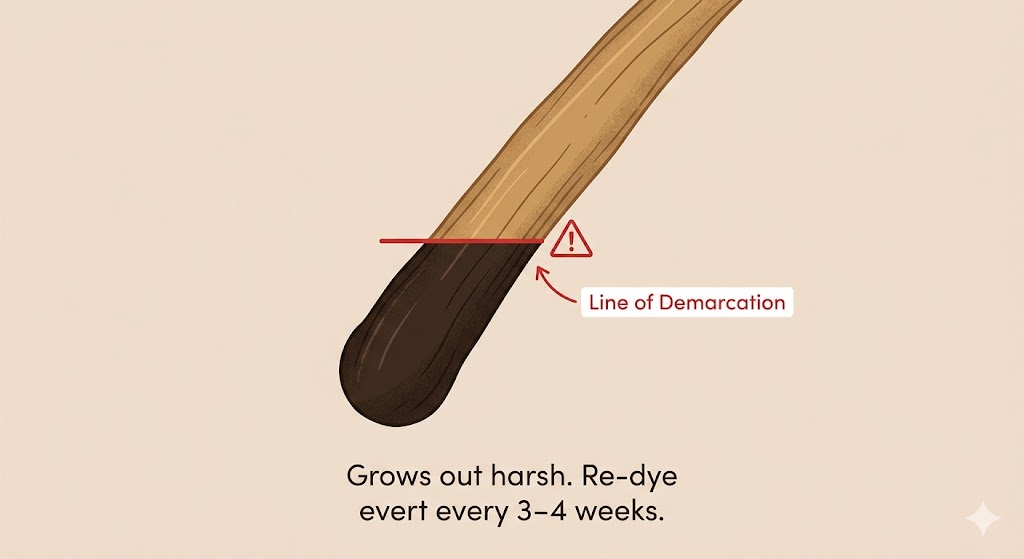
As your hair grows (about ½ inch per month), your natural gray roots will create a stark, obvious line between the box-dyed lengths and your new growth. This “line of demarcation” looks harsh and forces you to re-dye every 3–4 weeks to maintain coverage.
For women who want to embrace their natural gray, these grey blending highlights in ash blonde offer a softer transition than box dye.
Box dyes typically use high-volume developers (20 or 30 volume) because they need to work on many different hair types. This concentration of peroxide is too harsh for fine, fragile, or dry mature hair.
Developer Volume
What It Does
Effect on Mature Hair
10 volume
Deposits color without lightening
Gentle; safe for mature hair (rare in box dye)
20 volume
Lightens 1–2 levels
Can damage fragile strands; causes dryness
30 volume
Lightens 2–3 levels
Harsh; can cause significant damage
40 volume
Lightens 3–4 levels
Very harsh; never use on mature hair
Most box dyes use 20 or 30 volume developer—too strong for aging hair.
Ammonia Damages the Cuticle
Many box dyes contain ammonia, which opens the hair cuticle to allow color to penetrate. On already-porous gray hair, this further damages the cuticle, leading to:
Increased frizz and dryness
More breakage and split ends
Dull, lifeless appearance
Difficulty retaining moisture
The Vicious Cycle of Frequent Re-Coloring
Because box dye fades quickly on porous gray hair and the root line is obvious, many women re-color every 3–4 weeks. This frequent chemical processing compounds damage, leaving hair increasingly dry, brittle, and prone to breakage.
For women with dry, damaged hair, these wash and wear haircuts for women over 60 minimize further styling damage.
Reason 3: Box Dye Can’t Deliver the Right Tone for Gray Hair
The Brassiness Problem
Gray hair has no natural pigment to anchor cool tones. When you apply a box dye with ash or cool undertones, the color often fades to reveal unwanted warm tones underneath—yellow, orange, or brassy gold.
Why this happens: Without melanin to hold cool pigments, the color molecules wash out quickly, leaving behind the warm undertones from the developer.
The “Muddy” Result
Women with mixed gray and pigmented hair often get muddy, uneven results from box dye. The formula processes differently on gray strands (which resist color) than on pigmented strands (which absorb color readily). The result is a patchy, inconsistent color.
The Wrong Color for Your Skin Tone
The model on the box has a specific skin tone. You have a different one. Without professional consultation, you can’t know whether a warm caramel or cool ash blonde will complement your complexion. Box dye is a gamble—and the stakes are your entire look.
For women who want professional color, these ingredients to avoid in hair products for women over 50 help you choose better salon options.
Safer, Better Alternatives to Box Dye
1. Professional Salon Color
Why it’s better: A professional colorist can assess your gray percentage, hair texture, porosity, and skin tone to create a custom color formula. They can use gentler products (lower volume developer, ammonia-free color) and apply them strategically for natural-looking dimension.
Cost: $80–150+ depending on location and services
Frequency: Every 6–10 weeks (less frequent than box dye!)
2. Demi-Permanent Color
Why it’s better: Demi-permanent color deposits color without lightening using low-volume developer (usually 5–10 volume). It’s gentler than permanent box dye, fades gradually (no harsh root line), and adds shine.
Best for: Blending gray (not full coverage), adding warmth or tone
Longevity: 4–6 weeks
Note: Usually requires a salon visit, though some demi-permanent options are available at beauty supply stores.
3. Root Touch-Up Powders or Sprays
Why it’s better: For women who want to extend time between color appointments, root touch-up products (powders, sprays, or crayons) temporarily camouflage gray regrowth without any chemical damage.
Best for: Extending color between salon visits, covering a few stray grays
Why it’s better: A clear or tinted gloss smooths the cuticle, adds shine, and can blend away minor brassiness. It contains no ammonia and very low developer, making it safe for fragile mature hair.
Best for: Refreshing color between salon visits, adding shine, toning down brass
Longevity: 2–4 weeks
Can be done: At home (with products like Kristin Ess, dpHUE, or Clairol Shimmer Lights) or in-salon
5. Embrace Your Natural Gray (The Ultimate Low-Maintenance Option)
Why it’s better: Once the initial transition is complete, natural gray hair requires no color maintenance—just good purple shampoo to keep it bright and brass-free. It’s the healthiest option for your hair and the most budget-friendly.
The transition challenge: Growing out color can be awkward, but styling tricks (pixie cuts, bobs, strategic highlights) help.
Cost: $0 in ongoing color costs
For women ready to embrace their silver, these best haircuts for round faces over 50 offer flattering style options.
Quick Reference: Box Dye vs. Better Alternatives
Option
Damage Level
Gray Coverage
Natural Look
Cost Per Year
Box Dye
High
Unpredictable
Poor
$120–240
Salon Color
Low to moderate
Excellent
Excellent
$400–800
Demi-Permanent
Very low
Blends only
Good
$300–500
Root Touch-Up Products
None
Temporary
Good
$100–200
Hair Gloss/Glaze
Very low
None (clear) or blends
Good
$200–400
Natural Gray
None
N/A
Excellent (once transitioned)
$0
What to Do If You Have Box Dye Damage
If you’ve been using box dye and your hair is dry, brittle, or brassy:
Stop using box dye immediately
Book a consultation with a professional colorist who specializes in gray hair
Ask about a color correction (may take multiple sessions)
Invest in deep conditioning treatments weekly
Consider transitioning to natural gray with strategic highlights to soften the line of demarcation
For women with damaged hair, these low maintenance haircuts for women over 50 with fine hair can help you cut away damage while growing out color.
The Bottom Line
Box dye after 60 is a false economy. The low upfront cost doesn’t account for the damage, poor results, and frequent re-coloring it demands. Your gray hair has earned the right to better care.
For most women over 60, the best choice is professional salon color or embracing natural gray with the help of purple shampoo and strategic cuts. Your hair—and your confidence—will thank you.
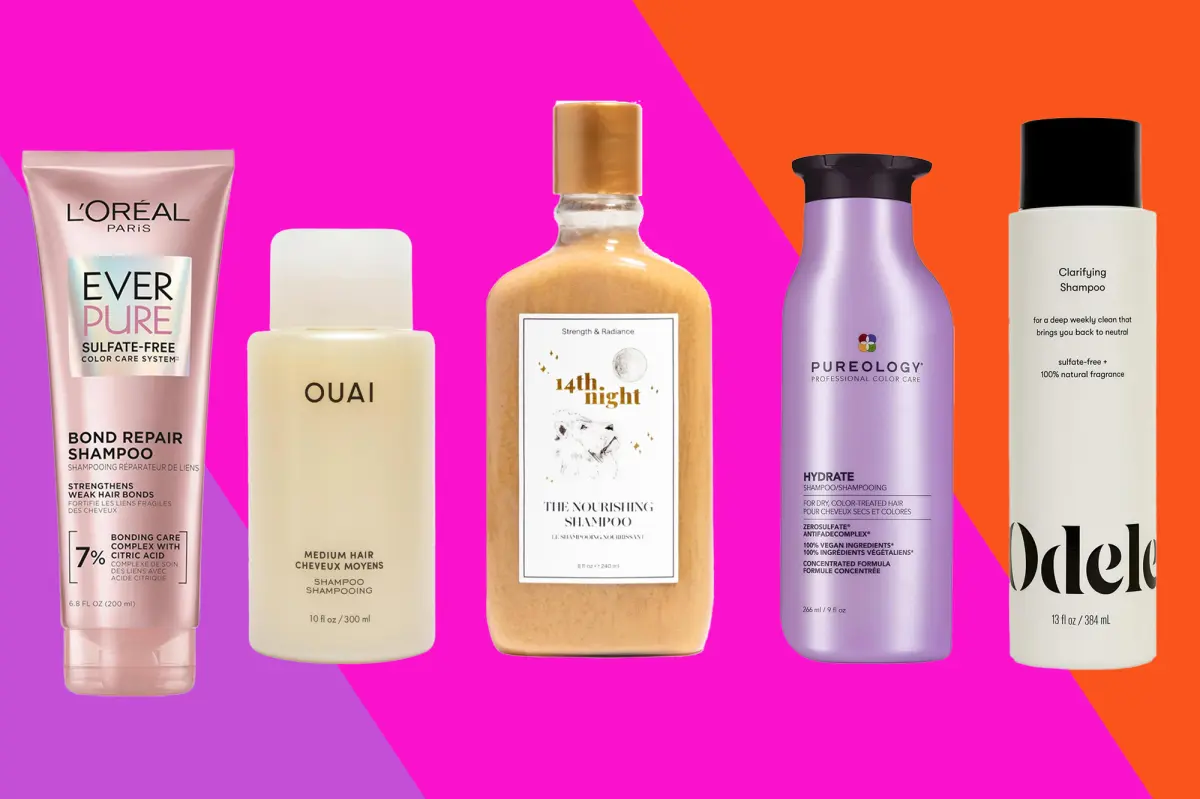
For women over 50, the beauty aisle is filled with products labeled “sulfate-free,” and the marketing claims can feel overwhelming. But is sulfate-free shampoo for women over 50 truly necessary, or is it just another trendy label designed to make you spend more money? The answer is more nuanced than a simple yes or no. As our hair changes with age—becoming finer, drier, more porous, and often chemically treated—the harsh detergents in traditional shampoos can cause more harm than good. In this guide, you’ll discover what sulfates actually are, how they affect mature hair, and whether making the switch to sulfate-free is right for you. If you’re also dealing with frizz alongside your hair care routine, these solutions offer complementary advice.
What Are Sulfates?
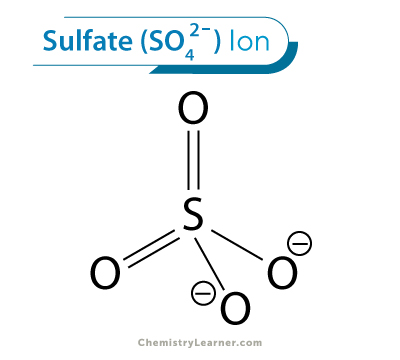
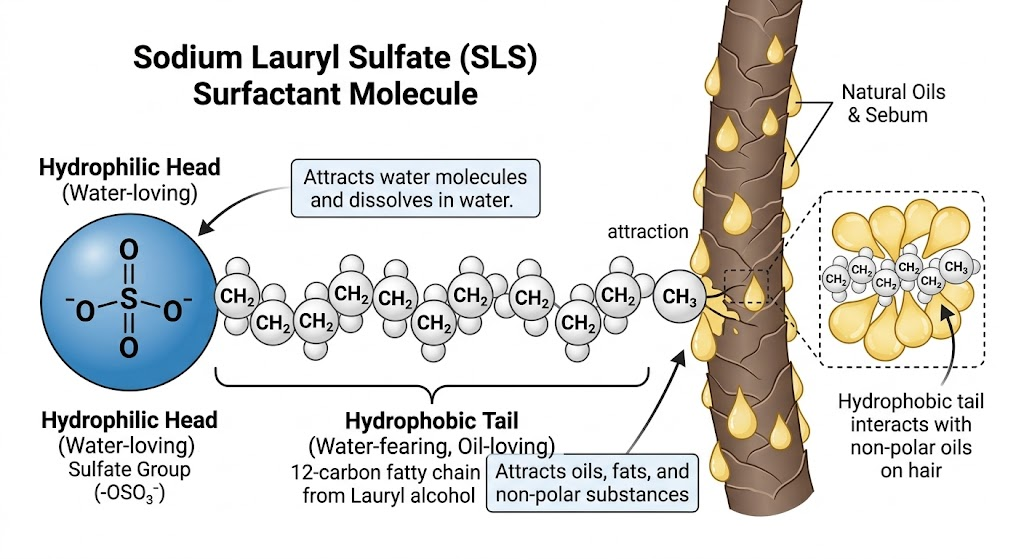
Sulfates are cleansing agents, or surfactants, added to shampoos to create that satisfying rich lather we associate with “clean” hair .
The two most common sulfates in hair products are:
Sulfate
Abbreviation
Characteristics
Sodium Lauryl Sulfate
SLS
Very strong cleanser; creates abundant foam; can be harsh
Sodium Laureth Sulfate
SLES
Slightly gentler than SLS; still a strong cleanser
These ingredients work by dissolving oils and dirt on your scalp and hair so they can be rinsed away with water . For people with very oily hair or scalps, this can be effective. For women over 50, however, the equation changes.
For women looking to avoid harmful ingredients entirely, these ingredients to avoid in hair products for women over 50 offer a complete guide.
Why Sulfates Can Be Problematic After 50
As we age, our hair and scalp undergo significant changes that make sulfates less suitable.
1. Decreased Natural Oil Production
Your scalp produces less sebum (natural oil) as you age . Sulfates are designed to strip away oil. When there’s already less oil to begin with, a harsh sulfate shampoo can leave your hair and scalp over-stripped, dry, and irritated.
2. Increased Hair Porosity
Years of heat styling, coloring, and environmental exposure raise the hair’s cuticle (the outer protective layer) . Hair becomes more porous, meaning it absorbs and loses moisture quickly. Sulfates can further damage an already compromised cuticle, leading to more frizz and breakage.
3. Gray Hair Texture Changes
Gray and silver hair often has a different structure than pigmented hair. It can be coarser, more wiry, and more resistant to moisture . Sulfates can exacerbate these texture issues, leaving gray hair looking dull and feeling rough.
4. Color-Treated Hair Needs
Many women over 50 color their hair, whether to cover grays or for fashion. Sulfates are known to strip hair color quickly, causing fading between salon visits.
5. Sensitized Scalp
Menopause can cause the scalp to become drier, itchier, and more sensitive . Harsh sulfates can worsen these symptoms, leading to discomfort.
For women with thinning hair, these short hairstyles for thin fine hair can reduce the need for frequent washing and harsh products.
Signs You Might Need to Switch to Sulfate-Free
You may benefit from switching to a sulfate-free shampoo if you experience any of the following:
Symptom
What It Means
Hair feels straw-like or brittle after washing
Sulfates are over-stripping your hair
Frizz appears immediately after drying
The cuticle is raised and damaged
Color fades rapidly between salon visits
Sulfates are stripping your color
Scalp feels tight, itchy, or flaky
Sulfates are irritating your sensitive scalp
Hair is tangling more than usual
The cuticle is rough and catching on itself
You have chemically treated hair (color, perm, relaxer)
Sulfates will accelerate damage
If you’re experiencing frizz, these how to get rid of frizzy hair over 50 solutions can help regardless of your shampoo choice.
When Sulfates Might Still Be Okay
Despite the concerns, sulfates aren’t universally bad for every woman over 50. There are situations where a sulfate shampoo might still be appropriate.
Occasional Clarifying Use
Even women who use sulfate-free shampoo daily may benefit from a sulfate clarifying shampoo once a month .
Why: Over time, products can build up on your hair—dry shampoo, styling creams, oils, and even hard water minerals. Sulfate shampoos are excellent at removing this buildup. Using one monthly can actually help your sulfate-free shampoo work better.
Very Oily Hair or Scalp
Some women over 50 still produce significant oil, especially if they are perimenopausal or have naturally oily scalps . If your hair looks greasy the day after washing, a gentle sulfate shampoo may be appropriate.
Thick, Coarse, or Naturally Oily Hair
If your hair is thick, coarse, and naturally oily (not dry), sulfates may not cause the same level of damage . The extra oil production can buffer the stripping effects.
Product Buildup
If you use many styling products (gels, mousses, sprays, dry shampoo), you may occasionally need a sulfate shampoo to reset your hair .
For women with thick hair, these medium length hairstyles for thick hair offer styling ideas that work with your texture.
The Truth About “Sulfate-Free” Labels
Not all sulfate-free shampoos are created equal. Here’s what you need to know.
Sulfate-Free Doesn’t Mean “Gentle”
Some sulfate-free shampoos use other strong cleansers that can still be harsh. Look for shampoos with gentle surfactants like:
Gentle Surfactant
Characteristics
Coco Glucoside
Very mild; coconut-derived
Decyl Glucoside
Extremely gentle; plant-derived
Sodium Cocoyl Isethionate
Mild; coconut-derived
Disodium Laureth Sulfosuccinate
Gentle; often used in baby shampoos
Lauryl Glucoside
Mild; plant-derived
Ingredients to Watch For
Some sulfate-free shampoos replace SLS with other strong cleansers that can still be drying:
Stronger Surfactant
Notes
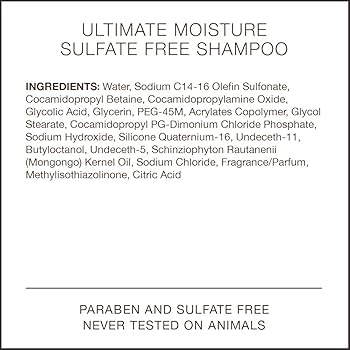
Sodium C14-16 Olefin Sulfonate
Can be harsh; often used in “clarifying” sulfate-free shampoos
Ammonium Laureth Sulfate
Similar to SLS; not much gentler
Always read the full ingredient list, not just the front label.
The Lather Myth
Many women believe that “good” shampoo must lather abundantly. This is a marketing-driven myth. Sulfate-free shampoos lather less because they don’t contain the harsh foaming agents. This does not mean they are cleaning less effectively.
What to Look for in a Sulfate-Free Shampoo for Mature Hair
When shopping for a sulfate-free shampoo specifically for women over 50, look for these features:
For women with dry, brittle hair, these wash and wear haircuts for women over 60 minimize further damage from styling.
Sulfate-Free vs. Low-Poo vs. Co-Washing
Beyond sulfate-free, there are other gentle cleansing approaches:
Method
What It Is
Best For
Sulfate-free shampoo
Uses gentle surfactants instead of SLS/SLES
Most women over 50
Low-poo
Uses even milder cleansers; very low foaming
Extremely dry, curly, or color-treated hair
Co-washing
“Conditioner washing” — using conditioner to cleanse
Very dry, coily, or tightly curled hair; not for fine/oily hair
For women with fine or thinning hair, co-washing is not recommended, as conditioner can weigh hair down and make it look flat.
For women with curly or coily hair, these curly haircuts for thin hair offer volume-building ideas.
How to Transition to Sulfate-Free Shampoo
Switching from traditional sulfate shampoo to sulfate-free requires a short adjustment period.
Week 1-2: The Adjustment Period
Your hair may feel different at first. This is normal. Sulfate-free shampoos don’t strip away all natural oils, so your hair may feel less “squeaky clean.” This is actually a good thing.
What to expect:
Less lather (add water and massage more)
Hair may feel heavier or different for the first few washes
Your scalp may take time to adjust its oil production
Tips for Success
Do
Don’t
Use warm (not hot) water to open the cuticle
Expect the same lather as your old shampoo
Massage shampoo into your scalp, not the lengths
Give up after one wash
Leave the shampoo on for 30–60 seconds
Forget to use conditioner afterward
Follow with a moisturizing conditioner
Use hot water
If Your Hair Feels Waxy or Coated
If your hair feels waxy after switching to sulfate-free, you likely have product buildup from your previous routine. Use a clarifying shampoo (sulfate-based) once, then resume sulfate-free. The waxy feeling should resolve.
The Verdict: Do You Really Need Sulfate-Free Shampoo After 50?
You SHOULD switch to sulfate-free if:
✅ Your hair is dry, brittle, or damaged ✅ You have color-treated hair (natural or fashion colors) ✅ You have gray or silver hair that feels coarse ✅ Your scalp is sensitive, itchy, or flaky ✅ You wash your hair frequently (3+ times per week) ✅ Your hair is fine or thinning
You MAY NOT NEED sulfate-free if:
❌ Your hair is naturally very oily ❌ You wash your hair once a week or less ❌ You use minimal products (no dry shampoo, gels, sprays) ❌ Your hair is thick, coarse, and healthy
The Compromise: The “Hybrid” Approach
For many women over 50, the best approach is mostly sulfate-free with occasional clarifying:
Daily/Weekly: Sulfate-free shampoo for regular washes
Monthly: Sulfate clarifying shampoo to remove buildup
As needed: Adjust based on your hair’s response
Quick Reference: Sulfate-Free Decision Guide
Your Hair Type
Sulfate-Free?
Frequency
Fine, dry, thinning
✅ Yes
Every wash
Color-treated
✅ Yes
Every wash
Gray or silver
✅ Yes
Every wash
Sensitive scalp
✅ Yes
Every wash
Normal, healthy
🤷♀️ Optional
Try it; see how hair responds
Very oily
❌ Maybe not
Use sulfate-free 1–2x/week; sulfate clarifying as needed
Thick, coarse, oily
❌ Maybe not
Use traditional shampoo if it works for you
Final Thoughts
Sulfate-free shampoo for women over 50 is not a marketing gimmick—it addresses real changes in aging hair. As our scalps produce less oil and our hair becomes more porous and fragile, harsh detergents can do more harm than good. For most women over 50, switching to a sulfate-free shampoo will lead to less frizz, more moisture, better color retention, and a happier scalp.
That said, sulfates aren’t evil. They serve a purpose: removing buildup. The healthiest approach for most mature women is a sulfate-free daily shampoo with a monthly sulfate clarifying wash.
The best shampoo is the one that leaves your hair feeling clean, soft, and healthy—not stripped, brittle, or greasy. Listen to your hair. It will tell you what it needs.
For women over 50 struggling with frizz, dryness, and unruly hair, keratin treatments promise smooth, glossy, manageable strands that last for months. But as with many beauty solutions that sound too good to be true, the reality is more complicated—especially for aging hair. Before booking that salon appointment, it’s essential to understand exactly what keratin treatments are, how they work, and whether the potential risks outweigh the benefits for women over 50. In this guide, you’ll learn everything about keratin treatments, from the science behind them to safety considerations specifically for mature hair. If you’re also dealing with frizz and dryness alongside thinning, these low maintenance haircuts for women over 50 with fine hair offer complementary solutions.
What Is a Keratin Treatment?
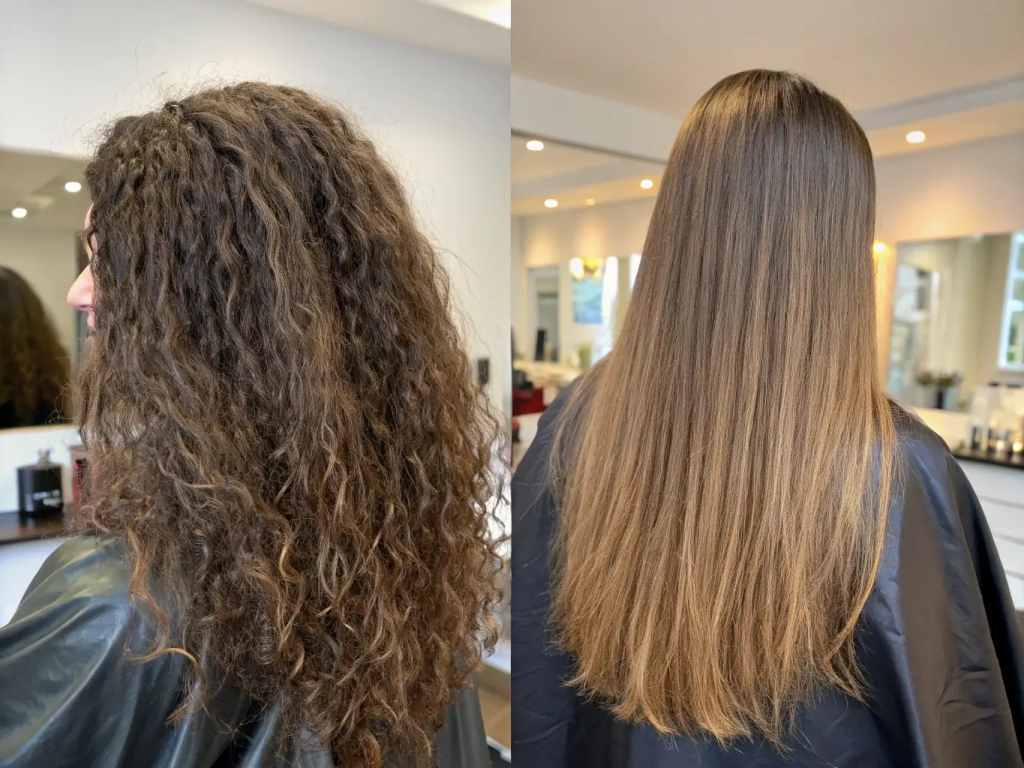
A keratin treatment is a semi-permanent hair smoothing and straightening procedure performed in a salon. The treatment is designed to reduce frizz, add shine, and make hair more manageable for 3 to 6 months at a time .
The Science Behind It
Keratin is a protein that naturally makes up 65% to 95% of your hair fiber . It is the structural building block that gives hair its strength, elasticity, and shape .
Over time, factors like heat styling, coloring, UV exposure, and hormonal shifts (including menopause) break down the keratin in your hair, making it porous, frizzy, and prone to breakage . A keratin treatment is designed to replace lost protein and restore the hair’s structure.
How the Treatment Works
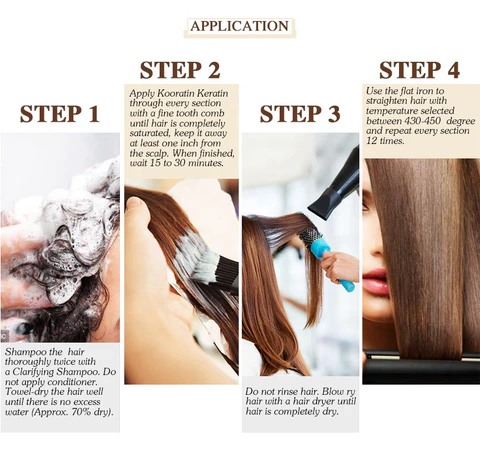
The process typically follows these steps:
Step
What Happens
1. Wash
Hair is thoroughly cleansed to remove buildup
2. Apply
A keratin solution is painted onto small sections of hair
3. Dry
Hair is blow-dried to prepare for sealing
4. Seal
A flat iron heated to 400–450°F (204–232°C) is passed over each section to “bake” the keratin into the hair shaft
The high heat causes the keratin to cross-link with the natural proteins in your hair, forcing the cuticle to lie flat and creating a smooth, sleek finish . The results typically last 3 to 5 months, depending on hair type and aftercare .
For women considering professional smoothing treatments, these how to get rid of frizzy hair over 50 solutions offer additional options.
Benefits of Keratin Treatments for Women Over 50
Despite the risks, keratin treatments offer several benefits that appeal to women with aging hair:
1. Dramatic Frizz Reduction
Frizz is a major complaint during menopause and beyond . Keratin treatments smooth the cuticle, creating a protective barrier against humidity. For women over 50, this can mean saying goodbye to the “puffy” look that often accompanies mature hair.
2. Enhanced Shine and Smoothness
By filling gaps in the damaged hair shaft, keratin treatments improve light reflection, making hair look healthier and more lustrous . This is especially beneficial for gray hair, which can appear dull or lackluster.
3. Reduced Styling Time
Many women report that after a keratin treatment, their hair air-dries straighter and requires significantly less heat styling . For women with limited time or arthritis in their hands, this can be a game-changer.
4. Temporary Strength Improvement
The keratin coating can act as a shield, reducing friction during brushing and detangling. Some women notice fewer strands in their shower drain after treatment .
5. Improved Manageability
Keratin treatments make hair less prone to knotting and tangling, which is especially helpful for women with curly or wavy hair textures .
For women embracing their natural gray, these grey blending highlights in ash blonde offer color options that complement smooth, frizz-free hair.
The Major Risks and Safety Concerns
The benefits come with significant caveats. Here’s what women over 50 need to know before booking a keratin treatment.
The Formaldehyde Problem
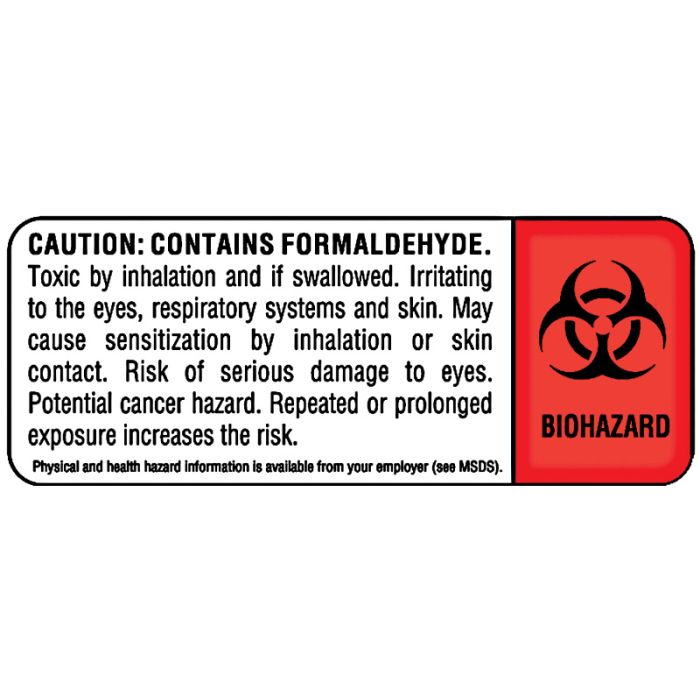
Traditional keratin treatments rely on formaldehyde or formaldehyde-releasing chemicals to cross-link keratin proteins and straighten the hair .
During the heating process, formaldehyde gas is released into the air. This is not a minor concern:
Health Effect
Description
Short-term exposure
Watery eyes, coughing, wheezing, nausea, skin irritation, burning sensation in eyes, nose, and throat
Long-term exposure
Formaldehyde is classified as a known human carcinogen by the International Agency for Research on Cancer
Occupational risk
Hair stylists face the highest risk due to repeated daily exposure
One National Institute of Health study of nearly 34,000 women found that those who used hair straightening products more than four times a year were twice as likely to develop uterine cancer. While researchers didn’t pinpoint which ingredients were to blame, formaldehyde has been identified as a primary concern.
The “Formaldehyde-Free” Loophole
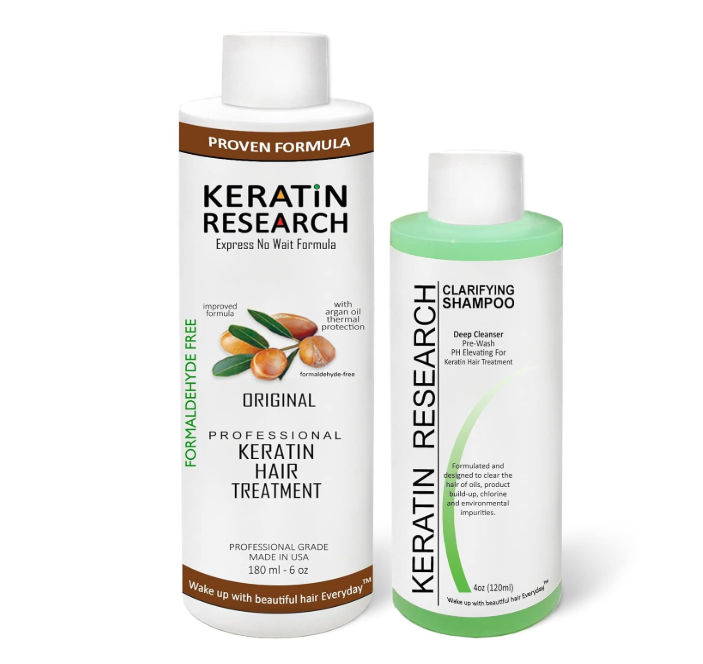
Many products labeled “formaldehyde-free” still contain ingredients that release formaldehyde when heated. Methylene glycol, for example, is a combination of formaldehyde and water that releases the chemical when exposed to air .
Ingredients that can release toxic compounds when heated include:
Glyoxylic acid
Glyoxyloyl carbocysteine
Methylene glycol
Always ask your stylist for the full ingredient list and research the specific product being used.
Heat Damage to Fragile Mature Hair
For women over 50, the flat iron used to seal keratin treatments poses a separate risk. The 400–450°F (204–232°C) heat can burn fragile menopausal hair that is already thin or chemically processed .
Hair Breakage and Thinning
Keratin treatments can cause split ends and other types of hair damage, which often leads to breakage and the appearance of thinning ends . If you’re already dealing with age-related thinning, this is a serious consideration.
For women with thinning hair, these short hairstyles for thin fine hair offer safer volume-building alternatives.
Special Considerations for Women Over 50
Is It Safe for Thinning Hair?
The answer depends on the cause and severity of your thinning.
If your hair is fragile or over-processed: Keratin treatments can exacerbate breakage due to the high heat and chemical exposure. Many stylists recommend against regular treatments for very damaged hair .
If you have mild thinning: Formaldehyde-free keratin treatments may be gentle enough for fine or fragile hair, but a professional assessment is essential .
Important: Keratin treatments do not address hormonal hair loss related to menopause . If you’re experiencing significant thinning, consult a dermatologist or trichologist before considering any chemical treatment.
Pregnancy and Breastfeeding
Keratin treatments are not recommended for women who are pregnant or breastfeeding . The formaldehyde exposure poses unnecessary risks to both mother and child.
Sensitive Scalp and Allergies
Menopausal skin often becomes drier and more sensitive. Harsh chemicals in keratin formulas can cause severe itching or trigger contact dermatitis . If you have sensitive skin or a history of allergies, proceed with extreme caution or avoid the treatment entirely.
Formaldehyde-Free Alternatives: Do They Work?
The good news is that safer alternatives exist. The bad news is they don’t work as well as traditional treatments.
Carbocysteine-Based Treatments
Carbocysteine is a dibasic amino acid used in treatments known as “heat sealing” or “plastic hair.” These formulas combine glyoxyloyl carbocysteine and glyoxyloyl keratin amino acids .
How they compare:
✅ Safer (no formaldehyde exposure)
✅ Increases hair shine
❌ Less effective at straightening curly or wavy hair
❌ May not provide the same level of frizz control
Saphira and Similar Mineral-Based Treatments
Saphira is a non-toxic alternative that uses Dead Sea minerals and hyaluronic acid to hydrate and seal the cuticle, rather than chemically straightening hair .
Results: Softer, healthier, frizz-free hair that maintains natural texture and movement—not pin-straight strands.
Longevity: 3 to 5 months
Pros: No formaldehyde, no toxic fumes, no damage to curl pattern Cons: Won’t straighten curly hair; results are subtler
Professional Formaldehyde-Free Brands
Several salon brands offer formaldehyde-free keratin treatments:
Brand
Key Features
GK Hair Global Keratin
Uses glyoxylic acid; formaldehyde-free
Cezanne Keratin Treatment
Formaldehyde-free; safer for sensitive scalps
Saphira
Mineral-based; no harsh chemicals; preserves natural texture
For women who want to avoid chemical exposure entirely, these ingredients to avoid in hair products for women over 50 offer a complete guide to clean hair care.
What to Ask Your Stylist Before Booking
If you decide to proceed with a keratin treatment, ask these questions first:
“What specific product do you use? Can I see the ingredient list?” – Avoid anything containing formaldehyde, methylene glycol, or aldehyde-releasing preservatives.
“Do you offer a formaldehyde-free option?” – If yes, ask how the results differ from traditional treatments.
“Will you adjust the heat setting based on my hair’s thickness and condition?” – Fragile hair needs lower heat.
“Can I do a test strand first?” – Treat a small, hidden section and wait 1–2 weeks to check for dryness or breakage .
“What is your experience with mature or thinning hair?” – Not all stylists understand the unique needs of aging hair.
For women over 60 seeking gentle hair care routines, these wash and wear haircuts for women over 60 minimize the need for chemical treatments.
Aftercare: Making Your Treatment Last
To extend the life of your keratin treatment (whether traditional or formaldehyde-free):
Do
Don’t
Use sulfate-free shampoo and conditioner
Wash your hair daily (2–3 times per week is plenty)
Rinse with cool water to seal the cuticle
Use salt water or chlorine (they strip the treatment)
Wait 48–72 hours before first wash
Use heavy oils or waxes that can build up
Sleep on a silk or satin pillowcase
Use high heat styling without protectant
Keratin Treatments vs. Other Smoothing Options
Treatment
Duration
Formaldehyde Risk
Best For
Traditional keratin
3–5 months
High
Dramatic straightening
Formaldehyde-free keratin
3–5 months
Low to none
Mild smoothing, frizz reduction
Mineral-based (Saphira)
3–5 months
None
Natural texture with frizz control
At-home kits
2–4 weeks
Varies by brand
Budget-friendly, temporary results
Professional deep conditioning
1–2 weeks
None
Gentle moisturizing without chemicals
For women who want smooth hair without chemical risks, professional deep conditioning treatments and regular trims may be sufficient .
The Bottom Line: Is It Safe for Women Over 50?
The honest answer: It depends on your priorities, your hair’s condition, and your willingness to accept potential risks.
Choose a keratin treatment if:
You have persistent frizz that doesn’t respond to other methods
Your hair is in good condition (not overly processed or fragile)
You’re willing to invest in a formaldehyde-free option
You’ve consulted with a stylist who specializes in mature hair
Avoid keratin treatments if:
You have significant thinning or breakage
You have a sensitive scalp or history of allergies
You are pregnant or breastfeeding
You want to preserve your natural curl pattern (keratin treatments alter it)
You’re unwilling to accept any formaldehyde exposure risk
The safest approach for women over 50:
Choose a formaldehyde-free, mineral-based treatment like Saphira. While these won’t give you pin-straight hair, they will dramatically reduce frizz, add shine, and make your hair more manageable—without the health risks associated with formaldehyde .
If you have thinning or fragile hair, skip the treatment entirely and focus on gentle hair care, regular trims, and moisturizing products. For many women over 50, that’s enough.
Final Thoughts
Keratin treatments for women over 50 offer real benefits: less frizz, more shine, and easier styling. But they also come with real risks: formaldehyde exposure, heat damage, and potential breakage. The decision isn’t clear-cut. For women with healthy, thick, frizzy hair who choose a formaldehyde-free option with an experienced stylist, the benefits may outweigh the risks. For women with thinning, fragile, or sensitive hair, the risks likely outweigh the benefits.
The most important step is doing your research, asking the right questions, and being honest about your hair’s condition. Your hair has earned the right to gentle, thoughtful care.
For women over 50, how to get rid of frizzy hair becomes an increasingly common and frustrating question. As we age, hair undergoes significant changes—it becomes drier, more porous, and often more prone to frizz. Hormonal shifts, years of heat styling, and environmental damage all contribute to a raised cuticle that lets moisture in and out, causing strands to swell and frizz. The good news is that frizz is manageable with the right approach. In this guide, you’ll discover 10 solutions for frizzy hair over 50, from product swaps and washing techniques to overnight routines and professional treatments. If you’re also dealing with thinning hair alongside frizz, these low maintenance haircuts for women over 50 with fine hair offer excellent options.
Why Frizz Gets Worse After 50
Understanding why frizz increases with age helps you choose the right solutions. Here’s what changes:
Age-Related Change
How It Causes Frizz
Decreased oil production
Scalp produces less natural sebum, leaving hair drier and more prone to absorbing humidity
Increased porosity
The outer cuticle becomes more raised and damaged, allowing moisture to enter and swell the hair shaft
Gray hair texture
Gray and silver hair is often coarser, more wiry, and has a different structure than pigmented hair
Years of cumulative damage
Heat styling, coloring, and environmental exposure have weakened the cuticle over time
Hormonal shifts
Menopause-related hormonal changes affect hair texture and oil production
For women with curly or wavy hair, frizz can be even more pronounced. These curly haircuts for thin hair offer additional styling ideas.
The 10 Solutions for Frizzy Hair Over 50
1. Switch to a Sulfate-Free Shampoo
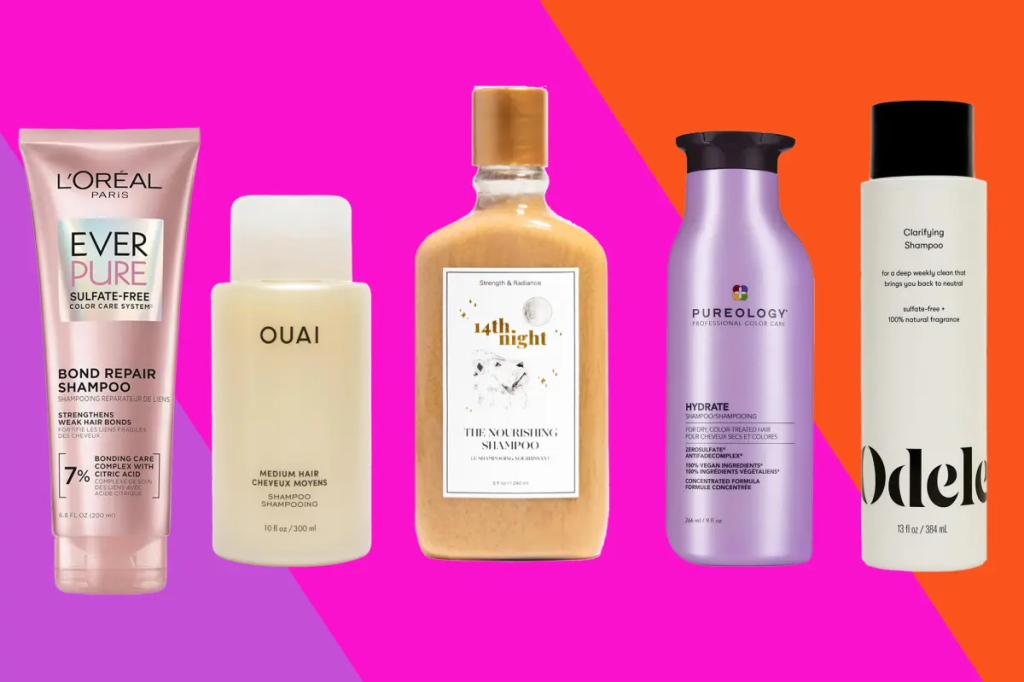
Why it works: Sulfates (Sodium Lauryl Sulfate and Sodium Laureth Sulfate) are harsh detergents that strip natural oils from your hair. For mature hair that already produces less oil, sulfates leave the cuticle raised and vulnerable to humidity. Sulfate-free shampoos clean gently without stripping, allowing the cuticle to lie flat.
How to do it: Look for shampoos labeled “sulfate-free” or with gentle surfactants like Coco Glucoside, Decyl Glucoside, or Sodium Cocoyl Isethionate. Wash your hair 2–3 times per week (not daily) to preserve natural oils.
Best for: All hair types, especially dry or color-treated hair
Products to look for: Gentle, sulfate-free cleansers from brands like SheaMoisture, OGX, Living Proof, or Kérastase
For women looking to avoid harmful ingredients entirely, these ingredients to avoid in hair products for women over 50 offer a complete guide.
2. Use a Moisturizing Conditioner Every Wash
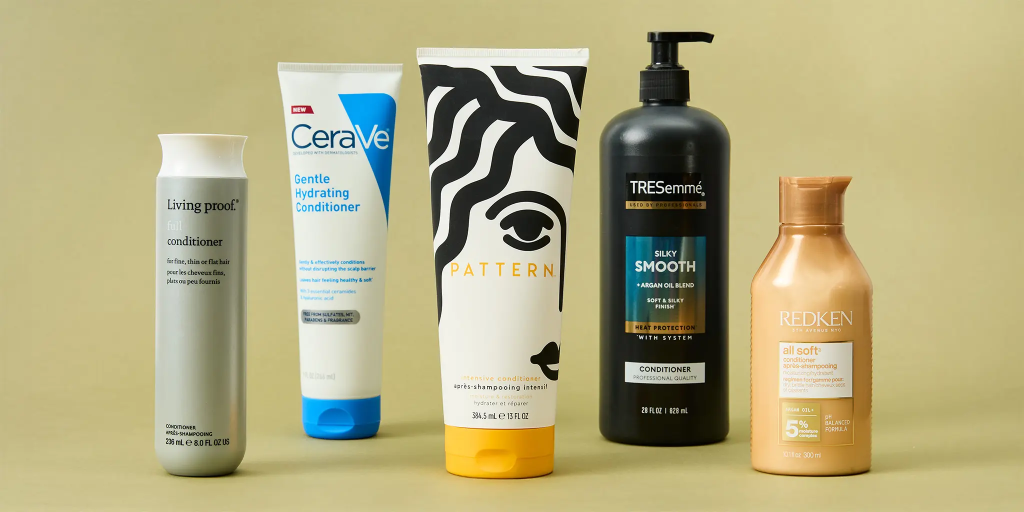
Why it works: Conditioner smooths the cuticle, adding moisture and creating a barrier against humidity. For frizzy mature hair, skipping conditioner is one of the biggest mistakes. The right conditioner adds slip, detangles, and seals the cuticle.
How to do it: Apply conditioner from mid-lengths to ends (avoid the scalp if you have fine hair). Leave it on for 2–3 minutes before rinsing with cool water, which helps seal the cuticle.
Best for: All hair types; use a heavier formula for thick or coarse hair, lighter formula for fine hair
Look for ingredients: Glycerin, shea butter, aloe vera, coconut oil, argan oil, behentrimonium methosulfate (a gentle conditioning agent)
3. Add a Leave-In Conditioner
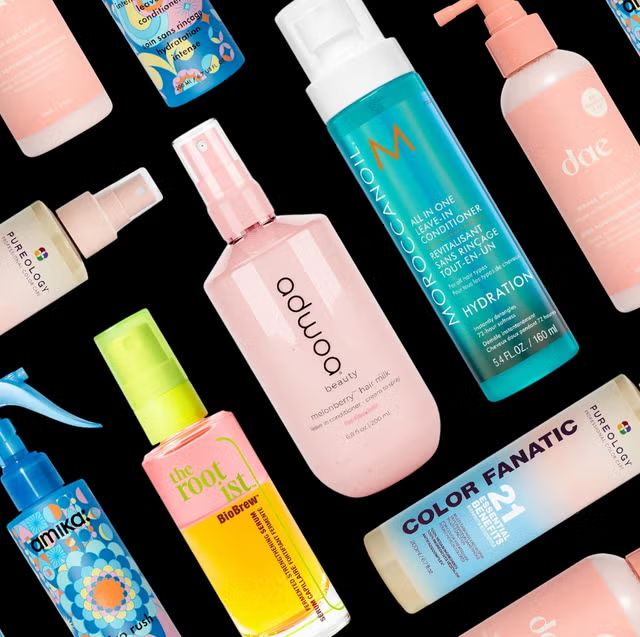
Why it works: Leave-in conditioner provides continuous moisture and frizz protection between washes. It’s especially important for mature hair because it replenishes moisture throughout the day. Leave-ins also provide heat protection and make detangling easier.
How to do it: Apply a pea-sized amount to damp hair after washing, focusing on mid-lengths and ends. For fine hair, choose a spray leave-in; for thick hair, a cream formula works well.
Best for: Dry, brittle, or color-treated hair; essential for curly and wavy textures
Look for: Lightweight formulas with aloe vera, glycerin, or silk proteins
4. Stop Towel-Drying Aggressively
Why it works: Rubbing wet hair with a regular cotton towel roughs up the cuticle, creating friction that leads to frizz and breakage. The microscopic fibers in cotton towels catch on the hair shaft, lifting the cuticle.
How to do it: Instead of rubbing, gently squeeze excess water from your hair with a microfiber towel or an old cotton t-shirt. Microfiber is smoother and absorbs water without creating friction. Then, allow your hair to air-dry or use a diffuser.
Best for: All hair types, especially fine or fragile mature hair
Pro tip: “Plop” your hair—lay a microfiber towel on a flat surface, flip your head upside down onto it, and wrap the towel around your hair for 10–15 minutes.
For women over 60 seeking gentle hair care routines, these wash and wear haircuts for women over 60 reduce styling time and friction.
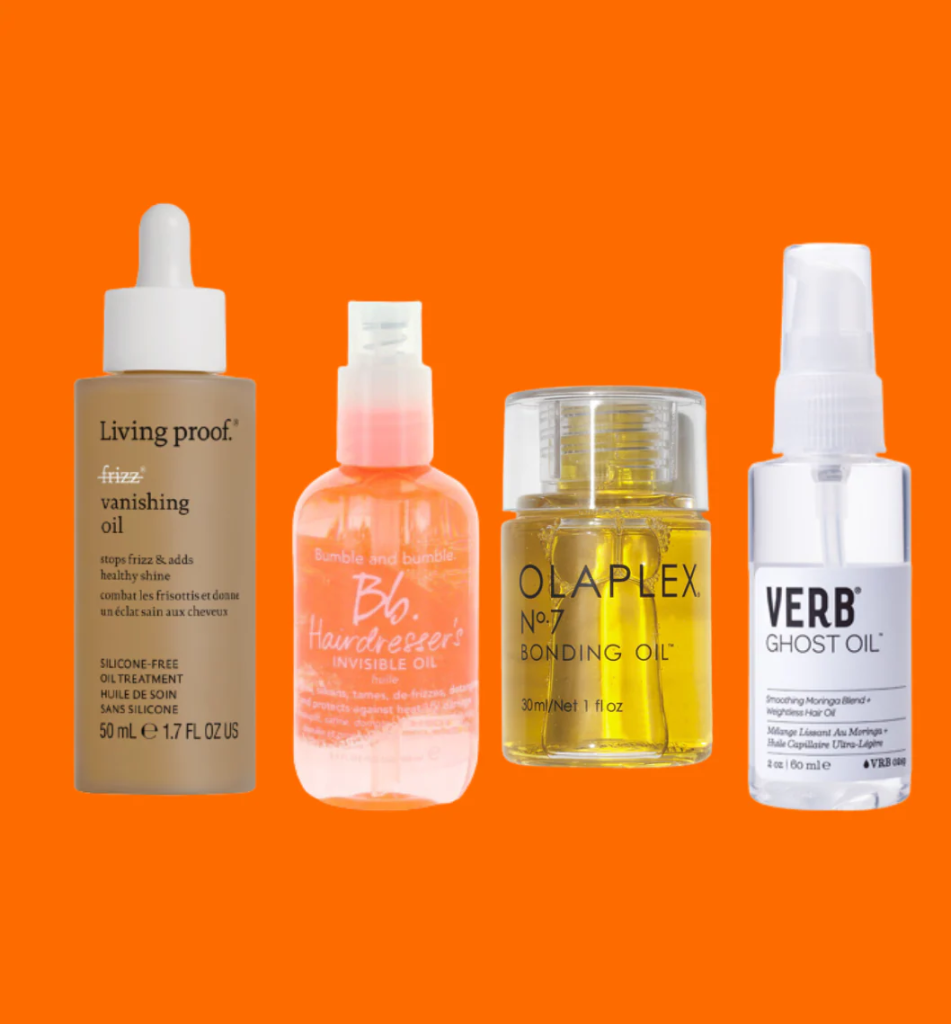
5. Apply Hair Oil to Damp Hair
Why it works: Hair oil seals moisture into the hair shaft, smooths the cuticle, and adds shine. Applied to damp hair (not dry), oil locks in the water and conditioner already in your hair, preventing humidity from causing frizz.
How to do it: After washing and conditioning, apply 2–3 drops of lightweight hair oil to damp hair, focusing on mid-lengths and ends. Do not apply to roots unless your hair is very dry. For fine hair, use even less—1 drop is enough.
Best for: Dry, coarse, or curly hair; fine hair can use very small amounts
Best oils for mature hair: Argan oil (lightweight), jojoba oil (mimics natural sebum), marula oil (rich in fatty acids), grapeseed oil (very light)
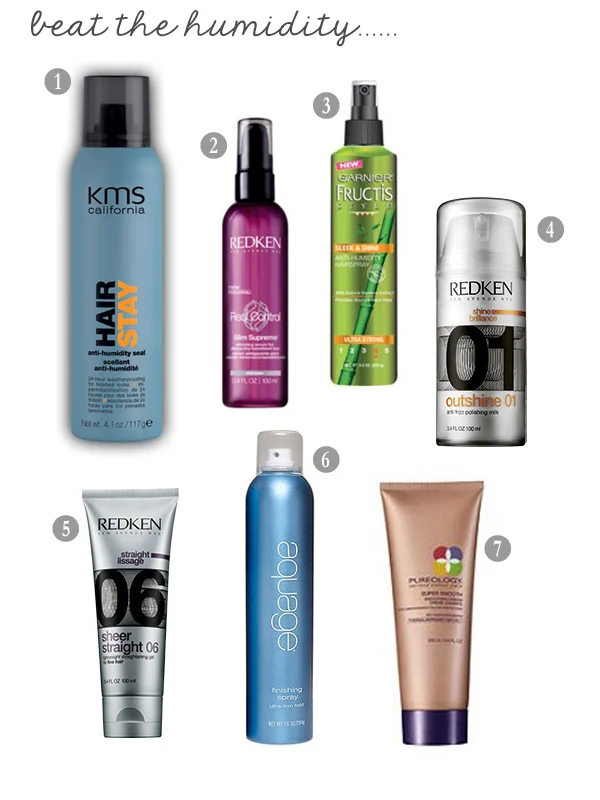
6. Use a Humidity-Blocking Product
Why it works: Humidity is the primary cause of frizz. When the air is humid, water molecules in the air bond to your hair, causing the shaft to swell and the cuticle to lift. Anti-humidity sprays, serums, and finishing sprays create a protective barrier that repels moisture.
How to do it: Apply an anti-humidity product as the final step in your styling routine. For straight hair, use a lightweight spray. For curly hair, use a humidity-blocking gel or cream.
Best for: Anyone living in humid climates; essential for summer months
Look for: Products labeled “anti-humidity,” “humidity-resistant,” or with ingredients like PVP/VA copolymer (forms a protective film)
7. Sleep on a Silk or Satin Pillowcase
Why it works: Cotton pillowcases create friction, roughing up the cuticle and causing frizz, tangles, and breakage. Silk and satin pillowcases are smooth, allowing hair to glide across the surface without friction. They also help retain moisture and reduce bedhead.
How to do it: Switch your cotton pillowcase for a silk or satin version. For maximum protection, also wrap your hair in a satin bonnet or use a satin scrunchie to loosely pineapple your hair overnight.
Best for: All hair types, especially fine, fragile, or curly hair
Pro tip: Satin is more affordable than silk and provides the same friction-reducing benefits. Look for “charmeuse” weave for the smoothest surface.
8. Get Regular Trims (Every 6–8 Weeks)
Why it works: Split ends travel up the hair shaft, causing frizz and breakage along the entire length. Even the best products can’t repair split ends—they can only temporarily mask them. Regular trims remove damaged ends before they worsen.
How to do it: Schedule a trim every 6–8 weeks. Even ¼ inch makes a dramatic difference in frizz levels. Ask your stylist for “dusting” (removing only split ends) if you’re trying to grow your hair longer.
Best for: All hair types; essential for fine or fragile mature hair
Pro tip: If you have curly hair, get your hair cut dry so your stylist can see the true curl pattern and cut only what’s needed.
For women with thin hair, these best bob haircuts for women over 50 with thin hair combine regular trims with flattering volume.
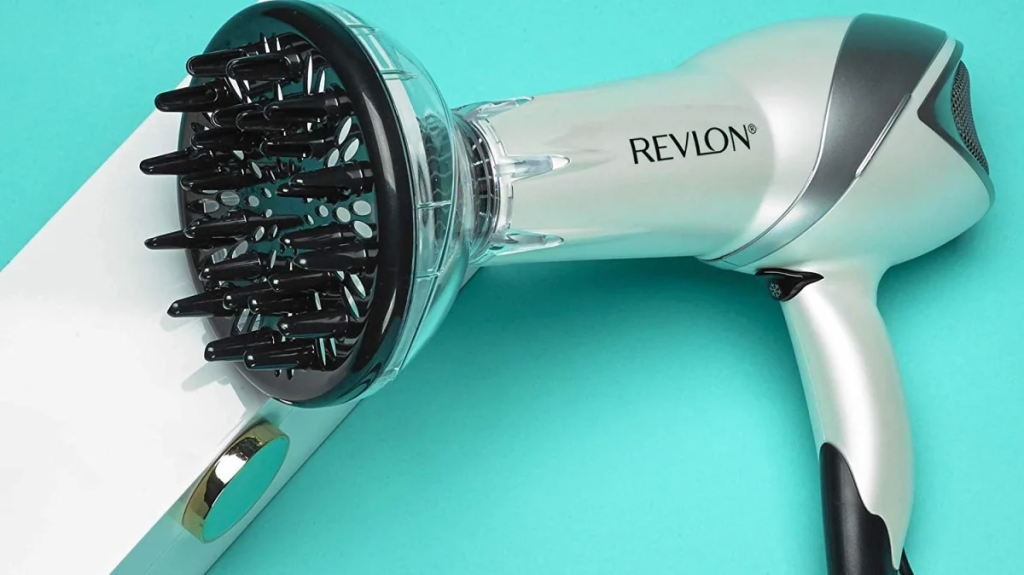
9. Use a Diffuser When Blow-Drying
Why it works: A diffuser is an attachment for your blow-dryer that disperses air over a wider area, reducing direct heat and airflow that can cause frizz. For wavy and curly hair, diffusing encourages curl formation while minimizing frizz.
How to do it: After applying products to damp hair, attach the diffuser to your blow-dryer on low heat and low speed. Cup sections of hair in the diffuser and press toward your scalp. Hold for 15–20 seconds, then release. Do not move the diffuser around—lift, hold, release, repeat.
Best for: Wavy, curly, and coily hair; straight hair may not need a diffuser
Pro tip: Dry your hair to 80% with the diffuser, then let it air-dry the rest of the way for the best balance of definition and volume.
10. Try a Professional Keratin or Smoothing Treatment
Why it works: Professional smoothing treatments (like Brazilian Blowout, Keratin Complex, or Cezanne) temporarily seal the cuticle and add a protective layer that resists humidity. Results last 2–5 months, making frizz virtually disappear. For women over 50 with persistent frizz, these treatments can be life-changing.
How to do it: Consult a stylist who specializes in smoothing treatments. The process typically involves washing, applying the treatment, blow-drying, and flat-ironing the product into the hair. Results are immediate.
Best for: Persistent frizz that doesn’t respond to other methods; curly or wavy hair that you want to wear straight or looser
Important considerations:
Some treatments contain formaldehyde. Look for formaldehyde-free options like Cezanne or Keratin Complex.
Treatments can be expensive (150–500).
Results gradually wash out; you need to repeat 2–3 times per year.
Alternatives: At-home “express” keratin treatments (less dramatic but lower commitment)
Quick Reference: Frizz Solutions at a Glance
Solution
Difficulty
Cost
Best For
Sulfate-free shampoo
Easy
$
All hair types
Moisturizing conditioner
Easy
$
All hair types
Leave-in conditioner
Easy
$
Dry, curly, color-treated
Microfiber towel
Easy
$
All hair types
Hair oil (on damp hair)
Easy
$$
Dry, coarse, curly
Anti-humidity product
Easy
$$
Humid climates, summer
Silk/satin pillowcase
Easy
$$
All hair types
Regular trims
Moderate
$$
All hair types
Diffuser
Moderate
$$
Wavy, curly, coily
Professional keratin treatment
Hard
$$$
Persistent frizz
The Frizz-Fighting Routine (Daily)
Morning:
If hair is dry, mist lightly with water mixed with leave-in conditioner
Apply 1–2 drops of oil to ends
Style as usual (air-dry, diffuse, or blow-dry with anti-humidity product)
Wash Day (2–3 times per week):
Shampoo with sulfate-free cleanser
Condition from mid-lengths to ends; leave for 2–3 minutes
Rinse with cool water
Apply leave-in conditioner to damp hair
Apply 2–3 drops of oil to damp ends
Style (air-dry, diffuse, or blow-dry with diffuser)
Overnight:
Sleep on silk or satin pillowcase
For curly hair, pineapple (loose high ponytail) with satin scrunchie
For long straight hair, loose braid to prevent friction
Ingredients to Look For (And Avoid) in Anti-Frizz Products
Look For
Why
Avoid
Why
Glycerin
Humectant attracts moisture
Sulfates
Strip natural oils
Aloe vera
Soothing, moisturizing
Drying alcohols (SD Alcohol, Alcohol Denat.)
Strip moisture
Shea butter
Seals cuticle, adds shine
Silicones (for fine hair)
Can weigh fine hair down
Argan oil
Rich in fatty acids, smooths
Heavy mineral oil
Can build up
Jojoba oil
Mimics natural sebum
Parabens
Potential endocrine disruptor
Panthenol (pro-vitamin B5)
Strengthens, moisturizes
Phthalates
Endocrine disruptor
For a complete guide on what to avoid, these ingredients to avoid in hair products for women over 50 provide detailed information.
When to See a Professional
If you’ve tried these solutions and still struggle with persistent frizz, consider:
A professional smoothing treatment – As mentioned above
A consultation with a trichologist – For underlying scalp or hair health issues
A haircut consultation – Sometimes the issue is the cut, not the products. A stylist can recommend a frizz-resistant style
For women over 50 with thinning hair, these short hairstyles for thin fine hair can reduce frizz by removing damaged ends.
Final Thoughts
How to get rid of frizzy hair over 50 is not about a single miracle product—it’s about a holistic approach. Switching to sulfate-free shampoo, using a leave-in conditioner, sleeping on silk, and getting regular trims work together to smooth the cuticle and lock in moisture. The key is consistency. Frizz didn’t appear overnight, and it won’t disappear overnight. But with these 10 solutions, you can dramatically reduce frizz and enjoy smoother, shinier, healthier hair at any age.
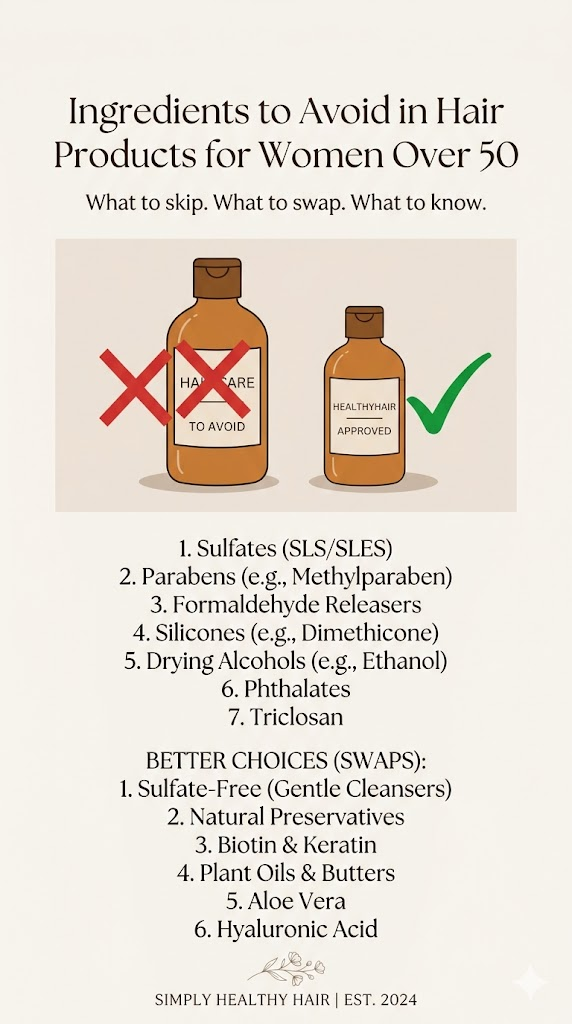
For women over 50, knowing which ingredients to avoid in hair products is an important step toward healthier hair. However, the reality is more nuanced than a simple “never use” list. As we age, our hair becomes finer, more fragile, and often drier. The scalp produces less natural oil, and the hair shaft becomes more porous. Some ingredients are genuinely harmful and should always be avoided. Others are problematic only with frequent use or for certain hair types. In this guide, you’ll discover 15 ingredients commonly flagged as concerns, along with clear guidance on when to avoid them strictly and when occasional use might be acceptable for women over 50. If you’re also looking for flattering cuts to pair with healthier hair, these low maintenance haircuts for women over 50 with fine hair offer excellent options.
Why Ingredient Awareness Matters After 50
Before diving into specific ingredients, it’s important to understand how your hair has changed. This context explains why some ingredients became problematic for mature hair even if they never bothered you before.
Age-Related Change
Why It Matters for Product Choice
Decreased oil production
Scalp becomes drier, more susceptible to irritation from sulfates and alcohols
Thinner hair shaft
More vulnerable to damage from harsh chemicals and heat
Increased porosity
Hair absorbs more water and chemicals; loses moisture faster
Gray hair texture
Often coarser, more resistant, and more porous than pigmented hair
Slower growth rate
Damage takes longer to grow out; prevention is more critical
Scalp sensitivity
More prone to itching, flaking, and inflammation from irritants
For women with thinning hair, these concerns are even more critical. These short hairstyles for thin fine hair can complement a gentle hair care routine.
How to Use This Guide
This article categorizes 15 ingredients into three groups:
Category
Meaning
Action
Always Avoid
Harmful regardless of frequency or concentration. Do not use.
Eliminate completely
Use with Caution
Problematic for daily use but may be acceptable occasionally (1–2x per month) or in low concentrations.
Limit frequency
Depends on Your Hair
Effect varies based on your specific hair type (fine vs. thick, dry vs. oily).
Know your hair type
Group 1: Always Avoid (No Circumstances)
These ingredients have documented health concerns (endocrine disruption, carcinogenicity, or severe irritation) that outweigh any potential benefit. Avoid them completely.
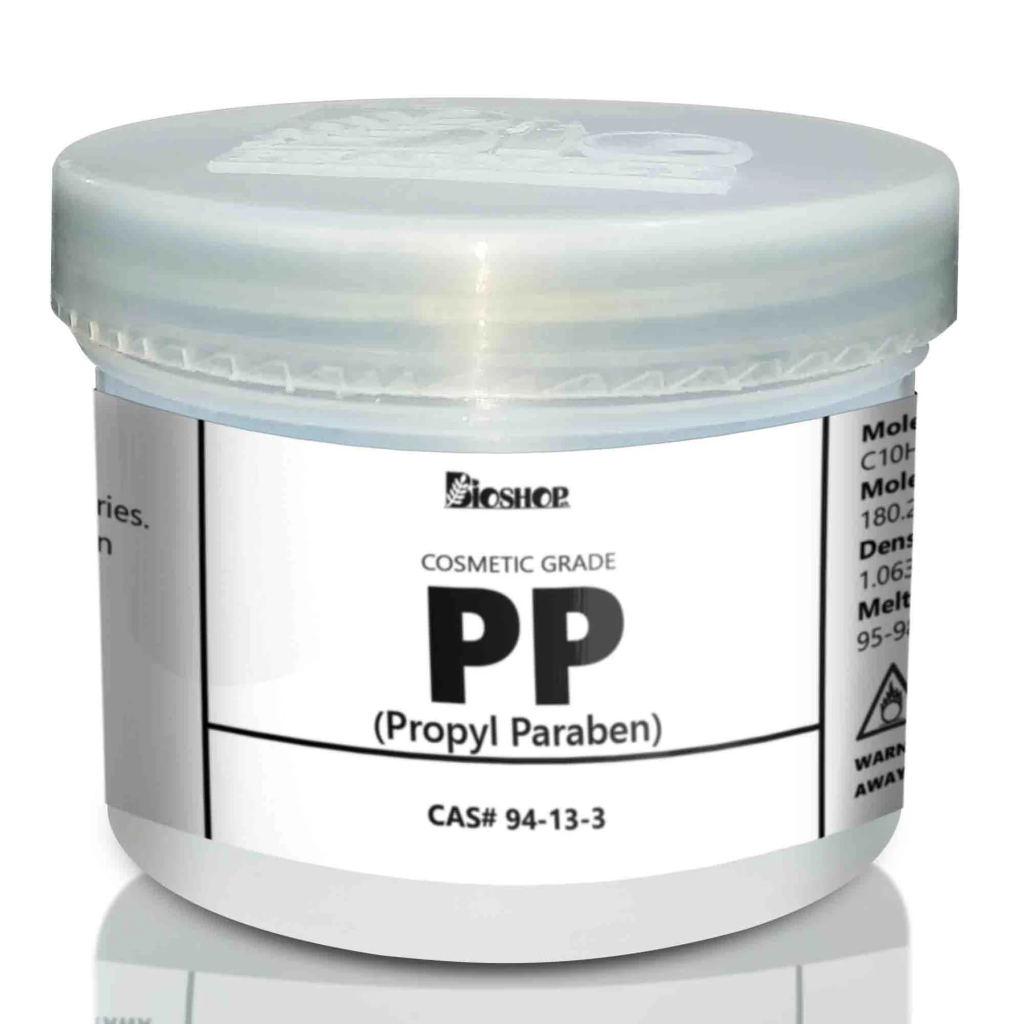
Why they’re harmful: Parabens are preservatives that prevent bacterial growth. Research has linked them to endocrine disruption (they can mimic estrogen in the body). Multiple studies have detected parabens in human breast tissue, raising concerns about long-term exposure. For women over 50, whose hormonal landscape is already changing, avoiding unnecessary endocrine disruptors is wise.
Where they’re found: Shampoos, conditioners, styling creams, leave-in treatments, body washes
What to look for instead:Paraben-free preservatives like Phenoxyethanol, Sodium Benzoate, or Potassium Sorbate
How to spot them: Look for any ingredient ending in “-paraben” (Methylparaben, Propylparaben, Butylparaben, Ethylparaben)
Can you ever use them?No. There are safe, effective preservatives available. Parabens are unnecessary.
2. Phthalates
Why they’re harmful: Phthalates are used to make fragrances last longer and to make plastic packaging more flexible. They are known endocrine disruptors linked to reproductive issues and metabolic disorders. In hair products, they can be absorbed through the scalp. For women over 50, avoiding unnecessary hormone-disrupting chemicals is particularly important.
Where they’re found: Fragranced shampoos, conditioners, hair sprays, and styling products (hidden under “fragrance” or “parfum”)
What to look for instead:Phthalate-free fragrances (look for “phthalate-free” on the label) or products scented only with essential oils
How to spot them: Manufacturers aren’t required to disclose phthalates specifically. Look for “fragrance” or “parfum” on the label and choose products labeled “phthalate-free”
Can you ever use them?No. Because they’re rarely listed explicitly, the safest approach is to choose fragrance-free products or those certified phthalate-free.
3. Formaldehyde-Releasing Preservatives
Why they’re harmful: Some preservatives slowly release small amounts of formaldehyde over time to kill bacteria. These include DMDM Hydantoin, Quaternium-15, and Imidazolidinyl Urea. Formaldehyde is a known human carcinogen and skin irritant. For mature skin and scalps, which can be more sensitive, these ingredients can cause itching, burning, and allergic reactions.
Where they’re found: Many shampoos, conditioners, and styling products (especially “natural” brands trying to preserve without parabens)
What to look for instead:Formaldehyde-free preservatives like Phenoxyethanol, Caprylyl Glycol, or Ethylhexylglycerin
How to spot them: Look for DMDM Hydantoin, Quaternium-15, Diazolidinyl Urea, or Imidazolidinyl Urea
Can you ever use them?No. There are safer preservatives available. The risk of skin sensitization increases with age.
4. Coal Tar
Why it’s harmful: Coal tar is used in some dandruff shampoos and hair color products. It is a known human carcinogen. While effective for certain scalp conditions like psoriasis, the risks of long-term use outweigh the benefits, especially for women over 50.
Where it’s found: Medicated dandruff shampoos, some dark hair dyes
What to look for instead:Natural anti-dandruff ingredients like tea tree oil, pyrithione zinc, or selenium sulfide; for psoriasis, consult a dermatologist about safer prescription options
How to spot it: Look for “coal tar,” “coal tar solution,” or “solubilized coal tar extract”
Can you ever use it?No. If you need dandruff treatment, try zinc pyrithione or tea tree oil first. Consult a dermatologist if those don’t work.
5. Triclosan
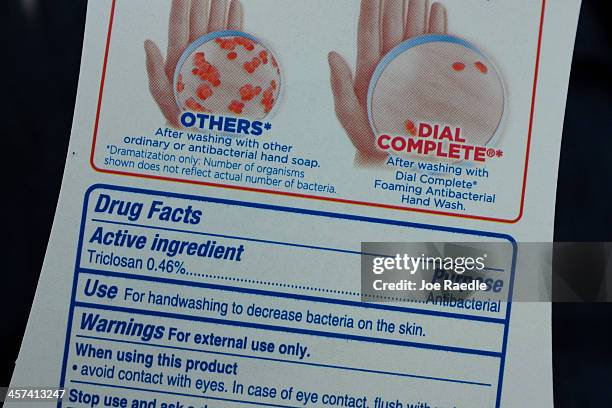
Why it’s harmful: Triclosan is an antimicrobial agent used in some shampoos and conditioners. It has been linked to endocrine disruption, antibiotic resistance, and environmental toxicity. The FDA has banned it from soaps, but it can still appear in some hair products.
Where it’s found: Some antibacterial shampoos, dandruff shampoos, and color-protecting products
What to look for instead:Natural antimicrobials like tea tree oil, rosemary oil, or thyme oil
How to spot it: Look for “triclosan” or “Microban”
Can you ever use it?No. The FDA ban on soaps reflects significant safety concerns.
6. Toluene
Why it’s harmful: Toluene is a solvent used in some aerosol hairsprays and color products. It can cause headaches, dizziness, and respiratory irritation. Chronic exposure has been linked to reproductive and developmental toxicity. For women over 50, avoiding unnecessary chemical exposure is wise.
Where it’s found: Aerosol hairsprays, some hair dyes, and nail products (can cross-contaminate)
What to look for instead:Toluene-free aerosol sprays or pump sprays; PPD-free hair dyes
How to spot it: Look for “toluene,” “methylbenzene,” or “phenylmethane” on the label
Can you ever use it?No. Pump sprays and toluene-free aerosols work just as well.
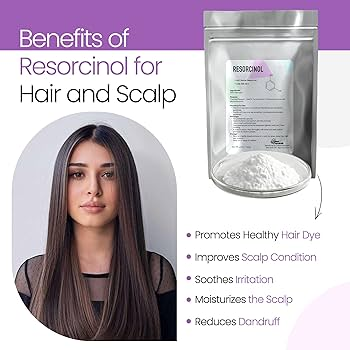
7. Resorcinol
Why it’s harmful: Resorcinol is used in many hair dyes (especially darker shades) to help color penetrate the hair shaft. It’s a known skin irritant and allergen. There is also concern about its potential as an endocrine disruptor. For mature scalps that may be more sensitive, resorcinol can cause itching, burning, and redness.
Where it’s found: Dark hair dyes (browns, blacks, dark reds)
What to look for instead:Resorcinol-free hair dyes (many natural brands offer these; look for “PPD-free” and “resorcinol-free” on the label)
How to spot it: Look for “resorcinol” on the ingredient list of hair color products
Can you ever use it?No. There are safe, effective hair dyes without resorcinol. For women embracing their natural gray, these grey blending highlights in ash blonde offer safer color alternatives.
Group 2: Use with Caution (Occasional OK, Not for Daily Use)
These ingredients are problematic when used frequently but may be acceptable for occasional use (1–2 times per month) or in low concentrations. The key is frequency and concentration.
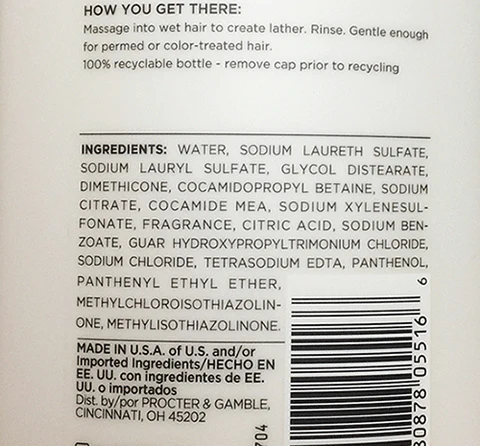
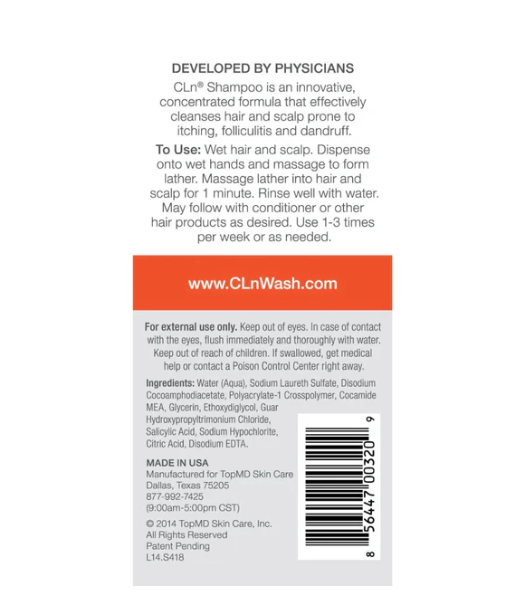
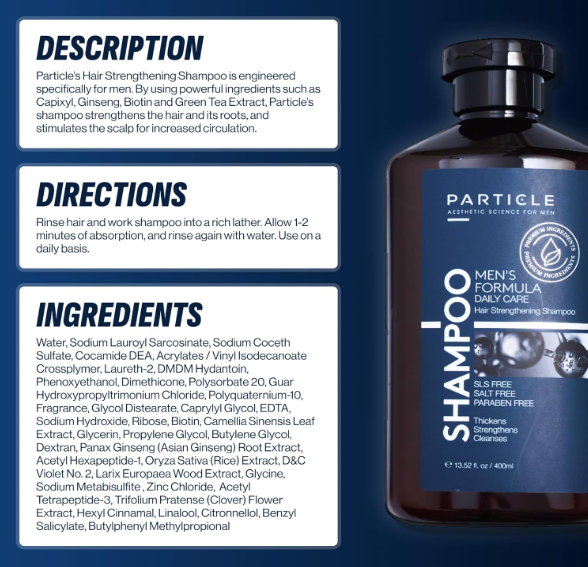
Why they’re problematic: Sulfates are harsh detergents that create rich lather. They strip away natural oils (sebum) that mature hair desperately needs. For women over 50, regular sulfate use can leave hair feeling straw-like, brittle, and more prone to breakage. They can also irritate a sensitive scalp.
Where they’re found: Most shampoos, especially clarifying and “volumizing” formulas
What to look for instead:Sulfate-free surfactants like Sodium Cocoyl Isethionate, Disodium Laureth Sulfosuccinate, or Coco Glucoside
How to spot them: Look for “Sodium Lauryl Sulfate” or “Sodium Laureth Sulfate” near the top of the ingredient list
When is it OK to use?Occasional clarifying (once a month) to remove buildup from other products. Do not use sulfates as your daily or weekly shampoo.
For whom is it worse? Fine, thin, color-treated, or dry hair. If your hair is thick, coarse, or oily, you may tolerate sulfates better, but they are still not ideal for mature hair.
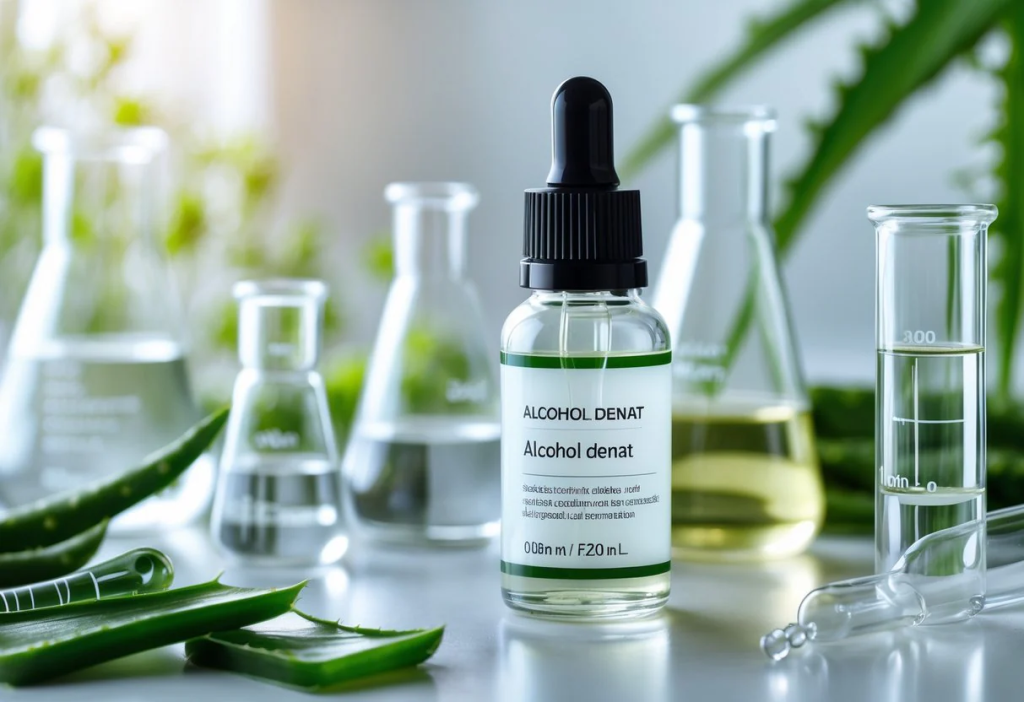
9. Denatured Alcohol (SD Alcohol, Alcohol Denat.)
Why it’s problematic: Denatured alcohol helps products dry quickly and creates a lightweight feel. However, it is extremely drying to both hair and scalp. For mature hair that already struggles to retain moisture, denatured alcohol can cause frizz, breakage, and a straw-like texture.
Where it’s found: Hairsprays, mousses, gels, and some “volumizing” shampoos
What to look for instead:Fatty alcohols (which are actually moisturizing) like Cetyl Alcohol, Stearyl Alcohol, or Cetearyl Alcohol
How to spot it: Avoid “SD Alcohol,” “Alcohol Denat.,” “Isopropyl Alcohol,” or “Ethanol” near the top of the ingredient list. Fatty alcohols are safe.
When is it OK to use?Special occasions only (weddings, formal events). Do not use denatured alcohol products for daily styling.
10. Isopropyl Alcohol
Why it’s problematic: Isopropyl alcohol is a solvent and drying agent found in many hairsprays and styling products. Unlike fatty alcohols (which are moisturizing), isopropyl alcohol is extremely drying. For mature hair, it can cause frizz, breakage, and scalp irritation.
Where it’s found: Hairsprays, mousses, and some “quick-dry” styling products
What to look for instead:Fatty alcohols (cetyl, stearyl, cetearyl) or SD alcohol-free formulas
How to spot it: Look for “isopropyl alcohol,” “isopropanol,” or “2-propanol”
When is it OK to use?Occasional use only (similar to denatured alcohol). Not for daily styling.
11. Propylene Glycol
Why it’s problematic: Propylene glycol is a penetration enhancer that helps other ingredients absorb into the hair and scalp. While generally recognized as safe in small amounts, it can cause skin irritation, especially on sensitive or compromised skin. For mature scalps, it can lead to itching and burning, particularly with daily use.
Where it’s found: Conditioners, styling creams, leave-in treatments, and some shampoos
What to look for instead:Natural humectants like vegetable glycerin, propanediol (plant-derived), or aloe vera
How to spot it: Look for “propylene glycol,” “propane-1,2-diol,” or “PG”
When is it OK to use?Low concentration only (near the end of the ingredient list). If propylene glycol is in the first five ingredients, avoid the product. If it appears near the end, occasional use may be fine.
For whom is it worse? Women with sensitive scalps, eczema, or psoriasis.
Group 3: Depends on Your Hair Type
These ingredients are not universally harmful. Their effect depends on your specific hair texture and condition. Know your hair type before deciding.
12. Silicones (Dimethicone, Amodimethicone, Cyclopentasiloxane, anything ending in -cone, -conol, or -siloxane)
Why they’re controversial: Silicones coat the hair shaft, creating a temporary “smooth” feeling. This coating prevents moisture from penetrating and can build up over time, leaving hair looking dull and feeling heavy. However, for some hair types, this coating is beneficial.
Where they’re found: Conditioners, serums, heat protectants, “smoothing” shampoos
What to look for instead:Water-soluble conditioning agents like Cetearyl Alcohol, Behentrimonium Methosulfate, or natural oils (argan, jojoba)
How to spot them: Look for any ingredient ending in “-cone,” “-conol,” or “-siloxane” (Dimethicone, Amodimethicone, Cyclopentasiloxane)
For whom are they OK?Thick, coarse, curly, or damaged hair that needs smoothing and frizz control. Water-soluble silicones (like PEG-modified silicones) are better than non-soluble ones.
For whom should they avoid?Fine, thin, or aging hair. Silicones weigh fine hair down, making it look flatter and less voluminous. They also prevent moisture from penetrating already-dry mature hair.
Can you ever use them? If you have fine or thinning hair, avoid silicones entirely. If you have thick or curly hair, look for water-soluble silicones and use a clarifying shampoo (sulfate-free) monthly to remove buildup.
13. PEG Compounds (Polyethylene Glycol, ingredients with “PEG-” followed by a number)
Why they’re controversial: PEGs are petroleum-based compounds used as thickeners, solvents, and moisture-carriers. The concern is that PEGs are often contaminated with ethylene oxide and 1,4-dioxane—both known carcinogens. The manufacturing process, not the ingredient itself, is the primary concern. Additionally, PEGs can strip moisture from hair.
Where they’re found: Creams, lotions, shampoos, conditioners, and styling products
What to look for instead:Natural humectants like glycerin, aloe vera, honey, or panthenol
How to spot them: Look for “PEG” followed by a number (PEG-40, PEG-100, etc.)
For whom are they OK? Hair that is not dry or brittle. Thick, oily, or young hair may tolerate PEGs.
For whom should they avoid?Dry, brittle, or aging hair. PEGs can strip moisture, making mature hair even drier.
14. Synthetic Fragrance (Parfum)
Why it’s controversial: The term “fragrance” or “parfum” on an ingredient label can hide dozens of undisclosed chemicals, including phthalates and synthetic musks. For women with sensitive scalps or allergies, synthetic fragrances are a common cause of contact dermatitis, itching, and flaking. However, for women without sensitivities, fragrance may cause no issues.
Where it’s found: Most scented hair products
What to look for instead:Fragrance-free products or products scented only with essential oils (though essential oils can also cause reactions in some people)
How to spot it: Look for “fragrance,” “parfum,” or “aroma” on the label. “Essential oil blend” is different and may be preferable.
For whom is it OK? Women with no history of scalp sensitivity, allergies, eczema, or psoriasis. If your scalp has never reacted to scented products, synthetic fragrance may be fine for you.
For whom should they avoid? Women with sensitive scalps, known allergies, eczema, or psoriasis. Also avoid if you experience unexplained itching or flaking.
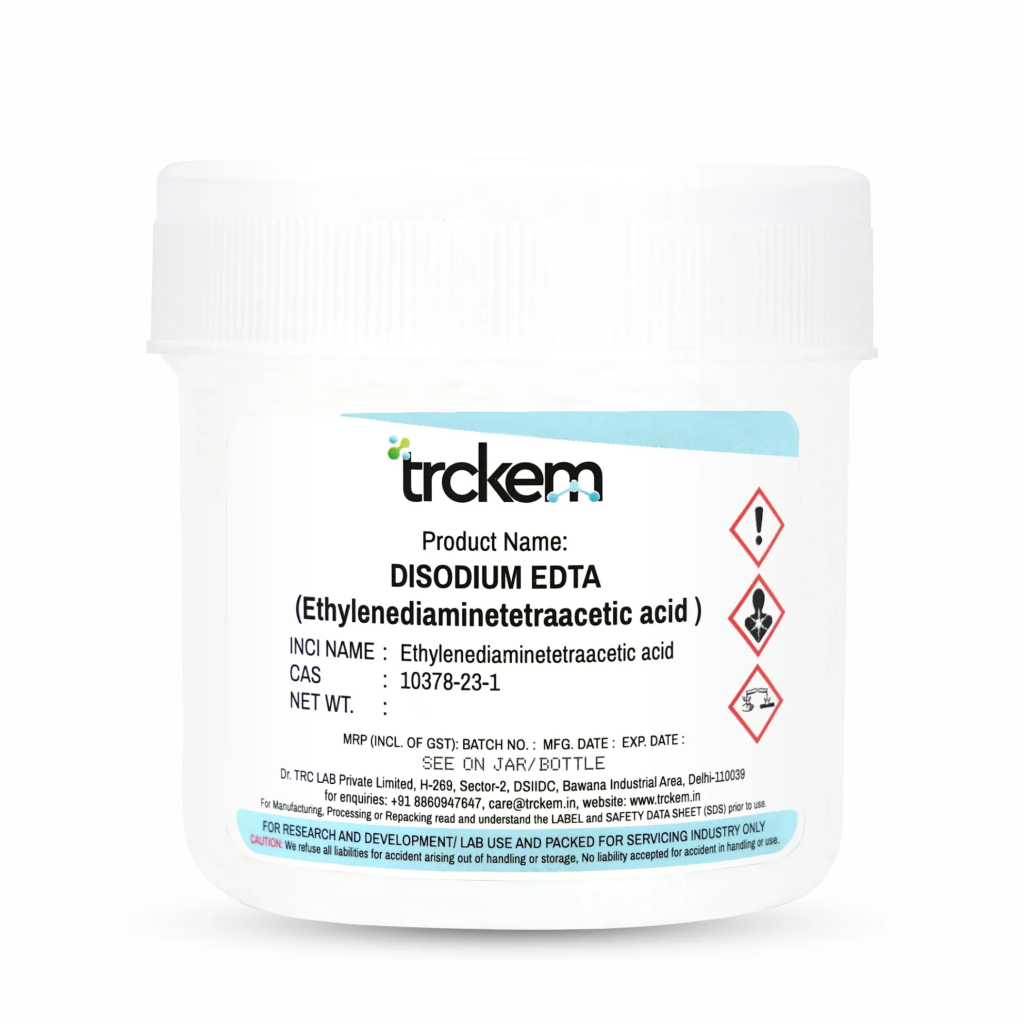
Why it’s controversial: EDTA is a chelating agent used to prevent ingredients from reacting with minerals in water. While not highly toxic, EDTA is slow to biodegrade and can be a skin irritant. It can also strip hair of beneficial minerals. However, it is generally safe in low concentrations.
Where it’s found: Many shampoos, conditioners, and color-treated hair products
What to look for instead:Natural chelating agents like citric acid or sodium phytate
How to spot it: Look for “EDTA,” “Disodium EDTA,” “Tetrasodium EDTA,” or “Calcium Disodium EDTA”
For whom is it OK? Most women, if EDTA is low on the ingredient list (near the end). The concentration matters more than the presence.
For whom should they avoid? Women with extremely sensitive scalps or those who experience irritation. Also avoid if EDTA is in the first five ingredients.
Quick Reference: Ingredients to Avoid – At a Glance
Ingredient
Group
Occasional OK?
Depends on Hair Type?
Parabens
Always Avoid
❌
❌
Phthalates
Always Avoid
❌
❌
Formaldehyde-releasers
Always Avoid
❌
❌
Coal Tar
Always Avoid
❌
❌
Triclosan
Always Avoid
❌
❌
Toluene
Always Avoid
❌
❌
Resorcinol
Always Avoid
❌
❌
Sulfates
Use with Caution
✅ (once/month)
❌
Denatured Alcohol
Use with Caution
✅ (special events)
❌
Isopropyl Alcohol
Use with Caution
✅ (special events)
❌
Propylene Glycol
Use with Caution
✅ (low concentration)
❌
Silicones
Depends on Hair
❌
✅ (avoid if fine/thinning)
PEG Compounds
Depends on Hair
❌
✅ (avoid if dry/brittle)
Synthetic Fragrance
Depends on Hair
❌
✅ (avoid if sensitive)
EDTA
Use with Caution
✅ (low on list)
❌
How to Read a Hair Product Label
Ignore marketing claims – “Natural,” “organic,” and “clean” are not regulated terms. Always check the ingredient list.
Look at the first 5 ingredients – These make up the majority of the product. If a harmful ingredient is in the top 5, avoid the product.
Longer ingredient lists aren’t necessarily bad – But they offer more opportunities for problematic additives.
“Fragrance” is a loophole – Companies can hide dozens of chemicals under this single word. If you have sensitive skin, choose fragrance-free.
Look for certifications – EWG Verified, MADE SAFE, and USDA Organic have stricter standards.
Know your hair type – Some ingredients (like silicones) are fine for thick hair but terrible for fine hair.
Test on a small area first – Even “safe” products can cause reactions on sensitive mature scalps.
How to Make Your Own Decision
Ask yourself these four questions before purchasing a product:
How often will I use this product? Daily? Weekly? Once a month? The less frequent, the more you can tolerate “Use with Caution” ingredients.
Where is the ingredient on the list? Top 5 = high concentration (avoid). Bottom 5 = low concentration (may be acceptable).
What is my hair type? Fine/thinning = avoid silicones and heavy ingredients. Thick/coarse = more tolerance.
Do I have scalp sensitivity? Yes = avoid fragrance, parabens, formaldehyde-releasers, and limit sulfates/alcohols. No = more tolerance.
What “Avoid” Really Means for Women Over 50
Ingredient Group
Practical Advice
Always Avoid
Do not buy products containing these ingredients at all. Read every label.
Use with Caution
One product containing these ingredients (used occasionally) is unlikely to cause harm. But do not use multiple products with these ingredients daily.
Depends on Your Hair
Know your hair type. If you have fine, thinning, or aging hair, avoid silicones and PEGs. If you have thick or curly hair, they may be fine.
Ingredients to avoid in hair products for women over 50 is not a simple black-and-white list. Some ingredients (parabens, phthalates, formaldehyde-releasers) should be avoided completely. Others (sulfates, denatured alcohol) are problematic for daily use but may be acceptable occasionally. And some (silicones, PEGs, fragrance) depend entirely on your specific hair type and scalp sensitivity.
The key is knowing your hair, reading labels, and making informed choices. For women over 50 with fine, thinning, or aging hair, erring on the side of caution is wise. Your hair has earned the right to gentle, thoughtful care.
For men over 50, haircuts for men with thinning hair over 50 can make the difference between looking older than your years and looking distinguished, confident, and stylish. Thinning hair—whether at the crown, hairline, or overall—is a natural part of aging for many men. But the wrong cut can emphasize sparseness, while the right cut can create the illusion of density, fullness, and intentional style. The key is choosing a cut that works with your thinning pattern rather than against it, using texture, length, and strategic placement to maximize what you have. In this guide, you’ll discover 5 haircuts for men with thinning hair over 50, each designed to add volume, minimize the appearance of thinning, and keep you looking sharp and self-assured. If you’re dealing with a round face shape alongside thinning, these men’s haircuts for round face over 50 offer additional slimming strategies.
Understanding Thinning Hair After 50
Thinning hair requires a completely different approach than thick, dense hair. Haircuts for thinning hair men over 50 address specific challenges that standard cuts cannot. Here’s why a specialized approach is essential:
Challenge
Solution
Scalp visibility
Strategic cutting at the crown conceals thinning areas
Receding hairline
Textured fringes and forward-swept styles disguise recession
Uniform thinning
Short, uniform lengths create a shadow effect that mimics density
Patchy areas
Choppy texture blends sparse spots into intentional style
Fine, limp strands
Removing weight allows roots to lift for natural volume
The good news is that with the right cut, you can create the appearance of significantly thicker hair regardless of your starting density.
For men with thinning hair who want even more volume-building options, these haircuts for thinning hair men over 50 offer additional cuts designed specifically for density concerns.
The 5 Best Haircuts for Men with Thinning Hair Over 50
1. The Textured Crop
Why it works: The textured crop keeps the top at 1–2 inches with heavy point-cutting throughout, while the sides and back are tapered close. The texture creates multiple endpoints that reflect light, making hair look denser. The short sides prevent the dreaded “horseshoe” effect that longer sides can create around a thinning crown. This is the most universally flattering cut for men with general thinning across the top.
How to style it: Apply matte styling paste or texturizing clay to completely dry hair. Rub between palms, then rake through the top pushing everything forward. The texture will create natural lift and separation. No blow-dryer needed. For extra volume, apply a small amount of volumizing powder to the roots before the paste. Keep the sides clean—they should be tapered weekly.
Best for: General thinning across the top, receding hairline
Maintenance needs: Top trim every 4–5 weeks; sides need refreshing every 2–3 weeks
For men with round faces, the textured crop can also add structure. These men’s haircuts for round face over 50 offer additional slimming strategies.
2. The Buzz Cut with Fade
Why it works: The buzz cut is the ultimate solution for men with significant thinning or balding. By taking the hair very short (typically #2 to #4 guard on top, faded to skin on the sides), the difference between thinning areas and denser areas becomes invisible. A buzz cut with a skin fade is modern, clean, and reads as intentional—not like you’re hiding anything. This is the lowest maintenance option on this list.
How to style it: There is no styling. Wash, towel-dry, and go. The key is maintaining the fade every 1–2 weeks with home clippers or barber visits. For the top, a #2 or #3 guard leaves just enough length to shadow the scalp without emphasizing thinning. Avoid going to a #1 or skin on top unless you’re fully bald—the shadow of stubble actually creates the illusion of density.
Best for: Significant thinning, crown balding, advanced hair loss
Maintenance needs: Top trim every 2–3 weeks; fade needs refreshing every 1–2 weeks
For men considering a buzz cut, these grade 2 buzzcut for men instructions will help you get it right.
3. The French Crop
Why it works: The French crop features short, textured sides and back with a slightly longer, choppy top (1–2 inches) that is swept forward. The forward sweep covers a receding hairline while creating a modern, intentional look. This cut is ideal for men with frontal thinning or a high hairline because the fringe disguises the recession line.
How to style it: Apply matte clay or texturizing paste to dry hair. Rub between palms, then pull the top forward toward your forehead. The fringe should sit just above your eyebrows. Use your fingers to create piecey separation. Do not comb—fingers only. The sides should be tapered or faded short. For extra texture, apply texturizing powder to the roots before the clay.
Best for: Frontal thinning, receding hairline, high forehead
Maintenance needs: Top trim every 4–5 weeks; sides need refreshing every 2–3 weeks
For men over 50 who want soft, face-framing options, these curtain bangs for women over 50 offer universal styling techniques.
4. The Crew Cut
Why it works: The crew cut is a classic short cut where the top is cut uniformly short (¾ to 1¼ inches) with the sides and back tapered. Unlike a buzz cut, the crew cut has slightly more length on top, which can be styled with a bit of height. This cut works well for men with uniform thinning (not just patchy areas) because the short length minimizes contrast between thick and thin spots.
How to style it: Apply styling cream or light pomade to damp hair. Use your fingers to lift the front slightly—just enough to create a small wave, not a pompadour. The sides should be tapered to blend with the top. For a cleaner look, blow-dry forward while brushing gently. The key is keeping it simple—over-styling draws attention to thinning.
Best for: Uniform thinning across the entire head
Maintenance needs: Trim every 3–4 weeks; sides need refreshing every 2–3 weeks
5. The Short Ivy League
Why it works: The Ivy League cut is a longer version of the crew cut, with the top kept at 1–1.5 inches and styled slightly to the side. The sides are tapered short but not shaved. This classic cut works beautifully for men with a receding hairline because it draws attention upward and creates a clean, distinguished silhouette. The short length also makes thinning less noticeable.
How to style it: Apply lightweight pomade or styling cream to damp hair. Comb the top to one side (not straight back—that emphasizes recession). Blow-dry briefly on low heat while combing into place, or air-dry for a softer look. The sides should be freshly tapered every 2–3 weeks. This cut looks best with a natural finish—not too shiny, not too matte.
Best for: Receding hairline, thinning at the front
Maintenance needs: Trim every 3–4 weeks; sides need refreshing every 2–3 weeks
For men who want to coordinate their haircut with facial hair, these beard and haircut combos for men offer additional pairing ideas.
How to Style Thinning Hair for Men Over 50 (Daily Routine)
Styling thinning hair requires techniques that add volume and minimize contrast. Here’s your daily roadmap:
Use matte products – Shiny products (gels, high-shine pomades) reflect light and emphasize thinning. Matte clays, pastes, and powders absorb light and create the illusion of density.
Apply products to dry hair – Thinning hair absorbs product differently. Apply texturizing powder or matte paste to completely dry hair for maximum volume and grip.
Blow-dry for volume – If you have enough length (1 inch or more), blow-dry upside down or with a round brush to lift roots. Even 30 seconds of heat can double perceived density.
Avoid heavy oils and butters – Products with coconut oil, shea butter, or argan oil weigh thinning hair down and make it look greasy and sparse.
Use tinted dry shampoo – A brown or black tinted dry shampoo (depending on your hair color) adds grip while camouflaging the scalp. Apply to roots and massage.
Keep sides short – The contrast between dense sides and a thinning top emphasizes the thinning. Keep sides closely tapered or faded to minimize this contrast.
Embrace shorter lengths – For many men, going shorter (buzz cut or #2 guard) actually looks fuller than keeping length. The shadow of short stubble creates the illusion of density.
Consider hair fibers for special occasions – Products like Toppik or Caboki can add instant density. Apply to dry hair before styling, then lock in with light hairspray. Use sparingly—a little goes a long way.
Wash less frequently – Thinning hair gets oilier faster, but overwashing strips natural oils that add grip. Wash every 2–3 days, using dry shampoo in between.
Quick Maintenance Cheat Sheet
Cut Style
Trim Frequency
Special Notes
Textured Crop
Top: 4–5 weeks; Sides: 2–3 weeks
Most versatile for thinning
Buzz Cut with Fade
Top: 2–3 weeks; Fade: 1–2 weeks
Lowest maintenance
French Crop
Top: 4–5 weeks; Sides: 2–3 weeks
Best for frontal thinning
Crew Cut
Top: 3–4 weeks; Sides: 2–3 weeks
Classic, conservative
Short Ivy League
Top: 3–4 weeks; Sides: 2–3 weeks
Best for receding hairlines
Final Thoughts
Men’s hair thinning over 50 doesn’t mean losing style. The right cut—whether a textured crop, a buzz fade, or a French crop—can create the illusion of fullness while looking intentional and confident. The key is working with a barber who understands thinning hair (specifically, the importance of texture, short sides, and matte finishes) and committing to regular trims to maintain the shape. Take this guide to your next appointment, discuss which of these 5 options aligns with your thinning pattern and lifestyle, and get ready to discover how great you can look with the right cut.
For women over 50, updos for women over 50 offer the perfect combination of elegance, practicality, and style. Whether you’re attending a wedding, a formal dinner, a holiday party, or simply want to get your hair off your face on a humid day, an updo can transform your look in minutes. The right updo can also disguise thinning areas, add volume where needed, and highlight your best features. In this guide, you’ll discover 15 easy updos for women over 50, each designed to be achievable without professional help, using techniques that work with fine, thinning, or age-related hair changes. If you love elegant, time-saving styles, these low maintenance haircuts for women over 50 with fine hair offer additional inspiration.
Why Updos Work Beautifully for Women Over 50
Updos address the specific needs of mature hair in ways that other styles cannot. Here’s why updos for women over 50 are so effective:
Hides thinning areas – Strategic pinning can conceal sparse spots at the crown
Adds instant volume – Teasing and pinning create fullness where it’s needed
Lifts the face – Pulling hair up creates a natural facelift effect
Disguises roots – If you’re between color appointments, updos can camouflage grow-out
Keeps hair off your neck – Cool and comfortable for warm weather or formal events
Works with second-day hair – Updos actually hold better in hair that’s not freshly washed
Protects fine hair – Less manipulation and heat styling preserve fragile strands
For women with fine or thinning hair, these short hairstyles for thin fine hair offer additional volume-building ideas.
Essential Tools for Easy Updos
Before diving into the styles, gather these basic tools:
Tool
Purpose
Bobby pins (20+)
Match your hair color; use the wavy side down
Hairpins (U-shaped)
Hold larger sections of hair
Clear elastics
Invisible hold for ponytails and sections
Satin scrunchie
For practice runs (won’t crease hair)
Texturizing spray
Adds grip for updos (essential for fine hair)
Dry shampoo
Adds texture and absorbs oil
Small claw clips
Hold sections while you work
Rattail comb
For teasing and sectioning
Flexible hold hairspray
Locks style without stiffness
The 15 Easy Updos for Women Over 50
1. The Messy Low Bun
Why it works: The messy low bun is the most forgiving updo for women over 50. It’s elegant enough for formal events but casual enough for everyday wear. The messiness conceals sparse areas and doesn’t require perfect technique. The low placement also works well for women with arthritis or limited mobility.
How to style it: Start with second-day hair (freshly washed hair can be too slippery). Apply texturizing spray for grip. Gather hair at the nape of your neck into a loose ponytail. Twist loosely and wrap into a bun, but don’t tuck all the ends in—leave pieces sticking out intentionally. Secure with bobby pins (use 6–8). Gently pull on the bun to loosen it and create volume. Pull out a few face-framing pieces and curl them with a 1-inch curling iron.
Best for: All occasions (most versatile updo)
Time needed: 5–7 minutes
Longevity: Lasts all day
For plus size women seeking flattering options, these short haircuts for plus size women over 50 offer additional slimming ideas.
2. The Twisted Low Bun
Why it works: The twisted low bun uses simple twisting instead of complex braiding, making it accessible for all skill levels. The twists create beautiful texture that adds visual interest to fine or thin hair. This style looks elegant and polished with minimal effort.
How to style it: Start with day-old hair. Create a deep side part. Take a 2-inch section from one side, twist it loosely, and pin it at the nape. Repeat with sections from the other side, crossing them over each other. Continue twisting and pinning sections until all hair is secured in a low, twisted bun. Leave the ends out for a soft finish or tuck them under. Pull out a few face-framing pieces and curl them. Finish with texturizing spray.
Best for: Weddings, date nights, professional events
Time needed: 10–15 minutes
Longevity: Lasts all day
3. The High Volume Bun (Crown Lift)
Why it works: The high volume bun adds significant height at the crown, creating a natural facelift effect and elongating the face. This style is especially flattering for women with round faces or those who want to disguise thinning at the crown.
How to style it: Apply volumizing mousse to damp roots. Blow-dry the crown section upside down for maximum lift. Gather hair into a high ponytail at the crown. Backcomb the ponytail gently to create volume. Twist the backcombed ponytail loosely and wrap it into a bun. Secure with bobby pins. Gently pull on the bun to create a rounded shape. Pull out a few face-framing pieces.
Best for: Formal events, when you want a facelift effect
Time needed: 10–12 minutes
Longevity: Lasts all day with strong hold spray
For women with round faces, these best haircuts for round faces over 50 offer additional slimming strategies.
4. The Chignon
Why it works: The chignon (pronounced “sheen-yon”) is a classic French updo that sits at the nape of the neck. It’s elegant, sophisticated, and surprisingly easy to create. The smooth, rounded shape is flattering for all face shapes and works beautifully with silver or gray hair.
How to style it: Gather hair into a low ponytail at the nape. Secure with a clear elastic. Create a small opening above the elastic, pull the ponytail up and through the opening (like a topsy tail). Gently tighten. Tuck the ends under and pin into a rounded shape. Use bobby pins to secure any loose pieces. For a softer look, pull out a few face-framing pieces. Finish with shine spray.
Best for: Weddings, galas, formal dinners
Time needed: 5–8 minutes
Longevity: Lasts all night
5. The Half-Up Twist
Why it works: The half-up twist is perfect for women who want their hair up but don’t want to lose all their length. The style keeps hair off your face while showing off your color and texture. It works for all hair lengths and types.
How to style it: Take the top section of your hair (from ear to ear). Twist it loosely and pin it at the back of your head with bobby pins or a small claw clip. For a more polished look, create two twists—one from each side—and pin them together. Leave the bottom half completely free. Pull out a few face-framing pieces and curl them. For extra volume, gently tug on the twisted section before pinning.
Best for: Everyday wear, casual events, second-day hair
Time needed: 3–5 minutes
Longevity: Lasts all day
6. The Braided Crown (Halo Braid)
Why it works: The braided crown (also called a halo braid) wraps a braid around your head like a crown. It’s romantic, boho, and surprisingly secure. This style works beautifully for women with medium to long hair and adds a fairy-tale element to any outfit.
How to style it: Start with day-old hair. Create a deep side part. Take a 2-inch section from the heavier side, starting near your ear. Create a loose three-strand braid (Dutch or French braid for more hold). Braid across your hairline, adding small sections as you go. Continue braiding around your head until you reach the opposite ear. Secure with a clear elastic. Tuck the tail under the braid and pin. Repeat on the other side if desired, or create a single braid crown. Curl the loose ends.
Best for: Weddings, garden parties, boho events
Time needed: 15–20 minutes
Longevity: Lasts all day with enough pins
7. The French Twist (Simplified)
Why it works: The French twist is the ultimate elegant updo, but the traditional version can be challenging. This simplified version achieves the same sophisticated look with less technique. It’s perfect for formal events where you want to look polished.
How to style it: Gather hair to one side at the back of your head. Twist the length upward, tucking the ends into the twist as you go. Secure with hairpins (not bobby pins—hairpins are longer and hold more hair) placed vertically along the twist. Use 6–8 pins for fine hair, more for thick hair. Pull out a few face-framing tendrils. The twist should sit vertically against your head. Finish with strong hold hairspray.
Best for: Galas, black-tie events, opera
Time needed: 10–15 minutes
Longevity: Lasts all night with enough pins
For women with fine hair, these short hairstyles for thin fine hair offer additional volume-building ideas.
8. The Claw Clip Updo
Why it works: The claw clip updo is the easiest updo on this list—perfect for rushed mornings or when you need to get your hair off your face quickly. The claw clip trend has made a major comeback, and it’s incredibly flattering on women over 50.
How to style it: Gather your hair loosely at the back of your head (high, mid, or low—your choice). Twist the gathered hair upward once or twice. Open a large claw clip and clamp it over the twisted section. Let the ends fall naturally. Pull out a few face-framing pieces. The style should look effortless, not “done.” For a more polished look, smooth hair before twisting.
Best for: Everyday wear, hot days, rushed mornings
Time needed: 1–2 minutes
Longevity: Lasts all day
9. The Low Ponytail with Hidden Volume
Why it works: A low ponytail is classic, but this version adds hidden volume that makes it look special. The key is creating a small bump at the crown and wrapping a section of hair around the elastic. This style is perfect for professional settings or when you want a polished look.
How to style it: Create a deep side part. Gather hair at the nape and secure with a clear elastic. Take a small section from underneath the ponytail and wrap it around the elastic; secure with a bobby pin. For hidden volume at the crown: gently backcomb the crown section before gathering the ponytail, or pull gently on the top section after securing to create a soft bump. Smooth edges with a boar bristle brush.
Best for: Work, professional events, picture day
Time needed: 5–7 minutes
Longevity: Lasts all day
10. The Rope Twist Bun
Why it works: The rope twist bun uses two-strand twists (instead of three-strand braids) for a different texture. Rope twists are easier than braids and create a beautiful, twisted rope effect that looks intricate but is actually simple to create.
How to style it: Gather hair into a low or mid ponytail. Divide the ponytail into two equal sections. Twist each section individually in the same direction, then twist them around each other in the opposite direction (this creates the rope effect). Wrap the twisted rope into a bun and secure with bobby pins. Pull out a few face-framing pieces.
Best for: Weddings, date nights, when you want something different
Time needed: 8–10 minutes
Longevity: Lasts all day
11. The Sock Bun (Volume Boosting)
Why it works: The sock bun uses a sock donut to create a full, voluminous bun that looks like you have twice as much hair. This is perfect for women with fine or thinning hair who want a dramatic updo. The sock donut does all the work—no teasing required.
How to style it: Gather hair into a high ponytail at the crown. Slide a sock donut (or foam bun maker) over the ponytail to the base. Spread the ponytail evenly over the donut, tucking the ends under. Secure with bobby pins around the entire bun. For a messier look, leave a few ends out intentionally. The donut creates instant volume.
Best for: Formal events, when you want maximum volume
Time needed: 10–12 minutes
Longevity: Lasts all night
12. The Pinwheel Twist
Why it works: The pinwheel twist is a series of small, twisted sections pinned flat against the head, creating a beautiful, textured pattern. This style is perfect for women with shorter hair or those who want a more sculptural updo. It also works well for disguising thinning areas.
How to style it: Take a 1–2 inch section from the side of your head. Twist it loosely and pin it flat against your head with bobby pins placed in a crisscross pattern (X shape). Continue taking sections, twisting and pinning, working from the sides toward the center. Leave the ends out for a soft finish or tuck them under. The result should look like overlapping pinwheels. Finish with texturizing spray.
Best for: Special occasions, when you want a unique look
Time needed: 15–20 minutes
Longevity: Lasts all day
For women over 60 seeking effortless styles, these wash and wear haircuts for women over 60 offer additional low-maintenance ideas.
13. The Faux Hawk Updo
Why it works: The faux hawk updo adds height and drama without a full commitment to shaved sides. It’s edgy but elegant, perfect for women who want to make a statement at a formal event. The height at the crown also creates a beautiful facelift effect.
How to style it: Gather the top section of your hair (from the crown forward). Tease this section gently for height. Smooth the top layer over the teasing and pin it vertically down the center of your head. Gather the side sections and pin them toward the center, creating the “hawk” shape. The sides should be pinned flat; the center should have height. Leave the back loose or pin it into a bun. Finish with strong hold hairspray.
Best for: Bold fashion events, concerts, statement occasions
Time needed: 15–20 minutes
Longevity: Lasts all night
14. The Braided Low Bun
Why it works: The braided low bun combines a simple braid with a classic bun, adding visual interest without complexity. This style is perfect for women who can do a basic three-strand braid and want to elevate their updo game.
How to style it: Gather hair into a low ponytail at the nape. Braid the ponytail into a simple three-strand braid. Secure the end with a clear elastic. Wrap the braid around the base of the ponytail to form a bun. Tuck the end under and secure with bobby pins. For a softer look, gently pull on the braid to widen it before wrapping. Pull out a few face-framing pieces.
Best for: Weddings, casual elegant events
Time needed: 8–10 minutes
Longevity: Lasts all day
15. The Voluminous Side Sweep
Why it works: The voluminous side sweep is technically a half-updo—hair is swept to one side and pinned, creating volume and drama. This style is perfect for women with medium to long hair who want a glamorous look without a full updo.
How to style it: Create a deep side part. Curl all hair with a 1.5-inch curling iron, curling away from your face. Brush through curls gently to create soft waves. Sweep all hair to the heavier side and secure with bobby pins just behind your ear, leaving the curls to cascade forward. Pull out a few face-framing pieces. For extra volume, backcomb the crown gently before sweeping. Finish with shine spray.
Best for: Red carpet events, galas, when you want a glamorous look
Time needed: 15–20 minutes
Longevity: Lasts 4–6 hours; refresh curls as needed
Updo Tips for Women Over 50
Start with second-day hair – Freshly washed hair is often too slippery for updos. Day-old hair has more grip.
Use texturizing spray – Even if you have fine hair, texturizing spray adds essential grip for pins to hold.
Don’t over-tease – A little teasing at the crown adds volume, but too much can damage fine hair.
Use crisscross pins – Place bobby pins in an X shape (crisscross) for maximum hold. The wavy side should face down toward your scalp.
Invest in good pins – Cheap bobby pins won’t hold. Look for pins with rubber tips or non-slip coating.
Match pin color to your hair – Blonde pins for blonde hair, brown for brown, black for black. Silver pins for gray hair.
Pull out face-framing pieces – No updo looks good completely slicked back. Leave 2–3 tendrils around your face for softness.
Practice before the event – Don’t try a new updo the day of a wedding. Practice at least once.
For thin hair – Use a sock donut or bumpit to create volume. These tools are designed for fine hair.
For gray hair – Gray hair can be more stubborn. Use extra texturizing spray and a boar bristle brush to smooth.
Quick Reference: Updos by Occasion
Occasion
Best Updo
Time Needed
Wedding guest
Chignon, Braided Crown, Braided Low Bun
10–20 min
Work/professional
Low Ponytail with Hidden Volume, Twisted Low Bun
5–10 min
Casual everyday
Messy Low Bun, Claw Clip Updo, Half-Up Twist
1–7 min
Formal gala
French Twist, High Volume Bun, Voluminous Side Sweep
10–20 min
Rushed morning
Claw Clip Updo, Messy Low Bun
1–5 min
Hot weather
High Volume Bun, Claw Clip Updo
2–10 min
Second-day hair
Any updo (they hold better!)
Varies
Final Thoughts
Updos for women over 50 prove that elegant, easy hairstyles are accessible to everyone, regardless of hair texture or thickness. Whether you prefer a messy low bun, a classic chignon, or a bold faux hawk, the key is choosing a style that works with your hair type and practicing before the big event. These 15 updos are designed to be achievable without professional help, using tools and techniques that respect mature hair. Take this guide to your mirror, experiment with a few styles, and get ready to discover how beautiful and elegant your hair can look—up and off your face.
For women over 50 with 4C hair, short natural hairstyles offer the perfect blend of style, protection, and low maintenance. 4C hair is characterized by tight, dense coils with a defined zig-zag pattern that doesn’t show visible curl definition unless stretched or styled. As we age, our hair can become finer, more fragile, and drier—making protective styles and gentle handling essential. Short 4C hairstyles are empowering, easy to maintain, and celebrate your natural texture in its most authentic form. In this guide, you’ll discover 15 short 4C natural hairstyles for women over 50, each designed to protect your strands, minimize manipulation, and keep you looking stylish and confident. If you love natural texture, these 4C hairstyles ideas offer additional inspiration.
Why Short 4C Hair Is Perfect for Women Over 50
Short 4C hairstyles address the specific needs of mature natural hair:
Low manipulation – Less combing, less styling, less breakage
Protective – Ends are tucked or kept short, preventing damage
Moisture retention – Shorter hair holds moisture better than long hair
Cool and comfortable – Short hair keeps you cooler, especially during hot flashes
Hides thinning – Strategic styling camouflages sparse areas
Celebrates texture – Short cuts showcase the beauty of 4C coils
Easy maintenance – Wash, moisturize, and go in minutes
For women with fine 4C hair, these short hairstyles for thin fine hair offer additional volume-building ideas.
Understanding 4C Hair Over 50
4C hair has unique characteristics that become more pronounced with age:
High shrinkage – 4C hair can shrink 70–80% when dry, appearing much shorter than its actual length
Fragile strands – The tight coils make it prone to dryness and breakage without proper moisture
Drier texture – Natural oil production decreases with age, making 4C hair even drier
Gray hair is coarser – Silver strands often have a different, more wiry texture
Requires moisture – Regular hydration is essential for healthy 4C hair
Low manipulation needed – Protective styles help retain length and prevent breakage
For plus size women seeking flattering options, these short haircuts for plus size women over 50 offer additional slimming ideas.
The 15 Short 4C Natural Hairstyles for Women Over 50
1. Tapered Coily Crop
Why it works: The tapered coily crop is short on the sides and back with more length on top—similar to a men’s fade but designed for coily texture. This cut is perfect for women who want a low-maintenance, wash-and-go lifestyle. The taper removes bulk where it’s not needed, leaving volume on top for styling. For 4C hair, the tapered crop keeps coils defined and springy.
How to style it: Apply leave-in conditioner and curl gel to soaking wet hair on top only. Define curl clumps with fingers or a denman brush. The tapered sides need minimal product—just moisture. Air-dry or diffuse. Once dry, fluff the top gently. The contrast between the defined top and clean taper is the whole point.
Best face shapes: Oval, square, heart (the taper adds definition to round faces)
Maintenance needs: Top trim every 4–5 weeks; taper needs refreshing every 2–3 weeks
For women over 50 with round faces, these best haircuts for round faces over 50 offer additional slimming strategies.
2. Curly Pixie (4C Edition)
Why it works: A curly pixie on 4C hair is a game-changer. The short length removes weight so coils spring up tighter and bouncier, creating volume where it’s needed most. The crown can be left slightly longer for height, while the sides and back are tapered close. This cut celebrates your natural texture while keeping it perfectly manageable.
How to style it: Apply leave-in conditioner and curl gel to soaking wet hair. Use fingers to define individual curl clumps. Air-dry completely—do not touch while drying. Once dry, scrunch out any crunch with a drop of oil on your palms. Never brush dry curls; use a wide-tooth comb only when wet.
Best face shapes: Oval, heart, square (curls soften angular features)
Maintenance needs: Trim every 4–5 weeks (dry cut only)
For those with thin 4C hair, these curly haircuts for thin hair offer additional volume-building ideas.
3. Short Finger Coils
Why it works:Finger coils are created by winding small sections of 4C hair around your finger to form individual, perfect coils. This style defines 4C hair beautifully and can be worn for 1–2 weeks. The short length (1–2 inches) makes the coiling process faster and the style last longer. Finger coils are sculptural, artistic, and stunning on mature women.
How to style it: Start with damp, detangled hair. Apply leave-in conditioner and curl defining gel. Take a small section (½ inch) and apply product. Wrap the hair around your finger from root to tip, forming a tight coil. Allow the coil to sit on its own. Repeat until all hair is coiled. Allow to dry completely (air-dry overnight or sit under a hooded dryer for 2–3 hours).
Best face shapes: All face shapes (most defined look for 4C hair)
Maintenance needs: Finger coils last 1–2 weeks; refresh with water and gel
4. TWA (Teeny Weeny Afro)
Why it works: The TWA (Teeny Weeny Afro) is the ultimate short 4C style. Hair is kept uniformly short (1–2 inches) all over, creating a rounded, fluffy silhouette. This style is liberating, low-maintenance, and perfect for women starting their natural hair journey or wanting a fresh start. The TWA celebrates 4C texture in its purest form.
How to style it: Apply leave-in conditioner and curl cream to damp hair. Use your fingers to distribute. Air-dry completely—about 15–20 minutes. For a defined TWA, use a curl gel before drying. For a softer look, use a curl cream. Pick out gently at the roots for height. That’s it.
Best face shapes: Oval, heart, round (the rounded shape softens angular features)
Maintenance needs: Trim every 4–5 weeks. The shape needs regular upkeep.
For women over 60 seeking effortless styles, these wash and wear haircuts for women over 60 offer additional low-maintenance ideas.
5. Short Afro with Defined Edges
Why it works: A short Afro with defined edges keeps the fullness and volume of a traditional Afro but with a clean, polished hairline. The edges are shaped with a trimmer or razor, creating sharp lines that frame the face. This style is bold, beautiful, and perfect for women who want to show off their 4C texture with a polished finish.
How to style it: Apply leave-in conditioner and curl cream to damp hair. Use a pick to lift the hair from the roots, shaping it into a rounded Afro. Use edge control and a boar bristle brush to smooth the hairline. The edges should be clean and sharp. Finish with shine spray.
Best face shapes: Oval, heart, square (the rounded shape softens, the edges add structure)
Maintenance needs: Trim every 5–6 weeks; edges need refreshing every 3–5 days
6. Coily Frohawk
Why it works: The coily frohawk combines the volume of a short Afro with the edge of a mohawk. The sides are tapered or faded, while a strip of coily length remains from forehead to nape. This style celebrates natural volume while creating a striking, sculptural silhouette. For 4C hair over 50, the frohawk is sophisticated, not punk.
How to style it: Apply leave-in conditioner, curl cream, and gel to soaking wet hair on the center strip only. Use a denman brush to define curl clumps. Scrunch vigorously. Air-dry or diffuse. Once dry, pick out the roots gently to create height and fullness. The tapered sides require no styling—keep them moisturized.
Best face shapes: Oval, diamond, square (the height elongates rounder faces)
Maintenance needs: Center strip trim every 6–8 weeks; tapered sides need refreshing every 1–2 weeks
7. Short Two-Strand Twists
Why it works:Short two-strand twists are a protective style that works beautifully on 4C hair. The twists are small to medium in size and kept short (2–3 inches), making installation faster and the style lighter. Twists protect your ends, retain moisture, and can be worn for weeks.
How to style it: Start with damp, detangled hair stretched via blow-drying or banding. Apply leave-in conditioner and twisting butter. Part your hair into small sections (¼ to ½ inch). Take each section and divide into two strands, twisting from root to tip. Allow twists to air-dry completely or sit under a hooded dryer for 2–3 hours.
Best face shapes: All face shapes (most versatile protective style)
Maintenance needs: Retwist edges every 3–5 days; full retwist every 2–4 weeks
8. Bantu Knots (Short Version)
Why it works:Bantu knots are a traditional African hairstyle where sections of 4C hair are twisted and wrapped around themselves to form small, coiled knots. On short 4C hair (2–3 inches), Bantu knots are smaller, tighter, and incredibly striking. They can be worn as a style themselves or unraveled for a knot-out.
How to style it: Start with damp, detangled hair. Apply leave-in conditioner and curl cream. Part your hair into small square sections (1–1.5 inches). Take a section, twist it tightly from root to tip, then wrap the twisted hair around itself to form a small knot. Tuck the end underneath. Secure with a small elastic if needed. Allow to dry completely (overnight or under a hooded dryer).
Best face shapes: Oval, heart, diamond (knots add visual interest and height)
Maintenance needs: Bantu knots last 1–2 weeks; knot-out lasts 3–5 days
9. Short Flat Twists
Why it works:Short flat twists are two-strand twists that lie flat against the scalp, similar to cornrows. On short 4C hair, flat twists can be styled in intricate patterns—straight back, curved, or geometric. This style is protective, elegant, and perfect for special occasions or everyday wear.
How to style it: Start with damp, detangled hair. Apply leave-in conditioner, curl cream, and edge control for hold. Part your hair into sections using a rat-tail comb. Take a small section at the front, divide into two strands, and begin twisting while picking up small amounts of hair from the scalp as you move back. Continue until you reach the end, then twist the remaining length.
Best face shapes: Oval, heart, round (flat twists create slimming lines)
Maintenance needs: Edges need refreshing every 3–5 days; full style lasts 1–2 weeks
10. Short Braid-Out
Why it works: A short braid-out uses small three-strand braids to stretch and define short 4C hair. After wearing braids overnight, unraveling them creates a beautiful, crimped wave pattern on shorter coils. This style gives you defined, stretched hair without heat.
How to style it: Start with damp, detangled hair. Apply leave-in conditioner, curl cream, and oil to seal. Part hair into small sections and create three-strand braids. Allow braids to dry completely (overnight). In the morning, apply a drop of oil to your fingers. Gently unravel each braid from tip to root. Separate with your fingers—do not comb.
Best face shapes: All face shapes (most versatile stretch style)
Maintenance needs: Braided hair can be worn for 1–3 days before unraveling
11. Short Twist-Out
Why it works: The short twist-out uses two-strand twists to stretch and define short 4C hair. This classic styling technique allows you to see more length while maintaining definition. On short hair, twist-outs create a fluffy, rounded shape that’s incredibly flattering.
How to style it: Start with damp, detangled hair. Apply leave-in conditioner, curl defining cream, and oil in that order. Create two-strand twists throughout your hair. Allow twists to dry completely (overnight or under a hooded dryer). Apply a small amount of oil to your fingers. Gently unravel each twist from tip to root. Separate curls with your fingers for volume—do not comb.
Best face shapes: All face shapes (most popular way to wear 4C hair out)
Maintenance needs: Twist-out lasts 3–5 days with nightly pineappling
12. Short Wash-and-Go (Defined)
Why it works: A defined wash-and-go on short 4C hair is achievable with the right technique and products. While 4C hair doesn’t have visible curls without manipulation, you can achieve a defined, moisturized, shrunken look that celebrates your natural texture. The key is using a gel with strong hold to create curl clumps.
How to style it: Start with freshly washed, soaking wet hair in the shower. Apply leave-in conditioner and rake through. Apply curl defining gel (like Eco Styler, Wetline Xtreme, or Uncle Funky’s Daughter) in sections, using the “praying hands” method. Scrunch each section to encourage curl clumping. Do not touch while drying—air-dry completely or use a diffuser on low heat. Once 100% dry, gently fluff at the roots with a pick. Do not separate the clumps.
Best face shapes: All face shapes (most authentic to 4C texture)
Maintenance needs: Wash-and-go lasts 3–5 days with nightly pineappling
13. Short Cornrows
Why it works:Short cornrows are a classic protective style where 4C hair is braided close to the scalp in straight lines or intricate patterns. On short hair, cornrows are smaller and tighter, creating a beautiful, sculpted look. Cornrows keep hair stretched and protected for weeks.
How to style it: Start with freshly washed, detangled hair. Apply leave-in conditioner and edge control. Part your hair into sections using a rat-tail comb. Take a small section at the front, divide into three strands, and begin braiding while picking up small amounts of hair from the scalp as you move back. Continue until you reach the end, then braid the remaining length.
Best face shapes: All face shapes (most versatile protective style for 4C hair)
Maintenance needs: Cornrows last 2–4 weeks with proper edge maintenance
14. Short Bantu Knot-Out
Why it works: A short Bantu knot-out uses Bantu knots to stretch and define short 4C hair. After wearing Bantu knots overnight, unraveling them creates beautiful, bouncy spirals. This style requires no heat and creates volume that holds up in humidity.
How to style it: On damp hair, apply leave-in conditioner and curl cream. Part hair into small sections. Take a section, twist it tightly from root to tip, then wrap the twisted hair around itself to form a small knot. Repeat until all hair is knotted. Allow to dry completely (overnight). In the morning, apply a drop of oil to your fingers. Gently unravel each knot. Separate curls with your fingers for volume.
Best face shapes: All face shapes (most defined heatless curls)
Maintenance needs: Bantu knots last 1–2 weeks; knot-out lasts 3–5 days
15. Short Silk Press
Why it works: A short silk press is a temporary straightening technique that uses heat to stretch short 4C hair without the damage of a chemical relaxer. The result is silky, straight hair that shows your true length. On short hair, a silk press creates a sleek, polished bob or pixie silhouette. It’s perfect for special occasions.
How to style it: Start with deeply conditioned, clean hair. Apply heat protectant generously throughout. Blow-dry hair in sections until 90% dry. Use a flat iron on low heat (300–350°F) on small sections, passing the iron slowly from root to tip (1–2 passes per section). Do not over-iron. Wrap your hair at night to maintain straightness.
Best face shapes: All face shapes (shows true length of 4C hair)
Maintaining healthy short 4C hair requires consistent moisture and gentle handling. Here’s your daily roadmap:
Hydrate daily – 4C hair needs daily moisture. Use a water-based leave-in conditioner or refresher spray every morning.
Seal with oil – After moisturizing, seal with a natural oil (jojoba, coconut, or castor oil) to lock in moisture.
Sleep on satin – A satin bonnet or satin pillowcase is non-negotiable for preventing breakage and preserving styles.
Protect your edges – Avoid tight styles that pull at the hairline. Use edge control gently and never sleep with tight styles.
Deep condition weekly – A deep conditioner with heat restores moisture and strengthens 4C hair.
Detangle gently – Always detangle on wet hair with slippery conditioner and a wide-tooth comb or your fingers.
Avoid over-manipulation – Low manipulation styles (twists, braids, buns) help retain length and prevent breakage.
Trim regularly – Trim split ends every 8–12 weeks to maintain healthy growth.
For gray 4C hair – Use purple shampoo once weekly to prevent yellowing and keep silver bright. Gray 4C hair is often drier; deep condition more frequently.
Quick Maintenance Cheat Sheet
Style
Longevity
Daily Maintenance
Special Notes
Tapered Coily Crop
4–5 weeks (trim)
Refresh top daily
Lowest maintenance
Curly Pixie (4C Edition)
4–5 weeks (trim)
Refresh with water daily
Most defined short cut
Short Finger Coils
1–2 weeks
Refresh with water and gel
Most defined 4C look
TWA (Teeny Weeny Afro)
4–5 weeks (trim)
Pick out daily
Most iconic natural style
Short Afro with Defined Edges
5–6 weeks (trim)
Refresh edges daily
Polished natural look
Coily Frohawk
Center: 6–8 weeks; Sides: 1–2 weeks
Refresh sides weekly
Most dramatic option
Short Two-Strand Twists
2–4 weeks
Retwist edges every 3–5 days
Most versatile protective style
Short Bantu Knots
1–2 weeks
Retwist edges every 3–5 days
Also worn for knot-out
Short Flat Twists
1–2 weeks
Refresh edges daily
Best for updos
Short Braid-Out
1–3 days (braided)
N/A for braided wear
Unravel for defined waves
Short Twist-Out
3–5 days
Pineapple at night
Most popular “out” style
Short Wash-and-Go
3–5 days
Pineapple at night
Most authentic to texture
Short Cornrows
2–4 weeks
Refresh edges weekly
Most classic protective style
Short Bantu Knot-Out
3–5 days
Pineapple at night
Heatless defined curls
Short Silk Press
1–2 weeks
Wrap at night
Temporary straight style
Final Thoughts
Short 4C natural hairstyles for women over 50 prove that tight coils are not a limitation—they’re a canvas for creativity, self-expression, and stunning style. Whether you prefer a tapered coily crop, finger coils, a TWA, or protective twists, the key is embracing moisture, definition, and gentle handling. These 15 styles are designed to celebrate your natural texture while keeping your hair healthy and vibrant. Take this guide to your stylist or your mirror, experiment with different techniques, and get ready to discover how beautiful and versatile your short 4C hair can be.
For women over 50 who wear glasses, the best hairstyles are those that work in harmony with your frames—not against them. The right haircut can complement your eyewear, highlight your eyes, and create a balanced, polished look. The wrong cut can clash, compete, or get lost behind your frames. Whether you wear bold cat-eyes, classic wireframes, or modern acetates, there’s a hairstyle that will make your glasses look like an intentional part of your style. In this guide, you’ll discover 15 hairstyles for women over 50 with glasses, each designed to flatter different frame styles, face shapes, and hair textures. If you love face-framing styles, these curtain bangs for women over 50 offer additional age-defying inspiration.
Why Glasses and Haircuts Need to Work Together
Your glasses are the first thing people notice about your face. Your hairstyle should complement, not compete with, your frames. Here’s why hairstyles for women over 50 with glasses require special consideration:
Glasses add visual weight – Frames create horizontal lines across your face. Your haircut should balance these lines
Eyes are your focal point – Glasses draw attention to your eyes. Your haircut should frame, not hide, them
Frame shape matters – Different frame styles work with different haircuts
Temple pieces need space – Hair that constantly falls over the arms of your glasses can be annoying
Lenses affect perception – Thick lenses can magnify or shrink; haircuts can help balance proportions
For women with fine hair, these low maintenance haircuts for women over 50 with fine hair offer additional volume-building ideas.
Matching Hairstyles to Frame Styles
Before diving into specific hairstyles, understand which cuts work best with your frame type:
Frame Style
Best Haircut Characteristics
Avoid
Cat-eye
Soft, feminine cuts; volume at crown; side-swept bangs
Heavy bangs that compete with the upswept corners
Round frames
Angular cuts; asymmetry; height at crown
Round bobs that mirror the frame shape
Square frames
Soft, rounded cuts; waves; side-swept bangs
Severe, geometric cuts
Oval frames
Almost anything works (most versatile)
Styles that hide your eyes
Wireframes
Textured cuts; messy styles; volume
Severe, geometric cuts
Thick acetate
Short, clean cuts; off-the-face styles
Hair that falls over the frames
Bold/colorful frames
Simple, understated cuts
Competing patterns or heavy texture
The 15 Best Hairstyles for Women Over 50 with Glasses
1. The Classic Pixie
Why it works: The classic pixie is one of the best cuts for glasses because it keeps hair completely off your face, allowing your frames to shine. The short top (1.5–2 inches) provides volume without competing with your glasses. The tapered sides eliminate the annoyance of hair getting caught in temple arms.
How to style it: Apply lightweight styling cream or mousse to damp hair. Use your fingers to tousle the top forward while pushing the sides down. For extra lift, flip your head upside down and shake at the roots. Air-dry or blow-dry briefly on low heat.
Best frame pairings: All frame types (most versatile)
Maintenance needs: Trim every 4–6 weeks
For plus size women seeking flattering options, these short haircuts for plus size women over 50 offer additional slimming ideas.
2. High-Volume Pixie
Why it works: The high-volume pixie adds height at the crown (2–3 inches), creating a tall silhouette that balances the horizontal line of your glasses. This cut is especially flattering for women with round faces or round frames, as the height elongates the face.
How to style it: Apply volumizing mousse to damp roots at the crown. Blow-dry using a small round brush, lifting each section straight up at a 90-degree angle. Hit with cool air for 10 seconds before releasing. Finish with texturizing powder at the crown.
Best frame pairings: Round frames, cat-eye frames, bold acetates
Maintenance needs: Trim every 4–5 weeks
For women with round faces, these best haircuts for round faces over 50 offer additional slimming strategies.
3. Textured Pixie with Side-Swept Bangs
Why it works:Side-swept bangs create a diagonal line that complements the horizontal line of your glasses. The bangs sweep across the forehead, softening the look of both heavy frames and fine lines. The texture throughout prevents the cut from looking too severe.
How to style it: Apply lightweight mousse to damp hair. Blow-dry the side-swept bangs using a small round brush, directing them across your forehead. The rest of the pixie can be tousled with fingers. Lock the side-sweep in place with light hairspray on a toothbrush.
Best frame pairings: Square frames, bold acetates, wireframes
Maintenance needs: Bangs trim every 3–4 weeks; overall cut every 5–6 weeks
For more face-framing inspiration, these curtain bangs for women over 50 offer universal styling techniques.
4. The Stacked Bob
Why it works: The stacked bob has graduated layers in the back that create volume at the crown. This built-in lift balances the visual weight of glasses and draws attention upward to your eyes. The front can be kept longer for softness.
How to style it: Apply root-lifting spray to the crown area. Blow-dry the stacked back using a round brush, lifting aggressively. The front can be left to air-dry or quickly smoothed. The stacked section will naturally lift and hold volume without product.
Best frame pairings: Round frames, oval frames, wireframes
Maintenance needs: Trim every 5–6 weeks
5. The Angled Bob (Longer in Front)
Why it works: An angled bob is shorter in the back and longer in the front, creating a slimming diagonal line that works beautifully with glasses. The longer front pieces frame your face alongside your frames, creating a cohesive, polished look.
How to style it: Apply smoothing cream to damp hair. Blow-dry the back using a round brush for smoothness. For the longer front pieces, use a flat iron to create a slight bend away from the face. The front pieces should never be curled toward your face, as that adds width.
Best frame pairings: Round frames, cat-eye frames (the angle complements the upsweep)
Maintenance needs: Trim every 5–6 weeks
6. The French Bob
Why it works: The French bob is cropped between the earlobe and chin, with a subtle undercurl at the ends. It’s chic, sophisticated, and works beautifully with glasses because it keeps hair off your face while framing your features. The blunt edge adds density without bulk.
How to style it: Apply smoothing cream to damp hair. Tuck hair behind your ears while it air-dries to encourage that signature curved-under shape. Never use a straightener—the French bob celebrates imperfect, lived-in texture.
Best frame pairings: Cat-eye frames, wireframes, thin acetates
Maintenance needs: Trim every 6 weeks
For women over 60 seeking effortless styles, these wash and wear haircuts for women over 60 offer additional low-maintenance ideas.
7. Curtain Bangs with Long Layers
Why it works:Curtain bangs part in the middle and sweep to each side, creating a soft frame around your face that works beautifully with glasses. The bangs don’t compete with your frames—they complement them. The long layers add movement without adding bulk around your face.
How to style it: Apply lightweight mousse to damp hair. Blow-dry the curtain bangs using a small round brush, rolling them away from your face. The rest of your hair can be air-dried, blow-dried smooth, or curled. To refresh bangs on day two, mist with water and re-roll around a round brush with heat for 10 seconds.
Best frame pairings: Oval frames, wireframes, thin acetates
Maintenance needs: Bangs trim every 3–4 weeks; overall trim every 8–10 weeks
8. The Textured Lob
Why it works: The textured lob (long bob) hits between the chin and collarbone. The texture throughout prevents the hair from looking heavy or competing with your glasses. The length is versatile—you can tuck it behind your ears to show off your frames or leave it down.
How to style it: Apply sea salt spray to damp hair throughout. Scrunch vigorously, then air-dry completely—do not touch while drying. Once dry, shake out with fingers and add dry texture spray at the roots. The texture will prevent the hair from lying flat against your frames.
Best frame pairings: All frame types (most versatile length)
Maintenance needs: Trim every 8–10 weeks
9. The Asymmetric Pixie
Why it works: An asymmetric pixie is shorter on one side than the other, creating a diagonal line that adds visual interest and breaks up the symmetry of your glasses. This cut is modern, edgy, and perfect for women who want to make a statement.
How to style it: Apply texturizing cream to damp hair. Blow-dry using your fingers, directing the longer side forward and across your forehead. The shorter side can be tucked behind your ear. The key is to embrace the unevenness—don’t try to make both sides match.
Best frame pairings: Square frames, bold acetates, cat-eye frames
Maintenance needs: Trim every 4–5 weeks
10. The Soft Shag
Why it works: The soft shag features light layering throughout, with wispy ends and often curtain bangs. The shag’s texture softens the look of glasses, especially heavy or bold frames. The layers also add volume at the crown, balancing the visual weight of your frames.
How to style it: Apply texturizing spray to damp hair. Blow-dry using your fingers, lifting at the roots. Once dry, use your fingers to piece out individual sections. The goal is soft, lived-in texture—not dramatic, disconnected layers.
Best frame pairings: Round frames, wireframes, thin acetates
Maintenance needs: Trim every 8–10 weeks
For women with curly hair, these curly haircuts for thin hair offer additional volume-building ideas.
11. The Side-Parted Bob
Why it works: A deep side part creates asymmetry that complements the symmetry of glasses. The side part allows you to sweep hair away from your frames on one side, showing off both your hair and your eyewear. This simple styling change transforms any bob.
How to style it: On damp hair, create a deep side part (aligned with the arch of your eyebrow). Blow-dry using a round brush, lifting the hair on the deeper side for volume. The shorter side can be tucked behind your ear, fully revealing your glasses and earrings.
Best frame pairings: All frame types (most versatile styling trick)
Maintenance needs: No additional maintenance beyond your underlying cut schedule
12. The Wispy Pixie
Why it works: The wispy pixie has feathery, almost transparent ends that soften the look of glasses. For women with very fine hair or heavy frames, the wispy ends prevent the cut from looking severe or competing with your eyewear.
How to style it: Apply lightweight mousse to damp hair. Towel-dry aggressively, then use your fingers to push the top forward. Air-dry completely—about 10 minutes. Avoid heavy products like wax or pomade, which will clump the fine ends together. Finish with a micro-mist of shine spray.
Best frame pairings: Heavy acetates, bold frames (the wispiness softens the contrast)
Maintenance needs: Trim every 5–6 weeks
13. The Curly Pixie
Why it works: Natural curls in a cropped pixie shape create volume and texture that frames your face alongside your glasses. The curls add softness that complements both wireframes and bold acetates. This cut celebrates your natural texture while keeping hair off your frames.
How to style it: Apply leave-in conditioner and curl gel to very wet hair. Use fingers to define individual curl clumps. Air-dry completely—do not touch while drying. Never brush dry curls.
Best frame pairings: Wireframes, thin acetates, oval frames
Maintenance needs: Trim every 6–8 weeks (dry cut only)
14. The Tapered Nape Pixie
Why it works: The tapered nape pixie keeps length on top while the back and sides are clipper-tapered very short. This clean silhouette eliminates the annoyance of hair getting caught in temple arms. The length on top can be styled forward or to the side.
How to style it: Apply styling cream to damp hair on top only. Use a small round brush to lift the crown while blow-drying—or simply air-dry and use your fingers to push the top forward. The tapered sections dry instantly.
Best frame pairings: All frame types, especially those with thick temple arms
Maintenance needs: Trim every 5–6 weeks
15. The Messy Bedhead Pixie
Why it works: The messy bedhead pixie is deliberately disheveled—perfect for women who don’t want their hair to look “done” next to their glasses. The texture softens the look of frames, and the casual vibe projects confidence.
How to style it: On dry hair (clean or second-day), apply dry shampoo generously at the roots. Flip head upside down and scrunch vigorously for 30 seconds. Flip back and use your fingers to texturize random sections. Add texturizing powder at the crown. Do not use a brush or comb.
Best frame pairings: Bold frames, thick acetates (the contrast is intentional and cool)
Maintenance needs: Trim every 5–6 weeks
Quick Reference: Frame + Haircut Pairings
Frame Style
Best Haircuts
Avoid
Cat-eye
High-volume pixie, angled bob, French bob
Heavy blunt bangs
Round frames
Asymmetric pixie, stacked bob, textured lob
Round bobs
Square frames
Soft shag, side-swept bangs, wispy pixie
Severe geometric cuts
Oval frames
Any style
Hair that hides your eyes
Wireframes
Textured cuts, messy styles, curtain bangs
Severe, polished cuts
Thick acetate
Short pixies, tapered nape, angled bob
Heavy hair over frames
Bold/colorful
Simple, understated cuts
Competing textures
Tips for Styling Hair with Glasses
Tuck hair behind ears – Show off your frames and prevent hair from getting caught in temple arms
Use dry shampoo at the roots – Volume at the crown balances the visual weight of glasses
Avoid heavy bangs – Heavy bangs can compete with frames. Opt for side-swept or curtain bangs
Consider your nose pads – If you have prominent nose pads, avoid styles that push hair forward onto your nose
Keep hair off your lenses – Styles that constantly fall over your glasses are annoying. Choose cuts that stay back
Use lightweight products – Heavy products can weigh hair down and make it fall into your face
Accessorize strategically – A headband or clip can hold hair back and complement your frames
Get regular trims – Glasses magnify uneven ends. Keep your cut sharp
Quick Maintenance Cheat Sheet
Style
Trim Frequency
Best Frame Pairing
Classic Pixie
4–6 weeks
All frame types
High-Volume Pixie
4–5 weeks
Round frames, cat-eye
Textured Pixie with Side-Swept Bangs
Bangs: 3–4 weeks; Cut: 5–6 weeks
Square frames, bold acetates
Stacked Bob
5–6 weeks
Round frames, oval frames
Angled Bob
5–6 weeks
Round frames, cat-eye
French Bob
6 weeks
Cat-eye, wireframes
Curtain Bangs with Long Layers
Bangs: 3–4 weeks; Cut: 8–10 weeks
Oval frames, wireframes
Textured Lob
8–10 weeks
All frame types
Asymmetric Pixie
4–5 weeks
Square frames, bold acetates
Soft Shag
8–10 weeks
Round frames, wireframes
Side-Parted Bob
Same as underlying cut
All frame types
Wispy Pixie
5–6 weeks
Heavy acetates, bold frames
Curly Pixie
6–8 weeks (dry cut)
Wireframes, thin acetates
Tapered Nape Pixie
5–6 weeks
Frames with thick temple arms
Messy Bedhead Pixie
5–6 weeks
Bold frames, thick acetates
Final Thoughts
The best hairstyles for women over 50 with glasses prove that your eyewear and your haircut can be perfect partners. The key is choosing styles that balance, frame, and complement—not compete. Whether you prefer a classic pixie, a stacked bob, or curtain bangs, your glasses should look like an intentional part of your overall style, not an afterthought. Take this guide to your stylist, bring your glasses to your appointment (so you can see how the cut will look together), and get ready to discover how beautiful your hair and frames can look together.