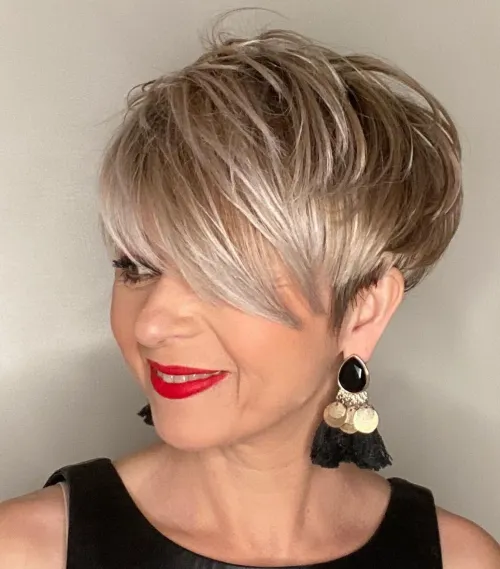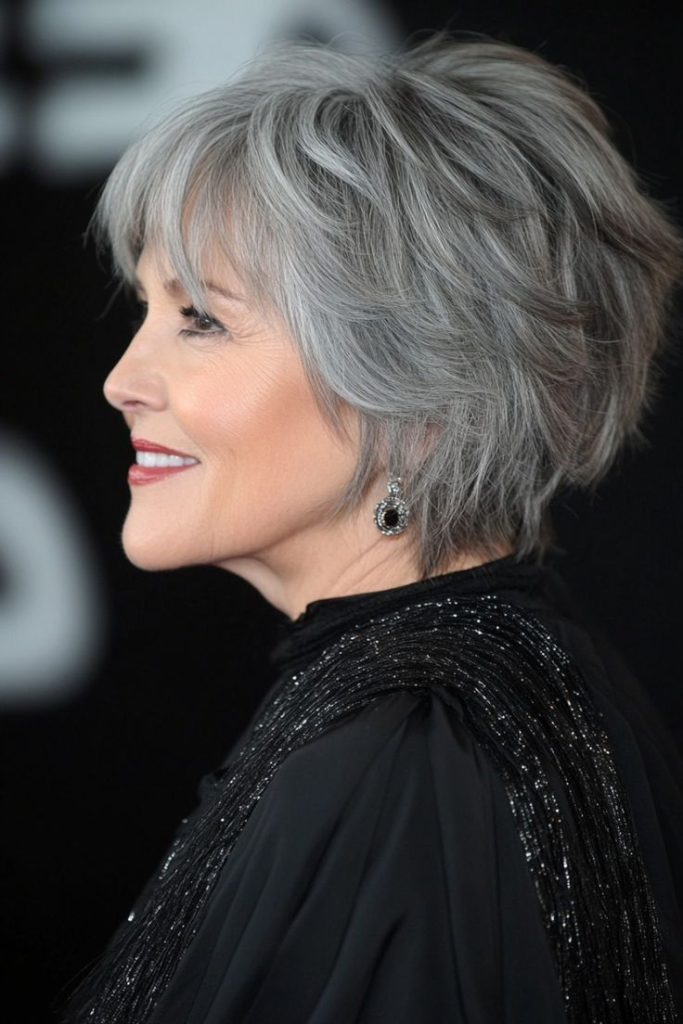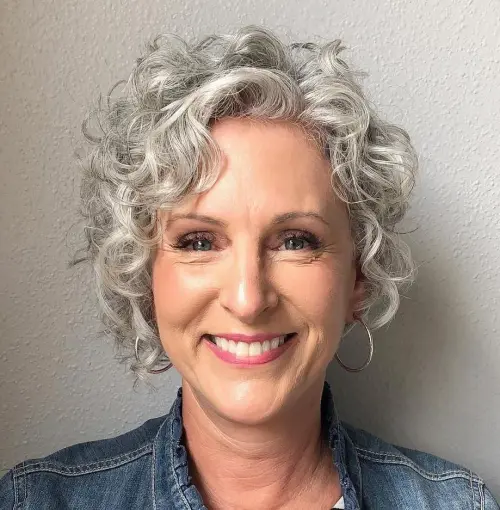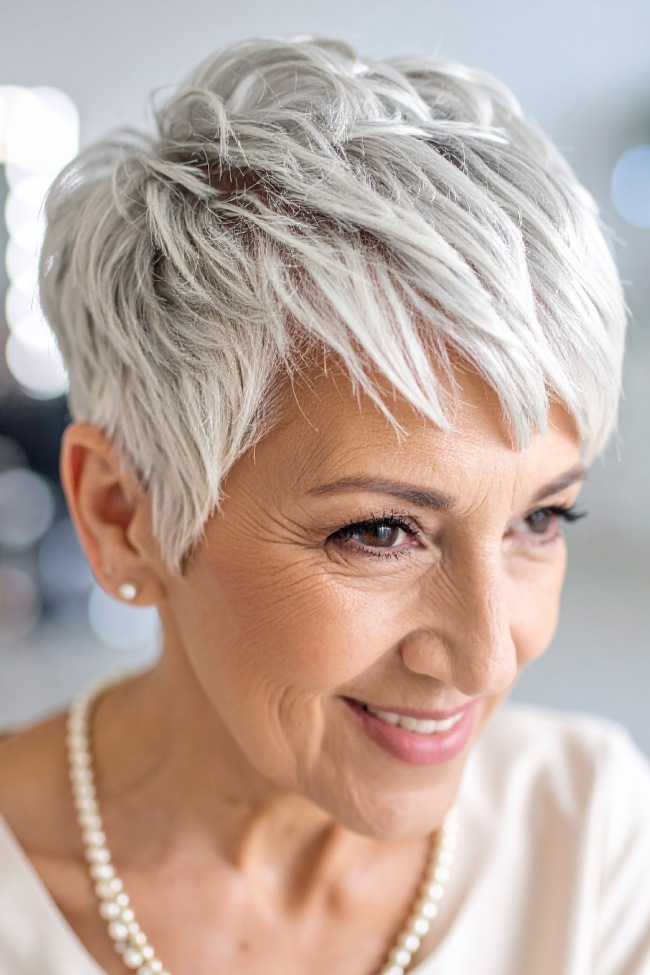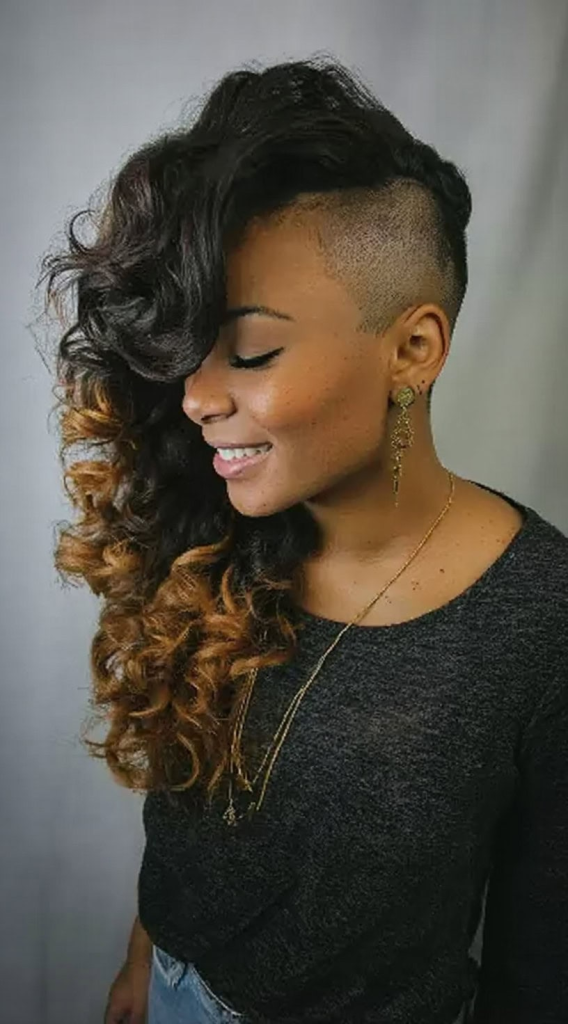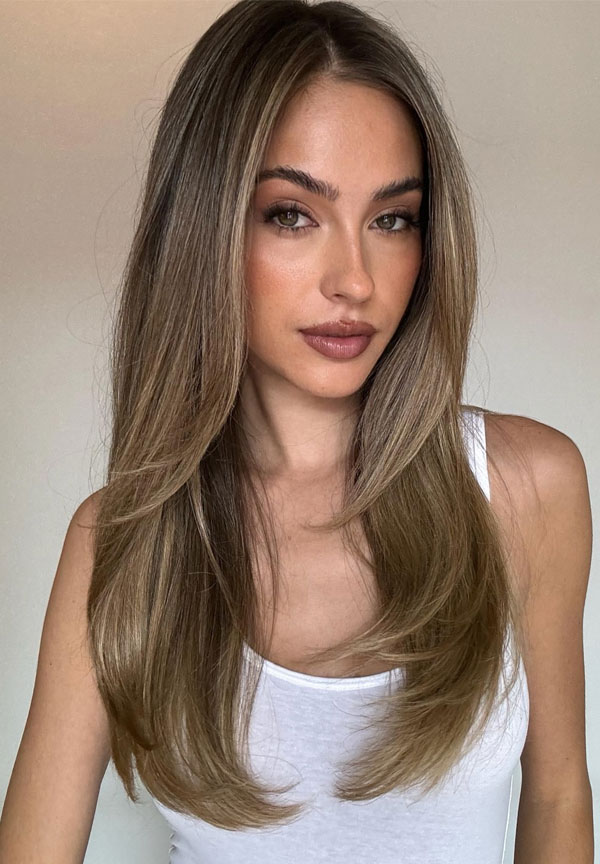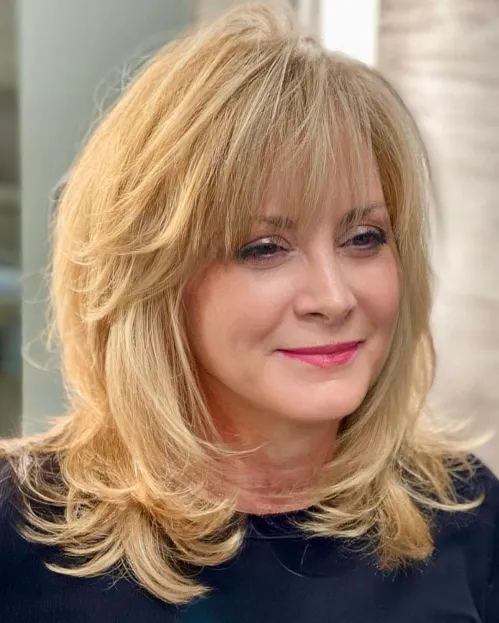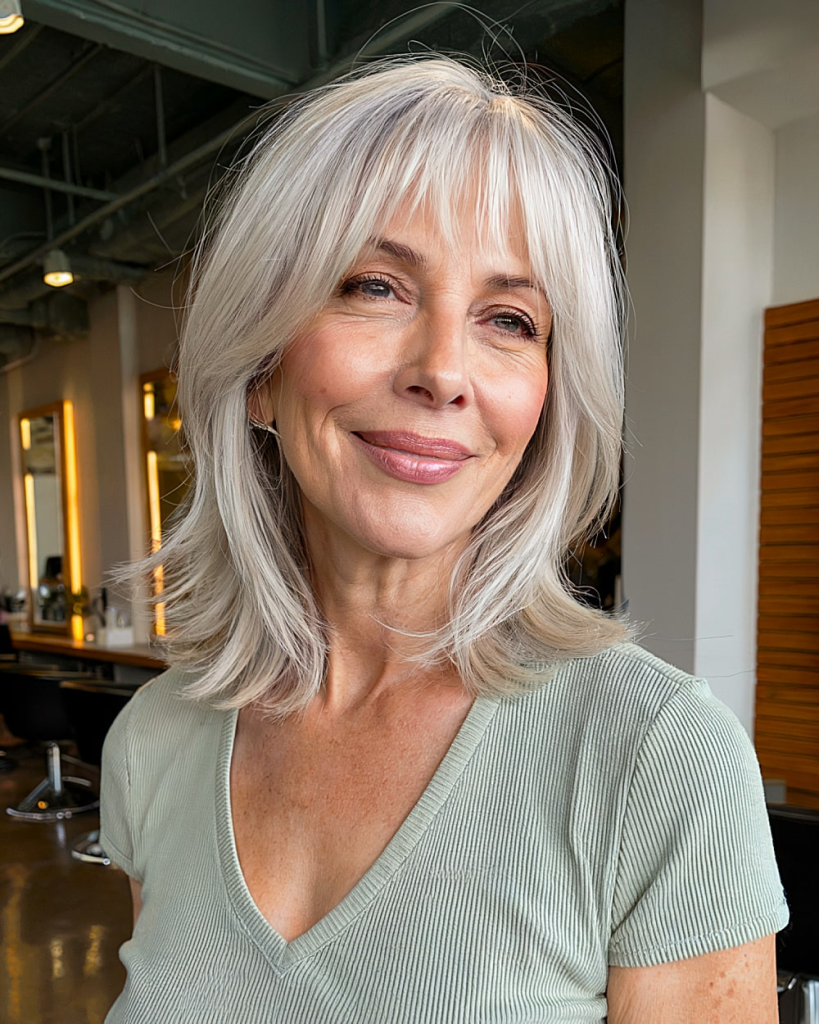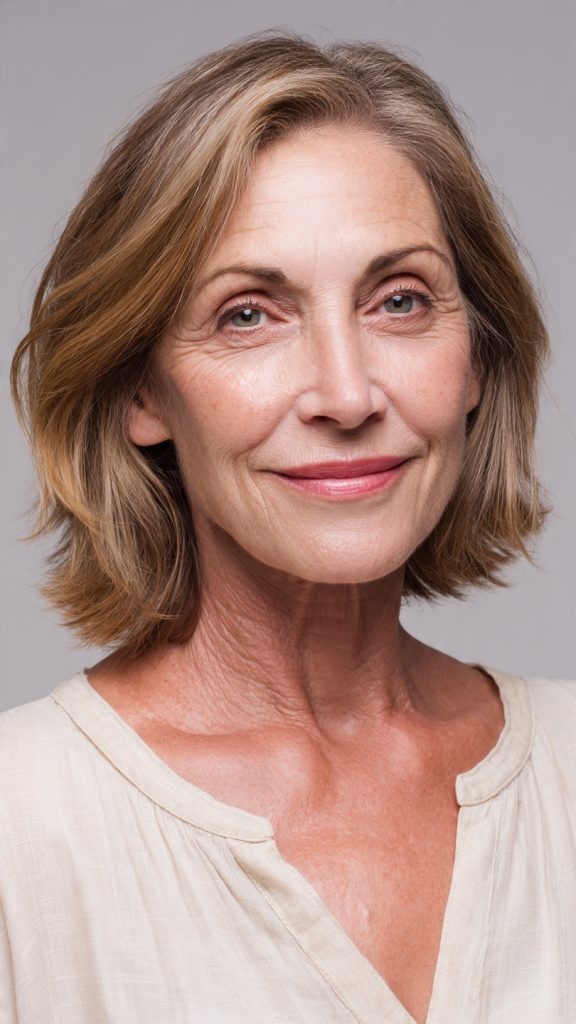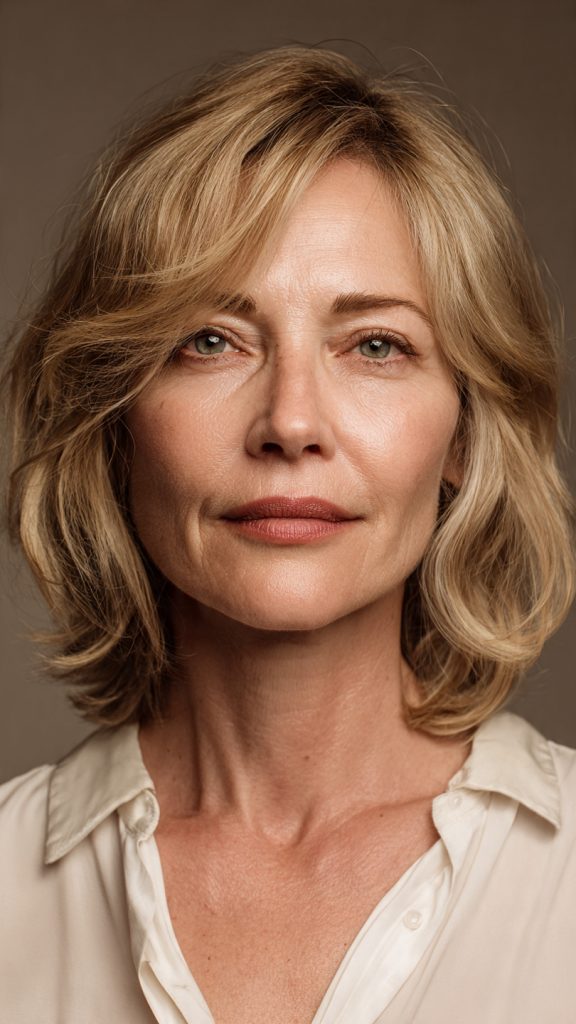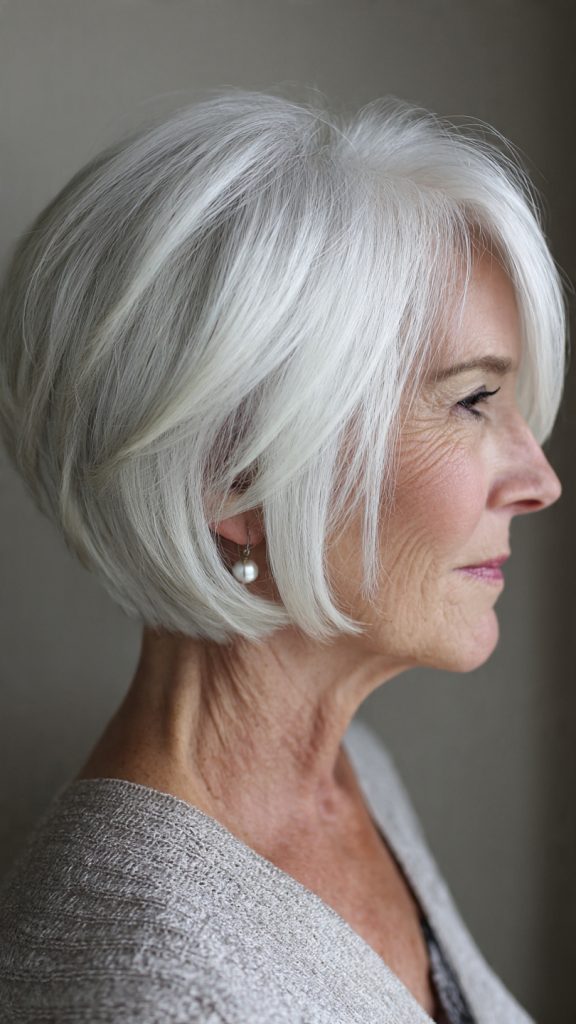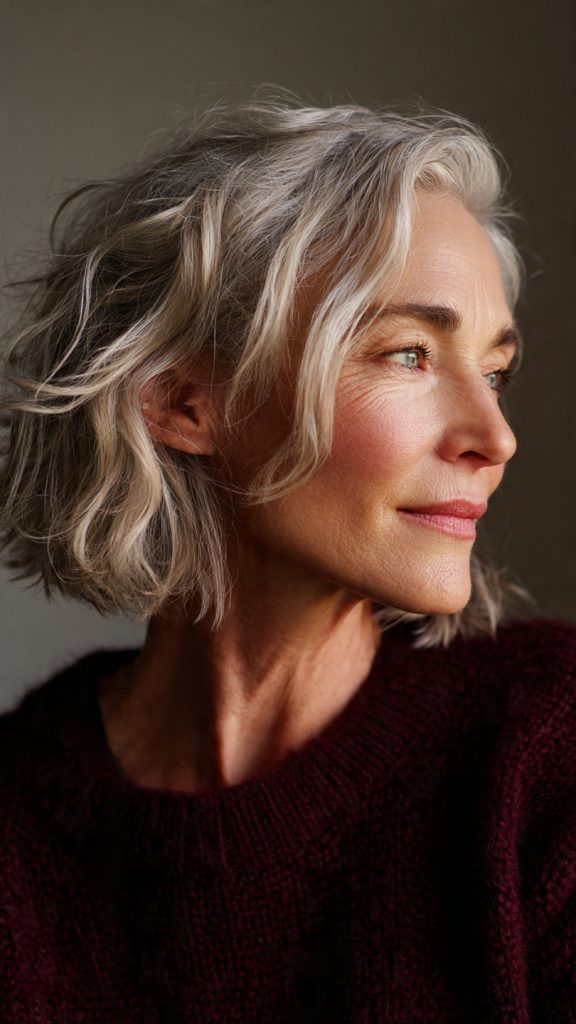
Category: Mom hairstyles

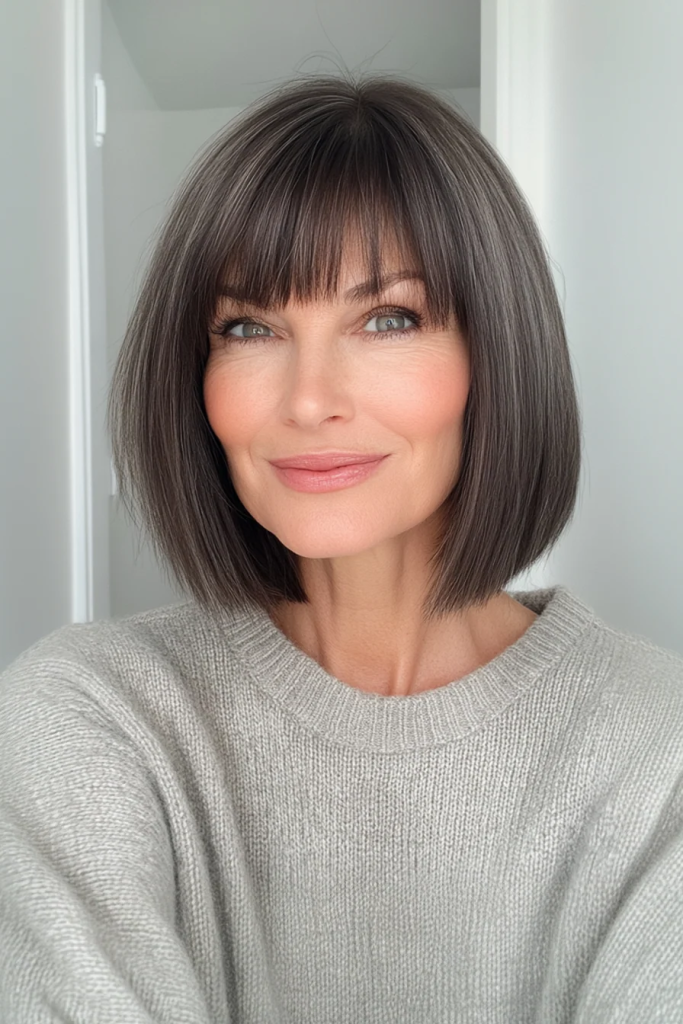
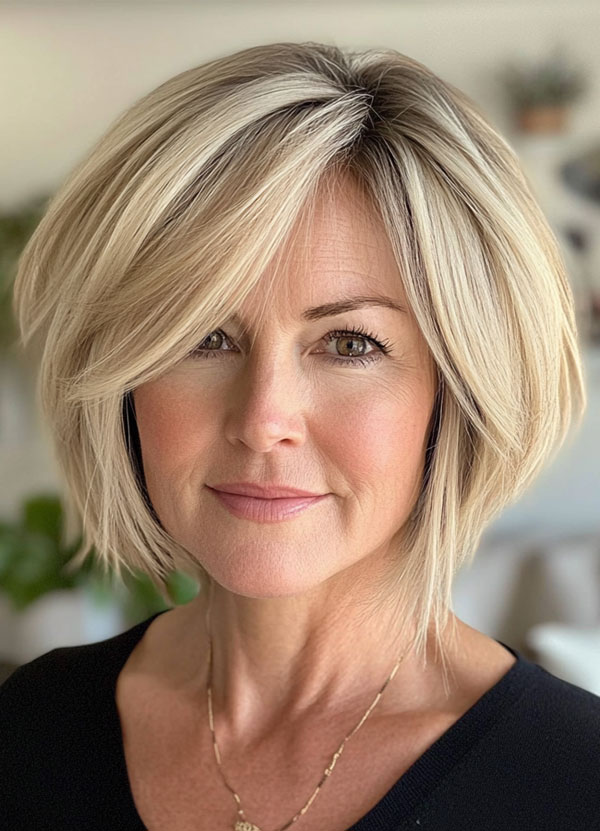
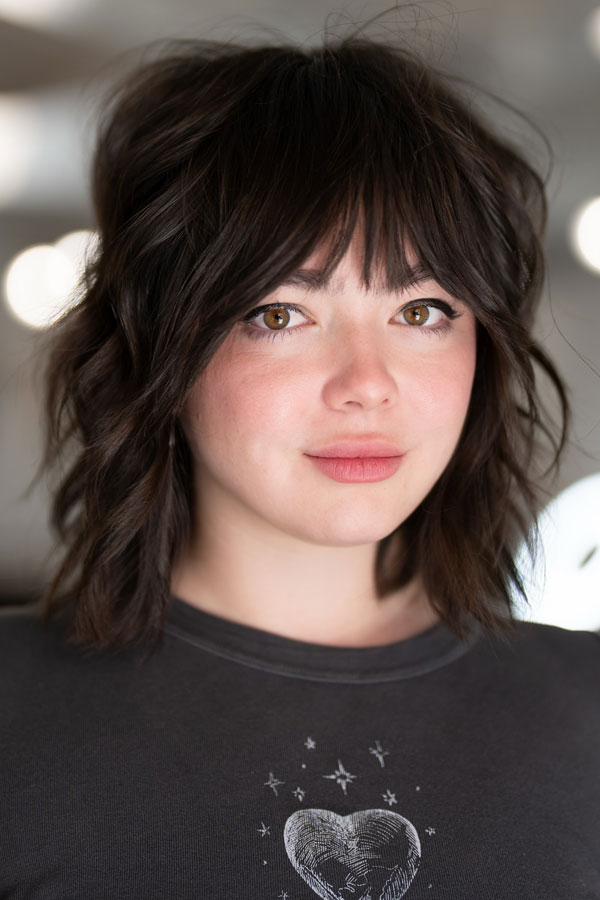
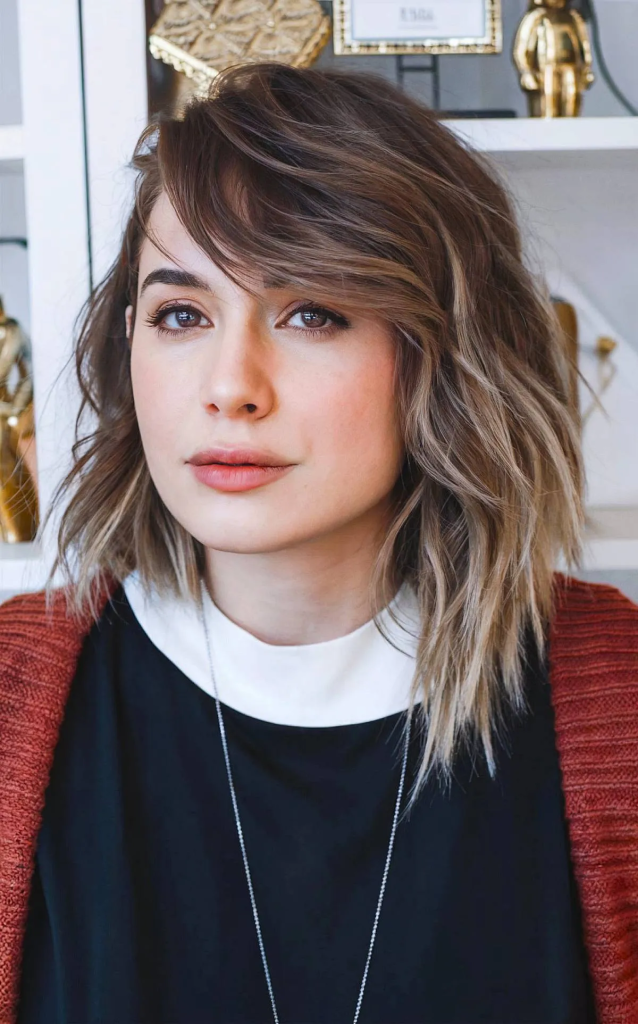
  • 11 Short Layered Bob with Bangs Styles That Frame Your Face Perfectly

    11 Short Layered Bob with Bangs Styles That Frame Your Face Perfectly

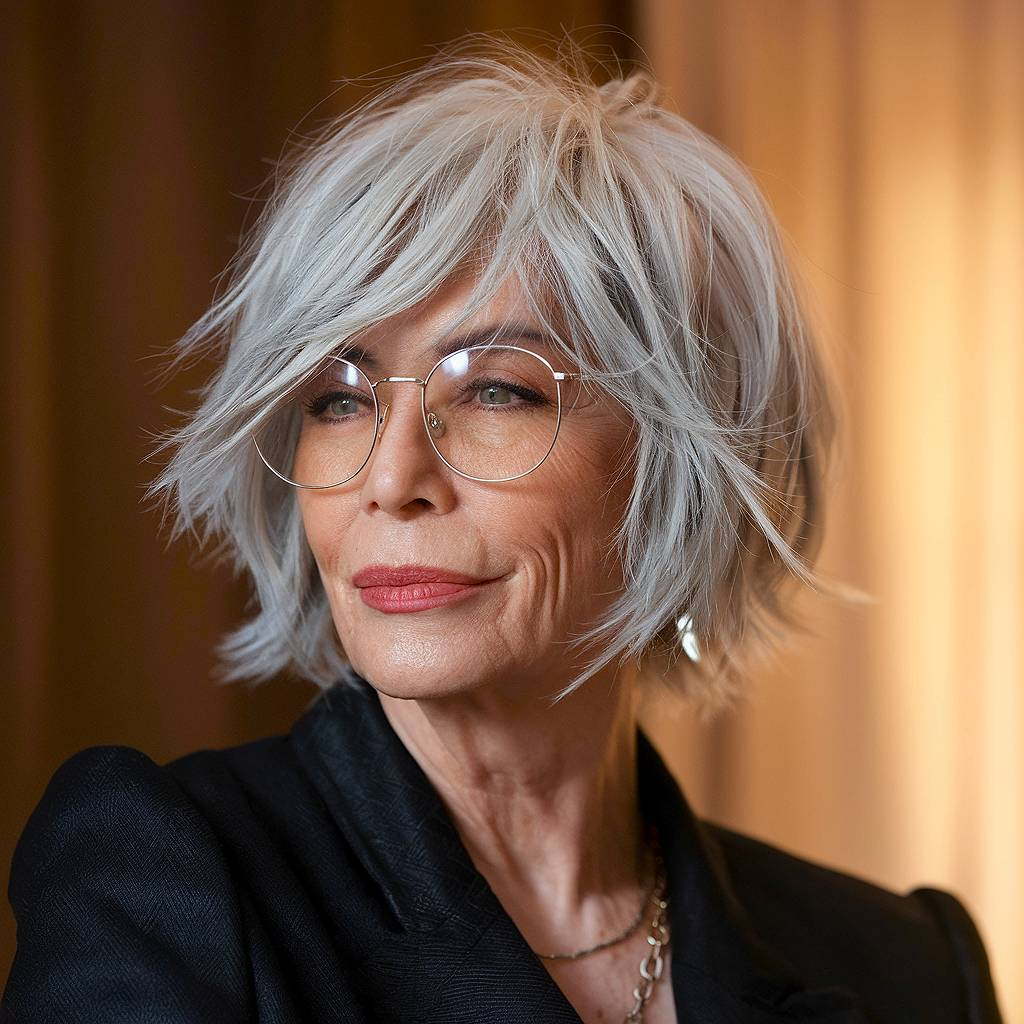
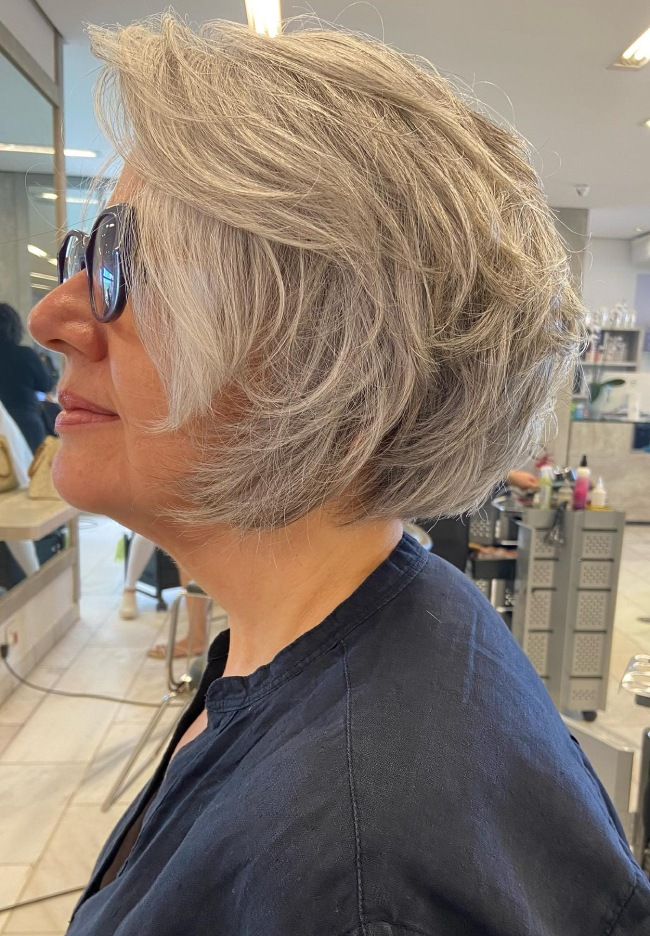
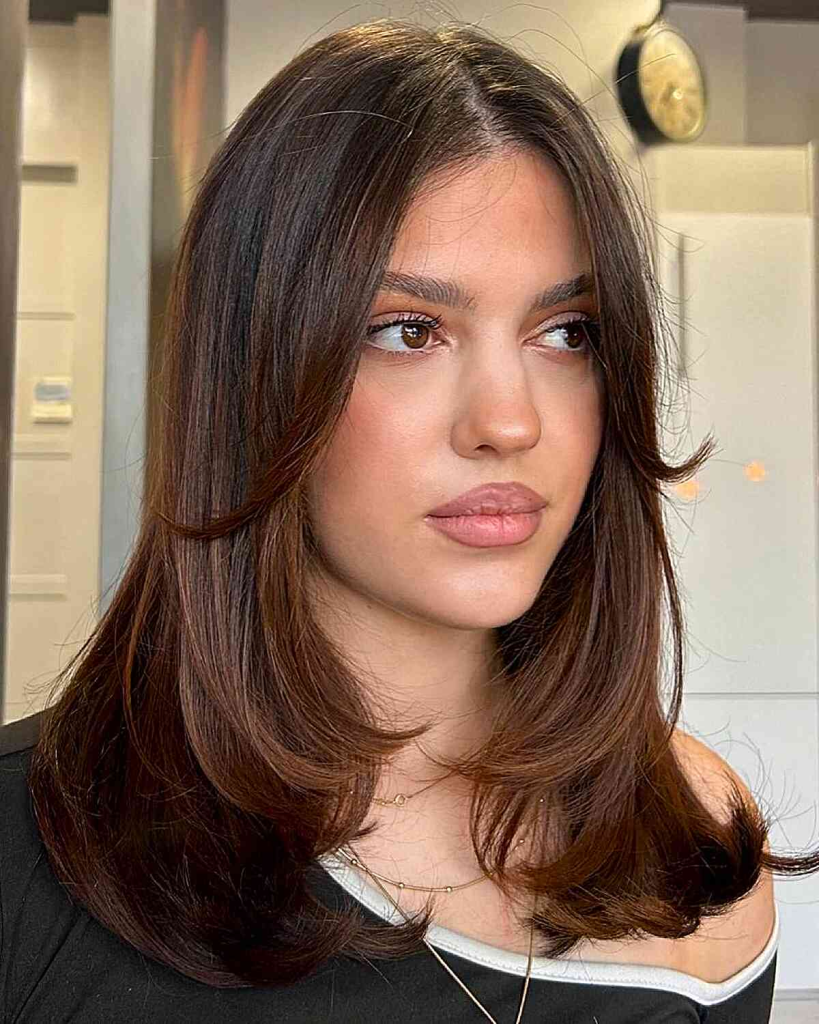
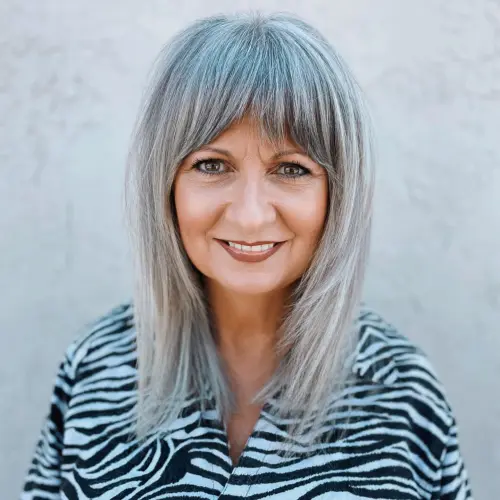
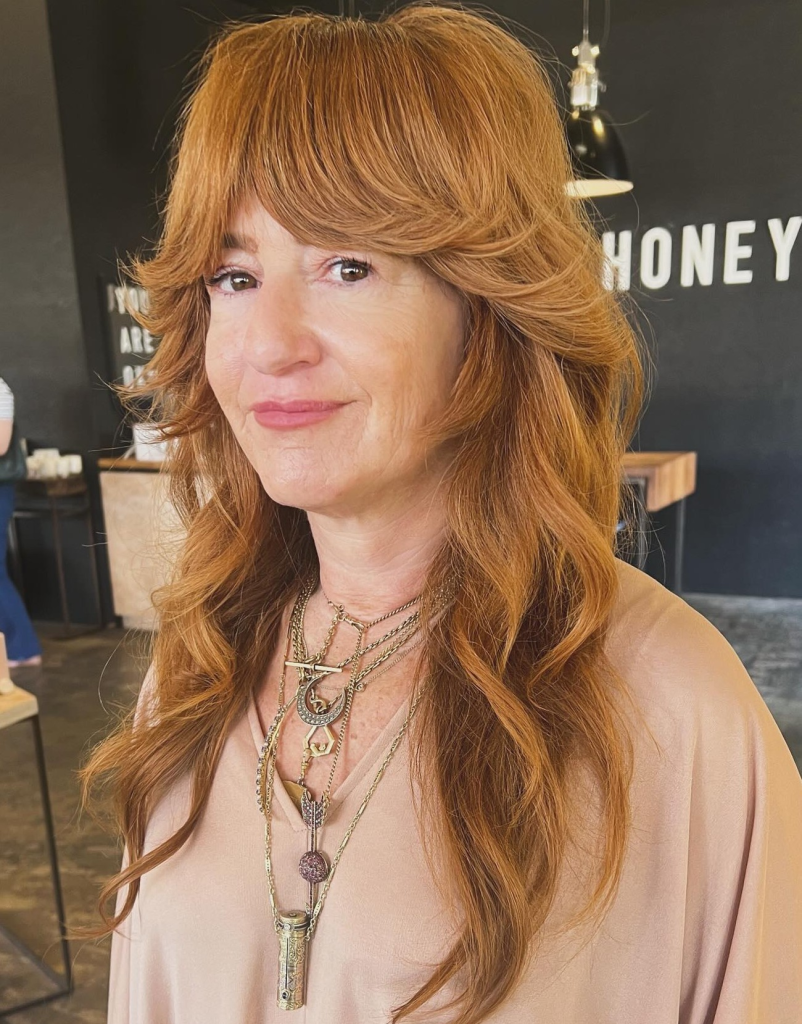
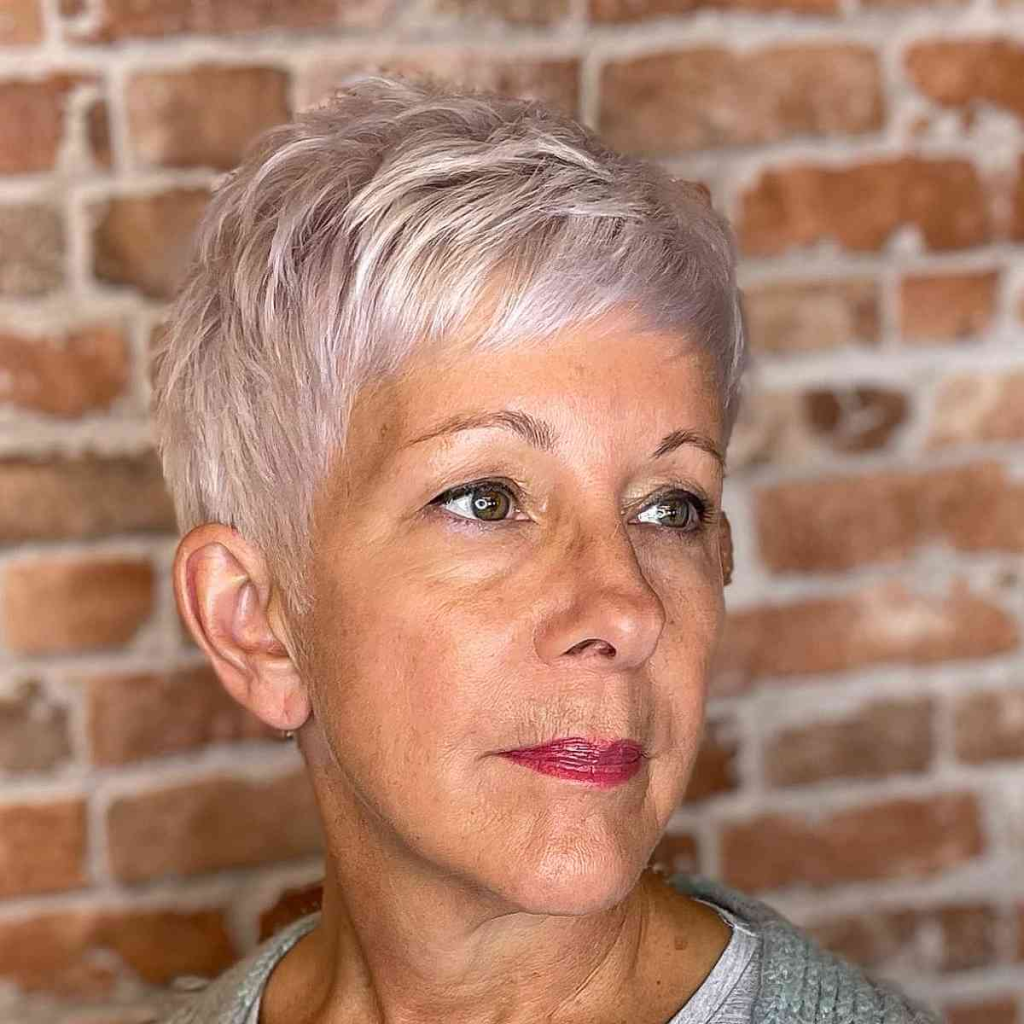
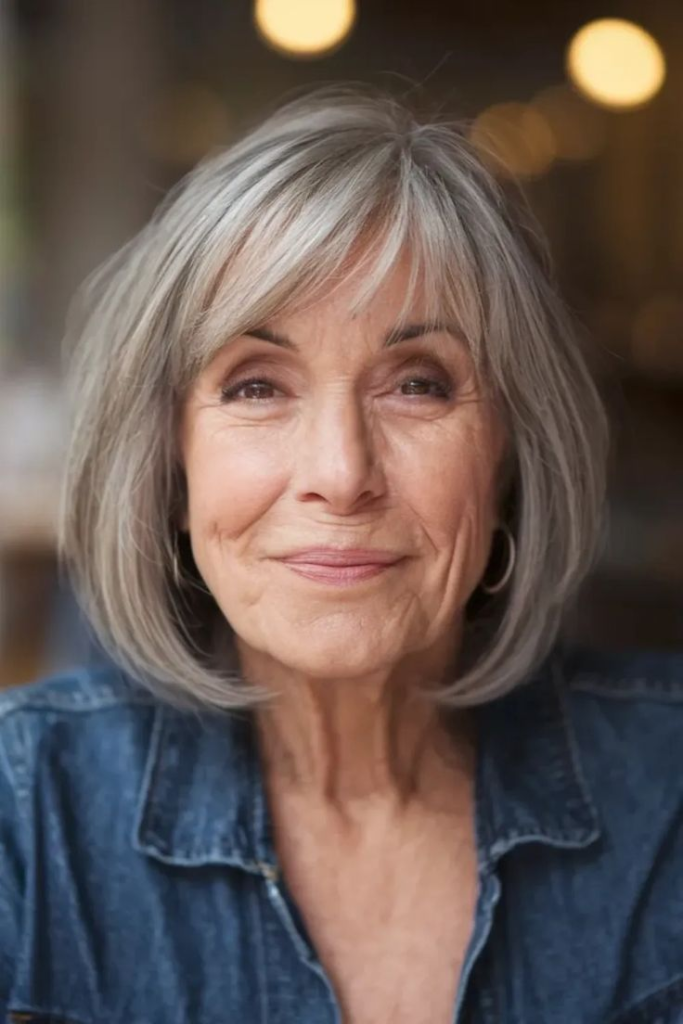
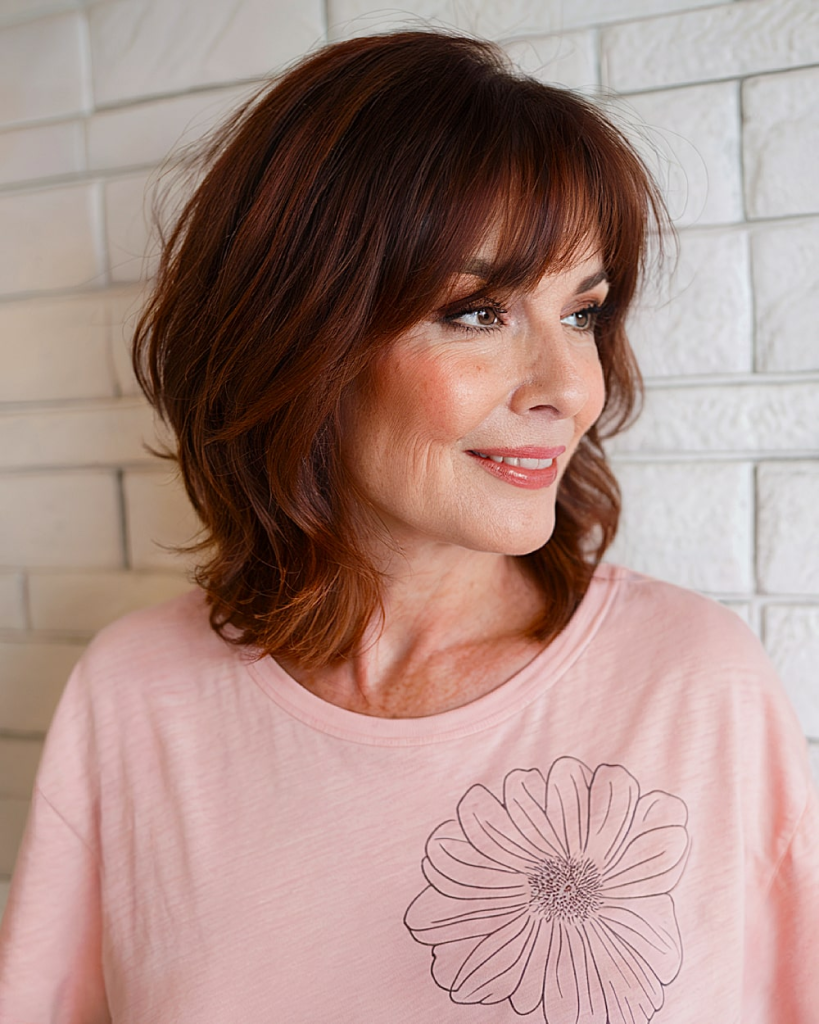
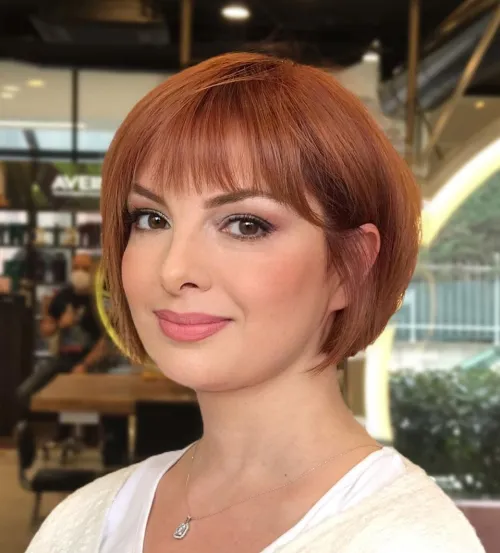
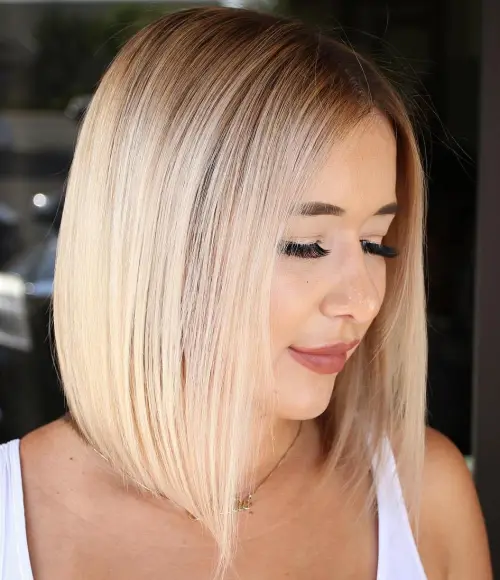
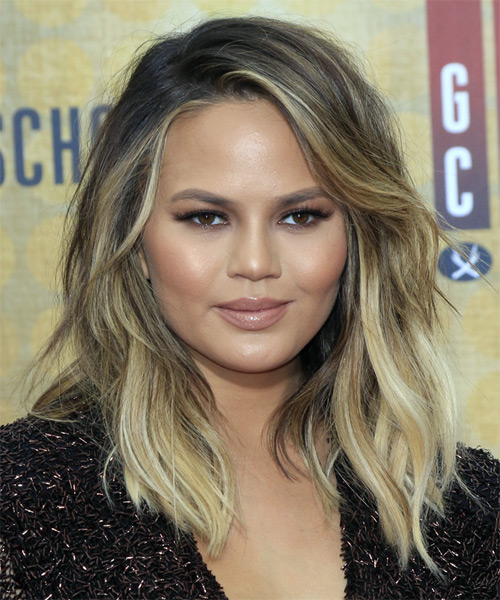
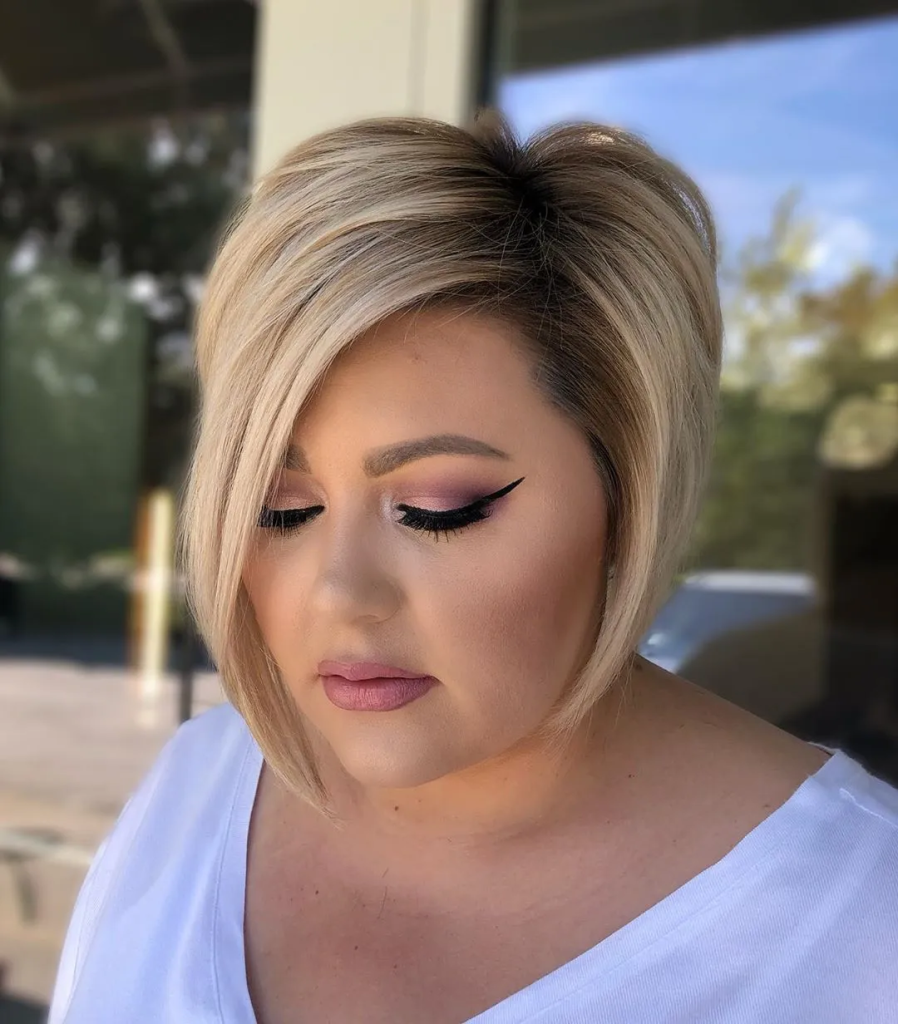
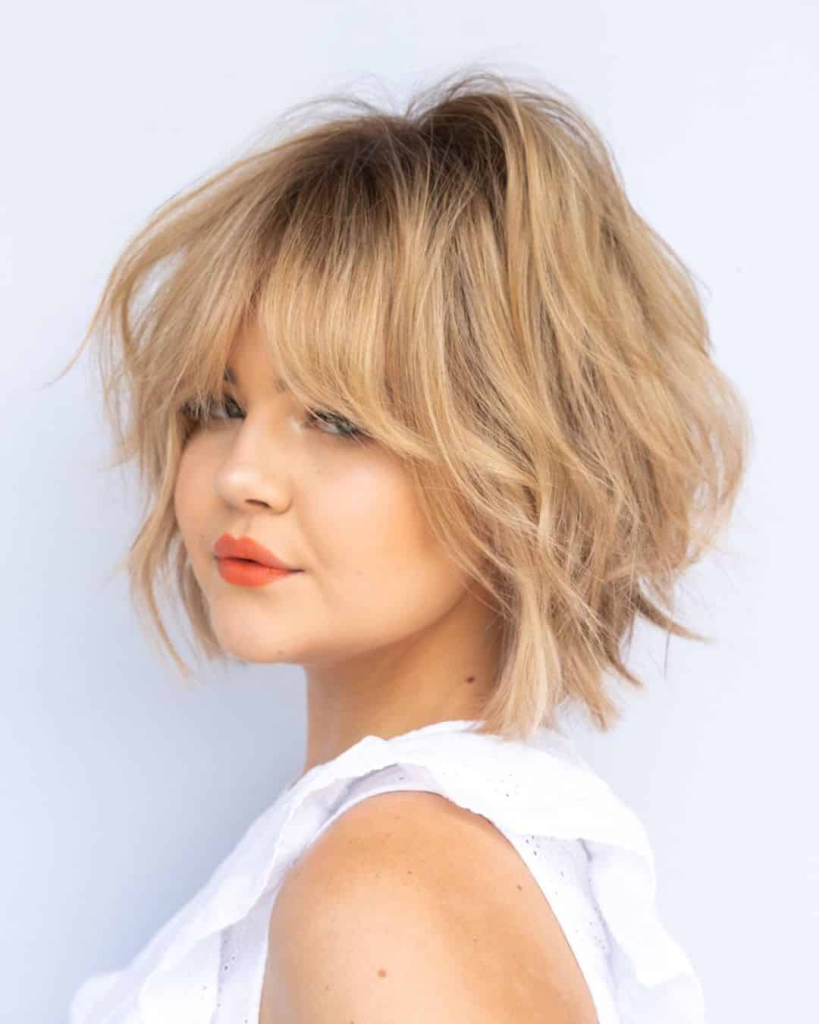
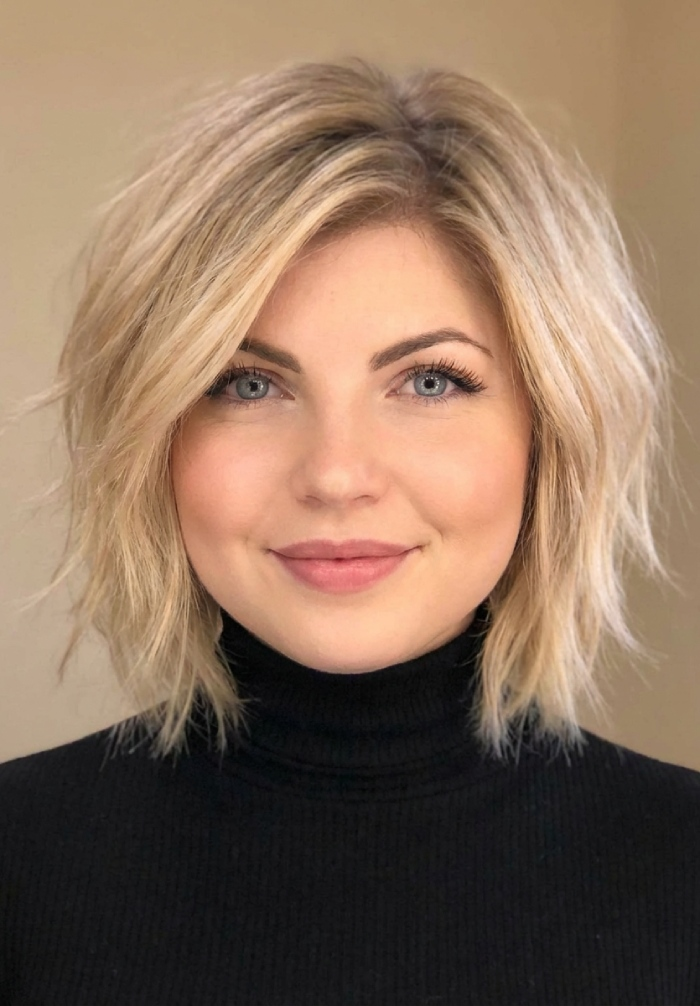
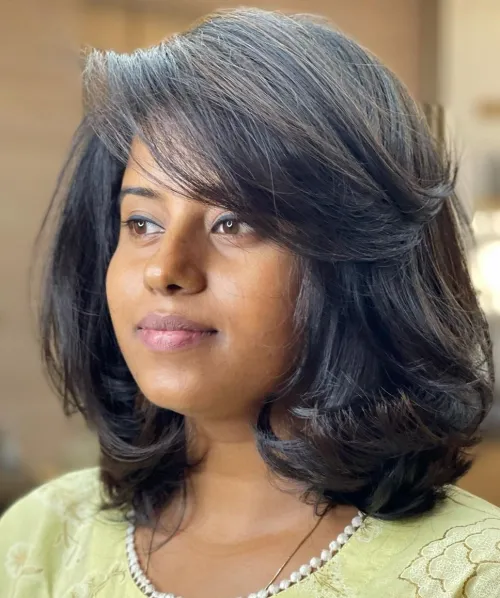
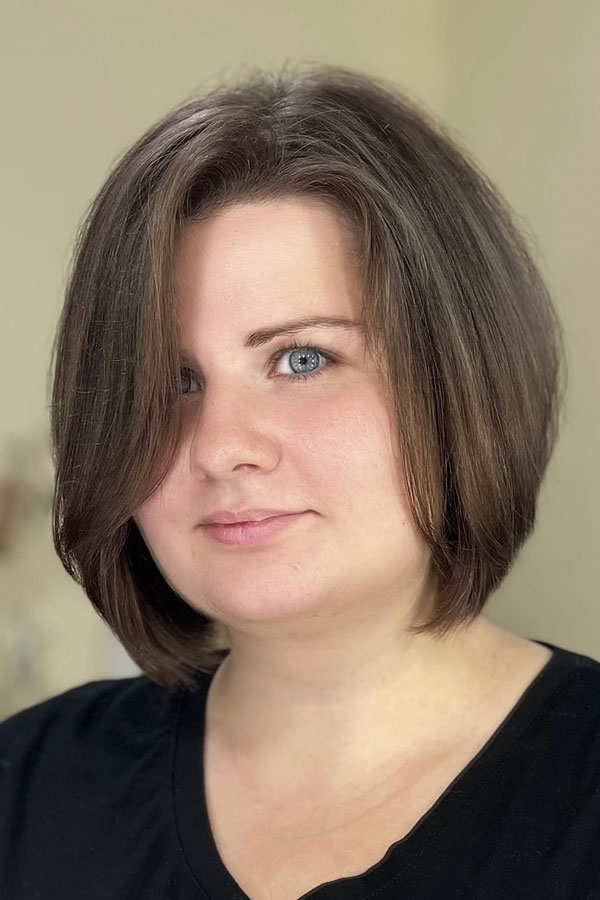
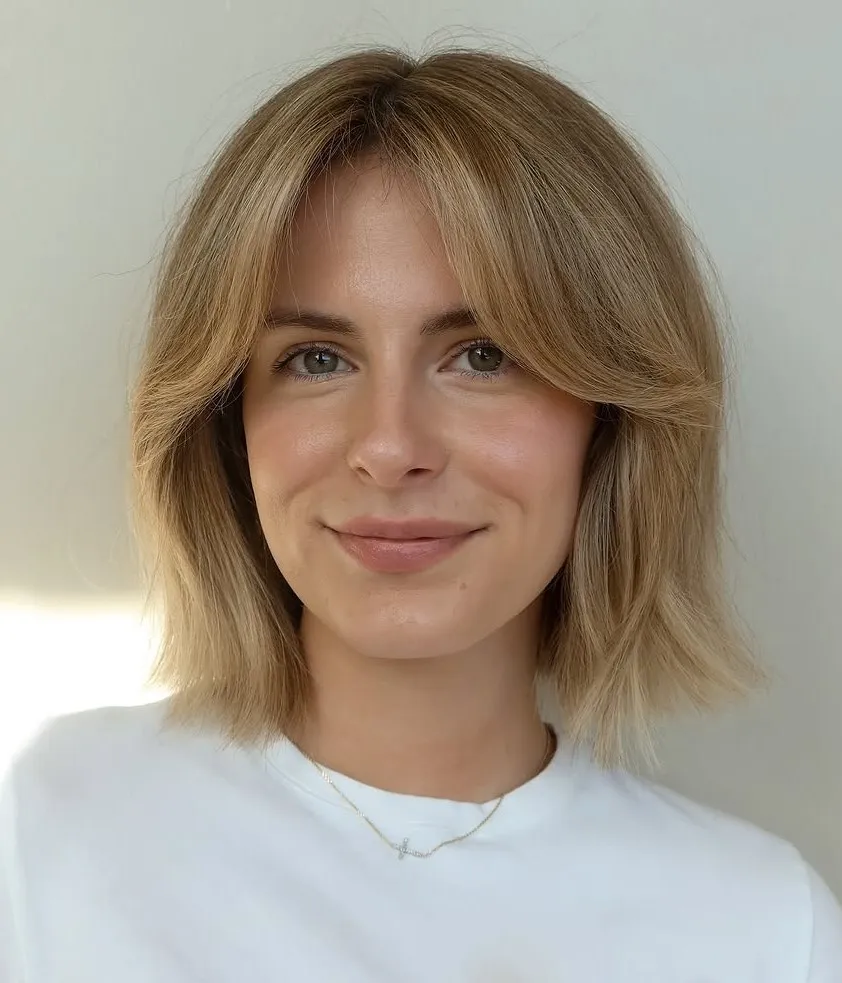
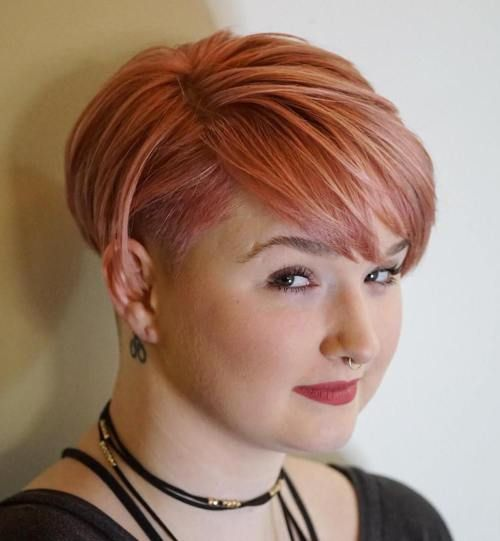
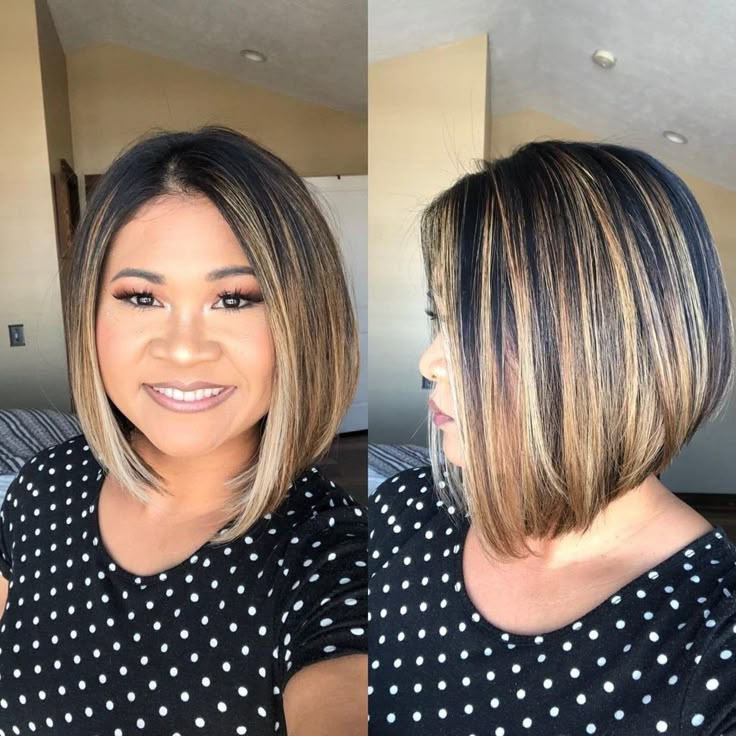
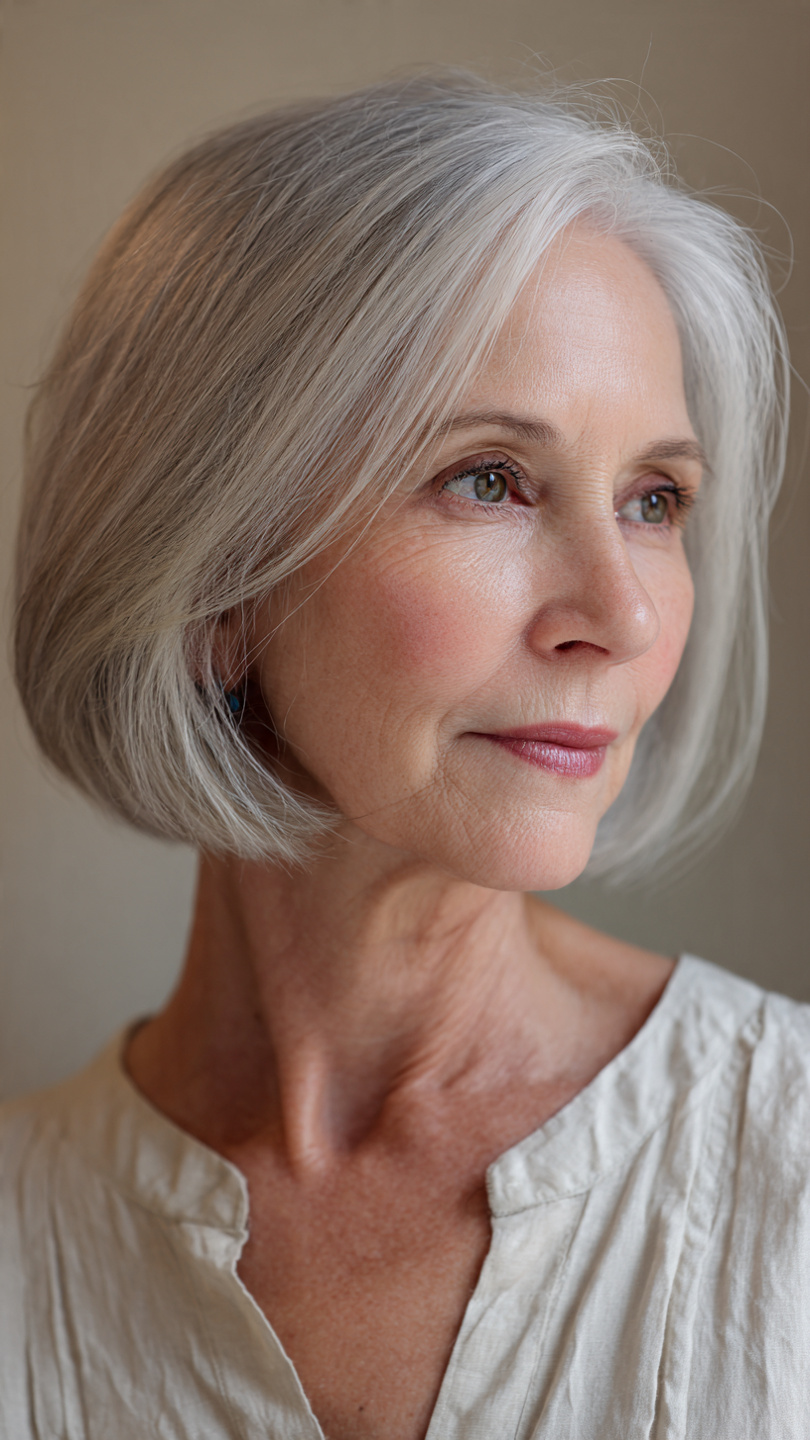
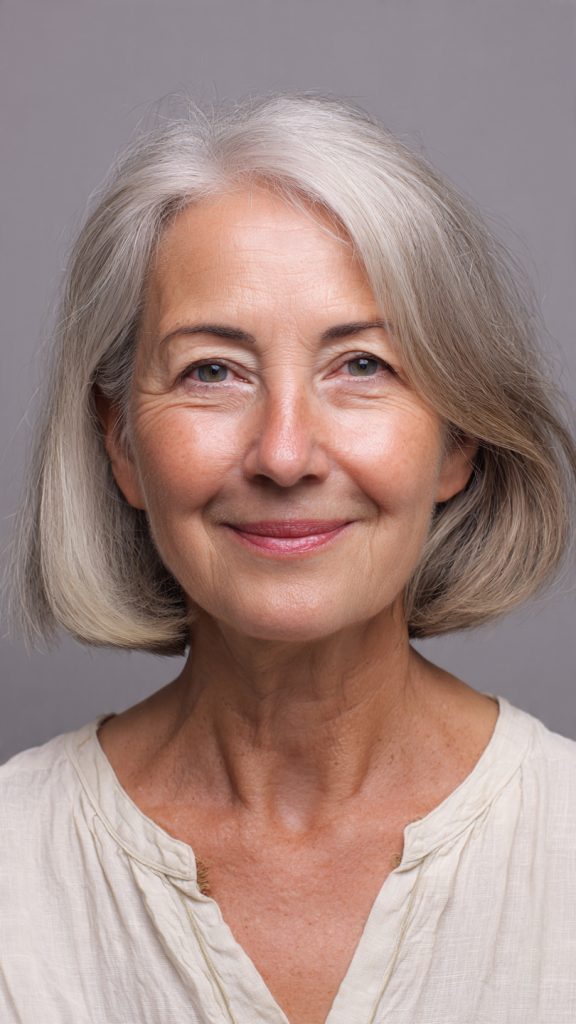
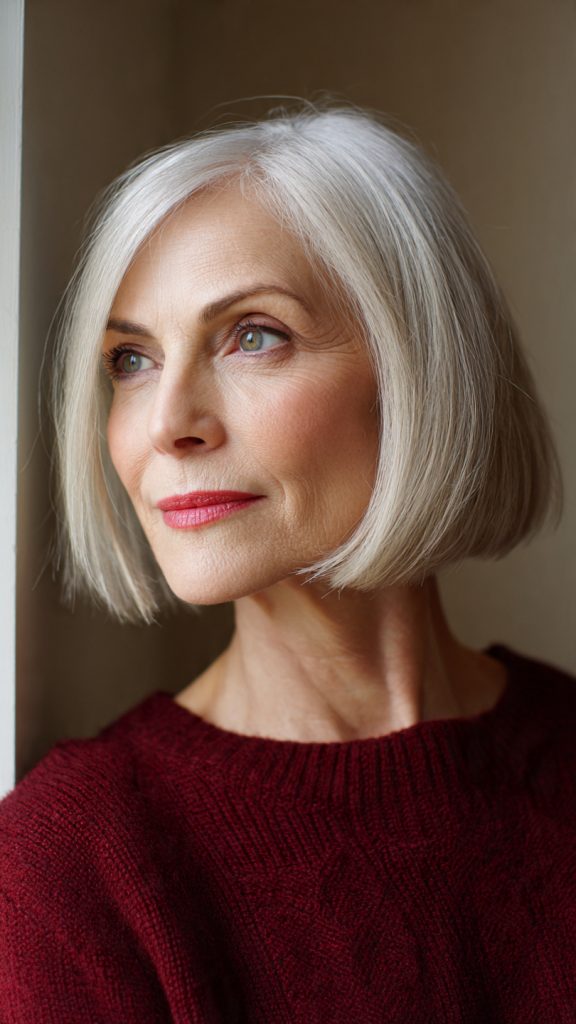
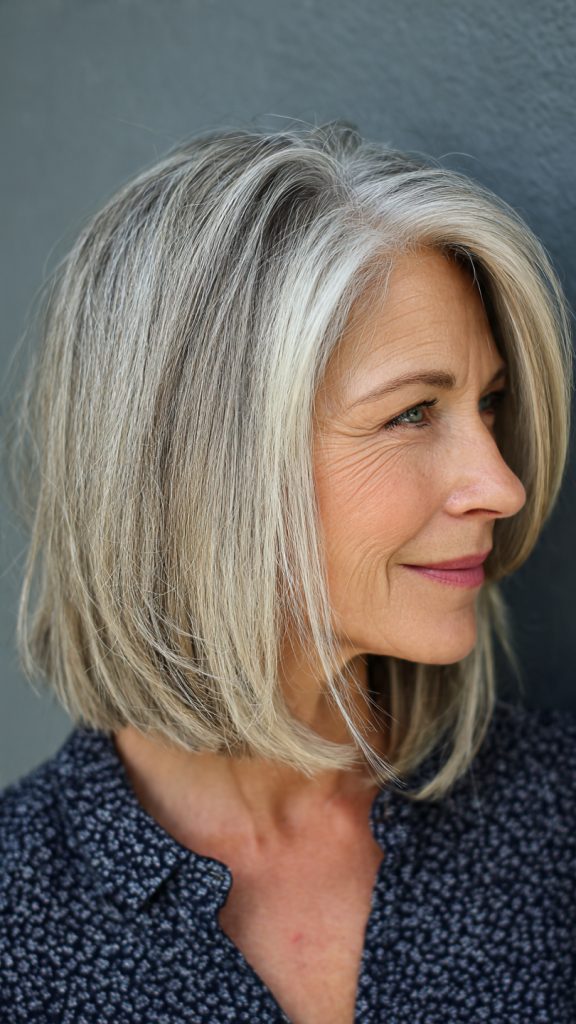
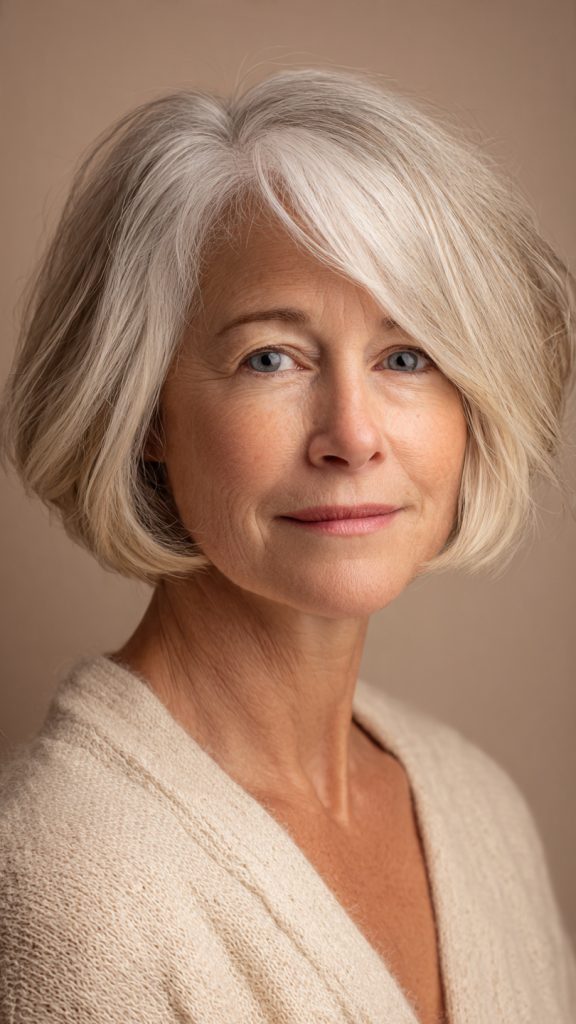
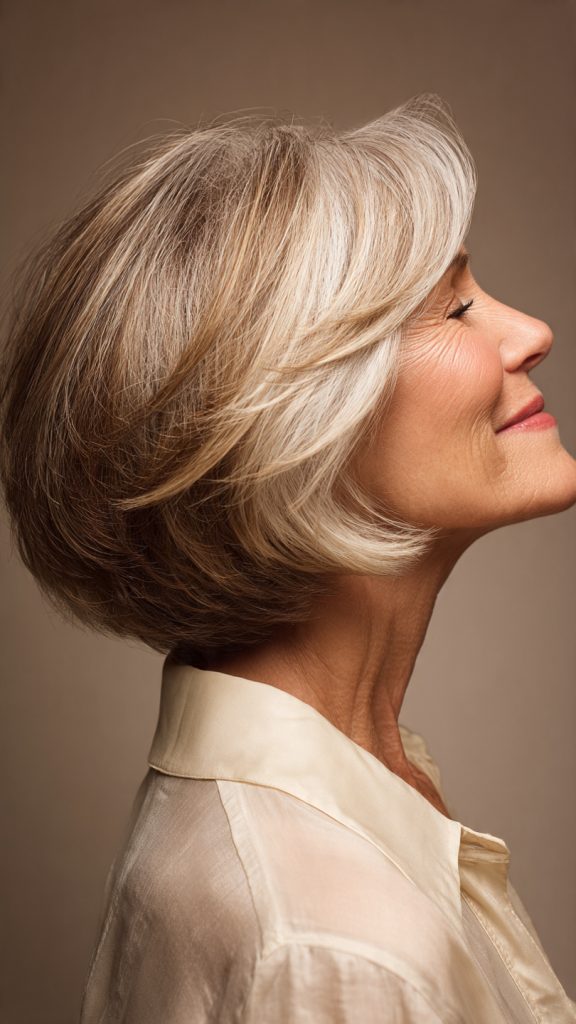
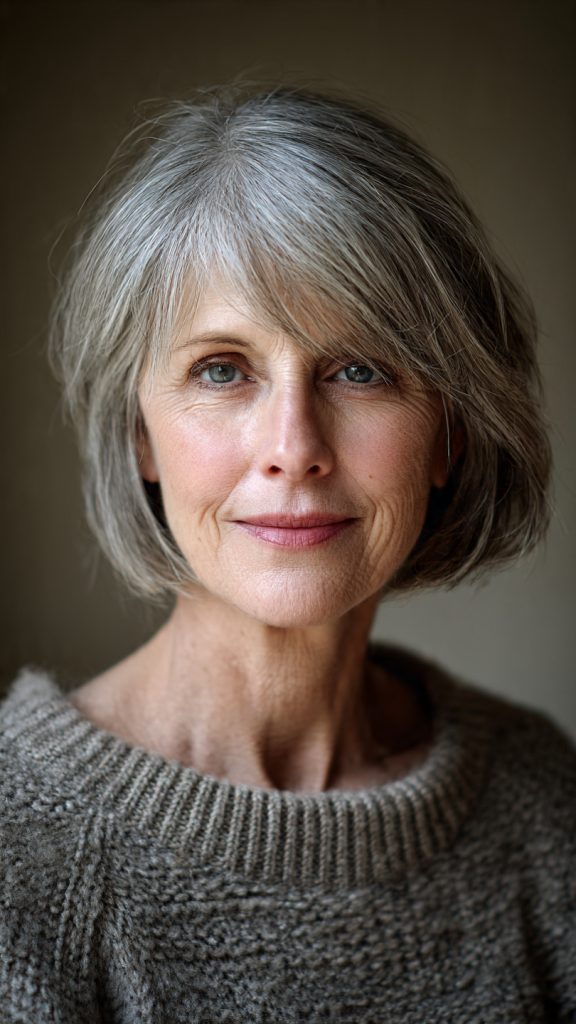
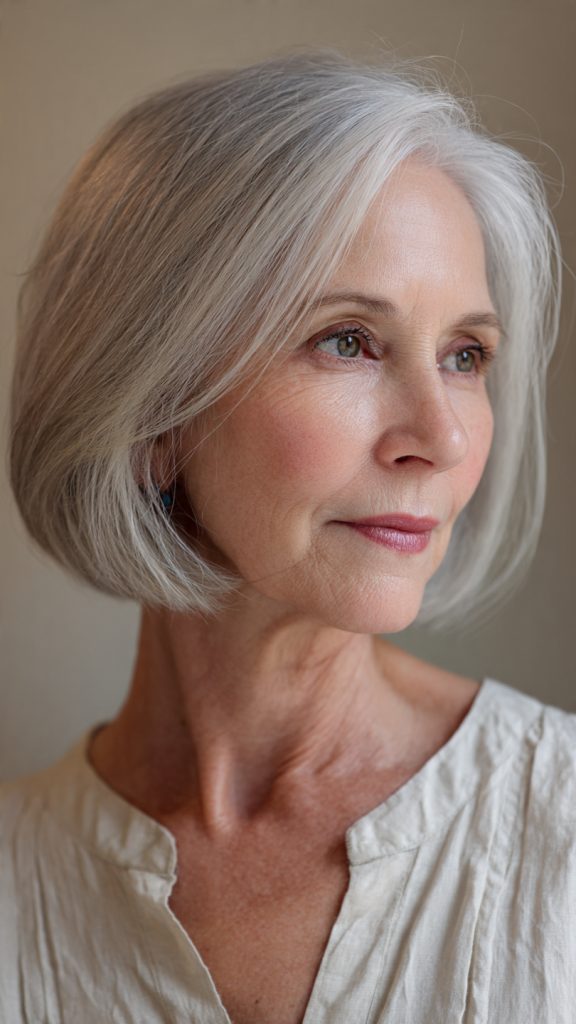
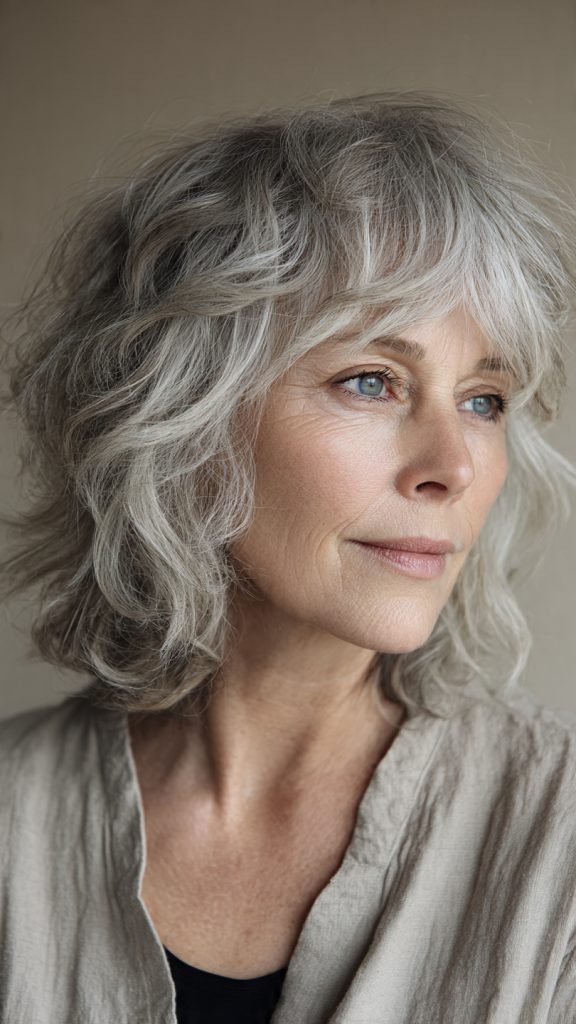
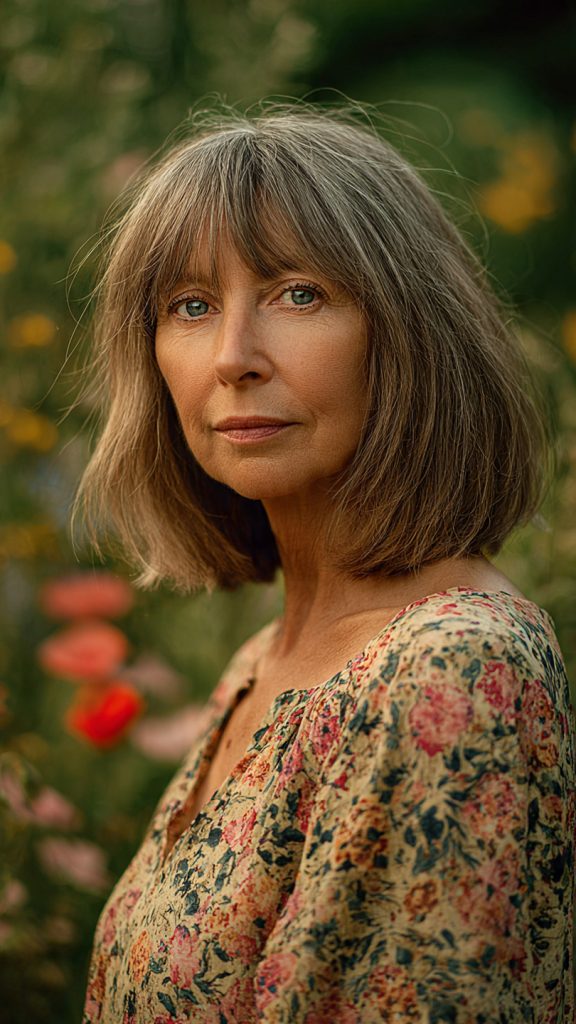
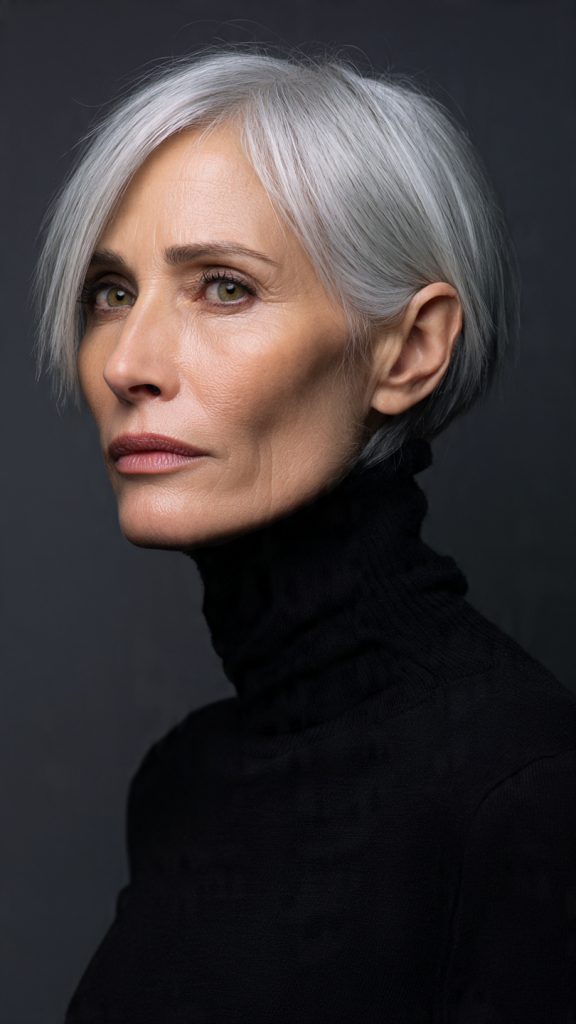
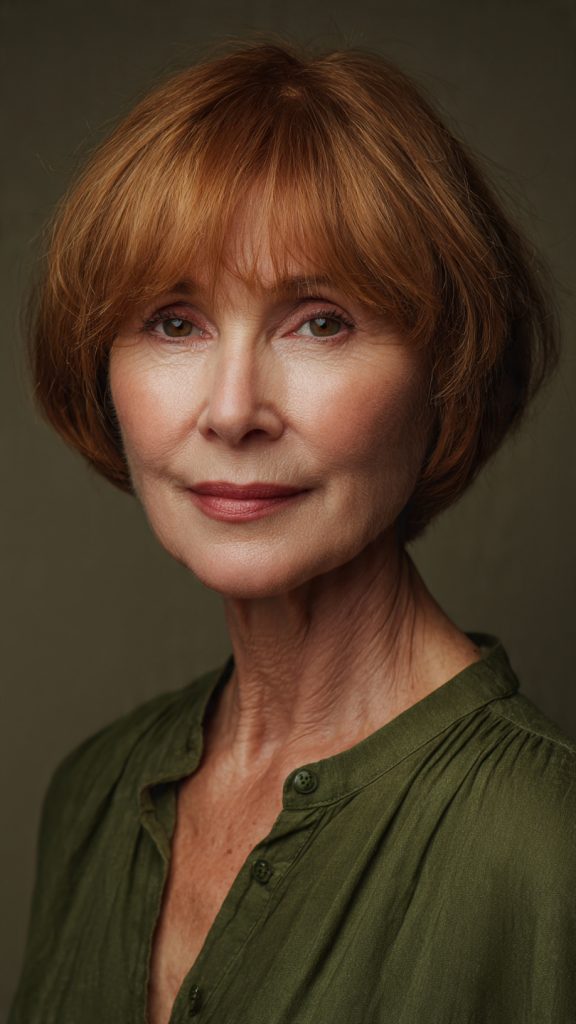
    There is a reason the short layered bob with bangs never goes out of style. It is versatile, flattering, and surprisingly low-maintenance. Whether you have fine hair that needs volume, thick hair that needs shaping, or straight hair that needs movement, the short layered bob with bangs delivers every single time. The layers add bounce and texture. The bangs frame your face and draw attention to your eyes. And the short length keeps things easy and modern. This guide walks you through eleven stunning variations of this classic cut, plus exactly how to style them and what to tell your stylist.

    Why the Short Layered Bob with Bangs Works for Almost Everyone

    This haircut is popular for good reason. The layers remove weight from the interior, which prevents the dreaded triangle shape that can happen with blunt bobs. The bangs soften your forehead and can be customized to suit your face shape. And the short length — usually hitting between the ear and the chin — keeps your hair off your neck while still giving you enough length to style. Whether you are in your twenties or your seventies, have straight hair or curly hair, want something edgy or something soft, there is a version of this cut that will make you look and feel amazing. The eleven styles below cover the full spectrum.

    1. The Classic Short Layered Bob with Side-Swept Bangs
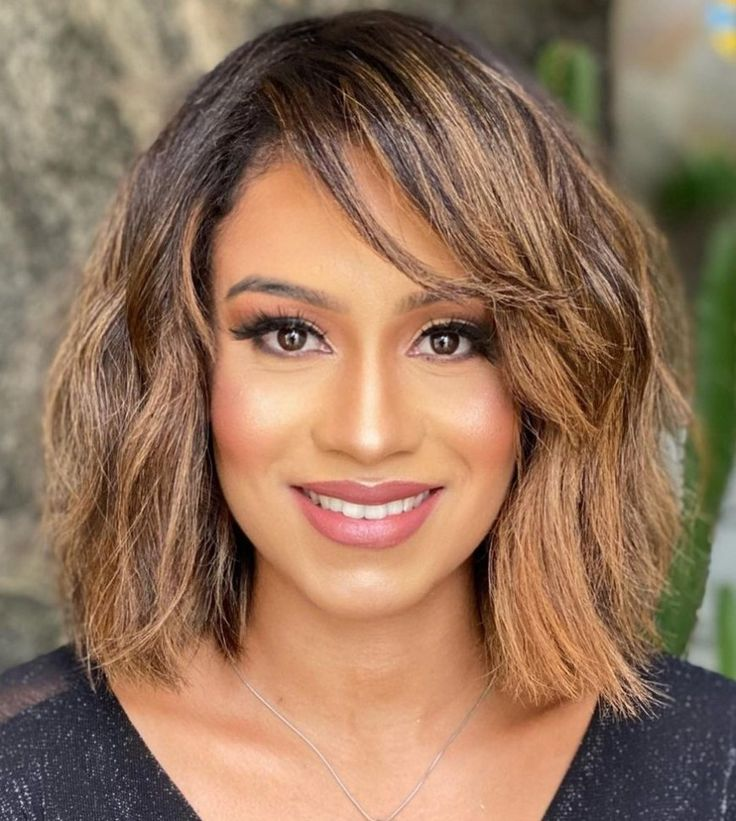
    Why it works: This is the entry-level version of the cut. The bob hits at the chin, with soft layers throughout. The side-swept bangs create a diagonal line across your forehead, which is universally flattering. This style works on straight, wavy, or slightly curly hair.

    How to style: Apply a lightweight mousse to damp hair. Blow-dry using a round brush, turning the ends under slightly. Sweep the bangs to one side. A light hairspray keeps everything in place.

    Best face shapes: Oval, round, and heart. The diagonal bangs soften roundness.

    Maintenance: Trim every 5 to 6 weeks.

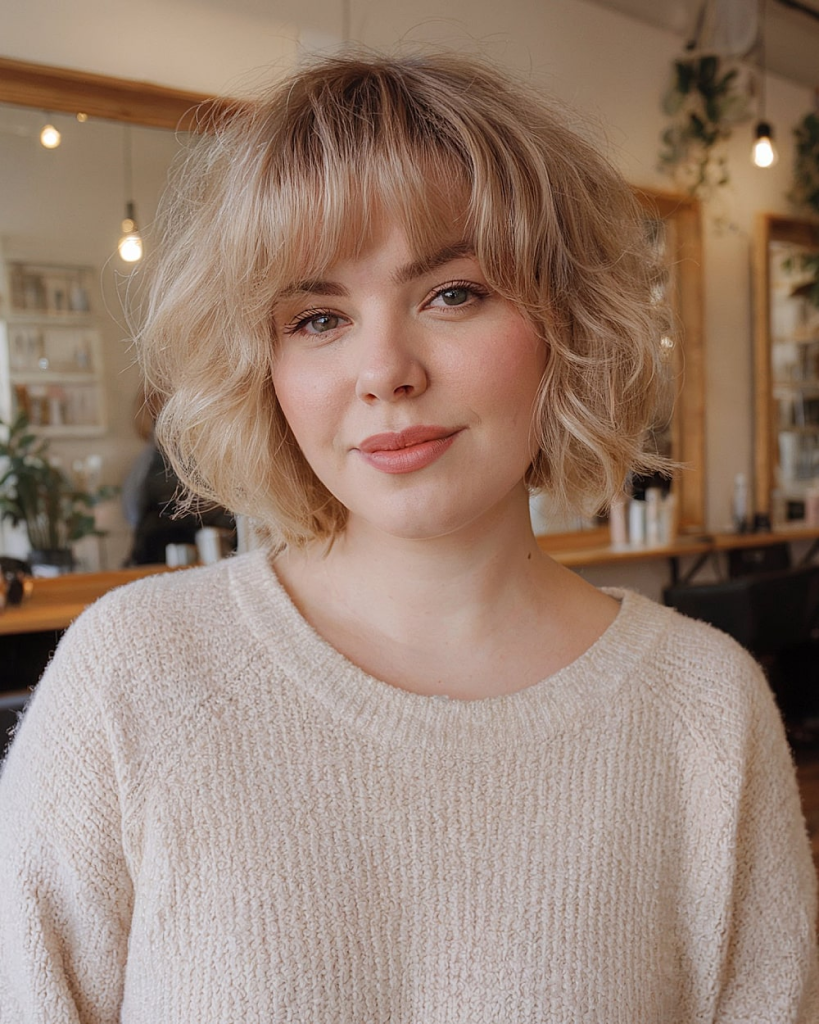
    2. The Textured Short Layered Bob with Wispy Bangs
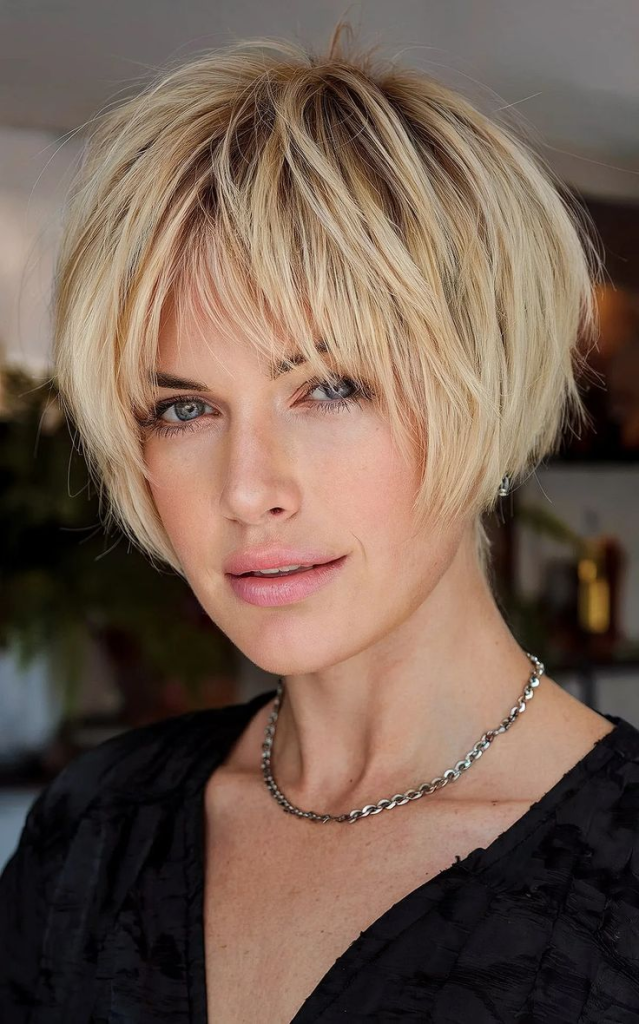
    Why it works: Wispy bangs are light, airy, and barely there. They are cut with point-cutting or razor techniques to create soft, feathery ends. The textured bob has choppy layers throughout. Together, they create a soft, romantic look that is perfect for fine or thinning hair.

    How to style: Apply a texturizing spray to damp hair. Blow-dry using your fingers to lift and separate. The wispy bangs should look soft and piece-y. Do not over-brush.

    Best face shapes: Oval, heart, and oblong. The wispiness softens angular features.

    Maintenance: Trim every 5 to 6 weeks.

    3. The Stacked Short Layered Bob with Blunt Bangs
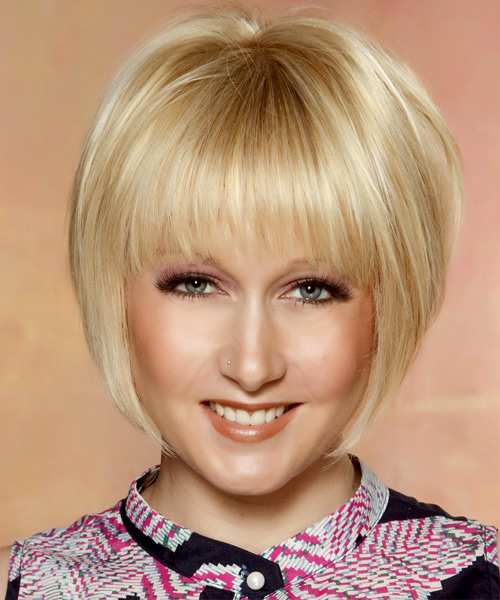
    Why it works: A stacked bob has visible layers in the back that create interior volume. The back is shorter than the front. Adding blunt bangs — cut straight across — creates a bold, graphic look. This version works best on straight or slightly wavy hair.

    How to style: Apply a smoothing serum and heat protectant. Blow-dry using a round brush, lifting the stacked back for extra volume. The blunt bangs should be dried straight down. Finish with a shine spray.

    Best face shapes: Oval and heart. Blunt bangs can overwhelm round or square faces.

    Maintenance: The stacked back needs trimming every 4 to 5 weeks. The bangs every 3 to 4 weeks.

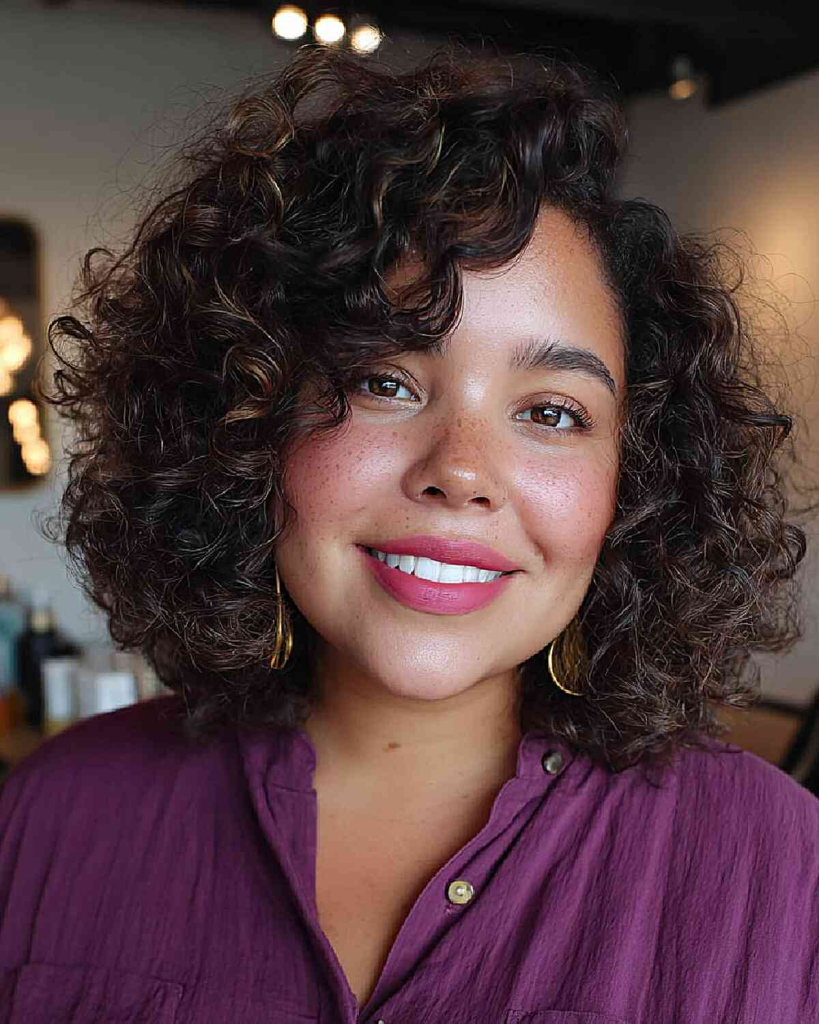
    4. The Curly Short Layered Bob with Curtain Bangs
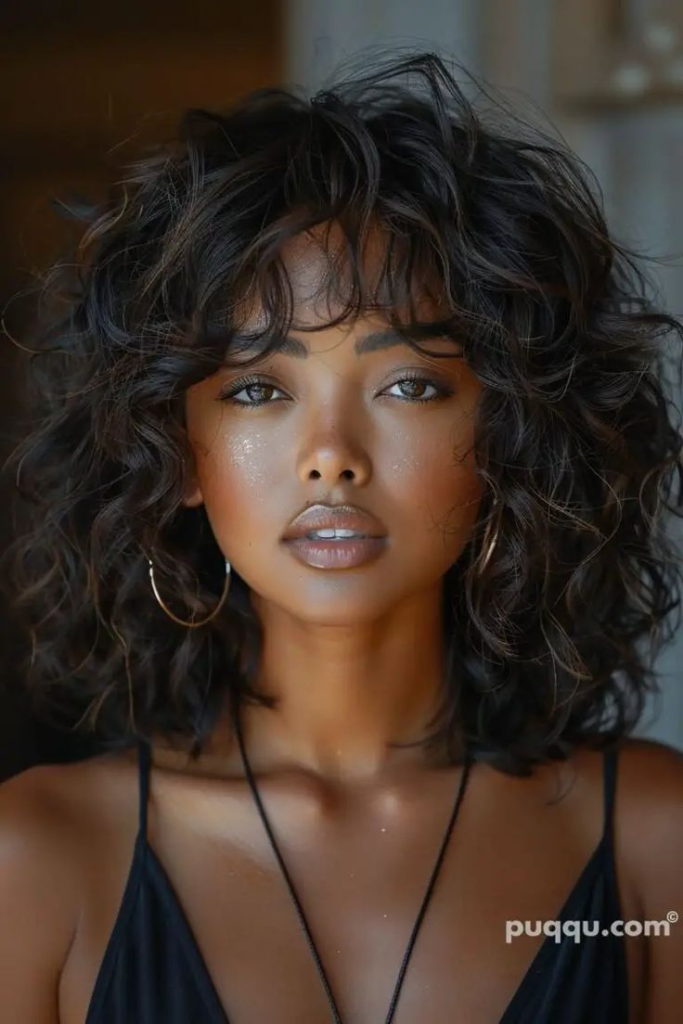
    Why it works: Curly hair and layers are a match made in heaven. The layers remove weight, allowing your curls to bounce up. Curtain bangs — parted down the middle and curving to each side — blend seamlessly into the face-framing layers. The result is soft, romantic, and full of volume.

    How to style: Apply a curl cream to soaking wet hair. Define the curtain bangs separately, directing them to each side. Let air-dry or diffuse. Do not brush.

    Best curl types: Type 3A to 4A.

    Maintenance: Trim every 6 to 8 weeks. Bangs every 5 to 6 weeks.

    5. The Asymmetrical Short Layered Bob with Long Bangs
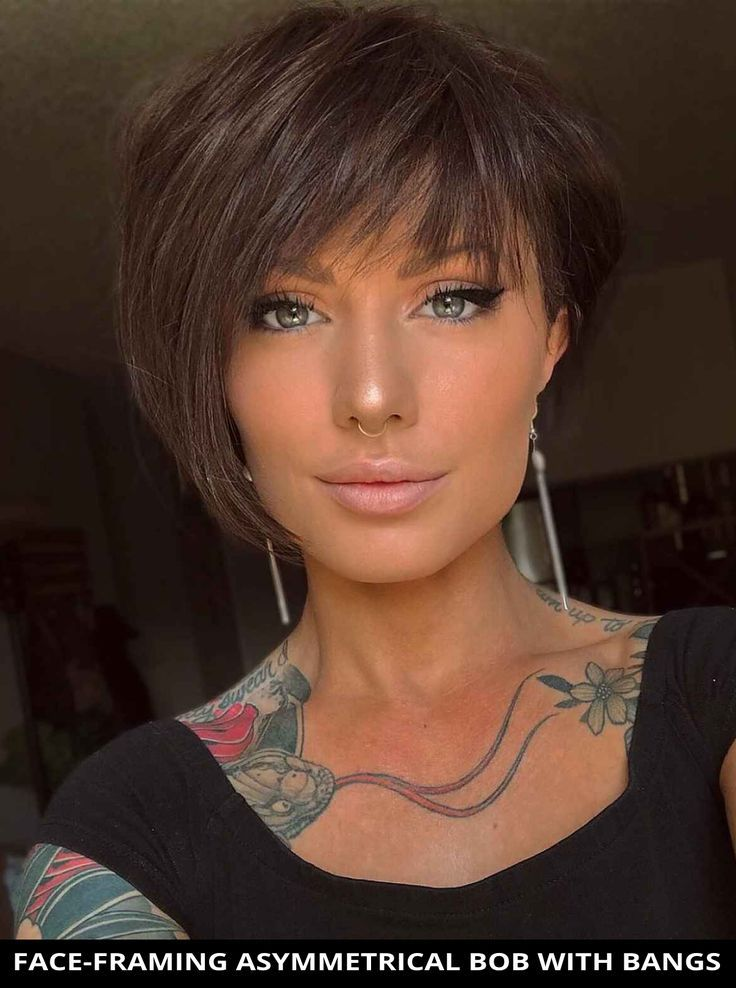
    Why it works: One side of the bob is longer than the other. The asymmetry creates visual interest and draws the eye across your face. The long bangs — hitting at or below the eyebrows — sweep to the shorter side, emphasizing the asymmetry.

    How to style: Apply a styling cream to damp hair. Blow-dry using a round brush, directing the longer side where you want it to fall. Sweep the long bangs to the shorter side.

    Best face shapes: Oval, round, and square. The asymmetry breaks up width.

    Maintenance: Trim every 5 to 6 weeks.

    6. The Choppy Short Layered Bob with Micro Bangs
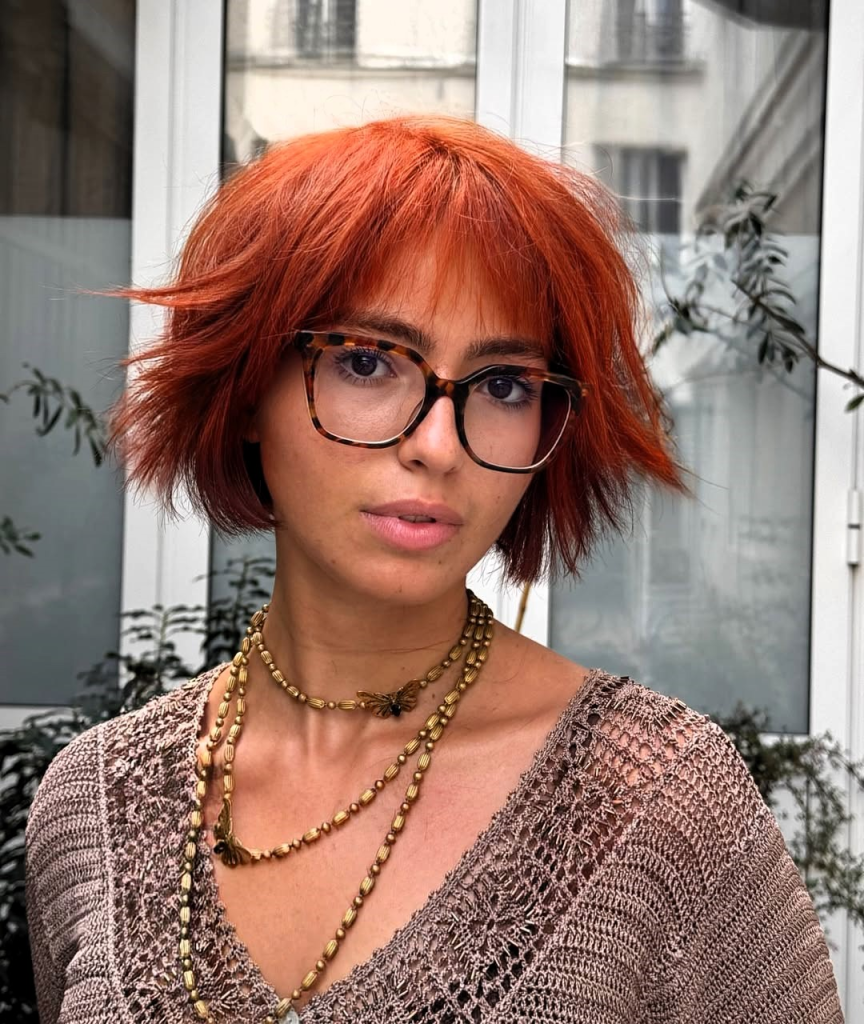
    Why it works: This is the edgy version. The bob is cut with choppy, uneven layers throughout. The micro bangs sit high on the forehead, often above the eyebrows. This look is bold, modern, and not for the timid. It works best on straight or fine hair.

    How to style: Apply a texturizing paste to dry hair. Use your fingers to separate and define the choppy pieces. The micro bangs can be left natural or styled straight down.

    Best face shapes: Oval and heart. Micro bangs can overwhelm round or square faces.

    Maintenance: Trim every 4 to 5 weeks. Micro bangs need refreshing every 2 to 3 weeks.

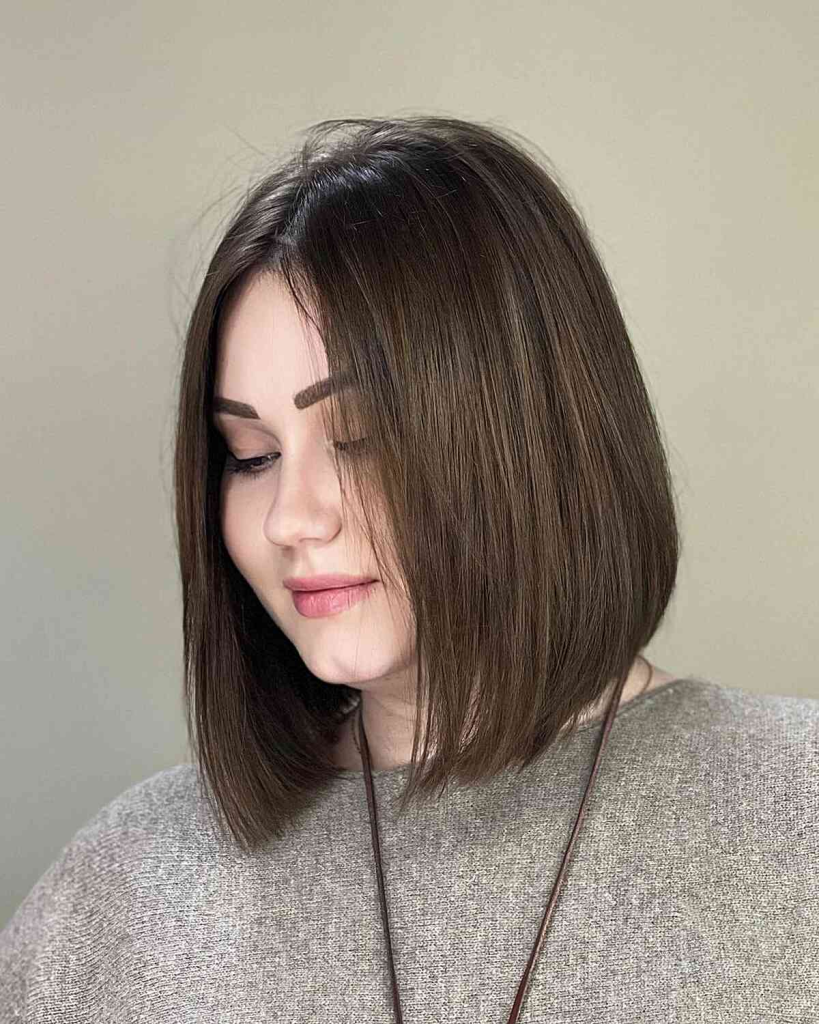
    7. The Angled Short Layered Bob with Side-Swept Bangs
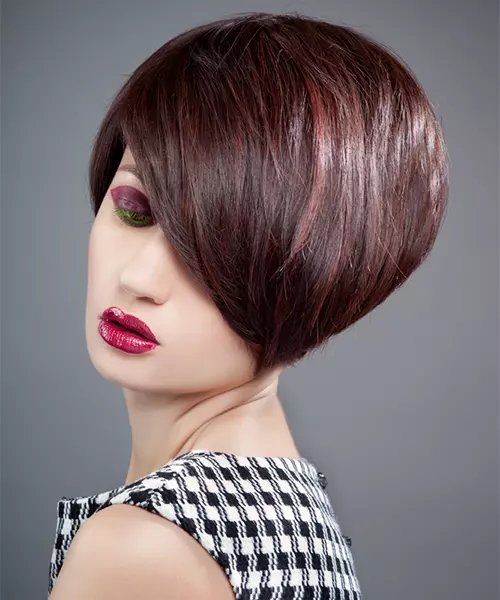
    Why it works: An angled bob is shorter in the back and gradually longer toward the front. The angle creates a slimming diagonal line along your jaw. Adding side-swept bangs doubles the diagonal effect, which is extremely flattering on round or square faces.

    How to style: Apply a smoothing cream to damp hair. Blow-dry using a round brush, turning the ends under slightly. Sweep the bangs to one side.

    Best face shapes: Oval, round, and square. The angles slim and elongate.

    Maintenance: Trim every 5 to 6 weeks.

    8. The Short Layered Bob with Curly Bangs
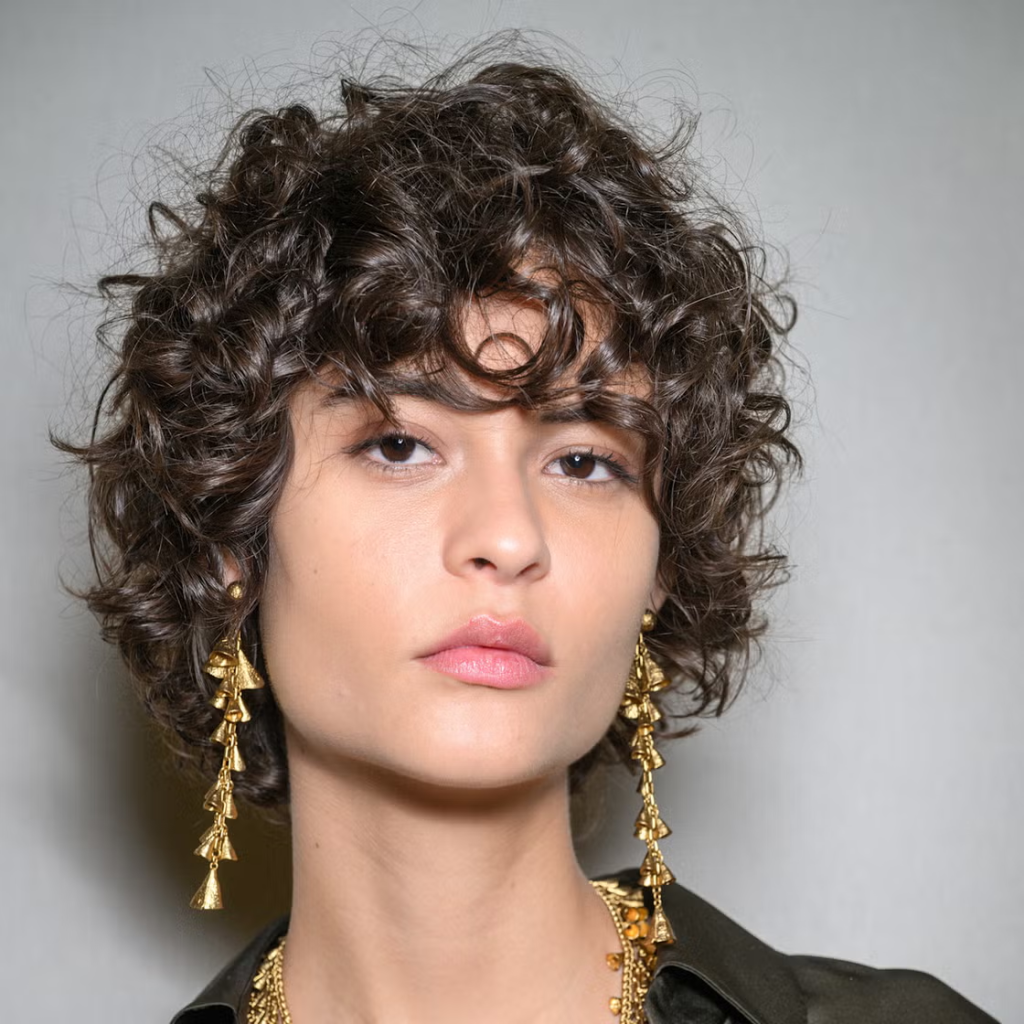
    Why it works: Curly bangs are having a major moment. On a short layered bob, curly bangs add volume and interest at the front of your hair. The bangs should be cut dry so your stylist can see exactly where each curl falls. The result is playful, modern, and full of personality.

    How to style: Apply a curl cream to wet hair. Define the curly bangs separately from the rest of your curls. Let air-dry or diffuse. Do not brush the bangs forward — let them fall naturally.

    Best curl types: Type 3A to 4A.

    Maintenance: Bangs need trimming every 4 to 5 weeks. The bob every 6 to 8 weeks.

    9. The Sleek Short Layered Bob with Blunt Bangs
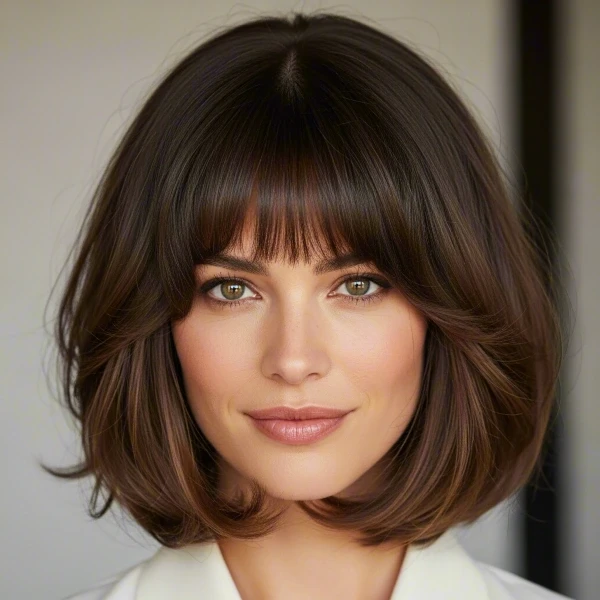
    Why it works: This is the polished, professional version. The bob is cut with subtle layers that add movement without looking choppy. The blunt bangs are cut straight across at the eyebrows. The entire look is smooth, shiny, and sophisticated. This works best on straight hair.

    How to style: Apply a smoothing serum and heat protectant. Blow-dry using a round brush, then flat-iron for maximum sleekness. The blunt bangs should be dried straight down. Finish with a shine spray.

    Best face shapes: Oval and heart. Blunt bangs can be harsh on round or square faces.

    Maintenance: Trim every 4 to 5 weeks. Blunt bangs need refreshing every 3 weeks.

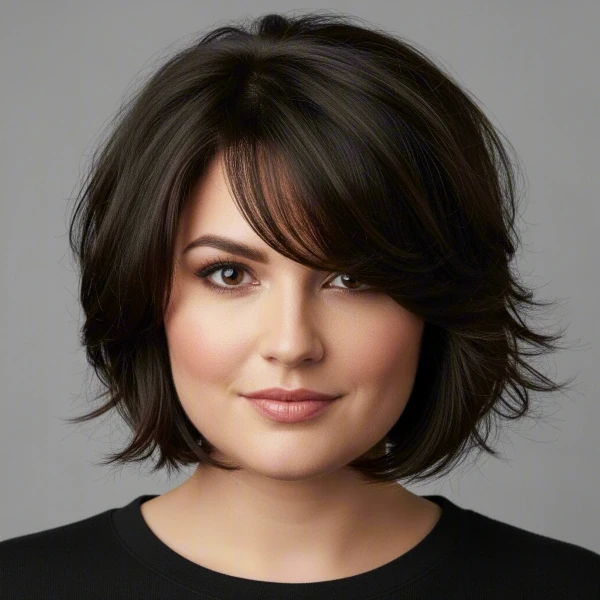
    10. The Messy Short Layered Bob with Piece-Y Bangs
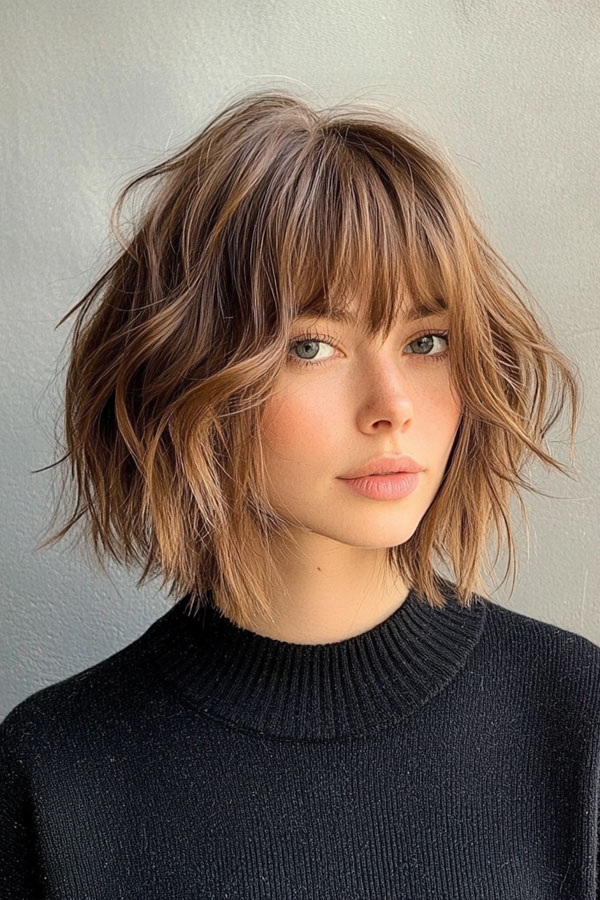
    Why it works: This is the cool-girl version. The bob is cut with lots of texture, and the bangs are cut into separate, piece-y sections. The entire look is deliberately messy and unstructured. It says “I woke up like this” in the best possible way.

    How to style: Apply a texturizing spray or dry shampoo to dry hair. Use your fingers to tousle and lift. Separate the piece-y bangs with your fingers. Do not use a brush. A tiny amount of styling wax on the ends adds definition.

    Best face shapes: Oval, round, and heart. The messiness softens all face shapes.

    Maintenance: Trim every 6 to 7 weeks. The lived-in look means it grows out beautifully.

    11. The Low-Maintenance Short Layered Bob with Long Bangs
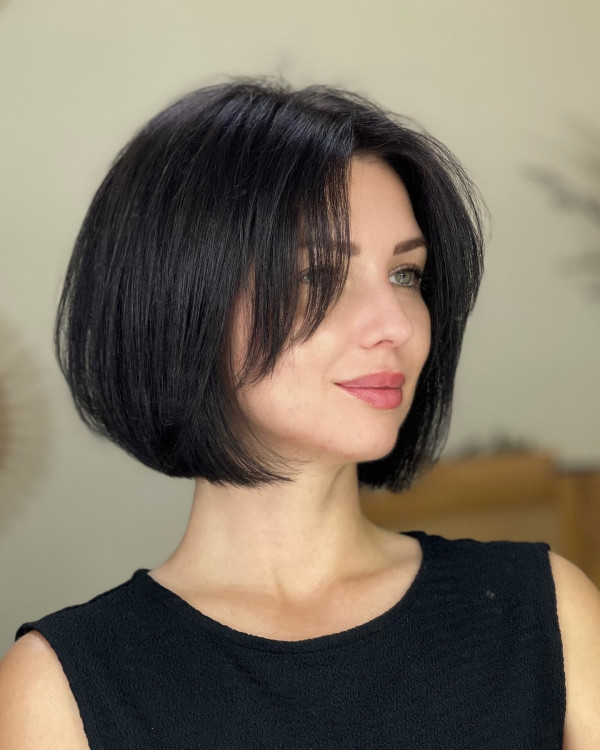
    Why it works: Not every woman wants to spend ten minutes blow-drying her hair. This version is cut so that air-drying looks intentional. The layers are subtle. The long bangs can be swept to the side or tucked behind your ears. This is the bob for women who want style without effort.

    How to style: Wash and condition. Towel-dry gently. Apply a leave-in conditioner and a light gel or mousse. Use your fingers to push the hair in the direction you want it to dry. Let it air-dry completely. That is it.

    Best face shapes: Oval, round, and heart. The softness flatters all.

    Maintenance: Trim every 6 to 8 weeks.

    How to Choose the Right Short Layered Bob with Bangs for You

    Ask yourself these three questions before booking your appointment:

    1. What kind of bangs do you want?

    • Soft and romantic: Wispy bangs, curtain bangs, long bangs
    • Bold and graphic: Blunt bangs, micro bangs
    • Effortless: Side-swept bangs, piece-y bangs

    2. What is your hair texture?

    • Straight or fine: Classic, textured, asymmetrical, sleek, low-maintenance
    • Wavy: Classic, choppy, angled, messy
    • Curly: Curly bob with curtain bangs, curly bob with curly bangs
    • Thick: Stacked, choppy, angled, messy

    3. What is your face shape?

    • Round: Angled, asymmetrical, side-swept bangs
    • Oval: Any of the eleven styles
    • Square: Angled, side-swept bangs, wispy bangs
    • Heart: Side-swept bangs, curtain bangs, wispy bangs
    • Long/oblong: Blunt bangs, micro bangs, long bangs

    What to Tell Your Stylist

    Bring a photo of two or three styles from this guide. Then say this exactly:

    *”I want a short layered bob with bangs that flatters my face shape. I want the bob to hit [at my chin / above my chin / below my chin]. I want the layers to be [soft / choppy / stacked]. I want my bangs to be [side-swept / blunt / wispy / curtain / micro]. My hair is [straight / wavy / curly / fine / thick]. I am willing to spend [5 / 10] minutes styling it daily.”*

    If you have a cowlick or strong natural part, add: “Please cut my bangs to work with my cowlick, not against it.”

    How to Style a Short Layered Bob with Bangs

    You will need:

    • A small round brush (1 to 2 inches in diameter)
    • A hairdryer with a concentrator nozzle
    • Lightweight mousse or styling cream

    Step-by-step:

    1. Start with damp, towel-dried hair.
    2. Apply a pea-sized amount of mousse or styling cream throughout.
    3. Blow-dry the bangs first using the round brush.
      • For side-swept: brush to one side.
      • For curtain: brush left side to the left, right side to the right.
      • For blunt: brush straight down.
    4. Blow-dry the rest of the bob using the round brush, turning the ends under slightly.
    5. Once dry, let the hair cool for 30 seconds.
    6. Use your fingers to separate and adjust. A tiny amount of wax defines the ends.

    For second-day hair:
    Spritz with a water bottle until slightly damp. Re-blow-dry the bangs only. Dry shampoo at the roots absorbs oil and adds volume.

    Common Mistakes to Avoid

    Mistake 1: Cutting the bob too short. A bob that hits above the chin can look severe on some face shapes. Start at chin length. You can always go shorter next time.

    Mistake 2: Cutting bangs too thick. Thick bangs on fine or thinning hair can look heavy. Start with wispy bangs. You can always add more density later.

    Mistake 3: Skipping the blow-dry. Most bobs and bangs look flat and sad air-dried. The blow-dry with a round brush takes five minutes and makes all the difference.

    Mistake 4: Forgetting to blend. The bangs should blend into the layers around your face. If there is a visible line where the bangs end, your stylist cut them too bluntly.

    Products for a Short Layered Bob with Bangs

    For volume:

    • Volumizing mousse
    • Root-lifting spray

    For texture:

    • Texturizing spray
    • Styling wax or paste

    For smoothness:

    • Smoothing cream
    • Shine spray

    For hold:

    • Flexible hold hairspray

    Tools to own:

    • Small round brush
    • Hairdryer with concentrator nozzle
    • Flat iron (for sleek styles only)

    Final Thoughts

    Eleven versions of the short layered bob with bangs. Classic and side-swept. Textured with wispy bangs. Stacked with blunt bangs. Curly with curtain bangs. Asymmetrical with long bangs. Choppy with micro bangs. Angled with side-swept bangs. Curly bangs. Sleek with blunt bangs. Messy with piece-y bangs. Low-maintenance with long bangs. Each one starts with the same foundation — a short bob, layered for movement, with bangs to frame your face — but each one feels completely different. The right version for you depends on your hair texture, your face shape, and your personality. Pick the one that makes you excited to book that appointment. Bring the photo. Talk to your stylist. And enjoy a haircut that frames your face perfectly every single day.

    Which of these eleven short layered bob with bangs styles will you try at your next appointment? Drop a comment below and let us know. And if this guide helped you, share it with a friend who has been thinking about taking the plunge.
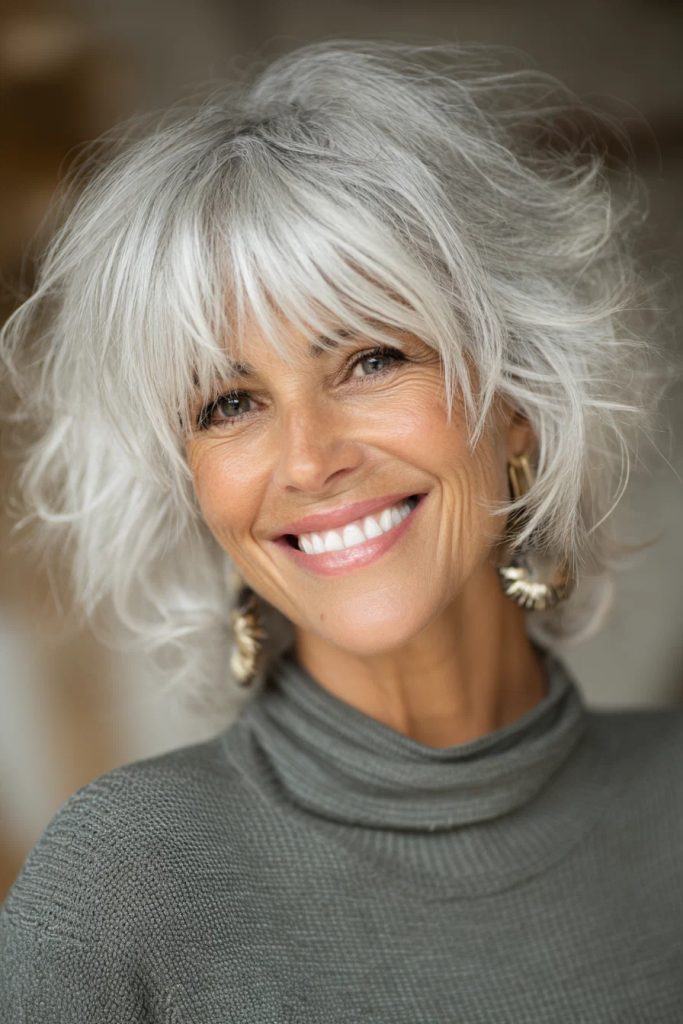
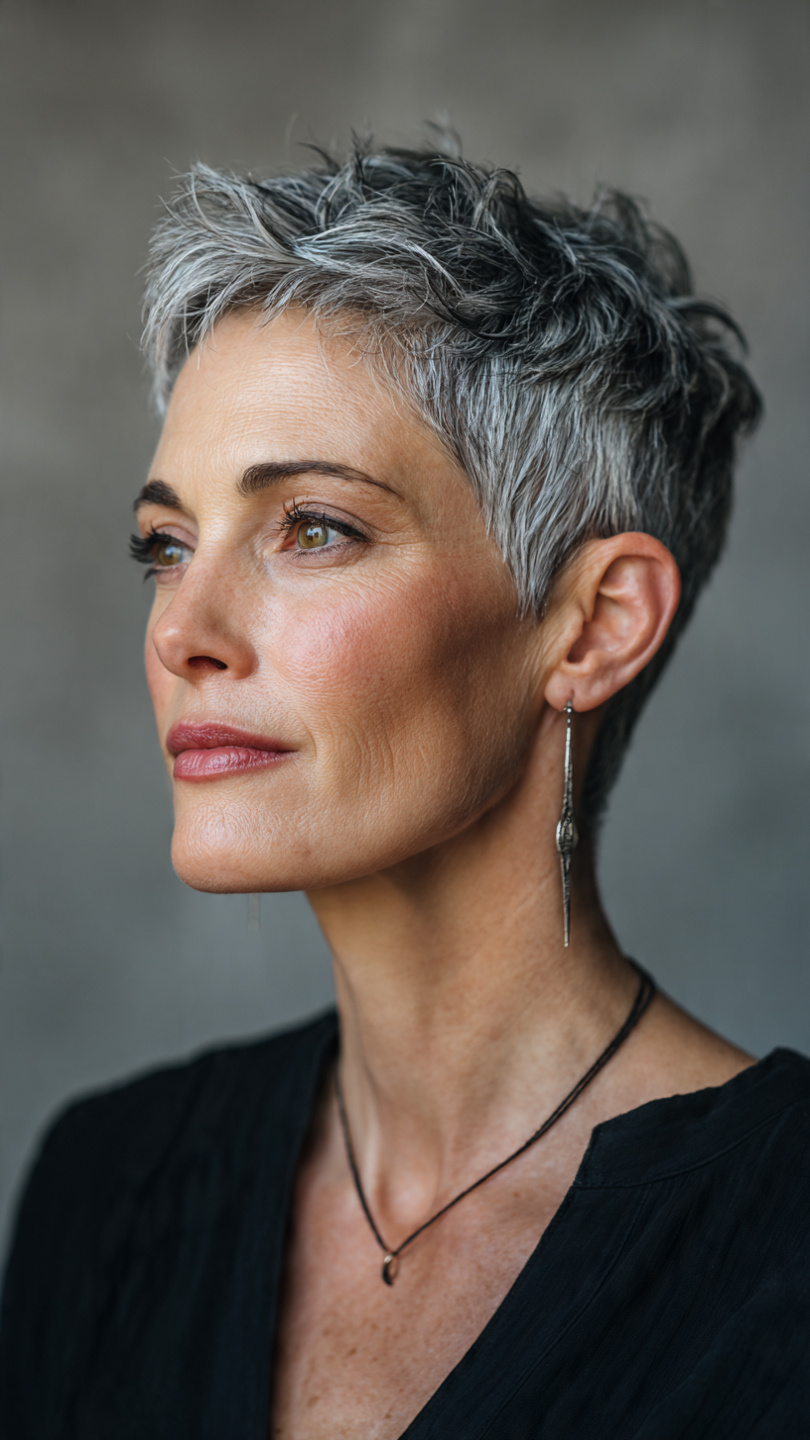
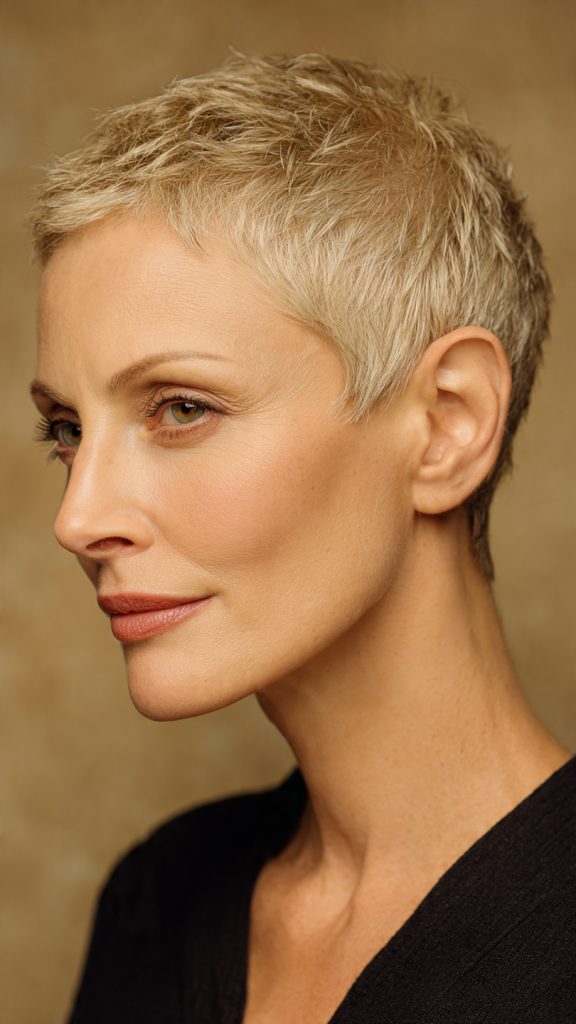
  • 10 Short Hairstyles for Older Women That Bring Fresh Energy and Easy Elegance

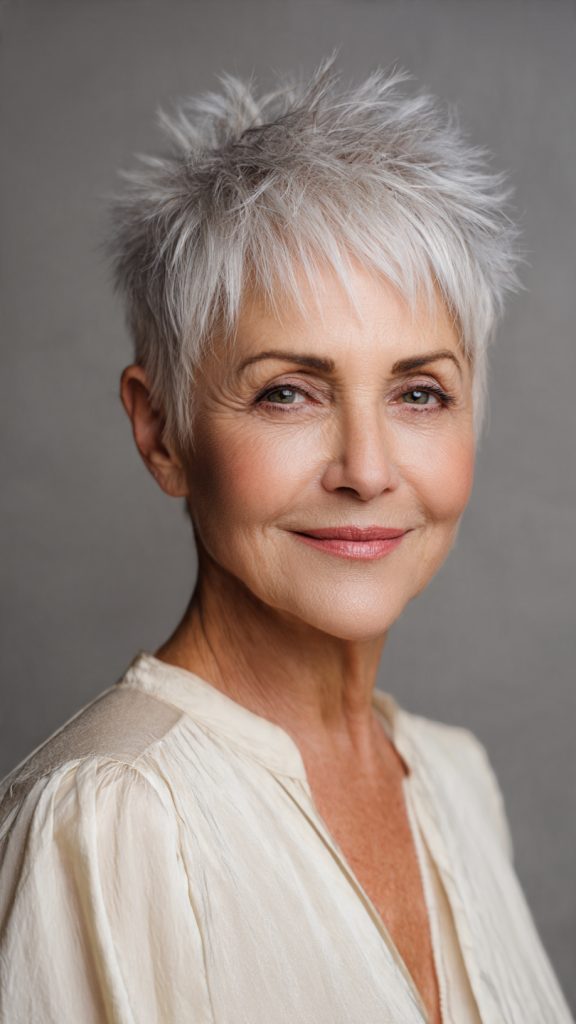
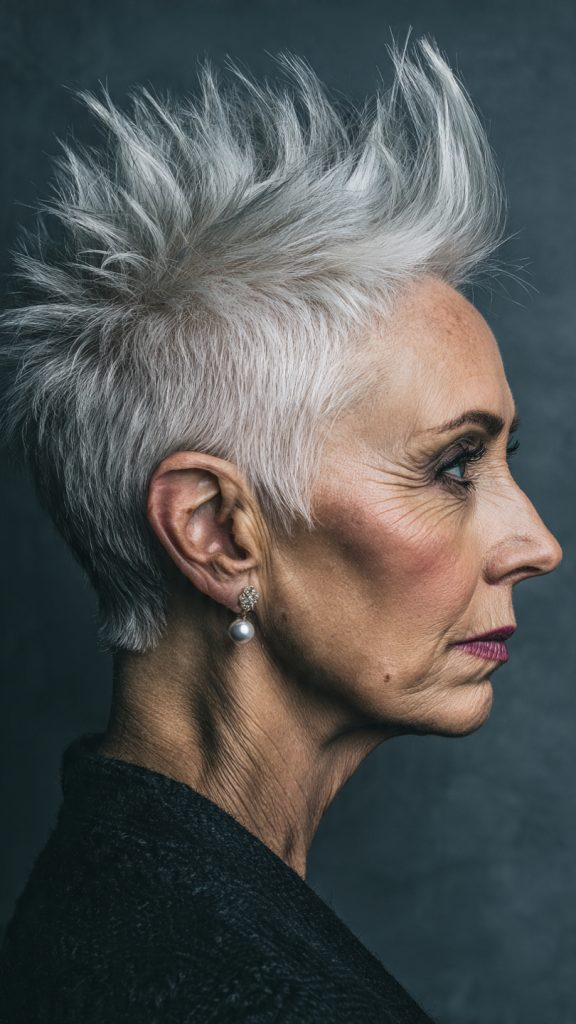
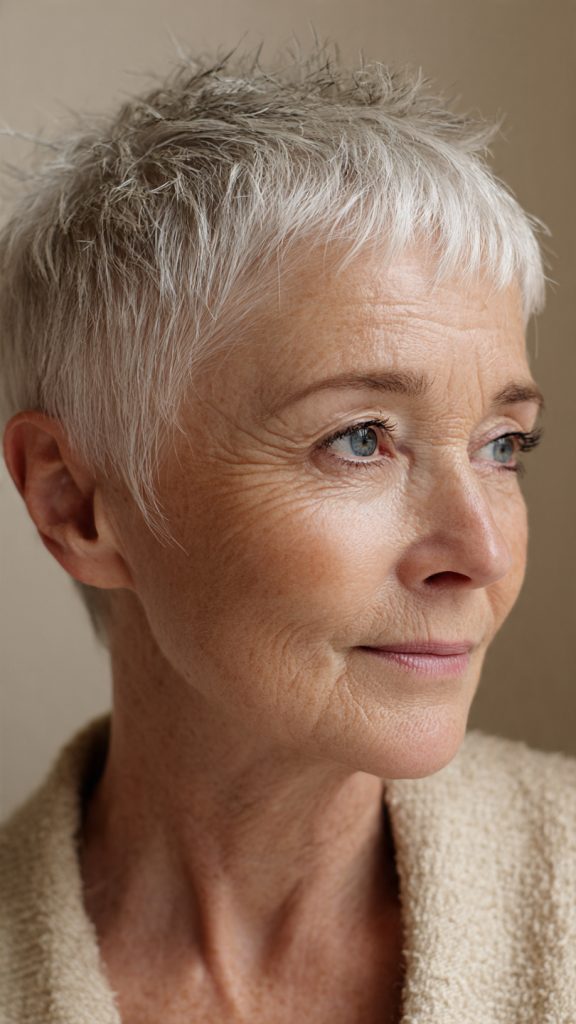
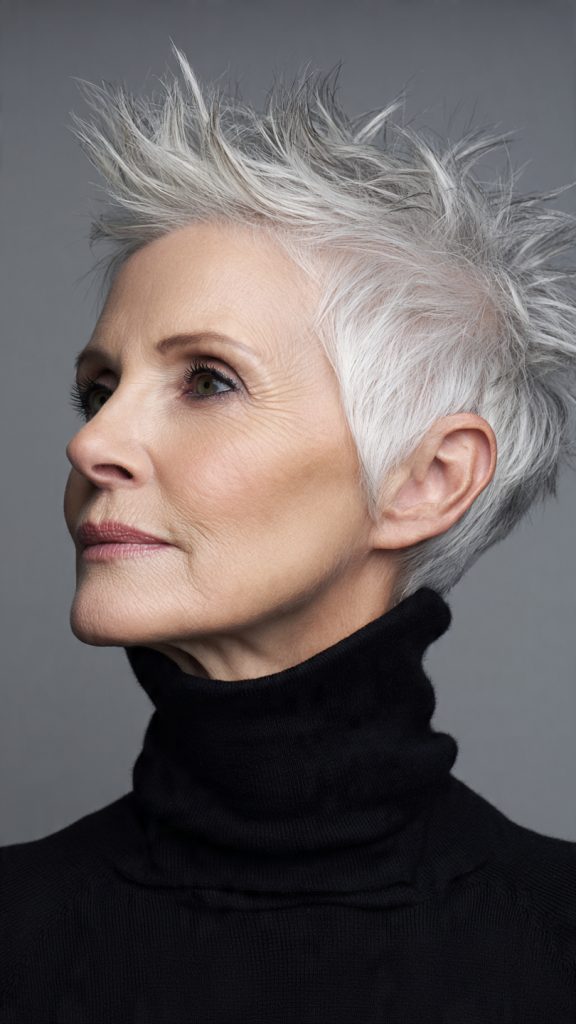
    10 Short Hairstyles for Older Women That Bring Fresh Energy and Easy Elegance

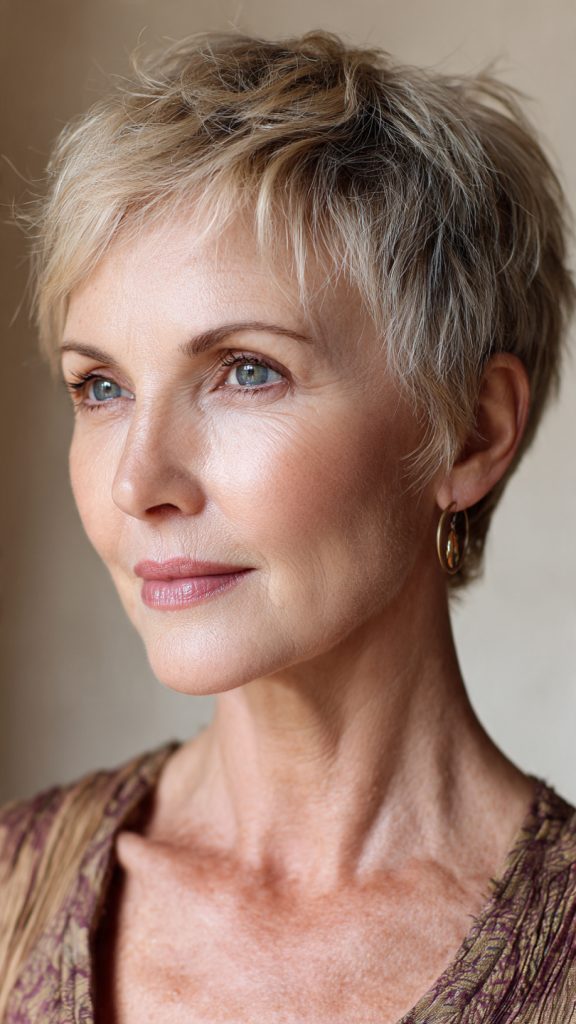
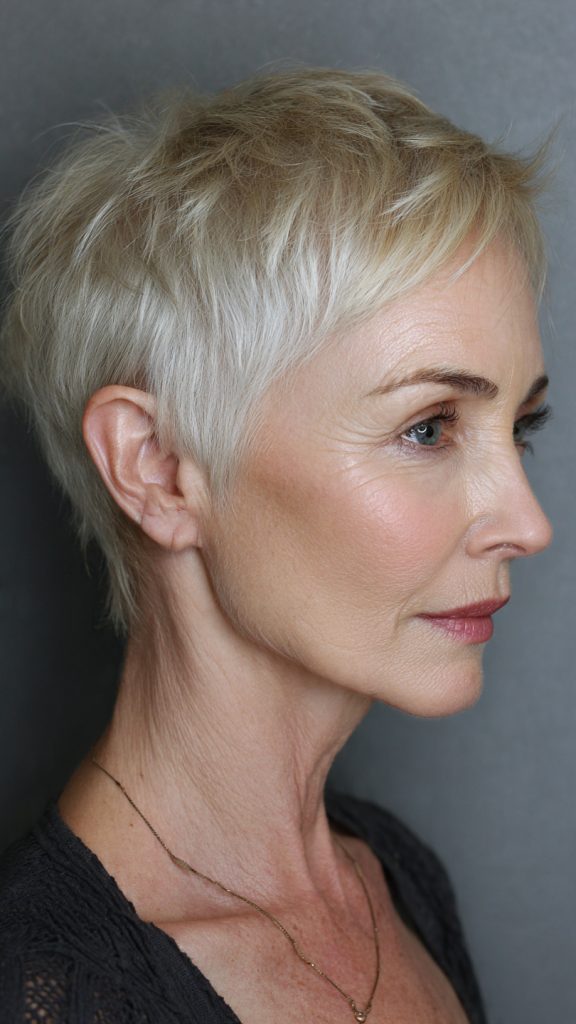
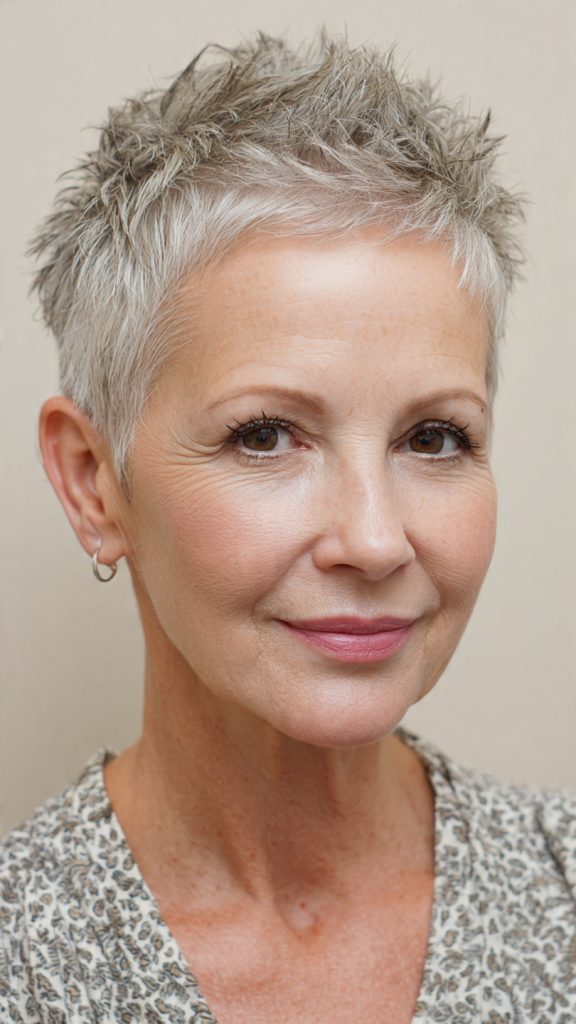
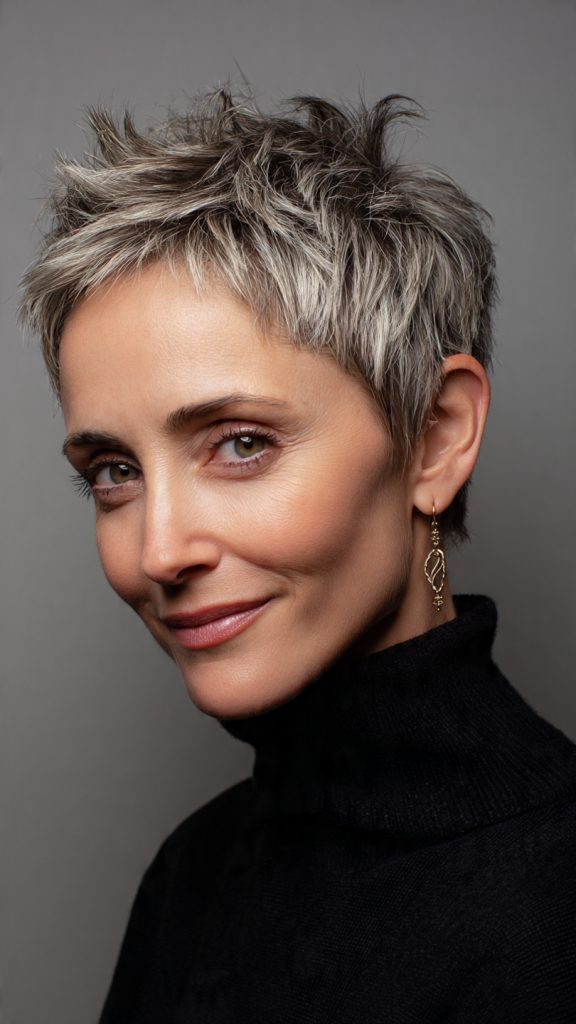
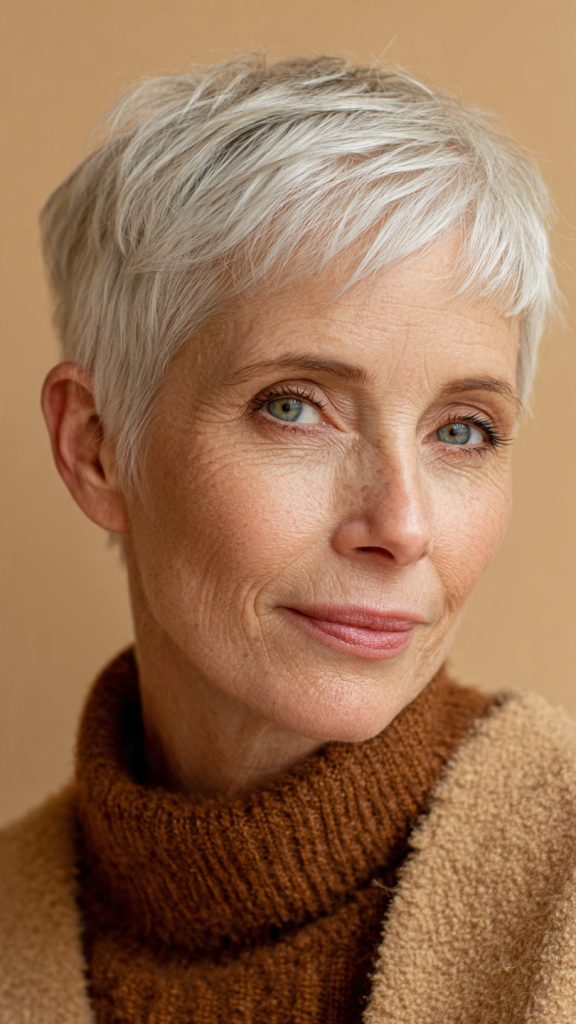
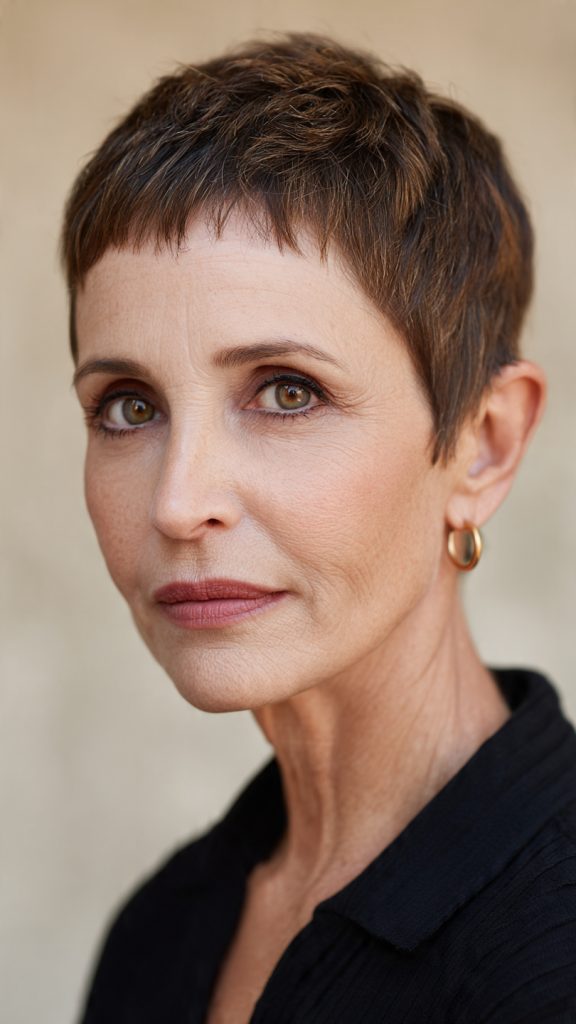
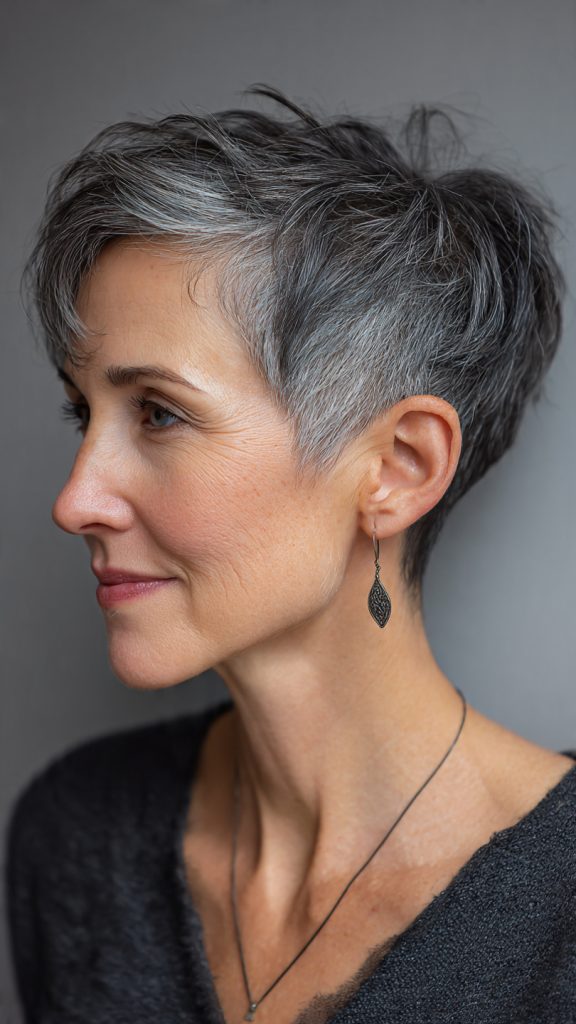
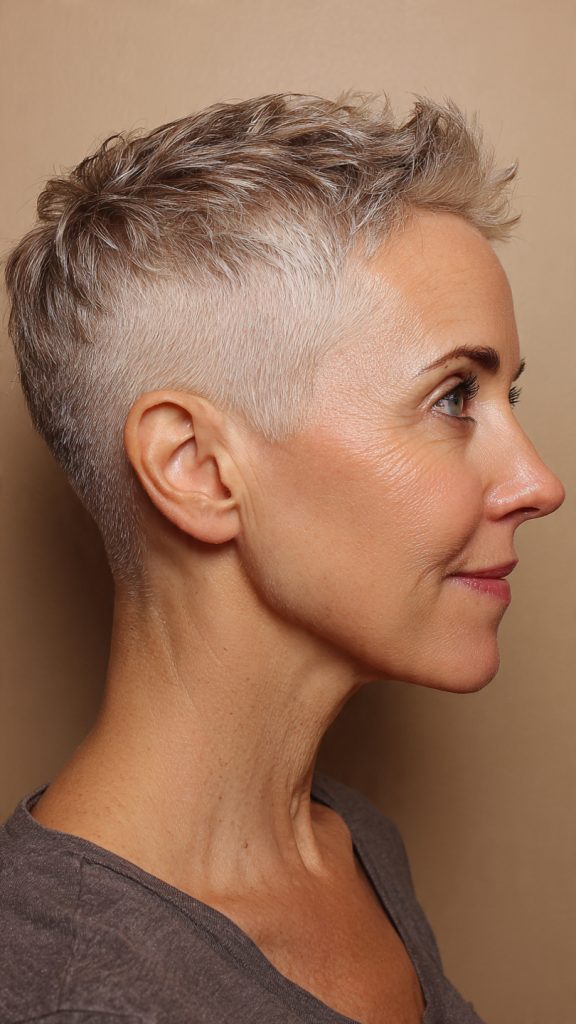
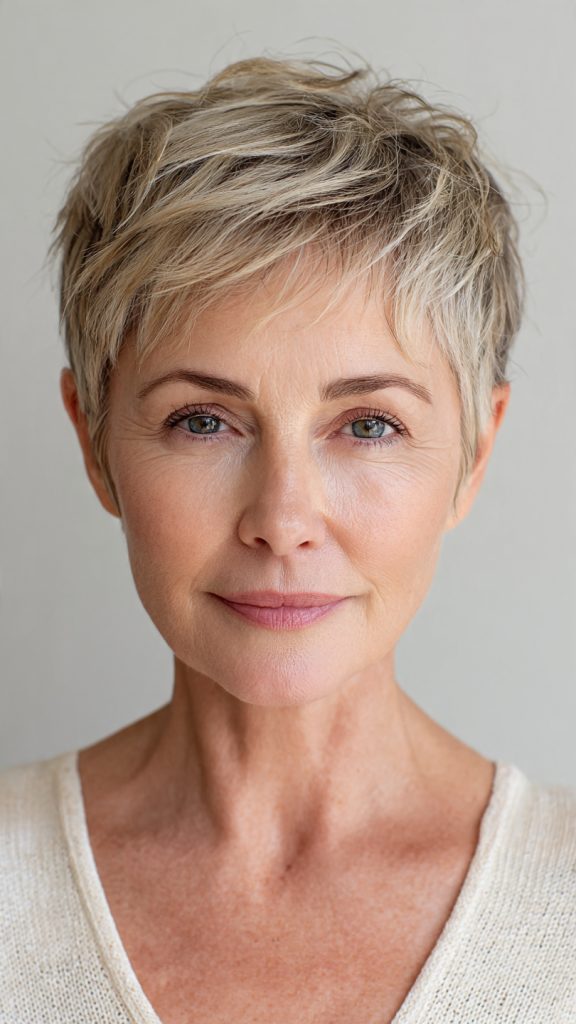
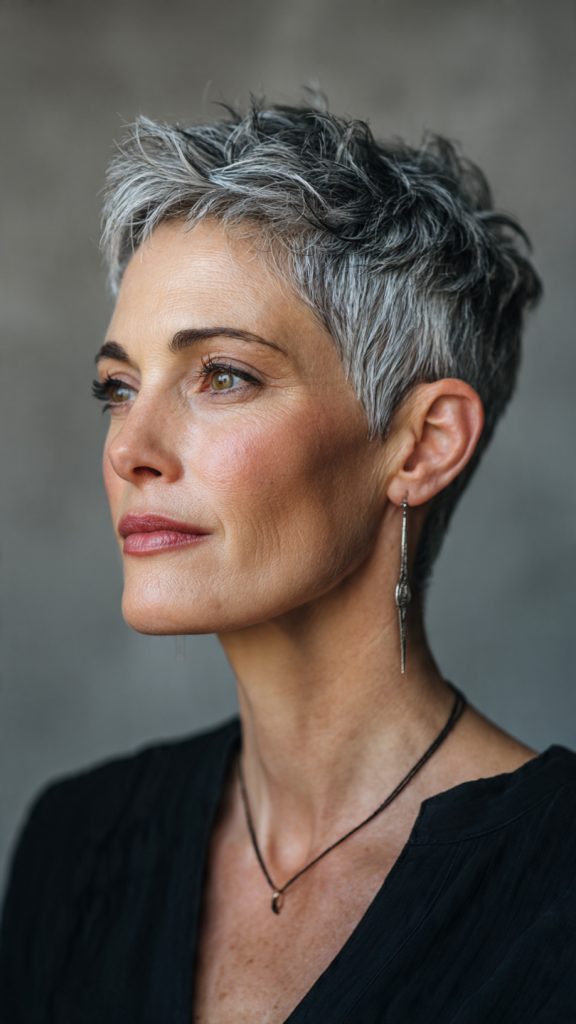
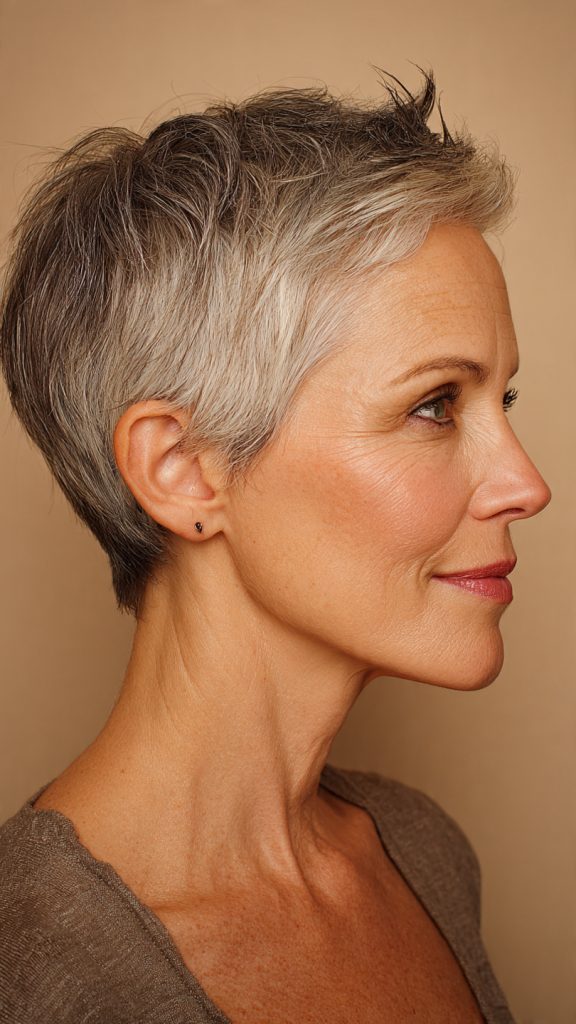
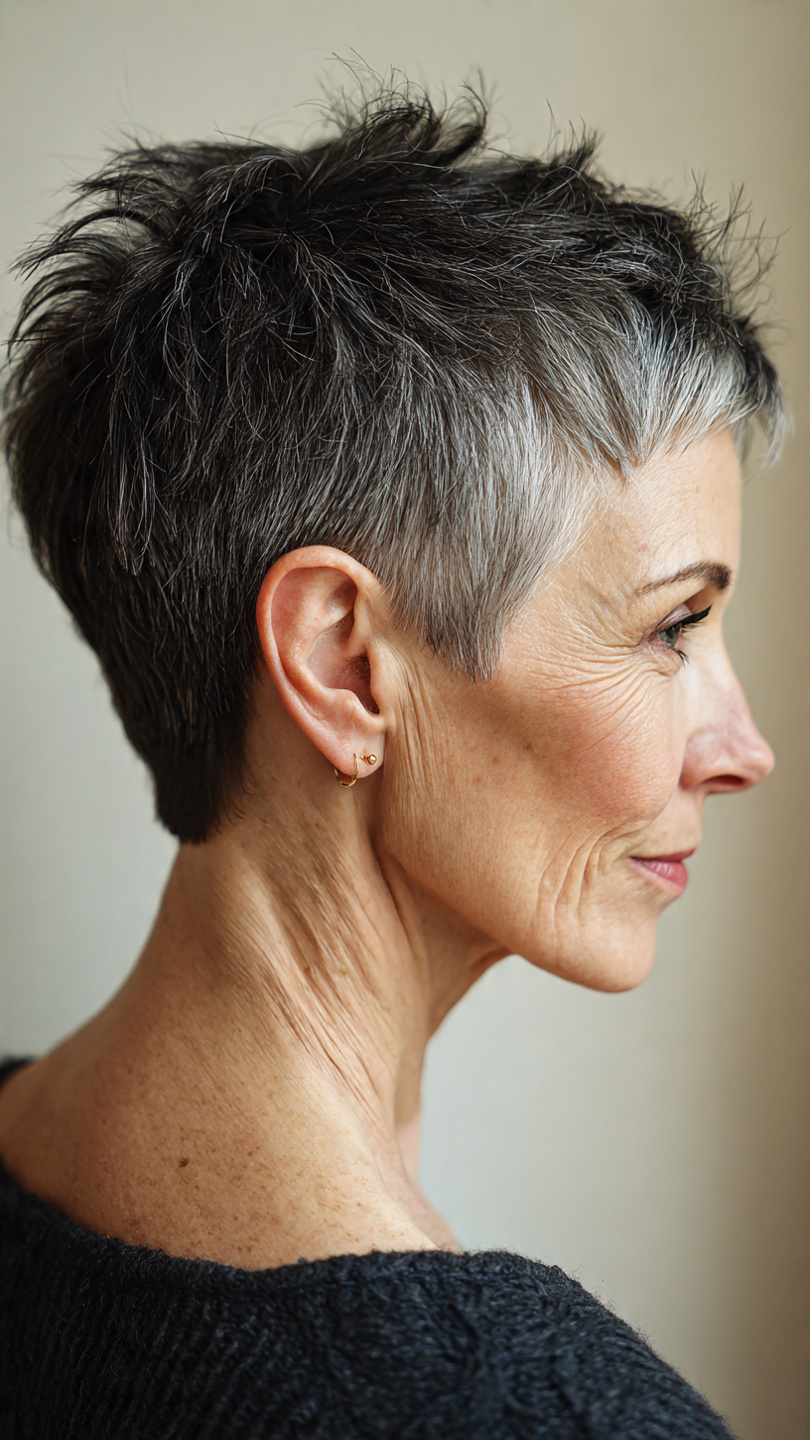
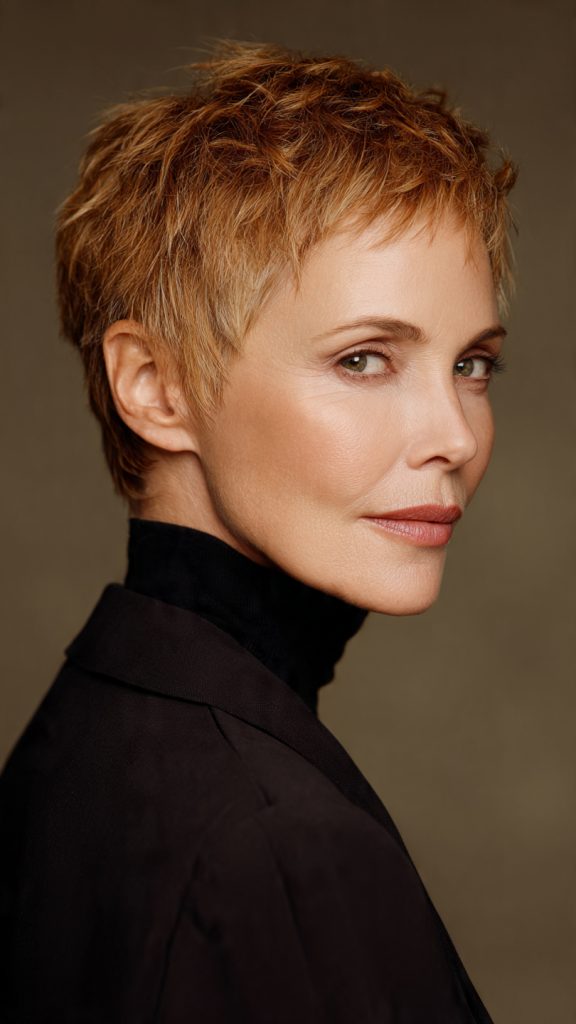
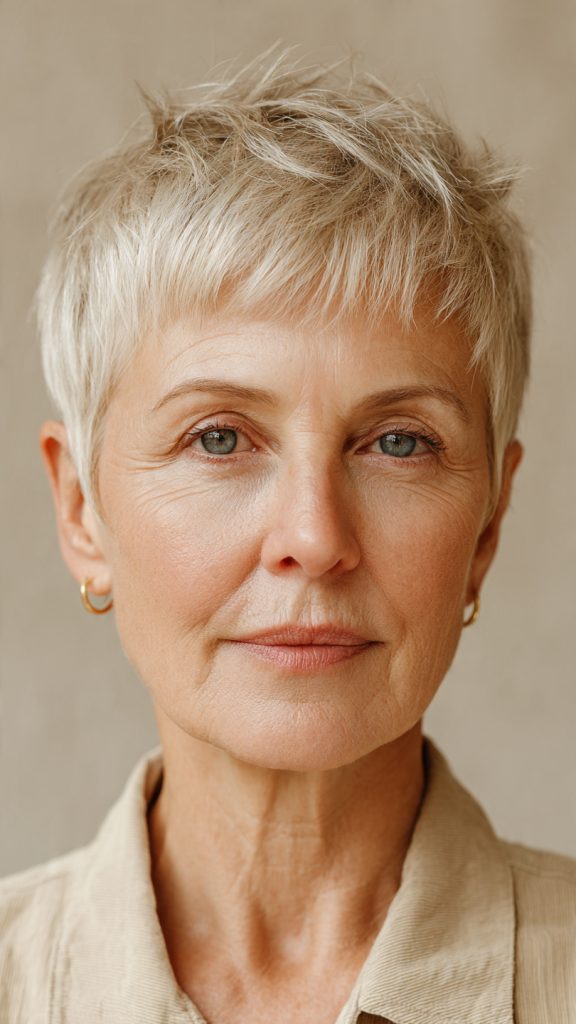
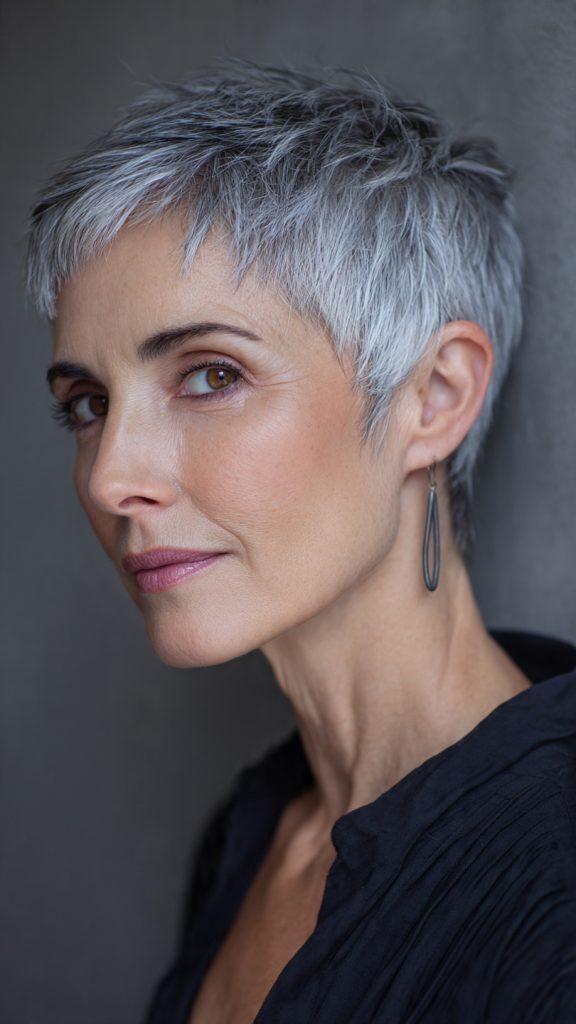
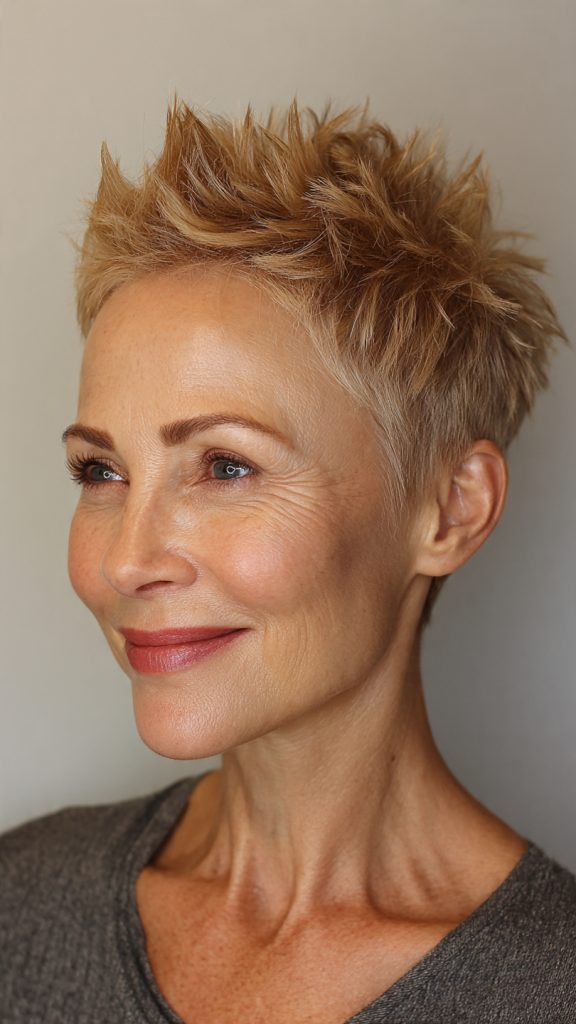
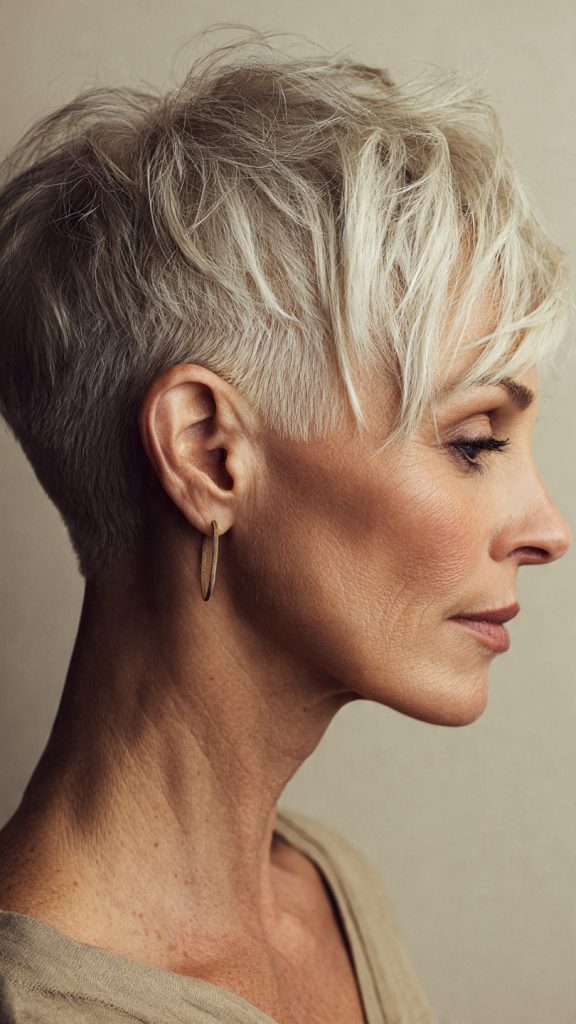
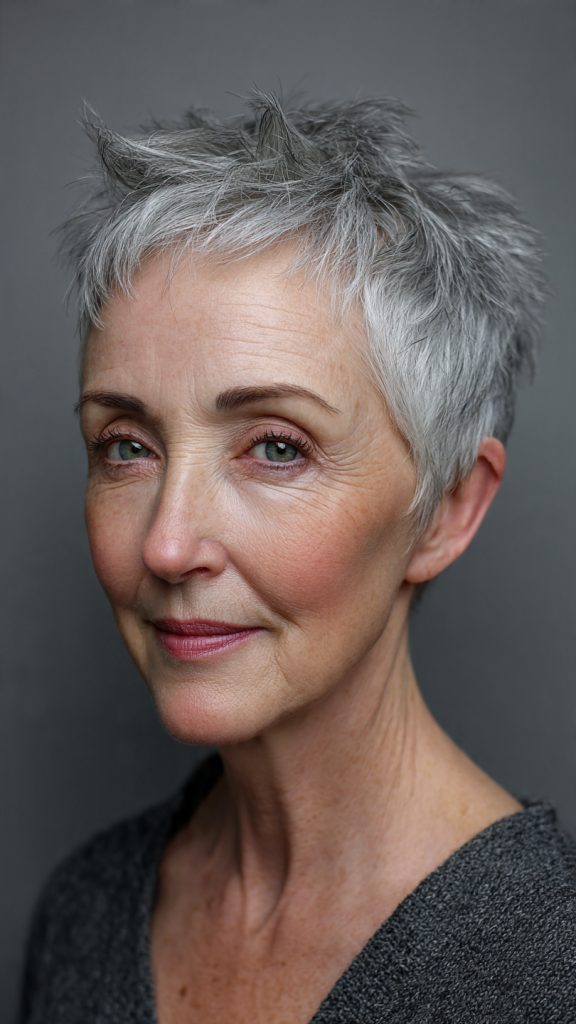
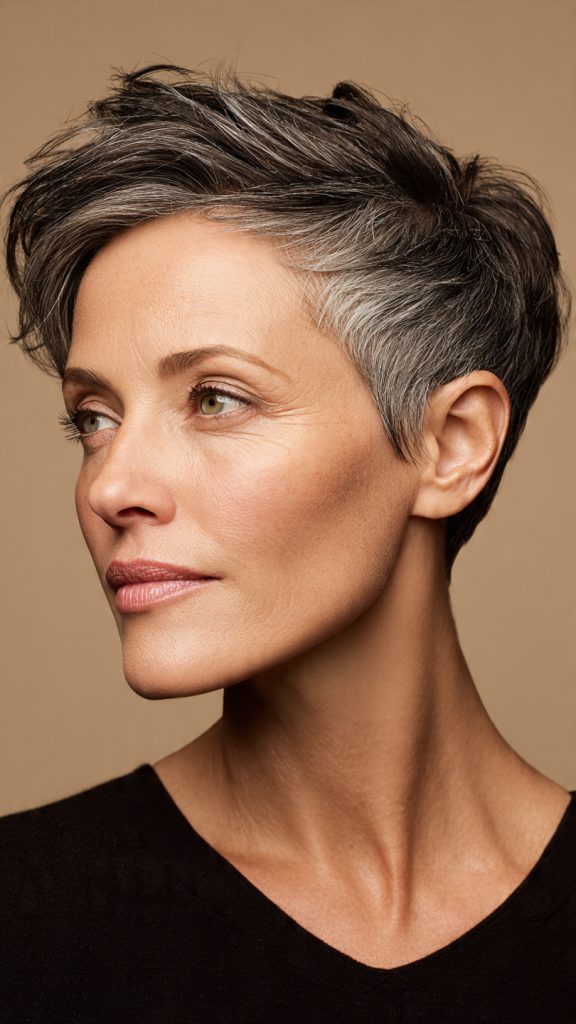
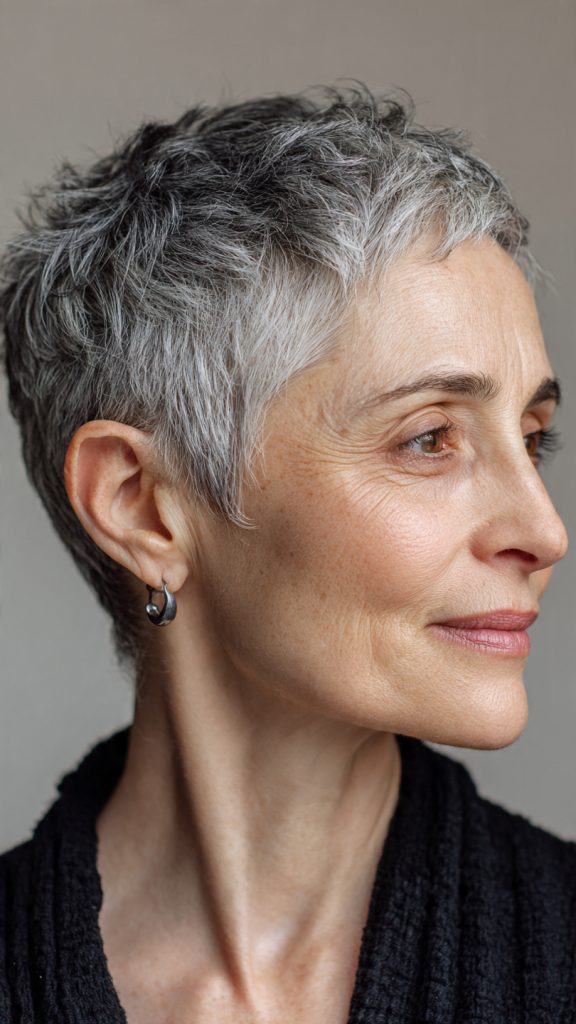
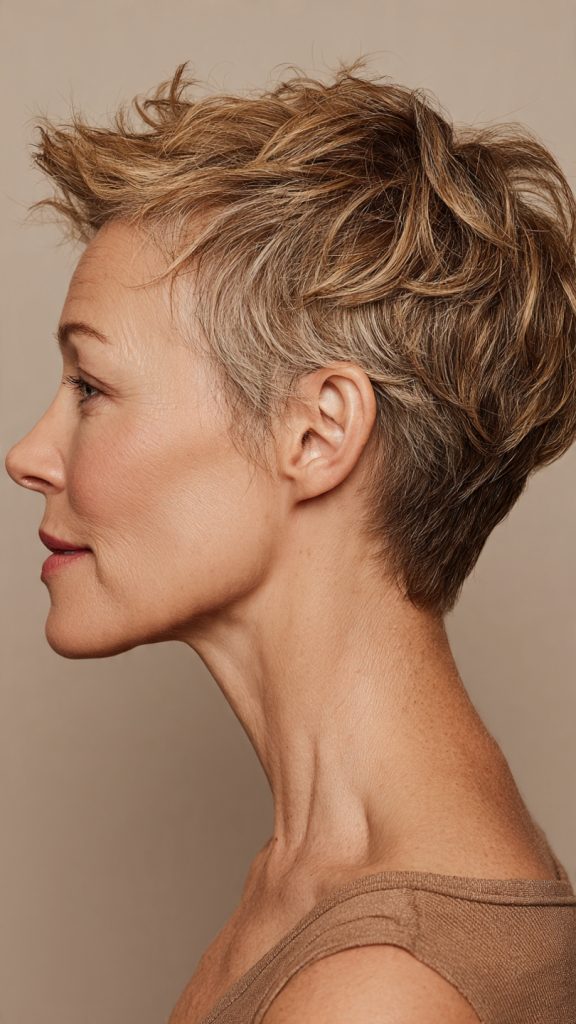
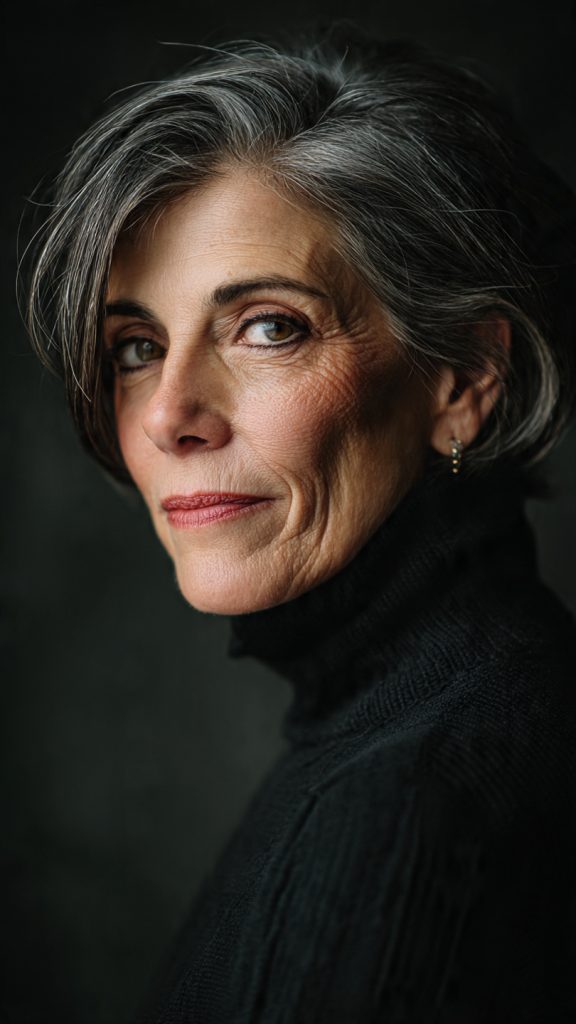
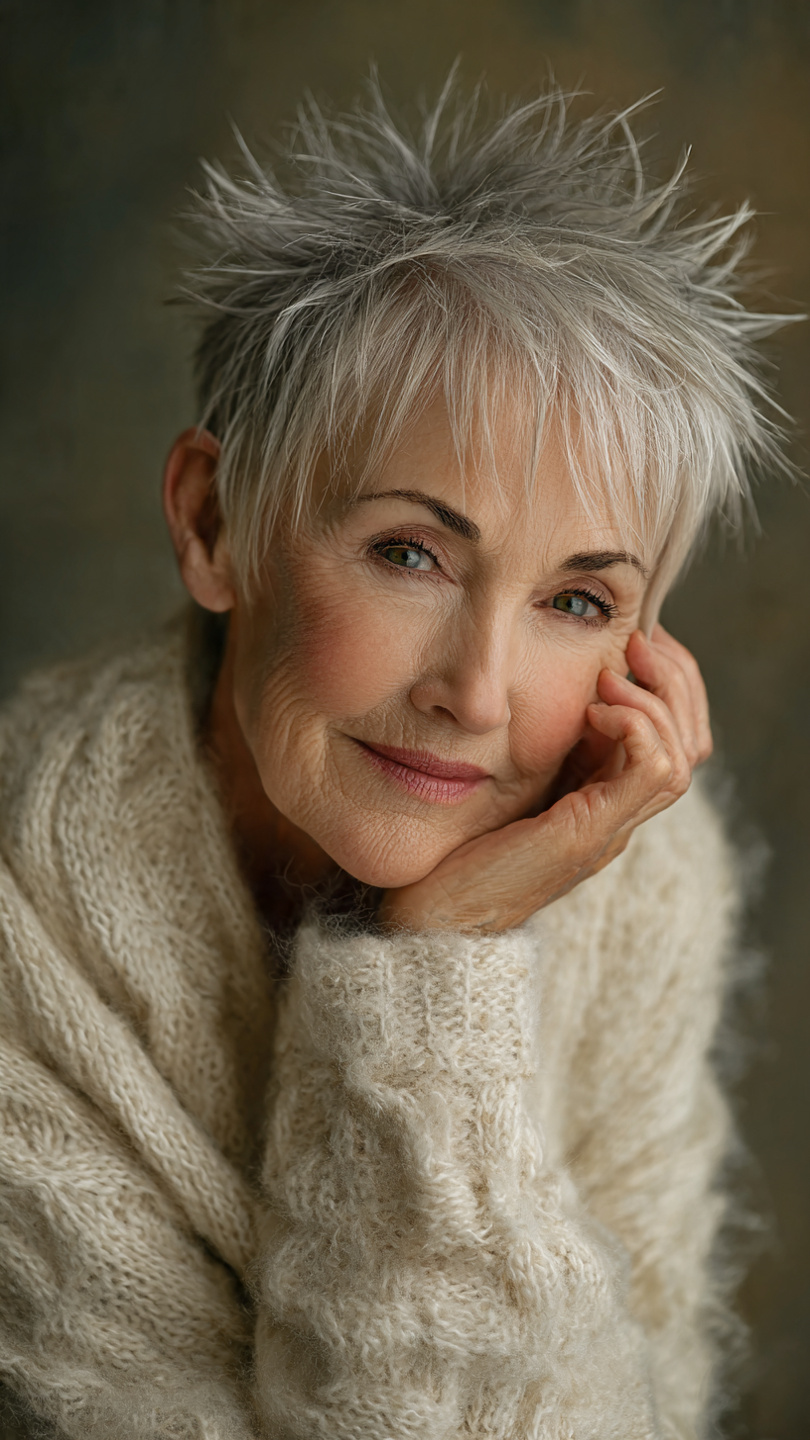
    There is a beautiful freedom that comes with age. You know yourself better. You care less about what others think. And you finally stop apologizing for taking up space. That freedom should extend to your hair. Short hairstyles for older women are not about giving up or settling down. They are about waking up, looking in the mirror, and seeing a woman who is still very much alive, engaged, and beautiful. The right short cut can lift your features, add volume where hair has thinned, and shave minutes or even hours off your morning routine. This guide walks you through ten gorgeous options that real older women are wearing right now.

    Why Short Hair Works So Beautifully After a Certain Age

    Hair naturally changes as we get older. It can become finer, drier, or more brittle. It may lose some of its former density. The texture might shift from straight to wavy or from curly to coarser. Short hairstyles address these changes head-on. Shorter cuts remove weight that can flatten thinning hair. They make washing and drying faster. They allow you to maintain a polished look without constant salon visits. And perhaps most importantly, a great short cut frames your face beautifully, drawing attention to your eyes, your smile, and your confidence. The ten styles below range from wash-and-wear pixies to soft bobs. Each includes why it works, how to style it, which face shapes it flatters, and what maintenance looks like.

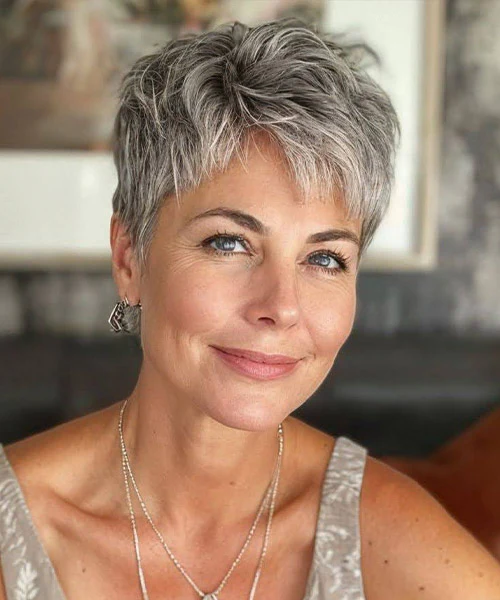
    1. The Classic Pixie Cut

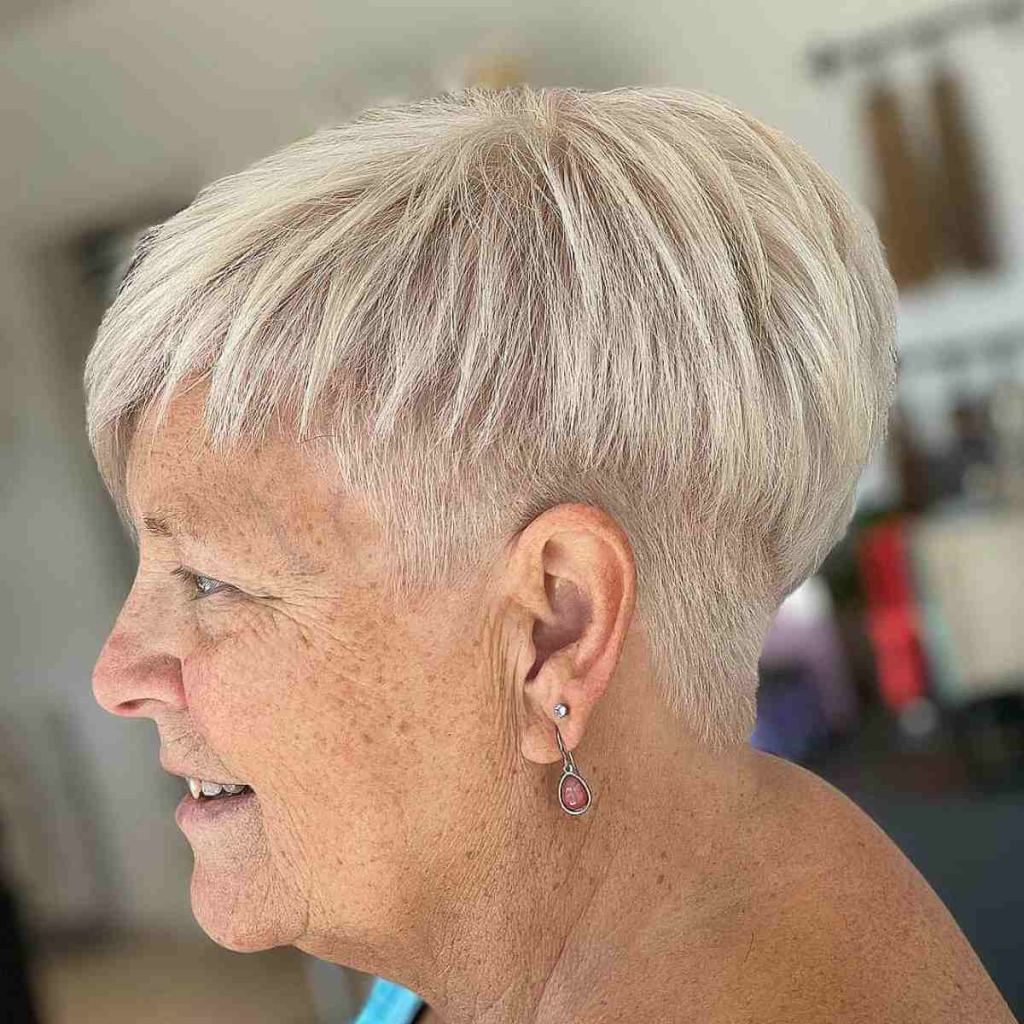
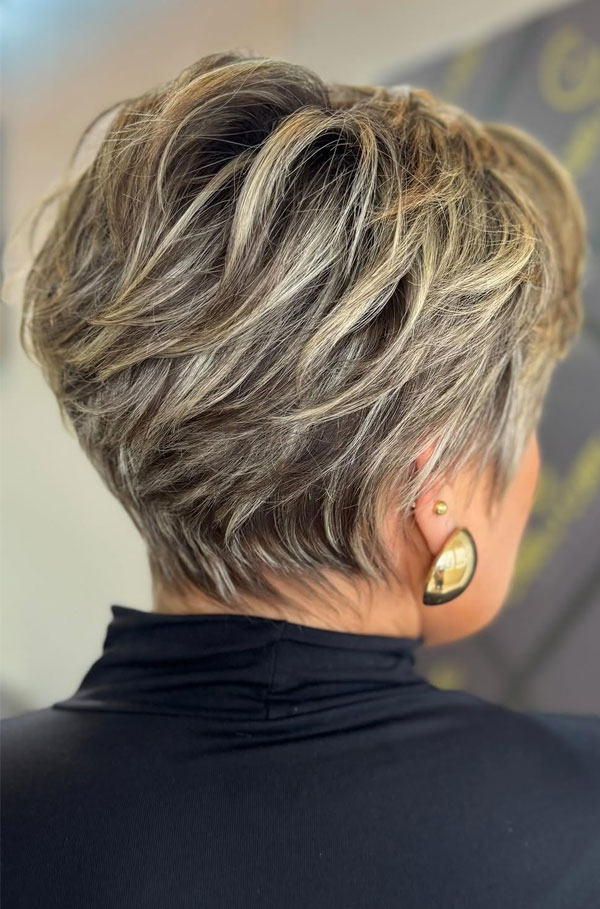
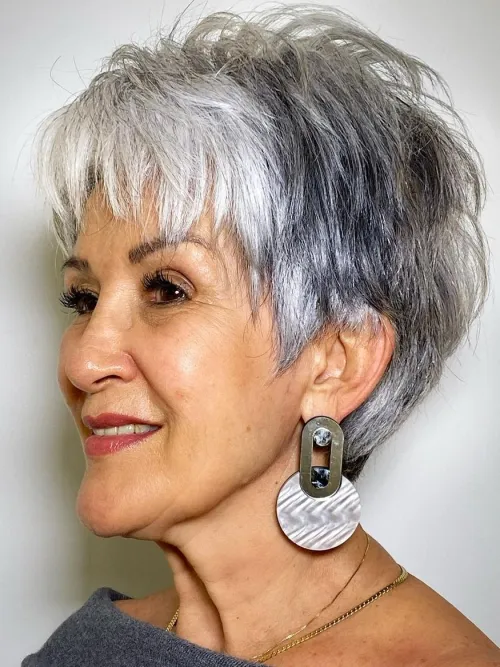
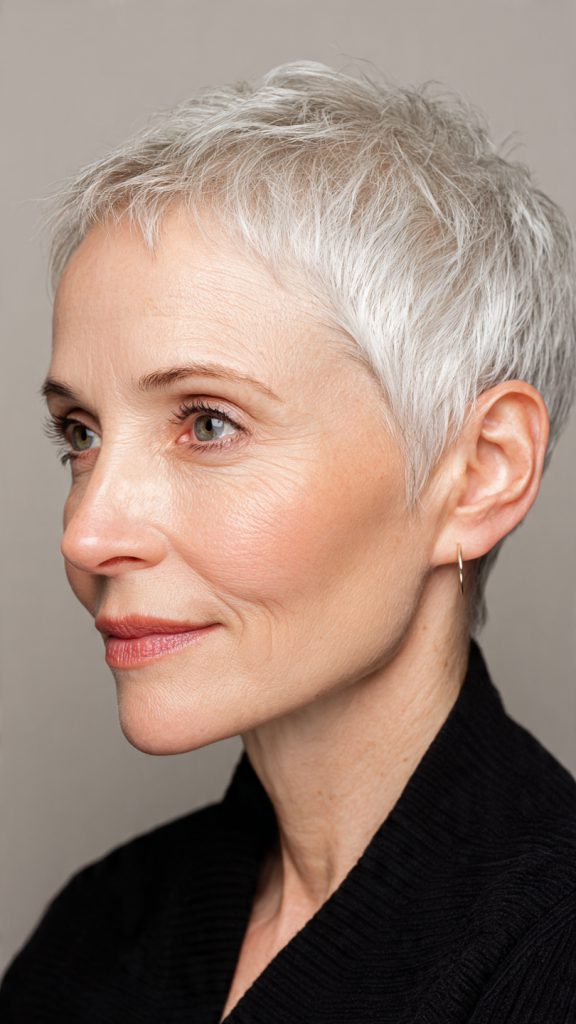
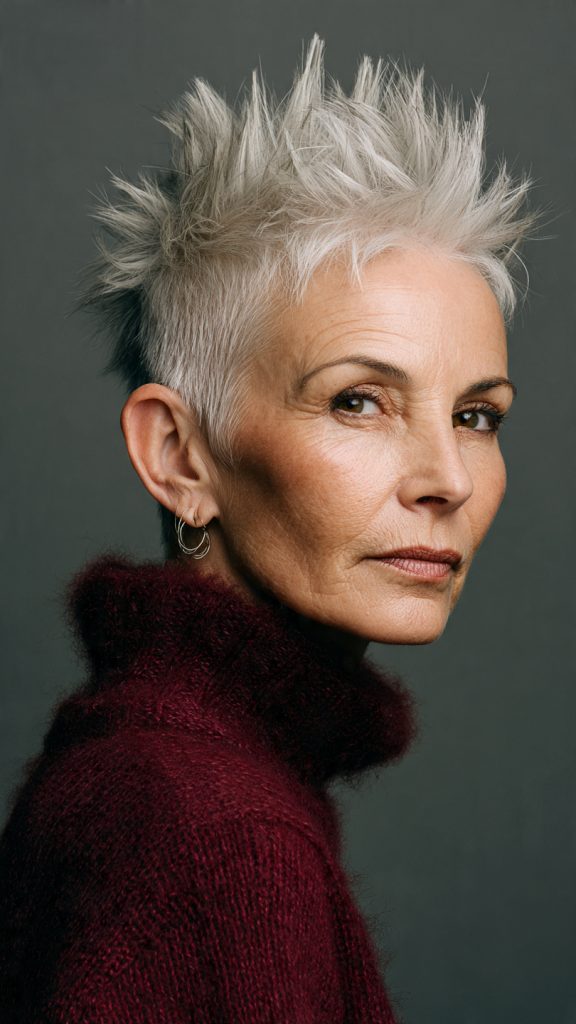
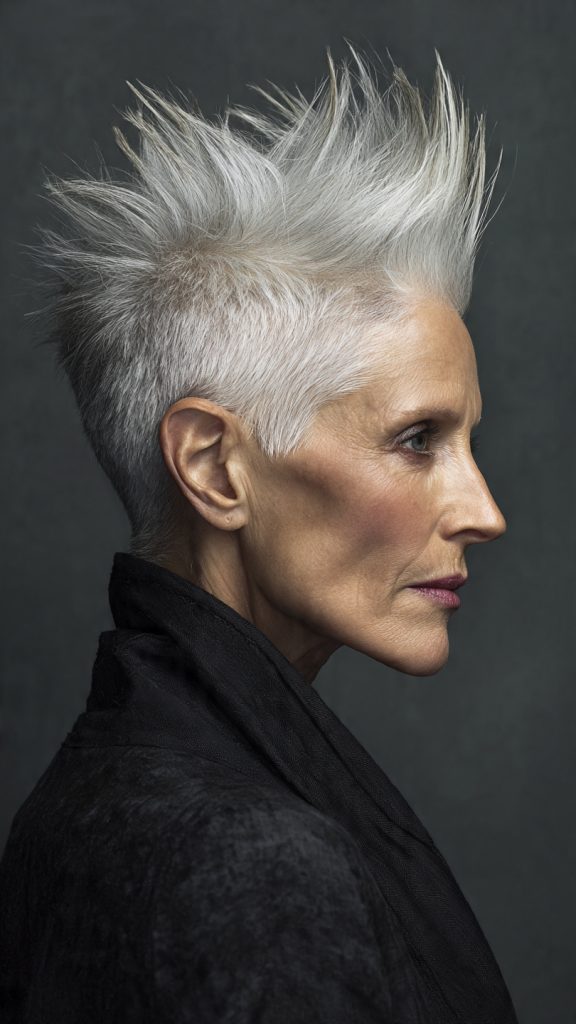
    Why it works: The classic pixie is short on the sides and back with slightly longer layers on top. It is timeless, elegant, and incredibly forgiving. For older women, this cut removes bulk while keeping enough length on top to add volume exactly where you need it.

    How to style: Apply a lightweight mousse to damp hair, focusing on the crown. Blow-dry using a small round brush to lift the roots. Or let it air-dry and use your fingers to tousle the top. A pea-sized amount of styling paste adds texture without stiffness.

    Best face shapes: Oval, heart, and oblong. The height on top balances rounder faces beautifully.

    Maintenance: Trim every 4 to 6 weeks to keep the shape crisp.

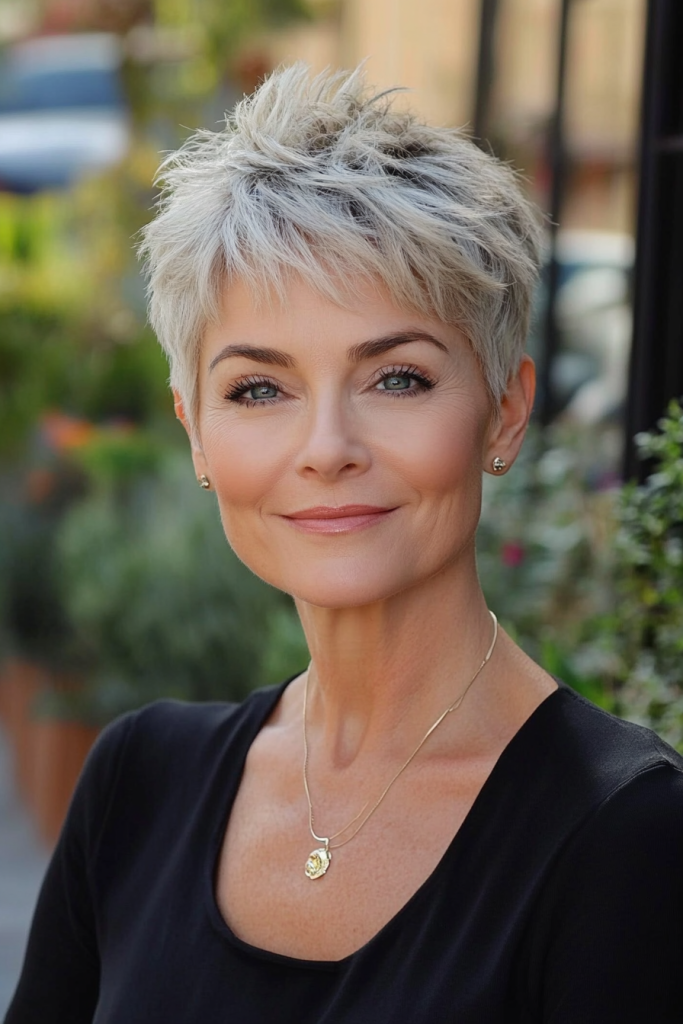
    2. The Textured Pixie with Side-Swept Bangs

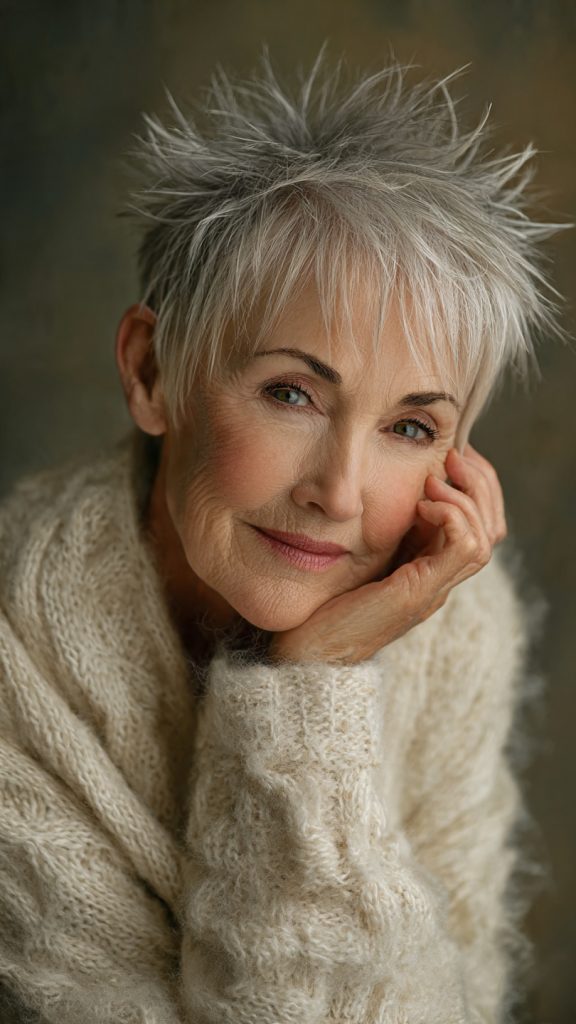
    Why it works: Adding side-swept bangs to a pixie softens the forehead and draws attention upward. The texture throughout the top creates the illusion of thicker hair. This is an excellent choice if you have fine hair that tends to lie flat against your head.

    How to style: Apply a volumizing spray to damp hair. Blow-dry the bangs to one side using a flat brush. Use your fingers to lift the rest of the hair while drying. Finish with a light hold hairspray. No round brush required.

    Best face shapes: Round, square, and heart. The diagonal line of the bangs breaks up width.

    Maintenance: Bangs may need trimming every 3 to 4 weeks. The rest of the cut every 5 to 6 weeks.

    3. The Short Layered Bob

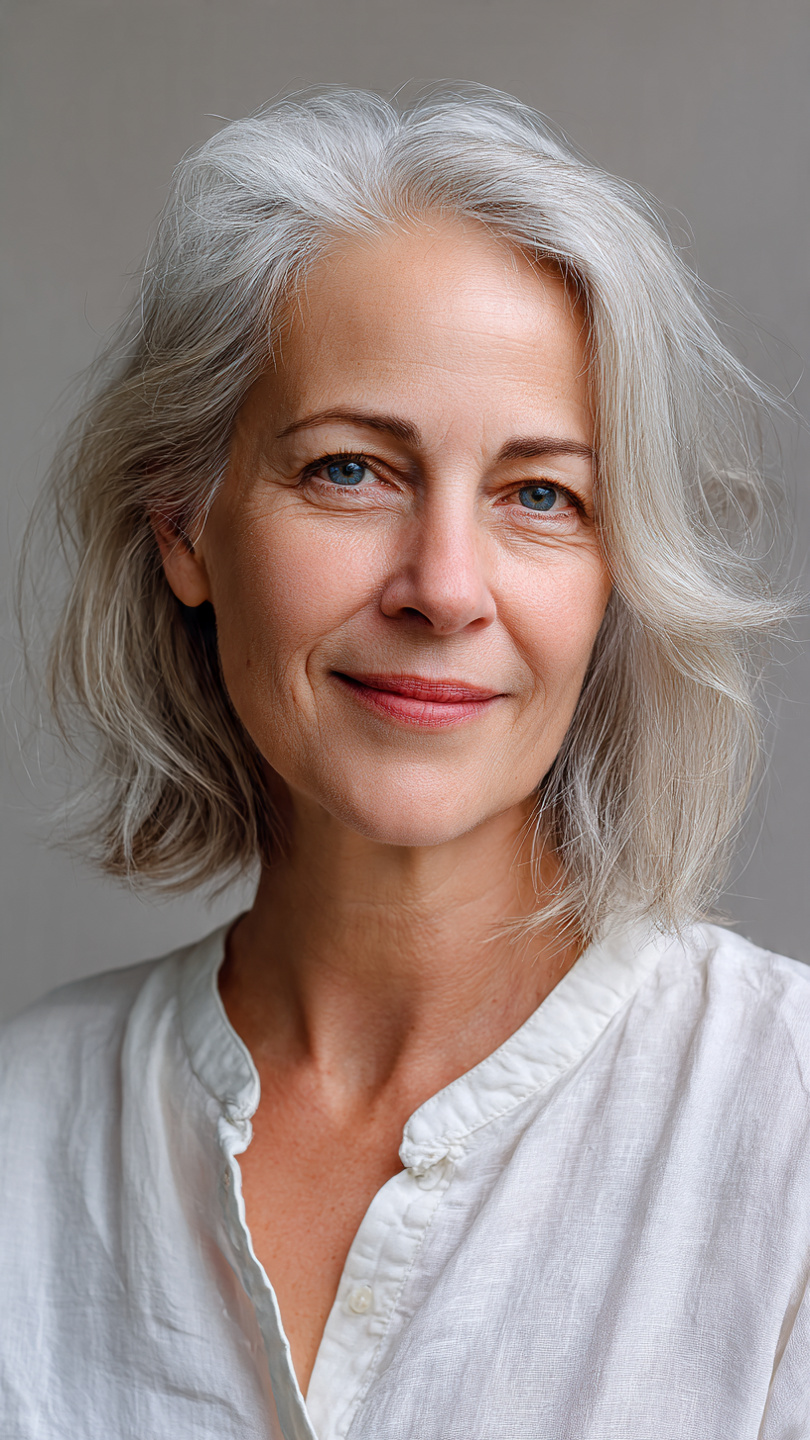
    Why it works: A bob that hits between the ear and the chin offers more coverage than a pixie while still being short. Layers throughout remove weight and add movement. For older women who are not ready for a very short cut, this is the perfect bridge.

    How to style: Apply a leave-in conditioner and a light mousse. Blow-dry using a round brush, turning the ends under slightly. Or let it air-dry for a softer, more casual look. The layers do most of the work for you.

    Best face shapes: Oval, round, and square. The length at the chin softens jawlines.

    Maintenance: Trim every 6 to 8 weeks.

    4. The Curly Short Crop

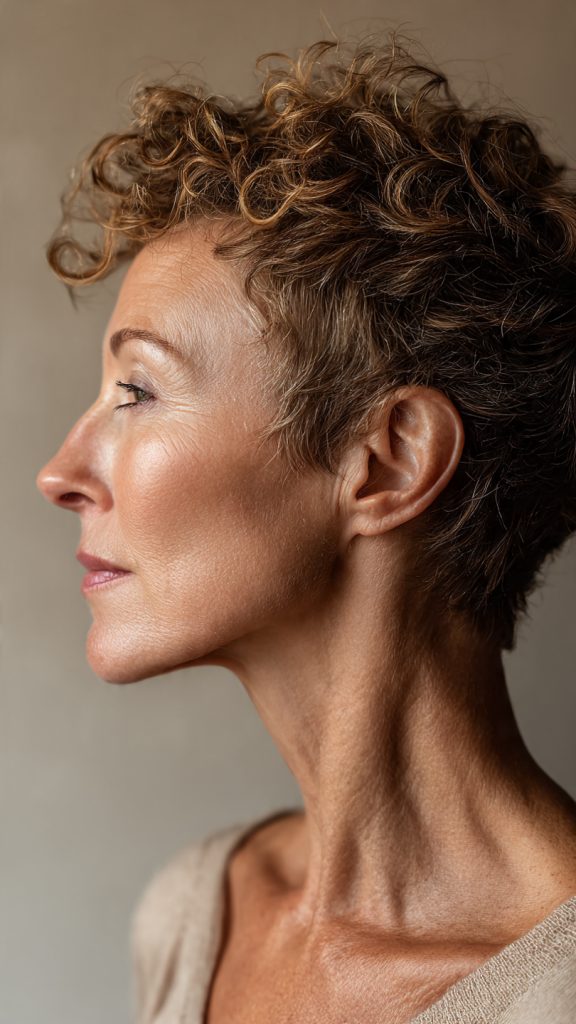
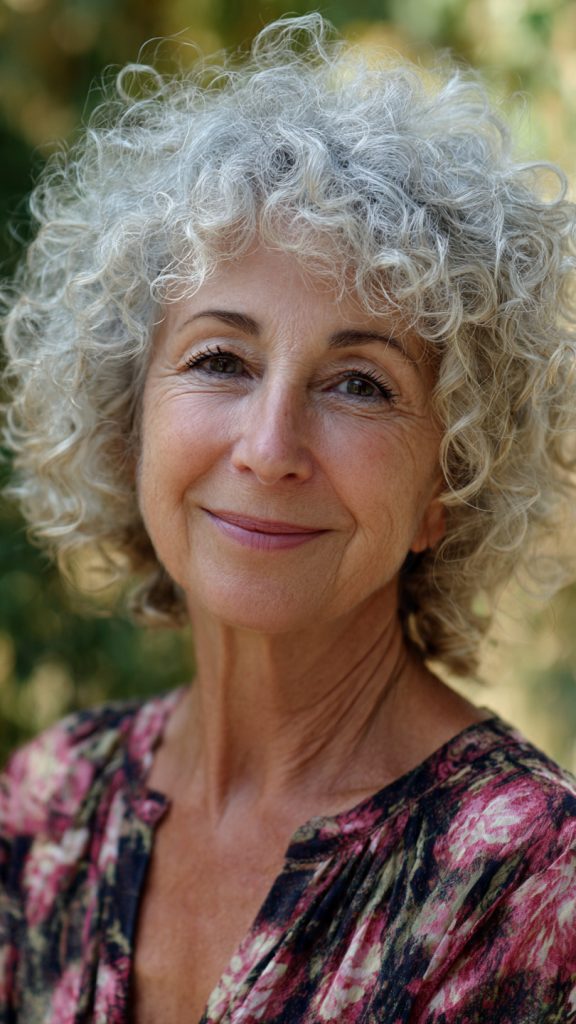
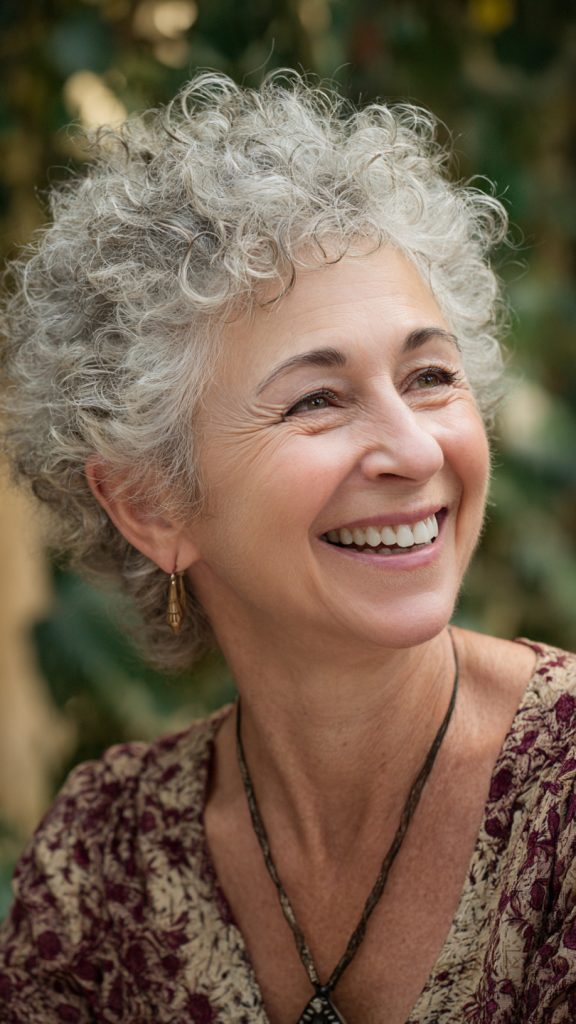
    Why it works: If you have natural curls or waves, a short crop lets them shine without the weight that pulls them down. The hair is cut to follow your natural curl pattern, creating a soft, rounded shape. This cut celebrates texture rather than fighting against it.

    How to style: Wash with a sulfate-free shampoo. Apply a curl cream to soaking wet hair. Use your fingers to scrunch upward. Let air-dry or diffuse on low heat. Do not brush. Do not comb. Just scrunch and go.

    Best face shapes: Oval, heart, and diamond. The softness of the curls balances angular features.

    Maintenance: Trim every 6 to 8 weeks. Deep condition weekly to keep curls hydrated.

    5. The Soft Pixie with Wispy Layers

    Why it works: Wispy layers on top create feathery movement that looks soft and feminine. This version of the pixie avoids harsh lines. The edges around the ears and nape are kept natural rather than shaved. It is a gentler, more romantic take on short hair.

    How to style: Apply a volumizing mousse. Blow-dry using a flat brush, lifting at the roots. Use your fingers to separate the wispy pieces. A tiny amount of light hairspray keeps everything in place without any crunch.

    Best face shapes: Oval, heart, and oblong. The softness flatters thinner faces.

    Maintenance: Trim every 5 to 6 weeks.

    6. The Modern Shag for Short Hair

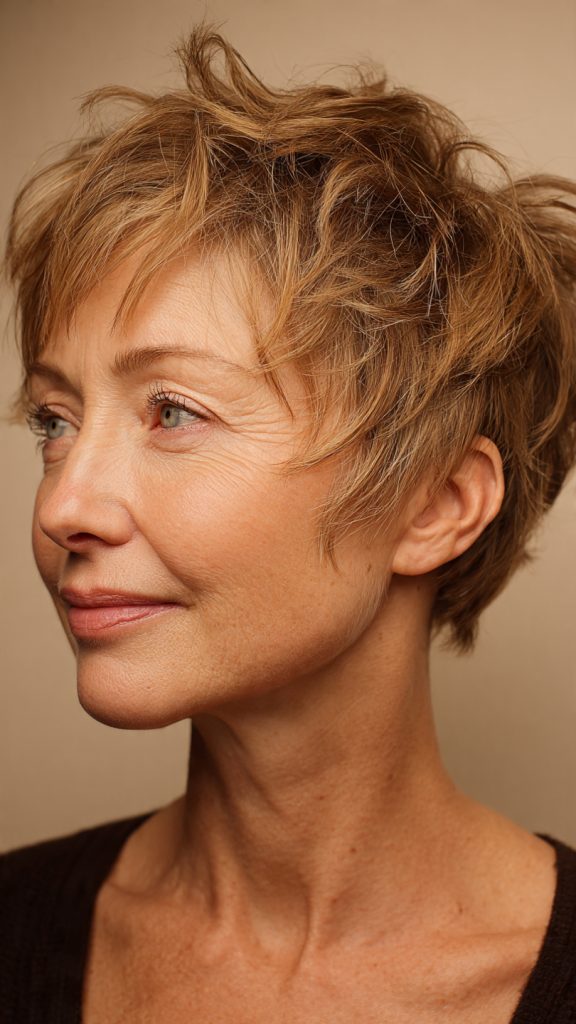
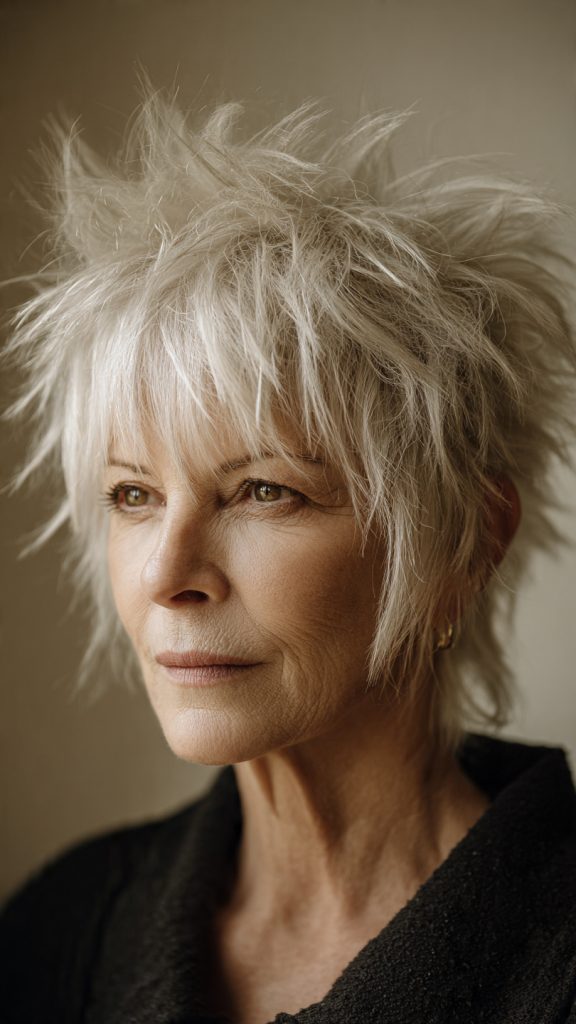
    Why it works: The shag cut features choppy layers throughout, creating volume and texture. On short hair, a shag looks edgy but not extreme. The layers give fine hair the illusion of density. The piece-y ends add movement and interest.

    How to style: Apply a texturizing spray or sea salt spray to damp hair. Blow-dry using your fingers to lift and separate. Do not over-brush. The goal is piece-y, not puffy. Finish with a flexible hold paste.

    Best face shapes: Oval, square, and heart. The choppiness softens strong jawlines.

    Maintenance: Trim every 5 to 7 weeks. The lived-in look of a shag means it grows out gracefully.

    7. The Tapered Cut with Volume at the Crown

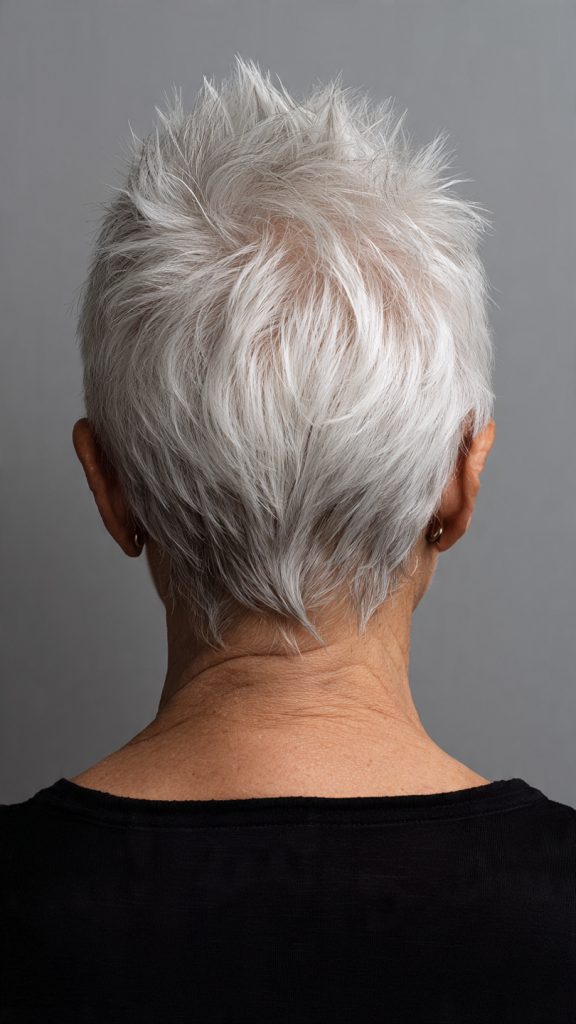
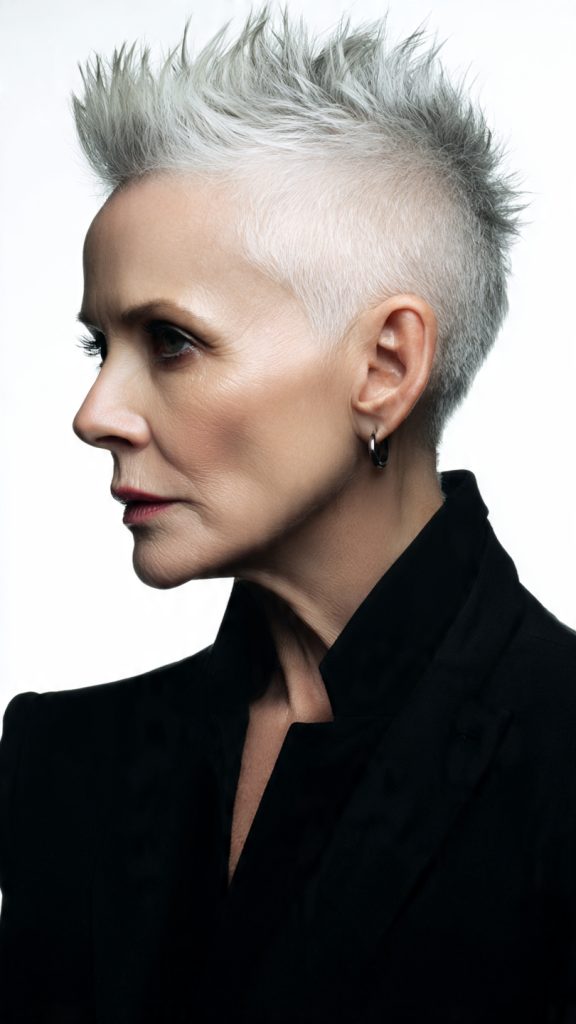
    Why it works: This cut keeps the sides and back very short while concentrating length and volume right at the crown. The contrast between the close sides and the lifted top creates a flattering silhouette that draws the eye upward. It is excellent for women with very fine or thinning hair.

    How to style: Apply a root-lifting spray to the crown area. Blow-dry using a small round brush, lifting straight up. The sides need no styling. Finish with a light mist of hairspray.

    Best face shapes: Oval, round, and heart. The height elongates round faces.

    Maintenance: The sides need refreshing every 3 to 4 weeks. The crown every 5 to 6 weeks.

    8. The Chin-Length Bob with Soft Layers

    Why it works: Longer than a traditional short cut but still short enough to be easy, the chin-length bob offers versatility. Soft layers throughout prevent the dreaded triangle shape that can happen with blunt cuts. This style works on straight, wavy, or slightly curly hair.

    How to style: Apply a smoothing cream and blow-dry using a round brush. Tuck the ends under slightly. For a more casual look, let it air-dry and use a flat iron to add a slight bend to the ends.

    Best face shapes: Oval, round, and square. The chin length balances wider jawlines.

    Maintenance: Trim every 6 to 8 weeks.

    9. The Short Feathery Cut

    Why it works: Feathering refers to the way the ends are cut — light, airy, and almost fringed. A feathery short cut has no heavy lines. The hair seems to float around your face. This is an especially flattering choice for women with fine or thin hair because it creates the illusion of fullness without adding weight.

    How to style: Apply a lightweight mousse. Blow-dry using a flat brush, lifting at the roots. Do not over-brush. The feathered ends should look soft and separated, not flat. A dry texture spray adds instant volume.

    Best face shapes: All face shapes. The softness of the feathering is universally flattering.

    Maintenance: Trim every 5 to 6 weeks.

    10. The Wash-and-Wear Pixie

    Why it works: Some days you do not want to pick up a blow-dryer. The wash-and-wear pixie is designed for exactly those days. The cut is shaped so that air-drying looks intentional. Layers are placed to fall naturally without any styling needed.

    How to style: Wash and condition. Towel-dry gently. Apply a leave-in conditioner and a light gel or mousse. Use your fingers to push the hair in the direction you want it to dry. Let it air-dry completely. That is it.

    Best face shapes: Oval, round, and heart. The natural fall of the hair softens features.

    Maintenance: Trim every 4 to 5 weeks. A good cut is essential for wash-and-wear success.

    How to Choose the Right Short Cut for You

    Ask yourself these three questions before your salon visit:

    1. How much time do you want to spend on your hair each day?

    • Under 5 minutes: Wash-and-wear pixie, tapered cut, curly short crop
    • 5 to 10 minutes: Classic pixie, textured pixie, short layered bob
    • 10 to 15 minutes: Chin-length bob, soft pixie with wispy layers

    2. What is your natural hair texture?

    • Fine or thinning: Textured pixie, modern shag, short feathery cut, tapered cut
    • Curly or wavy: Curly short crop, wash-and-wear pixie
    • Straight or heat-styled: Classic pixie, chin-length bob, short layered bob

    3. How often can you visit the salon?

    • Every 3 to 4 weeks: Tapered cut, textured pixie with side-swept bangs
    • Every 5 to 6 weeks: Classic pixie, soft pixie with wispy layers, feathery cut
    • Every 6 to 8 weeks: Short layered bob, chin-length bob, curly crop

    What to Tell Your Stylist

    Bring a photo of one or two styles from this guide. Then say this:

    *”I am looking for short hairstyles for older women that are easy to maintain and flatter my features. My hair is [fine / curly / straight / thinning]. I want [a pixie / a bob / a tapered cut]. I am willing to spend [5 / 10] minutes styling it daily. I can come in for trims every [4 / 6 / 8] weeks. What do you recommend for my face shape and hair type?”*

    If you have thinning hair, add: “Please use layering to create the illusion of volume without removing too much density.”

    Maintenance Tips for Older Women with Short Hair

    Washing: Short hair does not need daily washing. Wash every 2 to 3 days with a moisturizing shampoo. Use dry shampoo in between to absorb oil at the roots.

    Conditioning: Use a conditioner every time you wash. For very fine hair, apply conditioner only from the mid-lengths to ends, avoiding the roots.

    Volume tips: Blow-dry your hair upside down for 30 seconds before styling. Use root-lifting sprays or powders. Avoid heavy products like butters and thick creams — they weigh short hair down.

    Nighttime care: Sleep on a satin pillowcase to reduce friction and prevent flattening. For pixies and crops, no wrapping is needed. For short bobs, a loose satin bonnet works well.

    Products to embrace: Lightweight mousse, root-lifting spray, dry shampoo, texturizing spray, flexible hold hairspray.

    Products to avoid: Heavy oils, thick butters, waxes, pomades. These make fine hair look greasy and flat.

    The Confidence Factor

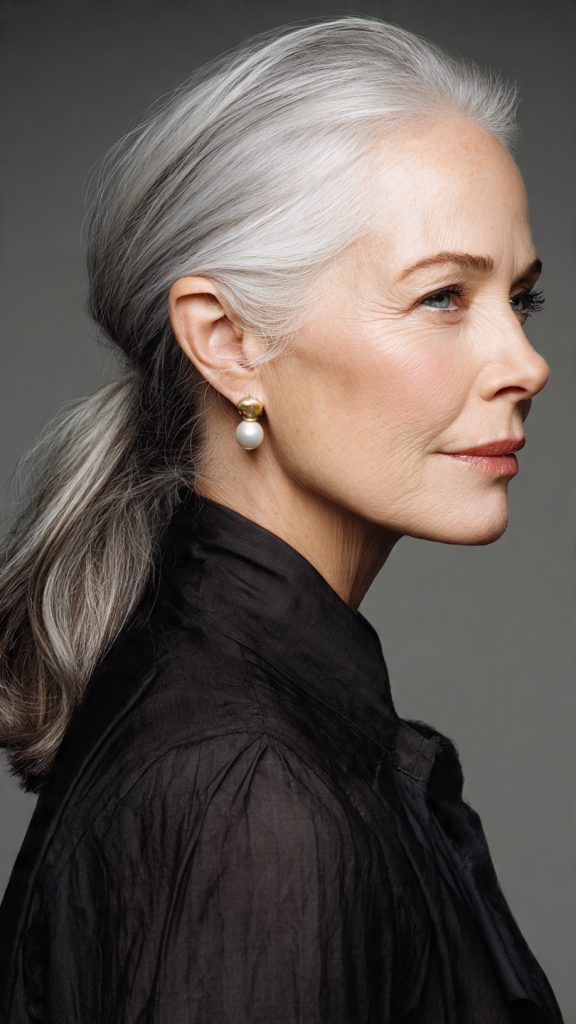
    Here is something no stylist will tell you but every older woman should know: the most beautiful thing about short hair is the woman wearing it. A woman who has lived, who has loved, who has survived, and who still shows up every day with curiosity and courage — that woman looks stunning in any haircut. Short hair just makes her look like she knows it. So do not let anyone tell you that you are too old for a pixie or that short hair is only for young women. That is nonsense. You have earned the right to wear your hair exactly how you want. Short, long, curly, straight, gray, or purple. It is your head. It is your life. Wear it with joy.

    Final Thoughts

    Turning a certain age is not an ending. It is a new chapter. And your hair should reflect the energy, wisdom, and confidence that come with that chapter. The ten short hairstyles above range from wash-and-wear simple to elegantly polished. The classic pixie never goes out of style. The textured pixie with side-swept bangs softens and frames. The short layered bob offers coverage with movement. The curly crop celebrates natural texture. The modern shag adds edge. The tapered cut creates volume exactly where you need it. Pick the style that makes you feel like yourself — maybe a younger version of yourself, or maybe an entirely new version. Bring your photo. Talk to your stylist. And enjoy the freedom that comes with a great short haircut.

    Which of these ten styles caught your eye? Drop a comment below and let us know. And if you found this guide helpful, share it with a friend who has been thinking about going short.

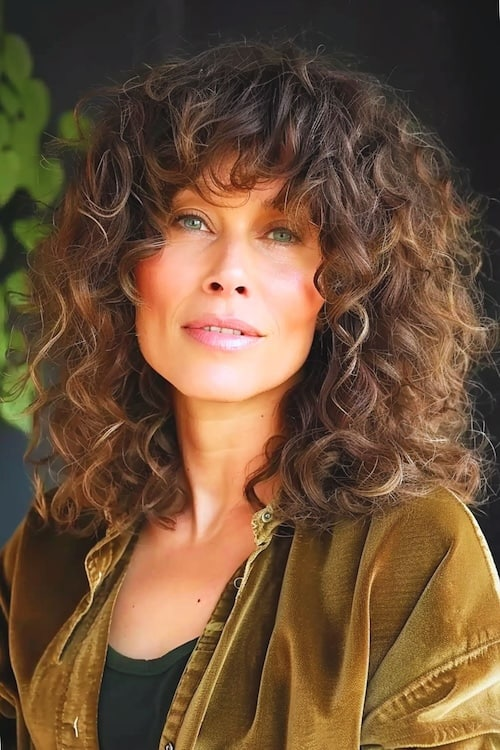
  • 22 Long Curly Haircuts with Layers for Women That Bring Bounce, Shape, and Definition

    22 Long Curly Haircuts with Layers for Women That Bring Bounce, Shape, and Definition

    Long curly hair is a gift. But without the right cut, those beautiful curls can turn into a heavy, triangular mess that lacks shape and movement. That is where long curly haircuts with layers for women come in. The right layers remove weight, add bounce, and give your curls the definition they have been craving. No more flat roots and pyramid-shaped ends. No more curls that lose their shape by lunchtime. This guide walks you through twenty-two layered options specifically designed for long curly hair, plus exactly how to style them and what to tell your stylist.

    Why Layers Are Essential for Long Curly Hair

    Curly hair behaves differently than straight hair. It shrinks when dry. It expands outward. It gets heavier as it grows longer. Without layers, long curly hair often turns into a triangle — wide at the bottom and flat at the crown. Layers solve all of these problems. They remove weight from the ends, allowing your curls to spring up. They add volume at the crown where curls tend to flatten. And they create shape and movement throughout. The twenty-two layered cuts below range from subtle internal layers to dramatic face-framing ones. Each includes why it works, how to style it, best curl types, and maintenance needs.

    1. The Long Layered Curly Cut

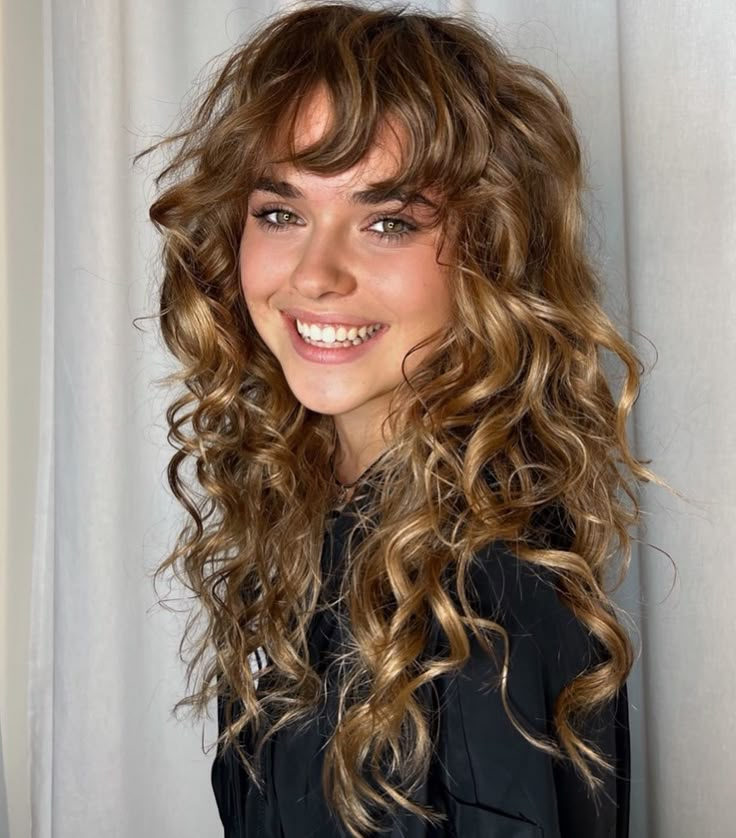
    Why it works: This is the classic layered cut for long curly hair. Layers are cut throughout, removing weight from the ends while keeping length. The result is a rounded shape that follows your natural curl pattern. This cut works on all curl types.

    How to style: Apply a curl cream to soaking wet hair. Use your fingers or a wide-tooth comb to distribute. Scrunch upward. Let air-dry or diffuse. The layers will naturally create bounce and definition.

    Best curl types: Type 3A to 4A.

    Maintenance: Trim every 8 to 10 weeks.

    2. The Face-Framing Layers

    Why it works: Face-framing layers are shorter pieces around your face that start at the cheekbones or chin. They soften your features and draw attention to your eyes. The rest of your hair remains long and layered throughout.

    How to style: Apply a curl cream to wet hair. Define the face-framing pieces separately from the rest of your curls. Let everything air-dry or diffuse. The face-framing layers will naturally fall forward.

    Best curl types: Type 3A to 4C.

    Maintenance: Trim every 8 to 10 weeks.

    3. The Curly Shag with Long Layers

    Why it works: The shag cut features choppy layers throughout, with the shortest layers at the crown and longer pieces around the face. On long curly hair, a shag creates incredible volume and texture. The choppiness removes weight and adds movement.

    How to style: Apply a texturizing spray or curl cream to damp hair. Blow-dry using a diffuser, lifting at the roots. Do not over-brush. The choppy ends should look piece-y and intentional.

    Best curl types: Type 3A to 4A.

    Maintenance: Trim every 8 to 10 weeks. The lived-in shag grows out gracefully.

    4. The Long Layers with Curtain Bangs

    Why it works: Curtain bangs are parted down the middle and curve to each side. When paired with long layers, the bangs blend seamlessly into the face-framing pieces. The open center softens your forehead and draws attention to your eyes.

    How to style: Apply a curl cream to wet hair. Define the curtain bangs separately, directing them to each side. Let everything air-dry or diffuse. Do not brush.

    Best curl types: Type 3A to 4A.

    Maintenance: Bangs need trimming every 5 to 6 weeks. The rest every 8 to 10 weeks.

    5. The Invisible Layers (Internal Layers)

    Why it works: Invisible layers — also called internal layers — are cut into the interior of your hair without changing the outer length. They remove weight from the inside, allowing your curls to bounce up without looking like you have obvious layers.

    How to style: Style as you normally would with your favorite curl products. You will not see the layers, but you will feel the difference. Your curls will be lighter and bouncier.

    Best curl types: Type 3B to 4C. Especially good for thick curls.

    Maintenance: Trim every 8 to 10 weeks.

    6. The Long Layers with Side-Swept Bangs

    Why it works: Side-swept bangs create a diagonal line across your forehead. When combined with long layers, the bangs blend into the face-framing pieces. The diagonal line is slimming and softens your features.

    How to style: Apply a curl cream to wet hair. Define the side-swept bangs, directing them to one side. Let everything air-dry or diffuse. A tiny amount of gel keeps the bangs in place.

    Best curl types: Type 3A to 4A.

    Maintenance: Bangs need trimming every 4 to 5 weeks.

    7. The V-Shaped Layered Cut

    Why it works: A V-shaped cut has layers that are shorter at the crown and gradually longer toward the ends, creating a V shape in the back. This shape removes significant weight from the ends, allowing your curls to bounce up dramatically.

    How to style: Apply a curl cream to wet hair. Scrunch upward. Diffuse upside down for maximum volume. The V-shape will appear naturally as your curls dry.

    Best curl types: Type 3A to 4A.

    Maintenance: Trim every 8 to 10 weeks.

    8. The Long Layers with a Middle Part

    Why it works: A middle part creates symmetry and allows your curls to fall evenly on both sides. Long layers throughout prevent the hair from looking too heavy. This is a simple, elegant look that works on most curl types.

    How to style: Create a precise middle part while your hair is wet. Apply curl cream and style as usual. The middle part will stay in place as your curls dry.

    Best curl types: Type 3A to 4A.

    Maintenance: Trim every 8 to 10 weeks.

    9. The Disconnected Layers

    Why it works: Disconnected layers do not blend into each other. There are visible jumps in length between layers. This is an edgy, modern take on layered curls. The disconnection creates maximum texture and volume.

    How to style: Apply a curl cream and a texturizing spray to wet hair. Diffuse upside down. The disconnected layers will create piece-y, separated curls. Embrace the imperfection.

    Best curl types: Type 3A to 4A.

    Maintenance: Trim every 8 to 10 weeks.

    10. The Long Layers with a Deep Side Part

    Why it works: A deep side part creates immediate volume at the crown. The hair on the larger side of the part falls across your forehead, creating a diagonal line. Long layers throughout keep the weight off your curls.

    How to style: Create a deep side part — think 70/30 or 80/20. Apply curl cream and style as usual. Diffuse with your head tilted to the deeper side for extra volume.

    Best curl types: Type 3A to 4C.

    Maintenance: Trim every 8 to 10 weeks.

    11. The Long Layers for Tight Curls (4B-4C)

    Why it works: Tight curls need a different approach. Layers should be more subtle to prevent your hair from looking choppy or uneven. Long, internal layers remove weight without changing the outer shape too dramatically.

    How to style: Apply a rich curl cream or butter to wet hair. Use your fingers to define individual curls. Let air-dry or sit under a hooded dryer. The subtle layers will add bounce without disrupting your curl pattern.

    Best curl types: Type 4B to 4C.

    Maintenance: Trim every 10 to 12 weeks.

    For more tight curl guidance, explore these [INTERNAL LINK: short hairstyles for black women] — many of the product recommendations apply.

    12. The Long Layers with Bottleneck Bangs

    Why it works: Bottleneck bangs are shorter in the center and longer at the sides, creating a bottleneck shape. When paired with long layers, the bangs blend into the face-framing pieces. The open center softens your forehead.

    How to style: Apply a curl cream to wet hair. Define the bottleneck bangs, directing the center pieces forward and the side pieces outward. Let air-dry or diffuse.

    Best curl types: Type 3A to 4A.

    Maintenance: Bangs need trimming every 5 to 6 weeks.

    13. The Long Layers with Curly Fringe

    Why it works: A curly fringe — also called curly bangs — adds volume and interest at the front of your hair. The fringe should be cut dry so your stylist can see exactly where each curl falls. Long layers throughout keep the rest of your hair light and bouncy.

    How to style: Apply a curl cream to wet hair. Define the fringe separately from the rest of your curls. Let everything air-dry or diffuse. Do not brush the fringe forward — let it fall naturally.

    Best curl types: Type 3A to 4A.

    Maintenance: Fringe needs trimming every 4 to 5 weeks.

    14. The Long Layers for Fine Curly Hair

    Why it works: Fine curly hair needs layers that add volume without removing too much density. Long, subtle layers are the answer. They remove just enough weight to allow your curls to bounce up without making the ends look see-through.

    How to style: Apply a lightweight mousse or curl foam to wet hair. Diffuse upside down for maximum volume. Avoid heavy creams and butters — they will weigh fine curls down.

    Best curl types: Type 3A to 3C with fine texture.

    Maintenance: Trim every 8 to 10 weeks.

    15. The Long Layers for Thick Curly Hair

    Why it works: Thick curly hair needs layers that remove significant weight. Heavy layers or a shag cut are excellent choices. The goal is to take out enough bulk so your curls can move freely without losing their natural volume.

    How to style: Apply a curl cream and a gel to wet hair. Diffuse until mostly dry. The layers will prevent your hair from looking too wide or triangular.

    Best curl types: Type 3A to 4A with thick texture.

    Maintenance: Trim every 8 to 10 weeks.

    16. The Long Layers with a U-Shaped Back

    Why it works: A U-shaped cut has layers that are shorter at the sides and longer in the middle, creating a U shape in the back. This shape removes weight from the sides while keeping length in the center. It is softer than a V-shape.

    How to style: Apply a curl cream to wet hair. Scrunch upward. Diffuse. The U-shape will appear naturally as your curls dry.

    Best curl types: Type 3A to 4A.

    Maintenance: Trim every 8 to 10 weeks.

    17. The Long Layers with Wispy Ends

    Why it works: Wispy ends are cut with point-cutting or razor techniques to create soft, feathery tips. The wispiness removes weight from the very ends of your hair, allowing your curls to bounce up instead of hanging heavy.

    How to style: Apply a lightweight curl cream to wet hair. Let air-dry or diffuse. The wispy ends will look soft and separated.

    Best curl types: Type 3A to 4A, especially fine curls.

    Maintenance: Trim every 8 to 10 weeks.

    18. The Long Layers for Curly Hair with Heat Damage

    Why it works: If you have heat-damaged curls — straight pieces mixed with curly pieces — long layers can help blend the textures. The layers remove the most damaged ends while keeping length. Over time, as you trim away the damage, your healthy curls will emerge.

    How to style: Apply a bond-building treatment or protein treatment to strengthen damaged areas. Use a curl cream to define the healthy curls. Diffuse on low heat.

    Best curl types: All curl types with heat damage.

    Maintenance: Trim every 6 to 8 weeks until damage is gone.

    19. The Long Layers with Caramel or Balayage Highlights

    Why it works: Color adds dimension to layered curly hair. Caramel, honey, or balayage highlights catch the light differently on each layer, creating depth and movement. The color enhances the layers, and the layers enhance the color.

    How to style: Style as usual with curl cream and gel. Use color-safe shampoo and conditioner to preserve the highlights. Purple shampoo for blondes.

    Best curl types: Type 3A to 4A.

    Maintenance: Color needs refreshing every 3 to 6 months. Cut every 8 to 10 weeks.

    20. The Long Layers with a Curly Mullet

    Why it works: The curly mullet is having a major comeback. It features shorter layers at the crown and sides, with long layers in the back. The result is edgy, modern, and full of volume. This is not for the timid.

    How to style: Apply a curl cream and a texturizing spray to wet hair. Diffuse, lifting the crown pieces for maximum height. The long back pieces should hang loose.

    Best curl types: Type 3A to 4A.

    Maintenance: Trim every 6 to 8 weeks.

    21. The Long Layers for Curly Hair with an Undercut

    Why it works: An undercut removes the hair from the nape or sides. When you wear your hair down, the undercut is hidden, but it removes significant weight. When you wear your hair up, the undercut is revealed. This is for women who want hidden edge.

    How to style: Style the long layered curls as usual. The undercut requires no daily styling. For a dramatic reveal, pull your hair into a high ponytail or bun.

    Best curl types: Type 3A to 4C with thick hair.

    Maintenance: The undercut needs refreshing every 2 to 3 weeks. The layers every 8 to 10 weeks.

    22. The Low-Maintenance Long Layers

    Why it works: Not every woman wants to spend an hour on her curls. Low-maintenance long layers are cut so that air-drying looks intentional. The layers are subtle. The shape is forgiving. This is the layered cut for women who want bounce without effort.

    How to style: Wash and condition. Towel-dry gently. Apply a leave-in conditioner and a light gel. Use your fingers to arrange your curls. Let it air-dry completely. That is it.

    Best curl types: Type 3A to 4A.

    Maintenance: Trim every 10 to 12 weeks.

    How to Choose the Right Layered Cut for Your Curls

    Ask yourself these three questions before booking your appointment:

    1. How much volume do you want?

    • Maximum volume: Curly shag, disconnected layers, V-shaped cut, curly mullet
    • Moderate volume: Long layered cut, face-framing layers, U-shaped cut
    • Subtle volume: Invisible layers, long layers for tight curls, low-maintenance layers

    2. What is your curl type?

    • Loose curls (3A-3B): Long layered cut, face-framing layers, curtain bangs, V-shaped cut
    • Tight curls (3C-4A): Curly shag, invisible layers, U-shaped cut, long layers with undercut
    • Coily (4B-4C): Long layers for tight curls, invisible layers, low-maintenance layers

    3. Do you want bangs?

    • Yes, soft: Curtain bangs, side-swept bangs, bottleneck bangs
    • Yes, bold: Curly fringe, micro bangs (on a stylist’s recommendation)
    • No bangs: Any of the other options

    What to Tell Your Stylist

    Bring a photo of two or three styles from this guide. Then say this exactly:

    *”I want long curly haircuts with layers for women that add bounce and remove weight. My curl type is [3A / 3B / 3C / 4A / 4B / 4C]. Please cut my hair dry so you can see where each curl falls. Use layers to remove weight from the ends, but do not take too much length off. I want [face-framing layers / a shag / invisible layers / curtain bangs]. I am willing to spend [5 / 10 / 15] minutes styling it daily.”*

    If you have thin or fine curls, add: “Please use subtle layers so my ends do not look see-through.”

    If you have thick curls, add: “Please remove significant weight from the interior. My curls feel heavy.”

    Styling Products for Long Layered Curls

    For definition:

    • Curl cream (medium hold)
    • Curl gel (stronger hold)
    • Leave-in conditioner

    For volume:

    • Root-lifting spray
    • Volumizing mousse
    • Diffuser attachment for your hairdryer

    For texture:

    • Texturizing spray
    • Sea salt spray (use sparingly)

    Tools to own:

    • Wide-tooth comb (for detangling wet hair only)
    • Microfiber towel or cotton t-shirt (for drying)
    • Diffuser
    • Satin bonnet or pillowcase (for sleeping)

    How to Style Long Layered Curls

    Step-by-step:

    1. Wash with sulfate-free shampoo. Condition generously.
    2. Detangle with a wide-tooth comb while conditioner is in.
    3. Rinse with cool water to seal the cuticle.
    4. Apply leave-in conditioner to soaking wet hair.
    5. Apply curl cream or gel using the “praying hands” method.
    6. Scrunch upward to encourage curl formation.
    7. Plop in a microfiber towel for 10-15 minutes.
    8. Diffuse upside down or let air-dry.
    9. Once completely dry, scrunch out the crunch with a drop of oil.

    Final Thoughts

    Twenty-two long curly haircuts with layers for women. Classic long layers that add bounce. Face-framing layers that soften your features. Curly shags that create volume and edge. Invisible layers that remove weight without changing your length. V-shaped and U-shaped cuts that shape your silhouette. Layers for tight curls and loose curls. Layers for fine curls and thick curls. Layers with bangs and without. Each one designed to do the same thing: give your long curls the shape, definition, and movement they deserve. Pick the cut that matches your curl type and your personality. Find a stylist who knows curly hair — ideally one who cuts it dry. And watch your curls transform from heavy and triangular to light, bouncy, and beautiful.

    Which of these twenty-two long curly haircuts with layers for women will you try at your next appointment? Drop a comment below and let us know. And if this guide helped you, share it with a curly-haired friend who needs more bounce in her life.

  • 19 Bangs for Women Over 60 That Soften, Refresh, and Take Years Off Your Look

    19 Bangs for Women Over 60 That Soften, Refresh, and Take Years Off Your Look

    There is something magical about bangs. They can hide forehead lines, draw attention to your eyes, and make you look instantly more awake. And yes, bangs for women over 60 are not only allowed — they are downright transformative. The right fringe softens your features, conceals thinning at the temples, and adds a modern touch to any haircut. Whether you have fine hair, curly hair, a pixie, or a bob, there is a bang style waiting for you. This guide walks you through nineteen options specifically chosen for women over 60, plus exactly how to style them and what to tell your stylist.

    Why Bangs Are a Game-Changer After 60

    As we age, our faces change. Forehead lines become more pronounced. The temples may thin. The skin around the eyes loses some of its former elasticity. Bangs address all of these changes beautifully. They soften the appearance of forehead lines without trying to hide them completely. They conceal thinning at the hairline. They frame your eyes and draw attention upward. And perhaps most importantly, bangs make you look like you made an effort — even on days when you barely brushed your hair. The nineteen styles below range from soft and wispy to bold and full. Each includes why it works, how to style it, best face shapes, and maintenance needs.
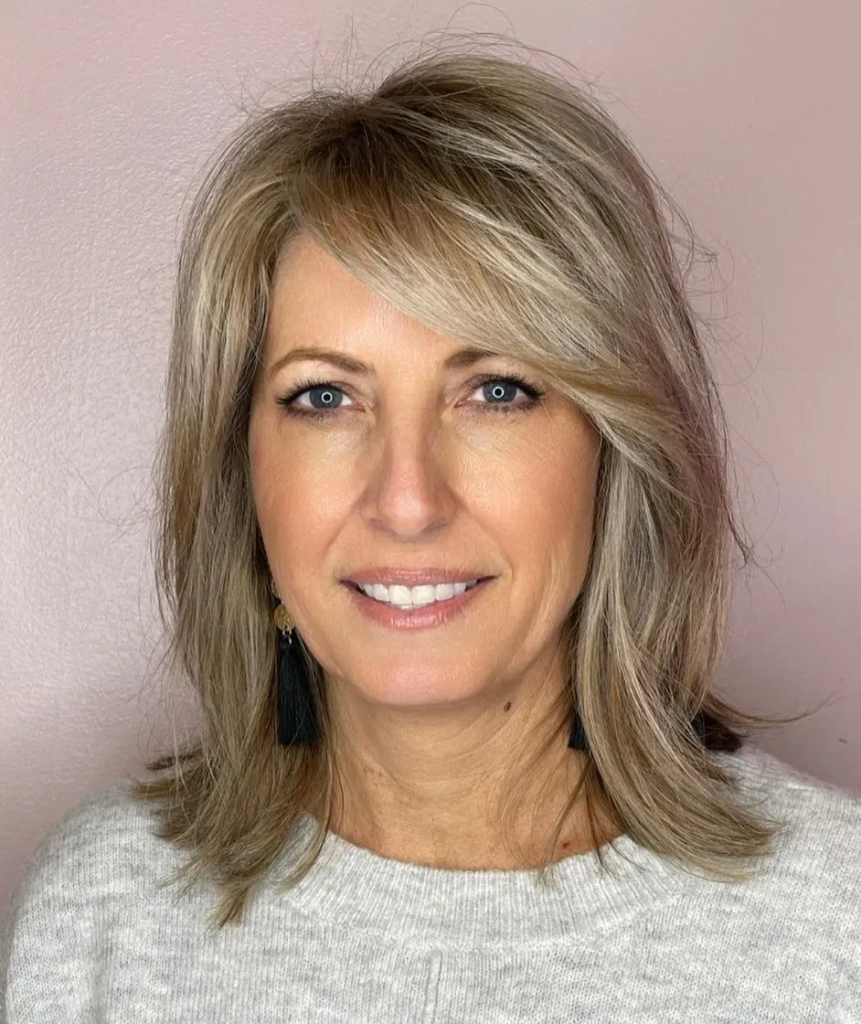
    1. The Soft Wispy Bangs

    Why it works: Wispy bangs are light, airy, and barely there. They are cut with point-cutting or razor techniques to create soft, feathery ends. For women over 60, wispy bangs are the most forgiving option because they blend easily into the rest of your hair and require almost no maintenance.

    How to style: Apply a lightweight mousse or styling cream to damp hair. Blow-dry the bangs using a small round brush, directing them to one side or letting them fall naturally. The wispy ends should look soft and separated.

    Best face shapes: Oval, heart, and oblong. The softness flatters thinner faces.

    Maintenance: Trim every 5 to 6 weeks. Wispy bangs hide grow-out better than blunt bangs.

    2. The Side-Swept Bangs

    Why it works: Side-swept bangs are the classic choice for women over 60. They create a diagonal line across your forehead, which softens lines and draws attention to your eyes. The diagonal line is also slimming, making your face appear longer and leaner.

    How to style: Apply a lightweight mousse to damp hair. Blow-dry using a round brush, sweeping the bangs to one side. A light hairspray keeps them in place all day.

    Best face shapes: Oval, round, and square. The diagonal line breaks up width.

    Maintenance: Trim every 4 to 5 weeks.

    For more bang styles that work beautifully on shorter cuts, explore these: hairstyles for women over 60 with fine hair — many of the same principles apply.

    3. The Curtain Bangs

    Why it works: Curtain bangs are parted down the middle or slightly off-center, with the lengths curving to each side like curtains. The openness in the middle softens forehead lines without hiding them. Curtain bangs blend seamlessly into longer layers and grow out beautifully.

    How to style: Apply a styling cream to damp hair. Blow-dry using a round brush, directing the bangs to each side. For the left side, brush to the left. For the right side, brush to the right.

    Best face shapes: Oval, round, and heart. The open center softens all face shapes.

    Maintenance: Trim every 5 to 6 weeks.

    4. The Long Layered Bangs

    Why it works: Long layered bangs hit at or below the eyebrows. They blend into the layers around your face, so there is no visible line where the bangs end. This is an excellent choice for women who want bangs but are nervous about a dramatic change.

    How to style: Apply a volumizing mousse to damp hair. Blow-dry using a round brush, directing the bangs to one side or letting them fall naturally. The length means you can also tuck them behind your ears.

    Best face shapes: Oval, round, and heart. The length balances rounder faces.

    Maintenance: Trim every 5 to 6 weeks.

    5. The Wispy Curtain Bangs

    Why it works: Wispy curtain bangs combine the openness of curtain bangs with the softness of wispy ends. The result is extremely lightweight and forgiving. This is one of the best options for women with fine or thinning hair.

    How to style: Apply a lightweight mousse to damp hair. Blow-dry using a round brush, directing the bangs to each side. The wispy ends should look soft and separated. A dry texture spray adds volume without weight.
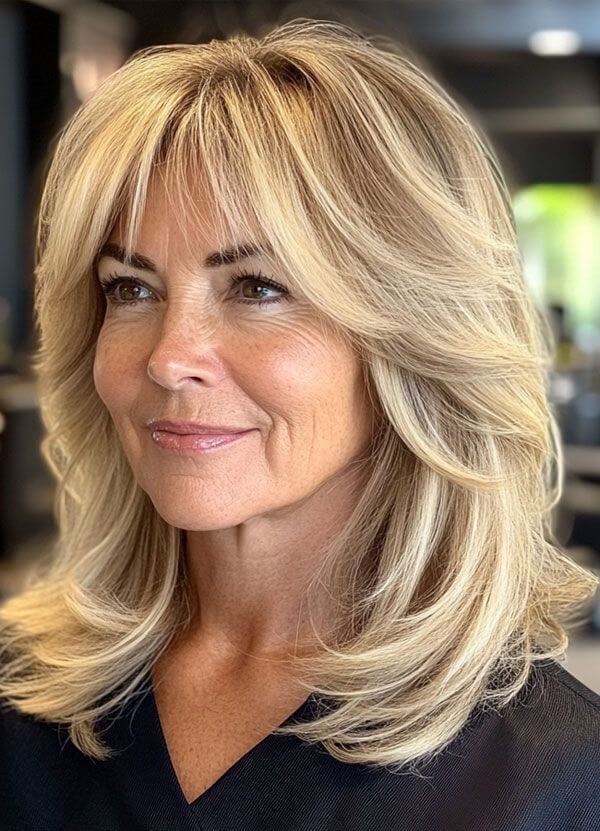
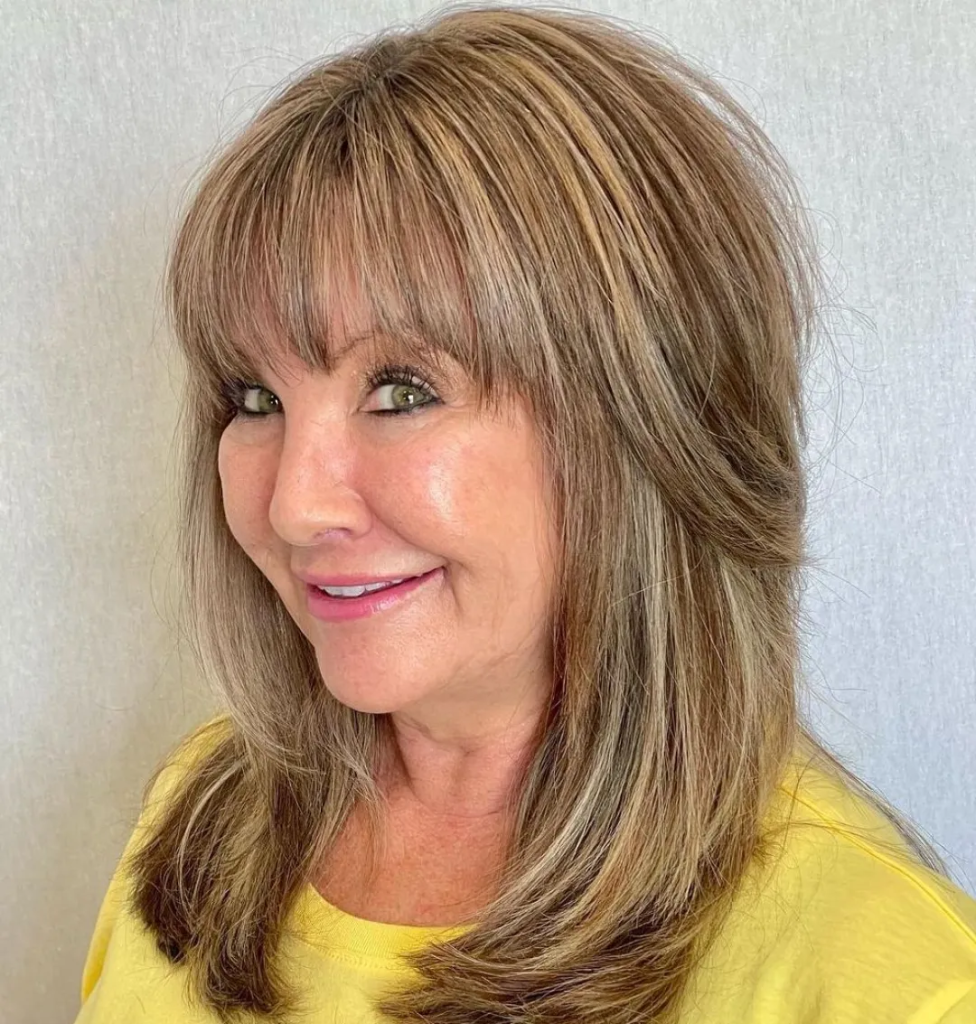
    Best face shapes: Oval, heart, and oblong. The wispiness softens angular features.

    Maintenance: Trim every 5 to 6 weeks.

    For more wispy options that work on fine hair, check out these [INTERNAL LINK: medium-length hairstyles for thin hair] — the same principles apply to bangs.

    6. The Feathered Bangs

    Why it works: Feathered bangs have ends that are cut to angle away from your face, creating a soft, feathery effect. The feathers add movement and lightness. This style is especially flattering for women with fine hair because the feathers create the illusion of density.

    How to style: Apply a lightweight mousse to damp hair. Blow-dry using a round brush, directing the bangs upward and away from your face. The feathered ends should lift slightly.

    Best face shapes: Oval, heart, and diamond. The feathering softens angular features.

    Maintenance: Trim every 5 to 6 weeks.

    7. The Blunt Bangs (Softened Version)

    Why it works: Blunt bangs are cut straight across. On their own, they can be harsh on older faces. But a softened blunt bang — with slightly textured ends and a bit of length — works beautifully. The key is keeping them long enough to graze the eyebrows.

    How to style: Apply a smoothing cream to damp hair. Blow-dry using a round brush, pulling the bangs straight down. The ends should be soft, not sharp. A light hairspray keeps them in place.

    Best face shapes: Oval and heart. Blunt bangs can overwhelm round or square faces.

    Maintenance: Trim every 3 to 4 weeks. Blunt bangs show grow-out quickly.

    8. The Side-Swept Bangs with Layers

    Why it works: Adding layers to side-swept bangs creates movement and reduces weight. The layers prevent the bangs from looking too heavy or solid. This version is ideal for women with thick hair that needs lightening.

    How to style: Apply a volumizing mousse to damp hair. Blow-dry using a round brush, sweeping the bangs to one side. The layers will naturally create separation and movement.

    Best face shapes: Oval, round, and square. The layers soften the diagonal line.

    Maintenance: Trim every 4 to 5 weeks.

    9. The Curly Bangs

    Why it works: Curly bangs are having a major moment. Your natural curl pattern gives the bangs volume and texture that straight bangs cannot match. The key is cutting them dry so your stylist can see exactly where each curl falls.

    How to style: Apply a curl cream to soaking wet hair. Use your fingers to define the bangs separately from the rest of your curls. Let air-dry or diffuse. Do not brush. Embrace the imperfection.

    Best face shapes: Oval, heart, and round. The volume of curly bangs softens all face shapes.

    Maintenance: Trim every 6 to 8 weeks. Curly bangs hide grow-out very well.

    10. The Wispy Side Bangs

    Why it works: Wispy side bangs combine the diagonal line of side-swept bangs with the lightness of wispy ends. The result is soft, romantic, and deeply flattering. This is one of the most popular bang styles for women over 60.

    How to style: Apply a lightweight mousse to damp hair. Blow-dry using a round brush, sweeping the bangs to one side. The wispy ends should look soft and separated. Do not over-brush.

    Best face shapes: Oval, round, and heart. The wispiness softens all face shapes.

    Maintenance: Trim every 5 to 6 weeks.

    11. The Micro Bangs (Short Bangs)

    Why it works: Micro bangs sit high on the forehead, often above the eyebrows. This is a bold, edgy choice. Micro bangs work best on women with strong bone structure and confidence to match. They are not for everyone, but on the right woman, they are stunning.

    How to style: Apply a styling cream to damp hair. Blow-dry using a small round brush, pulling the bangs straight down. The short length means they will stay in place naturally.

    Best face shapes: Oval and heart. Micro bangs can overwhelm round or square faces.

    Maintenance: Trim every 2 to 3 weeks. Micro bangs show every bit of grow-out.

    12. The Curtain Bangs for Gray Hair

    Why it works: Gray and silver hair have a different texture than pigmented hair — often coarser, sometimes drier, but always beautiful. Curtain bangs on gray hair catch the light differently than the rest of your hair, creating natural highlights and dimension.

    How to style: Apply a purple shampoo once a week to keep silver bright. Use a moisturizing conditioner. Style the curtain bangs as usual with a round brush. A shine spray enhances the silver tones.

    Best face shapes: All face shapes. The brightness of silver hair draws attention upward.

    Maintenance: Trim every 5 to 6 weeks. Use products designed for gray hair.

    13. The Asymmetrical Bangs

    Why it works: Asymmetrical bangs are longer on one side than the other. The unevenness creates visual interest and draws the eye across your face. The diagonal line is slimming and modern.

    How to style: Apply a styling cream to damp hair. Blow-dry using a round brush, directing the longer side where you want it to fall. The shorter side can be left natural or tucked behind your ear.

    Best face shapes: Oval, round, and square. The asymmetry breaks up width.

    Maintenance: Trim every 4 to 5 weeks.

    14. The Bottleneck Bangs

    Why it works: Bottleneck bangs are a hybrid of curtain bangs and side-swept bangs. They are shorter in the center and longer at the sides, creating a bottleneck shape. The open center softens forehead lines, while the longer sides frame your cheekbones.

    How to style: Apply a lightweight mousse to damp hair. Blow-dry using a round brush, directing the center pieces forward and the side pieces outward. The bottleneck shape will appear naturally.

    Best face shapes: Oval, heart, and round. The open center softens roundness.

    Maintenance: Trim every 5 to 6 weeks.

    15. The Piece-Y Bangs

    Why it works: Piece-y bangs are cut with point-cutting or razor techniques to create separation between individual strands. The pieces stand slightly apart from each other, creating texture and movement. This style works beautifully on fine hair.

    How to style: Apply a texturizing spray to damp hair. Blow-dry using your fingers, separating the pieces as you dry. A tiny amount of styling wax on the ends defines each piece.

    Best face shapes: Oval, heart, and oblong. The separation softens angular features.

    Maintenance: Trim every 5 to 6 weeks.

    16. The Bangs with a Pixie Cut

    Why it works: Bangs on a pixie cut soften the overall look considerably. The bangs can be side-swept, wispy, or curtain-style. The contrast between the short back and the longer bangs is modern and fresh.

    How to style: Apply a styling cream or wax to dry hair. Use your fingers to sweep the bangs where you want them to fall. The rest of the pixie can be styled smooth or textured.

    Best face shapes: Oval, heart, and diamond. The softness of the bangs balances angular features.

    Maintenance: The pixie needs trimming every 4 to 5 weeks. The bangs can go slightly longer between trims.

    17. The Long Side-Swept Bangs

    Why it works: Long side-swept bangs hit at or below the cheekbones. They blend into the layers around your face, creating a continuous line from forehead to chin. The length adds drama and sophistication.

    How to style: Apply a smoothing cream to damp hair. Blow-dry using a round brush, sweeping the bangs to one side. The length means you can also tuck them behind your ears for a different look.

    Best face shapes: Oval, round, and square. The length balances wider faces.

    Maintenance: Trim every 5 to 6 weeks.

    18. The Textured Bangs

    Why it works: Textured bangs are cut with point-cutting or razor techniques to create movement and separation. Unlike smooth bangs that lie flat against the forehead, textured bangs have piece-y ends that stand slightly apart. The texture creates the illusion of density.

    How to style: Apply a texturizing spray or sea salt spray to damp bangs. Blow-dry using your fingers or a small round brush, but do not over-smooth. The texture should remain visible. A dry texture spray adds instant grit and volume.

    Best face shapes: Oval, heart, and oblong. The texture softens angular features.

    Maintenance: Trim every 5 to 6 weeks.

    19. The No-Maintenance Bangs (Grow-Out Friendly)

    Why it works: Some women want the look of bangs without the commitment of frequent trims. No-maintenance bangs are cut to grow out gracefully. They start as curtain bangs or wispy side bangs and gradually become face-framing layers.

    How to style: Style as you would any bangs. The key is the cut — your stylist should cut them with grow-out in mind. Wispy ends and longer lengths are your friends.

    Best face shapes: All face shapes. The low commitment works for everyone.

    Maintenance: Trim every 8 to 10 weeks, or not at all if you are willing to let them grow into layers.

    How to Choose the Right Bangs for You

    Ask yourself these three questions before booking your appointment:

    1. How much forehead do you want to cover?

    • Minimal coverage (open forehead): Curtain bangs, wispy curtain bangs, bottleneck bangs
    • Moderate coverage (partial forehead): Side-swept bangs, wispy side bangs, long layered bangs
    • Maximum coverage (most of forehead): Blunt bangs (softened), micro bangs

    2. What is your hair texture?

    • Fine or thinning: Wispy bangs, wispy curtain bangs, feathered bangs, piece-y bangs
    • Medium: Side-swept bangs, curtain bangs, long layered bangs
    • Thick: Side-swept bangs with layers, textured bangs, curtain bangs
    • Curly: Curly bangs, curtain bangs (cut dry)
    • Gray: Curtain bangs for gray hair, side-swept bangs

    3. How much maintenance are you willing to do?

    • Very low (trims every 8-10 weeks): No-maintenance bangs, wispy bangs
    • Low (trims every 5-6 weeks): Curtain bangs, wispy curtain bangs, long layered bangs
    • Medium (trims every 4-5 weeks): Side-swept bangs, feathered bangs, textured bangs
    • High (trims every 2-4 weeks): Blunt bangs, micro bangs

    What to Tell Your Stylist

    Bring a photo of two or three styles from this guide. Then say this exactly:

    *”I am over 60 and I want bangs for women over 60 that soften my forehead and frame my eyes. My hair is [fine / medium / thick / curly / straight / gray]. I want my bangs to be [wispy / side-swept / curtain / blunt / textured]. I want them to hit [at my eyebrows / below my eyebrows / at my cheekbones]. I am willing to come in for trims every [4 / 5 / 6 / 8] weeks.”*

    If you have a cowlick or strong natural part, add: “Please cut my bangs to work with my cowlick, not against it.”

    How to Style Bangs Daily

    You will need:

    • A small round brush (1 to 2 inches in diameter)
    • A hairdryer with a concentrator nozzle
    • Lightweight mousse or styling cream

    Step-by-step for side-swept or curtain bangs:

    1. Start with damp, towel-dried hair.
    2. Apply a pea-sized amount of mousse or styling cream to the bangs only.
    3. Using the round brush, lift the bangs at the roots and blow-dry.
    4. For side-swept: brush to one side.
    5. For curtain: brush left side to the left, right side to the right.
    6. Once dry, let the bangs cool for 30 seconds before touching them.
    7. Use your fingers to separate and adjust.

    For second-day bangs:
    Spritz with a water bottle until slightly damp. Blow-dry using the same technique. Dry shampoo at the roots absorbs oil and adds volume.

    Common Mistakes to Avoid

    Mistake 1: Cutting bangs too short. Bangs that hit above the eyebrows can look harsh on older faces. Keep them at or below the eyebrows.

    Mistake 2: Cutting bangs too thick. Thick bangs on fine or thinning hair can look heavy and overwhelm your face. Start with wispy bangs. You can always add more density later.

    Mistake 3: Skipping the blow-dry. Most bangs look flat and sad air-dried. The blow-dry with a round brush takes two minutes and makes all the difference.

    Mistake 4: Forgetting to blend. Bangs should blend into the layers around your face. If there is a visible line where the bangs end, your stylist cut them too bluntly.

    The Truth About Forehead Lines and Bangs

    Many women over 60 worry that bangs will draw attention to forehead lines. Here is the truth: the right bangs do the opposite. Wispy bangs and curtain bangs soften the appearance of lines without trying to hide them. Blunt bangs that sit directly on forehead lines can actually accentuate them because the straight line creates contrast. Wispy, side-swept, and curtain bangs avoid this entirely. No hiding. No contrast. Just softness.

    Final Thoughts

    Nineteen bangs for women over 60. Soft wispy bangs. Side-swept classics. Curtain bangs that open up your face. Long layered bangs that blend seamlessly. Feathered, textured, piece-y, and curly. Bangs for fine hair and thick hair. Bangs for straight hair and gray hair. Each one chosen because it softens, refreshes, and takes years off your look. The fear that bangs are only for young women is false. The women in this guide are proof. Pick the fringe that makes your heart beat a little faster. Bring the photo to your stylist. And enjoy the way your new bangs make you feel — lighter, fresher, and just a little bit younger.

    Which of these nineteen bangs for women over 60 will you try at your next appointment? Drop a comment below and let us know. And if this guide helped you, share it with a friend who has been thinking about bangs but needed a little push.

  • 17 Bob Haircuts for Round Faces That Add Length, Balance, and Attitude

    17 Bob Haircuts for Round Faces That Add Length, Balance, and Attitude

    If you have a round face, you have probably heard the same advice a hundred times: avoid short hair, keep it long, never cut bobs. That advice is outdated and wrong. The truth is, bob haircuts for round faces are not only possible — they are incredibly flattering when done right. The key is choosing a bob that adds length, creates angles, and avoids adding width at the cheeks. The right bob can slim your face, highlight your cheekbones, and make you feel like a million bucks. This guide walks you through seventeen bob styles specifically chosen for round faces, plus exactly how to style them and what to tell your stylist.

    Why Bobs Work on Round Faces (When Done Correctly)

    Round faces have equal width and length, with full cheeks and a softer jawline. The goal of any haircut for a round face is to create the illusion of length and add angles. Bobs do this beautifully when cut correctly. The secret is length. A bob that hits below the chin elongates the face. Angles and asymmetry break up the roundness. Layers remove bulk from the cheeks. And height at the crown adds vertical line. The seventeen bobs below follow these principles. Each includes why it works, how to style it, and maintenance needs.

    1. The Angled Bob (A-Line)

    Why it works: The angled bob is shorter in the back and gradually longer toward the front. The longest pieces usually hit below the chin. The diagonal line created by the angle is extremely slimming on round faces. It draws the eye downward and elongates your silhouette.

    How to style: Apply a smoothing cream or heat protectant. Blow-dry using a round brush, turning the ends under slightly. The angled shape does the heavy lifting. Keep styling simple.

    Best for: All round faces, especially those with straight or wavy hair.

    Maintenance: Trim every 5 to 6 weeks.

    2. The Long Bob (Lob)

    Why it works: A lob hits between the collarbone and the shoulders. This length is ideal for round faces because it falls well below the chin, creating maximum elongation. The weight of the longer length also helps pull the face downward visually.

    How to style: Apply a volumizing mousse to roots and a smoothing cream to ends. Blow-dry using a round brush, adding a slight bend to the ends. Or let it air-dry for a beachy, relaxed look.

    Best for: Round faces with fine or medium hair.

    Maintenance: Trim every 6 to 8 weeks.

    For more long bob inspiration that flatters round faces, explore these [INTERNAL LINK: medium-length hairstyles for women over 50] — many of the same principles apply.

    3. The Asymmetrical Bob

    Why it works: One side is longer than the other. The asymmetry creates a diagonal line across your face, which breaks up the roundness and adds visual interest. The longer side can be swept across your forehead or tucked behind your ear for variety.

    How to style: Apply a styling cream to damp hair. Blow-dry using a round brush, directing the longer side where you want it to fall. The shorter side needs little to no styling.

    Best for: Round faces with straight or wavy hair.

    Maintenance: Trim every 5 to 6 weeks.

    4. The Stacked Bob

    Why it works: A stacked bob is shorter in the back with visible layers that create interior volume. The stacked back lifts the hair away from your neck, which elongates your profile. The front is longer, usually hitting at or below the chin.

    How to style: Apply a volumizing mousse to the back section. Blow-dry using a round brush, lifting each layer as you dry. The front can be dried smooth or with a slight bend.

    Best for: Round faces with fine or thin hair that needs volume.

    Maintenance: The stacked back needs trimming every 4 to 5 weeks. The front every 6 to 8 weeks.

    5. The Textured Bob

    Why it works: Texture throughout removes weight and adds movement. The choppy ends prevent the bob from looking too heavy or blunt. Texture also creates angles where there were none, breaking up the roundness of your face.

    How to style: Apply a texturizing spray or sea salt spray to damp hair. Blow-dry using your fingers to lift and separate. Do not over-brush. The textured ends should look piece-y and intentional.

    Best for: Round faces with straight, wavy, or thick hair.

    Maintenance: Trim every 6 to 7 weeks.

    6. The Chin-Length Bob with Deep Side Part

    Why it works: A deep side part creates immediate volume at the crown. The hair on the larger side of the part is swept across your forehead, creating a diagonal line. The combination of height and diagonal line is extremely slimming on round faces.

    How to style: Create a deep side part — think 70/30 or 80/20. Apply a volumizing mousse to the larger side. Blow-dry using a round brush, lifting at the roots and sweeping the hair across your forehead.

    Best for: Round faces with straight or wavy hair.

    Maintenance: Trim every 5 to 6 weeks.

    For more styling techniques that create volume at the crown, check out these [INTERNAL LINK: short hairstyles for thin fine hair] — the principles are the same.

    7. The Curly Bob

    Why it works: Curly hair adds volume and texture that straight hair cannot match. On round faces, a curly bob should hit below the chin when dry. The curls create vertical lines that elongate the face. The key is keeping the length long enough to avoid adding width at the cheeks.

    How to style: Apply a curl cream to soaking wet hair. Use your fingers to define individual curls. Let air-dry or diffuse. Do not brush. The curls will naturally create a rounded shape that flatters your face.

    Best for: Round faces with naturally curly or wavy hair.

    Maintenance: Trim every 6 to 8 weeks. Deep condition weekly.

    8. The Blunt Bob with Long Layers

    Why it works: A blunt bob has a straight, even line at the bottom. On its own, a blunt bob can add width to a round face. But when you add long layers that start below the chin, the layers create movement and prevent the blunt line from looking too harsh.

    How to style: Apply a smoothing serum and heat protectant. Blow-dry using a round brush, keeping the ends blunt and straight. The long layers will add movement without changing the blunt line.

    Best for: Round faces with straight, fine, or medium hair.

    Maintenance: Trim every 5 to 6 weeks. Blunt cuts show every uneven end.

    9. The Inverted Bob

    Why it works: An inverted bob is similar to an angled bob but with a steeper angle. The back is very short, and the front is significantly longer — often hitting at the collarbone. The dramatic angle is one of the most slimming options for round faces.

    How to style: Apply a volumizing mousse. Blow-dry using a round brush, lifting the back for extra height. Keep the front smooth or add a slight bend. The dramatic shape does not need much else.

    Best for: Round faces with straight or wavy hair.

    Maintenance: The back needs trimming every 4 to 5 weeks.

    10. The Wavy Bob

    Why it works: Waves add texture and movement, which draws the eye in different directions. The waves should be soft and loose rather than tight. The length should hit below the chin to maintain elongation.

    How to style: Apply a wave-enhancing cream or mousse to damp hair. Scrunch upward. Let air-dry or diffuse. Use a large-barrel curling iron to enhance a few pieces if needed. Run your fingers through to break up the waves.

    Best for: Round faces with straight or slightly wavy hair.

    Maintenance: Trim every 6 to 8 weeks.

    11. The Bob with Side-Swept Bangs

    Why it works: Side-swept bangs create a diagonal line across your forehead. This line breaks up the roundness of your face and draws attention to your eyes. The bangs should hit at or below your eyebrows and sweep to one side.

    How to style: Apply a lightweight mousse to damp hair. Blow-dry using a round brush, sweeping the bangs to one side. The rest of the bob can be styled smooth or textured. A light hairspray keeps the bangs in place.

    Best for: Round faces with straight or wavy hair.

    Maintenance: Bangs need trimming every 3 to 4 weeks. The rest of the cut every 5 to 6 weeks.

    For more bang styles that flatter round faces, explore these [INTERNAL LINK: curtain bangs for women over 50] — the same face-shaping principles apply.

    12. The Layered Bob with Face-Framing Pieces

    Why it works: Face-framing pieces are slightly longer sections around your face. On a bob, these pieces should hit at or below the chin. They soften the transition between your hair and your face and create vertical lines that elongate.

    How to style: Apply a volumizing mousse to damp hair. Blow-dry using a round brush, directing the face-framing pieces away from your face. The rest of the bob can be dried smooth or textured.

    Best for: Round faces with fine or medium hair.

    Maintenance: Trim every 5 to 6 weeks.

    13. The A-Line Bob with Undercut

    Why it works: An undercut removes bulk from the back and sides. When combined with an A-line bob, the undercut prevents the hair from looking too wide. The contrast between the longer front and the shorter, undercut back is striking and slimming.

    How to style: Style the front and top as usual. The undercut requires no daily styling. For a more dramatic reveal, push the top hair to one side.

    Best for: Round faces with thick hair that needs weight removal.

    Maintenance: The undercut needs refreshing every 2 to 3 weeks. The front every 5 to 6 weeks.

    14. The Graduated Bob

    Why it works: A graduated bob has layers that get progressively longer toward the front. The graduation creates a smooth, sloping line from the back to the front. This line elongates the face and adds sophistication.

    How to style: Apply a smoothing cream to damp hair. Blow-dry using a round brush, following the natural graduation of the cut. The graduated shape does the work.

    Best for: Round faces with straight or slightly wavy hair.

    Maintenance: Trim every 5 to 6 weeks.

    15. The Messy Textured Bob

    Why it works: A messy textured bob is deliberately unstructured. The choppy ends and piece-y layers create angles and movement. The messiness distracts from the roundness of your face and adds an edgy, cool-girl vibe.

    How to style: Apply a texturizing spray or dry shampoo to dry hair. Use your fingers to tousle and lift. Do not use a brush. The messier, the better. A tiny amount of styling wax on the ends adds definition.

    Best for: Round faces with straight or wavy hair.

    Maintenance: Trim every 6 to 8 weeks. The lived-in look means it grows out beautifully.

    16. The Bob with Crown Volume

    Why it works: Height at the crown is your best friend if you have a round face. Volume at the top of your head adds vertical length, which makes your face appear longer and leaner. A bob with crown volume keeps the sides relatively flat while lifting the top.

    How to style: Apply a root-lifting spray or volumizing mousse to the crown area. Blow-dry using a small round brush, lifting straight up. Keep the sides smooth and close to your head.

    Best for: Round faces with fine or thin hair.

    Maintenance: Trim every 5 to 6 weeks.

    17. The Asymmetrical Lob

    Why it works: The asymmetrical lob combines the elongation of a long bob with the face-slimming power of asymmetry. One side is longer than the other, creating a diagonal line across your face. The length ensures the bob falls well below the chin.

    How to style: Apply a styling cream to damp hair. Blow-dry using a round brush, directing the longer side where you want it to fall. Add a slight bend to the ends for movement.

    Best for: Round faces with straight or wavy hair.

    Maintenance: Trim every 5 to 6 weeks.

    How to Choose the Right Bob for Your Round Face

    Ask yourself these three questions before booking your appointment:

    1. How long do you want your bob to be?

    • Short (chin-length): Chin-length bob with deep side part, graduated bob, bob with crown volume
    • Medium (jaw to shoulder): Angled bob, stacked bob, textured bob, bob with side-swept bangs
    • Long (collarbone or longer): Long bob, asymmetrical lob, wavy bob, curly bob

    2. What is your hair texture?

    • Straight or fine: Angled bob, long bob, blunt bob with long layers, graduated bob
    • Wavy: Textured bob, wavy bob, messy textured bob, asymmetrical bob
    • Curly: Curly bob, layered bob with face-framing pieces
    • Thick: A-line bob with undercut, stacked bob, inverted bob

    3. How much daily styling time do you want?

    • Under 5 minutes: Long bob, wavy bob, curly bob, messy textured bob
    • 5 to 10 minutes: Angled bob, asymmetrical bob, chin-length bob with deep side part
    • 10 to 15 minutes: Stacked bob, blunt bob, inverted bob, bob with crown volume

    What to Tell Your Stylist

    Bring a photo of two or three styles from this guide. Then say this exactly:

    “I have a round face and I want bob haircuts for round faces that add length and balance. Please do not cut my bob above my chin — it needs to hit at or below my chin to elongate my face. Add height at the crown. Keep the sides from adding width. I want [an angled shape / asymmetry / layers / texture] to break up the roundness. My hair is [straight / wavy / curly / fine / thick].”

    If you are worried about your cheeks looking fuller, add: “Please add face-framing pieces that hit below my cheekbones.”

    Styling Tips for Round Faces with Bobs

    Create height at the crown: This is your most powerful tool. Use volumizing mousse, root-lifting spray, or a small round brush to lift the hair at your crown.

    Keep length below the chin: A bob that hits above the chin will make your face look rounder. Always keep the longest pieces at or below your chin.

    Use deep side parts: A deep side part creates a diagonal line across your forehead. Avoid center parts, which can emphasize roundness.

    Avoid blunt lines at the chin: A blunt line that hits exactly at your chin can add width. Choose angles, layers, or asymmetry instead.

    Products for round faces:

    • Volumizing mousse (for crown height)
    • Root-lifting spray
    • Texturizing spray (for movement)
    • Dry shampoo (for volume at the roots)

    Products to avoid:

    • Heavy oils and butters (they weigh hair down)
    • Center parts (they emphasize roundness)
    • Blunt chin-length cuts without layers

    Common Mistakes to Avoid

    Mistake 1: Cutting the bob above your chin. This is the most common mistake. A chin-length or shorter bob adds width to round faces. Always keep length below the chin.

    Mistake 2: Center parts. A center part divides your face in half, emphasizing its roundness. A deep side part creates a slimming diagonal line.

    Mistake 3: No height at the crown. Flat hair at the crown makes round faces look rounder. Always add volume at the top.

    Mistake 4: Blunt, one-length bobs. Without layers or angles, a blunt bob can look like a helmet on round faces. Add texture or asymmetry.

    Final Thoughts

    Seventeen bob haircuts for round faces. Angled and asymmetrical. Stacked and textured. Curly and wavy. Long bobs and chin-length bobs with deep side parts. Each one follows the same principles: length below the chin, height at the crown, and angles that break up roundness. The old rule that round faces cannot wear bobs is dead. The women in this guide are proof. Pick the bob that speaks to you. Bring the photo to your stylist. And enjoy a cut that adds length, balance, and attitude to your everyday look.

    Which of these seventeen bob haircuts for round faces will you try at your next appointment? Drop a comment below and let us know. And if this guide helped you, share it with a friend who has been told she cannot wear a bob.

  • 15 Short Hairstyles for Thin Fine Hair That Actually Look Full

    15 Short Hairstyles for Thin Fine Hair That Actually Look Full

    Finding the right short hairstyles for thin fine hair can feel like a losing battle. You wash, you dry, you style — and within an hour, it is flat again. The ends look see-through. The crown has no lift. I have been there, and I know how frustrating it is. Here is what I have learned: the right short cut changes everything. It removes the weight that pulls you flat and creates shape that lasts all day.

    I have heard it a hundred times from women just like you. “My hair is so thin. Nothing gives it volume. I look at old pictures and barely recognize myself.”

    Here is what I want you to know. Your hair is not the enemy. It has just changed. And the right short haircut works with those changes instead of fighting them. Short hair is actually a gift for thin fine hair. It removes the weight that pulls you flat. It creates shape that lasts all day. And it takes half the time to style.

    I have seen these fifteen cuts change how women feel about their hair. Not because of miracle products or expensive treatments. Just smart cutting.

    Let us find you something great.


    1. The Classic Short Pixie

    The classic short pixie is where many women start — and for good reason. It keeps the back and sides close to the head, with about an inch of length on top. The perimeter is clean and deliberate.

    This cut works because it removes every bit of weight that could pull your hair flat. What remains is light, manageable, and easy to style. The short top can be worn sleek or textured depending on your mood.

    I recommend this cut for women who want the lowest possible maintenance. Wash it, towel it, rub in a little product, and go.

    Who it flatters most: Oval and heart-shaped faces. The short length balances longer features.

    Styling time: Three minutes.


    2. The Textured Short Pixie

    The textured short pixie takes the classic version and adds visible texture throughout the top. Your stylist uses point cutting — snipping vertically into the ends — to create soft separation between each piece.

    That texture is not just for looks. It creates the illusion of density. When light hits those uneven ends, it scatters, making your hair appear fuller than it actually is. No product required for that trick.

    This is my most-recommended cut for women with very fine hair. The texture does the work that volume products promise but rarely deliver.

    Who it flatters most: Women with very fine hair. The texture creates visual density.

    Styling time: Three minutes. Rub texture paste between your palms and rake through.


    3. The Cropped Pixie with Longer Top

    Some women want very short hair but still want something to style. The cropped pixie with a longer top gives you both. The back and sides are cropped close, but the top stays longer — two to three inches.

    That longer top gives you options. You can wear it swept to the side, spiked up, or smoothed down. The short back keeps the nape neat and prevents the cut from looking heavy.

    I love this cut for women who are not ready for a super-short pixie but want the ease of short hair. It is a gentle step in the right direction.

    Who it flatters most: Women who want short hair but are nervous about going very short.

    Styling time: Five minutes.


    4. The Short Spiky Pixie

    Spikes sound scary. I get it. But the modern spiky pixie is soft, piece-y, and surprisingly feminine. The top is cut into short, uneven sections — about one to two inches long — and styled upward with a lightweight pomade.

    The spikes should be soft and rounded, not sharp or crunchy. Think “morning texture” rather than “competition hair.” The height at the crown lifts your whole face and draws the eye upward.

    I have recommended this cut to countless women with thinning hair. The lift at the crown is honest — it does not pretend you have more hair than you do. It just works with what you have.

    Who it flatters most: Women with strong bone structure. The spikes add height and attitude.

    Styling time: Four minutes. Rub pomade between palms, rake upward.


    5. The Short Choppy Pixie

    The short choppy pixie is all about texture. The back and sides are kept very short, while the top is cut into visible, separated pieces that range from half an inch to two inches long.

    The choppiness comes from the cutting technique, not from extreme length differences. Your stylist will cut at different angles, creating pieces that catch light differently across your head. That irregularity tricks the eye into seeing more density.

    This cut is ideal for women who want their hair to look styled even when they do nothing to it. The choppy texture provides built-in interest.

    Who it flatters most: Women with angular face shapes. The choppy texture echoes sharp bone structure.

    Styling time: Four minutes. A little texture paste, raked through dry hair.


    6. The Short Pixie with Side Swept Bangs

    Adding side swept bangs to a short pixie softens the whole cut. The bangs sweep across your forehead from a deep side part, ending around your eyebrow or cheekbone.

    The side swept bangs blend into the longer top sections, creating a continuous, flowing line. This cut is particularly flattering if you have a high forehead or thinning at the hairline. The bangs provide coverage while drawing attention to your eyes.

    I recommend this cut often for women who want short hair but worry it will look severe. The side sweep adds softness without sacrificing the ease of a pixie.

    Who it flatters most: Women with high foreheads or who want to soften facial lines.

    Styling time: Six minutes, including bang styling.


    7. The Short Pixie with Micro Bangs

    Micro bangs — cut well above your eyebrows — transform a simple short pixie into something striking. The contrast between the ultra-short bangs and the textured top creates a modern, confident look.

    I know micro bangs sound intimidating. Here is what I have learned: on women with fine hair, they draw the eye upward, away from any thinning at the hairline or along the part. They also showcase your eyes. If you have good brows or nice eyes, micro bangs are a game-changer.

    The bangs need a trim every two to three weeks, but they dry in seconds.

    Who it flatters most: Women with strong brows or good eye definition.

    Styling time: Three minutes for the bangs, three for the rest.


    8. The Short Asymmetrical Pixie

    Asymmetry is one of my favorite tricks for fine hair. When one side of your cut is longer than the other, your eye stops looking for uniform density and starts appreciating the shape instead.

    In the short asymmetrical pixie, the shorter side tucks behind your ear. The longer side sweeps forward toward your jaw. The difference is usually one to two inches.

    This cut works best on straight or slightly wavy hair. Styling is minimal — flat iron the ends to define the difference, tuck the shorter side, and go.

    Who it flatters most: Women with round or square faces. The diagonal line breaks up facial symmetry.

    Styling time: Seven minutes.


    9. The Short Pixie with Undercut

    The undercut takes weight removal to the next level. The back and sides are shaved or clipped very short — typically to a #2 or #3 guard — while the top stays longer.

    The contrast is intentional and striking. The undercut removes so much weight that the top pieces stand up with very little product. This cut is ideal if you have thick or heavy hair that always falls flat.

    I will be honest: this cut is not for everyone. It is bold. But for the women who try it, most never go back. There is something liberating about a shaved nape.

    Who it flatters most: Women who want a bold look and have the confidence to wear it.

    Styling time: Three minutes for the top. The undercut needs no styling.


    10. The Short Tapered Pixie

    The tapered pixie takes a softer approach than the undercut. Instead of a sharp disconnect, your hair tapers gradually from very short at the nape to longer at the crown.

    This cut is ideal if you like the idea of short hair but find the undercut too severe. The tapered version gives you the same benefits — less bulk, easier styling, natural lift — with a softer, more traditional silhouette.

    I recommend this cut often for first-time short-hair wearers. It is approachable. It works on almost all hair types. And it still gives you that modern look.

    Who it flatters most: Women who want short hair without dramatic contrast.

    Styling time: Five minutes. Blow-dry the top upward with a small round brush.


    11. The Short Curly Pixie

    If you have natural curls or waves, you already have a head start on volume. The short curly pixie is cut dry, not wet, so your stylist can see exactly where each curl falls and how much weight to remove.

    The back and sides stay short to prevent triangle head. The top stays long enough for your curls to form properly. The result is soft, voluminous, and surprisingly easy to maintain.

    For women with curly hair, this cut is liberating. Curls hold volume better than straight hair. The short length removes the weight that often pulls curls flat.

    Who it flatters most: Women with naturally curly or wavy hair.

    Styling time: Five minutes of product application, then air dry.


    12. The Short Sleek Pixie

    Sometimes the most powerful statement is simplicity. The short sleek pixie requires no texture, no pieces, no mess — just mirror-smooth, glass-like hair with a clean, precise shape.

    This style works because it embraces fine hair’s natural tendency toward sleekness. Fine hair can achieve a level of smoothness that thick, coarse hair never can. That glassy finish looks expensive, polished, and modern.

    To achieve the sleek short pixie, you will need a high-quality flat iron and a heat protectant. Flat iron the top sections in small subsections, working from root to tip. Finish with a drop of lightweight serum on the ends.

    Who it flatters most: Women with strong bone structure. The sleek shape highlights facial features.

    Styling time: Ten minutes for flat ironing.


    13. The Short Messy Pixie

    The short messy pixie celebrates imperfection. The cut itself is intentionally uneven and textured, with pieces ranging from half an inch to two inches long. The goal is to look like you just rolled out of bed — in the most stylish way possible.

    This cut is ideal if you want to eliminate heat styling entirely. No blow dryer. No flat iron. No round brush. Just wash, towel-dry, apply a little sea salt spray or texture paste, scrunch, and walk away.

    I recommend this cut often for busy women. It is the ultimate wash-and-go. The messy texture forms naturally as your hair dries.

    Who it flatters most: Women who want the shortest possible styling time.

    Styling time: Two minutes of scrunching, then air dry.


    14. The Short Pixie with Long Sideburns

    Long sideburns on a short pixie add softness and frame your face beautifully. The sideburns stay longer than the rest of the cut — reaching your earlobe or even your jawline — while the back and top stay short.

    The long sideburns soften the transition between your short hair and your face. They also give you something to tuck behind your ears or leave out to frame your cheeks.

    I love this cut for women with oval or heart-shaped faces. The long sideburns add width at the cheekbones, which balances longer features.

    Who it flatters most: Women with oval or heart-shaped faces.

    Styling time: Four minutes. Product through the top and sideburns.


    15. The Short Pixie with Wispy Nape

    Most short haircuts ignore the nape of the neck. This one makes it a feature. Instead of a clean, blunt line at your hairline, the nape is cut into soft, feathery wisps that graze your neck.

    The wispy nape softens the whole silhouette. It also disguises any thinning or unevenness at the hairline — something many women deal with but rarely talk about. The soft wisps blend together naturally.

    This cut is romantic and feminine while still giving you that short, easy length. It is one of my personal favorites.

    Who it flatters most: Women with longer necks.

    Styling time: Four minutes. Product on top only — the nape needs nothing.


    Final Thoughts

    Here is what I want you to take away from this. Your thin fine hair is not a problem to be solved. It is just different than it used to be. And the right short cut works with that difference instead of fighting it.

    Short hair is not giving up. It is not settling. It is a choice — a confident, practical, beautiful choice that makes your mornings easier and your reflection happier.

    Bring pictures to your stylist. Tell them exactly what you want. And if you have been hiding your fine hair under longer lengths, try something short. You might be surprised how much you love it.

  • 13 Edgy Choppy Pixie Haircut Over 50 That Feel Like You

    13 Edgy Choppy Pixie Haircut Over 50 That Feel Like You

    Girl, just because you are over fifty does not mean your haircut has to be soft, round, and safe. I have seen too many women settle for a cut that does nothing for them because someone told them “at your age” they should tone it down. Here is the truth: an edgy choppy pixie haircut over 50 can be one of the most flattering things you will ever do. It adds texture where you need it. It creates volume that lasts. And it says something about you — that you still know what works, that you are not afraid of a little personality, that you are exactly as modern and fresh as you feel.

    I have been doing this long enough to know what works on mature hair. These thirteen choppy pixies are not about looking young. They are about looking like you. Just a little more interesting.

    Let us get you a great haircut.


    1. The Classic Choppy Pixie

    This is the foundation cut. The back and sides are short and neat. The top is cut with point shears — your stylist snips vertically into the ends — to create soft, visible texture throughout.

    The choppiness comes from the cutting technique, not from extreme length differences. The pieces range from half an inch to two inches long. Those uneven lengths catch light differently across your head, which tricks the eye into seeing more density. No products required for that trick. It is built right into the cut.

    I love this cut for women who want to dip their toes into texture without going too bold. It is edgy enough to feel modern but soft enough to wear anywhere.

    Who it flatters most: Oval and heart-shaped faces. The texture softens angular features.

    Styling time: Four minutes. A little lightweight pomade rubbed between your palms and raked through the top.


    2. The Piece-Y Pixie with Micro Bangs

    Adding micro bangs to a choppy pixie changes everything. Micro bangs — cut well above the eyebrows — create a graphic, deliberate element that makes the rest of the texture look intentional.

    The top should be soft and separated, with each piece having its own direction. The micro bangs provide a clean contrast. Together, they look modern, confident, and put-together.

    I know micro bangs sound intimidating. Here is what I have learned: on women over fifty, they draw the eye upward, away from any thinning at the hairline. They also showcase your eyes. If you have good brows or nice eyes, micro bangs are your new best friend.

    Who it flatters most: Women with strong brows or good eye definition.

    Styling time: Three minutes for the bangs, three for the rest.


    3. The Asymmetrical Choppy Pixie

    Asymmetry is one of my secret weapons for mature hair. When one side of your cut is longer than the other, the eye stops looking for uniform density and starts appreciating the shape instead.

    In this cut, the shorter side tucks behind your ear. The longer side sweeps forward toward your jaw or cheekbone. The difference is usually one to two inches. Both sides have the same choppy texture, but the length difference adds visual interest.

    I recommend this cut often for women with round or square faces. That diagonal line breaks up the symmetry in a way that is very flattering.

    Who it flatters most: Women with round or square faces.

    Styling time: Seven minutes. Flat iron the ends to define the difference, tuck the shorter side, and go.


    4. The Spiky Choppy Pixie

    Spikes are not just for punk rockers. I promise. The modern spiky pixie features soft, piece-y spikes that add height and movement without looking harsh.

    The top is cut into short, uneven sections — about one to two inches long. You style them upward with a small amount of lightweight pomade or wax. The spikes should be soft and rounded, not sharp or crunchy. Think “morning texture” rather than “competition hair.”

    This cut is excellent for fine or thinning hair because the lifted top creates the illusion of density. The shorter back and sides remove weight, which lets the crown stand up naturally.

    Who it flatters most: Women with strong bone structure. The spikes add height and attitude.

    Styling time: Four minutes. Rub pomade between your palms, rake upward.


    5. The Undercut Choppy Pixie

    The undercut takes weight removal seriously. The back and sides are shaved or clipped very short — typically to a #2 or #3 guard — while the top stays longer and cut into choppy pieces.

    The contrast is intentional and striking. The undercut removes so much weight that the top pieces stand up with very little product. This cut is ideal if you have thick or heavy hair that always falls flat no matter what you do.

    I will be honest: this cut is not for everyone. It is bold. But for the women who try it, most never go back. There is something liberating about a shaved nape on a hot day.

    Who it flatters most: Women who want a bold look and have the confidence to wear it.

    Styling time: Three minutes for the top. The undercut needs no styling.


    6. The Tapered Choppy Pixie

    The tapered choppy pixie takes a softer approach than the undercut. Instead of a sharp disconnect, your hair tapers gradually from very short at the nape to longer at the crown. The choppy texture stays on top.

    This cut is ideal if you like the idea of a choppy pixie but find the undercut too severe. The tapered version gives you the same benefits — less bulk, easier styling, natural lift — with a softer, more traditional silhouette.

    I recommend this cut often for first-time choppy pixie wearers. It is approachable. It works on almost all hair types. And it still gives you that modern texture you are looking for.

    Who it flatters most: Women who want choppy texture without dramatic contrast.

    Styling time: Five minutes. Blow-dry the top upward with a small round brush.


    7. The Side-Swept Choppy Pixie

    The side-swept choppy pixie combines the texture you want with the softness you love. The top is cut into choppy, piece-y sections, then swept deeply to one side.

    That deep side sweep does two things. First, it lifts the roots on the lighter side — genuine volume without any product. Second, when the choppy pieces sweep to one side, they stack on top of each other, creating even more visual density.

    This cut is particularly flattering for round or square faces. That diagonal line breaks up facial symmetry and adds length.

    Who it flatters most: Women with round or square faces.

    Styling time: Six minutes. Blow-dry in the sweep direction, add a little texture.


    8. The Choppy Pixie with Long Sideburns

    Long sideburns on a choppy pixie add softness and frame your face beautifully. The sideburns stay longer than the rest of the cut — reaching your earlobe or even your jawline — while the back and top stay short and textured.

    The long sideburns soften the transition between your short hair and your face. They also give you something to tuck behind your ears or leave out to frame your cheeks.

    I love this cut for women with oval or heart-shaped faces. The long sideburns add width at the cheekbones, which balances longer features.

    Who it flatters most: Women with oval or heart-shaped faces.

    Styling time: Four minutes. Product through the top and sideburns.


    9. The Choppy Pixie with Wispy Nape

    Most pixie cuts ignore the nape of the neck. This one makes it a feature. Instead of a clean, blunt line at your hairline, the nape is cut into soft, feathery wisps that graze your neck.

    The wispy nape softens the whole silhouette. It also disguises any thinning or unevenness at the hairline — something many women deal with after fifty but rarely talk about. The soft wisps blend together naturally.

    This cut is romantic and feminine while still giving you that choppy texture on top. It is one of my personal favorites.

    Who it flatters most: Women with longer necks.

    Styling time: Four minutes. Product on top only — the nape needs nothing.


    10. The Choppy Pixie with Curly Texture

    If you have natural curls or waves, you already have a head start on choppy texture. The curly choppy pixie is cut dry, not wet, so your stylist can see exactly where each curl falls and how much weight to remove.

    The back and sides stay short to prevent triangle head. The top stays longer so your curls have room to form. The choppiness comes from your natural curl pattern.

    For women with curly hair, this cut is liberating. Curls hold volume better than straight hair. The choppy texture disguises any thinning at the roots. Use a lightweight leave-in conditioner and air dry or diffuse on low heat.

    Who it flatters most: Women with naturally curly or wavy hair.

    Styling time: Five minutes of product application, then air dry.


    11. The Choppy Pixie with Hidden Undercut

    The hidden undercut gives you the benefits of an undercut without the bold visible contrast. The back and sides are shaved short, but the longer top pieces fall over the undercut and hide it from view.

    From the front, this looks like a standard choppy pixie. From the back or side, you see the shaved underlayer. It is a subtle surprise.

    I recommend this cut for first-time undercut wearers. You get the weight removal and the ease of styling, but you can ease into the look.

    Who it flatters most: Women who want undercut benefits without the visible contrast.

    Styling time: Four minutes. Product on top, let the pieces fall naturally.


    12. The Choppy Pixie with Blunt Fringe

    A blunt fringe — bangs cut straight across at eyebrow level — paired with a choppy pixie creates a beautiful contrast. The fringe is precise and clean. The rest of the cut is soft and piece-y.

    The blunt fringe draws attention to your eyes. It also covers a high forehead or thinning hairline beautifully. The choppy texture on top adds movement that balances the weight of the fringe.
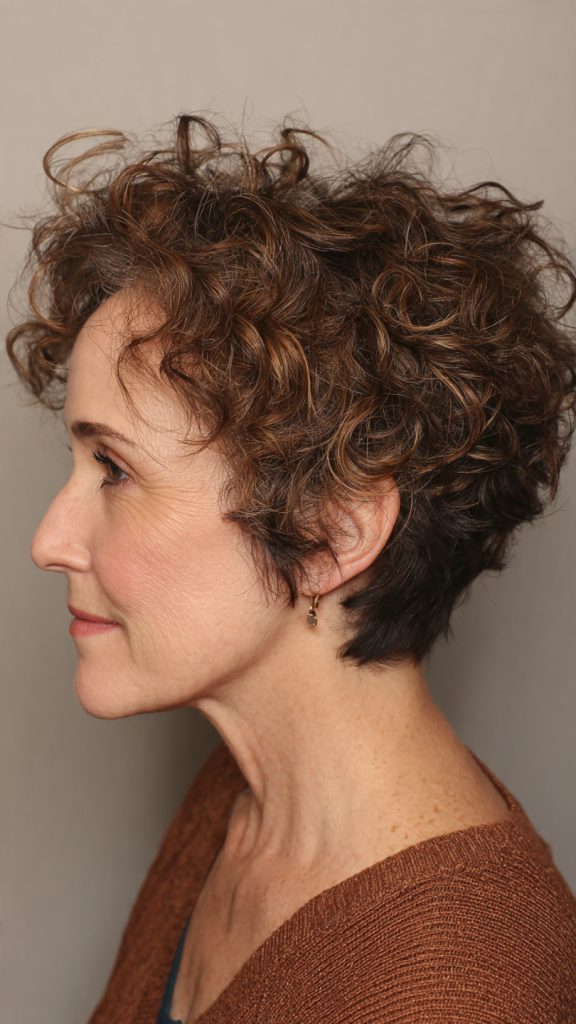
    This cut works best on straight or slightly wavy hair. The fringe needs a trim every two to three weeks, but styling takes only a minute — just blow-dry it forward with a small round brush.

    Who it flatters most: Women with high foreheads or strong eyes.

    Styling time: Six minutes (one minute for the fringe, five for the rest).


    13. The Messy Choppy Pixie

    The messy choppy pixie celebrates imperfection. The cut itself is intentionally uneven and textured, with pieces ranging from half an inch to three inches long. The goal is to look like you just rolled out of bed — in the most stylish way possible.

    This cut is ideal if you want to eliminate heat styling entirely. No blow dryer. No flat iron. No round brush. Just wash, towel-dry, apply a little sea salt spray or texture paste, scrunch, and walk away.

    I recommend this cut often for busy women. It is the ultimate wash-and-go. The messy texture forms naturally as your hair dries.

    Who it flatters most: Women who want the shortest possible styling time.

    Styling time: Two minutes of scrunching, then air dry.


    Final Thoughts

    Here is what I want you to take away from this. Your haircut should make you feel good. Not because someone told you it looks nice. Because when you catch your reflection, you think “there she is.”

    Edgy does not mean extreme. Choppy does not mean messy. A good choppy pixie is architecture. It is shape. It is texture that works with what you have, not against it.

    Bring pictures to your stylist. Tell them exactly what you want. And if you have been wearing the same safe cut for years, try something with a little edge. You might be surprised how much you love it.
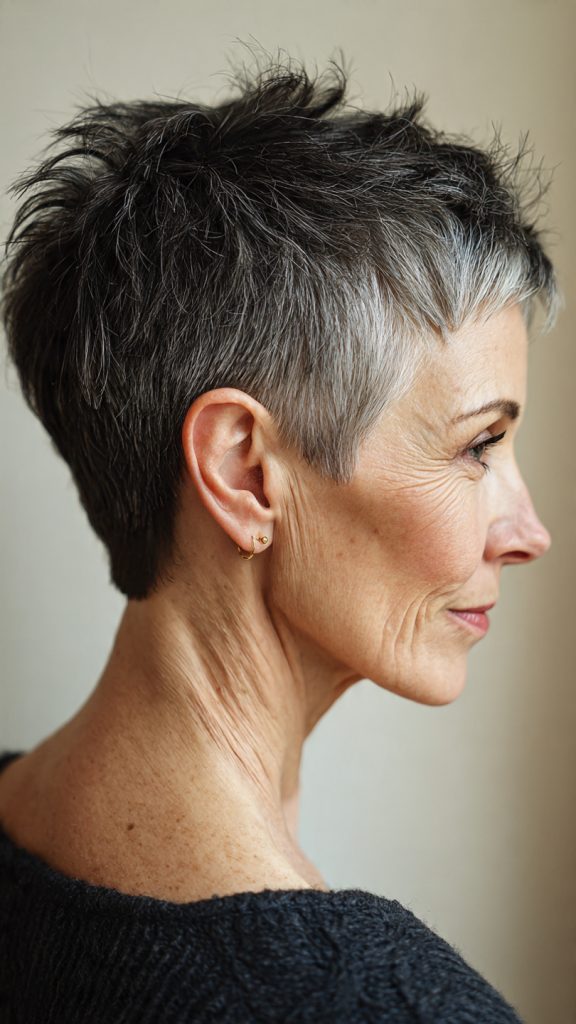
  • 12 Easy Medium Hairstyles for Older Women: Low-Maintenance Cuts That Look Polished Every Day

    12 Easy Medium Hairstyles for Older Women: Low-Maintenance Cuts That Look Polished Every Day

    Time becomes more valuable as we get older. Mornings that were once spent with hot rollers, teasing combs, and aerosol cans are now better spent on coffee, a good book, or an extra few minutes of sleep. But wanting an easy routine does not mean wanting to look unkempt or outdated. The right haircut should work with your natural texture, dry quickly, and look presentable with minimal effort. 12 easy medium hairstyles for older women prove that low-maintenance does not have to mean boring. These cuts are designed to be washed, worn, and forgotten—yet still turn heads.

    Medium length hair—falling between the chin and the collarbone—is the ideal canvas for easy styling. It is long enough to pull back on lazy days, yet short enough to air-dry without looking stringy. It holds a curl when you want to dress up, but does not demand one when you want to keep things simple.
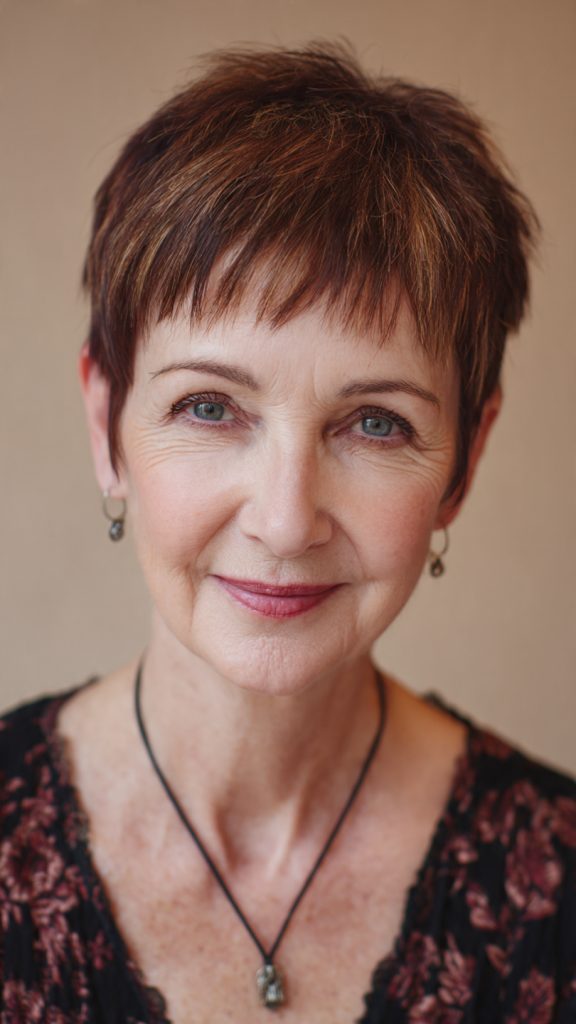
    Whether you have straight, wavy, curly, fine, or thick hair, there is a low-fuss medium style that will have you looking polished in under ten minutes, every single day. From one-length cuts to soft shags, from rounded bobs to side-swept bangs, these 12 styles deliver beauty without the work.
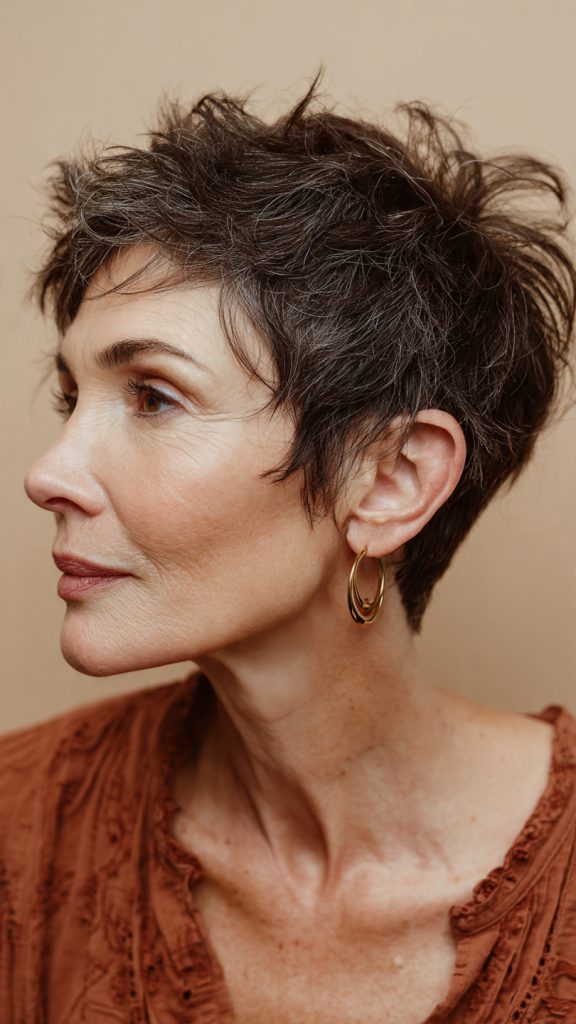
    What Makes a Hairstyle “Easy” for Older Women?

    Not all low-maintenance haircuts are created equal. A truly easy hairstyle for women over 60 shares five characteristics.

    First, it works with your natural texture rather than fighting against it. If you have straight hair, the cut should look good straight. If you have waves, the cut should enhance them without requiring a curling iron. Second, it air-dries well. You should be able to wash your hair, towel-dry it, and walk out the door without looking like you just survived a hurricane. Third, it requires minimal product. A dab of mousse or a spritz of sea salt spray is fine. A seven-step cocktail of gels, serums, and potions is not. Fourth, it grows out gracefully. A good easy cut still looks acceptable at five, six, or even eight weeks. Finally, it can be styled in under ten minutes—often in under five. The following 12 medium hairstyles meet all five criteria.

    1. The One-Length Shoulder-Grazing Cut

    This is the simplest cut on the list. All the hair is cut to the same length, ending at or just grazing the shoulders. No layers, no bangs, no texturizing. Just a clean, blunt line.

    Why it works: The one-length cut is the ultimate wash-and-wear style. When your hair is all the same length, it falls naturally into place. There are no layers to flip out awkwardly or bangs to trim every two weeks. The blunt perimeter creates the illusion of thickness, which is especially valuable for women with fine or thinning hair. Air-drying produces a clean, straight (or naturally wavy) silhouette that looks intentional.

    Styling tip: Apply a leave-in conditioner to damp hair. Comb through. Let air-dry. That is it. If you want a more polished look, blow-dry with a flat brush for two minutes. The one-length cut is forgiving of any drying method.

    2. The Chin-Length Blunt Bob

    A blunt bob that hits exactly at the chin. The perimeter is cut straight across with no layers. The back is the same length as the front, or slightly shorter to prevent curling under at the nape.

    Why it works: The chin-length blunt bob is a classic for a reason. It frames the face beautifully, adds density to fine hair, and requires almost no styling. When air-dried, the ends naturally tuck under slightly due to the weight of the hair. When blown dry, it takes two minutes with a round brush. The length is short enough to stay off the neck in summer but long enough to look feminine.

    Styling tip: For air-drying, towel-dry thoroughly, then comb into place. Do not touch while drying—touching creates frizz. For a blow-dried look, use a large round brush and turn the ends under. Total time: 5 minutes.

    3. The Soft Layered Lob (Long Bob)

    The lob falls at the collarbone. Soft, long layers are cut throughout, but the layers start low (at the cheekbones or jawline) so the ends still look substantial. The perimeter is slightly textured but not choppy.

    Why it works: The soft layered lob offers more movement than a blunt cut while still being low-maintenance. The long layers allow the hair to swing and bend naturally, which is especially flattering for women with wavy or slightly curly hair. The collarbone length provides enough weight to prevent flyaways but is short enough to dry quickly.

    Styling tip: Apply a lightweight mousse to damp roots. Rough-dry with your fingers until 80% dry, then let air-dry the rest of the way. The soft layers will fall into place naturally. For extra texture, scrunch with a sea salt spray on dry hair.

    4. The Textured Bob with Point-Cut Ends

    A chin-to-shoulder bob where the ends are point-cut (scissors held vertically) to create soft, wispy tips. The overall shape is still solid, but the perimeter has gentle texture rather than a razor-sharp line.

    Why it works: The point-cut ends prevent the harsh “helmet” look that some blunt bobs can create on very straight hair. The soft texture also hides unevenness in gray regrowth and makes the cut look intentionally undone. This is an excellent choice for women with fine hair because the wispy ends reflect light and create visual density.

    Styling tip: Air-dry or blow-dry with a flat brush. The point-cut ends require no special attention. If you want a more piece-y look, rub a drop of texturizing paste between your fingers and run them through the ends.

    5. The Shoulder-Length Shag (Soft Version)

    A soft shag features subtle, internal layers throughout, with the most layering concentrated at the crown. The ends are feathered but not choppy. The length rests at the shoulders.

    Why it works: The soft shag is the ultimate volume-boosting cut for women with fine or flat hair. The crown layers lift the hair away from the scalp, creating lasting volume without requiring product or heat. The feathered ends move freely, preventing the hair from looking limp or lifeless. Despite the layers, the shag is surprisingly low-maintenance because the texture hides imperfections.

    Styling tip: Apply a volumizing mousse to damp roots. Rough-dry upside down for two minutes, then flip back. Do not brush—use your fingers to separate the layers. The shag looks better when it is slightly messy.

    6. The Curly Medium Cut (No Layers, Just Shape)

    For naturally curly hair, the easiest cut is often the simplest. The hair is cut into a rounded shape at shoulder length, with no internal layers. The perimeter is blunt or slightly curved. The key is cutting the hair dry, curl by curl.

    Why it works: Curly hair does not need layers to create volume—it has natural volume from its curl pattern. Layers on curly hair often create frizz and require more styling. A one-length curly cut allows the curls to form their natural ringlets without interference. Air-drying with a leave-in conditioner is all that is needed.

    Styling tip: After washing, apply a leave-in conditioner and a curl cream. Scrunch with a microfiber towel. Air-dry or use a diffuser on low heat. Do not touch until dry. Once dry, separate curls with your fingers. Total active styling time: 3 minutes.

    7. The Deep Side Part Medium Cut

    This is not a different haircut but a different way of wearing any of the above medium styles. The key is a deep side part—parting the hair at the far edge of the eyebrow or even at the temple. The larger side is swept across the crown.

    Why it works: A deep side part creates instant volume at the root without any product or heat. The hair on the larger side is lifted away from the scalp, camouflaging any thinning at the part line. The asymmetry also draws the eye diagonally across the face, which is slimming and face-lifting. This technique works on any medium length cut.

    Styling tip: When your hair is damp, comb it all forward, then create the deep part. Blow-dry the larger side against its natural direction (if parting on the left, dry everything to the right). Once dry, sweep it back to the left. The roots will stand up for hours.

    8. The Wavy Lob with Air-Dry Texture

    This cut is designed specifically for women with naturally wavy or slightly curly hair. The lob falls at the collarbone, with long, subtle layers that enhance the natural wave pattern. The ends are point-cut to prevent bulk.

    Why it works: The wavy lob is the ultimate “wash and go” cut for wavy hair. The long layers allow the waves to form their natural S-shape without interference. The collarbone length is heavy enough to prevent frizz but short enough to dry quickly. Air-drying produces a beachy, effortless texture that looks intentionally styled.

    Styling tip: After washing, apply a sea salt spray or a lightweight wave-enhancing cream. Scrunch with a towel. Air-dry completely. Once dry, scrunch again to break the cast. Do not brush—brushing turns waves into frizz.

    9. The Low Ponytail Cut (Face-Framing Layers)

    This cut is designed to look good both down and pulled back. The length is shoulder to collarbone, with long, face-framing layers that start at the chin. When the hair is down, the layers add movement. When it is pulled back into a low ponytail or twist, the face-framing pieces remain out, softening the look.

    Why it works: Many older women wear their hair up or back for convenience. This cut is specifically designed to accommodate that. The face-framing layers prevent the “severe pulled-back” look that can be harsh on mature faces. The shoulder length ensures that the ponytail is not too heavy or saggy.

    Styling tip: To wear down, air-dry or blow-dry with a round brush. To wear up, gather the hair at the nape of the neck and secure with a soft elastic. Pull out the face-framing pieces gently. A light spritz of hairspray keeps the pieces in place.

    10. The Rounded Medium Bob

    A rounded bob is cut to create a spherical shape. The hair is shorter at the nape, gradually lengthens to the shoulders, and is cut with a curved, rounded perimeter rather than a straight line. The overall silhouette is soft and circular.

    Why it works: The rounded bob creates the illusion of thickness from every angle. Because the hair is shorter underneath and longer on top, the top layers have nothing to hold them down. They “float” above the shorter underlayers, creating volume without effort. The curved perimeter also prevents the harsh line that can make fine hair look even thinner.

    Styling tip: Blow-dry with a large round brush, rolling the hair under as you go. The goal is a smooth, curved shape that tucks under at the shoulders. If you prefer to air-dry, the rounded shape will still be visible—it is built into the cut.

    11. The Side-Swept Bangs Medium Cut

    Any medium length cut (blunt bob, lob, shag, rounded bob) can be enhanced with side-swept bangs. The bangs are cut to graze the eyebrow on one side and blend seamlessly into the longer layers.

    Why it works: Side-swept bangs add softness and polish to any cut without requiring daily styling. Unlike blunt bangs, side-swept bangs can be grown out gracefully and do not need trimming every two weeks. They cover forehead lines, open up the eye area, and add visual density to the front of the hair. Best of all, they can be swept to the side with a finger and forgotten.

    Styling tip: Blow-dry the bangs using a small round brush, sweeping them to the heavier side. The rest of the hair can be air-dried or blown dry as usual. If the bangs fall into your eyes, a tiny amount of dry shampoo at the roots will give them grip.

    12. The One-Length Cut with Micro-Texture

    This is a variation of the one-length shoulder-grazing cut. The perimeter is blunt, but the very ends (the last quarter inch) are micro-snipped to remove the razor-sharp edge. The result is a perimeter that looks blunt from a distance but soft and natural up close.

    Why it works: The micro-textured ends retain all the visual density of a blunt cut while adding a tiny amount of natural movement. The texture also prevents the ends from sticking together in a solid sheet, which can actually make thin hair look thinner because you can see every gap. This is the perfect compromise between a severe blunt cut and a wispy layered cut.

    Styling tip: Air-dry or blow-dry with a flat brush. The micro-textured ends require no special styling—they will naturally separate slightly. A lightweight shine spray adds gloss without weight.

    How to Choose the Right Easy Medium Hairstyle for You

    If you have…Choose…
    Very fine or thin hairOne-length shoulder-grazing cut, rounded bob, or deep side part technique
    Straight, slippery hairTextured bob with point-cut ends or one-length cut with micro-texture
    Naturally wavy hairWavy lob with air-dry texture or soft layered lob
    Naturally curly hairCurly medium cut (no layers, just shape)
    Thick, heavy hairSoft layered lob or shoulder-length shag (removes bulk)
    A round faceDeep side part, chin-length blunt bob, or side-swept bangs
    An oval faceAny of the 12 styles will work beautifully
    A square or angular faceRounded bob or soft shag (softens angles)
    You wear your hair up oftenLow ponytail cut with face-framing layers
    You want the absolute lowest maintenanceOne-length shoulder-grazing cut or chin-length blunt bob

    Daily Routine for Easy Medium Hair

    Here is a sample 5-minute routine that works for most easy medium cuts:

    StepTimeAction
    11 minuteWash hair with volumizing shampoo (or wet thoroughly).
    230 secondsApply conditioner only to ends. Rinse immediately.
    330 secondsTowel-dry gently (do not rub).
    41 minuteApply one product: mousse (for volume), sea salt spray (for waves), or leave-in conditioner (for straight).
    52 minutesRough-dry with a blow-dryer using your fingers, or let air-dry while you get dressed.
    60 secondsDo not touch until dry. Then shake with fingers. Done.

    Final Thoughts

    Easy should never mean boring. The 12 easy medium hairstyles for older women above prove that low-maintenance cuts can be just as beautiful, flattering, and modern as high-maintenance ones. The secret is choosing a cut that works with your natural texture, air-dries well, and grows out gracefully.

    Whether you prefer the simplicity of a one-length shoulder-grazing cut, the polish of a chin-length blunt bob, the volume of a soft shag, the effortless waves of a wavy lob, or the face-framing softness of side-swept bangs, there is an easy medium style that will have you looking polished in under ten minutes every single day.

    Your time is valuable. Your haircut should respect that.

  • 11 Short Spiky Hairstyles for Older Women: Bold, Modern Cuts That Add Height and Attitude

    11 Short Spiky Hairstyles for Older Women: Bold, Modern Cuts That Add Height and Attitude

    Short hair has long been a practical choice for older women. It dries quickly, requires minimal styling, and keeps the neck cool. But practical does not have to mean boring. Spiky hairstyles take short hair in a completely different direction—away from the soft, rounded, “grandmotherly” cuts of the past and toward something sharper, more confident, and undeniably modern. 11 short spiky hairstyles for older women prove that spikes are not just for punk rockers and teenagers. With the right cut and the right products, women of any age can wear spikes with elegance, edge, and ease.

    A spiky style uses texture, height, and definition to create a look that is energetic, youthful, and attention-grabbing. For women over 60, 70, or beyond, spikes are not a rebellion against age—they are an embrace of personality. The key is choosing the right spike: soft and piece-y for a casual day, sharp and dramatic for a night out, or somewhere in between for everyday wear.

    Whether you have fine hair that needs volume, thick hair that needs shaping, or gray hair that deserves to be shown off, these 11 styles deliver attitude without sacrificing sophistication. From soft piece-y pixies to dramatic crown spikes, from curly crops to asymmetric cuts, there is a spiky style for every comfort level.

    Why Spiky Hairstyles Work for Older Women

    Spiky hairstyles are often misunderstood. Many women over 60 assume spikes are too young, too harsh, or too difficult to maintain. The opposite is true. Spikes are actually one of the most flattering and practical options for mature hair.

    First, spikes create immediate volume. By lifting hair away from the scalp and directing it upward or outward, you visually double the density of your hair. This is especially valuable for women with fine or thinning hair. Second, spikes draw the eye upward. A vertical line of spikes at the crown elongates the face and minimizes the appearance of jowls or a less-defined jawline. Third, spiky styles are incredibly low-maintenance once cut correctly. The texture hides uneven gray regrowth, and the style often looks better on second-day hair than on freshly washed hair. Finally, spikes project confidence. A woman who wears spikes is a woman who has stopped trying to blend in. That confidence is itself beautiful.

    The following 11 short spiky hairstyles range from soft and subtle to bold and dramatic. There is a spike for every comfort level.

    1. The Soft Piece-y Pixie with Wispy Spikes

    This is the most approachable spiky style. The hair is cut into a short pixie (one to two inches on top, shorter on the sides and back). The spikes are created not by aggressive styling but by using a texturizing product to separate the top layers into soft, piece-y sections that stand up slightly.

    Why it works: The soft spikes add volume without looking harsh or punk. The wispy texture is forgiving for women with fine or thin hair because the separated pieces create the illusion of density. This style works on straight, wavy, or slightly curly hair.

    Styling tip: Apply a lightweight texturizing paste or wax to dry hair. Warm a pea-sized amount between your fingers, then pinch small sections of the top and pull upward. Do not overdo it—the spikes should look casual, not crunchy. A light spritz of flexible-hold hairspray will keep them in place.

    2. The Dramatic Crown Spike (Mohawk-Inspired)

    This style concentrates all the height and spikes at the very top of the head, in a strip running from the forehead to the crown. The sides are cut very short (clippered to a quarter inch or less) or even shaved. The top strip is left longer (two to three inches) and styled straight up into defined spikes.

    Why it works: The dramatic crown spike is for women who want to make a statement. The contrast between the short sides and the tall spikes is striking and modern. The vertical line of spikes elongates the face and draws attention upward. This style works best on straight hair that holds product well.

    Styling tip: Use a strong-hold gel or spiking glue. Apply to damp hair on the top strip only. Use a fine-tooth comb to lift sections straight up, then allow to air-dry or use a blow-dryer on low heat. Do not touch until completely dry. The sides require no styling.

    3. The Textured Crop with Short, Blunt Spikes

    This cut is a short crop (one to one and a half inches all over) with blunt, uniform spikes created by cutting the ends straight across rather than point-cutting. The spikes are short, dense, and uniform—like a hedgehog.

    Why it works: Short, blunt spikes are excellent for women with very fine or thin hair because the blunt ends reflect light and create visual density. The uniform length also makes styling foolproof—every spike is the same, so you cannot make a mistake. This cut is also incredibly low-maintenance, often requiring just a quick rub with a towel and a dab of product.

    Styling tip: Rub a small amount of styling wax or pomade between your palms. Then run your hands over your entire head in an upward, scrubbing motion. The hair will naturally stand up into short, blunt spikes. No mirror required.

    4. The Asymmetrical Spiky Pixie

    One side of this pixie is cut significantly shorter than the other. The longer side (two to three inches) is styled into spikes that sweep across the crown. The shorter side (one inch or less) is left close to the head. The spikes are concentrated on the longer side.

    Why it works: Asymmetry draws the eye diagonally across the face, which is slimming and face-lifting. The spikes on the longer side add volume where you want it, while the shorter side keeps the overall silhouette clean and modern. This cut is particularly flattering for women with round or square faces.

    Styling tip: Focus your product on the longer side. Use a texturizing paste to create spikes that sweep from the part line toward the shorter side. The shorter side can be left smooth or given a tiny amount of texture. A deep side part at the far edge of the eyebrow enhances the asymmetry.

    5. The Curly Spiky Crop

    Curly hair can absolutely be spiky—but the technique is different. The hair is cut into a very short crop (one inch or less all over). The natural curl pattern is encouraged to form tight ringlets that stand up rather than lying flat. The “spikes” are actually defined curls.

    Why it works: On curly hair, spikes are created by shrinkage. When curly hair is cut very short, the curls have nowhere to go but up. The result is a head full of tight, springy, upright curls that look like soft spikes. This style is playful, youthful, and incredibly easy to maintain. It works best on naturally curly or highly textured hair.

    Styling tip: Apply a curl cream or gel to soaking wet hair. Scrunch vigorously with a towel to remove excess water and encourage the curls to spring up. Air-dry or use a diffuser on low heat. Do not touch until dry. Once dry, separate curls with your fingers. The result is a head full of soft, curly spikes.

    6. The Long-Top Spiky Pixie (Faux Hawk)

    The faux hawk keeps the sides short (clippered to half an inch or less) but leaves the top significantly longer (three to four inches). The long top is styled into a row of spikes that run from the forehead to the crown, creating a mohawk-like silhouette without shaving the sides completely.

    Why it works: The faux hawk is a softer, more wearable version of a full mohawk. The long top spikes provide dramatic height and volume, while the short sides keep the look clean and modern. This style is excellent for women with thick hair that can hold significant height. For women with fine hair, the long top can be texturized to create the illusion of density.

    Styling tip: Apply a strong-hold gel or mousse to the long top section. Use a blow-dryer and a small round brush to lift the hair straight up. Once dry, use a flat iron to add slight bends that will hold the spikes in place. Finish with a strong-hold hairspray. The sides require no styling beyond a weekly clipper touch-up.

    7. The Tapered Nape with Top Spikes

    In this style, the back and nape are tapered very short (blended from skin at the very bottom to half an inch higher up). The top is left longer (two to three inches) and styled into soft, piece-y spikes. The sides are kept at a medium length (one inch) to bridge the contrast.

    Why it works: The tapered nape removes weight from the heaviest part of the head, which allows the top spikes to lift more easily. The gradual taper also creates a clean, polished look from the back—important for women who do not want a dramatic undercut. This style is a great entry point for women nervous about committing to fully spiky styles.

    Styling tip: Focus product on the top section only. Use a texturizing paste to create spikes that are soft and separated, not sharp or rigid. The tapered back can be left smooth or given a light dusting of powder for texture. A handheld mirror will help you check the back.

    8. The Choppy Spiky Shag

    The shag haircut is known for its choppy, textured layers. In this spiky version, the shag is cut very short overall (one to two inches) with aggressive, visible point-cutting throughout. The ends are intentionally uneven and jagged. When styled with product, these jagged ends become natural spikes.

    Why it works: The choppy shag creates spikes without requiring precise styling. The jagged ends want to stand up. This cut is ideal for women who want a spiky look but do not want to spend time styling. The choppy texture also hides uneven gray regrowth and changes in hair texture.

    Styling tip: Apply a sea salt spray to damp hair and scrunch vigorously. Air-dry or use a diffuser. The choppy ends will naturally separate and stand up. For more definition, rub a small amount of texturizing paste between your palms and run your hands through the hair in an upward motion. Do not comb.

    9. The Sleek Sides with Spiky Top

    This style keeps the sides and back very short and sleek (clippered to a quarter inch, smoothed down with product). The top is left longer (two to three inches) and styled into dramatic, upright spikes. The contrast between the sleek, close sides and the wild, spiky top is striking.

    Why it works: The sleek sides provide a clean, polished frame for the spiky top. This style is more editorial and fashion-forward than other spiky cuts. It works best on straight hair that can be smoothed flat on the sides. For women with gray or white hair, the contrast between the smooth sides and textured top is especially beautiful.

    Styling tip: Use a strong-hold gel or pomade on the sides and back to slick them flat. Use a spiking glue or wax on the top to create upright spikes. The two textures should be clearly different. A blow-dryer on low heat will help set the spikes. This style requires precision but lasts for days.

    10. The Wispy Spiked Pixie with Baby Bangs

    This pixie features a very short, wispy fringe (baby bangs cut well above the eyebrows) and a textured top that is styled into soft, wispy spikes. The overall effect is delicate and airy rather than sharp and aggressive.

    Why it works: The wispy spikes and baby bangs create a look that is spiky but still soft and feminine. This is an excellent choice for women who want the volume and attitude of spikes but are worried about looking harsh. The baby bangs add a playful, youthful element. This style works best on fine or thin hair that naturally wants to be wispy.

    Styling tip: Use a very lightweight texturizing spray or a dry texture powder on the top section. Do not use heavy waxes or gels—they will weigh down the wispy ends. Use your fingers to lift small sections upward. The baby bangs should be left straight or given a slight bend with a flat iron.

    11. The Defined Spikes with Clean Shaved Sides

    This is the most dramatic style on the list. The sides and back are shaved completely (with a clipper guard of zero or one). The top is left longer (two to three inches) and styled into sharp, defined spikes using strong-hold products. The line between the shaved sides and the spiky top is clean and intentional.

    Why it works: The clean shaved sides make the top spikes look even taller and more dramatic. This style is unapologetically bold. For women over 60 who have spent a lifetime playing it safe, this cut can be liberating. It also has practical benefits: the shaved sides require zero styling and keep the head cool in summer.

    Styling tip: The shaved sides need to be maintained every one to two weeks with a home clipper or a trip to the barber. For the top spikes, use a spiking glue or a strong-hold gel. Apply to damp hair, lift sections straight up with a fine-tooth comb, and blow-dry on low heat. Once dry, do not touch. The spikes will stay in place all day.

    How to Choose the Right Spiky Hairstyle for You

    If you have…Choose…
    Fine or thinning hairSoft piece-y pixie, textured crop with blunt spikes, or wispy spiked pixie
    Thick, coarse hairDramatic crown spike, long-top spiky pixie, or defined spikes with shaved sides
    Naturally curly hairCurly spiky crop
    Straight, slippery hairTapered nape with top spikes or sleek sides with spiky top
    A round faceAsymmetrical spiky pixie or dramatic crown spike (vertical lines elongate)
    An oval faceAny of the 11 styles will work beautifully
    A square or angular faceSoft piece-y pixie or wispy spiked pixie with baby bangs (softens angles)
    A long faceTextured crop with blunt spikes (adds width)
    Low confidence in bold stylesSoft piece-y pixie or tapered nape with top spikes
    High confidence in bold stylesDefined spikes with clean shaved sides or dramatic crown spike

    Products for Spiky Hairstyles

    The right product makes all the difference. Here is a quick guide:

    Desired EffectProduct TypeApplication
    Soft, piece-y, casual spikesTexturizing paste or waxRub between palms, then pinch and lift sections
    Strong, sharp, all-day spikesSpiking glue or strong-hold gelApply to damp hair, comb into place, blow-dry
    Light, airy, wispy spikesTexture spray or dry powderSpray or sprinkle on dry hair, then scrunch
    Curly spikesCurl cream or gelApply to wet hair, scrunch, diffuse
    Sleek sides with spiky topPomade (sides) + spiking glue (top)Apply separately for two different textures

    Maintaining Your Spiky Hairstyle

    Spiky cuts require more frequent trims than soft styles because the shape depends on precise lengths. Plan to visit your stylist every three to four weeks. Between salon visits, a small electric trimmer can maintain the sides and nape at home. For the top spikes, let them grow slightly longer before a refresh—the spikes will simply become softer and more piece-y, which is also a good look.

    Final Thoughts

    Spiky hairstyles for older women are not a trend. They are a statement of confidence, energy, and self-possession. The 11 short spiky hairstyles above range from soft and subtle to bold and dramatic, ensuring there is a spike for every woman, every face shape, and every comfort level.

    Whether you choose the soft piece-y pixie for everyday elegance, the dramatic crown spike for special occasions, the curly spiky crop for playful ease, or the defined spikes with shaved sides for unapologetic boldness, you are choosing a haircut that says: I am still here, I am still vibrant, and I am not fading away.

    Your spikes are your crown. Wear them proudly.

  • 11 Medium Length Hairstyles for Thin Hair: Volume-Boosting Cuts That Create Density

    11 Medium Length Hairstyles for Thin Hair: Volume-Boosting Cuts That Create Density

    Thin hair presents a unique challenge: fewer strands per square inch mean more visible scalp and transparent ends. For women with low density, many haircuts simply collapse. But the right cut can change everything. 11 medium length hairstyles for thin hair prove that you do not have to go short to look full—blunt lines, invisible layers, and crown-focused shaping create the illusion of density without sacrificing length.

    Medium length hair, typically falling between the chin and the collarbone, offers a unique opportunity. It is long enough to create movement and weight, yet short enough that the ends do not become wispy and see-through. The key is choosing the right cut—one that removes weight strategically, adds texture that reads as density, and creates a solid perimeter that reflects light as a thick block.

    These cuts transform thin hair into a bouncy, beautiful, confident style. Whether you have straight, wavy, or curly hair, there is a medium length cut designed to give you the volume you have been missing.

    Why Medium Length Hairstyles for Thin Hair Works

    Women with thin hair often assume they must keep their hair very short—a pixie or a cropped bob—to avoid the “see-through ends” problem. While short hair is certainly an option, it is not the only option. Medium length hair, when cut correctly, can actually look fuller than very short hair. Here is why.

    First, a blunt perimeter at the chin or shoulders creates a solid visual line. That line reflects light as a dense block, tricking the eye into seeing thickness. Second, medium length provides enough weight to keep fine or thin strands from floating away and looking flyaway. Third, strategic layering—not too much, not too little—adds movement without sacrificing the solid appearance of the ends. Finally, medium length hair can still be pulled back into a ponytail, bun, or half-up style, giving you versatility that very short cuts cannot offer.

    The following 11 medium length hairstyles for thin hair are specifically engineered for thin hair. Each one addresses the unique challenges of low density: visible scalp, transparent ends, and lack of volume at the crown.

    1. The Blunt Medium Length Cut (No Layers)

    A blunt cut means all the hair ends at the same point, with no layering or texturizing at the perimeter. The length falls between the chin and the collarbone. The cut is heavy, solid, and intentional.

    Why it works: Counter-intuitively, removing all layers creates the strongest illusion of thickness for thin hair. The solid, straight-across perimeter acts like a dense curtain. Because there are no layers, there are no gaps where light can pass through and reveal the scalp or the background. The weight of the blunt cut also prevents the ends from flipping out or looking wispy.

    Styling tip: Blow-dry smooth with a flat paddle brush. Use a lightweight volumizing mousse at the roots only. Add a tiny drop of serum to the very ends to keep the blunt line sharp. A center part or a very shallow side part both work well—avoid deep parts that expose too much scalp.

    2. The Invisible Layered Cut for Thin Hair

    “Invisible layers” are internal layers cut deep inside the hair shaft. You cannot see them on the surface, but you can feel the volume they create. The perimeter remains blunt, so the ends look thick, but the internal structure is lighter and more lifted.

    Why it works: Traditional layers on thin hair are a disaster—they create gaps, make the ends look transparent, and destroy density. Invisible layers do the opposite. They lift the hair from the inside out, creating a rounded, C-shape silhouette without sacrificing the solid appearance of the perimeter. This is a technical cut best done by an experienced stylist.

    Styling tip: Ask your stylist for “invisible internal layers” or “weightless layering.” Style with a volumizing mousse and a round brush, focusing on turning the ends slightly under. The internal layers will do their work silently.

    3. The Stacked Medium Bob (Shorter Back, Longer Front)

    A stacked bob is shorter at the nape and gradually lengthens toward the front. The back is often cut with visible “stacked” layers that push the hair upward. The front pieces reach the collarbone. The overall length stays in the medium range.

    Why it works: Stacking is the single best technique for adding volume to thin hair. The short, layered nape removes weight, which allows the hair above to literally stand up. The longer front pieces provide the length and face-framing that women want, while the stacked back creates a foundation of lift. The angle from back to front also elongates the neck.

    Styling tip: Rough-dry the back upside down to maximize lift. Use a small round brush only on the front sections. The stacked back should be left slightly messy—over-brushing will flatten the volume.

    4. The Textured Lob with Point-Cut Ends

    A lob (long bob) falls at the collarbone. In this version, the ends are point-cut—cut with scissors pointing vertically—to create soft, textured tips rather than a razor-sharp blunt line. The texture is subtle, not choppy.

    Why it works: Thin hair that is cut with a razor-sharp blunt line can sometimes look severe or unnatural. Soft, point-cut ends reflect light in multiple directions, creating visual “noise” that reads as thickness. The texture also prevents the ends from sticking together in clumps, which can make thin hair look even thinner. The collarbone length provides enough weight to keep the ends from looking wispy.

    Styling tip: Use a lightweight sea salt spray (not the heavy kind) on damp hair. Scrunch and air dry, or use a diffuser on low heat. The point-cut ends will naturally separate into soft, piece-y waves.

    5. The Medium Length Shag (Soft Version)

    The shag features heavy internal layering that starts at the crown and continues through the ends. For thin hair, the key is a soft shag—not the aggressive, choppy version that works for thick hair. The layers are subtle, the ends are feathered, and the overall silhouette is rounded.

    Why it works: The soft shag creates “air pockets” between strands, which prevents thin hair from clumping together and exposing the scalp. The layers add movement without removing so much weight that the ends become transparent. The crown layering is particularly important—it lifts the hair away from the scalp, camouflaging any visible thinning at the part line.

    Styling tip: Apply a texture spray to dry hair and scrunch with your fingers. Do not brush—use fingers only to separate pieces. A diffuser on low heat enhances any natural wave. Avoid heavy products that will weigh thin hair down.

    6. The Shoulder Length Cut with Curtain Bangs

    Curtain bangs part in the middle or slightly off-center, framing the face like curtains. They blend seamlessly into shoulder-length layers. The overall length rests exactly at the shoulders.

    Why it works: Curtain bangs add width to the forehead area, which draws attention upward and outward—away from thinning areas at the crown. The bangs also create a soft, romantic frame that adds visual density to the front of the hair. Because the bangs are not blunt or heavy, they do not sacrifice volume from the rest of the cut. The shoulder length provides enough weight to keep the ends looking solid.

    Styling tip: Blow-dry the bangs using a round brush, rolling them away from your face. This creates the signature “S” shape. The rest of the hair can be air-dried for contrast. A light spritz of flexible-hold hairspray keeps the bangs in place.

    7. The Asymmetrical Medium Cut (One Side Longer)

    One side of this cut is shorter (chin length) while the other side is longer (collarbone length). The asymmetry is intentional and dramatic. The perimeter is blunt, with no layering at the ends.

    Why it works: The human eye is drawn to the unexpected. When your haircut has a dramatic diagonal line, no one is looking at your scalp or the thinness at your crown. Additionally, the shorter side always appears thicker because the strands are not weighed down by length. The blunt perimeter on both sides maintains the illusion of density.

    Styling tip: Flat iron the longer side smooth, and add a slight bend to the shorter side. This contrast in texture enhances the asymmetry. A deep side part (on the side of the shorter hair) adds additional volume at the crown.

    8. The Rounded Medium Bob

    A rounded bob is cut to create a spherical shape. The hair is shorter at the nape, gradually lengthens to the shoulders, and is cut with a curved, rounded perimeter rather than a straight line. The overall silhouette is soft and circular.

    Why it works: The rounded shape mimics the look of naturally thick hair. Because the hair is shorter underneath and longer on top, the top layers have nothing to hold them down. They “float” above the shorter underlayers, creating the illusion of volume from every angle. The curved perimeter also prevents the harsh line that can make thin hair look even thinner.

    Styling tip: Blow-dry with a large round brush, rolling the hair under as you go. The goal is a smooth, curved shape that tucks under at the shoulders. Use a volumizing mousse at the roots before drying.

    9. The Medium Length Cut with Crown Volume Focus

    All the layering in this cut is concentrated at the crown. The sides and back are kept relatively one-length, with a blunt perimeter at the shoulders. The crown is aggressively layered to create maximum height and lift.

    Why it works: For women with thin hair, the crown is where thinning is most visible and most distressing. This cut sacrifices nothing to deliver maximum lift exactly where it is needed. The high crown has a face-lifting effect—it draws the eye upward and elongates the overall silhouette. The blunt perimeter at the shoulders ensures that the ends still look dense.

    Styling tip: Blow-dry the crown section first, using a small round brush and lifting straight up. Pin the dried crown hair in a “Mohawk” clip while you dry the sides and back. Release at the end for instant, gravity-defying volume. A volumizing powder at the roots will extend the hold.

    10. The One-Length Cut with Micro-Textured Ends

    This cut is a blunt one-length style at the collarbone, but the very ends (the last quarter inch) are micro-snipped to remove the razor-sharp edge. The result is a perimeter that looks blunt from a distance but soft and natural up close.

    Why it works: Thin hair cut with a razor-sharp blunt line can sometimes look artificial or “wig-like.” The micro-textured ends retain the visual density of a blunt cut while adding a tiny amount of natural movement. The texture also prevents the ends from sticking together in a solid sheet, which can actually make thin hair look thinner because you can see every gap.

    Styling tip: Air-dry or blow-dry with a flat brush. The micro-textured ends require no special styling—they will naturally separate slightly. A lightweight shine spray adds gloss without weight.

    11. The Medium Length Cut with Side-Swept Bangs

    This style sits at the shoulders and features long, subtle layers throughout. The star is the side-swept bang, which grazes the eyebrow on one side. The bangs blend seamlessly into the longer layers. The perimeter is blunt or micro-textured.

    Why it works: Side-swept bangs are universally flattering for women with thin hair. They cover thinning at the front hairline, open up the eye area, and add asymmetry that draws the eye across the face rather than down to the jawline. The sweep of hair across the forehead also adds visual density to the front of the head. The shoulder length provides enough weight to keep the ends from looking transparent.

    Styling tip: Blow-dry the bangs using a small round brush, sweeping them to the heavier side. The rest of the hair can be left straight or given soft waves with a large curling iron. A tiny amount of dry shampoo at the roots of the bangs will keep them from falling flat.

    How to Choose the Right Medium Length Cut for Thin Hair

    If you have…Choose…
    Very thin hair (scalp clearly visible)Blunt cut, stacked bob, or crown volume focus
    Thin hair that is also fine (small diameter strands)Invisible layered cut, rounded bob, or one-length with micro-textured ends
    Thin hair that is naturally straightBlunt cut, asymmetrical cut, or side-swept bangs
    Thin hair with a natural waveSoft shag, textured lob, or curtain bangs
    A round faceAsymmetrical cut, stacked bob, or side-swept bangs
    An oval faceAny of the 11 styles will work beautifully
    A long faceCurtain bangs or rounded bob (adds width)
    A square or angular faceSoft shag or curtain bangs (softens angles)

    Daily Care for Medium Length Thin Hair

    Thin hair requires a specific routine to maintain volume and prevent the ends from becoming transparent. Here are five essential rules:

    RuleAction
    Shampoo daily or every other dayThin hair gets oily faster. Use a volumizing shampoo.
    Condition only the endsNever put conditioner on your roots. Apply from the ears down only.
    Use root liftersA lightweight root-lifting spray or mousse is essential. Apply to damp roots before blow-drying.
    Avoid heavy oils and buttersNo coconut oil, no shea butter, no argan oil on the roots. Stick to lightweight serums on ends only.
    Dry shampoo is your friendSpray dry shampoo on clean roots to give them grip and texture. It prevents flatness before it starts.

    Final Thoughts

    Thin hair is not a sentence to short, boring haircuts. The 11 medium length hairstyles for thin hair outlined above prove that you can enjoy length, movement, and volume even with low density. The secret is in the cutting technique: blunt perimeters create density, invisible layers add lift, stacked backs build volume, and strategic bangs add visual weight where you need it most.

    Whether you choose the dramatic asymmetry of an asymmetrical cut, the soft romance of curtain bangs, the everyday reliability of a blunt cut, or the crown-focused lift of a stacked bob, the key is working with a stylist who understands thin hair. Bring photos. Ask for weight removal where it helps, and blunt lines where it matters. Your thin hair is not a limitation—it is an opportunity to be strategic, intentional, and stylish.

    Wear your medium length hair with pride.