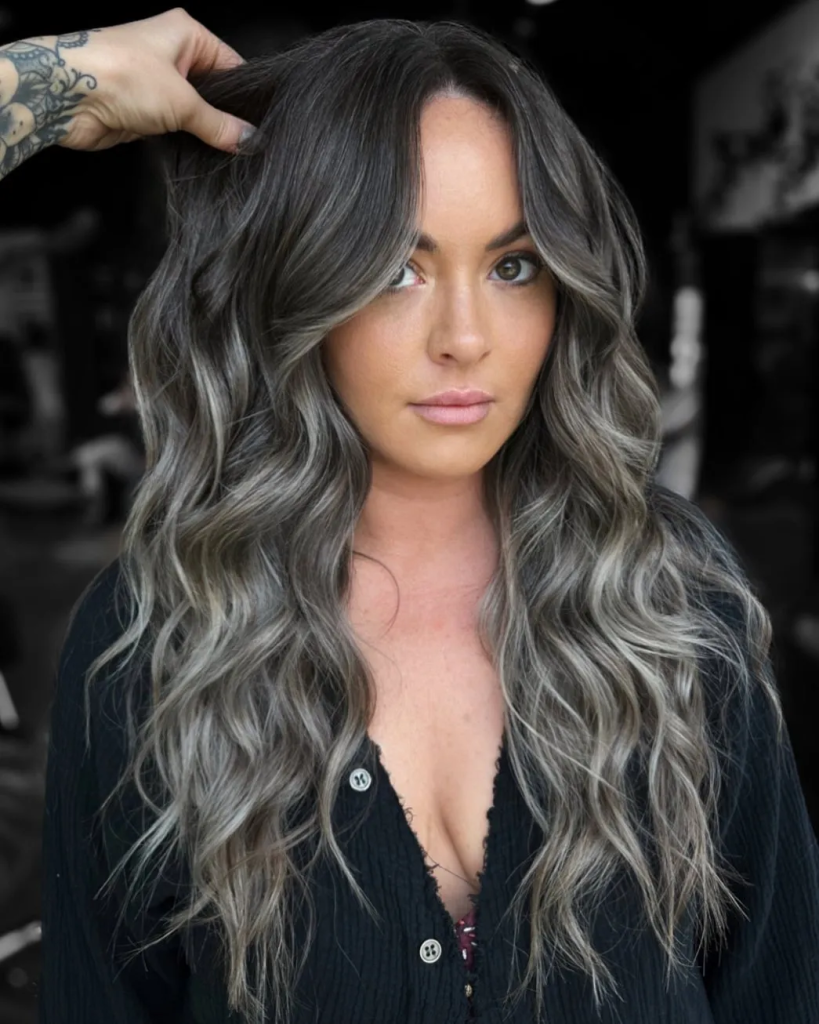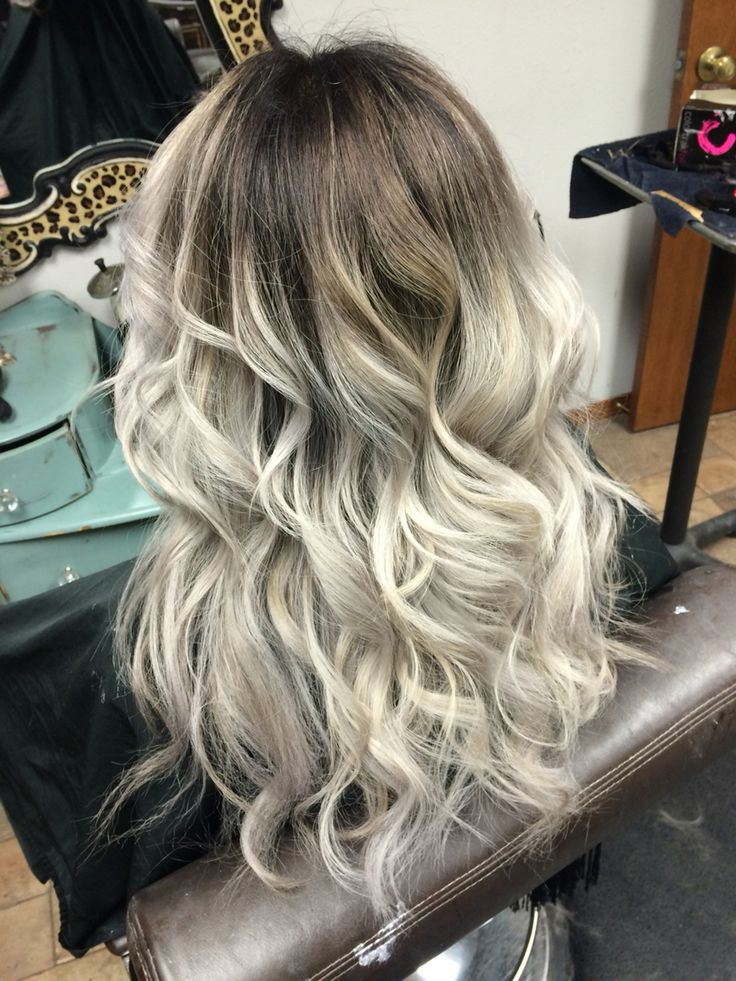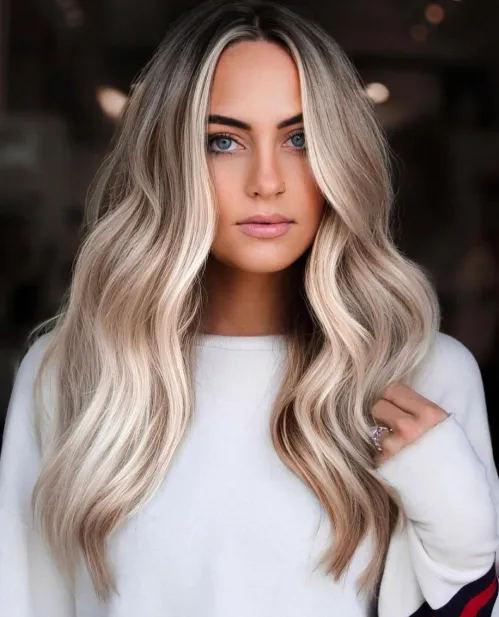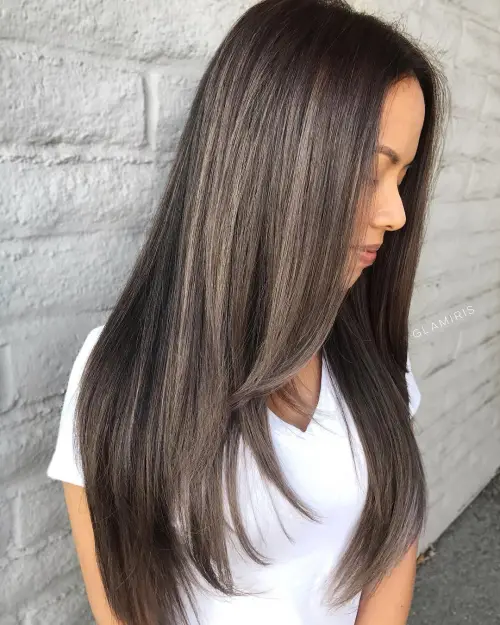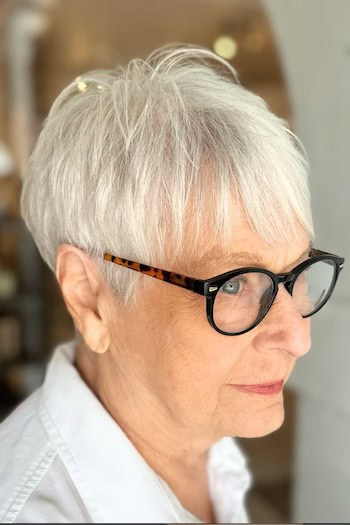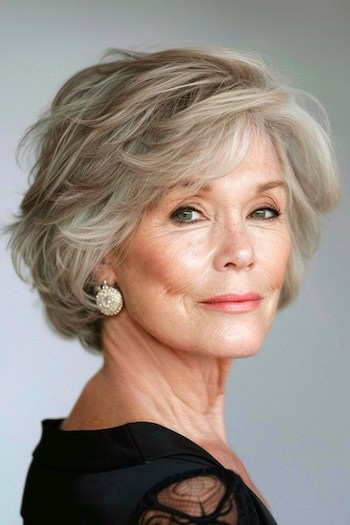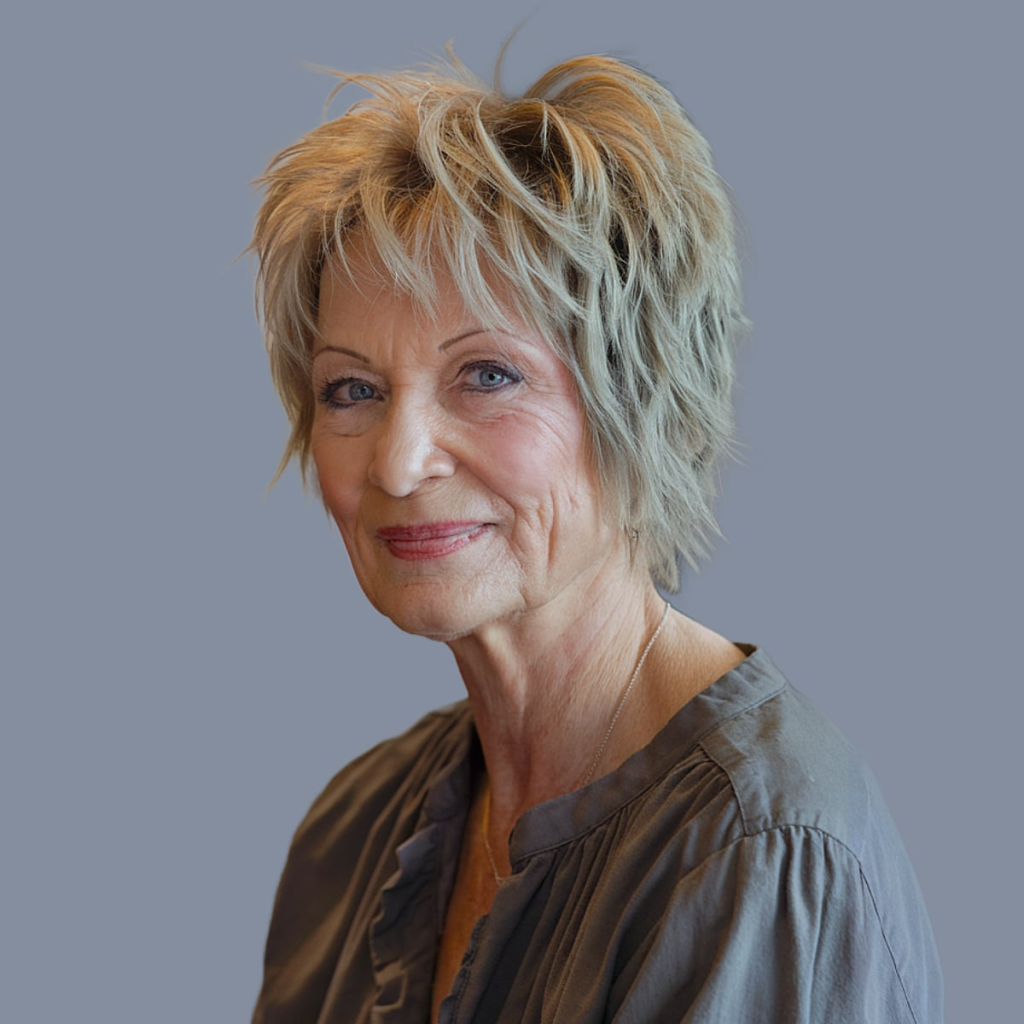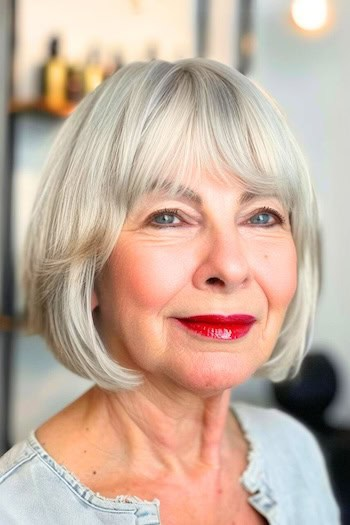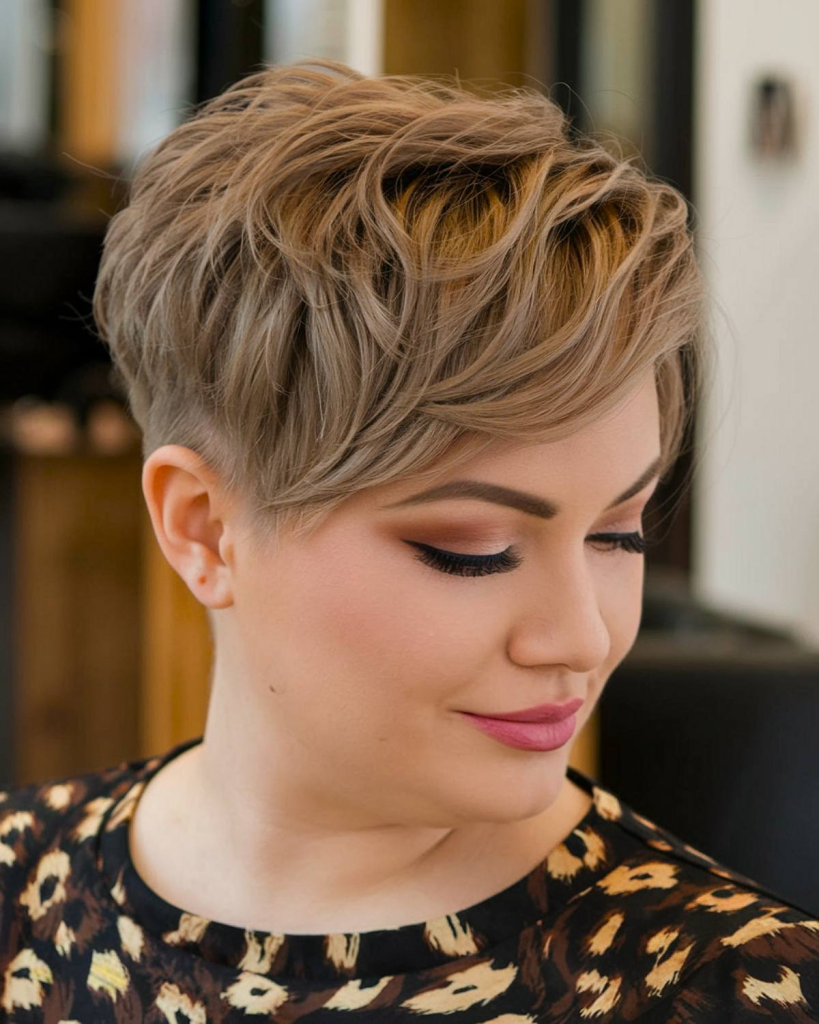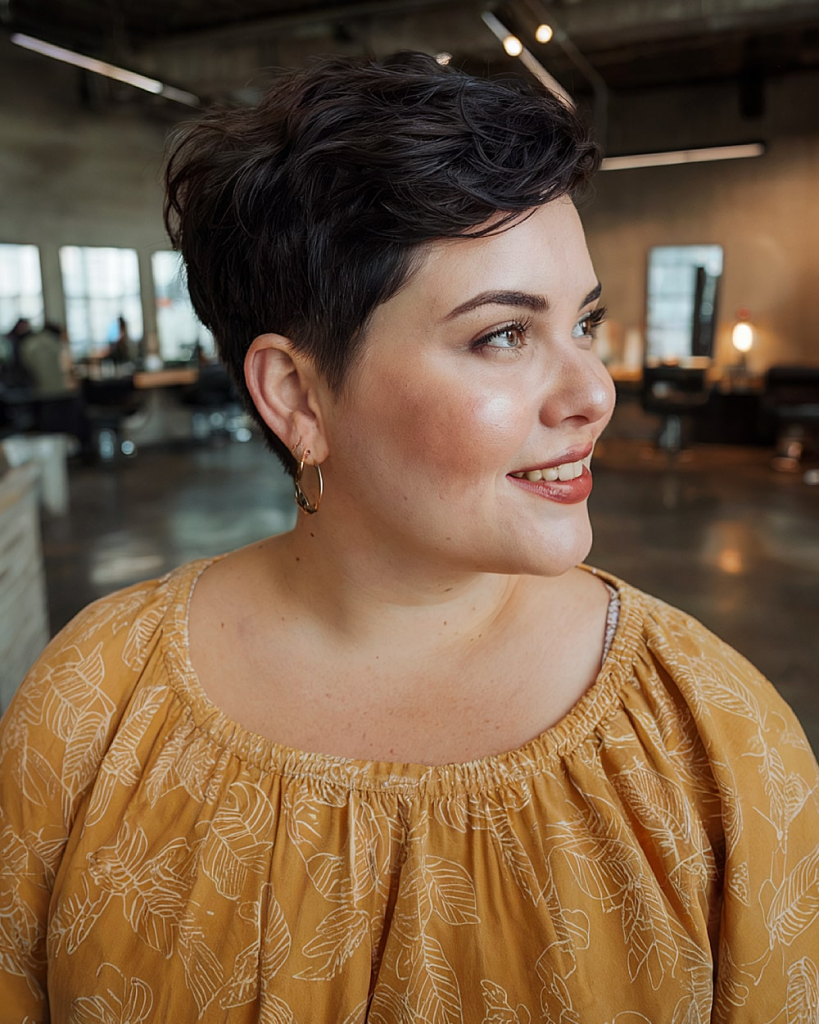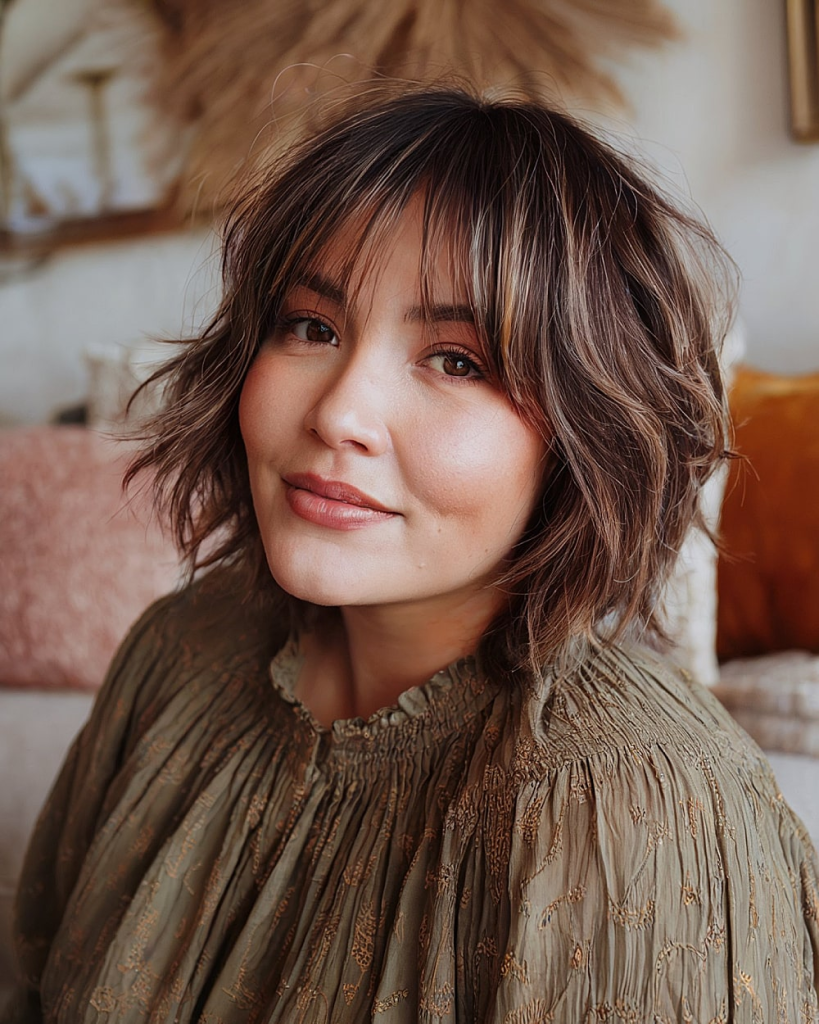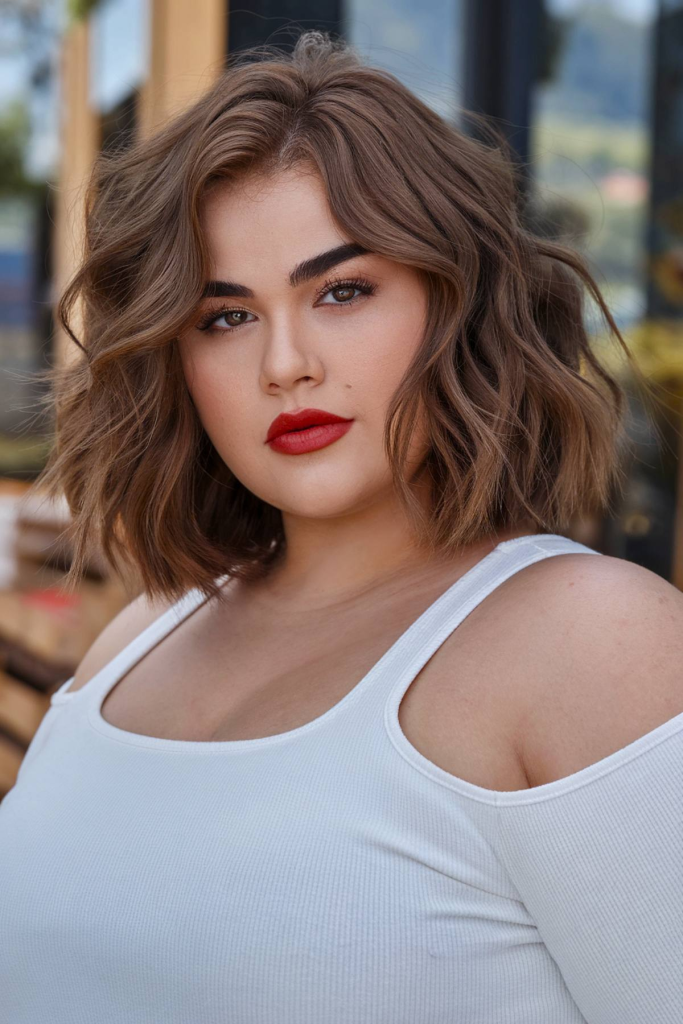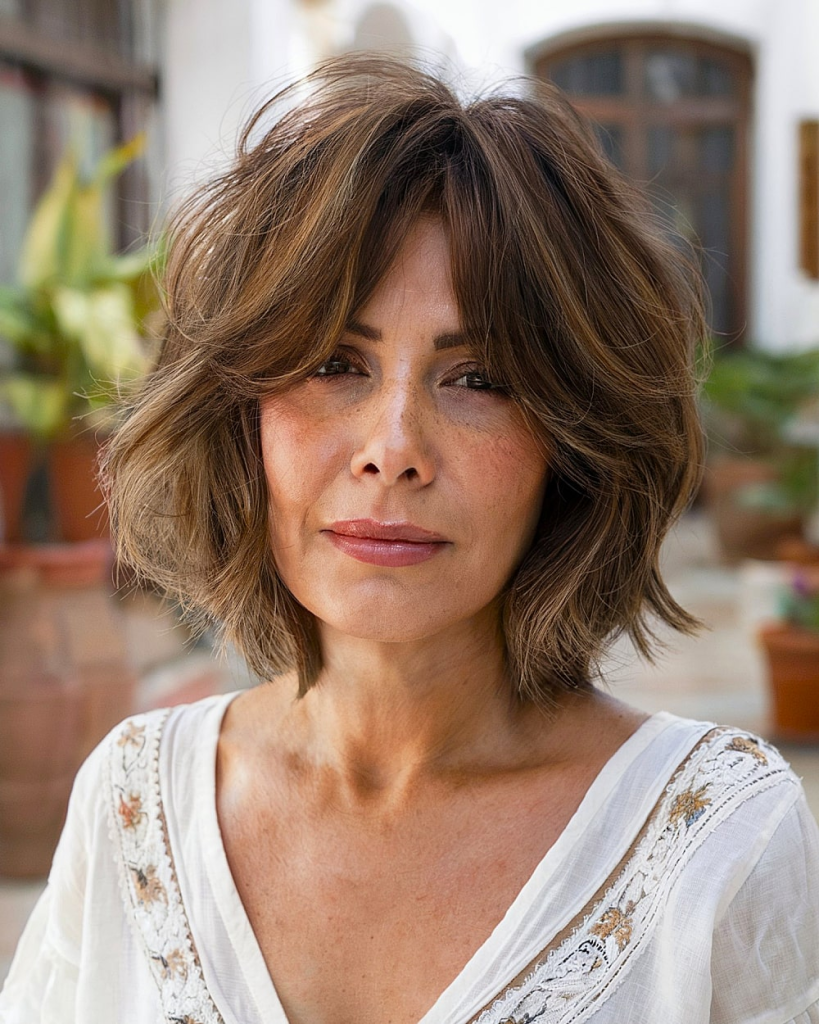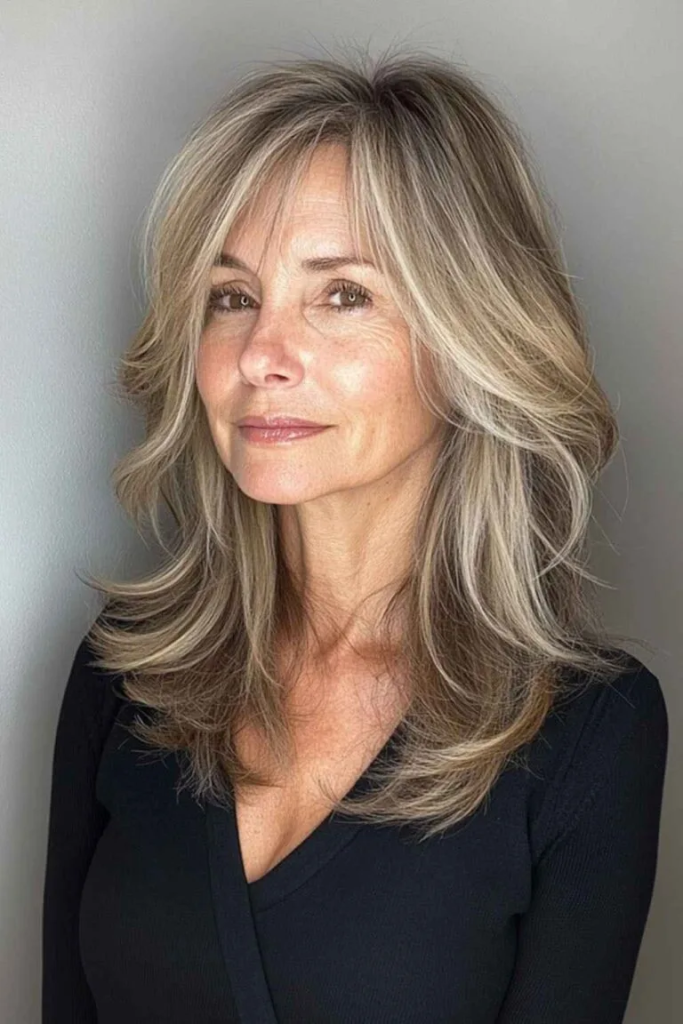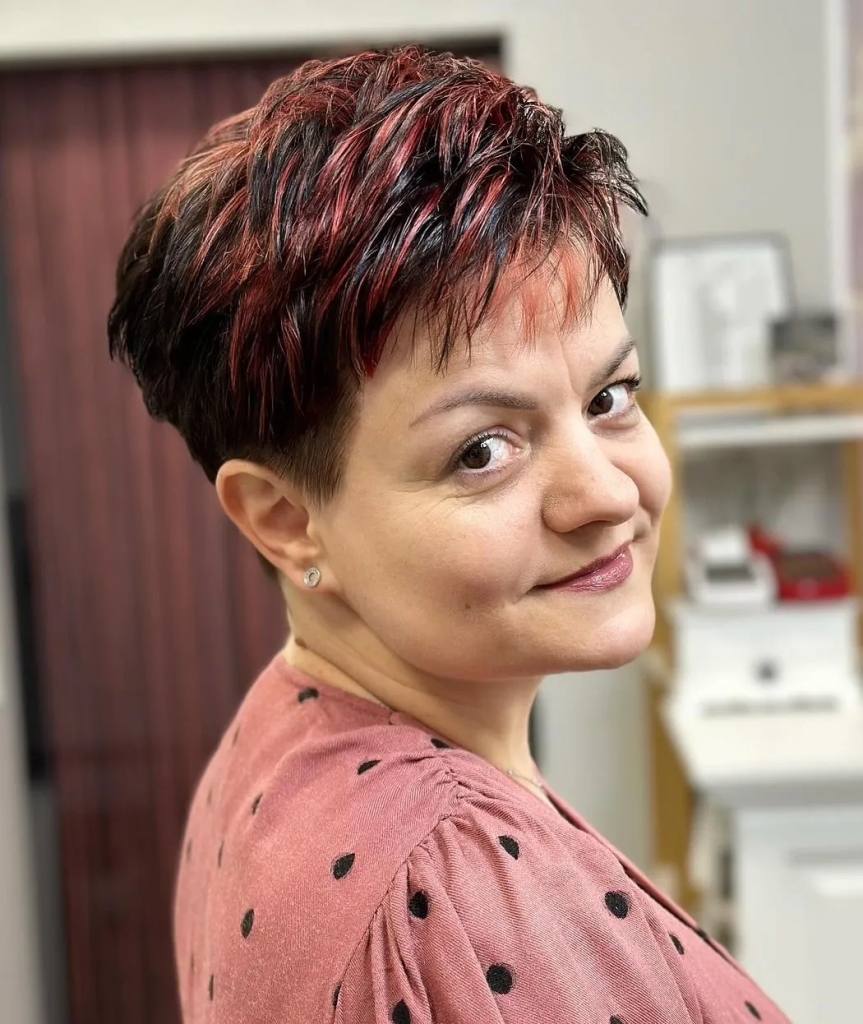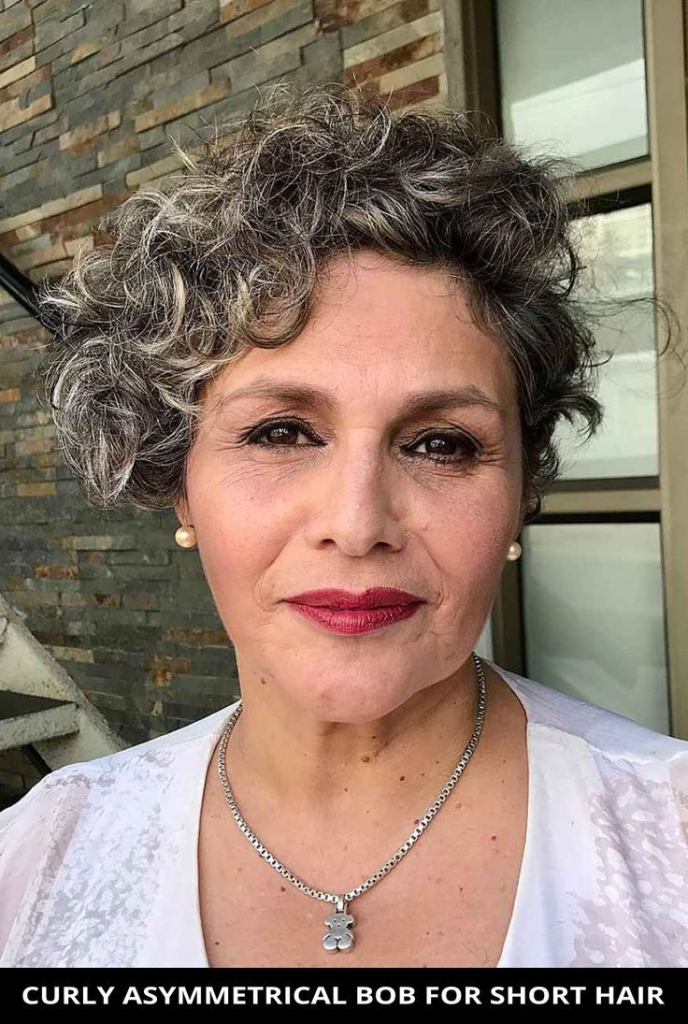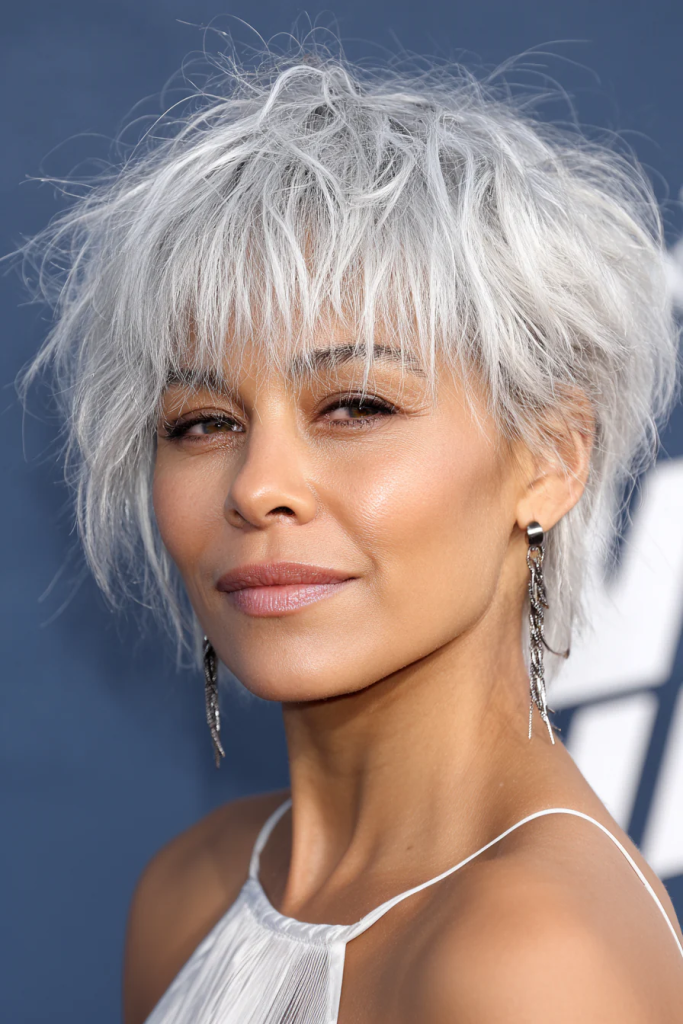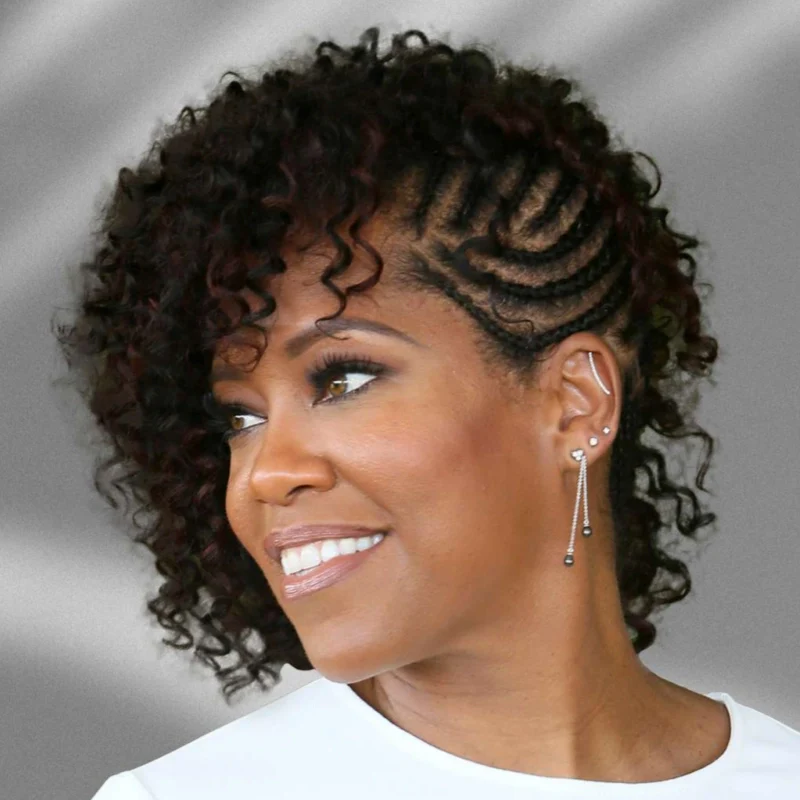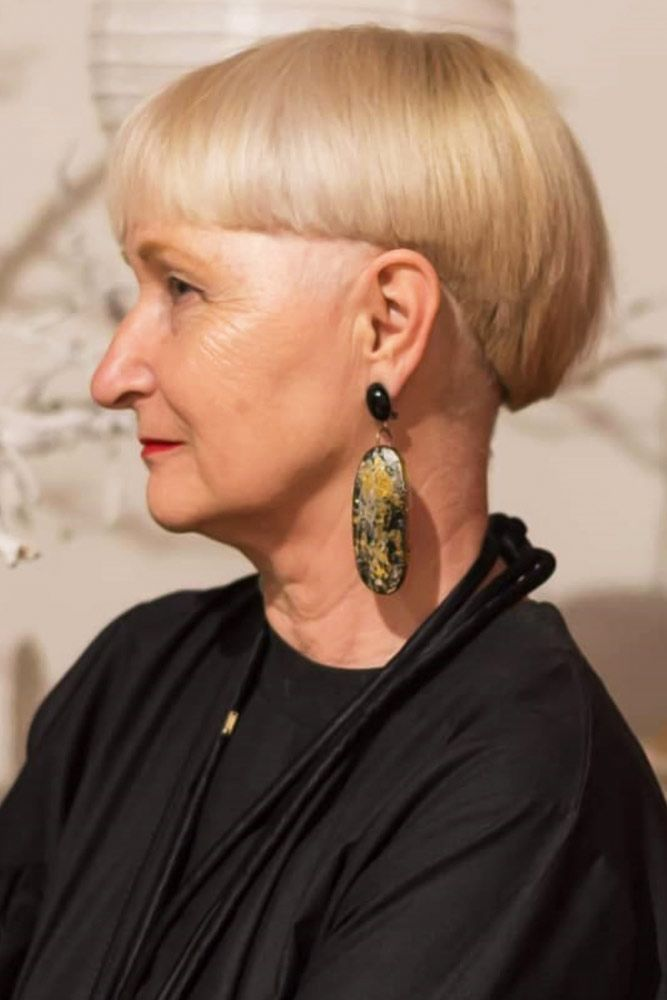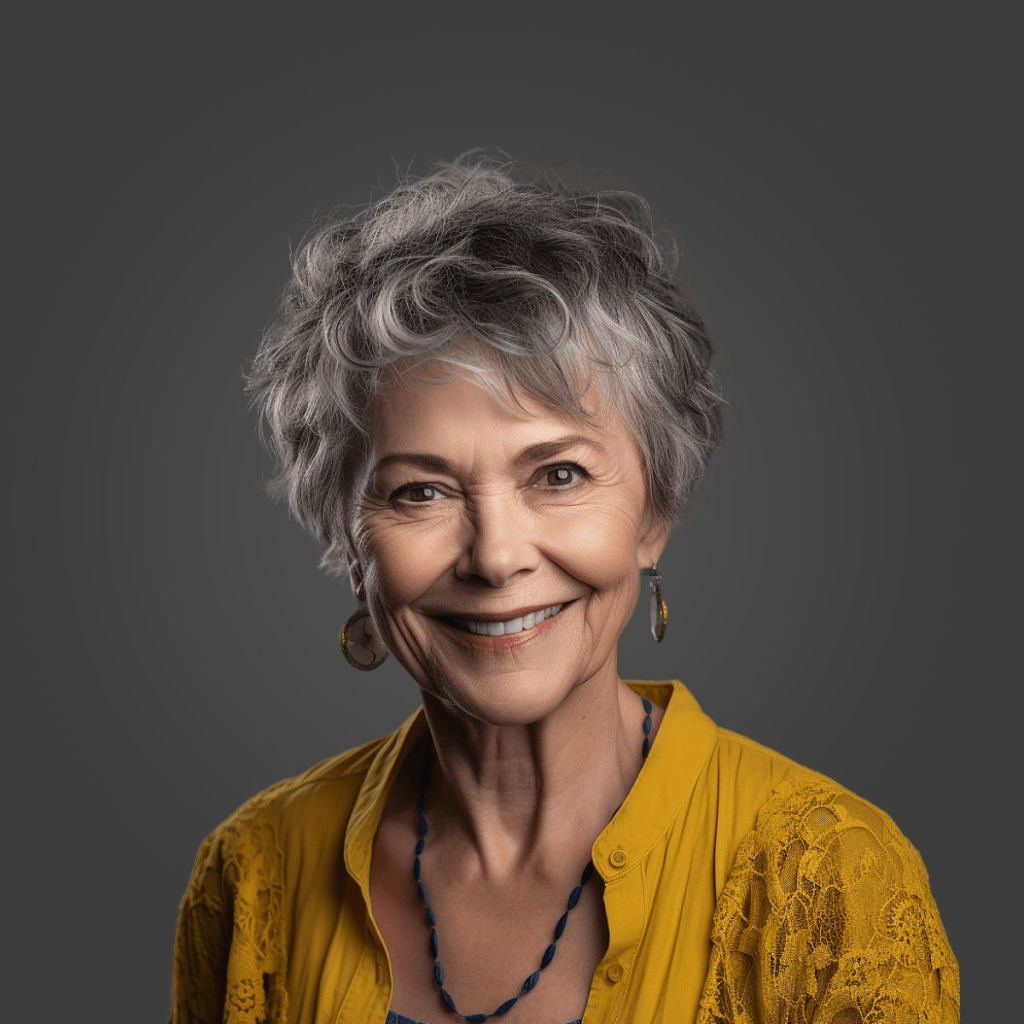
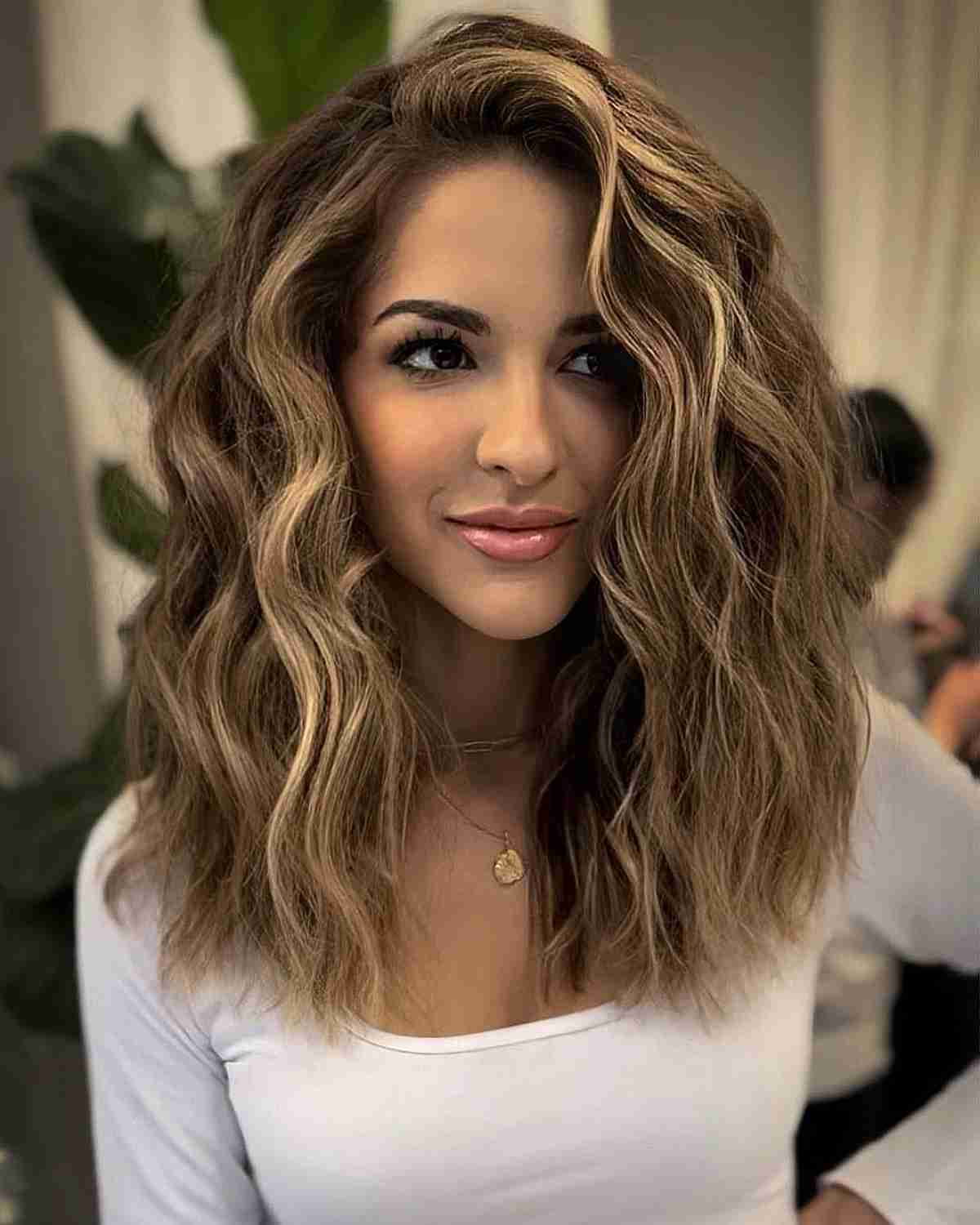
Category: Mom hairstyles

  • 10 Layered Shoulder Length Haircuts That Bring Movement, Volume, and Effortless Style

    10 Layered Shoulder Length Haircuts That Bring Movement, Volume, and Effortless Style

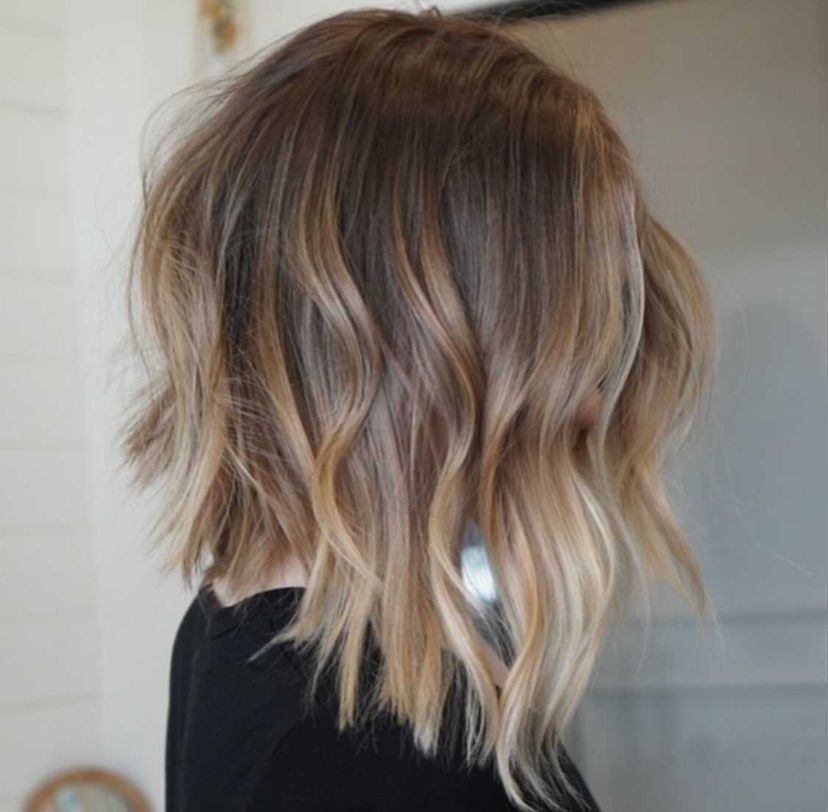
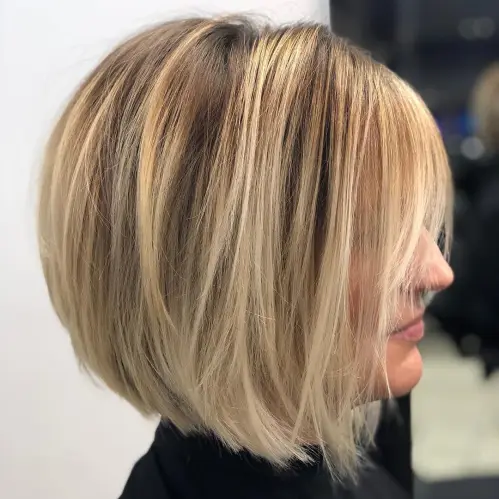
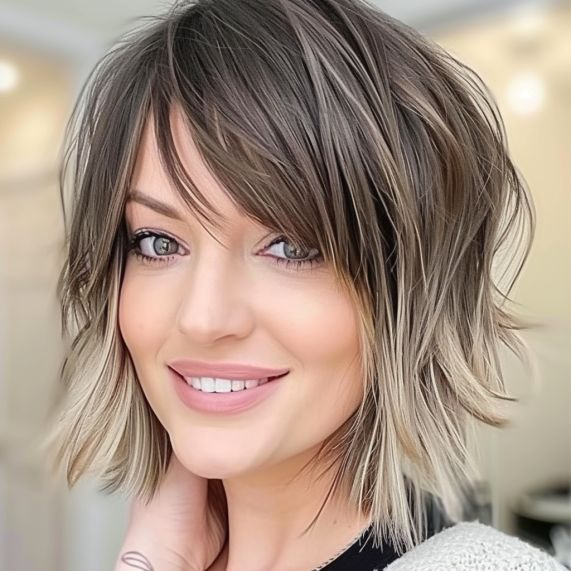
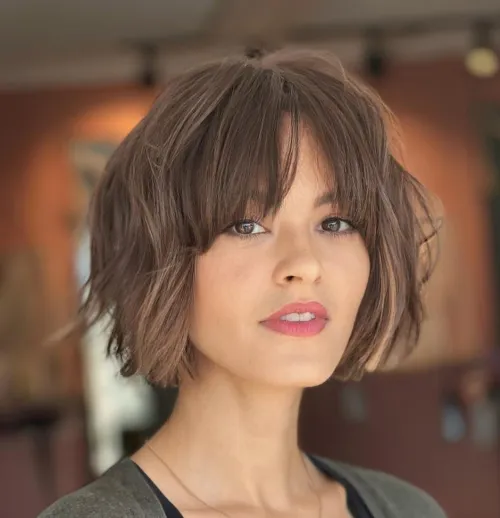
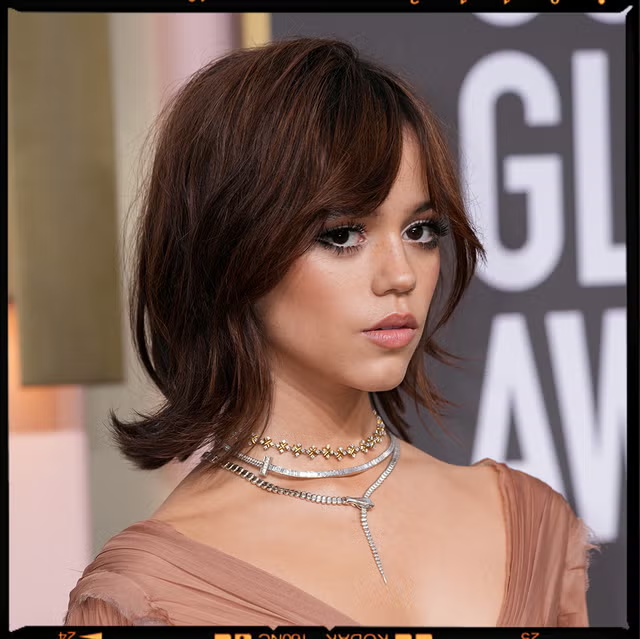
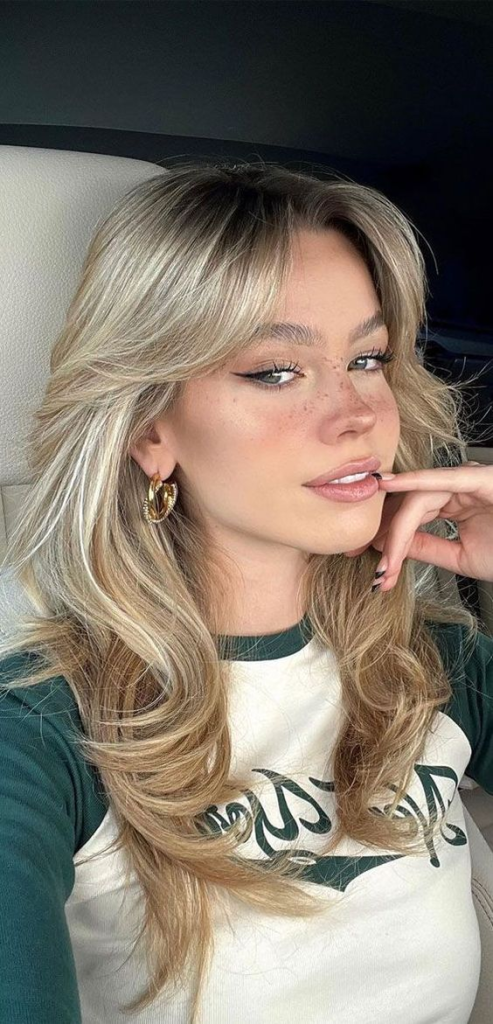
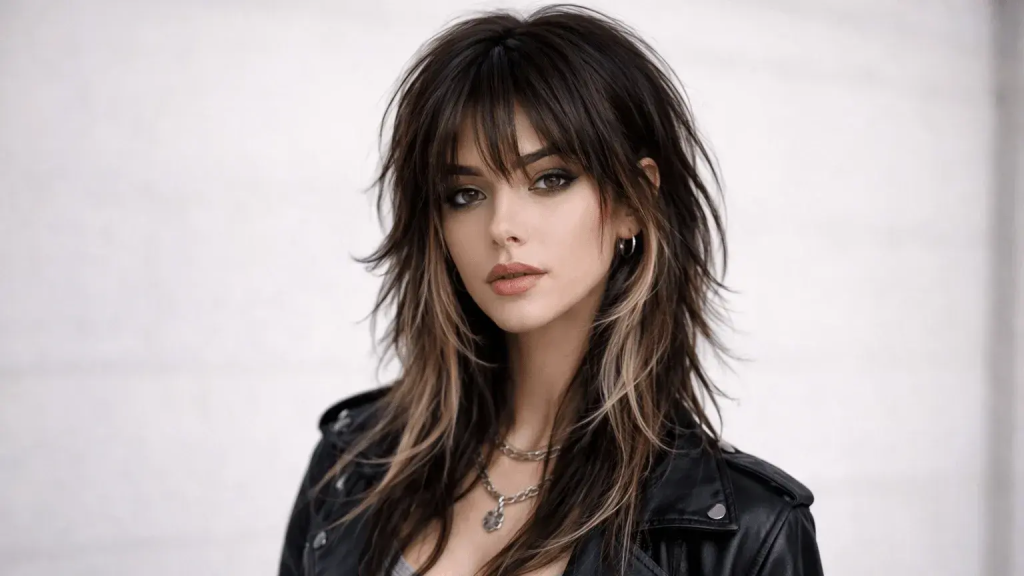
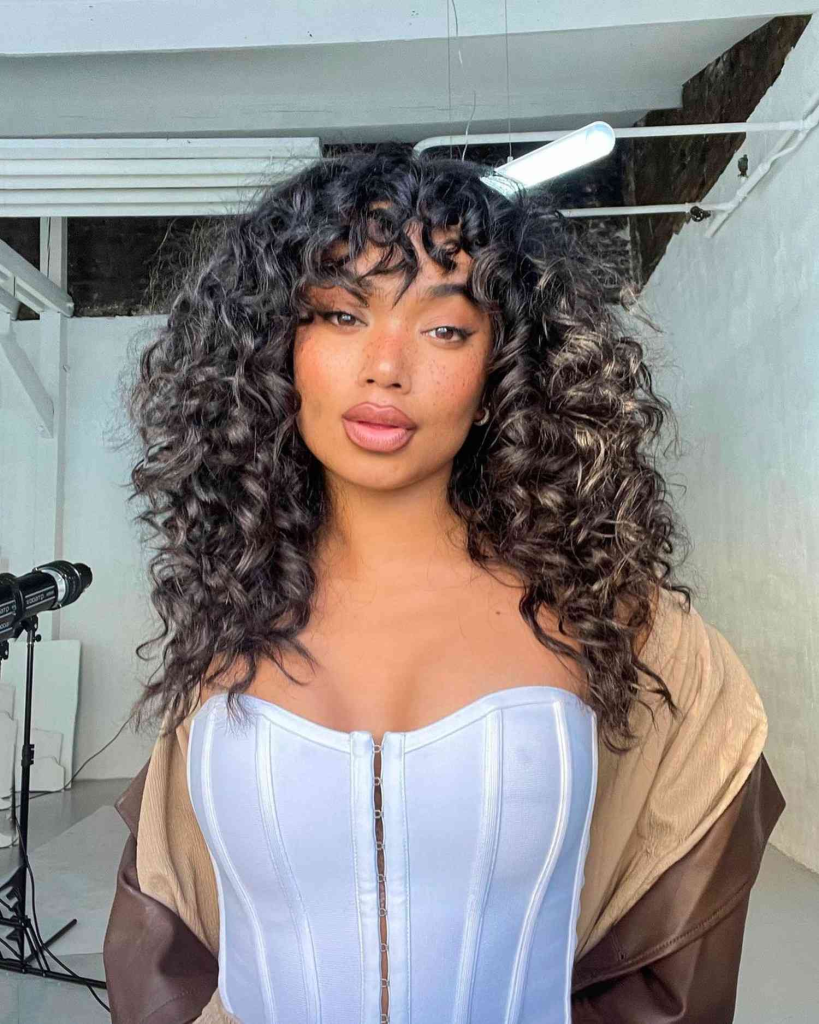
    The layered shoulder length haircut has become the most requested style in salons for women who want the perfect compromise between short and long hair. Falling somewhere between the chin and collarbone, this versatile length offers the ease of shorter hair with the styling options of longer locks. Adding layers transforms a basic shoulder-length cut into a dynamic, movement-filled style that works for every hair type—fine, thick, straight, curly, or wavy. In this guide, we’ll explore ten stunning layered shoulder-length haircuts, complete with why each works, how to style it, which face shapes it flatters, and maintenance needs. Whether you’re growing out a pixie or chopping off damaged ends, these cuts will give you fresh energy and modern volume.


    Why Layers Are Essential for Shoulder Length Hair

    Shoulder-length hair without layers can fall flat, look heavy, or feel shapeless. Layers solve all three problems by:

    • Removing bulk from thick hair that tends to triangle out at the shoulders
    • Adding volume to fine hair that struggles to hold any shape
    • Creating movement that catches light and makes hair look healthier
    • Framing the face with strategic pieces that soften your features

    For women dealing with age-related thinning, layers are particularly powerful. If you want even more volume-focused options, check out our guide to 10 Hairstyles for Thin Fine Hair Over 50: Volume, Texture, and Youthful Fullness that pairs beautifully with layered cuts.


    The 10 Layered Shoulder Length Haircuts

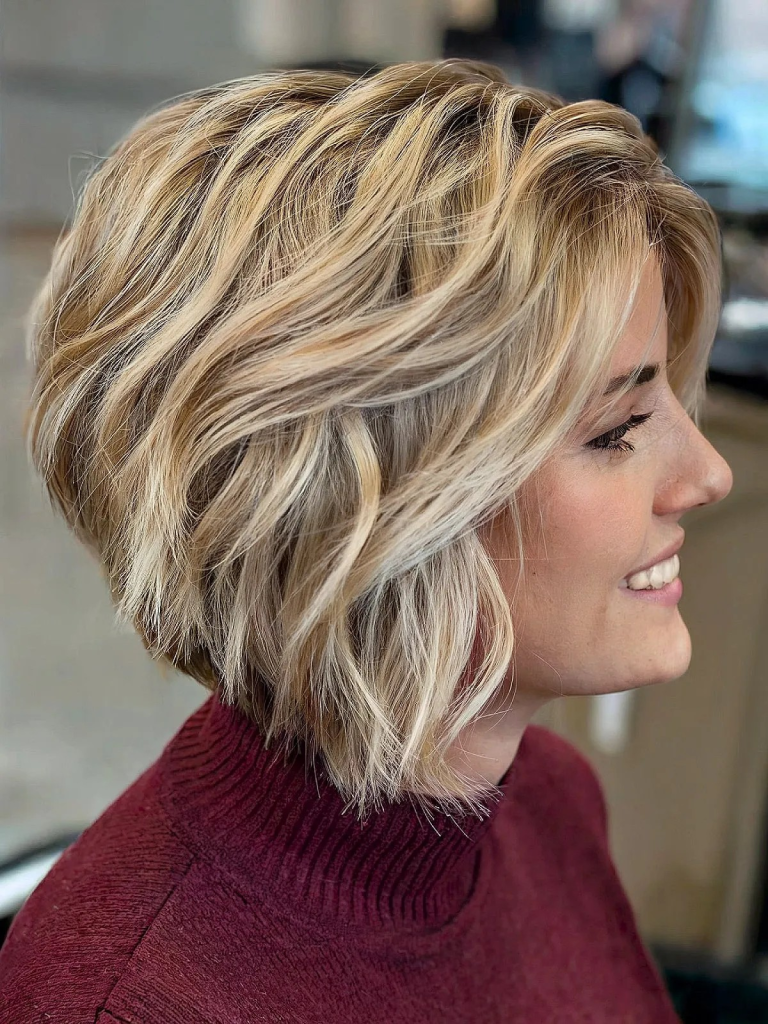
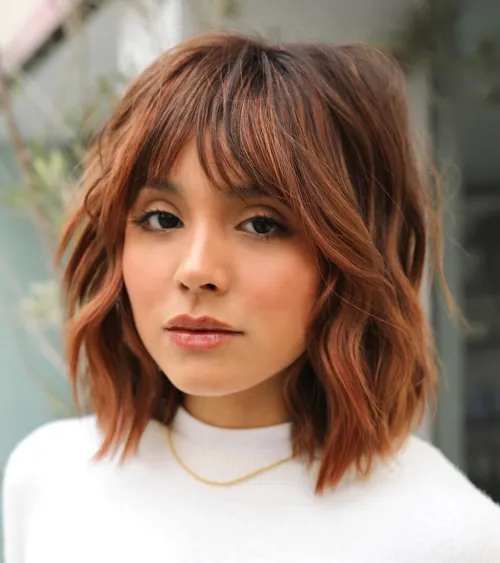
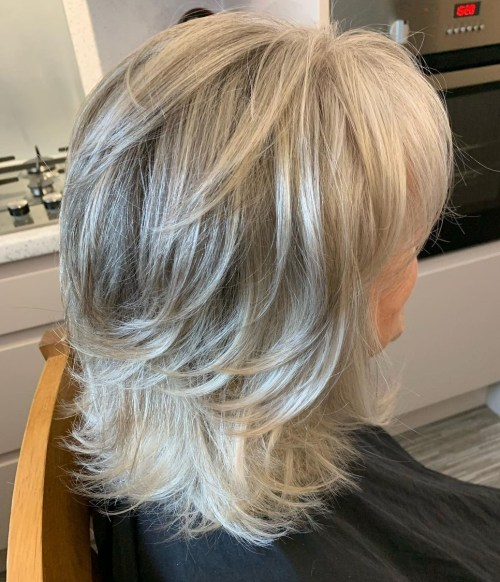
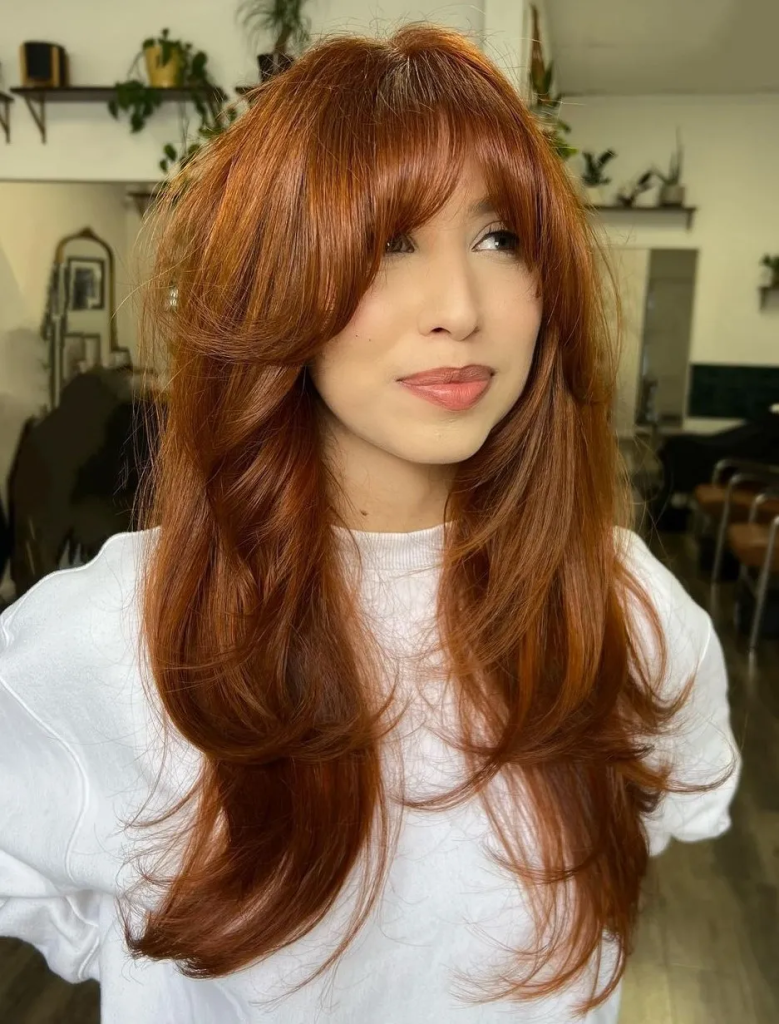
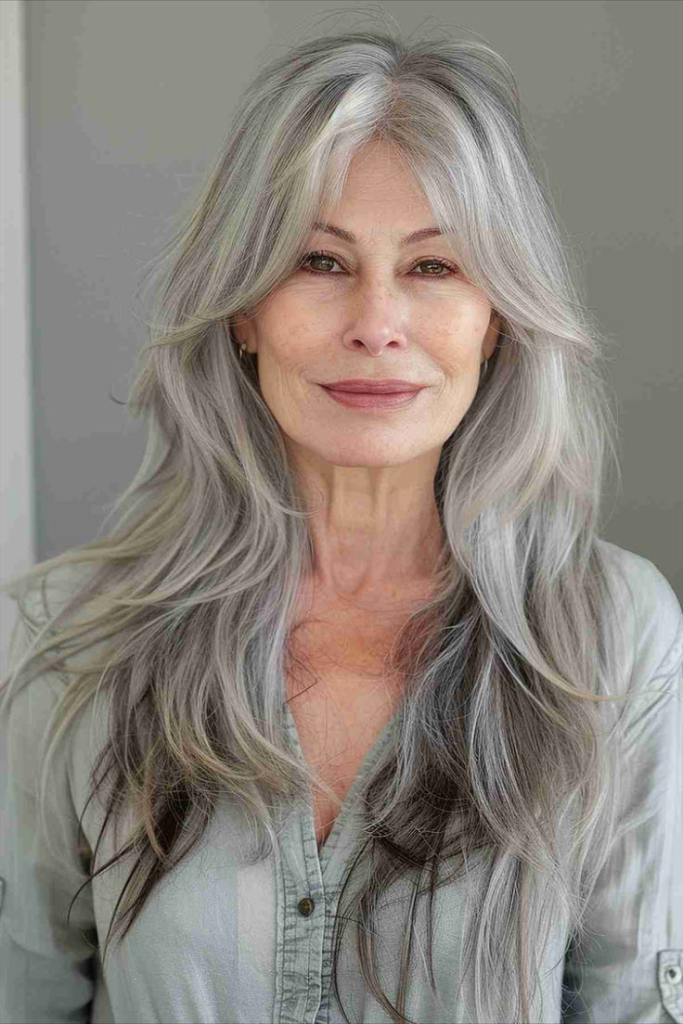
    1. Classic Long Layers with Soft Face-Framing
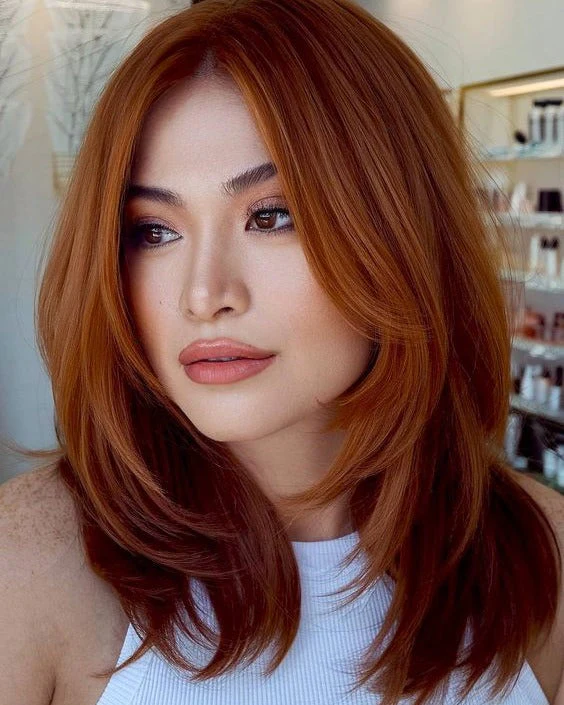
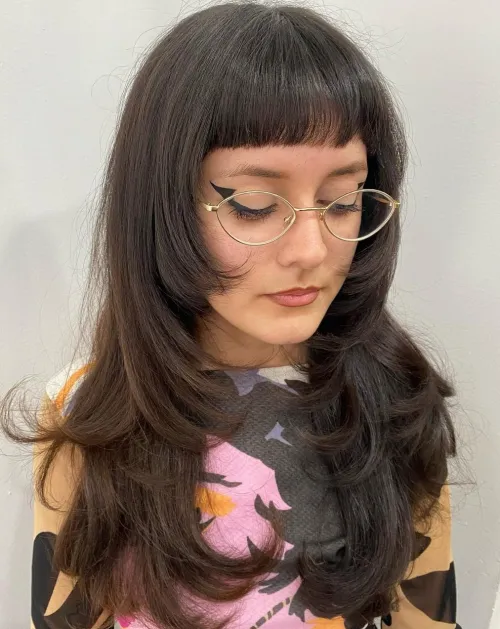
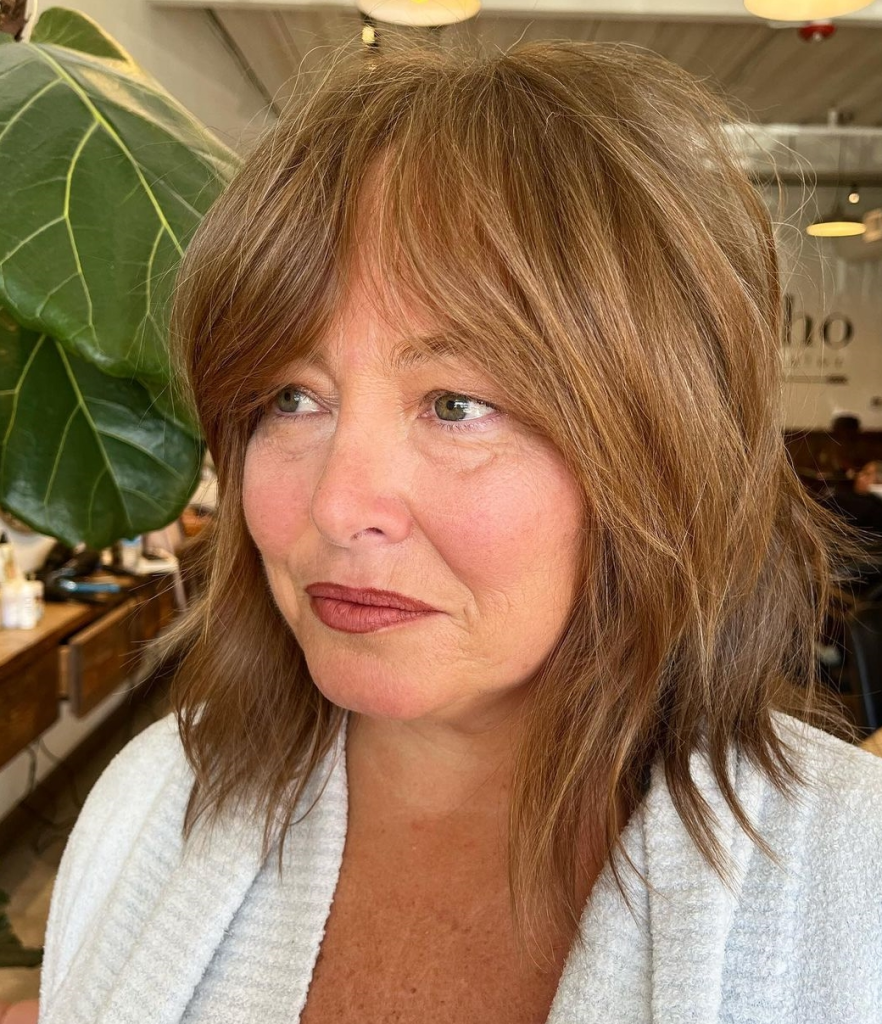
    This is the entry-level layered cut. Long, subtle layers start around the chin and continue to the ends, with slightly shorter pieces framing the face. The overall shape is soft and romantic.

    Why it works: Long layers add movement without sacrificing length or density. The face-framing pieces soften strong jawlines and draw attention to your eyes.

    How to style it: Apply a volumizing mousse to damp hair. Blow-dry using a round brush, curling the ends slightly under or away from your face. For a more casual look, air-dry and finish with a texturizing spray.

    Best face shapes: Oval, heart, square, oblong. The softness around the face flatters almost everyone.

    Maintenance needs: Trim every 8–10 weeks to prevent split ends and keep the layers blended.

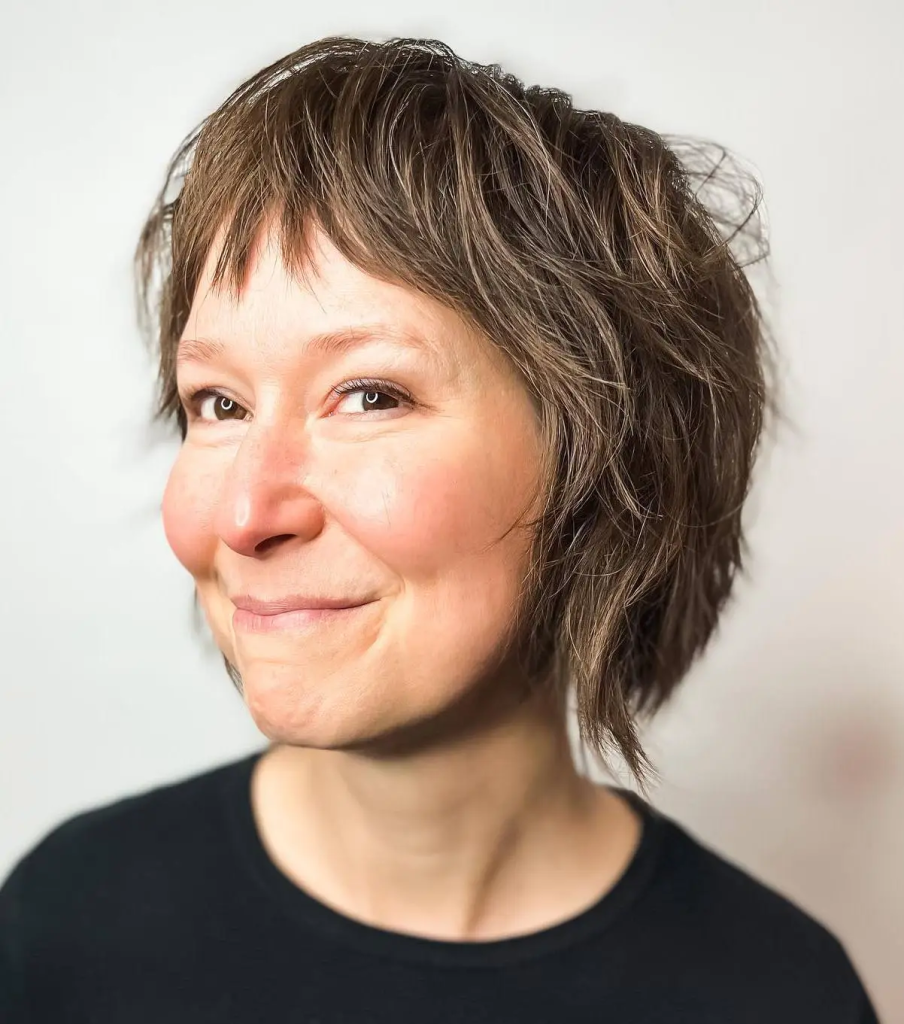
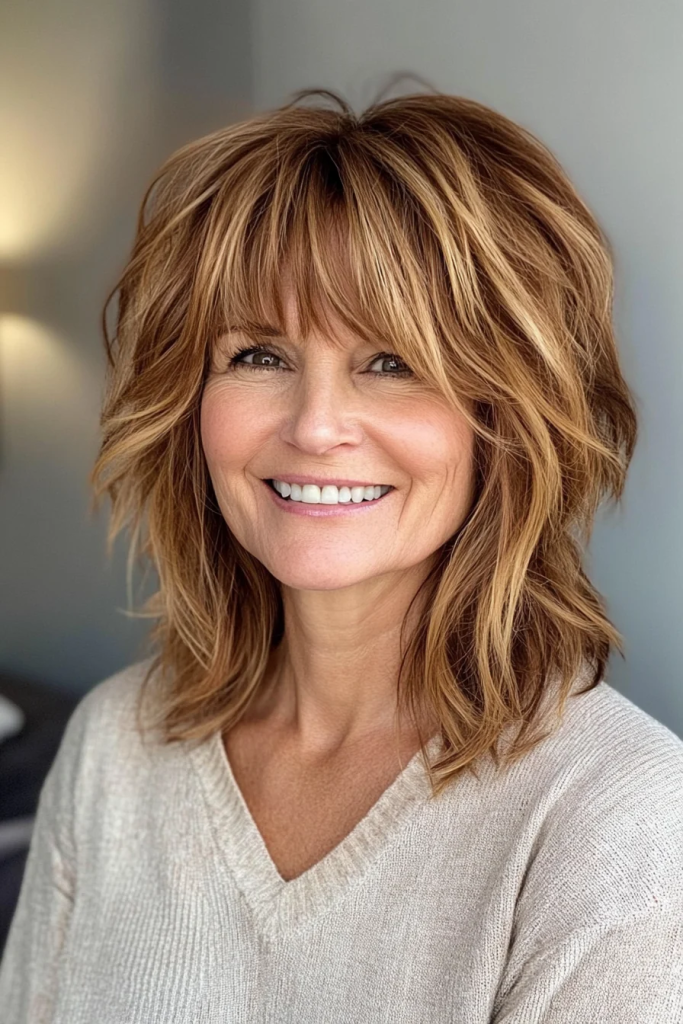
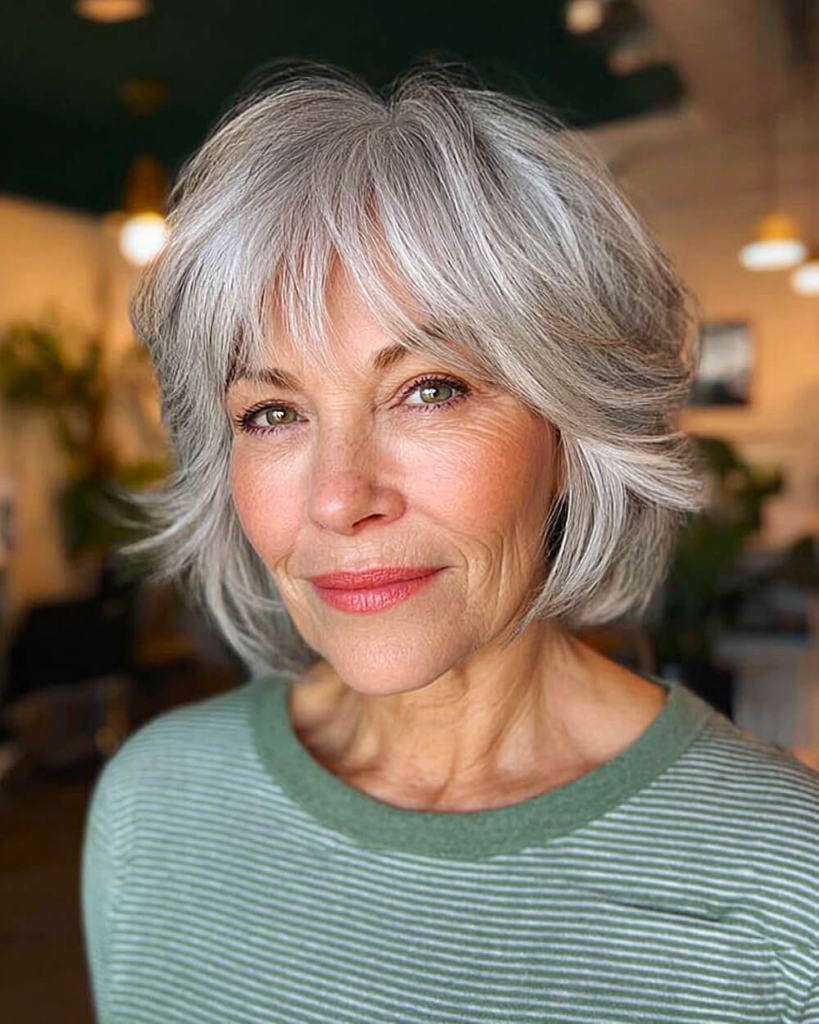
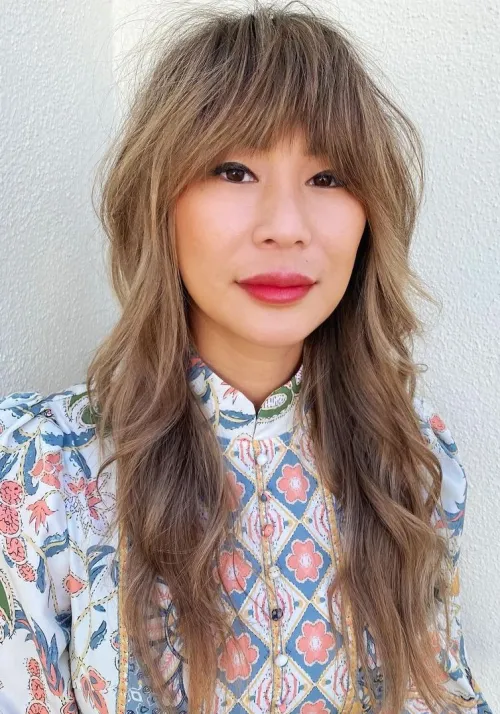
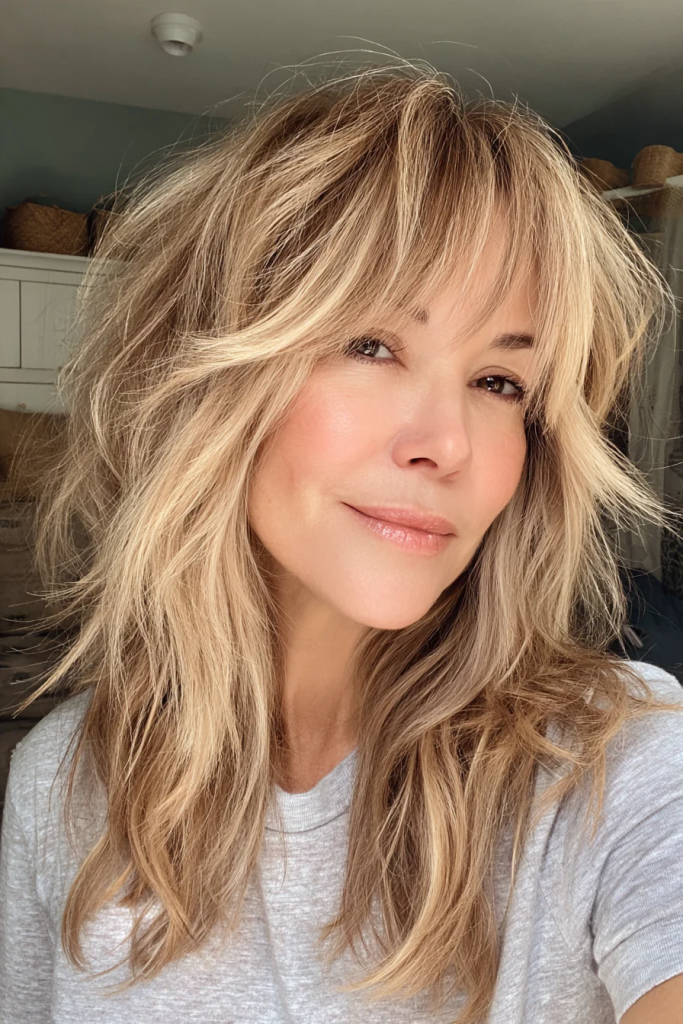
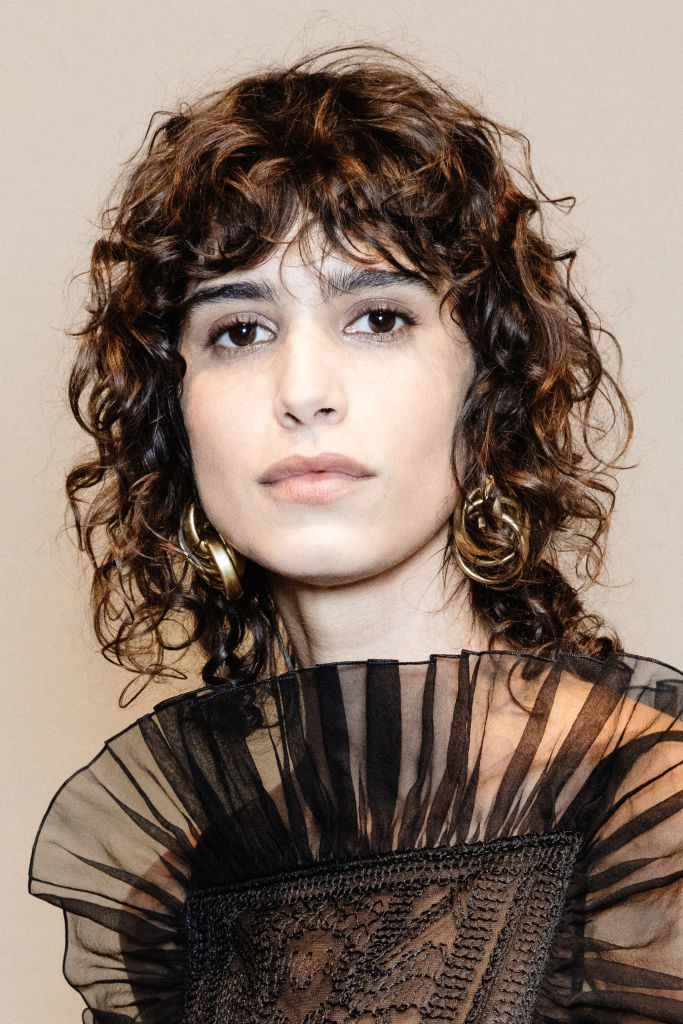
    2. Choppy Layered Shag for Shoulder Length

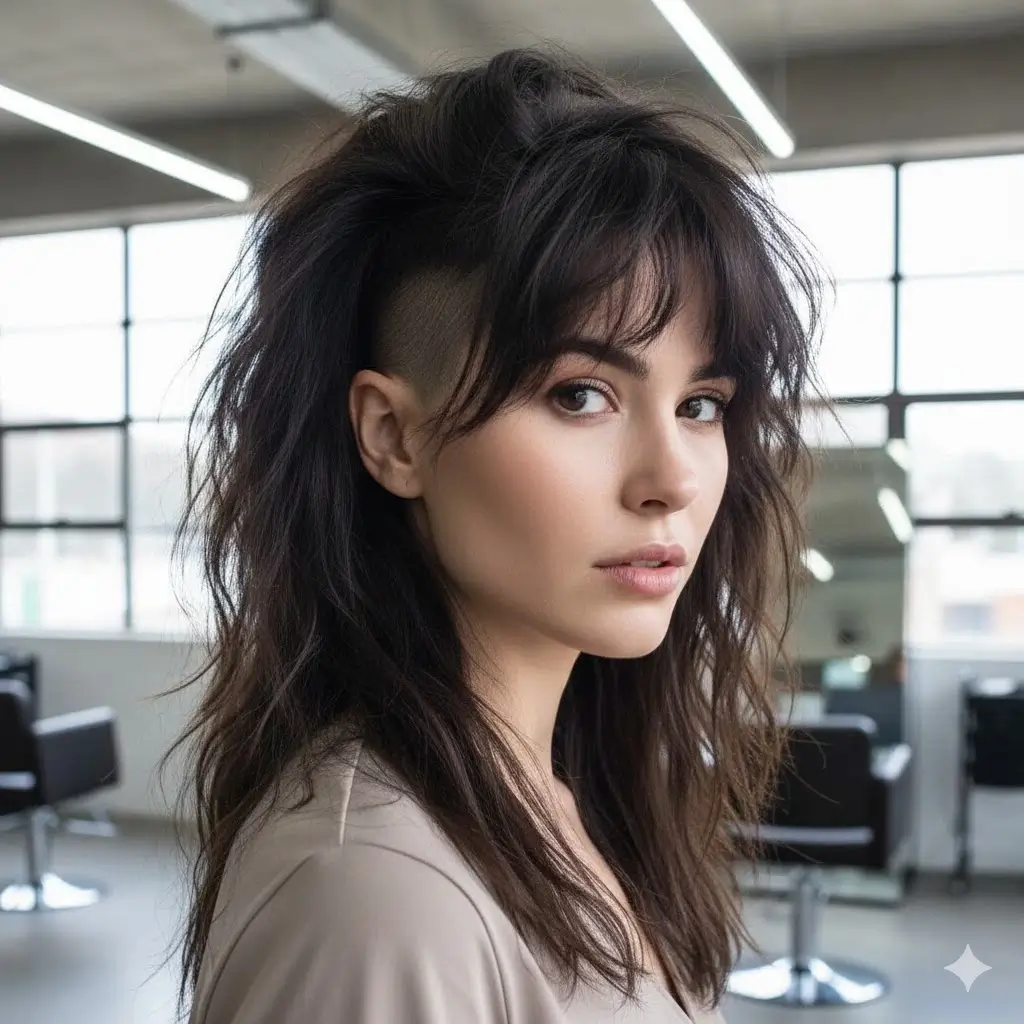
    This version brings the popular shag cut to shoulder length. Choppy, disconnected layers create a textured, slightly messy look that feels modern and edgy.

    Why it works: The choppy layers add serious volume, making it ideal for fine or thinning hair. The texture also hides uneven growth between salon visits.

    How to style it: Apply a texturizing spray to damp hair. Scrunch as you blow-dry with a diffuser, or let it air-dry completely. Finish with a small amount of styling paste on the ends for piece-y separation.

    Best face shapes: Oval, heart, round. The height and texture balance rounder face shapes.

    Maintenance needs: Every 6–8 weeks. The choppy layers lose their definition as they grow.

    If you love this textured look, you’ll also adore our 7 short shag haircuts for older women that bring the same effortless vibe to shorter lengths.

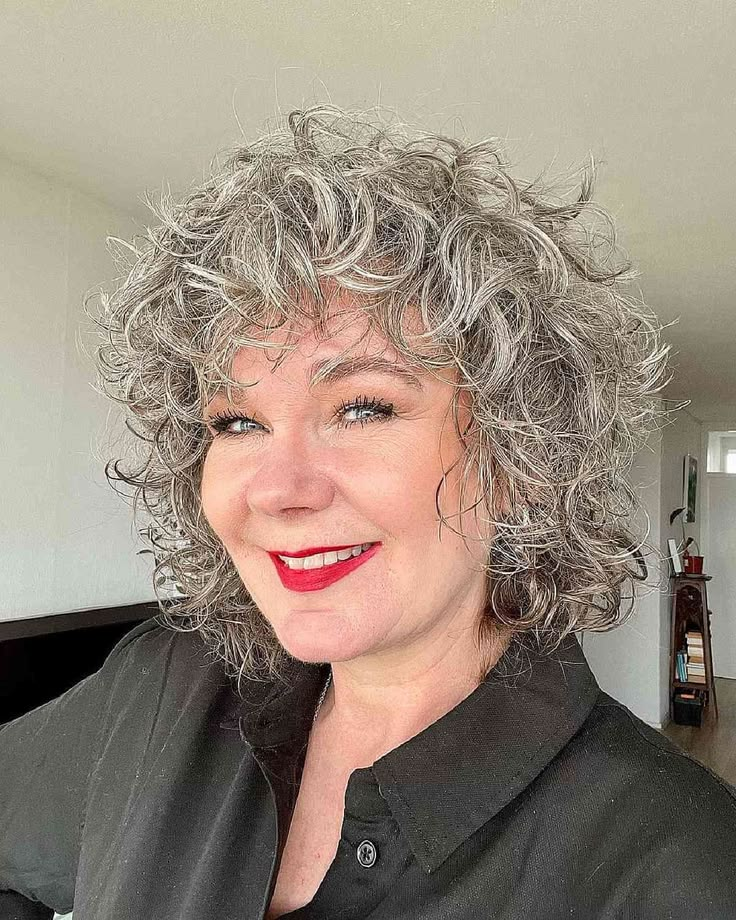
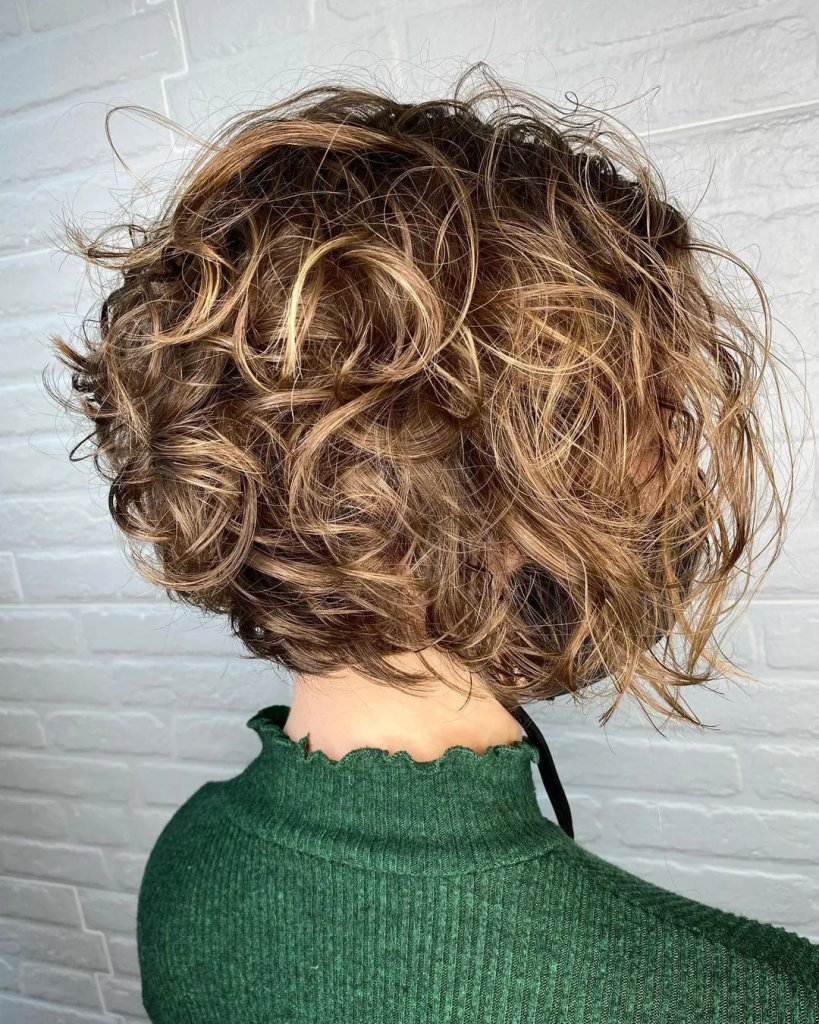
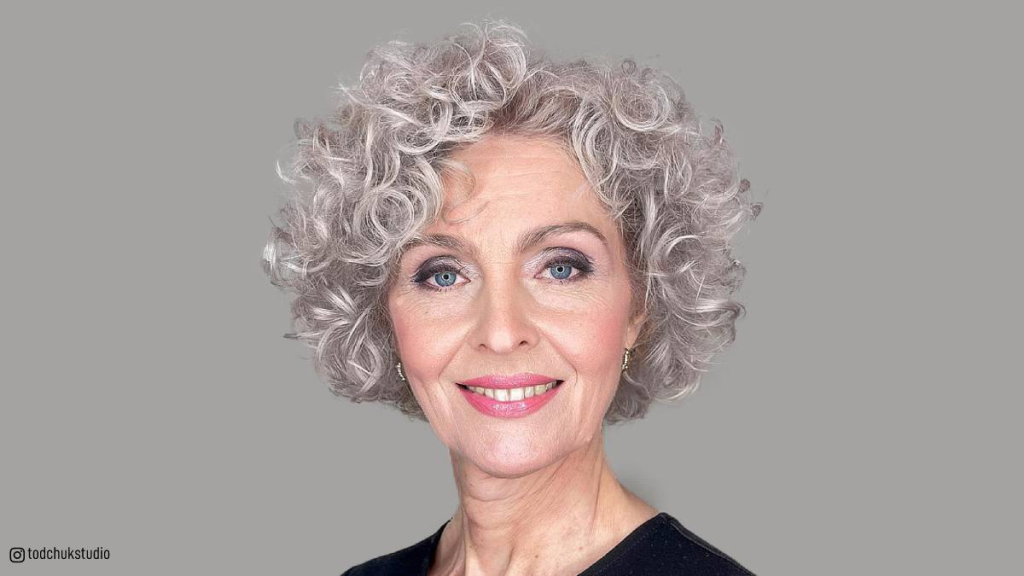
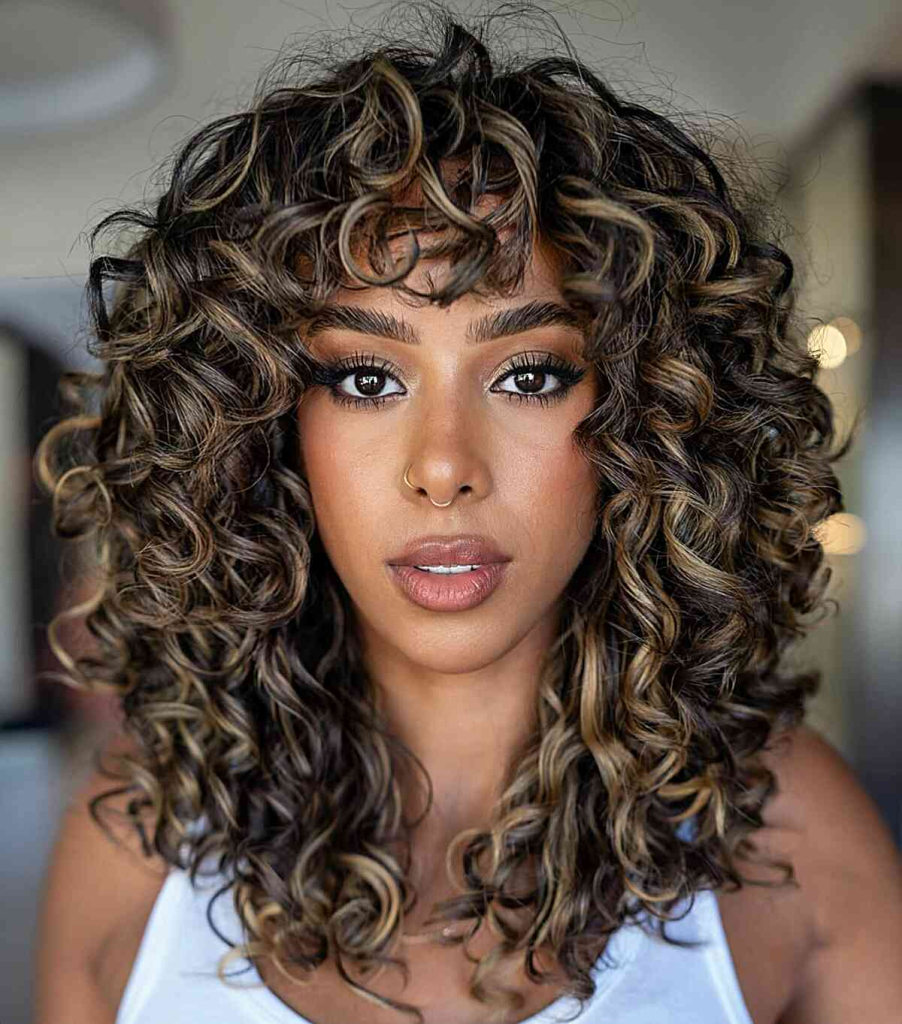
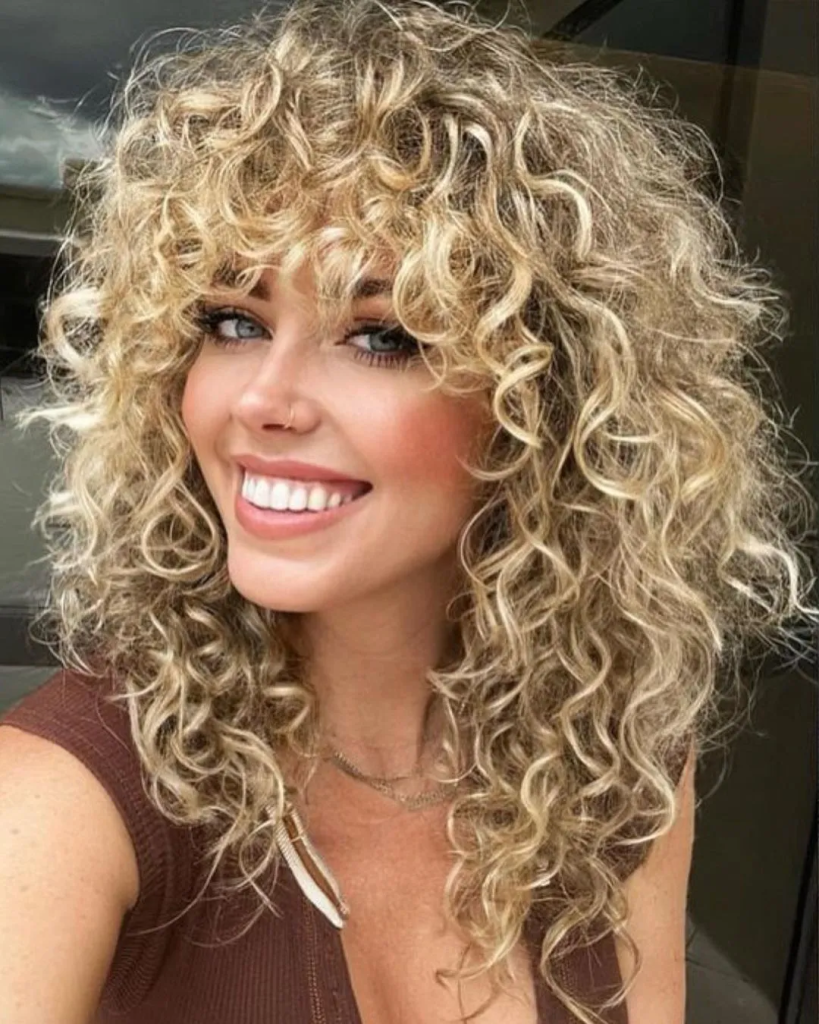
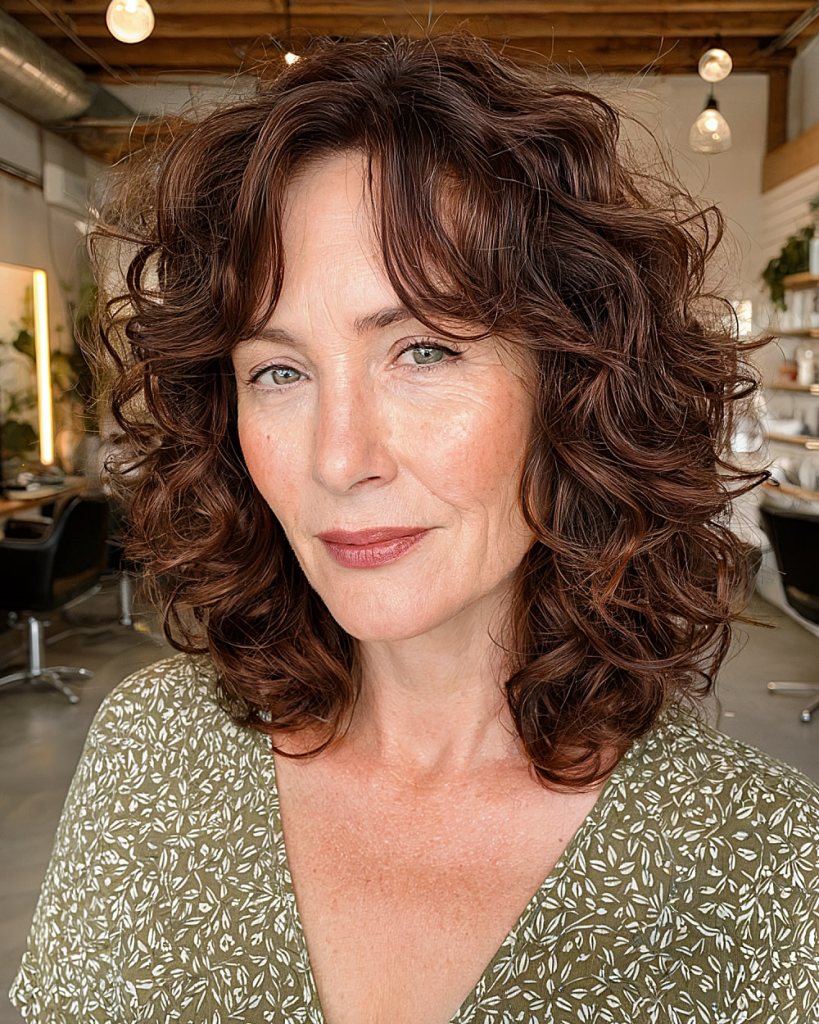
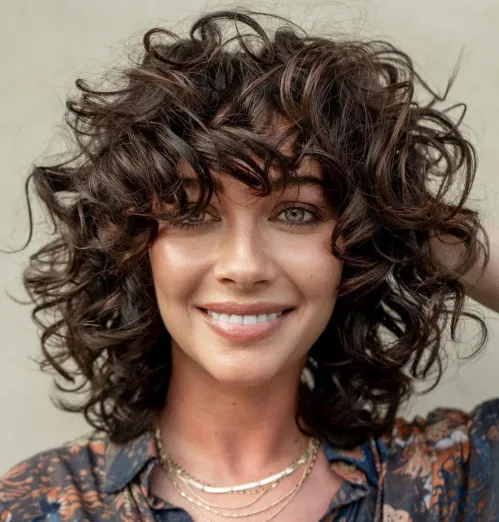
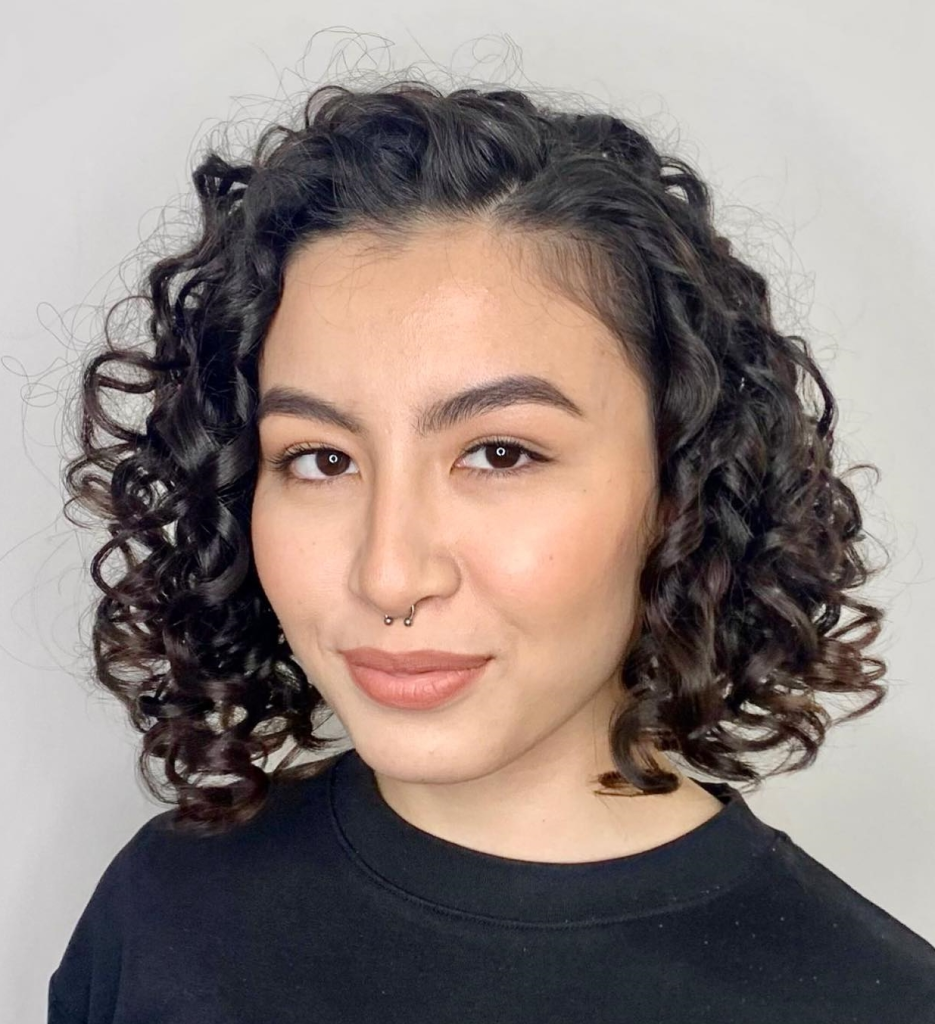
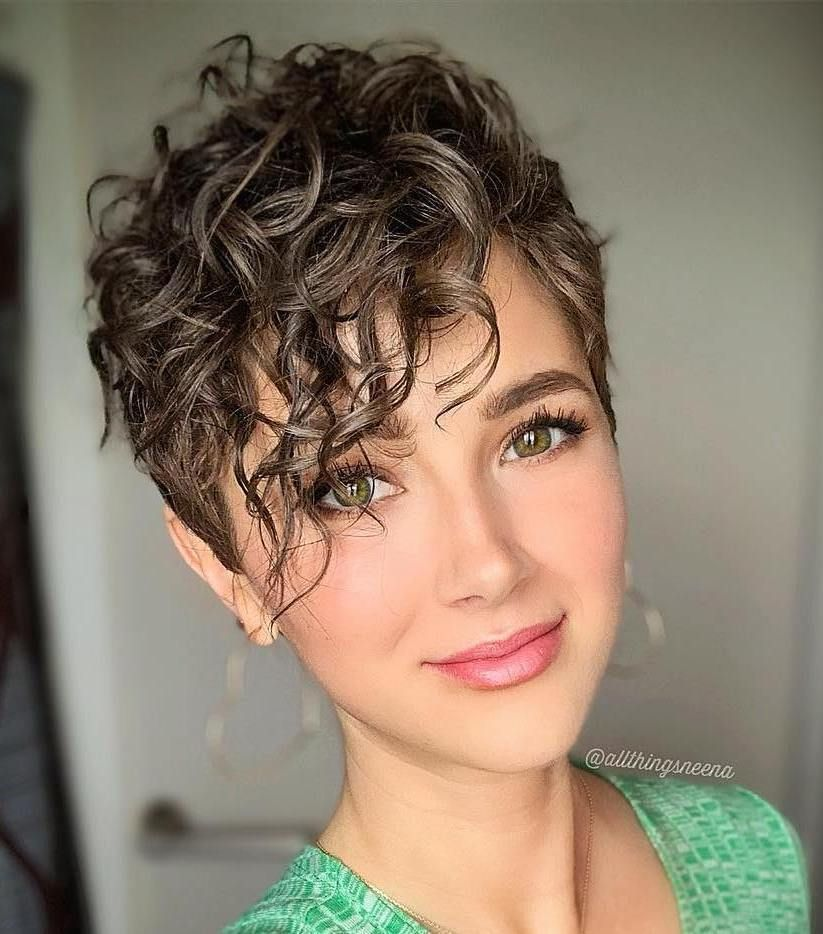
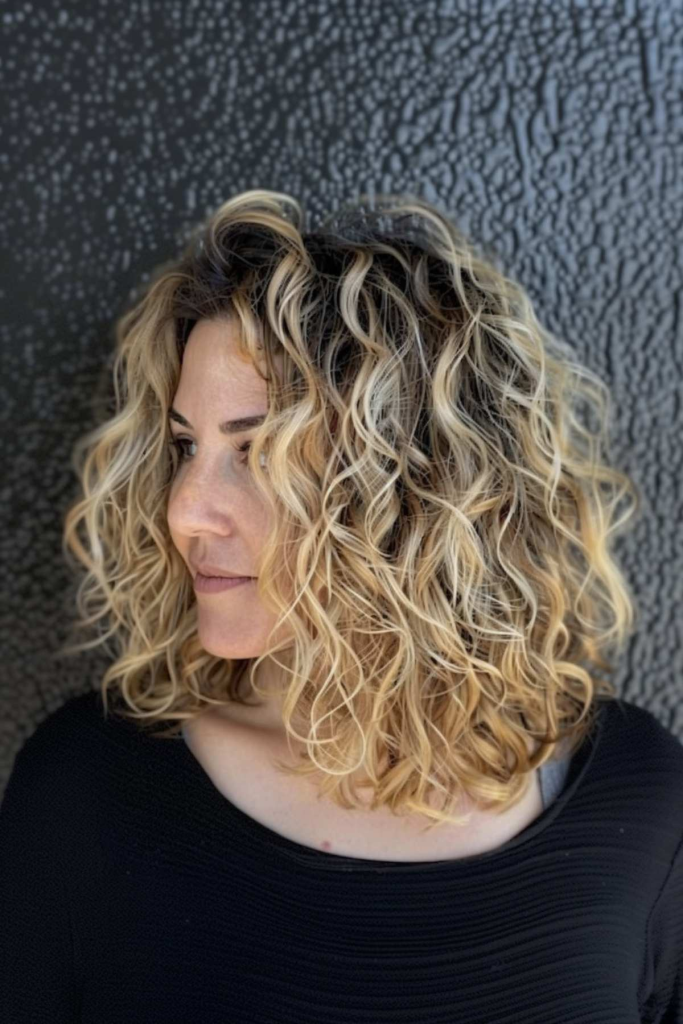
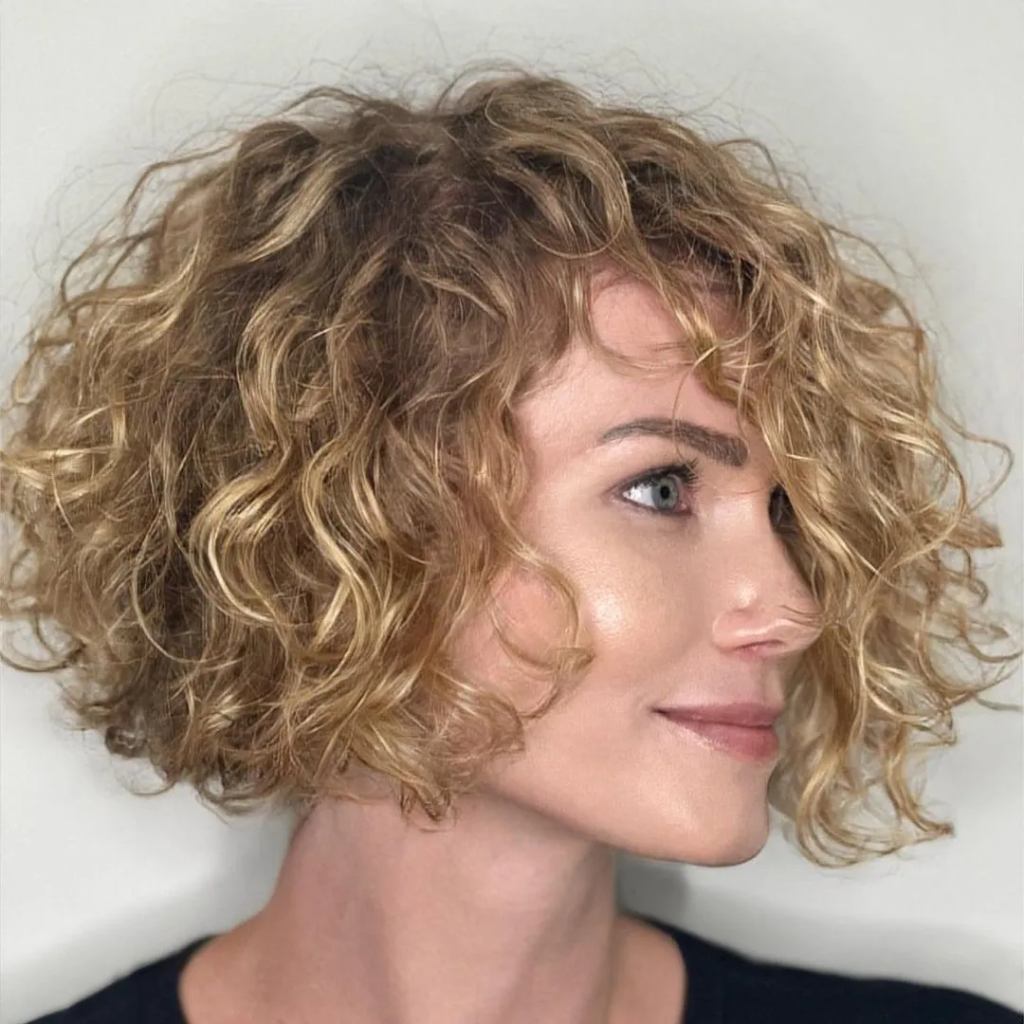
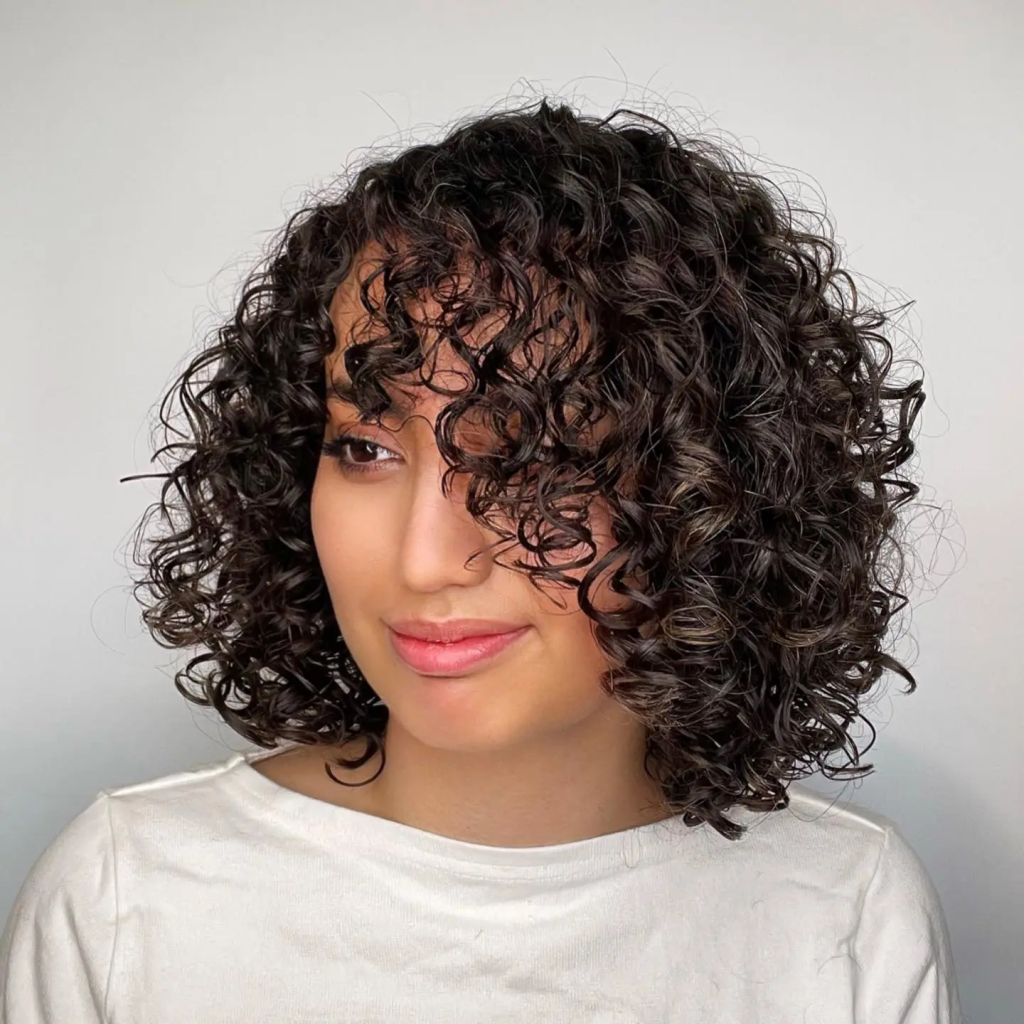
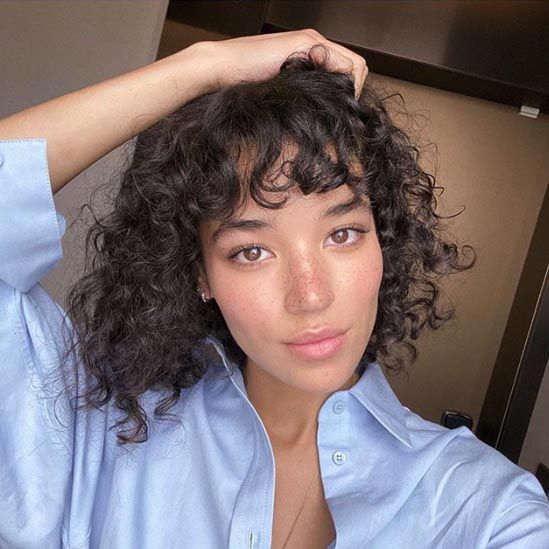
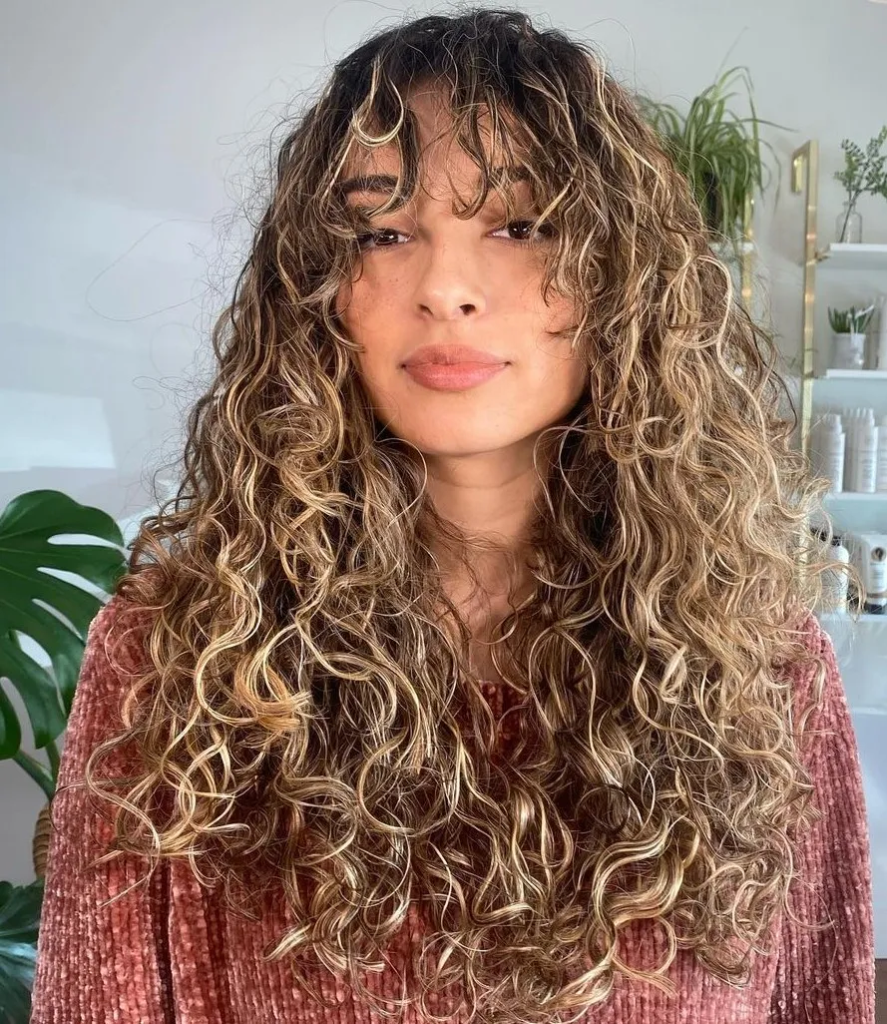
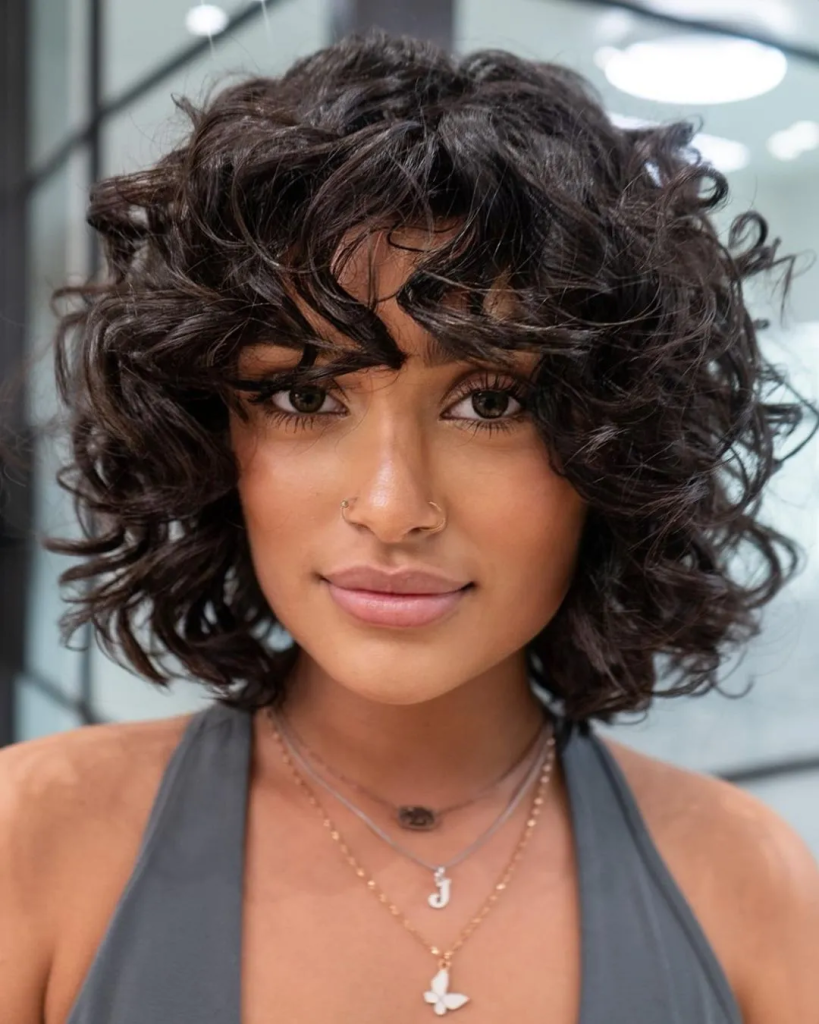
    3. Curly Layered Shoulder Length Cut
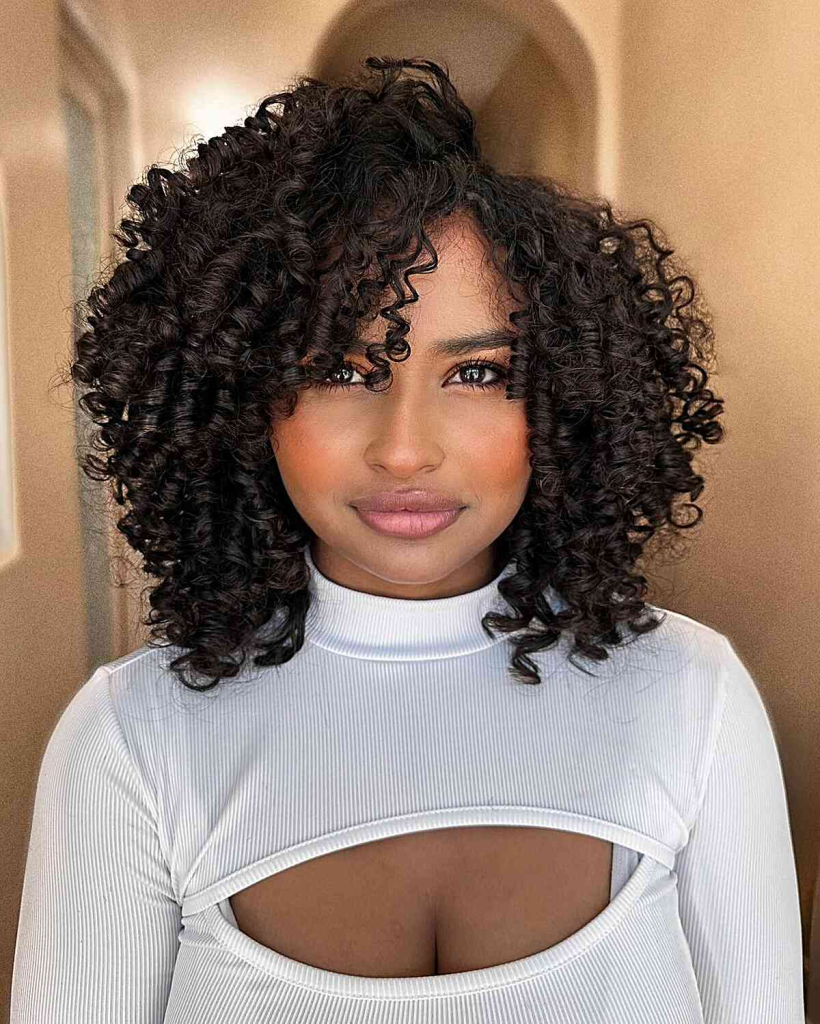
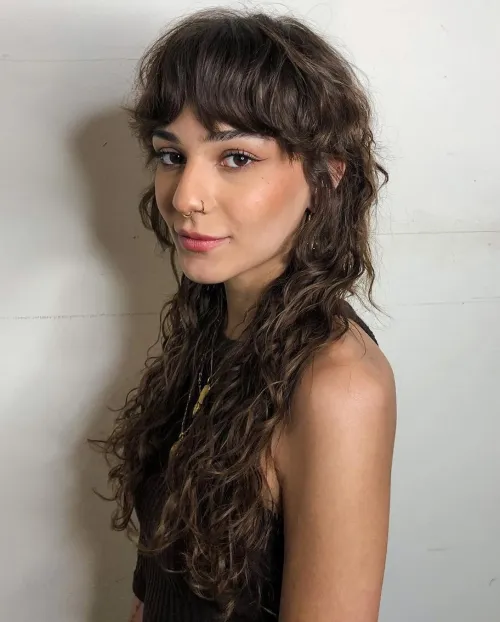
    For women with natural curls or waves, shoulder length with layers is a dream. The layers remove weight, allowing curls to spring up with better definition and less bulk at the bottom.

    Why it works: Traditional one-length curly cuts create a triangle shape. Layers break up that silhouette, adding bounce and preventing the dreaded pyramid effect.

    How to style it: On soaking wet hair, apply a leave-in conditioner and curl cream. Scrunch upward. Diffuse on low heat or air-dry. Once dry, shake out the roots with your fingers. Never brush—use a wide-tooth comb only when wet.

    Best face shapes: All face shapes. Curls can be customized with face-framing pieces or worn with or without bangs.

    Maintenance needs: Every 8–10 weeks. Curly hair hides damage longer, but dry ends need regular dusting.

    4. Invisible Layers for Fine Hair
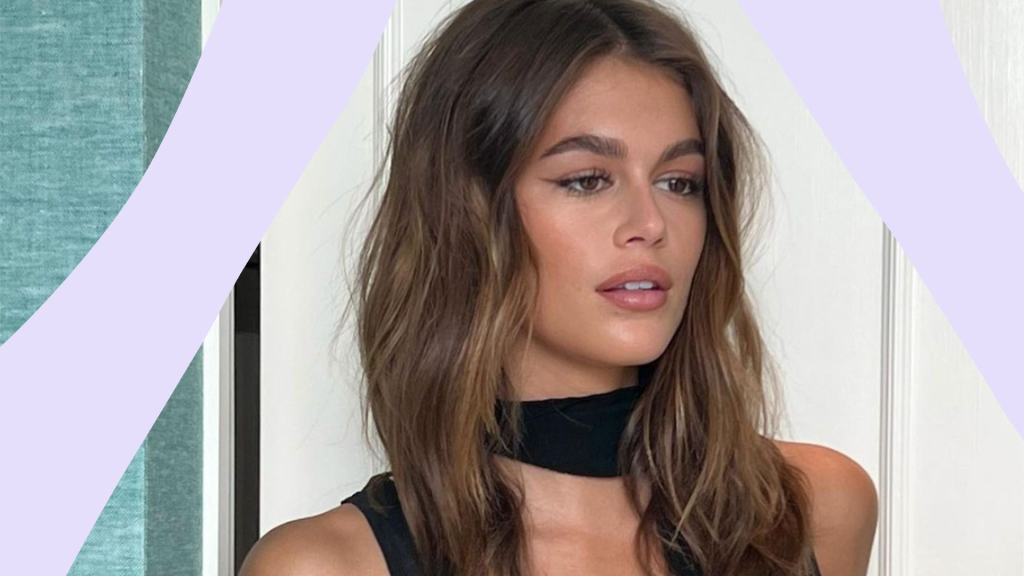
    This specialized cut uses micro-layers that are so soft and blended they’re almost invisible—but they create massive volume at the crown and through the mid-lengths.

    Why it works: Fine hair cannot handle harsh, choppy layers that create gaps. Invisible layers add movement and lift without removing too much density.

    How to style it: Use a root-lifting spray on damp hair. Blow-dry upside down for two minutes. Flip back and use a round brush to smooth the ends slightly. Avoid heavy products—they’ll flatten fine hair instantly.

    Best face shapes: Oval, oblong, heart. The crown volume balances longer face shapes.

    Maintenance needs: Every 6–8 weeks. Fine hair shows growth quickly, and the volume effect fades as layers lengthen.

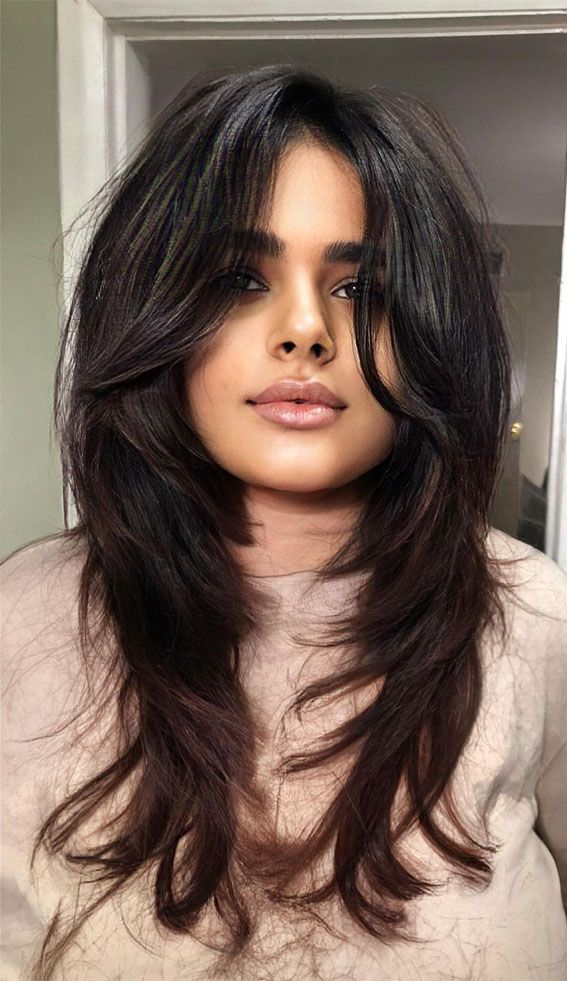
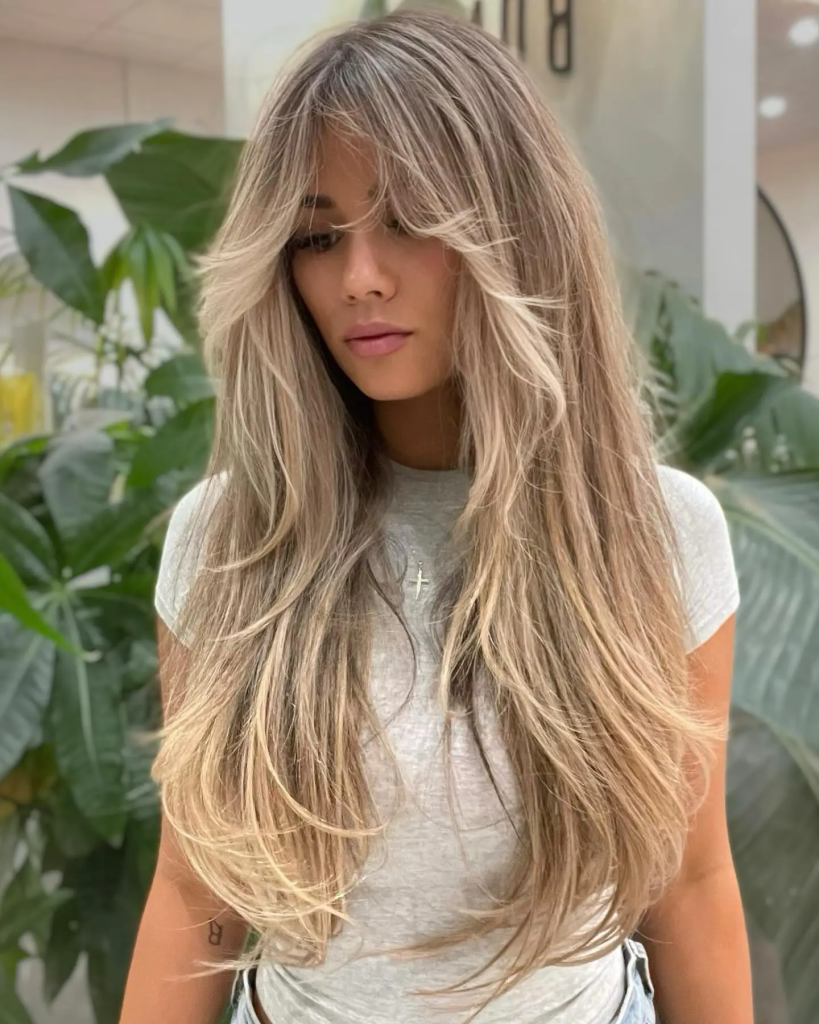
    5. Long Layered Cut with Curtain Bangs
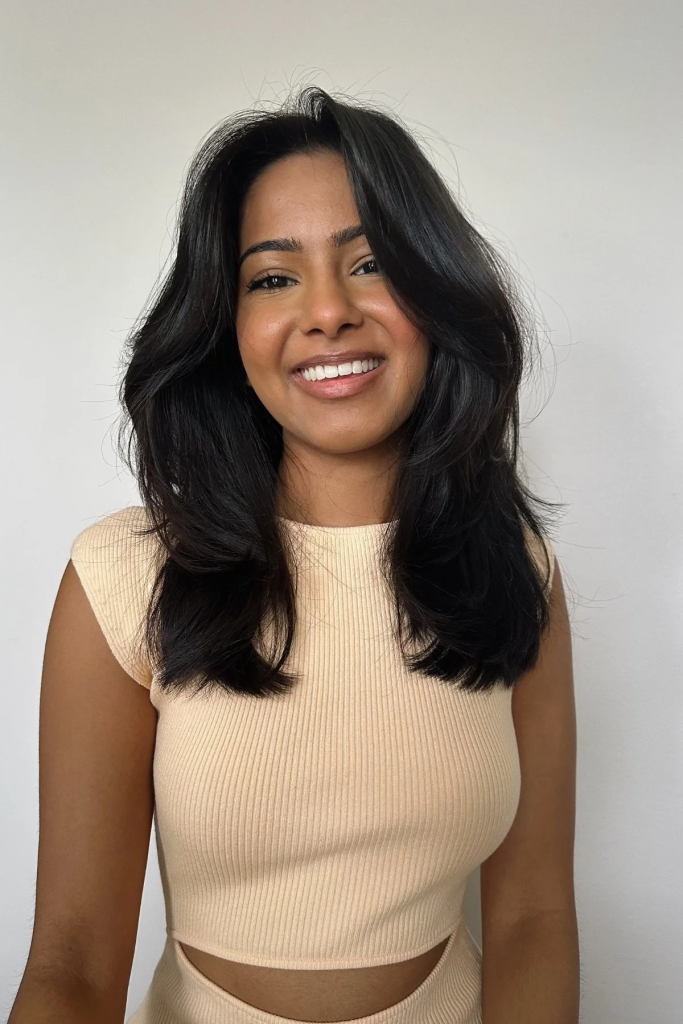
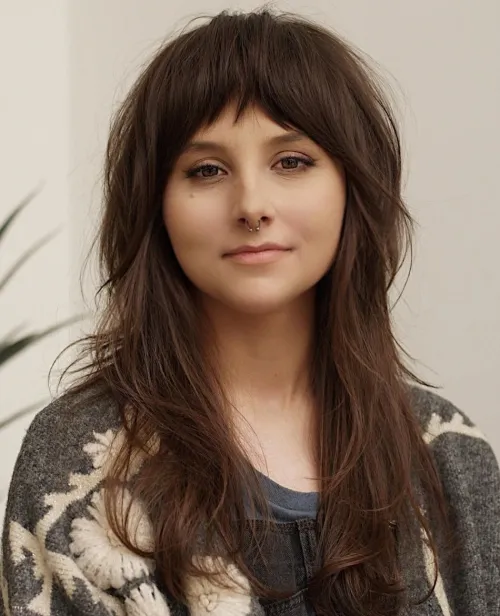
    Curtain bangs—soft, center-parted fringe that sweeps to the sides—pair perfectly with shoulder-length layers. The result is romantic, face-framing, and incredibly on-trend.

    Why it works: Curtain bangs soften forehead lines and high hairlines while drawing attention to your cheekbones. The long layers keep the overall look from feeling too heavy.

    How to style it: Blow-dry the curtain bangs using a round brush, rolling them away from your face on each side. The rest of the hair can be air-dried or blown out smooth. A light texturizing spray adds movement.

    Best face shapes: Oval, heart, round. The bangs elongate round faces and balance wider foreheads.

    Maintenance needs: Bangs need trimming every 3–4 weeks. The rest of the cut every 8–10 weeks.

    For more bang inspiration, explore our guide to 19 Bangs for Women Over 60 That Soften, Refresh, and Take Years Off Your Look that soften, refresh, and take years off your look.

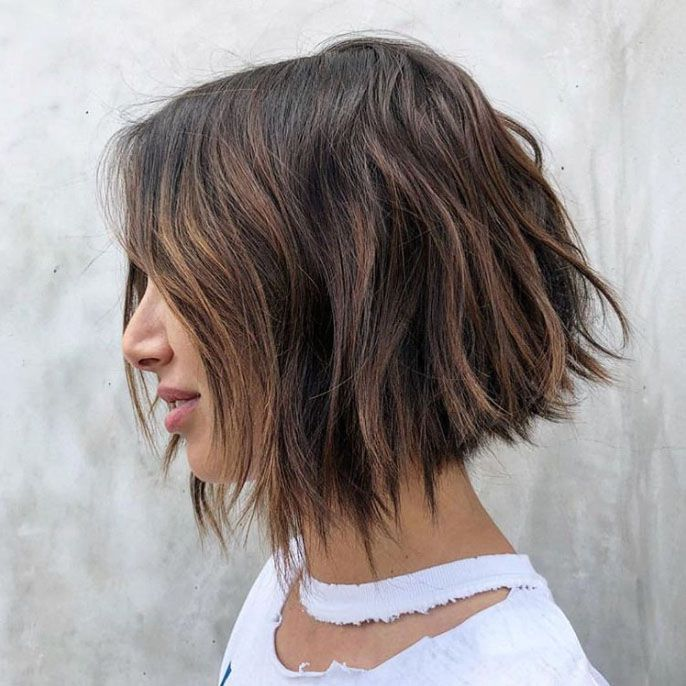
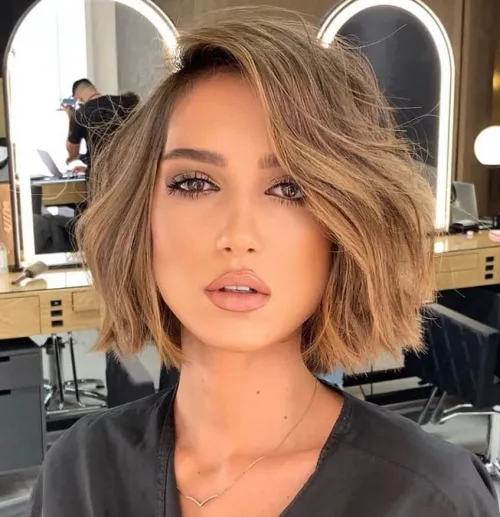
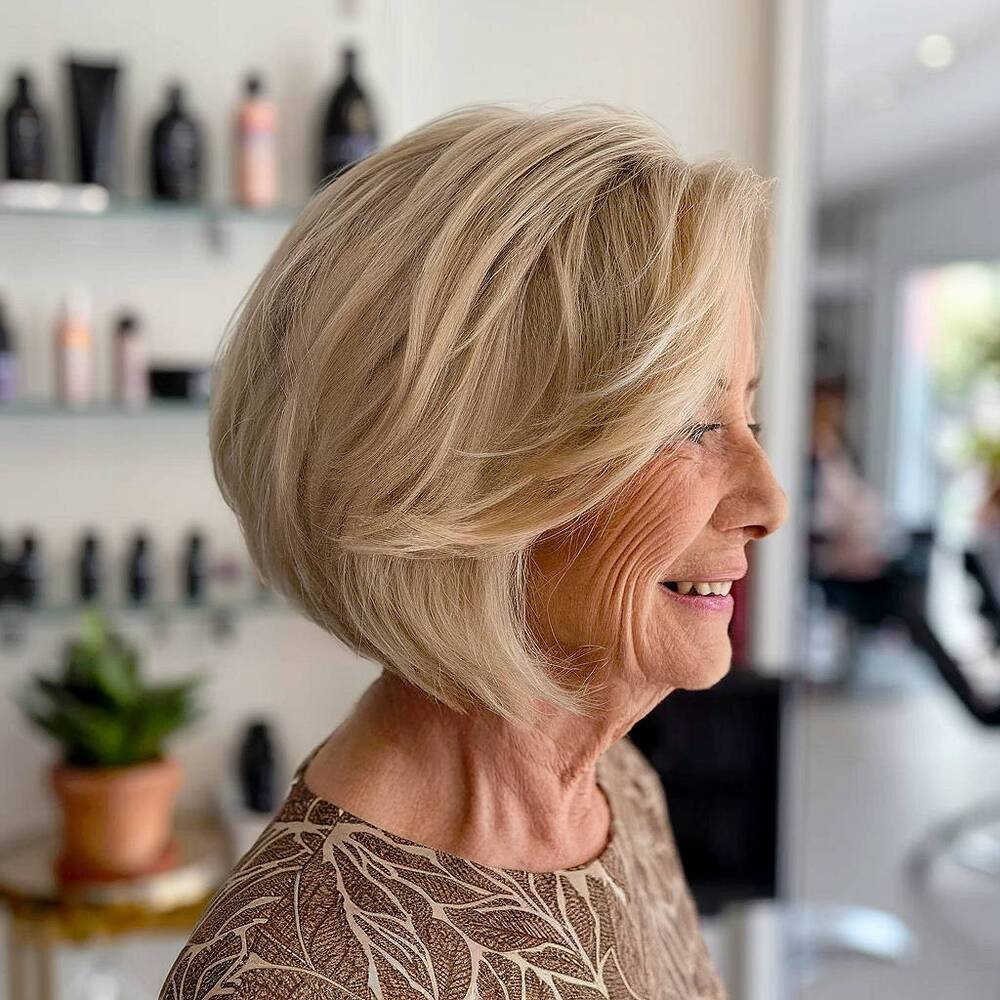
    6. Graduated Layered Bob (Shoulder Length)
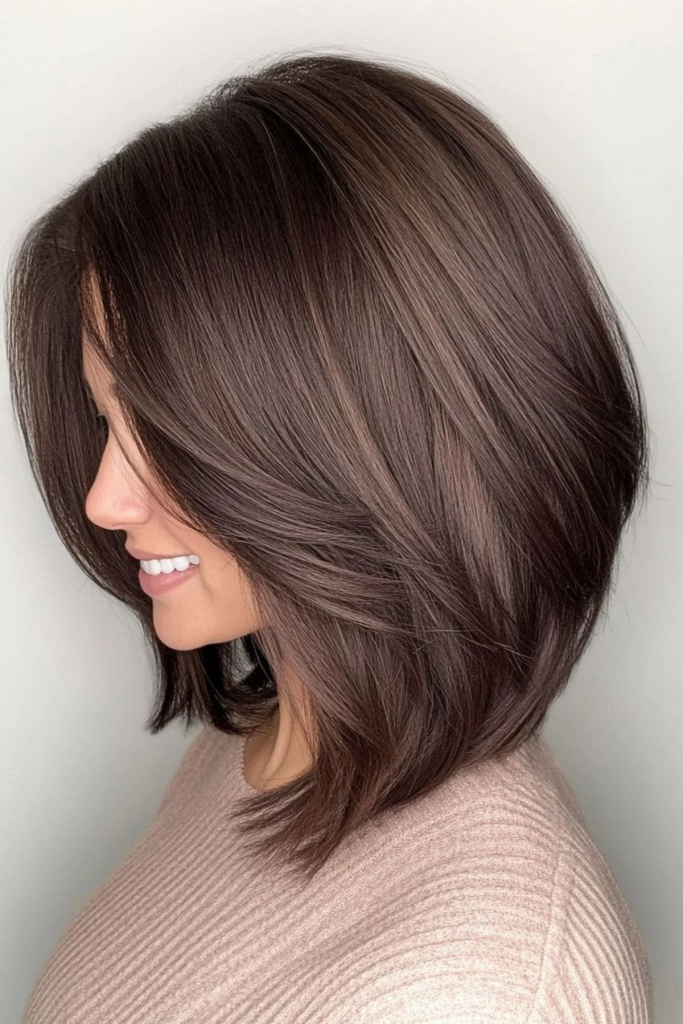
    This cut is shorter in the back and gradually lengthens toward the front, ending around the collarbone. Layers throughout keep the graduation from looking severe.

    Why it works: The stacked back adds significant volume at the crown, making it excellent for fine or thinning hair. The longer front pieces frame the face beautifully.

    How to style it: Blow-dry the back using a round brush to enhance the stacked shape. The front pieces can be smoothed or lightly curled under for a polished finish.

    Best face shapes: Oval, long, heart. The volume at the back and crown balances longer face shapes.

    Maintenance needs: Every 6–8 weeks. The graduated back loses its shape quickly, so regular trims are essential.

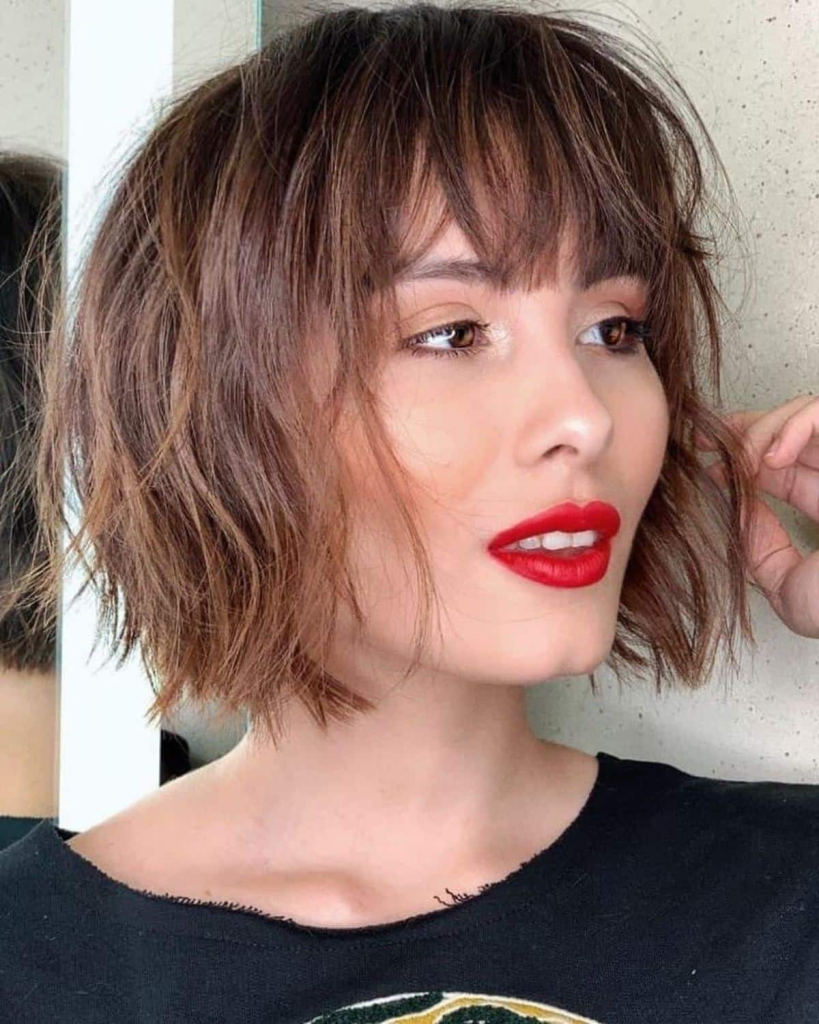
    7. Textured Layered Cut with Bottleneck Bangs
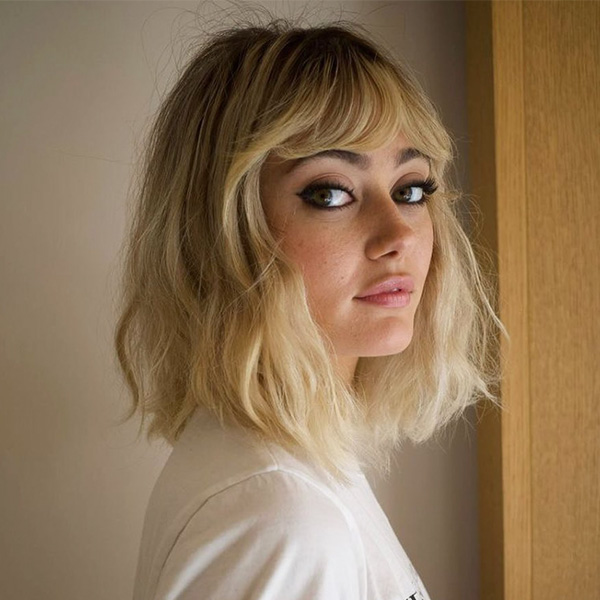
    Bottleneck bangs are narrow at the center (like a bottleneck) and widen toward the cheekbones. Paired with textured shoulder-length layers, this cut feels bohemian and modern.

    Why it works: The widening effect at the cheekbones balances a pointed chin, making this ideal for heart-shaped faces. The textured layers add movement without bulk.

    How to style it: Spray sea salt spray on damp hair. Braid your hair into two loose braids overnight. Undo in the morning and finger-comb. Blow-dry the bottleneck bangs forward and to the sides using a small round brush.

    Best face shapes: Heart, oval, round.

    Maintenance needs: Bangs every 4 weeks. Rest of the cut every 8–10 weeks.

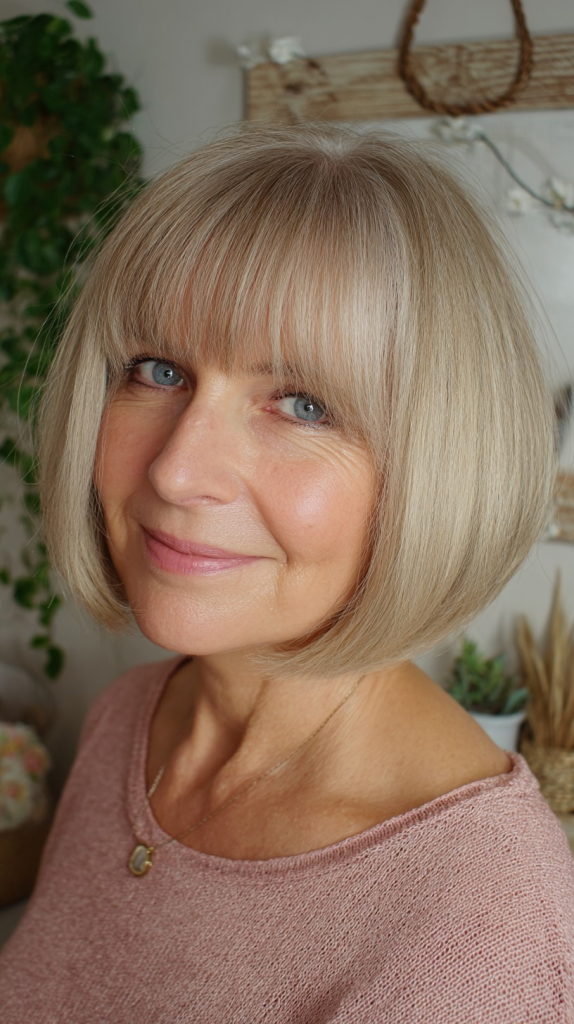
    8. Blunt Layered Cut (The “Invisible Layer” Technique)
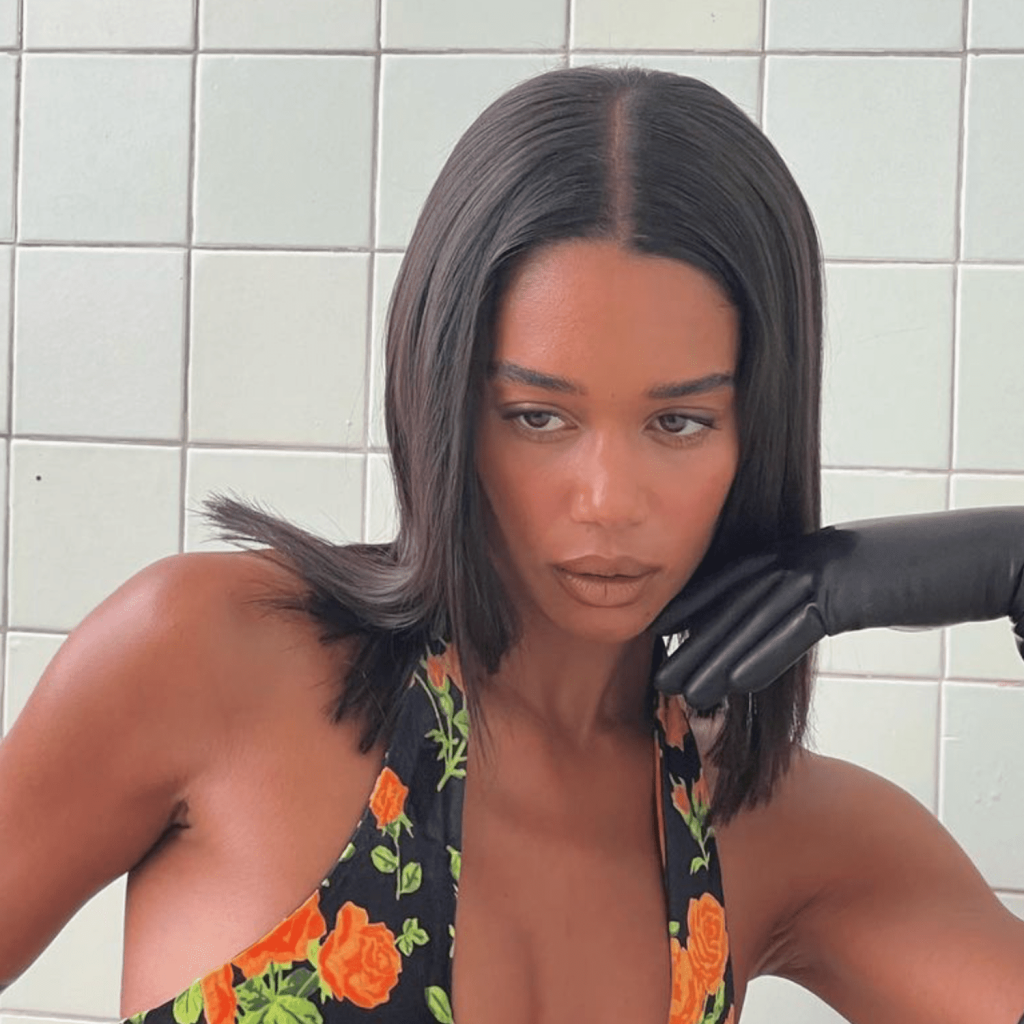
    This cut looks blunt from the outside but has hidden internal layers that add movement. The perimeter is a clean, straight line, but the inside is carved out for lightness.

    Why it works: The blunt perimeter gives the illusion of thick, healthy ends. The internal layers prevent the hair from feeling heavy or looking like a helmet.

    How to style it: Blow-dry smooth using a paddle brush to emphasize the blunt line. Then, add a drop of serum to the ends for shine. The internal layers will create natural movement without looking choppy.

    Best face shapes: Oval, square, oblong. The blunt line adds width, balancing longer face shapes.

    Maintenance needs: Every 7–9 weeks. Blunt lines show uneven growth quickly.

    9. Voluminous Layered Cut for Thick Hair
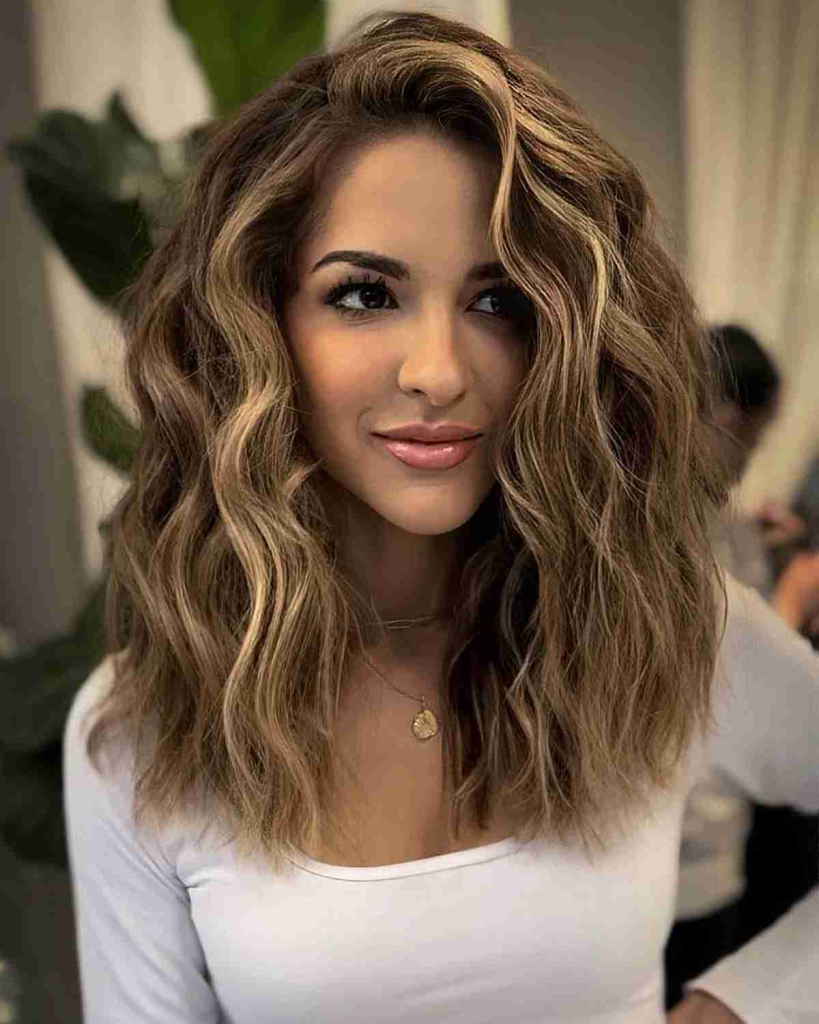
    Thick hair can become heavy and triangular at shoulder length. This cut removes significant internal weight through point-cutting and slide-cutting techniques.

    Why it works: Removing up to 40% of bulk eliminates the triangle shape while keeping the length. The layers are carved out internally so the perimeter stays full.

    How to style it: Use a lightweight mousse and blow-dry with a large round brush. Avoid heavy creams or butters, which will weigh the cut back down. A texture spray at the ends adds separation.

    Best face shapes: Oval, square, heart.

    Maintenance needs: Every 6–8 weeks. Thick hair grows out quickly and will regain bulk within two months.

    10. Effortless Air-Dry Layered Cut
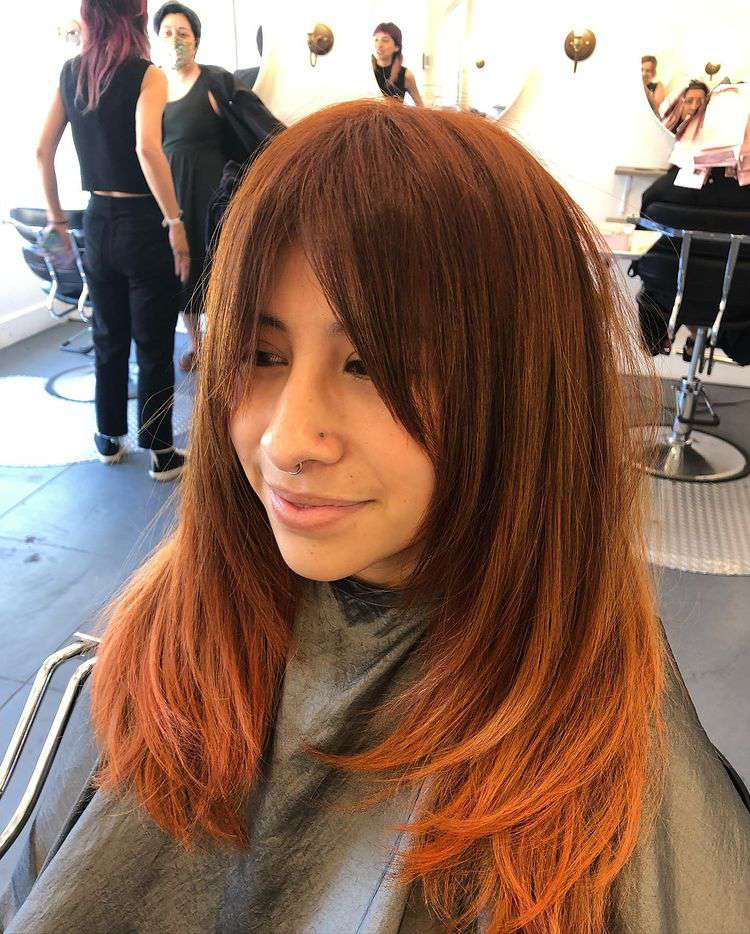
    This cut is specifically designed for women who refuse to use heat tools. The layers are cut in a way that encourages your natural wave or straight texture to look intentional when air-dried.

    Why it works: The layers are precision-cut to follow your natural growth patterns. When air-dried, the hair falls into a soft, flattering shape without any effort.

    How to style it: Wash. Towel dry gently. Apply a lightweight leave-in conditioner and a sea salt spray. Scrunch once. Walk away. No blow-dryer. No round brush. No stress.

    Best face shapes: Oval, heart, square. Avoid if your hair is extremely fine and straight, as it may just look flat rather than intentional.

    Maintenance needs: Every 8–10 weeks. This cut looks better slightly grown out.

    If you love low-maintenance styles, you’ll appreciate our 12 Short Hairstyles for Women Over 70 That Bring Fresh Energy and Easy Elegance that bring fresh energy and easy elegance with minimal effort.


    How to Style Layered Shoulder Length Hair in Under 10 Minutes

    You don’t need a salon-quality blowout every day. Here’s your universal routine:

    1. Damp hair: Apply a volumizing mousse or texturizing spray from roots to ends.
    2. Blow-dry using a round brush for 5 minutes—focus on lifting the roots.
    3. Flip your head over and blast with cool air for 10 seconds to lock in volume.
    4. Optional: Use a flat iron to add slight bends (not curls) to a few face-framing pieces.
    5. Finish with a lightweight hairspray or texture spray.

    That’s it. For air-dry days, just skip steps 2–4.


    Quick Maintenance Cheat Sheet

    Cut TypeTrim FrequencySpecial Notes
    Classic long layers8–10 weeksEasy to maintain
    Choppy shag layers6–8 weeksDefinition fades with growth
    Curly layers8–10 weeksDust dry ends regularly
    Invisible layers (fine hair)6–8 weeksVolume fades quickly
    With curtain bangsBangs: 3–4 weeks / Rest: 8–10 weeksBangs need constant attention
    Graduated layered bob6–8 weeksStacked back loses shape fast
    Bottleneck bangsBangs: 4 weeks / Rest: 8–10 weeksBangs grow into eyes
    Blunt layered cut7–9 weeksBlunt line shows uneven growth
    Voluminous cut (thick hair)6–8 weeksBulk returns quickly
    Air-dry cut8–10 weeksLooks better grown out

    Final Thoughts

    The layered shoulder length haircut truly offers the best of both worlds—enough length to pull back or style, but short enough to dry quickly and feel lightweight. Whether you choose soft, romantic layers or choppy, edgy texture, this cut adapts to your hair type and lifestyle. Remember to communicate clearly with your stylist: bring photos, be honest about how much time you want to spend styling, and don’t be afraid to ask for adjustments.

    If you’re still exploring options, consider our guide to 14 medium hairstyles for women over 60 for even more shoulder-length inspiration.

    Book the appointment. You’re going to love the bounce.
  • 7 Short Shag Haircuts for Older Women That Bring Volume, Texture, and Effortless Cool

    7 Short Shag Haircuts for Older Women That Bring Volume, Texture, and Effortless Cool

    The short shag haircut has become a secret weapon for older women who want a style that feels youthful without trying too hard. Unlike overly polished cuts that can feel stiff or dated, the shag embraces texture, movement, and a deliberate messiness that actually works in your favor. With its signature choppy layers, piece-y ends, and face-framing softness, the short shag adds volume where aging hair needs it most—at the crown—while keeping styling time under ten minutes. In this guide, we’ll explore seven stunning short shag variations for older women, complete with styling tips, face shape advice, and maintenance schedules.


    Why the Short Shag Is Perfect for Aging Hair

    As we age, hair naturally becomes finer, drier, and more prone to thinning. Traditional blunt cuts can look flat and lifeless, while overly long styles can drag down already delicate strands. The short shag solves these problems by:

    • Adding instant volume through strategic layering that lifts at the crown
    • Removing bulk without sacrificing the appearance of density
    • Creating movement that tricks the eye into seeing fuller, bouncier hair
    • Requiring minimal styling—the cut does the work for you

    The 7 Short Shag Haircuts for Older Women

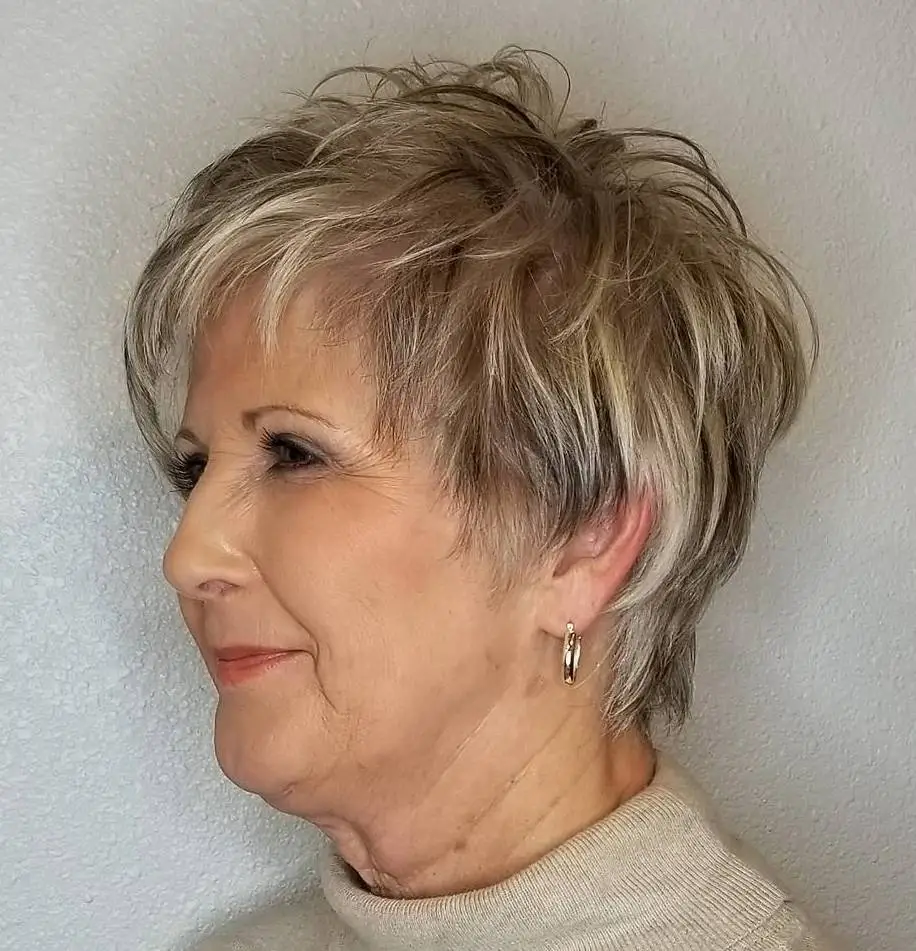
    1. Classic Short Shag with Wispy Bangs

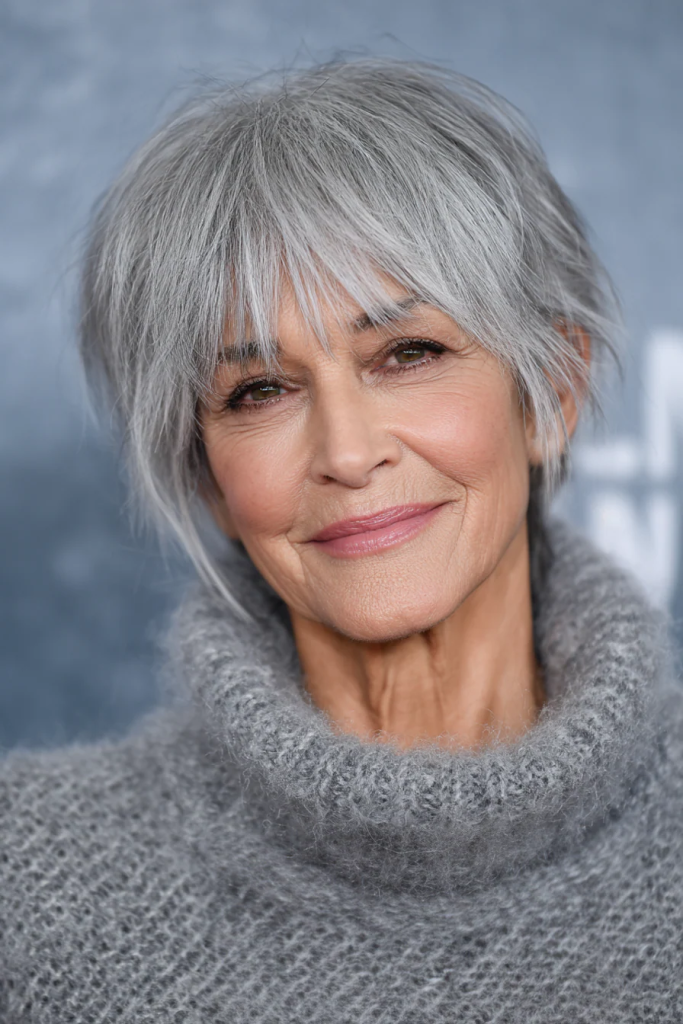
    This is the foundation of all shag cuts. Short, choppy layers cover the entire head, with soft, wispy bangs that graze the eyebrows. The overall shape is rounded but not heavy.

    Why it works: The wispy bangs soften forehead lines and draw attention to your eyes. The choppy layers create the illusion of thicker, more voluminous hair—perfect for women dealing with age-related thinning.

    How to style it: Apply a lightweight mousse to damp hair. Blow-dry using your fingers, scrunching as you go. The bangs should be dried forward and slightly to the side using a small round brush. Finish with a texturizing spray for piece-y separation.

    Best face shapes: Oval, heart, round. The bangs help balance wider foreheads, while the side volume softens rounder face shapes.

    Maintenance needs: Trim every 6–8 weeks to keep the layers defined and the bangs out of your eyes.

    2. Textured Shag for Fine Hair

    This version is specifically designed for women with very fine or thinning hair. The layers are micro-chopped—very short and close together—to create maximum density at the crown and sides.

    Why it works: Fine hair needs volume, not length. The short, dense layers lift at the root and stay lifted, giving the appearance of much thicker hair. The texture also hides any sparse areas.

    How to style it: Use a root-lifting spray on damp hair. Blow-dry upside down for two full minutes. Flip back and tousle with your fingers. Avoid heavy creams, oils, or butters—they’ll flatten fine hair instantly.

    Best face shapes: Oval, oblong, heart. The crown volume balances longer face shapes beautifully.

    Maintenance needs: Every 5–7 weeks. Fine hair shows growth quickly, and the volume effect diminishes as layers lengthen.

    3. Curly Short Shag

    For women with natural curls or waves, a short shag is a game-changer. This cut features tightly packed, uneven layers that allow curls to spring up with definition rather than being weighed down.

    Why it works: Traditional short cuts on curly hair can create a round, helmet-like silhouette. The shag’s choppy layers break up that shape, adding height at the crown and movement throughout.

    How to style it: On soaking wet hair, apply a leave-in conditioner and a curl cream. Diffuse on low heat or air-dry. Once dry, shake out the roots with your fingers and separate curls using a drop of oil. Never brush a curly shag—use a wide-tooth comb only when wet.

    Best face shapes: All face shapes. Curls can be customized with length on top or shorter sides depending on your preference.

    Maintenance needs: Every 8–10 weeks. Curly hair grows slower, but the shape changes dramatically as it lengthens.

    4. Short Shag with Side-Swept Bangs

    Instead of wispy, straight-across bangs, this version features longer, side-swept bangs that blend into the choppy layers. The bangs can be pinned back or worn sweeping across the forehead.

    Why it works: Side-swept bangs are incredibly flattering for older women because they soften the entire face without drawing attention to forehead lines. The diagonal line also creates a subtle lifting effect.

    How to style it: Blow-dry the bangs using a round brush, directing them across your forehead to the opposite side. The rest of the shag stays textured and messy. A dab of lightweight pomade keeps the bangs in place without stiffness.

    Best face shapes: Round, square, heart. The diagonal line elongates round faces and softens strong jawlines.

    Maintenance needs: Bangs every 4 weeks. Rest of the cut every 6–8 weeks.

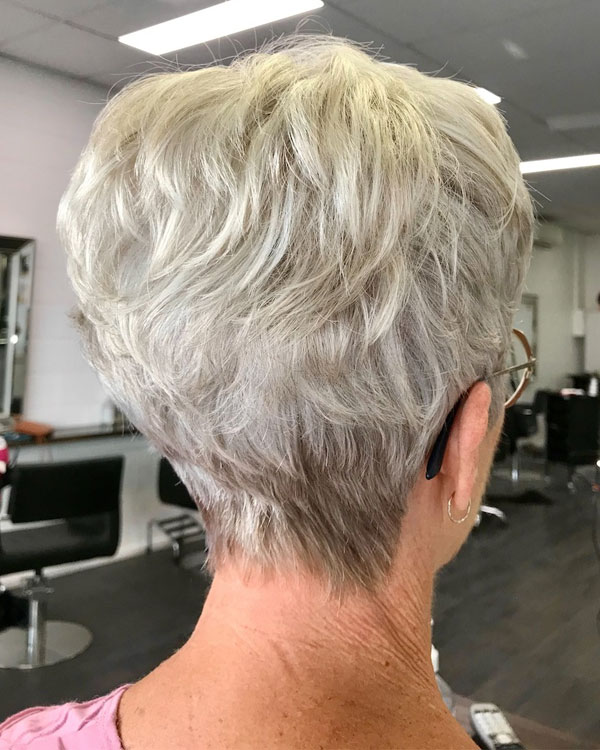
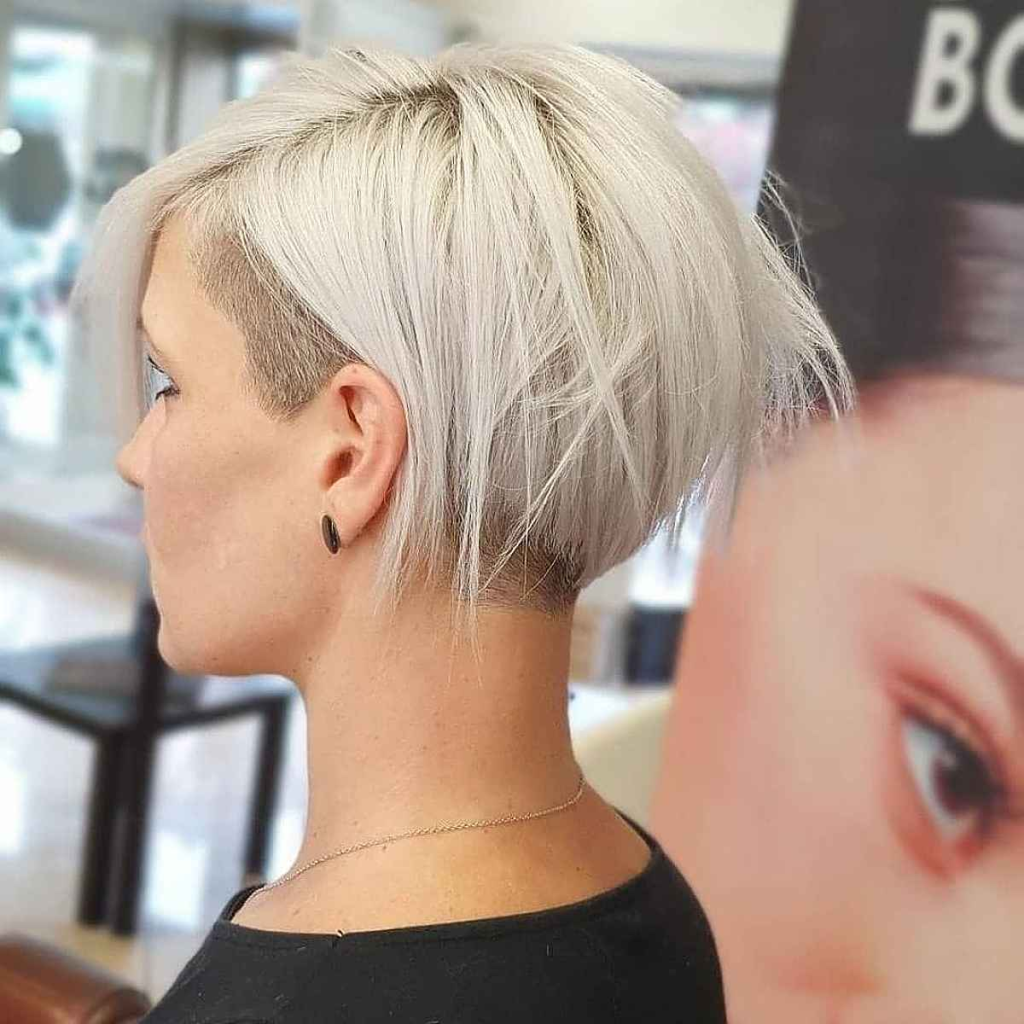
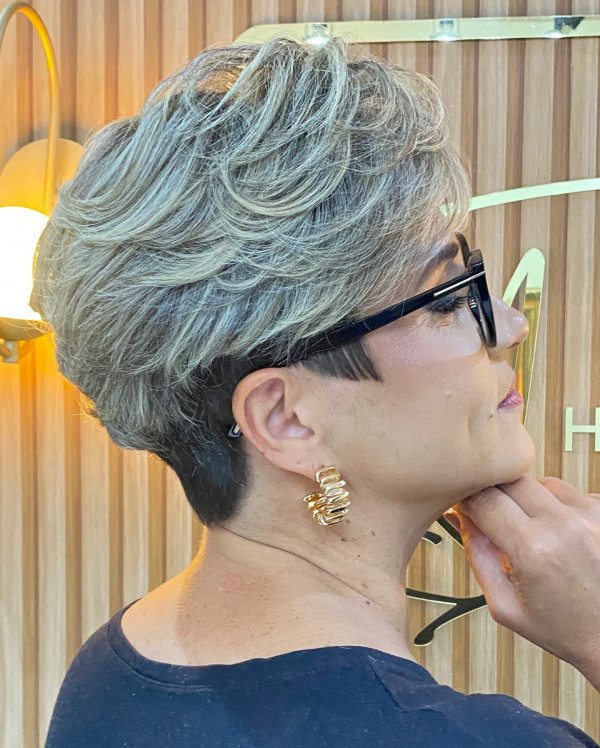
    5. Short Shag with Tapered Nape

    This variation keeps the classic shag layers on top while tapering the nape (back of the neck) very short—sometimes even faded. The contrast between the textured top and clean nape is modern and sophisticated.

    Why it works: The tapered nape removes bulk where you don’t need it (the back) and keeps the focus on the volume at the crown. It’s also incredibly cooling for women who experience hot flashes.

    How to style it: Style the top as you would any shag—mousse, scrunch, blow-dry. The tapered nape needs no daily work; just enjoy the clean line when you tilt your head up or wear a scarf.

    Best face shapes: All face shapes. The taper doesn’t affect face shape perception since it’s at the back.

    Maintenance needs: Every 5–6 weeks. The tapered nape grows out into a fuzzy line quickly and needs regular refreshing.

    For those who love this clean-nape look, explore our guide to 10 Undercut Pixie Haircuts for Over 50: Edgy, Lightweight, and Age-Defying that offer similar lightweight, edgy benefits.

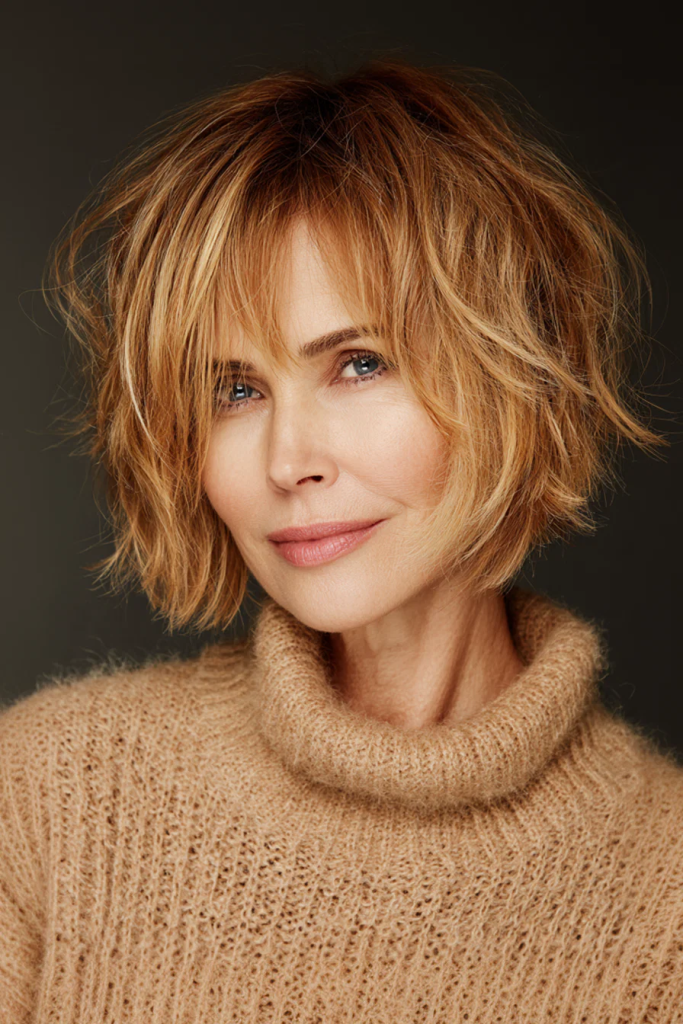
    6. Modern Shaggy Bob (Shob)

    The shaggy bob—or “shob”—is a hybrid between a short shag and a chin-length bob. It features the choppy layers of a shag with the perimeter shape of a bob. The result is soft, textured, and incredibly wearable.

    Why it works: This cut offers more length than a traditional short shag, making it a great transition for women who aren’t ready to go very short. The bob shape adds structure, while the shag layers add movement.

    How to style it: Blow-dry with a round brush, curling the ends slightly under for a soft finish. Then, go back in with a texturizing spray and piece out the ends for that shaggy feel.

    Best face shapes: Oval, round, square. The length elongates round faces and softens angular jawlines.

    Maintenance needs: Every 6–8 weeks to maintain both the bob perimeter and the shag layers.

    7. Effortless Bedhead Shag

    This is the shag for women who want to wash, dry, and go—literally. The layers are cut extra choppy and disconnected so that even air-drying looks intentional and styled.

    Why it works: Imperfection is the goal. This shag accepts your natural texture—whether straight, wavy, or slightly curly—and works with it rather than fighting it. It’s the ultimate low-maintenance cut.

    How to style it: Wash. Towel dry aggressively. Apply a dime-sized amount of salt spray or texture paste to your palms. Scrunch. Go. Seriously, that is the entire routine. No blow-dryer. No round brush. No stress.

    Best face shapes: Oval, heart, square. Avoid if your hair is extremely fine, as it may just look unwashed rather than intentional.

    Maintenance needs: Every 8–10 weeks. This cut actually looks better grown out, so you have plenty of flexibility between trims.

    If you prefer a bit more structure than the bedhead shag, explore our guide to12 Short Hairstyles for Women Over 70 That Bring Fresh Energy and Easy Elegance for more polished options.


    How to Style Any Short Shag in Under 10 Minutes

    You don’t need a drawer full of products or a professional blowout. Here’s your universal short shag routine:

    1. Damp hair: Apply a volumizing mousse or texturizing spray from roots to ends.
    2. Blow-dry using your fingers or a small round brush—focus on lifting at the crown.
    3. Scrunch the mid-lengths and ends as you dry to encourage the shaggy texture.
    4. Work a pea-sized amount of styling paste or texture cream between your palms.
    5. Piece out the ends using your fingers, pulling small sections in different directions.
    6. Optional: Flip your head over and blast with cool air for 10 seconds to lock in volume.

    That’s it. No curling irons. No flat irons. No perfection required.


    Quick Maintenance Cheat Sheet for Short Shags

    Cut TypeTrim FrequencySpecial Notes
    Classic shag with bangs6–8 weeksBangs need trims every 4 weeks
    Fine hair shag5–7 weeksVolume diminishes as layers grow
    Curly shag8–10 weeksShape changes dramatically with growth
    Shag with side-swept bangsBangs: 4 weeks / Rest: 6–8 weeksSide bangs grow into eyes quickly
    Tapered nape shag5–6 weeksNape needs frequent refreshing
    Shaggy bob (shob)6–8 weeksPerimeter needs shaping
    Bedhead shag8–10 weeksLooks better grown out

    Final Thoughts

    The short shag haircut proves that older women don’t have to choose between age-appropriate and stylish. This cut celebrates texture, embraces imperfection, and—most importantly—works with your hair’s natural state rather than against it. Whether you have fine, curly, or somewhere-in-between hair, there’s a short shag variation that will make you feel like the cool, confident woman you are.

    Book the appointment. Bring the photos. And get ready to wonder why you didn’t shag sooner.

  • 15 Grey Blending Highlights for Brunette Women That Embrace Silver with Style

    15 Grey Blending Highlights for Brunette Women That Embrace Silver with Style

    The grey blending highlights for brunette women approach has completely transformed how we think about going grey. Gone are the days of harsh, high-maintenance root touch-ups or feeling pressured to dye over every single silver strand. Grey blending is a strategic, beautiful technique that mixes your natural brunette base with lighter highlights—usually blonde, silver, or ash tones—so that your grey hairs look like intentional, dimensional color rather than regrowth. This method is lower maintenance, more flattering, and infinitely more modern than traditional color. In this guide, we’ll explore fifteen stunning grey blending highlight techniques for brunette women, complete with why each works, how to style it, best face shapes, and maintenance needs. Whether you’re just spotting your first silvers or you’re already significantly grey, there’s a blending option here that will make you feel confident and beautiful.


    Why Grey Blending Is Better Than Fighting Your Greys

    Traditional approaches to grey hair often involve full-coverage dye every four to six weeks. This is expensive, time-consuming, and damaging to your hair. Grey blending takes a different approach:

    • It works with your natural grey pattern rather than against it
    • Low maintenance means you can go 8–16 weeks between salon visits
    • Softer grow-out with no harsh root line
    • Adds dimension that flat, single-process color cannot achieve
    • Celebrates your natural texture as grey hair often has a different, beautiful texture

    The 15 Grey Blending Highlights for Brunette Women

    1. Classic Ash Blonde Highlights

    This is the most popular grey blending technique. Fine, ash-toned blonde highlights are woven throughout your brunette base, mimicking the look of natural grey strands without going fully silver.

    Why it works: Ash tones neutralize unwanted warmth or brassiness. The contrast between dark brown and cool blonde creates a natural-looking blend that camouflages existing grey hairs.

    How to style it: Use a purple shampoo once a week to keep ash tones cool and prevent brassiness. Blow-dry with a round brush for a sleek finish, or air-dry for a more relaxed texture. A shine spray enhances the dimensional contrast.

    Best face shapes: All face shapes. The contrast adds brightness around the face.

    Maintenance needs: Every 10–12 weeks. Ash tones fade faster than warm tones, so toning glosses between salon visits help.

    2. Silver Babylights

    Babylights are ultra-fine, delicate highlights—thinner than traditional highlights. When placed in silver or platinum tones, they create a soft, shimmering effect that looks like natural grey sparkle.

    Why it works: Because babylights are so fine, they don’t create harsh stripes. Instead, they melt into your brunette base, making existing greys look intentional and expensive.

    How to style it: Style your hair as usual. The babylights will catch the light naturally. Avoid overly yellow shampoos—use a silver or purple shampoo weekly to maintain the cool tone.

    Best face shapes: All face shapes. Babylights are universally flattering because they’re subtle.

    Maintenance needs: Every 12–16 weeks. Babylights grow out incredibly softly because they’re so fine.

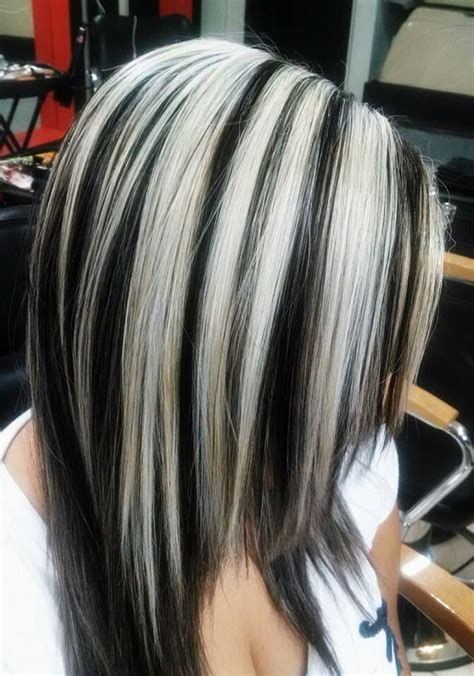
    3. Chunky Grey Highlights

    For a bolder, more dramatic look, chunky grey highlights create deliberate stripes of silver or ash through your brunette hair. This is a statement look that embraces grey loudly and proudly.

    Why it works: The high contrast between dark brown and silver is striking and modern. It works best for women who are already significantly grey and want to lean into it.

    How to style it: Loose waves or curls help blend the chunky highlights so they don’t look like stripes. A curling iron or waver creates soft movement that makes the contrast look intentional.

    Best face shapes: Oval, heart, diamond. Avoid if you have a very round face, as high contrast can exaggerate width.

    Maintenance needs: Every 8–10 weeks. The chunky sections grow out more visibly than finer highlights.

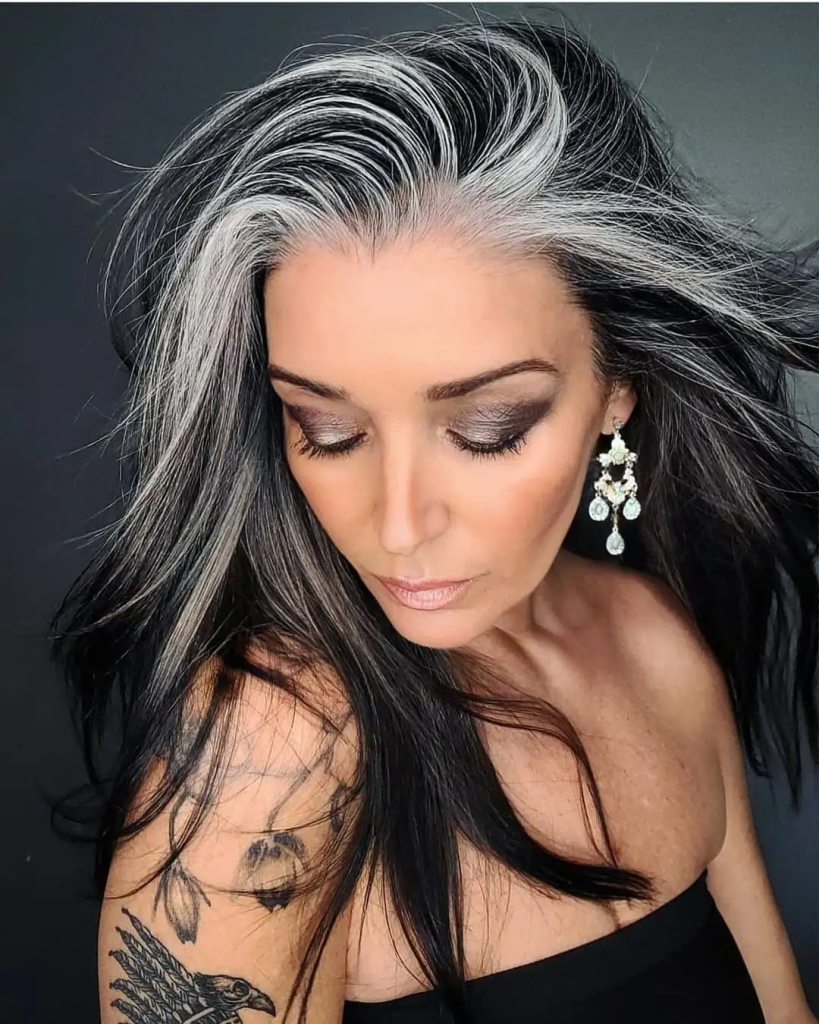
    4. Salt and Pepper Blending

    This technique mimics the natural salt-and-pepper look by mixing dark brunette with cool grey and white highlights evenly throughout the hair. The result is a balanced, organic blend.

    Why it works: It’s the closest you can get to natural grey without waiting years. The even distribution prevents any one area from looking darker or lighter than the rest.

    How to style it: Keep styling simple—the color is the star. A texturizing spray adds grit and movement, which enhances the salt-and-pepper effect.

    Best face shapes: All face shapes. The even color distribution is universally flattering.

    Maintenance needs: Every 10–12 weeks. The salt-and-pepper effect stays consistent as it grows.

    If you love this natural look, you’ll also appreciate our 7 short shag haircuts for older women that embrace texture and effortless style alongside grey blending.

    5. Icy White Money Pieces

    Money pieces are the face-framing highlights that “pay off” visually—usually concentrated around the hairline and temples. This technique uses icy white or platinum tones on just these strategic pieces.

    Why it works: The brightness around your face lights up your complexion, making you look more awake and radiant. The rest of your hair stays darker, keeping maintenance low.

    How to style it: Style your hair so the face-framing pieces fall naturally forward. Curl them slightly away from your face to emphasize the brightness.

    Best face shapes: Oval, heart, round. The brightness draws attention to your best features.

    Maintenance needs: Every 8–10 weeks. The money pieces grow out visibly because they’re so light against dark roots.

    6. Root Smudge with Grey Ends

    This technique leaves your roots dark (your natural brunette) and focuses grey or silver highlights on the mid-lengths and ends. A root smudge softly blurs the transition.

    Why it works: Dark roots are low maintenance—you can go months without a touch-up. The grey ends add brightness and dimension without requiring constant root attention.

    How to style it: Loose waves or beachy texture work beautifully to blend the root smudge with the lighter ends. Air-drying enhances the lived-in feel.

    Best face shapes: All face shapes. The dark roots create a slimming effect around the face.

    Maintenance needs: Every 12–16 weeks. This is one of the lowest-maintenance options available.

    7. Ash Brown All-Over with Grey Peekaboos

    Your base color stays a cool, ash brown. Hidden underneath—usually in the underlayer or nape area—are bright grey or silver highlights that peek out when you move or pull your hair up.

    Why it works: The grey is unexpected and playful. It’s perfect for women who want to experiment with grey blending without committing to visible highlights all over.

    How to style it: Wear your hair in a messy bun, half-up style, or ponytail to reveal the hidden grey. Loose waves also allow the peekaboos to show intermittently.

    Best face shapes: All face shapes. The grey is hidden, so it doesn’t affect face shape perception.

    Maintenance needs: Every 10–12 weeks. Because the grey is underneath, grow-out is less noticeable.

    8. Dimensional Champagne Highlights

    Champagne blonde falls somewhere between beige, gold, and ash—it’s warmer than platinum but cooler than golden blonde. Paired with a brunette base, it creates a soft, expensive-looking grey blend.

    Why it works: Champagne tones complement both cool and warm skin undertones, making it one of the most universally flattering grey blending options.

    How to style it: A sleek blowout or soft waves both work beautifully. A glossing treatment enhances the champagne shimmer.

    Best face shapes: All face shapes.

    Maintenance needs: Every 10–12 weeks. Champagne tones fade gracefully and don’t require constant toning.

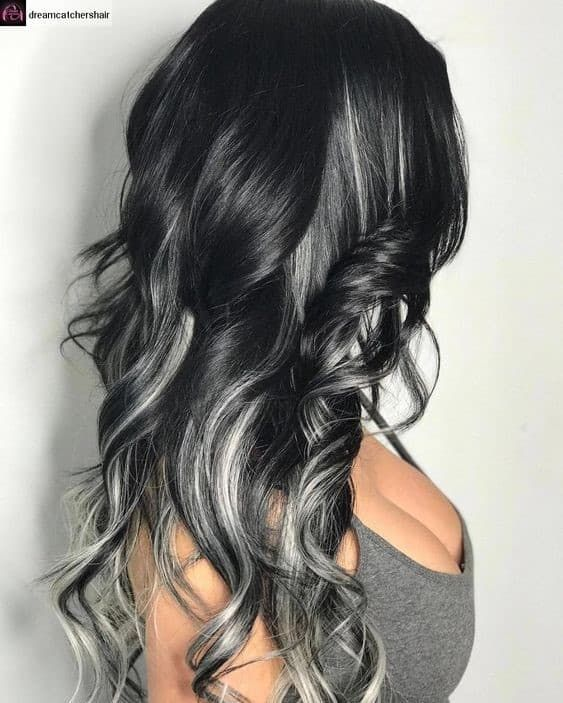
    9. Heavy Grey Highlights on Dark Brown

    This technique uses a high concentration of grey highlights—sometimes 50% or more of your hair—against a very dark brunette base. The contrast is bold and graphic.

    Why it works: It’s for women who are ready to embrace their grey fully but aren’t ready to go completely silver. The dark base keeps some depth and contrast.

    How to style it: Sleek, straight styles emphasize the graphic contrast. Waves and curls soften the look. Both work.

    Best face shapes: Oval, heart, square. The high contrast draws attention, so make sure you love how it frames your features.

    Maintenance needs: Every 8–10 weeks. The contrast between dark base and light highlights grows out noticeably.

    For more bold, edgy styles, explore our 22 choppy pixie cuts for women that pair beautifully with dramatic grey blending.

    10. Shadow Root with Grey Balayage

    Balayage is a hand-painted highlighting technique that creates a soft, graduated effect. In this version, your roots stay dark (shadow root), and grey or silver balayage is painted through the mid-lengths and ends.

    Why it works: The shadow root means zero harsh grow-out lines. The hand-painted balayage looks natural and sun-kissed—but with cool, grey tones instead of warm.

    How to style it: Air-dry or blow-dry with a round brush. The balayage is designed to look beautiful with minimal styling. Loose waves enhance the graduated effect.

    Best face shapes: All face shapes.

    Maintenance needs: Every 12–16 weeks. Balayage is famously low maintenance.

    11. Cool Blonde Quarter Highlights

    Quarter highlights are placed strategically on just 25% of your hair (usually around the face and on top). Cool blonde tones mimic the look of natural greys in these concentrated areas.

    Why it works: You get the brightness of grey blending with half the work and cost of full highlights. The strategic placement means maximum impact with minimum maintenance.

    How to style it: Style your hair so the highlighted pieces sit on top or around your face. A side part can help distribute the brightness evenly.

    Best face shapes: Oval, heart, round. The brightness around the face lifts your complexion.

    Maintenance needs: Every 10–12 weeks. Quarter highlights grow out softly because they’re not everywhere.

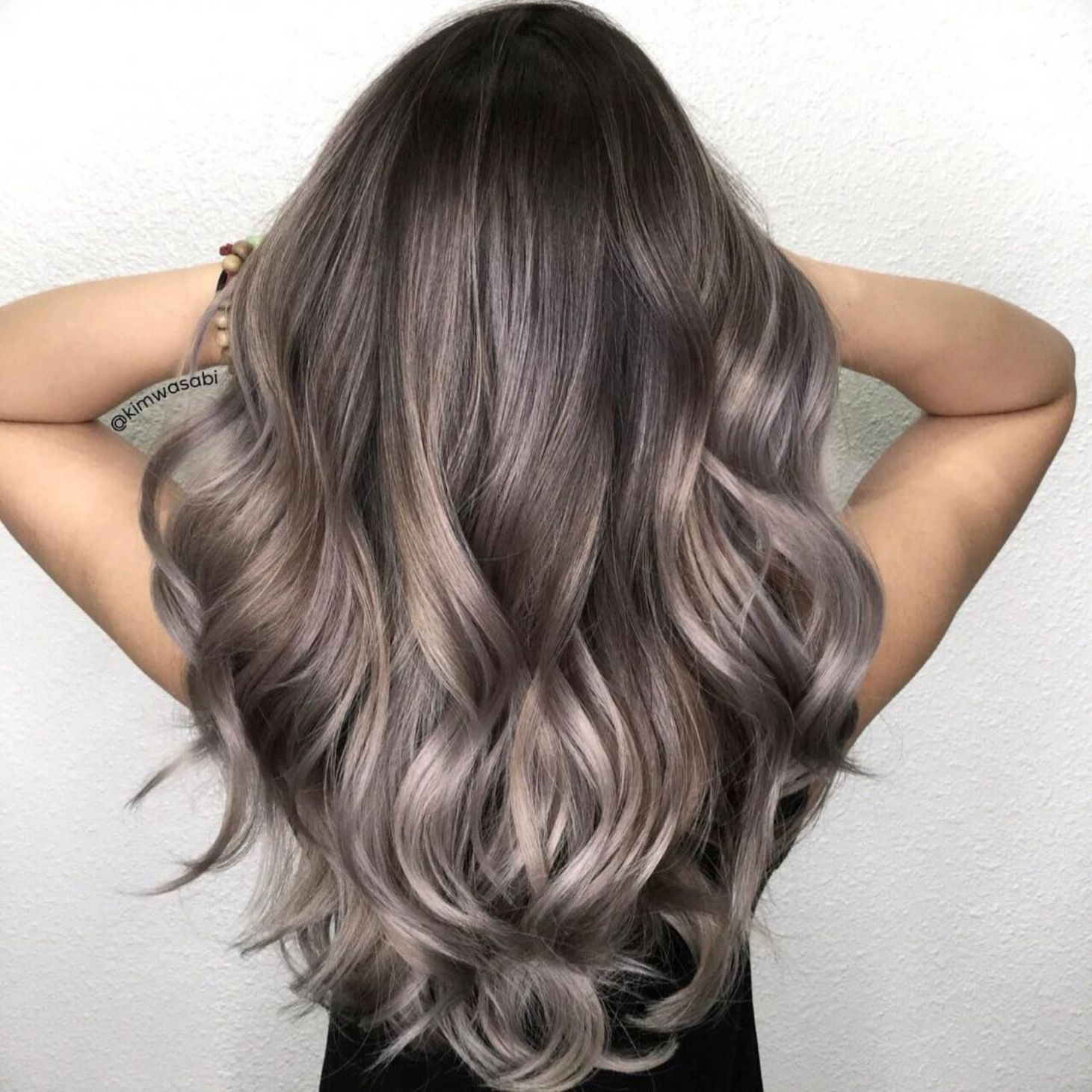
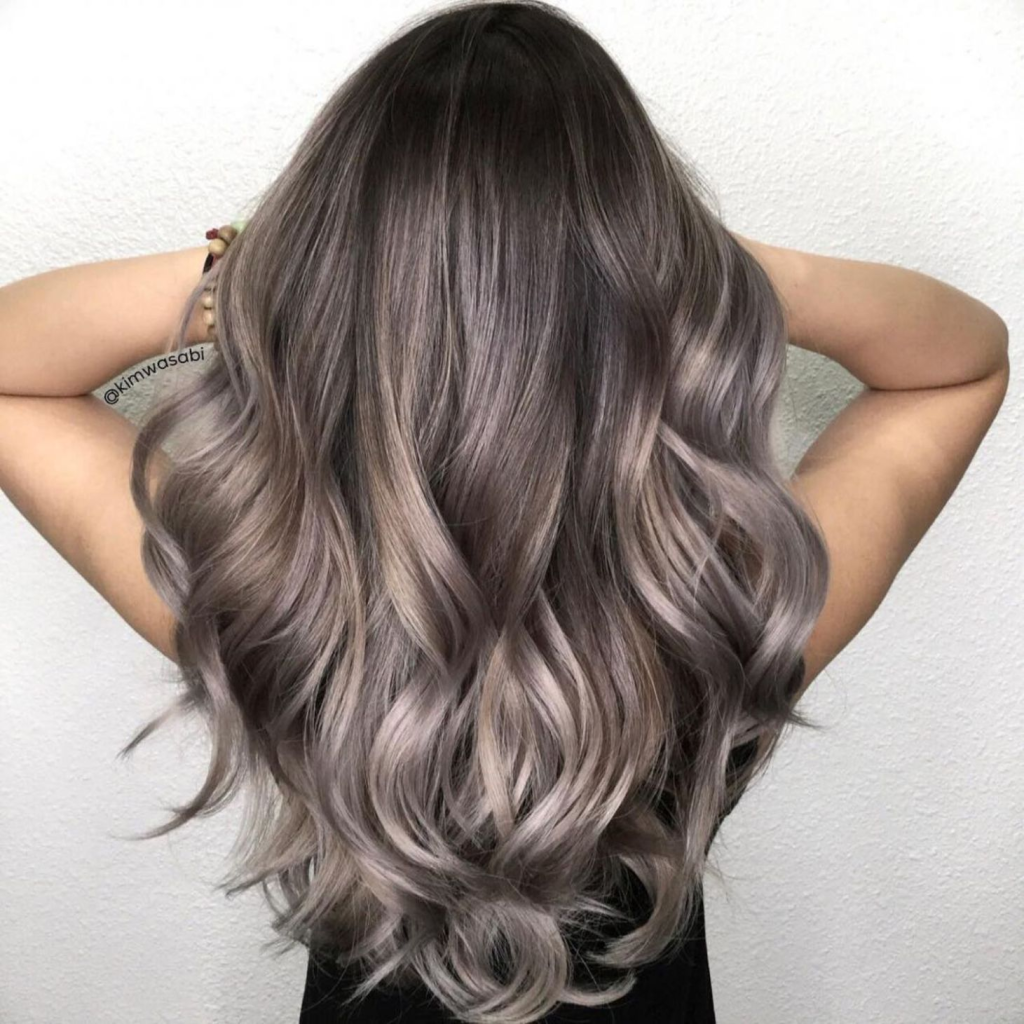
    12. Mushroom Brown Base with Silver Highlights

    Mushroom brown is a cool, ashy brown with grey undertones. Adding silver highlights to this base creates a monochromatic, sophisticated grey blend that’s incredibly chic.

    Why it works: Because the base already has grey undertones, the silver highlights blend seamlessly. There’s no harsh contrast—just soft, dimensional coolness.

    How to style it: A smooth, glossy blowout emphasizes the sophisticated color. Texture spray adds modern edge.

    Best face shapes: All face shapes. Mushroom brown is universally flattering.

    Maintenance needs: Every 10–12 weeks. The cool tones need purple shampoo maintenance to prevent warmth from creeping in.

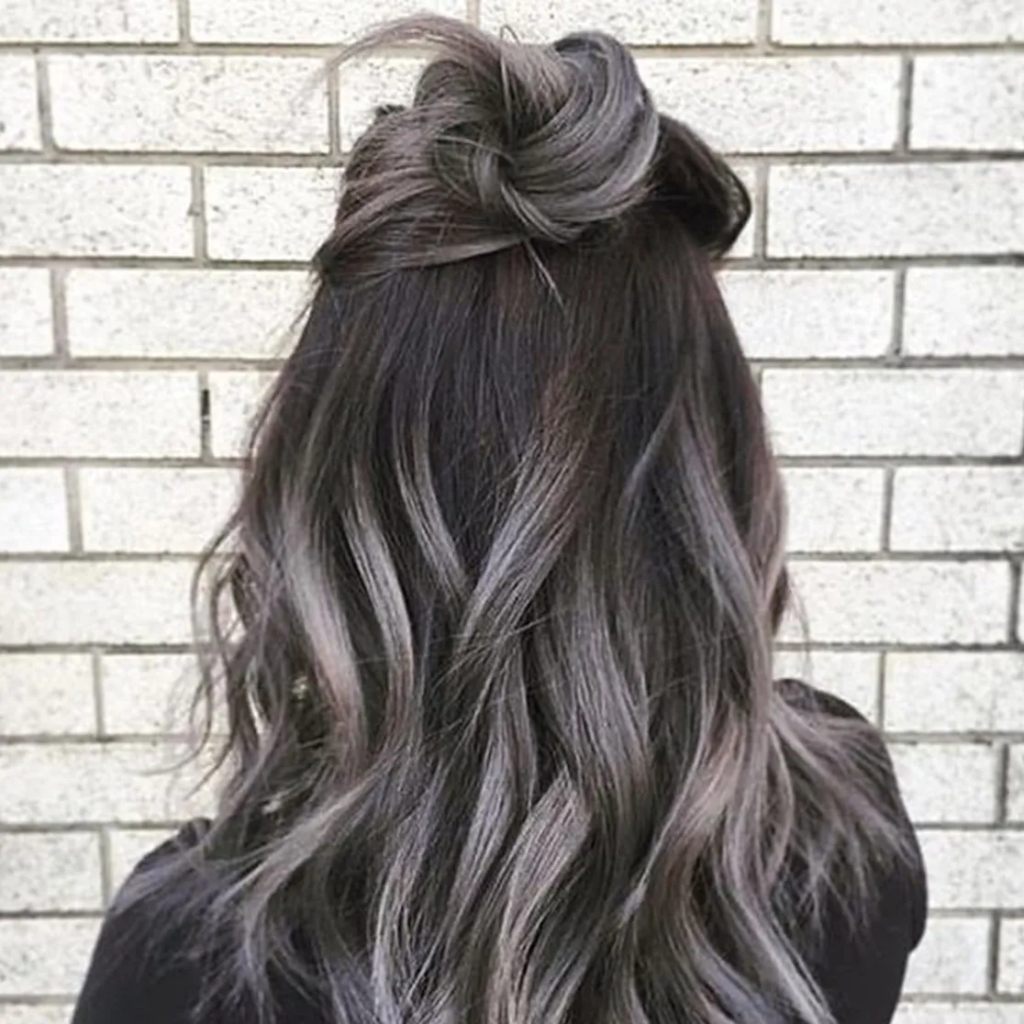
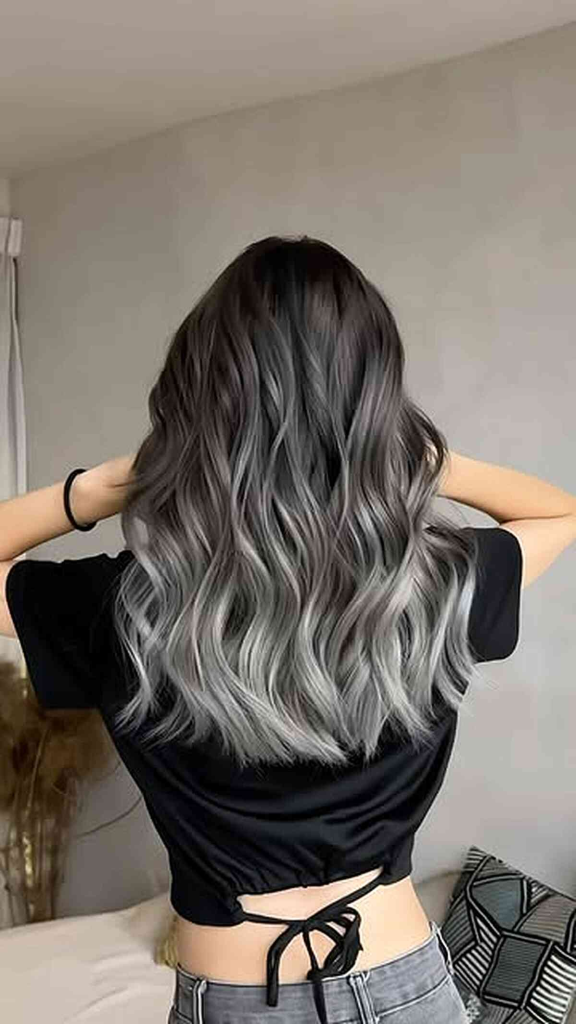
    13. Grey Ombré on Brunette

    Ombré is a graduated color transition from dark roots to lighter ends. In this version, you transition from dark brunette at the roots to grey or silver at the ends.

    Why it works: The grow-out is virtually invisible because the roots are already dark. The grey ends add brightness and dimension exactly where you want it.

    How to style it: Loose waves or beachy texture enhance the ombré effect. Sleek, straight styles make the transition more obvious—choose based on your preference.

    Best face shapes: All face shapes. The dark roots create a slimming effect around the face.

    Maintenance needs: Every 12–16 weeks. This is one of the longest-lasting grey blending options.

    14. Pearl Grey Highlights on Warm Brunette

    If your natural brunette has warm, golden, or red undertones, pearl grey highlights create a stunning contrast. Pearl grey has subtle violet undertones that neutralize warmth.

    Why it works: The violet in pearl grey cancels out yellow and gold tones from your warm base, preventing brassiness. The result is clean, dimensional, and expensive-looking.

    How to style it: Use a purple shampoo weekly to maintain the pearl tone. A glossing treatment adds shine and enhances the pearl effect.

    Best face shapes: All face shapes.

    Maintenance needs: Every 8–10 weeks. Pearl tones require more maintenance to stay cool and prevent warmth from showing through.

    15. Soft Grey Foilyage

    Foilyage is a hybrid between balayage (hand-painted) and foil highlights. Soft grey tones are painted onto the hair and then wrapped in foil to process. The result is brighter than balayage but softer than traditional foils.

    Why it works: Foilyage gives you the brightness of foil highlights with the soft, lived-in look of balayage. It’s the best of both worlds for grey blending.

    How to style it: Style as you normally would. The foilyage will look dimensional whether your hair is straight, wavy, or curly.

    Best face shapes: All face shapes.

    Maintenance needs: Every 10–12 weeks.

    If you’re also considering a shorter cut to complement your new grey blending, explore our 13 edgy choppy pixie haircuts over 50 for bold, modern inspiration.


    How to Maintain Grey Blending Highlights

    Maintaining grey blending is much easier than maintaining full-coverage color, but it still requires some effort:

    Maintenance TaskFrequency
    Purple or blue shampoo1–2 times per week
    Deep conditioning maskOnce per week
    Glossing or toning treatmentEvery 4–6 weeks (or between salon visits)
    Salon touch-upEvery 8–16 weeks (depending on technique)
    TrimEvery 8–10 weeks

    Pro tip: Avoid yellow-brassy tones by using cool water when washing and limiting sun exposure. A wide-brim hat and UV protection spray are your friends.


    Final Thoughts

    Grey blending highlights for brunette women are a celebration, not a surrender. This approach honors your natural aging process while giving you a modern, dimensional, and incredibly flattering look. Whether you choose soft babylights, bold chunky stripes, or a low-maintenance root smudge, the goal is the same: to make you feel beautiful and confident without spending every four weeks in a salon chair.

    Work with a colorist who specializes in grey blending—this technique requires skill and an artistic eye. Bring photos from this guide, be honest about how much maintenance you’re willing to do, and trust the process. Your silver strands are not mistakes to hide. They’re highlights waiting to happen

  • 17 Choppy Bob Hairstyles for Fine Hair That Create Volume, Texture, and Movement

    The 17 choppy bob hairstyles for fine hair in this guide prove that thin hair does not have to look flat or lifeless. Fine hair struggles with traditional blunt cuts that collapse under their own weight and one-length bobs that highlight every sparse area. The choppy bob solves these problems by using strategic, uneven layers that create the illusion of density, volume, and movement. By removing weight and adding texture, a choppy bob transforms fine hair into a style that looks intentionally piece-y rather than thin. In this guide, we will explore seventeen stunning choppy bob variations for fine hair, complete with why each works, how to style it, which face shapes it flatters, and maintenance needs. From chin-length to collarbone-grazing, there is a choppy bob here that will make your fine hair look fuller than ever.


    Why Fine Hair Needs a Choppy Bob

    Fine hair has unique challenges that traditional haircuts cannot solve. Here is why the choppy bob works specifically for fine hair:

    • Removes weight that pulls fine hair flat against the scalp
    • Creates texture that hides sparse areas and makes hair look denser
    • Adds movement that tricks the eye into seeing more volume
    • Prevents triangle shape that happens when fine hair is cut into a blunt bob
    • Encourages lift at the crown through strategic layering

    The 17 Choppy Bob Hairstyles for Fine Hair

    1. Classic Choppy Chin-Length Bob

    This cut sits right at the chin with soft, choppy layers throughout. The ends are point-cut to remove weight and add separation.

    Why it works: The chin length draws attention to your jawline while the choppy ends create the illusion of thicker, fuller hair. The layers prevent the dreaded flatness that fine hair often experiences.

    How to style it: Apply volumizing mousse to damp hair. Blow-dry using a round brush, lifting at the roots. Finish with a texturizing spray on the ends for piece-y separation.

    Best face shapes: Oval, heart, square. The chin length softens strong jawlines.

    Maintenance needs: Every 6–8 weeks. Fine hair shows split ends quickly.

    2. Textured Lob (Long Bob) for Fine Hair

    The lob falls between the chin and collarbone. Choppy layers are concentrated at the ends and through the mid-lengths, leaving the crown slightly heavier for volume.

    Why it works: The longer length gives you versatility to pull hair back, while the choppy ends prevent the cut from looking stringy or weighed down.

    How to style it: Apply texturizing spray to damp hair. Air-dry or blow-dry with a diffuser. The choppy ends will naturally separate into piece-y texture.

    Best face shapes: Oval, round, oblong. The length elongates round faces.

    Maintenance needs: Every 8–10 weeks. The lob grows out gracefully.

    3. Invisible Layer Choppy Bob

    This cut uses micro-layers that are so soft and blended they are almost invisible—but they create massive volume at the crown.

    Why it works: Fine hair cannot handle harsh, visible layers that create gaps. Invisible layers add lift and movement without removing too much density.

    How to style it: Use a root-lifting spray on damp hair. Blow-dry upside down for two minutes. Flip back and tousle with your fingers. Avoid heavy products.

    Best face shapes: Oval, oblong, heart. The crown volume balances longer face shapes.

    Maintenance needs: Every 6–8 weeks. The volume effect fades as layers grow.

    4. Choppy Bob with Side-Swept Bangs

    Soft, side-swept bangs blend into a choppy, chin-length bob. The bangs are cut with texture, not blunt, to keep them lightweight.

    Why it works: Side-swept bangs add diagonal movement that draws the eye across the face, creating a slimming effect. The choppy bob continues that texture throughout.

    How to style it: Blow-dry the bangs using a round brush, sweeping them across your forehead. The rest of the bob stays textured and piece-y.

    Best face shapes: Round, square, heart. The diagonal line elongates round faces.

    Maintenance needs: Bangs every 3–4 weeks. Bob every 6–8 weeks.

    5. Messy Bedhead Choppy Bob

    This cut is designed to look good when you do almost nothing to it. The layers are extra choppy and disconnected, with no smooth lines anywhere.

    Why it works: Fine hair looks thicker when it is messy. The intentional chaos hides any sparse areas and creates the illusion of density.

    How to style it: Wash. Towel dry aggressively. Apply sea salt spray. Scrunch. Go. No blow-dryer needed.

    Best face shapes: Oval, heart, square. Avoid if your hair is extremely fine and straight, as it may just look unwashed.

    Maintenance needs: Every 8–10 weeks. This cut looks better grown out.

    6. Stacked Choppy Bob

    The back is cut shorter and stacked (graduated layers) to create volume at the crown. The front remains longer and choppy.

    Why it works: The stacked back adds significant lift and volume exactly where fine hair needs it most. The longer front pieces frame the face beautifully.

    How to style it: Blow-dry the back using a round brush to enhance the stacked shape. The front can be smoothed or left textured.

    Best face shapes: Oval, long, heart. The crown volume balances longer face shapes.

    Maintenance needs: Every 5–7 weeks. The stacked back loses its shape quickly.

    7. Curly Choppy Bob for Fine Curls

    Fine curly hair needs special attention. This cut uses choppy layers throughout to remove weight while keeping curl definition intact.

    Why it works: Fine curls get weighed down easily. The choppy layers allow curls to spring up with more bounce and less bottom-heavy bulk.

    How to style it: On soaking wet hair, apply leave-in conditioner and curl cream. Scrunch upward. Diffuse or air-dry. Never brush.

    Best face shapes: All face shapes. Fine curls can be customized with or without bangs.

    Maintenance needs: Every 8–10 weeks. Curly hair hides damage longer.

    If you love your curls, you will also adore these 10 Curly Haircuts for Thin Hair That Create Volume, Density, and Bounce.

    8. Asymmetrical Choppy Bob

    One side is slightly longer than the other—usually by 1–2 inches. Both sides have choppy, textured ends.

    Why it works: Asymmetry adds visual interest and draws the eye diagonally across the face, creating a slimming effect that works beautifully for fine hair.

    How to style it: Style as a standard choppy bob. The asymmetry will do the work for you. No need to over-style.

    Best face shapes: Oval, heart, diamond. Avoid if you have a very round face.

    Maintenance needs: Every 6–8 weeks. Asymmetrical cuts lose contrast as they grow.

    9. Choppy Bob with Wispy Ends

    The ends of the bob are heavily point-cut to create a wispy, feathery finish rather than a blunt line.

    Why it works: Blunt ends on fine hair can look harsh and emphasize thinness. Wispy ends blend together, creating the appearance of more density.

    How to style it: Apply lightweight mousse to damp hair. Blow-dry using a round brush, keeping the ends soft and flicked slightly outward.

    Best face shapes: Oval, heart, round. The soft ends flatter almost everyone.

    Maintenance needs: Every 6–8 weeks. Wispy ends need refreshing to prevent them from looking ragged.

    10. Angled Choppy Bob

    The bob is shorter in the back and gradually angles longer toward the front. The entire cut is heavily textured with choppy layers.

    Why it works: The angle creates forward movement that draws the eye down and elongates the face. The choppy texture adds volume where fine hair needs it most.

    How to style it: Blow-dry with a round brush, curling the longer front pieces slightly under. The angled shape will naturally fall into place.

    Best face shapes: Oval, round, square. The angle elongates round and square faces.

    Maintenance needs: Every 6–8 weeks. The angle loses definition as hair grows.

    11. Choppy Bob with Micro Bangs

    Micro bangs sit 1–2 inches above the eyebrows. The bob itself is chin-length and heavily choppy.

    Why it works: Micro bangs draw immediate attention to your eyes and away from any thin areas. The choppy bob continues the bold, intentional texture.

    How to style it: Keep micro bangs pin-straight or slightly piece-y with a dab of texturizing paste. The bob stays choppy and messy.

    Best face shapes: Oval, heart, diamond. Avoid if you have a round face.

    Maintenance needs: Micro bangs every 2–3 weeks. Bob every 6–8 weeks.

    12. Shaggy Choppy Bob

    This cut blends the choppy bob with a shag. The layers are more disconnected and dramatic, with texture starting high up near the crown.

    Why it works: The shaggy texture creates the maximum possible volume for fine hair. The disconnected layers prevent any flatness from settling in.

    How to style it: Apply texturizing spray to damp hair. Scrunch as you blow-dry with a diffuser. The shaggier, the better.

    Best face shapes: Oval, heart, round. The crown volume balances round faces.

    Maintenance needs: Every 6–8 weeks. Shaggy layers lose definition as they grow.

    For even more textured inspiration, explore our guide to 12 Easy Medium Hairstyles for Older Women: Low-Maintenance Cuts That Look Polished Every Day that bring volume and effortless cool.

    13. Choppy Bob with Deep Side Part

    A deep side part creates asymmetry and instant volume at the crown. The bob itself is evenly choppy throughout.

    Why it works: Fine hair looks fuller when it is swept to one side. The deep part lifts the roots on the heavier side, creating the illusion of more density.

    How to style it: Create a deep side part while hair is damp. Blow-dry the heavier side up and away from your face using a round brush.

    Best face shapes: Oval, round, square. The deep part adds height to round faces.

    Maintenance needs: Every 6–8 weeks. The part does not affect trim schedule.

    14. Choppy Bob with Face-Framing Layers

    Longer, softer layers around the face blend into a choppy bob. The face-framing pieces start around the chin and graduate downward.

    Why it works: Face-framing layers draw attention to your best features and soften strong jawlines. The choppy bob adds texture everywhere else.

    How to style it: Curl the face-framing pieces away from your face using a flat iron or curling wand. Leave the rest of the bob textured and messy.

    Best face shapes: Oval, heart, square. The face-framing softens angular features.

    Maintenance needs: Every 6–8 weeks. Face-framing pieces grow faster.

    15. Blunt Perimeter Choppy Bob

    This bob looks blunt from the outside but has hidden choppy layers on the inside. The perimeter is a clean line, but the interior is carved out.

    Why it works: The blunt perimeter gives the illusion of thick, healthy ends. The internal choppy layers add movement and prevent the bob from looking like a helmet.

    How to style it: Blow-dry smooth using a paddle brush to emphasize the blunt line. The internal layers will create natural movement.

    Best face shapes: Oval, square, oblong. The blunt line adds width to longer faces.

    Maintenance needs: Every 6–8 weeks. Blunt lines show uneven growth quickly.

    16. Choppy Bob with Hidden Undercut

    The nape or one side is subtly shaved or closely clipped, hidden beneath the choppy bob layers.

    Why it works: The undercut removes bulk from the heaviest part of the bob without changing the visible shape. Fine hair feels lighter and bouncier.

    How to style it: Style the bob as usual. The undercut needs no daily work—just maintenance trims.

    Best face shapes: All face shapes. The undercut is hidden and does not affect face shape.

    Maintenance needs: Undercut every 4 weeks. Bob every 6–8 weeks.

    17. Effortless French Choppy Bob

    This is the Parisian version of the choppy bob. It is slightly longer (collarbone length), less obviously choppy, and designed to look effortlessly chic with minimal styling.

    Why it works: Fine hair looks elegant when it is not over-styled. The subtle choppy layers add just enough movement to prevent flatness without looking overly textured.

    How to style it: Wash. Air-dry completely. Run a small amount of texturizing cream through the ends. That is it.

    Best face shapes: Oval, heart, square. The effortless look suits almost everyone.

    Maintenance needs: Every 8–10 weeks. This cut looks better slightly grown out.


    How to Style a Choppy Bob for Fine Hair

    Here is your daily routine:

    1. Damp hair: Apply volumizing mousse or root-lifting spray.
    2. Blow-dry upside down for 2–3 minutes to maximize root lift.
    3. Flip back and use a round brush to smooth the ends slightly.
    4. Apply texturizing spray to the ends and scrunch.
    5. Avoid heavy products—no creams, butters, or oils near the roots.

    For air-dry days: Skip the blow-dryer. Apply sea salt spray to damp hair. Scrunch. Walk away.


    Quick Maintenance Cheat Sheet for Fine Hair

    Cut TypeTrim FrequencySpecial Notes
    Classic choppy bob6–8 weeksFine hair shows split ends quickly
    Textured lob8–10 weeksGrows out gracefully
    Invisible layer bob6–8 weeksVolume fades as layers grow
    With side-swept bangsBangs: 3–4 weeks / Bob: 6–8 weeksBangs need constant attention
    Bedhead choppy bob8–10 weeksLooks better grown out
    Stacked choppy bob5–7 weeksStacked back loses shape fast
    Curly choppy bob8–10 weeksDust dry ends regularly
    Asymmetrical6–8 weeksLoses contrast with growth
    Wispy ends6–8 weeksEnds need refreshing
    Angled choppy bob6–8 weeksAngle loses definition
    Shaggy choppy bob6–8 weeksLayers lose definition
    Blunt perimeter6–8 weeksBlunt line shows growth
    With hidden undercutUndercut: 4 weeks / Bob: 6–8 weeksUndercut needs frequent refresh
    French choppy bob8–10 weeksLooks better grown out

    Final Thoughts

    Fine hair does not have to limit your style. The choppy bob proves that thin hair can look thick, flat hair can look voluminous, and limp hair can look full of life. The key is texture—those uneven, piece-y ends that make fine hair look intentionally messy rather than sparse. Work with a stylist who understands fine hair and chooses point-cutting over blunt lines. Bring photos from this guide. And get ready to love how full your hair can look.

  • 11 Hairstyles for Women Over 70 That Are Elegant, Easy, and Ageless

    11 Hairstyles for Women Over 70 That Are Elegant, Easy, and Ageless

    Finding the perfect hairstyle after 70 isn’t about trying to look younger—it’s about feeling like the most confident version of yourself. Hair naturally changes with age, often becoming finer, drier, or more prone to thinning, but that doesn’t mean your styling options shrink . In fact, the right cut can add volume, soften facial features, and make your daily routine effortless. Whether you want to embrace your natural silver, add playful texture, or keep things classic and polished, these 11 hairstyles for women over 70 will leave you feeling beautiful, empowered, and ready to take on the world.


    How Hair Changes After 70 (And Why It Matters for Your Cut)

    Before we dive into the styles, let’s talk about what’s happening with your hair. As we age, several changes occur :

    • Increased dryness: Sebum production slows down, leaving hair more prone to brittleness.
    • Thinning and slower growth: Hair density often decreases, and regrowth takes longer.
    • More frizz and less volume: The hair shaft becomes finer, which can lead to flyaways and flatness.
    • Loss of pigmentation: Gray, silver, or white hair emerges naturally.

    The good news? The right haircut works with these changes. Shorter, layered styles create the illusion of fullness, while moisturizing products keep aging hair soft and manageable .


    11 Stunning Hairstyles for Women Over 70

    1. Classic Soft Pixie Cut

    The pixie cut is widely considered one of the best hairstyles for women over 70—and for good reason . It features short sides and back with slightly longer layers on top, usually paired with wispy, side-swept bangs.

    Why it works: This cut adds instant lift at the crown, making fine or thinning hair appear fuller. It also highlights your eyes and cheekbones beautifully.

    How to style it: Apply a pea-sized amount of lightweight styling cream to damp hair. Blow-dry using your fingers to direct layers forward and slightly to the side. For extra volume, use a volumizing mousse at the roots before drying.

    Best face shapes: Oval, heart, and diamond. Avoid if you have a very round face, as the short sides can exaggerate width.

    Maintenance needs: Trim every 4–6 weeks to keep the shape crisp around the ears and neckline .


    2. Soft Layered Bob

    A layered bob is timeless, elegant, and incredibly forgiving. This cut typically falls between the chin and shoulders, with soft layers throughout to create movement .

    Why it works: Layers prevent the hair from looking flat or lifeless, adding volume exactly where you need it—usually at the crown and sides.

    How to style it: Blow-dry with a round brush, lifting at the roots for volume. For a casual look, let it air-dry and scrunch lightly with a texturizing spray. The layers will do the work.

    Best face shapes: Oval, round, and square. The layers soften angular jawlines and add length to rounder faces .

    Maintenance needs: Trim every 6–8 weeks to maintain the layer structure and prevent split ends.


    3. Short Shag with Wispy Bangs

    The shag is back—and it’s more modern than ever. This cut features choppy, textured layers throughout with soft, wispy bangs that graze the eyebrows .

    Why it works: The shag is a volume powerhouse. Those choppy layers create the illusion of thicker, fuller hair, making it ideal for women dealing with thinning or fine strands.

    How to style it: Apply a lightweight mousse to damp hair. Scrunch as you blow-dry with a diffuser, or let it air-dry for a tousled, lived-in finish. A texturizing spray adds grit and separation.

    Best face shapes: Oval, heart, and oblong. The bangs help balance a longer forehead, while the side volume softens narrow faces.

    Maintenance needs: Every 8–10 weeks. The shag actually looks better slightly grown out, so you can stretch between trims.

    Adding bangs to any bob can instantly refresh your face—see our roundup of 19 Bangs for Women Over 60 That Soften, Refresh, and Take Years Off Your Look for proof.


    4. Graduated (Stacked) Bob

    The graduated bob, also known as a stacked bob, features shorter, layered hair in the back that gradually lengthens toward the front. The back often has a curved, rounded shape .

    Why it works: This cut adds significant volume at the crown, making it a top choice for women with very fine or thin hair. The longer front pieces frame the face beautifully.

    How to style it: Blow-dry the back using a round brush to enhance the stacked shape. The front can be smoothed or lightly curled under for a polished finish.

    Best face shapes: Oval, long, and heart. The volume at the back and crown helps balance longer face shapes .

    Maintenance needs: Every 6–8 weeks. The stacked back loses its shape quickly, so regular trims are essential.


    5. Chin-Length Textured Bob

    This elegant cut sits right at the chin and features soft, textured ends rather than a blunt line. It’s polished but not stiff .

    Why it works: The chin-length draws attention to your jawline and cheekbones, creating a lifted, youthful appearance. Texture keeps it from looking severe.

    How to style it: Part slightly to one side for softness. Blow-dry with a round brush, curling the ends slightly under. A lightweight shine serum adds polish without weighing hair down.

    Best face shapes: Oval, square, and heart. Avoid if you have a round face, as the chin-length can emphasize width .

    Maintenance needs: Every 8 weeks to keep the ends clean and the shape defined.


    6. Feathered Crop

    The feathered crop is a short, airy cut with soft, feather-like layers that sweep away from the face. It’s light, feminine, and incredibly easy to wear .

    Why it works: The feathered layers add movement and volume without bulk. It’s perfect for women who want a short cut that doesn’t feel severe or “helmet-like.”

    How to style it: Apply a light mousse to damp hair. Blow-dry using your fingers, directing the layers upward and back from your face. A touch of styling cream defines the feathered ends.

    Best face shapes: Oval, heart, and diamond. The softness around the face flatters almost everyone.

    Maintenance needs: Every 6–8 weeks to keep the feathering fresh.


    7. Curly Shoulder-Length Style

    For women with natural curls or waves, a shoulder-length cut is a dream. This style keeps length while removing weight, allowing curls to bounce up with more definition .

    Why it works: Curls naturally add volume and texture. Removing bulk through strategic layering prevents the dreaded “triangle head” shape while keeping the length you love.

    How to style it: On soaking wet hair, rake through a leave-in conditioner and curl cream. Diffuse on low heat or air-dry. Once dry, shake out the roots with your fingers. Never brush curly hair—use a wide-tooth comb only when wet.

    Best face shapes: All face shapes. Curls are incredibly forgiving and can be customized with or without bangs.

    Maintenance needs: Every 10–12 weeks. Curly hair hides damage longer, but dry ends need regular dusting.


    8. Textured Long Bob (Lob)

    The lob falls between the chin and shoulders, offering the ease of short hair with the versatility of longer length. Textured layers throughout keep it from looking heavy .

    Why it works: The lob is universally flattering. It adds movement, frames the face, and works with straight, wavy, or slightly curly hair.

    How to style it: Apply a volumizing spray to damp roots. Blow-dry using a round brush for a sleek finish, or let it air-dry for a more relaxed wave. A texturizing spray at the ends adds separation.

    Best face shapes: Oval, round, and square. The length elongates round faces and softens square jawlines.

    Maintenance needs: Every 8–10 weeks. The lob grows out gracefully, so you have flexibility between trims.


    9. Sleek Micro Bob with Bangs

    The micro bob is a bold, chin-skimming cut with clean, precise lines and a full fringe (bangs) that sits just above the eyebrows .

    Why it works: This cut makes a statement. The short length adds instant fullness to fine hair, while the bangs draw attention to your eyes and soften forehead lines.

    How to style it: Flat-iron lightly for a smooth, glossy finish—always use a heat protectant spray. The bangs should be blow-dried forward using a small round brush.

    Best face shapes: Oval, heart, and diamond. Avoid if you have a very round face, as the blunt lines can exaggerate width.

    Maintenance needs: Every 4–6 weeks. Bangs grow out quickly and need frequent trims to stay out of your eyes.


    10. Modern Shaggy Pixie

    This cut combines the shortness of a pixie with the texture of a shag. It features longer, piece-y layers on top and slightly shorter sides, creating a messy, effortless look .

    Why it works: The shaggy pixie is the ultimate low-maintenance cut. It’s designed to look good messy, so you don’t need perfect styling every morning.

    How to style it: Apply a dime-sized amount of texturizing paste to dry hair. Scrunch and piece out the top layers with your fingers. That’s it—no blow-dryer required.

    Best face shapes: Oval, heart, and square. The height on top elongates rounder face shapes.

    Maintenance needs: Every 6–8 weeks. The shaggy layers hide growth better than a classic pixie.


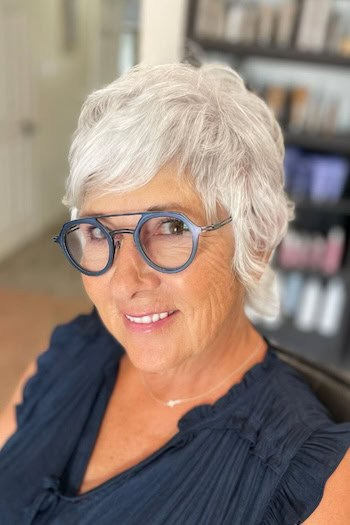
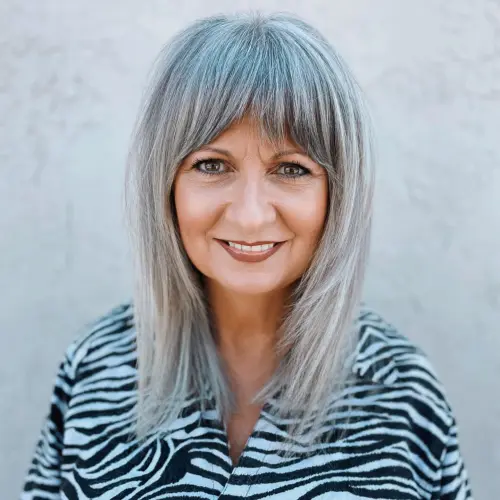
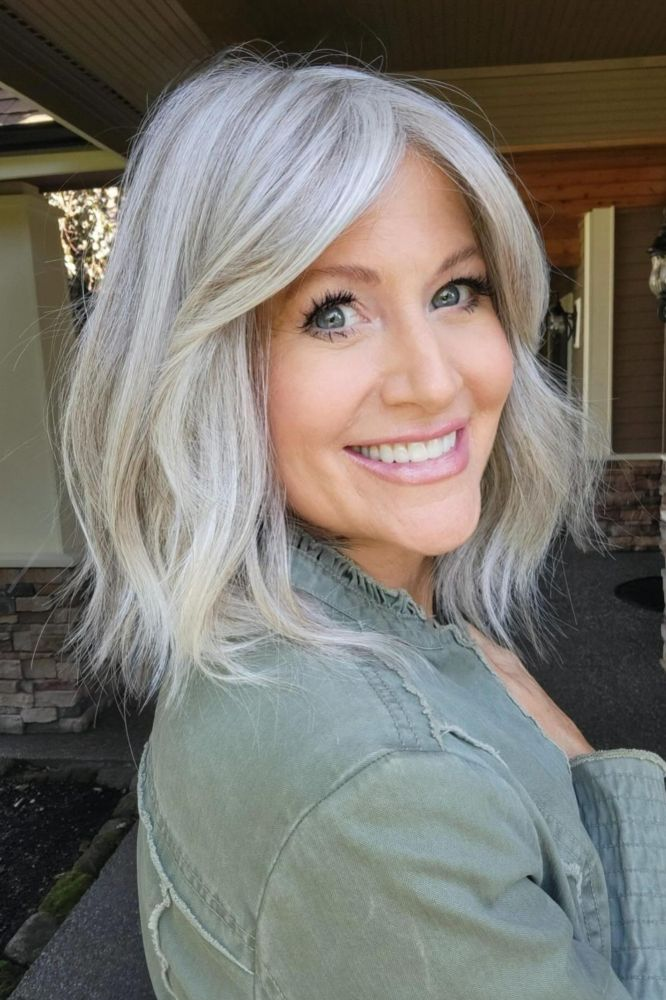
    11. Natural Silver Shoulder-Length Cut

    Embrace the gray! This style keeps your natural silver, white, or salt-and-pepper color center stage with a simple, shoulder-length cut and subtle layers .

    Why it works: Silver hair is stunning on its own. A shoulder-length cut with light layers adds movement and prevents the color from looking flat or dull.

    How to style it: Use a purple shampoo once a week to keep silver tones bright and prevent brassiness. Apply a lightweight leave-in conditioner to combat dryness. Air-dry or blow-dry with a round brush for a polished finish.

    Best face shapes: Oval, heart, and oblong. The length softens longer face shapes beautifully.

    Maintenance needs: Every 10–12 weeks. If you’re transitioning to natural silver, work with a stylist to blend the grow-out phase seamlessly.


    Quick Styling Tips for Women Over 70

    • Hydrate, hydrate, hydrate: Aging hair is drier. Use moisturizing shampoos, conditioners, and leave-in treatments .
    • Ditch the heavy products: Thick gels and creams will weigh fine hair down. Opt for lightweight mousses, texturizing sprays, and serums .
    • Protect from heat: Always use a heat protectant before blow-drying or using hot tools. Better yet, embrace air-drying when possible.
    • Silk pillowcases are your friend: They reduce friction, preventing breakage and frizz while you sleep .
    • Regular trims are non-negotiable: Even the best cut looks tired with split ends. Stick to your maintenance schedule.

    Final Thoughts

    Your 70s are not a time to hide—they’re a time to shine. The right hairstyle should make you feel confident, beautiful, and authentically you. Whether you choose a classic pixie, a textured bob, or a playful shag, the most important thing is that you love the way you look.

    Don’t be afraid to bring photos to your stylist and ask questions. A great haircut is a partnership between you and your stylist, built on honesty about your hair’s texture, your lifestyle, and your personal style.

    So go ahead—book that appointment, embrace your natural beauty, and walk out of the salon feeling like the stunning, ageless woman you are.

    For even more inspiration, explore these12 Short Hairstyles for Women Over 70 That Bring Fresh Energy and Easy Elegance that offer fresh energy and easy elegance.

  • 13 Long Wolf Cut Styles That Will Transform Your Look in 2026

    13 Long Wolf Cut Styles That Will Transform Your Look in 2026

    The 13 long wolf cut has officially dethroned every other layered hairstyle as the most requested look in salons worldwide. Imagine the volume of a 70s shag, the edge of a mullet, and the romance of waist-length hair—all rolled into one effortlessly cool cut. Whether you have fine, thick, curly, or straight hair, the long wolf cut adapts to your texture while giving you that “I woke up like this” energy. In this guide, we’ll explore 13 stunning variations of the long wolf cut, including exactly how to style each one, which face shapes they flatter best, and the maintenance schedule you’ll need to keep your shag looking fresh. Grab a coffee and get ready to screenshot—your next haircut is waiting.


    What Makes the Long Wolf Cut So Special?

    Before we dive into the 13 styles, let’s break down the anatomy of this viral haircut. The wolf cut is a hybrid between a shag and a mullet. It features heavy, disconnected layers that start high up—sometimes near the crown—and cascade down into wispy, textured ends. The “long” version keeps your length intact (typically collarbone to mid-back), while the “wolf” aspect adds that signature choppy fringe and internal volume.

    Why does it work so well? Because it removes bulk without sacrificing length. Fine hair gains instant density. Thick hair loses its triangle shape. Curly hair gets bounce instead of weight. And the best part? It looks better as it grows out.


    The 13 Long Wolf Cut Styles You Need to Know

    1. The Classic Long Wolf Cut with Curtain Bangs

    This is the blueprint. Soft, face-framing curtain bangs blend seamlessly into cascading, well-defined layers. The result is romantic yet grungy.

    Why it works: The curtain bangs soften strong jawlines and foreheads, while the choppy layers add movement to otherwise flat hair.

    How to style it: Apply volumizing mousse to damp hair. Blow-dry using a round brush, rolling the bangs away from your face. Finish with a texture spray and scrunch the mid-lengths.

    Best face shapes: Oval, heart, round. The bangs elongate round faces and soften angular features.

    Maintenance needs: Trim every 8–10 weeks to keep bangs from growing into your eyes and refresh layer graduation.

    2. Choppy Long Wolf Cut for Fine Hair

    Fine hair often falls flat with one-length cuts. This version uses micro-layers that create the illusion of thickness and body.

    Why it works: Blunt ends on a choppy cut prevent fine hair from looking stringy. The high lift at the crown adds volume that lasts all day.

    How to style it: Spray a root-lifting product on damp roots. Blow-dry upside down. Use a flat iron to add slight bends—not curls—through the midsection. Avoid heavy oils or butters.

    Best face shapes: Diamond, oblong, square. The crown volume balances longer face shapes.

    Maintenance needs: Every 6–8 weeks. Fine hair shows split ends faster, so regular trims are essential.

    3. Long Curly Wolf Cut

    Curly hair and the wolf cut are a match made in heaven. The shaggy layers remove excess weight, allowing curls to spring up with more definition.

    Why it works: Traditional curly cuts often create a triangle shape. The wolf cut removes bulk from the sides while keeping length, resulting in a beautiful hourglass silhouette.

    How to style it: On soaking wet hair, rake through leave-in conditioner and curl cream. Diffuse on low heat or air-dry. Once dry, shake out the roots with your fingers. Never brush a curly wolf cut unless you want a puffball.

    Best face shapes: All face shapes. Curly wolf cuts can be customized with side-swept bangs or no bangs at all.

    Maintenance needs: Every 10–12 weeks. Curly hair hides damage, but dry ends need regular dusting.

    4. Edgy Long Wolf Cut with Undercut

    For the bold, adding a discrete undercut—shaved nape or behind the ears—keeps the long wolf cut from feeling too heavy.

    Why it works: The undercut removes bulk instantly and adds an unexpected rock-and-roll element when you pull your hair up.

    How to style it: Style as usual with a texturizing paste through the top layers. To show off the undercut, tie the length into a high messy bun or half-up ponytail.

    Best face shapes: Oval, heart, square. The undercut draws attention to the jawline, so avoid if you have a very long or narrow face.

    Maintenance needs: The undercut needs refreshing every 4–6 weeks at a barber or salon.

    5. Long Wavy Wolf Cut with Bottleneck Bangs

    Bottleneck bangs are narrow at the center and widen at the cheeks. Combined with loose, beachy waves, this version feels bohemian and low-effort.

    Why it works: The widening effect at the cheekbones balances a pointed chin, making this ideal for heart-shaped faces.

    How to style it: Spray sea salt spray on damp hair. Braid your hair into two loose braids overnight. Undo in the morning and finger-comb. Blow-dry the bottleneck bangs forward and to the sides using a small round brush.

    Best face shapes: Heart, oval, round.

    Maintenance needs: Bangs need trimming every 3–4 weeks. The rest of the cut every 8–10 weeks.

    6. Blunt Long Wolf Cut with Wispy Ends

    Most wolf cuts are heavily feathered. This version keeps the ends blunt and weighty while still incorporating internal choppy layers.

    Why it works: The blunt ends make hair look thicker and healthier. The internal layers provide movement without sacrificing density.

    How to style it: Apply a smoothing cream to damp hair. Blow-dry straight using a paddle brush. Finish with a drop of serum on the very ends only.

    Best face shapes: Long, oval, square. The blunt line adds width, balancing longer face shapes.

    Maintenance needs: Every 8 weeks. Blunt ends show uneven growth quickly.

    7. Long Wolf Cut with Micro Bangs

    Micro bangs (also called baby bangs) sit high on the forehead, usually 1–2 inches above the eyebrows. This is the most daring version of the wolf cut.

    Why it works: Micro bangs draw immediate attention to your eyes and cheekbones. They transform a standard shag into high fashion.

    How to style it: Keep micro bangs pin-straight or piecey with a tiny dab of texturizing paste. The rest of the hair stays messy and voluminous.

    Best face shapes: Oval, heart, diamond. Avoid if you have a round or very square face, as micro bangs can exaggerate width.

    Maintenance needs: Every 2–3 weeks for bangs. Yes, that often. Learn to trim them at home between salon visits.

    8. Face-Framing Long Wolf Cut for Round Faces

    This variation features long, graduated layers that start at the chin and cascade downward, avoiding any volume directly at the sides of the face.

    Why it works: Round faces need elongation. Keeping the shortest layers at the chin rather than the cheeks creates a slimming vertical line.

    How to style it: Blow-dry the face-framing pieces away from your face using a round brush. Add height at the crown with backcombing or volumizing powder.

    Best face shapes: Round, oval. Not ideal for long faces, as it adds unnecessary length.

    Maintenance needs: Every 8–10 weeks to maintain the graduation.

    9. Low-Maintenance Long Wolf Cut for Straight Hair

    Straight hair can look flat in a wolf cut if not cut correctly. This version uses texturizing shears rather than razor cutting to create movement without frizz.

    Why it works: Razor cuts can leave straight hair looking frayed. Scissor-over-comb texturizing keeps the ends sharp while adding invisible volume.

    How to style it: Air-dry with a lightweight salt spray. That’s it. The cut does all the work. For more volume, flip your head over and blast with cool air for 30 seconds.

    Best face shapes: Oblong, oval, heart.

    Maintenance needs: Every 10–12 weeks. Straight hair hides growth well.

    10. Long Wolf Cut with Caramel Balayage

    Color and cut work together. Adding caramel or honey balayage to a long wolf cut highlights the choppy layers, making the texture look even more dynamic.

    Why it works: Dark roots with lighter ends create a shadow effect that emphasizes every cut line. The color does the work of styling.

    How to style it: Loose waves using a 1.5-inch curling iron. Curl away from the face in alternating directions. Brush out with a wide-tooth comb for that lived-in finish.

    Best face shapes: Any. Balayage is universally flattering when placed correctly.

    Maintenance needs: Color touch-ups every 12–16 weeks. The cut itself every 8–10 weeks.

    11. Voluminous Long Wolf Cut for Thick Hair

    Thick hair can become a heavy triangle with the wrong layers. This wolf cut removes significant internal weight while keeping the perimeter length.

    Why it works: Point-cutting and slide-cutting techniques carve out channels inside the hair, removing up to 50% of bulk without shortening the overall length.

    How to style it: Use a lightweight mousse and blow-dry with a large round brush. Avoid heavy creams or butters, which will weigh the cut back down.

    Best face shapes: Oval, square, heart.

    Maintenance needs: Every 8 weeks. Thick hair grows out quickly and will regain bulk within two months.

    12. Romantic Long Wolf Cut with Face-Framing Curls

    This version is perfect for wavy or curly girls who want a softer, more feminine take on the edgy wolf cut.

    Why it works: The face-framing curls are cut individually to spiral around the cheekbones and jawline, creating a soft, angelic silhouette.

    How to style it: Finger-coil the face-framing pieces while wet. Diffuse or air-dry. Separate curls with oil on your fingers. Do not brush.

    Best face shapes: Heart, diamond, oval. The soft curls offset sharp angles.

    Maintenance needs: Every 10–12 weeks. Curly hair grows slower but loses definition faster.

    13. Messy, Effortless Long Wolf Cut (The “No-Style” Style)

    This is the wolf cut for people who hate styling. The layers are cut extra choppy and disconnected so that even air-drying looks intentional.

    Why it works: Imperfection is the goal. Uneven ends, piece-y texture, and zero polish make this read as “cool girl who doesn’t try.”

    How to style it: Wash. Towel dry. Apply a dime-sized amount of texture paste to your palms. Scrunch and go. Seriously. That is the entire routine.

    Best face shapes: Oval, heart, square. Avoid if your hair is extremely fine, as it may just look messy rather than intentional.

    Maintenance needs: Every 10–12 weeks. This cut looks better grown out.


    How to Communicate Your Long Wolf Cut to Your Stylist

    Walking into a salon and saying “wolf cut” can lead to 13 different interpretations. Here is exactly what to say:

    1. “I want to keep my length at [collarbone/bra-strap/mid-back].”
    2. “I want short, choppy layers starting near my crown.”
    3. “I want texture and movement, not weight removal alone.”
    4. Show 2–3 photos from this article. Visuals beat words every time.

    Also ask: “Should we use a razor or shears?” Razors work best for straight and wavy hair. Shears are safer for curly or fine hair.


    The 5-Minute Daily Styling Routine for Any Long Wolf Cut

    You do not need 45 minutes and three heat tools. Here is your universal wolf cut routine:

    1. Damp hair: Spray in a texturizing or sea salt spray from mid-lengths to ends.
    2. Scrunch with your head upside down for 30 seconds.
    3. Air-dry or blast with a diffuser on low heat for 3 minutes.
    4. Flip your head over and shake out the roots with your fingers.
    5. Optional: Rub a drop of hair oil between your palms and glaze over the ends.

    That is it. The cut is designed to do the heavy lifting.


    Final Thoughts

    The 13 long wolf cut is not just a trend—it is a genuine breakthrough for anyone frustrated with flat, heavy, or boring hair. Whether you choose the classic version with curtain bangs, the edgy undercut, or the romantic curly variation, this cut delivers on its promise: volume, movement, and an effortless cool that no other hairstyle can match.

    Here is the best news. A long wolf cut looks better at week two than it does at day one. It grows out gracefully. It works with your natural texture instead of fighting it. And it requires less styling time than a basic blowout.

    Book the appointment. Bring the screenshots. And get ready to wonder why you did not do this sooner.

  • 16 Short Hair Ideas for Plus Size Women That Balance, Flatter, and Celebrate You

    16 Short Hair Ideas for Plus Size Women That Balance, Flatter, and Celebrate You

    Finding a haircut that makes you feel amazing should not be complicated. Yet so many plus size women are told to avoid short hair altogether. That advice is simply wrong. The truth is, short hair ideas for plus size women are abundant, varied, and deeply flattering. The right short cut creates balance, draws attention to your best features, and makes you feel confident in your own skin. Whether you want something soft and romantic, edgy and bold, or classic and polished, there is a short style waiting for you. This guide walks you through sixteen short hair ideas for plus size women that actually work, plus styling tips and exactly what to tell your stylist.

    The Truth About Short Hair Ideas for Plus Size Women

    The old rule that plus size women should keep their hair long is based on nothing but outdated thinking. Short hair ideas for plus size women actually offer several advantages. First, short hair creates lift at the crown, which elongates your silhouette. Second, it removes visual weight from your shoulders and neck. Third, it puts the focus exactly where it belongs — on your face, your eyes, and your smile. The key is choosing a cut that balances your proportions. Too short and severe can look harsh. Too long and heavy can pull everything downward. The sixteen short hair ideas for plus size women below hit that sweet spot.

    1. The Asymmetrical Pixie

    Why it works: An asymmetrical pixie is longer on one side than the other. The diagonal line created by the asymmetry draws the eye upward and across your face, which has a slimming effect. The longer side can be swept across your forehead or tucked behind your ear for variety. This short hair idea for plus size women is modern and face-slimming.

    How to style: Apply a styling cream or mousse to damp hair. Blow-dry using a round brush, directing the longer side where you want it to fall. The shorter side needs little to no styling. A tiny amount of wax defines the ends.

    Best face shapes: Oval, round, and heart. The asymmetry balances roundness beautifully.

    Maintenance: Trim every 4 to 5 weeks.

    Image Alt Text: Asymmetrical pixie short hair idea for plus size women with longer side swept across forehead creating a slimming diagonal line

    2. The Textured Pixie with Height at the Crown

    Why it works: Volume at the crown is a plus size woman’s best friend. Height elongates your face and neck, creating a longer, leaner line. A textured pixie concentrates that height right at the top of your head while keeping the sides shorter. This short hair idea for plus size women maximizes vertical lift.

    How to style: Apply a volumizing mousse to the crown area. Blow-dry using a small round brush, lifting straight up. Use your fingers to create texture throughout. The sides can be smoothed or left slightly messy.

    Best face shapes: Oval, round, and square. The height offsets width.

    Maintenance: Trim every 4 to 5 weeks.

    Image Alt Text: Textured pixie with crown height short hair idea for plus size women showing lifted top and tapered sides for elongation

    3. The Curly Short Crop

    Why it works: Natural curls add volume and texture that straight hair cannot match. A curly short crop keeps the shape rounded and soft, which balances fuller faces. The curls themselves create shadows and movement that draw the eye in interesting directions. This short hair idea for plus size women celebrates natural texture.

    How to style: Apply a curl cream to soaking wet hair. Use your fingers to define individual curls. Let air-dry or diffuse on low heat. Do not brush. Do not comb. The rounded shape will appear naturally.

    Best face shapes: Oval, heart, and round. The softness of curls flatters all face shapes.

    Maintenance: Trim every 6 to 8 weeks. Deep condition weekly.

    4. The Long Pixie with Side-Swept Bangs

    Why it works: A long pixie keeps more length on top and at the front than a traditional pixie. The side-swept bangs create a diagonal line across your forehead, which is universally slimming. The length also gives you versatility — you can sweep it back, pin it, or let it fall naturally. This short hair idea for plus size women offers flexibility with edge.

    How to style: Apply a lightweight mousse to damp hair. Blow-dry using a round brush, sweeping the bangs to one side. The rest of the hair can be styled smooth or textured. A light hairspray keeps the bangs in place.

    Best face shapes: Oval, round, and square. The diagonal bangs break up width.

    Maintenance: Trim every 5 to 6 weeks.

    Image Alt Text: Long pixie with side-swept bangs short hair idea for plus size women showing diagonal fringe and textured crown volume

    5. The Stacked Bob

    Why it works: A stacked bob is shorter in the back with visible layers that create interior volume. The stacked back lifts the hair away from your neck, which elongates your profile. The front is longer, usually hitting at the chin or collarbone. This short hair idea for plus size women adds volume exactly where you need it.

    How to style: Apply a volumizing mousse to the back section. Blow-dry using a round brush, lifting each layer as you dry. The front can be dried smooth or with a slight bend. The stacked back does most of the work.

    Best face shapes: Oval, round, and heart. The volume in the back balances the face.

    Maintenance: The stacked back needs trimming every 4 to 5 weeks. The front every 6 to 8 weeks.

    6. The Angled Bob (A-Line)

    Why it works: An angled bob is shorter in the back and gradually longer toward the front. The longest pieces usually hit at or below the chin. The angle creates a slimming diagonal line along your jaw. This short hair idea for plus size women is one of the most flattering cuts available.

    How to style: Apply a smoothing cream or heat protectant. Blow-dry using a round brush, turning the ends under slightly. The angled shape does the heavy lifting. Keep styling simple.

    Best face shapes: Oval, round, and square. The angle elongates and slims.

    Maintenance: Trim every 5 to 6 weeks.

    Image Alt Text: Angled bob short hair idea for plus size women with shorter back and longer front creating a slimming diagonal jawline

    7. The Shaggy Pixie

    Why it works: A shaggy pixie features choppy layers throughout, creating a messy, lived-in look. The choppiness adds texture and volume, which distracts from any areas of thinning. The shaggy style is also incredibly forgiving — it looks good even when it is growing out. This short hair idea for plus size women is effortless and cool.

    How to style: Apply a texturizing spray or sea salt spray to damp hair. Blow-dry using your fingers to lift and separate. Do not over-brush. The choppy ends should look piece-y and intentional.

    Best face shapes: Oval, round, and heart. The messiness softens all face shapes.

    Maintenance: Trim every 6 to 8 weeks. The lived-in look means it grows out gracefully.

    8. The Curly Bob

    Why it works: A bob on curly hair hits at the chin or shoulders. The curls add volume and width at the sides, which balances a fuller face. The key is keeping the length short enough that the curls do not get pulled down by gravity. This short hair idea for plus size women celebrates natural texture while balancing proportions.

    How to style: Apply a curl cream to wet hair. Scrunch upward. Let air-dry or diffuse. Do not brush. The rounded shape of the bob will appear naturally as your curls dry.

    Best face shapes: Oval, round, and heart. The volume at the sides balances the face.

    Maintenance: Trim every 6 to 8 weeks.

    Image Alt Text: Curly bob short hair idea for plus size women with chin-length curls adding volume at the sides to balance fuller face

    9. The Faux Hawk

    Why it works: A faux hawk keeps the sides short and the center strip longer. The center strip is styled upward to create height. The height elongates your entire silhouette, while the short sides remove visual weight from the sides of your head. This short hair idea for plus size women is edgy and elongating.

    How to style: Apply a volumizing mousse to the center strip. Blow-dry using a round brush, lifting straight up. Use a texturizing paste to define the peak. The sides can be smoothed or left slightly messy.

    Best face shapes: Oval, heart, and oblong. The height elongates rounder faces.

    Maintenance: Trim every 5 to 6 weeks.

    10. The Chin-Length Bob with Layers

    Why it works: A chin-length bob hits exactly at your jawline. Layers throughout remove weight and add movement. This cut works beautifully on fine or medium hair because the layers create the illusion of density. This short hair idea for plus size women frames the face without adding width.

    How to style: Apply a volumizing mousse to damp hair. Blow-dry using a round brush, adding a slight bend to the ends. The chin length frames your jaw without adding width.

    Best face shapes: Oval, round, and square. The length at the chin balances wider faces.

    Maintenance: Trim every 6 to 7 weeks.

    Image Alt Text: Chin-length bob with layers short hair idea for plus size women showing jawline-grazing length with soft bends

    11. The Undercut Pixie

    Why it works: An undercut means the bottom layer is shaved or cut very short while the top layer falls over it. The undercut removes bulk from the sides and back, which prevents your hair from looking too wide. The top layer gives you length to style. This short hair idea for plus size women removes width while keeping length.

    How to style: Style the top layer as desired — smooth, textured, or spiky. The undercut requires no daily styling. For a more dramatic reveal, push the top hair to one side.

    Best face shapes: Oval, heart, and square. The undercut slims the sides of your head.

    Maintenance: The undercut needs refreshing every 2 to 3 weeks. The top every 5 to 6 weeks.

    12. The Wavy Lob (Long Bob)

    Why it works: A lob hits between the chin and the collarbone. Waves add texture and movement, which draws the eye in interesting directions. The length is long enough to pull back but short enough to maintain volume at the crown. This short hair idea for plus size women is versatile and forgiving.

    How to style: Apply a wave-enhancing cream or mousse to damp hair. Scrunch upward. Let air-dry or diffuse. Use a large-barrel curling iron to enhance a few pieces if needed. Run your fingers through to break up the waves.

    Best face shapes: Oval, round, and heart. The waves soften and add movement.

    Maintenance: Trim every 6 to 8 weeks.

    Image Alt Text: Wavy lob short hair idea for plus size women with collarbone-grazing length and soft beachy waves for movement

    13. The Rounded Pixie

    Why it works: A rounded pixie follows the shape of your head, creating a soft, spherical silhouette. Unlike a blunt pixie that has flat lines, a rounded pixie has no straight edges. The softness of the shape balances fuller faces beautifully. This short hair idea for plus size women is gentle and flattering.

    How to style: Apply a lightweight mousse to damp hair. Blow-dry using a round brush, following the natural curve of your head. The rounded shape will appear naturally. A light hairspray keeps everything in place.

    Best face shapes: Oval, round, and heart. The softness flatters all face shapes.

    Maintenance: Trim every 5 to 6 weeks.

    14. The Side-Parted Pixie with Deep Volume

    Why it works: A deep side part creates immediate volume at the crown. The hair on the larger side of the part is swept across your forehead, creating a diagonal line. The combination of height and diagonal line is extremely slimming. This short hair idea for plus size women takes minutes and changes everything.

    How to style: Create a deep side part — think 70/30 or 80/20. Apply a volumizing mousse to the larger side. Blow-dry using a round brush, lifting at the roots and sweeping the hair across your forehead.

    Best face shapes: Oval, round, and square. The diagonal line breaks up width.

    Maintenance: Trim every 5 to 6 weeks.

    Image Alt Text: Side-parted pixie with deep volume short hair idea for plus size women showing lifted crown and diagonal forehead sweep

    15. The Tapered Cut with Face-Framing Pieces

    Why it works: A tapered cut is very short at the nape and sides, with length concentrated at the crown and front. Face-framing pieces — slightly longer sections around your face — soften the transition between your hair and your face. This cut removes bulk from the sides while keeping softness where you need it. This short hair idea for plus size women balances structure and softness.

    How to style: Apply a styling cream to damp hair. Blow-dry using a round brush, directing the face-framing pieces away from your face. The tapered sides need no styling. Use your fingers to lift the crown.

    Best face shapes: Oval, round, and heart. The face-framing pieces soften and balance.

    Maintenance: The tapered sides need refreshing every 3 to 4 weeks. The crown every 5 to 6 weeks.

    16. The Soft Crop with Wispy Bangs

    Why it works: A soft crop keeps the hair very short — usually one to two inches — but adds wispy bangs at the front. The bangs soften your forehead and draw attention to your eyes. The crop itself removes all weight from the sides and back, creating a clean, lifted silhouette. This short hair idea for plus size women is simple, elegant, and effective.

    How to style: Apply a lightweight mousse or styling cream to damp hair. Blow-dry using your fingers, lifting at the roots. The wispy bangs can be swept to one side or left to fall naturally. A tiny amount of wax defines the ends.

    Best face shapes: Oval, heart, and diamond. The wispy bangs soften angular features.

    Maintenance: Trim every 4 to 5 weeks.

    Image Alt Text: Soft crop with wispy bangs short hair idea for plus size women showing very short sides and feathery forehead fringe

    Can You Wear Short Hair Ideas for Plus Size Women with Curly Hair?

    Absolutely. In fact, curly hair works beautifully with many of these styles. The curly short crop, the curly bob, and the shaggy pixie are all excellent choices. Curly hair adds natural volume and texture, which helps balance proportions. The key is keeping the shape rounded rather than triangular. Ask your stylist for layers that remove weight from the ends so your curls spring up rather than expanding outward.

    What Face Shapes Work Best with Short Hair Ideas for Plus Size Women?

    All face shapes work — the key is choosing the right variation.

    • Round faces: Choose styles with height at the crown and keep the sides close. Asymmetrical pixies, angled bobs, and side-parted pixies with deep volume work well.
    • Oval faces: You can wear almost anything. Textured pixies, stacked bobs, and faux hawks are all great options.
    • Square faces: Soften strong jawlines with texture and side-swept elements. The shaggy pixie, wavy lob, and soft crop with wispy bangs are excellent choices.
    • Heart faces: Balance a wider forehead with volume at the crown. The faux hawk, long pixie with side-swept bangs, and tapered cut with face-framing pieces work beautifully.

    How to Style Short Hair Ideas for Plus Size Women for Maximum Flattery

    The principles:

    1. Create height at the crown. This is your number one tool. Use volumizing mousse, root-lifting spray, or a small round brush to lift the hair at your crown. Height elongates your entire silhouette.
    2. Remove weight from the sides. Bulky sides add width. Ask your stylist to remove weight from the sides and back. Undercuts, tapers, and stacking all achieve this.
    3. Frame your face. Face-framing pieces soften the transition between your hair and your face. They should hit around your cheekbones or jawline.
    4. Avoid blunt lines at the chin. A blunt line that hits exactly at your chin can emphasize width. Instead, choose layers, angles, or asymmetry.

    Products to embrace:

    • Volumizing mousse
    • Root-lifting spray
    • Dry shampoo
    • Texturizing spray
    • Lightweight styling cream

    Products to avoid:

    • Heavy oils and butters (weigh hair down)
    • Thick waxes and pomades (make hair look greasy)

    Frequently Asked Questions About Short Hair Ideas for Plus Size Women

    Will short hair make my face look fatter?
    No — if you choose the right cut. The key is height at the crown and keeping the sides close to your head. Center parts and blunt chin-length cuts can add width. But asymmetrical cuts, angled bobs, and side-parted pixies with deep volume all slim and elongate.

    What is the most flattering short haircut for plus size women?
    The angled bob (A-line) and the asymmetrical pixie are consistently rated as most flattering. Both create diagonal lines that slim the face and draw the eye upward. The stacked bob is also excellent because the volume in the back elongates your profile.

    Can I wear a pixie cut if I have a double chin?
    Yes. In fact, a pixie cut can be very flattering. Choose a style with height at the crown and side-swept bangs. Avoid very short, severe pixies. The long pixie with side-swept bangs and the textured pixie with crown height are both excellent choices.

    How do I know if a short haircut will suit me?
    The most important factor is not your body size — it is your confidence. That said, you can test the idea by using a photo editing app to “try on” different cuts. Or start with a longer short style like a lob or an angled bob. You can always go shorter.

    How often will I need to maintain a short haircut?
    Every 4 to 8 weeks depending on the style. Pixies and tapered cuts need more frequent trims (every 4 to 5 weeks). Bobs and lobs can go 6 to 8 weeks. The shaggy pixie and choppy styles are the most forgiving between trims.

    What to Tell Your Stylist

    Bring a photo of two or three styles from this guide. Then say this exactly:

    *”I am a plus size woman looking for short hair ideas that balance my proportions. I want a cut that creates height at the crown and removes weight from the sides. My hair is [straight / wavy / curly / fine / thick]. I want the length to hit [at my chin / at my collarbone / above my ears]. I am willing to spend [5 / 10] minutes styling it daily. I can come in for trims every [4 / 5 / 6] weeks. What do you recommend for my face shape and hair type?”*

    If you have a double chin or fuller neck, add: “Please keep some length at the front to frame my face, but keep the back short so it does not sit on my neck.”

    The One Thing Nobody Tells You About Short Hair and Plus Size Bodies

    Here is the truth: the most flattering thing you can wear is confidence. A woman who loves her short hair will always look better than a woman who is hiding behind long hair she does not enjoy. If you want the pixie, get the pixie. If you want the undercut, get the undercut. If you want the curly crop, let those curls shine. Your body is not a problem to be solved. It is the only one you get. And your hair should make you feel like the best version of yourself — not a smaller version, not a different version. Just you.

    Final Thoughts

    Short hair ideas for plus size women offer sixteen different ways to balance, flatter, and celebrate. The asymmetrical pixie is modern and slimming. The textured pixie with crown height elongates. The curly short crop celebrates natural texture. The long pixie with side-swept bangs offers versatility. The stacked bob creates back volume. The angled bob is one of the most flattering cuts available. The shaggy pixie is effortless and cool. The curly bob balances with side volume. The faux hawk adds height and edge. The chin-length bob frames the jaw. The undercut pixie removes width. The wavy lob is versatile and forgiving. The rounded pixie is soft and gentle. The side-parted pixie with deep volume creates a diagonal line. The tapered cut with face-framing pieces balances structure and softness. And the soft crop with wispy bangs is simple and elegant. Pick the short hair idea for plus size women that matches your hair type, your face shape, and your personality. Bring the photo to your stylist. And walk out of that salon feeling like the beautiful, powerful, plus size woman you have always been.

    Which of these sixteen short hair ideas for plus size women will you try at your next appointment? Drop a comment below and let us know. And if this guide helped you, share it with a friend who has been told she cannot wear short hair.

  • 10 Curtain Bangs for Women Over 50 That Soften, Frame, and Take Years Off

    10 Curtain Bangs for Women Over 50 That Soften, Frame, and Take Years Off

    There is a reason curtain bangs have taken over salons and social media feeds. They are flattering on virtually everyone. And yes, that includes women over 50. In fact, curtain bangs for women over 50 might be even more transformative than they are for younger women. Why? Because curtain bangs soften forehead lines, draw attention to your eyes, and hide the areas where hair often thins first — the temples and hairline. They blend seamlessly into longer layers, grow out beautifully, and require almost no daily styling. This guide walks you through ten curtain bangs for women over 50 that actually work, plus exactly how to style them and what to tell your stylist.

    The Truth About Curtain Bangs for Women Over 50

    Curtain bangs are parted down the middle or slightly off-center, with the lengths curving to each side like — you guessed it — curtains. Unlike blunt bangs that sit straight across your forehead, curtain bangs are open in the middle. This openness serves several purposes for women over 50. Curtain bangs for women over 50 soften the appearance of forehead lines without trying to hide them completely. They frame your eyes and cheekbones, drawing attention to your best features. They conceal thinning at the temples, an area where many women lose density with age. And they grow out gracefully — no awkward in-between stage where you are constantly pushing hair out of your eyes. The ten curtain bangs for women over 50 styles below range from soft and wispy to bold and full.

    1. The Soft Wispy Curtain Bangs

    Why it works: Wispy bangs are light, airy, and barely there. They are cut with point-cutting or razor techniques to create soft, feathery ends. For women over 50, wispy curtain bangs are the most forgiving option because they blend easily into the rest of your hair and require almost no maintenance. This curtain bang for women over 50 is the perfect starting point.

    How to style: Apply a lightweight mousse or styling cream to damp hair. Blow-dry the bangs using a small round brush, sweeping them to each side. The wispy ends should look soft and separated. A tiny amount of dry texture spray adds volume without weight.

    Best face shapes: Oval, heart, and oblong. The softness flatters thinner faces.

    Maintenance: Trim every 5 to 6 weeks. Wispy bangs hide grow-out better than blunt bangs.

    Image Alt Text: *Soft wispy curtain bangs for women over 50 with feathery, airy ends blending naturally into face-framing layers*

    2. The Curtain Bangs with Face-Framing Layers

    Why it works: This version pairs curtain bangs with layers that start at the cheekbones and continue down. The combination frames your face from forehead to chin. The layers add movement and volume, which is especially helpful if your hair has lost some of its former density. This curtain bang for women over 50 offers the most comprehensive face-framing effect.

    How to style: Apply a volumizing mousse to damp hair. Blow-dry using a round brush, directing the bangs to each side and the layers away from your face. The layers will naturally fall into place. A light hairspray keeps everything in position.

    Best face shapes: Oval, round, and square. The layers soften jawlines and add length.

    Maintenance: Trim every 6 to 7 weeks.

    Image Alt Text: *Curtain bangs with face-framing layers for women over 50 showing pieces starting at cheekbones and blending into longer hair*

    3. The Long Curtain Bangs (Brow-Grazing)

    Why it works: Long curtain bangs hit at or just below the eyebrows. They are less dramatic than shorter versions and blend almost seamlessly into shoulder-length or longer hair. For women over 50 who are not ready for a major change, long curtain bangs are an excellent entry point. This curtain bang for women over 50 offers the softest introduction.

    How to style: Apply a smoothing cream to damp hair. Blow-dry the bangs using a flat brush, sweeping them to each side. The length means you can also tuck them behind your ears when you want your forehead fully exposed.

    Best face shapes: Oval, round, and heart. The longer length balances rounder faces.

    Maintenance: Trim every 6 to 8 weeks.

    4. The Curtain Bangs with Mid-Length Hair

    Why it works: Curtain bangs paired with a mid-length cut — think collarbone to shoulder — create a cohesive, polished look. The bangs blend into the layers throughout the cut, so nothing looks disconnected. This curtain bang for women over 50 is particularly flattering for those with fine or medium hair.

    How to style: Apply a leave-in conditioner and a light mousse. Blow-dry using a round brush, directing the bangs to each side and adding a slight bend to the ends of your hair. The mid-length cut gives you enough hair to style but not so much that it becomes heavy.

    Best face shapes: Oval, round, and square. The mid-length balances wider faces.

    Maintenance: Trim every 6 to 8 weeks.

    Image Alt Text: *Curtain bangs with mid-length hair for women over 50 showing collarbone-grazing cut with bangs blending into layers*

    5. The Curtain Bangs with a Pixie Cut

    Why it works: Yes, curtain bangs work on pixie cuts. The bangs are cut longer than the rest of the pixie and swept to each side. This softens the pixie considerably, making it more approachable and romantic. This curtain bang for women over 50 is for those who love their short hair but want a change.

    How to style: Apply a styling cream or wax to dry hair. Use your fingers to sweep the bangs to each side. The rest of the pixie can be styled smooth or textured. The contrast between the longer bangs and the short back is modern and fresh.

    Best face shapes: Oval, heart, and diamond. The softness of the bangs balances angular features.

    Maintenance: The pixie needs trimming every 4 to 5 weeks. The bangs can go slightly longer between trims.

    6. The Full Curtain Bangs

    Why it works: Full curtain bangs are cut with more density and weight. They are not wispy or feathery — they are substantial. This version works best on women with medium to thick hair. The fullness creates a dramatic frame around your face and adds the illusion of thicker hair at the front. This curtain bang for women over 50 makes a bold statement.

    How to style: Apply a smoothing cream or lightweight gel to damp hair. Blow-dry using a round brush, sweeping the bangs to each side. The full bangs will hold their shape all day. A light hairspray keeps flyaways in check.

    Best face shapes: Oval and heart. Full bangs can overwhelm round or square faces.

    Maintenance: Trim every 4 to 5 weeks. Full bangs show grow-out more quickly than wispy bangs.

    Image Alt Text: Full curtain bangs for women over 50 with substantial density creating dramatic frame around the face

    7. The Curtain Bangs for Curly Hair

    Why it works: Curly curtain bangs are having a moment, and for good reason. Your natural curl pattern gives the bangs volume and texture that straight bangs cannot match. The key is cutting them dry so your stylist can see exactly where each curl falls. This curtain bang for women over 50 celebrates natural texture beautifully.

    How to style: Apply a curl cream to soaking wet hair. Use your fingers to define the bangs separately from the rest of your curls. Let air-dry or diffuse. Do not brush. The curls will naturally part in the middle or slightly off-center. Embrace the imperfection.

    Best face shapes: Oval, heart, and round. The volume of curly bangs softens all face shapes.

    Maintenance: Trim every 6 to 8 weeks. Curly bangs hide grow-out very well.

    8. The Curtain Bangs with a Bob

    Why it works: A bob and curtain bangs are a match made in hairstyle heaven. The bangs blend into the bob’s face-framing layers, creating a continuous line from forehead to chin. This combination is chic, sophisticated, and surprisingly low-maintenance. This curtain bang for women over 50 is timeless.

    How to style: Apply a volumizing mousse to damp hair. Blow-dry using a round brush, directing the bangs to each side and turning the ends of the bob under slightly. The result is polished but not fussy.

    Best face shapes: Oval, round, and square. The bob length softens jawlines while the bangs open up the forehead.

    Maintenance: Trim every 5 to 6 weeks.

    Image Alt Text: *Curtain bangs with a bob for women over 50 showing chin-length cut with center-parted fringe blending into face-framing pieces*

    9. The Textured Curtain Bangs

    Why it works: Textured bangs are cut with point-cutting or razor techniques to create movement and separation. Unlike smooth bangs that lie flat against the forehead, textured bangs have piece-y ends that stand slightly apart. This version is ideal for women with fine hair because the texture creates the illusion of density. This curtain bang for women over 50 adds volume through separation.

    How to style: Apply a texturizing spray or sea salt spray to damp bangs. Blow-dry using your fingers or a small round brush, but do not over-smooth. The texture should remain visible. A dry texture spray adds instant grit and volume.

    Best face shapes: Oval, heart, and oblong. The texture softens angular features.

    Maintenance: Trim every 5 to 6 weeks. Textured bangs hide grow-out well.

    10. The Curtain Bangs with Gray or Silver Hair

    Why it works: Gray and silver hair have a different texture than pigmented hair — often coarser, sometimes drier, but always beautiful. Curtain bangs on gray hair catch the light differently than the rest of your hair, creating natural highlights and dimension. This curtain bang for women over 50 celebrates your silver.

    How to style: Apply a purple shampoo once a week to keep silver bright and prevent brassiness. Use a moisturizing conditioner because gray hair tends to be drier. Style the bangs as usual with a round brush. A shine spray enhances the silver tones.

    Best face shapes: All face shapes. The brightness of silver hair draws attention upward.

    Maintenance: Trim every 5 to 6 weeks. Use products designed for gray or silver hair to maintain color and moisture.

    Image Alt Text: Curtain bangs with gray hair for women over 50 showing silver strands catching the light for natural highlights and dimension

    Can You Wear Curtain Bangs for Women Over 50 with Fine or Thinning Hair?

    Absolutely. In fact, curtain bangs are one of the best bang styles for fine or thinning hair. Wispy curtain bangs and textured curtain bangs are especially good choices because they create the illusion of density through separation. The key is keeping them light — ask your stylist for wispy ends and avoid heavy, full bangs. Fine hair cannot support the weight of dense bangs, and they will look see-through. Also, dry texture spray is your best friend. It adds grip and volume without weighing hair down.

    How to Style Curtain Bangs for Women Over 50 in Under 3 Minutes

    Step by step:

    1. Start with damp, towel-dried hair. If your bangs are dry, spritz them with a water bottle until slightly damp.
    2. Apply a pea-sized amount of lightweight mousse or styling cream to the bangs only.
    3. Using a small round brush (1 to 1.5 inches), blow-dry the bangs section by section.
      • For the left side: brush to the left
      • For the right side: brush to the right
    4. Once dry, let the bangs cool for 30 seconds before touching them.
    5. Use your fingers to separate and adjust. Do not over-brush.

    For second-day bangs:
    Spritz with a water bottle until slightly damp. Blow-dry using the same technique. Dry shampoo at the roots absorbs oil and adds volume.

    Frequently Asked Questions About Curtain Bangs for Women Over 50

    Will curtain bangs make my forehead wrinkles more noticeable?
    The opposite. Curtain bangs soften the appearance of forehead lines. Unlike blunt bangs that sit directly on lines and create contrast, curtain bangs leave the center of your forehead open while framing the sides. This openness softens rather than highlights.

    How long do curtain bangs take to grow out?
    About 2 to 3 months to reach chin length. The beauty of curtain bangs is that they grow out gracefully into face-framing layers. There is no awkward “I regret my bangs” stage.

    Can I wear curtain bangs with glasses?
    Yes. Curtain bangs and glasses are a great combination. The bangs should be cut to hit just below the brow line of your glasses. Your stylist can customize the length based on where your glasses sit on your face.

    How often do I need to trim curtain bangs?
    Every 5 to 6 weeks for wispy or textured versions. Every 4 to 5 weeks for fuller versions. Curtain bangs are more forgiving than blunt bangs, so you can go longer between trims.

    What if I have a cowlick?
    A skilled stylist can cut curtain bangs to work with a cowlick. The center part of curtain bangs actually accommodates many cowlicks well. Bring it up during your consultation. Do not try to fight your cowlick — work with it.

    What to Tell Your Stylist

    Bring a photo of two or three styles from this guide. Then say this exactly:

    *”I am over 50 and I want curtain bangs for women over 50 that soften my forehead and frame my eyes. My hair is [fine / medium / thick / curly / straight / gray]. I want my bangs to be [wispy / full / textured / long]. I want them to hit [at my eyebrows / below my eyebrows / at my cheekbones]. Please cut them so they blend into the rest of my hair — I do not want a harsh line. I am willing to come in for trims every [4 / 5 / 6] weeks.”*

    If you have a cowlick or a strong natural part, add: “Please cut my bangs to work with my cowlick, not against it.”

    The One Thing Nobody Tells You About Curtain Bangs After 50

    Here is the truth: curtain bangs are not about hiding your age. They are about framing your face. The women who look amazing with curtain bangs after 50 are not trying to look 30 again. They are trying to look like the best version of themselves at 50, 60, and beyond. Curtain bangs soften. Curtain bangs brighten. Curtain bangs draw attention to your best features. But they do not erase your history. And that is a good thing. Your face tells a story. Curtain bangs just make sure everyone is looking at the right chapter.

    Final Thoughts

    Curtain bangs for women over 50 offer ten different ways to soften, frame, and refresh your look. The soft wispy curtain bangs are gentle and forgiving. Curtain bangs with face-framing layers add movement and volume. Long curtain bangs offer a subtle entry point. Curtain bangs with mid-length hair create a cohesive look. Curtain bangs with a pixie cut soften short hair. Full curtain bangs make a bold statement. Curtain bangs for curly hair celebrate natural texture. Curtain bangs with a bob are timeless and chic. Textured curtain bangs add density through separation. And curtain bangs with gray or silver hair celebrate your natural color. Pick the curtain bang for women over 50 that matches your hair type, your face shape, and your comfort level. Bring the photo to your stylist. And enjoy the way your new bangs make you feel — lighter, fresher, and just a little bit brighter.

    Which of these ten curtain bangs for women over 50 will you try at your next appointment? Drop a comment below and let us know. And if this guide helped you, share it with a friend who has been thinking about bangs but needed a little push.

  • 17 Funky Short Hair for Older Women That Prove Attitude Has No Expiration Date

    17 Funky Short Hair for Older Women That Prove Attitude Has No Expiration Date

    Who decided that turning a certain age means boring hair? Certainly not the women in this guide. Funky short hair for older women is having a major moment, and honestly, it is about time. Edgy cuts, bold textures, unexpected shapes, and even a splash of color are showing up on women in their 60s, 70s, 80s, and beyond. The secret? Confidence. A funky cut says you are still curious, still playful, and still very much engaged with life. Whether you want a dramatic undercut, a bold pixie with long bangs, or a spiky crop that turns heads, this guide has seventeen funky short hair for older women options that bring the fun back to your morning routine.

    The Truth About Funky Short Hair for Older Women

    There is a misconception that older women should fade into the background with soft, safe hairstyles. Funky hair rejects that entirely. Funky short hair for older women draws attention upward to your face, your eyes, and your expression. It signals that you are not afraid to take risks. And practically speaking, funky short cuts are often easier to maintain than traditional styles. Shaved sides need no styling. Spiky tops dry in minutes. Asymmetrical shapes look intentional even when you roll out of bed. The seventeen funky short hair for older women styles below range from subtly edgy to full-on rebellious. Each includes why it works, how to style it, best face shapes, and maintenance needs.

    1. The Spiky Pixie

    Why it works: A spiky pixie keeps the sides short and the top long enough to stand up. The spikes add height, which elongates the face and draws the eye upward. This funky short hair for older women works beautifully on fine hair because the spikes create the illusion of density where thinning often occurs.

    How to style: Apply a texturizing paste or styling glue to dry hair. Rub between your fingers to warm it up. Work through the top section, lifting and pinching to create spikes. The sides need nothing. A light hairspray will hold the spikes all day.

    Best face shapes: Oval, heart, and round. The height balances rounder faces.

    Maintenance: Trim every 4 to 5 weeks.

    Image Alt Text: Spiky pixie funky short hair for older women with textured spikes on top and tapered sides creating height and edge

    2. The Undercut Pixie

    Why it works: An undercut means the bottom layer of hair is shaved or cut very short while the top layer falls over it. When your hair is down, the undercut is hidden. When you push your hair to one side, the shaved section is revealed. This funky short hair for older women is a secret rebellion hidden in plain sight.

    How to style: Style the top layer as usual — textured, spiky, or smooth. The undercut requires no daily styling. For a more dramatic reveal, use a small amount of gel to push the top hair to one side.

    Best face shapes: Oval, heart, and square. The undercut does not change the face-framing effect.

    Maintenance: The undercut needs refreshing every 2 to 3 weeks. The top every 5 to 6 weeks.

    Image Alt Text: Undercut pixie funky short hair for older women showing hidden shaved detail revealed when top hair is pushed to the side

    3. The Asymmetrical Pixie

    Why it works: One side is longer than the other. Sometimes dramatically so. Asymmetry creates visual interest and movement. It also draws attention away from any areas of thinning because the eye is busy following the interesting lines. This funky short hair for older women is modern and face-slimming.

    How to style: Apply a styling cream or mousse to damp hair. Blow-dry using your fingers, directing the longer side where you want it to fall. The shorter side needs little to no styling.

    Best face shapes: Oval, heart, and oblong. The asymmetry adds width to longer faces and breaks up roundness.

    Maintenance: Trim every 4 to 5 weeks to maintain the uneven shape.

    4. The Choppy Crop

    Why it works: Choppy refers to ends that are cut unevenly and intentionally. A choppy crop has no smooth lines. The ends are point-cut, notched, or razor-cut to create a piece-y, textured look. This funky short hair for older women is ideal for those who want to look edgy without going extremely short.

    How to style: Apply a texturizing spray to damp hair. Blow-dry using your fingers to lift and separate. Do not brush. The choppy ends should look piece-y and separated. A dry texture spray adds instant grit.

    Best face shapes: Oval, round, and heart. The choppiness softens round or square jawlines.

    Maintenance: Trim every 6 to 8 weeks. The choppy style hides grow-out well.

    Image Alt Text: Choppy crop funky short hair for older women with uneven, piece-y ends creating texture and movement

    5. The Mohawk (Frohawk for Curly Hair)

    Why it works: A mohawk leaves a strip of longer hair down the center of your head while the sides are shaved or cut very short. On straight hair, it is edgy. On curly or coily hair, it becomes a frohawk — softer but still undeniably bold. This funky short hair for older women is for the fearless.

    How to style: Apply a styling cream or gel to the center strip. Lift and shape it upward. For curly hair, use a curl cream and define the curls. The shaved sides need nothing. For extra drama, use a pick to fluff the center section.

    Best face shapes: Oval, heart, and oblong. The height elongates rounder faces.

    Maintenance: The shaved sides need refreshing every 2 to 3 weeks. The center every 6 to 8 weeks.

    6. The Modern Bowl Cut

    Why it works: Before you cringe, hear us out. The modern bowl cut is not the mushroom nightmare of the 1990s. Today’s version is soft, rounded, and deliberately textured. It works best on fine or straight hair and looks unexpectedly cool. This funky short hair for older women is for the fashion-forward.

    How to style: Apply a smoothing cream or lightweight gel to damp hair. Blow-dry using a round brush to create a soft, rounded shape. The ends should curve slightly under. Finish with a shine spray for a polished look.

    Best face shapes: Oval and heart. Proceed with caution on round or square faces.

    Maintenance: Trim every 5 to 6 weeks.

    Image Alt Text: Modern bowl cut funky short hair for older women with soft rounded shape and subtle texture at the ends

    7. The Twisted Pixie

    Why it works: A twisted pixie uses the natural growth pattern of your hair to create movement. The stylist cuts the hair to follow your cowlicks and whorls rather than fighting them. The result is a pixie that looks like it is in motion even when you are standing still. This funky short hair for older women works with your hair, not against it.

    How to style: Apply a lightweight mousse to damp hair. Blow-dry using your fingers, following the natural direction of your hair. Do not fight your cowlicks — let them do their job. A tiny amount of styling wax defines the twisted pieces.

    Best face shapes: Oval, heart, and diamond. The movement softens angular features.

    Maintenance: Trim every 5 to 6 weeks.

    8. The Faux Hawk

    Why it works: A faux hawk is a mohawk for people who are not ready to shave their sides. The sides are kept short but not shaved. The center strip is styled upward to create height. It gives the attitude of a mohawk without the commitment. This funky short hair for older women is edgy but approachable.

    How to style: Apply a volumizing mousse to the center strip. Blow-dry using a small round brush, lifting straight up. Use a texturizing paste to define the peak. The sides can be smoothed down or left slightly messy.

    Best face shapes: Oval, heart, and round. The height elongates and slims.

    Maintenance: Trim every 5 to 6 weeks.

    Image Alt Text: Faux hawk funky short hair for older women with lifted center strip and short sides for attitude without full commitment

    9. The Cropped Shag

    Why it works: A shag on very short hair keeps the choppy layers and piece-y ends but removes the length. The result is a cut that feels rock-and-roll but still sophisticated. This funky short hair for older women is an excellent choice for those with thick hair who want to remove bulk.

    How to style: Apply a sea salt spray to damp hair. Blow-dry using your fingers to lift and separate. Do not over-brush. The choppy ends should look intentional, not messy. A dry shampoo at the roots adds instant volume.

    Best face shapes: Oval, square, and heart. The choppiness softens strong jawlines.

    Maintenance: Trim every 5 to 7 weeks.

    10. The Geometric Pixie

    Why it works: A geometric pixie uses sharp, precise lines and angles. Think straight-across bangs, defined corners, and clean edges. This cut is architectural and bold. This funky short hair for older women works best on straight hair where the lines can be seen clearly.

    How to style: Apply a smoothing serum and heat protectant. Blow-dry using a flat brush, then flat-iron for maximum sleekness. The geometric shape requires precision. Finish with a shine spray and a light hairspray.

    Best face shapes: Oval and heart. The sharp lines can be harsh on round or square faces.

    Maintenance: Trim every 3 to 4 weeks. Geometric cuts show every bit of grow-out.

    Image Alt Text: Geometric pixie funky short hair for older women with sharp precise lines and clean architectural angles

    11. The Bedhead Pixie

    Why it works: The bedhead pixie looks like you just rolled out of bed — in the best possible way. The cut is deliberately messy and unstructured. This style is perfect for women who want to look cool without looking like they tried. This funky short hair for older women is effortless edge.

    How to style: Apply a texturizing spray or dry shampoo to dry hair. Use your fingers to tousle and lift. Do not use a brush. Do not use a comb. The messier, the better. A tiny amount of styling wax on the ends adds definition.

    Best face shapes: Oval, round, and heart. The messiness softens all face shapes.

    Maintenance: Trim every 6 to 8 weeks. The lived-in look means it grows out beautifully.

    12. The Finger Wave Crop

    Why it works: Finger waves are a vintage style from the 1920s and 1930s. They involve molding hair into S-shaped waves that lie flat against the head. On a short crop, finger waves are glamorous, unexpected, and deeply sophisticated. This funky short hair for older women is vintage with a modern twist.

    How to style: Apply a strong-hold gel to damp hair. Use your fingers and a fine-tooth comb to create the wave pattern. Pin each wave in place. Sit under a hooded dryer or use a blow-dryer with a concentrator nozzle. Remove pins when completely dry.

    Best face shapes: Oval, diamond, and heart. The horizontal lines can make round faces appear wider.

    Maintenance: Finger waves are a styled look, not a permanent cut. The cut itself needs trimming every 4 to 5 weeks.

    Image Alt Text: Finger wave crop funky short hair for older women showing vintage S-shaped waves molded into short hair with glossy finish

    13. The Textured Bowl

    Why it works: Remember the modern bowl cut from earlier? The textured bowl is its edgier cousin. The shape is still rounded, but the ends are choppy and uneven. This funky short hair for older women works on curly or wavy hair where the texture hides the bowl shape’s severity.

    How to style: Apply a curl cream or texturizing spray to damp hair. Let air-dry or diffuse. The texture does the work. Do not try to smooth it out — the choppiness is the point.

    Best face shapes: Oval and heart. The texture softens the bowl shape considerably.

    Maintenance: Trim every 6 to 8 weeks.

    14. The Side-Swept Pixie with Shaved Design

    Why it works: This cut takes the undercut one step further. The shaved section is not just bare — it features a design. Lines, dots, zigzags, or even a small shape like a star or heart are shaved into the short side. This funky short hair for older women is for the truly bold.

    How to style: Style the longer top section smooth or textured. Sweep it to the opposite side of the design. The shaved design needs no styling but should be moisturized to prevent dryness.

    Best face shapes: Oval, heart, and square. The asymmetry draws attention upward.

    Maintenance: The shaved design needs refreshing every 1 to 2 weeks. The top every 4 to 5 weeks.

    Image Alt Text: Side-swept pixie with shaved design funky short hair for older women revealing geometric pattern beneath longer top layer

    15. The Wispy Pixie with Long Bangs

    Why it works: Wispy ends and long, side-swept bangs create a soft, romantic take on the pixie. This cut is funky not because it is harsh but because it is unexpected. The contrast between the short back and the long, feathery bangs is modern and fresh. This funky short hair for older women is edgy but soft.

    How to style: Apply a volumizing mousse to damp hair. Blow-dry using a round brush, sweeping the bangs to one side. The wispy ends should look soft and separated. A light hairspray keeps the bangs in place.

    Best face shapes: Oval, round, and heart. The long bangs soften round or square faces.

    Maintenance: Bangs need trimming every 3 to 4 weeks. The rest of the cut every 5 to 6 weeks.

    16. The Bleached or Colored Crop

    Why it works: Color takes funky short hair to another level. Platinum blonde, silver, lavender, rose gold, or even a bold blue or pink — short hair is the perfect canvas for adventurous color because grow-out is less obvious. This funky short hair for older women uses color as the statement.

    How to style: Style your crop as usual — spiky, smooth, choppy, or textured. The color does the heavy lifting. Use color-safe shampoo and conditioner to preserve the shade. Purple shampoo for blondes. Cold water rinses for vivid colors.

    Best face shapes: All face shapes. Color is independent of face shape.

    Maintenance: Color needs refreshing every 4 to 8 weeks depending on the shade and your natural color. The cut every 5 to 6 weeks.

    Image Alt Text: Bleached crop funky short hair for older women with platinum blonde color and textured pixie shape for high-impact style

    17. The Disconnected Undercut

    Why it works: A disconnected undercut means the top layer does not blend into the shaved sides. There is a visible line where the long top meets the short side. The contrast is dramatic and intentional. This funky short hair for older women is not subtle, and that is exactly the point.

    How to style: Style the top section as desired — smooth, textured, spiky, or curly. The shaved sides need nothing. The disconnect line should remain visible. Do not try to blend it.

    Best face shapes: Oval, heart, and square. The drama draws attention away from any perceived flaws.

    Maintenance: The shaved sides need refreshing every 2 to 3 weeks. The top every 5 to 6 weeks.

    Can You Wear Funky Short Hair for Older Women with Curly Hair?

    Absolutely. In fact, curly hair takes funky short styles to another level. The natural texture adds volume and interest that straight hair cannot match. A curly frohawk, a curly crop with bold color, or a curly pixie with an undercut are all stunning options. The key is finding a stylist who specializes in curly cuts. They should cut your hair dry so they can see exactly where each curl falls.

    What Face Shapes Work Best with Funky Short Hair for Older Women?

    All face shapes can wear funky short hair — the key is choosing the right variation.

    • Oval faces: You can wear anything. Take advantage of this.
    • Round faces: Choose styles with height at the crown and keep the sides close. Spiky pixies and asymmetrical cuts work well.
    • Square faces: Soften strong jawlines with texture and side-swept elements. The cropped shag and wispy pixie with long bangs are great choices.
    • Heart faces: Balance a wider forehead with volume at the crown. The mohawk and asymmetrical pixie work beautifully.
    • Long faces: Avoid too much height. The disconnected undercut and geometric pixie add width where you need it.

    How to Style Funky Short Hair for Older Women in Under 5 Minutes

    For textured styles:

    1. Start with dry hair. Second-day hair works best.
    2. Apply a texturizing spray or dry shampoo to the roots.
    3. Use your fingers to lift, separate, and tousle.
    4. For spikes or definition, warm a pea-sized amount of texturizing paste between your fingers and work through the top.
    5. Walk away. Do not over-work it.

    For sleek styles:

    1. Apply a smoothing cream to damp hair.
    2. Blow-dry using a flat brush.
    3. For extra shine, finish with a drop of lightweight oil.

    For curly styles:

    1. Wet your hair or spray with a water bottle.
    2. Apply curl cream and scrunch.
    3. Let air-dry or diffuse for 5 minutes.

    Frequently Asked Questions About Funky Short Hair for Older Women

    Will funky short hair make me look older?
    The opposite. Soft, safe hairstyles can actually age you because they signal that you have given up. A funky short cut says you are still engaged, still curious, and still willing to take risks. That energy is youthful.

    Can I wear funky short hair if I have thinning hair?
    Yes. In fact, many funky styles are excellent for thinning hair. Spiky pixies, choppy crops, and textured cuts create the illusion of density. Shaved sides remove hair from areas where thinness is most visible and concentrate volume at the crown.

    How often do I need to maintain shaved designs or undercuts?
    Every 1 to 3 weeks. Shaved areas grow out quickly. The design will start to blur after two weeks. If you want it to stay crisp, plan on weekly touch-ups.

    What products do I need for funky short hair?
    Texturizing spray, dry shampoo, texturizing paste or wax, and a lightweight styling cream. That is it. No heavy gels, no thick creams, no oils. Keep it light.

    Is funky short hair professional enough for work?
    Yes. Many funky short styles can be toned down for work and amped up for weekends. A sleek asymmetrical bob, a geometric pixie, or a textured crop with long bangs reads as professional but interesting. Save the neon colors and shaved designs for after hours.

    What to Tell Your Stylist

    Bring a photo of two or three styles from this guide. Then say this exactly:

    *”I want funky short hair for older women that is edgy and expressive. My hair is [straight / wavy / curly / fine / thick / gray]. I am interested in [a shaved side / an undercut / asymmetry / spikes / a design / color]. I am willing to come in for maintenance every [2 / 4 / 6] weeks. What do you recommend for my face shape and hair type?”*

    If you want a shaved design or undercut, add: “Please show me where the shaved line will fall before you start cutting.”

    The One Thing Nobody Tells You About Funky Hair After 60 or 70

    Here is the truth: the most beautiful thing about funky short hair is not the cut or the color. It is the woman wearing it. A woman who has lived, who has loved, who has survived, and who still shows up every day with curiosity and courage — that woman looks stunning in any haircut. Funky short hair just makes her look like she knows it. So do not let anyone tell you that you are too old for spikes or undercuts or asymmetry. That is nonsense. You have earned the right to wear your hair exactly how you want. Short, funky, edgy, and proud.

    Final Thoughts

    Funky short hair for older women offers seventeen different ways to break the rules and prove that attitude has no expiration date. The spiky pixie adds height and edge. The undercut adds hidden rebellion. The asymmetrical pixie is modern and slimming. The choppy crop is textured and forgiving. The mohawk is bold and fearless. The modern bowl cut is unexpectedly cool. The twisted pixie works with your natural growth pattern. The faux hawk gives attitude without commitment. The cropped shag is rock-and-roll. The geometric pixie is architectural. The bedhead pixie is effortless. The finger wave crop is vintage glamour. The textured bowl is edgy. The side-swept pixie with shaved design is for the truly bold. The wispy pixie with long bangs is soft but edgy. The bleached or colored crop is high-impact. And the disconnected undercut is dramatic. Pick the funky short hair for older women style that matches your hair type, your face shape, and your personality. Bring the photo to your stylist. And walk out of that salon feeling like the badass you have always been.

    Which of these seventeen funky short hair for older women styles will you try at your next appointment? Drop a comment below and let us know. And if this guide inspired you, share it with a friend who needs permission to break the rules.

  • 10 Curly Haircuts for Thin Hair That Create Volume, Density, and Bounce

    10 Curly Haircuts for Thin Hair That Create Volume, Density, and Bounce

    If you have thin hair and curls, you have probably heard the same frustrating advice: cut it short or grow it long and deal with the flatness. Neither option feels fair. The truth is, curly haircuts for thin hair exist and they work beautifully. The right cut removes just enough weight to let your curls spring up while keeping enough density to avoid the dreaded see-through ends. You do not have to choose between length and volume. This guide walks you through ten curly haircuts for thin hair designed specifically for your texture, plus styling tricks that make every strand count.

    The Truth About Curly Haircuts for Thin Hair

    Straight hair and curly hair behave completely differently. On straight hair, thinness looks like flatness. On curly hair, thinness looks like gaps, see-through ends, and curls that lose their shape by lunchtime. The problem is often not your hair’s actual density but how weight pulls curls downward. Longer curls get heavier. Heavier curls stretch out. Stretched-out curls look thinner than they are. Curly haircuts for thin hair solve this with strategic cutting. Layers remove weight from the right places. Shape creates the illusion of fullness. And the right length prevents your curls from working against gravity. The ten curly haircuts for thin hair below address all of these issues.

    1. The Layered Curly Bob

    Why it works: A bob that hits between the chin and the shoulders is short enough that gravity cannot pull curls downward. Layers throughout remove weight from the interior, allowing each curl to spring up individually. The result is a rounded shape that looks twice as full as your actual hair density. This curly haircut for thin hair is the gold standard.

    How to style: Apply a lightweight mousse or curl foam to soaking wet hair. Use your fingers to distribute evenly. Scrunch upward. Let air-dry or diffuse on low heat. Do not brush. Do not comb. The layers will do their job.

    Best curl types: Type 3A to 4A. Works on fine or medium thin hair.

    Maintenance: Trim every 6 to 8 weeks.

    Image Alt Text: Layered curly bob haircut for thin hair with chin-length shape and soft volume throughout

    2. The Curly Pixie Cut

    Why it works: A pixie cut removes almost all weight, which means your curls have nothing pulling them down. The shortness allows each coil to form fully and tightly. This curly haircut for thin hair is ideal for women with very thin hair who want maximum volume and minimum maintenance.

    How to style: Apply a curl cream or gel to damp hair. Use your fingers to define individual curls. Let air-dry. That is it. No diffuser required. No round brush. No heat if you do not want it.

    Best curl types: Type 3B to 4C. Works best on naturally tighter curl patterns.

    Maintenance: Trim every 4 to 5 weeks.

    Image Alt Text: Curly pixie cut for thin hair with tight coils and tapered sides for maximum volume and minimum weight

    3. The Curly Shag with Bangs

    Why it works: The shag cut features choppy layers throughout, with the shortest layers at the crown and longer pieces around the face. On thin curly hair, the shag creates the illusion of density through texture. The bangs add volume at the front, where thin hair often looks flattest. This curly haircut for thin hair is edgy and full of movement.

    How to style: Apply a texturizing spray or sea salt spray to damp hair. Blow-dry using your fingers to lift at the roots. Do not over-brush. The choppy ends should look piece-y and separated.

    Best curl types: Type 3A to 4A. Works on fine to medium thin hair.

    Maintenance: Trim every 6 to 8 weeks. The lived-in shag grows out gracefully.

    4. The Curly Lob (Long Bob)

    Why it works: A lob hits between the collarbone and the shoulders. This is the longest length recommended for thin curly hair. Anything longer will stretch out your curls and reveal thin ends. The lob gives you length while keeping enough weight off your curls to maintain bounce. This curly haircut for thin hair offers the most length without sacrificing volume.
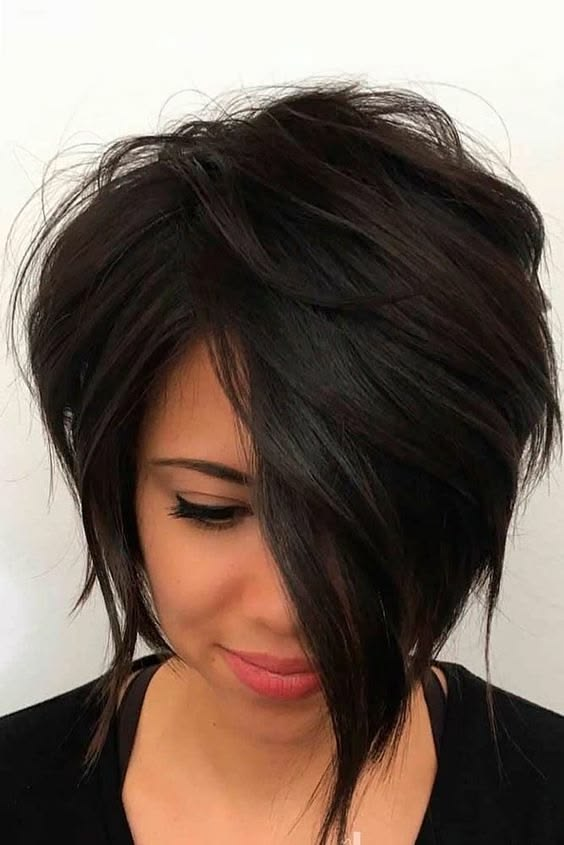
    How to style: Apply a volumizing mousse to roots and a curl cream to ends. Diffuse upside down for maximum lift. Once dry, flip your head back and shake gently.

    Best curl types: Type 3A to 3C. Works best on looser curl patterns.

    Maintenance: Trim every 6 to 8 weeks.

    Image Alt Text: Curly lob haircut for thin hair with collarbone-grazing length and soft bounce at the ends

    5. The Curly A-Line Cut

    Why it works: An A-line cut is shorter in the back and longer in the front. On thin curly hair, this shape creates the illusion of thickness because the weight is concentrated at the front. The shorter back removes bulk that would otherwise flatten your curls. This curly haircut for thin hair is slimming and volume-boosting.

    How to style: Apply a curl-defining cream to wet hair. Scrunch upward. Let air-dry or diffuse. The A-line shape naturally creates volume at the crown.

    Best curl types: Type 3A to 4A. Works on all thin hair textures.

    Maintenance: Trim every 6 to 8 weeks.

    6. The Curly Rounded Cut

    Why it works: A rounded cut follows the shape of your head, creating a soft, spherical silhouette. Unlike a blunt cut that has a flat bottom, a rounded cut has no flat lines. This shape is specifically designed to make thin hair look fuller because there are no straight edges to reveal see-through ends. This curly haircut for thin hair is soft and flattering.

    How to style: Apply a lightweight gel to wet hair. Use a Denman brush or your fingers to define curls. Diffuse upside down. The rounded shape will appear naturally as your curls dry.

    Best curl types: Type 3A to 4C. Works on all curl patterns.

    Maintenance: Trim every 6 to 8 weeks.

    Image Alt Text: Curly rounded cut for thin hair with soft spherical silhouette and no flat lines for maximum fullness

    7. The Curly Tapered Cut

    Why it works: A tapered cut is very short at the nape and sides, with length concentrated at the crown. This cut removes hair from the areas where thinness is most visible and adds it to the area where volume matters most — the top of your head. This curly haircut for thin hair creates drama where you need it.

    How to style: Apply a curl cream to damp hair. Use your fingers to lift and shape the crown area. The tapered sides need no styling. Let air-dry.

    Best curl types: Type 3B to 4C. Works best on tighter curl patterns.

    Maintenance: The tapered sides need refreshing every 3 to 4 weeks. The crown every 6 to 8 weeks.

    8. The Curly Layered Cut with Fringe

    Why it works: Adding a fringe — also called bangs — to layered curly hair creates volume exactly where thin hair looks flattest: the front hairline. The fringe can be curly, wispy, or side-swept. It adds density without adding weight. This curly haircut for thin hair hides thinning at the temples beautifully.

    How to style: Apply curl cream to all hair, including the fringe. Use your fingers to define the fringe pieces separately. Let everything air-dry or diffuse. Do not brush the fringe forward — let it fall naturally.

    Best curl types: Type 3A to 4A. Works on fine to medium thin hair.

    Maintenance: Fringe needs trimming every 3 to 4 weeks.

    Image Alt Text: Curly layered cut with fringe for thin hair showing wispy bangs adding density at the front hairline

    9. The Curly DevaCut (Dry Cut)

    Why it works: A DevaCut — or any dry curl cut — is performed on dry, styled curls rather than wet, stretched hair. This method is essential for thin curly hair because it respects your actual curl pattern. A stylist cuts each curl individually, removing only what is necessary. This curly haircut for thin hair preserves every precious strand.

    How to style: The DevaCut is a cutting method, not a specific style. After the cut, style as you normally would with your favorite curl products. The difference is that the shape will hold much longer.

    Best curl types: All curl types, but especially 3A to 4C.

    Maintenance: Trim every 8 to 12 weeks. The dry cut method preserves shape longer than wet cuts.

    10. The Curly Asymmetrical Cut

    Why it works: An asymmetrical cut is longer on one side than the other. On thin curly hair, asymmetry creates visual interest that distracts from thinness. The unevenness also prevents your curls from settling into a flat, uniform shape. This curly haircut for thin hair is modern and face-slimming.

    How to style: Apply a curl cream to wet hair. Define curls with your fingers. Let air-dry or diffuse. The asymmetry will naturally create volume on the shorter side.

    Best curl types: Type 3A to 4A. Works on fine to medium thin hair.

    Maintenance: Trim every 6 to 8 weeks.

    Image Alt Text: Curly asymmetrical cut for thin hair with longer on one side creating visual interest and volume

    Can You Wear Curly Haircuts for Thin Hair if Your Curls Are Very Loose (Type 2A-2C)?

    Absolutely. Loose waves and curls also benefit from strategic cutting. The key differences: you can go a little longer than tighter curl patterns because your waves do not shrink as much. A lob or a layered cut works beautifully. Avoid very short cuts unless you have enough density — pixies can look sparse on very loose, thin hair. Also, texturizing spray is your best friend. It adds grip and creates the illusion of density.

    What Length Is Best for Curly Haircuts for Thin Hair?

    The shorter, the better — generally speaking. A chin-length bob or a pixie will always look fuller than shoulder-length or longer hair on thin curls. That said, you can wear a lob if your curls are on the looser side (Type 3A to 3B). The maximum safe length for thin curly hair is the collarbone. Anything longer will stretch out your curls and reveal thin ends.

    How to Style Curly Haircuts for Thin Hair for Maximum Volume

    Step-by-step routine:

    1. Wash with sulfate-free shampoo. Condition only the ends (not roots).
    2. Apply a volumizing spray to roots while hair is soaking wet.
    3. Apply a lightweight mousse or curl foam to all hair.
    4. Scrunch upward with a microfiber towel or cotton t-shirt.
    5. Diffuse upside down on low heat until 80% dry.
    6. Let the remaining 20% air-dry.
    7. Once completely dry, fluff roots with your fingers. Do not brush.

    Products that work for thin curly hair:

    • Volumizing mousse or curl foam
    • Root-lifting spray
    • Dry texture spray
    • Lightweight gel (sparingly)

    Products to avoid:

    • Heavy creams and butters (shea butter, cocoa butter)
    • Oils applied to roots
    • Thick custards or pudding-style products
    • Leave-in conditioners (use a rinse-out only)

    Frequently Asked Questions About Curly Haircuts for Thin Hair

    Will cutting my curly hair short make it look thicker?
    Yes. Shorter hair has less weight pulling it down. When you remove length, your curls spring up and stand away from your scalp. Most women with thin curly hair find that a pixie or chin-length bob looks twice as full as longer hair.

    How often should I trim thin curly hair?
    Every 6 to 8 weeks. Thin curly hair shows split ends and thinning ends more quickly than thick hair. Regular trims keep the ends looking blunt and full. The DevaCut method can extend time between trims to 8 to 12 weeks.

    Can I wear bangs with thin curly hair?
    Yes, but choose wisely. Wispy bangs, side-swept bangs, or curly fringe work well. Avoid thick, blunt bangs — they require density that thin hair does not have and will look see-through.

    Should I color my thin curly hair?
    Highlights can actually help by creating the illusion of dimension and density. However, bleach damage is real. Use a bond-building treatment and space out color appointments every 8 to 12 weeks. Consider a root shadow or lowlights instead of all-over color.

    What is the difference between a DevaCut and a regular cut for thin curls?
    A DevaCut is performed on dry, styled curls. A regular cut is performed on wet, stretched hair. For thin curls, a DevaCut is almost always better because your stylist can see exactly where each curl falls and how much density you actually have. Wet cuts often result in uneven layers once the curls dry and shrink.

    What to Tell Your Stylist

    Bring a photo of two or three styles from this guide. Then say this exactly:

    “I have thin curly hair. I need curly haircuts for thin hair that create volume and hide see-through ends. Please do not use thinning shears on me — they will make my thin hair look thinner. Cut my hair dry if possible so you can see my real curl pattern. Use layers to remove weight, but leave enough density at the ends so they do not look transparent. What length do you recommend for my curl type and density?”

    If your stylist reaches for thinning shears, stop them. Thinning shears are the enemy of thin curly hair. They remove density from the interior, which makes thin hair look even sparser.

    The One Thing Nobody Tells You About Thin Curly Hair

    Here is the truth: thin curly hair will never be thick. And that is okay. The goal is not to pretend you have dense hair. The goal is to work with what you have. The right curly haircut for thin hair, the right products, and the right styling techniques can make thin curls look intentional, stylish, and beautiful — not because they are thick, but because they are well-cut and well-styled. The women who look amazing with thin curly hair are not hiding it. They are celebrating it. They chose cuts that work with their texture, not against it. You can too.

    Final Thoughts

    Curly haircuts for thin hair are not a compromise. They are a solution. The ten styles above — from the layered curly bob to the asymmetrical cut — are specifically designed to add volume, create density, and make mornings easier. The layered bob removes weight and adds bounce. The curly pixie maximizes every single strand. The shag with bangs creates density through texture. The lob offers length without sacrificing volume. The A-line cut concentrates weight at the front. The rounded cut has no flat lines to reveal thinness. The tapered cut removes hair from sparse areas. The layered cut with fringe adds density at the hairline. The DevaCut preserves every precious strand. And the asymmetrical cut creates visual interest. Pick the curly haircut for thin hair that matches your curl type, your lifestyle, and your confidence level. Bring the photo to your stylist. And stop fighting your hair — start working with it.
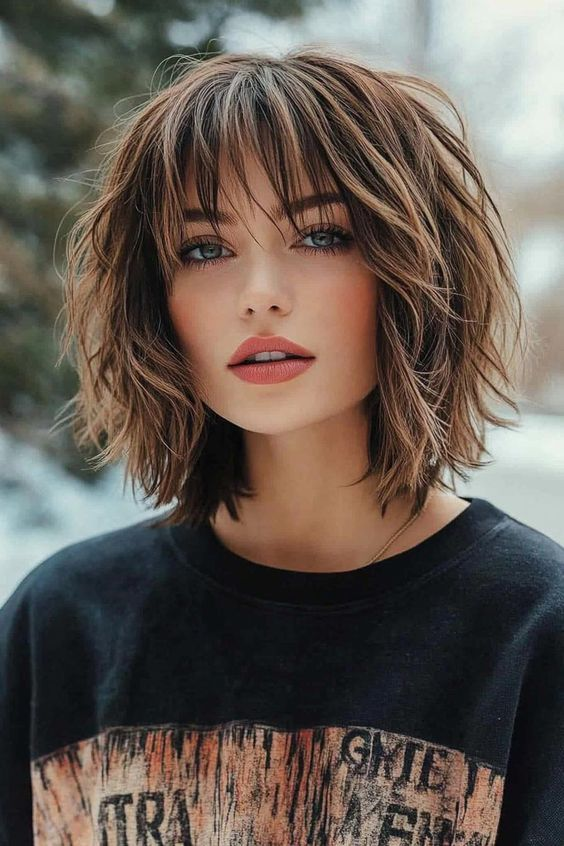
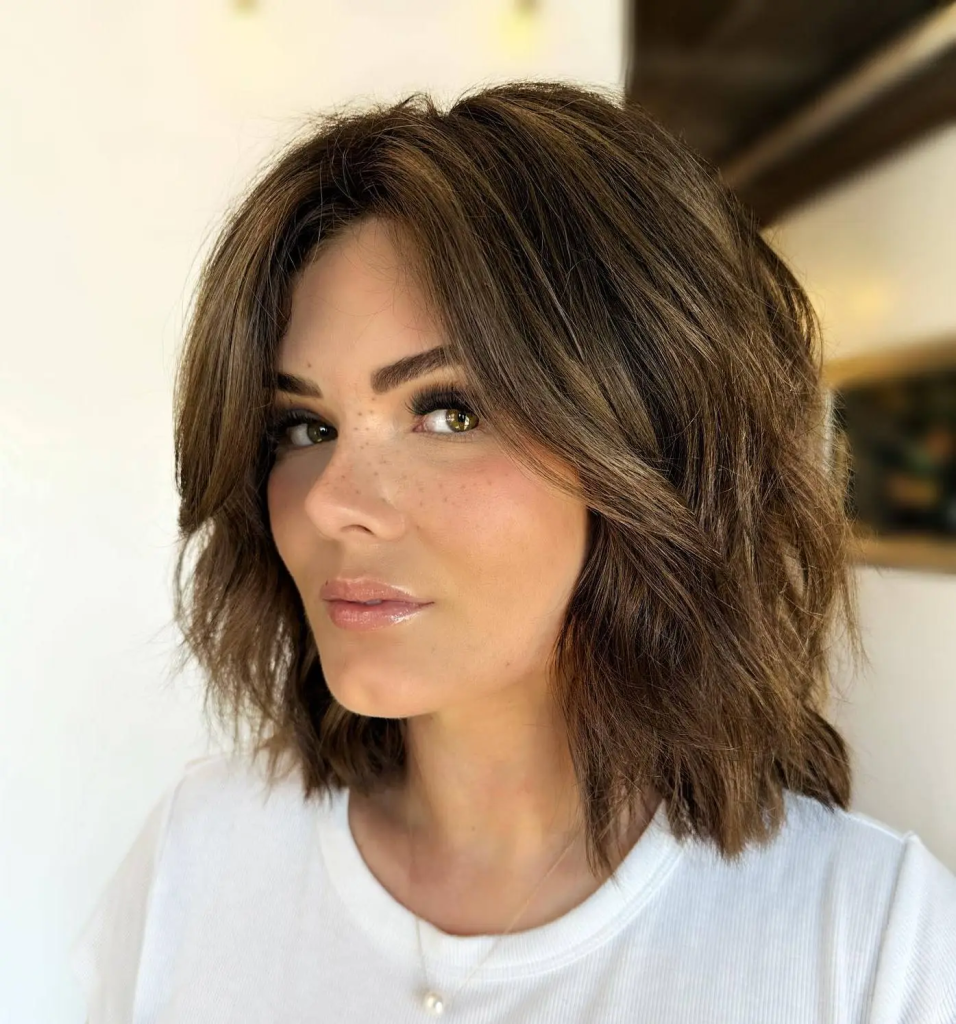
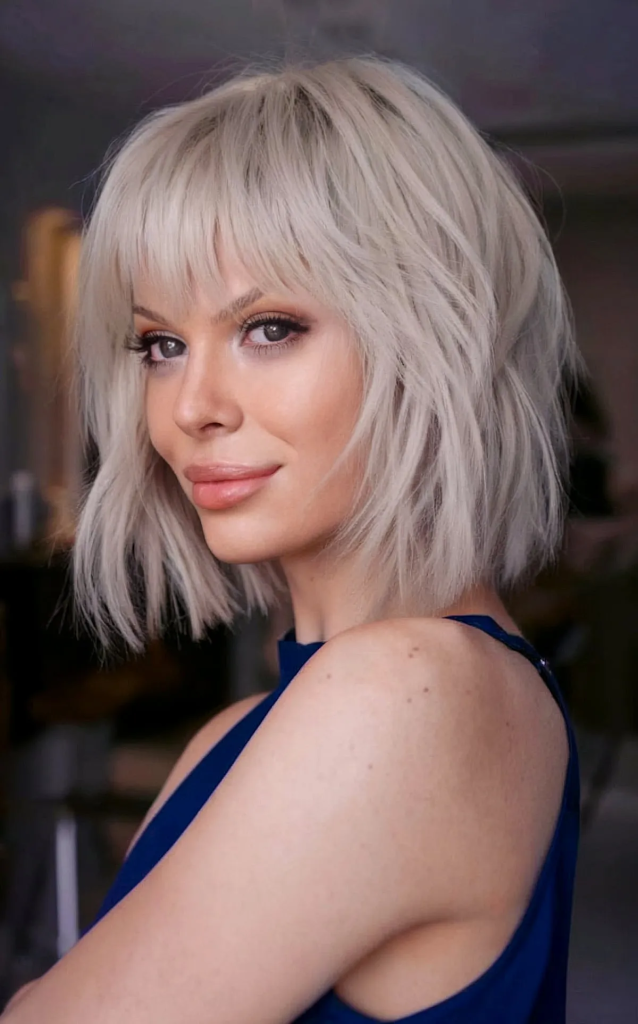
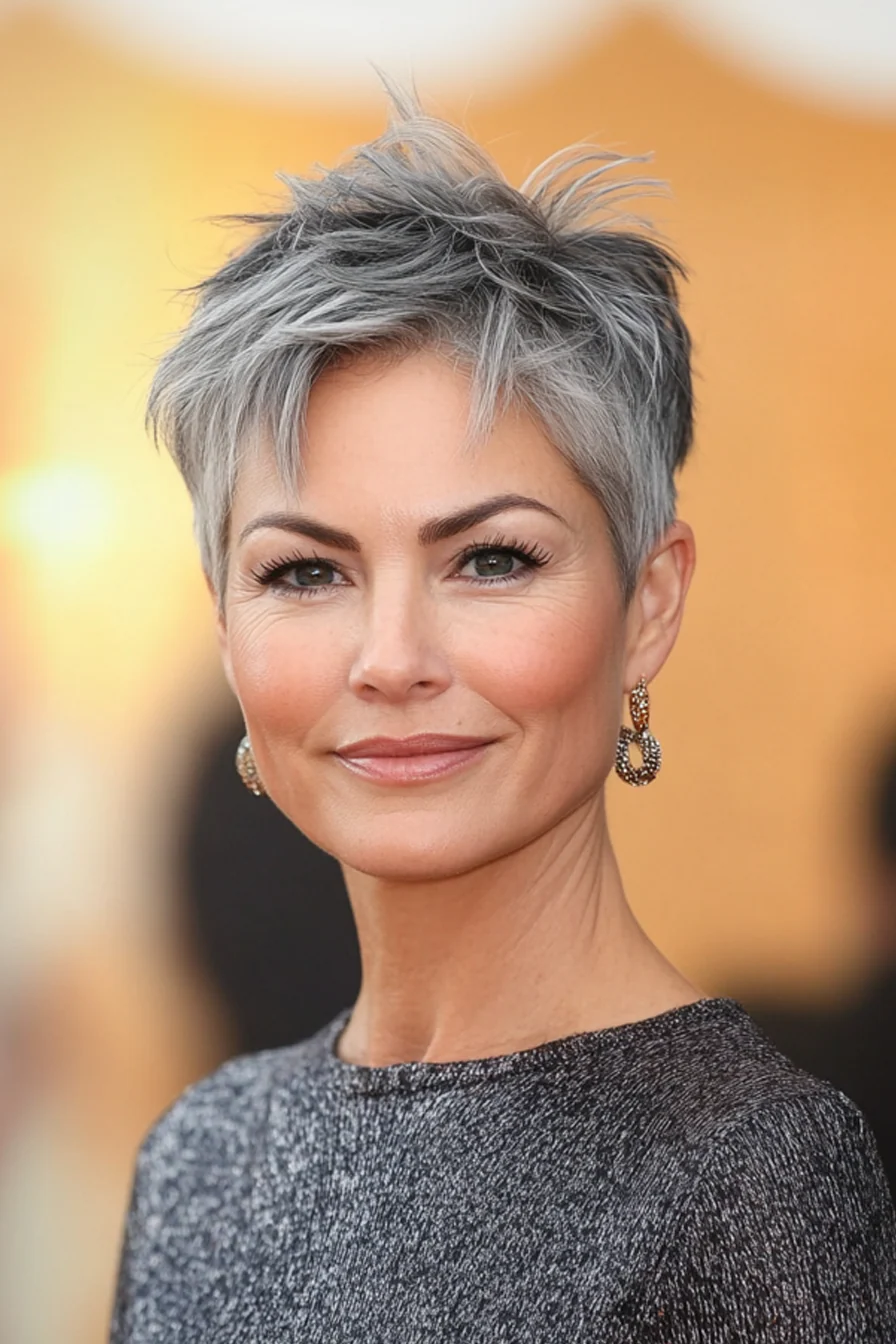
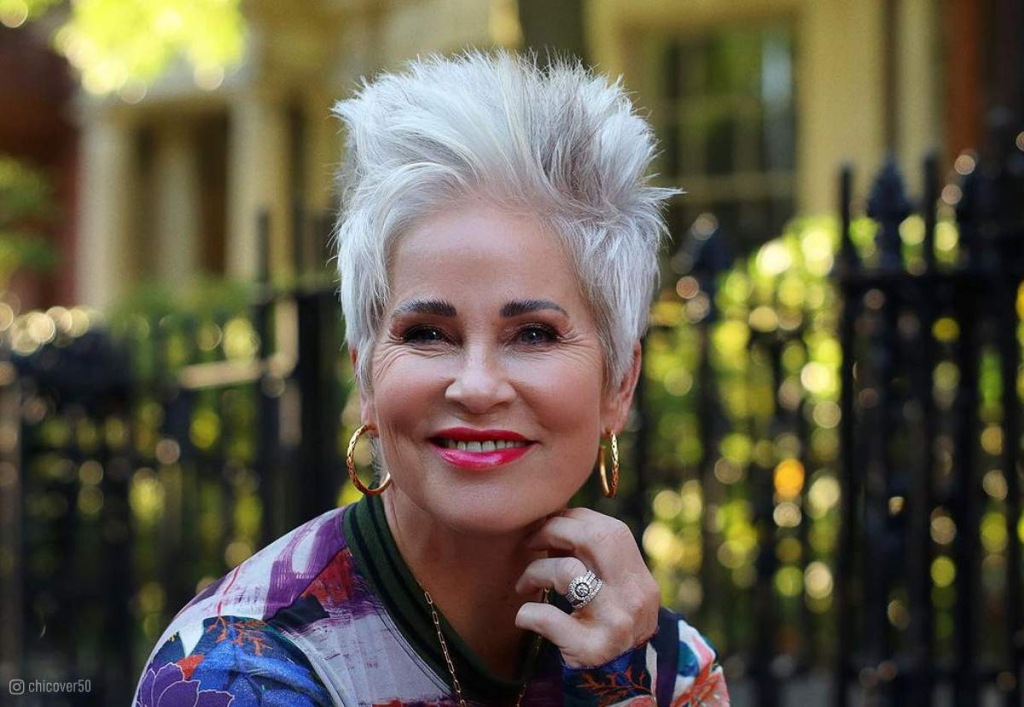
    Which of these ten curly haircuts for thin hair will you try at your next appointment? Drop a comment below and let us know. And if this guide helped you, share it with a friend who has been struggling with thin curls for years.