Author: admin

  • 11 Short Spiky Hairstyles for Older Women: Bold, Modern Cuts That Add Height and Attitude

    11 Short Spiky Hairstyles for Older Women: Bold, Modern Cuts That Add Height and Attitude

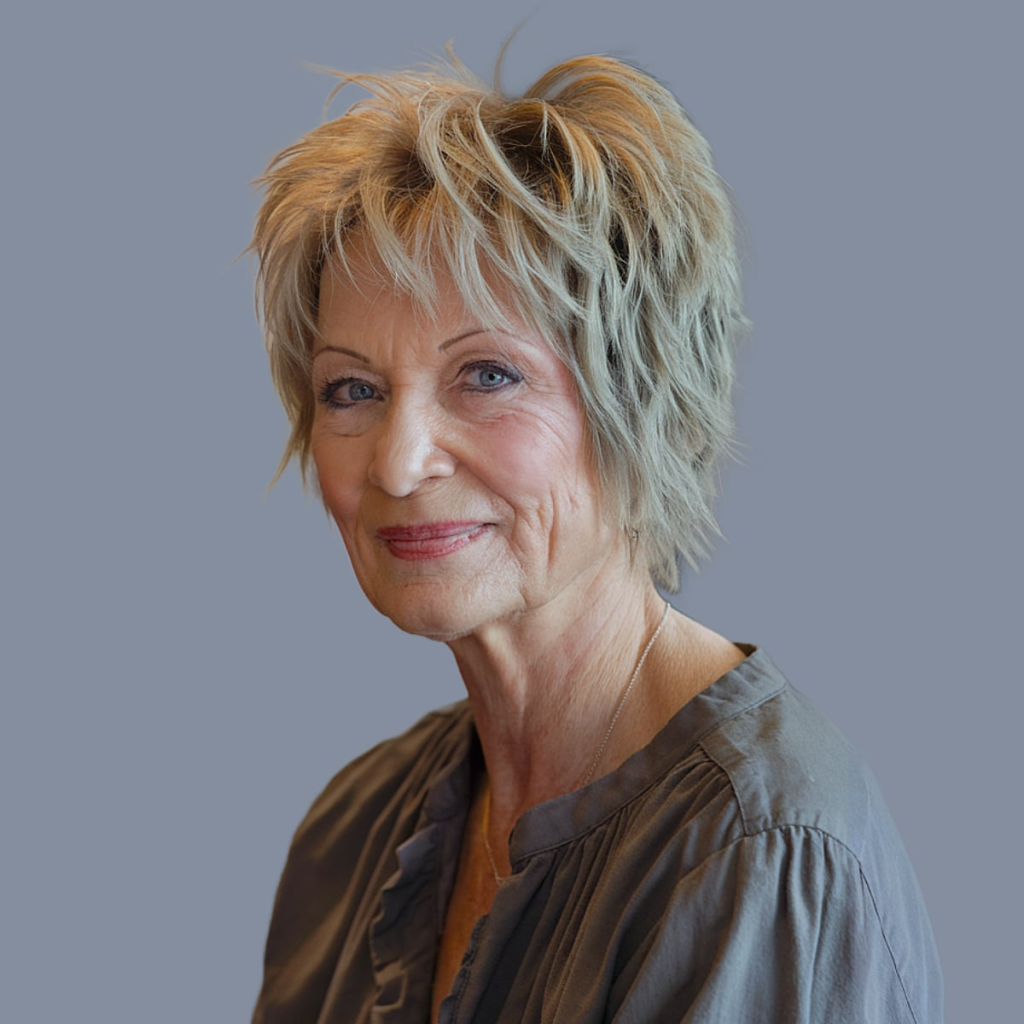
    Short hair has long been a practical choice for older women. It dries quickly, requires minimal styling, and keeps the neck cool. But practical does not have to mean boring. Spiky hairstyles take short hair in a completely different direction—away from the soft, rounded, “grandmotherly” cuts of the past and toward something sharper, more confident, and undeniably modern. 11 short spiky hairstyles for older women prove that spikes are not just for punk rockers and teenagers. With the right cut and the right products, women of any age can wear spikes with elegance, edge, and ease.

    A spiky style uses texture, height, and definition to create a look that is energetic, youthful, and attention-grabbing. For women over 60, 70, or beyond, spikes are not a rebellion against age—they are an embrace of personality. The key is choosing the right spike: soft and piece-y for a casual day, sharp and dramatic for a night out, or somewhere in between for everyday wear.

    Whether you have fine hair that needs volume, thick hair that needs shaping, or gray hair that deserves to be shown off, these 11 styles deliver attitude without sacrificing sophistication. From soft piece-y pixies to dramatic crown spikes, from curly crops to asymmetric cuts, there is a spiky style for every comfort level.

    Why Spiky Hairstyles Work for Older Women

    Spiky hairstyles are often misunderstood. Many women over 60 assume spikes are too young, too harsh, or too difficult to maintain. The opposite is true. Spikes are actually one of the most flattering and practical options for mature hair.

    First, spikes create immediate volume. By lifting hair away from the scalp and directing it upward or outward, you visually double the density of your hair. This is especially valuable for women with fine or thinning hair. Second, spikes draw the eye upward. A vertical line of spikes at the crown elongates the face and minimizes the appearance of jowls or a less-defined jawline. Third, spiky styles are incredibly low-maintenance once cut correctly. The texture hides uneven gray regrowth, and the style often looks better on second-day hair than on freshly washed hair. Finally, spikes project confidence. A woman who wears spikes is a woman who has stopped trying to blend in. That confidence is itself beautiful.
    The following 11 short spiky hairstyles range from soft and subtle to bold and dramatic. There is a spike for every comfort level.

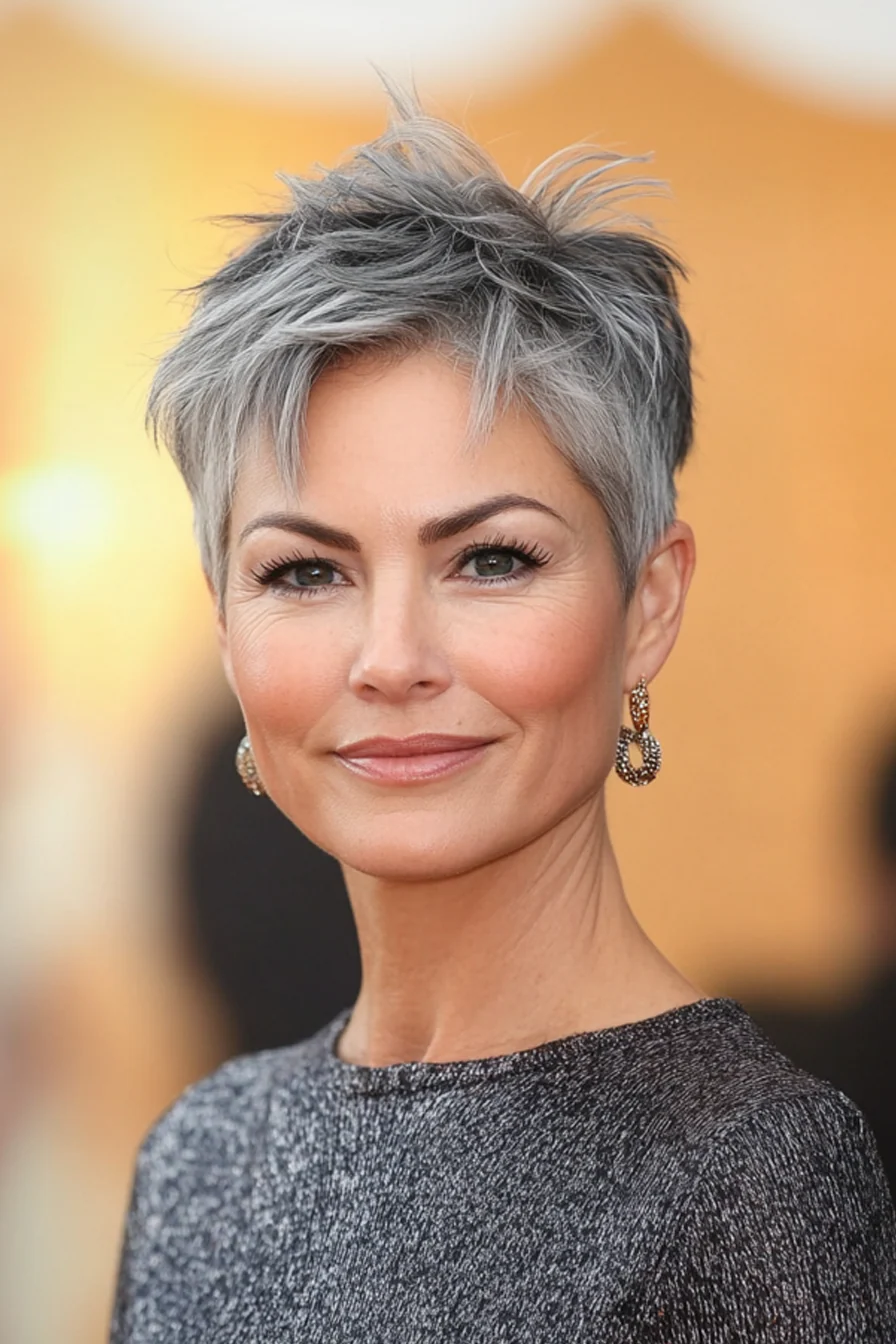
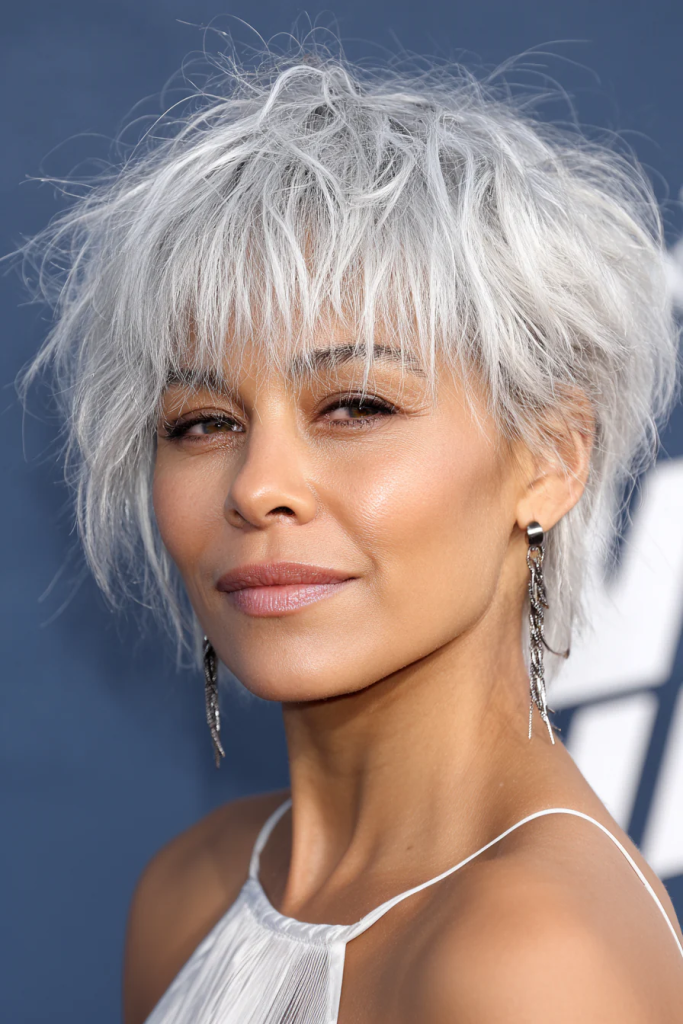
    1. The Soft Piece-y Pixie with Wispy Spikes

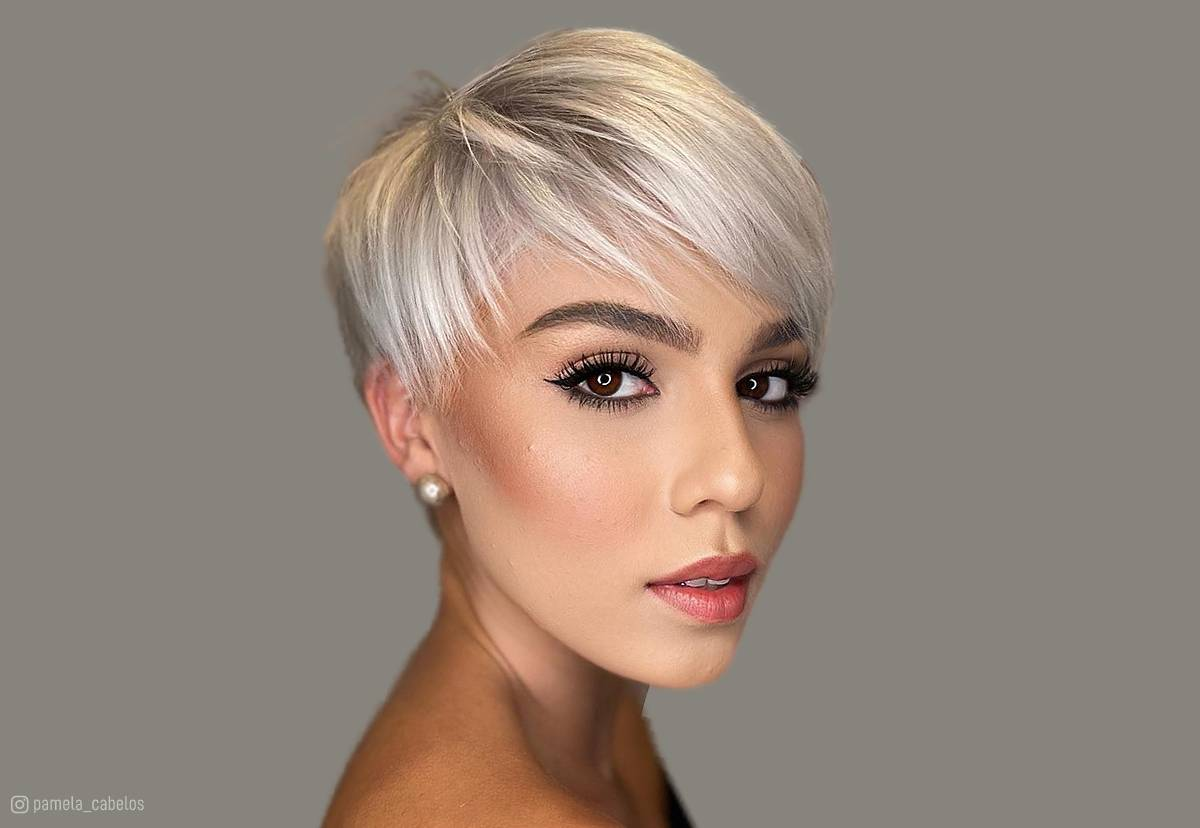
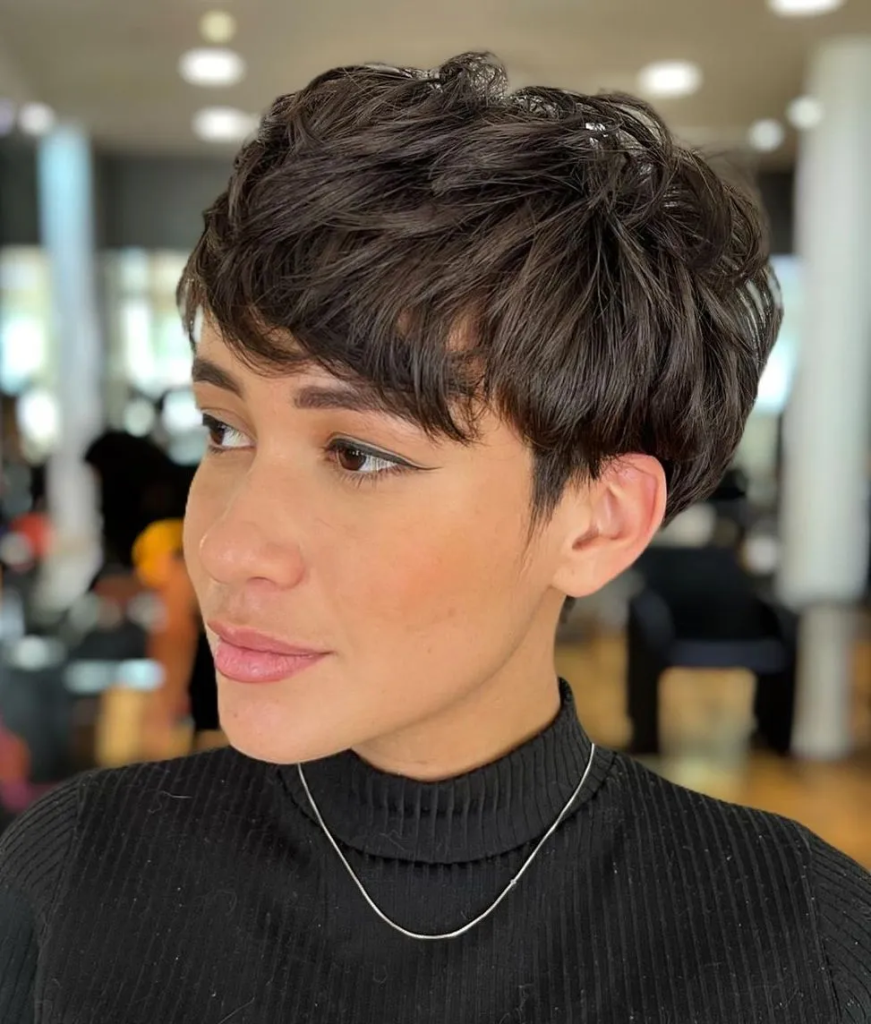
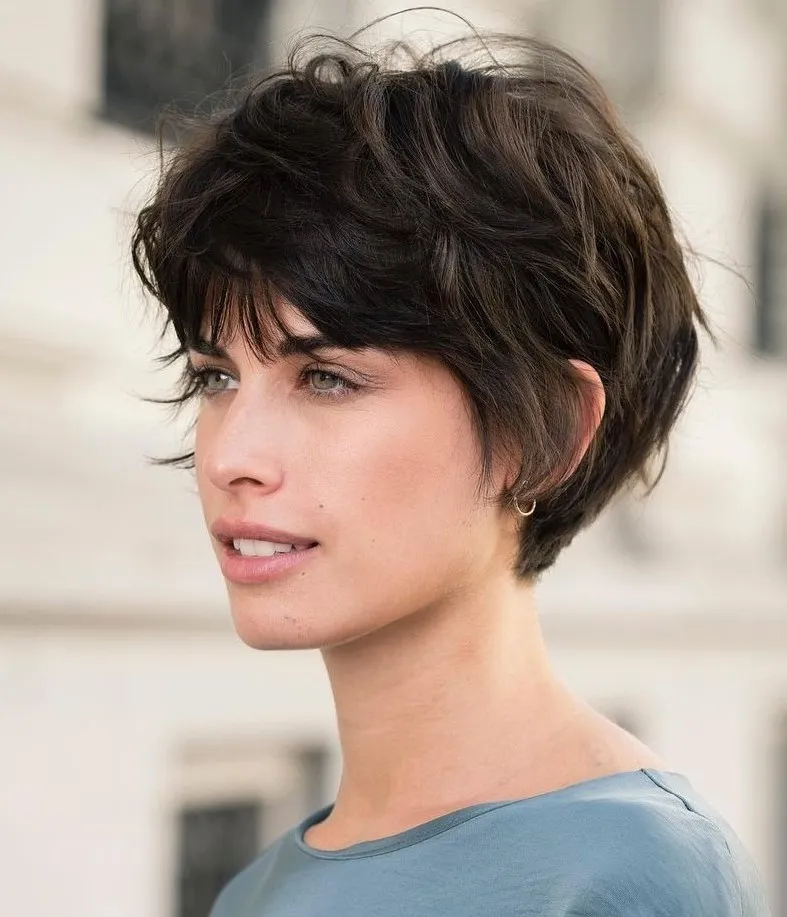
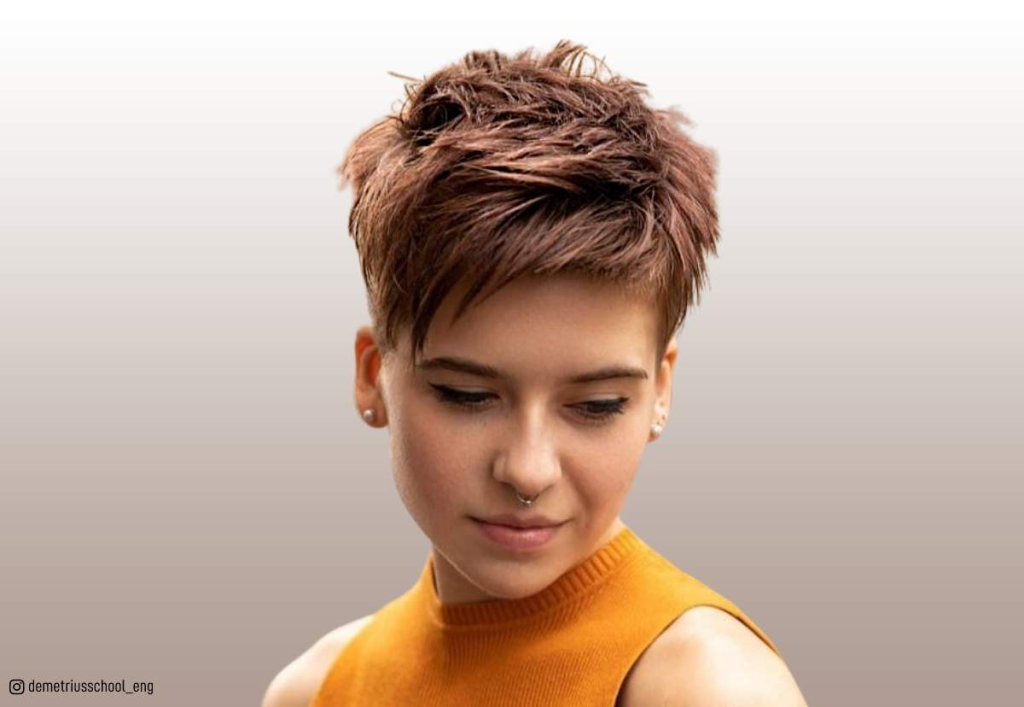
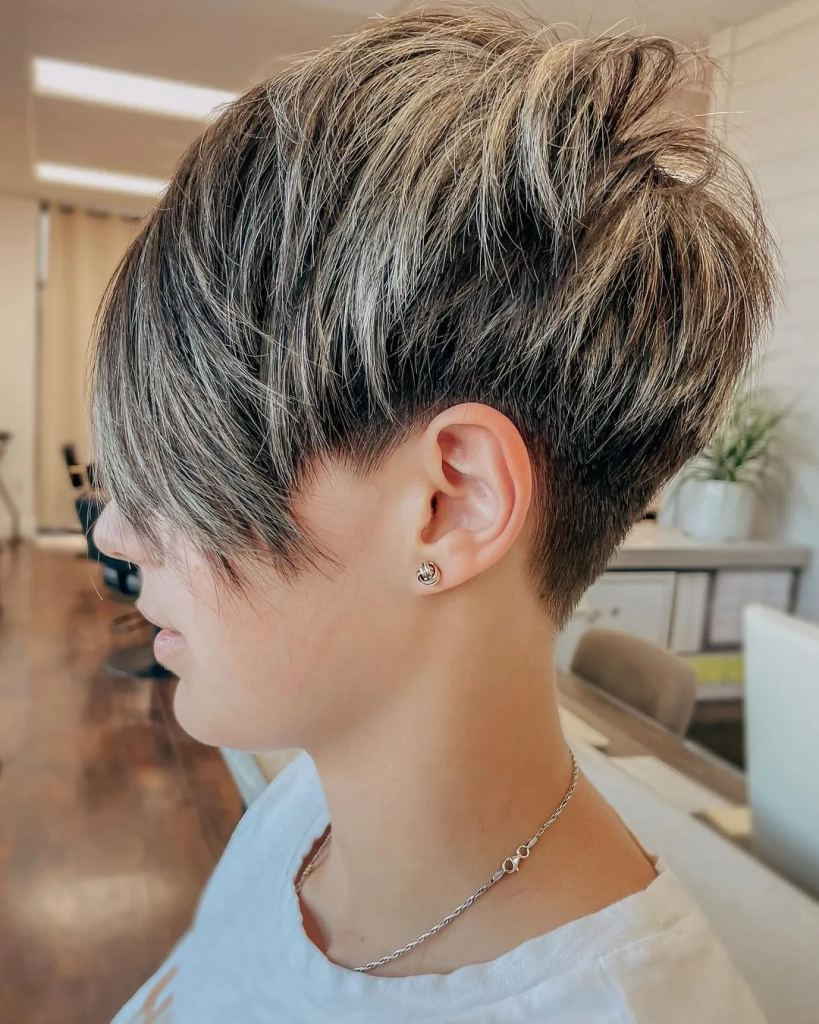
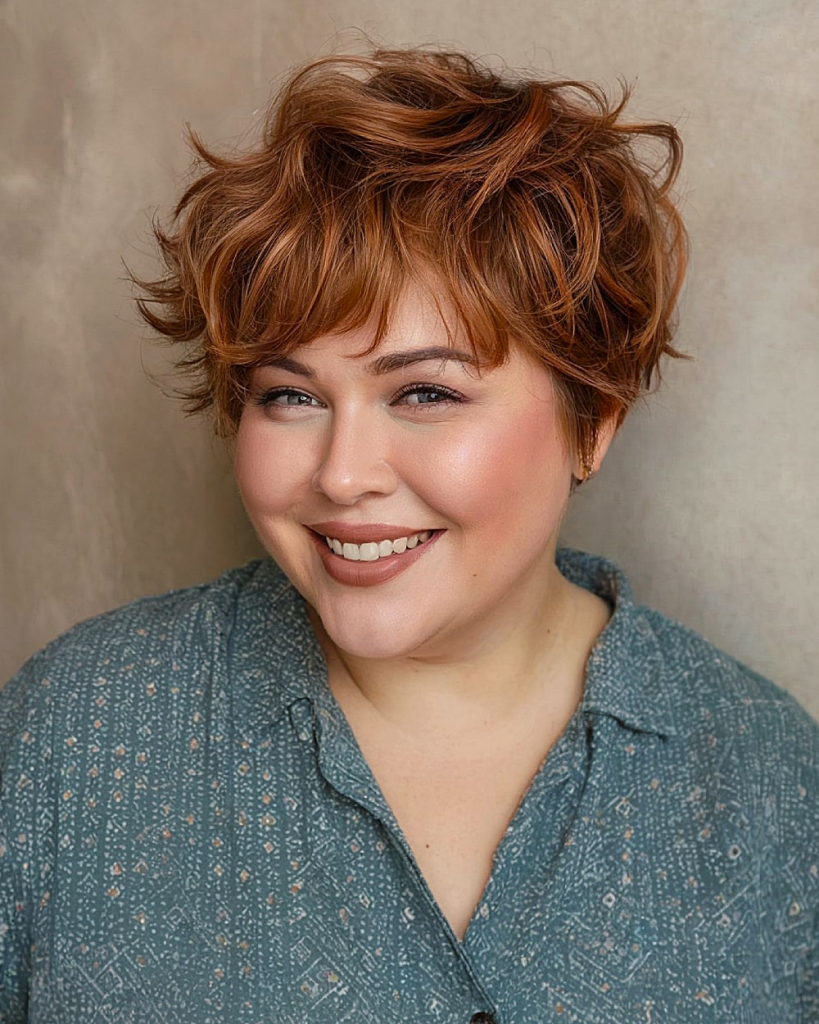
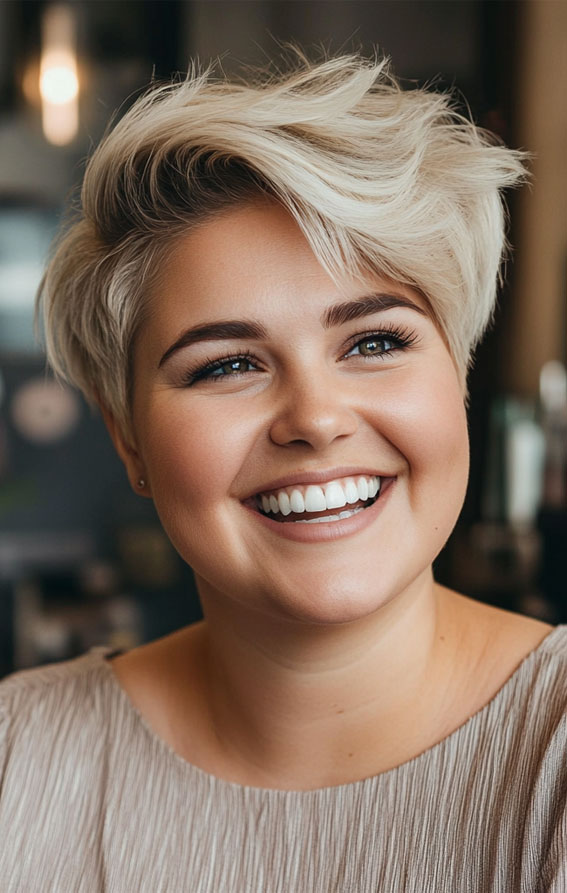
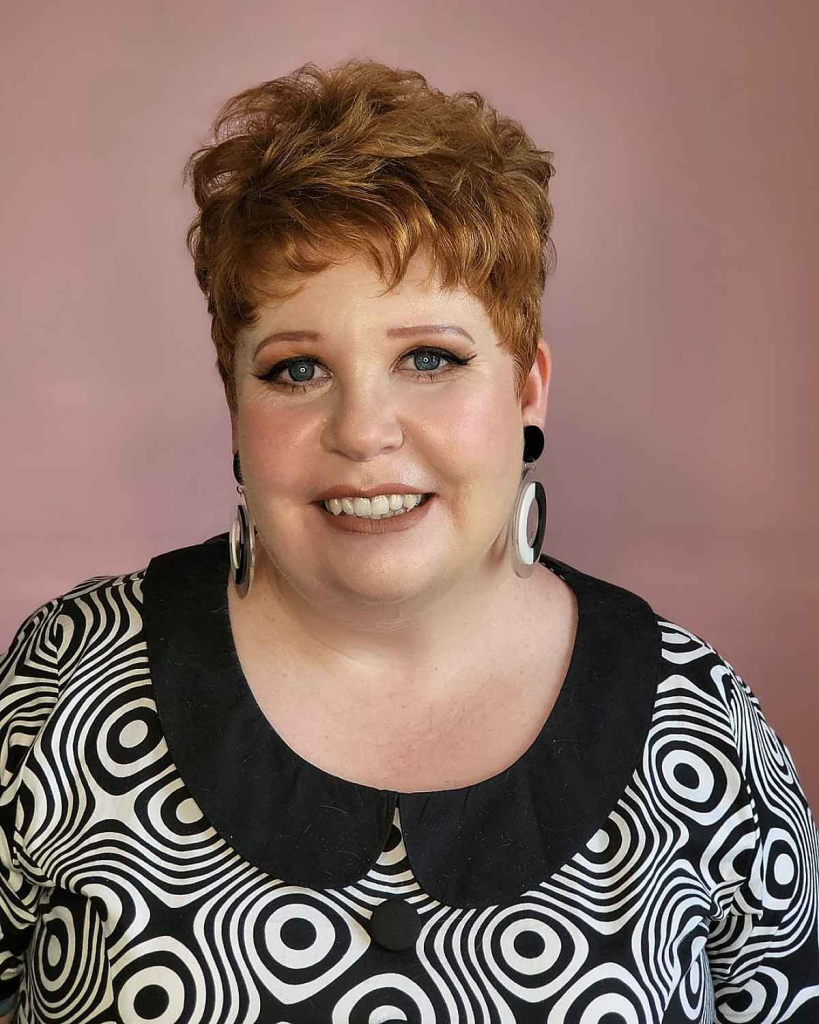
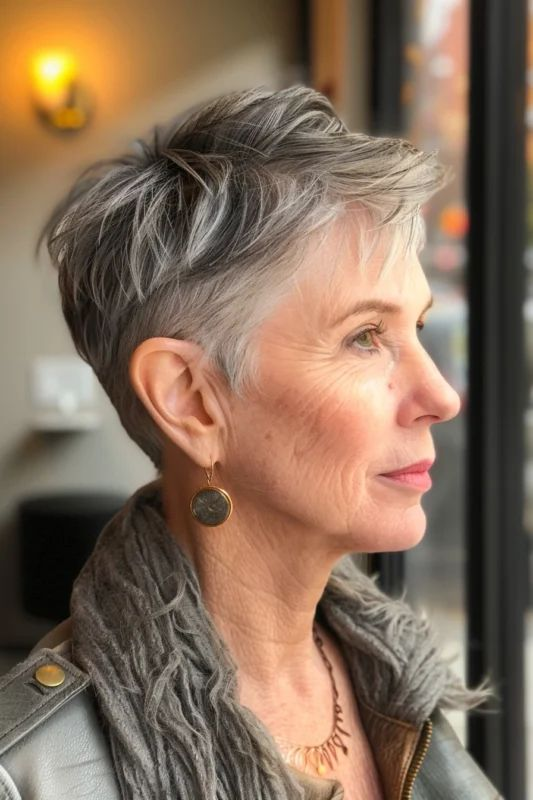
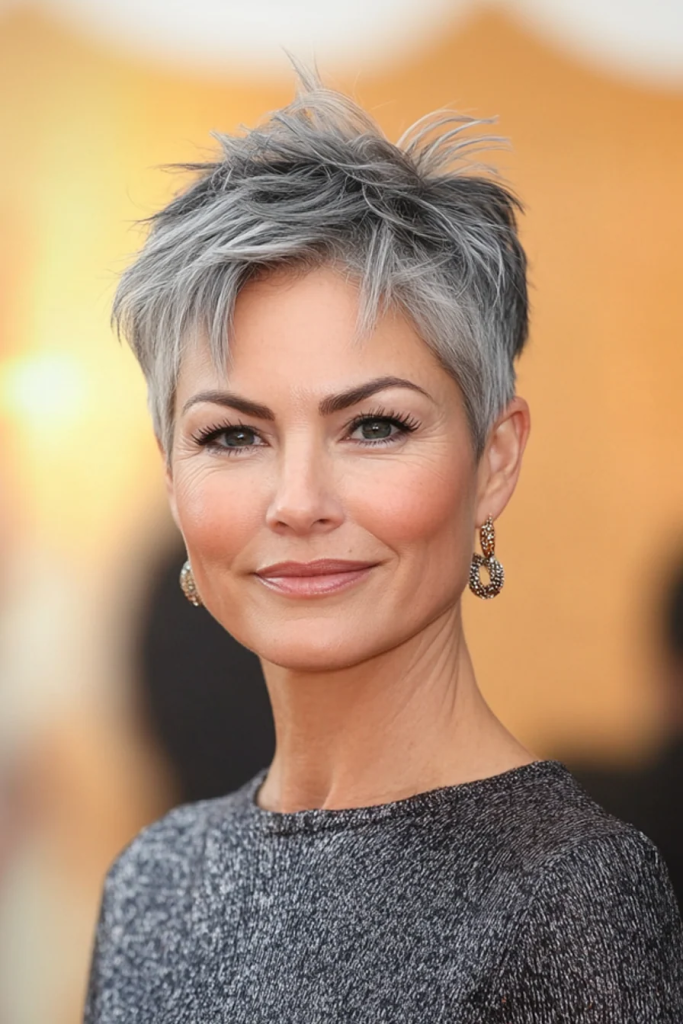
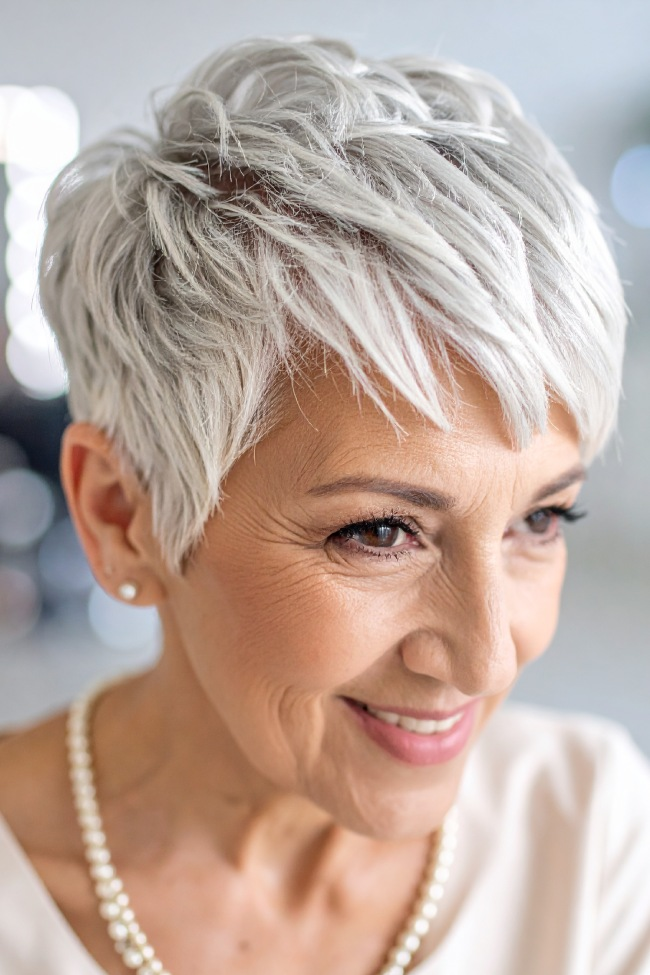
    This is the most approachable spiky style. The hair is cut into a short pixie (one to two inches on top, shorter on the sides and back). The spikes are created not by aggressive styling but by using a texturizing product to separate the top layers into soft, piece-y sections that stand up slightly.

    Why it works: The soft spikes add volume without looking harsh or punk. The wispy texture is forgiving for women with fine or thin hair because the separated pieces create the illusion of density. This style works on straight, wavy, or slightly curly hair.

    Styling tip: Apply a lightweight texturizing paste or wax to dry hair. Warm a pea-sized amount between your fingers, then pinch small sections of the top and pull upward. Do not overdo it—the spikes should look casual, not crunchy. A light spritz of flexible-hold hairspray will keep them in place.
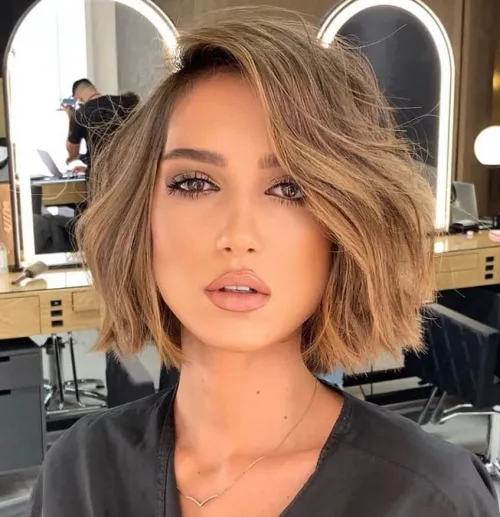
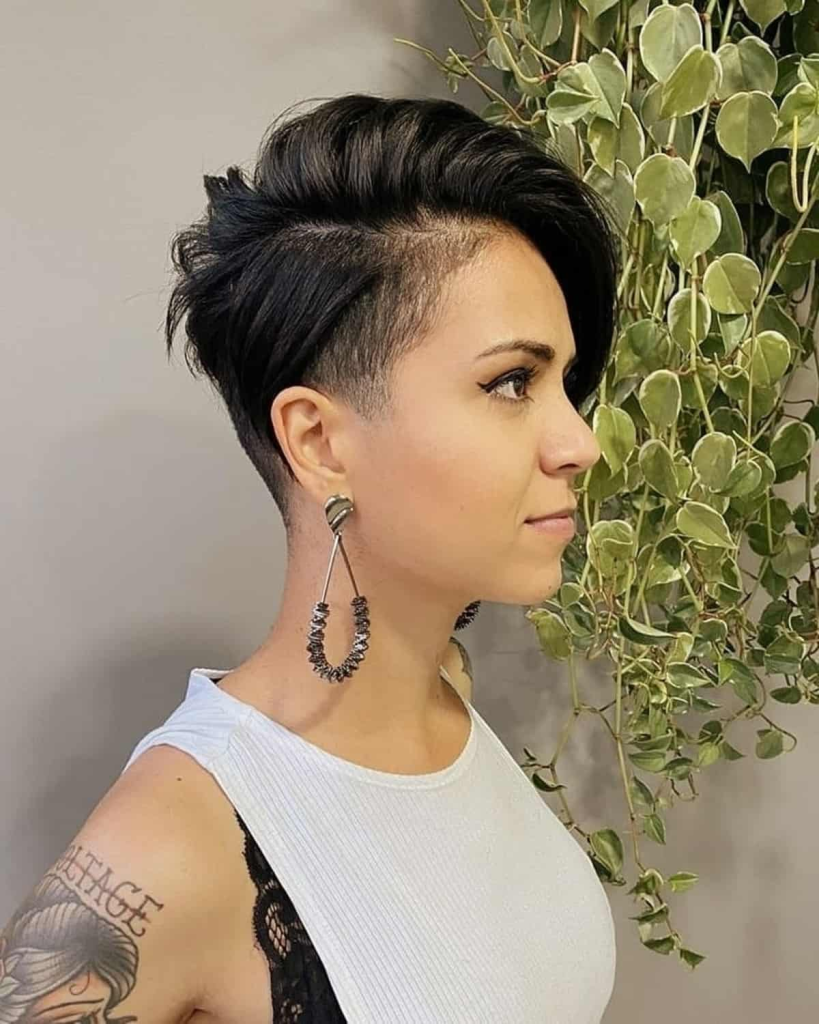
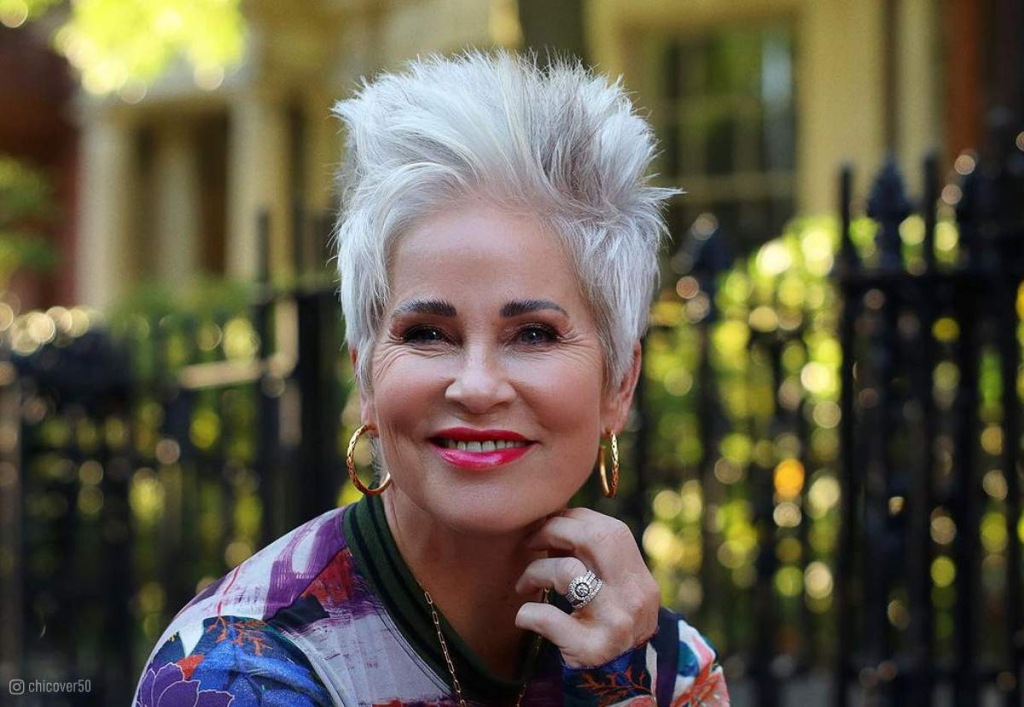
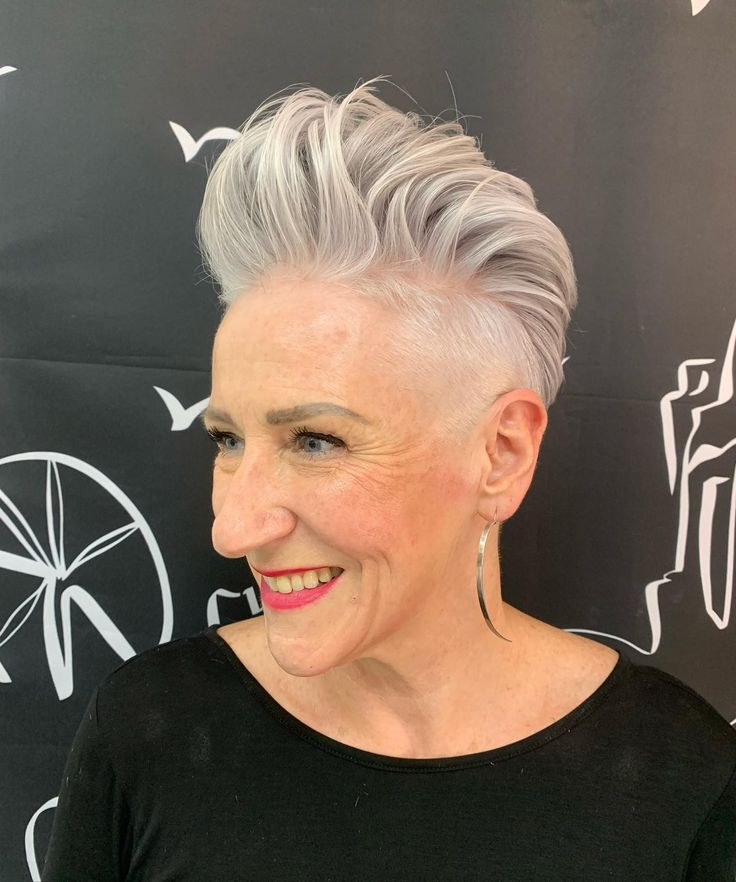
    2. The Dramatic Crown Spike (Mohawk-Inspired)

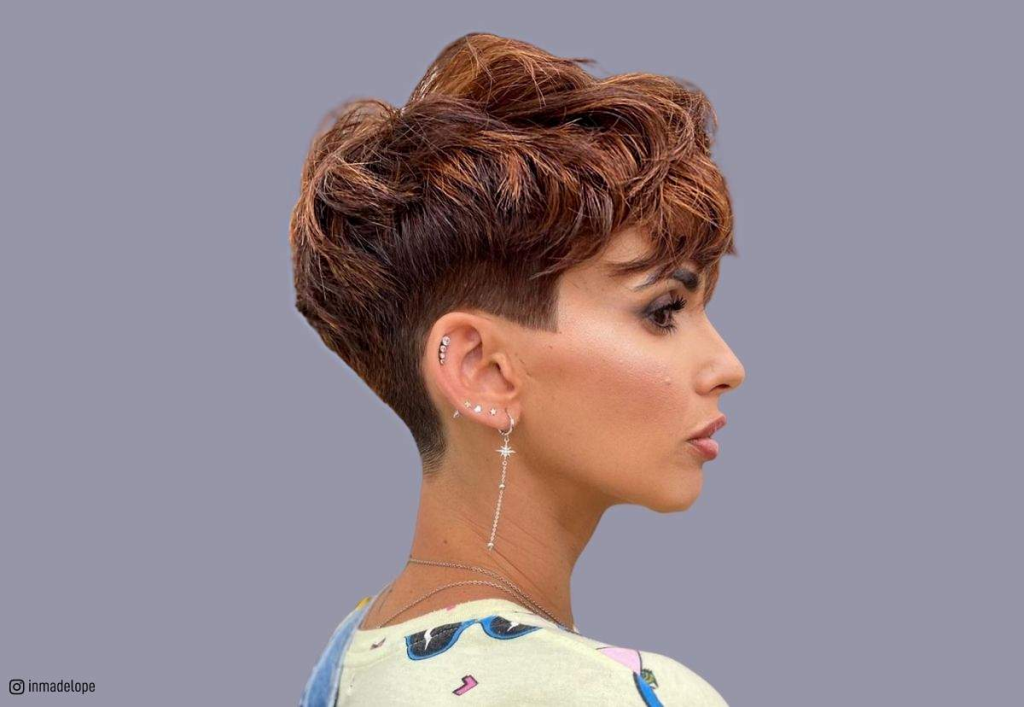
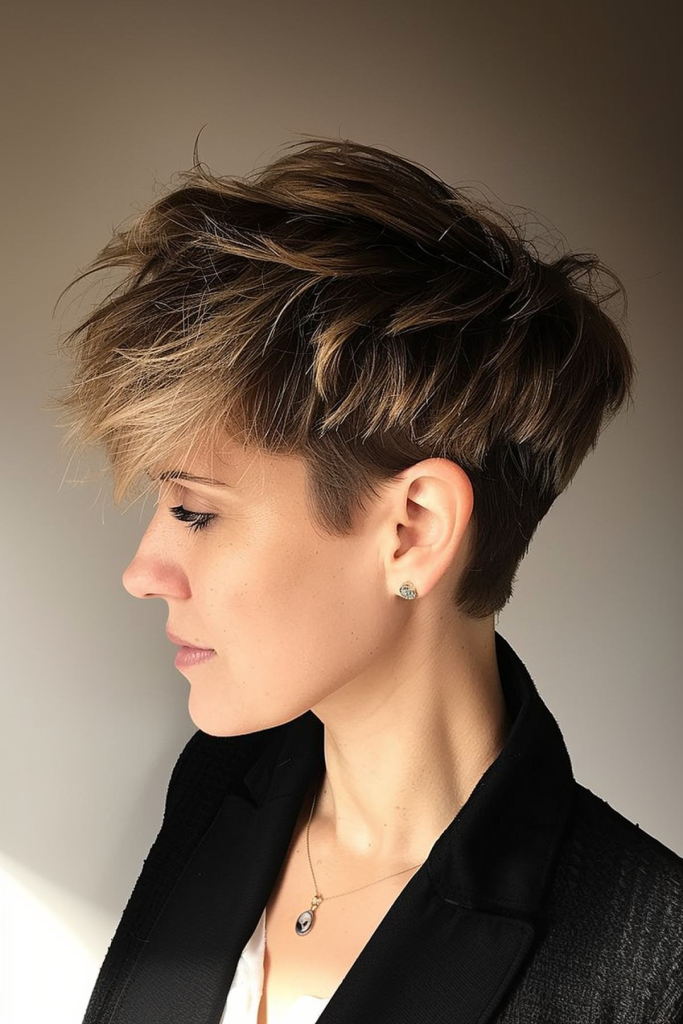
    This style concentrates all the height and spikes at the very top of the head, in a strip running from the forehead to the crown. The sides are cut very short (clippered to a quarter inch or less) or even shaved. The top strip is left longer (two to three inches) and styled straight up into defined spikes.

    Why it works: The dramatic crown spike is for women who want to make a statement. The contrast between the short sides and the tall spikes is striking and modern. The vertical line of spikes elongates the face and draws attention upward. This style works best on straight hair that holds product well.

    Styling tip: Use a strong-hold gel or spiking glue. Apply to damp hair on the top strip only. Use a fine-tooth comb to lift sections straight up, then allow to air-dry or use a blow-dryer on low heat. Do not touch until completely dry. The sides require no styling.
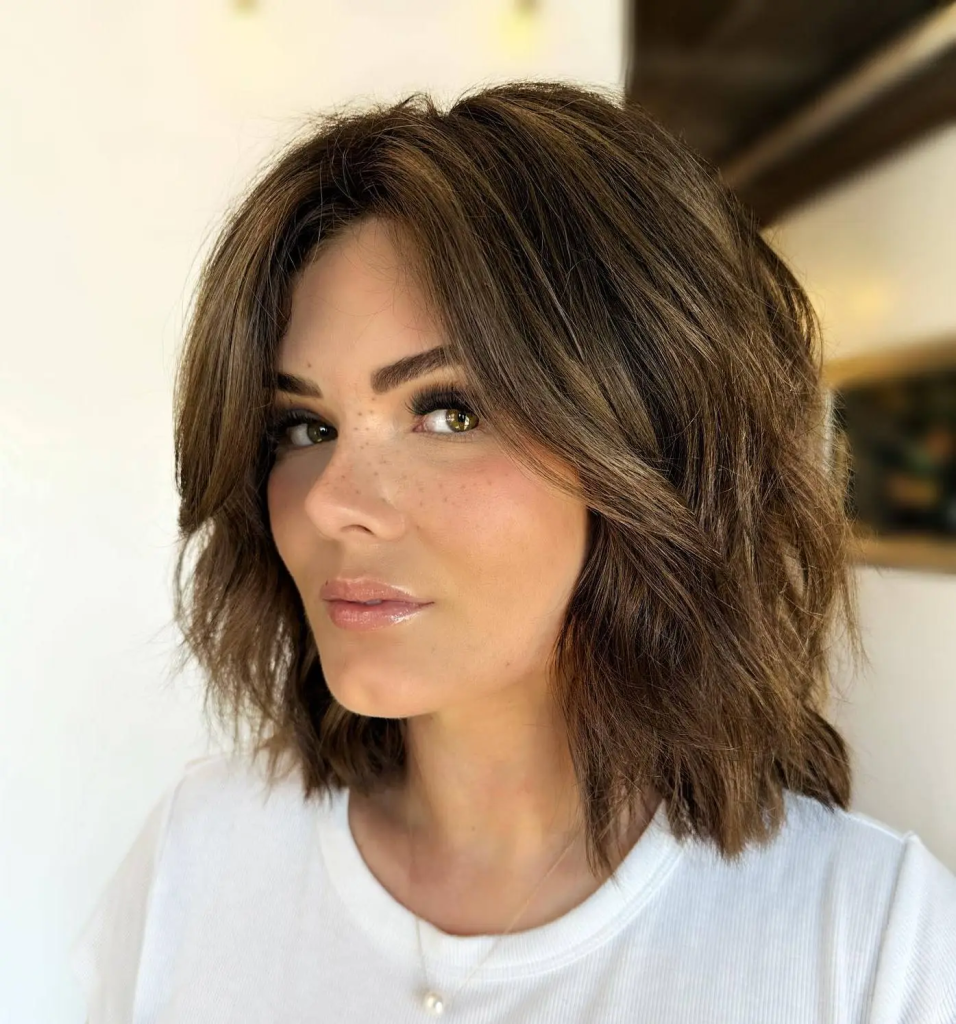
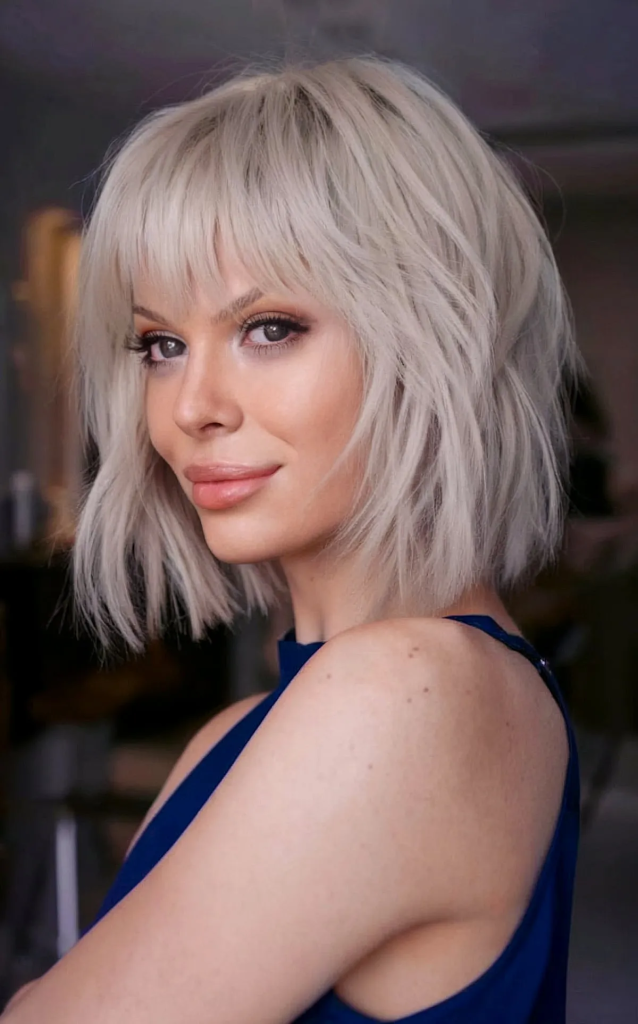
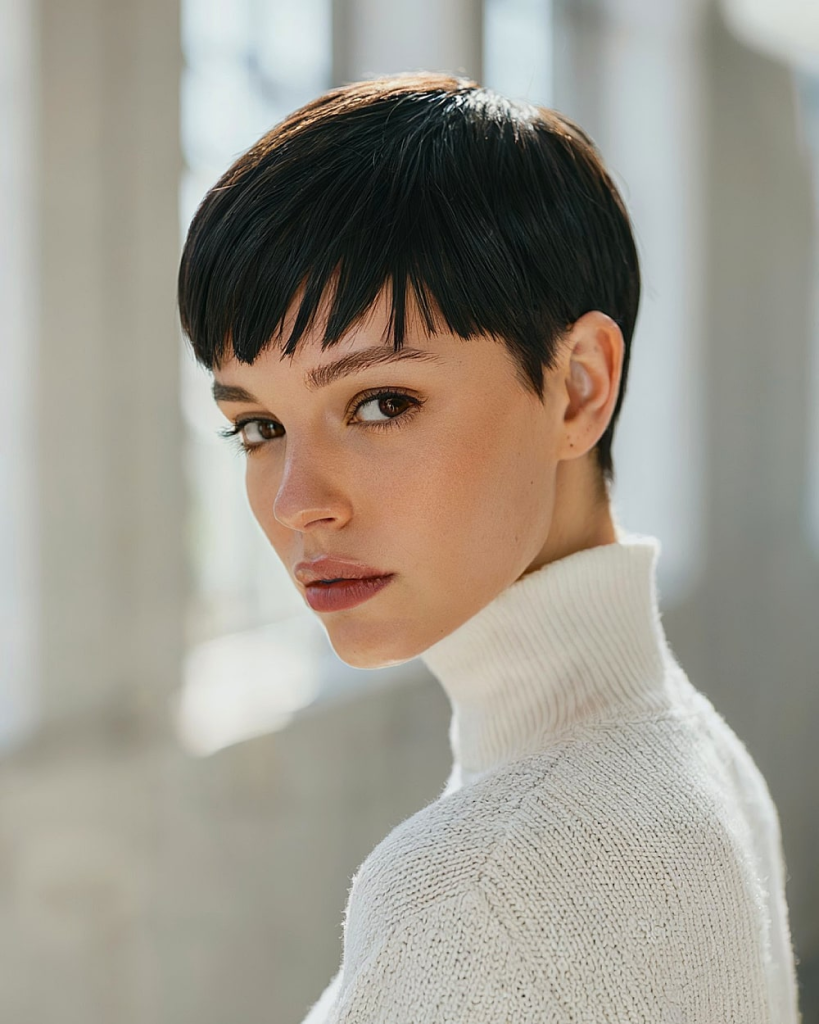
    3. The Textured Crop with Short, Blunt Spikes

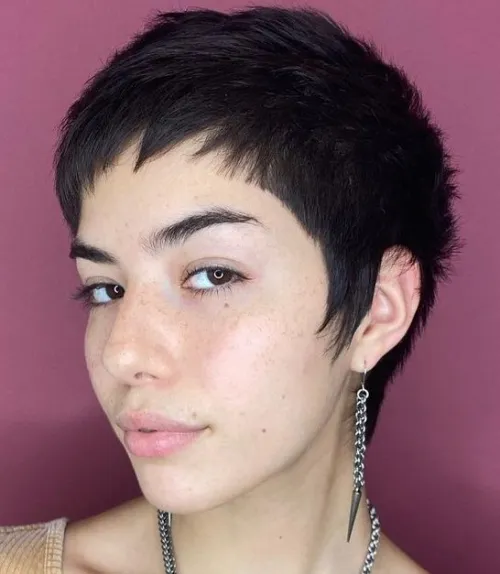
    This cut is a short crop (one to one and a half inches all over) with blunt, uniform spikes created by cutting the ends straight across rather than point-cutting. The spikes are short, dense, and uniform—like a hedgehog.

    Why it works: Short, blunt spikes are excellent for women with very fine or thin hair because the blunt ends reflect light and create visual density. The uniform length also makes styling foolproof—every spike is the same, so you cannot make a mistake. This cut is also incredibly low-maintenance, often requiring just a quick rub with a towel and a dab of product.

    Styling tip: Rub a small amount of styling wax or pomade between your palms. Then run your hands over your entire head in an upward, scrubbing motion. The hair will naturally stand up into short, blunt spikes. No mirror required.

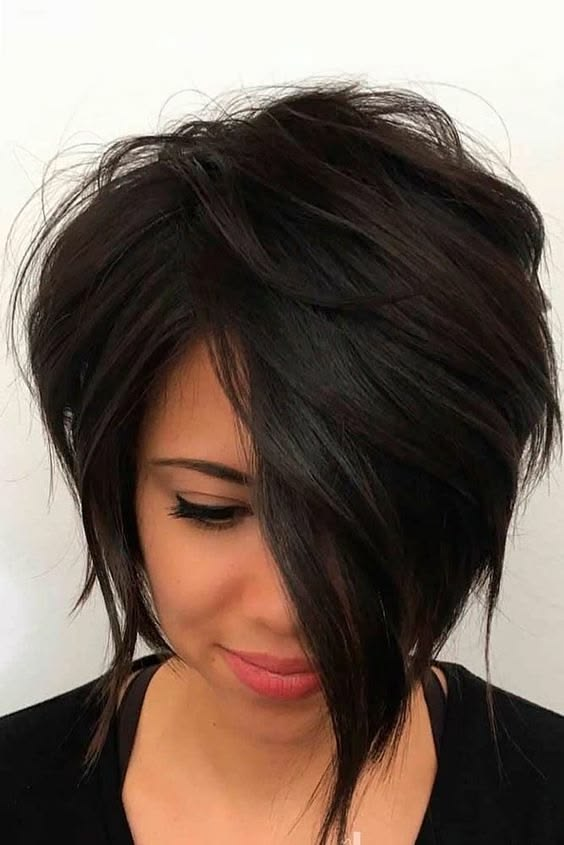
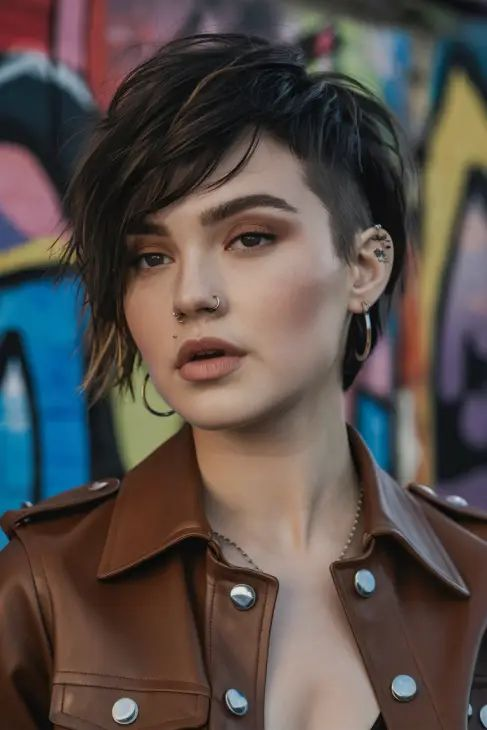
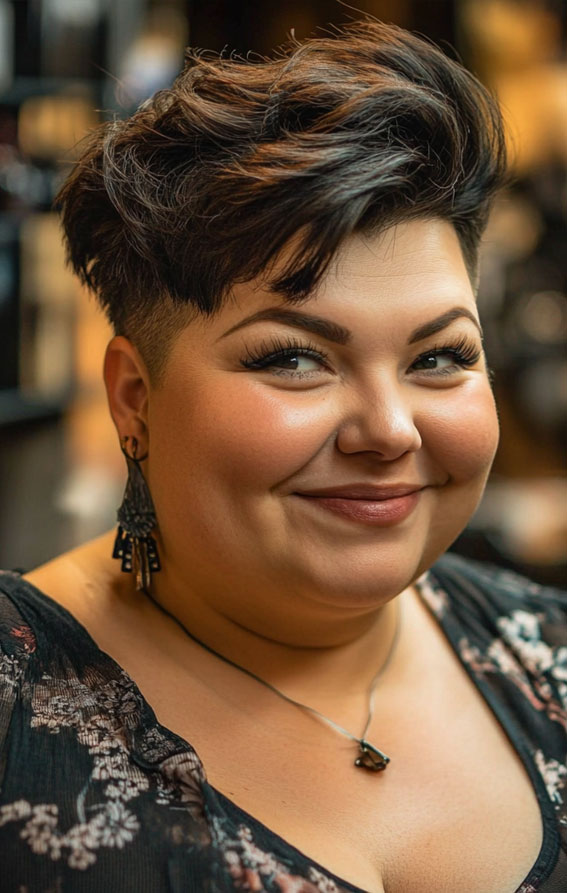
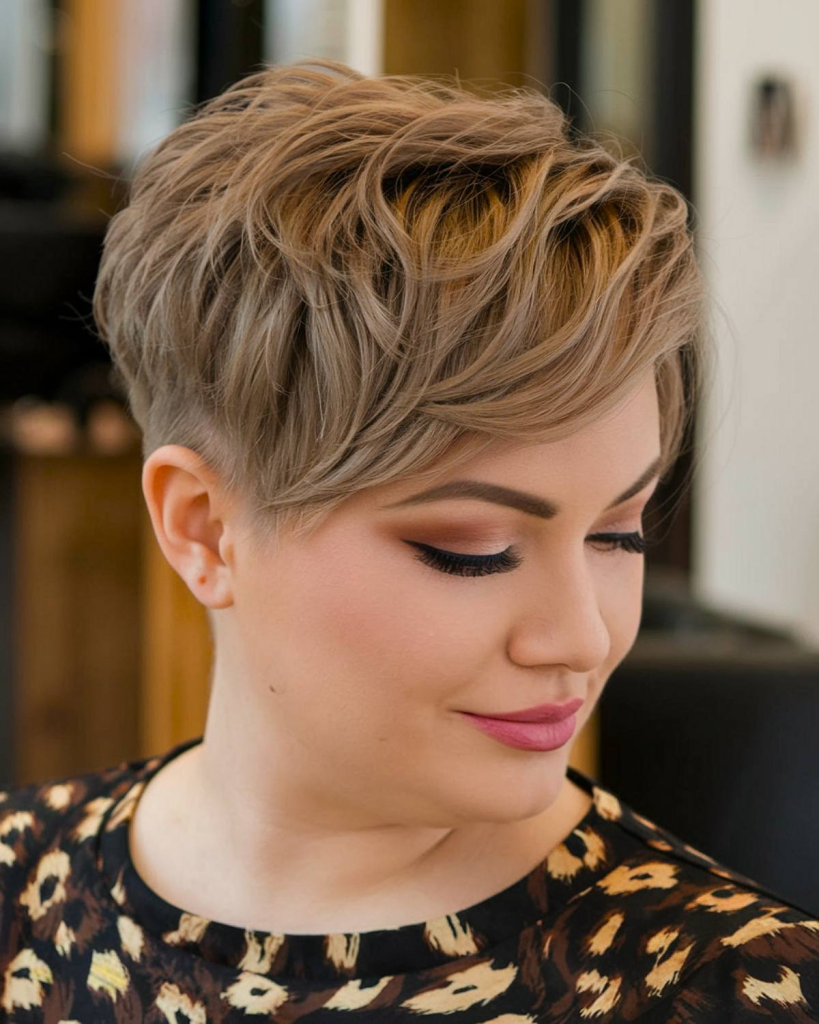
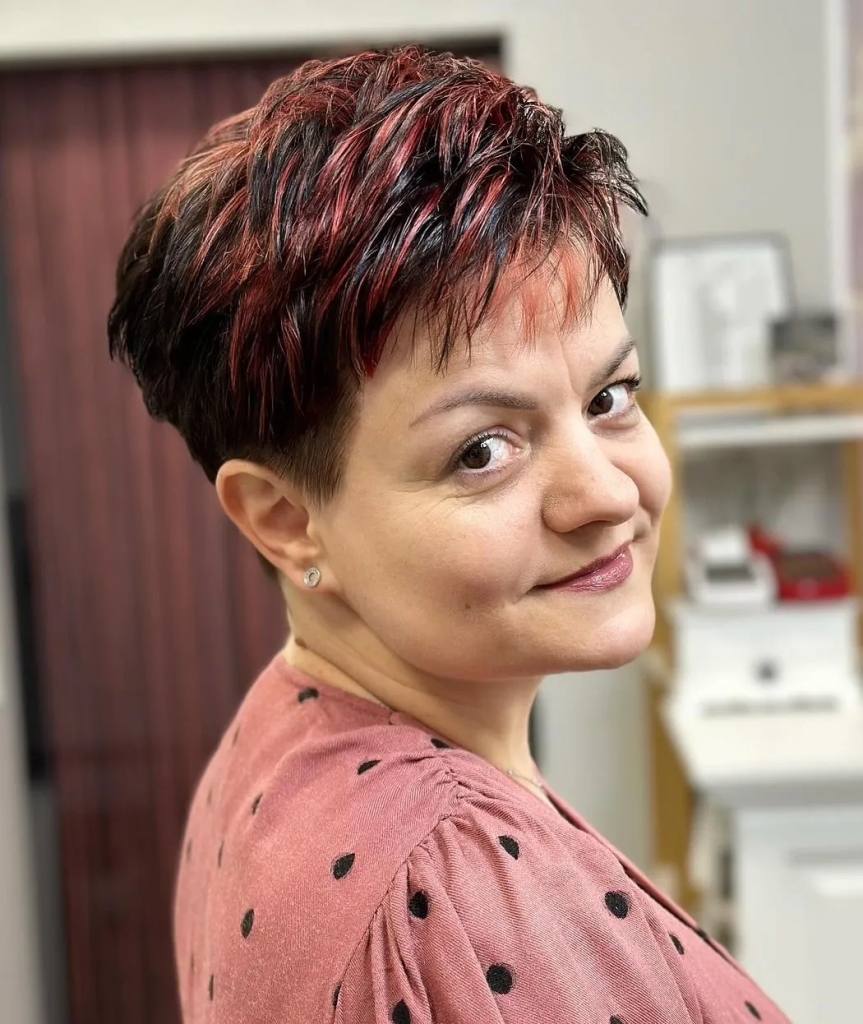
    4. The Asymmetrical Spiky Pixie

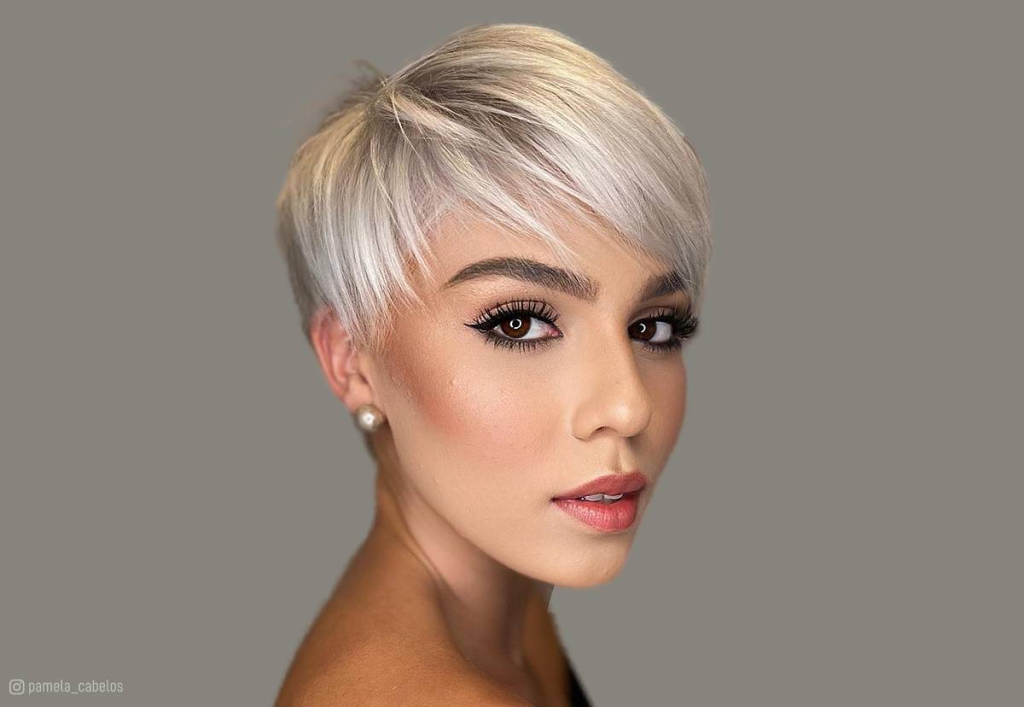
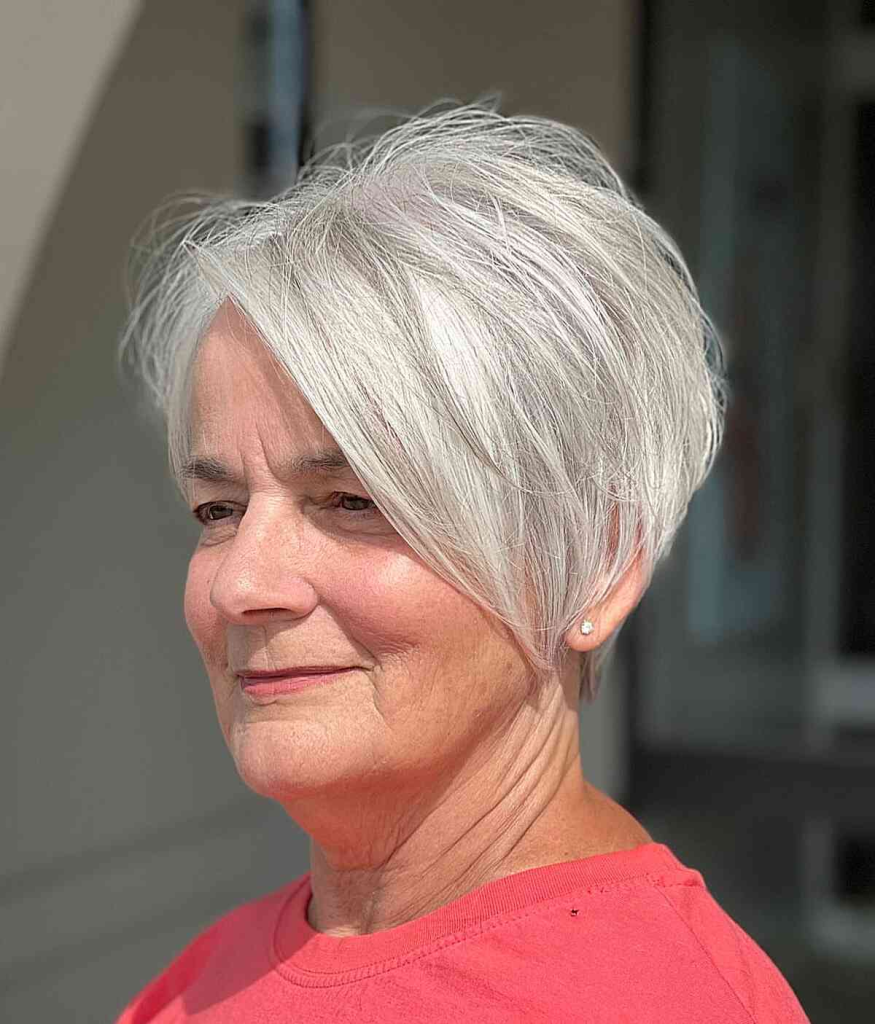
    One side of this pixie is cut significantly shorter than the other. The longer side (two to three inches) is styled into spikes that sweep across the crown. The shorter side (one inch or less) is left close to the head. The spikes are concentrated on the longer side.

    Why it works: Asymmetry draws the eye diagonally across the face, which is slimming and face-lifting. The spikes on the longer side add volume where you want it, while the shorter side keeps the overall silhouette clean and modern. This cut is particularly flattering for women with round or square faces.

    Styling tip: Focus your product on the longer side. Use a texturizing paste to create spikes that sweep from the part line toward the shorter side. The shorter side can be left smooth or given a tiny amount of texture. A deep side part at the far edge of the eyebrow enhances the asymmetry.

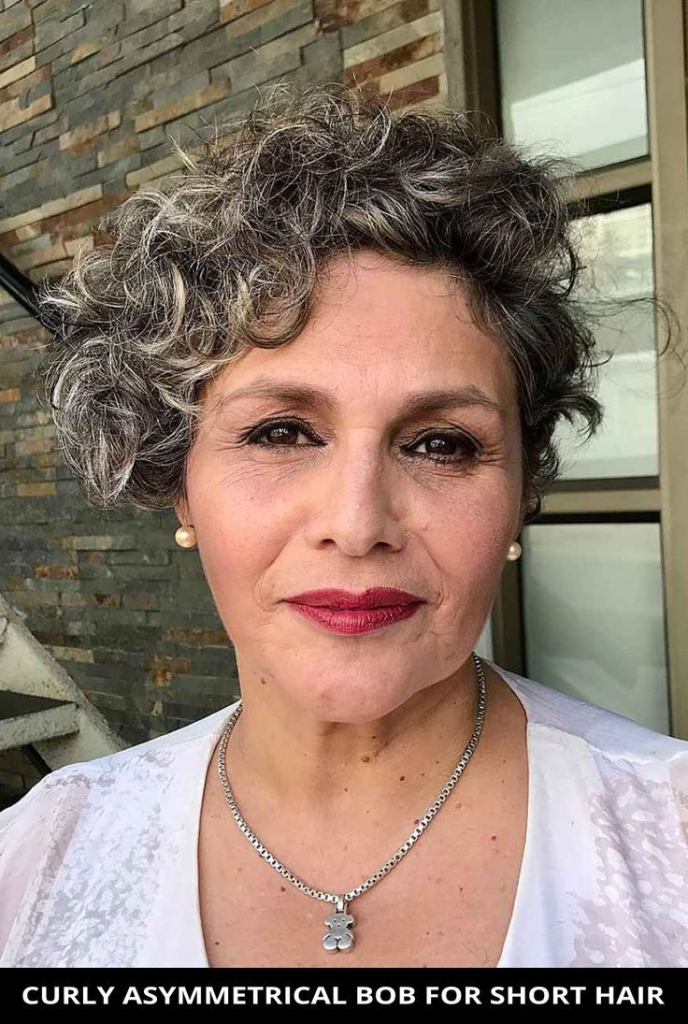
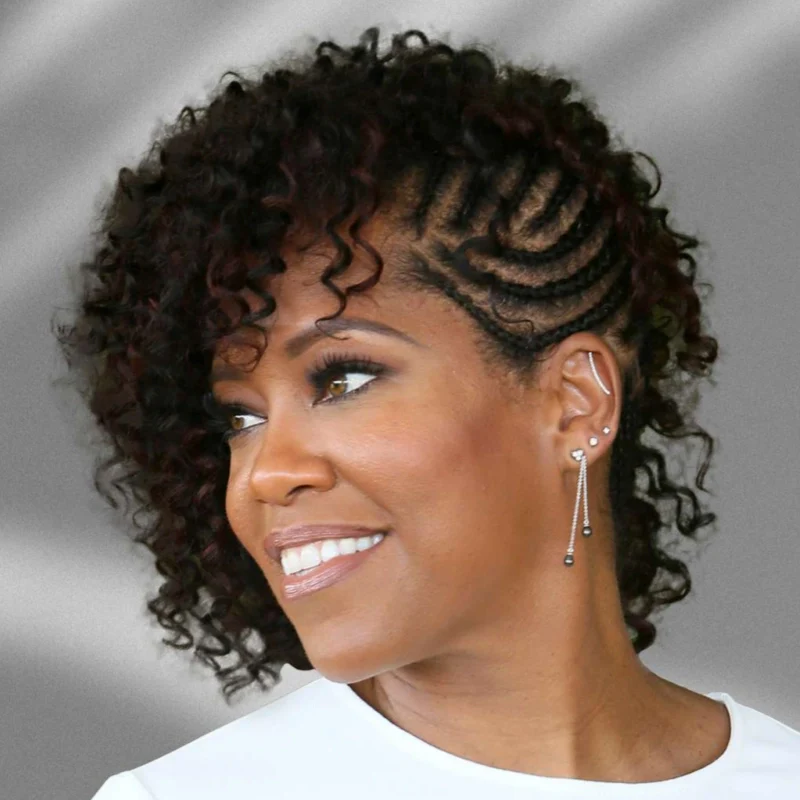
    5. The Curly Spiky Crop

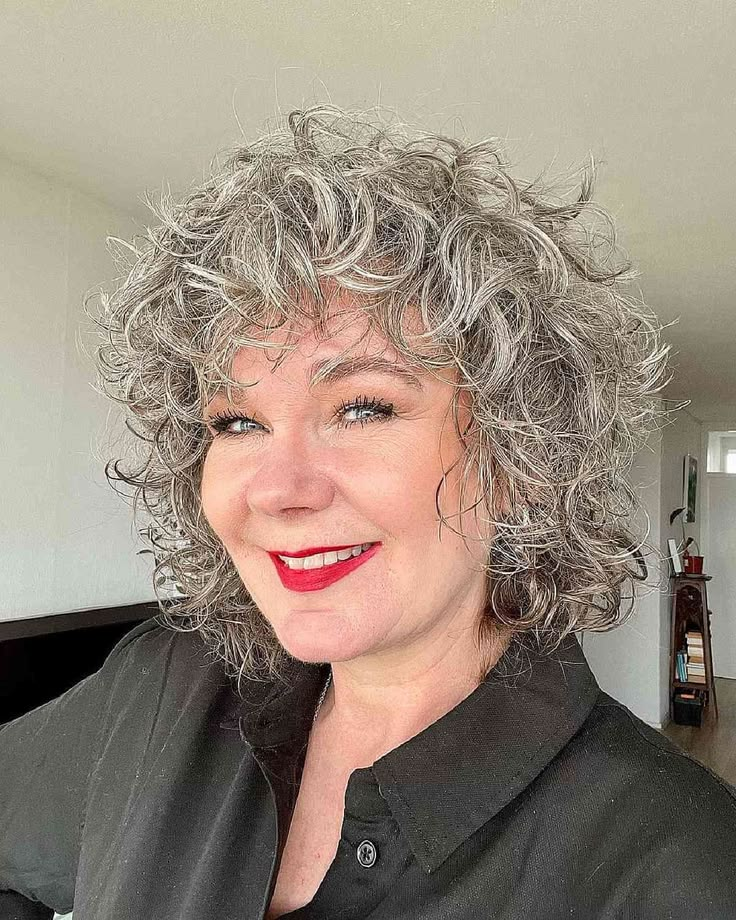
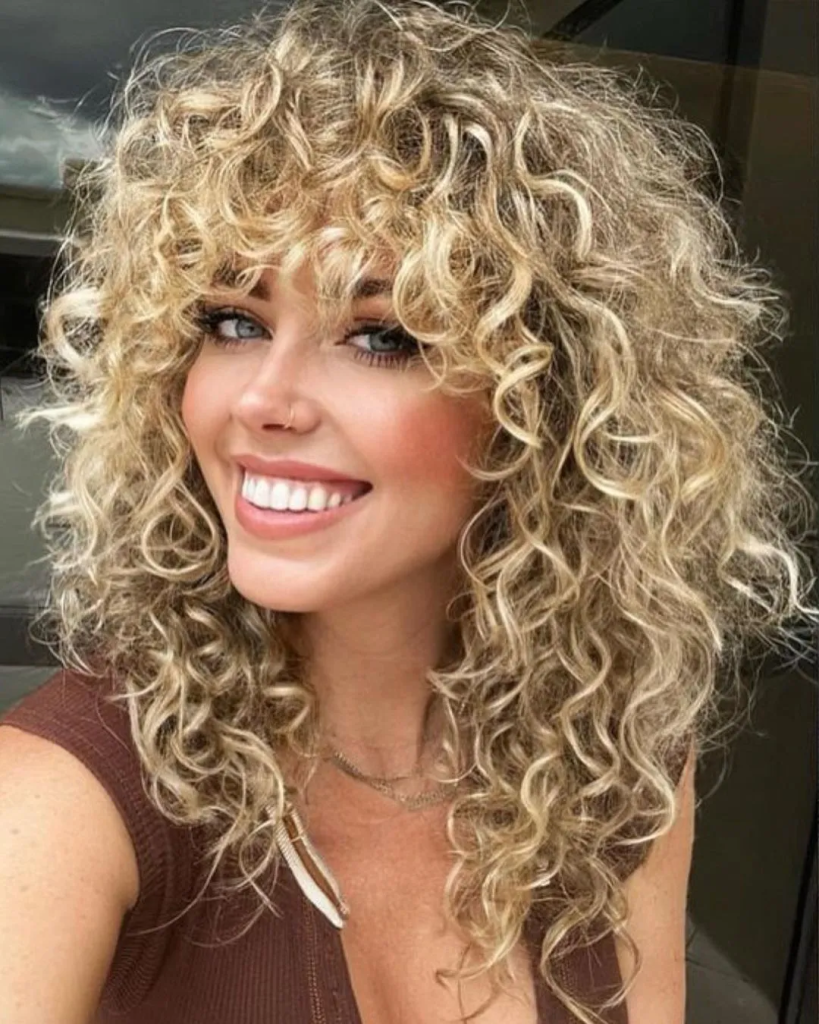
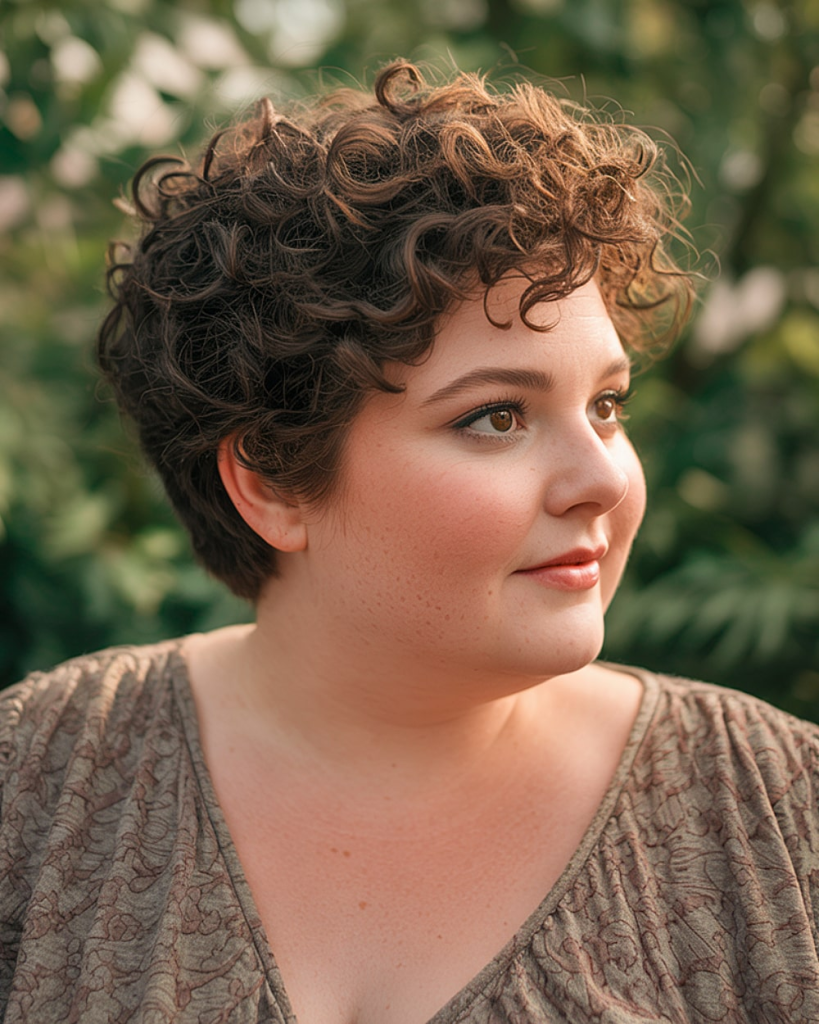
    Curly hair can absolutely be spiky—but the technique is different. The hair is cut into a very short crop (one inch or less all over). The natural curl pattern is encouraged to form tight ringlets that stand up rather than lying flat. The “spikes” are actually defined curls.

    Why it works: On curly hair, spikes are created by shrinkage. When curly hair is cut very short, the curls have nowhere to go but up. The result is a head full of tight, springy, upright curls that look like soft spikes. This style is playful, youthful, and incredibly easy to maintain. It works best on naturally curly or highly textured hair.

    Styling tip: Apply a curl cream or gel to soaking wet hair. Scrunch vigorously with a towel to remove excess water and encourage the curls to spring up. Air-dry or use a diffuser on low heat. Do not touch until dry. Once dry, separate curls with your fingers. The result is a head full of soft, curly spikes.

    6. The Long-Top Spiky Pixie (Faux Hawk)

    The faux hawk keeps the sides short (clippered to half an inch or less) but leaves the top significantly longer (three to four inches). The long top is styled into a row of spikes that run from the forehead to the crown, creating a mohawk-like silhouette without shaving the sides completely.

    Why it works: The faux hawk is a softer, more wearable version of a full mohawk. The long top spikes provide dramatic height and volume, while the short sides keep the look clean and modern. This style is excellent for women with thick hair that can hold significant height. For women with fine hair, the long top can be texturized to create the illusion of density.

    Styling tip: Apply a strong-hold gel or mousse to the long top section. Use a blow-dryer and a small round brush to lift the hair straight up. Once dry, use a flat iron to add slight bends that will hold the spikes in place. Finish with a strong-hold hairspray. The sides require no styling beyond a weekly clipper touch-up.

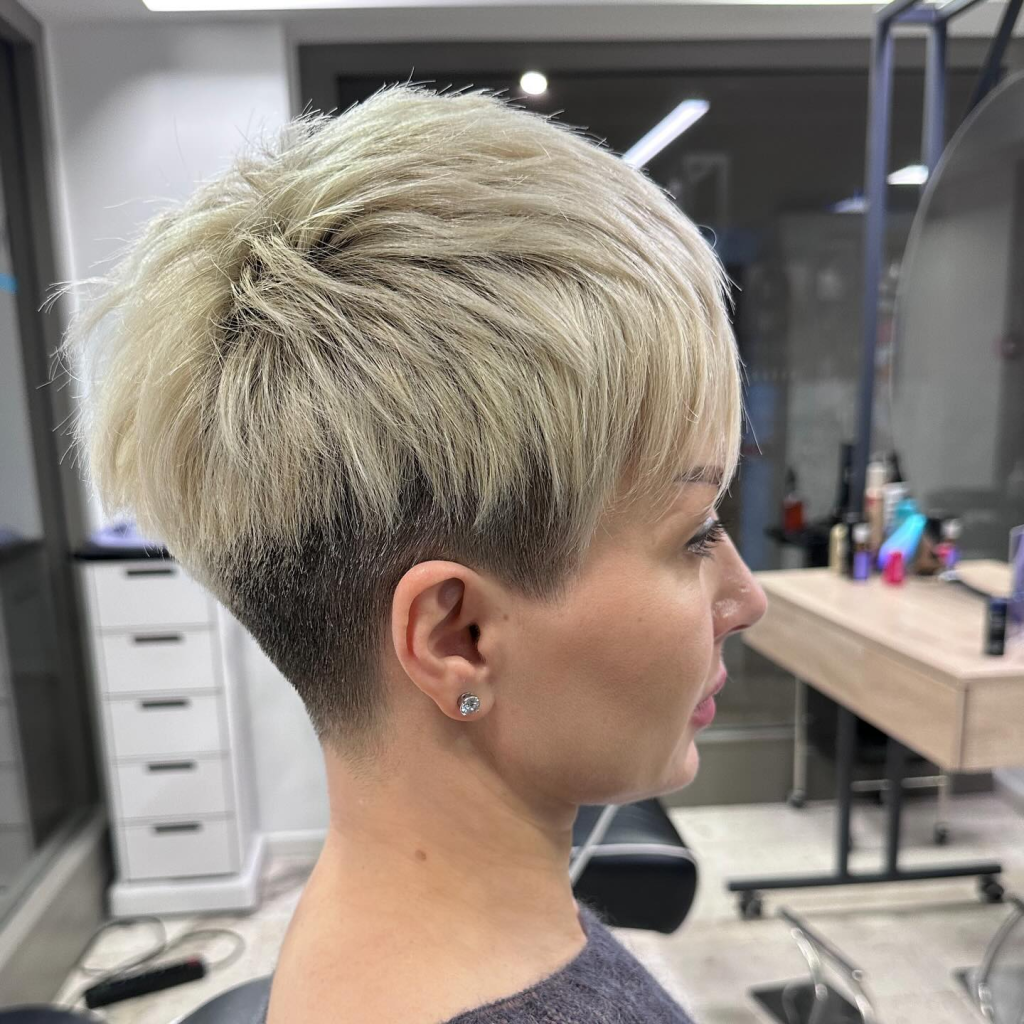
    7. The Tapered Nape with Top Spikes

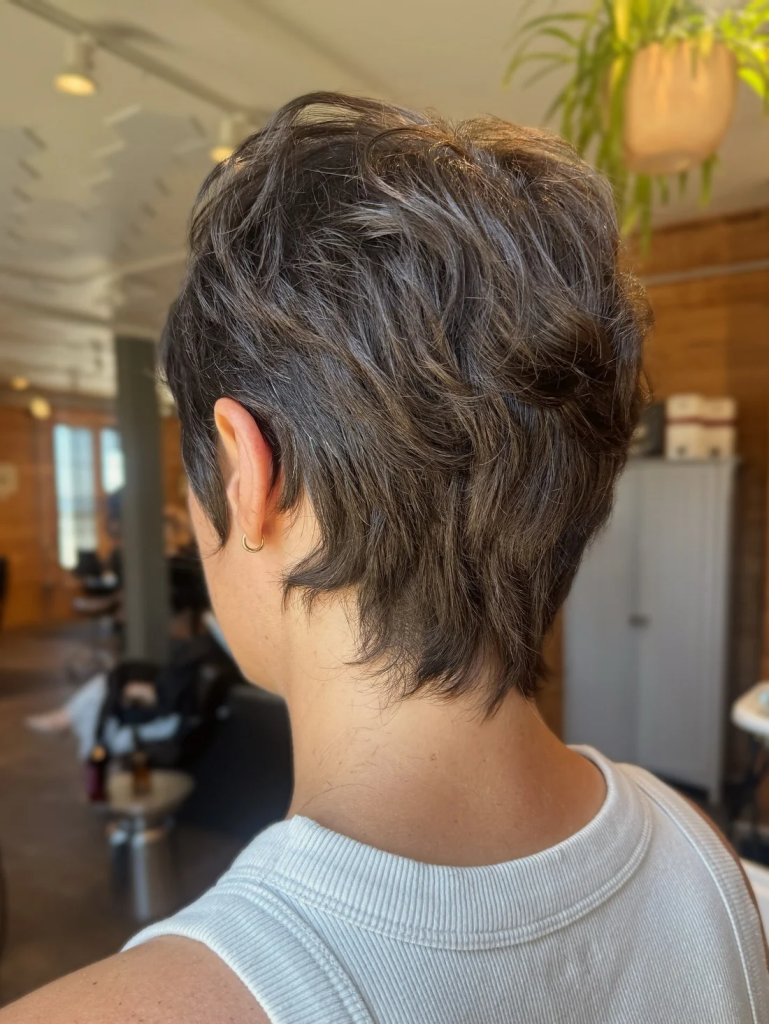
    In this style, the back and nape are tapered very short (blended from skin at the very bottom to half an inch higher up). The top is left longer (two to three inches) and styled into soft, piece-y spikes. The sides are kept at a medium length (one inch) to bridge the contrast.

    Why it works: The tapered nape removes weight from the heaviest part of the head, which allows the top spikes to lift more easily. The gradual taper also creates a clean, polished look from the back—important for women who do not want a dramatic undercut. This style is a great entry point for women nervous about committing to fully spiky styles.

    Styling tip: Focus product on the top section only. Use a texturizing paste to create spikes that are soft and separated, not sharp or rigid. The tapered back can be left smooth or given a light dusting of powder for texture. A handheld mirror will help you check the back.

    8. The Choppy Spiky Shag

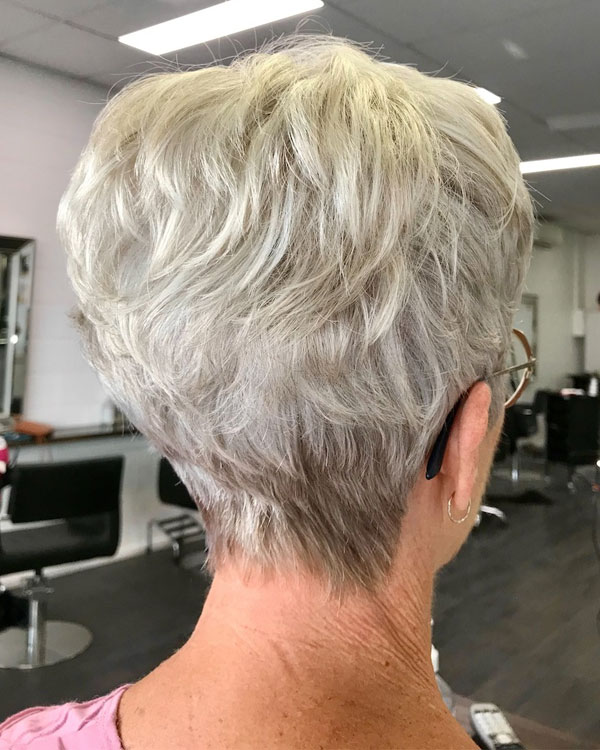
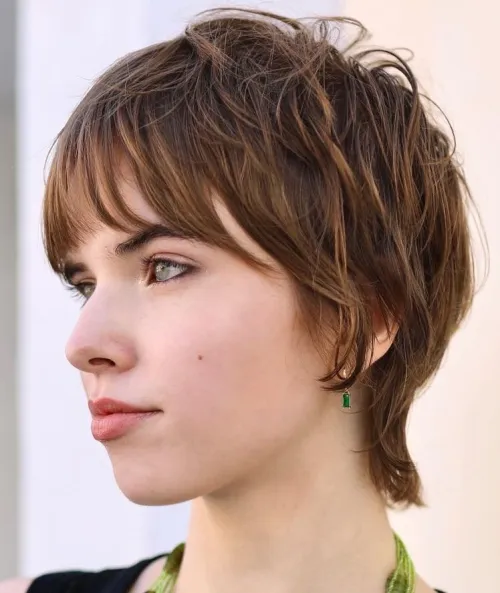
    The shag haircut is known for its choppy, textured layers. In this spiky version, the shag is cut very short overall (one to two inches) with aggressive, visible point-cutting throughout. The ends are intentionally uneven and jagged. When styled with product, these jagged ends become natural spikes.

    Why it works: The choppy shag creates spikes without requiring precise styling. The jagged ends want to stand up. This cut is ideal for women who want a spiky look but do not want to spend time styling. The choppy texture also hides uneven gray regrowth and changes in hair texture.

    Styling tip: Apply a sea salt spray to damp hair and scrunch vigorously. Air-dry or use a diffuser. The choppy ends will naturally separate and stand up. For more definition, rub a small amount of texturizing paste between your palms and run your hands through the hair in an upward motion. Do not comb.

    9. The Sleek Sides with Spiky Top

    This style keeps the sides and back very short and sleek (clippered to a quarter inch, smoothed down with product). The top is left longer (two to three inches) and styled into dramatic, upright spikes. The contrast between the sleek, close sides and the wild, spiky top is striking.

    Why it works: The sleek sides provide a clean, polished frame for the spiky top. This style is more editorial and fashion-forward than other spiky cuts. It works best on straight hair that can be smoothed flat on the sides. For women with gray or white hair, the contrast between the smooth sides and textured top is especially beautiful.

    Styling tip: Use a strong-hold gel or pomade on the sides and back to slick them flat. Use a spiking glue or wax on the top to create upright spikes. The two textures should be clearly different. A blow-dryer on low heat will help set the spikes. This style requires precision but lasts for days.

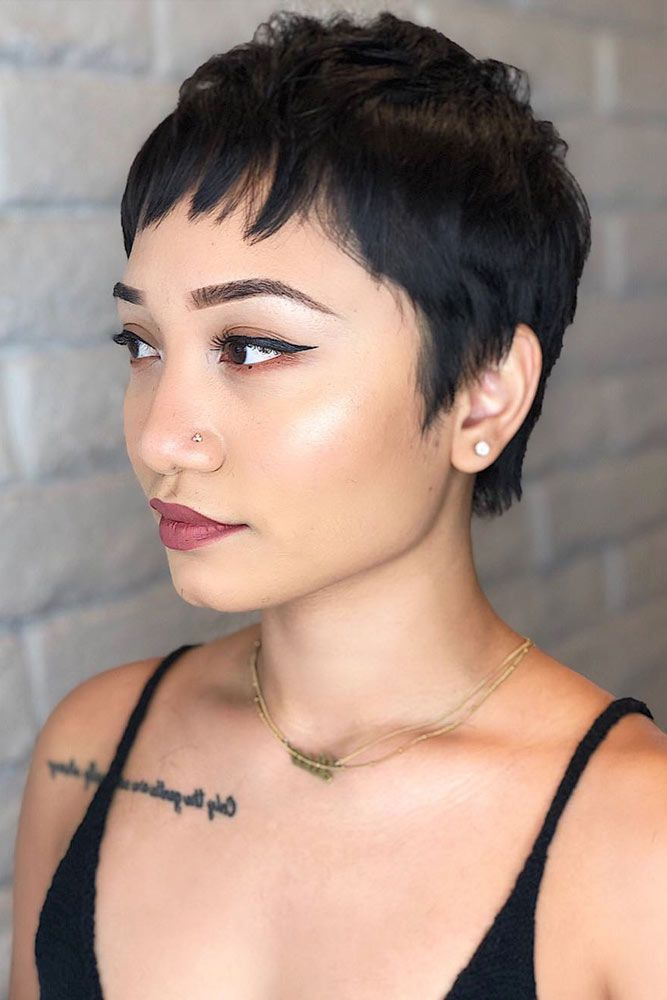
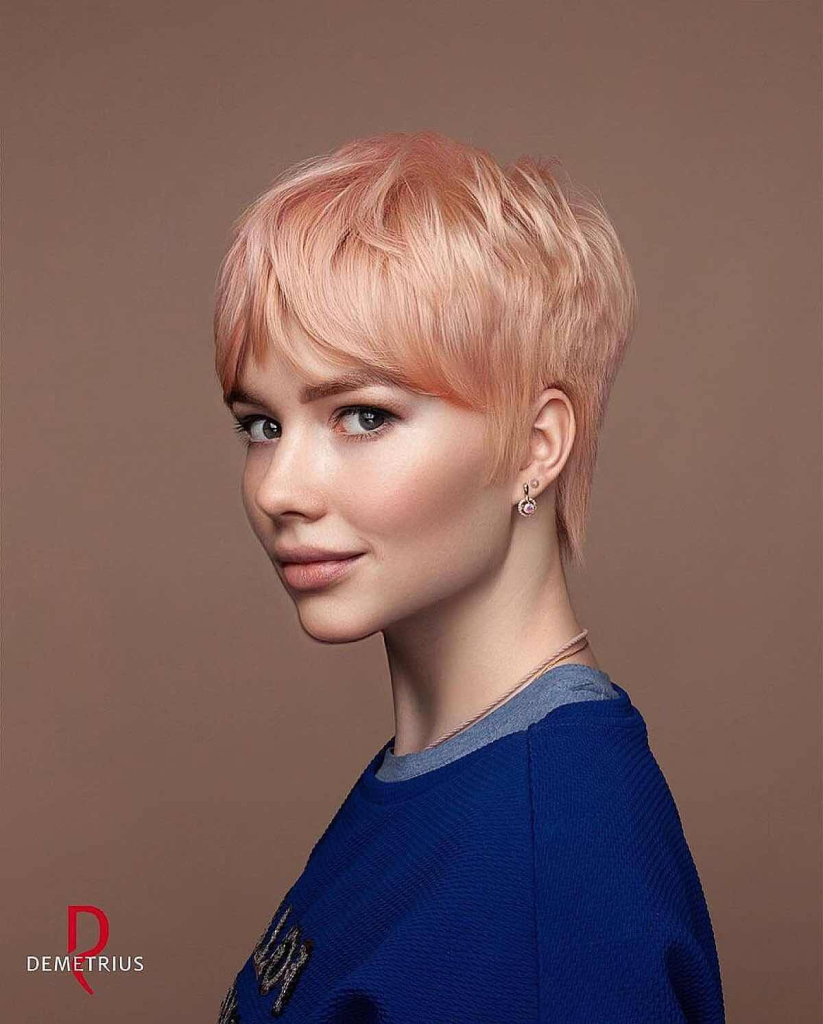
    10. The Wispy Spiked Pixie with Baby Bangs

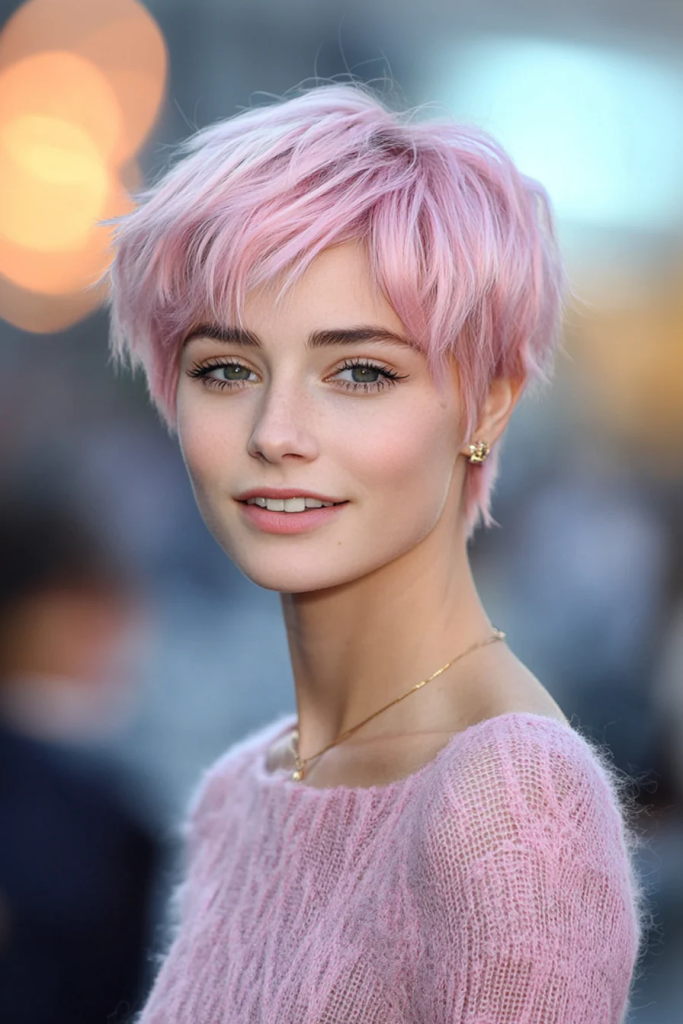
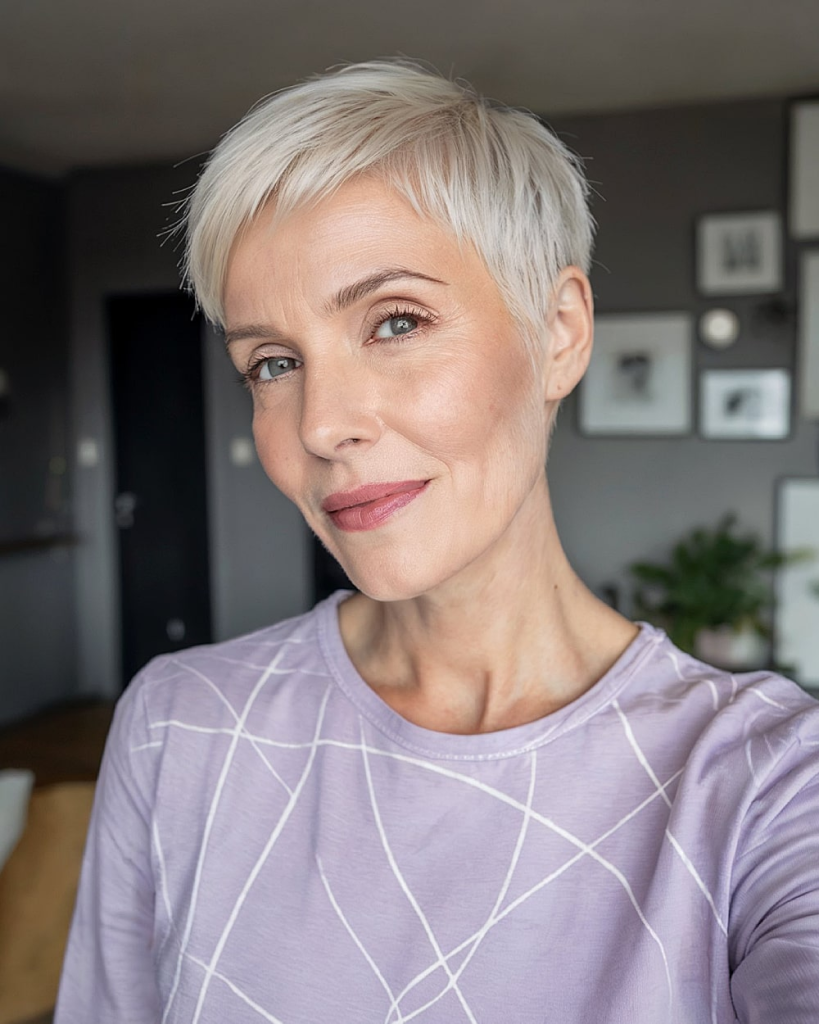
    This pixie features a very short, wispy fringe (baby bangs cut well above the eyebrows) and a textured top that is styled into soft, wispy spikes. The overall effect is delicate and airy rather than sharp and aggressive.

    Why it works: The wispy spikes and baby bangs create a look that is spiky but still soft and feminine. This is an excellent choice for women who want the volume and attitude of spikes but are worried about looking harsh. The baby bangs add a playful, youthful element. This style works best on fine or thin hair that naturally wants to be wispy.

    Styling tip: Use a very lightweight texturizing spray or a dry texture powder on the top section. Do not use heavy waxes or gels—they will weigh down the wispy ends. Use your fingers to lift small sections upward. The baby bangs should be left straight or given a slight bend with a flat iron.

    11. The Defined Spikes with Clean Shaved Sides

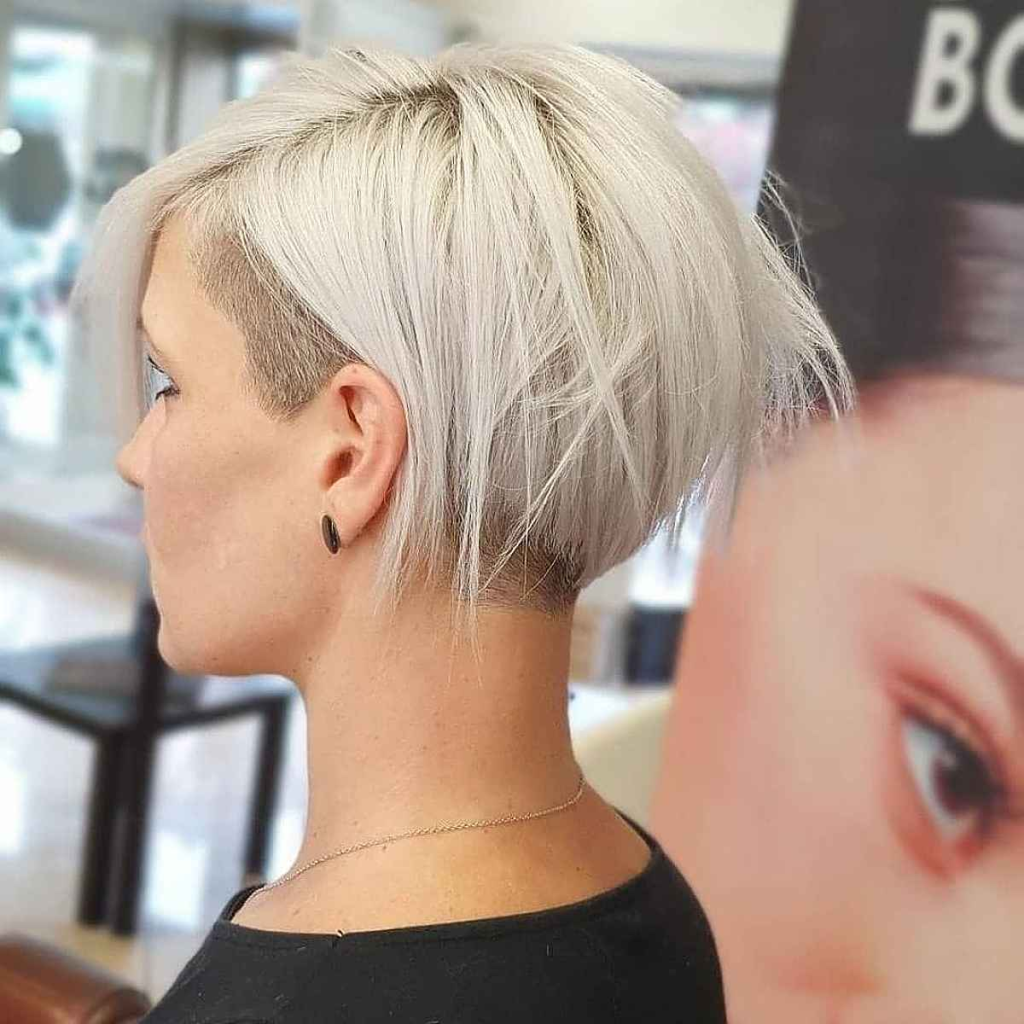
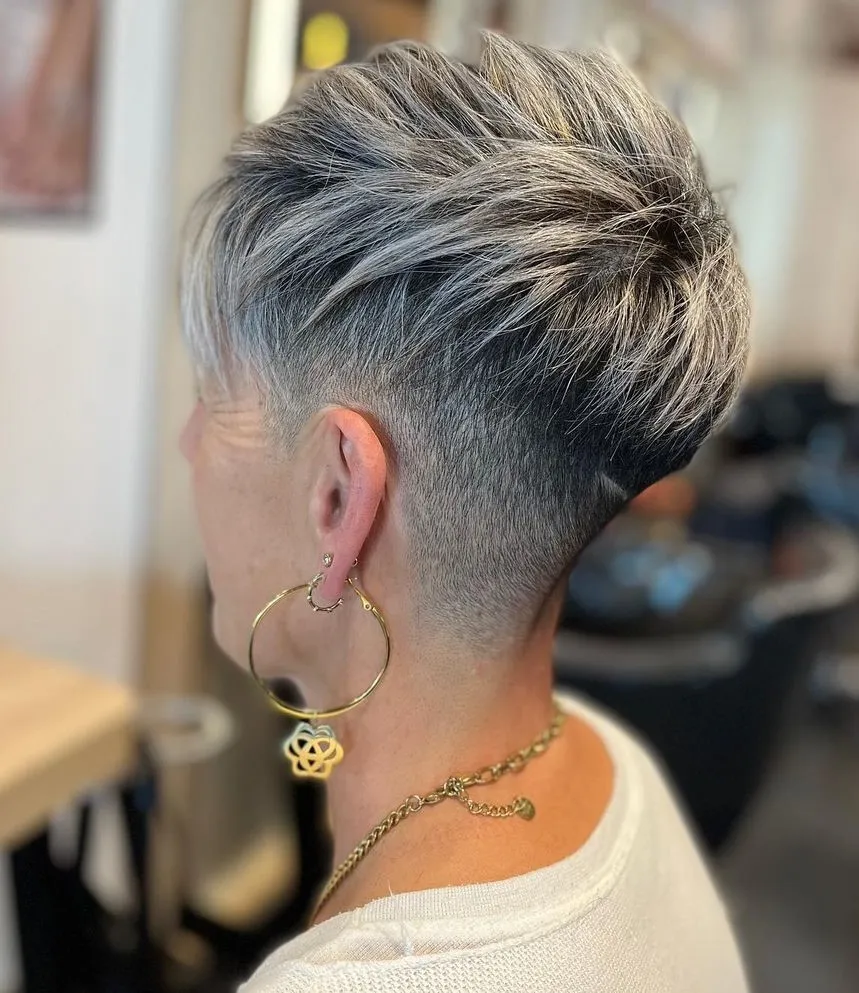
    This is the most dramatic style on the list. The sides and back are shaved completely (with a clipper guard of zero or one). The top is left longer (two to three inches) and styled into sharp, defined spikes using strong-hold products. The line between the shaved sides and the spiky top is clean and intentional.

    Why it works: The clean shaved sides make the top spikes look even taller and more dramatic. This style is unapologetically bold. For women over 60 who have spent a lifetime playing it safe, this cut can be liberating. It also has practical benefits: the shaved sides require zero styling and keep the head cool in summer.

    Styling tip: The shaved sides need to be maintained every one to two weeks with a home clipper or a trip to the barber. For the top spikes, use a spiking glue or a strong-hold gel. Apply to damp hair, lift sections straight up with a fine-tooth comb, and blow-dry on low heat. Once dry, do not touch. The spikes will stay in place all day.

    How to Choose the Right Spiky Hairstyle for You

    If you have…Choose…
    Fine or thinning hairSoft piece-y pixie, textured crop with blunt spikes, or wispy spiked pixie
    Thick, coarse hairDramatic crown spike, long-top spiky pixie, or defined spikes with shaved sides
    Naturally curly hairCurly spiky crop
    Straight, slippery hairTapered nape with top spikes or sleek sides with spiky top
    A round faceAsymmetrical spiky pixie or dramatic crown spike (vertical lines elongate)
    An oval faceAny of the 11 styles will work beautifully
    A square or angular faceSoft piece-y pixie or wispy spiked pixie with baby bangs (softens angles)
    A long faceTextured crop with blunt spikes (adds width)
    Low confidence in bold stylesSoft piece-y pixie or tapered nape with top spikes
    High confidence in bold stylesDefined spikes with clean shaved sides or dramatic crown spike

    Products for Spiky Hairstyles

    The right product makes all the difference. Here is a quick guide:
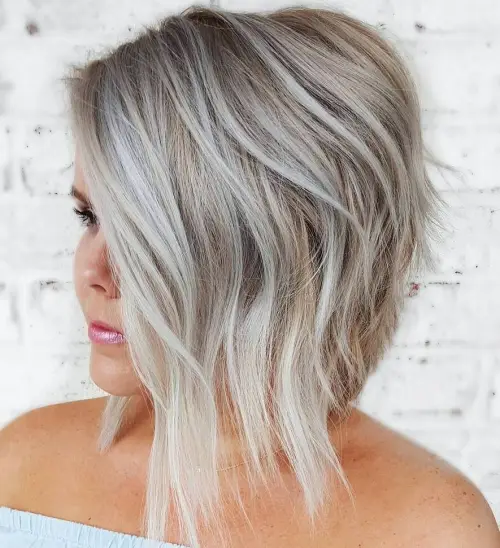
    Desired EffectProduct TypeApplication
    Soft, piece-y, casual spikesTexturizing paste or waxRub between palms, then pinch and lift sections
    Strong, sharp, all-day spikesSpiking glue or strong-hold gelApply to damp hair, comb into place, blow-dry
    Light, airy, wispy spikesTexture spray or dry powderSpray or sprinkle on dry hair, then scrunch
    Curly spikesCurl cream or gelApply to wet hair, scrunch, diffuse
    Sleek sides with spiky topPomade (sides) + spiking glue (top)Apply separately for two different textures

    Maintaining Your Spiky Hairstyle

    Spiky cuts require more frequent trims than soft styles because the shape depends on precise lengths. Plan to visit your stylist every three to four weeks. Between salon visits, a small electric trimmer can maintain the sides and nape at home. For the top spikes, let them grow slightly longer before a refresh—the spikes will simply become softer and more piece-y, which is also a good look.

    Final Thoughts

    Spiky hairstyles for older women are not a trend. They are a statement of confidence, energy, and self-possession. The 11 short spiky hairstyles above range from soft and subtle to bold and dramatic, ensuring there is a spike for every woman, every face shape, and every comfort level.

    Whether you choose the soft piece-y pixie for everyday elegance, the dramatic crown spike for special occasions, the curly spiky crop for playful ease, or the defined spikes with shaved sides for unapologetic boldness, you are choosing a haircut that says: I am still here, I am still vibrant, and I am not fading away.

    Your spikes are your crown. Wear them proudly.

  • 11 Medium Length Hairstyles for Thin Hair: Volume-Boosting Cuts That Create Density

    11 Medium Length Hairstyles for Thin Hair: Volume-Boosting Cuts That Create Density

    Thin hair presents a unique challenge: fewer strands per square inch mean more visible scalp and transparent ends. For women with low density, many haircuts simply collapse. But the right cut can change everything. 11 medium length hairstyles for thin hair prove that you do not have to go short to look full—blunt lines, invisible layers, and crown-focused shaping create the illusion of density without sacrificing length.

    Medium length hair, typically falling between the chin and the collarbone, offers a unique opportunity. It is long enough to create movement and weight, yet short enough that the ends do not become wispy and see-through. The key is choosing the right cut—one that removes weight strategically, adds texture that reads as density, and creates a solid perimeter that reflects light as a thick block.

    These cuts transform thin hair into a bouncy, beautiful, confident style. Whether you have straight, wavy, or curly hair, there is a medium length cut designed to give you the volume you have been missing.

    Why Medium Length Hairstyles for Thin Hair Works

    Women with thin hair often assume they must keep their hair very short—a pixie or a cropped bob—to avoid the “see-through ends” problem. While short hair is certainly an option, it is not the only option. Medium length hair, when cut correctly, can actually look fuller than very short hair. Here is why.

    First, a blunt perimeter at the chin or shoulders creates a solid visual line. That line reflects light as a dense block, tricking the eye into seeing thickness. Second, medium length provides enough weight to keep fine or thin strands from floating away and looking flyaway. Third, strategic layering—not too much, not too little—adds movement without sacrificing the solid appearance of the ends. Finally, medium length hair can still be pulled back into a ponytail, bun, or half-up style, giving you versatility that very short cuts cannot offer.

    The following 11 medium length hairstyles for thin hair are specifically engineered for thin hair. Each one addresses the unique challenges of low density: visible scalp, transparent ends, and lack of volume at the crown.

    1. The Blunt Medium Length Cut (No Layers)

    A blunt cut means all the hair ends at the same point, with no layering or texturizing at the perimeter. The length falls between the chin and the collarbone. The cut is heavy, solid, and intentional.

    Why it works: Counter-intuitively, removing all layers creates the strongest illusion of thickness for thin hair. The solid, straight-across perimeter acts like a dense curtain. Because there are no layers, there are no gaps where light can pass through and reveal the scalp or the background. The weight of the blunt cut also prevents the ends from flipping out or looking wispy.

    Styling tip: Blow-dry smooth with a flat paddle brush. Use a lightweight volumizing mousse at the roots only. Add a tiny drop of serum to the very ends to keep the blunt line sharp. A center part or a very shallow side part both work well—avoid deep parts that expose too much scalp.

    2. The Invisible Layered Cut for Thin Hair

    “Invisible layers” are internal layers cut deep inside the hair shaft. You cannot see them on the surface, but you can feel the volume they create. The perimeter remains blunt, so the ends look thick, but the internal structure is lighter and more lifted.

    Why it works: Traditional layers on thin hair are a disaster—they create gaps, make the ends look transparent, and destroy density. Invisible layers do the opposite. They lift the hair from the inside out, creating a rounded, C-shape silhouette without sacrificing the solid appearance of the perimeter. This is a technical cut best done by an experienced stylist.

    Styling tip: Ask your stylist for “invisible internal layers” or “weightless layering.” Style with a volumizing mousse and a round brush, focusing on turning the ends slightly under. The internal layers will do their work silently.

    3. The Stacked Medium Bob (Shorter Back, Longer Front)

    A stacked bob is shorter at the nape and gradually lengthens toward the front. The back is often cut with visible “stacked” layers that push the hair upward. The front pieces reach the collarbone. The overall length stays in the medium range.

    Why it works: Stacking is the single best technique for adding volume to thin hair. The short, layered nape removes weight, which allows the hair above to literally stand up. The longer front pieces provide the length and face-framing that women want, while the stacked back creates a foundation of lift. The angle from back to front also elongates the neck.

    Styling tip: Rough-dry the back upside down to maximize lift. Use a small round brush only on the front sections. The stacked back should be left slightly messy—over-brushing will flatten the volume.

    4. The Textured Lob with Point-Cut Ends

    A lob (long bob) falls at the collarbone. In this version, the ends are point-cut—cut with scissors pointing vertically—to create soft, textured tips rather than a razor-sharp blunt line. The texture is subtle, not choppy.

    Why it works: Thin hair that is cut with a razor-sharp blunt line can sometimes look severe or unnatural. Soft, point-cut ends reflect light in multiple directions, creating visual “noise” that reads as thickness. The texture also prevents the ends from sticking together in clumps, which can make thin hair look even thinner. The collarbone length provides enough weight to keep the ends from looking wispy.

    Styling tip: Use a lightweight sea salt spray (not the heavy kind) on damp hair. Scrunch and air dry, or use a diffuser on low heat. The point-cut ends will naturally separate into soft, piece-y waves.

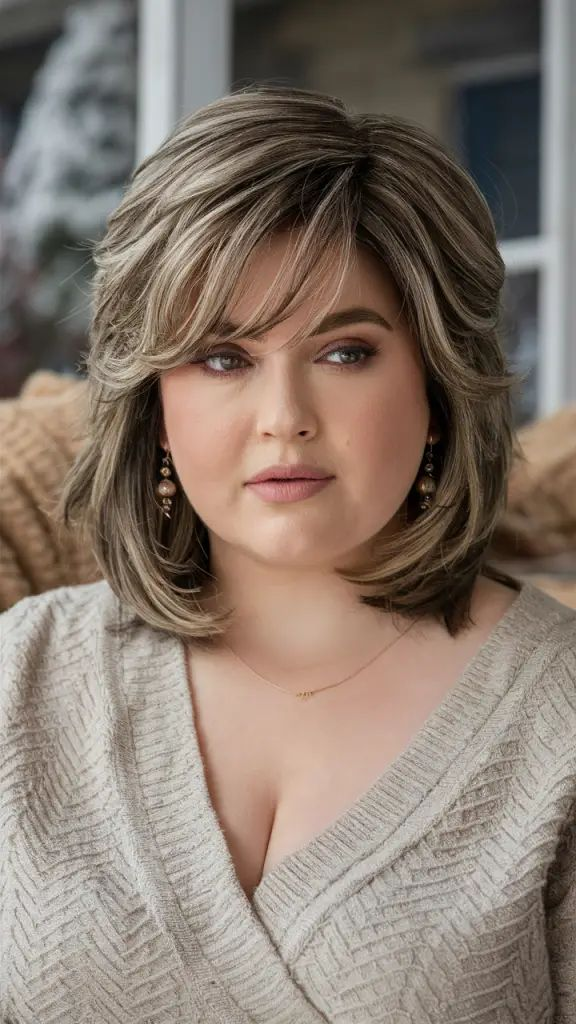
    5. The Medium Length Shag (Soft Version)

    The shag features heavy internal layering that starts at the crown and continues through the ends. For thin hair, the key is a soft shag—not the aggressive, choppy version that works for thick hair. The layers are subtle, the ends are feathered, and the overall silhouette is rounded.

    Why it works: The soft shag creates “air pockets” between strands, which prevents thin hair from clumping together and exposing the scalp. The layers add movement without removing so much weight that the ends become transparent. The crown layering is particularly important—it lifts the hair away from the scalp, camouflaging any visible thinning at the part line.

    Styling tip: Apply a texture spray to dry hair and scrunch with your fingers. Do not brush—use fingers only to separate pieces. A diffuser on low heat enhances any natural wave. Avoid heavy products that will weigh thin hair down.

    6. The Shoulder Length Cut with Curtain Bangs

    Curtain bangs part in the middle or slightly off-center, framing the face like curtains. They blend seamlessly into shoulder-length layers. The overall length rests exactly at the shoulders.

    Why it works: Curtain bangs add width to the forehead area, which draws attention upward and outward—away from thinning areas at the crown. The bangs also create a soft, romantic frame that adds visual density to the front of the hair. Because the bangs are not blunt or heavy, they do not sacrifice volume from the rest of the cut. The shoulder length provides enough weight to keep the ends looking solid.

    Styling tip: Blow-dry the bangs using a round brush, rolling them away from your face. This creates the signature “S” shape. The rest of the hair can be air-dried for contrast. A light spritz of flexible-hold hairspray keeps the bangs in place.
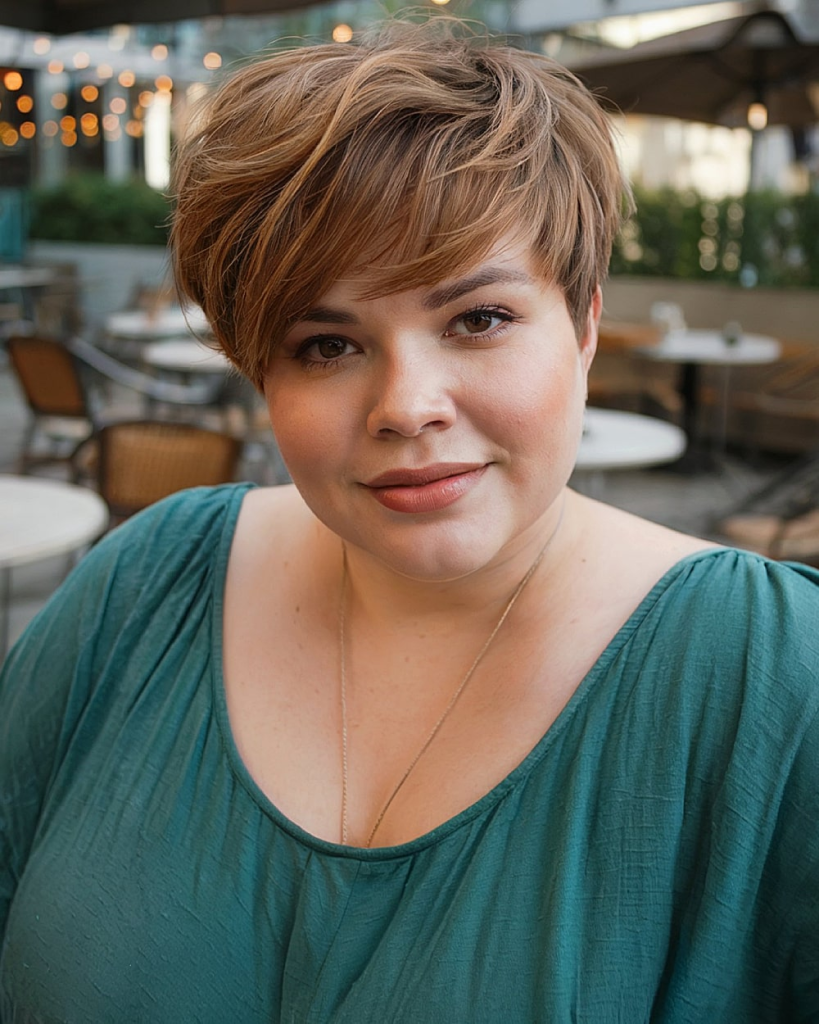
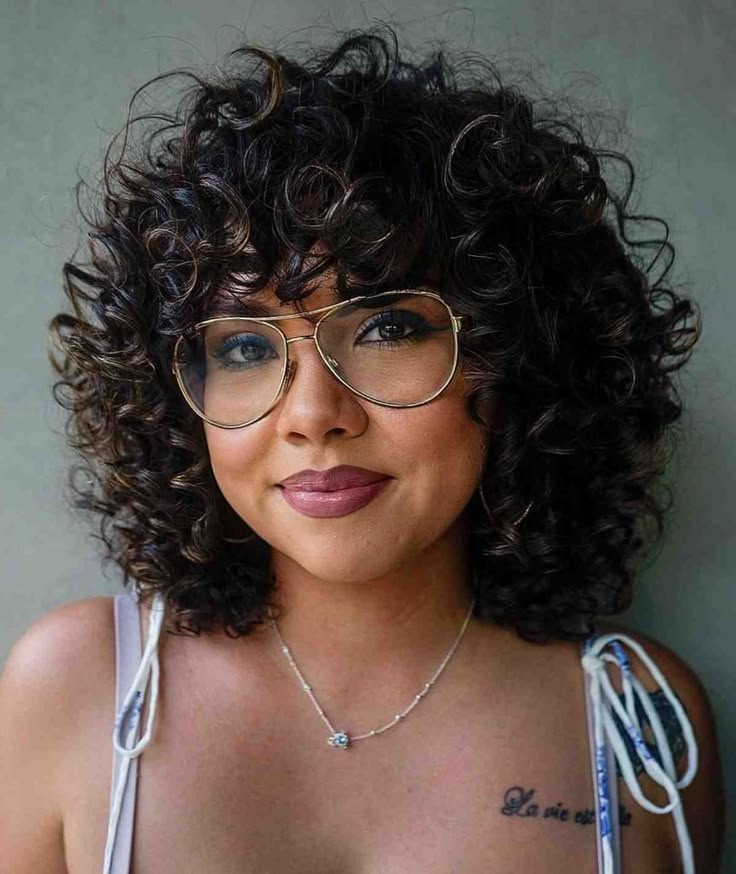
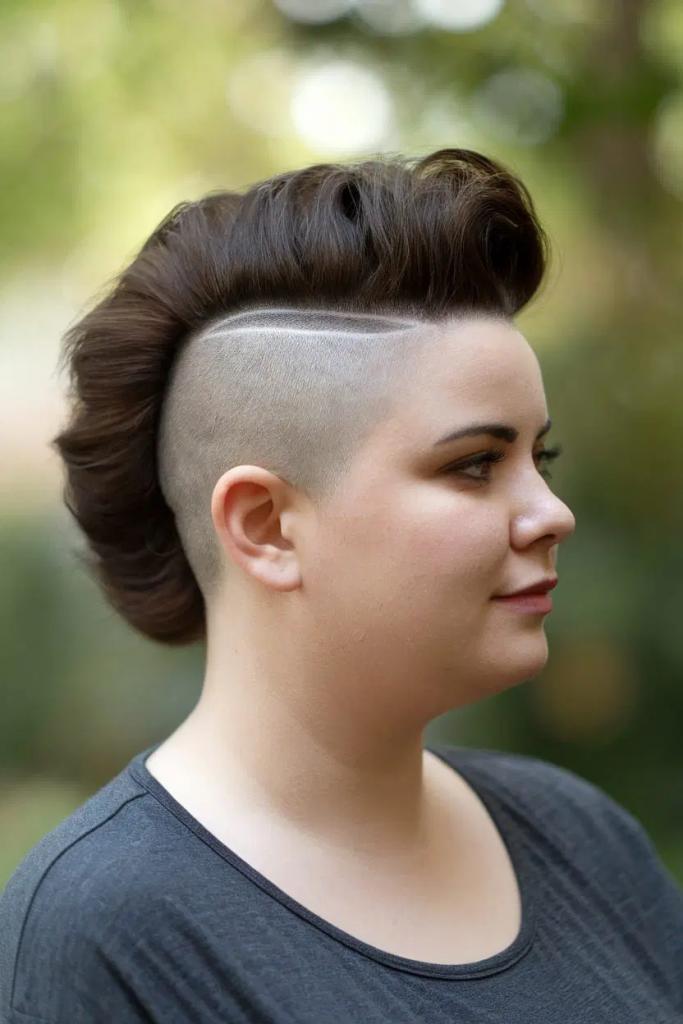
    7. The Asymmetrical Medium Cut (One Side Longer)

    One side of this cut is shorter (chin length) while the other side is longer (collarbone length). The asymmetry is intentional and dramatic. The perimeter is blunt, with no layering at the ends.

    Why it works: The human eye is drawn to the unexpected. When your haircut has a dramatic diagonal line, no one is looking at your scalp or the thinness at your crown. Additionally, the shorter side always appears thicker because the strands are not weighed down by length. The blunt perimeter on both sides maintains the illusion of density.

    Styling tip: Flat iron the longer side smooth, and add a slight bend to the shorter side. This contrast in texture enhances the asymmetry. A deep side part (on the side of the shorter hair) adds additional volume at the crown.

    8. The Rounded Medium Bob

    A rounded bob is cut to create a spherical shape. The hair is shorter at the nape, gradually lengthens to the shoulders, and is cut with a curved, rounded perimeter rather than a straight line. The overall silhouette is soft and circular.

    Why it works: The rounded shape mimics the look of naturally thick hair. Because the hair is shorter underneath and longer on top, the top layers have nothing to hold them down. They “float” above the shorter underlayers, creating the illusion of volume from every angle. The curved perimeter also prevents the harsh line that can make thin hair look even thinner.

    Styling tip: Blow-dry with a large round brush, rolling the hair under as you go. The goal is a smooth, curved shape that tucks under at the shoulders. Use a volumizing mousse at the roots before drying.

    9. The Medium Length Cut with Crown Volume Focus

    All the layering in this cut is concentrated at the crown. The sides and back are kept relatively one-length, with a blunt perimeter at the shoulders. The crown is aggressively layered to create maximum height and lift.

    Why it works: For women with thin hair, the crown is where thinning is most visible and most distressing. This cut sacrifices nothing to deliver maximum lift exactly where it is needed. The high crown has a face-lifting effect—it draws the eye upward and elongates the overall silhouette. The blunt perimeter at the shoulders ensures that the ends still look dense.

    Styling tip: Blow-dry the crown section first, using a small round brush and lifting straight up. Pin the dried crown hair in a “Mohawk” clip while you dry the sides and back. Release at the end for instant, gravity-defying volume. A volumizing powder at the roots will extend the hold.

    10. The One-Length Cut with Micro-Textured Ends

    This cut is a blunt one-length style at the collarbone, but the very ends (the last quarter inch) are micro-snipped to remove the razor-sharp edge. The result is a perimeter that looks blunt from a distance but soft and natural up close.

    Why it works: Thin hair cut with a razor-sharp blunt line can sometimes look artificial or “wig-like.” The micro-textured ends retain the visual density of a blunt cut while adding a tiny amount of natural movement. The texture also prevents the ends from sticking together in a solid sheet, which can actually make thin hair look thinner because you can see every gap.

    Styling tip: Air-dry or blow-dry with a flat brush. The micro-textured ends require no special styling—they will naturally separate slightly. A lightweight shine spray adds gloss without weight.

    11. The Medium Length Cut with Side-Swept Bangs

    This style sits at the shoulders and features long, subtle layers throughout. The star is the side-swept bang, which grazes the eyebrow on one side. The bangs blend seamlessly into the longer layers. The perimeter is blunt or micro-textured.

    Why it works: Side-swept bangs are universally flattering for women with thin hair. They cover thinning at the front hairline, open up the eye area, and add asymmetry that draws the eye across the face rather than down to the jawline. The sweep of hair across the forehead also adds visual density to the front of the head. The shoulder length provides enough weight to keep the ends from looking transparent.

    Styling tip: Blow-dry the bangs using a small round brush, sweeping them to the heavier side. The rest of the hair can be left straight or given soft waves with a large curling iron. A tiny amount of dry shampoo at the roots of the bangs will keep them from falling flat.

    How to Choose the Right Medium Length Cut for Thin Hair

    If you have…Choose…
    Very thin hair (scalp clearly visible)Blunt cut, stacked bob, or crown volume focus
    Thin hair that is also fine (small diameter strands)Invisible layered cut, rounded bob, or one-length with micro-textured ends
    Thin hair that is naturally straightBlunt cut, asymmetrical cut, or side-swept bangs
    Thin hair with a natural waveSoft shag, textured lob, or curtain bangs
    A round faceAsymmetrical cut, stacked bob, or side-swept bangs
    An oval faceAny of the 11 styles will work beautifully
    A long faceCurtain bangs or rounded bob (adds width)
    A square or angular faceSoft shag or curtain bangs (softens angles)

    Daily Care for Medium Length Thin Hair

    Thin hair requires a specific routine to maintain volume and prevent the ends from becoming transparent. Here are five essential rules:

    RuleAction
    Shampoo daily or every other dayThin hair gets oily faster. Use a volumizing shampoo.
    Condition only the endsNever put conditioner on your roots. Apply from the ears down only.
    Use root liftersA lightweight root-lifting spray or mousse is essential. Apply to damp roots before blow-drying.
    Avoid heavy oils and buttersNo coconut oil, no shea butter, no argan oil on the roots. Stick to lightweight serums on ends only.
    Dry shampoo is your friendSpray dry shampoo on clean roots to give them grip and texture. It prevents flatness before it starts.

    Final Thoughts

    Thin hair is not a sentence to short, boring haircuts. The 11 medium length hairstyles for thin hair outlined above prove that you can enjoy length, movement, and volume even with low density. The secret is in the cutting technique: blunt perimeters create density, invisible layers add lift, stacked backs build volume, and strategic bangs add visual weight where you need it most.

    Whether you choose the dramatic asymmetry of an asymmetrical cut, the soft romance of curtain bangs, the everyday reliability of a blunt cut, or the crown-focused lift of a stacked bob, the key is working with a stylist who understands thin hair. Bring photos. Ask for weight removal where it helps, and blunt lines where it matters. Your thin hair is not a limitation—it is an opportunity to be strategic, intentional, and stylish.

    Wear your medium length hair with pride.

  • 13 Pixie Bob Haircuts for Older Women: The Perfect Blend of Short and Sophisticated

    13 Pixie Bob Haircuts for Older Women: The Perfect Blend of Short and Sophisticated

    There is a haircut that has quietly become the most requested style in salons serving women over 60 and 70. It is not quite a pixie. It is not quite a bob. It is the glorious hybrid known as the pixie bob—and it might just be the most flattering haircut for older women ever created. If you are an older woman looking for a cut that is stylish, age-appropriate without being boring, and incredibly low-maintenance, 13 pixie bob haircuts for older women will give you all the inspiration you need.

    The pixie bob takes the short, easy-to-manage back and sides of a classic pixie and combines them with the length, softness, and face-framing ability of a bob. The result is a cut that is shorter than a bob (so it does not drag the face down) but longer than a pixie (so it does not look severe or “old lady” harsh). It is the Goldilocks of short haircuts.

    If you are an older woman looking for a cut that is stylish, age-appropriate without being boring, and incredibly low-maintenance, 13 pixie bob haircuts for older women will give you all the inspiration you need. These cuts work beautifully on gray, silver, white, and colored hair—and they are especially forgiving for fine or thinning textures.


    Why the Pixie Bob Is Perfect for Older Women

    As we age, our priorities for hair change. We want:

    • Less time styling (but we still want to look polished)
    • Volume at the crown (to counteract flattening)
    • Softness around the face (to soften age-related angularity)
    • A cut that hides thinning (without looking like we are hiding)

    The pixie bob delivers on all four counts. Here is why:

    • The shorter back and sides remove weight, allowing the crown to lift naturally.
    • The longer top and front pieces can be styled to frame the face, softening jowls and wrinkles.
    • The length (usually between the ear and the chin) is short enough to be low-maintenance but long enough to pull forward or tuck behind an ear.
    • The versatility allows you to wear it sleek, messy, curly, or straight.

    Now, let us explore the 13 best variations.


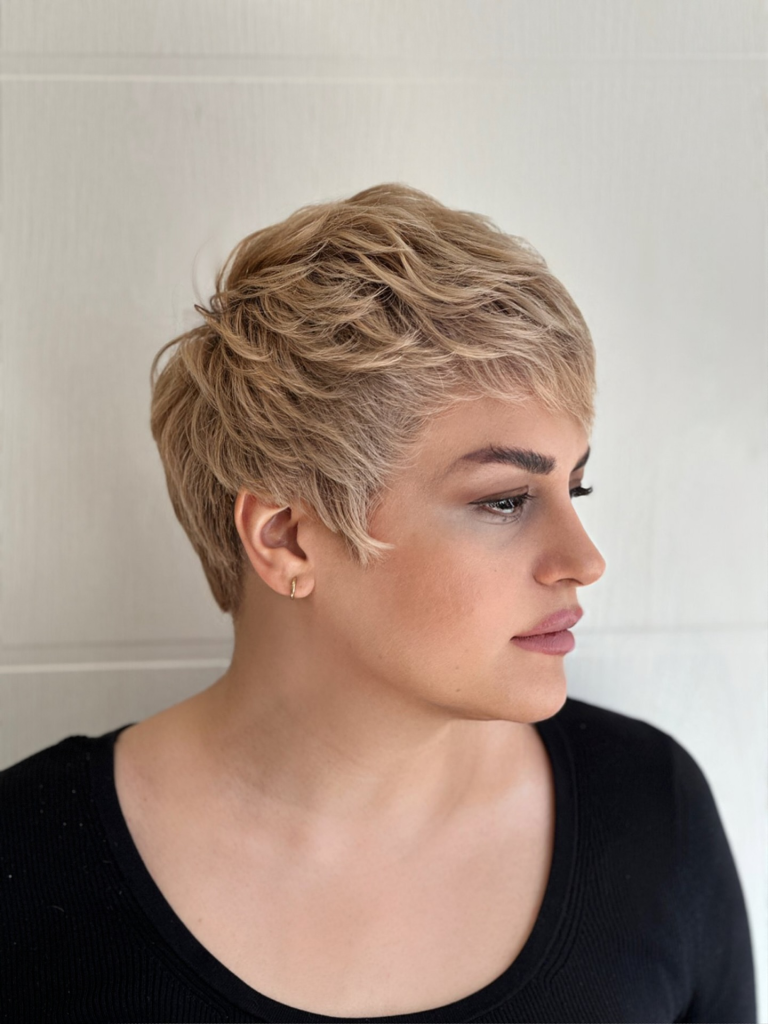
    1. The Classic Pixie Bob

    This is the foundational cut from which all others derive. The back and sides are cut short (but not shaved—think finger-length, about 1 inch). The top and front gradually lengthen to the earlobe or the corner of the jaw.

    Why it works: It is universally flattering. The classic pixie bob works on every face shape, every hair texture, and every age from 50 to 90. The gradual transition from short back to longer front creates a beautiful, lifting silhouette.
    Styling tip: Blow-dry the crown forward using a small round brush. A light spritz of hairspray at the roots will hold the volume all day.

    2. The Textured Pixie Bob

    Adding texture (choppy, piece-y layers) transforms the classic pixie bob into something more modern and edgy. The ends are point-cut or razor-cut to create soft, feathery tips.

    Why it works: Texture hides a multitude of sins—uneven density, fine strands, even a less-than-perfect haircut. The choppy ends reflect light in different directions, creating the illusion of thicker, more dynamic hair. Perfect for women with very fine hair.
    Styling tip: Use a texture paste or dry wax. Rub a pea-sized amount between your fingers and pull through the ends. Do not brush—use your fingers to create separation.

    3. The Curly Pixie Bob

    Women with natural curls often shy away from short cuts, fearing the “poodle” effect. But a curly pixie bob is a revelation. The back and sides are cut short enough to prevent bulk, while the top and front are left longer to allow curls to form their natural shape.

    Why it works: Curls naturally shrink, so a pixie bob that looks chin-length when wet will spring to ear-length when dry. The result is a rounded, soft shape that frames the face beautifully without adding width at the sides.
    Styling tip: Apply a curl cream to soaking wet hair. Scrunch upward. Diffuse on low heat or air dry. Do not touch the curls while they dry—this prevents frizz.

    4. The Layered Pixie Bob

    Layers are the secret weapon of the pixie bob. Unlike a traditional bob that relies on a blunt line, the layered pixie bob uses internal and external layers to create movement, volume, and shape.

    Why it works: Layers remove weight from the densest parts of the hair (usually the crown and sides), allowing the hair to “stack” and lift. For older women with thinning hair, layers are essential for creating the illusion of density.
    Styling tip: Ask your stylist for “long layers” rather than short, choppy ones. Long layers maintain the shape of the bob while still providing lift. Blow-dry with a round brush, rolling the ends slightly under.

    5. The Side-Swept Pixie Bob

    In this version, the front pieces are cut longer on one side and swept dramatically across the forehead, creating a deep side part. The back and opposite side are cut shorter.

    Why it works: The side sweep covers forehead lines and draws the eye diagonally across the face, which is slimming. The asymmetry also adds visual interest, distracting from any facial asymmetry that comes with age.
    Styling tip: Blow-dry the long side-swept pieces using a flat brush, pulling them across your forehead. Lock the shape with a cool shot from your blow-dryer. A tiny drop of serum keeps the ends smooth.

    6. The Wispy Pixie Bob with Bangs

    Bangs are not just for young women. A wispy, feathery fringe (bangs) paired with a pixie bob is incredibly softening for older faces. The bangs are cut to graze the eyebrows, with soft, see-through ends.

    Why it works: Wispy bangs hide forehead lines and wrinkles without creating a heavy, opaque wall of hair. The “see-through” quality means they blend seamlessly with the rest of the cut. This is especially flattering for women with deep-set eyes or prominent brows.
    Styling tip: Blow-dry the bangs using a small round brush, directing the air downward. A light mist of dry shampoo on the bangs will keep them from looking oily between washes.

    7. The Stacked Pixie Bob

    The stacked pixie bob features tightly layered (stacked) sections at the back of the crown, creating a dramatic shelf of volume. The front remains longer, gradually lengthening to the chin.

    Why it works: Stacking is the most effective way to create crown volume for women with flat, fine, or thinning hair. The stacked layers literally push each other upward, creating lift that lasts all day. The longer front pieces balance the volume at the back.
    Styling tip: Blow-dry the stacked back section upside down. Use a flat brush to pull the hair away from the head. The stacking will do the rest of the work.

    8. The Asymmetrical Pixie Bob

    One side of this cut is noticeably shorter than the other. The short side might be cropped to the ear, while the long side reaches the chin or jaw. The back is typically short on both sides.

    Why it works: Asymmetry is inherently modern and eye-catching. It distracts from age-related concerns (jowls, sagging neck) because the eye is busy following the dramatic line of the cut. It also allows you to “hide” a weaker side of your face behind the longer pieces.
    Styling tip: Keep the longer side smooth and sleek. The shorter side can be texturized for contrast. A deep side part enhances the asymmetry.

    9. The Sleek Pixie Bob

    For women who prefer a polished, professional look, the sleek pixie bob is cut with minimal layers and styled smooth using a flat iron or round brush. The perimeter is clean and defined.

    Why it works: Sleek hair reads as healthy and deliberate. The lack of visible layers makes fine hair look denser because the eye follows a solid line rather than getting lost in choppy ends. This is the pixie bob equivalent of a power suit.
    Styling tip: Use a heat protectant and a flat iron on low heat. Run the iron over small sections, turning the wrist slightly at the ends to create a soft bend. Finish with a lightweight shine spray.

    10. The Messy Pixie Bob

    The opposite of sleek. The messy pixie bob is cut with heavy texturizing and styled with fingers, not brushes. The goal is effortless, undone volume.

    Why it works: Perfection adds years. A slightly messy, tousled cut looks youthful, relaxed, and confident. It requires almost no daily effort—just a shake of the head and a bit of texture spray. Ideal for women with active lifestyles.
    Styling tip: Wash and condition at night. In the morning, spritz with water and scrunch in a sea salt spray (for fine hair) or a light gel (for thicker hair). Air dry or diffuse. Do not brush.

    11. The Long Pixie Bob (The “Pob”)

    The “pob” (pixie bob hybrid that leans longer) keeps the back short but allows the front to extend to the chin or even the collarbone. It is essentially a very short bob with a pixie-inspired back.

    Why it works: For women who love the idea of a pixie but are nervous about going too short, the pob is the perfect gateway. You get the volume and lift of a pixie at the back, with the face-framing length of a bob at the front.
    Styling tip: The length difference between front and back is significant (3-4 inches). Blow-dry the back forward and up. Blow-dry the front pieces downward and slightly inward.

    12. The Gray-Friendly Pixie Bob

    This cut is designed specifically to celebrate silver, white, and gray hair. The pixie bob shape is kept relatively simple (minimal layers, clean perimeter) so that the natural color variations of gray hair become the star.

    Why it works: Gray hair is often coarser and more wiry than pigmented hair. A simpler cut with fewer layers allows the natural texture of gray hair to shine without fighting against choppy ends. The pixie bob length keeps the coarser gray strands manageable.
    Styling tip: Use a purple shampoo once a week to neutralize yellowing. A drop of argan oil on the ends will tame wiry gray strands without weighing them down.

    13. The Volume-Focused Pixie Bob

    This cut is engineered for maximum lift at the crown. The back is cut very short (almost cropped), while the top is layered aggressively to create height. The front pieces are kept longer to balance the volume.

    Why it works: For women with extremely fine or thinning hair, volume is the primary goal. This cut sacrifices length at the back to create a dramatic “pouf” at the crown. The longer front pieces provide enough length to sweep across the forehead or tuck behind an ear.
    Styling tip: Use a root-lifting spray on damp hair. Blow-dry the crown section straight up, using a small round brush. Pin the dried crown in a clip while you finish the rest. Release for maximum, long-lasting volume.


    How to Choose the Right Pixie Bob for Your Face Shape

    Face ShapeBest Pixie Bob Option
    RoundAsymmetrical, side-swept, or long pixie bob (pob)
    OvalAlmost anything—classic, textured, or sleek
    SquareWispy with bangs, soft layers, or curly pixie bob
    HeartSide-swept, stacked, or volume-focused
    Long/OblongClassic, sleek, or gray-friendly (adds width)

    Maintaining Your Pixie Bob Over 70

    • Trim every 4-6 weeks: The pixie bob loses its shape faster than longer cuts. Regular trims are non-negotiable.
    • Use lightweight products: Heavy creams and oils will flatten the crown. Stick to mousses, sprays, and powders.
    • Embrace dry shampoo: Spray it on clean roots to give them grip and texture. It prevents flatness before it starts.
    • Protect your scalp: The shorter cut exposes more scalp to the sun. Wear a hat or use SPF spray designed for hair parts.

    Conclusion

    The pixie bob is proof that older women do not have to choose between short and stylish. It offers the ease of a pixie with the softness of a bob, making it one of the most versatile and flattering haircuts for women over 60, 70, and beyond.

    Whether you choose the timeless elegance of the classic pixie bob, the modern edge of the textured version, the bold asymmetry of an asymmetrical cut, or the effortless cool of a messy pixie bob, you are choosing a haircut that respects your age while celebrating your spirit. The 13 pixie bob haircuts for older women above are waiting for you. Book that salon appointment. You have earned this.

  • 10 Undercut Pixie Haircuts for Over 50: Edgy, Lightweight, and Age-Defying

    10 Undercut Pixie Haircuts for Over 50: Edgy, Lightweight, and Age-Defying

    The pixie cut has long been a favorite for women over 50. It is practical, low-maintenance, and instantly lifts the face. But the classic pixie can sometimes feel… predictable. Enter the undercut pixie—a modern, edgy, and surprisingly liberating variation that is taking the over-50 crowd by storm. If you are over 50 and tired of the same soft, conservative cuts, 10 undercut pixie haircuts for over 50 will show you how to embrace edge without looking like you are trying to be 25.

    An undercut pixie is exactly what it sounds like: a pixie cut where the hair at the nape of the neck and/or the sides is shaved or clipped very short (often with clippers), while the top remains longer and textured. The contrast between the shaved sections and the longer top creates drama, volume, and a youthful sense of rebellion.

    If you are over 50 and tired of the same soft, conservative cuts, 10 undercut pixie haircuts for over 50 will show you how to embrace edge without looking like you are trying to be 25. These cuts work brilliantly for fine hair (the undercut removes weight, allowing the top to lift), thick hair (the undercut reduces bulk), and everything in between. Let’s explore.

    Why an Undercut Pixie Works for Women Over 50

    The undercut pixie solves several problems that women over 50 face with their hair:

    • Weight removal: Fine or thinning hair is often weighed down by its own length. An undercut removes the heaviest part (the nape), allowing the top to float and lift.
    • Cooling effect: Hot flashes? The shaved nape keeps you significantly cooler.
    • Volume illusion: The contrast between the shaved sides and the longer top makes the top look twice as thick.
    • Low maintenance: The shaved sections require no styling—just a quick buzz every few weeks.
    • Face lift: The vertical line of the undercut draws the eye upward, creating a subtle lifting effect.

    The key is choosing the right undercut for your face shape, hair texture, and comfort level. Below are ten distinct variations.

    1. The Classic Nape Undercut Pixie

    This is the most subtle and beginner-friendly undercut. The top remains a classic, soft pixie (texturized, finger-length), while only the very nape of the neck (the bottom inch) is shaved or clipped to a #2 or #3 guard.

    Why it works: From the front, this looks like a normal pixie. The undercut is a secret—only visible when you turn around or pull your hair up. It removes the heavy, often frizzy hair at the nape that can make pixies look bulky.
    Styling tip: Style the top with a light mousse and finger-comb. The undercut requires no styling. Visit your barber or stylist every 3-4 weeks to maintain the shaved nape.

    2. The Side-Swept Undercut Pixie

    In this version, one side of the head (usually the side you part away from) is shaved or clipped very short, while the longer top is swept dramatically to the opposite side.

    Why it works: This cut creates maximum asymmetry, which is highly flattering for round or square faces. The deep side sweep covers the shaved side partially, creating mystery and movement. It is bold but not intimidating.
    Styling tip: Use a strong-hold but lightweight pomade to sweep the long top across the shaved side. The contrast between the shaved section and the swept hair is the focal point.

    3. The Curly Undercut Pixie

    Women with natural curls often avoid short cuts, fearing the “triangle head” effect. An undercut pixie is actually a curly girl’s best friend. The undercut removes the bulk at the sides and nape, allowing the curly top to sit in a defined, rounded shape.

    Why it works: Curls have volume naturally. By shaving the sides, you eliminate the wide, mushroom-like silhouette that curly hair can create. The result is a clean, defined shape where the curls sit precisely where you want them.
    Styling tip: Hydrate the curls with a leave-in conditioner, then diffuse upside down. The shaved sides will be visible, so keep them clean-shaven for a sharp contrast.

    4. The Textured Top Undercut Pixie

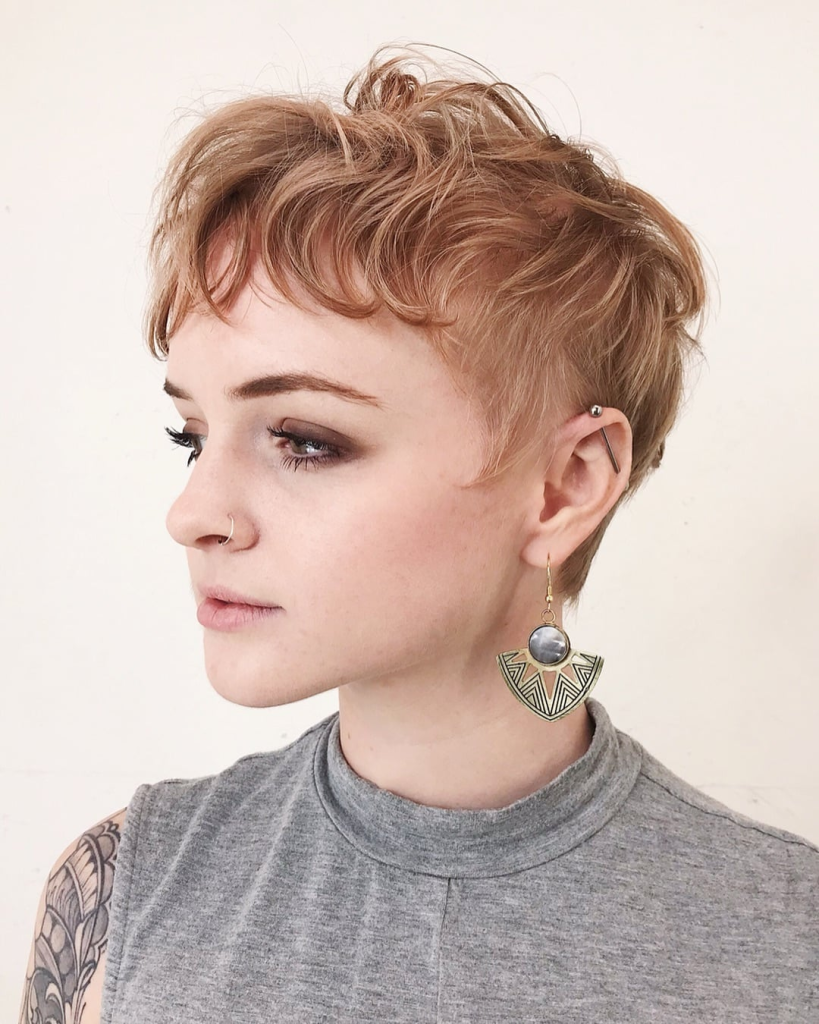
    This cut focuses all the attention on the top. The undercut (sides and nape) is shaved very short (often a #1 or #0 guard), while the top is left longer (1.5 to 3 inches) and heavily texturized with point-cutting or razor cutting.

    Why it works: The extreme contrast between the near-bald sides and the choppy, piece-y top creates high-fashion editorial energy. It is perfect for women with very fine hair because the top, freed from all surrounding weight, stands up like never before.
    Styling tip: Use a matte clay or texture powder on the top. Rub between your fingers and pull the top into spikes or soft peaks. The messier, the better.

    5. The Disconnected Undercut Pixie

    A “disconnected” cut means there is no gradual blending between the shaved sections and the longer top. The line is sharp, obvious, and intentional—like a line drawn in the sand.

    Why it works: The hard line creates graphic, architectural interest. This is for the confident woman who wants her hair to make a statement. The disconnect also allows the top to be significantly longer than in a traditional pixie (think 3 to 4 inches).
    Styling tip: Keep the top smooth and sleek to emphasize the sharp disconnect. Use a flat iron to keep the longer section perfectly straight. The shaved side should be freshly buzzed.

    6. The Fringed Undercut Pixie

    This version keeps a soft, wispy fringe (bangs) across the forehead, while the sides and nape are undercut. The top is medium-length and texturized, blending into the fringe.

    Why it works: The fringe softens the edginess of the undercut, making this style more approachable for women who love their bangs. It hides forehead lines while the undercut provides the modern edge. Best for oval or heart-shaped faces.
    Styling tip: Blow-dry the fringe forward with a small round brush. The rest of the top can be messily finger-styled. The contrast between the soft fringe and the shaved sides is stunning.

    7. The Long Top Undercut Pixie

    For women who are not ready to commit to a short top, this version keeps the top significantly longer—think 4 to 5 inches, almost a mini-mohawk length. The sides and nape are shaved or clipped very short.

    Why it works: The long top can be styled in multiple ways: swept to the side, pulled forward into a pseudo-fringe, or even gathered into a tiny ponytail (yes, with an undercut). It offers versatility that most pixies do not.
    Styling tip: Experiment with different partings. A middle part with long top pieces falling on both sides of a shaved undercut is very avant-garde. A deep side part is more classic.

    8. The Tapered Undercut Pixie

    Unlike the disconnected version, the tapered undercut gradually blends from the shaved sections into the longer top. There is no hard line—just a smooth, graduated transition.

    Why it works: This is the most elegant and professional undercut. It is subtle enough for corporate environments but still edgy. The taper creates a beautiful silhouette that follows the shape of your head. Ideal for fine or thinning hair.
    Styling tip: This cut requires a skilled barber. Ask for a “skin fade” or “taper fade” that starts at a #0 at the bottom and graduates to a #4 or #5 before blending into the top. Style the top with a light gel for a clean finish.

    9. The Colored Undercut Pixie

    The undercut itself is a design opportunity. Many women over 50 use the shaved sections as a canvas for a pop of color—pastel pink, lavender, silver blue, or even a bold copper. The top remains a natural color (or vice versa).

    Why it works: The shaved hair grows back quickly, so temporary or semi-permanent color on the undercut is low-risk. It adds a playful, youthful energy without committing to an all-over color change. The contrast between the natural top and the colored undercut is eye-catching.
    Styling tip: Use a semi-permanent color (washes out in 4-6 weeks) on the undercut. Keep the top natural. When you sweep your hair, the colored undercut peeks through.

    10. The Spiky Undercut Pixie

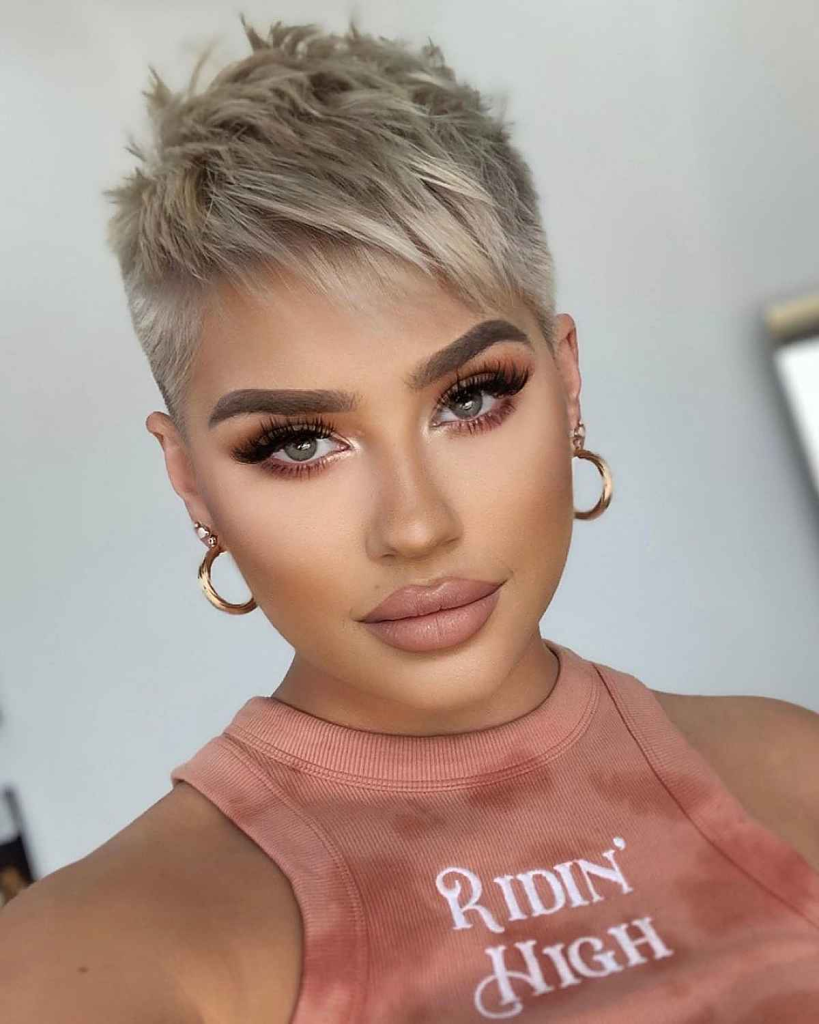
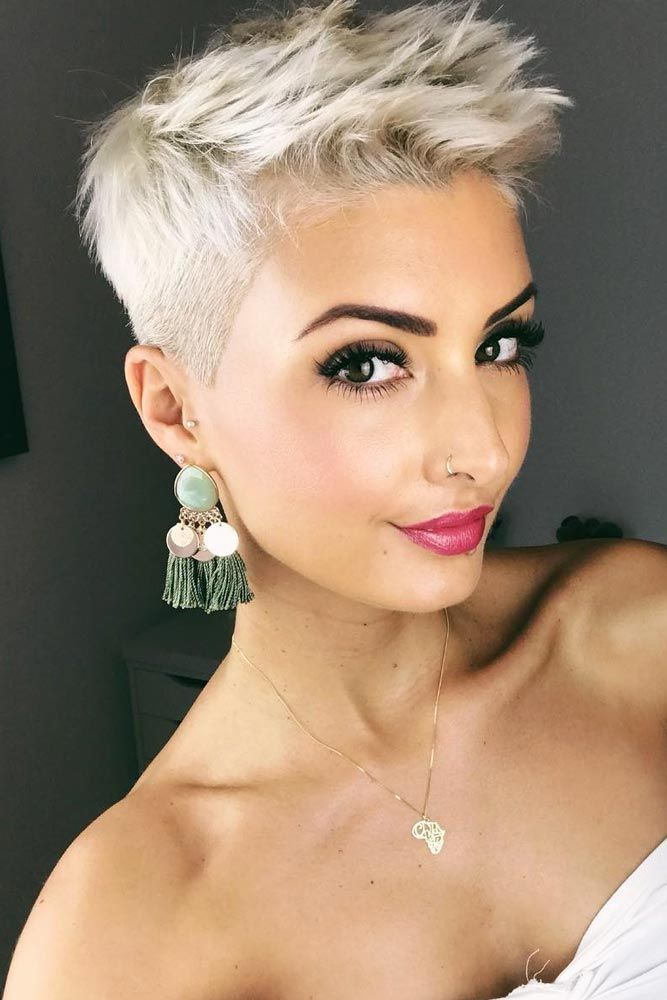
    This is the most rebellious of the ten. The undercut (sides and nape) is shaved to the skin (a #0 or #000 guard), while the top is cut into short, aggressive spikes using texturizing shears or a razor.

    Why it works: Spikes create maximum height and volume. For women with very fine hair, spikes are the ultimate illusion of thickness because each spike stands independently. The shaved sides emphasize the height of the spikes, making them look even more dramatic.
    Styling tip: Use a strong-hold gel or wax. Rub a small amount between your palms, then grab sections of the top and pull straight up. Twist the ends slightly for definition. Reapply every few days.

    How to Maintain an Undercut Pixie Over 50

    An undercut pixie requires specific maintenance. Here is what you need to know:

    • Clipper maintenance every 2-4 weeks: The shaved sections grow back quickly. Invest in a good set of clippers or visit a barber (often cheaper than a salon) for touch-ups.
    • Sun protection: Your exposed scalp (especially on the shaved sides) can burn. Wear sunscreen or a hat when outdoors for long periods.
    • Product shift: You will use less product because there is less hair. Switch to lightweight clays, waxes, or texture powders. Avoid heavy gels or pomades.
    • Winter warmth: The shaved nape gets cold. Buy a soft, thin beanie or scarf for cold weather.
    • Growing it out: If you decide to grow out an undercut, expect an awkward phase. Plan to visit your stylist every 3 weeks during the grow-out to blend the layers.

    Is an Undercut Pixie Right for You?

    Ask yourself these three questions:

    1. Are you comfortable with visible scalp? The shaved sections will show skin. If that makes you uncomfortable, start with a subtle nape-only undercut.
    2. Do you have the time for maintenance? Every 2-4 weeks for clipper touch-ups is non-negotiable.
    3. Do you want to feel edgy? If you are tired of “safe” haircuts, the undercut pixie is liberation.

    If you answered yes to most of these, welcome to your new haircut.

    Conclusion

    Age is not an excuse to play it safe with your hair. The 10 undercut pixie haircuts for over 50 prove that women in their 50s, 60s, and beyond can wear edgy, modern, and bold styles with confidence. Whether you choose a subtle nape undercut, a dramatic disconnected cut, or a spiky statement style, the undercut pixie offers lightweight volume, effortless cool, and a undeniable sense of freedom.

    Take the leap. Find a stylist or barber who understands clipper work. And wear your undercut with the pride of a woman who knows that rules are made to be broken.

  • 14 Shoulder Length Hairstyles for Fine Hair: Volume, Body, and Bounce

    14 Shoulder Length Hairstyles for Fine Hair: Volume, Body, and Bounce

    There is a common misconception that women with fine hair cannot wear their hair shoulder length. The assumption is that fine hair, when grown past the chin, will go flat, limp, and lifeless—clinging to the scalp like wet silk. But that is only true if you choose the wrong shoulder length cut. The right cut, however, is transformative. Shoulder length is actually the perfect “testing ground” for fine hair. Enter 14 shoulder length hairstyles for fine hair—a collection designed to prove that fine-haired women can absolutely enjoy length, movement, and volume.

    The right cut, however, is transformative. Shoulder length is actually the perfect “testing ground” for fine hair. It is long enough to pull back into a ponytail or bun, short enough that the weight doesn’t pull the roots flat, and versatile enough to style in dozens of ways. Enter 14 shoulder length hairstyles for fine hair—a collection designed to prove that fine-haired women can absolutely enjoy length, movement, and volume.

    Whether your fine hair is stick-straight, slightly wavy, pin-straight, or has a hint of natural bend, these 14 cuts use strategic layering, texturizing techniques, blunt perimeters, and weight redistribution to create the illusion of thick, bouncy, healthy hair. No more hiding under a short crop. No more accepting flat, stringy strands. Let’s dive in.

    Why Shoulder Length Works for Fine Hair

    Before we get to the list, let’s address the science of fine hair. Fine hair has a smaller diameter than medium or coarse hair. This means it has less internal structural support. When fine hair grows long, the cumulative weight of the length pulls the roots flat against the scalp, exposing every gap and making thinning areas obvious.

    Shoulder length (generally defined as hair that falls between the collarbone and the armpit, resting on or just below the shoulders) is the maximum length most fine-haired women can maintain without losing volume. At this length, the weight is manageable, the roots can still lift, and strategic layering can remove just enough bulk to encourage movement while preserving density.

    The following 14 styles are specifically engineered for fine hair textures. They work whether you have a full head of fine hair or are dealing with age-related thinning.

    1. The Long Layered Shag (Shoulder Length)

    The shag has appeared on our previous lists, but the shoulder length shag deserves its own spotlight. Unlike shorter shags, this version keeps the length while using heavy internal layering to remove weight.

    Why it works: The layers are cut deep into the hair, starting at the crown. This creates “gaps” that allow air and movement between strands, preventing fine hair from clumping together. The result is a messy, lived-in texture that looks intentionally piece-y rather than thin.
    Styling tip: Use a texture spray on dry hair and scrunch. Do not brush—use fingers to separate pieces. A diffuser on low heat enhances any natural wave.

    2. The Blunt Shoulder Length Cut (One-Length)

    Counter-intuitively, one of the best cuts for fine hair is a blunt, one-length cut with no layers. Why? Because a solid, heavy perimeter creates the visual illusion of thickness.

    Why it works: When fine hair is cut bluntly (straight across with no feathering or thinning at the ends), the light hits a solid line. That solid line reads as “dense” to the human eye. The key is keeping the length exactly at the shoulders—any longer and the weight becomes an issue.
    Styling tip: Blow-dry smooth with a flat brush. Add a tiny drop of lightweight serum to the ends to keep the blunt line sharp and polished.

    3. The Invisible Layered Cut

    “Invisible layers” are exactly what they sound like: layers so subtle you cannot see them, but you can feel the volume they create. These are internal layers cut deep inside the hair shaft, not visible on the surface.

    Why it works: Traditional layers on fine hair can look ragged and thin at the ends. Invisible layers lift the hair from the inside out, creating a rounded, C-shape silhouette without sacrificing the solid appearance of the perimeter. This is a technical cut best done by an experienced stylist.
    Styling tip: Ask your stylist for “invisible internal layers” or “weightless layering.” Style with a volumizing mousse and a round brush, focusing on turning the ends slightly under.

    4. The Shoulder Length Cut with Long Curtain Bangs

    Curtain bangs are the bangs for women who are afraid of bangs. They part in the middle or slightly off-center, framing the face like curtains. At shoulder length, they add dimension and softness.

    Why it works: Curtain bangs add width to the forehead area, which balances a narrow chin and draws attention upward and outward—away from thinning areas at the crown. The bangs blend seamlessly into the shoulder-length layers, creating a continuous frame around the face.
    Styling tip: Blow-dry the bangs using a round brush, rolling them away from your face. This creates the signature “S” shape. The rest of the hair can be air-dried for contrast.

    5. The Texturized Lob with Undercut (Hidden)

    This sounds extreme, but hear it out: a hidden undercut at the nape of the neck removes the heaviest, densest part of the hair (the underneath section that no one sees). The top layers fall over it, hiding the undercut completely.

    Why it works: Fine hair often looks thinner at the ends because the weight of the hair pulls it down. By removing a small triangle of hair at the very nape (the area that contributes the most weight), the remaining hair springs up. The top layers now have less weight to fight against, resulting in immediate lift.
    Styling tip: This cut requires a stylist who understands fine hair. The undercut should be small (no more than an inch high). Style as usual—the undercut is invisible but volumizing.

    6. The Side-Swept Deep Part with Volume

    This is a styling technique applied to a shoulder-length layered cut, but it is so effective it deserves its own spot. A deep side part (parting the hair at the far edge of the eyebrow or even at the temple) instantly creates a high dome of volume on the larger side.

    Why it works: Fine hair parted in the middle lies flat and exposes the scalp. A deep side part creates an asymmetrical shape that tricks the eye into seeing more hair. The “sweep” of hair across the crown camouflages thinning at the part line and adds height.
    Styling tip: Blow-dry the hair on the larger side against its natural direction. If you part on the left, blow-dry everything to the right. Once dry, sweep it back to the left. The roots will stand straight up.

    7. The Wispy Shoulder Length Cut with Choppy Ends

    For fine hair that is very straight and slippery, wispy, choppy ends can add the illusion of texture and density. This cut features ends that are point-cut (cut with scissors pointing vertically) to create soft, feathery tips.

    Why it works: A blunt cut on very straight fine hair can sometimes look severe. Choppy, wispy ends reflect light in multiple directions, creating visual “noise” that reads as thickness. The soft ends also move more freely, giving the hair a bouncier appearance.
    Styling tip: Use a lightweight sea salt spray (not the heavy kind) on damp hair. Scrunch and air dry. The choppy ends will naturally separate into soft, piece-y waves.

    8. The Rounded Bob (Shoulder Length Variation)

    A rounded bob is cut to create a spherical, helmet-like shape (in a good way). The hair is shorter at the nape, gradually lengthens to the shoulders, and is cut with a curved, rounded perimeter rather than a straight line.

    Why it works: The rounded shape mimics the look of naturally thick hair. Because the hair is shorter underneath and longer on top, the top layers have nothing to hold them down. They “float” above the shorter underlayers, creating the illusion of volume from every angle.
    Styling tip: Blow-dry with a large round brush, rolling the hair under as you go. The goal is a smooth, curved shape that tucks under at the shoulders.

    9. The Shoulder Length Cut with Bottleneck Bangs

    Bottleneck bangs are a hybrid between curtain bangs and traditional fringe. They are shorter in the very center (just above the eyebrows) and gradually lengthen toward the temples, creating a “bottleneck” shape.

    Why it works: Fine hair often looks sparse at the front hairline. Bottleneck bangs add density exactly where thinning is most noticeable. The graduated shape prevents the bangs from looking heavy or overwhelming, while the shoulder length keeps the overall look balanced.
    Styling tip: These bangs require a little heat styling. Use a small flat iron to create a slight bend at the ends. The rest of the hair can be left wavy or straight.

    10. The Voluminous Blowout Cut (Round Layers)

    Some haircuts are designed specifically for women who love to blow-dry their hair. The “blowout cut” features round, cascading layers that are cut to stack beautifully when wrapped around a round brush.

    Why it works: Fine hair takes a blowout exceptionally well because it is lightweight and malleable. This cut removes weight from the mid-lengths while keeping the ends substantial, allowing the hair to wrap around a brush without tangling. The result is a salon-worthy blowout that lasts for days.
    Styling tip: Invest in a good ceramic round brush (1.5 to 2 inches in diameter). Use a volumizing mousse and blow-dry each section twice—once forward, once backward—for maximum lift.

    11. The Asymmetrical Shoulder Length Cut

    Symmetry is overrated, especially for fine hair. An asymmetrical cut—shorter on one side (chin length) and longer on the other (shoulder length)—creates visual interest that distracts from any lack of volume.

    Why it works: The human eye is drawn to the unexpected. When your haircut has a dramatic diagonal line, no one is looking at your scalp or the thinness at your crown. Additionally, the shorter side always appears thicker because the strands are not weighed down by length.
    Styling tip: Flat iron the longer side smooth, and add a slight bend to the shorter side. This contrast in texture enhances the asymmetry.

    12. The Soft Beach Wave Cut (Long Layers)

    Fine hair can absolutely wear beach waves—but the cut must support the style. Ask for long, soft layers that start at the cheekbones and continue to the ends. Avoid short layers, which can make fine hair look ragged.

    Why it works: Long layers remove just enough weight to allow fine hair to hold a wave. The key is keeping the layers subtle so the ends still look substantial. When waved with a wand or flat iron, the hair appears twice as thick because the waves create shadows and dimension.
    Styling tip: Use a 1-inch curling wand. Wrap 1-inch sections around the barrel, leaving the last inch of the ends out for a more natural look. Brush out gently with a wide-tooth comb.

    13. The Straight-Across Cut with Micro-Fringe

    For the bold woman with fine hair, a micro-fringe (very short bangs, cut well above the eyebrows) paired with a straight-across shoulder-length cut is a statement. This is a high-fashion look that works surprisingly well on fine textures.

    Why it works: Micro-fringe creates a solid block of density at the forehead, drawing the eye to the shortest part of the hair. The contrast between the very short bangs and the shoulder-length perimeter makes the longer hair look thicker by comparison. The straight-across bottom line adds additional visual weight.
    Styling tip: Micro-fringe requires frequent trims (every 2-3 weeks). Keep the rest of the hair sleek and smooth to emphasize the graphic quality of the cut.

    14. The Layered Shoulder Length Cut with Crown Volume

    This cut focuses all the layering at the crown (the top of the head) while keeping the sides and back relatively one-length. The result is maximum volume where fine hair needs it most—at the roots.

    Why it works: Fine hair is flattest at the crown. By cutting short, aggressive layers only in the crown area, the hair there is freed from the weight of the longer strands. The crown layers stand up and stack, creating a visible “lift” that lasts all day. The sides and back remain longer, preserving length.
    Styling tip: Blow-dry the crown section first, using a small round brush and lifting straight up. Pin the dried crown section in a “Mohawk” clip while you dry the rest. Release for instant, all-day volume.

    Daily Care for Fine, Shoulder Length Hair

    Maintaining shoulder length fine hair requires a specific routine. Here are five non-negotiable rules:

    1. Shampoo strategically: Fine hair gets oily fast. Use a volumizing shampoo daily or every other day. Avoid moisturizing or smoothing shampoos.
    2. Condition only the ends: Never put conditioner on your roots. Apply from the ears down only.
    3. Use root lifters: A lightweight root-lifting spray or mousse is essential. Apply to damp roots before blow-drying.
    4. Dry shampoo is your friend: Spray dry shampoo on clean roots to give them grip and texture. It prevents flatness before it starts.
    5. Avoid heavy oils: No coconut oil, no argan oil, no butters. Stick to lightweight serums or sprays specifically labeled for fine hair.

    Conclusion

    The myth that fine hair cannot be worn at shoulder length is exactly that—a myth. The 14 shoulder length hairstyles for fine hair outlined above prove that with the right cut, fine-haired women can enjoy length, movement, volume, and versatility.

    Whether you choose the edgy asymmetry of an asymmetrical cut, the soft romance of curtain bangs, the bold graphic quality of a micro-fringe, or the everyday reliability of invisible layers, the key is working with a stylist who understands fine hair. Bring photos, ask for weight removal, and never settle for a cut that leaves you flat.

    Your fine hair is not a limitation. It is an opportunity to be strategic, intentional, and stylish. Wear your shoulder length hair with pride—you have earned it.

  • 10 Hairstyles for Thin Fine Hair Over 50: Volume, Texture, and Youthful Fullness

    10 Hairstyles for Thin Fine Hair Over 50: Volume, Texture, and Youthful Fullness

    If you are over 50 and have been told to “just cut it all off” because your hair is thin or fine, stop listening. The myth that aging hair must be cropped into a severe, low-maintenance pixie is just that—a myth. The truth is, thin and fine hair requires strategy, not surrender. Check out our 10 hairstyles for thin fine hair over 50. This collection is designed specifically for hair that has lost its youthful density, changed texture due to hormonal shifts, or simply become more delicate with time.

    Enter 10 hairstyles for thin fine hair over 50. This collection is designed specifically for hair that has lost its youthful density, changed texture due to hormonal shifts, or simply become more delicate with time. These styles use clever cutting techniques—like internal layering, blunt ends, strategic disconnection, and volume-building shapes—to create the illusion of thick, bouncy, healthy hair.

    Whether you are dealing with genetic fine hair, post-menopausal thinning, or medication-related hair loss, these ten cuts will give you back your confidence. No helmets. No tight perms. Just modern, wearable, gorgeous hair.

    Why Thin and Fine Hair Needs a Different Approach

    First, let’s clarify the difference. Thin hair refers to the density (how many strands grow per square inch). Fine hair refers to the diameter of each individual strand. Many women over 50 experience both: fewer strands that are also smaller in circumference.

    The worst thing you can do? Grow it long and lanky, which drags the face down and emphasizes every gap. The second worst thing? A uniform, one-length short cut that lies flat against the scalp like a cap.

    The best thing? Strategic layering that lifts at the crown, texturizing that removes weight to create movement, and blunt lines at the perimeter that give the illusion of thickness. Below are the ten best cuts that do exactly that.

    1. The Blunt Bob with Micro-Layers

    The classic blunt bob is often avoided by women with fine hair because they fear it will look “boxy.” But a blunt perimeter (straight across, no feathering at the ends) actually makes fine hair look thicker because the light hits a solid line rather than dissipating through wispy ends.

    Why it works: Ask your stylist for a blunt bob ending at the chin or just below the jaw, with “micro-layers” (tiny internal layers no longer than half an inch) to prevent the dreaded flat-top look. The blunt line creates density; the micro-layers provide lift.
    Styling tip: Blow-dry roots upward using a small round brush. Finish with a lightweight dry texture spray at the roots only.

    2. The Stacked A-Line Bob

    If you want maximum volume at the crown, the stacked A-line bob is your holy grail. This cut is short and tightly layered (stacked) in the back, graduating to longer pieces in the front that hit the collarbone.

    Why it works: The stacking creates a shelf of volume that literally lifts hair off the scalp. Because the back is short, fine hair doesn’t have the weight to pull itself flat. The longer front pieces give you the elegance of length without sacrificing fullness.
    Styling tip: Use a volumizing mousse on damp hair, then blow-dry the back section upside down. A flat brush works better than a round brush for stacking.

    3. The Texturized Pixie (Not a Helmet Cut)

    Many women fear the pixie because they associate it with the “helmet head” of the 1980s. A modern texturized pixie is the opposite: choppy, piece-y, and full of movement. It is cropped at the nape but left longer (1.5 to 2 inches) on top.

    Why it works: Fine hair looks thickest when it is short enough that the strands support each other. On a pixie, each hair stands almost straight up from the scalp, maximizing volume. The texturizing (point-cutting or notching) removes bulk without reducing length, creating a soft, feathery appearance.
    Styling tip: Rub a pea-sized amount of matte paste or clay between your palms and scrunch into dry hair. Do not brush—use fingers only.

    4. The French Crop with Wispy Bangs

    The French crop is a shorter style (often confused with a pixie) that features a heavier top section and very short, sometimes faded, sides and back. The defining feature is the wispy, textured fringe that sits just above the eyebrows.

    Why it works: For women with a high forehead or significant thinning at the front hairline, the wispy bangs disguise sparse areas while looking intentionally artistic rather than concealing. The cropped sides remove the visual weight of thin side pieces that often look stringy.
    Styling tip: Keep the fringe slightly piece-y. Use a tiny amount of lightweight pomade on the tips of your fingers to separate the bangs.

    5. The Layered Lob (Long Bob) with Face-Framing

    Yes, a lob can work for fine hair—but only if it is layered correctly. The mistake women make is asking for a “long bob” without specifying layers. The result is a limp, triangular mess. Instead, ask for a lob with long, face-framing layers and a slight undercut at the nape.

    Why it works: The face-framing layers (shorter pieces around the cheekbones and jaw) remove weight from the front, allowing the hair to swing rather than stick to the face. The slight undercut at the nape removes the heaviest part of the hair, tricking the eye into thinking the remaining hair is thicker.
    Styling tip: Blow-dry with a large round brush, focusing on lifting the roots away from the face. A side part adds instant volume.

    6. The Soft Shag with Curtain Bangs

    The shag is back, and it is a godsend for fine hair. Unlike the aggressive 70s shag, the modern soft shag uses light, airy layers throughout the mid-lengths and ends, combined with curtain bangs that part in the middle.

    Why it works: Fine hair loves internal movement. The shag’s many layers create multiple “end points” that reflect light differently, giving the illusion of density. Curtain bangs add width to the forehead area, which balances a narrow chin and makes fine hair look more substantial.
    Styling tip: Air dry or diffuse on low heat. Use a salt-free texturizing spray (salt dries out fine hair). Twist small sections around your finger while damp to encourage wave.

    7. The Asymmetrical Bob

    Symmetry is overrated, especially for fine hair. An asymmetrical bob—shorter on one side (chin length) and longer on the other (shoulder length)—creates visual interest that distracts the eye from any lack of volume.

    Why it works: The human eye is drawn to the unexpected. When your haircut has a dramatic diagonal line, no one is looking at your scalp or the thinness at your crown. Additionally, the shorter side always appears thicker because the strands are not weighed down by length.
    Styling tip: Flat iron the longer side smooth, and add a slight bend to the shorter side. This contrast in texture enhances the asymmetry.

    8. The Cropped French Bob

    The French bob is shorter than a traditional bob—typically ending right at the earlobe or the corner of the jaw. It is often paired with a full, blunt fringe (bangs).

    Why it works: For very fine, limp hair, length is the enemy. The cropped French bob removes almost all weight, allowing the hair’s natural texture (even if minimal) to express itself. The blunt fringe adds a solid block of density at the forehead, creating the visual anchor that makes the rest of the hair look fuller by comparison.
    Styling tip: Embrace a little messiness. A French bob should never look “done.” Run a bit of texture cream through damp hair and let it air dry for that effortless Parisian look.

    9. The Side-Parted Sweep with Volume

    Polished portrait of a woman aged 53 with a sleek chin-length cut. Invisible internal layers creating a rounded C-shape silhouette. Straight, glossy, fine ash-blonde hair. Front view, professional ring light (catchlights in eyes). Wearing a tailored white blazer and a silk scarf. Confident, direct gaze. Light lavender background. Professional, smooth, thick-looking.

    This is less a specific haircut and more a styling technique applied to a medium-length layered cut. The key is a deep side part (almost at the temple) and a “sweep” of hair across the crown.

    Why it works: Fine hair parted in the middle falls flat and exposes the scalp. A deep side part immediately creates a “dome” of volume on the larger side. The sweep (pushing hair up and over) camouflages thinning at the part line. This works best on hair that is shoulder-length or shorter with long layers.
    Styling tip: Blow-dry the hair on the larger side against its natural direction (if you part on the left, blow-dry everything to the right). Once dry, sweep it back to the left. The roots will stand straight up.

    10. The Sleek Chin-Length Cut with Invisible Layers

    For women with straight, fine hair who prefer a polished, professional look, the sleek chin-length cut is perfection. The secret is “invisible layers”—internal layers so subtle you cannot see them, but you can feel the volume.

    Why it works: Unlike choppy layers that can make fine hair look ragged, invisible layers are cut deep inside the hair shaft. They lift the hair from the inside out, creating a rounded, C-shape silhouette rather than a flat, A-shape one. The chin length draws the eye horizontally, adding width that mimics thickness.
    Styling tip: Use a lightweight volumizing lotion and a small flat brush. Blow-dry sections straight down, then cool-shot each section to lock in smoothness. A drop of serum on the ends prevents frizz.

    How to Care for Thin and Fine Hair Over 50

    A great haircut is only half the battle. Your daily routine matters just as much.

    • Shampoo correctly: Fine hair gets oily faster. Use a “volume” or “clarifying” shampoo every other day. Avoid “moisturizing” or “smoothing” shampoos—they weigh hair down.
    • Condition strategically: Condition only the mid-lengths to ends. Never put conditioner on your roots or scalp.
    • Ditch the heavy products: No butters, no oils, no heavy creams. Look for words like “mousse,” “spray,” “powder,” or “texture spray.”
    • Use dry shampoo proactively: Spray dry shampoo on clean roots before they get oily. It gives grip and volume for days.
    • Sleep on silk: A silk pillowcase reduces friction, preventing the breakage that makes fine hair look thinner.

    Conclusion

    Reaching 50 is not an expiration date for great hair. It is an invitation to get smarter about your cut, your products, and your technique. The 10 hairstyles for thin fine hair over 50 outlined above prove that volume, movement, and confidence are absolutely achievable—no matter how fine your strands or sparse your density.

    Whether you choose the dramatic lift of a Stacked A-Line Bob, the effortless cool of a Soft Shag, or the polished precision of a Sleek Chin-Length Cut, the most important thing is this: do not settle. You deserve hair that makes you feel visible, vibrant, and undeniably yourself. Work with a stylist who understands fine hair, invest in the right lightweight products, and wear your new cut with the pride of a woman who knows exactly who she is.

  • 14 Medium Hairstyles for Women Over 60: Chic, Voluminous, and Age-Defying

    14 Medium Hairstyles for Women Over 60: Chic, Voluminous, and Age-Defying

    Turning 60 is not about slowing down; it is about stepping into a season of confidence, wisdom, and freedom. If you are ready for a change that balances style and practicality, look no further than 14 medium hairstyles for women over 60. This collection proves that the “Goldilocks” zone of haircuts—long enough to pull back, short enough to hold volume—is the secret to chic, age-defying hair.

    Medium hairstyles for women over 60 offer the perfect balance. They are long enough to pull back for the gym or gardening, but short enough to hold volume and style easily. They soften facial features, frame the jawline, and can take years off your appearance without looking like you are trying too hard.

    Whether you have fine, thinning hair, thick curls, or straight silver strands, there is a medium cut for you. Below, we dive into 14 stunning, modern medium hairstyles that prove life (and style) truly begins at 60.

    Why Medium Length? The Sweet Spot for Mature Hair

    Before we get to the list, let’s talk about why medium cuts dominate the over-60 demographic. As we age, hair texture changes. Estrogen levels drop, leading to hair that is often drier, finer, or more brittle. A very short crop can sometimes look severe on softer face shapes, while very long hair can drag the face down, accentuating jowls or sagging skin.

    Medium hairstyles (generally between the chin and the collarbone) solve these issues by:

    • Creating Lift: Shorter layers remove weight, allowing roots to stand up for volume.
    • Disguising Thinning: Strategic layering makes hair look dense and bouncy.
    • Highlighting Bone Structure: A cut that hits the jaw or shoulders draws the eye upward.
    • Embracing Gray: Medium lengths show off the beautiful variations of silver, white, and salt-and-pepper blends.

    Let’s explore the 14 best options.

    1. The Classic Layered Lob (Long Bob)

    The lob is the undisputed champion of medium hairstyles for women over 60. Typically ending right at the collarbone, the lob is versatile enough for every face shape. Adding layers throughout removes bulk if your hair is thick, or creates the illusion of volume if your hair is fine.

    Why it works: The layers can be customized. For round faces, keep the layers longer in front to elongate the face. For oval faces, choppy layers add texture. Style it with a round brush to flip the ends under or out for a retro touch.
    Styling tip: Use a volumizing mousse at the roots before blow-drying to prevent the “triangle” effect.

    2. The Texturized Shag

    The modern shag is having a major renaissance, and it is surprisingly perfect for women over 60. A medium shag features heavy internal layers, a bit of choppiness at the ends, and often, wispy bangs.

    Why it works: This cut is a godsend for women with fine hair. The texturizing shears remove weight, which encourages the hair to “stack” and lift. It also hides thinning areas at the crown. If you have naturally wavy or curly hair, the shag works with your texture, not against it.
    Styling tip: Rub a pea-sized amount of texture paste or sea salt spray through damp hair and air dry. The messier, the better.

    3. The Chin-Length Bob with Side-Swept Bangs

    Slightly shorter than the lob, the chin-length bob is a classic for a reason. When paired with long, side-swept bangs that graze the eyebrow, it becomes a masterpiece of anti-aging styling.

    Why it works: The side-swept bang covers forehead lines (without hiding your eyes) and draws a diagonal line across the face, which is very slimming. The blunt chin-length cut reinforces the jawline, making the neck look longer.
    Styling tip: Blow-dry the bangs using a flat paddle brush, pulling them to the opposite side of your natural part to create a high, voluminous sweep.

    4. The Curly Medium Cut

    Women with natural curls often feel pressured to cut their hair very short as they age, but medium curls are magnificent. Think of a rounded shape where the curls fall just below the ears and rest on the shoulders.

    Why it works: Curls naturally shrink up, so a medium cut when wet will spring to shoulder length when dry. This shape keeps curls away from the face but allows enough weight to prevent the dreaded “pyramid” shape (wide at the bottom, flat on top).
    Styling tip: Hydration is key. Use a leave-in conditioner and a curl cream. Diffuse upside down to maximize root volume.

    5. The Silver Blunt Cut

    If you have fully transitioned to gray or white hair, show it off with a blunt, one-length medium cut. This is a bold, sophisticated look that says “I am confident.”

    Why it works: Gray hair tends to be coarser and wirier. A blunt cut (no layers) uses that texture to create a heavy, healthy hemline. The blunt edge reflects light differently than layered ends, making silver hair look like molten metal rather than dull steel.
    Styling tip: Use a purple shampoo once a week to neutralize any yellowing in white hair. A drop of argan oil on the ends keeps the blunt line looking sharp and polished.

    6. The Wispy Layered Cut with Curtain Bangs

    Curtain bangs are the softer, more romantic cousin of the heavy fringe. They part in the middle or slightly off-center, framing the face like, well, curtains.

    Why it works: For women over 60 who wear glasses, curtain bangs are a game-changer. They don’t fight with the frames; they blend into them. The wispy layers throughout the medium length remove weight, making the hair look airy and youthful. This style softens a square jaw or prominent cheekbones.
    Styling tip: Wrap 1-inch sections of the bangs around a large round brush and blow-dry away from your face. This creates the signature “S” shape that opens up the eyes.

    7. The Inverted Bob (Graduated)

    The inverted bob is shorter in the back and longer in the front. The back is usually stacked or graduated (layered tightly) to create a dramatic shelf of volume at the crown.

    Why it works: If you suffer from flatness at the back of your head, this is your solution. The stacking creates instant, permanent lift. The longer front pieces (which can hit the chin or collarbone) are slimming and modern.
    Styling tip: This cut requires precision. Ask your stylist for a “soft graduation” rather than a harsh, sharp stack to keep it looking modern, not like a helmet.

    8. The Tousled, Messy Medium Cut

    Perfection is overrated. The tousled look—think “French girl” hair—is relaxed, sexy, and incredibly low-maintenance. This works best on cuts with long layers and a bit of face-framing.

    Why it works: As we age, rigid, helmet-like hair adds years. Movement implies youth. A messy cut doesn’t show imperfections; it celebrates them. A wave that goes the wrong way or a piece that sticks out looks intentional.
    Styling tip: Wash at night. In the morning, spritz with water and scrunch in a salt spray or light gel. Do not brush it—use your fingers.

    9. The Feathered Cut

    Yes, the feathered cut (popularized in the 70s) is back, but it is softer now. This involves layers that are rolled outward, creating a “feather” effect around the face and crown.

    Why it works: For women with very fine, limp hair, the feathered cut uses reverse tension to keep hair off the scalp. It mimics the volume of a perm without the chemical damage. It is excellent for heart-shaped faces, as it widens the forehead area slightly to balance a narrow chin.
    Styling tip: Use a vent brush and blow-dry sections up and out from the scalp, rolling the ends under or over depending on your preference.

    10. The Asymmetrical Medium Cut

    For the bold woman over 60, asymmetry adds edge. One side is cut slightly shorter (usually chin length) while the other side is longer (collarbone length).

    Why it works: The asymmetry distracts the eye from facial asymmetry (which is natural as we age). It creates an optical illusion of a lifted face. The dramatic difference in lengths adds high-fashion interest without being “punk.”
    Styling tip: Keep the rest of your makeup soft. This haircut is a statement piece; let it shine by keeping your clothing necklines simple (crewnecks or boatnecks work well).

    11. The One-Length Medium Cut with Fringe

    Sometimes, we overcomplicate things. A one-length cut (no layers) that falls between the chin and shoulders, paired with a full or side fringe, is classic elegance.

    Why it works: One-length cuts are the heaviest, meaning they work best for medium-to-thick hair. The weight of the hair pulls it down smoothly, which is excellent for taming frizz or unruly waves. The fringe hides a multitude of sins (forehead wrinkles, thin hairline).
    Styling tip: Because there are no layers to hide split ends, you must trim this every 6-8 weeks. A flat iron set to low heat will keep the ends sleek.

    12. The Medium-Length “Pixie Bob”

    Can’t decide between a short pixie and a medium bob? Get a “Pixie Bob.” It is cropped tight at the nape of the neck (like a pixie) but left longer on top and around the ears (like a bob).

    Why it works: This is the ultimate solution for very fine or thinning hair. By keeping the nape short, you remove the stringy, see-through look that fine hair gets when it grows long. The length on top allows you to sweep hair over thinning areas.
    Styling tip: Use a matte pomade to piece out the top sections. This gives the illusion of density and texture.

    13. The Soft A-Line Bob

    Similar to the inverted bob but less severe, the A-line bob is cut at an angle—short back, longer front. The difference is that the front is usually only slightly longer than the back (an inch or two), creating a gentle slope.

    Why it works: This cut lifts the profile of the neck. When you look in a mirror from the side, you see an ascending line from front to back, which naturally lifts the eye and makes the neck appear more taut.
    Styling tip: This cut is designed for smoothness. Blow-dry with a ceramic round brush and finish with a lightweight shine spray to emphasize the clean line.

    14. The Layered Medium Cut with Face-Framing Highlights

    Technically, this is a color technique applied to a cut, but it is transformative. Even if you keep your natural gray, adding a few brighter “face-framing” highlights (money pieces) around the front of a medium layered cut changes everything.

    Why it works: As we age, our skin tone can become washed out. Dark, mousy hair against pale skin looks draining. By lightening the hair around the face—just the front two inches—you reflect light onto the skin, brightening the eyes and reducing the appearance of shadows and wrinkles.
    Styling tip: Keep the rest of the hair your natural color. The contrast between the dark back and bright front pieces creates depth that makes the hair look thick.

    How to Choose the Right Medium Cut for You

    With 14 options, how do you pick? Consider three factors:

    1. Your Texture: Fine hair needs layers and texture (Shag, Pixie Bob). Thick hair needs weight removal or blunt cuts (Lob, Blunt Cut). Curly hair needs rounded shapes (Curly Medium Cut).
    2. Your Face Shape:
      • Round: Go longer (Lob, A-line) to elongate.
      • Square: Soften with wispy layers or curtain bangs.
      • Heart: Side-swept bangs or feathered cuts.
      • Oval: You can wear any of these 14 styles.
    3. Your Lifestyle: Do you wash and go? Tousled or curly cuts. Do you blow-dry every morning? The Blunt cut or One-Length.

    Maintaining Your Medium Hairstyle Over 60

    A great cut is only half the battle. Hair over 60 needs specific care.

    • Hydrate, Hydrate, Hydrate: Mature hair is thirsty. Use a moisturizing shampoo and a silicone-free conditioner. Leave-in conditioners are non-negotiable.
    • Volume at the Roots: Avoid heavy conditioners at the scalp. Use dry shampoo before your hair gets oily to give roots grip.
    • Heat Protection: Thinner hair burns faster. Never use a hot tool without a thermal protectant spray.
    • Regular Trims: To keep that medium shape perfect, visit your stylist every 8-10 weeks.

    Conclusion

    Turning 60 is a milestone worth celebrating, and your hair is the crown you wear every day. The era of “old lady hair”—the tight perms and helmet helmets—is over. Today, medium hairstyles for women over 60 are about texture, movement, and personal expression.

    Whether you choose the effortless elegance of a Classic Layered Lob, the rock-and-roll vibe of a Texturized Shag, or the bold geometry of a Silver Blunt Cut, the most important factor is your confidence. Pick a style that makes you feel like the vibrant, experienced, beautiful woman you are. After all, 60 isn’t old—it’s the new 40, and your hair should prove it.

  • 35 Summer Activities for Pre-Schoolers That Beat Boredom (No Screens Required)

    35 Summer Activities for Pre-Schoolers That Beat Boredom (No Screens Required)

    The first week of summer break is pure magic. By week three, you’re hiding the tablet and praying for September. If you’re searching for summer activities for pre-schoolers that actually hold their attention—without relying on screens, expensive memberships, or Pinterest-level preparation—you’ve come to the right place. The 35 ideas below are designed for real life: short attention spans, hot afternoons, unexpected rain showers, and the ever-present need for you to also get things done. From sensory bins that buy you twenty minutes of coffee-sipping peace to outdoor adventures that tire out even the most energetic three-year-old, this list has something for every mood, weather condition, and energy level.


    Why Summer Is Different (And Why That’s Okay)

    Summer parenting comes with unique challenges. There’s no school schedule to anchor the day. The heat limits outdoor time. And somehow, your pre-schooler has even more energy than they did in May.

    Here’s the secret: pre-schoolers don’t need elaborate activities. They need contained chaos—a clear boundary (a bin, a splash pad, a chalk square) within which they can explore freely. The activities below are built on that principle. Most take less than five minutes to set up and use supplies you already own.

    One more thing: you don’t need to do all 35. Pick five that match your child’s current obsession (dinosaurs? water? trucks? stickers?) and rotate them. Repetition is not boredom for a pre-schooler—it’s mastery.


    Outdoor Summer Activities for Pre-Schoolers

    Fresh air and sunshine are free. Use them.

    1. The Mud Kitchen (No Fancy Supplies)

    Find an old plastic bin or a corner of the dirt patch. Add spoons, cups, a whisk, and water. That’s it. Your child will mix, pour, stir, and “cook” for forty-five minutes.

    Parent role: Sit nearby with coffee. Only intervene if mud goes in mouth.

    Age adaptation: 2-year-olds need larger utensils. 4-year-olds will name their dishes and serve you.

    2. Car Wash Station

    Fill two plastic bins: one with soapy water, one with clean rinse water. Add toy cars, a paintbrush, and an old towel. Your child washes, rinses, and dries each car.

    Parent role: Refill water when it becomes mud. Otherwise, supervise from the shade.

    Why it works: Pre-schoolers love cause and effect. Wet car + brush = bubbles. Bubbles + towel = dry. Predictable, satisfying, endlessly repeatable.

    3. Shadow Tracing

    On a sunny morning, place a toy dinosaur (or doll, or truck) on a piece of paper. Your child traces its shadow. By afternoon, the shadow has moved—trace it again and compare.

    Parent role: Show them how once. Then step back.

    Learning bonus: Introduces light, movement, and time in a concrete way.

    4. Sprinkler Run-Through

    No pool? No problem. A $10 sprinkler from the hardware store provides hours of running, shrieking, and cooling off. Add bathing suits and towels.

    Parent role: Turn the sprinkler on. Sit in a chair. That’s it.

    5. Ice Block Rescue

    Freeze a small toy inside a block of ice (use a plastic container). Give your child a spoon, a spray bottle of warm water, and a paintbrush. Their mission: free the toy.

    Parent role: Provide tools. Resist the urge to “help” by cracking the ice. The struggle is the point.

    Time killer: 20-40 minutes, depending on ice thickness and sun strength.

    6. Nature Color Hunt

    Give your child a piece of cardboard with six colored squares painted on it (red, green, brown, yellow, white, purple). Send them into the yard or park to find something that matches each color.

    Parent role: Walk alongside for safety. Ask, “What color is this leaf?” Let them decide the match.

    7. Sidewalk Chalk Obstacle Course

    Draw a hopscotch path, a wavy line to balance on, circles to jump into, and a “finish” square. Your child follows the course.

    Parent role: Draw the course. Then become the cheerleader.

    Adaptation: For 2-year-olds, draw only a straight line to walk on. For 4-year-olds, add directions (“spin here,” “clap three times”).

    8. Bubble Snake

    Cut the bottom off a plastic water bottle. Cover the cut end with a sock, secured by a rubber band. Dip the sock end in bubble solution (dish soap + water). Blow through the mouthpiece. A long, snake-like bubble tube emerges.

    Parent role: Help cut the bottle. Then let them blow.

    9. Bird Feeder from a Toilet Roll

    Spread peanut butter (or sun butter) on a cardboard toilet roll. Roll it in birdseed. Slide it onto a tree branch. Watch from the window.

    Parent role: Spread the peanut butter (little hands make a mess). Let them do the rolling and placing.

    10. Puddle Jumping (Yes, On Purpose)

    After rain, suit up in boots and old clothes. Find puddles. Jump. Repeat. No agenda. No “learning moment.” Just joy.

    Parent role: Jump too. Or at least pretend to be impressed.


    Water Play Summer Activities for Pre-Schoolers

    Water is the ultimate pre-schooler magnet. These activities require minimal setup and maximal engagement.

    11. Sink or Float Lab

    Fill a bin with water. Gather ten small objects (rock, coin, rubber duck, cork, grape, toy car). Your child predicts “sink” or “float,” then tests each one.

    Parent role: Ask the question before each drop: “What do you think will happen?” No correcting—let them discover.

    12. Painting with Water

    Give your child a paintbrush and a cup of water. Send them to a fence, sidewalk, or exterior wall. They “paint” until the water dries and disappears.

    Parent role: Refill the cup. Marvel at their masterpieces.

    Why it’s genius: Zero mess. Zero cleanup. Endless fun.

    13. Dish Washing Station

    Fill one bin with soapy water. Give your child plastic dishes, a sponge, and a drying rack. They wash. You sit.

    Parent role: Occasionally admire a “clean” dish. Do not re-wash where they can see you.

    14. Water Balloon Pinata

    Fill water balloons. Hang a few from a clothesline or tree branch. Your child hits them with a plastic bat or their hand.

    Parent role: Fill balloons the night before (this is the only labor-intensive part). Then watch the joy.

    15. Colored Ice Painting

    Freeze water with a few drops of food coloring in ice cube trays. Once frozen, give your child a piece of thick paper. The colored ice melts as they draw, leaving vibrant trails.

    Parent role: Freeze the cubes. Provide a towel for little hands.


    Indoor Summer Activities for Pre-Schoolers (For Heat Waves or Rainy Days)

    Sometimes it’s simply too hot or wet to go outside. These indoor activities save sanity.

    16. Fort + Flashlight Reading

    Build a blanket fort. Bring a flashlight and three board books. Your child “reads” aloud to stuffed animals.

    Parent role: Build the fort (let them arrange the blankets). Then listen from the next room.

    Time killer: 30-60 minutes, depending on how much they love their audience of stuffies.

    17. Pom-Pom Transfer

    Gather two bowls, a pair of kitchen tongs (or child-safe tweezers), and a bag of pom-poms. Your child transfers pom-poms from one bowl to the other.

    Parent role: Demonstrate once. Then let them focus.

    Fine motor bonus: This builds the hand strength needed for future writing.

    18. Sticker Line

    Draw a wavy line across a piece of paper. Your child places stickers along the line.

    Parent role: Draw the line. Provide stickers. Step away.

    Adaptation: For older pre-schoolers, draw a shape (circle, square, letter) and have them trace it with stickers.

    19. Towel Washing

    Give your child a small basin of soapy water and a washcloth. They “wash” the cloth, rinse it, and hang it on a towel rack or clothesline.

    Parent role: Fill the basin. Provide a towel for drips. That’s it.

    Why it works: Pre-schoolers love real work. This isn’t a toy—it’s a job. And jobs feel important.

    20. Shaving Cream Sensory Bin

    Spray shaving cream into a baking dish. Add a few drops of food coloring if desired. Your child spreads, draws, squishes, and explores.

    Parent role: Set up on a washable floor or table. Let them go wild. Wipe down afterward.

    Note: Supervise closely. Shaving cream is non-toxic but not for eating.

    21. Pipe Cleaner and Colander

    Turn a colander upside down. Your child pushes pipe cleaners through the holes, creating a “porcupine” or “spaceship.”

    Parent role: Demonstrate one insertion. Then step back.

    Adaptation: For a challenge, have them thread pipe cleaners through specific holes to make a pattern.

    22. Contact Paper Collage

    Tape a sheet of clear contact paper (sticky side up) to a window or table. Give your child tissue paper squares, feathers, or leaves. They stick items to the paper.

    Parent role: Tape the paper. Provide materials. When finished, seal with another sheet of contact paper and hang in the window.

    23. Pillow Path

    Arrange pillows, couch cushions, and blankets on the floor to create a “path” from one side of the room to the other. Your child walks, crawls, or jumps from one to the next.

    Parent role: Arrange the path. Spot for safety. Laugh at the inevitable dramatic falls.

    24. Magnetic Tile Building

    If you own magnetic tiles (Magnatiles or similar), clear a floor space and let your child build. No instructions. No “correct” way.

    Parent role: Sit nearby. Only help if asked.

    Why it’s a winner: Magnetic tiles grow with your child. A 2-year-old stacks them. A 5-year-old builds castles.

    25. Toy Animal Rescue

    Wrap toy animals in masking tape or aluminum foil. Your child “rescues” each one by unwrapping it.

    Parent role: Wrap the animals the night before. Present the rescue mission with drama: “The animals are trapped! Can you save them?”

    Time killer: 15-30 minutes, depending on wrapping difficulty.


    Low-Prep Summer Activities for Pre-Schoolers (Under 2 Minutes Setup)

    These are for the days when you have zero energy but your child has infinite energy.

    26. Cardboard Box

    Give your child a large cardboard box and markers. That’s it. It becomes a car, a spaceship, a store, a cave, a house.

    Parent role: Provide the box. Close your eyes for ten minutes.

    27. Dance Party with a Twist

    Play one song. Your child dances. When the music stops, they freeze. Repeat until they tire out.

    Parent role: Press play and pause. Try not to laugh at the freeze poses.

    28. Towel Slide

    Fold a towel in half lengthwise. Place it on a carpeted floor. Your child sits on it while you pull them across the room.

    Parent role: Pull. Rest. Pull again.

    Physical payoff: This counts as your workout too.

    29. Shadow Puppets

    Turn off the lights. Shine a flashlight at a blank wall. Your child makes hand shadows (or waves their stuffed animals in front of the light).

    Parent role: Hold the flashlight. Make an occasional bird shadow.

    30. Laundry Basketball

    Give your child a small laundry basket and a pile of socks. They crumple each sock and try to throw it into the basket.

    Parent role: Move the basket farther back as their aim improves. Celebrate every make.

    31. Blanket Parachute

    You hold two corners of a blanket. Your child holds the other two. Together, you flap it up and down while a lightweight ball or balloon bounces on top.

    Parent role: Flap. Laugh. Retrieve the ball.

    32. Mirror Drawing

    Draw a simple shape on a small mirror or window using a dry-erase marker. Your child copies it next to yours.

    Parent role: Draw. Wipe clean. Draw again.

    33. Sticker Sorting

    Give your child a sheet of stickers and a piece of paper divided into two sections (e.g., “big” vs. “small” or “blue” vs. “red”). They sort stickers into the correct sections.

    Parent role: Draw the sections. Provide stickers. That’s it.

    34. Finger Puppet Theater

    Put three finger puppets on your child’s hand. They put on a “show” for you or their stuffed animals.

    Parent role: Be the audience. Clap at the end.

    35. The Quiet Box

    Decorate a shoebox with stickers. Fill it with “special quiet items” (a small notebook, crayons, a lacing card, a few popsicle sticks). This box comes out only when you need twenty minutes of quiet.

    Parent role: Assemble the box. Explain the rule: “When the box comes out, we play quietly by ourselves.”


    How to Make Summer Activities Stick (Without Burning Out)

    You don’t need to do something new every day. In fact, pre-schoolers thrive on repetition. Here’s a sustainable summer rhythm:

    Morning (high energy): Outdoor activity from the list (sprinklers, nature hunt, sidewalk chalk).

    Midday (hottest hours): Indoor water play or sensory bin (sink/float, ice rescue, shaving cream).

    Afternoon (low energy): Low-prep indoor activity (fort, pillow path, quiet box).

    Evening (winding down): Calm activity (shadow puppets, mirror drawing, flashlight reading).

    Rotate the same five to seven activities each week. Add one new one when you see boredom creeping in. And remember: your child doesn’t need you to entertain them constantly. They need you to set the stage—then step back and let them play.


    Final Thoughts

    Summer with a pre-schooler is long. Some days will be magical. Some days will end with you hiding in the pantry eating chocolate. Both are normal.

    The 35 activities above are tools, not obligations. Use the ones that fit your child’s mood, your energy level, and the weather. Skip the ones that feel like work. And when in doubt, default to the cardboard box. It’s never failed a parent yet.

    Now go enjoy the sunshine—or the air conditioning. You’ve earned both.


    What’s your pre-schooler’s favorite summer activity? Share in the comments below to help other parents survive July.

  • What to Do When Kids Say ‘I’m Bored’ – Activities Without Screens for Kids

    What to Do When Kids Say ‘I’m Bored’ – Activities Without Screens for Kids

    You know the moment. It’s 2:00 PM on a Saturday. Or Tuesday after school. Or the third hour of a rainy Sunday. You’re finally sitting down with your coffee — and then you hear it. “Mom. I’m boooored.” The word hangs in the air like a challenge. Your first instinct? Hand over the tablet. But what you really need is a list of activities without screens for kids that actually work — no prep, no special supplies, no guilt.

    Below is your playbook for exactly that moment. 30+ things to say and do when your kids say those two dreaded words.


    The 5-Second Rule: What to Say First

    Before you offer an activity, say this:

    “Okay. Bored is good. Bored means your brain is about to get creative.”

    Then pause. Let that land.

    Kids have been conditioned to think boredom is a problem you need to solve. It’s not. Boredom is the space where imagination grows. Your job isn’t to entertain them. Your job is to point them toward the door and let them walk through.

    Now here’s what’s behind that door.


    Activities Without Screens for Kids at Home (Rainy Day, Sick Day, No Plans)

    This is the classic. Everyone’s home. No one’s leaving. Screens are calling your name.

    1. The Fort Revolution

    Give them blankets, chairs, and couch cushions. That’s it. No instructions. A fort they build themselves is 10x more fun than one you design.

    2. Sock Puppet Theater

    One missing sock. Two googly eyes (or drawn on with marker). One kitchen spoon as a stage. They perform for you at “intermission” (when you’re making dinner).

    3. The Cardboard Box Challenge

    Got an Amazon box? Give them scissors (safety scissors for little ones), markers, and tape. The rule: they have to turn it into something that moves. A car. A spaceship. A turtle.

    4. Indoor Obstacle Course

    Couch cushion to jump over. String to crawl under. Pillow to army-crawl across. Time them. Then they have to beat their own time.

    5. Flashlight Fort (Even During the Day)

    Close the curtains. Turn off the lights. Build a blanket fort. Flashlights only. Suddenly it’s nighttime adventure at 2:00 PM.

    6. The Quiet Box

    Decorate a shoebox. Inside goes anything that doesn’t make noise: coloring pages, stickers, a small puzzle, pipe cleaners. When they’re bored, they open the box. No screen. No noise. Just quiet creativity.

    7. Reverse Scavenger Hunt

    Instead of finding things, they have to hide 10 small objects around one room. Then you find them. Then they time how fast you can do it.

    8. Sticker Story

    Give them a sheet of stickers and a blank piece of paper. They place the stickers anywhere, then draw a background to turn the stickers into a story.

    9. Shadow Puppets on the Wall

    One lamp. One wall. Two hands. Show them how to make a bird, a dog, a monster. Then they put on a show.

    10. The Floor Is Lava (But With Pillows)

    Same rules as the classic game, but pillows are safe zones. Rearrange the pillows every round.


    “I’m Bored” While You’re Cooking or Cleaning

    You can’t drop everything. You need them occupied while you do real adult tasks. These activities require zero help from you.

    11. The Tongs Transfer

    Give them kitchen tongs and two bowls. One bowl has dry beans, pom-poms, or macaroni. They have to transfer every piece to the second bowl. Only using the tongs.

    12. Sink or Float

    Fill the sink with water. Give them 10 small waterproof toys. They guess which will sink and which will float. Then test each one.

    13. Towel Folding Race

    Give them three towels. Time them folding each one. Then they have to beat their time. (Bonus: your towels get folded.)

    14. Alphabet Hunt

    Give them a page from a magazine or newspaper. They have to circle every letter “A” (or any letter) they can find. No reading required.

    15. The Listening Game

    You make a sound (tap a spoon, crinkle paper, snap your fingers). They close their eyes and guess what made the sound. Then they make sounds for you.


    “I’m Bored” in the Car or on an Errand

    You’re trapped. They’re trapped. Screens are dying or forgotten. Here’s what saves you.

    16. The Alphabet Game (No Reading Required)

    Find each letter of the alphabet in order on signs, license plates, and buildings. A, then B, then C. First one to Z wins. Little ones can just shout letters they see.

    17. 20 Questions (Object Edition)

    You think of an object in the car or visible from the window. They ask yes/no questions. “Is it bigger than my hand?” “Is it outside?” They get 20 guesses.

    18. The Grocery List Memory Game

    You say: “I’m going to the store to buy apples.” Next person repeats and adds one item. “I’m going to the store to buy apples and bread.” Keep going until someone forgets.

    19. License Plate Bingo

    Print a simple bingo card with common state abbreviations before you leave. Or just call out states you see. First to 5 wins.

    20. The Quietest Minute

    “I bet you can’t stay completely silent for one full minute. If you do, you win a hug.” Watch them try so hard. Then celebrate the silence.

    21. Story Chain

    You say one sentence. “There was a dragon who loved pancakes.” Next person adds a sentence. “But the pancakes kept burning because he sneezed fire.” Go back and forth.

    22. I Spy (Sound Edition)

    “I spy with my little ear… something that goes ‘beep.’” They guess based on sound, not sight. Works great in parking lots or drive-thrus.


    Activities Without Screens for Kids – “I’m Bored” Outside (Backyard, Park, or Waiting)

    Fresh air is right there. They just need a nudge.

    23. The 20-Step Nature Collection

    They take exactly 20 steps in any direction. On the 20th step, they look down and pick up whatever is at their feet (leaf, rock, stick, feather). Then they have to tell you a story about it.

    24. Shadow Tag

    Same as regular tag, but you have to step on someone’s shadow to tag them. Works only when the sun is out.

    25. The Stick Measuring Contest

    Everyone finds a stick. Longest wins. Shortest wins. Curviest wins. Most bumps wins. There’s a category for every stick.

    26. Cloud Shapes

    Lie on the ground. Look up. Call out what each cloud looks like. No wrong answers. “That one is a whale eating a sandwich.”

    27. The Five Senses Check-In

    They name: 1 thing they see, 1 thing they hear, 1 thing they smell, 1 thing they feel, and (if safe) 1 thing they taste. Grounds them in the moment.

    28. Nature Rubbings

    A piece of paper. A crayon with the wrapper off. Press over tree bark, a leaf, or a textured rock. Instant art.


    “I’m Bored” with Siblings or Friends (Multiple Kids)

    When one bored kid is hard, two is exponential. Use each other.

    29. The Silent Building Challenge

    Everyone gets the same number of LEGOs or blocks. They have 5 minutes to build something. No talking. No looking at each other’s work. Then reveal and vote on the best.

    30. Back-to-Back Drawing

    Two kids sit back to back. One describes a simple shape (a square with a triangle on top). The other draws without seeing. Compare at the end. Hilarity ensues.

    31. Statue Museum

    One person is the “museum guard.” Everyone else strikes a pose like a statue. The guard turns around. The statues can move only when the guard isn’t looking. If caught moving, you’re out.

    32. The Compliment Race

    Each kid has to give a genuine compliment to the other before they can take a step in a race. “You’re good at drawing.” Step. “You shared your snack yesterday.” Step. They cross the finish line together.

    33. Newspaper Fashion Show

    Give each kid one page of newspaper and tape. They have to make a hat, a necklace, or a bracelet. Then walk the runway.


    The Emergency Boredom Jar (Make This Once, Use It Forever)

    Here’s the ultimate screen-free hack.

    What you need: A mason jar. 30 slips of paper. A marker.

    What you write: One activity from the list above on each slip.

    What you do: When a kid says “I’m bored,” they pick three slips from the jar. They have to do at least one of them. No negotiation. No screens. Just the jar.

    Why it works: It removes you as the bad guy. The jar decided. Not Mom.


    What Not to Say When They Say “I’m Bored”

    Don’t say these things:

    • “I’ll give you something to do – chores.” (Punishes honesty. They’ll stop telling you they’re bored. They’ll just get into trouble instead.)
    • “Go watch TV then.” (Trains them to default to screens.)
    • “Why are you bored? You have so many toys.” (Boredom isn’t about lack of stuff. It’s about lack of ideas. Help them find ideas, not guilt.)
    • “Entertain yourself.” (Too vague. Give them a starting point.)

    Do say:

    • “Boredom is the first step to creativity. Let’s find step two.”
    • “Pick three from the jar.”
    • “I have 5 minutes to play. Then you’re on your own. Ready?”

    Quick Reference: Best Activity by Age

    AgeBest Activity TypeExample
    3-5Sensory + movementTongs transfer, sink or float
    6-8Building + pretendingCardboard box challenge, fort
    9-11Games + challengesSilent building, alphabet hunt
    12+Creative + independentSticker story, nature collection

    How Long Should a Screen-Free Activity Last?

    Don’t expect hours.

    • Ages 3-5: 10-15 minutes
    • Ages 6-8: 20-30 minutes
    • Ages 9-11: 30-45 minutes
    • Ages 12+: 45-60 minutes

    If they get bored of the activity? Good. That’s another chance to practice finding something new.


    Frequently Asked Questions

    What if they refuse every activity I suggest?
    Then they’re not bored. They’re tired, hungry, or overstimulated. Offer a snack, a nap, or 10 minutes of quiet alone time. Then try again.

    How many of these require me to participate?
    About half. The other half (tongs transfer, sink or float, alphabet hunt) are fully independent.

    Can I use these in the car without printing anything?
    Yes. Alphabet game, 20 questions, memory game, story chain, and quietest minute require nothing but your voice.

    What if I have one kid who loves these and one who hates them?
    Give them separate activities in the same room. One builds a fort. The other does sticker stories. Same space. Different focus.

    Do these really work without screens?
    Yes – but not the first time. The first time, they’ll whine. The second time, they’ll hesitate. By the fifth time, they’ll go straight to the jar without saying a word.


    The Bottom Line

    Your kids say “I’m bored” because they trust you to help. Not because you failed.

    The next time you hear those two words, don’t panic. Don’t reach for the tablet. Just say:

    “Bored is good. Go pick three from the jar. Or build a fort. Or time yourself folding towels. I’ll check on you in 10 minutes.”

    Then walk away. Let them figure it out.

    That’s not neglect. That’s the greatest gift you can give them – the space to be bored, and the trust that they’ll find their way out.

    Now go drink your coffee. It’s still warm.

  • Giving Your Child an Unhurried Childhood in a Rushed World

    Giving Your Child an Unhurried Childhood in a Rushed World

    The quiet act of resistance every parent needs to make.

    What if the greatest gift you could give your child is not another lesson, trophy, or college prep course — but time? In a culture obsessed with acceleration, the decision to raise your kids slowly has become radical. To intentionally cultivate an unhurried childhood is to push back against everything modern parenting has become: frantic, scheduled, anxious, and exhausted.

    In the time it takes you to read this sentence, the average American child has received a push notification, been reminded of a pending homework assignment, or heard a parent say, “Hurry up, we’re late.” We live in a world of accelerations—faster internet, quicker shipping, instant streaming, and nonstop schedules. And our children are drowning in the current.

    To give your child an unhurried childhood is not merely a nostalgic preference. It is a deliberate, countercultural rebellion against a system that treats childhood as a performance, a resume-building exercise, or a series of sprints toward an ever-receding finish line.

    This article will explore why rushed childhoods are causing anxiety, depression, and burnout in kids as young as eight. More importantly, it will provide a practical manifesto for slowing down—protecting free play, boredom, deep attention, and family rhythms in a world that demands speed.


    The Problem – What Speed Does to a Child’s Soul

    We have been sold a lie. The lie says: More activities produce better children. Earlier academics produce smarter children. Constant enrichment produces happier children.

    The data says otherwise.

    Anxiety and depression in children aged 6–17 have increased by over 40% in the last decade. Pediatric emergency room visits for panic attacks and suicidal ideation have skyrocketed. While screens play a role, the deeper culprit is the elimination of unstructured time.

    When a child is rushed from school to soccer to piano to tutoring to dinner to homework to bed, they never experience:

    • Boredom (the mother of creativity)
    • Deep play (the architect of social skills)
    • Lingering (the soil of wonder)
    • Unsupervised problem-solving (the forge of resilience)

    Psychologist Peter Gray argues that the decline in free play is the single greatest cause of the rise in childhood mental illness. When children are always scheduled, they never learn to negotiate, take risks, resolve conflicts, or simply be.


    Part 2: What Is an Unhurried Childhood? (A Definition)

    An unhurried childhood is not lazy parenting. It is not neglecting education or extracurriculars. Rather, it is the intentional protection of a child’s natural developmental pace.

    Key characteristics:

    • Margin: Empty spaces in the weekly calendar. Afternoons with nothing planned.
    • Slow mornings: Time to wake up naturally, eat breakfast without a clock, and talk.
    • Free play: Unstructured, unsupervised (within safety), undirected by adults.
    • One thing at a time: No multitasking. When you play, you play. When you eat, you eat.
    • Nature immersion: Hours outside, not measured by steps or achievements.
    • Family rhythms: Predictable, unhurried traditions (Sunday pancakes, evening walks, read-aloud time).

    This is not a luxury for the wealthy. Families in small apartments can create unhurried evenings. Single parents can protect one slow afternoon per week. It requires intention, not income.


    Part 3: The Countercultural Angle – Why Slowing Down Is an Act of Resistance

    Here is the radical claim at the heart of this article:

    Giving your child an unhurried childhood is a political, economic, and cultural act of defiance.

    Consider what the rushed world wants from your child:

    • Consumerism wants your child rushed so they need convenience products (fast food, instant entertainment, disposable toys).
    • Social media wants your child rushed so they stay on the dopamine treadmill, never pausing to question the scroll.
    • The education-industrial complex wants your child rushed so they submit to standardized tests, homework overload, and college admissions hysteria.
    • The economy wants your child rushed so they grow into anxious, overworked adults who consume to soothe their exhaustion.

    When you say “no” to travel soccer for a 9-year-old, you are rejecting a multi-billion-dollar youth sports industry. When you say “no” to tablets before age 10, you are rejecting the attention economy. When you say “no” to homework for a kindergartener, you are rejecting a system that values data over development.

    Slowing down is sabotage. The system cannot monetize a child lying in the grass watching clouds. The algorithm cannot harvest a child building a fort with sticks. The economy cannot profit from a family eating dinner together for 90 minutes.

    This is why the unhurried childhood feels so threatening to other parents. When you opt out, you expose the absurdity of the rush. Your child’s peace becomes a silent indictment of their child’s exhaustion.

    Do it anyway.


    Part 4: The Science – Why Unhurried Brains Are Healthier Brains

    Neuroscience backs up the countercultural parent.

    • The default mode network (DMN): This brain network activates during rest, daydreaming, and unstructured time. It is responsible for self-reflection, creativity, and memory consolidation. Rushed children never activate their DMN. Unhurried children strengthen it daily.
    • Cortisol: Chronic rushing elevates cortisol (stress hormone). In children, high cortisol damages the hippocampus (memory center) and shrinks the prefrontal cortex (impulse control). Unhurried children have lower baseline cortisol.
    • Myelination: Deep, repetitive free play (climbing the same tree, building the same Lego city) strengthens neural pathways through myelination. Flipping between activities fragments this process.
    • Attention span: The average child’s attention span has dropped from 12 seconds in 2000 to 8 seconds in 2025 (shorter than a goldfish). Unhurried environments—long walks, board games, reading—rebuild sustained attention.

    Put simply: Speed damages the child’s brain. Stillness heals it.


    Part 5: Practical Strategies for an Unhurried Home

    You cannot slow down the entire world. But you can slow down your home. Here is how.

    1. Protect the Morning

    The most rushed time in most families is 6:30–8:00 AM. Flip the script.

    • Lay out clothes, pack lunches, and sign forms the night before.
    • Wake up 30 minutes before your children so you are calm when they rise.
    • No screens before school. Screens fragment attention and create time blindness.
    • Build a 15-minute buffer into every transition. Leave earlier than necessary.

    2. Slash the Schedule

    The average American child spends only 4–7 hours per week in unstructured free play but 15+ hours in organized activities.

    • The “one activity per season” rule: A child can do one sport, one art, or one club at a time. When the season ends, take a break before the next begins.
    • Say no to travel teams before age 12. Local recreation leagues are sufficient.
    • Guard weekends fiercely. Saturdays are for family, friends, and nothing. Sundays are for rest and preparation.

    3. Boredom Is a Gift

    When a child says, “I’m bored,” resist the urge to provide a screen or a scheduled activity.

    Instead, say: “That’s wonderful. Boredom is where creativity begins. I’ll check on you in an hour.”

    At first, they will struggle. Within weeks, they will build forts, write stories, draw comics, climb trees, and invent games. Boredom is the soil of the imagination.

    4. Establish Slow Rhythms

    Children thrive on predictability. Build slow, daily, weekly, and seasonal rhythms.

    • Daily: Family dinner (no phones, no rushing). Evening read-aloud time. A short walk after school before homework.
    • Weekly: Pancake Sunday. Board game Friday. Saturday morning without plans.
    • Seasonal: Apple picking in fall. A week of fireflies in summer. Holiday baking over multiple slow afternoons.

    5. Reduce Screen Time Dramatically

    Screens are the enemy of unhurried childhood. They speed up time perception, fragment attention, and replace deep play.

    • No screens under age 2.
    • Ages 2–5: 1 hour max per day of high-quality programming (together).
    • Ages 6–12: Screen-free weekdays. Limited weekend use (2 hours/day).
    • No phones before age 14. No social media before 16.

    This will make you unpopular. Your children will protest. Hold the line. Their childhood depends on it.

    6. Embrace “Enough”

    The rushed childhood is fueled by scarcity thinking: If my child doesn’t do X, they will fall behind.

    Reject this. Your child will not fall behind because they missed travel soccer at age 8. They will fall behind if they burn out by age 12.

    Say this aloud: “My child is enough. Our pace is enough. This moment is enough.”


    Part 6: What You Gain (Beyond Just Less Stress)

    An unhurried childhood is not merely the absence of rushing. It is the presence of something better.

    Rushed ChildhoodUnhurried Childhood
    Chronic anxietyCalm resilience
    Fragmented attentionDeep focus
    Superficial friendshipsLoyal, negotiated bonds
    Burnout by adolescenceSustainable energy
    Resentment toward parentsSecure attachment
    Fear of missing outJoy in the present

    Parents report that after slowing down, they actually know their children again. Conversations become longer. Conflicts become manageable. Laughter returns.

    One mother wrote: “We dropped from six activities to two. My son cried the first week—out of relief. He said, ‘Mom, I didn’t know I could just play.’”


    Part 7: Overcoming Pushback – What to Say to Critics

    When you choose an unhurried childhood, other adults will question you.

    • “But won’t they fall behind?” Behind whom? Behind what metric? Behind the anxious, exhausted children in the gifted program? No thank you.
    • “They need to learn discipline.” Discipline is not exhaustion. Discipline is the ability to focus deeply, which requires unhurried time.
    • “All the other kids are doing travel soccer.” Good. Your child can play pickup games at the park while the others drive three hours for a 20-minute game.
    • “You’re being lazy.” Actually, active resistance to the rush is harder than surrendering to it. You are the courageous one.

    Prepare a one-sentence response: “We’ve decided to prioritize rest, play, and family connection right now. It’s working beautifully for us.” No defensiveness. Just clarity.


    Part 8: A Letter to Your Rushed Self

    Dear parent,

    You are not failing. You were raised in the same rushed system. You are exhausted too. The panic you feel when your child falls “behind” was installed in you by a culture that profits from your anxiety.

    But you can stop.

    You can say no to the next activity. You can turn off the notifications. You can sit on the floor and build Legos for an hour with no agenda. You can watch your child stare at a caterpillar for ten minutes without saying, “Come on, we have to go.”

    The world will not applaud you. Your in-laws might not understand. Other parents will wonder why you aren’t at the tournament.

    But your child will remember. They will remember the long Sundays, the unhurried breakfasts, the evenings when you read one more chapter because no one was tired yet. They will grow into adults who know how to rest, how to play, and how to say no to the rush.

    That is the quiet revolution. That is the act of resistance. That is the unhurried childhood.

    Start today. Right now. Put down your phone. Go outside with your child. Do nothing. It will be the most radical thing you have ever done.


    Summary: 10 Commitments for the Unhurried Parent

    1. I will protect morning margin.
    2. I will limit activities to one per season.
    3. I will welcome boredom as a gift.
    4. I will eat dinner together without screens.
    5. I will read aloud to my child daily.
    6. I will refuse travel teams before age 12.
    7. I will delay smartphones until high school.
    8. I will spend one afternoon per week in nature.
    9. I will say “enough” and mean it.
    10. I will remember: childhood is not a race. It is a garden.

    Final Word

    The most urgent task of modern parenting is not preparing your child for a competitive world. It is protecting them from it long enough that they develop the inner resources to navigate it with wisdom, not wounds.

    An unhurried childhood is not a luxury. It is a lifeline. And it starts with one decision today: to slow down, to breathe, and to let your child simply be.

    The world will keep rushing. Your family does not have to follow.